Please fill out this survey and let us know what you want from out website.
Category: Lifestyle
-
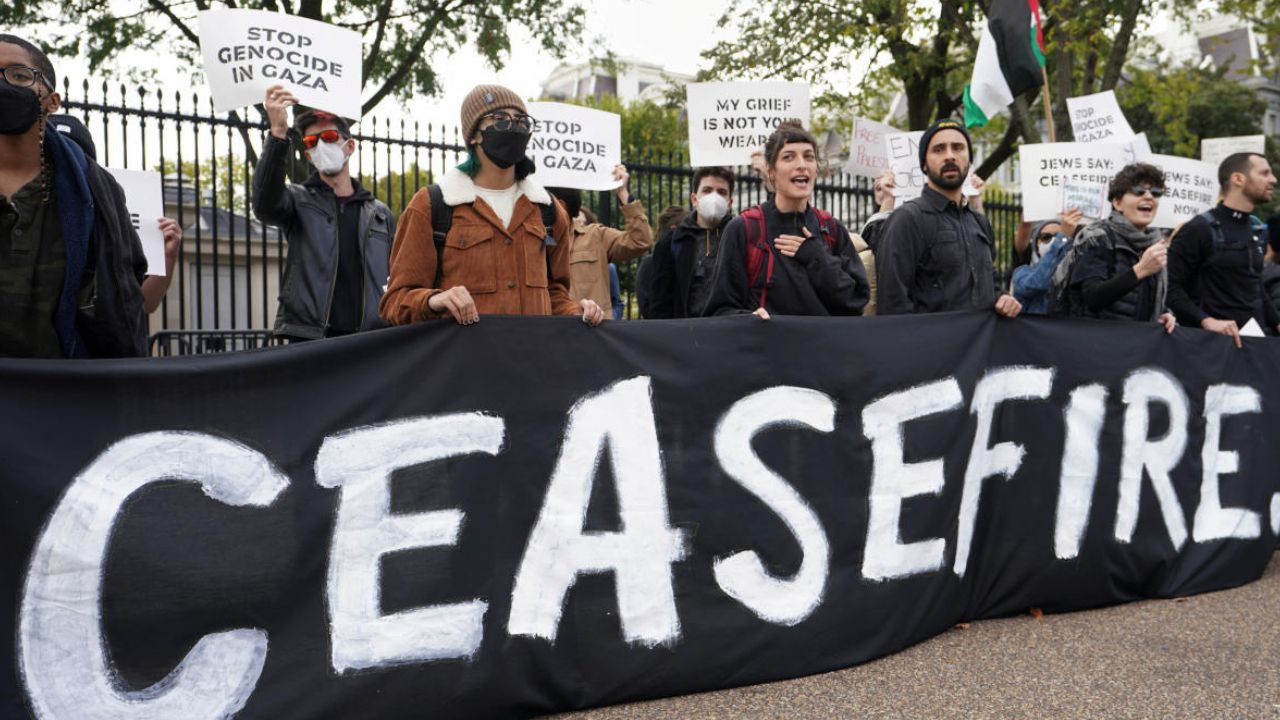
Can the US Veto in UN be bypassed to end Gaza genocide? Here’s how you can help
The United States vetoed a United Nations resolution on Friday, December 8, backed by almost all other Security Council members and dozens of other nations, demanding an immediate humanitarian ceasefire in Gaza. In this emergency meeting, U.N. Secretary-General Antonio Guterres invoked Article 99, a rare move to force a vote on the deteriorating humanitarian situation in Gaza, where two million people are displaced and more than 18,000 people have been killed.
Calls are growing for the UN Security Council to be reformed after the US used its veto power to block a Gaza ceasefire resolution, a move welcomed by Israeli PM Netanyahu ⤵️ pic.twitter.com/MvnplAht8z
— Al Jazeera English (@AJEnglish) December 10, 2023
The vote in the 15-member council was 13-1, with the United Kingdom abstaining.
The US is facing criticism from all over the world and domestic backlash, but there is a way to sign a petition to appeal to the respective ambassador to the UN asking them to invoke article 377 A to get around the US Veto and call for a permanent ceasefire.What is Article 377 A?
The United Nations General Assembly Resolution 377 A is known as the ‘Uniting for Peace Resolution’ states that in any case where the Security Council, because of a lack of unanimity among its five permanent members (P5) fails to act as required to maintain international security and peace, the General Assembly shall consider the matter immediately and may issue appropriate recommendations to the UN members for collective measures, including the use of armed forces when necessary, to maintain or restore international security and peace.
How is this done?
Using social media is effective but there are other concrete ways to invoke Article 377 A.EVERYONE: write to your country’s UN Ambassador and demand that they invoke UNGA resolution 377A to get around the US Veto and call for a permanent ceasefire. You can find a template letter here https://t.co/sfH8WMUjdo then post and tag your country’s ambassador online. pic.twitter.com/DX3auIZw70
— fatima bhutto (@fbhutto) December 11, 2023
This can be done by writing to the UN Ambassador to demand they invoke UNGA’s resolution 377A.
A copy of the email needs to be sent to the undesa@un.org and inquiries2@un.org
The petition has to be signed and available on the @call2actionnow page.Here’s the link to the petition for Pakistan: https://chng.it/qdb9VVqtwt
-
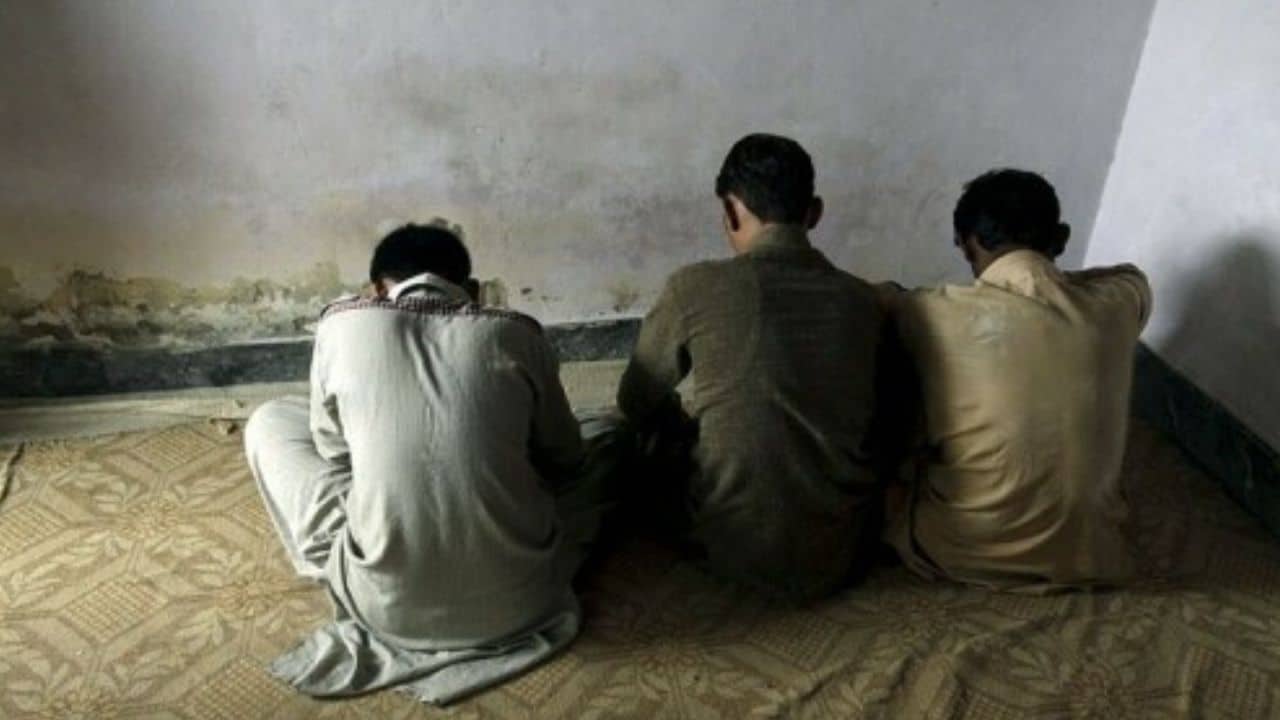
Lahore High Court sets free convicts of life imprisonment in Kasur child abuse scandal
Lahore High Court (LHC) on Wednesday acquitted three convicts serving life imprisonment in the Kasur child abuse scandal of 2015.
The scandal came to light eight years ago when a gang was arrested for involvement in making videos of the sexual abuse of at least 280 children. The criminals were accused of blackmailing the families of the kids, threatening them to leak the videos unless they paid ransom.
The acquittal of the convicts was announced by a bench of two judges, led by Justice Shehram Sarwar Chaudhry.
One of the counsels, Abid Hussain Khichi while speaking to Dawn, said that the court had released his clients after accepting their pleas.
According to the council, a total of six primary suspects had been implicated in the case, with three having been released earlier, while the remaining three were acquitted today.
Khichi further explained that his clients (convicts) serving in jail have not been identified in the video examination conducted by the authorities. He also contended that certain sections of the Anti-Terrorism Act applied to the accused were not truly applicable, and the medical reports did not substantiate the presented evidence.
The present order by the court substantiates the narrative of the lawyer.
The three men — Haseem Amir, Wasim Sindhi, and Aleem Asif — were handed punishments in one of the nine cases police had registered against them. ATC judge Chaudhry Muhammad Ilyas had also imposed a fine of Rs300,000 on each of the three convicts.
Ganda Singhwala police had registered a first information report against the three convicts on charges of abducting and sexually assaulting children in Kasur.
It was reported that the men had also been blackmailing the families of the boys since 2009 and even sold video clips of the assault. In 2018, an anti-terrorism court (ATC) in Lahore sentenced the three men to life in prison after finding them guilty.
Kasur is a district plagued by such incidents. According to a report by Pakistan Observer Kasur stood first in child sexual abuse and pornography with 298 cases out of 2275 across the country during the year 2021. -
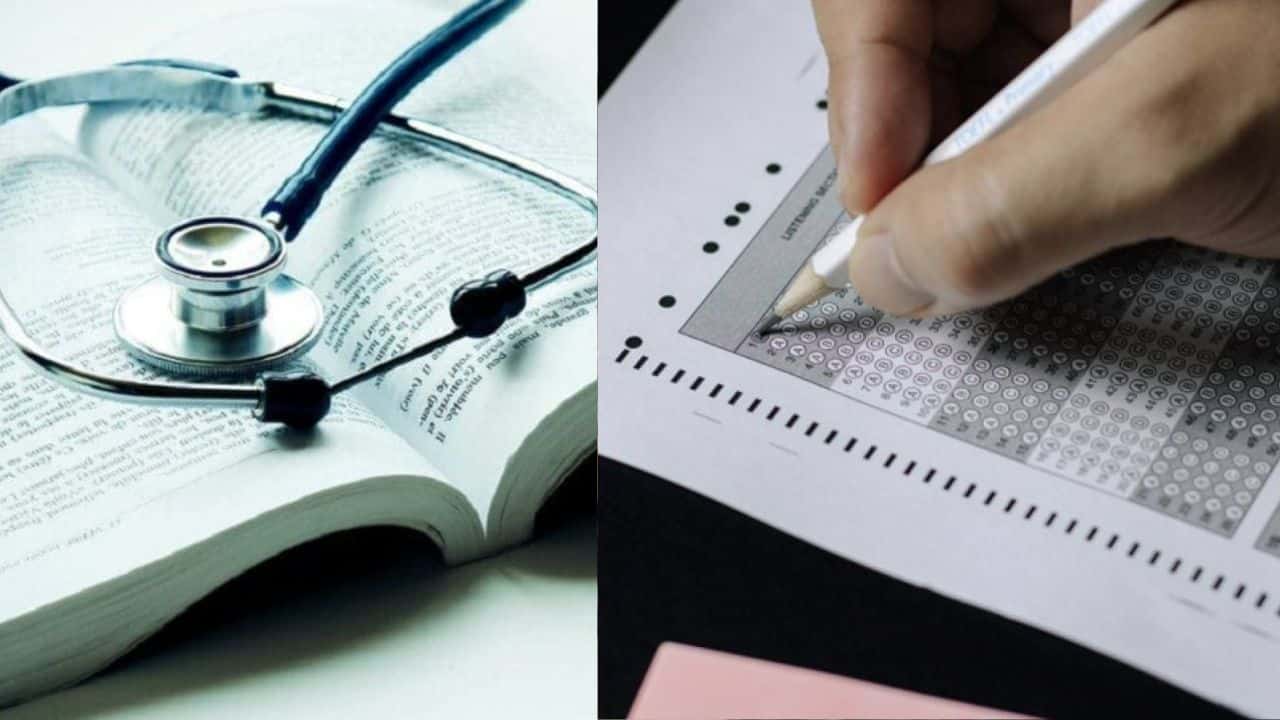
When will merit list of aspiring MBBS and BDS students be released?
The final list for admission to MBBS and BDS in Punjab has been released by the University of Health Sciences on its website.
A spokesperson for the UHS has stated that a merit list has been put up on the website, comprising 4485 candidates, reports Geo.
UHS released a provisional merit list on December 8, after which two days were given to candidates to register any complaint via the online portal. 1159 complaints were received in 48 hours and after reviewing all of them, a final list has been released.A total of 3389 students will be given admission to seats available all over the province. The first merit list will be released on December 15.
-
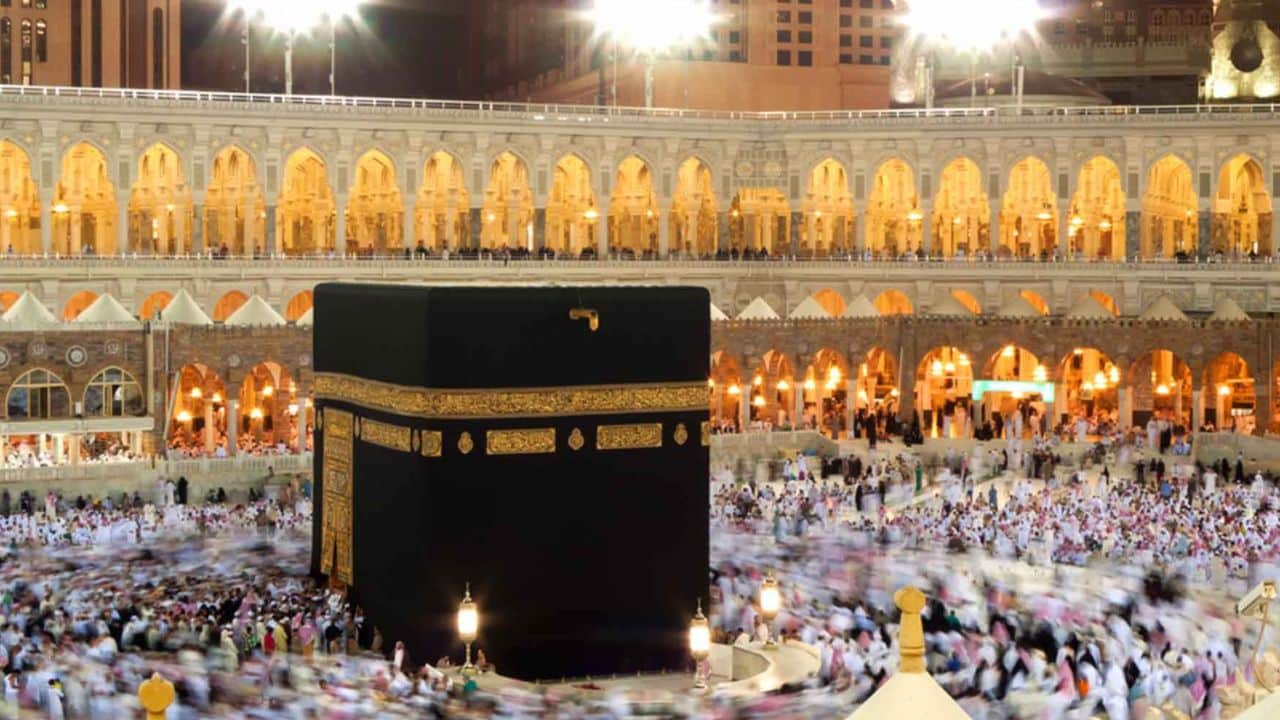
Can still go for Hajj 2024: deadline extended, restriction on performing Hajj for someone else removed
Ministry of Religious Affairs and Interfaith Harmony has announced that the application submission deadline for Hajj 2024 has been extended by 10 days as the previously announced December 12 deadline expired on Tuesday (today). Now the last day is December 22, reports Geo.
A five-year restriction on Hajj-e-Badal, the Hajj performed by a person on account of another, has been removed.
Pilgrims who have performed Hajj in the last five years are also eligible to apply for Hajj 2024.
The statement said that Hajj applications in the sponsorship scheme are being received on a “first come first served” basis.
In the wake of lessening foreign exchange reserves, the government has announced that those paying their dues in dollars from abroad will be declared as “winners” without the need for balloting.
Pakistan has secured 179,000 Hajj seats, with half reserved for private Hajj operators.
The announcement comes after the government decided to reduce Hajj expenses by Rs100,000 with the next year’s pilgrimage set to cost Rs1,075,000 to around 89,605 Pakistanis expected to perform Hajj under the government scheme.
Pilgrims can choose between both long and short-term packages spanning over 38 to 42 and 20 to 25 days, respectively.
It is important to note that the extension is made as the number of applicants for government hajj scheme 2024 has been unusually low which the ministry pronounced to be “disappointing”. -
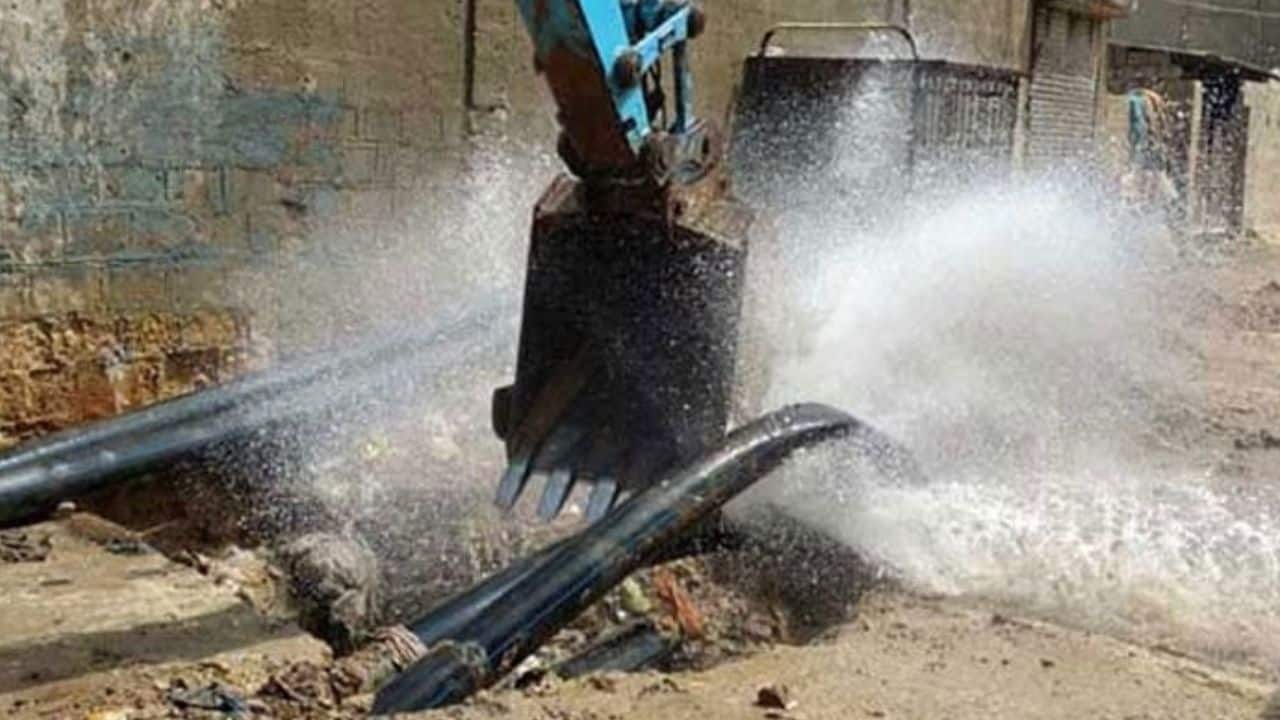
Water theft of billions of rupees detected in Karachi
Water theft worth billions of rupees has been detected under the Teen Hatti Bridge in Karachi. The theft was revealed in a raid conducted by Karachi Water Corporation, which found a 22-foot-deep tunnel under the bridge where water was being stolen.
Chief Operating Officer (COO) Asadullah Khan told Geo that the tunnel is stealing water from the Rexar Line that provides water to Lyari, adding that the 33-inch line was built to provide fifty lac gallon water daily to the area. Through this line, four connections of eight inches each were taken out to steal water.
-

Judges in England and Wales allowed to use ChatGPT to write judgments
Judges in England and Wales have been allowed to use artificial intelligence (AI) tool, Chat GPT, to write judgments.
The permission has been granted despite concerns that artificial intelligence could write references to cases that never happened.
The Judicial Office has issued guidelines for the use of AI Chat GPT for thousands of judges in England and Wales, saying that artificial intelligence can help summarise long texts.
Master of the Rolls Sir Geoffrey Voss has described artificial intelligence as a better, faster and cost-effective digital assistant for the justice system.
Only earlier this year, two American lawyers were fined for citing fake cases created by ChatGPT.
-
Yemenis turn captured Israeli-linked cargo ship into tourist attraction for locals
Yemen’s Houthi movement has lately attacked and captured a number of Israeli-linked ships crossing through the Red Sea and Bab al-Mandab Strait — a pathway for the world’s oil shipment.
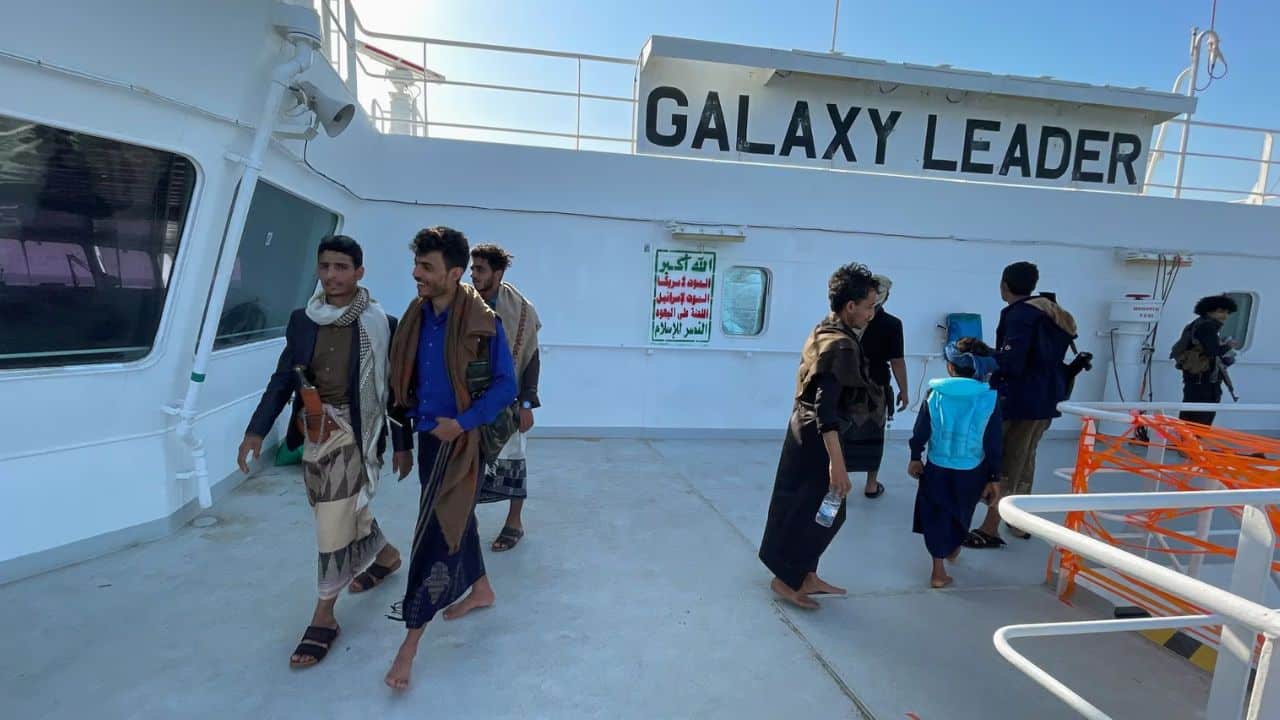
Among the captured ships was an Israeli-linked cargo ship known as Galaxy Leader.
Yemenis are now utilising the ship as a tourist spot for the locals.
:The Yemenis have turned the captured #Israeli ship into a tourist attraction
— imran ali (@imu07280300033) December 7, 2023
Visitors are seen dancing, smoking waterpipes, and chilling,make tiktok reels on the ships. #Yemen #Yemeni ❤️ #Gaza #Israel #Gaza_Genocide#أبوعبيدة pic.twitter.com/0gYI3cnBGQVisitors can be seen enjoying themselves as they dance, make videos and take pictures.
Houthis have been targeting Israeli-linked ships following the failure of the international community to ensure a ceasefire in Gaza where more than 18,000 people have been killed because of heavy Israeli attacks and blockade of humanitarian aid.
-
Zara issues clarification over controversial photoshoot, Faryal Makhdoom calls it ‘utter b/s’
Spanish fashion label Zara has removed all the pictures of their latest campaign which took the internet by storm for its glaring similarity with the ongoing siege of Gaza. “Zara regrets that misunderstanding and we reaffirm our deep respect towards everyone,” states the statement of the brand.
The statement says that the idea was purely artistic and it was conceived and executed way before October 7.
Netizens are commenting and criticising Zara without having any qualms as a fashion blogger and YouTuber Faryal Makhdoom commented, “whatever, utter b/s”.
Blogger Sana Khader posted, “How easy for you to come and gaslight us. We all know it was intentional. What do you have to tell us about the Map of Palestine in the background of your pictures? Was it also planned before? Don’t be ridiculous. You’re done.”
Model Romi Allata, commented, “Boycott Zara FOREVER , Now the whole world can know the true you we don’t need a toxic apology.”
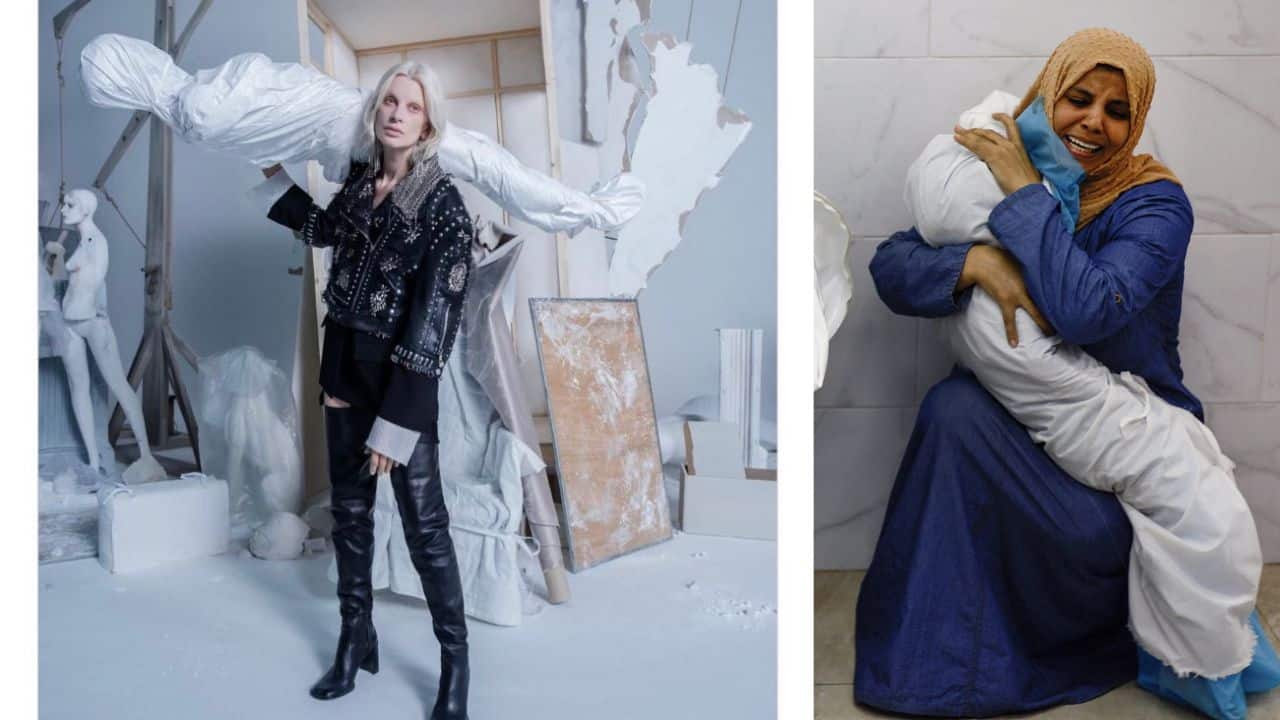
Previously, fashion label Zara ignited a new wave of controversy with its recently launched ad campaign, with model Kristen McMenamy standing in a room with mannequins covered in white shrouds surrounded by rubble.
The caption however suggests that Zara’s latest is a “limited edition collection” to celebrate the label’s “commitment to craftsmanship and passion for artistic expression”. However, internet users are alleging that the ad bears a striking resemblance to images of Gaza under Israeli airstrikes.
Zara has not offered any official statement addressing the claims. However, the most controversial picture from the ad campaign, featuring the model holding a ‘body’ wrapped in white sheets appears to have been removed from the label’s Instagram and Twitter.
“And the award for the most tone-deaf brand of the year goes to Zara. Using imagery of Israel’s genocide of Palestinians to sell their fast fashion brand of clothing,” criticised a Twitter user.And the award for most tone deaf brand of the year goes to @ZARAUsing imagery of Israel’s genocide of Palestinians to sell their fast fashion brand of clothing. pic.twitter.com/H1vkAorfuC
— AHMED | أحمد (@ASE) December 9, 2023
Pro-Palestinian accounts took to Twitter to start the campaign against the Spanish retailer for it to be banned altogether for using genocide in Gaza to promote their new collection. #boycottzara has been trending on Twitter ever since.Marketing over a #genocide.
— Enaam S. (@AnamSalem) December 9, 2023
New low. Our pain isn’t for sale.
Shame @ZARA. #boycottZara pic.twitter.com/PHWBrjyfKQ
Some were reminded of the heart-wrenching picture of a mother holding her dead child in funerary shrouds, almost similar to the one posted by Zara.Has any brand ever stooped this low? #BoycottZara pic.twitter.com/AOIEBIClK0
— Siddharth (@DearthOfSid) December 11, 2023Disgusting! Zara has no sense of humanity. Mocking the tragedies of victims for marketing, unbelievable. #boycottZara #Strike_for_Gaza pic.twitter.com/hJHJwXa1g7
— ✌️ (@Malcolm_Gazza) December 11, 2023
Others demanded the brand be boycotted for hitting a new low.Boycott Zara if you haven’t yet!
— The Palestinian (@InsiderWorld_1) December 9, 2023
They announced their new collection using the genocide in #Gaza pic.twitter.com/ISZzwO7PgR
In 2021, the company experienced a similar backlash after its head designer, Vanessa Perilman, made anti-Palestinian comments on social media.
“Maybe if your people were educated then they wouldn’t blow up the hospitals and schools that Israel helped to pay for in Gaza,” Perilman had told Palestinian model Qaher Harhash on Instagram.“Maybe if your people were educated then they wouldn’t blow up the hospitals and schools that Israel helped to pay for in Gaza”
— muslim daily (@muslimdaily_) December 9, 2023
– Vanessa Perilman, Zara head designer pic.twitter.com/3IfVa8Iz20Actor Ushna Shah laments the world we live in where they are openly killing and openly mocking.
The US vetoes a ceasefire, the UN gives toy-food resembling McDonald’s to Gaza, and Zara’s latest fashion campaign features bodies wrapped in shrouds amidst rubble. Do you see what the world has become? They are openly killing, openly mocking. Can you now perceive the true…
— Ushna Shah (@ushnashah) December 9, 2023
Zara’s branches in occupied territories reportedly suffered significant financial losses due to the previous boycott, estimated at tens of millions of shekels within a short period.
Since October 7, many have joined the boycott campaign against several multinational brands for their links to Israel and in some cases their support for them.
The brands include McDonalds, KFC, Starbucks, and H&M, among others. -
Women still need men’s permission to exist in Pakistan
Zainab*, 25, has been working as a domestic servant for as long as she can remember. Her father died when she was young and her mother remarried, leaving Zainab and her sister at the mercy of extended family. Every month, she would send her salary back home for safekeeping but when she would ask for it back, it would always be less than what she had handed over. Once she even bought a buffalo with her savings, thinking it would be a safe way to invest her income, but she ended up losing money when she sold the animal. When her current employer suggested she open a bank account to keep her earnings safe, Zainab was intrigued. After jumping through many bureaucratic hoops, she finally managed to open her account. Using her savings, she has built a small house for herself and her sister.
Unfortunately, Zainab’s story is a unique one in Pakistan. As per the latest Karandaaz Financial Inclusion Survey, only 13 per cent of women in Pakistan have an account with a traditional bank or a mobile money company. In comparison, 47 per cent of men are financially included.
To open an account with a traditional bank, you have to provide documentation that proves you have a source of income. If you are financially dependent on someone else, then you must provide their documentation instead. This requirement exists regardless of gender but in a country where 75 per cent of women are out of the workforce, we can infer that it puts women at a disadvantage and makes banking less accessible for them.
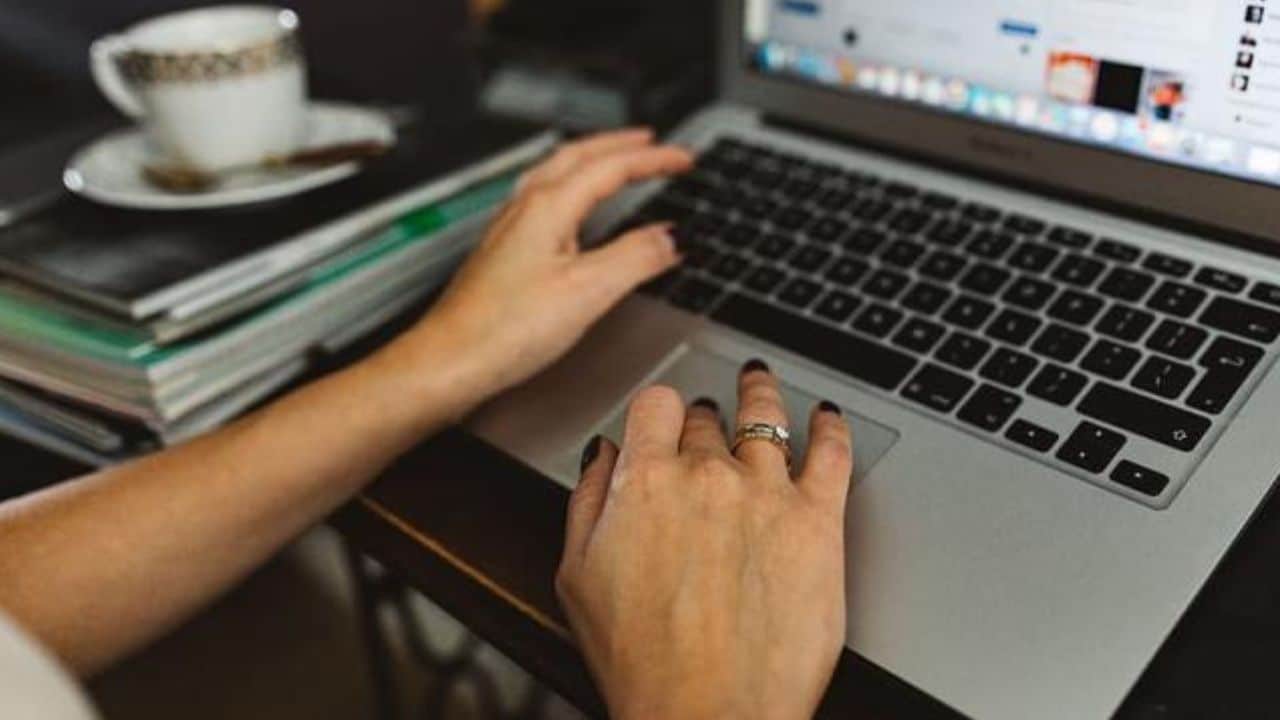
Contrastingly, mobile money banking is much more accessible. If you have a mobile phone and an ID card, you can easily open your account. But women’s mobile ownership is also low. In its survey, Karandaaz found that only 38 per cent of women own a mobile phone, compared to 83 per cent of men. In the same survey, they found that 43 per cent of women without access to a phone said that they do not have permission from their spouse or family to own or use one.
Sabahat Bokhari is the head of diversity and inclusion at Jazz, one of Pakistan’s largest mobile network providers. Jazz also owns JazzCash, which is a leading mobile money banking service in Pakistan and counts women as 29 per cent of its users.
Bokhari cites the matter of permissions as a major roadblock to meeting their internal inclusion targets. “‘We don’t allow women to have their own sims, we don’t allow women to have phones’ is what we hear on our visits to rural areas,” she said.
This suggests that the reason for the gender gap in financial and digital inclusion is not just accessibility, but also the deeply unequal power dynamics inside Pakistani homes.
“One thing that we miss from these conversations — be it digital inclusion, be it financial inclusion, or just generally any kind of gendered inclusion in public spaces — is the fact that Pakistan is a supremely patriarchal country, where most of the women in the country depend on men in the household to ‘allow’ them to have access,” Hija Kamran, a digital rights advocate, said.
Kamran argues that most women in Pakistan are actually eager to be a part of the digital and financial ecosystems. However, they are not allowed to do so by the men in their households. So when someone from, for example Jazz, visits and offers them a SIM card, they have to refuse for the sake of their own safety.
This issue of male permissions is pervasive. Non-profits that are working to close the gender gap in financial and digital inclusion confirm that they also face these challenges.
Circle is a non-profit organisation that has trained more than 7000 low-income Pakistani women in digital and financial literacy this year. During these trainings, women learn how to monetise their existing skills, how to start businesses through social media and how to use digital banking.
Currently, 1500 of their trainees’ businesses are active but many other trainees lack the motivation to start or continue businesses. Laiba Saleem, a community building coordinator at Circle, says this is often a result of family restrictions, including men of the house “not allowing” women to work or be online.
“One woman who was enrolled in our training didn’t come the next day because her father beat her and interrogated her about why she was trying to learn how to use a phone,” Saleem said. “Another one had set up her business as a henna artist on Instagram but as soon as her brother found out, he forced her to take down her account.”
The World Economic Forum’s Global Gender Gap Report 2023 ranked Pakistan as 142nd out of 146 countries in terms of gender parity, with economic participation getting a particularly low score. Despite governments, corporations and non-profits making efforts to include women financially and digitally, gendered power dynamics in Pakistan appear stubborn and slow to change.
Fiza Farhan is a global development advisor and serves on the United Nations’ high level panel on women’s economic empowerment. In 2018, she worked with the Australian High Commission in Pakistan to launch “Male Champions of Change,” a coalition of male CEOs working on gender parity in their companies.
“Since decades, its always been women working on women empowerment issues in rooms full of women — whereas 98 per cent of your leadership is men,” she said. “Without involving the male leaders, who have made the system, how are you even trying to change the system?”
Farhan argues that by bringing influential men on board, including community leaders and mosque imams, significant progress can be made. These influential people will be able to make the business case for women’s inclusion to ordinary men.
Hija Kamran agrees that involving community leaders has been an effective strategy for reshaping societal beliefs.
“That has been sort of efficient, in the sense that men have listened to it,” she said. “Because somebody who they trust is talking to them rather than someone who is outside the community and is coming in and telling them how to deal with their own issues.”
However, she is vocal about the limitations of such interventions. Men may understand the economic benefits to the household of “allowing” women to work, but that doesn’t mean they will permit women to have other freedoms, like opening a bank account or buying a phone.
“Who is being helped at the end of the day? When women go into the labour force, they are doing the labour, they are putting in the work but who’s getting the fruit,” Kamran asked. “What will happen is that at the end of the month, when the salary comes in, somebody else will be enjoying the independence that comes with women’s labour.”
Zainab’s story is a practical example of these concerns. She worked hard for her salary but it wasn’t only hers at the end of the month — until she opened a bank account. When she used her savings to build a small house for herself, she was mocked for wasting money. Her relatives questioned why she wasn’t saving it for her dowry instead. What was the point of building your own house when you will inevitably get married off and have to move in to your husband’s house, they asked.
But perhaps the house she built, and the fragile protection it provides to her from patriarchy, is the only reason Zainab has some semblance of independence, unlike most women in Pakistan.
*Name has been changed to protect identity.