Category: National

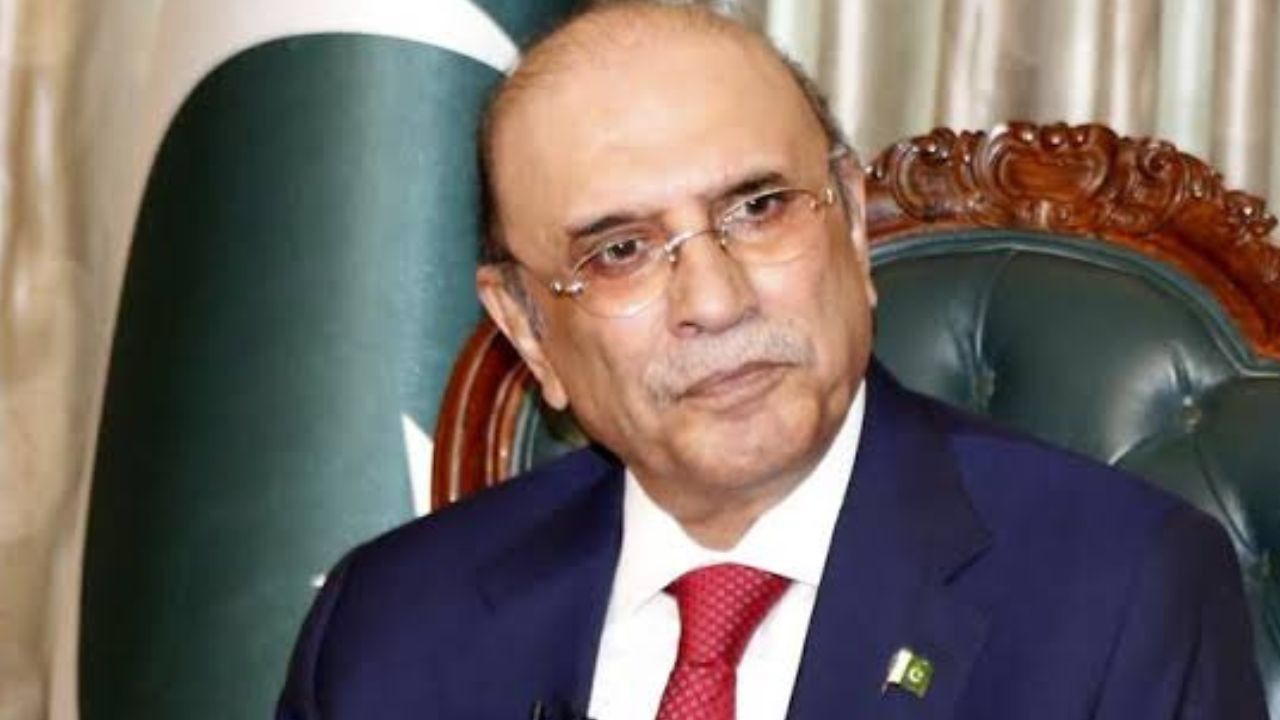
  • President Asif Ali Zardari’s health has improved, assure PPP leaders

    President Asif Ali Zardari’s health has improved, assure PPP leaders

    Pakistan Peoples Party (PPP) leaders have assured the public that President Asif Ali Zardari’s health has improved and that he is now in a more stable condition.

    Party leaders claimed that the President’s health remains under observation and that further updates will be provided in the coming days.

    On Monday night, President Zardari was admitted to a private hospital in Karachi after his health worsened.

    He was initially transferred from Nawabshah to the hospital due to fever and an infection, media reports claimed.

    Reports indicate that President Zardari has undergone multiple medical tests, with doctors closely monitoring his condition.

    Meanwhile, Prime Minister (PM) Shehbaz Sharif contacted President Zardari to inquire about his health, according to a statement from the Prime Minister’s Office.

    During the conversation, PM Shehbaz expressed his well wishes for President Zardari’s swift recovery. He prayed for his health, saying, “May Allah grant you a full and speedy recovery. The entire nation’s prayers are with you.”

    Last year, the President suffered a foot fracture upon disembarking from a plane at Dubai Airport. The President was on a private visit to the United Arab Emirates (UAE).

    According to the Presidency’s spokesperson, the President was immediately taken to the hospital for initial medical assistance. Following the examination, doctors applied a plaster to his foot, the spokesperson said.

    After his foot fracture, President Zardari’s official visit to China was also postponed.

  • ‘Imran Khan confident in Salman Akram Raja’s loyalty’

    ‘Imran Khan confident in Salman Akram Raja’s loyalty’

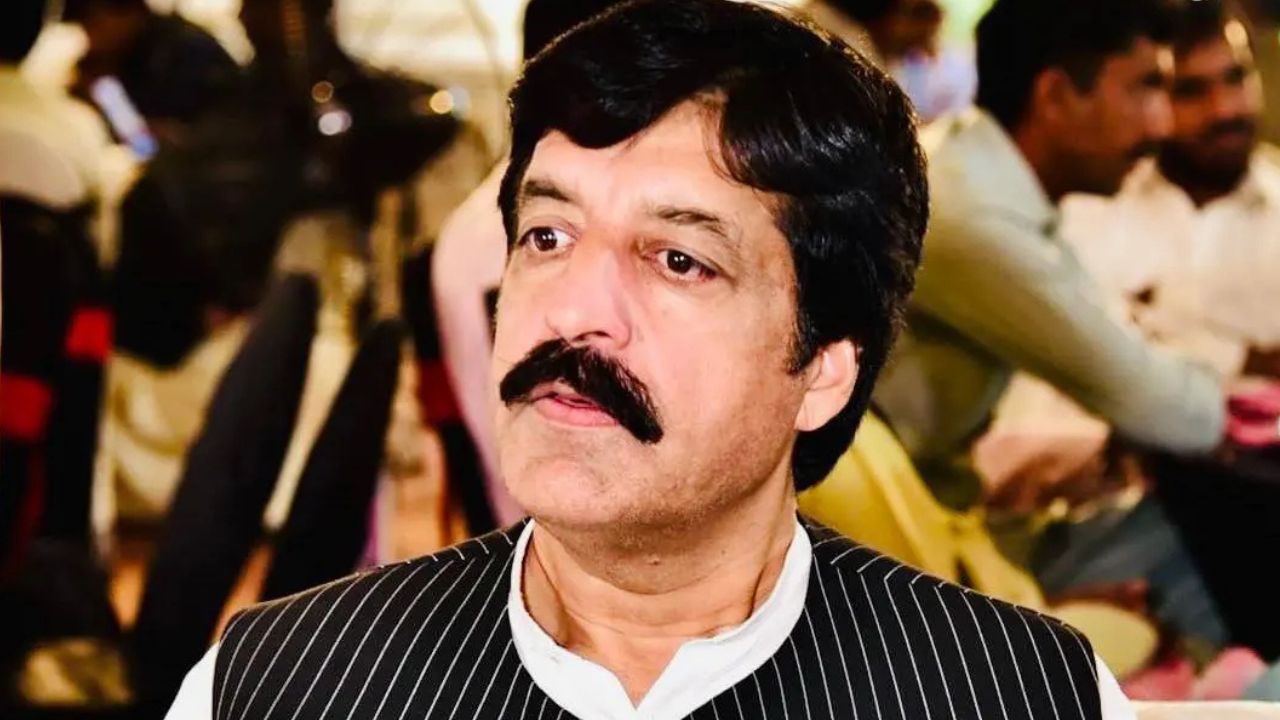
    Pakistan Tehreek-e-Insaf (PTI) leader Azam Swati has said that incarcerated party founder Imran Khan has “expressed confidence” in the party’s secretary general, Salman Akram Raja.

    Speaking to reporters after seeing the jailed former premier on Tuesday, Swati quoted Khan as hoping that Raja would remain loyal to the party and not act against the PTI leadership.

    He also quoted Khan as saying that the Khyber Pakhtunkhwa (KP) Assembly speaker should resign if the party’s committee decided so.

    Furthermore, Swati said that the PTI founder also ordered the immediate reversal of appointments made by PTI KP President Junaid Akbar. However, he added, Khan was informed that Akbar was performing well as the party’s top leader in the province.

    Additionally, Swati said that Khan was updated on PTI-related matters in Punjab. He mentioned that Punjab Chief Organiser Aliya Hamza was facing obstacles and alleged that Sardar Khan and Ikram Ullah were facing corruption charges.

    He further said that he briefed Khan about corruption in Mansehra and urged him to address issues related to the party’s committee.

  • Afghan refugees’ repatriation to begin today as voluntary return deadline ends

    Afghan refugees’ repatriation to begin today as voluntary return deadline ends

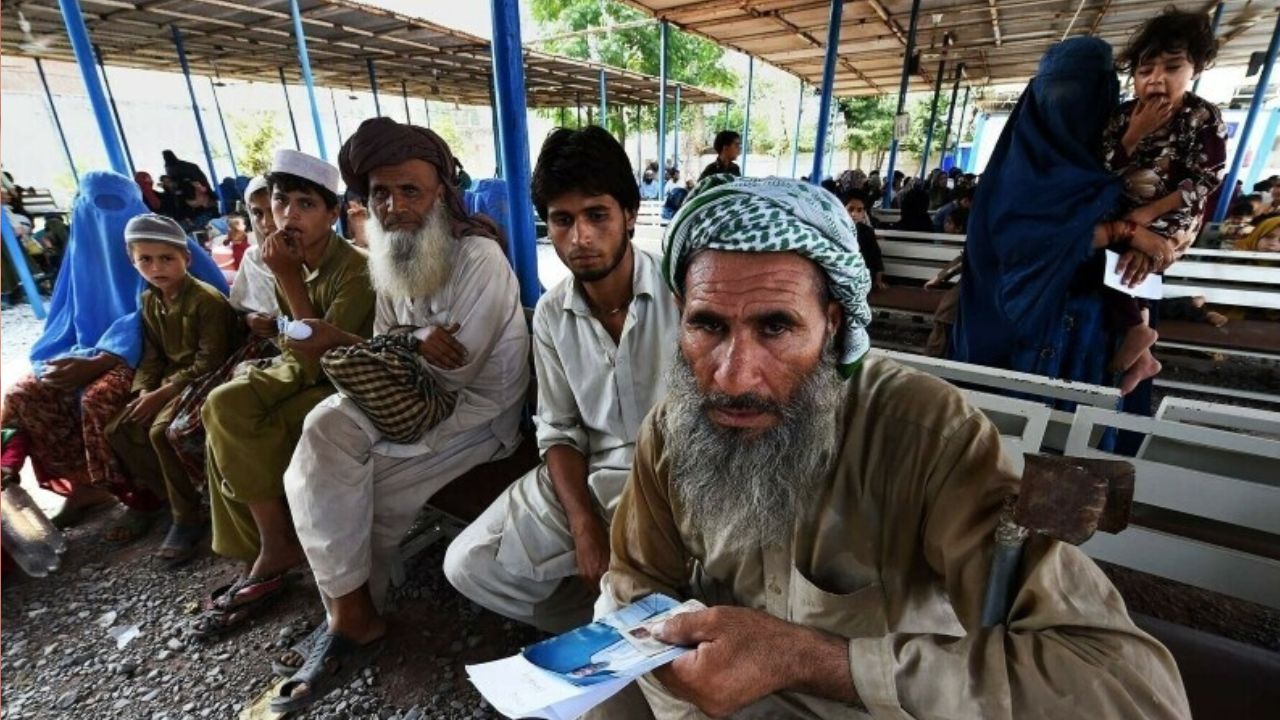
    The process of repatriation for Afghan refugees residing illegally in Pakistan is set to begin today (Tuesday) as the March 31 deadline for voluntary return has expired.


    Pakistan launched the deportation drive in 2023 following a spike in suicide attacks that the government believes were carried out by Afghan nationals. Islamabad also blamed them for smuggling, militant violence, and other crimes.

    Sources affiliated with the Khyber Pakhtunkhwa Home Department said that the deportation of Afghan refugees will commence today (April 1).

    Despite requests from the Taliban government, the federal government decided last week not to extend the deadline for the deportation of Afghan refugees.

    The government also requested the provincial authorities’ records of Afghan students in KP by March 27 to update the Foreign National Security Cell’s dashboard, which tracks foreign nationals.

    Meanwhile, officials in the Khyber district say that temporary camps have been set up in Landi Kotal and Peshawar to facilitate the refugees’ repatriation.

    According to a report by Radio Pakistan, a total of 878,972 Afghans residing illegally in Pakistan have returned to their home country so far.

    Human rights organisation Amnesty International has called on Pakistan to revoke its “opaque” Illegal Foreigners Repatriation Plan, which involves the deportation of Afghan citizens and other undocumented immigrants.

    In a statement, Amnesty warned that Islamabad’s March 31 deadline for Afghan refugees would further worsen their hardships.

    It merits mention that Pakistan is home to 2.1 million documented Afghan refugees, in addition to hundreds of thousands of undocumented Afghan nationals who have been living in the country for decades.

    “Out of the total 2.1 million, 1.3 million Afghan refugees are those who have obtained Proof of Registration Cards. Over 52% of them are in KP,” said United Nations High Commission for Refugees (UNHCR) spokesperson Qasier Afridi.

    He added that around 800,000 Afghans have obtained Afghan Citizen Cards (ACC), with the majority residing in KP.

    The country has hosted millions of Afghans for nearly five decades. Hundreds of thousands have returned to their homeland in recent years, yet over 2.1 million still reside in KP and other provinces.

    Pakistani authorities set March 31 as the deadline for all illegal Afghan nationals, including those holding ACC cards, to return to their country.

    There are tens of thousands of Afghans who were born in Pakistan and have hardly ever visited their homeland.

    Many are deeply concerned as the deadline approaches, particularly during the holy month.

    Peshawar hosts the highest number of Afghan nationals of any city. Thousands run their own businesses, while others have been employed in the city for decades. They reside in various urban, suburban, and rural areas alongside the local population.

    In 2023, the government had set an October 31 deadline solely for unregistered foreigners, after which a large number of undocumented Afghans returned to their homeland via Torkham and other border crossings.

  • After Karachi, earthquake rocks Balochistan

    After Karachi, earthquake rocks Balochistan

    Hours after tremors were felt in Karachi, an earthquake jolted Balochistan’s Barkhan district early Tuesday morning.

    According to the US Geological Survey, the earthquake measuring 3.9 on the Richter scale occurred at a depth of 12 kilometres. The epicentre was located 59 kilometres northwest of Barkhan. 

    However, no immediate reports of damage were received.

    On first day of Eid, tremors were also felt in various areas of Karachi around 4 pm. The Meteorological Department noted that the earthquake in the port city had a magnitude of 4.7, with the epicentre situated 75 kilometres north of the provincial capital.

    No damage or injuries were reported.

    It merits a mention that the tremors come within days of the deadly Myanmar earthquake that has so far claimed 2,000 lives.  Rescuers are desperately searching for survivors more than three days after the powerful 7.7 quake, toppling buildings as far away as the Thai capital Bangkok and sending tremors through nearby Chinese provinces.

    The first 72-hours after a quake are widely regarded as the “golden” window to reach victims buried alive under rubble – after that period the chances of survival without a water source diminishes rapidly.

    The epicenter was recorded in Myanmar’s central Sagaing region, near the former royal capital Mandalay, home to around 1.5 million people, as well as multiple historic temple complexes and palaces.

    Meanwhile, foreign aid and international rescue teams have started arriving in Myanmar after the military junta issued a rare plea for help.

  • ‘Salman Raja, Shibli Faraz gave Imran Khan list of 23 lawmakers to expel them,’ claims Fawad Ch

    ‘Salman Raja, Shibli Faraz gave Imran Khan list of 23 lawmakers to expel them,’ claims Fawad Ch

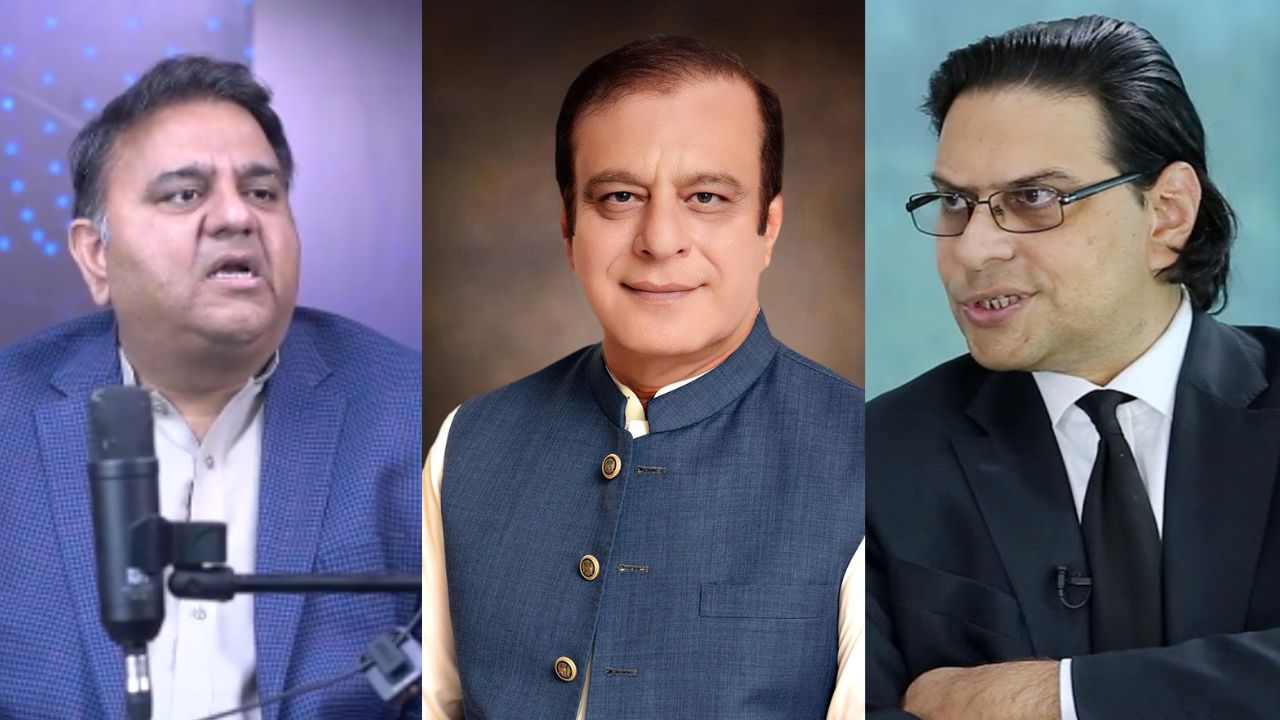
    Former Federal Minister for Information and Broadcasting, Fawad Chaudhry, claimed on Friday that party head Imran Khan has been given a list of 23 Members of National Assembly (MNAs) and Senators, with the intention of getting them expelled from the party.

    Appearing on a digital media outlet, Chaudhry claimed that during a recent meeting at Adiala Jail in Rawalpindi, party secretary General Salman Akram Raja and Leader of Opposition in the Senate Shibli Faraz gave Imran Khan a “23-name list of MNAs and Senators to expel them from the party.”

    Commenting on the speculation of a potential forward bloc within PTI next month, Chaudhry said, “Speculations about a forward bloc began when inept individuals Salman Akram Raja and Shibli Faraz handed Imran Khan a list of 23 sitting MNAs and Senators.”

    Chaudhry’s remarks came days after expelled Sher Afzal Marwat, in an interview with a private news outlet, claimed that a PTI forward bloc could emerge in the National Assembly and the Khyber Pakhtunkhwa (KP) assembly next month.

    Marwat claimed that his ex-party wouldn’t be able to launch its proposed protest drive after Eid ul Fitr, advising PTI to accept PPP Chairman Bilawal Bhutto Zardari’s mediation offer for “face-saving”.

    However, dismissing the reports of a forward bloc emerging within the former ruling party, PTI Chairman Barrister Gohar Khan, while in an interaction with a private media outlet on Thursday, called it “baseless speculations.”

    The PTI chairman said, “No forward bloc is being formed within the PTI at the provincial or national assembly level,” adding that a difference of opinion does not mean that there is a forward bloc.

    Fawad Chaudhry opined that it is a norm to insult the party members who stand with the party, adding, “unfortunately, this is a norm from top to bottom (in the party).”

    Chaudhry questioned how an individual would stand by the party when sitting MNAs and Senators are being insulted.

    He slammed PTI leadership for attempting to expel current party members. “If you get a chance to visit Adiala Jail and witness a meeting [between PTI leadership and Imran Khan], you will be taken aback that there is only one agenda: to prevent anyone from joining PTI and to find ways to remove those who are already in the party,” he alleged.

  • PTI claims Imran Khan nominated for Nobel Peace Prize; but here’s the twist…

    PTI claims Imran Khan nominated for Nobel Peace Prize; but here’s the twist…

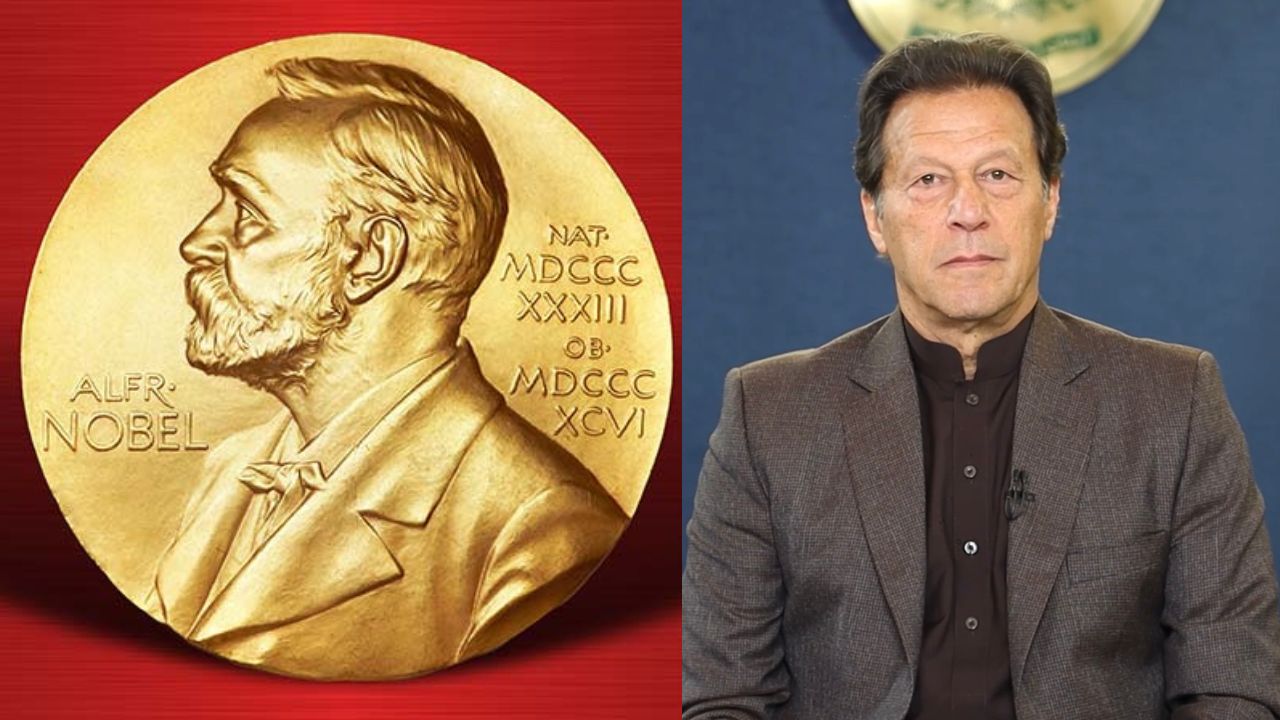
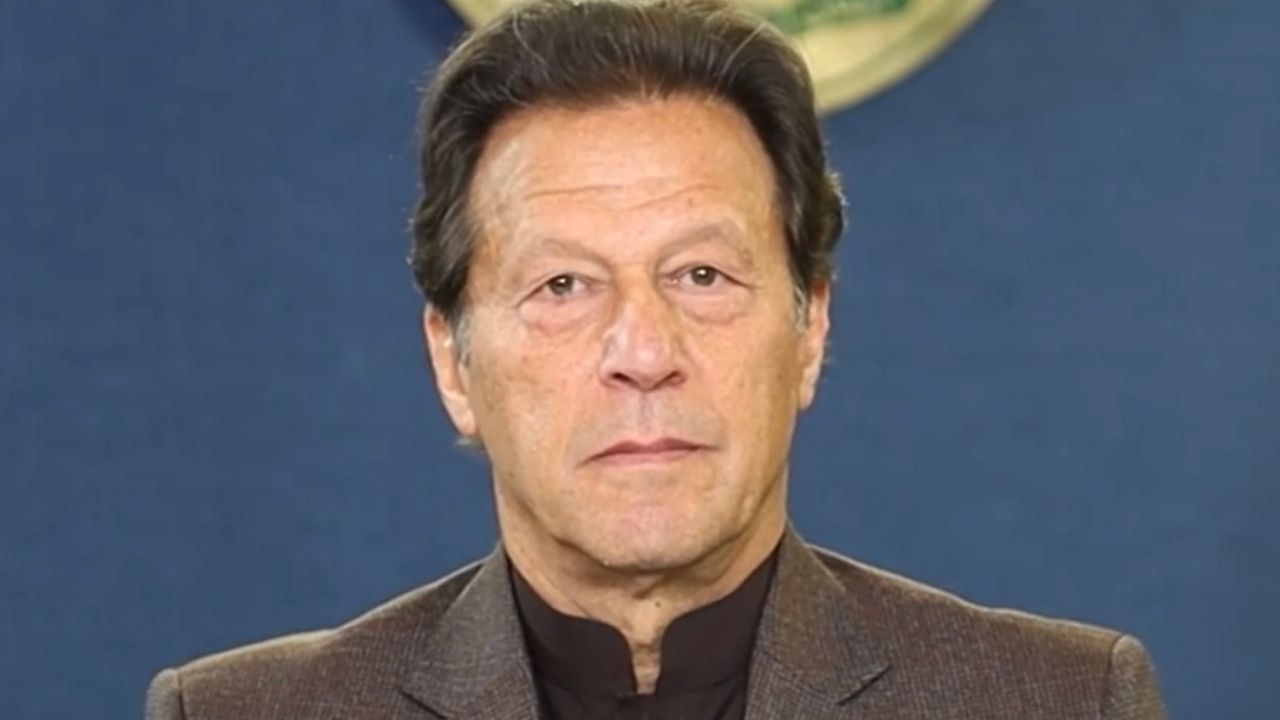
    The official X (formerly Twitter) account of Pakistan Tehreek-e-Insaf (PTI) created waves on the internet on Friday night when it shared a video of members of the Pakistan World Alliance (PWA) – a group affiliated with the Norwegian political party Partiet Sentrum – announcing the nomination of incarcerated former Premier Imran Khan for the Nobel Peace Prize for his efforts for human rights and democracy in Pakistan.

    The caption of the post read, “Former Prime Minister of Pakistan, Imran Khan, has been nominated for the Nobel Peace Prize, as announced by members of the Pakistan World Alliance (PWA) affiliated with the Norwegian political party ‘Partiet Sentrum.’ @MediaCentrePWA.

    This nomination stands as a testament to Imran Khan’s unwavering struggle for peace and his 28 years of relentless efforts for democracy, the rule of law, and human rights. A well-deserved recognition for a great leader—Imran Khan.”


    A member of the PWA can be heard announcing, “We are pleased to announce on the behalf of the Partiet Sentrum that in alliance with somebody who have the right to nominate a candidate to the Nobel Peace have nominated Mr Imran Khan, the former Prime Minister of Pakistan to the Nobel Peace Prize for his work with human rights and democracy in Pakistan. I wish him all the luck. Thank You (sic).” 

    But the announcement alone is not enough to convince skeptics that Imran Khan may be in contention to win a Nobel. 

    The Nobel Prize website says, “As per the statutes of the Nobel Foundation, information about the nominations is not to be disclosed, publicly or privately, for a period of 50 years. The restriction not only concerns the nominees and nominators, but also investigations and opinions in the awarding of a prize.”

    The website further says that any person or organization can be nominated by anyone eligible to nominate. There is no vetting of nominations prior to the nomination deadline, hence the Norwegian Nobel Committee has no influence on the quality of the submissions. The task of the Committee is strictly limited to selecting the best candidate (or candidates) among the entire list of submissions.

    To simply be nominated is therefore not an official endorsement or honour extended by the Nobel Committee, and may not be used to imply affiliation with the Nobel Peace Prize or its related institutions.

    The Nobel Prize winners for this year will be announced between October 7 and 14. The prestigious awards recognize achievements in Physics, Chemistry, Physiology or medical economics, literature, and efforts toward peace.

    To win a Nobel Prize, a nomination is required. The Norwegian Nobel Institute registered a total of 338 candidates for the 2025 peace prize, of which 244 are individuals and 94 are organizations. For comparison, the Nobel Institute received valid nominations for 286 candidates last year, distributed among 197 individuals and 89 organisations. The highest number ever, received in 2016, was 376 candidates.

    The Nobel Committee does not announce the names of nominees to the media or to the candidates themselves. In certain cases, names of candidates appear in the media. 

    These advanced surmises are either the product of sheer speculation or information released by the person or persons behind the nomination.

    All living persons and active organizations or institutions are eligible candidates for the Nobel Peace Prize. What is considered a valid nomination is defined by the Nobel Foundation’s statutes. In order for a nomination to be valid, it must be submitted no later than January 31.

    As a rule, the Committee reaches a decision only at its very last meeting before the announcement of the year’s laureate(s) at the beginning of October.

    Contrary to common belief, there is no public list of the current year’s nominees.


    How do the committees decide who to award the prizes to?

    Every committee is slightly different, but ultimately, they all work to fulfill the will of Alfred Nobel, which stated that the Nobel Prize should be awarded according to those who have “conferred the greatest benefit to humankind.”

    The awards were first handed out in 1901 and have seen winners, or laureates, ranging from Mother Teresa to Martin Luther King Jr. It’s not just individuals—organizations can win the awards too. And on many occasions, multiple people or organisations — or an individual and an organisation — have shared a Nobel Prize.
  • Islamic Ideology Council rules against first wife’s right to annul marriage if husband remarries

    Islamic Ideology Council rules against first wife’s right to annul marriage if husband remarries

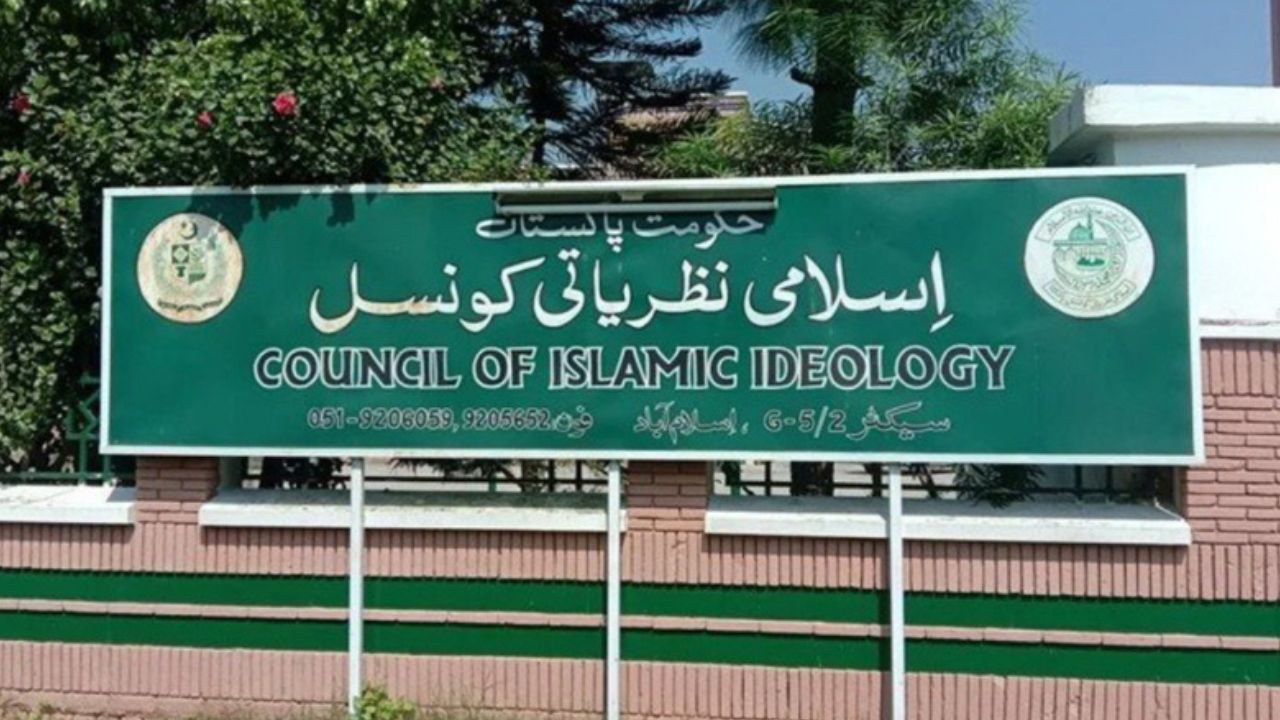
    The Council of Islamic Ideology (CII) has ruled that the Supreme Court 2024 decision, which grants the first wife the right to annul her marriage if her husband remarries without her permission, is not valid as per the norms of Shariah.

    The CII ruling said, “It is un-Islamic to grant the first wife the right to annul the marriage as a result of solemnising a second marriage [by her husband] without her permission.”

    The Council reached the decision at its 241st meeting, presided over by CII Chairman Dr Raghib Hussain Naeemi, on March 25-26.

    Last year, the country’s apex court ruled that the first wife has the right to terminate the marriage contract if her husband remarries without her permission.

    On October 23, 2024, a three-member bench, led by Justice Mansoor Ali Shah, after hearing the petition filed by Faryal Maqsood and others against Khurram Shehzad Durani and others, had issued an 18-page ruling regarding the polygamy case.

    Following the ruling, the CII had declared the Supreme Court’s decision to be contrary to Sharia, stating that the matter would be brought up in the council’s next meeting for discussion.

    As per the Dawn News, the Working Paper presented before the CII during the recent meeting read that the case in the Supreme Court involved a husband who had entered into a second marriage without obtaining permission from his previous wife, which was a violation of the 1961 Muslim Family Law. The first wife sought dissolution of the marriage (faskh-i-nikah) based on this violation.

    The Working Paper noted that the apex court had upheld the wife’s plea based on her husband’s violation of the 1961 Ordinance regarding polygamy. The SC stated that the violation itself was grounds for dissolving the marriage.

    However, the CII maintained that in ordinary circumstances, there are only two options for the dissolution of marriage for Muslims: one is khula, and the other is talaq (divorce).

    Meanwhile, the apex court in his last year verdict noted that the 1961 Law protects the spouse’s right to seek dissolution of marriage in case of such violations while ensuring that her other rights are also safeguarded.

    Recalling some earlier decisions of the council, the CII members claimed that as per the principles of Sharia, males do not need the permission of the existing wife or wives for subsequent marriages. It also noted that the 1961 Law was contrary to Sharia and the males can enter into four marriages at one time, without being answerable to previous wives or any person.

    The Council’s members, while ruling that the concerned parties cannot be forced to conduct medical tests for thalassemia or other infectious diseases before marriage while solemnising Nikah, the CII meeting otherwise supported medical tests.

    The ruling came in response to the query by various government departments to make such tests mandatory in Nikahnama as it was in some Muslim countries.

  • FACT CHECK: Trump offers to relocate Pakistani Christians to US?

    FACT CHECK: Trump offers to relocate Pakistani Christians to US?

    A short video that has gone viral on social media, gaining over a million views, falsely claims that US President Donald Trump criticised Pakistan for its treatment of Christians and threatened to relocate Christian families to the US. Fact-checkers reveal the video was created using Artificial Intelligence (AI).

    The Claim

    On 22 March, an Instagram user posted a 24-second clip allegedly showing Trump saying: “I know that Christians in Pakistan are living very difficult lives. False blasphemy accusations are made against them. Christian girls are forcibly converted to Islam and are called derogatory names like easy and chura. If the Pakistani government does not put an end to these injustices, I will bring all Pakistani Christians to America.”

    The video also falsely claims that Trump’s speech was broadcast on BBC News. The Instagram post has received over 1.2 million views and more than 33,000 shares. Similar posts have circulated on Facebook, TikTok, and YouTube, with many users believing the statement to be genuine.


    The Truth

    The video is a deepfake—an AI-generated fake. There is no official statement, press release, or credible news source confirming that Trump made any such remarks about Pakistan.

    A reverse image search on Yandex revealed that the footage has been online since 10 October 2024. The original video featured Trump addressing those affected by Hurricane Milton in Florida. It has since been manipulated to falsely depict him speaking about Pakistan.

    The viral clip is a deepfake. There is no evidence that Trump made any comments regarding Pakistani Christians. The video is AI-generated and falsely attributes statements to the former US President.

  • Pakistan has run out of water, experts say

    Pakistan has run out of water, experts say

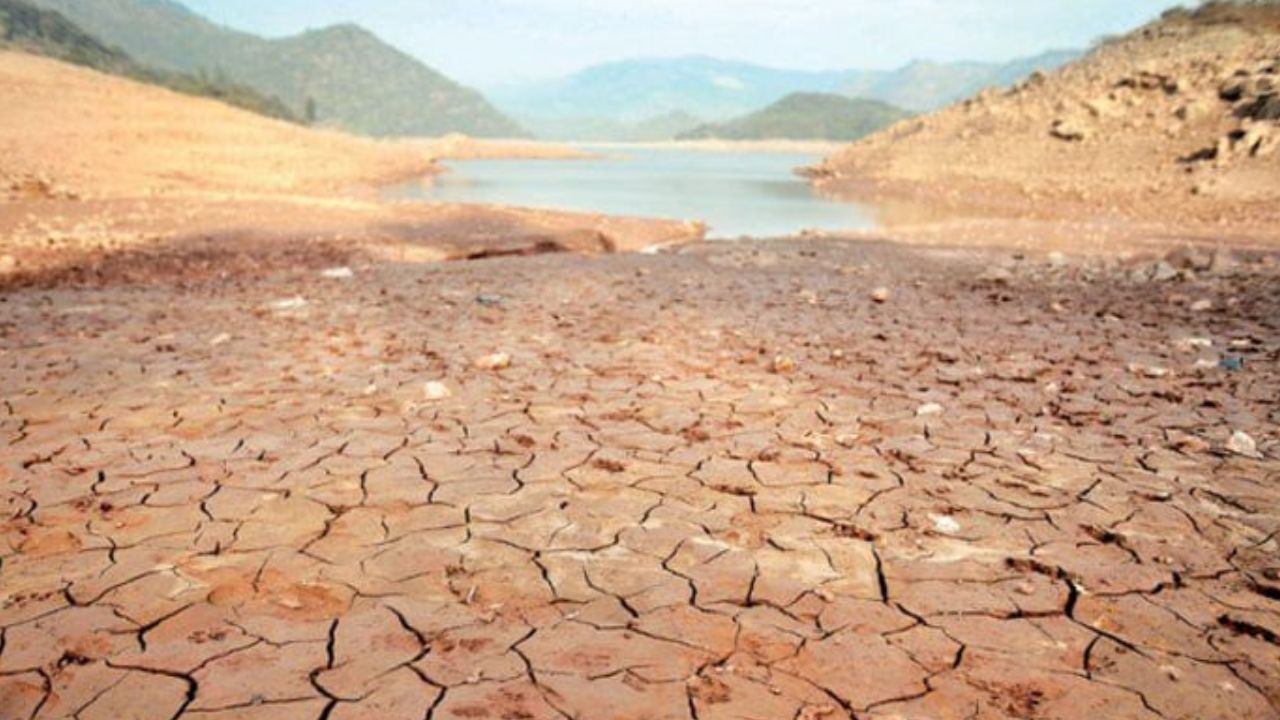
    With the Kharif season set to begin in a few days, water experts are struggling to plan irrigation supplies as Pakistan is grappling with an alarming water shortage.

    According to reports, an official stated, “There is no water in the dams, river flows have decreased, and the snow reserves in the mountains are not providing the expected runoff.”

    This situation is expected to have a severe impact on crop production.

    The Advisory Committee of the Indus River System Authority (IRSA) has decided that water will only be supplied for drinking purposes during April. A further assessment will be conducted before deciding on future allocations.

    This is an unusual move, as IRSA has historically managed water distribution for entire seasons in two or three phases rather than making monthly decisions.

    Officials revealed that amid the lack of stored water in all three major reservoirs, discharge from rim stations fell short by 51 percent, and shortages exceeded 60 percent by the time water reached provincial canal heads.

    In its advisory meeting, IRSA approved water availability for April based on uncertain climate patterns and weather forecasts provided by the Pakistan Meteorological Department (PMD). The forecast indicates a 43 percent system shortfall.

    The meeting, chaired by IRSA Chairman and Khyber Pakhtunkhwa representative Sahibzada Muhammad Shabbir, also reviewed water availability projections for the entire Kharif season, spanning April 1 to September 30. High-ranking officials, including all IRSA members, chief engineering advisors, and provincial irrigation secretaries, attended the meeting.

    A review of the Rabi season (October–March) indicates that the overall system faced an 18 percent shortfall by 20 March, compared to the anticipated 16 percent deficit.

    The PMD has predicted below-average rainfall and higher-than-normal temperatures in both the northern and southern regions of the country from April to June.

    Additionally, the snowfall in Sindh and Jhelum’s water basins has been significantly below normal. This year, only 26.8 inches of snowfall was recorded in these regions, compared to the usual 49.7 inches.

    Both Sindh and Punjab have agreed to allocate water only for April, allowing them to manage their immediate irrigation needs. The situation will be reassessed after one month.

    However, Sindh has raised objections to the controversial Three-Tier Water Distribution Formula and demanded that water allocation follow the Water Accord’s Paragraph 2. Under this condition, the estimated water shortage in April could exceed 55 percent.

    The Kharif season runs from April to September, with major crops including rice, sugarcane, cotton, maize, and mash. With the current water crisis, the production of these crops could be at serious risk.

  • PML-N assures to replace Governor Punjab’s old car

    PML-N assures to replace Governor Punjab’s old car

    A commitment has been made during negotiations between the Pakistan Muslim League Nawaz (PML-N) and its major ally, the Pakistan Peoples Party (PPP), to replace the Governor of Punjab Sardar Saleem Haider’s old car, a leading Urdu media outlet has reported.

    The PPP had initially raised concerns about the governor’s old car. However, as per the media outlet, the issue has been resolved after the PML-N assured that the old car would be replaced.

    The PML-N has also assured that other complaints about Sardar Saleem Haider will be resolved soon.

    According to the media outlet, during this round of negotiations, the PML-N guaranteed that there would be no political or administrative interference in the governor’s ancestral constituency and that all complaints related to the elected district would be addressed. It added that the Punjab government would release special funds for development work in Attock.

    Haider has served as a former federal minister and prime minister’s aide for overseas Pakistanis during the previous tenure of the PML-N. He is also president of the Rawalpindi division chapter of the PPP.