Category: National

  • Pakistan not sending troops for Gaza International Stabilisation Force

    Pakistan not sending troops for Gaza International Stabilisation Force

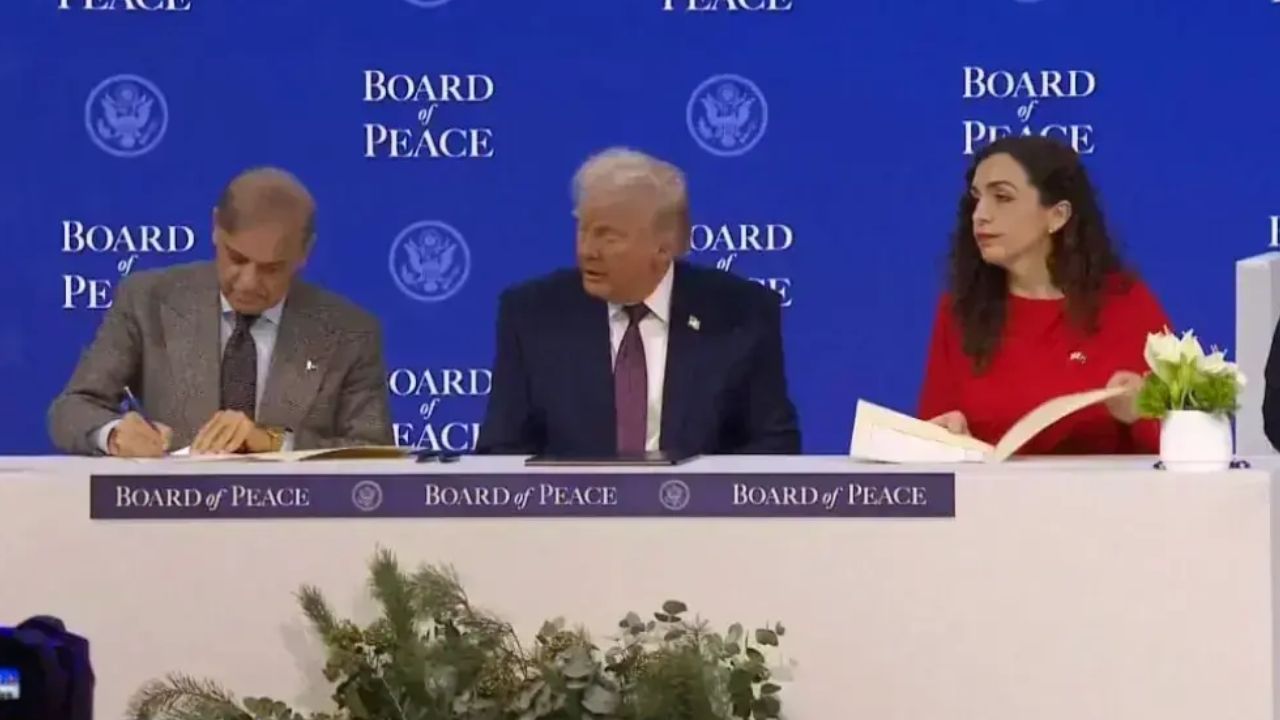
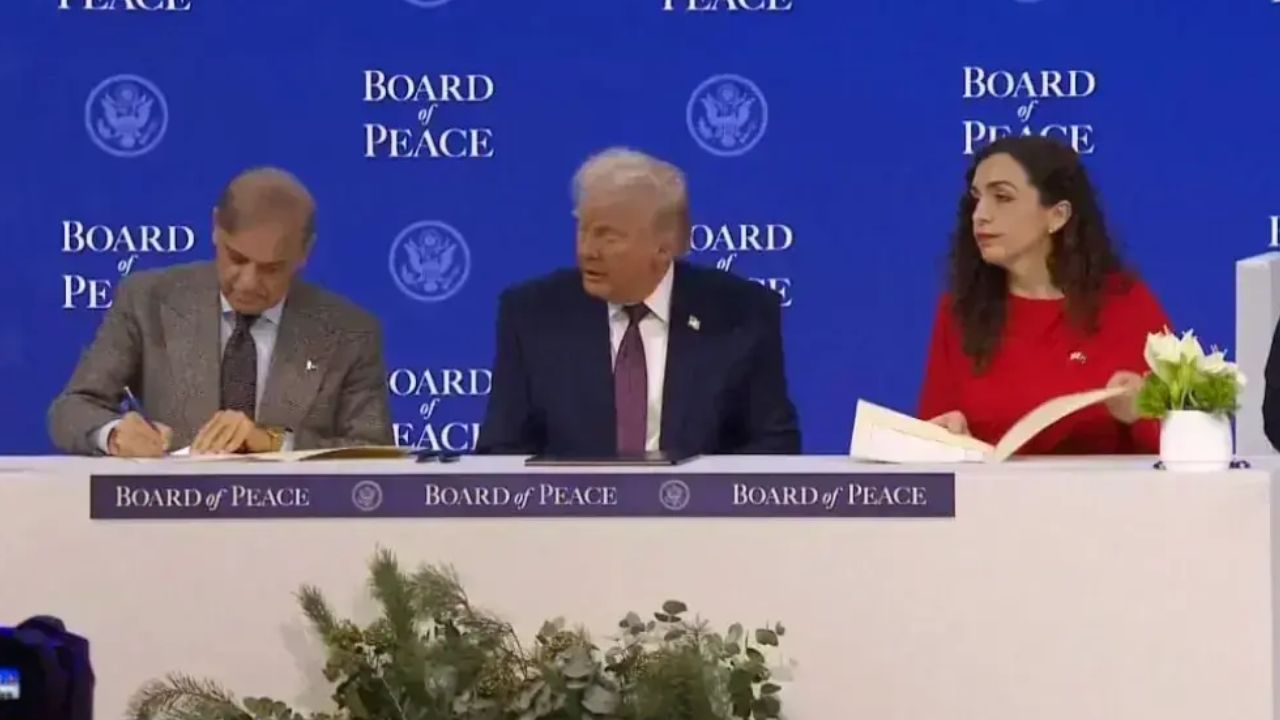
    Pakistan was not named among the five countries that committed personnel to the proposed International Stabilisation Force (ISF) during the inaugural Board of Peace meeting in Washington DC on Thursday.

    The ISF is expected to secure reconstruction zones and support governance arrangements in Gaza following a ceasefire negotiated in October by the administration of US President Donald Trump with Qatar and Egypt. 

    Major General Jasper Jeffers, the force’s American commander, said Albania, Indonesia, Kazakhstan, Kosovo and Morocco would contribute troops or police personnel. He added that an Indonesian officer would serve as deputy commander.


    Morocco said it was prepared to deploy police and officers to the force. Indonesia earlier indicated it could send up to 8,000 troops, nearly half of the 20,000 personnel sought for the mission.

    In Islamabad, Foreign Office (FO) spokesperson Tahir Andrabi said Pakistan was awaiting clarity on the mandate of the ISF before taking a decision.

    “We understand that a decision is awaited on the contours of the mandate of the International Stabilisation Force, and till such time, we’re not in a position to take any decision on this matter,” he said during a weekly briefing.

    “Pakistan can be part of a peacekeeping mandate, but we would not be part of any disarming/ demilitarisation mandates.”

    The second phase of the Gaza plan calls for the disarmament of Hamas. Speaking at the meeting, Trump said he hoped force would not be required, adding that Hamas had indicated it would disarm.

    Israeli Foreign Minister Gideon Saar called for the disarmament of Hamas and what he described as a deradicalisation process in Gaza. Prime Minister Benjamin Netanyahu said Hamas would be disarmed “one way or the other.”

    Hamas spokesperson Hazem Qassem said any international presence must monitor the ceasefire and prevent further Israeli military action, adding that disarmament could be discussed.

    At the meeting, Trump also announced a $10 billion US contribution for Gaza reconstruction and said other countries had pledged additional funding through the Board of Peace initiative.
  • ‘Won’t hesitate to strike Afghanistan again; conflict with Indian remains a possibility,’ says Asif

    ‘Won’t hesitate to strike Afghanistan again; conflict with Indian remains a possibility,’ says Asif

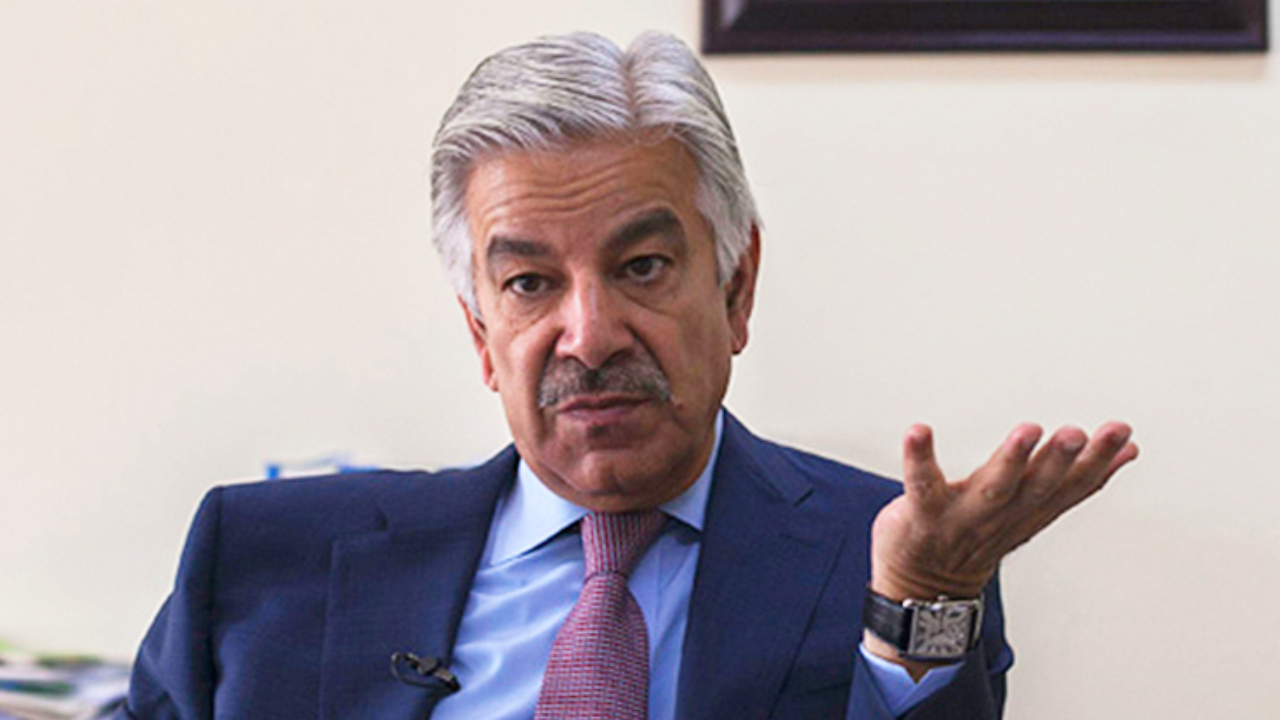
    Defence Minister Khawaja Muhammad Asif has warned that Pakistan will not hesitate to carry out fresh strikes in Afghanistan if the authorities in Kabul fail to provide credible assurances of peace. 

    “Pakistan won’t hesitate to conduct new strikes in Afghanistan, unless someone in Kabul can underwrite peace,” he said during an interview with FRANCE 24.

    The minister, while talking about the security situation in Pakistan following the recent suicide bombing at an Imambargah in Islamabad, said that almost all franchises of terrorism were present in the country because of the non-seriousness of Kabul towards curbing terrorism.

    “Complicity would be a better word,” he said.

    Asif also accused India of waging a “proxy war” against Pakistan and said that New Delhi and Kabul, along with militant groups, are “on the same page” when it comes to targeting Pakistan, and emphasised that a direct conflict with India remained “a possibility”.

    It may be noted that the warning comes after border clashes between Islamabad and Kabul in October 2025 when Afghan Taliban forces and militants launched attacks on Pakistani border posts. According to reports, more than 200 Taliban and affiliated militants were killed while 23 Pakistani soldiers were martyred defending the border. 

    While Pakistan also conducted precision strikes in Kandahar and Kabul targeting militant positions, both countries, despite several rounds of talks, were unable to reach an effective ceasefire agreement due to the Afghan Taliban’s refusal to take action against terrorist groups.

    On the question of Pakistan’s stance toward Israel, Asif said the country was not considering normalisation of ties.

    “I don’t see this option even being considered by Pakistan,” he said, noting that any future engagement would depend on Palestinians securing the right to self-determination in their own homeland.

  • Punjab introduces virtual blood bank on 15 helpline for immediate access to donors

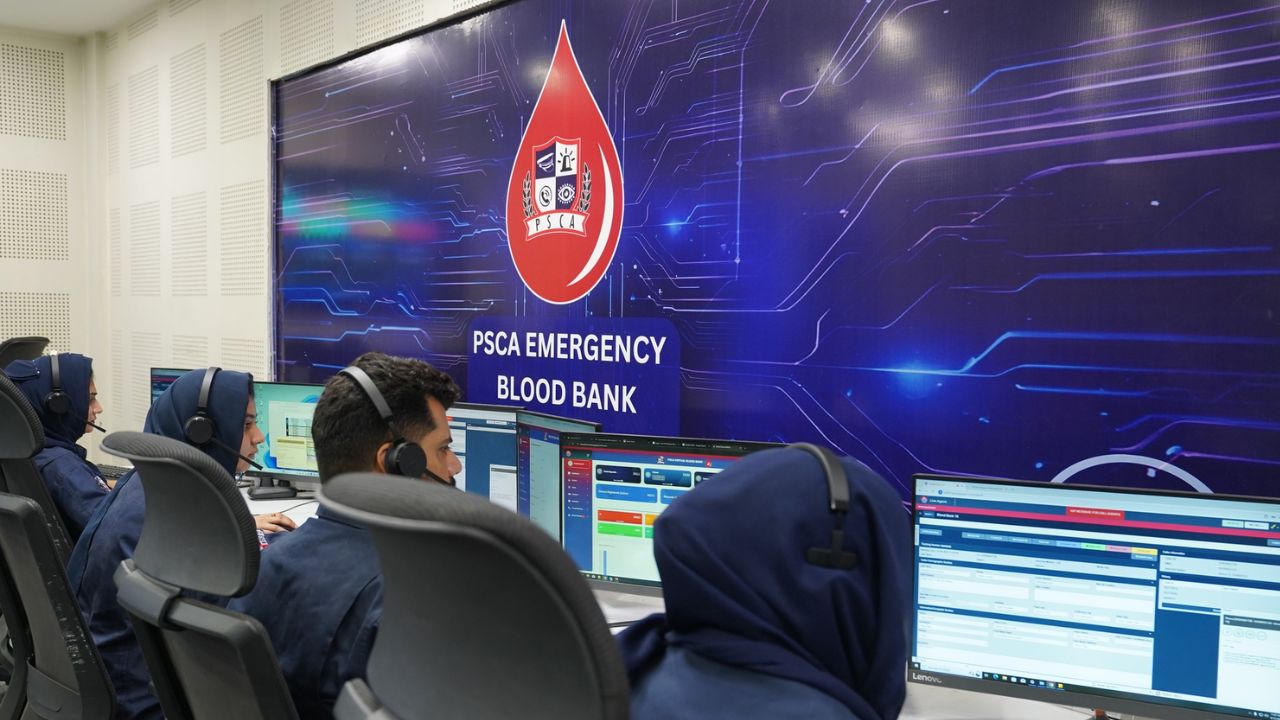
    Punjab introduces virtual blood bank on 15 helpline for immediate access to donors

    Punjab Safe Cities Authority (PSCA) has introduced a Virtual Blood Bank on Emergency Helpline 15 to provide immediate access to blood donors across the province. 

    The service allows citizens to dial 15 and press 4, connecting them with a Safe City officer who links them directly to verified donors from the official blood bank database via a conference call.

    The system eliminates delays caused by uncoordinated searches and ensures a structured and immediate response during medical emergencies. 

    Since its launch, more than 3,420 individuals have donated blood through the Virtual Blood Bank.


    The Virtual Blood Bank is part of PSCA’s broader mandate to ensure public safety by using technology to improve emergency response and law enforcement capabilities across the province.

  • Air Punjab likely to take-off in April: reports

    Air Punjab likely to take-off in April: reports

    Punjab government’s ‘Air Punjab’ airline now has a take-off date as the schedule for operations has been reported by some media outlets.

    According to reports quoting government sources, the province’s own airline will begin operations with its first flight scheduled for April.

    Reports also said that the airline will only operate domestic flights for two years and could later expand operations to international destinations.

    While the existing helicopter of the Punjab chief minister will also reportedly be included in the airline’s fleet, officials were quoted as saying that the move will help avoid placing any additional burden on the national exchequer as both existing and newly purchased aircraft will be used on a fully commercial basis to ensure profitability.

    Meanwhile, Punjab Information Minister Azma Bukhari confirmed that the government plans to establish a fleet for Air Punjab, which reports said could initially include as many as seven aircraft.

    Some planes are being purchased while others will be acquired on lease, the minister said during a presser days after it was reported that the provincial government recently acquired a Gulfstream G500 aircraft for VIP transport.

    Bearing American registration number N144S, the aircraft has been purchased at a cost of Rs10 billion. Flight history data shows that the seven-year-old aircraft arrived in Lahore on December 28, travelling from Bangor in North America to the Egyptian city of Hurghada before landing at the Allama Iqbal International Airport.

    The aircraft remained grounded at the airport in Lahore for approximately 40 days, during which, reports said, it underwent interior refurbishment and decoration. The jet made its first flight within Pakistan on February 6, flying from Lahore to Multan. Since then, using the call sign “PUNJAB2”, it has operated multiple flights from Lahore to Quetta, Mianwali, Sialkot and Rawalpindi.

    While the aircraft is still operating under US registration and private ownership, reports said, it is also likely to be used for both passenger services and official travel if and when included to the Air Punjab fleet.

    As part of a broader initiative, whenever the chief minister travels using the airline, the standard fare will be paid, maintaining transparency and commercial viability, reports said.

  • Tarar rejects reports of leniency for ‘convicted criminal’ Imran Khan

    Tarar rejects reports of leniency for ‘convicted criminal’ Imran Khan

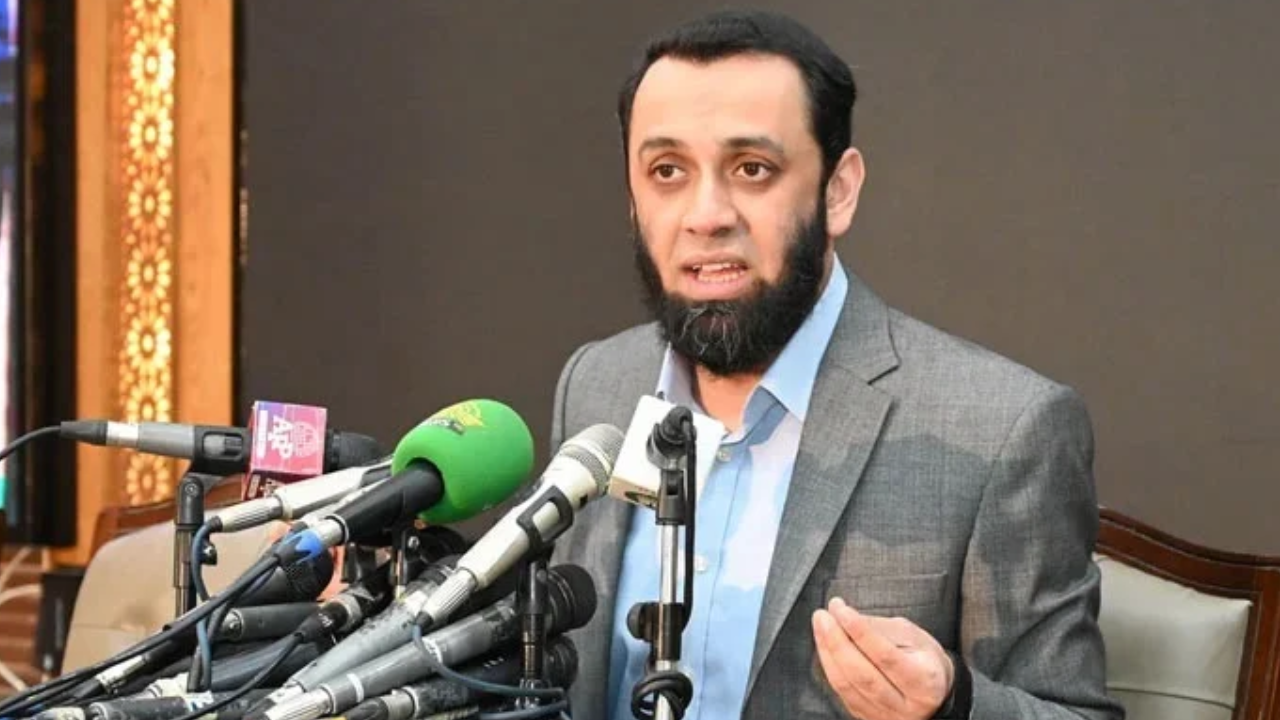
    Federal Information Minister Attaullah Tarar has once again denied reports of a deal with Pakistan Tehreek-e-Insaf (PTI) founder Imran Khan, saying the jailed former premier is a convicted criminal.

    According to reports, Tarar said that no deal or leniency for the Pakistan Tehreek-e-Insaf (PTI) founder was under consideration as he is a criminal convicted by the courts. Giving the impression of any kind of leniency is completely wrong, the minister added.

    He said that the reports suggesting leniency were “baseless and held no truth”.

    On Monday, Tarar also rejected earlier reports of a deal with Khan, making it clear to the opposition that Khan’s health shouldn’t be politicised.

    In a statement, the federal information minister said that some social media accounts were resorting to sensationalism while reporting on alleged loss of sight in the right eye of the PTI founder.

    “It was our responsibility to provide healthcare, and that was done. Imran Khan’s health is better now; the issue he had has been resolved,” he had said.

    Tarar also said that specialists had examined Khan and leaders of his party were also briefed regarding the matter.

    He had gone on to reiterate that Khan’s health should not be politicised, urging that the PTI leadership handled the situation responsibly.

  • 13 dead as Karachi building collapses after gas explosion

    13 dead as Karachi building collapses after gas explosion

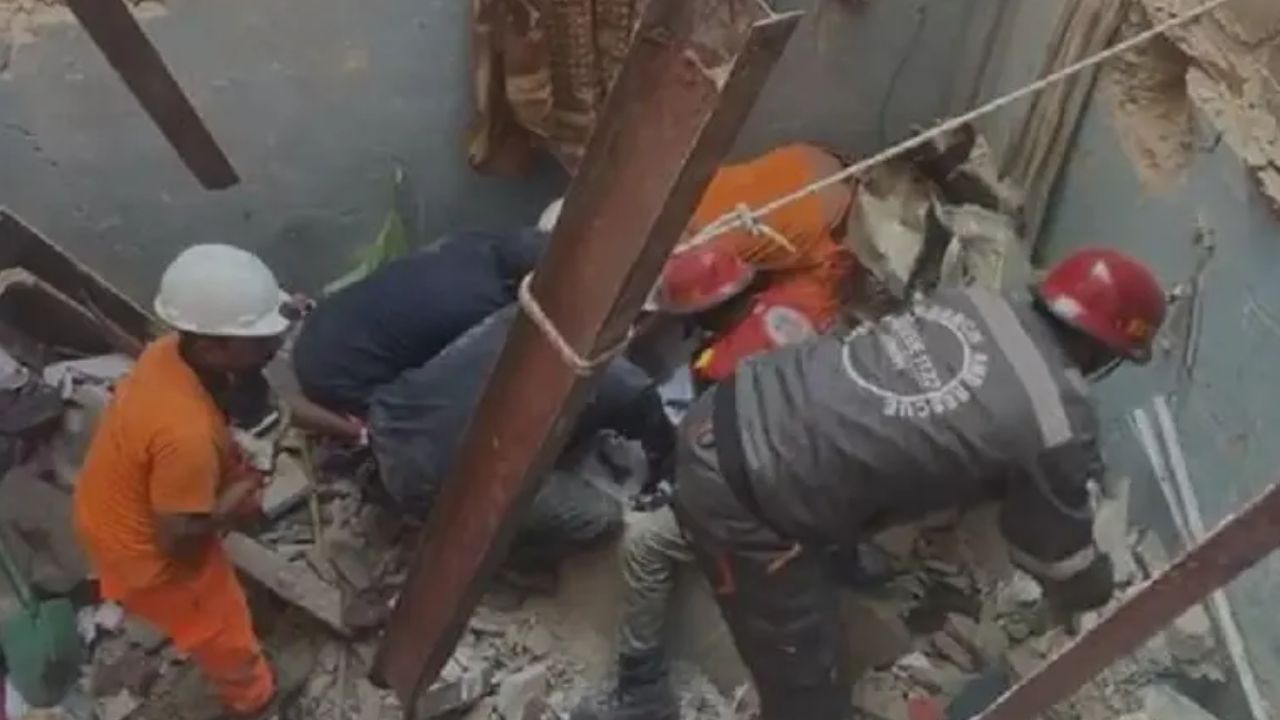
    A residential building in the Gul Rana Colony area of Soldier Bazaar, Karachi, collapsed after what authorities are suspecting to be an explosion caused by leaked gas. Rescue authorities said the incident killed 13 people, including women and children, and left 13 others injured.

    The injured and deceased were taken to Civil Hospital. “According to initial reports, the explosion occurred due to a gas leak, resulting in part of the building collapsing,” a District East police spokesperson said.

    Rescue 1122 said search and rescue operations are being carried out, with an urban search and rescue team and a disaster response vehicle at the site.

    The police added that a large contingent of law enforcement, along with rescue teams, arrived shortly after the incident. “Police cordoned off the area and tightened security, while rescue agencies initiated search and rescue operations,” the spokesperson said.

    Sindh Chief Minister (CM) Murad Ali Shah took notice of the incident and directed authorities to immediately rescue those trapped and provide medical assistance. He also ordered full support for affected families and instructed the Karachi commissioner to investigate the cause.

    The collapse follows similar recent incidents in Karachi. In July 2025, 27 people were killed when a five-storey building collapsed in Lyari. Authorities had previously declared that building uninhabitable.
     

    In August 2025, four Awami National Party workers were injured in a gas explosion that caused their Orangi Town office to collapse.


    Experts have said that roof and building collapses are frequent in Pakistan due to poor safety standards and substandard construction materials. Karachi, with over 20 million residents, has faced recurring incidents linked to illegal extensions, ageing infrastructure, overcrowding, and weak enforcement of building regulations.

  • Pakistan condemns Israel’s West Bank occupation at UN Security Council

    Pakistan condemns Israel’s West Bank occupation at UN Security Council

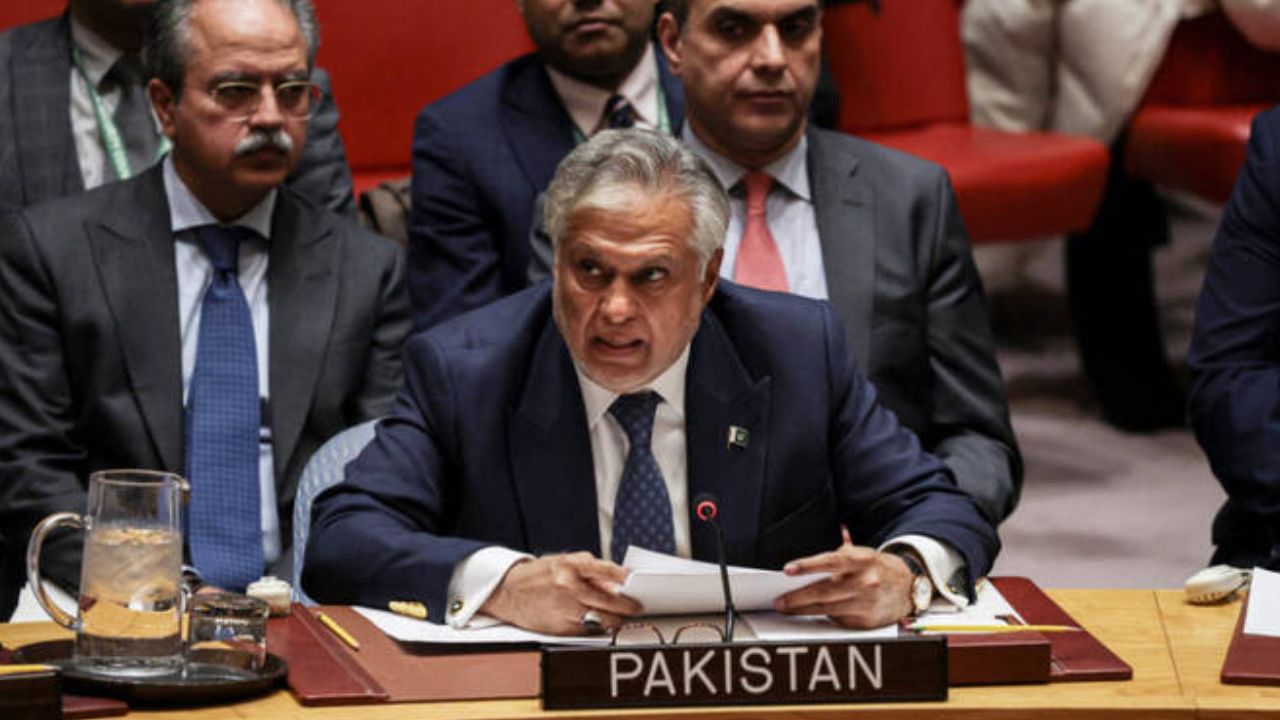
    Pakistan’s Foreign Minister (FM) Ishaq Dar on Wednesday criticised Israel’s illegal settlements in the West Bank, calling the recent moves “gravely disturbing” and in violation of international law, during a United Nations Security Council meeting on Gaza and the West Bank.

    Pakistan, a non-permanent member of the 15-nation council and the only member to accept an invitation to join the Board of Peace, highlighted that Israel’s actions are “null and void” under international law.

    The Security Council, meeting in New York a day earlier than scheduled, also called for the Gaza ceasefire to become permanent and warned that Israeli expansion in the West Bank undermines prospects for a two-state solution. 

    The session was moved after US President Donald Trump announced that his proposed Board of Peace would convene on Thursday to discuss the future of the Palestinian territories, raising concerns among diplomats about overlapping agendas.

    Foreign ministers from the United Kingdom, Israel, Jordan, Egypt and Indonesia also attended the council’s monthly Middle East session, which several Arab and Islamic countries had requested to discuss Gaza and the West Bank ahead of Washington DC meetings.

    Palestinian Ambassador Riyad Mansour told the council that annexation would breach the UN Charter and international law, threatening ongoing peace efforts. 

    Israeli Foreign Minister Gideon Saar, meanwhile, said international attention would focus on the Board of Peace meeting rather than the UN session, accusing the council of bias against Israel and asserting Israel’s so-called historical claim to the land.


    The Board of Peace was initially envisioned as a small group of leaders overseeing a 20-point US plan for Gaza. Its expanded role, including mediation in other global conflicts, has prompted hesitation among some US allies. While over 20 countries have accepted invitations, partners such as France and Germany have not joined and reaffirmed support for the United Nations.

  • India to block surplus Ravi water from flowing into Pakistan: reports

    India to block surplus Ravi water from flowing into Pakistan: reports

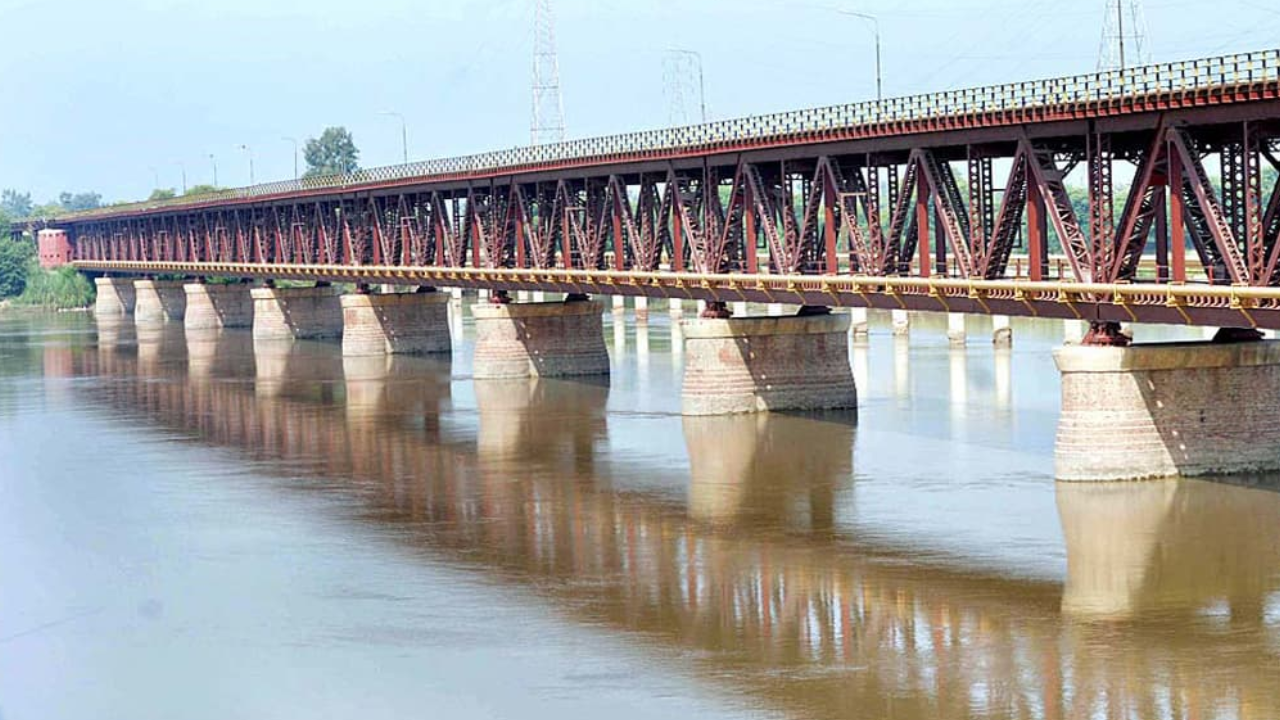
    India is set to stop surplus water from the Ravi River flowing into Pakistan with the completion of the Shahpur Kandi barrage, a move expected to take effect from April as the project nears completion by March 31.

    The development comes at a time when Pakistan is already facing reduced water availability following India’s suspension of the Indus Waters Treaty. For decades, excess water from the Ravi crossed into Pakistan due to the absence of adequate storage infrastructure on the Indian side.

    However, Indian officials say this will no longer continue once the barrage becomes operational.

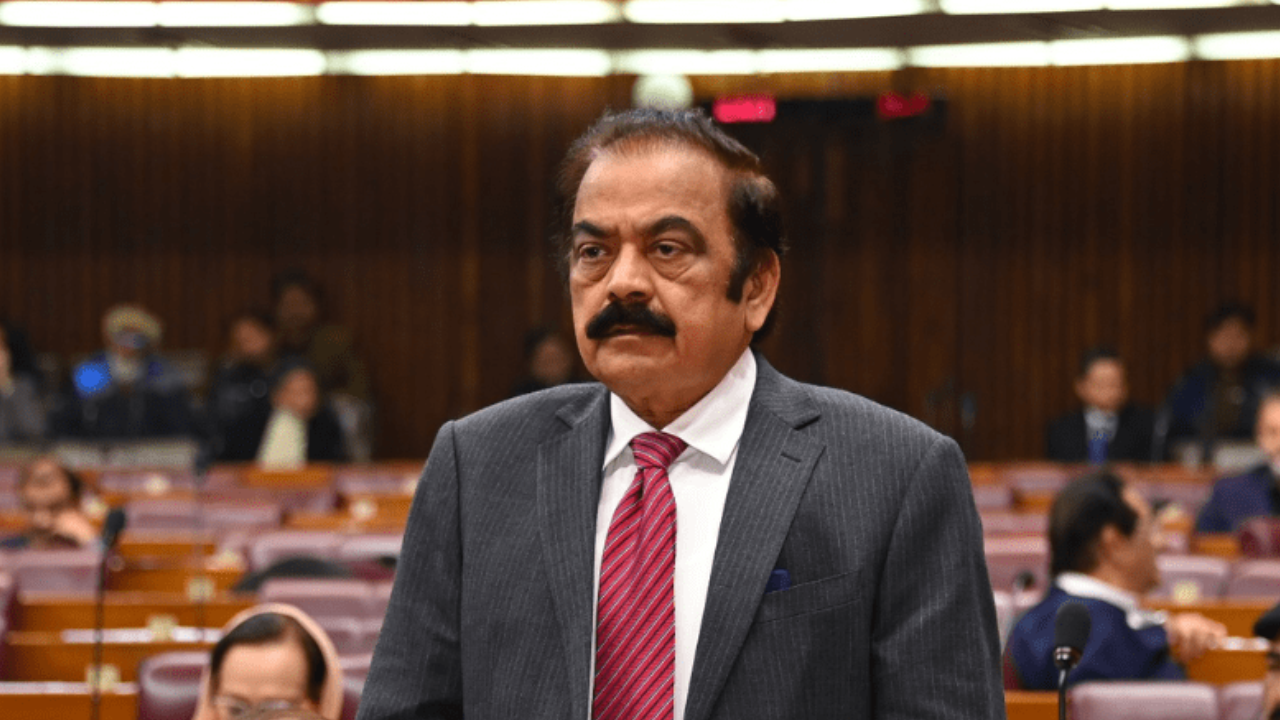
    The announcement was made by Indian occupied Kashmir (IoK) Minister Javed Ahmed Rana, who said the project would be used to irrigate areas in Kathua and Samba districts. “Excess water to Pakistan will be stopped. It has to be stopped,” he told reporters. 

    Responding to questions about the impact on Pakistan, he said, “Why are you bothered about Pakistan? They are a marginal presence. Let them stew in the problems of their own making.”

    Indian officials maintain that the Shahpur Kandi barrage falls outside the scope of the Indus Waters Treaty. Under the 1960 agreement, brokered by the World Bank, India was granted full rights over the eastern rivers Ravi, Sutlej and Beas while Pakistan was given rights over the western rivers Indus, Jhelum and Chenab. Despite this, surplus water from the eastern rivers continued to flow into Pakistan for years.

    India moved to suspend the treaty after the Pahalagam attack last year that killed 25 tourists, following which it fast-tracked hydropower and water storage projects aimed at regulating river flows.

    The Shahpur Kandi barrage project was first conceived in 1979 alongside the Ranjit Sagar dam. Its foundation stone was laid in 1982 by India’s former prime minister Indira Gandhi, with completion initially planned for 1988.

    While the Ranjit Sagar Dam was completed in 2001, disputes between Punjab and held Kashmir delayed work on the barrage for decades.

    Construction resumed after the project was declared national in 2008 and later revived in 2018 following intervention by the government led by Narendra Modi. Officials say the barrage will irrigate over 32,000 hectares once operational.

    Meanwhile, India has also accelerated hydropower projects on the Chenab River and plans to resume work on the Wular Barrage on Jhelum.

  • PM Shehbaz arrives in US for Trump’s Board of Peace summit

    PM Shehbaz arrives in US for Trump’s Board of Peace summit

    Prime Minister (PM) Shehbaz Sharif on Wednesday arrived in the United States (US) to attend the global summit of the Board of Peace (BoP), convened by President Donald Trump.

    The summit is expected to focus on consolidating a ceasefire in Gaza, securing financial commitments for the BoP, and outlining the structure of a proposed global forum. Washington has announced an initial pledge of $5 billion for the initiative.

    Participants are also set to deliberate on the proposed International Stabilisation Force (ISF), which would be tasked with securing reconstruction areas and supporting governance arrangements in Gaza after the conflict.

    For Pakistan, the possibility of contributing troops to the ISF has gained attention following reported discussions between Chief of Defence Forces Field Marshal Asim Munir and US Secretary of State Marco Rubio during the Munich Security Conference.

    Diplomatic sources said several Muslim-majority countries have expressed willingness to join the stabilisation mechanism but are reluctant to assume a combat role that could place their forces in direct engagement with Hamas.

    These countries are also seeking clarity on the political roadmap for Palestinian statehood and have raised concerns over potential Israeli annexation in the West Bank.

    The proposed structure of the BoP envisions a leader-driven body supported by an operational arm in the form of the ISF and a dedicated financing mechanism.

  • ‘Two attempts to strike deals with Imran Khan failed,’ says Rana Sanaullah

    ‘Two attempts to strike deals with Imran Khan failed,’ says Rana Sanaullah

    Adviser to the Prime Minister on Political Affairs, Rana Sanaullah, has saidthat two serious attempts were made to reach a political agreement with Pakistan Tehreek-e-Insaf (PTI) founder Imran Khan but both failed. 

    “The first attempt was led by Mohsin Naqvi and Ali Amin Gandapur before November 26, and the second was made by a few people from abroad,” he said during an interview with a private news channel. He added, “In both meetings, the founder agreed to the deal but later backed out.”

    Speaking about Imran Khan’s approach, Rana Sanaullah said, “He is not willing to find a way out. Whether call it stubbornness or rigidity; the point is that he does not want to find a solution.”

    He added that the PTI founder’s conditions for a deal were unacceptable. He quoted Imran Khan as saying, “You people come to jail in my place and I will come to your place.”

    Rana Sanaullah compared the situation with the political approach of other leaders. “Nawaz Sharif is a senior politician. He also found a way forward for himself and his party,” he said. The adviser emphasized that the government and military leadership have no interest in blocking dialogue between political leaders but that meaningful talks require agreement from both sides.

    In a separate interview on another news channel’s program, Rana Sanaullah addressed PTI’s political actions and Imran Khan’s medical treatment. He said the former prime minister received the best available care and claimed PTI is using the issue for political purposes. “PTI’s focus is on creating anarchy and disorder in the country,” he said, adding that the party’s activities were unrelated to Imran Khan’s treatment.

    He also criticized road blockages in Khyber Pakhtunkhwa (KP), saying, “Where in the constitution is a provincial government allowed to block roads? Any province’s IG and Chief Secretary are bound to follow High Court orders.” Rana Sanaullah said these moves are part of PTI’s political strategy rather than concern for Imran Khan’s health.

    The adviser added that PTI will never be satisfied and questioned some of the legal tactics being used.