Category: National

  • NA passes 46 Acts, introduces 59 bills in its second year

    NA passes 46 Acts, introduces 59 bills in its second year

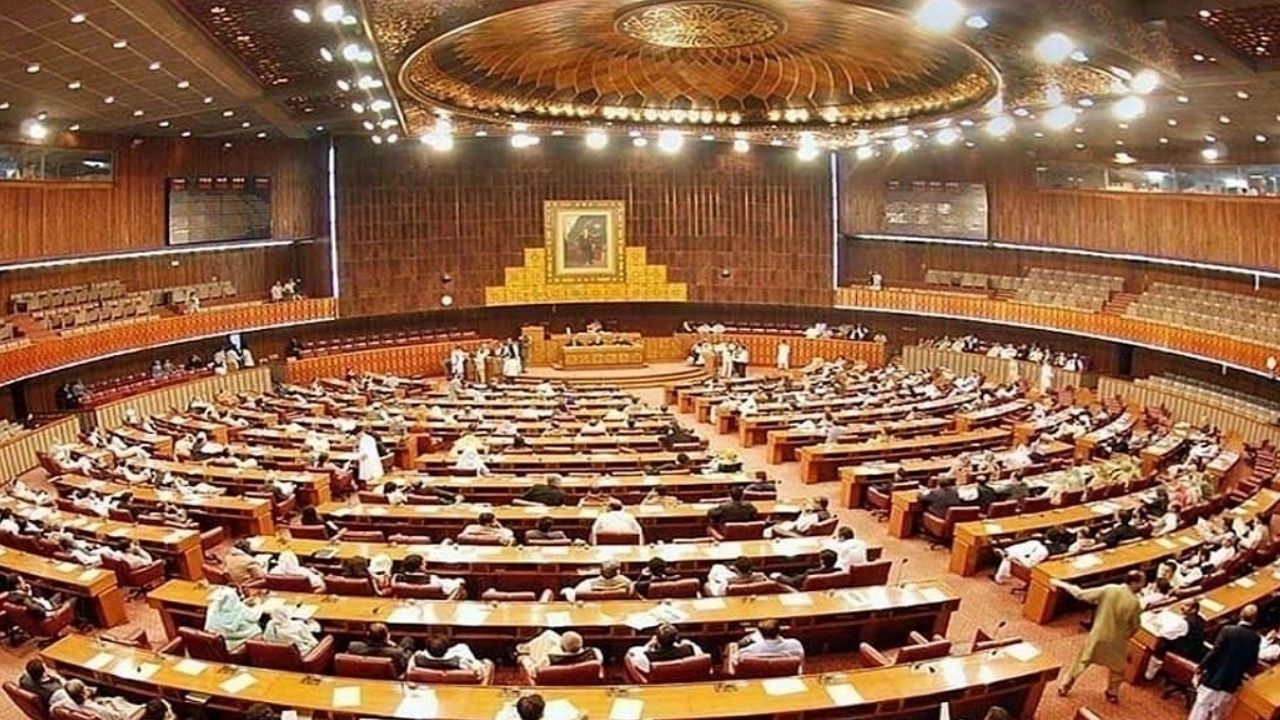
    The 16th National Assembly concluded its second parliamentary year, during which livestream access to proceedings remained restricted on several occasions.

    According to a report issued by the National Assembly Secretariat, 59 government bills were introduced during the year, 14 were received from Senate and 46 were passed by the House. In addition, 48 private members’ bills were introduced and 38 were received from the Senate, of which 13 were passed.

    A total of 40 government bills and six private members’ bills were enacted into law, bringing the number of Acts passed during the year to 46. The House also adopted 27 resolutions on national matters.

    The report lists the 27th Constitutional Amendment Bill, the Digital Nation Pakistan Act, 2025, amendments to the Prevention of Trafficking in Persons Act and the Prevention of Smuggling of Migrants Act, 2025, the National Commission on the Status of Women (Amendment) Act, 2025, and the National Forensics Agency Act, 2024 among the legislation passed.

    The Assembly held 11 sessions, including three joint sittings, completing 130 working days and 87 sitting days, with a total duration of 237 hours and 36 minutes.

    Under its oversight mandate, the Assembly admitted 7,625 questions, of which 1,710 were answered by ministries. A total of 329 calling attention notices were received, with 49 taken up for discussion. Fifteen adjournment motions were submitted; 13 were disallowed. Of 33 questions of privilege raised, six were referred to standing committees, 18 remain under process, six were disallowed and two were withdrawn.

    The House received 263 motions under Rule 259, of which four were included in the orders of the day and three were discussed.

    During the budget session for fiscal year 2025-26, the Finance Bill was passed after debate and incorporation of amendments proposed by members. For the first time, the Budget Bill 2025-26 was referred to the standing committee on finance and revenue, comprising members from both the National Assembly and the Senate, for review.

    The report states that special focus was placed on the question hour. In cases where questions remained unanswered, relevant secretaries were summoned to provide responses.

    Parliamentary forums including the Women’s Parliamentary Caucus, the Parliamentary Caucus on Child Rights, the Young Parliamentarians Forum and the Parliamentary Task Force on Sustainable Development Goals conducted policy dialogues, workshops and consultations. 

    Provincial caucuses were also established to enhance coordination between federal and provincial stakeholders.


    The Youth Internship Programme, initiated in 2014 received over 20,000 applications for 400 positions during the year.


    According to the Secretariat, official social media platforms were reactivated and proceedings were broadcast through NA TV.
  • Supreme court orders police to remove caste, derogatory terms from FIRs

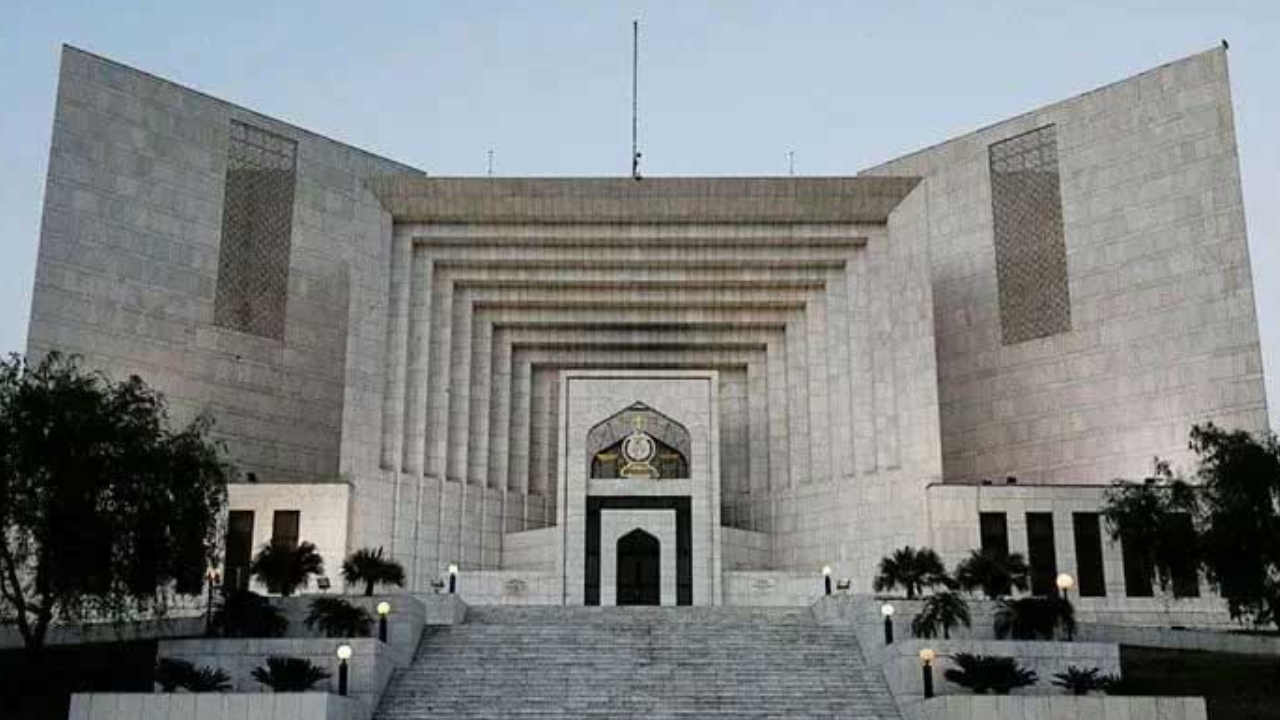
    Supreme court orders police to remove caste, derogatory terms from FIRs

    The Supreme Court of Pakistan has directed police authorities across the provinces and Islamabad Capital Territory to ensure that no reference to caste, tribe, biradari, conversion status or any classificatory or derogatory expression is included with the names of complainants, accused persons, victims or witnesses in official criminal records.

    The directions apply to First Information Reports (FIRs), arrest and recovery memos, investigation reports, challans and all other related documents prepared during criminal proceedings.

    The order was issued during the hearing of a criminal case by a three-member bench headed by Justice Muhammad Hasham Kakar. The bench cautioned that any departure from the directive would be allowed only in limited circumstances where an investigating officer, for bona fide investigative reasons directly connected to the offence, believes such identification to be strictly necessary and records those reasons in writing.

    In a six-page judgment authored by Justice Kakar, the court ordered the registrar to circulate copies of the decision to all Inspectors General of police in the provinces and the Islamabad Capital Territory, as well as to the relevant home secretaries and chief commissioner, for immediate compliance and onward circulation to field formations.

    “We are deeply disheartened to witness that society continues to determine whether a human being is deserving of respect based solely on the nature of their profession, rather than on their inherent dignity,” the judgment stated.

    The judgment noted that terms such as “bhangi,” “chura,” “morassi,” “jamadar,” “dam,” and “musalli” are no longer used to describe a caste but are employed as derogatory remarks against members of particular social groups.

    “We are apprehensive about a society that relies on cleanliness for survival, yet dehumanises those who make it possible,” the court said. It added that those who perform sanitation-related work are often labelled as “dirty,” while those who make cities liveable are treated as lives considered less deserving of respect.

    The court held that such treatment reflects a moral failure of the social order, not the nature of the work performed, and stressed that dignity, respect and equality are rights of every person irrespective of occupation, in the eyes of law and society.

    Referring to Pakistan’s international obligations, the court cited Articles 1 and 7 of the Universal Declaration of Human Rights, Articles 2 and 26 of the International Covenant on Civil and Political Rights, and Article 3 of the International Covenant on Economic, Social and Cultural Rights, which guarantee equality before the law and protection against discrimination based on religion or social origin.

    The judgment also addressed references to religious conversion in police records, stating that the use of qualifying expressions marking a convert as “new” or otherwise distinct has no sanction in Islamic teachings or in law. It observed that terms identifying caste or social origin become objectionable when used to demean, stigmatise or portray a person as belonging to an inferior social status.

    “The term ‘Nau Muslim Sheikh’ (or similar expressions such as ‘Dhobi’, ‘Naahi’, ‘Jamadar’, ‘Bhangi’ or ‘Dam’ which are occasionally used in police records) appears to be a derogatory or coded reference that implies a stigmatised or lower caste status,” the court said.

  • Medical student dies after falling off of hostel building in Lahore

    Medical student dies after falling off of hostel building in Lahore

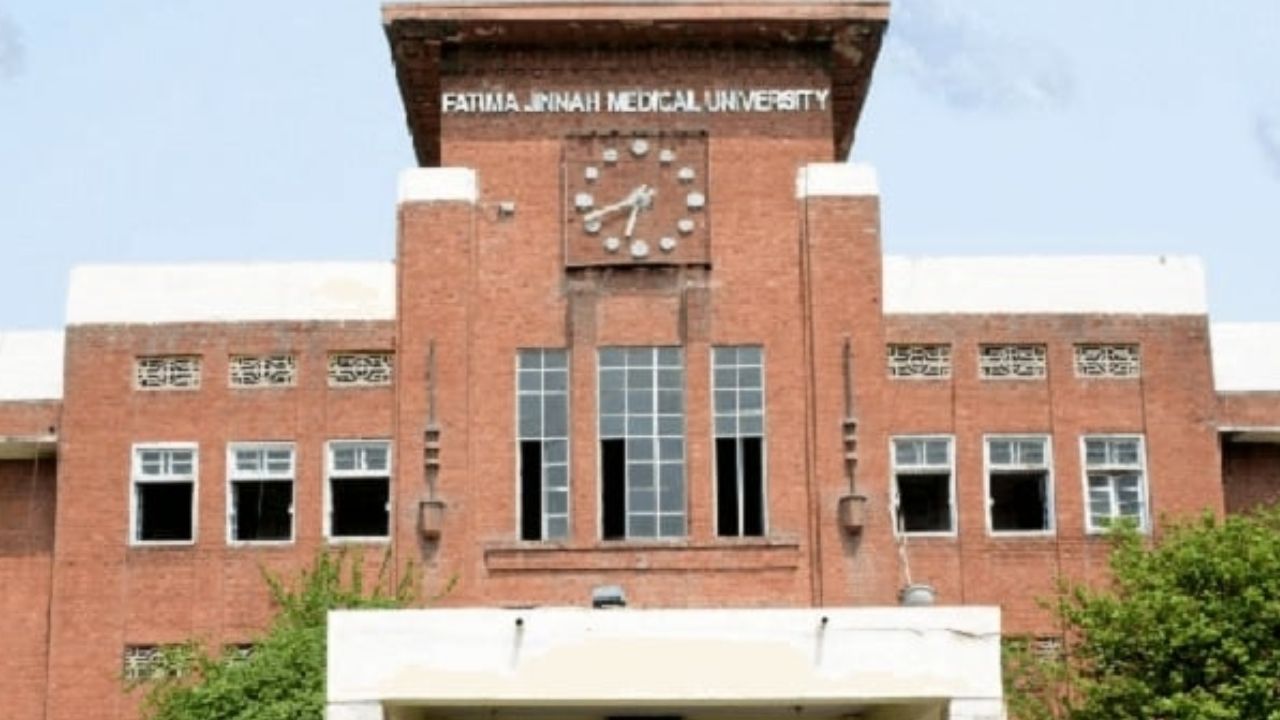
    A female student has died after falling from the fourth floor of her hostel at the Fatima Jinnah Medical University in Lahore.

    According to initial reports, fellow students found her lying injured and informed the university administration. She was rushed to the emergency department of Sir Ganga Ram Hospital and later moved to the operation theatre.

    Hospital sources reported that she sustained head and neck injuries along with multiple fractures, and underwent neurosurgery performed by a team of senior doctors but did not survive.

    The student was a resident of Azad Jammu and Kashmir (AJK).

    Vice Chancellor (VC) Prof Khalid Masood Gondal said the incident took place at the girls’ hostel of the varsity, and described it as an accidental fall.

    He added that a medical board comprising senior doctors had been constituted, along with a separate five-member fact-finding committee headed by Dean Undergraduates Prof Bilquis Shabbir, to investigate the incident. A report will be submitted within 24 hours.

    Meanwhile, eyewitnesses and some sources at the institute claimed the student had jumped from the building but no reason for the incident was immediately known.

    A police probe is also underway.

  • Aleema Khan rejects govt doctors, demands personal physicians for Imran Khan

    Aleema Khan rejects govt doctors, demands personal physicians for Imran Khan

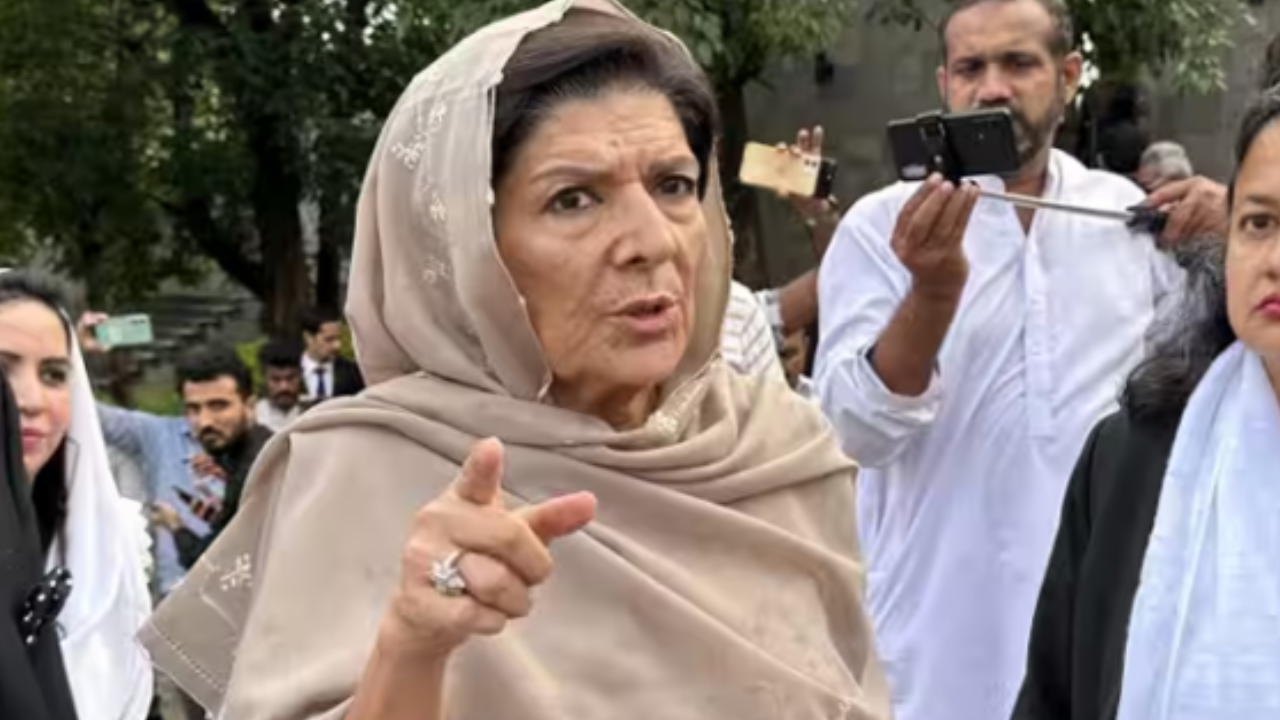
    Aleema Khan, the sister of jailed Pakistan Tehreek-e-Insaf (PTI) founder Imran Khan, has said she does not trust government doctors or institutional medical staff for her brother’s treatment, demanding that he be examined by his personal physicians.

    Speaking to media persons, Aleema said the names of doctors submitted by the family had not been permitted to see Khan, and the family had requested medical care be conducted in the presence of their personal doctor but authorities had not agreed to it.

    She further said that for several days the family had been told that Imran Khan would be shifted to a hospital, but no such step had been taken so far. According to her, assurances regarding medical arrangements had repeatedly been given without any visible outcome.

    Referring to a medical report related to Khan’s condition, she said the document failed to address the concerns raised. She added that earlier they were informed a detailed report would be issued, but the report that emerged was a joke and did not meet that expectation.

    Aleema also questioned the lack of transparency surrounding the medical care being provided. She said that if the authorities believed Khan had received proper treatment, there was no reason to withhold details from the public or the family.

    “If they believe the PTI founder has been properly treated, then why are they hiding it?” she asked.

    Calling for public support, Aleema urged people to raise their voices and apply pressure for what she described as proper medical treatment.

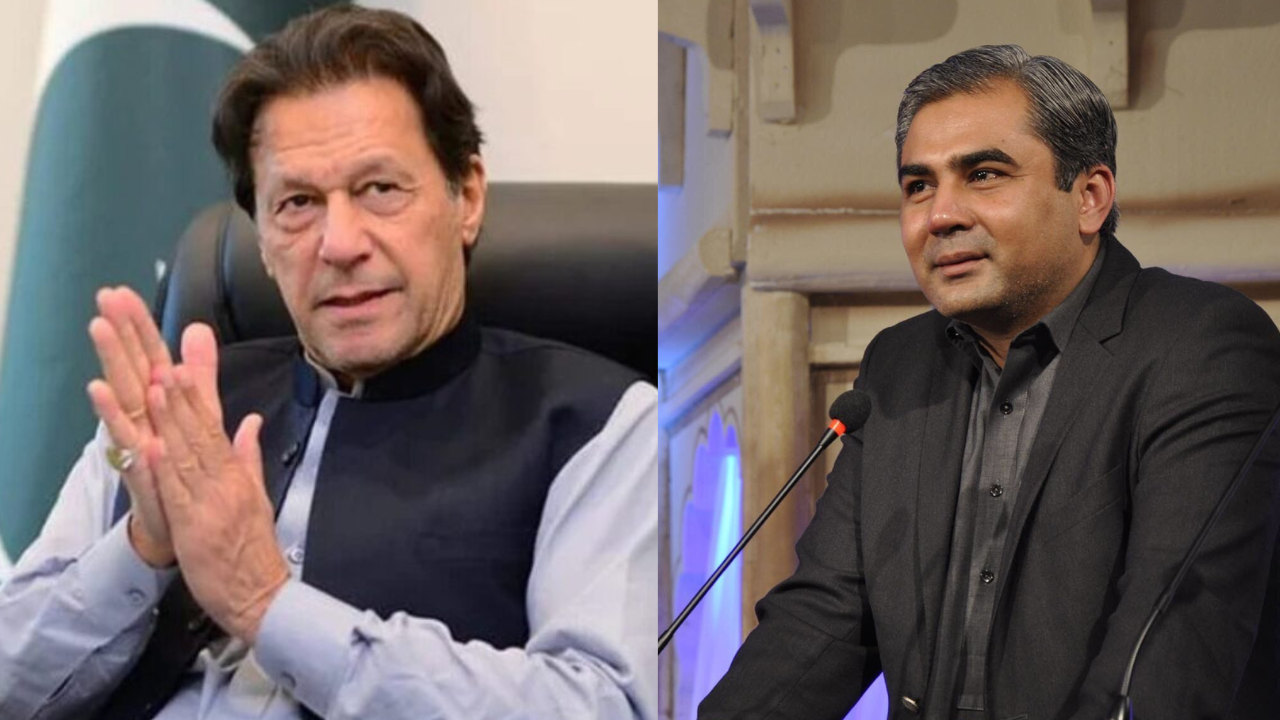
    Her statements came after Interior Minister Mohsin Naqvi said the delay in Imran Khan’s eye examination was due to political handling of the matter by Aleema Khan. Naqvi added that the doctors who examined Imran Khan had conducted all necessary tests and later met with PTI leaders and the medical team, after which all parties expressed satisfaction. 

    He said he had asked whether any further tests were required and was told that all possible examinations had already been conducted. Naqvi criticized the politicization of the issue, noting that while the family claimed to be close, they had used the matter to make political points. 

    He also said the government did not intend to politicize Imran Khan’s health and described certain requests by the opposition as inappropriate and potentially misleading.

  • Naqvi says political handling by Aleema Khan delayed Imran’s eye examination

    Naqvi says political handling by Aleema Khan delayed Imran’s eye examination

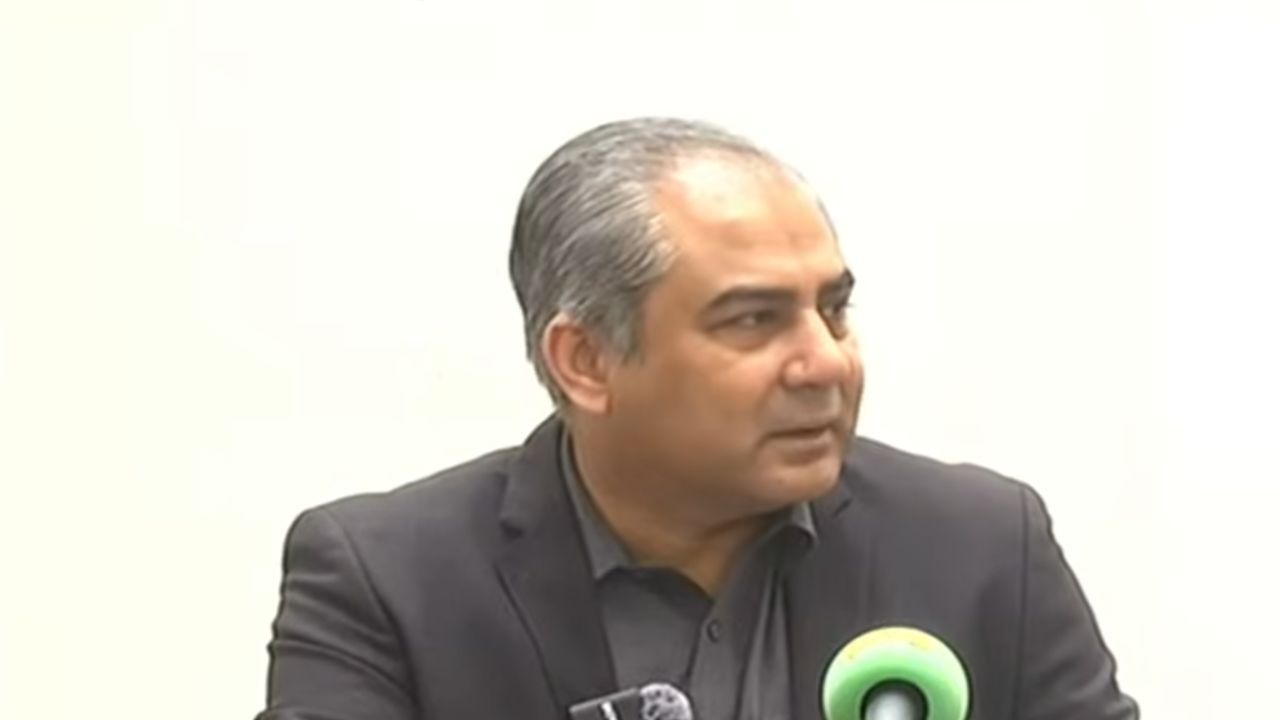
    Interior Minister Mohsin Naqvi on Tuesday said the eye examination of PTI founder Imran Khan was delayed for three days due to what he described as political handling of the matter by the former prime minister’s sister Aleema Khan.

    Speaking at a press conference, Naqvi said doctors who examined Imran Khan at Rawalpindi’s Adiala Jail later met PTI leaders and the former prime minister’s medical team, after which all parties expressed satisfaction.

     Quoting the medical team, he said: “His doctors said, ‘Excellent. Had we done the treatment, we would have done the same.’ Political leaders said, ‘We are satisfied, and we will tell our people about this.’”

    Naqvi said he asked the doctors whether any further tests were required and was told that all possible examinations had already been conducted. “But all I can tell you is that Aleema Khan sahiba told her party that if we accept this, the issue will die down,” he said. “Due to her, the medical check-up could not be conducted for three days.”

    He added: “On the one hand, they say that they are very close, and on the other hand, they politicised this issue.”

    The interior minister said the government did not want to politicise Imran Khan’s health, referring to the medical report prepared by the doctors and submitted to the Supreme Court. He said that certain requests by the opposition were allowed but were not suitable enough to make public. “Putting up such a show is extremely inappropriate, especially misleading people,” he remarked. 

    Naqvi said he had invited PTI chairman Barrister Gohar Ali Khan to reach Adiala Jail on Sunday so that the examination could be conducted in his presence. “We waited for about an hour, but he did not come,” Naqvi said.

    He said Gohar, along with Senate opposition leader Raja Nasir Abbas, National Assembly opposition leader Mehmood Khan Achakzai and doctors nominated by the PTI, was later invited to Pakistan Institute of Medical Sciences in Islamabad, where the doctors briefed them. “They expressed satisfaction over the treatment,” Naqvi said.

    Addressing claims regarding hospitalisation, Naqvi said: “We would 100 percent admit him even for two weeks if the doctors recommend it. But if the doctors do not recommend, then how can we have him admitted?”

    He said the government had asked the PTI to suggest the name of a “non-political” eye specialist, which was refused. They insisted that a family member should accompany the doctor, which we agreed to, he said, adding that a relative named by the party was also allowed.

    Naqvi said Imran Khan was taken to a hospital as a precaution for an eye injection, although the procedure could have been carried out at the jail. “All facilities being provided are documented,” he said. “It is the government’s responsibility to ensure medical care for every prisoner.”

  • 11 security personnel martyred in Bajaur terrorist attack

    11 security personnel martyred in Bajaur terrorist attack

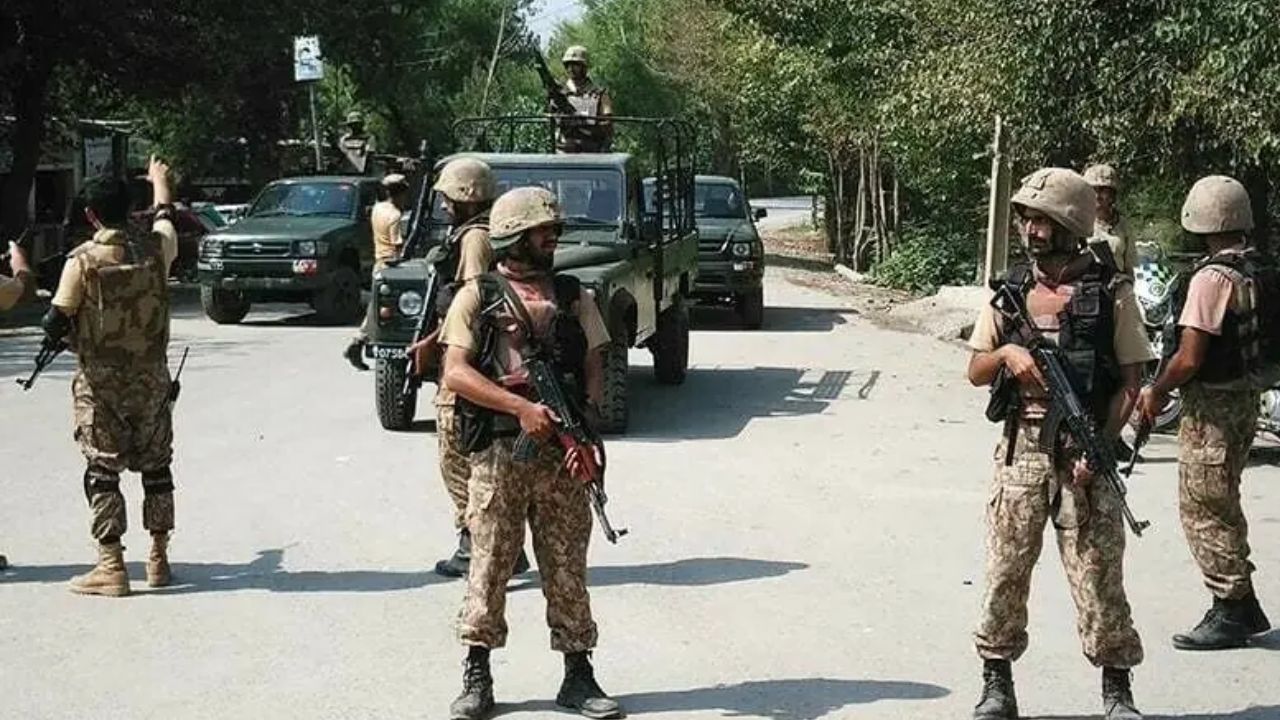
    A terrorist attack on a checkpost in district Bajaur, Khyber Pakhtunkhwa (KP), killed 11 security personnel, the military’s media wing said on Tuesday.

    The Inter-Services Public Relations (ISPR) said that on February 16, a vehicle-borne attack was carried out on a joint checkpost of security forces and law enforcement agencies by Khwarij, described as belonging to the Indian proxy, Fitna al Khwarij. Fitna al Khwarij is a term the state uses for the banned Tehreek-i-Taliban (TTP) Pakistan.


    The statement added that 12 terrorists were eliminated after security forces retaliated and “engaged the fleeing khwarij with precision”. “In their desperation, the attackers rammed an explosive-laden vehicle into the perimeter wall. Due to the blast impact infrastructure at check post collapsed, eleven brave sons of the soil, rendered the ultimate sacrifice and [embracing] martyrdom.”

    The blast also affected nearby residential buildings, killing one young girl. Seven others, including women and children, were injured.

    The ISPR said sanitisation operations are under way to eliminate any remaining threats in the area as part of a counter-terrorism campaign under the vision “Azm e Istehkam,” approved by the Federal Apex Committee on the National Action Plan.

    President Asif Ali Zardari condemned the attack and extended condolences to the families of the martyrs. He said the elimination of terrorists operating with external support remained the state’s “topmost priority.”

    Prime Minister (PM) Shehbaz Sharif also condemned the attack in the “strongest terms,” extended condolences to families of the martyrs, and prayed for the recovery of the injured. He noted the elimination of 12 terrorists and lauded the security forces for their timely action, saying that under the vision of Azm e Istehkam, security forces are gaining success in the fight against terrorism.


    The attack comes days after a station house officer (SHO) was killed in an attack on a police station in War Mamund tehsil of Bajaur district. In December 2025, a major-ranked officer was martyred during an intelligence-based operation (IBO) in the district.

  • ‘Maryam Ko Batayein’ programme launched for financial aid during Ramzan

    ‘Maryam Ko Batayein’ programme launched for financial aid during Ramzan

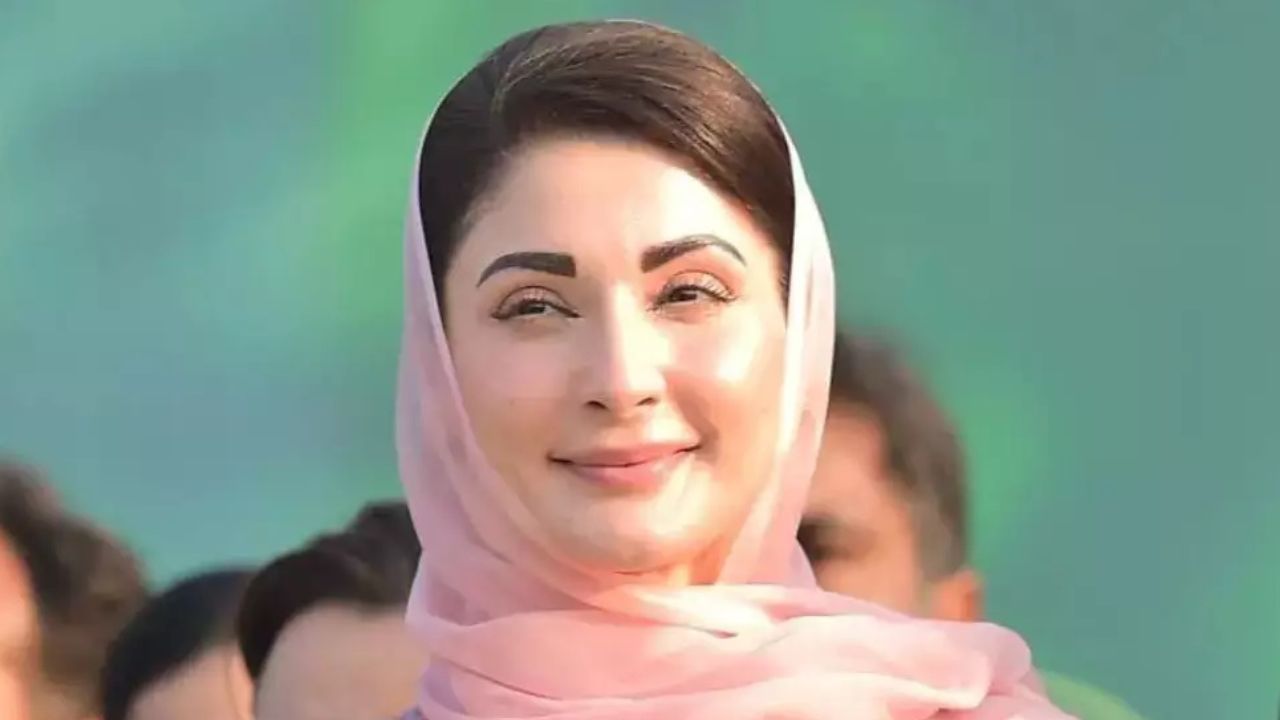
    Chief Minister (CM) of Punjab, Maryam Nawaz, has announced the launch of a special programme titled “Maryam Ko Batayein”, during Ramzan to provide immediate financial assistance to eligible families.

    “The programme will be launched from the first of Ramzan to ensure prompt support for people facing financial hardship. Under the initiative, eligible individuals will be able to receive financial assistance of up to Rs10,000 within 24 hours,” the chief minister said in a post on X on Monday.


    A dedicated helpline, 1000, will become operational from the start of Ramzan, allowing applicants to request assistance. Individuals can also apply by entering their CNIC number on a web portal or mobile application. Verification will be carried out through a digital system.


    The programme will include live tracking, digital record-keeping, and monitoring to maintain transparency. Registered applicants under the Punjab Socio-Economic Registry (PSER) database will receive funds within 24 hours, while verification and registration of new applicants will be completed within four days.

    Maryam Nawaz said the government will ensure access to state resources for every deserving individual in need during Ramzan.

  • Mohsin Naqvi spoke to Field Marshal for Imran Khan’s release: Gandapur

    Mohsin Naqvi spoke to Field Marshal for Imran Khan’s release: Gandapur

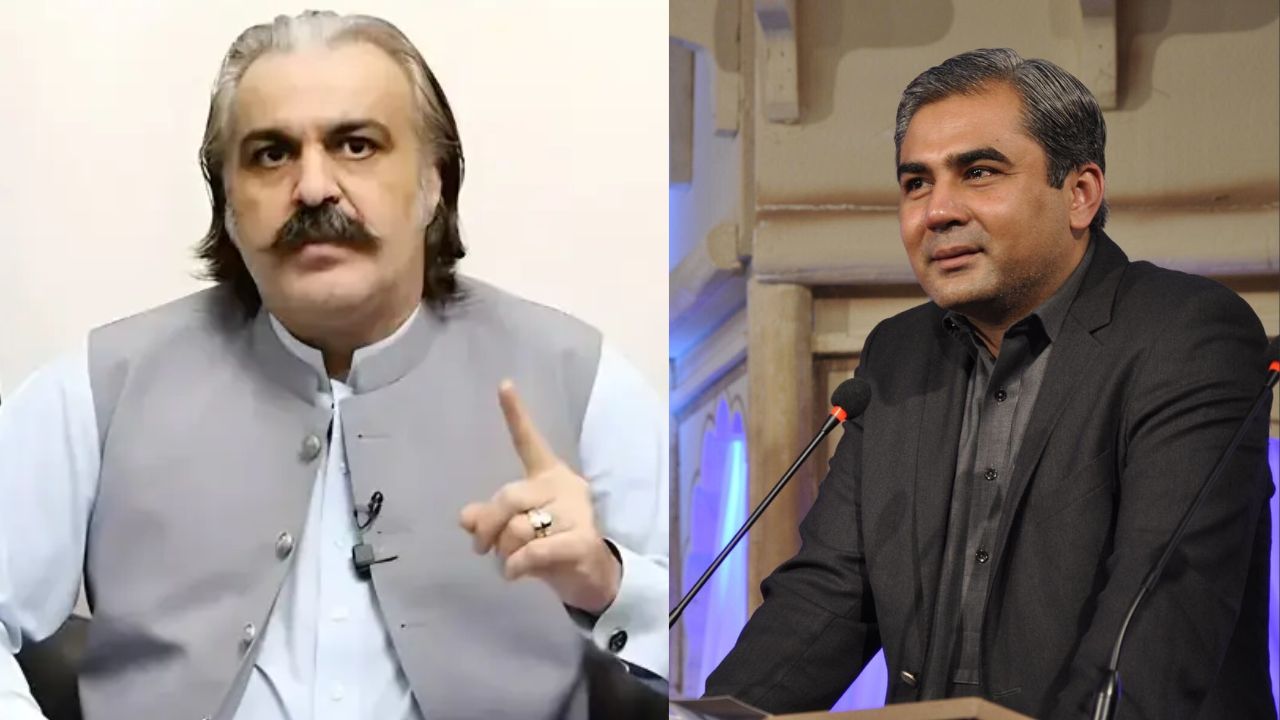
    Former Chief Minister of Khyber Pakhtunkhwa, Ali Amin Gandapur, has said that Interior Minister Mohsin Naqvi made more efforts than anyone else for the release of PTI founder Imran Khan and to resolve all matters related to him. 

    Speaking during a televised interview, Gandapur said, “Mohsin Naqvi has made more efforts than anyone else to ensure Imran Khan is released and the issue is resolved. Can you believe it?” He added that he is stating this on air and under oath that Naqvi tried to have the matter settled.


    Gandapur acknowledged that there had been grievances in the past. “He had wronged us as well, and yes, we were also angry about it.” he said, referring to actions taken against him. 

    When asked whether he and Mohsin Naqvi could still play a role in resolving the issue, Gandapur said he no longer maintains contact and is not in that position anymore. He stated that outcomes ultimately rest with Allah.

    He claimed that Mohsin Naqvi is the only one who can speak directly in front of Field Marshal General Asim Munir. Gandapur said he has not seen anyone else in the system speak for Khan in his presence.


    Responding to a question on whether Naqvi discussed Khan’s release with the Field Marshal, Gandapur said the discussions that took place were positive in nature and that Naqvi raised the matter at that level as well. He added that he has not observed similar courage from others.

  • Imran Khan’s sons want permission to visit him

    Imran Khan’s sons want permission to visit him

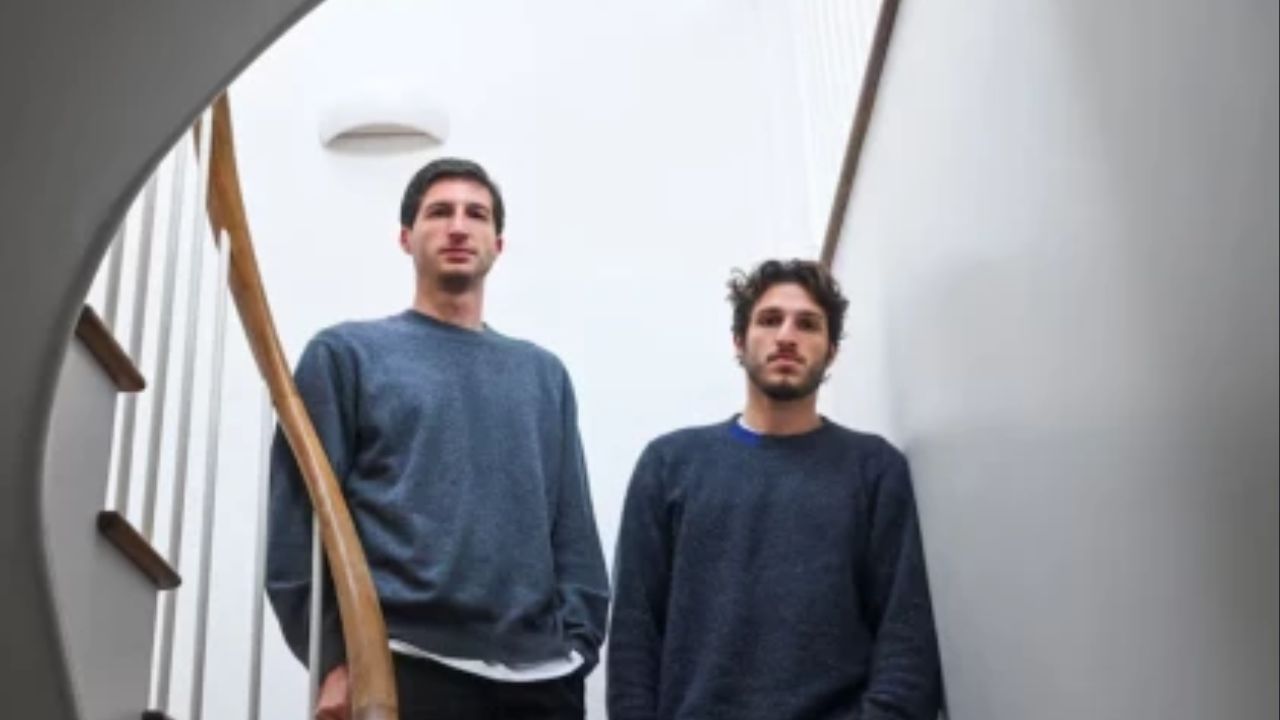
    Imran Khan’s sons have expressed concern over their father’s deteriorating health in a Pakistani jail and are requesting permission to visit him, more than two years after their last meeting.

    Khan’s lawyer told Pakistan’s Supreme Court (SC) last week that the former prime minister had lost significant vision in his right eye while in custody. A medical board reported on Monday that swelling had reduced after treatment and his vision had improved.

    Speaking to an international media outlet in London, where they reside, Khan’s sons Kasim and Sulaiman, 26 and 29, said they were uncertain about the medical report. They spoke to their father on Thursday for the first time since September.


    “It’s hard not to feel low at times because we’ve been away from him so long,” Kasim said of his father, whom he and his brother call ‘Abba’, adding that he should be moved to a proper medical facility and have access to his private doctors.

    Authorities maintain that medical procedures are going on, rejecting claims of neglect. The Supreme Court has requested details of Khan’s treatment.


    Khan, 73, has been in jail since August 2023 following convictions he and his party, Pakistan Tehreek-e-Insaf (PTI), describe as politically motivated.


    Since his ouster in a 2022 no-confidence vote, he has faced multiple cases, including allegations regarding state gifts and an unlawful marriage. Some convictions have been suspended or overturned, with appeals pending. Khan denies wrongdoing.


    Kasim and Sulaiman were raised in Britain after Khan’s divorce from their mother, Jemima Goldsmith. They have not seen him since November 2022, following an assassination attempt. The brothers said they applied for visas last month but have not received a response as yet. 


    Sulaiman suggested the delay could be linked to authorities’ concerns about attention to Khan’s situation if they were allowed to visit.


    Kasim said their concerns extend beyond health to issues including Khan’s freedom, adherence to human rights, and the rule of law.


    Since Khan’s imprisonment, PTI supporters have blocked major highways linking Khyber Pakhtunkhwa to Punjab for four days, affecting transport and supplies in some areas.

    Kasim said their message to supporters is to “keep faith and keep fighting,” noting the family’s effort to maintain that message.

  • Mohsin Naqvi was key link in Imran Khan medical examination: report

    Mohsin Naqvi was key link in Imran Khan medical examination: report

    Federal Minister for Interior Mohsin Naqvi played a key role in enabling communication between the government and Pakistan Tehreek-e-Insaf (PTI) to implement an order issued by the Supreme Court of Pakistan, directing that PTI founder Imran Khan’s eye be examined, sources have said in a news report. 

    Contacts were established at a time when no formal channel existed between the two sides. These efforts led to an understanding on medically examining Imran Khan, who is currently held at Adiala Jail. The process, however, faced delays due to repeated changes in PTI’s position following consultations involving Aleema Khan, the sources said. 

    Under the arrangement discussed between both sides, the government agreed to constitute an independent medical board. PTI was allowed to nominate one independent doctor for inclusion in the board. PTI proposed the name of Dr Nadeem Qureshi, which was accepted by the authorities. The government also conveyed that PTI could nominate a family member to observe the process.

    Sources said that after internal consultations, PTI initially nominated Imran Khan’s nephew Qasim Zaman as the family representative. This proposal was accepted, but was later withdrawn. PTI then requested that Dr Nosherwan Burki be allowed to act in that role.

    While the PTI-nominated doctor could be part of the medical board, the inclusion of a family doctor as a representative was not feasible. PTI was informed that the nominated family representative should not be a doctor, and was asked to propose another name.

    The repeated changes led to delays in finalising the arrangements. Some PTI leaders and members of the opposition alliance were also monitoring the situation during this period.

    PTI further proposed that Imran Khan be shifted to Shifa International Hospital for admission. The government responded that any hospital admission would be subject to the recommendation of the medical board. It also conveyed that the Supreme Court order did not direct admission prior to the examination. This position was communicated to PTI Chairman Barrister Gohar Ali Khan and Khyber Pakhtunkhwa Chief Minister Sohail Afridi.

    After no alternative arrangement was finalised by PTI, the independent medical board, including the PTI-nominated doctor, proceeded to Adiala Jail and conducted the examination. 

    Following the examination, Barrister Gohar Ali Khan and Allama Raja Nasir Abbas were taken to meet the medical board, which briefed them on its findings. The government also facilitated telephonic consultations between the examining doctors and PTI-linked Lahore-based physicians Dr Asim Yousaf and Dr Khurram Mirza.

    According to the medical board, no serious eye condition was identified. Imran Khan’s vision was recorded as 6/6 in one eye and 6/9 in the other, and spectacles with a mild prescription were recommended.