Category: National

  • Punjab Police gets new chief as Rao Abdul Kareem replaces Usman Anwar

    Punjab Police gets new chief as Rao Abdul Kareem replaces Usman Anwar

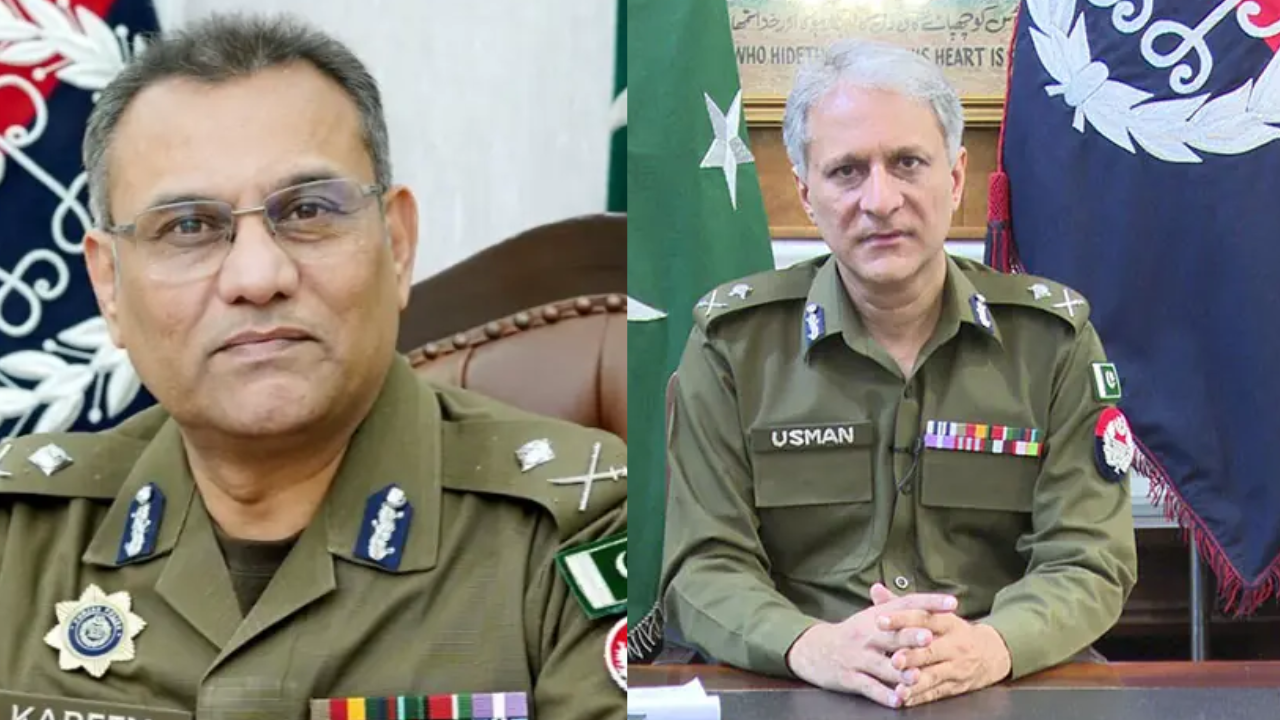
    The federal government on Tuesday notified a reshuffle in the top ranks of the Punjab Police, appointing Special Branch Additional Inspector General Rao Abdul Kareem as the new inspector general of police (IGP), replacing Dr Usman Anwar.

    The Establishment Division issued three separate notifications formalising the reshuffle, appointing Dr Usman Anwar as director general of the FIA in place of Riffat Mukhtar, who was transferred and directed to report to the division, and notifying Rao Abdul Kareem as Punjab police chief.

    Punjab Police confirmed the development in a post on X, stating that the force is looking forward to progress under the leadership of the new IGP in areas including public safety, law and order, and justice delivery.

    Rao Abdul Kareem belongs to Nawabshah and joined the Police Service of Pakistan in 1996 as an Assistant Superintendent of Police (ASP). During his career, Kareem has served in a range of command, operational, and administrative positions. He has previously held posts including commandant of the Punjab Constabulary, Deputy Inspector General (DIG) of traffic Punjab, regional police officer Gujranwala, and Deputy Inspector General (DIG) Telecommunication. In addition, Kareem served as district police officer in Mianwali, Kasur, and Jhang. 

    Meanwhile, Interior Minister Mohsin Naqvi congratulated Dr Usman Anwar on his appointment as DG FIA in a post on X. “Dr Usman’s transformational leadership reshaped Punjab police, setting new benchmarks in professionalism, reform, and public service,” the interior minister said.

    “As he takes charge as DG FIA, a new era begins,” Naqvi added. He expressed hope that “with his vision and dynamism, the public will witness real, visible change in the coming months”.

    Dr Anwar was appointed inspector general of Punjab Police in January 2023 during a major reshuffle carried out by the Punjab caretaker government. Prior to that appointment, he was serving with the National Highways and Motorway Police.

  • Muneeb Qadir vs Arvind Saharan: History debate turns into viral war

    Muneeb Qadir vs Arvind Saharan: History debate turns into viral war

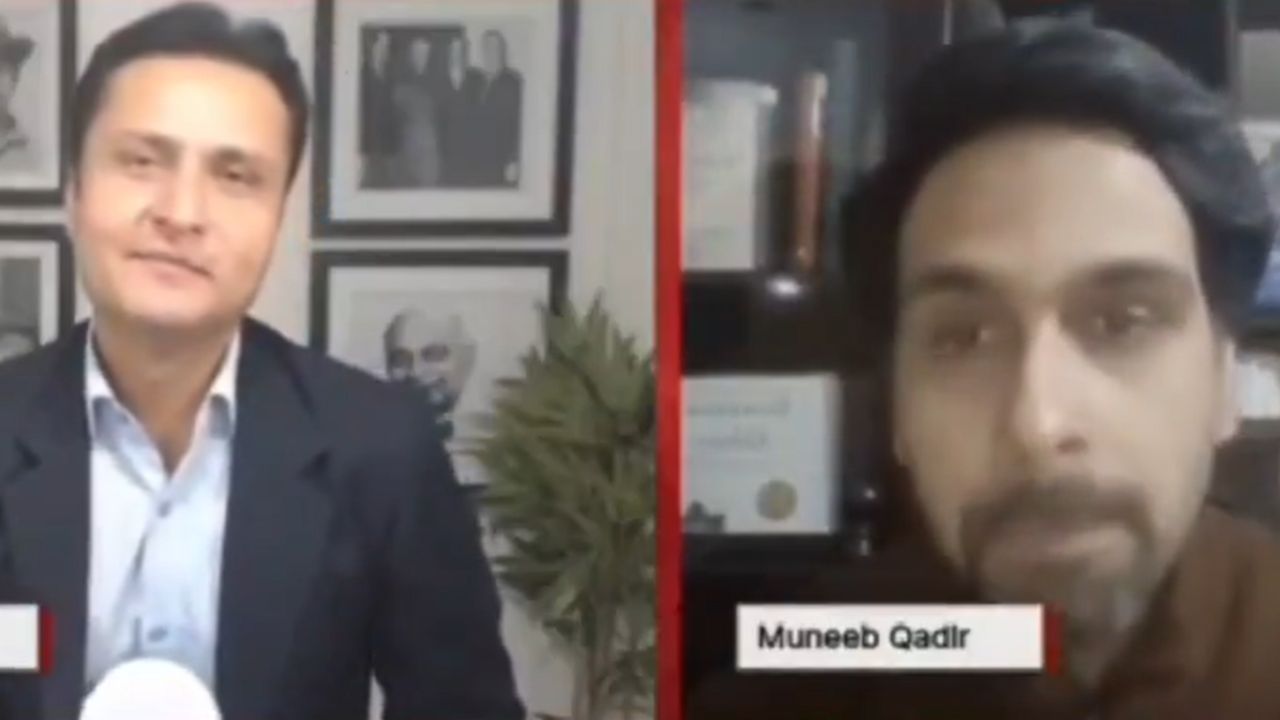
    Pakistani law professor and author Muneeb Qadir and Indian journalist Arvind Saharan became the latest figures in a cross-border online spat, sparking a viral debate over history, trolling, and interpretation of events like the 1965 India-Pakistan war.


    The clash began after an edited clip from their interview circulated online, with critics mocking Qadir for calling himself a “history buff” and questioning his knowledge. 


    Some even accused him of “googling historical facts” mid-interview. The clip quickly went viral, triggering a storm of reactions from Pakistani netizens.


    In response, Qadir released a clarification video, defending his approach and emphasizing that the full context of the interview had been ignored. 


    He also criticized what he described as attempts to bait him into propaganda, refusing to assign blame to either country for historical conflicts.


    “The clip can be interpreted in so many ways,” he said. 


    He explained that the interview had started as a light, cultural exchange between Pakistan and India, but Saharan asked a leading question: “Who do you think is guilty for the 1965 war?” Qadir refused to assign blame to either country, arguing that territorial disputes are complicated and cannot be simplified into black-and-white narratives.


    “I was never going to say Pakistan was at fault,” Qadir said. “Statehood, nationalism, and territoriality are complex. Any sovereign nation attempting to reclaim its territory can adopt measures it deems necessary. The same logic applies globally from Russia in Ukraine to America’s attention on Greenland and Venezuela.”


    The online debate intensified when Saharan responded to Qadir’s clarification, challenging him:

    “Do you want me to make a video and play your voice notes from before and after the discussion? You were keen to participate and even thanked me for it. What you said is entirely your responsibility.”

    Qadir fired back:

    “You want me to make screenshots of your messages praising me to the moon to reveal your duplicitous face, you snake?”


    Saharan replied: “Please make the screenshots and share them. I’m dying to see them.”

  • ‘President Erdoğan offers to take Imran Khan to Türkiye’

    ‘President Erdoğan offers to take Imran Khan to Türkiye’

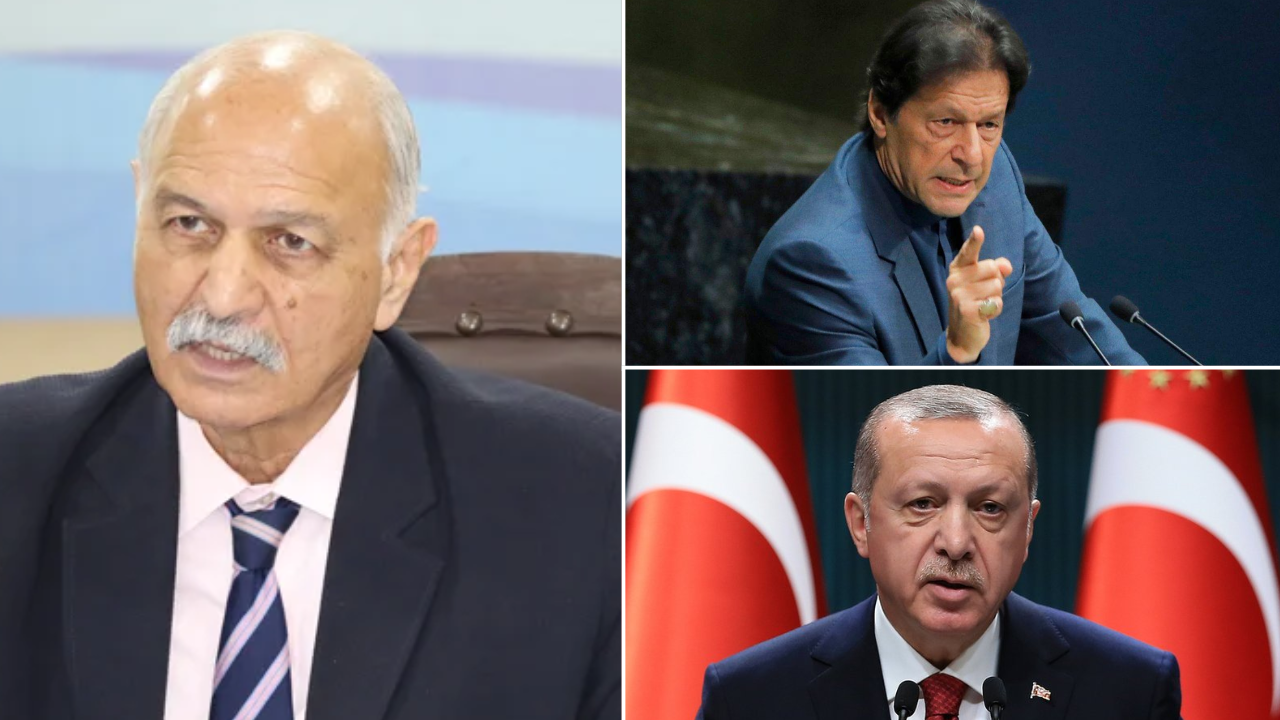
    Türkiye’s President Recep Tayyip Erdoğan has reportedly offered to take former prime minister Imran Khan to Türkiye, former information minister Mushahid Hussain Syed has claimed during a discussion on a private news channel program hosted by journalist Asma Shirazi.

    Discussing reports of a possible political settlement, Asma Shirazi noted rumours of a “last chance” for Khan and speculation about him leaving the country. Mushahid Hussain said he had heard that Erdoğan had extended an offer. “If Imran Khan wants to come to Türkiye, he would be most welcome”.


    Reacting to the claim, Asma Shirazi described it as a major development and asked whether the offer had been made earlier or had resurfaced recently. Mushahid Hussain clarified that he was referring to 2025.

    Mushahid Hussain said that nothing is impossible in politics, noting that if Imran Khan chose to consider the offer, a path could still open.

    He recalled that there had been discussion around Imran Khan’s release after the US presidential election in November 2024.  However, some of his own PTI allies sabotaged the plan. He added that in such dynamics, hawks and doves exist in every political camp, and that the political impasse had continued from 2022 through 2025, dominating the political landscape.

    On whether a settlement is possible, Mushahid Hussain said such outcomes could not be ruled out, noting that Imran Khan has been part of the system and maintained strong relations with the establishment over the years.

  • ‘Talibanisation’: Internet reacts as KP govt bans music, dance at girls’ colleges

    ‘Talibanisation’: Internet reacts as KP govt bans music, dance at girls’ colleges

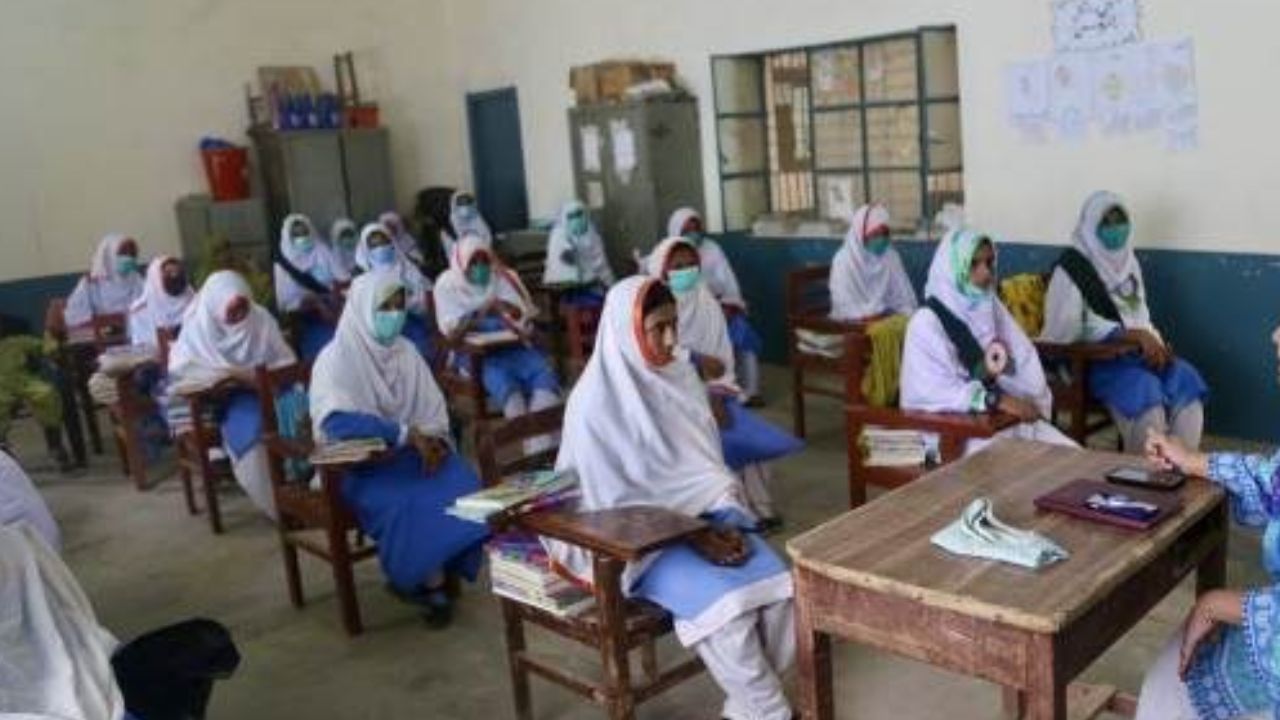
    The Khyber Pakhtunkhwa (KP) government has issued new strict Standard Operating Procedures (SOPs) for girls’ colleges across the province, triggering reactions on social media over what some users have termed “Talibanisation” of education.


    Under the new SOPs, colleges are required to obtain prior approval from the Director of Higher Education (DoHE) before organising any kind of event. 


    Activities involving music, dancing, modeling, or other performances are completely prohibited, and mobile phones are banned during college hours and events.


    The directives also mandate that students must wear their college uniforms while attending any event, and videos or photos of such events must not be shared on social media. 


    Additional measures include strict security and supervision arrangements, “to ensure the safety and modesty of students,” according to the official notice issued by the Directorate of Higher Education, K-P.


    The new measures come amid a longstanding education crisis in the province, where gaps in access to schooling have persisted for years.


    The notification has sparked mixed reactions online. Some users criticised the directives, with one writing, “What is this, are we in Afghanistan? Hope this notification will revert back.” Another called it a “Tribal Talibani stoneage mentality.”


    However, some people supported the move, with one social media user commenting, “This is good. We are training responsible, decent, empowered women.” Another reaction read, “Where’s the surprise? Typical PTI, the political wing of TTP.”

  • Marriage hall sealed in Kasur after three-year-old falls into open manhole

    Marriage hall sealed in Kasur after three-year-old falls into open manhole

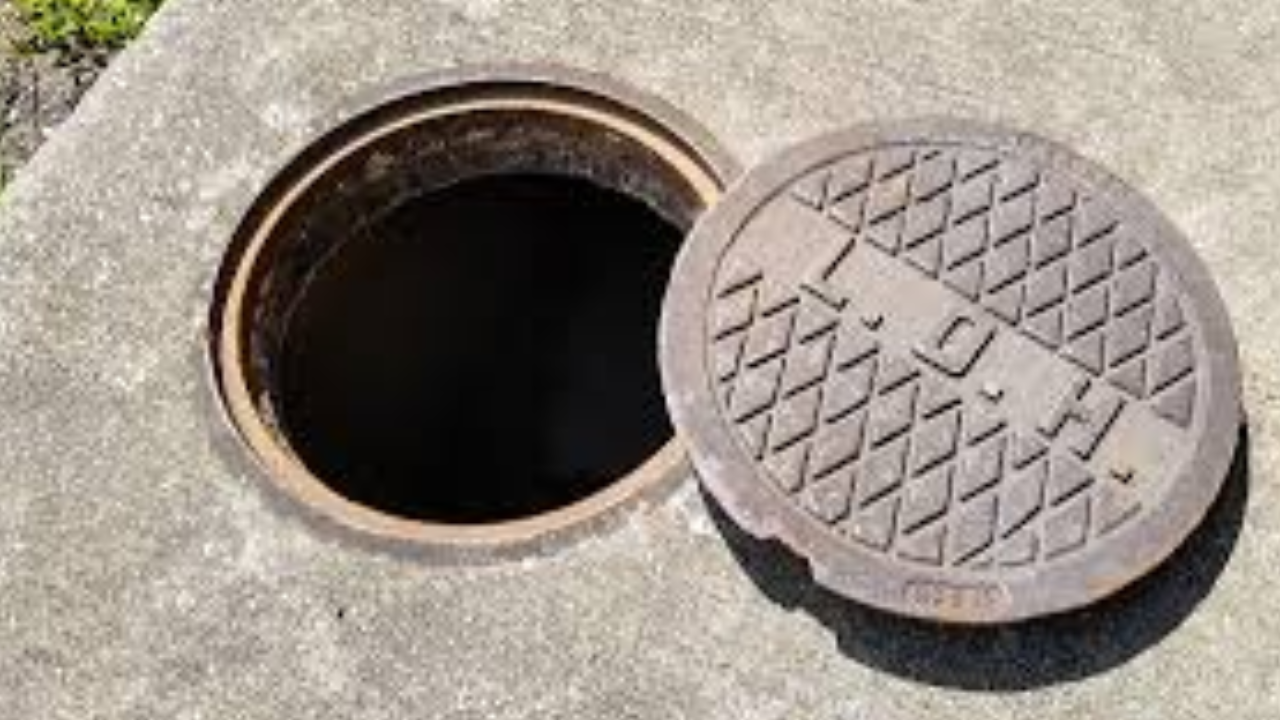
    A marriage hall in Kasur’s Mustafaabad area was sealed on Monday when a three-year-old boy died after falling into an uncovered sewerage manhole on the premises, officials said.

    According to local authorities, the child, identified as Ali Hoor, was present at the marriage hall when the incident occurred. Witnesses said the boy was playing inside the premises when he fell into an open manhole. His body was later retrieved from the sewer by people at the scene.

    Assistant Commissioner Ghulam Fatima ordered the immediate sealing of the marriage hall following the incident. She also directed relevant departments to look into the circumstances surrounding the lapse that led to the manhole being left uncovered.

    In a separate directive, Deputy Commissioner Asif Raza instructed police to arrest the owner of the marriage hall and initiate legal proceedings. Officials said action was being taken to fix responsibility in connection with the child’s death.

    The incident in Kasur comes amid multiple fatalities linked to uncovered manholes reported across Punjab in recent weeks. In January, a woman and her infant daughter died after falling into an open sewer near Bhati Gate in Lahore.

    According to rescue officials, the manhole near Bhati Gate had been left open due to construction work in the area near the Data Darbar Birds Market. Officials said limited visibility during nighttime hours contributed to the incident.

    The victims were identified as Sadiya and her nine-month-old daughter Rida. Rescue officials said the two were swept away by fast-moving water after falling into the sewer. The woman’s body was recovered after hours of search efforts, while the body of the infant was found nearly 17 hours later, approximately eight kilometres away in the Saggian area.

    Following the Lahore incident, disciplinary action was initiated against police officials. Station House Officer Zain Abbas was suspended over allegations of detaining and torturing the husband of the deceased woman, according to officials.

  • Israel thinks Saudi defence pacts with Pakistan, Türkiye mean ties will not be normalised: report

    Israel thinks Saudi defence pacts with Pakistan, Türkiye mean ties will not be normalised: report

    Israel believes Saudi Arabia’s recent defence partnerships including pacts with Pakistan and talks involving Turkey have reduced the likelihood of normalising ties between the two countries, an international trade publication has reported. 


    Israeli officials are increasingly concerned that Riyadh’s expanding security alliances and more assertive regional posture signal a strategic shift that sidelines normalization with Israel. According to the report, Israeli policymakers are weighing whether Saudi Arabia’s moves are temporary or part of a longer-term realignment that could permanently alter the region’s balance of power.


    While Israeli leaders have avoided public comment, a confidant of Prime Minister Benjamin Netanyahu and an Israeli diplomat acknowledged that the developments have triggered unease in Israel. Both requested anonymity due to the sensitivity of the issue.


    From Israel’s perspective, “MBS has withdrawn completely from the idea of normalization,” said Oded Ailam, a former Israeli intelligence officer and researcher at the Jerusalem Center for Security and Foreign Affairs, referring to Crown Prince Mohammed bin Salman. “The Saudis are in a delicate phase and putting their finger to the wind. It’s a huge setback for Israel.”


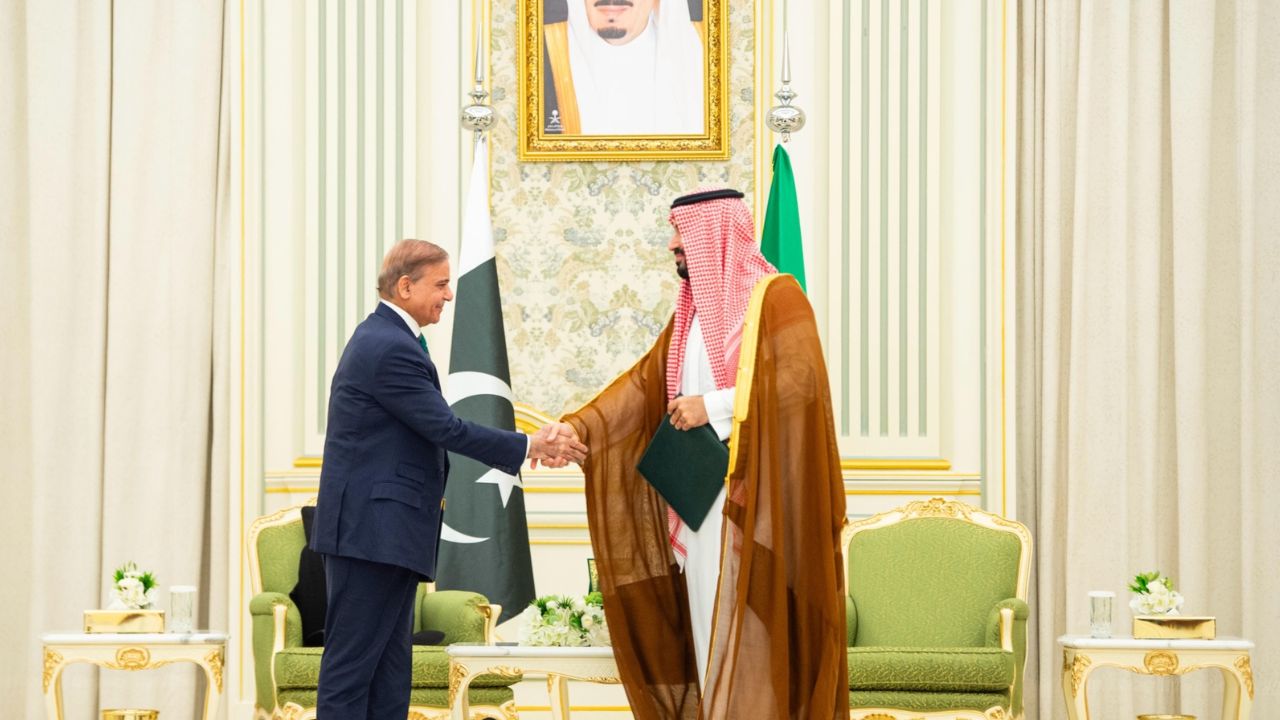
    Saudi Arabia signed a defence alliance with nuclear-armed Pakistan in September, while Turkey confirmed last month that it was in talks to join the same regional pact. The growing cooperation has reinforced Israeli concerns that Riyadh is broadening its strategic options independently of engagement with Israel.

    Tensions between Saudi Arabia and the United Arab Emirates have further added to Israeli anxiety. The rift became public in December when Saudi Arabia reportedly gave Emirati forces 24 hours to withdraw from Yemen. Saudi media has since intensified criticism of the UAE, which normalised relations with Israel in 2020.

    Saudi commentators acknowledge that the kingdom’s regional posture has evolved but reject Israel’s interpretation of the shift. They argue the moves are driven by Saudi Arabia’s foreign policy priorities and efforts to stabilise conflict-prone states rather than a rejection of normalization.

    “Riyadh is trying to stabilize those fragile states,” said Ali Shihabi, a Saudi author and commentator. “That’s the core of the tension.”


    Saudi Arabia has reiterated that it remains open to normalising relations with Israel, provided there is credible progress toward Palestinian statehood. In a statement, the government said, “Rejecting the two-state solution undermines this historic opportunity and perpetuates the conditions for continued violence and suffering.”


    A spokesperson for the UAE said the country’s policy is guided by respect for the sovereignty of all states and peaceful coexistence. Israeli officials did not respond to requests for comment.

  • ‘Not a political issue’: CM Bugti calls for military action in Balochistan

    ‘Not a political issue’: CM Bugti calls for military action in Balochistan

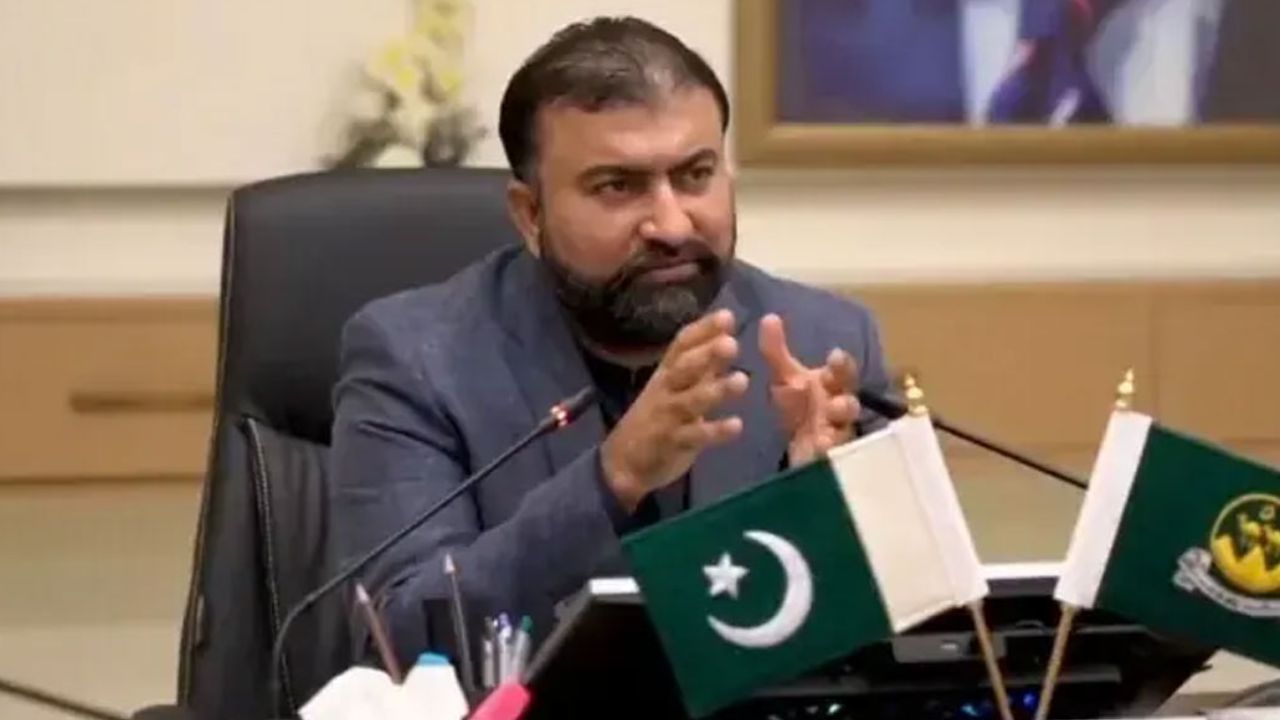
    Balochistan Chief Minister (CM) Sarfraz Bugti has said that the province’s problems are not political and could only be addressed through a military response, confirming that at least 31 civilians and 17 security personnel lost their lives during recent militant attacks.


    Speaking to a private media program, CM bugti dismissed claims that a large numbers of militants had taken part in the coordinated assaults, stating that the actual number of attackers was between 200 and 250. 


    He stressed that militant groups deliberately use civilians as human shields during attacks in urban areas. The provincial chief executive also estimated that the total number of terrorists, their sympathisers, and facilitators in Balochistan ranges between 4,000 and 5,000.


    Bugti linked the resurgence of organised militancy since 2021 to what he described as a policy of appeasement following 2018, saying that militants were able to regroup and grow stronger after a new government took office. 


    “When a new policy came, we started appeasing them. Because of this, by 2021, they became organised. In 2023 and 2024, they became even stronger,” he added, noting that his government reviewed this policy after assuming office in 2024.


    Security forces have continued operations across the province. Over the past two days, 177 terrorists have been killed during coordinated sweeps, including 22 more during overnight operations following Saturday’s attacks, according to security officials.


    The military’s media affairs wing said that the spate of assaults was carried out by Fitna-al-Hindustan, a designation highlighting India’s alleged role in supporting terrorism in Balochistan.


    The attacks on Saturday targeted more than 10 cities and towns, primarily aiming at security and government installations. Suicide bombers, including female attackers, were involved, resulting in the deaths of 15 security personnel and 18 civilians.


    Following the assaults, security forces launched cordon and sweep operations across towns, cities, and rural areas to eliminate remaining militant presence. Defence Minister Khawaja Asif said peace had been restored in Balochistan and that security forces were now engaged in a mopping-up operation.


    Mobile internet services, suspended since Saturday, continued to remain shut for the third consecutive day in Quetta and other cities. Balochistan’s Additional Chief Secretary (Home), Hamza Shafqaat, said services were expected to be restored on Tuesday.

  • New portal being launched to curb housing scams

    New portal being launched to curb housing scams

    National Accountability Bureau (NAB) is preparing to roll out a new digital platform aimed at curbing housing fraud by giving the public direct access to verified information about private housing schemes across the country.


    The Online Property Information System (OPIS) will allow citizens, including overseas Pakistanis, to check approved layout plans of housing societies and confirm plot locations before making investments. The system has been developed after NAB collected verified layout plans for over 1,000 housing projects nationwide.


    NAB Islamabad/Rawalpindi region’s Director General, Waqar Chauhan, said that the platform is ready for launch and will be inaugurated by Prime Minister Shehbaz Sharif in the coming days.


    “With this system, people will no longer have to rely on agents or unofficial sources. Anyone, even from abroad, will be able to verify the layout and legal standing of a housing scheme online,” he said while speaking to a private media outlet. 


    Officials say OPIS is designed as a preventive tool to counter the activities of land grabbers and fraudulent developers by bringing provincial governments, regulators and local authorities onto a single platform.


    The portal will provide verified details on the legal status, approved layout plans and available land of private housing societies, helping buyers safeguard their savings from unapproved or fake real estate projects.


    To ensure accuracy, NAB has coordinated with provincial secretaries, regulatory bodies and local governments to supply authenticated data. The information will be housed in a central national database, allowing early verification and reducing the risk of fraud before financial losses occur.

  • Karachi FIA pulls off biggest recovery in its history

    Karachi FIA pulls off biggest recovery in its history

    A petroleum company accused of causing a Rs47 billion loss to the national exchequer has begun making payments in what is being described as the largest recovery in the history of the Federal Investigation Agency (FIA) Karachi.


    The development was revealed in a detailed report submitted to the Public Accounts Committee (PAC) by FIA Karachi Corporate Crime Circle chief Ayaz Mehr, who has been overseeing the investigation.


    According to the report, the company allegedly failed to deposit petroleum levy amounts collected on fuel sales into the government treasury between 2019 and 2022. The unpaid levy, officials say, was withheld through fraudulent means, causing losses estimated at Rs47 billion.


    The fraud case was filed by Ashfaq Ahmed, Deputy Director at the Ministry of Energy and Petroleum. Thirteen individuals were nominated as accused, including the company’s owners, two women, and members of its board of directors. Among those named is former K-Electric managing director Tabish Gohar.


    Investigations into the case continued for two years under different investigating officers. Following the prolonged probe, the company agreed to repay the outstanding amount to the government.


    As part of the recovery process, the company has deposited an initial cash installment of Rs1 billion. In addition, post-dated cheques worth Rs46.4 billion have been submitted, along with an unconditional and irrevocable bank guarantee.

    Confirming the development, FIA Karachi Corporate Crime Circle head and Deputy Director Ayaz Mehr said the report detailing the recovery and investigation has been formally submitted to the Public Accounts Committee.

  • 58 terrorists killed as security forces thwart 12 Fitna al-Hindustan attacks across Balochistan

    58 terrorists killed as security forces thwart 12 Fitna al-Hindustan attacks across Balochistan

    Security forces on Saturday killed at least 58 terrorists as clashes continued across Balochistan following coordinated attacks by Fitna al-Hindustan at 12 different locations, media reports said.


    According to reports, 10 security personnel were also martyred in said action against Fitna al-Hindustan – a term used by civil and military authorities for Balochistan-based terrorist groups working as Indian proxies – and all attacks were thwarted due to timely and effective action by law enforcement agencies.


    State-run Radio Pakistan, citing security sources, reported that pursuit and engagement operations were continuing at multiple locations, with reports of further terrorist casualties and damage emerging as operations progressed.


    In a post on X, Balochistan Chief Minister (CM) Sarfraz Bugti said security forces had killed more than 70 terrorists across the province over the past two days.


    “In the morning, in an attempt to shore up their declining morale, Fitna-al-Hindustan terrorists attempted attacks at multiple locations,” he said, adding that the Balochistan Police and Frontier Corps (FC) jointly repelled the assaults and killed another 37 terrorists.


    “These attacks cannot weaken our resolve. We will continue to pursue terrorists until the last one is eliminated,” he added.


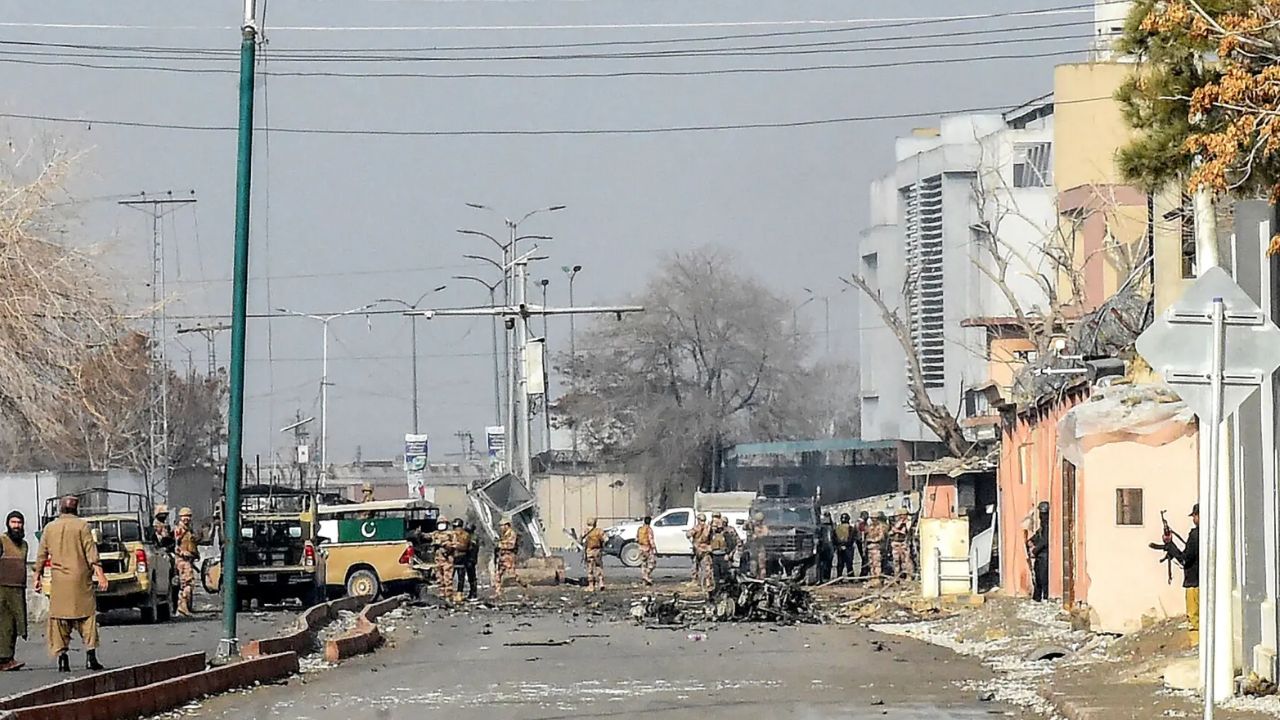
    CM Bugti also visited the site of a bomb blast in Quetta to review the security situation. A statement from the CM House said Inspector General of Police (IGP) Muhammad Tahir briefed the CM on the incident as he also met security and police personnel.


    “The timely response against terrorist elements is commendable,” Bugti was quoted as saying, praising the police and the Counter Terrorism Department (CTD).


    “Anti-state elements will not be forgiven under any circumstances. There will be no compromise on peace in Balochistan,” he said.


    Earlier, armed attacks, firing and explosions were reported in several areas, including the provincial capital. Police said gunmen attacked a police mobile unit on Sariab Road, killing two police personnel and injuring three others. The injured were shifted to a nearby hospital, while the police vehicle caught fire.


    A blast near Hockey Chowk in Red Zone also injured two people. Following the incidents, authorities sealed parts of the Red Zone, and activities at the Civil Secretariat, courts and some government offices were temporarily suspended.


    Officials said armed men also attacked Khaliq Shaheed Police Station in the Eastern Bypass area, while videos circulating online showed an attack on Sheikh Zayed Hospital on the Quetta–Karachi road. Gunmen also targeted private banks in Hazarganji and entered a private school on Zarghoon Road.


    Firing was also reported on Qambrani Road and Zarghun Road as security forces exchanged fire with attackers. Security checkpoints were set up at Quetta’s entry and exit points, and residents were advised to avoid unnecessary movement.


    Emergency measures were imposed at government hospitals, including Civil Hospital Quetta, Bolan Medical Complex (BMC) Hospital and trauma centres, to handle casualties.


    Officials said attempted attacks were also reported in Nushki, Dalbandin, Kalat, Gwadar, Pasni, Tump and Mastung, where terrorists targeted government buildings and security installations.


    In Mastung, attackers injured several people, including a police officer, and freed more than 30 prisoners from central jail. Clashes were also reported near the DC headquarters and police lines in Kalat.


    In Nushki, armed men abducted Deputy Commissioner Hussain Hazara along with his family and later released a video of the incident. In Pasni, a Coast Guards post came under attack, which security forces repelled, killing eight terrorists in retaliatory fire.


    Authorities closed the Quetta–Sibi highway at Bolan, shut the Quetta–Karachi–Taftan highway at Lak Pass, and blocked the Qila Saifullah–Rakhni road, while explosive material planted on a railway track in Nasirabad was defused.


    Reports also quoted security sources as saying that Indian media and social media platforms openly supported Fitna-al-Hindustan during the attacks, saying the coordination further exposed what they described as a nexus between the group and hostile information campaigns.