Category: National

  • Lahore High Court takes up petition seeking social media ban for children under 16

    Lahore High Court takes up petition seeking social media ban for children under 16

    The Lahore High Court (LHC) has sought replies from the federal government and other authorities on a petition seeking ban on social media for children under the age of 16.


    As per the details, the petition, filed by Aliya Saleem and others through Advocate Shiza Qureshi, was heard by LHC Chief Justice Aalia Neelum on Tuesday.


    Justice Neelum described the matter as important and noted that it raised broader policy questions that should be addressed by the government.


    The petitioner’s counsel argued that social media was causing serious harm to the mental, moral and educational development of children. 


    Qureshi added that several developed countries were considering or imposing restrictions on social media for underage users.


    The lawyer informed the court that Australia imposed a ban on children’s use of social media in December 2025, while countries including France, Norway, Malaysia and New Zealand were in the process of legislating on the matter. 

    Earlier this month, senators Falak Naz, Fawzia Arshad, Aimal Wali Khan, Saadia Abbasi and Dilawar Khan also highlighted the need to monitor social media for children under 18.


    Senator Sherry Rehman also emphasised the importance of safeguards and suggested forming a special committee in consultation with relevant ministries to address the issue.

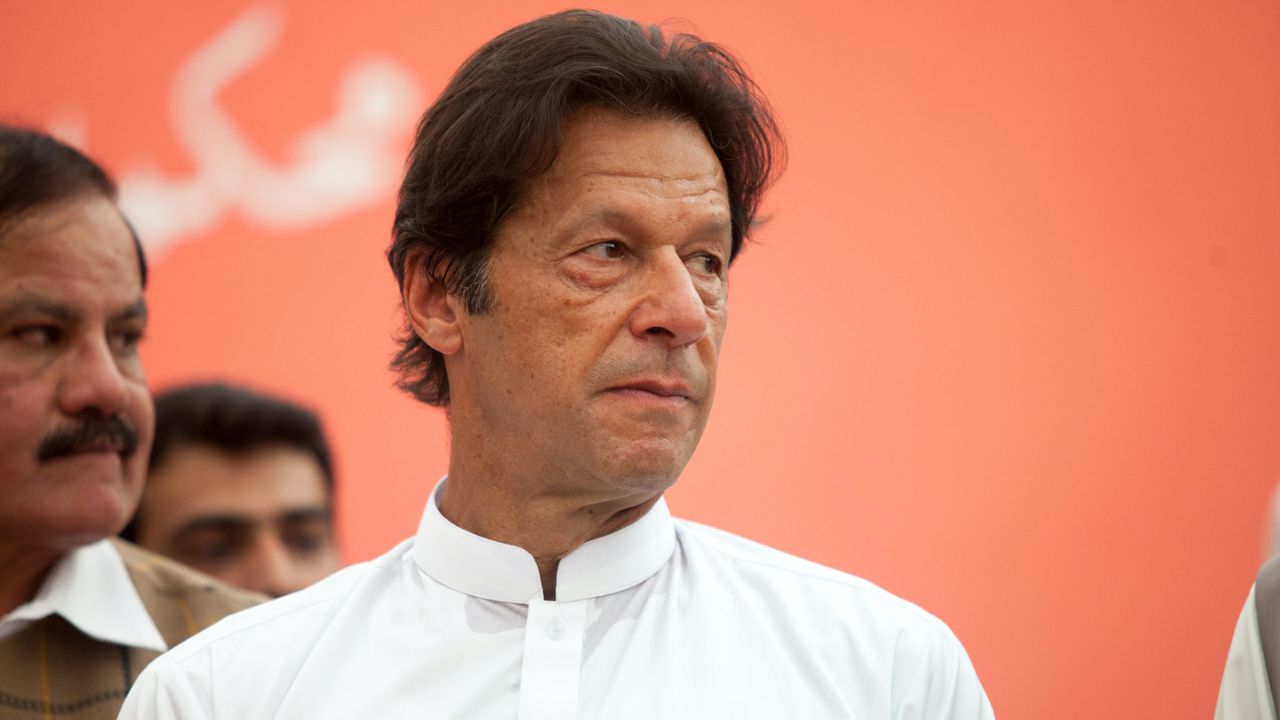
  • ‘Imran Khan at risk of losing sight due to central retinal vein occlusion,’ PTI says

    ‘Imran Khan at risk of losing sight due to central retinal vein occlusion,’ PTI says

    Pakistan Tehreek-e-Insaf (PTI) has once again expressed concern over the health of its jailed founder Imran Khan, claiming that he is suffering from an eye condition that could lead to permanent vision loss if not treated urgently.


    In a statement posted on X, the party said it had learned through credible reports that the former prime minister had been diagnosed with central retinal vein occlusion in his right eye, a condition caused by a blockage in the retinal vein.


    Citing medical experts who reportedly examined him in jail, the party said the condition was “extremely serious” and required immediate and proper treatment to prevent irreversible damage to his eyesight.


    PTI alleged that jail administration was insisting on providing treatment inside the prison, even though the attending specialist had advised that such care was not possible without an operation theatre and specialised medical facilities.


    “This reckless attitude is placing Imran Khan’s eyesight and overall health in grave danger,” the statement said.


    The party further said Imran was last allowed to see his personal physician in October 2024 and has not been examined by him since, despite orders issued by the Islamabad High Court (IHC) permitting regular medical check-ups.


    Calling it a “blatant violation” of court orders and fundamental human rights, PTI said a petition seeking regular medical examinations for Imran had been pending since August 2025 and was being deliberately ignored.


    “The government’s conduct shows that, in its pursuit of political vendetta, it is willing to gamble with the life and health of a prisoner,” the statement said.


    The party demanded that Imran be allowed an unrestricted meeting with his family and close associates to reassure the public about his condition. It also called for his immediate transfer to Shaukat Khanum Memorial Hospital or any other hospital of his choice for treatment under qualified specialists.


    It also urged the judiciary to treat the matter as one of human life rather than politics and warned that any permanent damage to Imran’s eyesight would be the responsibility of the government and the Adiala Jail administration.


    Separately, Shaukat Khanum Memorial Hospital, founded by Khan, also issued a statement expressing “grave concern” over his health.


    While expressing confidence in the doctors currently treating him, the hospital requested that a team of its physicians be granted immediate access to participate in his care to help reassure those concerned about his well-being.

  • Punjab govt to give Rs10 million each to families of Lahore hotel fire victims

    Punjab govt to give Rs10 million each to families of Lahore hotel fire victims

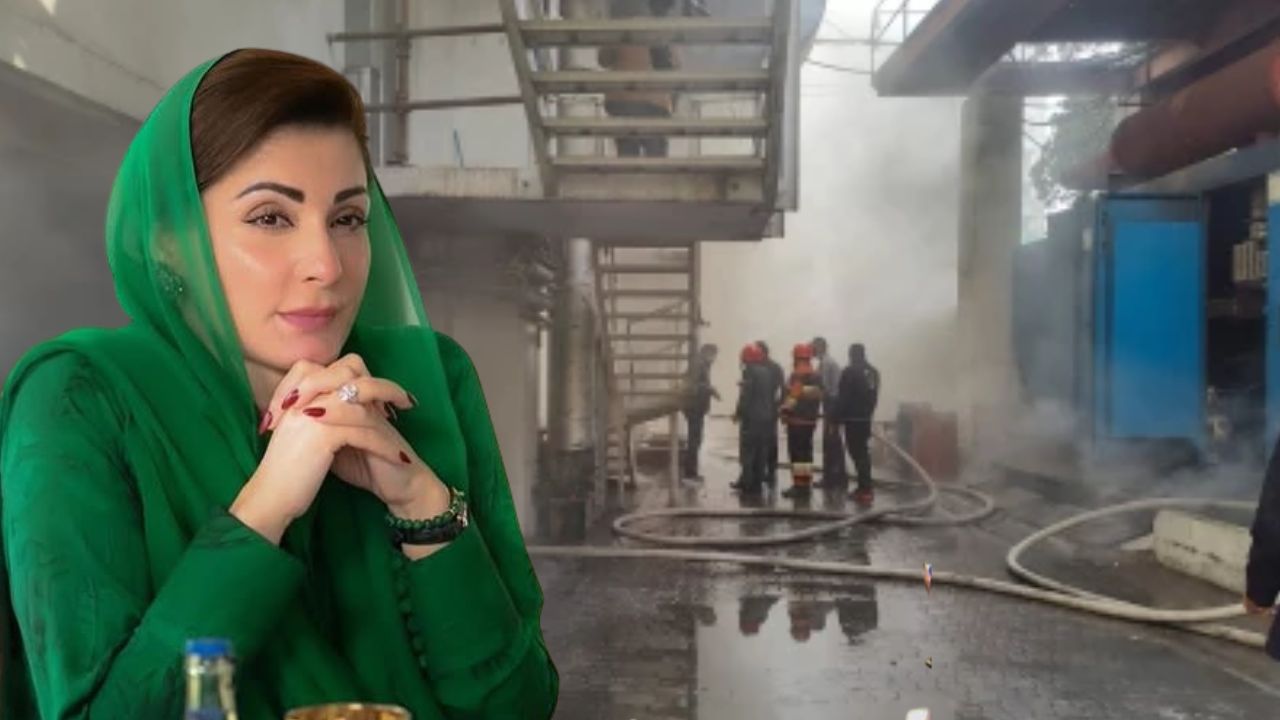
    Chief Minister (CM) Punjab Maryam Nawaz announced on Tuesday that the Punjab government will provide Rs10 million to the families of those who died in the recent Lahore hotel fire. 

    “Rs 10 million will be given to the families of those who lost their lives in the Lahore hotel fire,” CM Maryam said while chairing a session on fire incidents and building safety.

    She said that the Lahore fire incident was controlled thanks to revised Standard Operating Procedures. “Despite most people being trapped in the basement near the fire, everyone was rescued just in the nick of time,” she added.

    CM Maryam congratulated Rescue 1122 Director General and staff for risking their lives and noted the situation was monitored through Safe City cameras. She also acknowledged Energy Minister Faisal Khokhar and Safe City head Muhammad Ahsan Younis for immediately reaching the scene.

    She urged all commissioners in Punjab to follow the new SOPs starting Tuesday and instructed Punjab Emergency Services Department Secretary Dr Rizwan Naseer to upgrade equipment and establish Rescue 1122’s inspectorate for regular inspections.

    The chief minister emphasized operational fire hydrants and announced measures for all commercial and high-rise buildings, including monthly fire drills, installation of hydrants, alarms, extinguishers, emergency staircases, and removal of hazards. “DCs should lock prices for fire hydrants for the next 90 days to prevent price hikes,” she added.

    The blaze broke out on January 24 in a 19-floor hotel spread over four kanals, with three basements, with Basement One reported to be the worst affected by the fire. 

    Authorities evacuated 180 people safely, but three lives were lost, including two hotel employees.

  • Sindh reports first rabies death of 2026 as eight-year-old girl dies in Sanghar

    Sindh reports first rabies death of 2026 as eight-year-old girl dies in Sanghar

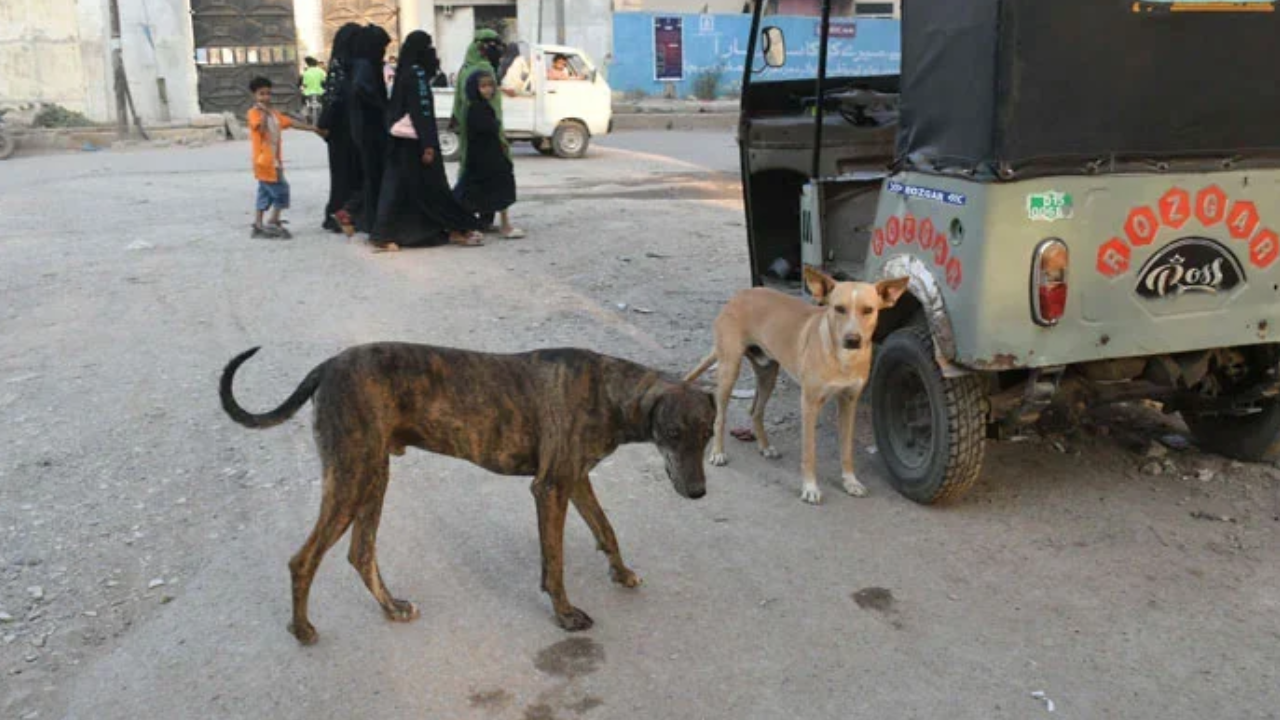
    Sindh has reported its first rabies death of 2026 after an eight-year-old girl from Sanghar district died from the virus, highlighting gaps in dog-bite treatment, post-exposure care and public awareness.

    As per the details, the girl was bitten by a stray dog about one-and-a-half months ago and sustained multiple deep wounds. She was initially taken to several public-sector health facilities where post-exposure prophylaxis — treatment given or action taken to prevent disease – was reportedly started.

    Dr Gohar Aftab, in-charge of the Dog Bite Clinic at Indus Hospital, said the girl was shifted to Indus Hospital Karachi over the weekend. 

    Hospital officials noted that the treatment she received at earlier facilities was incomplete and that rabies vaccine was not administered properly, leaving her unprotected against the virus. Doctors added that the child developed hydrophobia and aerophobia, symptoms of advanced rabies encephalitis, indicating that the disease had reached its final stage.

    At Indus Hospital Karachi, the girl received palliative care, as rabies is almost always fatal once clinical symptoms appear.

    Health authorities confirmed this was the first rabies death reported in 2026 as the province continues to see a high number of dog-bite incidents.

    More than 3,000 dog-bite cases have been recorded in Sindh this month alone, raising concerns about potential new rabies cases in the coming weeks. Public health experts say the child’s death reflects systemic failures rather than an isolated incident.

    Experts stress that rabies is preventable if wounds are washed immediately with soap and water for at least 15 minutes, followed by timely and complete administration of rabies vaccine and immunoglobulin in severe cases.

    Delays, incomplete vaccination schedules and lack of immunoglobulin continue to contribute to preventable deaths.

    Official data shows that 21 people died of rabies in Sindh last year, while over 60,000 dog-bite cases were reported across the province. Most victims live in low-income, rural or peri-urban areas, where access to emergency care and rabies immunoglobulin is limited.

    Doctors report that many dog-bite victims either delay seeking care or receive only tetanus injections and antibiotics, while essential steps such as wound washing, rabies vaccination and immunoglobulin are often missed. 

    In some cases, patients move between multiple facilities without proper documentation or continuity of care.

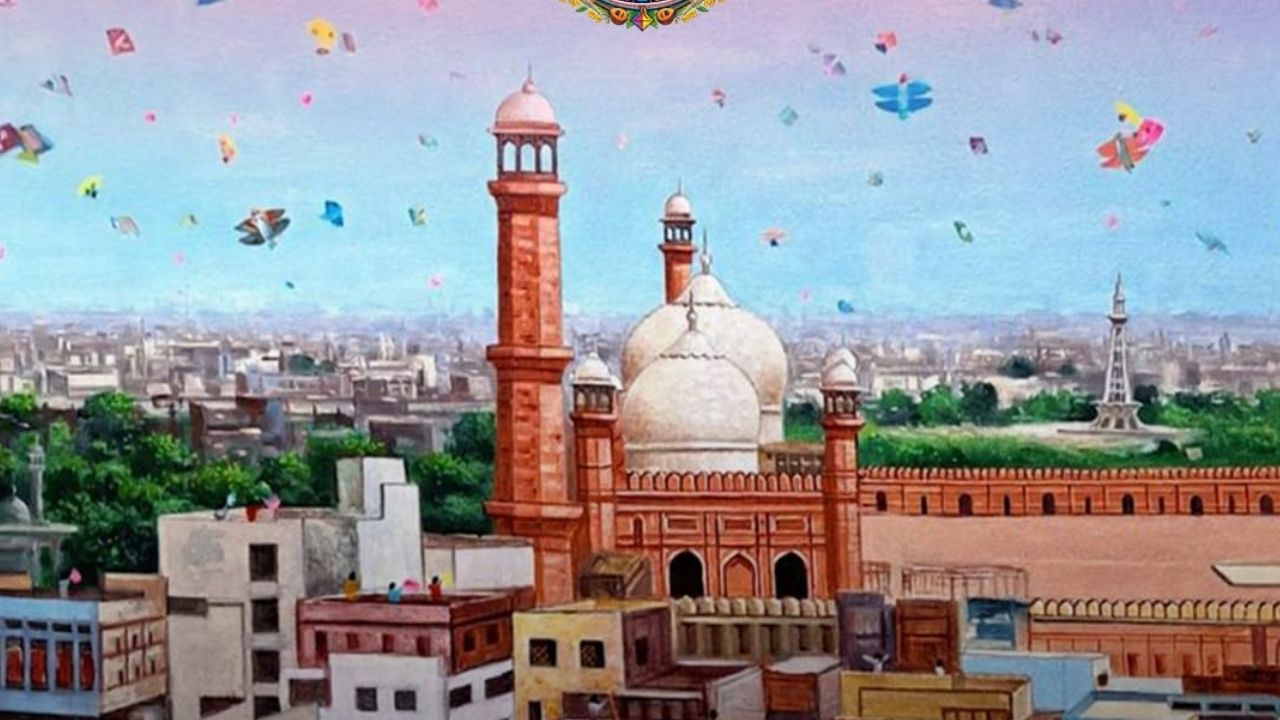
  • Govt issues new instructions amid risk of political, religious symbols on kites

    Govt issues new instructions amid risk of political, religious symbols on kites

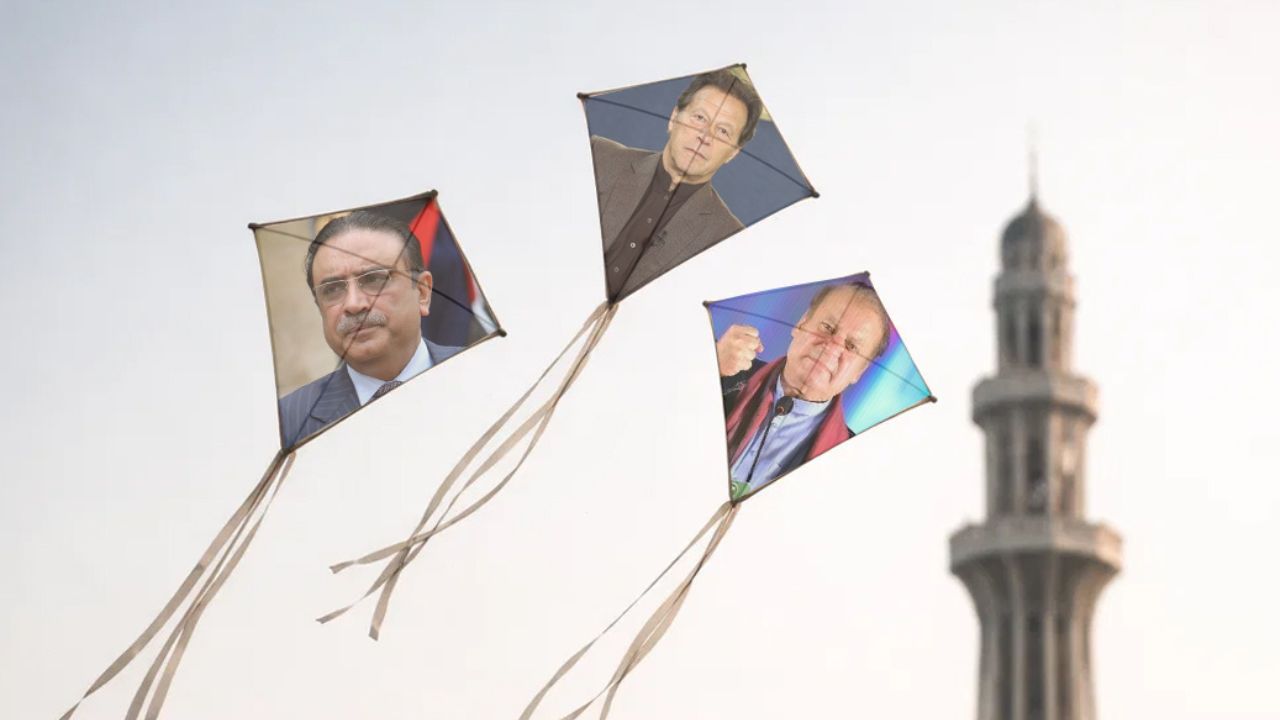
    The Punjab government has imposed strict restrictions under Section 144 to prevent provocation and maintain public order during Basant, banning the use of kites carrying any kind of images or symbols.

    According to an official notification, the government has enforced the measures to ensure religious harmony and public safety during the festival. The notification clearly prohibits the manufacture, sale, transportation and use of kites displaying images of sacred books, religious places, personalities, national flags or political party symbols. 

    The ban on kites with religious or political imagery will remain in effect for 30 days.

    The notification states that only plain kites without any pictures, whether single-coloured or multi-coloured, will be allowed during Basant. Authorities have declared the production, storage, sale and use of illegal kites a punishable offence.

    Punjab government said that there was a risk that certain elements could use religious or political symbols on kites to incite unrest during the festival. It added that the orders under Section 144 have taken immediate effect and directed law enforcement agencies to take strict action against violations.

    Meanwhile, a spokesperson for the Punjab Home Department said the government has granted conditional permission for a “safe Basant” in Lahore from February 6 to 8. 

    The festival will be treated as a recreational event, and authorities will not tolerate any violation of the law.

    The spokesperson said the restrictions aim to protect public order and respect religious sentiments. He confirmed a complete ban on metallic wire, nylon string and glass-coated kite string. Manufacturing, transport, storage, sale and use of dangerous strings and kites remain strictly prohibited.

    According to the Home Department, kite flying before the approved dates can lead to up to five years in prison and a fine of up to Rs2 million. 

    Those involved in the manufacture or sale of prohibited materials may face up to seven years in prison and fines of up to Rs5 million.

  • Govt bans pet lions, other big cats’ ownership in Punjab

    Govt bans pet lions, other big cats’ ownership in Punjab

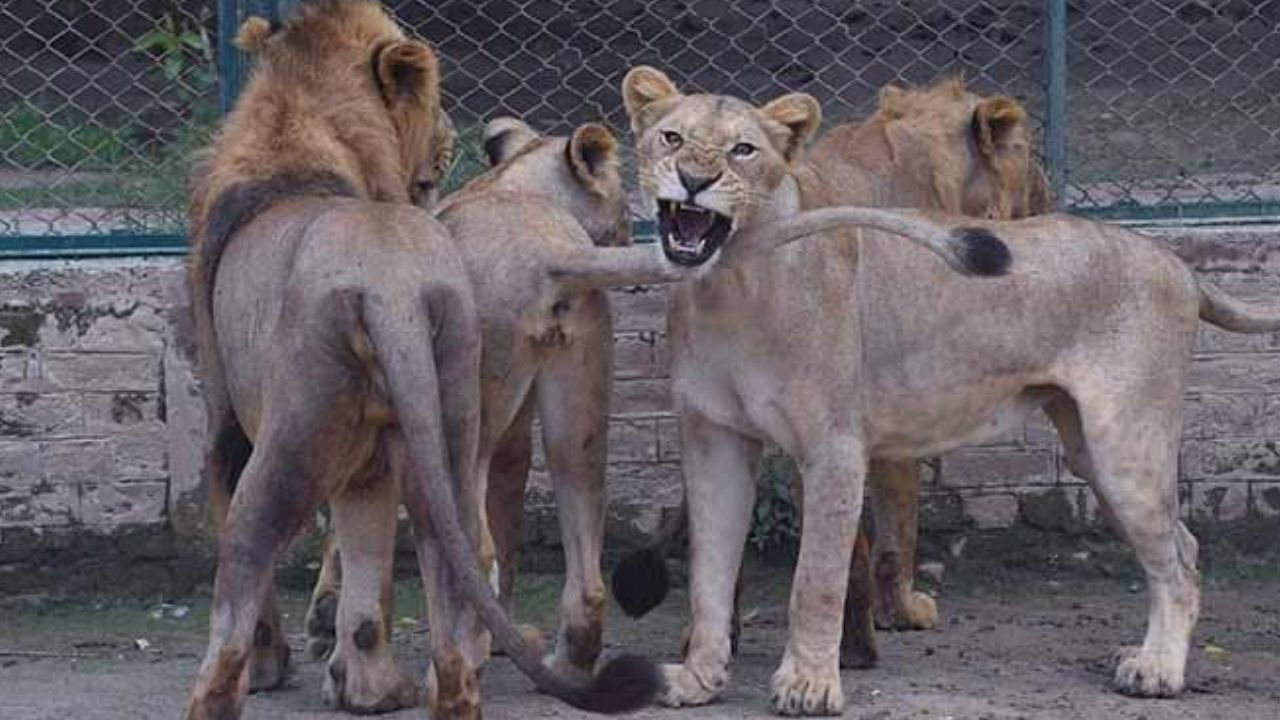
    Days after two separate lion attacks in Lahore left at least two children injured, Punjab (CM) Chief Minister Maryam Nawaz has ordered the revocation of all permits for keeping big cats as pets in the province.


    One of the incidents involved an eight-year-old boy, Wajid Ali, who was attacked by a pet lion in the provincial capital’s Sabzazar area. Police said the child went near the lion’s cage while playing when the animal attacked him.


    Due to inadequate enclosure arrangements and alleged negligence of the owner, the lion chewed off the boy’s arm. Authorities said the owner attempted to keep the incident under wraps and misled officials by claiming the injury occurred when the child’s arm was caught in some machine. 


    Doctors later amputated the child’s arm to save his life because of the severity of the injuries.


    Separately, a pet lioness attacked an eight-year-old girl in Lahore’s Bhekewal Pind area, leaving her seriously injured. Police said the animal was being transported by its owner in an auto-rickshaw when it became agitated, broke free and attacked the girl.


    “Following such incidents, CM Maryam Nawaz on Monday decided to revoke the legal permission to keep pet lions across the province,” the Punjab government said in a statement.


    The provincial chief executive also directed authorities to provide Wajid with a modern bionic arm.


    Police said both the owners were arrested and first information reports (FIRs) were registered against them.


    According to the provincial government, 59 big cats have so far been seized from different parts of Punjab, while 10 suspects have been arrested for violating standard operating procedures related to the housing of such animals.

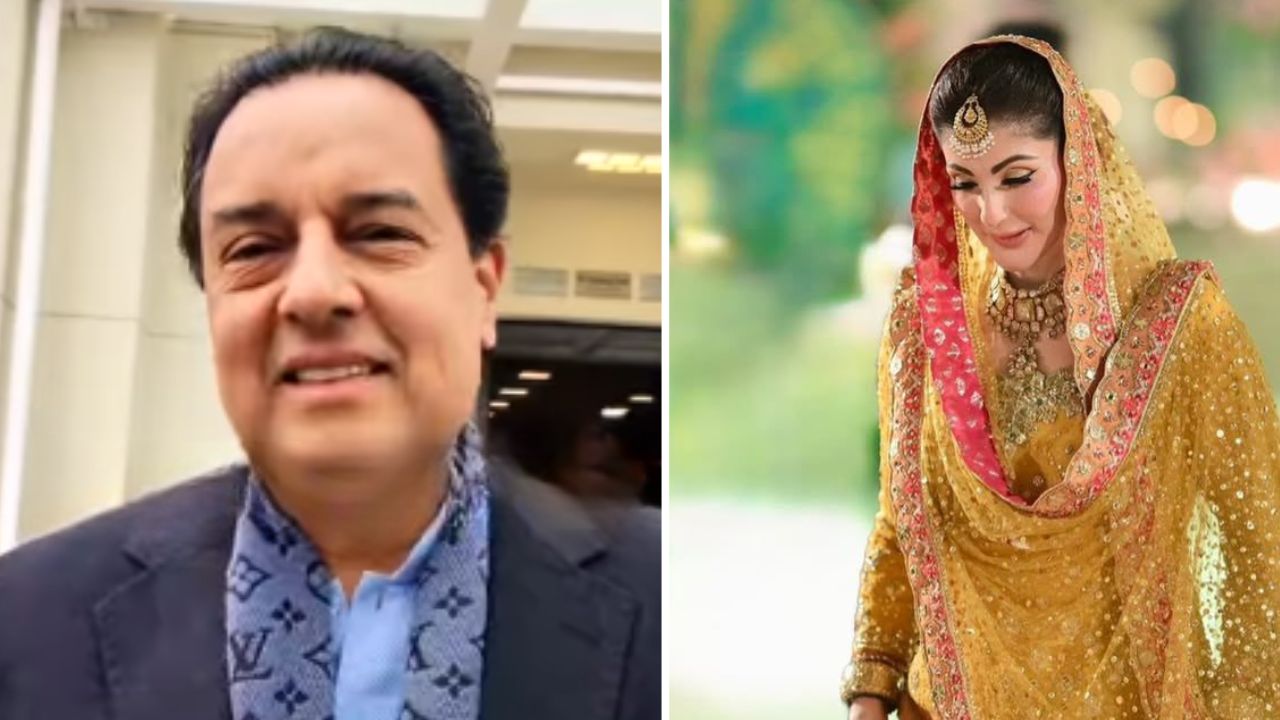
  • Maryam Nawaz’s husband jokes about missing photos with wife at son’s wedding

    Maryam Nawaz’s husband jokes about missing photos with wife at son’s wedding

    Punjab Chief Minister Maryam Nawaz’s husband, Muhammad Safdar, has responded to questions about the absence of photos of the couple from their son Junaid Safdar’s wedding, using humor to dismiss the controversy.

    A video of Safdar went viral after a reporter asked why pictures of him with Maryam Nawaz did not appear on social media during wedding celebrations. Safdar replied with a light tone, “If you want, I can go to the Chief Minister right now and stand with her to take a picture and send it to you.”

    He added, “Pictures do not matter. The heart should stay connected.”

    The reporter then asked, “Okay sir, is the heart connected?”

    Safdar answered, “Very much.”

    When the reporter pressed further and asked, “How much, sir?”

    Safdar responded, “So much that when the heart beats here, it pumps there, and when it beats there, it pumps here.”

    Junaid Safdar, grandson of PML-N supremo Nawaz Sharif, married Shanzeh Rohale, daughter of PML-N leader Rohail Asghar. 

    The wedding took place with family members and party leaders in attendance, but images of the parents of the groom posing together did not appear on social media or in news coverage.

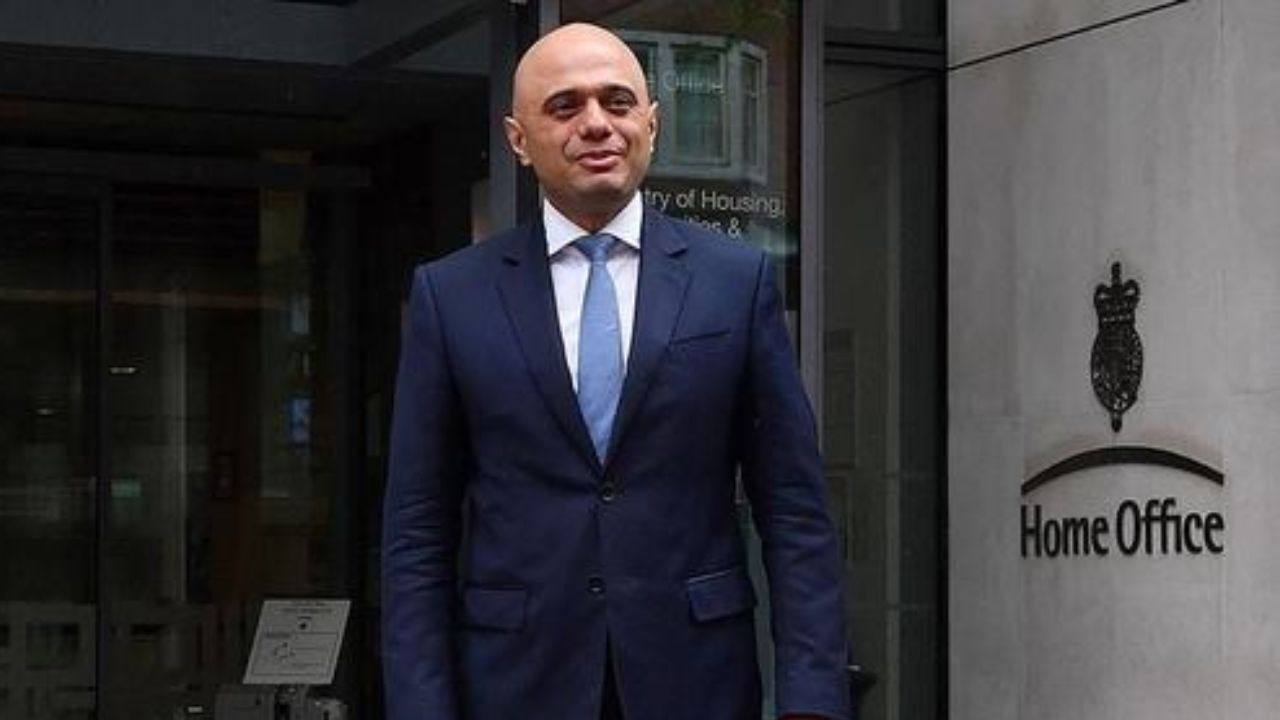
  • ‘I wouldn’t let my parents in today’: Sajid Javid on UK immigration

    ‘I wouldn’t let my parents in today’: Sajid Javid on UK immigration

    Former UK chancellor Sajid Javid has reflected on his journey from a childhood marked by poverty, domestic violence and racism to becoming a cabinet minister and multimillionaire, while defending his views on modern immigration policy, in an interview with The Sunday Times.


    Th British Pakistani politician said that under current UK immigration rules, he “wouldn’t allow either his unskilled father or his non-English speaking mother entry today”.


    “The biggest block to good community cohesion is English. We should have set a requirement that if you want to settle in the UK, you should be able to speak fluent English. We should have done that ages ago,” he said.

    Javid’s parents migrated from Pakistan in the early 1960s. His father arrived with just £1 and worked as a bus driver, mill worker and later a shop owner, while his mother, who was uneducated and unable to speak English at the time, struggled to adapt to life in Britain. Javid recounts this upbringing in his memoir, The Colour of Home, which details a childhood shaped by hardship and family tension.


    The memoir also documents domestic violence at home. Javid writes that his father beat him with a leather slipper, a wooden spoon and, on one occasion, a hammer – an assault that required a CT scan. He also describes enduring racist abuse from skinheads and school bullies, alongside the emotional strain of growing up in overcrowded and impoverished conditions.

    “Crouching in a ball and covering my face while my father beat me” Javid recalls, describing the severity of those experiences.


    Family tensions extended into adulthood. His mother initially refused to meet his white Christian wife, Laura, for two years and had attempted to arrange his marriage to a cousin. Javid writes that she also “didn’t want two black workmen her husband employed to come for dinner”, though she later learnt English and “came to deeply regret her racism towards the black workmen”.

    Later in life, Javid said his father apologised for the violence.


    Despite the hardships, Javid described his family’s story as one of resilience. He fulfilled a childhood ambition of buying his parents a home in Bristol, writing that one of his proudest moments was achieving “enough to give myself and my family a better life”.

    Reflecting on immigration debates, he told the interviewer that a “Reform voter… might think this is exactly the kind of family that we want in the UK because they went on a journey and look where they’ve ended”.


    During his political career, Javid consistently advocated tougher immigration controls. He supported the post-Brexit points-based system, argued that the UK “lets in too many immigrants”, and repeatedly stressed that language proficiency is essential for community cohesion.

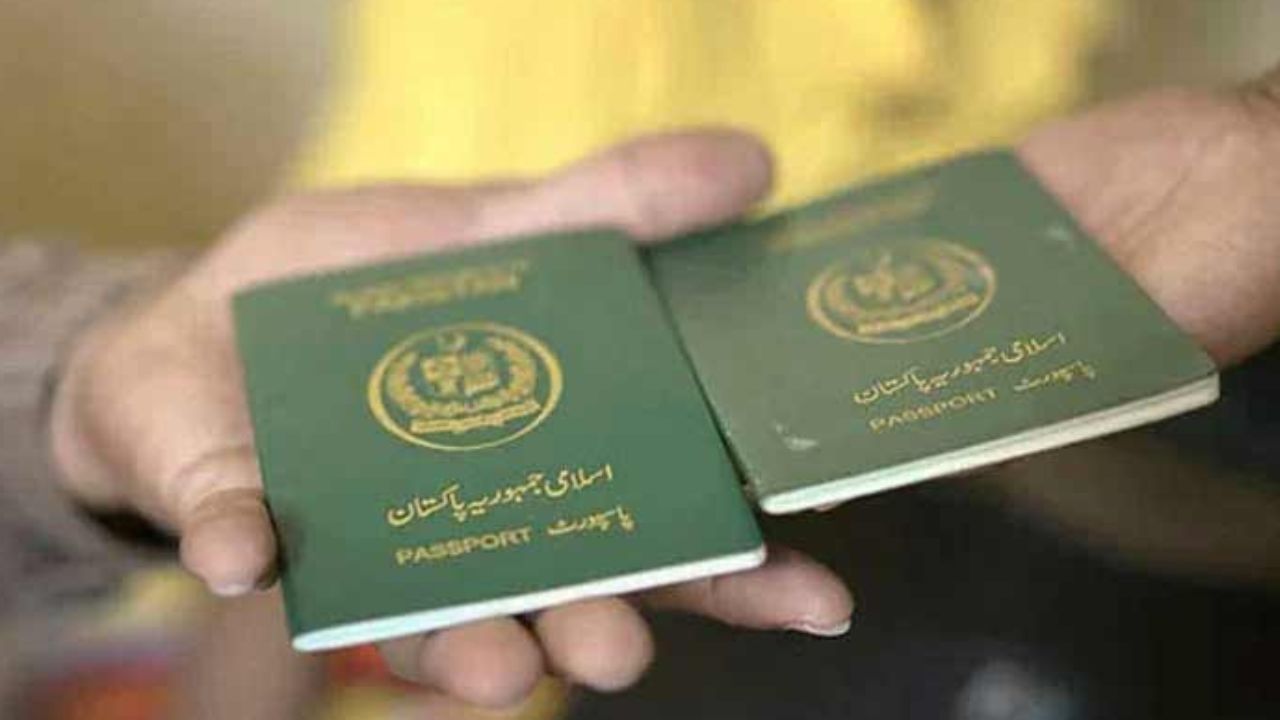
  • ‘Shikra’ system launched for real-time passport monitoring

    ‘Shikra’ system launched for real-time passport monitoring

    Interior Minister Mohsin Naqvi on Monday inaugurated ‘Shikra’, a state-of-the-art monitoring system designed to track passport applications, printing processes, and departmental performances in real time.


    The upgrade includes the establishment of a 24/7 monitoring room and a call centre at the Directorate General of Immigration and Passports. On the minister’s directives, the issuance of Emergency Travel Documents has also been fully digitised.


    Officials briefed Naqvi on the Secure Hybrid Intelligence for Knowledge-Based Response Analytics (Shikra) system, which integrates operational oversight with performance tracking.


    The interior minister commended the DG Immigration and Passports and his team for introducing a modern, technology-driven monitoring framework.


    He said Pakistan’s passport system has now been aligned with those of the world’s leading countries.


    “With this new system, real-time monitoring of passport applications and deliveries both within Pakistan and abroad will now be possible,” the minister said.


    “Every stage, from application submission to final delivery, will be closely supervised.”


    Naqvi said the government aims to provide citizens with fast, secure, and globally standardised services, adding that the upgraded monitoring framework would further improve departmental efficiency.


    He also highlighted enhancements in passport security features, noting that they have been upgraded to meet ICAO (International civil aviation organization) standards. According to the minister, the installation of new automatic German printing machines has increased production capacity, eliminated human intervention in printing, and improved overall reliability.


    Under the new system, crowd levels at passport offices will be detected automatically, while the Network Management System will monitor backlogs and machinery status.

  • Provincial minister Azma Bukhari outlines safety guidelines for Basant celebrations in Lahore

    Provincial minister Azma Bukhari outlines safety guidelines for Basant celebrations in Lahore

    Provincial Minister of Punjab for Information and Culture, Azma Bukhari, has outlined the approved safety guidelines and Standard Operating Procedures for the upcoming Basant celebrations in Lahore, stressing the importance of public cooperation and responsible participation.

    The minister stated that Basant is being revived in a regulated manner to allow citizens to reconnect with a cultural tradition while ensuring public safety. Celebrations will be limited to the Lahore district to enable effective coordination, monitoring, and enforcement.

    She explained that kites only be purchased from government-registered stalls and only cotton strings will be allowed. The use of unsafe or unauthorized materials has been banned. Motorcycle movement will remain restricted during the three-day celebration, and as part of security arrangements, safety wires will be installed on motorbikes to prevent accidents and violations.

    To facilitate safe movement across the city, public transport will remain free on all Basant days. More than 5,000 registered rickshaws will also provide supervised free rides. Authorities will monitor drone activity and online platforms to ensure compliance with safety regulations.

    Azma Bukhari urged citizens to follow the guidelines strictly so that Basant can be celebrated safely and responsibly.