Category: National

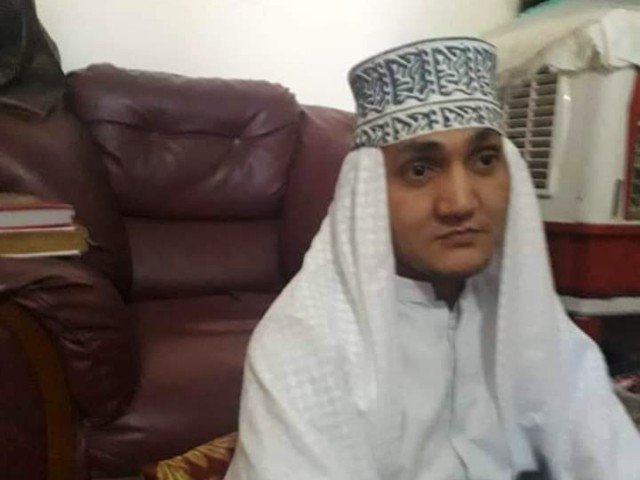
  • Swabi woman undergoes surgery to become ‘Umer Qureshi’

    Swabi woman undergoes surgery to become ‘Umer Qureshi’

    A woman hailing from the Swabi district of Khyber-Pakhtunkhwa became a man after successful surgery on Friday.

    Talking to The Express Tribune, the woman’s brother Inamul Hassan said that his sister is an EDO education at Razzar Tehsil in Swabi. She earlier had two surgeries in Haripur district as well.

    The unmarried woman is in her 40s and lives with her parents in a village, Yar-e-Hussain.

    “A final decision about her sex would be announced after full recovery from procedures,” stated Inam.
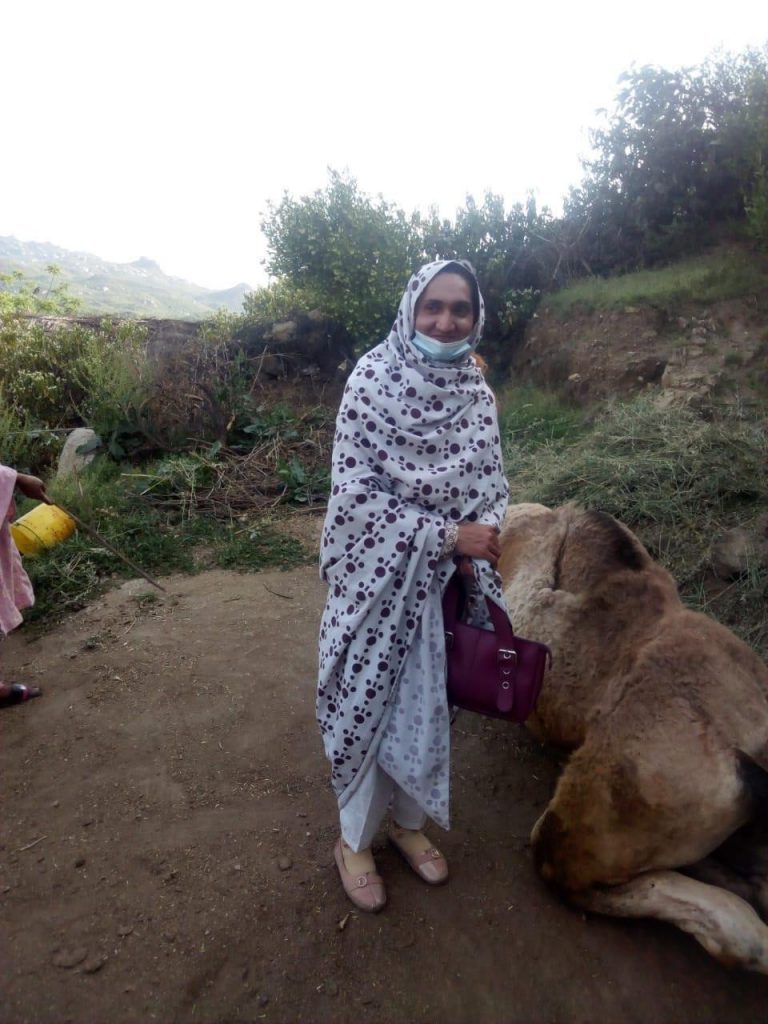
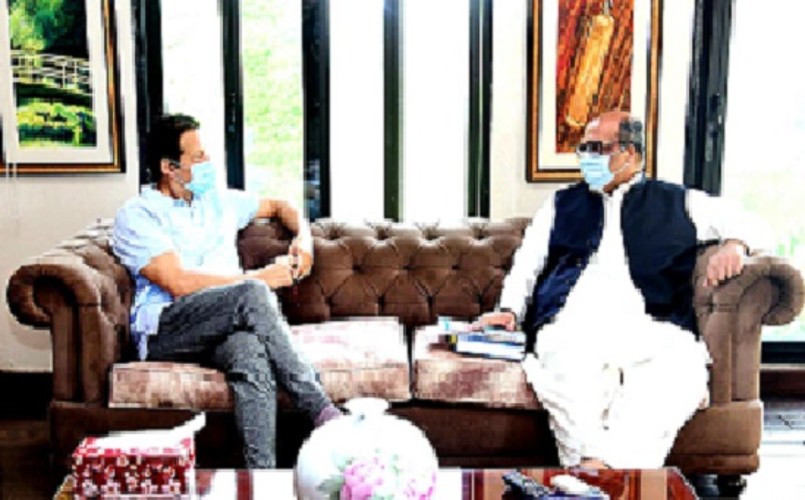
    Photo via The Express Tribune

    Expressing his joy for having another brother in the family, Inam said he has six sisters and two brothers but now would have an elder brother as Umer Qureshi, referring to his sister with her new name.

    Read more – Pakistani passport fourth weakest in world; only stronger than Syria, Iraq and Afghanistan

    A senior official in the district education office said that it will be the decision of the provincial education ministry to let her continue on the position of EDO or change it as she is not a “woman” anymore.

    She needs a medical certificate from relevant doctors after going through such procedure as it is a legal requirement in such cases, the official explained.

    “I cannot comment on her future assignments as it’s purely provincial ministry’s domain and what rights would she enjoy at her office… all I can say is that she would need to produce medical certificates,” he added.

    “The gender changing procedures conducted abroad are considered legal, but here due to legal restrictions and religious reason, we hide our patients from the public while the family also keeps quiet,” a doctor, who wished not to be named, told The Express Tribune.

    He explained that the process required two surgeries, one for changing the gender and the other for dominating the sex they were given by the nature, adding such patients have symptoms of both genders but procedures can be different from being simple to complex depending on the body structure of the patient.

    “After the procedures, we always issue the patients certificate for changing their names and genders in legal documents. If they are serving in public offices then they need to make changes in the respected department as well,” he added.

    He further said that the people should not hesitate for such procedures if they have such symptoms.

    “Don’t be shy about what you really are. Such procedures are mostly conducted in Thailand or other countries, but it needs legal coverage in Pakistan to avoid legal restrictions.”

    He revealed that he usually performs 20 to 30 such procedures a year but people refuse to receive their certificates and try to hide the changes.
  • VIDEO: Indians fall in love with Pakistani ‘journalists with spine’ over press conference boycott video

    VIDEO: Indians fall in love with Pakistani ‘journalists with spine’ over press conference boycott video

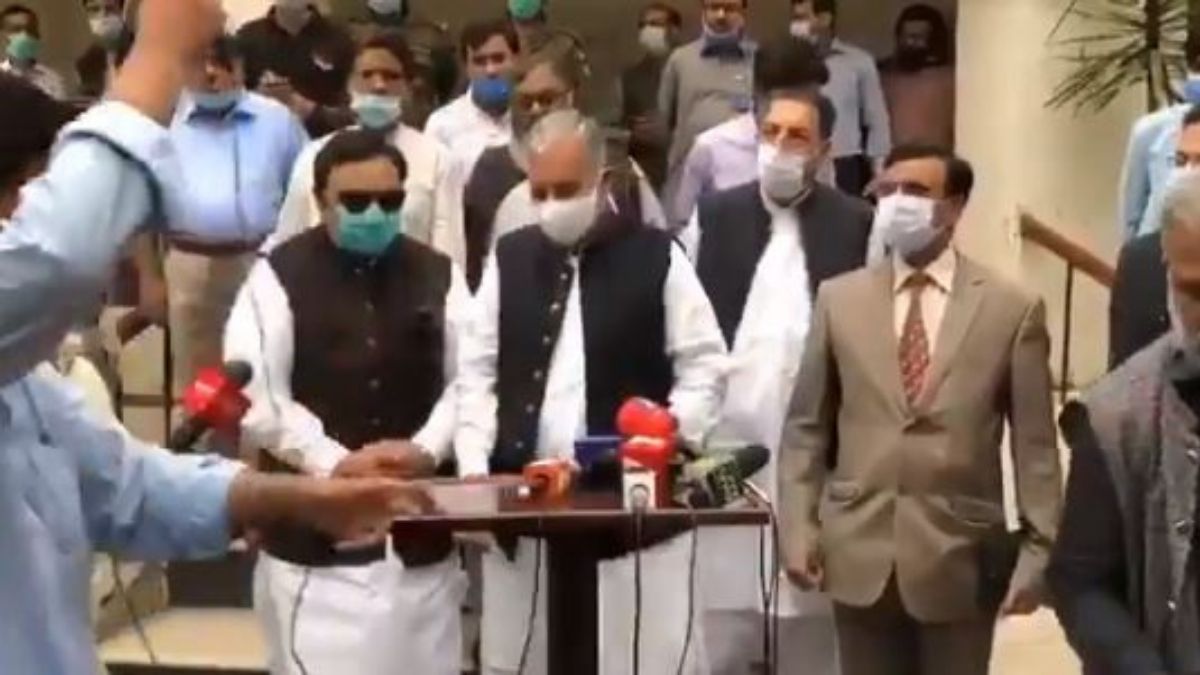
    Indians have fallen in love with Pakistani media persons, lauding them and calling them “journalists with spines” after a video of a group of the same boycotting a press conference went viral on social media.

    In the viral video, one of the journalists, namely Riaz Gondal, can be seen calling out government officials for making media persons wait for hours for the press conference. “We have been waiting for two hours. Corruption in Jhelum is rampant. All government officials are looting the people in the name of welfare,” he tells the officials upon their arrival.

    “But since you have wasted our time, we are boycotting your press conference,” Gondal adds as all journalists then remove their mics from the podium.

    Though the exact details are not yet available, a social media user claimed that journalists boycotted the deputy commissioner’s press conference.

    The video has been watched and shared over a million times, especially across the border — where media is time and again accused of being a lapdog of the government.

    Here’s how Indians showered praises on the professionals on this side of the border:

    “Backbone of Pakistani media,” wrote a user in Hindi.

    https://twitter.com/sd1733/status/1381792107988316163
  • PM, aide continue defending accountability drive

    PM, aide continue defending accountability drive

    Prime Minister Imran Khan has said the government would uphold the law without discriminating between the weak and powerful, as he slammed sugar mill owners for hiking up sugar prices.

    Responding to a question on Jahangir Tareen’s hearings while addressing media persons in Sargodha, the PM said: “I am ready to listen to everyone’s reservations, but there is one thing they should understand. Sugar prices increased by Rs26 in a year or so.”

    An increase of Rs26 per kg in sugar prices translates into Rs120-130 billion, and this huge sum of money went from the citizens’ pockets to the sugar mills, PM Imran Khan said.

    “It is obvious: the government has to work in the best interests of the people and we’ve asked the FIA (Federal Investigation Agency) to probe the matter. During the investigation, several horrific things were revealed to us.”

    The premier said he was ready to speak to those who had reservations against the proceedings, but stressed that the government would uphold the law — the same law that is applicable to everyone.

    PM Imran Khan said the “elite and the powerful are the actual menaces behind the country’s downfall.”

    “If you combine the amount of corruption done by all poor people in jails, it will amount to a maximum of Rs2-3 billion.”

    The premier, speaking on PML-N president Shahbaz Sharif’s bail, said if they are unable to convict people against whom evidence was available, the country could not prosper.

    A day later, on Thursday, his aide on accountability and interior Shahzad Akbar said it was regrettable that a few were threatening watchdogs for questioning them “only for personal gains”.

    He was tweeting on reactions by Pakistan Muslim League-Nawaz (PML-N) to the transfer of 127 kanals of land belonging to the Raiwind residence of the Sharif family back to the government.

    Punjab Revenue Department was ordered, however, a court in Lahore approved the stay order and summoned all parties to the case on April 27. 

    The court of civil judge Faheemul Hassan Shah issued the stay order after Nawaz Sharif’s nephew Yousuf Abbas Sharif and other members of the Sharif family, through their lawyers, approached the court. 

  • Pakistani passport fourth weakest in world; only stronger than Syria, Iraq and Afghanistan

    Pakistani passport fourth weakest in world; only stronger than Syria, Iraq and Afghanistan

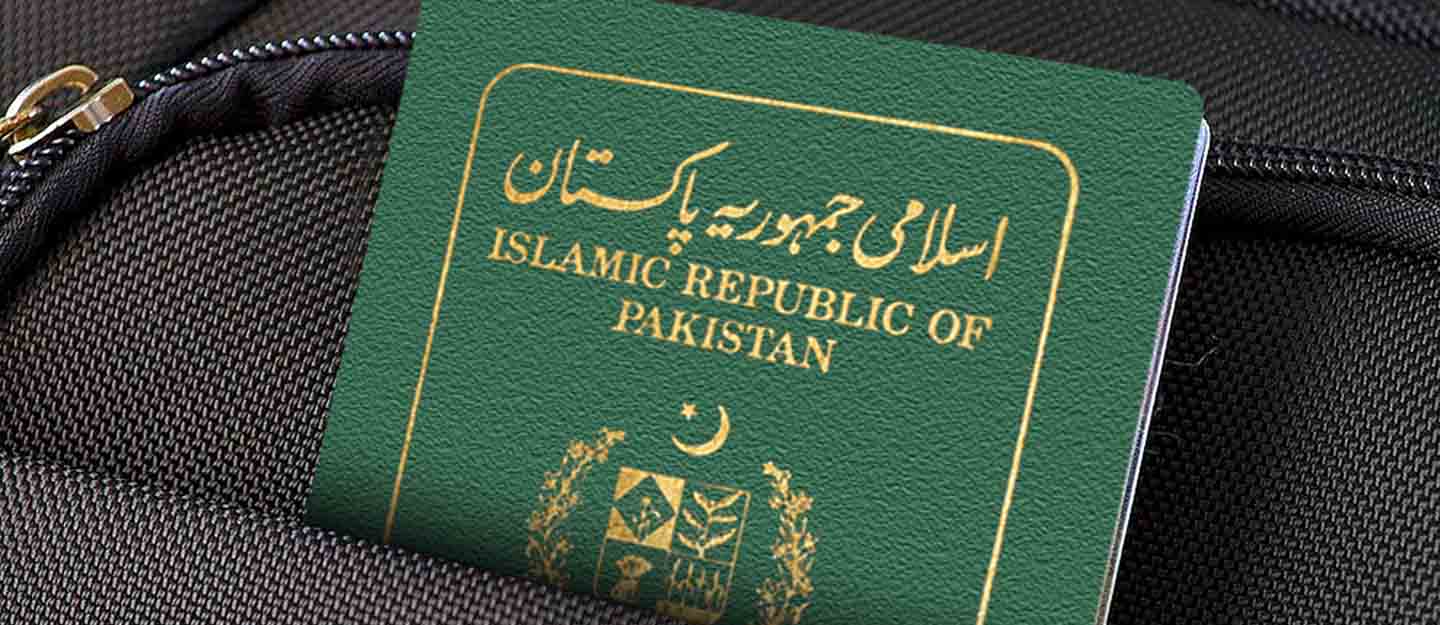
    Pakistan has ranked as the fourth weakest passport in the world, only stronger than war-torn Syria, Afghanistan and Iraq, on the Henley Passport Index.

    The Henley Passport Index assesses the travel documents based on how many countries citizens can access without a visa, using information from the International Air Transport Association.

    It does not take into account any temporary pandemic-related travel restrictions.

    Based on the index, Japan is the most powerful passport with access to 193 countries, Singapore has come second with access to 192 countries. Germany and South Korea share the third place with each giving access to 191 destinations.

    Despite a military coup, Myanmar has secured the 94th spot in the index with access to 47 destinations whereas India and Bangladesh stand at the 84th and 100th ranks, respectively.

    China and the United Arab Emirates (UAE) have climbed from the 90th position to 68th, and 65th position to 15th, respectively.

    European Union (EU) countries make the majority of countries ranked on the top 10 list of the Henley Passport Index. The report reveals that the United Kingdom (UK) and the United States (US) have dropped down to seventh place, together with Switzerland, Belgium, and New Zealand.

    Among other countries, the passports of which are ranked among the most powerful are Italy, Finland, Luxembourg, France, Spain, Netherlands, Ireland, Sweden, Malta, Greece, and Norway.

    The gap between Japan that holds first place and Afghanistan’s access to other countries is 167.

  • Govt’s ‘Rehmatul-Lil Alameen Scholarship’ to also cover non-Muslims

    Prime Minister (PM) Imran Khan has launched the Rehmatul-Lil Alameen scholarship program for underprivileged students, Radio Pakistan has reported.

    As per details, a budget of 27.93 billion rupees has been approved for this national-level program which will be used over the next five years. The program will be implemented in 129 public sector universities across the country.

    Speaking at the inauguration ceremony in Islamabad, PM Imran said the scholarship will be available to all Pakistanis including non-Muslims, adding that the federal government will annually provide Rs 5.5 billion for 70,000 scholarships. 

    PM Khan said that under the scholarship program a total of 350,000 scholarships will be provided in five years at a cost of Rs 28 billion.

    He further said that the provincial governments of Punjab and Khyber Pakhtunkhwa will also separately provide scholarship to the students.

    Read more – Pakistanis appreciate PM Imran for ‘Koi Bhooka Nahi Soye Ga’ programme

    The premier asserted that the government is especially focusing on the education sector with the aim that “our youth learn from the Sunnah of Hazrat Muhammad Sallallaho Alaihe Wa Salam Khatim-un-Nabiyeen“.

    Meanwhile, speaking on the occasion, Minister for Education Shafqat Mahmood said the Rehmatul-Lil Alameen Scholarship is a nationwide program and will be implemented in 129 universities across the country.  He said fifty percent scholarships will be given to women whilst two percent to specially-abled persons.

    Minister for Information and Broadcasting Fawad Chaudhry and Minister for Human Rights Shireen Mazari also announced the news on social media, encouraging those eligible to apply for it.

    The provinces are also separately pursuing the Rehmatul-Lil Alameen Scholarship program. In Punjab, one billion rupees has been approved for this scholarship program annually, while Khyber Pakhtunkhwa has allocated Rs 427 million for it.

  • France advises citizens to leave Pakistan

    France advises citizens to leave Pakistan

    The French Embassy has advised all French nationals and companies to temporarily leave Pakistan as violent anti-France protests paralyse the country.

    “Due to the serious threats to French interests in Pakistan, French nationals and French companies are advised to temporarily leave the country,” the embassy said in an email to French citizens.

    “The departures will be carried out by existing commercial airlines.”

    Anti-French sentiment has been simmering for months in Pakistan since the government of President Emmanuel Macron expressed support for a magazine’s right to republish blasphemous caricatures depicting Holy Prophet (PBUH).

    On Wednesday, the Pakistani government moved to ban the Tehreek-e-Labbaik Pakistan (TLP) whose leader had called for the expulsion of the French ambassador.

    Saad Rizvi was detained hours after making his demands, bringing thousands of his supporters to the streets in cities across Pakistan.

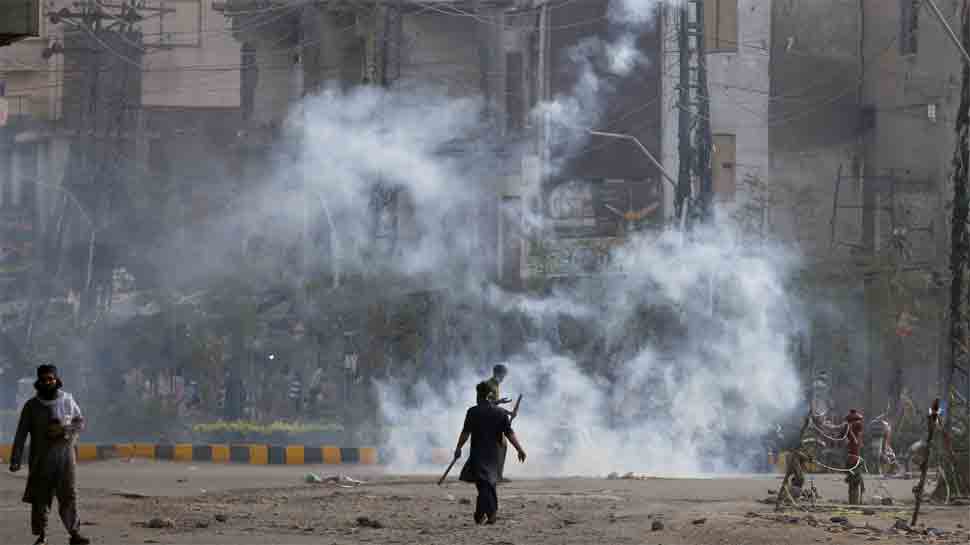
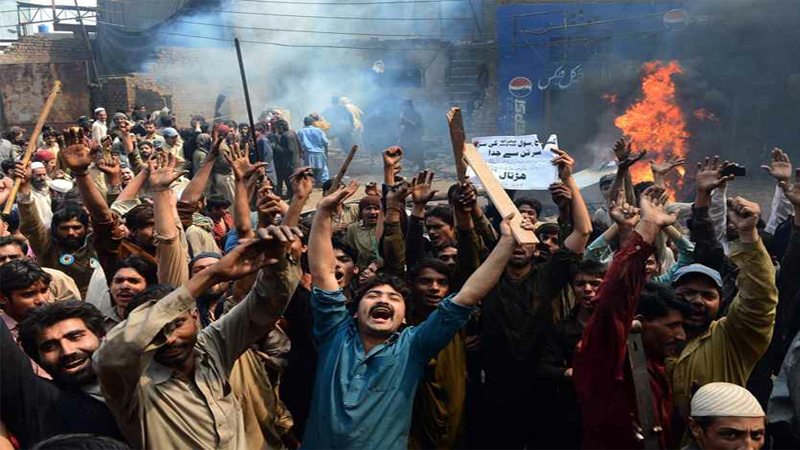
    Violent countrywide clashes have led to the death of at least three cops and hundreds of other casualties from both the police and protesters.

  • Pakistani elite consumes $17.4bn of economy: UNDP

    Pakistani elite consumes $17.4bn of economy: UNDP

    Economic privileges accorded to Pakistan’s elite groups, including the corporate sector, feudal landlords, the political class and the country’s powerful military, add up to an estimated $17.4 bn, or roughly 6 per cent of the country’s economy, a new United Nations (UN) report has found.

    The UN Development Programme’s (UNDP) National Human Development Report (NHDR) for Pakistan, which was released last week, focuses on issues of inequality in the South Asian country of 220 million people.

    “Powerful groups use their privilege to capture more than their fair share, people perpetuate structural discrimination through prejudice against others based on social characteristics, and policies are often unsuccessful at addressing the resulting inequity, or may even contribute to it,” says the report.

    Kanni Wignaraja, assistant secretary-general and regional chief of the UNDP has been on a two-week “virtual tour” of Pakistan to discuss the report’s findings, holding talks with Prime Minister Imran Khan and other top members of his cabinet.

    She says Pakistani leaders have taken the findings of the report “right on” and pledged to focus on prescriptive action. “[In our remarks in meetings] we focused right in on where […] the shadows are, and what is it that actually diverts from a reform agenda in a country,” she told Al Jazeera in an exclusive interview.

    “My hope is that there is strong intent to review things like the current tax and subsidy policies, to look at land and capital access.”

    The biggest beneficiary of the privileges – which may take the form of tax breaks, cheap input prices, higher output prices or preferential access to capital, land and services – was found to be the country’s corporate sector, which accrued an estimated $4.7 bn in privileges, the report says.

    The second and third-highest recipients of privileges were found to be the country’s richest 1 per cent, who collectively own 9 per cent of the country’s overall income, and the feudal land-owning class, which constitutes 1.1 per cent of the population but owns 22 per cent of all arable farmland.

    Both classes have strong representation in the Pakistani parliament. Wignaraja noted that this creates a paradox where those responsible for doling out the privileges were also those who were receiving them. The military was found to receive $1.7 bn in privileges, mainly in the form of preferential access to land, capital and infrastructure, as well as tax exemptions.

    The wide-ranging NHDR provides detailed data on deep-rooted inequality in Pakistan’s economy.

    While the richest 1 per cent held 9 per cent of the country’s income of $314.4 bn in 2018-19, the report found that the poorest 1 per cent held just 0.15 per cent. The UNDP has suggested Pakistan’s government take on increased spending that focuses on closing the gap between its Human Development Index (HDI) of 0.570 and that of other countries in the region.

    The UNDP has recommended policies that target spending on outcomes that provide both structural support for the country’s poor and on the infrastructure – such as education and healthcare – that would provide them further economic opportunities.

    “If I had just that one extra […] rupee, and you asked me where would I put it, I would put in girls education,” said Wignaraja. Pakistan ranks 153 out of 156 countries on the World Economic Forum’s Global Gender Gap Index with 32 per cent of primary-school-aged girls out of school.

  • Ramzan 2021: NCOC issues list of guidelines

    As Pakistan battles, a deadly third wave of COVID-19, the National Command and Operations Center (NCOC), has issued a list of non-pharmaceutical interventions (NPIs) for Ramzan.

    A special meeting was chaired by Federal Minister for Planning, Development, Reforms and Special Initiatives Asad Umar on April 13, during which the following NPIs were decided:

    • Broader lockdowns
    • Saturdays and Sundays will be observed as ‘closed days’ at the national level
    • The market timing will be from Sehr till 6:00 pm apart from essential services
    • Indoor dining will be banned, however, outdoor dining will be allowed from iftar till midnight
    • Complete closure of cinemas and shrines will continue to be enforced
    • 50% work from the home policy will continue
    • Taraweeh prayer to be organised in open spaces as far as possible
    • There will be a complete ban on contact sports, festivals, cultural gatherings, and other events
    • All kind of indoor, as well as outdoor gatherings, will remain banned
    • Ban inter-provincial transport on two closed days (Saturdays and Sundays) which will continue to be enforced till midnight April 25-26 and the decision will be reviewed on April 20.
    • Stringent protocols for tourism have been imposed in Khyber Pakhtunkhwa, Gilgit-Baltistan, Azad Jammu Kashmir and tourist sites elsewhere. In addition to that, Sentinel testing sites at every point/selected locations will be established.

    All NPIs will be effective from Ramzan 1st (April 14).

    As per NCOC, 4681 new cases of COVID-19 were reported in the last 24 hours, with the positivity rate of 9.73%, whereas 135 people lost their lives.

  • Tehreek-e-Labbaik to be banned

    Tehreek-e-Labbaik to be banned

    Federal Minister Sheikh Rasheed Ahmed has announced that a summary seeking banning of hardliner Tehreek-e-Labbaik Pakistan (TLP) will be forwarded to the federal cabinet.

    “We have taken the decision to ban TLP under Section 11(B) of the Anti-Terrorism Act, 1997,” he was quoted as saying.

    Under said law, the federal government can ban an organisation if it has reason to believe that the same is involved in terrorism.

    Earlier, the ban had been proposed to the Interior Ministry by Punjab government as Labbaik activists wreaked havoc with countrywide violent protests against the arrest of party chief Saad Rizvi.

    The riots have resulted in deaths of at least three cops in three days.

    THE PROTESTS:

    As per details of the protests, violence began late on Monday after police arrested Rizvi for threatening protests if the government did not expel the French ambassador, Marc Baréty, over blasphemous cartoons.

    According to police, the arrest was aimed at maintaining law and order. But Rizvi’s detention quickly sparked violent protests by Islamists in cities around the country. The protesters blocked highways and roads in several cities.

    The deadly clashes came two days after Rizvi in a statement asked the government of Prime Minister (PM) Imran Khan to “honour” a commitment it made in February to his party to expel Baréty before April 20.

    However, the government has said it only committed to discussing the matter in the National Assembly.

    The reaction from Rizvi’s supporters against his arrest was so swift that police in Lahore could not clear a main highway and roads. Thousands of people were stranded in their vehicles.

    Monday’s clashes initially erupted in Lahore. Rizvi’s supporters later clashed with police in Karachi and they continued rallying on the outskirts of Islamabad, disrupting traffic and inconveniencing residents.

    Reportedly, five TLP workers have also died with hundreds of both cops and activists injured. Property losses have also been reported.

    It may be noted that the ban comes amid demands for the same by the general public as well as officials of government departments including the police.

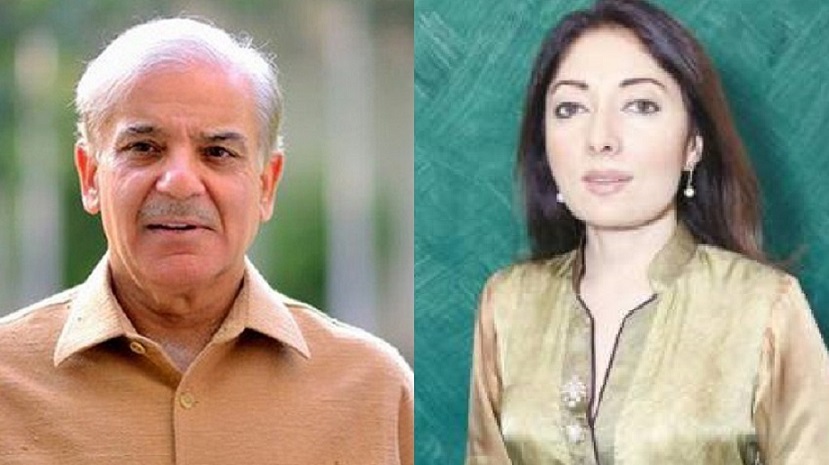
  • Shehbaz gets bail; PPP’s Sharmila, in deleted tweet, accuses PML-N of camaraderie with PTI govt

    Shehbaz gets bail; PPP’s Sharmila, in deleted tweet, accuses PML-N of camaraderie with PTI govt

    The Lahore High Court (LHC) has granted bail to Pakistan Muslim League-Nawaz (PML-N) chief and National Assembly Opposition Leader Shehbaz Sharif in the assets beyond means and money laundering case.

    He had moved the high court for post-arrest bail in the reference — filed by the National Accountability Bureau (NAB) — in March, five months after he was sent to jail on judicial remand by a trial court.

    The anti-graft watchdog had arrested Shehbaz in September after the LHC denied him further relief of pre-arrest bail in the case.

    On Tuesday, the bench, headed by Justice Sardar Muhammad Sarfraz Dogar, adjourned the hearing until today as a special prosecutor sought to start his arguments on behalf of the agency.

    An LHC division bench headed by Justice Sardar Sarfraz Dogar heard the National Accountability Bureau (NAB)’s arguments on the bail application of the opposition leader.

    On Tuesday, Shehbaz’s counsel Azam Nazir Tarar completed arguments for his bail, claiming that NAB has failed to come up with any evidence to establish the charges.

    In his bail request, Sharif alleged the NAB proceedings against him had been prompted by mala fide intention, ulterior motive, and considerations extraneous to law.

    He said the registration of a series of cases in quick succession against him and his repeated arrests at the behest of the government had been a classic example of misuse of the process of NAB to muffle the voice of the opposition.

    He said the bureau failed to collect any evidence of any corruption, kickbacks, misuse of any public office for personal gain by him throughout his political career.

    SHARMILA FARUQI’S DELETED TWEET:

    As Twitter reacted to the bail, Pakistan People’s Party (PPP) leader Sharmila Faruqi tweeted to hint at possible betterment of ties between the PML-N and Pakistan Tehreek-e-Insaf (PTI) government.

    “Accusations of joining hands with government against the PPP and bail for Shehbaz?” she said in the tweeted that was later deleted.

    Tensions are running high between the PPP and anti-government Pakistan Democratic Movement (PDM), of which the PML-N is a key member.

    Trouble had been brewing between the two political entities ever since the government-friendly Balochistan Awami Party (BAP) supported PPP’s Yousuf Raza Gilani for slot of Senate opposition leader.

    Gilani’s nomination and subsequent election considered betrayal by other PDM members except the Awami National Party (ANP) was the latest bone of contention until the PPP and ANP were served show-cause notices.

    The same led to the PPP and ANP resigning from the opposition alliance. PDM chief, Maulana Fazlur Rehman, has, however, asked both the parties to reconsider their decision.

    CASE AGAINST SHEHBAZ:

    Sharif along with his son Punjab Assembly opposition leader and PML-N Vice President Hamza Shehbaz was indicted in November in the Rs7 billion reference involving charges of money laundering and assets beyond means.

    The reference mainly accuses Sharif of being a beneficiary of the assets held in the name of his family members and frontmen, who had no sources to acquire such assets.

    It says the family members and the frontmen of the family received fake foreign remittances of billions in their personal bank accounts. In addition to these remittances, the bureau says, billions of rupees were laundered by way of foreign pay orders, which were deposited in the personal bank accounts of Hamza and his brother Suleman Shahbaz.

    The reference further says Sharif and his family failed to justify the sources of funds used for the acquisition of assets.