Category: National

  • Men must return dowry after divorce, rules Islamabad High Court

    Men must return dowry after divorce, rules Islamabad High Court

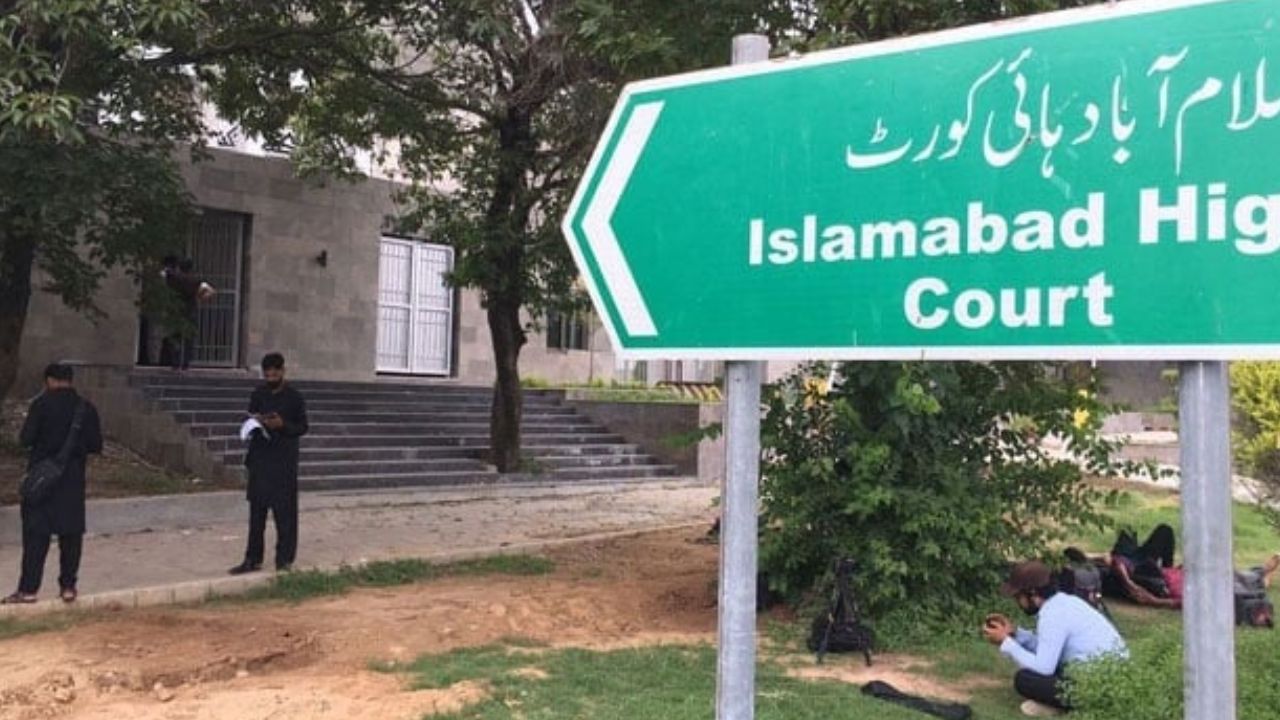
    The Islamabad High Court (IHC) has ruled that husbands are legally bound to return the entire dowry to their wives in case of divorce, while issuing directions for legal reforms and changes to the nikahnama.

    In a 28-page judgment, Justice Mohsin Akhtar Kayani held that dowry items and bridal gifts remain the exclusive property of the wife. He also stated that if such items cannot be returned, the wife is entitled to claim their monetary value.

    The verdict was issued in an appeal filed by Amara Waqar against earlier rulings of lower courts. The high court set aside the decisions of the family and district courts and directed the family court to rehear the case within two months in line with the principles outlined in the judgment.

    Justice Kayani further ruled that women are entitled to an equal share in property acquired during marriage, which should be divided between spouses in cases of divorce or death.

    Referring to Islamic law, Quranic injunctions and international precedents, the court stated that women’s financial rights are recognised under both religious and legal frameworks.

    The court also directed the government to introduce legislation to define and protect women’s ownership and financial rights. It called for amendments to the nikahnama to include provisions ensuring a wife’s share in assets acquired during marriage.

    The judgment pointed out that unclear contractual terms have limited women’s ability to claim their rights and stressed the need for clearer legal safeguards.

    It also instructed authorities to include education on marital rights at school, college and university levels so women are aware of their legal entitlements.


    The court referred to column 18 of the nikahnama, stating that awareness at the time of marriage would enable women to secure their rights. It observed that enforcement mechanisms are necessary for implementation, noting that legal protections remain ineffective without execution.
  • WHO says TB kills 140 people in Pakistan every day

    WHO says TB kills 140 people in Pakistan every day

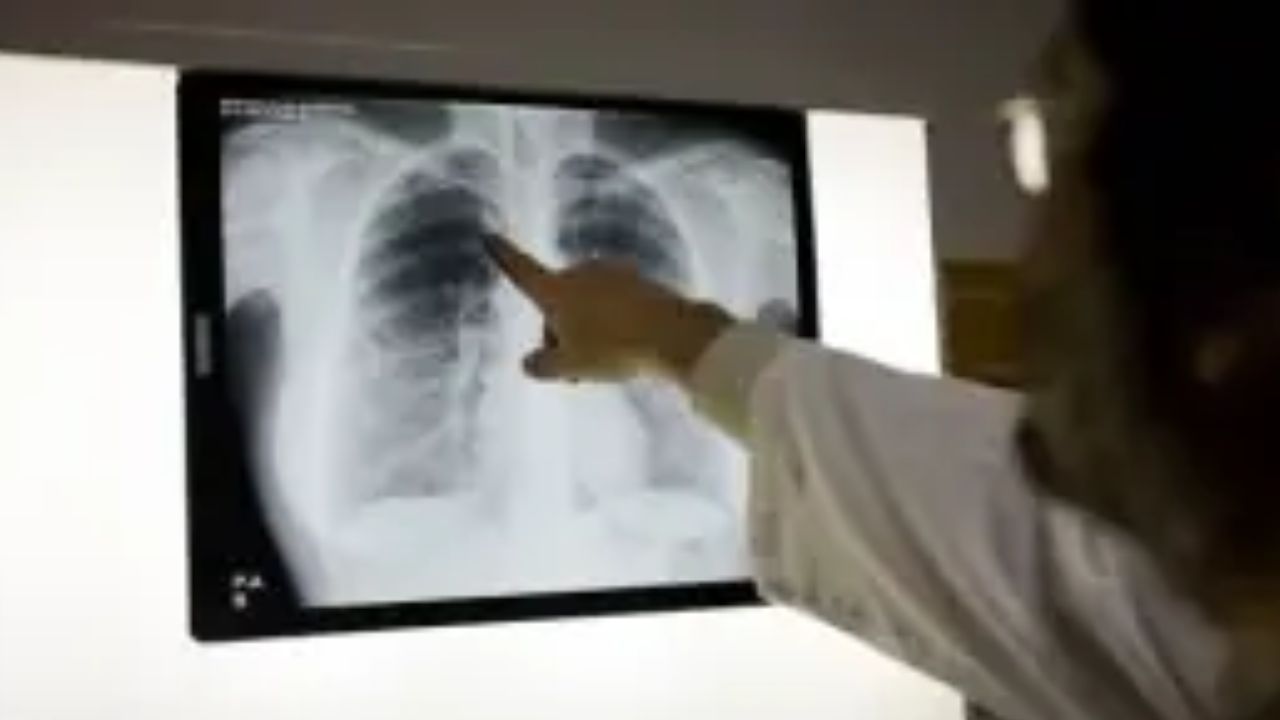
    The World Health Organization (WHO) has stated that tuberculosis causes 140 deaths each day in Pakistan, sharing the data on World Tuberculosis Day.

    The WHO and the government said that tuberculosis is curable,  stressing early diagnosis and treatment, urging people to visit over 2,000 public and private facilities offering free testing and care.

    According to WHO data, more than 669,000 people are affected by the disease in Pakistan, with 51,000 deaths reported annually. The country accounts for 73 percent of the tuberculosis burden in the Eastern Mediterranean Region and ranks fifth globally. Officials said over 1,800 new cases are reported daily.

    Under the theme “Yes, We Can End TB – Led by Countries, Powered by People” authorities called for increased investment to address the disease.

    Federal Health Minister Syed Mustafa Kamal said, “Despite global and fiscal pressures, the government is fully committed to end TB through coordinated multisectoral actions; sustainable domestic financing; and a patient-centred approach with participation of the communities and all stakeholders”.

    Officials stated that Pakistan has increased TB notifications and treatment coverage, reaching more than 497,000 people in 2024, compared to 331,800 in 2015.

    WHO Representative in Pakistan Luo Dapeng said, “In Pakistan, every 10 minutes, one person dies from tuberculosis. These deaths are preventable because tuberculosis is curable. Ending tuberculosis is not just aspirational; it is achievable. WHO will stand with Pakistan and its partners to continue to intensify early detection and treatment for all, no matter where they live or who they are”.

    The WHO also called for expanded use of new diagnostic tools, including point-of-care tests and tongue swabs, to improve early detection and access to treatment.

    The Pakistan Medical Association (PMA) raised concerns over the state of TB control, citing funding gaps and shortages of medicines. PMA Secretary General Abdul Ghafoor Shoro said, “Pakistan continues to hold the unenviable position of being the fifth highest TB-burden country globally, with nearly 686,000 new cases and 49,000 deaths recorded annually. Yet, the government’s commitment to the health sector remains disappointingly low on the list of national priorities”.

    He added, “It is a mockery of our healthcare system that while we talk of ‘ending the epidemic,’ standard TB medicines are frequently unavailable for adults, and the shortage of pediatric formulations is even more acute. We are failing our children. You cannot fight a bacterial war without ammunition”.

    Mercy Corps Pakistan said public-private partnerships have strengthened the response. Country Director Arif Jabar Khan said, “Ending TB requires more than medical treatment; it demands community awareness and equity in access to services. While we have made progress through our public and private partnerships, stigma and misinformation continue to delay care-seeking and increase transmission”.

    Chairman Senate Yousaf Raza Gilani said tuberculosis remains a public health challenge and called for coordinated efforts. He stated that the disease is preventable and curable but continues to affect individuals and burden healthcare systems, stressing the need for awareness, early diagnosis and uninterrupted treatment access.

  • ‘Nuclear baddie’ or media hype? Pakistan’s potential role in US-Iran talks triggers mixed reactions

    ‘Nuclear baddie’ or media hype? Pakistan’s potential role in US-Iran talks triggers mixed reactions

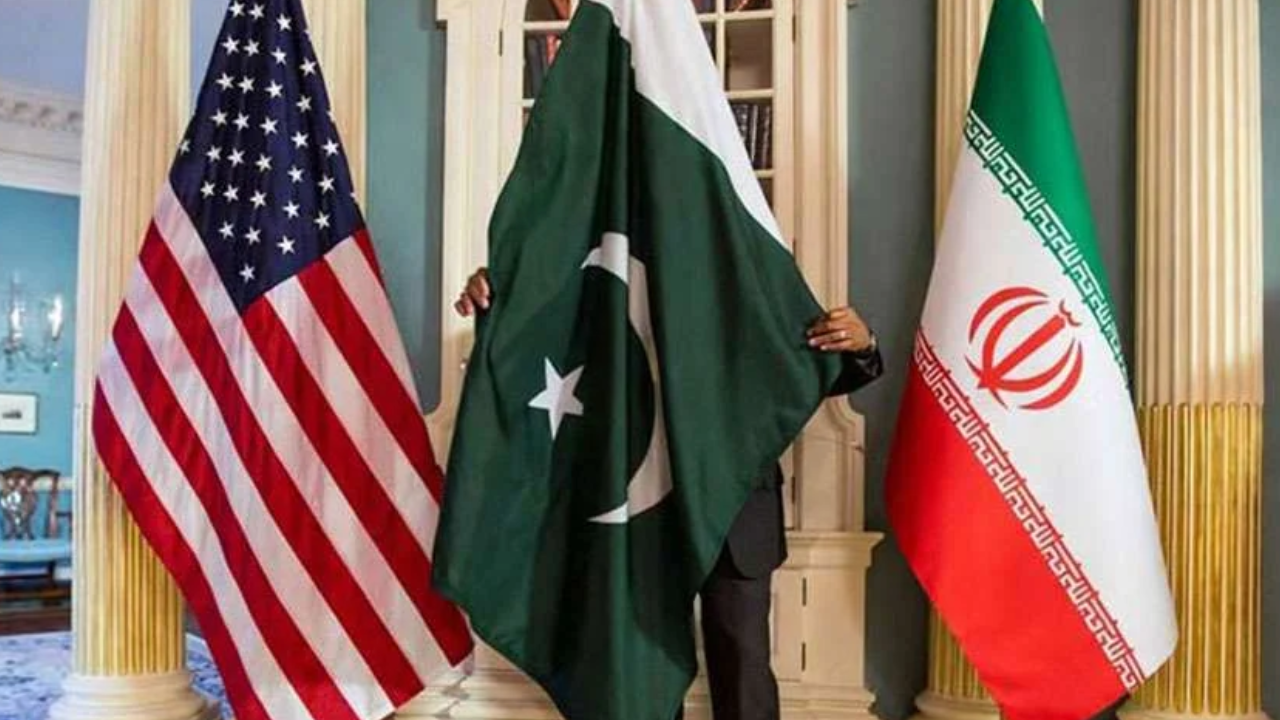
    Pakistan’s reported role in facilitating possible talks between the United States (US) and Iran has sparked a wide range of reactions online, with users weighing in on Islamabad’s emerging position amid ongoing diplomatic contacts.

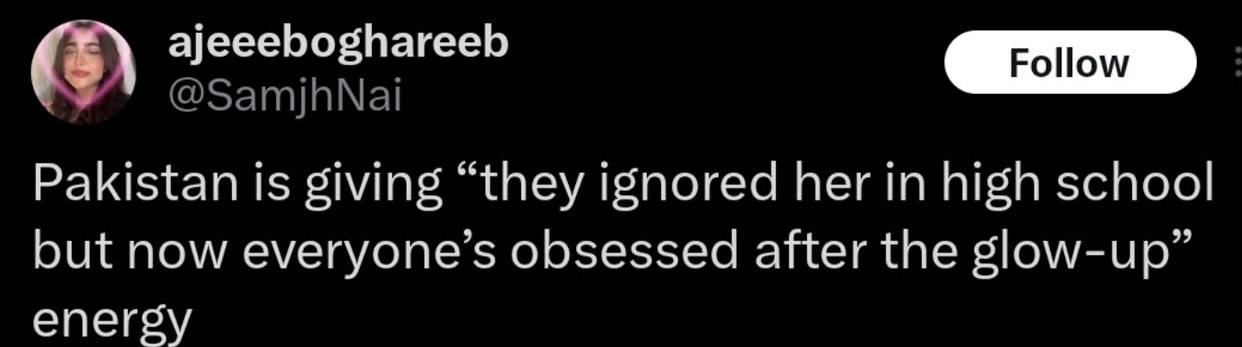
    The news has triggered an explosion of reactions, with many noting that Pakistan is giving “they ignored her in high school but now everyone’s obsessed after the glow-up” energy.

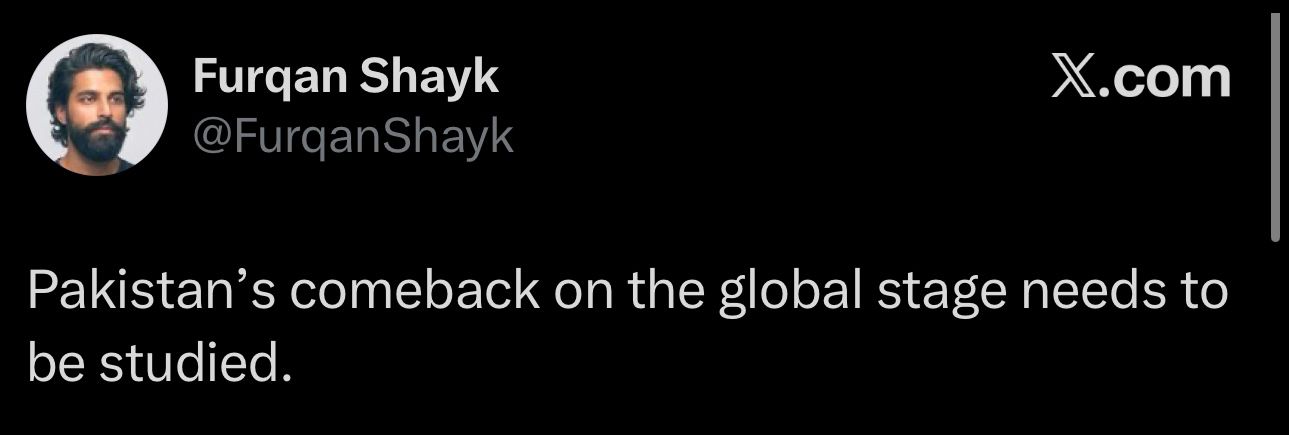
    While some users described the situation as a “comeback on the global stage”, others were more cautious, suggesting the development looks like “media-driven hype” to help Pakistan position itself internationally rather than a confirmed diplomatic breakthrough.

    The momentum for the talks follows a high-level contact between Chief of Defence Forces (CDF) Field Marshal Asim Munir and US President Donald Trump. 

    In a significant move, Trump also reposted Prime Minister (PM) Shehbaz Sharif’s peace talks proposal on Truth Social. This shift left many social media users in disbelief, with one commenting that they “could not believe their eyes” and someone should “ward off the evil eye from Pakistan”.

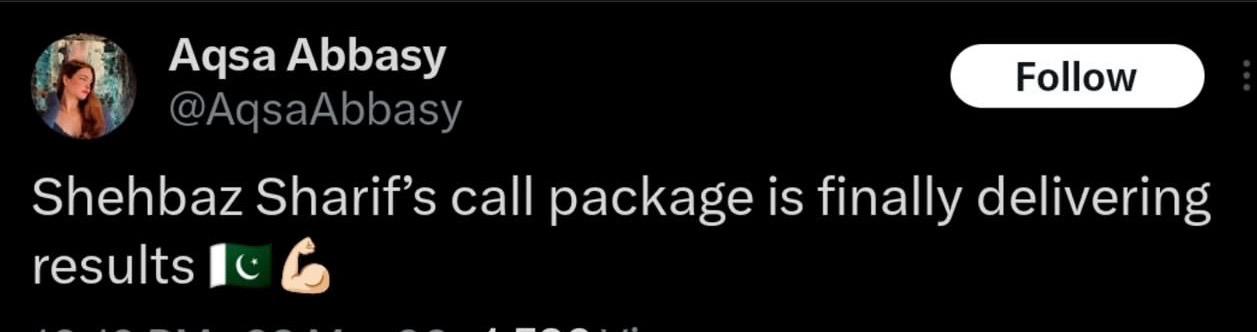
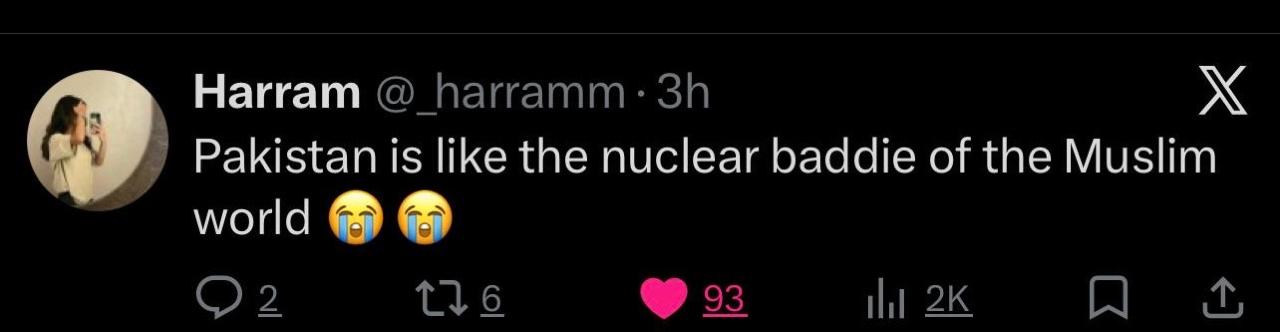
    Another user joked that “Shehbaz Sharif’s call package is finally delivering” in reference to earlier reports of the premier reaching out to global leaders during the conflict, while some labeled the country the “nuclear baddie of the Muslim world”.

    On the ground, the foreign ministry indicates that a US delegation is expected within a day or two, though Iranian officials remain hesitant due to a lack of trust. 

    Pakistan, alongside Türkiye and Egypt, has been acting as a “vital diplomatic conduit”, passing messages between White House envoy Steve Witkoff and Iranian Foreign Minister Abbas Araghchi. 

    While social media users argue this isn’t just about peace but practical survival, noting that Islamabad realises an “explosion of the situation in Iran would mean a flood of refugees and chaos” on its own borders, the sense of national pride is palpable online.

    The regional reaction has been equally intense, particularly across the border. Vice President of the Board of Control for Cricket in India (BCCI) Rajeev Shukla expressed his disapproval on X, stating he does not like Pakistan becoming a “Chaudhary on the world stage”.

    He questioned the comparison between India and Pakistan, remarking that “America, China, Russia, and Saudi Arabia have come together to make it a messenger of peace”.

    Shukla, however, wasn’t the only one as Indian journalists and experts also went into frenzy on air and over the internet after Pakistan’s possible role in achieving regional peace was reported.

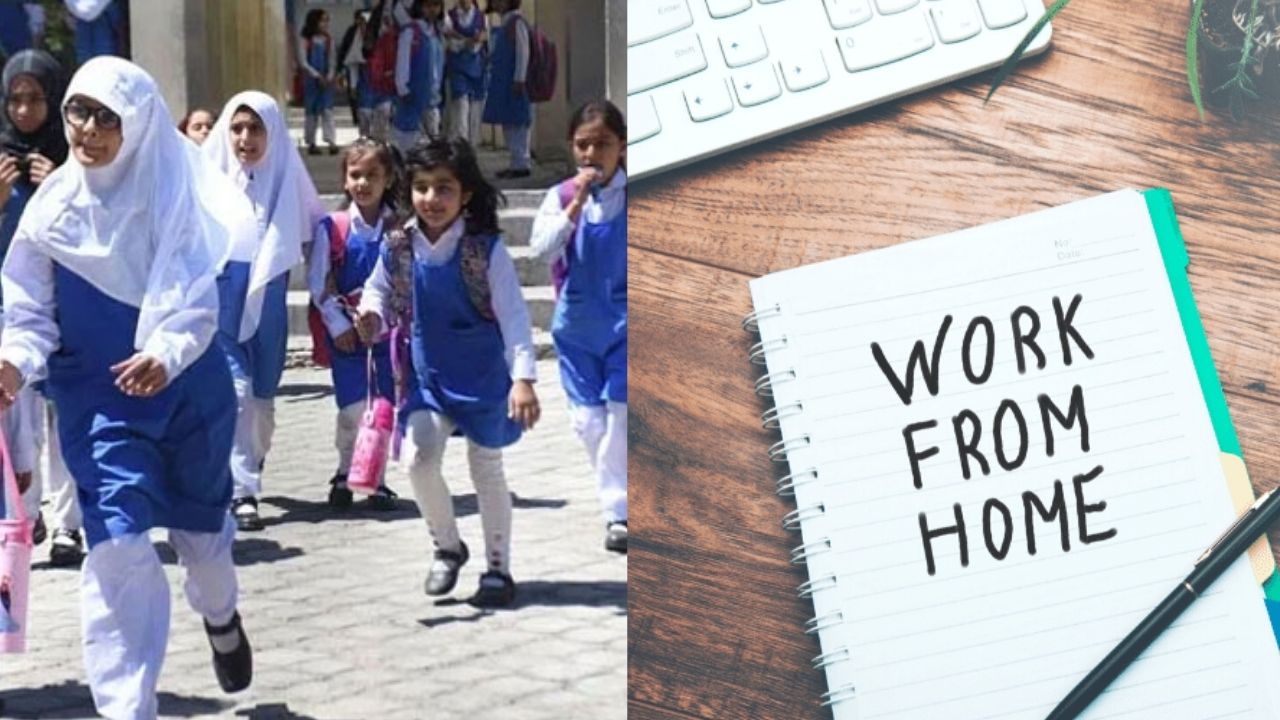
  • Schools likely to remain shut till Apr 15, work-from-home policy for private sector on cards: reports

    Schools likely to remain shut till Apr 15, work-from-home policy for private sector on cards: reports

    The Punjab government is mulling major steps aimed at addressing the ongoing energy crisis, which may include an extension in the closure of schools till Apr 15, work-from-home policies for the private sector and restrictions on fuel for certain vehicles on designated days.

    As per the details, the provincial energy department has presented new recommendations to Punjab Chief Minister (CM) Maryam Nawaz, as per which fuel rationing similar to the federal model is being considered.

    A proposal has been presented to introduce a coupon or digital system to ensure fair distribution of petrol and diesel while fuel supply may be restricted to certain vehicles on designated days.

    Educational institutions could face extended closures until April 15, while a hybrid learning system is under review.

    The private sector may also be directed to enforce strict work-from-home policies whereas other recommendations include a complete ban on unnecessary social events, the expansion of metro and other public bus services to reduce reliance on private transport, shutting down of LED billboards and decorative lights and alternate mode of operation of street lights after 10 pm. 

    Further restrictions on market operating hours are also being considered.

    While said measures remain subject to official approval, if implemented, they would mark a major shift in the province’s energy management strategy to conserve fuel and electricity during the ongoing global oil crisis due to tensions in the Middle East.

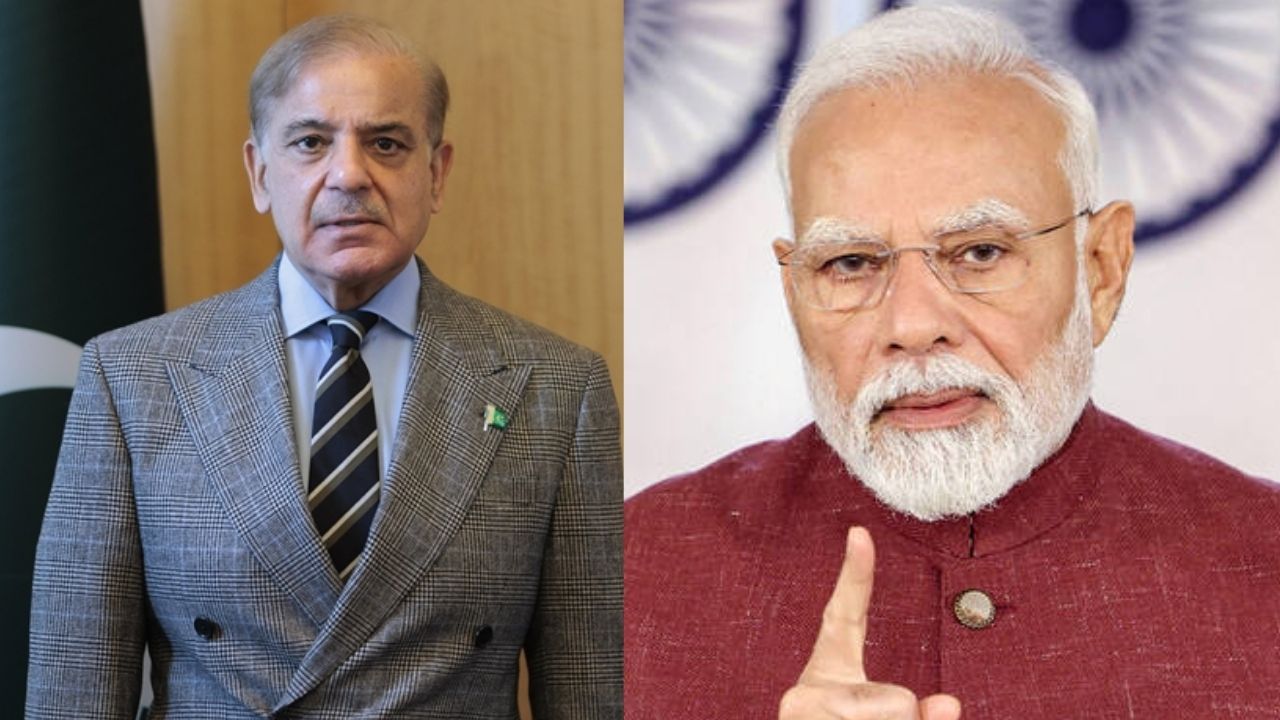
  • Indians lash out at Modi as Pakistan’s role in US-Iran talks takes center stage

    Indians lash out at Modi as Pakistan’s role in US-Iran talks takes center stage

    Pakistan’s central role in backchannel diplomatic efforts in facilitating communication between the United States (US) and Iran, alongside other regional countries including Turkiye and Egypt, has triggered a wave of Indian reactions on social media platform X, with users questioning New Delhi’s absence from the diplomatic table. 

    Pakistan, alongside Turkiye and Egypt, has been engaged in indirect messaging channels between Washington DC and Tehran. The proposed discussions, which may also involve high-level figures including US Vice President JD Vance, are being framed as part of a wider effort to de-escalate tensions in the Gulf region.

    The development immediately sparked heated commentary among Indian netizens, many of whom questioned why India is not part of the diplomatic framework.

     A dominant narrative on X accused India’s foreign policy establishment of failing to secure strategic relevance in high-stakes global negotiations.

    Several users argued that Pakistan’s inclusion reflects stronger “narrative positioning” and diplomatic outreach, while India’s absence was described as a setback in its aspiration for greater global influence. 

    Another user described the situation as a diplomatic setback: “Embarrassing that Pakistan has become the epicentre of negotiations to end this war. It should have been and could well have been India.”

    Some posts contrasted Pakistan’s current diplomatic visibility with India’s strategic posture, suggesting that Islamabad has managed to reposition itself in Western diplomatic circuits despite its internal and external challenges.

    One salty user wrote: “This is not acceptable.”

    Another reaction questioned India’s diplomatic positioning more directly: “Pakistan has been roped in, but not us??? We are busy promoting make believe propaganda ‘Dhurandhar’ while Turkey, Egypt and Pakistan aid de-escalation?!”

    A more critical post linked India’s absence to its foreign policy choices: “The day PM Modi addressed the Israeli Parliament, India lost all chances to be a negotiator in the present conflict.”

    Others linked the situation to broader geopolitical grievances, arguing that India should have been a natural stakeholder in such negotiations given its regional weight. 

    Criticism was also directed at India’s diplomatic choices, with users claiming that New Delhi has lost opportunities to act as a mediator in major international conflicts.

    Another reaction questioned India’s absence from the talks while other regional players are reportedly involved: “Where is India in all of this? Why don’t we have a seat at this high-stakes table?”

    Some users framed the development as a reputational setback in global diplomacy: “India was accused of facilitator of war. Pakistan is now celebrated as facilitator of peace. This is what Modi’s stupid megalomaniac foreign policy has done to Gandhi-Nehru’s India.”


    Another strongly worded reaction said: “If this is true, it amounts to rubbing salt into our wounds. While Modi was admiring his fake medal and the BJP was drooling over a make-believe ‘Dhurandhar,’ Pakistan was positioning itself at the diplomatic table during a critical global moment.”

    Meanwhile, some users escalated their criticism further, describing Pakistan’s involvement as reputationally unacceptable, while others framed it as evidence of a shifting global order where regional intermediaries like Pakistan are being used as communication bridges between rival powers.


    The reported engagement also follows recent diplomatic contacts involving Pakistani leadership, including Prime Minister (PM) Shehbaz Sharif and Chief of Army Staff Asim Munir, as well as regional coordination efforts involving Iranian and US officials, including Iranian Foreign Minister Abbas Araghchi and parliamentary leadership such as Mohammad Bagher Ghalibaf.

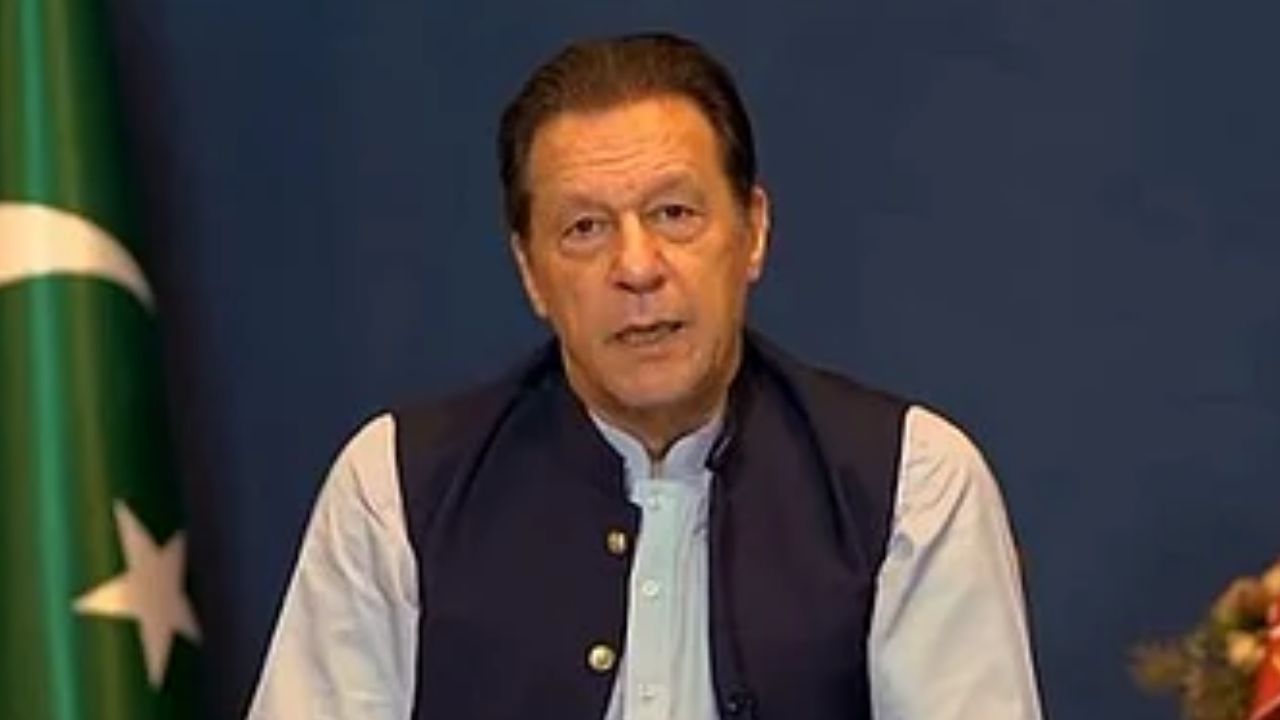
  • Imran Khan administered third anti-VEGF injection: PIMS

    Imran Khan administered third anti-VEGF injection: PIMS

    The Pakistan Institute of Medical Sciences (PIMS) said on Monday that former prime minister and Pakistan Tehreek-e-Insaf (PTI) founder Imran Khan was administered a third dose of an anti-VEGF intra-vitreal injection.

    According to a press release issued by the hospital, Imran Khan was examined by ophthalmologists prior to the procedure and was found to be “vitally stable”.

    The hospital said the injection was administered “under guidance of microscopy by the surgeons,” after his informed consent was obtained.

    It added that the procedure was carried out under standard monitoring in an operating theatre with all precautionary measures and protocols in place. The treatment was performed as day-care surgery, and the patient remained stable before, during and after the procedure. He was discharged with instructions for follow-up care.

    Imran Khan was first taken to hospital in late January for an eye procedure. Five days later, Information Minister Ataullah Tarar said that doctors at PIMS had conducted another examination and, after obtaining written consent, performed a short medical procedure lasting around 20 minutes.

    In March, another check-up was conducted at Adiala Jail, after which PIMS stated that Imran Khan had shown improvement in his vision following a second dose of anti-VEGF injection.

    Reacting to the latest statement, PTI raised concerns over the circumstances surrounding the transfer to PIMS. 

    In a post on X, the party questioned the timing of the early morning press release regarding his transfer from Adiala Jail for the procedure. PTI also questioned why his personal physicians were not being allowed access and why his family had not been permitted to meet him, seeking clarity over what it described as a lack of transparency.

    Imran Khan has been in custody since August 2023, serving a sentence at Adiala Jail in the £190 million corruption case. He also faces pending trials under the Anti-Terrorism Act related to the May 9, 2023 protests.

    The PTI has intensified calls for his release after a medical report submitted to the Supreme Court stated that his vision in the right eye had dropped to 15 percent. Government officials maintain that he is receiving appropriate medical care.

    Last month, a medical board that examined him reported improvement in his eyesight and did not recommend hospital transfer. According to the report, his right eye vision improved from 6/36 to 6/9, while the left eye remains at 6/6 with glasses.

  • Pakistan could host US-Iran talks in Islamabad as mediation efforts speed up

    Pakistan could host US-Iran talks in Islamabad as mediation efforts speed up

    US Vice President JD Vance may attend a proposed peace summit in Islamabad as Pakistan intensifies efforts to facilitate talks between the United States (US) and Iran, Israeli official sources cited by an American media outlet have said. 

    The proposed meeting is expected to include Iranian officials, including Parliament Speaker Mohammad Bagher Ghalibaf, along with members of the US delegation. The summit is likely to take place later this week in Islamabad.

    Pakistani Foreign Ministry sources told Anadolu Agency that a US delegation is expected to arrive in Pakistan “in a day or 2” for possible talks, adding that Iran is “still not ready” due to mistrust.

    The development follows contacts between Pakistan’s Chief of Army Staff Field Marshal Asim Munir and US President Donald Trump, another media outlet reported, citing two people briefed on the call.

    Türkiye, Pakistan and Egypt have also passed messages between Washington DC and Tehran over the past two days. 

    The report said that the foreign ministers of the three countries held separate talks with White House envoy Steve Witkoff and Iranian Foreign Minister Abbas Araghchi.

    “The mediation is ongoing and making progress. The discussion is about ending the war and resolving all outstanding issues. We hope to have answers soon,” a source familiar with the details told Axios.

    Pakistan has been engaged in back-channel diplomacy alongside Türkiye and Egypt. An official had earlier said that “active back-channel diplomacy” involving Witkoff and Araghchi was aimed at maintaining “quiet communication”.

    Reports said that coordination between Islamabad, Ankara and Cairo had created a “vital diplomatic conduit” to address the situation.

    Deputy Prime Minister and Foreign Minister Ishaq Dar also spoke with his Iranian counterpart Abbas Araghchi to discuss “recent regional developments”.

    “(They) emphasised the importance of dialogue & diplomacy to promote peace, security, and stability in the region and beyond,” the foreign ministry said on X, adding that both sides agreed to remain in close contact.

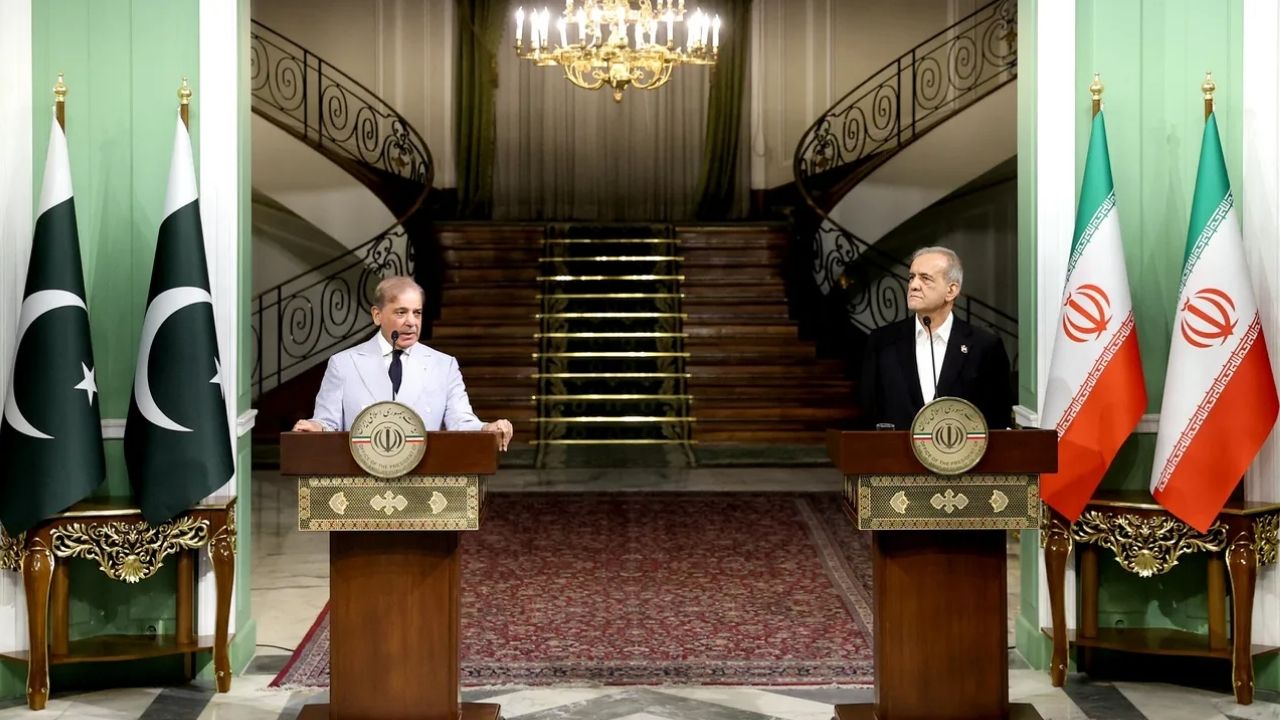
    Prime Minister (PM) Shehbaz Sharif said that he spoke with Iran’s President Masoud Pezeshkian and discussed “the grave situation in the Gulf region”. He said that Pakistan was committed to playing “a constructive role in advancing peace”.

    Sharif added that both sides agreed on the need for “de-escalation, dialogue and diplomacy”.

    In Tehran, Iranian Foreign Ministry spokesperson Esmaeil Baqaei said that the messages had been received from “some friendly countries indicating a US request for negotiations at ending the war”, according to IRNA. Iran has not formally responded to those messages.

    Earlier this month, Sharif and Field Marshal Asim Munir visited Riyadh and met Crown Prince Mohammed bin Salman.

    Islamabad has also condemned the killing of Iran’s Supreme Leader Ali Khamenei and conveyed congratulations to his successor Mojtaba Khamenei.

  • Pakistan open to talks with Afghan Taliban, seeks handover of militants: DG ISPR

    Pakistan open to talks with Afghan Taliban, seeks handover of militants: DG ISPR

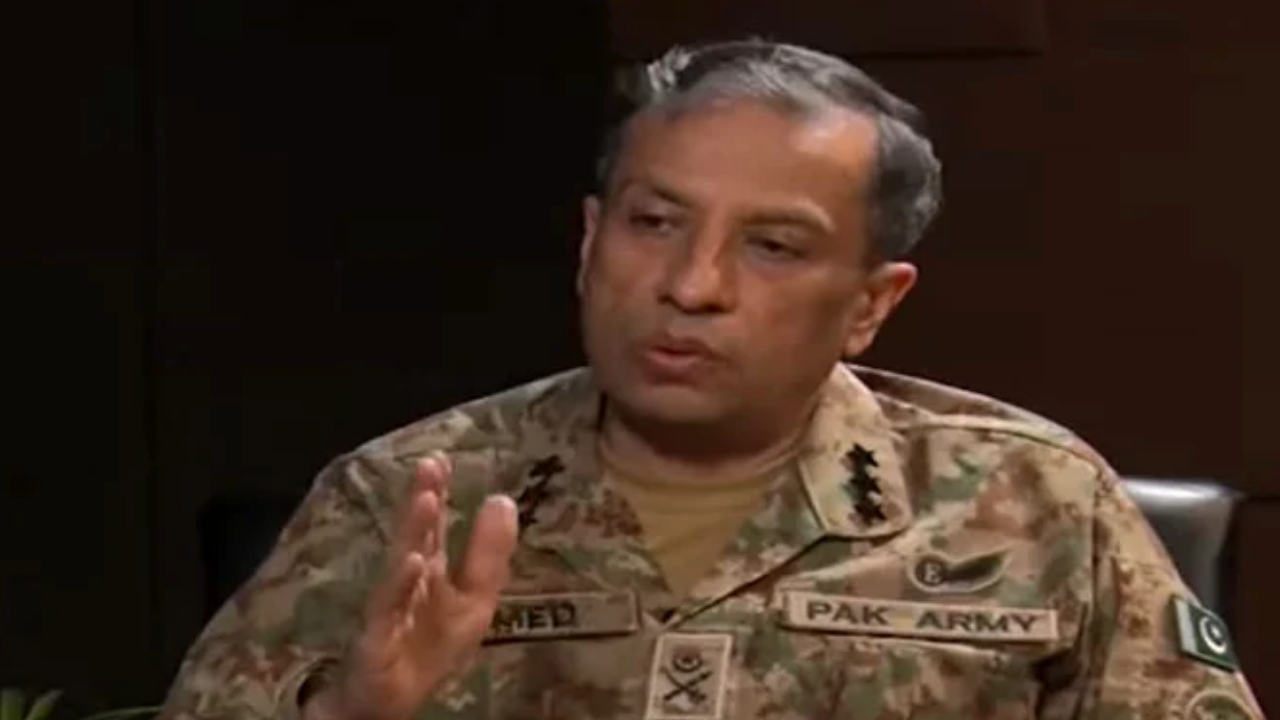
    Director General ISPR Lieutenant General Ahmed Sharif Chaudhry has said Pakistan is willing to hold talks with the Afghan Taliban, but the handover of militants and dismantling of sanctuaries inside Afghanistan would be a precondition for any engagement.

    DG ISPR Lieutenant General Ahmed Sharif Chaudhry, in an interview on a private news channels’s programme, said that Islamabad remains open to dialogue but expects Kabul to act against groups involved in attacks inside Pakistan.

    He said that the Afghan Taliban must decide “whether Tehreek-e-Taliban Pakistan (TTP) holds priority over ties with Pakistan.”

    He stated that militants are being sheltered in Afghanistan, including within government facilities, and said that action against them must precede any talks. He added that Pakistan has repeatedly raised the issue at different forums while seeking assurances on commitments from the Afghan side.

    Referring to recent tensions, the DG ISPR said that Pakistan carried out strikes on sites in Kabul linked to what he described as infrastructure supporting attacks against Pakistan.

    According to him, the action followed 53 attacks on Pakistani check posts. “They initiated it, Pakistan responded.” He said that 81 locations were targeted, including ammunition depots and drone storage facilities.

    He rejected reports of civilian casualties, terming them propaganda, and said Taliban fighters operate without uniforms and in civilian clothing. He also alleged that drug addicts are used in suicide attacks and questioned the establishment of a drug treatment facility near an ammunition storage site.

    The DG ISPR said that Pakistan has no issue with the Afghan population and described them as affected by the current situation.

    During the interview, he also claimed that Afghanistan is hosting members of transnational militant groups. He said Somalia’s Al-Shabaab has been invited and provided space, and alleged contact with Osama bin Laden’s son, Hamza bin Laden. He said that Afghanistan has become a centre for militant groups and that Pakistan is acting as a barrier against them, describing the situation as a wider regional issue.

    He further alleged Indian involvement in attacks inside Pakistan. He also said that drones used against Pakistan were being supplied to the Afghan Taliban, adding that Pakistan has intercepted drones entering from across the border.

    He added that Pakistan has not imposed conflict on Afghanistan and that the country has faced the impact of militancy over decades, with thousands of casualties. He added that narcotics and cross-border smuggling have also contributed to the situation, while noting a decrease in such activities and cross-border attacks in recent period.

  • ‘Significant threat’: US intel director raises alarm, says Pakistan’s long-range missiles could reach US

    ‘Significant threat’: US intel director raises alarm, says Pakistan’s long-range missiles could reach US

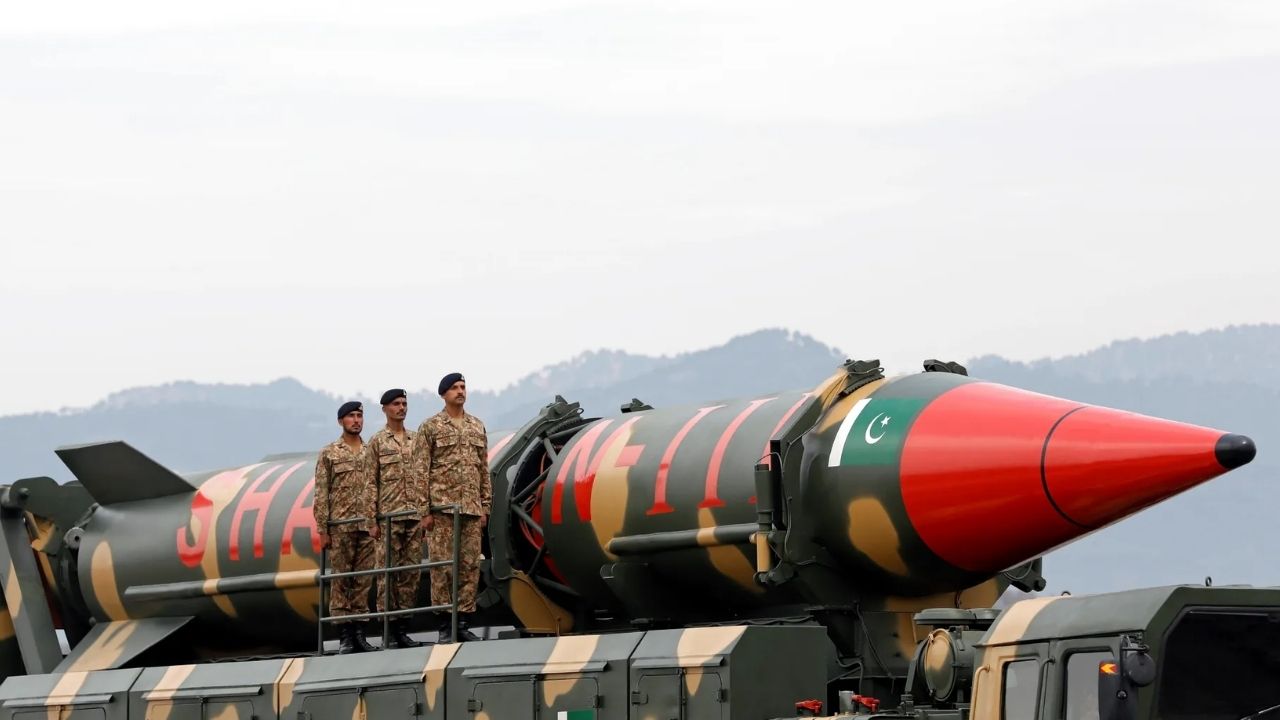
    US Director of National Intelligence Tulsi Gabbard has included Pakistan among countries posing a significant threat to the United States (US), warning lawmakers that Islamabad’s missile development could potentially bring the American homeland within range.

    Presenting the 2026 Annual Threat Assessment before the US Senate Intelligence Committee on Wednesday, she said, “Russia, China, North Korea, Iran and Pakistan have been researching and developing an array of novel, advanced, or traditional missile delivery systems with nuclear and conventional payloads, that put our Homeland within range.”

    She added, “Pakistan’s long-range ballistic missile development potentially could include ICBMs (Intercontinental Ballistic Missile) with the range capable of striking the Homeland.”


    Gabbard further said that the countries identified in the report “will likely seek to understand US plans for advanced missile defence… for the purpose of shaping their own missile development programmes and assessing US intentions regarding deterrence.”


    She warned of a sharp increase in missile threats over the next decade, stating, “…threats to the Homeland will expand collectively to more than 16,000 missiles by 2035, from the current assessed figure of more than 3,000 missiles.”


    The assessment triggered reactions from analysts in Washington DC. Scholar Shuja Nawaz said the inclusion of Pakistan reflected continuity in US policy trends. He said, “This continues the analysis of the Biden administration that placed sanctions on Pakistani entities and tried to curb acquisition of new technologies.”


    He added that most estimates place Pakistan’s Shaheen-III missile range at under 2,800 kilometres and said Islamabad maintains its nuclear programme is intended for deterrence against India. 

    “There is no reason for Pakistan to target the United States or any other country outside South Asia. Such assessments undermine the budding US-Pakistan relationship,” he said.

    US-based analyst Michael Kugelman said, “It’s a significant comment, given that the current administration has been fairly quiet on the Pakistan nuclear weapons issue and has generally projected positivity in its messaging on Pakistan.”

    He added, “But at the same time, I wouldn’t overstate the significance here. Pakistan wasn’t singled out exclusively; it was called out with other countries.”

    The assessment also highlighted South Asia as a continuing security concern, particularly tensions between Pakistan and India.

    The report stated, “India–Pakistan relations remain a risk for nuclear conflict given past conflicts where these two nuclear states squ¬ared off, creating the danger of escalation,” while also referring to the Pahalgam attack.


    It added, “President Trump’s intervention deescalated the most recent nuclear tensions, and we assess that neither country seeks to return to open conflict, but that conditions exist for terrorist actors to continue to create catalysts for crises.”

    On Pakistan-Afghanistan tensions, it said, “Relations between Pakistan and the Taliban have been tense, with intermittent cross-border clashes, as Islamabad has become increasingly frustrated with anti-Pakistan terrorist groups’ presence in Afghanistan while Islamabad faces growing terrorist violence.”


    It further noted, “Pakistan’s army chief warned this month that lasting peace requires the Taliban to sever ties with militants targeting Pakistan. The Taliban’s public posture has been to call for dialogue, but it has denied harbouring anti-Pakistani militants.”

    The report also said regional powers are increasingly using force to advance their interests, stating that countries including Egypt, Israel, Pakistan, Turkiye and the UAE are using a mix of lethal aid, proxy forces, or their own military assets to provoke or undermine their rivals or to tilt nearby conflicts in their favour.

  • Info minister says Imran’s sons can visit Pakistan on NICOP after Jemima slams visa delays

    Info minister says Imran’s sons can visit Pakistan on NICOP after Jemima slams visa delays

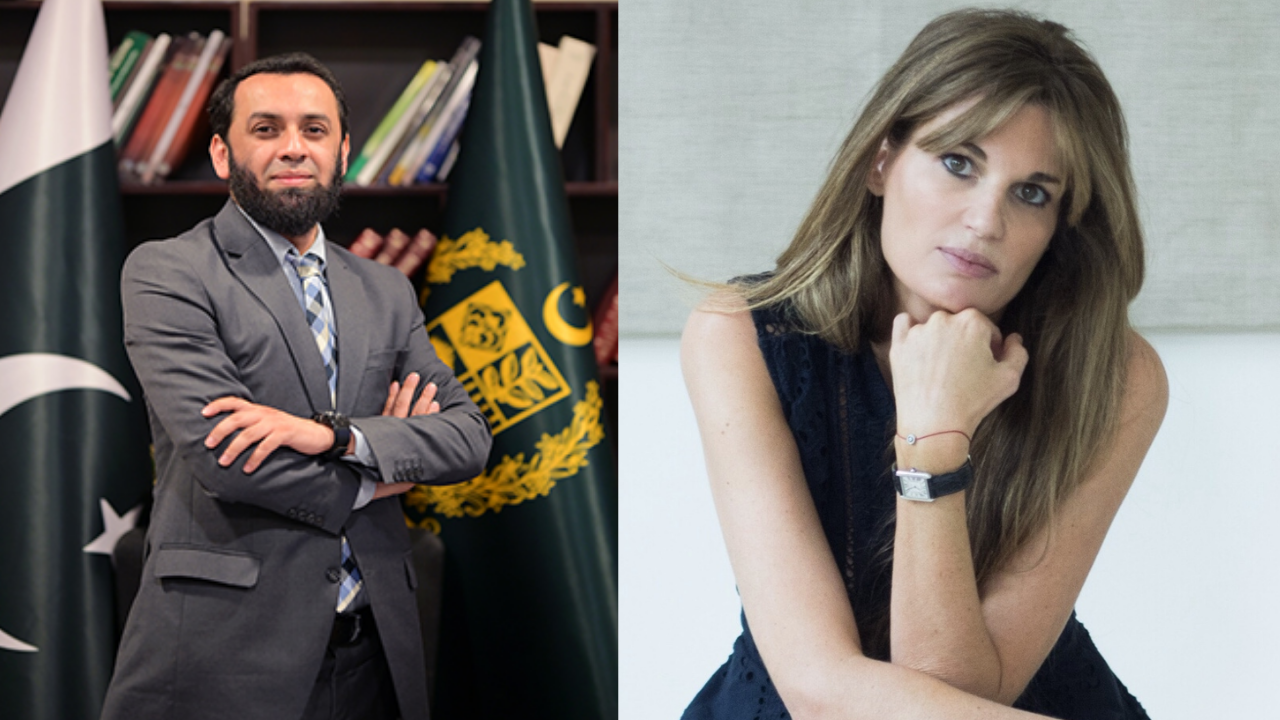
    Federal Information Minister Attaullah Tarar said that the sons of former prime minister Imran Khan can visit Pakistan using their National Identity Card for Overseas Pakistanis (NICOP), stating that no visa is required for them. 

    The statement came in response to a post by Jemima Goldsmith, who appealed to Prime Minister Shehbaz Sharif over delays in the issuance of visas for her sons Kasim Khan and Sulaiman Khan.

    Responding on X, Tarar said, “Imran Khan’s phone call will be arranged on Eid day with his children as done in the past as well.” He added, “His children are welcome to visit Pakistan on their Nicop cards as Pakistani citizens for which no visa is required. However, they will fully comply with the laws of Pakistan during their stay.”

    In her appeal, Jemima said, “My sons Sulaiman and Kasim Khan applied for visas in January (again… ) to allow them to visit their father, Imran Khan, in Pakistan.” She added, “The Pakistan consulate states that online visa processing normally takes 7–10 working days. It has now been 60 days.”

    She said the delay came despite public statements by Defence Minister Khawaja Asif and government spokesperson Mosharraf Zaidi regarding their travel. “Meanwhile, they are not allowed to speak to him on the phone, nor send him a letter,” she said, adding, “They haven’t seen him since 2022, after he was shot in an assassination attempt.”

    Jemima appealed, “This is an appeal directly to Pakistan’s PM Shehbaz to please allow Imran Khan’s two sons to see their father asap.”

    Last month, Kasim alleged that the government was deliberately refusing to process their visas. The two had earlier said in December 2025 that they had applied for visas and were planning to travel in January.

    In August 2025, Imran’s sister Aleema Khan said the two had applied for NICOP as well as visas after Minister of State for Interior Talal Chaudhry questioned why visas would be required if they had the cards. 

    Separately, Pakistan Tehreek-e-Insaf criticised the delay, stating that the details shared by Jemima were “not only deeply concerning, but also evidence that the government has failed to uphold basic human values and family rights.” The party said the delay was a “deliberate delaying tactic” and added, such treatment is being meted out to a man who has served as the country’s former prime minister.