Category: National

  • 19 dead as thunderstorms,winds lash Karachi

    19 dead as thunderstorms,winds lash Karachi

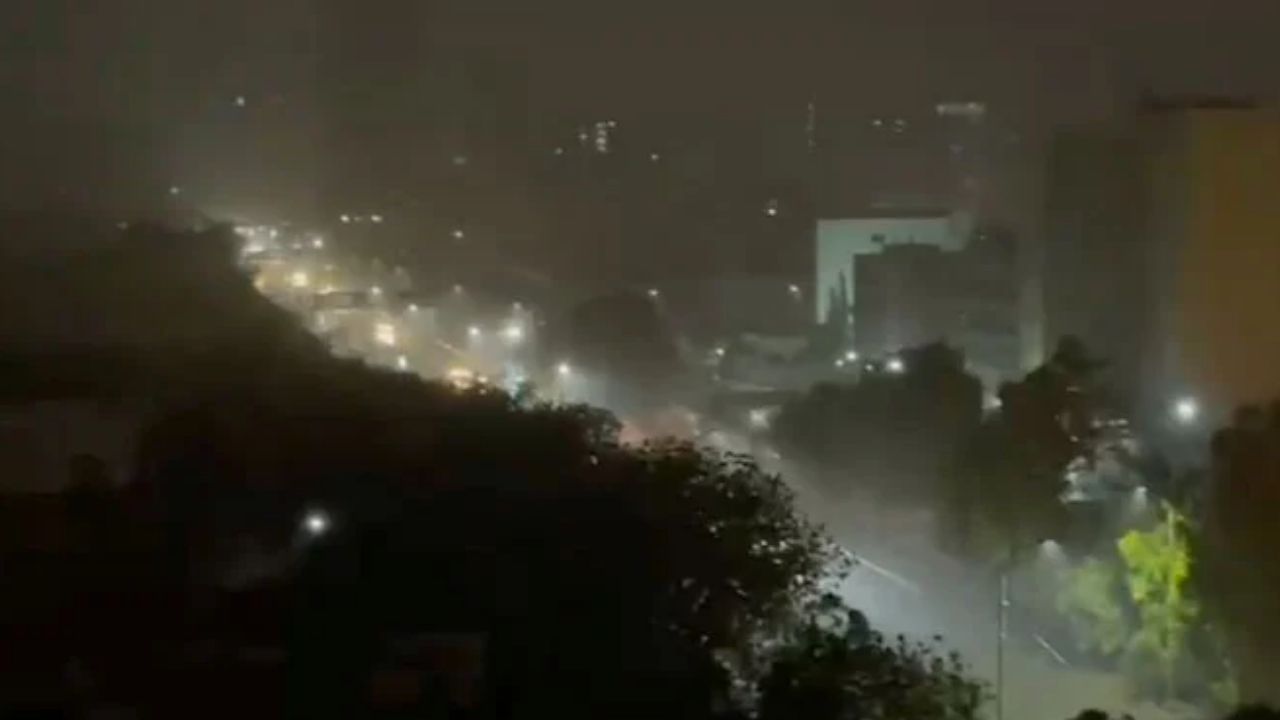
    At least 19 people died and several others were injured in multiple incidents as rain and strong winds hit different parts of Karachi.


    Rainfall with gusts was recorded in North Nazimabad, North Karachi, Surjani, FB Area, Saddar and Clifton. Similar conditions were reported in Cantt, Railway Colony, Delhi Colony, Gulshan-e-Iqbal, Gulshan Jamal and Garden.

    The Met Office said rain was also reported in Gulistan-i-Jauhar, Gulzar-i-Hijri, Tower, I.I. Chundrigar Road, Hassan Square, Manghopir, SITE, Liaquatabad, Nazimabad and Defence.

    Power supply was suspended in several areas as the rain began, while outages were later reported in Moinabad Alamgir Society, Shadman Town 14-A, parts of Gulshan-e-Iqbal, Defence Phases 1 and 2, Akhtar Colony, Kashmir Colony and parts of North Karachi. 

    The city’s power system could not sustain the load, and several areas remained without electricity for hours.

    “Our field teams remain on-ground, working round the clock to restore power in affected areas. Despite water-logging challenges, safety remains our top priority. We value your patience and understanding as we continue these efforts,” K-Electric stated on X.

    The Meteorological Department reported that wind speed reached 90 kilometres per hour on Shahrah-e-Faisal and 97 kilometres per hour in Mauripur. It said Korangi recorded 55.6mm of rainfall, followed by 22mm in Mauripur and 15mm in DHA Phase-II.


    Other areas including Gulistan-i-Jauhar, Keamari, Airport Old Area, Shahrah-e-Faisal, Saddar Town and Jinnah Terminal received lower amounts.

    Trees fell in multiple locations, disrupting traffic. Near the Clifton driving licence branch, a tree collapsed, trapping two people. Reports quoted officials that Ishfaq, 32, and his mother were on a motorbike when they took shelter under a tree, which fell due to strong winds.

    A Rescue 1122 team shifted Ishfaq to hospital while efforts continued to retrieve his mother. In Mohammad Ali Society, a billboard fell on Tipu Sultan Road.

    In Baldia’s Mowach Goth, 13 people died after a wall collapsed, rescue officials confirmed. DIG-South Syed Asad Raza said that several people were sitting beside the wall of the Baldia Town Telephone Exchange within the limits of Saeedabad police station when it collapsed due to strong winds. 

    A rescue spokesperson said that three people were injured and shifted to hospital along with the bodies, adding that search operations were ongoing. The bodies were moved to Dr Ruth Pfau Civil Hospital Karachi.

    SSP (Senior Superintendent of Police) Keamari said that the roof of the second floor collapsed onto the first floor, adding that the structure was not a residential building. He noted that police and rescue teams were present at the site and further people could be trapped under the debris.

    The Sindh chief minister took notice of the incident and directed the district administration and rescue authorities to respond.

    Sindh Interior Minister Zia ul Hassan Lanjar and Karachi Mayor Murtaza Wahab visited the site and directed teams to retrieve those trapped and shift the injured for treatment.

    In Quaidabad’s Majeed Colony, a man and a woman died after a wall collapsed, while one person was injured. In Landhi, a man and his wife were killed when the roof of their house caved in. They were identified as Sher Ali, 48, and Riasat, 45.

    In Malir’s Yaroo Goth, one person died after being struck by lightning. In Korangi, a man died after a tree fell on him, while in Korangi 3½, a woman died after a roof collapsed.

    Water accumulated in several areas after the rain, affecting traffic flow on major roads.

    The Meteorological Department said that further rainfall is not expected during the night but may occur after noon. It added that rain with wind and thunder is likely in parts of the city, with a possibility of hail at isolated locations, while another weather system between March 24 and 27 could bring rain to Karachi and other areas of Sindh.

  • PIA suspends Fujairah flights for 48 hours amid Gulf security concerns

    PIA suspends Fujairah flights for 48 hours amid Gulf security concerns

    Pakistan International Airlines (PIA) has suspended flights to Fujairah in the United Arab Emirates (UAE) for the next 48 hours due to the ongoing security situation in the Gulf region.

    In a notification issued on Wednesday, the airline confirmed that operations to Al Ain would continue as scheduled. “For now, Al Ain will remain the only destination in the UAE where PIA flights will operate,” the notification said.

    The temporary suspension follows fresh attacks by Iran on the UAE on Tuesday. The strikes led to a fire at the port of Fujairah, a major export terminal where oil loading by state firm ADNOC was halted. The incident comes amid a crisis that has already pushed energy prices higher.

    Since the start of the US-Israeli war on Iran on February 28, Gulf Arab states, including the UAE, have been subjected to more than 2,000 missile and drone attacks. These attacks have targeted US diplomatic missions, military bases, oil infrastructure, ports, airports, and residential and commercial buildings.

    The disruption has extended to Pakistan’s air travel network, with a total of 83 flights to Middle Eastern destinations cancelled in a single day. Flight operations to Fujairah have been completely suspended from Islamabad, Lahore, and Peshawar, where all eight scheduled flights were cancelled.

    From Karachi, 18 flights to destinations including Doha, Bahrain, Baghdad, Dubai, Sharjah, and Abu Dhabi were cancelled. Lahore saw another 18 flights grounded to Kuwait, Sharjah, Doha, Bahrain, and Dubai. Additional cancellations included 26 flights from Islamabad, 11 from Peshawar, six from Sialkot, and four from Multan.

    However, flights from Faisalabad remained unaffected, with all nine scheduled operations to Jeddah, Dubai, Sharjah, and Madinah proceeding as planned.

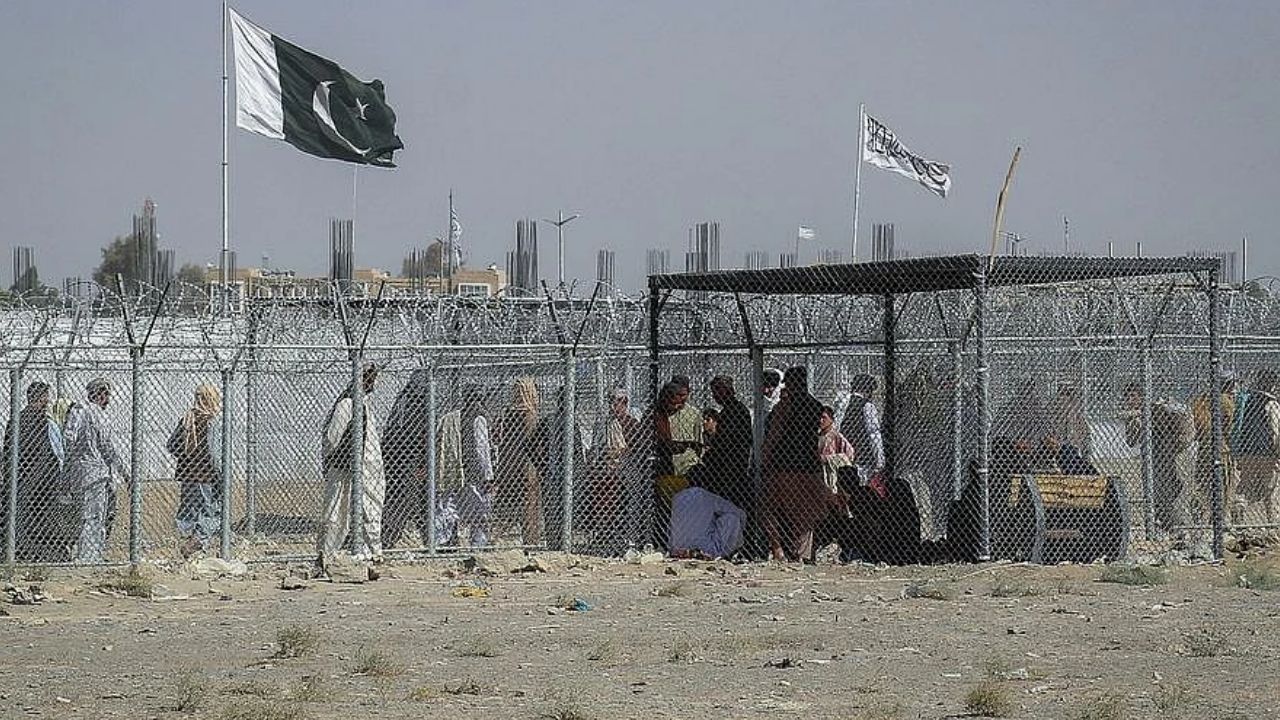
  • ‘International sympathy’: Kh Asif slams Afghan claims of hospital bombing, highlights civilian killings in Pakistan

    ‘International sympathy’: Kh Asif slams Afghan claims of hospital bombing, highlights civilian killings in Pakistan

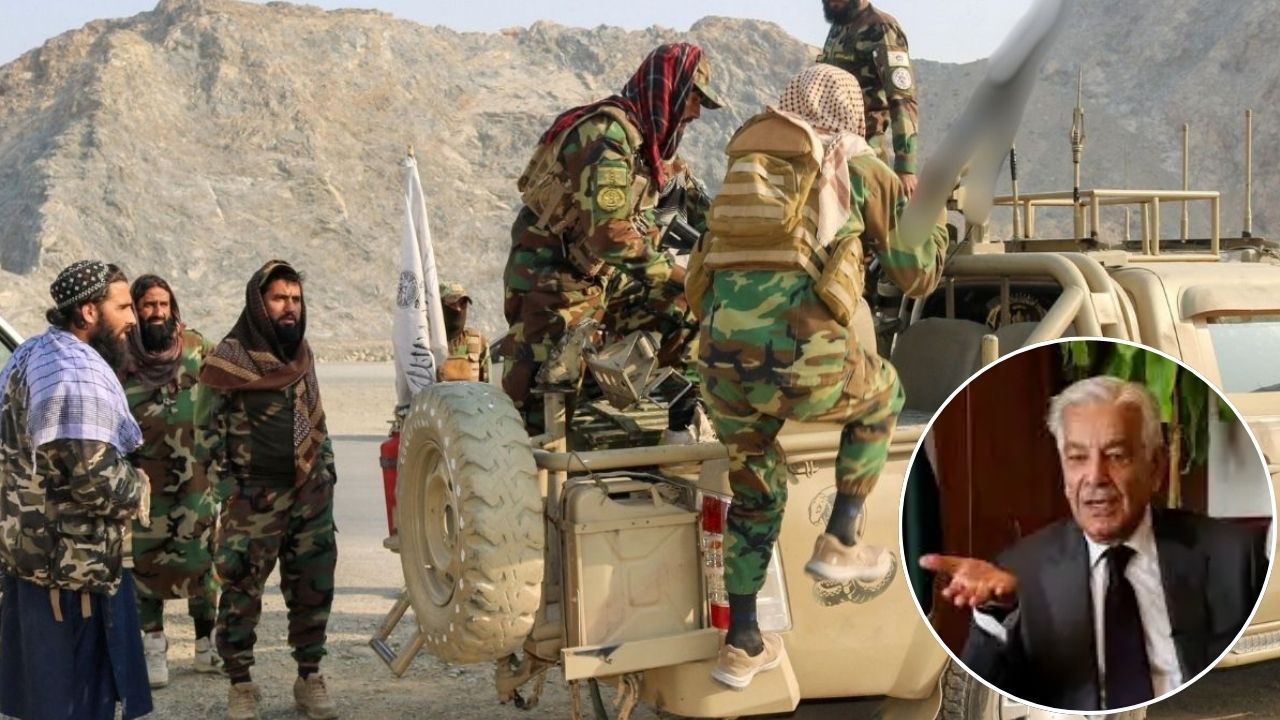
    Defence Minister Khawaja Muhammad Asif has issued a strong response to the allegations by the Afghan Taliban regime that Pakistan targeted a hospital in Kabul, stating that those who kill schoolchildren and worshippers in mosques are capable of entering hospitals to kill patients and then blaming Pakistan to gain international sympathy.

    Asif took to X to write, “Killers of school children and worshippers in mosques are definitely capable of entering a hospital and killing patients and then blaming Pakistan just to attract international sympathy”.

    Earlier, speaking on private media channel talkshow Information Minister Attaullah Tarar said that the Afghan Taliban regime must decide whether it stands with terrorists or with Pakistan.

    He added that the roots of terrorism in Pakistan trace back to Afghanistan and that strikes were carried out on terrorist hideouts and infrastructure linked to the Afghan Taliban regime.

    Tarar said that the Afghan Taliban attempted to build a false narrative that a hospital had been targeted, adding that ammunition was stored at the site that was struck and the resulting explosions confirmed the nature of the target. He added that the objectives of Operation Ghazab- lil-haq were clear.

    Pakistan carried out airstrikes in Kabul and Nangarhar on the night of March 16, destroying ammunition and technical infrastructure.

    A spokesperson for the Afghan interior ministry had claimed that 400 people were killed in an attack on a drug rehabilitation centre, a claim Pakistan has rejected.


    In a post on X, Tarar said the Afghan Taliban regime is “peddling yet another falsehood by alleging that Pakistan targeted a drug rehabilitation hospital in Kabul. This claim is entirely baseless. Pakistan, in its ongoing war against terrorism, is engaging only those military and terrorist targets, along with the infrastructure of the Afghan Taliban regime, that are being directly or indirectly used to plan, facilitate, shelter, train, or abet terrorist attacks inside Pakistan.”

    He added that the strikes were “precise, deliberate, and professional,” and that “no hospital, no drug rehabilitation centre, and no civilian facility was targeted.” Tarar said video footage released by the Ministry of Information and Broadcasting (MoIB) confirmed that ammunition storage sites were struck, and that Afghan Taliban officials had repeatedly used false narratives, doctored claims, and old visuals to mislead audiences.

    He concluded that Pakistan will continue to take measures to defend its citizens, degrade terrorist capability, and deny safe haven to those who wage terror against Pakistan from across the border.

  • Pakistan targets terror proxies in Kabul, Nangarhar: Tarar

    Pakistan targets terror proxies in Kabul, Nangarhar: Tarar

    Pakistan’s armed forces carried out airstrikes late on March 16 under ‘Operation Ghazab-lil Haq’, targeting sites in Kabul and Nangarhar, Information Minister Attaullah Tarar said on Tuesday.

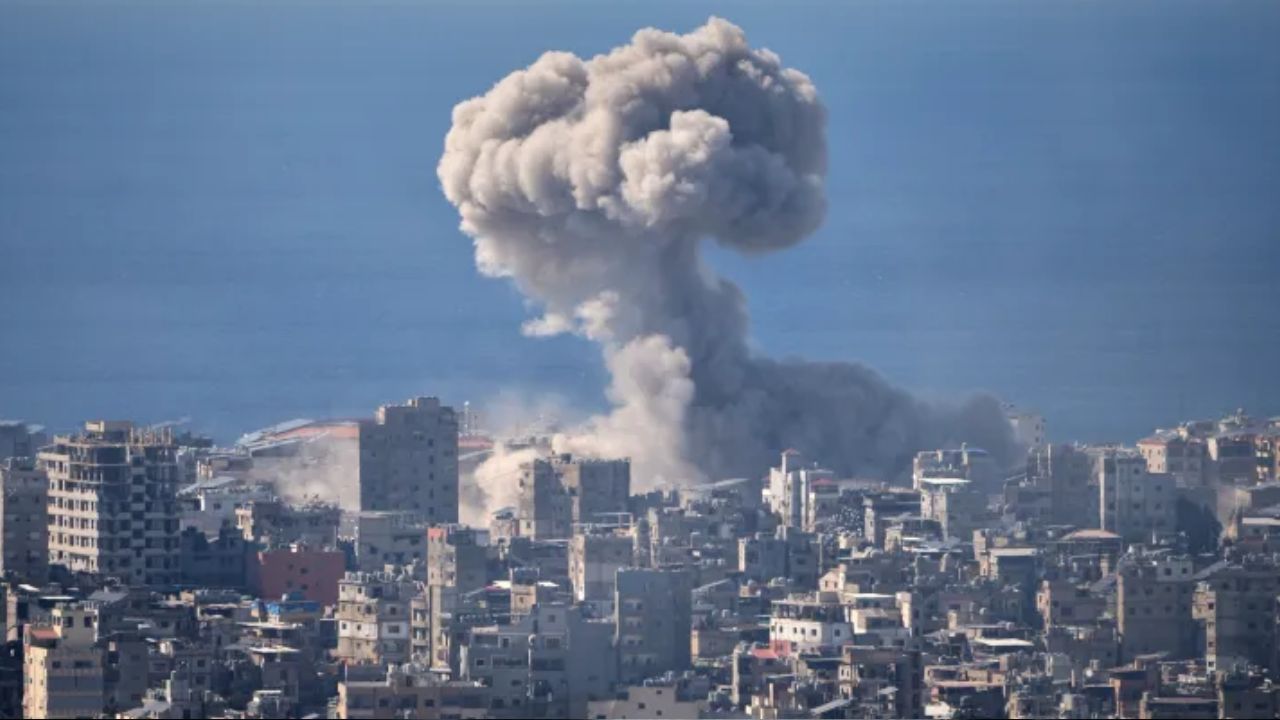
    “Technical support infrastructure and ammunition storage facilities at two locations in Kabul were effectively destroyed. The visible secondary detonations after the strikes clearly indicate the presence of large ammunition depots,” Tarar wrote on X.

    He stated that four sites were also struck in Nangarhar, targeting logistics, ammunition and technical infrastructure.

    According to Tarar, the strikes were limited to infrastructure used by the Afghan Taliban regime to support its “multiple terror proxies”, including Fitna Al Khawarij and Fitna Al Hindustan, terms used by Pakistani authorities for Tehreek-e-Taliban Pakistan (TTP) and the Balochistan Liberation Army (BLA).

    “False claims made by the propagandists Taliban regime cannot befool the Afghans and the world from their heinous actions supporting and sponsoring terrorism in the region,” he stated.

    In a fact check issued on Tuesday at 12:48pm by Fact Checker Ministry of Information and Broadcasting (MoIB) stated that the Omid Hospital, which was claimed to have been hit, is located several kilometres away from Camp Phoenix.

    The ministry stated that the hospital is a multi-storey structure, while the site targeted was identified as a military ammunition and equipment storage facility.

    It also questioned the claim regarding a drug rehabilitation facility, stating: “Another important question also lingers, as to why would an alleged drug rehabilitation facility be co-located with lethal ammunition storage site in a military camp?”


    The operation was launched last month following border clashes after Afghan Taliban forces opened fire at multiple locations, prompting retaliation by Pakistan.

    “Operations under Ghazab Lil Haq to safeguard Pakistani citizens against terrorism waged by Master Terror Proxy will continue until the desired objectives are fully achieved,” Tarar said.

    Reports quoted security sources as saying that operations were also carried out in the Kurram sector, targeting positions used by Afghan Taliban operatives and Fitna al-Khawarij.

    They reported that several positions were hit and casualties were caused, while others withdrew.

    In Bajaur, Pakistani forces carried out retaliatory strikes near the border, targeting positions using guided missiles, security sources added.

    Pakistan has previously conducted airstrikes targeting Tehreek-e-Taliban Pakistan (TTP) and Islamic State Khorasan Province positions inside Afghanistan following attacks in Pakistan.

    Islamabad has maintained that TTP leadership operates from Afghan territory, an allegation Afghan authorities have denied.

  • Citizen asks IHC to order early Eid moon sighting to avoid crowding in markets

    Citizen asks IHC to order early Eid moon sighting to avoid crowding in markets

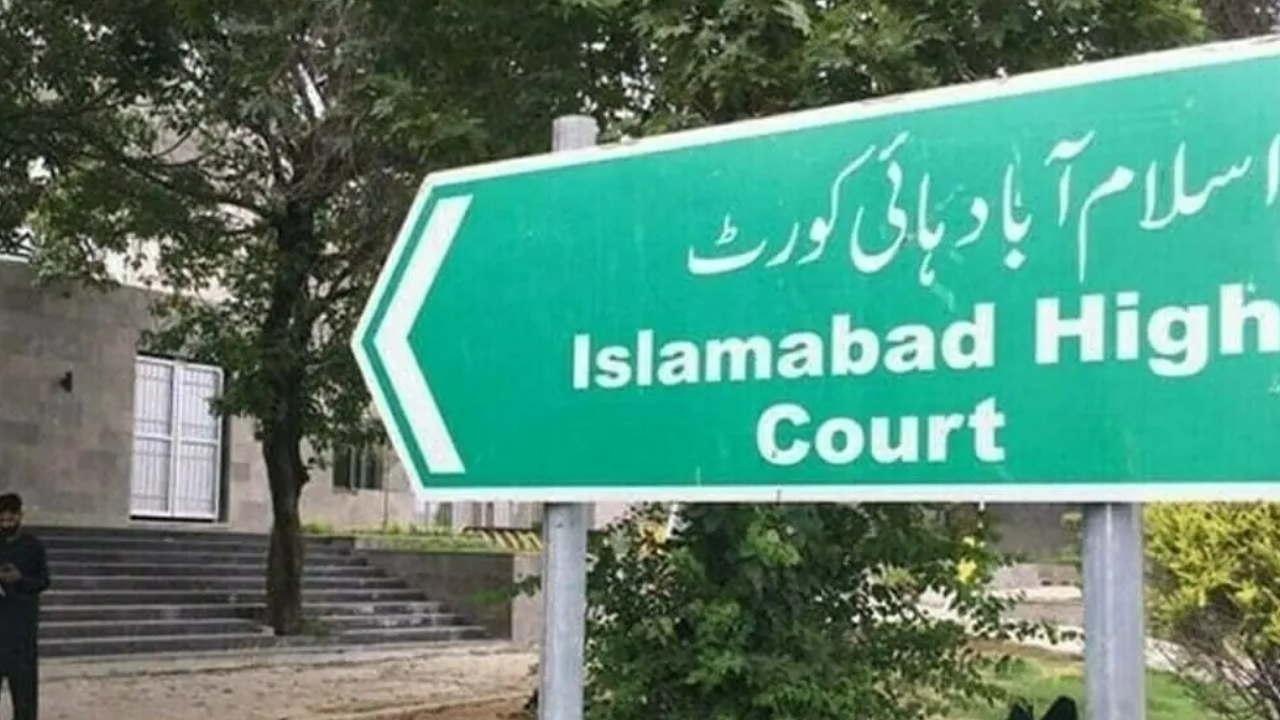
    A petition has been filed in the Islamabad High Court (IHC) seeking directions for the early announcement of the Eid ul Fitr moon sighting to avoid confusion among the public and manage crowds in markets.

    The plea was submitted by Islamabad resident Abdullah Shafiq Jan in his personal capacity. In the application, the petitioner requested the court to direct the Central Ruet-e-Hilal Committee to announce the sighting of the Eid moon immediately after it is confirmed.

    According to the petition, delays in the official announcement often create uncertainty among citizens regarding the start of Eid ul Fitr.

    The petitioner stated that such delays also affect religious practices, saying that many people offer Taraweeh prayers before the official declaration of the moon sighting.

    “Delays in announcing the moon sighting often lead people to perform Taraweeh prayers before the official declaration, which creates confusion among the public,” the petition stated.

    The application further pointed to the impact of late-night announcements on public movement and market activity.

    It said that when the moon sighting is announced late at night, people rush to markets for last-minute Eid shopping, resulting in overcrowding in commercial areas.

    The petitioner told the court that the sudden increase in shoppers creates management issues for authorities responsible for maintaining order in public places.

    He argued that announcing the moon sighting earlier would help authorities regulate crowds and take necessary steps to manage movement in markets.

    The petition also requested the court to issue directions regarding market operations in order to reduce pressure on commercial centres.

    The petitioner asked the court to direct the authorities to keep markets closed except for outlets selling Eid-related items so that crowds can be controlled and public safety can be ensured.

    Through the plea, he urged the court to instruct the Central Ruet-e-Hilal Committee to announce the sighting of the Eid ul Fitr moon as soon as the crescent is sighted.

  • Four Pakistanis killed in 18 day Iran war

    Four Pakistanis killed in 18 day Iran war

    A Pakistani national was killed in Abu Dhabi after debris from an intercepted missile fell in the Bani Yas area, Al Jazeera reported on Tuesday, citing the Abu Dhabi Media Office.


    Since the US-Israel attack on Iran began 18 days ago, three Pakistanis have lost their lives in the conflict and one killed near Balochistan due to falling debris from a missile. 

    The incident occurred as missile and drone activity linked to the ongoing regional conflict continues to affect parts of the Gulf.

    The Abu Dhabi Media Office identified the victim as a Pakistani national and stated that the death was caused by falling debris following an interception.

    Earlier incidents have also involved Pakistani nationals during aerial interceptions in the UAE.

    On February 28, a Pakistani citizen died during the interception of an Iranian missile after strikes on Iran triggered retaliatory attacks. On March 8, another Pakistani was killed in Dubai’s Al Barsha area when debris from an interception fell onto a vehicle.

    Prime Minister (PM) Shehbaz Sharif had expressed grief over the deaths and directed authorities to facilitate the repatriation of the bodies.

    On the same day, a fisherman from Gwadar was killed in Iranian waters after debris from a missile struck his boat. Local officials identified him as Muhammad Tayyab, a resident of Gwadar district in Balochistan.

    On March 6, falling debris in Abu Dhabi injured six Pakistani and Nepalese nationals following the interception of a drone.

    The conflict began on February 28 after the United States and Israel carried out strikes on Iran, followed by missile and drone attacks targeting locations across the region.

  • Jemima urges PM Shehbaz to allow sons to meet Imran Khan

    Jemima urges PM Shehbaz to allow sons to meet Imran Khan

    Jemima Goldsmith on Monday appealed to Prime Minister Shehbaz Sharif to allow her sons Kasim Khan and Sulaiman Khan to visit their father, PTI founder Imran Khan, in prison.

    Imran has been in custody since August 2023 and is currently serving a sentence at Adiala Jail in a £190 million corruption case. He also faces trials under the Anti-Terrorism Act linked to the May 9, 2023 protests.


    The brothers have not met their father since November 2022, when he survived an assassination attempt. They applied for visas in January but have not received a response as yet.

    In a post on X, Jemima stated that the request was based on concerns regarding Imran’s health and delays in visa processing.

    “This is an appeal directly to Pakistan’s PM Shehbaz Sharif to please allow Imran Khan’s two sons to see their father asap, particularly since, by all accounts, his health is in decline,” she wrote.

    “My sons Sulaiman and Kasim applied for visas in January (again…) to allow them to visit their father Imran Khan in Pakistan. The Pakistan consulate states that online visa processing normally takes 7–10 working days. It has now been 60 days,” she added.

    Jemima said that the delay continued despite public assurances that the brothers could travel to Pakistan to meet their father. She referred to statements by Defence Minister Khawaja Asif and PM spokesperson Mosharraf Zaidi conveyed in media interactions.

    “They are not allowed to speak to him on the phone, nor send him a letter. They haven’t seen him since 2022 after he was shot in an assassination attempt,” she stated.

    Last month, Kasim alleged that authorities were not processing their visa applications to prevent the visit. He stated that denying medical treatment to a prisoner was cruel and preventing his children from meeting him amounted to collective punishment.

    Last year, Imran’s sister Aleema Khan told reporters that the brothers would take part in a protest movement planned for August 5, 2025. It was later reported that Imran had said that his sons will not travel to Pakistan for the protest. The brothers later held meetings with influential individuals in the United States (US) in a bid to increase pressure for Imran’s release.

  • Senate panel told Pakistan’s LNG supply could run out after April 14

    Senate panel told Pakistan’s LNG supply could run out after April 14

    Pakistan could face a shortage of Liquefied Natural Gas (LNG) after April 14 as imports from Qatar remain suspended amid tensions in the Middle East, officials told the Senate Standing Committee on Petroleum on Monday.

    The committee, chaired by Senator Manzoor Ahmed, was informed that LNG shipments from Qatar had been halted since March 2, raising concerns about gas availability for the power sector in the coming weeks.

    Officials told the panel that Pakistan has two LNG supply agreements with Qatar but deliveries have been disrupted due to the regional situation. Of the eight LNG cargoes scheduled to arrive in March, only two reached Pakistan, while six cargoes expected in April are unlikely to arrive.

    “LNG supply from Qatar had been completely stopped since March 2,” officials told the committee. They added that LNG would not be available in the country after April 14 and that gas demand from the power sector would not be fully met in April.

    The committee was informed that supply reductions had already begun in parts of the gas network. Officials said Sui Southern Gas Company had reduced gas supply to one fertiliser plant by 50 per cent, while supply to the power sector had dropped from 300 million cubic feet per day (mmcfd) to 130 mmcfd.

    Officials told lawmakers that domestic consumers would continue to receive gas supplies despite the shortage. They said alternative arrangements were being considered to bridge the gap, including possible LNG purchases from Azerbaijan’s state oil company Socar.

    However, officials said spot purchases could be significantly higher than existing contracts. “Spot purchases could cost around $24 per unit compared with $9 under the Qatari contract,” they said, adding that this would raise electricity generation costs.

    During the briefing, Petroleum Secretary Hamed Yaqoob Sheikh told the committee that the Middle East situation had also affected petroleum shipments, noting that around 70 per cent of Pakistan’s petrol imports come from the region.

    He said shipping movement had been disrupted and two Pakistani ships were also stuck in the Strait of Hormuz.

    The secretary told the committee that global fuel prices had increased during the crisis. According to officials, the price of high-speed diesel rose from $88 per barrel to $187, while petrol increased from $74 per barrel to $130.

    Officials also briefed the committee on the country’s fuel reserves. They said Pakistan currently has petrol reserves for 27 days, diesel reserves for 21 days, crude oil reserves for 11 days, liquefied petroleum gas stocks for nine days and jet fuel reserves for 14 days.

    Separately, the petroleum secretary said the government was preparing a relief package for motorcycle and rickshaw users to offset the impact of rising fuel prices.

    “The government is working on a package to provide relief to owners of motorcycles and rickshaws,” Sheikh told the committee.

    Officials added that the government had allowed imports of oil below the Euro-5 standard to ease supply pressure while a ministerial committee reviews the petroleum supply situation on a daily basis.

  • Nine Shalimar Express coaches lacked brakes before crash

    Nine Shalimar Express coaches lacked brakes before crash

    An initial inspection by Pakistan Railways has found that 10 of the 18 passenger coaches of the 27-Up Shalimar Express were operating as “dummy” units, including nine that were running without functional brakes.

    The train was involved in an accident on Sunday afternoon after it hit a stationary freight train at the loop line of Lakha Road Railway Station in Naushahro Feroze district.

    According to the examination report, nearly 60 percent of the coaches had brake-related faults and required maintenance. The report noted that the brake cylinders of nine coaches were not working during checking at Rohri station.

    In contrast, an initial inquiry report, referred to as the Joint Certificate, held the driver and assistant driver responsible for the accident, stating that they failed to control the train and overshot.

    “It is really surprising to see both reports — the train’s rake examination [inspection of coaches] and the initial probe report called the ‘Joint Certificate’ in railway terminology. The examination of the rake has revealed that nine of the total 18 coaches [nearly 60pc] had no brakes and other issues.

    “On the other hand, the initial investigation surprisingly holds the driver and assistant driver responsible for the accident,” an official source in Pakistan Railways stated.

    “When the brake system is not working, why are the driver and assistant driver being declared guilty? Even if the driver knew it, why was a faulty train handed over to him to operate?” he questioned, urging authorities to take action against those responsible for maintenance and safety.


    The rake examination report, jointly signed by a team led by the train examiner in Sukkur, identified faults in multiple coaches, including ZBH (15028), ZBXH (11264), ZBXH (11288), ZRGH (11496), ZRGH (11499), ZRHG (11421), ZRGH (11561), ZRGH (11507), ZRGH (11461) and ZRGH (11475).

    Meanwhile, the Joint Certificate, signed by five officers, stated that the points for the train’s passage were not set for the main line. It added that the pointsman and station master had shown a red signal, but the driver could not stop the train, leading to a collision with the QSSCTR goods train at around 1:43pm.

    “The collision resulted in the derailment and capsizing of the engine and the derailment of two coaches next to it. Three wagons loaded with containers of the goods train were also derailed, leading to the blocking of both the up and down main lines as well as the loop line,” the report stated.

    “After checking all aspects, we came to the conclusion that the accident took place due to the negligence of the crew of the 27-Up (Shalimar Express). Hence, the driver and assistant driver are held responsible for this accident,” the initial investigation concluded.

    In August last year, train drivers had protested against being held responsible for accidents and warned of a countrywide strike over the continued use of faulty coaches and wagons.

  • Intellectually disabled Pakistani man shot dead by India forces

    Intellectually disabled Pakistani man shot dead by India forces

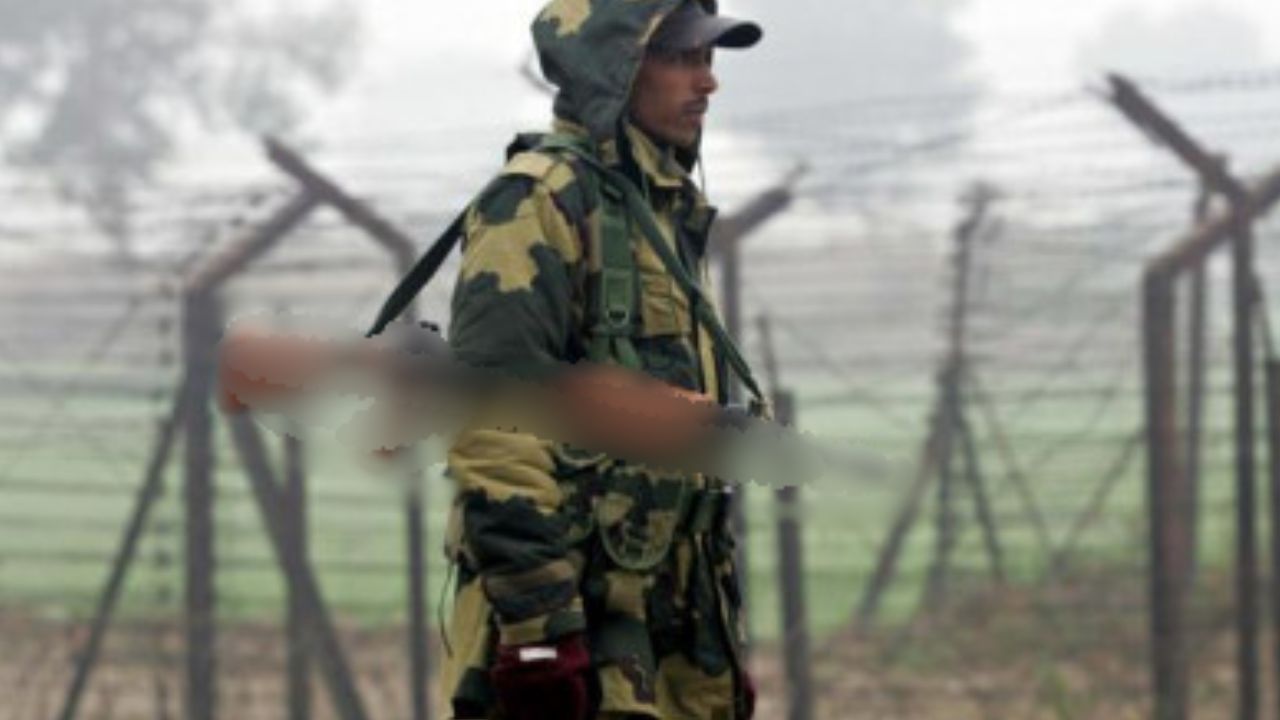
    A 35-year-old cognitively impaired Pakistani man was shot dead by India’s Border Security Force (BSF) after allegedly crossing the border by mistake.

    According to police, Mustafa Ahmed, 35, had on March 9 traveled with his family to Gadoki, located on the Zero Line in the limits of Mustafabad Police Station, to visit relatives.

    Ahmed went out at night without informing anyone and accidentally crossed the border, family members said.

    They added that BSF personnel tried to stop him, but he ignored their warnings, prompting the guards to open fire, killing him on the spot.

    Pakistani authorities demanded the return of Ahmed’s body, which was handed over and subsequently laid to rest on Saturday night in his ancestral village, Shamkot Jhugian, in the jurisdiction of Chunian Police Station.