Category: National

  • PM Shehbaz stresses Ummah unity in call with Saudi crown prince

    PM Shehbaz stresses Ummah unity in call with Saudi crown prince

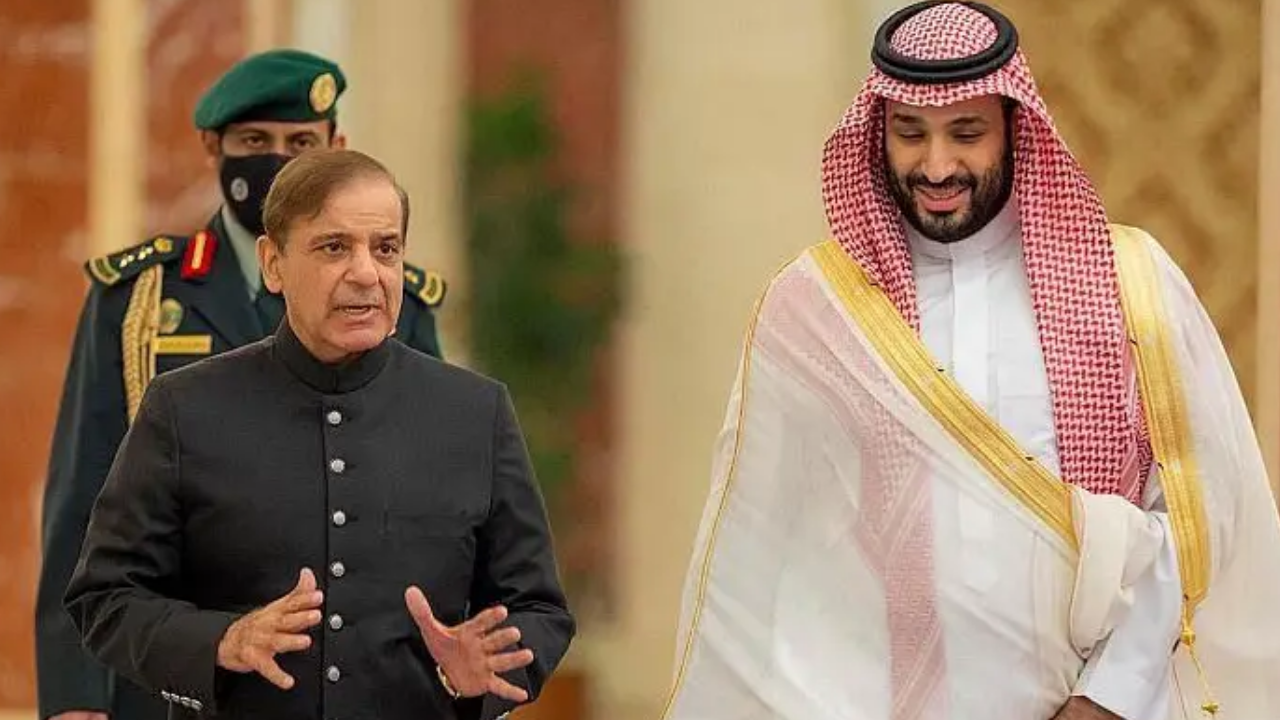
    Prime Minister Shehbaz Sharif has stressed the need for unity within the Muslim Ummah during a phone call with Saudi Crown Prince Mohammed bin Salman, according to a statement issued by the Prime Minister’s Office (PMO).


    Prime Minister Shehbaz greeted Saudi King Salman bin Abdulaziz Al Saud and Crown Prince Mohammed bin Salman during the conversation. According to the PMO, both leaders reiterated their commitment to deepening bilateral ties, and the prime minister thanked the crown prince for his support of Pakistan.

    “Both leaders reaffirmed their shared commitment to further strengthening the long-standing fraternal bonds between both countries, that had attained new heights during recent months,” the statement said.

    The discussion also covered regional developments, during which the prime minister emphasised the need to maintain unity among Muslim countries amid ongoing challenges.

    “While expressing Pakistan’s complete solidarity with the kingdom, the prime minister said that it was imperative to maintain regional peace and stability through dialogue and diplomacy,” the PMO added.

    The Saudi crown prince thanked Prime Minister Shehbaz for the call and reiterated Saudi Arabia’s desire to expand cooperation with Pakistan in areas of mutual interest. He also shared his intention to undertake an official visit to Pakistan in the coming year.

    Prime Minister Shehbaz later shared details of the conversation in a post on X, calling it a “warm and most cordial telephone conversation”.

    Earlier, Prime Minister Shehbaz met Saudi Ambassador Nawaf bin Saeed Ahmad Al-Malkiy at the Prime Minister’s House, where regional and global developments were discussed.

  • Unable to verify your fingerprints with NADRA? Here’s how you can use facial recognition instead

    Unable to verify your fingerprints with NADRA? Here’s how you can use facial recognition instead

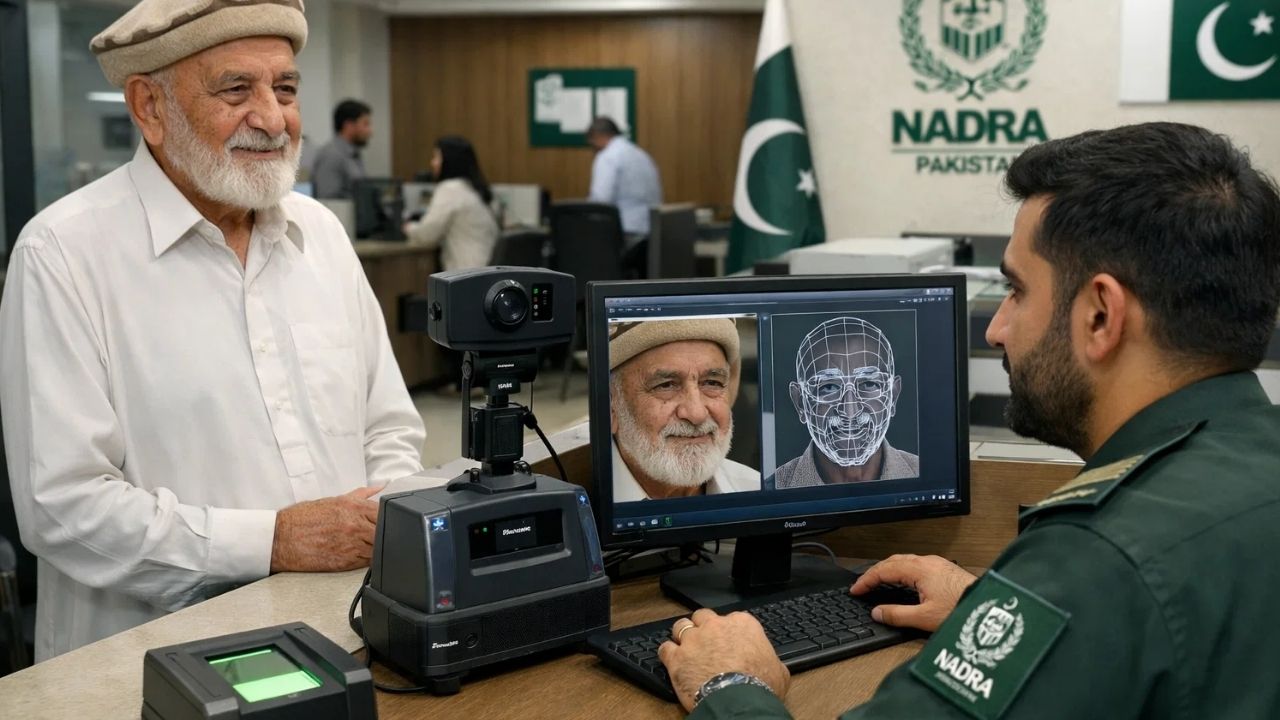
    National Database and Registration Authority (NADRA) has introduced a new facial recognition based biometric verification system to help citizens who face difficulties with fingerprint verification due to old age or medical conditions.

    Despite facilitation policies by the State Bank of Pakistan (SBP) and the Pakistan Telecommunication Authority (PTA), many people, especially senior citizens, struggle to verify their fingerprints when visiting banks, telecom franchises, housing societies or during property transfers.

    In several cases, poor quality fingerprint machines at service points also cause repeated verification failures. 

    To address this issue, the federal government has directed NADRA to introduce an alternative biometric solution, and amended the National Identity Card Rules to expand the definition of biometrics.

    Under new rules, facial recognition and iris scans now hold legal recognition as valid biometric identifiers.

    Based on this legal change, NADRA has rolled out technical upgrades that allow biometric verification through facial recognition and contactless fingerprints. The system already works at NADRA Registration Centres and on the Pak ID mobile application for services under NADRA’s control.

    While authorities are currently using it for Islamabad registered vehicle transfers and online passport applications, NADRA also plans to issue proof of life certificates for federal pensioners under this system in the near future.

    From January 20, NADRA will start issuing facial recognition based biometric verification certificates at all its registration centres for citizens whose fingerprints cannot be verified. Any citizen can obtain this certificate from a NADRA Registration Centre by paying a fee of Rs20.

    The process works in a simple way. If fingerprint verification fails at a bank or any other institution, the citizen will visit the nearest NADRA centre. NADRA staff will take a fresh photograph and match it with the photo already stored in NADRA’s database. Once verification is successful, NADRA will issue a certificate that includes the citizen’s recent photo, the photo on record, CNIC number, name, father’s name, purpose of verification, a unique tracking ID and a QR code. The certificate will remain valid for seven days.

    The citizen will submit this certificate to the institution concerned, which can verify it online through NADRA and keep it as part of its records. 

    In the future, NADRA will also offer this service through e-Sahulat franchises. After the formal launch of Digital ID, citizens will be able to access the facility directly through the Pak ID mobile application for all services.

    NADRA has confirmed that it is fully ready to implement the system. However, the authority has asked regulators, government departments and private institutions to upgrade their software and hardware to support facial recognition verification.

    In later stages, service points will need to install cameras or integrate them into existing biometric machines.

    If citizens face any issues with the availability of this service after January 20, they can file complaints with the relevant institution.

  • UAE to withdraw forces from Yemen as PM Shehbaz meets president Al Nahyan

    UAE to withdraw forces from Yemen as PM Shehbaz meets president Al Nahyan

    The United Arab Emirates (UAE) announced on Tuesday that it would withdraw its remaining forces from Yemen, describing the move as voluntary and aimed at ensuring the safety of its personnel. 

    The announcement followed Saudi Arabia’s backing of a call demanding the UAE exit the country within 24 hours.

    “In light of recent developments and their potential implications for the safety and effectiveness of counterterrorism missions, the Ministry of Defence announces the termination of the remaining counterterrorism personnel in Yemen of its own volition, in a manner that ensures the safety of its personnel and in coordination with the concerned partners,” the UAE Ministry of Defence said on X.


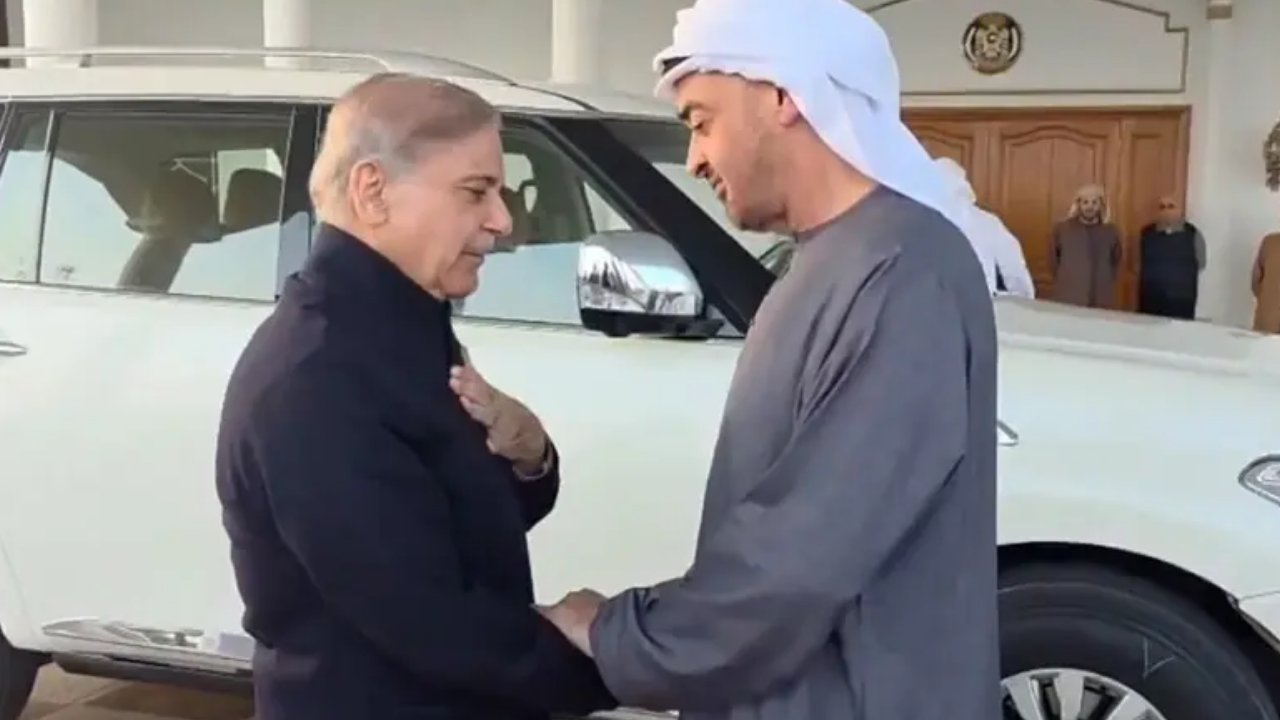
    On the same day, Prime Minister Shehbaz Sharif met UAE President Sheikh Mohamed bin Zayed Al Nahyan in Rahim Yar Khan. The meeting was held at Sheikh Zayed Palace, with Deputy Prime Minister and Foreign Minister Ishaq Dar, Information Minister Attaullah Tarar, and other officials present.

    According to a press release from the Prime Minister’s Office (PMO), the leaders carried forward discussions from Al-Nahyan’s first official visit to Pakistan last Friday.

    They reviewed cooperation in trade, IT, energy, minerals, and defence. PM Shehbaz emphasized the need for a significant increase in bilateral trade and thanked the UAE for hosting 2.1 million Pakistanis, who contribute to relations between the two countries.

    Meanwhile, tensions between the UAE and Saudi Arabia intensified. The UAE rejected Saudi claims that it had supplied weapons to a Yemeni separatist group, stating, “The shipment in question did not contain any weapons, and the vehicles unloaded were not intended for any Yemeni party.” 

    Saudi Arabia described a UAE-backed separatist advance as a threat to its national security, calling Abu Dhabi’s actions “highly dangerous.”

    The Saudi-led coalition carried out airstrikes on what it described as a UAE weapons shipment for separatist forces in Yemen, targeting combat vehicles and equipment at the port of Al-Mukalla. 

    Following the strikes, Yemen’s presidential council declared a 90-day state of emergency and annulled a security pact with Abu Dhabi after forces of the Southern Transitional Council (STC) seized territory. 

    The STC opposed the decision, warning it could lead to “new confrontations.” Riyadh urged Abu Dhabi to cut off support for Yemeni groups. 

    Amid these regional developments, Pakistan continued its diplomatic engagement with the UAE. The two countries share close diplomatic, economic, and cultural ties, strengthened by historical connections and a large expatriate community. 

    This week, Pakistan and the UAE carried forward discussions from recent leadership-level meetings, including multiple memoranda of understanding signed this year.

  • Russian man pays $68,000 to hunt Kashmiri markhor in Chitral

    Russian man pays $68,000 to hunt Kashmiri markhor in Chitral

    A Russian man has hunted a Kashmiri markhor in the Gahrait Gol area of Chitral, after purchasing a hunting license for a whopping $68,000.

    The Wildlife Department confirmed the markhor’s horns measured 41 inches in length, and the hunt was conducted under the Community-Based Trophy Hunting Program, which aims to balance wildlife conservation with local economic development.

    The department said that authorities will spend a major portion of the hunting programme’s revenue on the welfare and development of the local population.

    According to the Wildlife Department, the programme aims to protect wildlife and provide economic benefits to local communities.

    Earlier, in December 2024, an American hunter, Thomas Garrick, carried out the most expensive trophy hunt in Chitral’s history by paying Rs68 million ($243,000) to hunt a Kashmir markhor. Divisional Forest Officer Wildlife Chitral, Farooq Nabi, said the hunt took place in the Shasha Thoosi Game Reserve. The markhor had 55-inch-long horns and was approximately 13.5 years old. The hunter shot the animal from a distance of around 250 meters.

    In January this year, Spanish citizen Cristian Pablo Abilo Gamezo hunted a Kashmiri markhor in Gahiret Gol under the supervision of the Gahiret Conservatory Committee. The Spanish hunter paid $219,000 (PKR61.25 million) for the permit. The hunted markhor was nine years old with horns measuring 41.5 inches in length.

    In September 2024, an 80-year-old American hunter, Ronald Joe Whitton, successfully hunted an 11-year-old Kashmir markhor with 49.5-inch horns in the Toshi-Shasha community-managed game reserve. He obtained the hunting permit at a cost of $271,000.

    Wildlife officials confirmed that 80 percent of the revenue from trophy hunting goes toward local community development projects, while 20 percent is deposited into the government treasury. 

  • Pakistan will enter 2026 as fifth most populous country

    Pakistan will enter 2026 as fifth most populous country

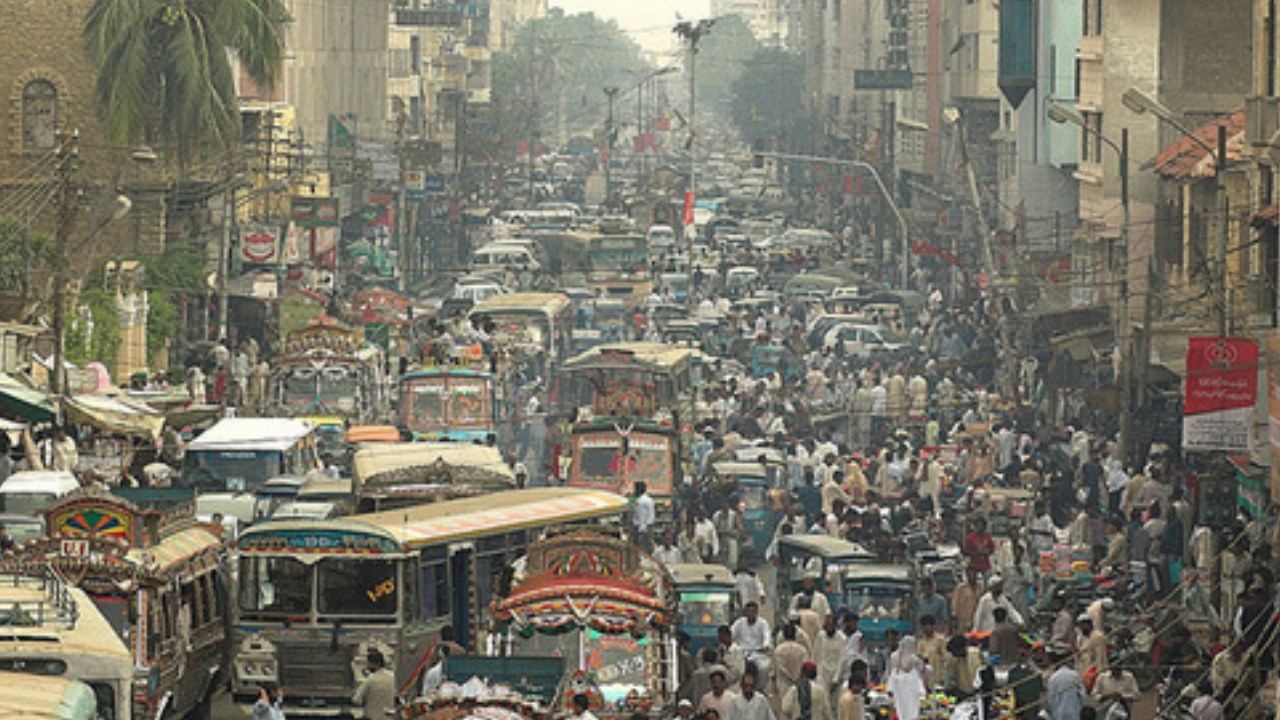
    According to the United Nations Population Fund (UNFPA), Pakistan will have more than 225  million people by 2026, making it the fifth most populous nation in the world. 


    UNFPA stated in a statement that the country’s demographic outlook is being shaped by population growth, fertility rates, gender disparity, and climate vulnerability, putting further strain on planning and governance systems. According to the organization, population dynamics has become a key policy concern as a result of these causes.


    Population should be seen as a development factor rather than a burden, according to UNFPA Pakistan, emphasizing its role in inclusive and sustainable outcomes. According to the organization, as Pakistan approaches 2026, planning frameworks need to change to reflect this strategy.


    The National Finance Commission (NFC) formula and other national planning and finance mechanisms should interpret demographic statistics differently, according to the agency’s demands. It said that the distribution of resources among provinces should no longer be primarily determined by population size. 

    According to UNFPA, these adjustments would promote accountability across provinces and match financial incentives with human development outcomes. It further stated that tying funding to quantifiable results would promote service delivery innovation and enable population policies to be implemented at the local level.


    “A forward-looking approach should reward provinces for measurable progress in gender equality, climate resilience, balanced population outcomes, and improvements in the quality of health and education services,” the statement said.

    According to UNFPA, these adjustments would promote accountability across provinces and match financial incentives with human development outcomes. It further stated that tying funding to quantifiable results would promote service delivery innovation and enable population policies to be implemented at the local level.

    The Council of Common Interests’ suggestions, which called for accountability systems, clear deadlines, and ongoing domestic funding, were also recommended to be implemented by the UNFPA. It stated that population statistics and evidence-based planning were required to support these actions. 


    While acknowledging progress in some areas, UNFPA said several population-related challenges remain unresolved. These include maternal mortality, unmet demand for family planning, early marriages, gender-based violence and unequal access to reproductive health services.


    The statement noted that these issues are more visible in remote communities and are connected to stalled fertility decline and uneven development outcomes.

  • PPP blocks Fixit volunteers from covering open manhole as another child falls to death

    PPP blocks Fixit volunteers from covering open manhole as another child falls to death

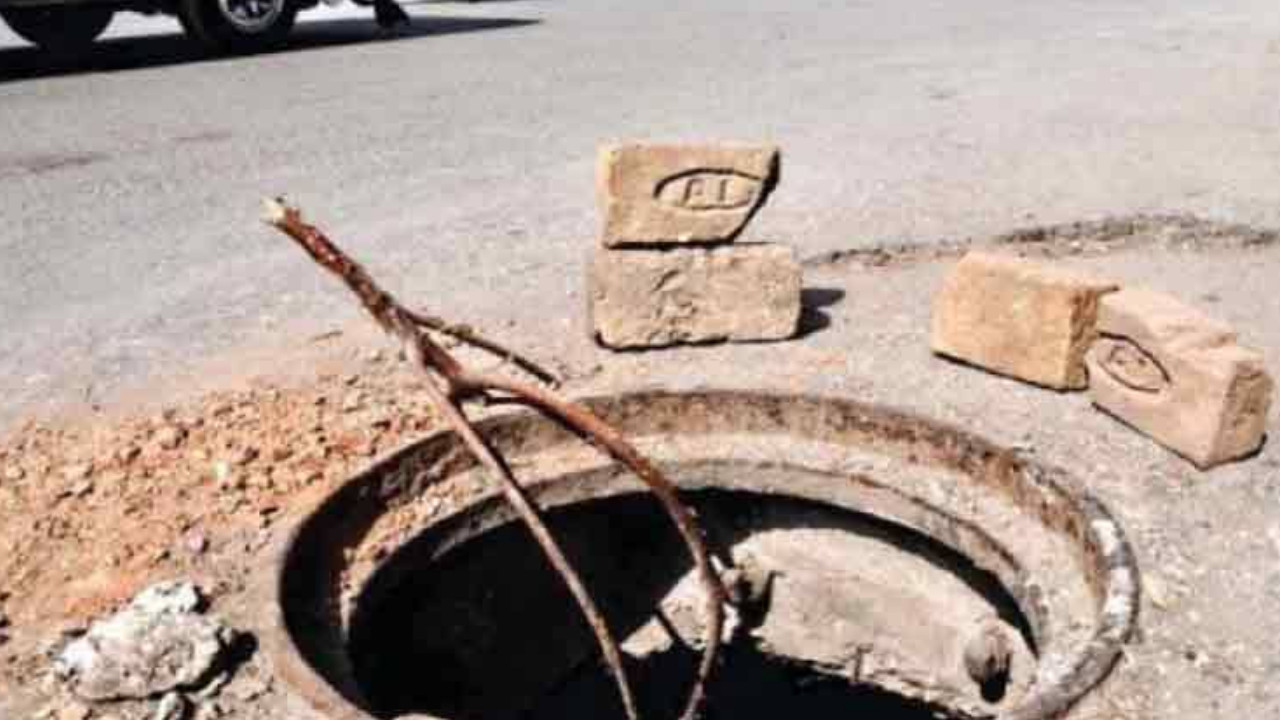
    Karachi’s Korangi witnessed a confrontation between Pakistan Peoples Party (PPP) workers and Fixit volunteers over an open manhole after the death of eight-year-old Dilbar Ali, who became the second child to fall to his death due to civic negligence in the port city within a month.

    As per the details, volunteers from Fixit – a non-profit organisation highlighting and fixing social, civic and political issues faced by the people – on Monday arrived at the site with a vehicle carrying manhole covers. Their intention was to place a cover on the open sewer where the incident occurred.

    Witnesses reported that PPP workers objected to the installation, leading to a dispute between the two groups. The volunteers were reportedly stopped from installing the cover and left the site.

    Residents of Korangi described the clash as part of a “politics of manhole covers” where responsibility for civic issues is contested rather than addressed. Several locals also expressed frustration that efforts to secure the area were blocked, especially after multiple fatalities linked to uncovered sewers.

    While no official statement has so far been released by the Karachi administration regarding the clash or the installation of manhole covers at the site, Dilbar’s father, in conversation with journalists, blamed civic authorities for his son’s death.

    He said the manhole cover had been removed about a month ago for sewer cleaning but was never replaced. The father also appealed to the government to ensure all open manholes in Karachi are covered to prevent further accidents.

    It merits a mention that the incident comes just weeks after three-year-old Ibrahim also tragically died in Karachi after falling into an uncovered manhole near NIPA Chowrangi in Gulshan-e-Iqbal.

    His body was recovered after a 15-hour search as authorities concerned continued with a blame game or politicisation of the incident.

  • Pakistan hopeful direct flights between Karachi–Dhaka will begin in January

    Pakistan hopeful direct flights between Karachi–Dhaka will begin in January

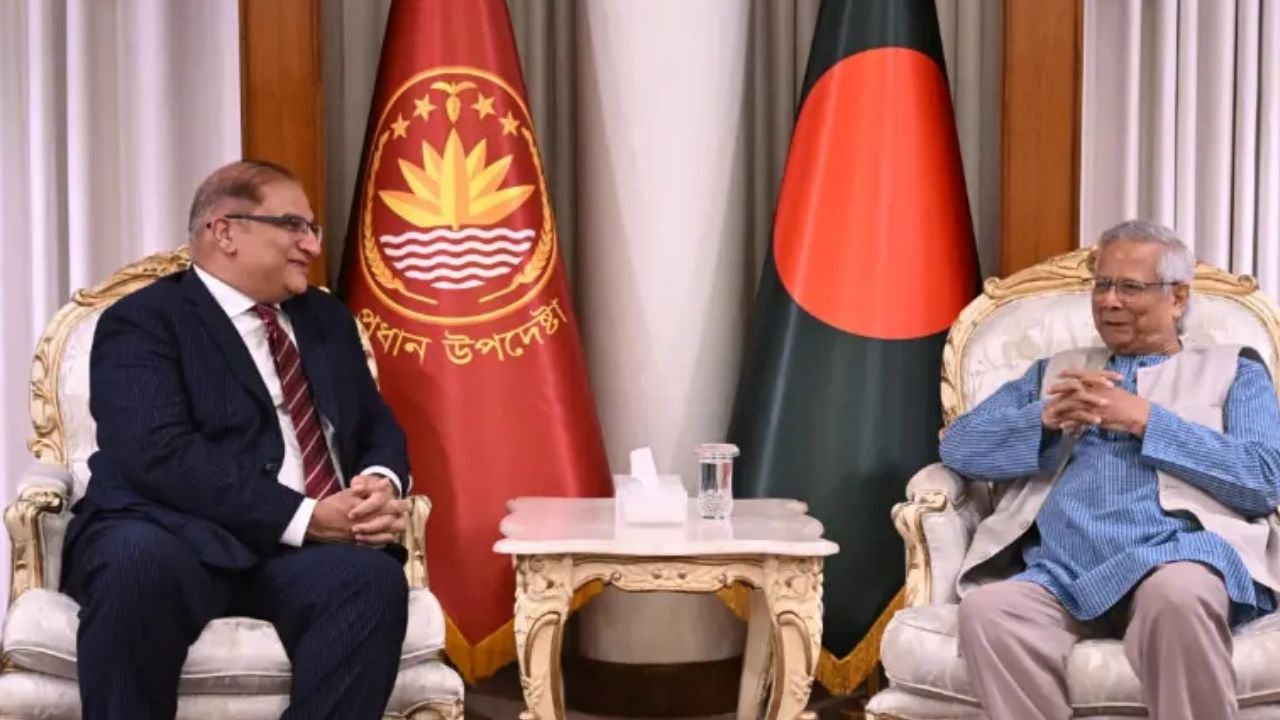
    During a Monday meeting with Bangladesh’s Chief Advisor Professor Muhammad Yunus, Pakistan’s High Commissioner Imran Haider expressed optimism about launching direct flights between Karachi and Dhaka in January.

    Pakistan-Bangladesh relations remained tense under Sheikh Hasina’s tenure. However, under Professor Yunus’s interim administration in Dhaka, bilateral ties have significantly improved since the popular uprising that resulted in her removal and exile.

    A statement shared on X by Bangladesh’s interim leader noted, “During the meeting, both sides discussed ways to expand cooperation in trade, investment, and aviation, as well as scaling up cultural, educational, and medical exchanges to further strengthen bilateral relations between the two South Asian nations.”

    Haider emphasized that companies in both nations are actively looking for new investment opportunities, and bilateral trade has increased by 20 percent from the previous year.


    The high commissioner also said that there has been a “significant increase” in cultural exchanges and that Bangladeshi students are very interested in studying in Pakistan, particularly in medical sciences, nanotechnology, and artificial intelligence.


    “Pakistan has witnessed a rise in patients travelling to its leading hospitals for liver and kidney transplants,” the envoy added.

    The statement further reported that Pakistan is prepared to provide “training and academic opportunities in transplantation-related medical fields.”

    Bangladesh’s interim leader welcomed the “growing interactions between the two countries” and emphasised the “importance of increased visits, as well as cultural, educational, and people-to-people exchanges among SAARC (South Asian Association for Regional Cooperation) member states.”

    “Professor Yunus also underscored the need to further boost Bangladesh–Pakistan trade,” the statement continued.


    The interim leader expressed hope that during the current high commissioner’s tenure, both countries would be able to “explore new avenues for investment and joint venture businesses.”


    Professor Yunus also met with Ishaq Dar, Pakistan’s Foreign Minister and Deputy Prime Minister in August. Both countries underlined the significance of reviving regional collaboration under the South Asian Association for Regional Cooperation (SAARC) during the historic visit to Dhaka.

    The Foreign Office (FO) described Dar’s two-day trip the first visit by a Pakistani foreign minister to Bangladesh in 13 years as a “significant milestone” in bilateral relations.


    A month prior, Pakistan and Bangladesh had agreed to allow visa-free entry for holders of diplomatic and official passports.

  • 11 injured after bus driver suffers heart attack while driving in Gujranwala

    11 injured after bus driver suffers heart attack while driving in Gujranwala

    A bus driver in Gujranwala suffered a heart attack while driving, causing the vehicle to collide with another bus and injuring 11 people.


    Rescue sources reported that the incident occurred near Saroki, when the driver of a moving bus had a heart attack and lost control of the vehicle, crashing into the second bus.


    Both buses belonged to the University of Gujrat and were traveling from Gujrat to Alipur Chatha, rescue officials have confirmed. 


    The accident left 11 people injured, including students and university staff on board both buses. The bus driver died on the spot.

    In another incident that took place earlier this month, a crash involving a bus and a trailer occurred near Khanewal on Motorway M-4, resulting in the death of the bus hostess and leaving four passengers injured. 


    Motorway Police indicated that the bus, en route from Lahore to Multan, crashed after the driver dozed off.
     
     
    Separately, two brothers died while their father was injured in Bahawalpur on Hasilpur-Chishtian Road. Police reported that the family’s vehicle collided with a trailer. 
     
     
    Earlier in Kohat, Khyber Pakhtunkhwa, a passenger coach collided with a car, leaving three people dead and nine injured. Police said the vehicles were moving in opposite directions when the collision occurred.
     
     
    Traffic accidents continue to occur frequently on Punjab’s roads, often involving buses, trailers, and passenger vehicles. Busy highways and long-distance routes remain high-risk areas for drivers and travelers.

  • Major martyred, five terrorists killed in Bajaur IBO: ISPR

    Major martyred, five terrorists killed in Bajaur IBO: ISPR

    A Pakistan army major was martyred in Khyber Pakhtunkhwa’s Bajaur district during an intelligence-based operation (IBO), Inter-Services Public Relations (ISPR) confirmed on Monday.


    Major Adeel Zaman of Dera Ismail Khan, 36, was identified as the martyred officer. The statement also stated that five terrorists were killed by security forces during the operation. 


    According to ISPR, on December 29, “security forces conducted an intelligence-based operation in general area Khar, Bajaur district, on reported presence of Khwarij belonging to Indian Proxy, Fitna al Khwarij.” 

    The term Fitna al Khwarij is used by the state for terrorists associated with the banned Tehreek-i-Taliban Pakistan (TTP).


    The statement said: “During the conduct of operation, due to effective engagement by own troops five Indian sponsored khwarij were sent to hell. However, during the intense fire exchange, Major Adeel Zaman (age: 36 years, resident of Dera Ismail Khan District), a brave officer who was leading his troops from the front, having fought gallantly, rendered the ultimate sacrifice and embraced shahadat.”


    Security forces recovered weapons and ammunition from the terrorists, who were “actively involved in numerous terrorist activities against the security forces and law enforcement agencies as well as killing of innocent civilians,” the statement said.

    Troops carried out a sanitisation operation to get rid of any remaining militants in the area after the operation.

    The statement added: “Relentless Counter-Terrorism campaign under vision ‘Azm e Istehkam’ (as approved by Federal Apex Committee on National Action Plan) by Security Forces and Law Enforcement Agencies of Pakistan will continue at full pace to wipe out menace of foreign sponsored and supported terrorism from the country.”

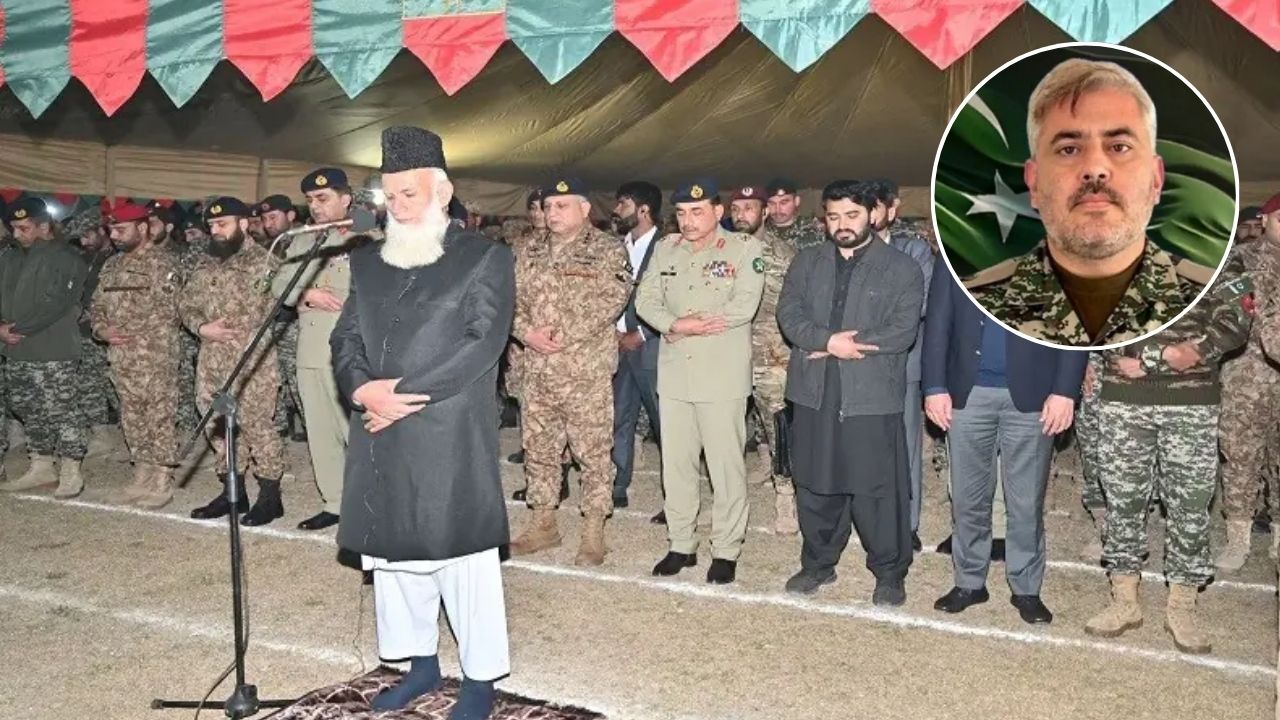
    Funeral prayers for Major Adeel were offered at Peshawar Garrison later in the evening. Chief of Defence Forces and Chief of the Army Staff (COAS) Field Marshal Asim Munir, Interior Minister Mohsin Naqvi, commander of Peshawar Corps, and other senior military and civil officials attended.


    Paying tribute to the officer, Field Marshal Munir said the “Martyrs of Pakistan Army are the pride of the nation and their sacrifices will forever be remembered.”


    “He prayed for the elevation of the Shaheed’s ranks in Jannah and for patience and strength for the family,” the statement added.


    “Major Adeel Zaman Shaheed laid down his life in the line of duty while leading from the front. Pakistan Armed Forces remain resolute in their commitment to eliminate the menace of terrorism from the country, and such sacrifices further strengthen the nation’s resolve,” the statement concluded.


    During a counter-insurgency operation in Bajaur district last month, security forces killed at least 22 militants and wounded dozens more.

    According to security sources, the IBO in Bajaur’s town of Gadar was “based on highly classified information” and was a “major success.”

  • Pakistan flags Gaza ethnic cleansing fears after Israel recognises Somaliland

    Pakistan flags Gaza ethnic cleansing fears after Israel recognises Somaliland

    A number of countries, including Pakistan, at the United Nations Security Council (UNSC) , expressed concern that Israel’s recognition of Somaliland, a breakaway region of Somalia, might be connected to plans to create military bases or forcibly relocate Palestinians from Gaza. 


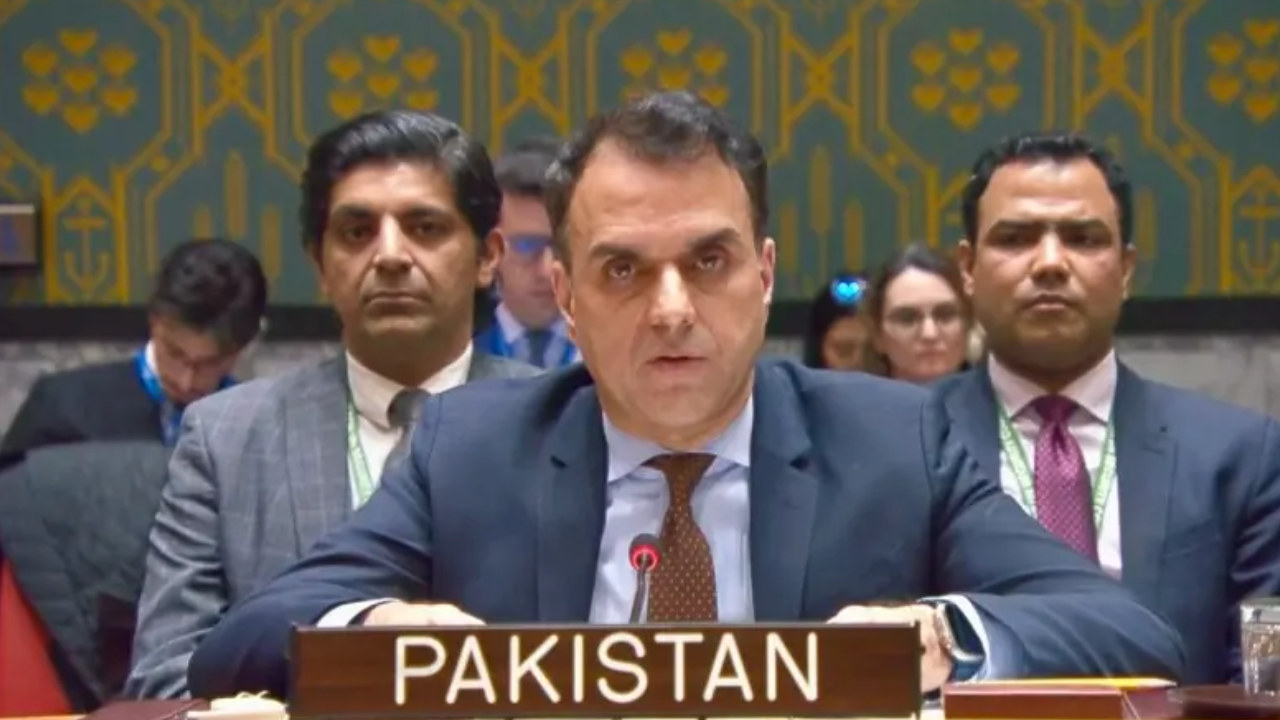
    Muhammad Usman Iqbal Jadoon, Pakistan’s Deputy UN Ambassador, described Israel’s action as “deeply troubling” during a UNSC briefing, given previous mentions of Somaliland being a potential Palestinian destination.

    “Against the backdrop of Israel’s previous references to ‘Somaliland’ of the Federal Republic of Somalia as a destination for the deportation of Palestinian people, especially from Gaza, its unlawful recognition of ‘Somaliland’ region is deeply troubling,” Jadoon said.

    On Friday, Israel became the first nation to acknowledge Somaliland as an independent nation. Despite declaring its independence from Somalia in 1991, Somaliland has not received UN recognition. 


    Jadoon cited an Associated Press story from March that claimed Israel and the United States had spoken with representatives of Sudan, Somalia, and Somaliland about utilizing their borders to move Palestinians from Gaza.

    “For decades, Israel’s dispossession and occupation of Palestinian land have been a central source of instability and conflict in the Middle East. It is now exporting this destabilising conduct to the Horn of Africa, with serious implications for regional peace and security,” he said.

    He said Pakistan “unequivocally rejects any proposals or plans aimed at the forced displacement of Palestinians” and cited a UNSC resolution endorsing a US-backed Gaza peace plan that stated “no one will be forced to leave Gaza”.

    “Any actions that advocate or imply displacement or resettlement not only violate international law but also undermine the prospect of a just and lasting peace,” Jadoon said.

    He reaffirmed Pakistan’s support for Palestinians, stating, “The only path to lasting peace and stability lies in the realization of an independent, contiguous and sovereign state of Palestine on pre-1967 borders, with Al Quds Al Sharif as its capital.”

    Jadoon called Israel’s recognition of Somaliland “a direct assault on Somalia’s international borders” and reaffirmed Pakistan’s support for Somalia’s sovereignty and territorial integrity. 


    “Somaliland” is still an essential, unbreakable, and indispensable element of Somalia. He added that Pakistan and a number of Organization of Islamic Cooperation nations had opposed Israel’s action and that “no external actor has either the legal standing or the moral authority to alter that fundamental reality.”

    Arab League UN Ambassador Maged Abdelfattah Abdelaziz told the Council the bloc rejected “any measures arising from this illegitimate recognition aimed at facilitating forced displacement of the Palestinian people or exploiting northern Somali ports to establish military bases.” 

    Somalia’s UN Ambassador Abukar Dahir Osman said Algeria, Guyana, Sierra Leone and Somalia “unequivocally reject any steps aimed at advancing this objective, including any attempt by Israel to relocate the Palestinian population from Gaza to the northwestern region of Somalia”.

    The United States defended Israel’s decision, with Deputy US Ambassador Tammy Bruce telling the Council, “Israel has the same right to conduct diplomatic relations as any other sovereign state.”

    She compared Israel’s recognition of Somaliland to decisions by several countries to recognise a Palestinian state, saying, “Earlier this year, several countries, including members of this council, made the unilateral decision to recognise a nonexistent Palestinian state, and yet no emergency meeting was called to express this Council’s outrage.”

    Bruce accused other Council members of applying “double standards”.

    Slovenian Ambassador Samuel Zbogar rejected the comparison, stating, “Palestine is not part of any state. It is illegally occupied territory,” while Somaliland “is part of a UN member state”.

    UK Ambassador James Kariuki reiterated support for Somalia’s unity, while Israel’s representative Jonathan Miller said the recognition was “not a hostile step towards Somalia” and “an opportunity to strengthen stability”.