Category: National

  • Police detain suspect in University of Lahore suicide attempt case

    Police detain suspect in University of Lahore suicide attempt case

    Police have arrested a man in connection with the attempted suicide of a female student at the University of Lahore, as investigations into the incident continue.

    According to police, the suspect has been identified as Ahmed Bilal, who was arrested from Narang Mandi in Sheikhupura district. Police said Narang Mandi is also the hometown of the student who tried to kill herself.

    Investigators said the student wanted to marry Ahmed Bilal, but her family was opposed to the proposal. Police sources said the family had urged her to focus on her education instead. The refusal to consent to the marriage is being examined as a possible factor linked to the incident.

    Police said the student made her last phone call to Ahmed Bilal shortly before the incident. After the call, she reportedly deleted his contact number and call history from her mobile phone. Investigators have also recorded statements from the student’s family members as part of the probe.

    The student remains under medical treatment at a hospital and has not regained consciousness, police sources said. She sustained serious injuries after falling from an upper floor of a university building.

    According to investigators, the student arrived at the university at 7:58am on the day of the incident but did not attend her scheduled class. Police said she remained on a phone call for approximately 27 minutes before the incident occurred at around 8:30am.

    Police also said the student’s brothers informed investigators that they had purchased a new mobile phone for her a day earlier after her previous device developed a fault. The mobile phone is being examined as part of the investigation.

    This is the second incident of its kind reported at the University of Lahore in recent weeks. Last month, a male student, identified as Owais Sultan, died in a similar incident at the same institution.

  • ‘Thanks to defence deals after India bashing, Pakistan could soon exit IMF programme’

    ‘Thanks to defence deals after India bashing, Pakistan could soon exit IMF programme’

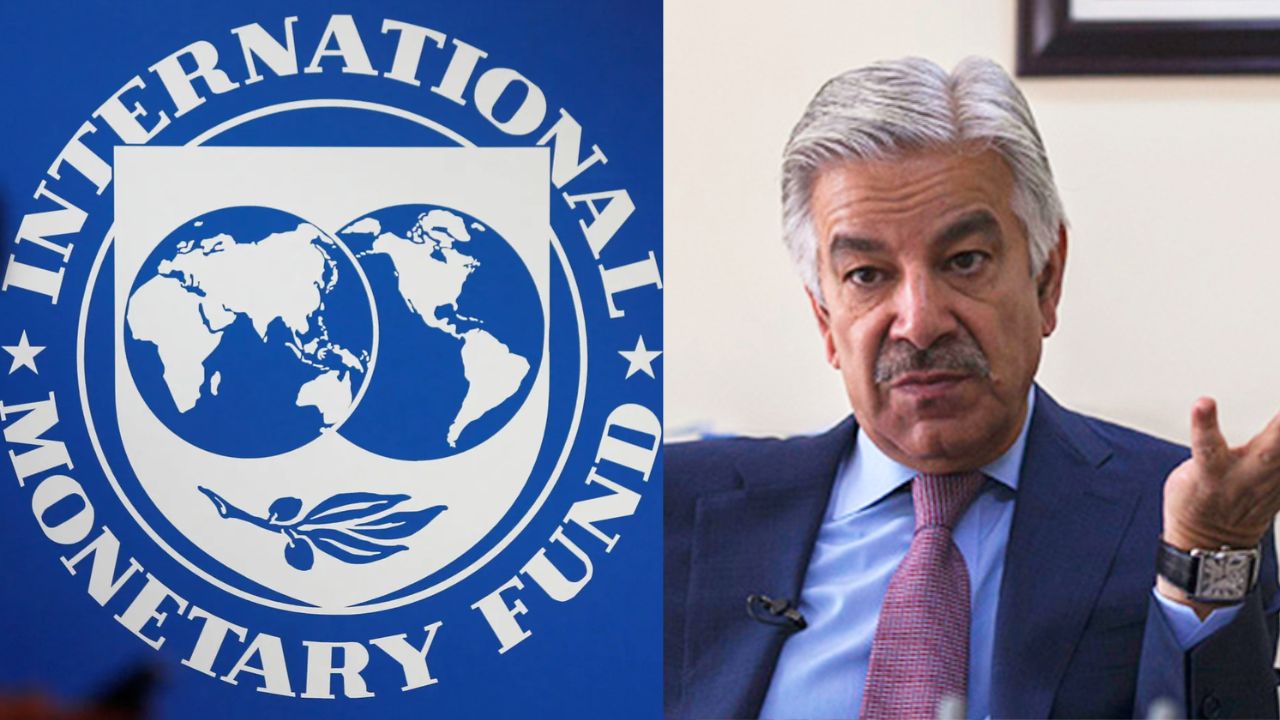
    Defence Minister Khawaja Asif has said that Pakistan may no longer require financial assistance from the International Monetary Fund (IMF) after six months, citing a surge in defence procurement orders following the May 2025 conflict with India.

    Speaking on a private news program, Asif said the country’s armed forces had proven their effectiveness during the 87-hour confrontation, leaving India’s Prime Minister (PM) Narendra Modi politically weakened at home and internationally.

    “Our aircraft have been tested, and we are receiving so many orders that Pakistan may not need the IMF in the next six months,” he said. 

    “InshaAllah, we will live comfortably on our own resources.”

    Pakistan and India were drawn into a conflict in May after India carried out an unprovoked attack blaming Pakistan for the killing of tourists in Indian Illegally Occupied Jammu and Kashmir (IIOJK). During the 87-hour conflict, Pakistan downed six Indian fighter jets including three Rafales and dozens of drones.

    The conflict ended on May 10 with a United States-brokered ceasefire.

    On Tuesday, Asif highlighted that the conflict had forced India to approach the US and even China for support as Pakistan responded decisively. “If India acts aggressively again, we will respond in the same manner,” he added.

    He compared Pakistan’s military strength to other nations, saying, “Venezuela does not have a large army or advanced weaponry. Our armed forces are recognised globally”.

    The defence minister also spoke of the Afghan Taliban and Tehreek-e-Taliban Pakistan (TTP), alleging their links with India and claiming that elements in the Khyber Pakhtunkhwa (KP) government were allowing TTP members to collect extortion in the province.

  • NDMA predicts cold wave across Pakistan

    NDMA predicts cold wave across Pakistan

    The National Disaster Management Authority (NDMA) has issued a cold wave alert for northern Pakistan, northern Balochistan, warning of falling temperatures, dense fog, and related health and travel risks. Citizens have been urged to take precautions as temperatures are expected to drop sharply in the coming days.

    The advisory highlights that severe cold conditions are expected to continue in Gilgit-Baltistan, Azad Kashmir, upper Khyber Pakhtunkhwa, and the Pothohar region. Northern Balochistan, including Quetta, Ziarat, and Kalat, may also experience freezing temperatures. Authorities have advised residents to prepare for the cold.

    The NDMA highlighted potential health risks, particularly for children, the elderly, and individuals with pre-existing conditions. The agency warned that respiratory illnesses may increase and that ongoing cold could damage standing crops, affecting agricultural output in affected areas.

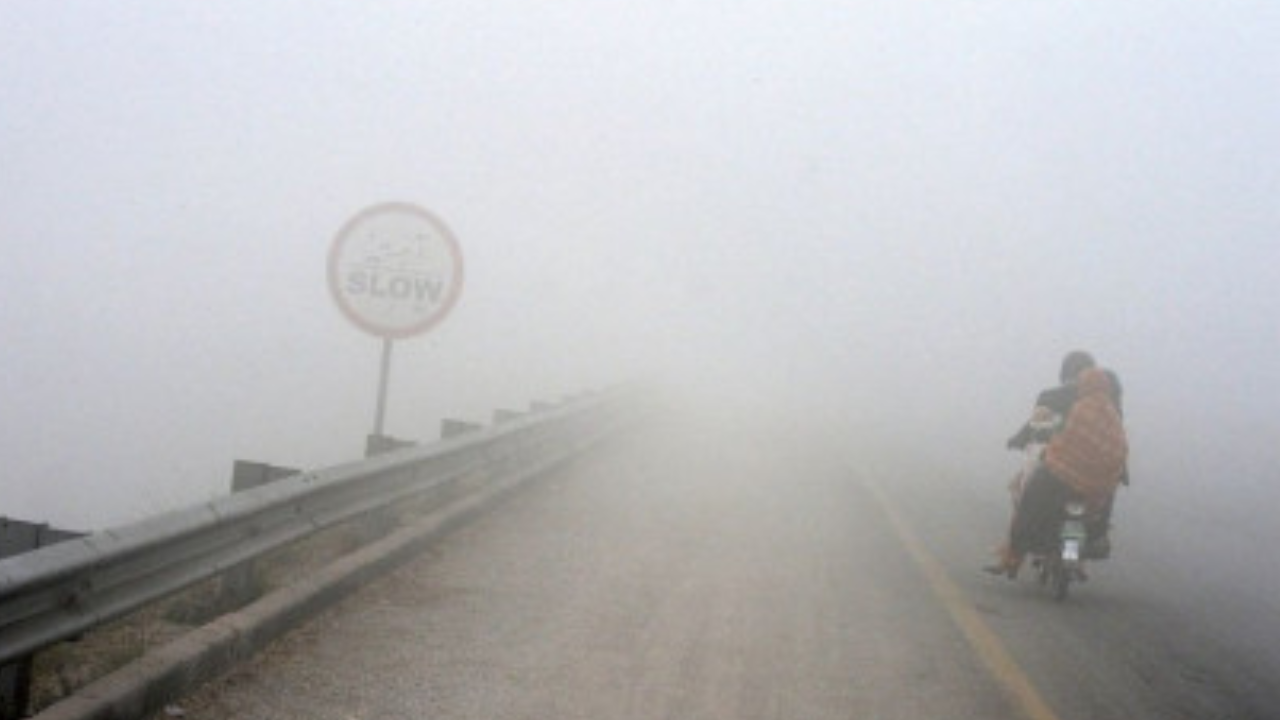
    Dense fog is expected in plains, especially during early mornings. NDMA advised motorists to drive cautiously, as reduced visibility could increase the risk of road accidents. Emergency services have been instructed to remain alert to manage cold-related incidents.

    Pakistan Meteorological Department (PMD) reported that cold northeasterly winds are affecting Karachi, where minimum temperatures are expected to drop to 10 to 11 degrees Celsius from Thursday night. By Saturday and Sunday nights, temperatures in the city may fall into single digits, with a minimum of 9 degrees Celsius.

    Northern and high-altitude regions are already experiencing subzero temperatures. Recorded minimum temperatures include Leh at minus 11 degrees Celsius, Ziarat minus 9, Astore minus 8, and Kalat and Kalam at minus 7. Skardu recorded minus 6, Gupis minus 5, and Hunza, Malam Jabba, Parachinar, Quetta, and Nathia Gali at minus 4 degrees Celsius.

    Lahore is expected to see mercury drop to 3 degrees Celsius, while other parts of Punjab may experience minimums around 1 degree Celsius.

    The NDMA and PMD have urged citizens to stay informed through official weather updates and take preventive measures, including wearing warm clothing and taking special care of the elderly, children, and people with health conditions. Local administrations are monitoring the situation to ensure public safety.

  • ‘Mutual respect’: Relationship between PM, field marshal perfect

    ‘Mutual respect’: Relationship between PM, field marshal perfect

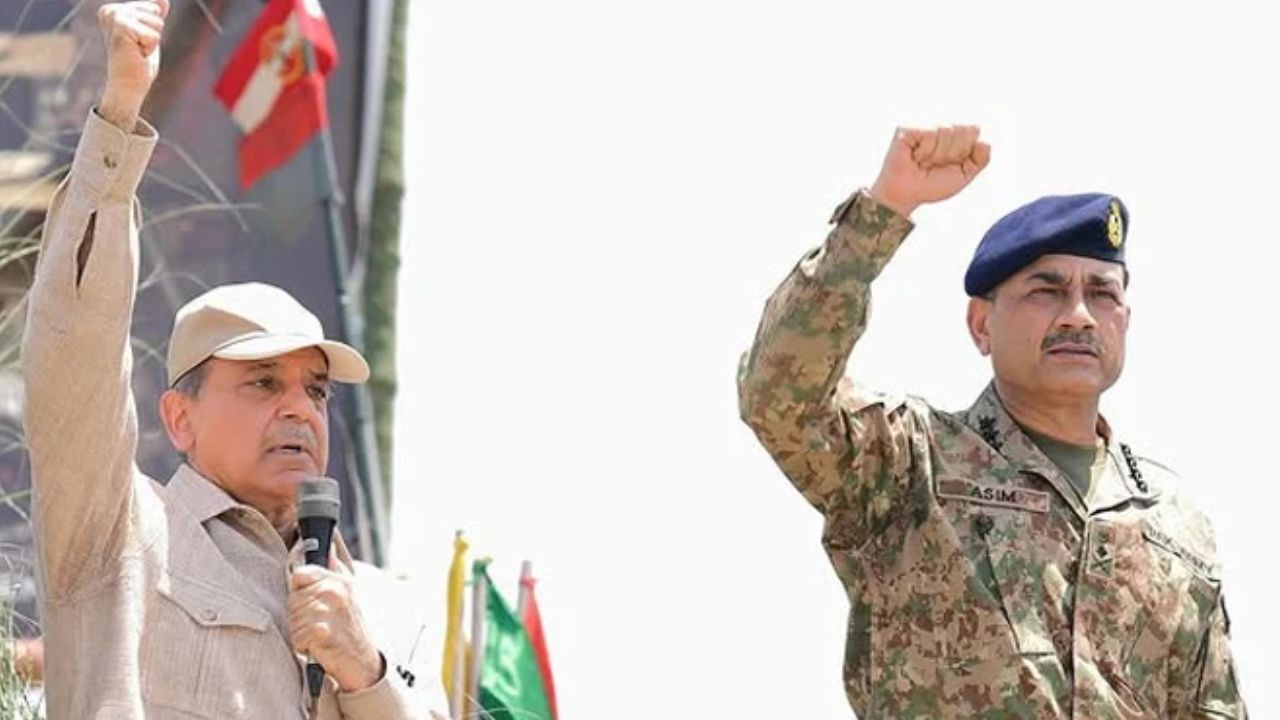
    No search for a so-called “wonder boy” to replace Prime Minister Shehbaz Sharif is underway, media reports quoted sources as saying, adding that the relationship, understanding and mutual respect between the Prime Minister and the Field Marshal remain “perfect,” as they were before.


    Additionally, the source rejected rumors that a “wonder boy” was required as part of a supposed “grand plan.”

    These conversations gained traction following a recent piece by senior journalist and Jang columnist Suhail Warraich, who claimed without offering any solid evidence that although Shehbaz Sharif might be “gold,” the current situation calls for a “diamond” rather than gold in order to reverse years of neglect.


    In the column, Warraich maintained that even if such aspirations are not realised, there is no restriction on expressing them.


    He further suggested that some quarters desire a federal cabinet similar to Bangladesh’s, comprising PhD holders recognised as authorities in their respective fields and educated at reputable institutions worldwide.

    The column triggered extensive debate across both mainstream and social media. Several observers felt the senior columnist had deliberately framed his arguments ambiguously to avoid provoking a direct reaction from influential quarters.

    Well-informed sources, however, strongly disagreed with these interpretations, emphasizing that there is no basis to the speculation and no question of undermining the prime minister’s position or his working relationship with the military leadership.

  • Pakistan, Bangladesh air chiefs discuss JF-17 procurement

    Pakistan, Bangladesh air chiefs discuss JF-17 procurement

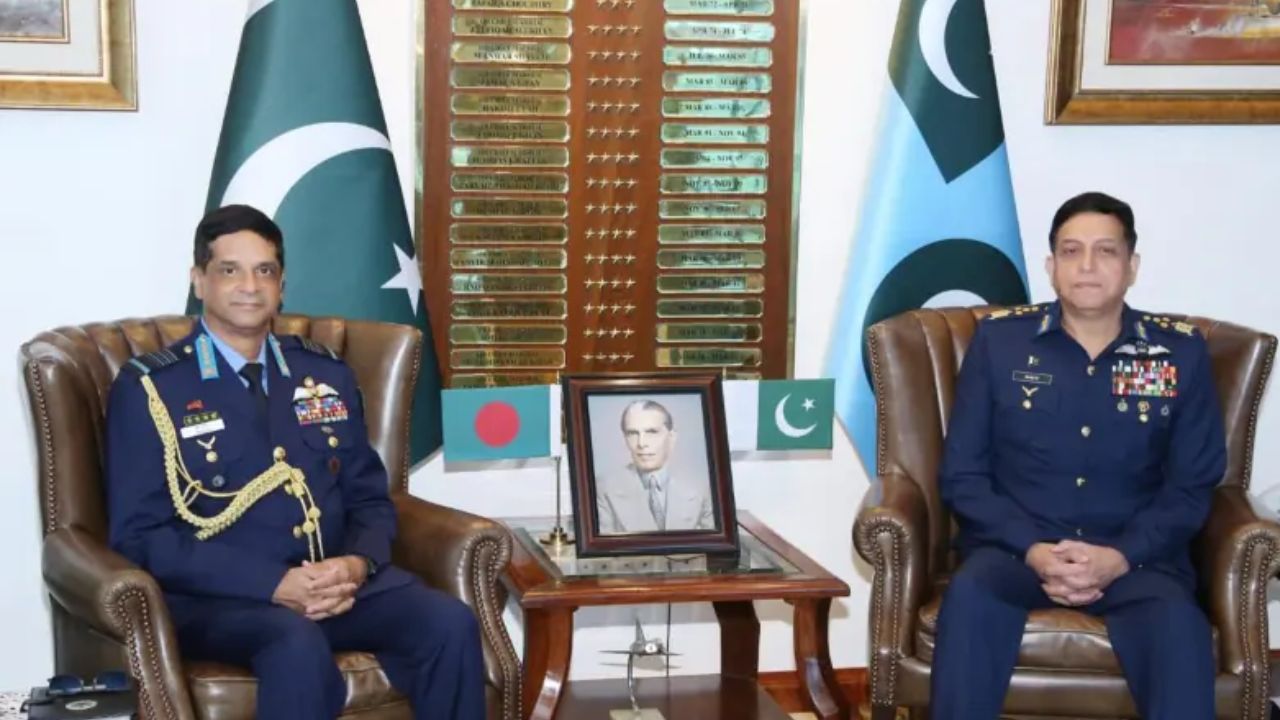
    Pakistan and Bangladesh’s air force chiefs on Tuesday held detailed discussions on the possible procurement of JF-17 Thunder fighter jets, the Inter Services Public Relations (ISPR) reported.

    An ISPR statement said Bangladesh Chief of Air Staff Air Chief Marshal Hasan Mahmood Khan met his Pakistan Air Force (PAF) counterpart, Air Chief Marshal Zaheer Ahmed Babar Sidhu, during his visit to Islamabad. 

    The Bangladeshi air chief was accompanied by a senior-level defence delegation.

    According to ISPR, the visiting air chief was presented with a guard of honour upon arrival. “The meeting focused on strengthening operational cooperation and institutional synergy, with emphasis on training, capacity building, and collaboration in aerospace advancements.”

    During the meeting, Air Chief Marshal Sidhu reaffirmed Pakistan’s commitment to providing the Bangladesh Air Force with a comprehensive training framework and briefed his Bangladeshi counterpart on the latest developments in the PAF.

    “He also assured fast-tracked delivery of Super Mushshak trainer aircraft, along with a complete training and long-term support ecosystem,” ISPR added.

    “The Bangladeshi air chief praised the PAF’s combat record and expressed interest in benefiting from its operational expertise, seeking assistance in maintenance support for the Bangladesh Air Force’s ageing fleet as well as the integration of air defence radar systems to enhance air surveillance,” the statement said.

    ISPR said both sides also held in-depth discussions on the potential acquisition of JF-17 Thunder aircraft. The visiting delegation also toured key PAF facilities during the visit.

    The JF-17 Thunder is a multi-role combat aircraft jointly developed by Pakistan and China, which has proven its operational capability during military conflicts with India in 2019 and 2025.

    “The visit underscored the strong historical ties between Pakistan and Bangladesh and reflected a shared resolve to deepen defence cooperation and build a long-term strategic partnership,” the statement said.

  • ISPR chief links KP terrorism to ‘political-criminal-terror nexus’

    ISPR chief links KP terrorism to ‘political-criminal-terror nexus’

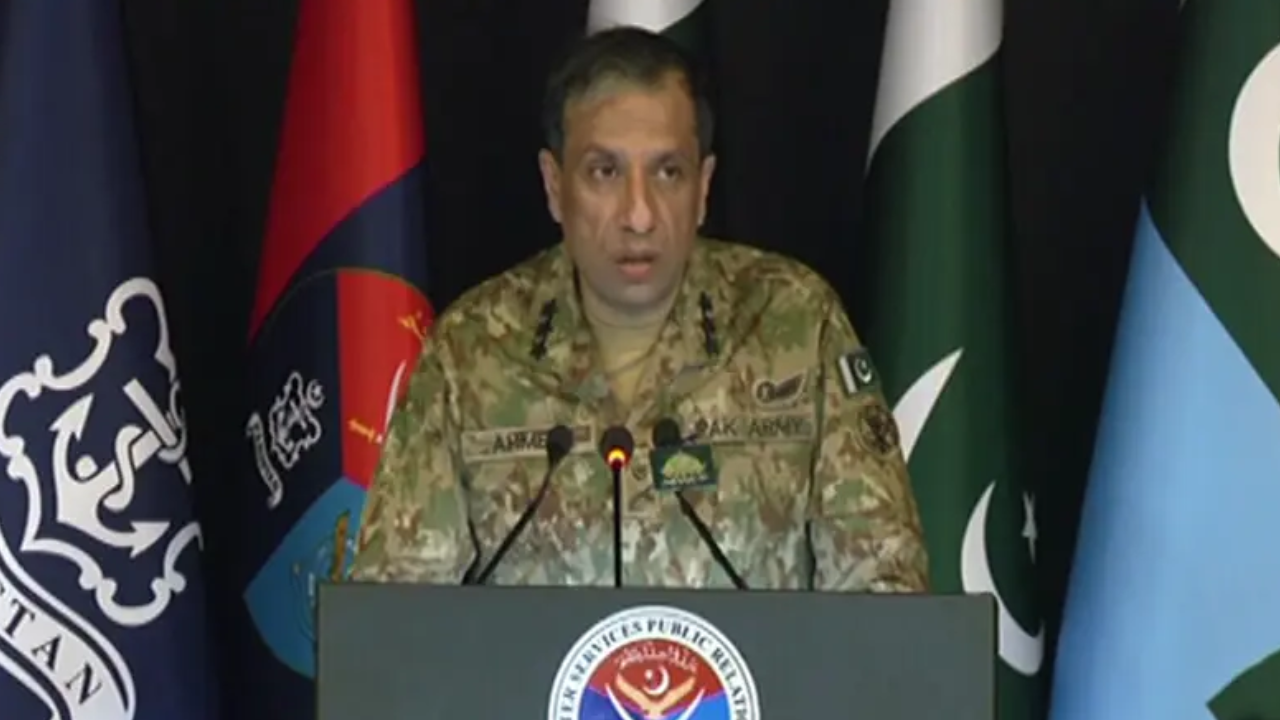
    Director-General of the Inter-Services Public Relations (ISPR), Lieutenant General Ahmed Sharif Chaudhry, on Tuesday said that Khyber Pakhtunkhwa remained the worst terrorism-affected province, linking the trend to what he described as a “political-criminal-terror nexus”.

    Addressing a press conference to brief the media on the country’s security situation, the ISPR chief said 71 percent of terrorist incidents reported in 2025 occurred in Khyber Pakhtunkhwa.

    “The primary reason for this is a politically conducive environment and the flourishing political-criminal-terror nexus which is flourishing there,” he said.

    Videos of Sohail Afridi were played during the briefing. Responding to statements by the Khyber Pakhtunkhwa government that military operations were not the solution, Lt Gen Ahmed Sharif Chaudhry questioned the alternative being proposed.

    “Then what is the solution?” he said, while reiterating that the prevailing political environment in the province had enabled militant networks to operate.

    In his opening remarks, Lt Gen Chaudhry said the purpose of the briefing was to provide a detailed overview of counterterrorism measures taken over the past year, which he termed a “landmark and consequential year” in the fight against terrorism.

    Sharing data on counterterrorism operations, the ISPR chief said law enforcement agencies conducted 75,175 Intelligence-Based Operations (IBOs) across the country in 2025. Of these, 14,658 were carried out in Khyber Pakhtunkhwa, 58,778 in Balochistan, while 1,739 operations were conducted in other parts of the country.

    He said a total of 5,397 terrorism incidents were reported nationwide during the year. According to the breakdown shared at the briefing, 3,811 incidents occurred in Khyber Pakhtunkhwa, 1,557 in Balochistan, and 29 incidents were reported from the rest of the country.
    Lt Gen Chaudhry said 2,597 terrorists were killed during counterterrorism operations over the past year.

    Video confessions of arrested militants were shown during the presser. 

    Referring to the Jaffar Express attack, the ISPR chief said 21 civilians were martyred and added that the incident would not fade from public memory. He also cited an attack on a civilian bus in Noshki and said an assault on the Frontier Corps headquarters in Quetta resulted in the martyrdom of eight civilians.

    .

    “This is a war of the nation, a war of every single child,” he said, rejecting a narrative that frames counterterrorism as solely the military’s responsibility.

    “A narrative is built suggesting this is the army’s war. This is not true,” he added.

    Addressing relations with Afghanistan, the ISPR chief said Pakistani border posts had come under attack by the Afghan Taliban regime, after which “whatever was needed was done, and a hard message was given”.

    “Afghanistan has become the centre of terrorist operations in the region,” he said.

    He said the Afghan Taliban regime had found a “new hero” in Indian Prime Minister Narendra Modi and added that the nexus between Fitna al-Khawarij and India became fully exposed in 2025.

    “If Afghanistan and India wish to confront Pakistan, they are welcome to do so,” he said, adding, “We will fulfill their desire.”

    Lt Gen Chaudhry said Pakistan had targeted terrorists along the Afghan border in October 2025 and that “dozens of Afghan posts were eliminated within hours”.

    Recalling the 2020 Doha agreement, he said the Afghan Taliban had assured that terrorism would not be allowed to operate from Afghan soil, adding that Afghanistan remained a base for Fitna al-Khawarij and Fitna al-Hindustan.

    “All terrorist organisations are based in Afghanistan and are being nurtured there,” he said.

    The ISPR chief also rejected claims that the Pakistan Army uses drones during counterterrorism operations, saying armed quadcopters were first used by Fitna al-Khawarij and the TTP.

    He said India provides support to these groups and that a dedicated militant wing operates armed quadcopters for attacks. According to him, militants use mosques, public places, and residential homes, and deploy women and children as human shields.
  • FIA files case against Faiz Hameed’s brother over land record fraud

    FIA files case against Faiz Hameed’s brother over land record fraud

    The Federal Investigation Agency’s (FIA) Anti-Corruption Cell on Monday registered a case against Najaf Hameed, the brother of former Inter-Services Intelligence (ISI) chief Faiz Hameed.

    The case also names Abdul Zahoor and Khalid Munir as suspects. The case relates to the alleged transfer of land through forged documents when Najaf Hameed was serving as a patwari (land record officer) in Islamabad.

    The FIA initiated the case after completing its preliminary inquiry. Officials said the investigation has begun.

    The FIR registered under sections 109, 409, 420, 468, and 471 of the Pakistan Penal Code (PPC) notes that fake registries and incomplete transfers of land were made in 2009 and 2010. Instead of transferring one kanal, only 10 marlas of land were reportedly transferred, while official records were tampered.

    In December last year, former director general (DG) Inter-Services Intelligence (ISI)  Faiz Hameed, was sentenced to 14 years of rigorous imprisonment. The charges against him included engaging in political activities, violating the Official Secrets Act, misuse of authority, and causing wrongful loss to individuals.

    According to the Inter-Services Public Relations (ISPR), a Field General Court Martial was initiated against Faiz Hameed on August 12, 2024, under provisions of the Pakistan Army Act. The proceedings spanned over 15 months.


    Authorities are carrying out further inquiries to establish the full extent of the alleged irregularities.

  • Punjab Bar Council restores licence of Rajab Butt’s lawyer

    Punjab Bar Council restores licence of Rajab Butt’s lawyer

    Punjab Bar Council (PbBC) has restored the practising licence of Advocate Mian Ali Ashfaq who represents YouTuber Rajab Butt.

    According to reports, the council made the decision on Tuesday, a day after Lahore High Court’s Justice Malik Awais Khalid heard a petition filed by Ashfaq challenging the suspension of his licence. The court summoned the complete record of the PbBC on the matter of the suspension. 

    “Keeping in view the above-mentioned facts and circumstances, and particularly the violation of Article 10-A of the Constitution of the Islamic Republic of Pakistan, 1973, the licence of Mr Ali Ashfaq to practice as an advocate is hereby restored,” PbBC Vice Chairman Muhammad Ashfaq Kahooti stated in Tuesday’s order.

    Tuesday’s order revealed that on the same day the council received the complaint against Ashfaq, “a short notice was issued to him and, without affording him a proper opportunity of hearing, his licence to practice as an advocate was suspended” by the bar’s executive committee.

    However, the order noted that the council turned down Ashfaq’s objection on the executive committee’s lack of authority as “the said contention is misconceived”.

    “The Punjab Bar Council is duly empowered to reprimand, suspend, remove from practice, or impose compensation, fine, or penalty upon any advocate found guilty of professional or other misconduct on a complaint under Section 41(1) and (2) of the said Act,” the order maintained.

    The PbBC stated that Ashfaq submitted an application on Tuesday in the form of an objection petition challenging his licence suspension. His application argued that the December 31 order violated Article 10-A of the Constitution and “principles of natural justice, as the order was passed in absentia without providing him an opportunity of hearing”.

    Ashfaq further contended that he had not “committed any misconduct either towards the legal fraternity or against the dignity of the legal profession”. 

    The lawyer described the complaint filed by KBA as “biased, mala fide, and motivated by certain members of its cabinet”.

    The PbBC had suspended Ashfaq’s licence on December 31 following a complaint from the president and general secretary of the Karachi Bar Association (KBA).

  • No extension in Punjab winter vacations, schools to reopen on Jan 12

    No extension in Punjab winter vacations, schools to reopen on Jan 12

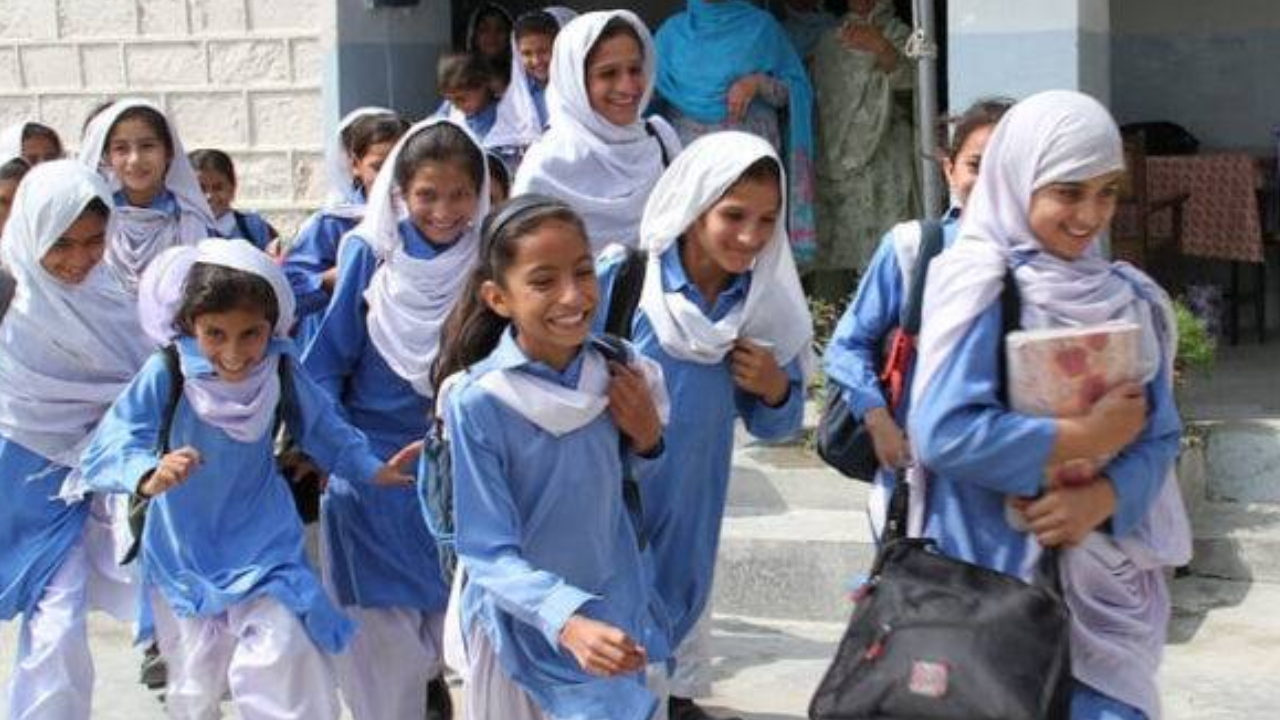
    Winter vacations in Punjab will not be extended beyond January 12 despite reports circulating on social media stating that cold weather might prompt an extension. 

    Addressing the speculation, Punjab Education Minister Rana Sikandar Hayat has said in a post on X that all schools and colleges across the province will reopen as scheduled on January 12, adding that there is no proposal under consideration to extend the winter break.

    Responding directly to online speculation, the minister said that the reports were “baseless and misleading” and urged the public to avoid sharing unverified information.

    He stated that there has been no change to the academic calendar,  instructing educational institutions to prepare for the resumption of classes on time.

    The clarification comes as cold weather continues across several parts of Punjab. According to the latest forecast, cold and dry conditions are expected to persist in most districts. Murree, Galiyat and nearby hilly areas may experience cloudy conditions, with light rain or snowfall possible during evening and night hours.

    While the Punjab government has rejected reports of extending winter vacations, developments related to private educational institutions have emerged from Sindh.

    The Grand Alliance of Private School Associations Sindh (GAPSAS) has announced a province-wide shutter-down strike for private schools and colleges on January 9. The decision was announced during a press conference at the Karachi Press Club, where alliance leaders raised concerns over actions taken by the Anti-Corruption Establishment (ACE) in relation to free admission verification.

    GAPSAS leaders said that following a Sindh High Court Sukkur Bench verdict issued on December 8, the Anti-Corruption department was assigned the task of verifying free admission lists submitted by regional directors. However, they alleged that the department has since started conducting direct inspections inside schools.

    The alliance stated that such inspections fall outside the legal framework of the Sindh Private Educational Institutions (Regulation and Control) Act 2013, under which the Directorate of Private Institutions is designated as the regulatory authority. They said involvement by any other department is unlawful.

    GAPSAS leaders also said the inspection process has created pressure for school administrations and students. 

    They further said parents are being repeatedly questioned despite already submitting required information and written undertakings to authorities.

    Calling for government intervention, the alliance urged the Sindh chief minister and education minister to stop direct Anti-Corruption Department entries into schools. They announced that a fresh petition will be filed in the Sindh High Court seeking to halt the ongoing verification process.

  • Massive terror attack thwarted in Karachi, 60 explosive drums seized

    Massive terror attack thwarted in Karachi, 60 explosive drums seized

    Karachi narrowly avoided a large-scale terrorist attack after security agencies carried out an intelligence-based operation in the port city.


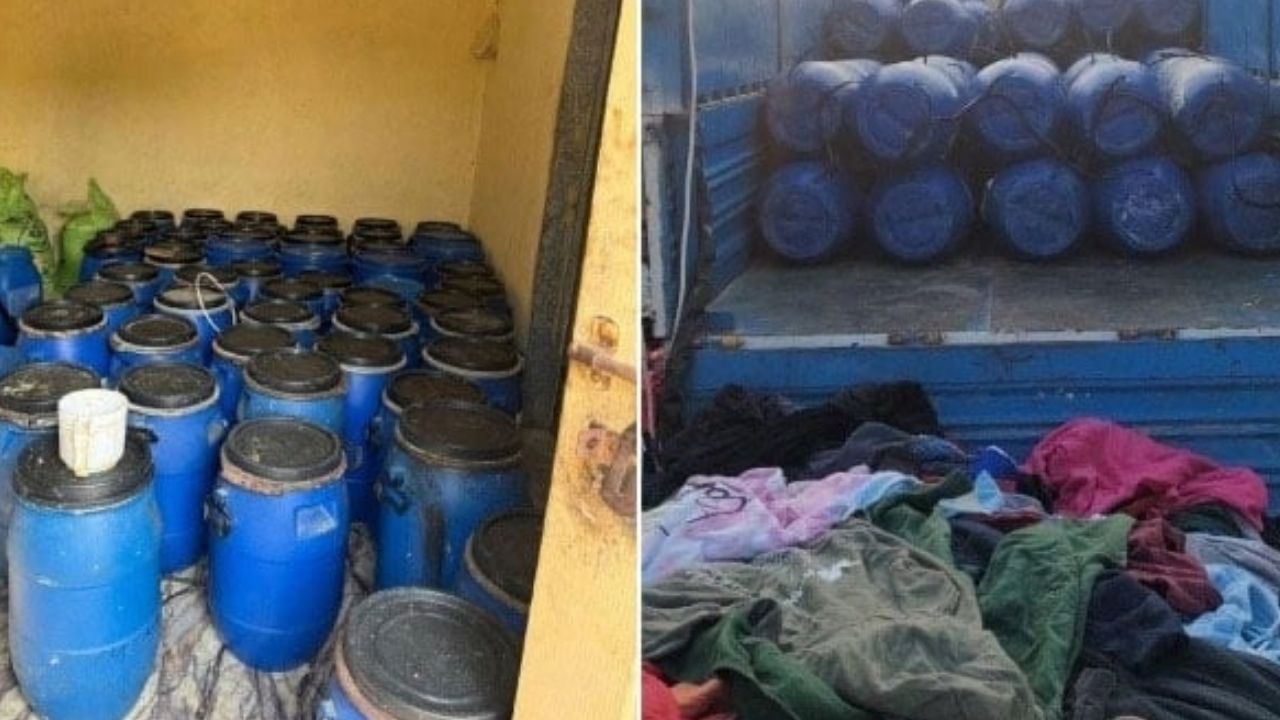
    A residence in Baldia Rais Goth, where terrorists had been planning attacks on public areas throughout Karachi, was found to have more than two tonnes of explosive material. During the operation, authorities apprehended a suicide bomber and confiscated a small truck and gas cylinders that were supposed to be used in the planned strikes.


    Officials said the explosives and cylinders had been packed in drums for transportation across the city. In total, 60 drums and five gas cylinders were recovered. The bomb disposal squad neutralized the explosives.

    Security sources confirmed that actionable intelligence about the planned attacks had been received earlier, prompting continuous monitoring of terrorist movements and hideouts in Karachi and nearby areas. 

    Intelligence reports had highlighted suspicious activity within a 30 to 40-kilometre radius, which led to intensified surveillance and coordinated operations.

    Investigations revealed that the arrested individuals were linked to the banned  Baloch Liberation Army (BLA) Bashir Zeb group, also referred to by authorities as Fitna-e-Hindustan. Sources said facilitators and handlers associated with the group have been operating from Afghan soil to plan and support attacks targeting Karachi.

    Information obtained from the arrested suicide bomber is being used to trace additional handlers and facilitators involved in the network. Authorities indicated that further arrests are expected as operations continue in the city.


    What could have been a catastrophic tragedy in Karachi was avoided, security authorities have confirmed.