Category: National

  • Waste challenge requires collective national reform: Climate Minister Musadik Malik

    Waste challenge requires collective national reform: Climate Minister Musadik Malik

    Calls for national-level alignment on Extended Producer Responsibility (EPR) gained momentum as policy makers, industry leaders, finance experts, development partners and academics convened to chart Pakistan’s next steps in plastics circularity. While some territories have made steady progress on developing EPR frameworks, participants stressed that a unified national system is essential to ensure scale, efficiency and predictable compliance for producers and recyclers.
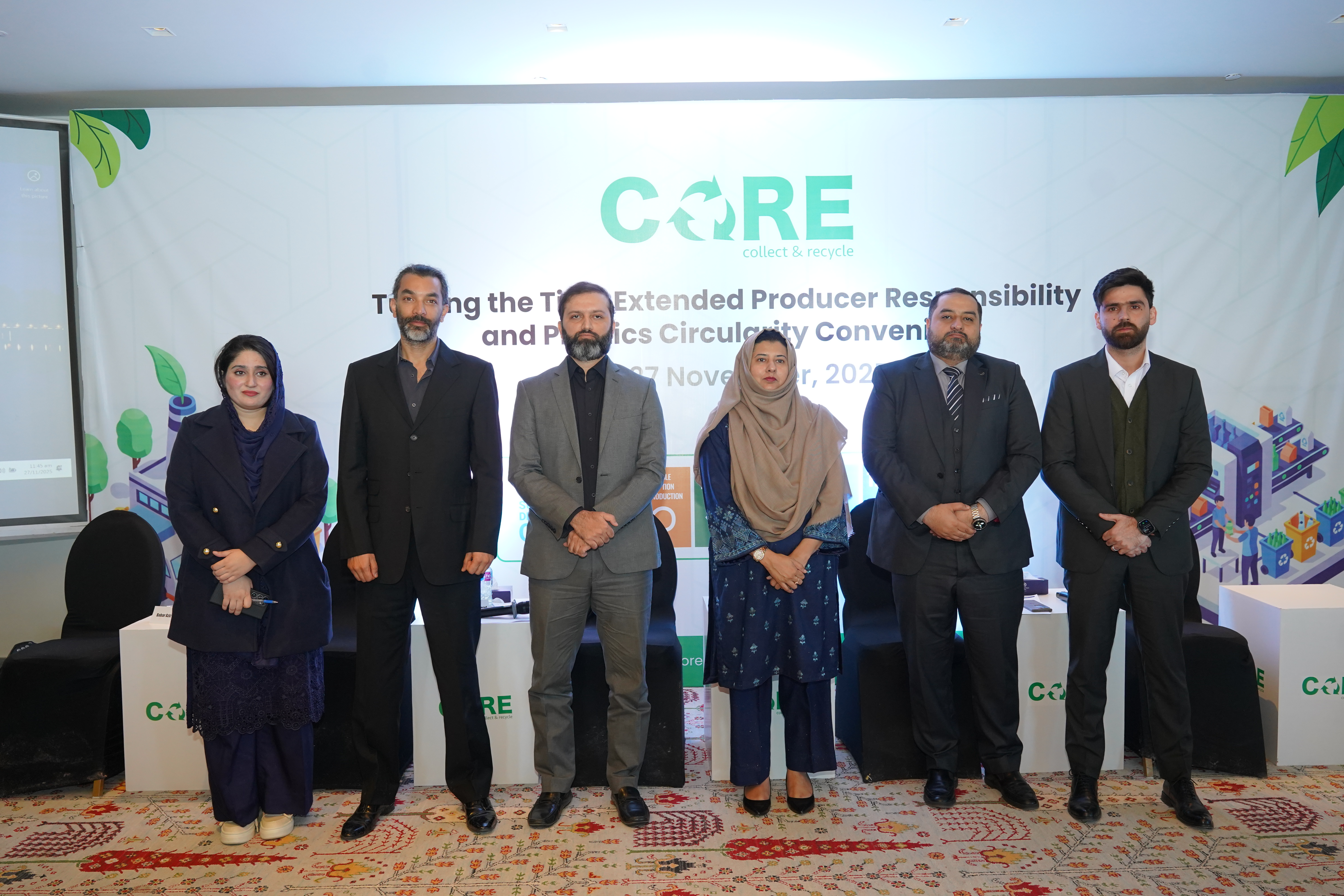
    The two-day convening, “Turning the Tide: Extended Producer Responsibility and Plastics Circularity”, organized by the CoRe Alliance, brought together more than 80 representatives from federal and provincial governments, waste management companies, environment protection agencies, State Bank of Pakistan as well as major FMCGs, recyclers, packaging companies, financial institutions, UN agencies, think tanks, academia and media. Discussions focused on policy harmonization, global lessons from the Global South, packaging innovation, social inclusion of waste workers and green financing mechanisms for recycling infrastructure.

    Giving the opening address, Senator Dr. Musadik Masood Malik, Federal Minister for Climate Change and Environmental Coordination, said Pakistan’s waste challenge requires collective national reform. “Harmonizing provincial regulations and creating the right incentives will be central to building a climate-resilient waste ecosystem. A unified approach strengthens enforcement, encourages innovation and ensures that producers can meet their responsibilities in a transparent and efficient manner,” he said, concluding, “Injustice is unsustainable as the onus of responsibility also lies towards the west that is generating more than 80% of the world’s waste.”
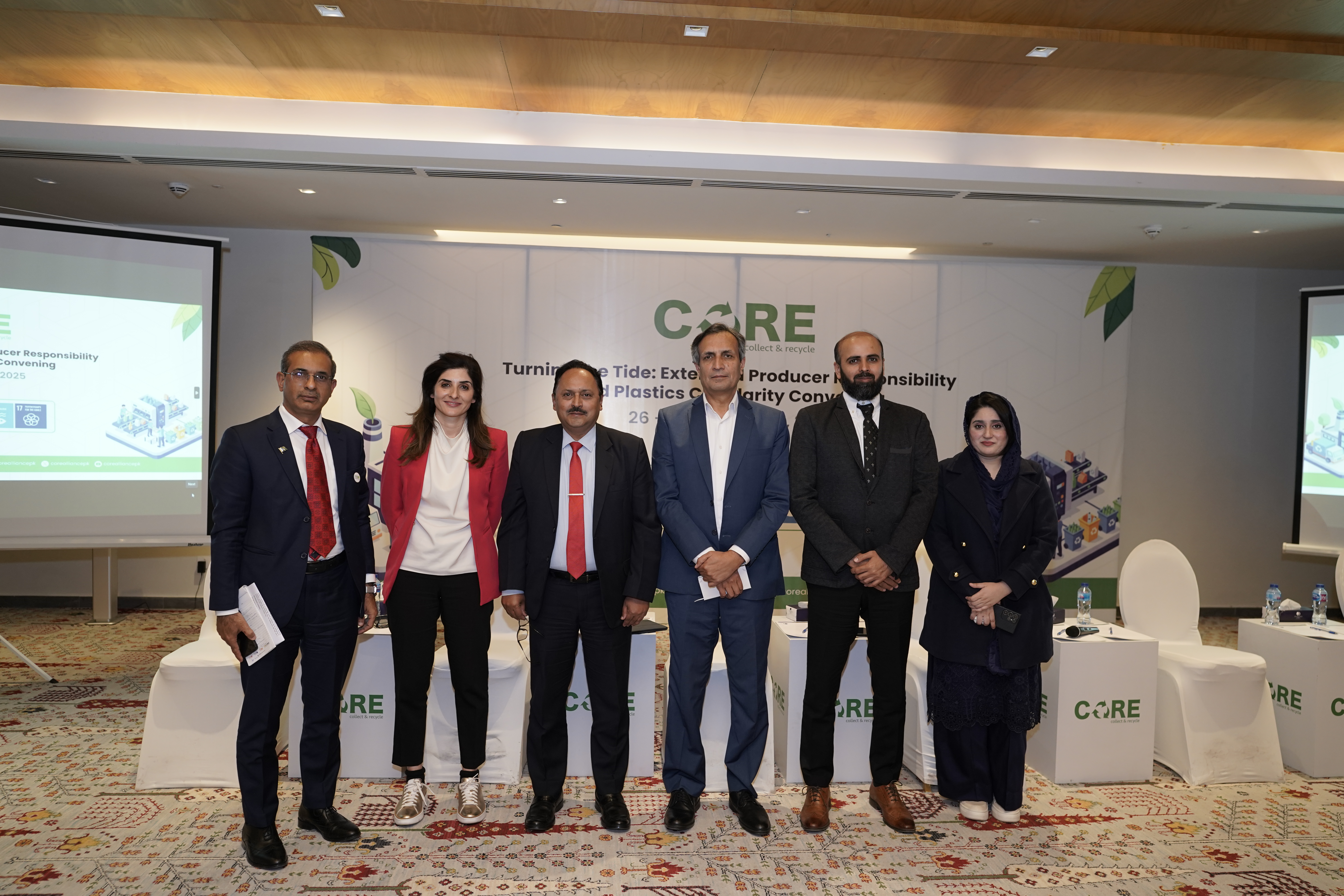
    While addressing the multi-stakeholder convening, Romina Khurshid Alam, Member National Assembly & Coordinator to the Prime Minister on Climate Change and Aisha Humera, Federal Secretary Ministry of Climate Change, both highlighted that EPR directly suports Pakistan’s climate and economic reform agenda. Circular systems reduce waste, create green jobs and position Pakistan to attract international climate finance.

    Offering an industry perspective, Sheikh Waqar Ahmad, CEO CoRe Alliance and Head of Corporate Affairs and Sustainability at Nestlé Pakistan said, “The private sector is ready to collaborate with government to build the systems required for circularity. A transparent, structured and nationally aligned EPR framework will help scale recycling infrastructure, strengthen traceability and integrate informal workers in a fair and sustainable way.”

    Senator Bushra Anjum Butt and Senator Dr. Afnan Ullah Khan, members of the Standing Committee on Climate Change and Environment and Standing Committee on Science & Technology respectively, both emphasized that predictable, long-term policies are the backbone of successful EPR models globally. They stressed that countries that have advanced circularity did so with clarity, consistency and sustained regulatory backing inclusive to all sectors such as textiles, fertilizers, e-waste and telcos etc.

    The convening concluded with CoRe board member and Unilever Head of External Affairs Hussain Talib announcing the ten policy recommendations that will be submitted as a policy document to the Ministry of Climate Change and Environmental Coordination, and the Ministry of Finance. These include harmonized EPR legislation, clearly defined roles and responsibilities, phased and realistic compliance timelines, strengthened scavenger economics, extended consumer responsibilities, fiscal incentives for recycling infrastructure, and a national digital traceability and monitoring system. Participants agreed that coordinated action can support Pakistan’s transition to a circular economy and align with global environmental commitments.

    CoRe (Collect and Recycle) is Pakistan’s first multi-stakeholder packaging alliance working to eliminate packaging waste through collective action. Created by leading industry players, NGOs, recyclers and packaging manufacturers, CoRe aims to build a circular economy by enabling formal collection, improving recycling systems and promoting sustainable packaging solutions across the country.


  • Shocking Musakhel ritual sparks shock, outrage

    Shocking Musakhel ritual sparks shock, outrage

    A disturbing event has come to light from Musakhel, where eight individuals were reportedly forced to walk over burning embers after being suspected of carrying out theft.

    Footage of the incident, captured on-site, has gone viral across social media channels, according to a private news outlet.

    Initial reports indicate that the act was performed in accordance with tribal customs. All eight men subjected to the ritual were later exonerated. 

    However, local elders have pointed fingers at shepherd Gulam Mohammad Nandani for orchestrating the incident.

    Officials have confirmed that the incident has been reported to government authorities, yet no action has been taken thus far, raising alarms about the inaction of the local administration.

    The viral video shows the men walking barefoot over burning embers, prompting widespread public outrage.

    While tribal representatives defended the practice as a long-standing tradition, online criticism has reignited discussions about the legality, safety, and human rights concerns surrounding such rituals.

    The issue is currently under investigation, however, authorities have not released a statement regarding possible legal or disciplinary actions.

    In another incident, a police constable in Karachi was suspended after a video surfaced showing him assaulting a woman believed to be intoxicated in DHA.

    The altercation took place on Saba Avenue, where the woman was reportedly yelling, obstructing traffic, and creating a disturbance. A patrol unit from the Darakhshan police station arrived to clear the road, but a dispute ensued between the woman and Constable Nadeem. They both slapped each other before the officer forcefully removed her from the street.

    The footage quickly generated public outrage, with citizens criticizing the officer’s approach and questioning the absence of female police officers to handle the situation.

    In response to the backlash, police have suspended Constable Nadeem. The woman has been taken into custody for legal processing, while a medical examination has been completed. Police officials state that further investigation into the incident is ongoing.

  • Junaid Safdar prepares for second marriage with PML-N leader’s granddaughter

    Junaid Safdar prepares for second marriage with PML-N leader’s granddaughter

    Junaid Safdar, son of Punjab Chief Minister Maryam Nawaz, is reportedly set to tie the know for the second time, sparking fresh buzz across political circles. 

    Media reports suggest that Junaid is set to marry the granddaughter of senior PML-N leader Sheikh Rohail Asghar, bringing together two prominent political families.

    Insiders claim that former Prime Minister Nawaz Sharif and the entire Sharif family have fully approved of the match. Members of both families, including the bride-to-be’s father Ali Rohail Asghar, have also met at a private gathering held as part of the early arrangements for the wedding.


    Although a specific date has not yet been revealed, the ceremony is expected to take place either in the last week of December or in January.

    Junaid Safdar is getting married for the second time. Prior to their amicable divorce in October 2023, he was married to Ayesha Saif, the daughter of former NAB chairman and industrialist Saifur Rahman Khan of Qatar. 

    That wedding took place in 2021 at The Lanesborough in London, during Nawaz Sharif’s time in exile.

  • Police once again ranked Pakistan’s most corrupt sector, TI survey shows

    Police once again ranked Pakistan’s most corrupt sector, TI survey shows

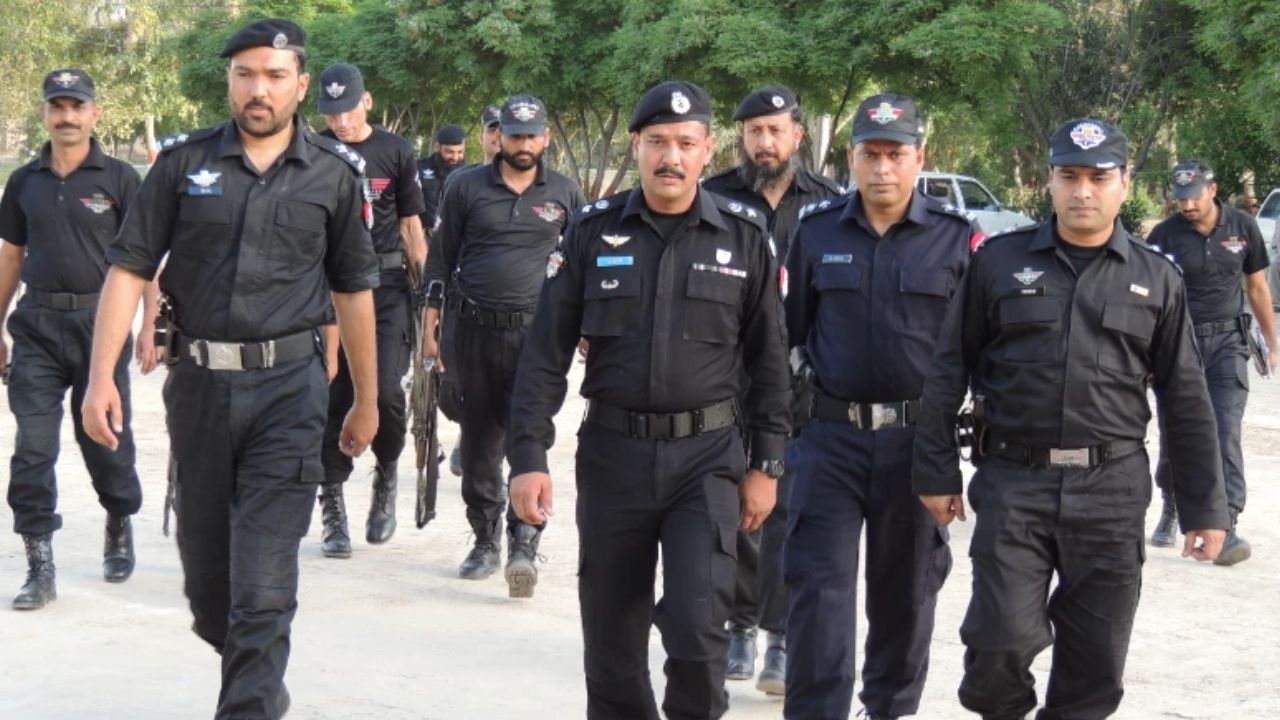
    Transparency International’s latest National Corruption Perception Survey has once again placed Pakistan’s police at the top of the list of sectors viewed as most corrupt  though the report notes a slight improvement in how the public perceives the department compared to last year.

    The annual survey, which collected public opinions on transparency and governance, was made public on Tuesday. 

    The police were named the most corrupt sector by 24% of the 4,000 respondents this year, with 1,000 people surveyed in each province. At 34 percent, Punjab had the greatest perception, followed by Balochistan at 22 percent, Sindh at 21 percent, and KP at 20 percent. The police have consistently ranked at the top in previous TI surveys.


    16 percent of respondents indicated that the tender and procurement sector was right behind the police. Balochistan has the greatest perception of corruption in this area (23 percent), followed by KP (18 percent), Sindh (14 percent), and Punjab (nine percent).


    The judiciary was ranked the third-most corrupt sector by 14 percent of participants, with KP leading at 18 percent. 


    66 percent of respondents stated they did not feel pressurised to pay a bribe in 2025, despite widespread concerns about corruption. 

    Nonetheless, there is still a great deal of dissatisfaction with government efforts; 77 percent of respondents expressed “low satisfaction” with anti-corruption measures.

    Bribe-related experiences were most common in Sindh (46 percent), followed by Punjab (39 percent), and KP (20 percent).

    A significant 59 percent believed provincial governments were more corrupt than local governments. This view was reported by 70 percent in Punjab, 58 percent in Balochistan, 55 percent in KP and 54 percent in Sindh.

    According to the report, a lack of accountability, weak transparency, difficult access to information, and delays in the resolution of corruption cases are the main reasons corruption continues. 

    A shocking 78 percent of respondents overall stated that organizations like the FIA and NAB had to be held accountable.

    A striking 78 percent of respondents nationwide said institutions like NAB and the FIA should themselves be subject to accountability. 

    Respondents cited three major reasons for this demand: 35 percent pointed to the lack of transparency in investigations, 33 percent highlighted the absence of independent oversight, and 32 percent believed anti-corruption bodies are misused for political victimisation.
     

    As for solutions, 26 percent of respondents called for enhanced accountability mechanisms, 23 percent wanted discretionary powers to be reduced, and 20 percent advocated for stronger right-to-information laws.

    Additionally, there was little confidence in provincial anti-corruption establishments. About 33 percent of respondents claimed ACEs were completely ineffective, primarily in Sindh and Punjab, while 34 percent said they were “less effective,” especially in KP and Balochistan.

     Overall, 77 percent of respondents expressed disappointment with the government’s efforts to combat corruption. Balochistan had the greatest level of disappointment (80 percent), followed by Punjab (78 percent), KP (75 percent), and Sindh (75 percent).

    Strong whistleblower protection protection, according to nearly half of the respondents (42 percent), would make them feel safer disclosing corruption. However, 70 percent of people acknowledged that they were unaware of the existing reporting mechanisms. 

    Among the 30 percent who did know how to report corruption, only 43 percent had ever done so. Awareness was consistently low across provinces: 76 percent in Balochistan, 73 percent in KP, 68 percent in Sindh, and 64 percent in Punjab. The survey also indicated that people are more likely to report corruption if anonymity is guaranteed (38 percent) or if incentives are offered (37 percent).

    According to the survey, 51 percent of the respondents think that organizations that receive tax exemptions from the FBR such as NGOs, hospitals, trusts, medical labs, educational institutions, and charity organizations should not be permitted to charge fees from the public. Furthermore, according to 53 percent of respondents, these tax-exempt organizations ought to be obliged to make donor names and donation amounts publicly available on their websites.

  • Santa spotted on camel as Islamabad hosts Christmas rally

    Santa spotted on camel as Islamabad hosts Christmas rally

    Hundreds of Pakistani Christians took to the streets of Islamabad for a Christmas rally, celebrating the beginning of the holiday season as they walked alongside men dressed as Santa Claus riding camels.

    The rally, which has become one of the most prominent Christmas celebrations in Pakistan in recent years, was covered by both local and foreign media outlets as participants described the event as a festive occasion and public demonstration of their faith in the heart of the capital.

    Reports quoted one Arsalan Masih as saying that his community sees the event as a chance to recognise the support they receive during the holiday season.

    “My heart is filled with gratitude. We are incredibly thankful to the government of Pakistan, the army, the police and all others for their support during our event,” he said as the procession advanced through Zero Point, a major traffic hub in Islamabad.

    Another was quoted as saying that the rally was an annual event at the start of December.

    “December has begun, and we are relishing our Christmas festivities. This is why we have initiated this rally, to honour our Lord and celebrate His birth, as He was born in December to bring salvation to the world. We are thrilled to enjoy December,” he said.

    He noted that the event showcases the community’s sense of belonging in the capital. “Even as a minority, we have never encountered any barriers here in Islamabad.”

    He said that the authorities aided the rally by managing traffic and allowing the procession to pass through one of the city’s busiest areas.

    “You can see that today, we obtained permission to hold this rally from Zero Point, and the authorities are handling traffic and supporting us. It is remarkable that, despite being a minority, we are receiving substantial support,” he commented.

    According to the 2023 census, Christians constitute less than 1.37 percent of Pakistan’s population. Majority of the population lives in Karachi, Lahore and Islamabad.

  • ADB warns 80 percent lack safe drinking water in Pakistan

    ADB warns 80 percent lack safe drinking water in Pakistan

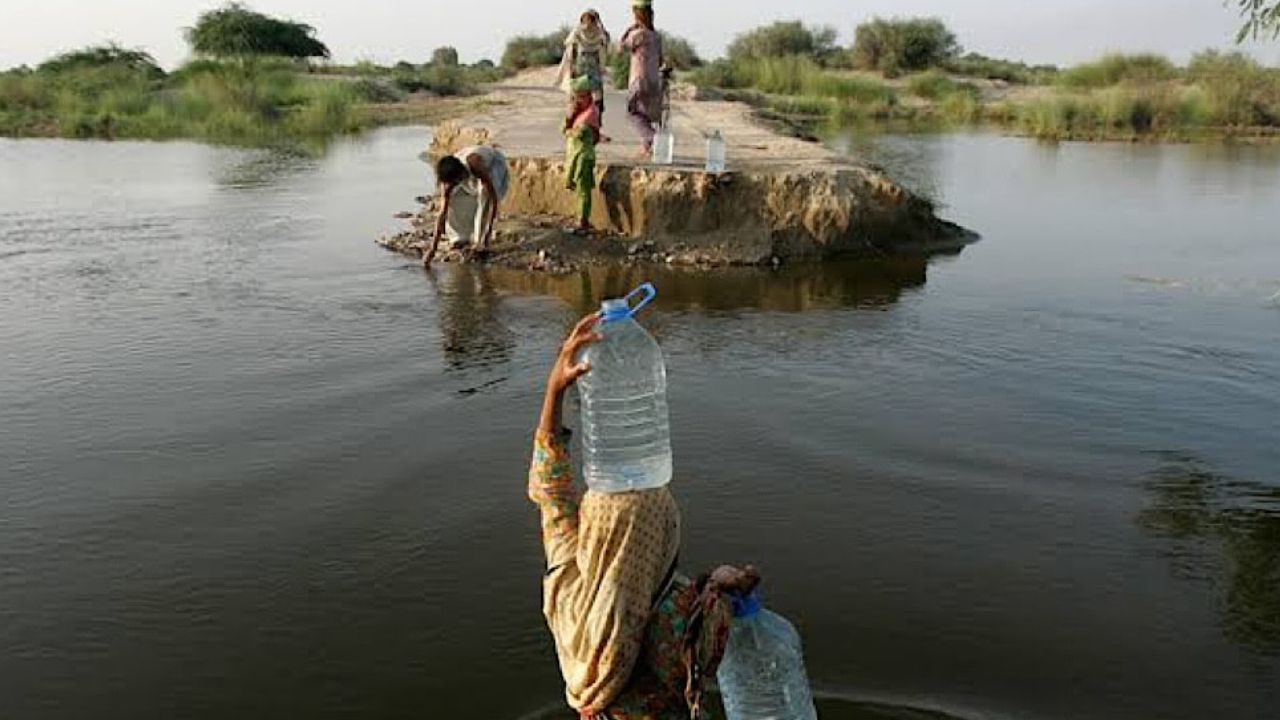
    Pakistan’s Indus Basin Water System is under growing pressure as upstream controls, falling groundwater levels, ageing canal networks and widespread contamination continue to strain the country’s already fragile water supply. 

    More than 80 percent of Pakistan’s population still lacks access to safe drinking water, the Asian Development Bank’s latest Asian Water Development Outlook has reported. 

    The report classifies Pakistan as a severely water-stressed country, noting that per capita water availability has dropped sharply from 3,500 cubic metres in 1972 to 1,100 cubic metres in 2020, far below the safe benchmark of 1,700 cubic metres.

     The ADB attributes the decline to rapid population growth, climate change and long-standing governance issues.

    Pakistan remains in the ADB’s “Engaged” category since its total water security score has not changed significantly during the 2016, 2020, and 2025 evaluations. 

    According to the report, despite the size of Pakistan’s agricultural sector, progress is still slow, primarily because of poor water use, low industrial output, and limited investment in key infrastructure.

    The ADB observes that rapid depletion and arsenic contamination have resulted from excessive groundwater extraction for agricultural in many areas. 

    Waterborne illnesses are still mostly caused by inadequate WASH systems, and open defecation is still prevalent in some rural areas of Pakistan. Service delivery, it adds, is still inconsistent and poorly managed. 

    There are still significant gaps in the infrastructure. Due to poor planning, scarce funding, changes in land use, and an increasing risk of flash floods, Pakistan’s drainage system continues to have the lowest grade in the region.

    The report says water-related disaster security is still a serious concern as unchecked construction along floodplains increases vulnerability, though early warning systems have improved.

    There has been very little progress in urban water security. Recurring urban flooding, untreated wastewater, and rising demand all put further strain on already fragile municipal systems.

     As untreated wastewater and industrial growth contaminate rivers, lakes, and wetlands, environmental water security has gotten worse.

    Despite some recent improvements in hygiene indicators, contamination hazards and inadequate monitoring methods continue to jeopardize rural household water security.

     Economic water security continues to struggle as per capita water availability falls, storage capacity remains inadequate and industries rely heavily on unregulated groundwater extraction problem.

    The nation’s national water security score climbed by 6.4 points between 2013 and 2025 despite these enduring issues, while indicators connected to governance increased from 50 percent in 2017 to 63 percent in 2023.

    Although institutional fragmentation, inadequate coordination, and long-term underinvestment continue to limit implementation, ADB says that this reflects improvements in the policy framework.

    There is still not enough money for governance pertaining to water. Despite a 152 percent increase in WASH investments between 2019 and 2023, the Public Sector Development Programme’s total funds came to just Rs1.5 trillion, compared to the Rs10–12 trillion needed over the following ten years.

    The ADB has recommended strengthening coordination through the National Water Council, shifting to volumetric pricing to encourage responsible water use, and creating an independent authority to monitor water quality. It also urged increased environmental regulation, protection of ecosystems and the inclusion of women in water-related decision-making.

    The report places Pakistan’s challenges in the larger regional context, pointing out that between 2013 and 2023, rising temperatures and unpredictable weather patterns increased in South Asia, resulting in 244 big floods, 104 droughts, and 101 severe storms. 

    The ADB projects that $4 trillion in water-related investment will be needed throughout the continent between 2025 and 2040, but current spending levels only meet 40 percent of that need, leaving an annual gap of more than $150 billion.

  • Security on high alert in Lahore, Rawalpindi, Multan after 12 RAW-linked terrorists arrested

    Security on high alert in Lahore, Rawalpindi, Multan after 12 RAW-linked terrorists arrested

    In light of the prevailing security situation, Punjab Inspector General of Police (IGP) Dr Usman Anwar has directed immediate sweep and combing operations in major cities, including Lahore, Rawalpindi and Multan.

    In a statement, Dr Anwar said that all Senior District Police Officers (SDPOs) and Station House Officers (SHOs) will participate in the operations alongside the Counter Terrorism Department (CTD) and other sensitive agencies.

    He emphasised that security at educational institutions would be tightened further with CCTV cameras installed at entry and exit points, deployment of security guards and arrangements for emergency evacuation to be ensured.

    The IGP also ordered profiling and data verification of individuals entering the province.

    The statement comes a day after Punjab CTD said it had arrested 12 suspected terrorists allegedly working for the Indian intelligence agency Research Analysis Wing (RAW) in intelligence-based operations conducted in Lahore, Faisalabad and Bahawalpur.

    According to a statement issued by a CTD spokesperson, the arrests were made in collaboration with security agencies.

    The spokesperson said security personnel recovered photos, videos, weapons and explosives from the suspects, preventing large-scale terrorism activities in the aforementioned cities.

    They said the recovered material reportedly also included images and video recordings of sensitive locations, including a religious seminary.

    The spokesperson said the terrorists were planning to incite “fear and religious hatred” in the province and had plans to target “places of worship and other important sites”.

    They said that arrests came after the CTD investigated a Facebook account allegedly being operated from India to coordinate terrorist activities.

    All of these terrorists were being funded by the Indian agency RAW, the CTD spokesperson said.

    “Seven improvised explosive devices, two detonators, 102 feet of safety fuse wire, explosives, weapons, mobile phones and cash were recovered from the possession of the terrorists.”

  • Rana Sanaullah says PTI repeating India’s narrative

    Rana Sanaullah says PTI repeating India’s narrative

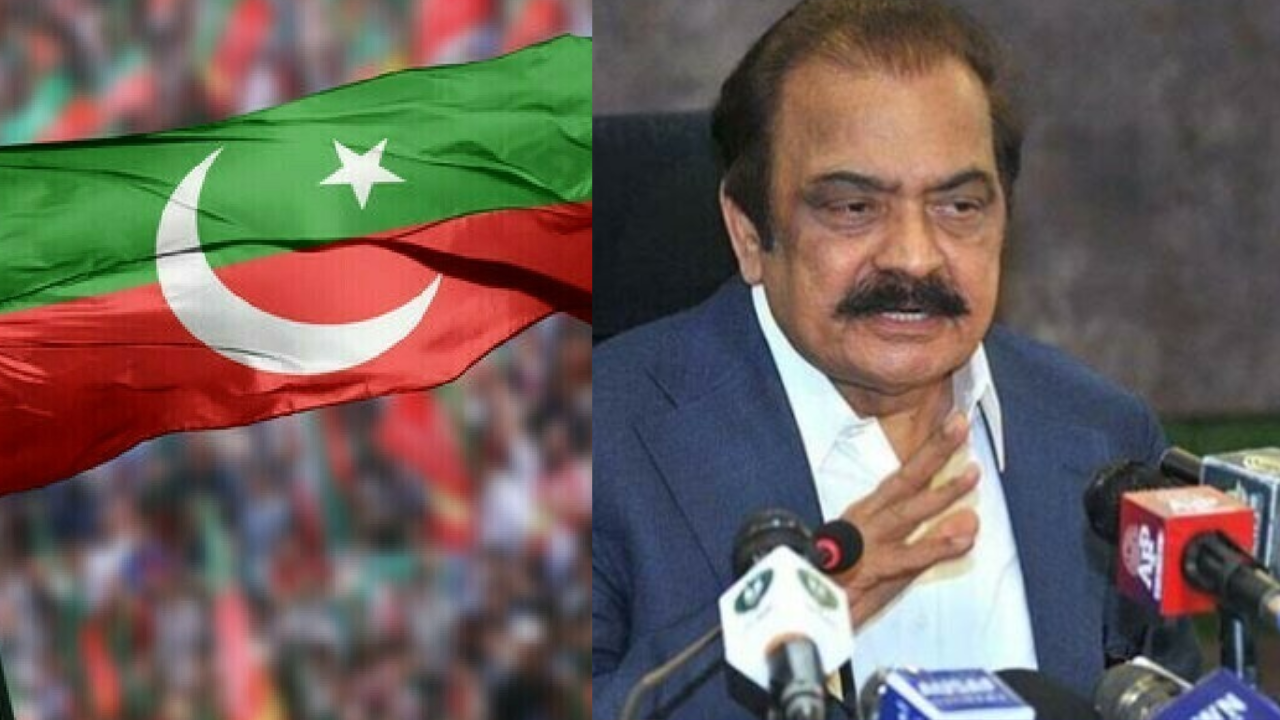
    Prime Minister’s Political Adviser Rana Sanaullah has stated that the Pakistan Tehreek-e-Insaf (PTI) is unwilling to participate in discussions, alleging that Imran Khan has restricted party members from negotiating. 

    He mentioned that the government made numerous attempts to open communications for conversations with PTI, but there was no reaction from the party. He believes that if PTI had accepted the prime minister’s invitation for talks, the political climate in the country could have calmed down.

    Rana Sana said “Imran Khan and PTI leaders are repeating the same narrative that India is giving”. He noted that this narrative was being echoed in public statements and was influencing the party’s current political stance.

    He alleged that a large fraction of PTI’s leadership no longer aligned with the direction set forth by the party founder. “Approximately 80 percent of PTI members presently do not agree with Imran Khan’s policies and political strategy,” he commented.

    In a separate interview on a private news channel, Rana Sanaullah referred to remarks made during a recent rally, suggesting those comments would be noted by the relevant authorities, and they would do so decisively. He indicated that the individuals  passing the statements were pushing themselves towards repercussions for their actions. “The majority of PTI will not partake in this insanity,” he predicted. 

    Rana Sana indicated that potential for a treason case against Imran Khan could not be dismissed. He expressed that the situation might progress toward legal procedures that would define the political future of the PTI founder. He suggested that Imran Khan’s journey might parallel that of the MQM and its founder Altaf Hussain. 

    He remarked that the rifts within PTI were becoming increasingly apparent and noted that, in his opinion, the distinction between what he termed Pakistan Tehreek-e-Insaf and “Adiala Tehreek-e-Insaf” would soon be evident. He mentioned that these discrepancies were emerging in light of recent political events and reactions from party members who no longer agreed with the existing strategy.

  • Adil Raja, Shahzad Akbar could soon be sent back to Pakistan

    Adil Raja, Shahzad Akbar could soon be sent back to Pakistan

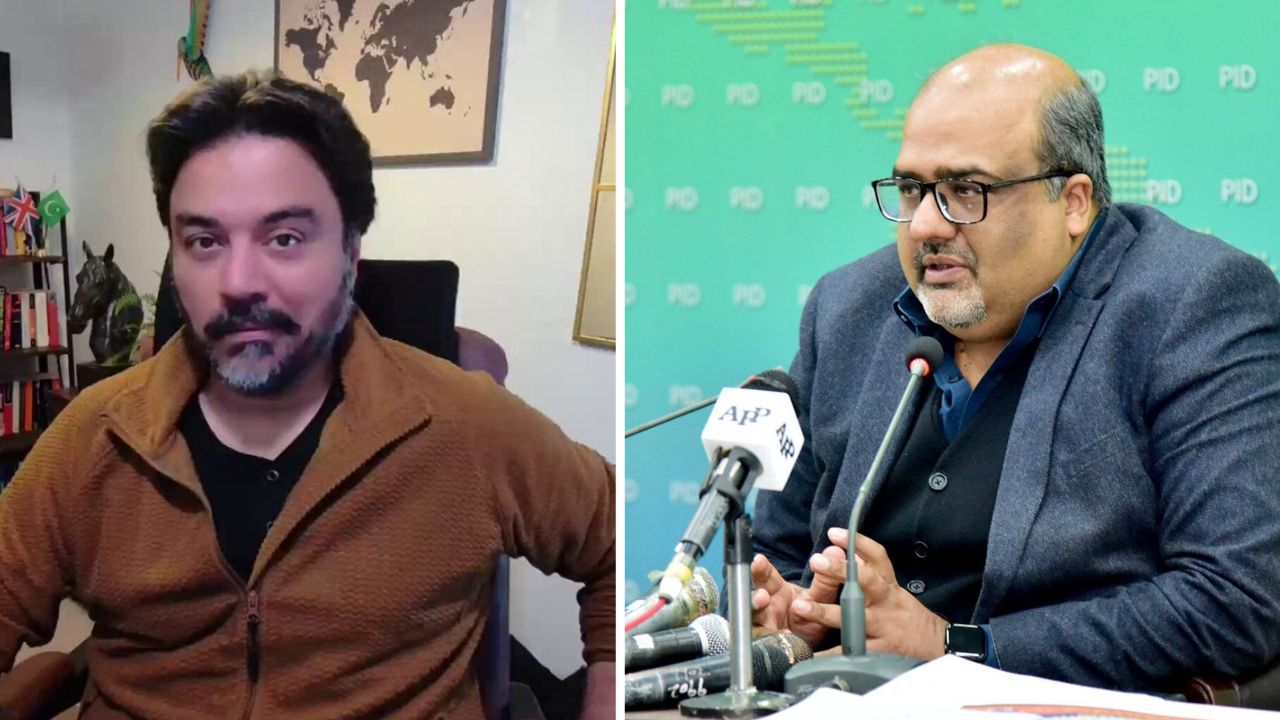
    YouTuber and self-proclaimed political and defence expert Adil Raja, as well as ousted premier Imran Khan’s accountability aide Shahzad Akbar, could soon be extradited to Pakistan, it has emerged.

    As per the details, Interior Minister Mohsin Naqvi on Monday visited the British Home Office in London where he met with officials to reiterate request for the extradition of individuals wanted by Pakistan.

    During the meeting, the Pakistani government presented a detailed dossier supporting its request, reports quoted officials as saying.

    Pakistani High Commissioner to the United Kingdom (UK), Dr Mohammad Faisal, accompanied the interior minister during the visit that comes days after Naqvi also met UK High Commissioner Jane Marriott and handed her over the extradition papers for Raja and Akbar.

    The meeting on Thursday had come three days after Naqvi announced a crackdown on those involved in fake news, declaring that the government would repatriate from the UK YouTubers involved in this activity or the targeting of state institutions.

    Currently, no formal extradition treaty exists between Pakistan and the UK, though Section 194 of the UK Extradition Act 2003 contains provisions for special “ad hoc” extradition arrangements.

    According to a statement released by the interior ministry, Naqvi held an “important” meeting with Marriott in Islamabad, where the two discussed Pak-UK relations, security cooperation and issues of mutual interest.

    They also discussed the return of Pakistanis illegally residing in the UK, it added.

    “The extradition papers for Akbar and Raja from the government of Pakistan were handed over [to Marriott],” the statement said, adding that both individuals are wanted in Pakistan and should be handed over to Pakistan immediately.

    He also provided evidence against Pakistani citizens who were spreading propaganda, the statement said.

    “I fully believe in freedom of expression, but fake news is a problem for every country,” he said, as per the statement.

    “No country can allow slander and defamation against state institutions from those sitting abroad,” the minister said. Naqvi also said that Pakistan would welcome British cooperation for the return of those who “spread anti-Pakistan propaganda”.

    The statement further said that the interior ministry had initiated the extradition process through the Ministry of Foreign Affairs.

  • Pakistan to get $64.9m from UN’s $33bn global aid plan

    Pakistan to get $64.9m from UN’s $33bn global aid plan

    The United Nations and its partners on Monday unveiled their 2026 global humanitarian appeal, setting aside $64.9 million specifically for Pakistan to support 1.9 million vulnerable people. 

    The allocation is part of a massive $33 billion plan designed to protect communities affected by wars, climate disasters, disease outbreaks, earthquakes and crop failures across the world.

    The immediate objective is to raise $23 billion to give 87 million people life-saving aid, according to the UN Office for the Coordination of Humanitarian Affairs (UNOCHA).

     The global appeal, known as the ‘2026 Response Plan’ with the theme “Life by Life,” intends to reach 135 million people over the course of the year through six refugee and migrant response plans and 23 nation operations.

    98 million people still received aid in 2025, according to UNOCHA, despite a lack of funds and an increase in attacks on aid workers.


    The largest individual appeal for 2026 is for the Occupied Palestinian Territory, where the UN estimates that $4.1 billion is needed to help three million people who are dealing with previously unheard-of levels of violence and devastation.

    The greatest regional plan covers Syria, which requires $2.8 billion to help 8.6 million people, while Sudan, which has the biggest displacement disaster in the world, needs $2.9 billion for approximately 20 million people.

    The UN emphasized that there were significant financial setbacks in 2025, with the $12 billion raised being the lowest amount in ten years. Consequently, compared to 2024, 25 million fewer people were reached.

    The effects have been catastrophic: millions of people have been left without financial support, protective services, or even basic housing, health institutions have disintegrated under pressure, hunger has increased, and mine-clearing activities have stagnated. Throughout the year, around 320 relief workers the majority of whom were local employees were killed. 

    The new appeal, according to UN Humanitarian Chief Tom Fletcher, focuses on allocating resources “life by life” and transforming humanitarian efforts to be more effective and locally driven.

    “We’re shifting power to local organisations, directing more funding straight to communities, and reimagining humanitarian action with idealism and hope,” he added.