Category: National

  • Pakistan rejects claims of using Israeli spyware

    Pakistan rejects claims of using Israeli spyware

    Pakistan has rejected allegations reported in an Amnesty International report about the use of Israeli-made spyware in the country, describing it as an attempt to undermine Pakistan’s reputation.

    A senior intelligence officer on the condition of anonymity told a private news outlet, “There is not an iota of truth in it,” and dismissed all such claims as baseless.

    The investigation conducted by Amnesty International, named Intellexa Leaks, centered around a case involving a human rights lawyer in Pakistan. The report claims that the lawyer was sent a dubious link on WhatsApp from an unidentified number during the summer of 2025. 

    Amnesty’s Security Lab examined the link and concluded it was an attempt to deploy Predator spyware. Predator is a surveillance tool produced by the Israeli firm Intellexa.

    The investigation was based on leaked internal documents from Intellexa, which included company materials, sales and marketing data, and training videos. It was released in partnership with Inside Story in Greece, Haaretz in Israel, and WAV Research Collective in Switzerland.

    In 2023, Intellexa was penalized by the Greek Data Protection Authority for its lack of cooperation with regulatory probes. The report also highlighted that Google alerted hundreds of users in various countries, including Pakistan, about potential spyware threats related to Predator.

    Amnesty International stated that Predator has the capability to access encrypted messaging apps, emails, device locations, call logs, contacts, screenshots, and the cameras and microphones on devices. This spyware can be introduced through a “1-click” attack, which necessitates the target clicking on a harmful link. The harvested data is then uploaded to a Predator server and routed through Intellexa’s CNC Anonymization Network to mask the identities of the operators.

    The report further described Intellexa’s “Aladdin” infection strategy, which enables silent zero-click infections using commercial mobile advertising networks, allowing devices to be compromised without any user action. Amnesty noted that Predator is primarily marketed for governmental applications, and Intellexa’s internal operations largely escape external oversight.

    A Pakistani intelligence official reiterated that allegations connecting the country to Predator spyware activities are groundless, asserting that the report aims to damage Pakistan’s international reputation.
  • Govt to roll out AI app to curb illegal travel

    Govt to roll out AI app to curb illegal travel

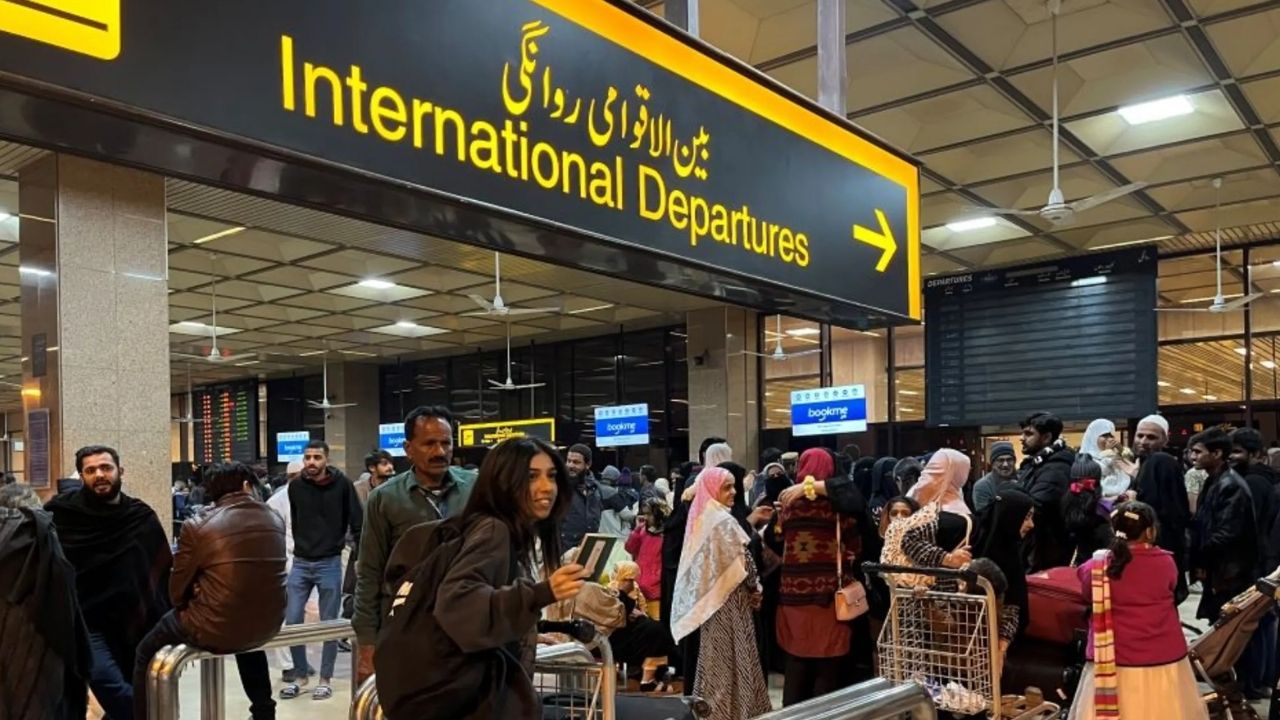
    The federal government has decided to tighten action against people trying to travel abroad on fake documents, ordering a fresh crackdown on visa fraud and the agent mafia.

    Interior Minister Mohsin Naqvi and Minister for Overseas Pakistanis Chaudhry Salik Hussain presided over the meeting where the decision was made.

     Officials agreed that in order to make travel easier for passengers, changes would be made to the immigration process and the present procedure for issuing protection must be made fully foolproof. Within a week, the ministries had requested final proposals.

    Authorities were also directed to launch strict action against groups involved in selling fake visas.

    An AI-based app is being launched as a pilot project to reduce illegal travel, Mohsin Naqvi told the meeting. He added that there will be no tolerance for fraudulent visas and the agent networks that support them, and that this system will assist in determining who is truly able to travel and who is not. 


    Additionally, he stated that deported individual’s passports would be revoked and that measures would be made to prevent them from receiving visas in the future. A unified international driving license will now be issued by the National Police Bureau.

    Naqvi said people who go abroad through illegal routes damage Pakistan’s reputation, and that the reforms aim to both facilitate citizens and improve the country’s global standing.

    The Minister for Overseas Pakistanis added that workers travelling on labour visas must carry genuine, verifiable documents, and said the ministry will fully assist in strengthening the protector and immigration systems.

  • Three Lahore constables dismissed for filming TikTok video inside police station

    Three Lahore constables dismissed for filming TikTok video inside police station

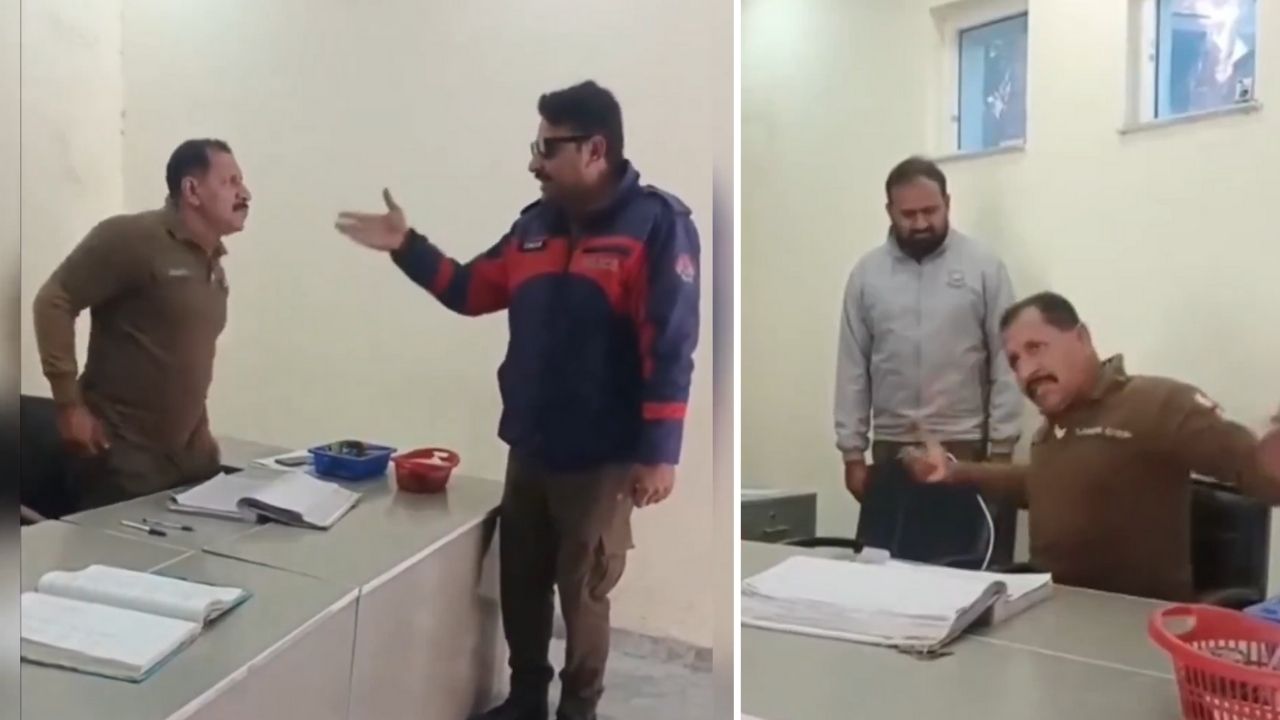
    Three constables posted in Lahore have been dismissed for creating and posting a TikTok video while on duty inside a police station.

    The video showed the constables performing humorous skits, with a clerk mimicking an officer while sitting at his desk. 

    Constables Shahid, Bilal, and Usman participated in the video, which later went viral on social media.

    Senior officers noticed the video and took immediate action. Following an inquiry, SP Model Town, Shahr Bano Naqvi, ordered the dismissal of all three constables.

    Similar cases have occurred in other parts of Pakistan. In 2025, authorities banned all police officers from using TikTok or any social media platforms to post personal videos while in uniform or on duty. 

    This followed a viral video scandal involving a female police constable who complained that a colleague had posted a video of her without consent during training. 

    Islamabad Police also suspended two officers, Aftab Ahmed and Ehtesham Aslam. They faced allegations of misconduct and violating social media rules and were instructed to report to Rescue 15.

    In 2024, a Karachi Police officer faced suspension after appearing in a viral TikTok video. 

    Police officials said that making videos in uniform not only breaches service discipline but also raises questions about the credibility of the institution.

  • Pakistani students face UK admission freeze

    Pakistani students face UK admission freeze

    Several universities in the UK have quietly started limiting and pausing admissions for students from Pakistan and Bangladesh after the Home Office tightened its student visa rules. 

    According to the Financial Times, institutions are now under pressure to keep visa refusal rates below five percent. The previous limit was 10 percent, and anything above the new threshold puts a university at risk of losing its license to sponsor international students.

    Universities who experienced an increase in rejections as a result have started to restrict or suspend applications from both nations. Due to unusually high rejection rates, the University of Chester will no longer accept students from Pakistan until the fall of 2026. While Sunderland, Coventry, Hertfordshire, Oxford Brookes, Glasgow Caledonian, and other private institutions have implemented temporary freezes in various programs, Wolverhampton and East London have also halted undergraduate or fresh applications from Pakistan and Bangladesh.

    The change occurs at a time when migration in the UK has become a heated political issue. Small-boat arrivals have already exceeded last year’s totals, and net migration reached 728,000 in the year ending in June 2024.


    Pressure to tighten restrictions on student visas has increased as a result of the government’s criticism for not controlling the borders. Home Office officials have also raised concerns about a rise in asylum claims from international students, warning universities that the study route cannot become a “backdoor” to settlement.

    The new compliance regulations have caused a significant financial issue for many UK institutions, particularly those that depend significantly on international students. Even a small increase in visa refusals can push them over the new limit. 

    A number of colleges that the Home Office placed under “action plans” have acknowledged making quick changes, such as increasing screening procedures, boosting deposits, and examining their networks of foreign agents.

    Education consultants in Pakistan claim that despite being close to the finish of the admissions process, many eligible students are now trapped as a result of the abrupt suspensions. They believe that the problem has been aggravated by inadequate control of certain recruitment agencies who prioritize bringing in large numbers over thoroughly screening applicants, and that both parties must solve this.


    Currently, at least one of the new compliance targets is not being met by more than 20 UK universities. In the upcoming months, this could result in additional restrictions, stricter screening, and perhaps more delays in international recruitment. However, the Home Office is adhering to the stricter regulations, stating that although overseas students are crucial, universities must ensure that only genuine applicants make it through the system.

  • Pakistan slams claims of sending expired aid to Sri Lanka

    Pakistan slams claims of sending expired aid to Sri Lanka

    The Pakistani High Commission has strongly rejected claims that it sent expired food to flood-affected people in Sri Lanka. 

    The Commission in Colombo clarified that the allegations circulating on social media and some Indian news outlets are false.

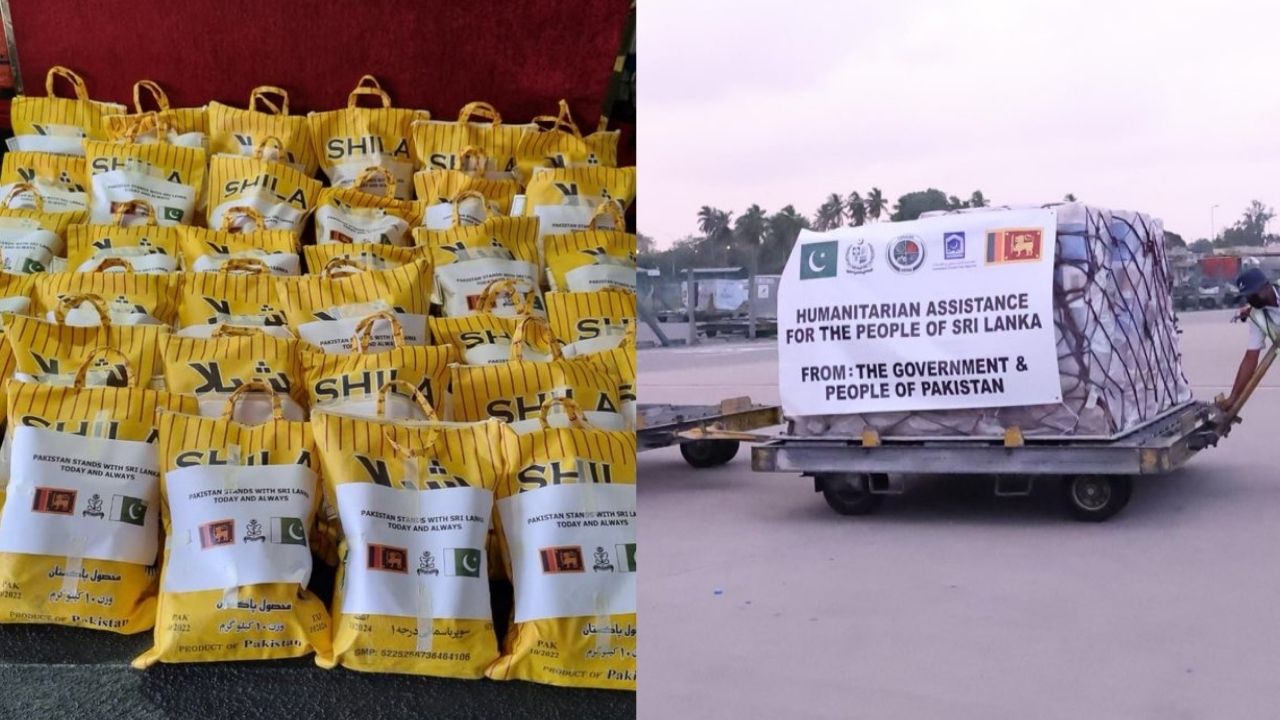
    Spokesperson for the High Commission Adeel Sattar said, “The yellow bags being discussed did not contain rice.” 

    He added, “The aid included essential items such as clean drinking water, biscuits, and milk. These items were purchased in Colombo and packed in bags brought from Pakistan.” 

    Sattar confirmed that the Pakistan Navy team, already in Sri Lanka for scheduled joint exercises, helped distribute the relief materials, while naval ships and helicopters also took part in the relief operations.

    In recent days, Indian media and social media users claimed that Pakistan sent expired food to Sri Lanka. 

    These posts suggested that the food bags showed an expiry date of 2024 and accused Pakistan of sending substandard aid. Some posts also referenced Pakistan’s previous aid during the 2022 earthquake in Afghanistan, questioning the quality of relief provided.

    Sri Lanka is currently facing one of the worst natural disasters in recent history. The country was hit by Cyclone Dethuwa last week, causing heavy rains and widespread flooding. 

    So far, at least 460 people have died, hundreds are missing, and more than 30,000 homes have been destroyed. The floods have affected over one million people, and the Sri Lankan government has declared a state of emergency.

    Pakistan has sent over 200 tons of relief materials to Sri Lanka via sea and dispatched special rescue teams. Pakistani Navy personnel are actively assisting in remote areas, delivering aid by air drops and direct distribution.

  • Punjab announces winter vacations for schools

    Punjab announces winter vacations for schools

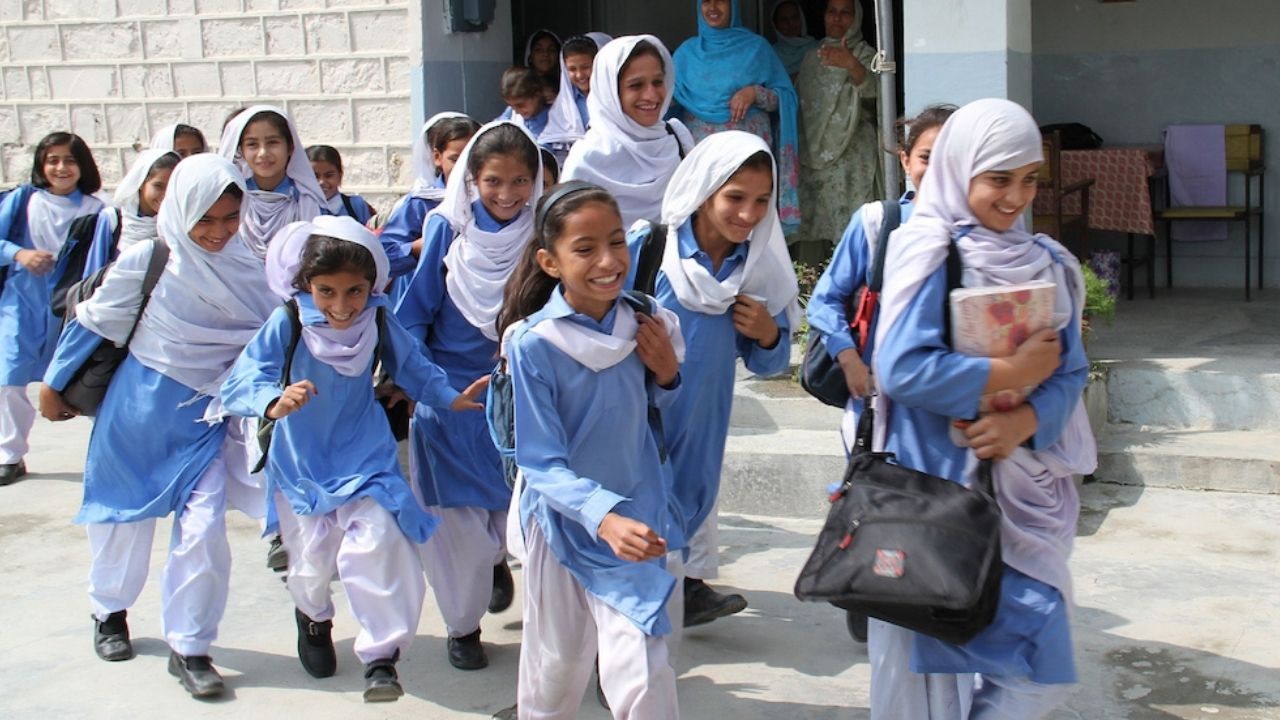
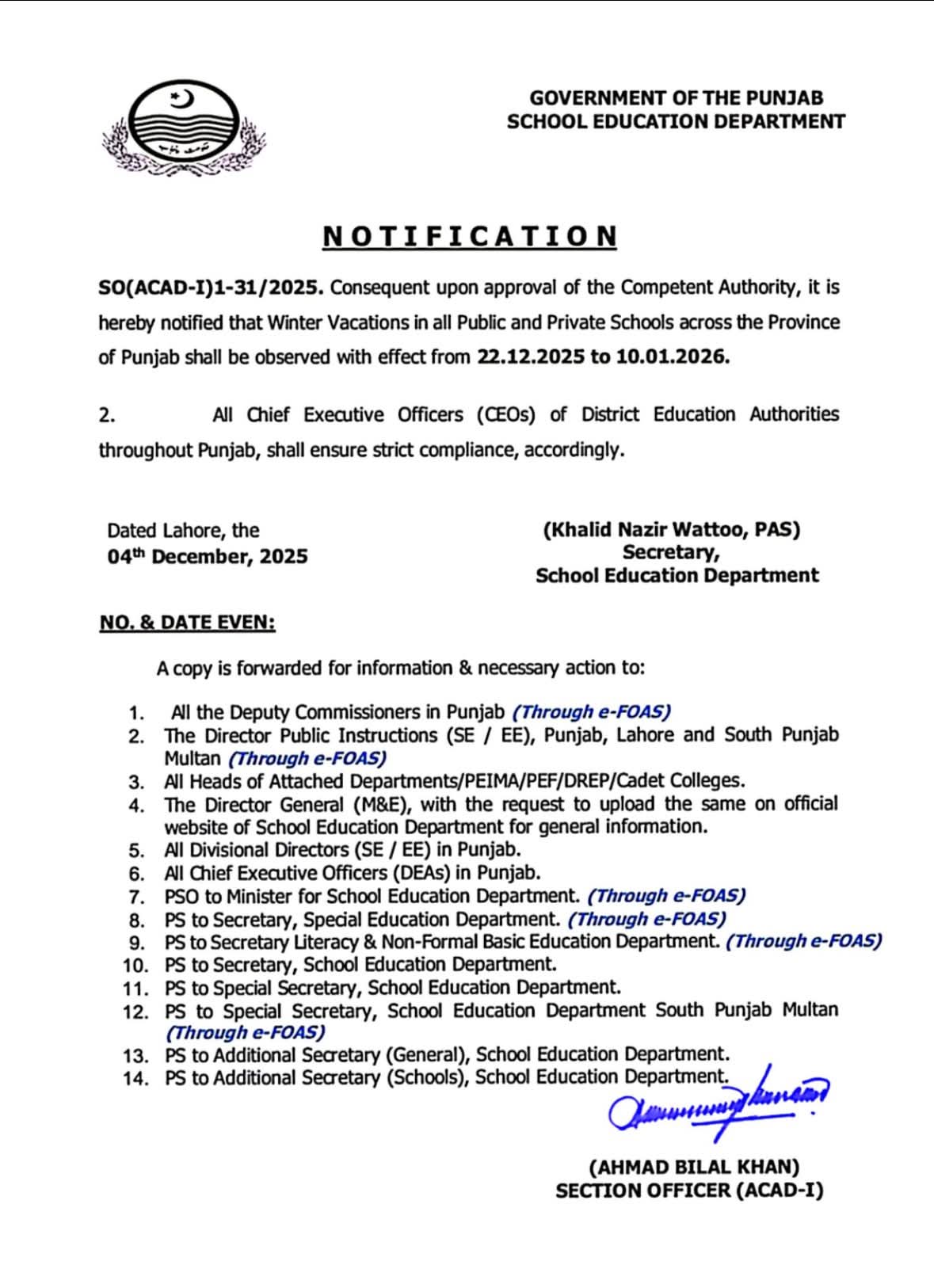
    Punjab Education Minister Rana Sikandar Hayat has officially announced winter vacations for all public and private schools across the province. 

    He shared the update through his social media accounts.

    According to the announcement, winter holidays will begin on December 22 and continue until January 10.

    Along with the holiday schedule, the minister also confirmed a major change in the examination calendar for matric and intermediate students. He said both exams will now take place after Ramadan and Eid instead of the earlier planned dates.

    Under the new schedule, matric examinations are expected to start around March 24. Intermediate exams will follow later. 

    The minister explained that the decision aims to give students enough time to prepare and reduce academic pressure during the holy month of Ramadan.

  • Man arrested in Delaware on weapons charge is Afghan, not Pakistani: Foreign Office

    Man arrested in Delaware on weapons charge is Afghan, not Pakistani: Foreign Office

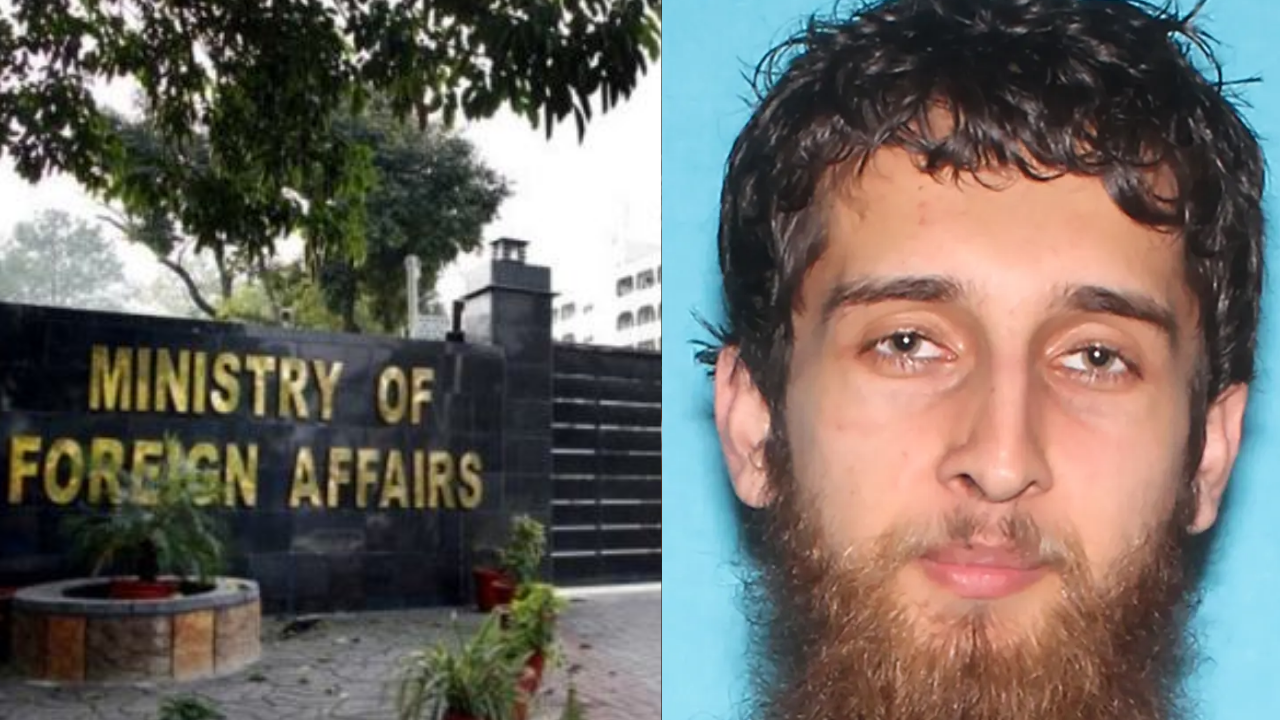
    The Foreign Office (FO) has clarified that the man detained in the United States (US) on weapons and attack-related charges last week is an Afghan national and not of Pakistani descent.

    FO spokesperson Tahir Andrabi released the statement after numerous international reports referred to the suspect as a Pakistani.

    “He is neither a Pakistani national nor of Pakistani origin. He is an Afghan who lived a few years as a refugee in Pakistan before moving to the US, where he has spent the majority of his life,” the spokesperson said.

    Earlier, reports from various foreign, particularly Indian, media outlets had said the suspect, Luqman Khan, was a US citizen born in Pakistan. 

    While a report released by The Associated Press on Thursday did not identify Khan as having Pakistani roots, it revealed that the suspect was a student at the University of Delaware.

    A press release from the US Department of Justice issued on December 1 detailed the charges against Khan but did not specify his nationality. 

    The release noted that Khan, a Wilmington resident in Delaware, was stopped during a traffic check on November 24, where he allegedly did not comply and was subsequently arrested.

    According to the Department of Justice, officers discovered a .357 caliber Glock handgun loaded with 27 rounds in his vehicle. They also found a handwritten notebook that contained discussions about “additional weapons and firearms, how they could be utilised in an attack and methods to evade law enforcement detection following an attack”. 

    The notebook listed a member of the University of Delaware Police Department’s name and included a layout of a building labeled with entry and exit points under the title “UD Police Station”.

    Subsequently, law enforcement officers searched Khan’s home. According to the Department of Justice, they seized a Glock 19 9mm handgun equipped with an illegal machine-gun conversion device, known as a “switch”. 

    Additionally, they recovered a .556 rifle with a scope and red-dot sight, eleven extended magazines, hollow-point ammunition and a tactical vest with ballistic plates.

    The press release stated that Khan was charged on November 26 with illegal possession of a machine gun. 

    It noted that this charge could result in a maximum prison sentence of 10 years and sentencing will be determined by a federal judge according to US Sentencing Guidelines and other factors.

  • Pakistani drug dealer evades deportation from UK for being a good student

    Pakistani drug dealer evades deportation from UK for being a good student

    A Pakistani national convicted of drug dealing in the United Kingdom (UK) has avoided deportation after an immigration tribunal ruled that his removal would harm his mental health and disrupt his treatment, noting that he had once been a “star pupil” at school.

    The immigration tribunal decided that Muhammad Izhan, who received a 30-month prison sentence for participating in a “sophisticated” class A and B drug operation could stay in the UK.

    Judges accepted claims that returning him to Pakistan would “have a negative impact on his mental health” and increase his chances of turning to drugs.

    According to the court, Izhan became involved in the drug network due to his “inability to properly regulate his ADHD”.

    He also faced peer pressure that contributed to his offending.

    Upper Tribunal Judge Luke Bulpitt dismissed the Home Office’s attempt to deport him, noting various mental health diagnoses and the fact that he had been a “star pupil” throughout his schooling.

    The tribunal heard that Izhan arrived in the UK in 2010 at the age of seven, joining his father in East Anglia with his mother and brothers, but his father’s extended family stayed in Pakistan.

    He is now 22 and pleaded guilty to participating in a drug-dealing scheme between 2022 and 2023. His record also contained previous warnings for theft and bringing a bladed weapon to school, which resulted in his suspension in 2015.

    Despite the disciplinary issues, First-Tier Tribunal Judge Samina Iqbal previously concluded that Izhan had been “fully immersed in his school life”, noting that he attended both primary and secondary school in the same city, played rugby for the school team and was considered a “star pupil”. 

    After his suspension, he was referred to a general practitioner for ADHD support.

    Consultant psychiatrist Dr Arvin Gupta testified that while Izhan likely had ADHD, he also suffered from a “mental and behavioral disorder due to the use of cannabis”.

    Judge Bulpitt also stated that Izhan would struggle to reintegrate with relatives in Pakistan who were unaware of his “ADHD or criminality”.

    The Home Office issued a deportation order after his conviction in March 2024, but Judge Iqbal upheld her appeal. The Home Office then sought to overturn her decision, however, Judge Bulpitt supported it, stating that deportation would “have a negative impact on his mental health”.

    “There is a high likelihood of significant deterioration in his mental health and engagement in drug-related behaviour that will further have a negative impact on his mental health,” he said.

    The tribunal noted that Izhan had represented his school in rugby, received sporting prizes and had been recommended for recognition by his form tutor. 

    Despite being disruptive, punished and eventually expelled, the judge determined that his ADHD, PTSD, and vulnerability meant he would face “very significant obstacles to integration” if deported to Pakistan.

  • Another child falls into open manhole in Karachi as public outrage increases

    Another child falls into open manhole in Karachi as public outrage increases

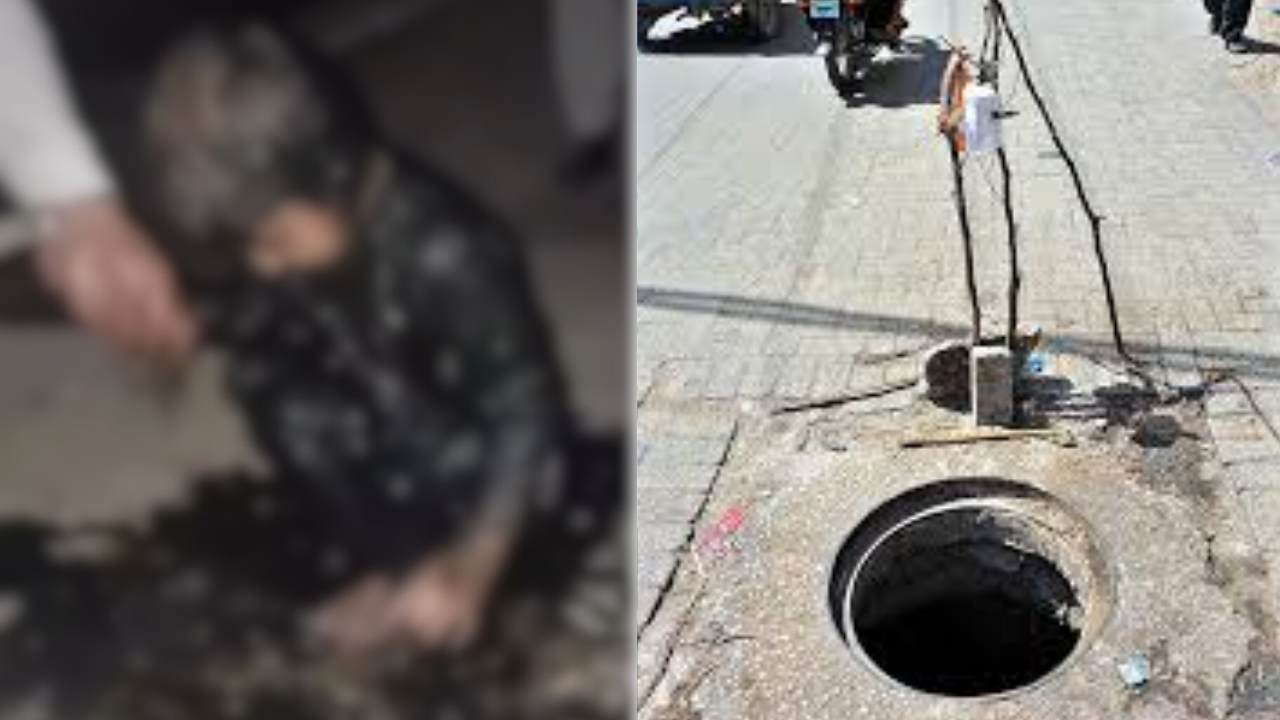
    A video of a young girl falling into an open manhole in Karachi is circulating online. The footage shows her falling in a manhole, local residents pulling her out and rinsing her off with water, before taking her away. 

    According to the police, the video appears to be from Gulshan-e-Iqbal Town. Officials are currently examining the footage to determine the date and details surrounding the event.

    They also mentioned that an investigation is ongoing to identify who filmed it and when it took place.

    Three days prior, a three-year-old boy, Ibrahim, fell into an open manhole near Nipa Chowrangi, which is in Gulshan-e-Iqbal. His body was discovered 15 hours later in a nearby drain following a search by rescue teams and volunteers. Ibrahim ran ahead of his family, while visiting a store and slipped into the uncovered manhole.

    Ibrahim’s incident prompted protests close to Nipa Chowrangi, with residents blocking roads leading to Hasan Square and the University of Karachi, demanding action from authorities. 

    Protesters stated that their numerous warnings regarding open manholes had not received any attention or action. A media vehicle was targeted during the demonstration, and political figures who arrived were asked to leave the area by the residents.

    Public reaction to the latest case of the young girl spread quickly on social media. Users questioned both the condition of Karachi’s drainage system and the responsibility of adults. One user wrote, “Okay EVERYBODY knows Karachi is possibly in the worst and dangerous conditions… Why are parents/families this neglectful of their children? Baby Ibrahim incident just happened few days ago… parents, please do your due diligence please.”

    Another user said, “That means we do not have to wait for the government or rescue departments because it’s only we who would have to help each other instead of waiting for them.”

    A separate reaction stated, “Beyond heartbreaking! How many more tragedies will it take for authorities to wake up and take action? They’re not ‘accidents’ but the result of negligence from our government!”

    Another commentator asked, “Is this a new trend now? Is the govt. sleeping? I wish their own child suffer the same thing so then they will get to know how it feels.”

    Residents said repeated incidents show that open manholes continue to pose a risk across the city and that the latest case has again, highlighted concerns raised after Ibrahim’s death.

  • All Karachi milk samples declared unfit for consumption

    All Karachi milk samples declared unfit for consumption

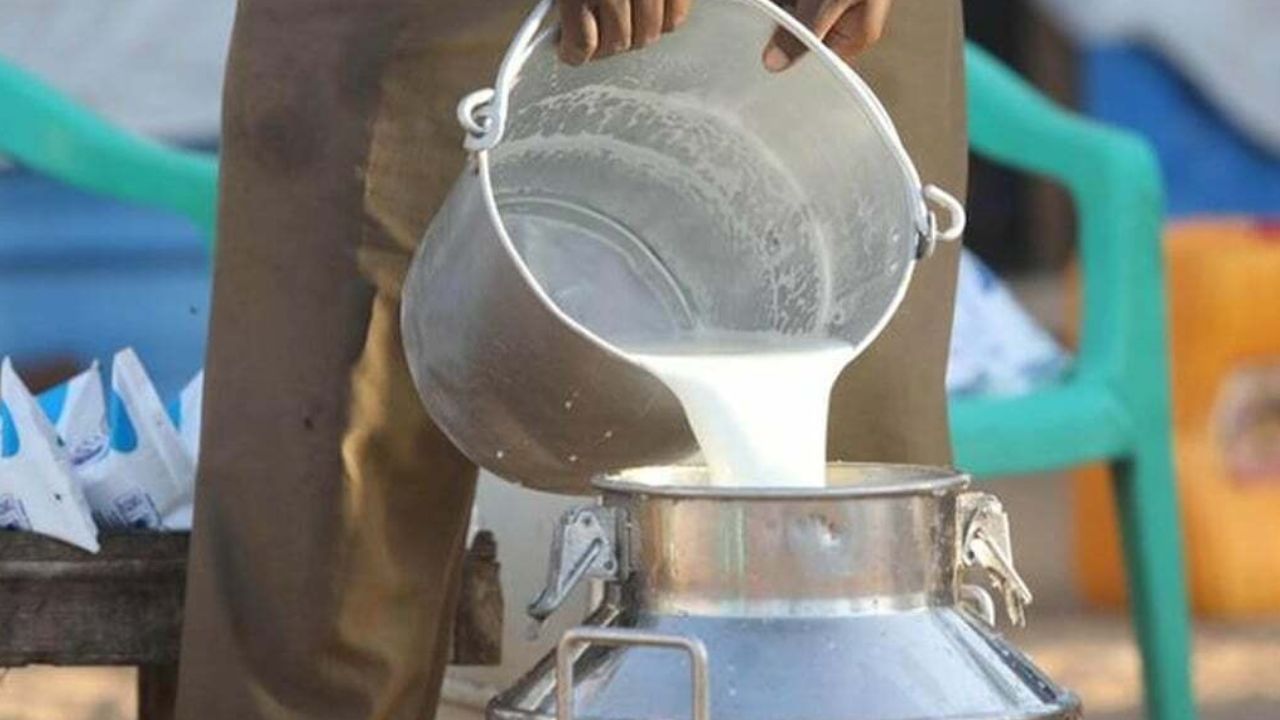
    All milk samples collected from Karachi were declared unfit for human consumption, the Sindh High Court (SHC) was told on Tuesday.

    According to a report submitted by the City commissioner, the Pakistan Standards and Quality Control Authority (PSQCA) tested samples and found formalin in 22 of them and phosphate in eight, proving widespread adulteration across the supply chain. 

    The hygiene and safety practices of farmers, wholesalers and retailers pose a direct risk to public health, the report said as the court was also informed that the milk retailers association had itself requested citywide quality checks.

    The commissioner said that there was no justification for any increase in milk prices, adding that winters usually brought a lower demand for milk-based products, which makes a hike even more unreasonable. 

    It merits a mention that a government notification issued on November 27 fixed the retail price of milk at Rs220 per litre and directed all associations to follow the rate, ensure proper measurement and comply with new hygiene and safety SOPs.

    Earlier this year, the SHC had instructed the commissioner to consult all stakeholders and set the price of milk according to the law.