Category: National

  • Basant comes back to Lahore after 25 years

    Basant comes back to Lahore after 25 years

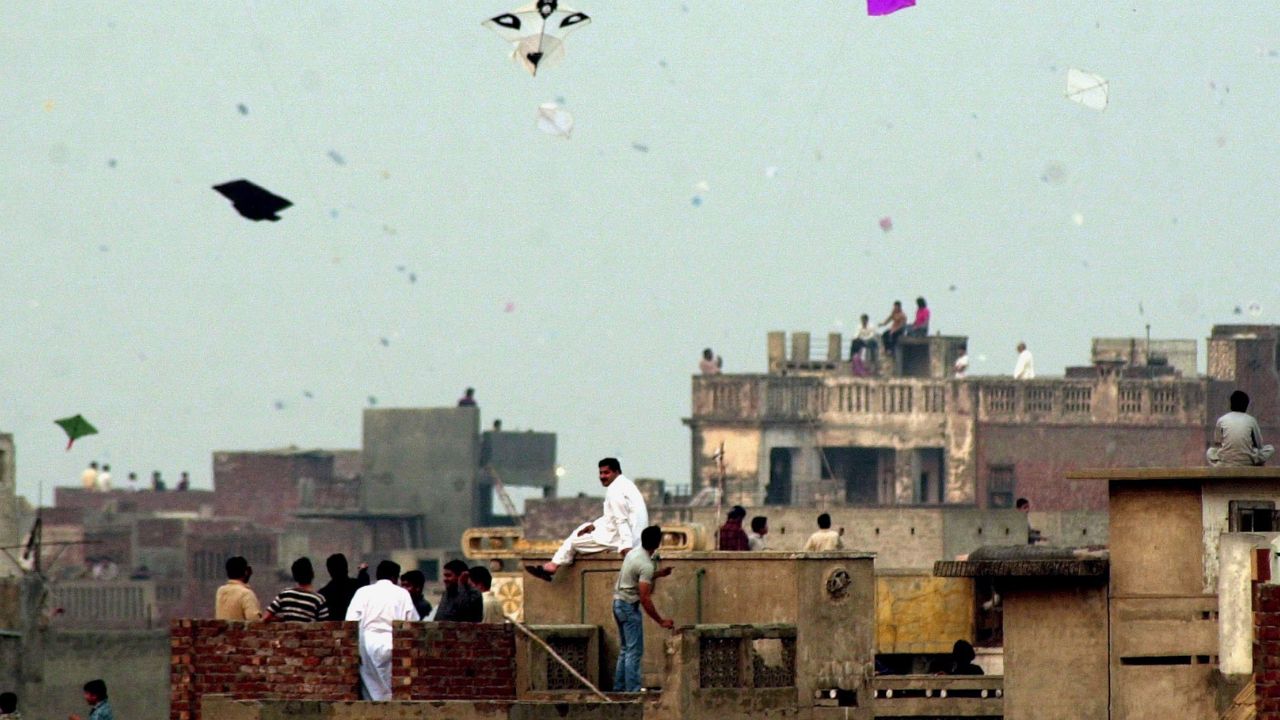
    The Punjab government has issued an ordinance granting conditional permission for kite-flying during the much loved spring festival of Basant, effectively banned since two decades. 

    The ordinance, signed by Governor Salim Haider, sets rules for celebrating Basant, with penalties for violations including fines and imprisonment.

    Kite-flying was banned in Punjab in 2001. After 25 years, it has been allowed again, but children under 18 are not permitted to participate. Parents or guardians will be held responsible for any violations by minors.

    The ordinance specifies that only string made of thread can be used for kite-flying. Use of metal or glass-coated string will result in strict penalties, including three to five years of imprisonment and fines up to Rs2 million rupees. 

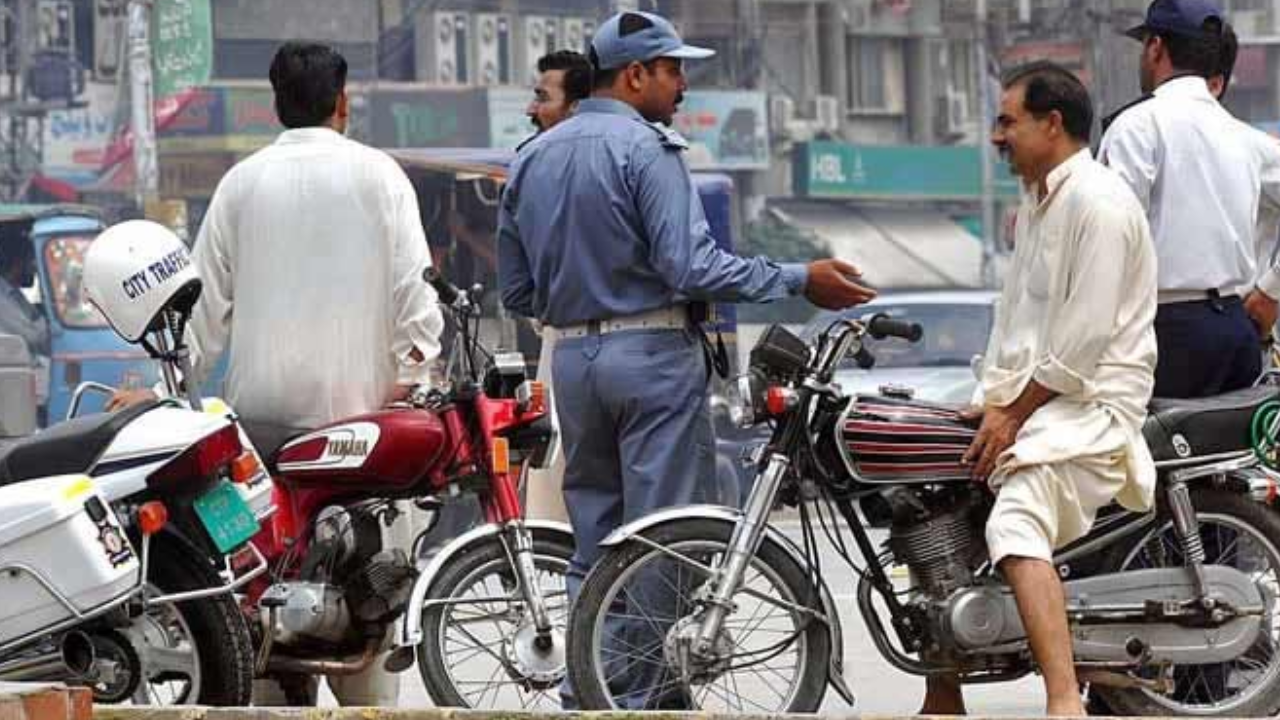
    Motorcycles in the area must follow designated safety measures.

    Authorities also have the right to search suspicious places or houses. Violations related to minors are non-bailable, with fines of 50,000 rupees for the first offense and 100,000 rupees for the second. Non-payment of fines will lead to action against parents or guardians. 

    Kite-flying associations must register with the deputy commissioner of the district.

    The ordinance further requires kites to be purchased only from registered sellers. Each registered seller and kite will have a QR code to identify them. 

    Manufacturers of kite strings must also be registered with QR codes.

  • FACT CHECK: No, Aleema Khan did not blame Pakistan or military leadership for May clashes with India

    FACT CHECK: No, Aleema Khan did not blame Pakistan or military leadership for May clashes with India

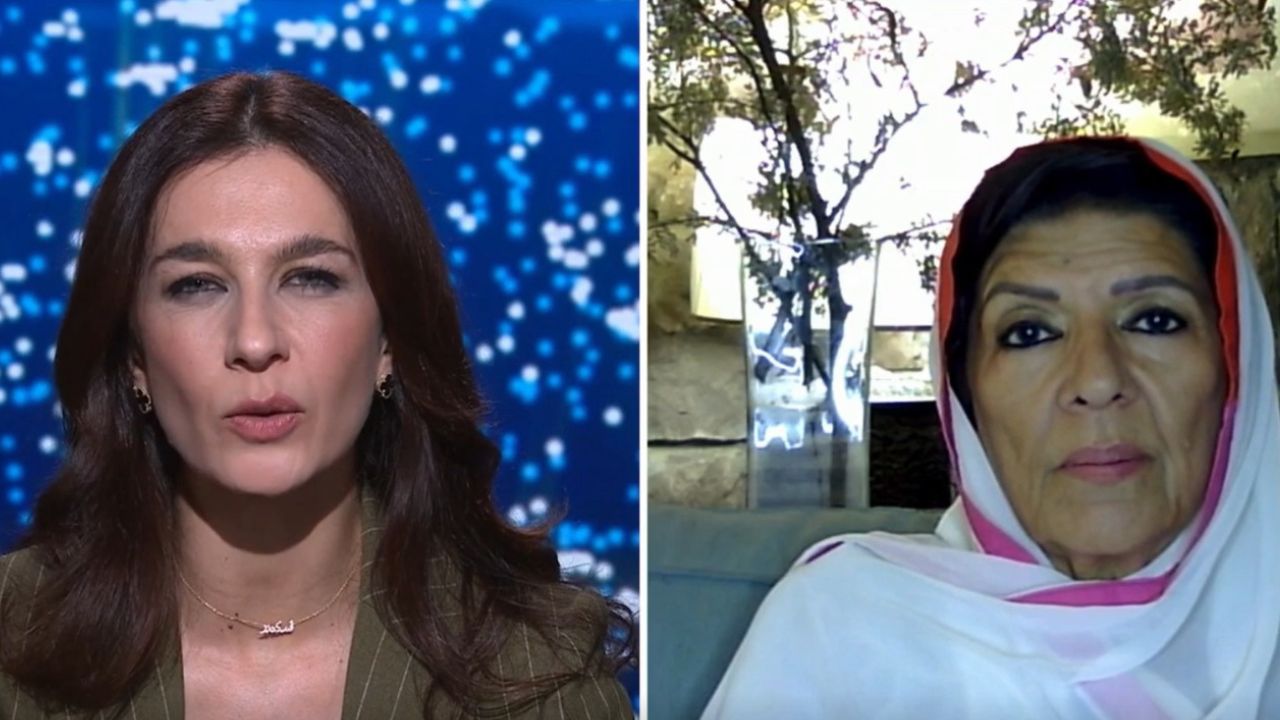
    A video circulating online falsely shows journalist Yalda Hakim of Sky News questioning Aleema Khan, sister of former Prime Minister Imran Khan, about “war” between Pakistan and India, referencing to the military clashes that took place between the two nuclear-armed countries in May. 


    The clip includes a series of political statements that Aleema seemingly says, including blaming senior Pakistani military leadership for the war, however, none of them appear in the original interview. The footage has been digitally altered while the source of the manipulated version remains unclear.


    Yalda Hakim herself tweeted about the deepfake, saying: “This is terrifying, a deepfake of my interview with Imran Khan’s sister, Aleema Khan, is circulating. It falsely claims we discussed the Pakistan-India war earlier this year. We did NOT. This clip is completely fake.”


    The conversation, which runs from 13:21 to 17:37 in Hakim’s Sky News program The World with Yalda Hakim does not address any conflict, foreign policy issue, or cross-border tensions.

    Instead, Hakim focuses on reports about Imran Khan’s wellbeing injail, speculation surrounding his health, and claims that his family had limited access to him. She also questions why he had been prevented from seeing his lawyer despite court orders.

    In the real clip, Aleema Khan says her sister Uzma Khan visited Imran and reported that he appeared physically stable, noting his daily exercise and reading routine. She adds that he has not been allowed to read for several weeks and that he voiced strong discontent over prolonged solitary confinement, which he regards as unlawful under both local and international standards. She also highlights the wider uncertainty caused by limited information about his condition.

    The manipulated clip circulating online does not reflect this exchange. None of the statements about a “war,” geopolitical motives, or political characterisations were part of the actual interview. They were inserted into the altered version and do not correspond to anything said in the verified footage.

    The authentic interview remains limited to concerns regarding Imran Khan’s health, isolation, and access to legal counsel, with no discussion of an armed conflict at any point.

  • Lahore High Court orders 13-year-old child to remain with adoptive parents instead of biological parents

    Lahore High Court orders 13-year-old child to remain with adoptive parents instead of biological parents

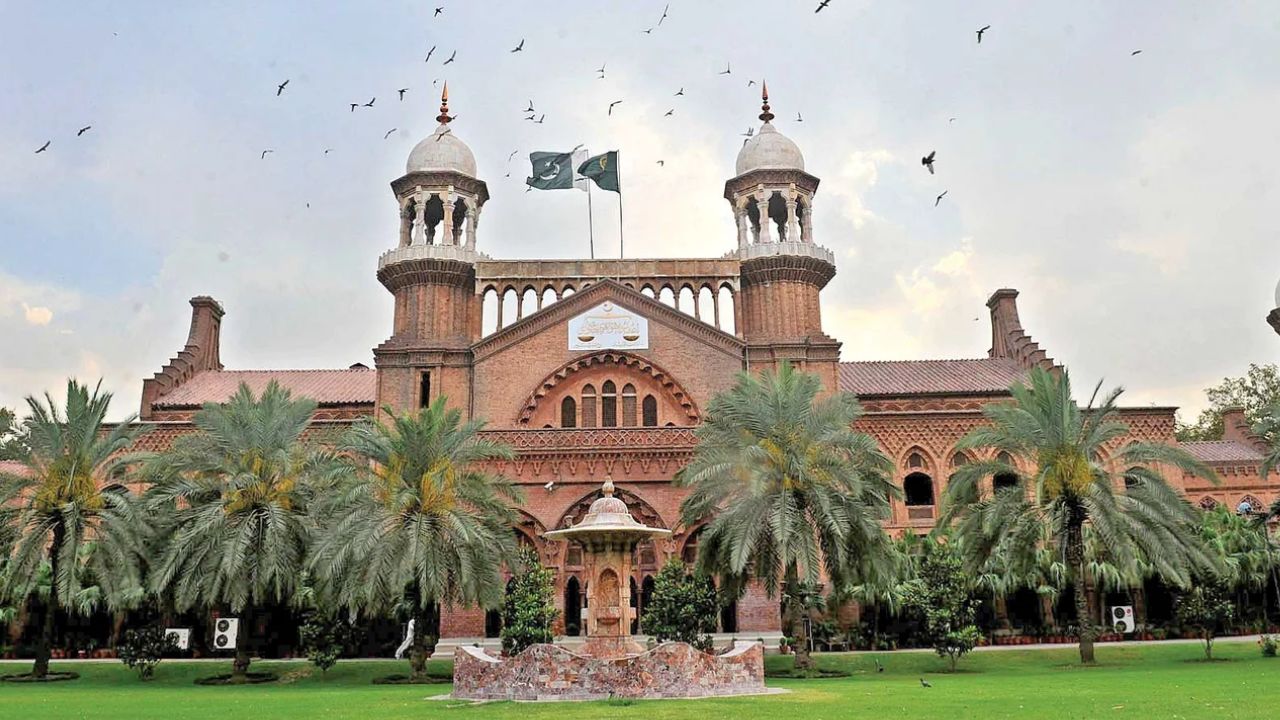
    The Lahore High Court (LHC) ordered that a 13-year-old remain with his adoptive parents instead of being handed over to his biological parents.

    Justice Faisal Zaman Khan issued an eight-page judgment on Arshad Ali’s petition, overturning the trial court’s decision that had directed the child be handed over to adoptive parents. 

    The court emphasized that in custody cases, the child’s wishes and mental well-being take priority. 

    According to the judgment, the child initially expressed a desire to stay with his adoptive parents. When placed with the biological parents for a week, the child again requested to return to the adoptive family.

    The court noted that while biological parents generally have a preferential right in custody cases, the child was voluntarily given to a relative at birth and has been raised by them since nine years. The child is now 13-years-old.

    The judgment also mentioned that the biological father has three marriages and 13 children. 

    The court found it unsuitable to place the child in such a large family and noted that the parents failed to prove the child was not properly cared for.

    The court stated that the child had lived with the couple for nine years without complaint. Sending the child out of the blue to an unfamiliar environment would not serve the child’s best interest. 

    The judgment highlighted the child’s emotional struggle upon learning that his six sisters and one brother were not biological siblings and concluded that the custody dispute stemmed from family conflict rather than the child’s welfare.

    The court also clarified that biological parents can seek supervised visitation through the Guardian Court.

  • Suthra Punjab goes global: Forbes showcases Pakistan’s digitised waste system

    Suthra Punjab goes global: Forbes showcases Pakistan’s digitised waste system

    Business journalism outlet Forbes has spotlighted Punjab’s Suthra Punjab waste system, an eight-month effort that created a single, digitised waste service for nearly 130 million people. The system now handles around 50,000 tons of rubbish every day and is designed to turn waste into power, jobs and emissions cuts.

    Punjab’s leadership chose a unique approach to tackle the long-standing waste crisis in the province. Rather than initiating small-scale pilot projects, the government implemented a comprehensive model across the entire province. 

    For years, only certain areas within cities received sporadic waste collection, while rural regions home to around 70 million individuals spread across approximately 25,000 villages had no official waste disposal service at all. 

    As garbage accumulated in fields, obstructed drainage systems, and stacked up along riverbanks, the situation escalated into an environmental disaster.

    The shift began when the government questioned whether a model working in Lahore could be expanded elsewhere. “When the new government came in, the Chief Secretary asked me: ‘You’ve done well in Lahore – can we develop a cleanliness system for the entire province?’” recalled Babar Sahib Din, CEO of the Lahore Waste Management Company (LWMC), in a conversation with Forbes.

    That inquiry prompted the establishment of Suthra Punjab, an initiative aimed at providing reliable waste management services throughout every city and village. With support from political leaders, Sahib Din and his team were charged with creating a cohesive system and implementing it across an expanse of more than 200,000 square kilometres within a matter of months. 

    A centralized waste authority centered around LWMC was formed to manage operations spanning from large urban centers to isolated villages. “This is rare in our part of the world, where infrastructure gaps between urban and rural areas are huge. For the first time, rural areas were receiving service at the same level as cities,” he said.

    What now sets Suthra Punjab apart is its level of digitization. Trucks and bins carry tracking devices that feed live data into a central control room, daily routes are optimised through software, landfill disposal is logged automatically and dashboards monitor contractor performance. “We have developed the world’s largest, fully digitized waste management system under a unified governance structure. It serves 130 million people and converts 50,000 tons of daily waste into electricity and other usable products,” said Sahib Din.


    Payments made to private contractors are directly linked to real-time data, which means that any missed routes or inefficient operations are automatically flagged and penalized, thereby decreasing the occurrences of manipulation and “ghost” payments that were common in the previous system. 

    The financing for Suthra Punjab is structured on a three-pronged model that consists of public funding, modest user charges, and income from energy sales and carbon credits. 

    The provincial government allocates seed grants for public services like street cleaning, while user fees have been introduced to encourage co-ownership. A third source of revenue comes from climate and energy financing, as the system produces electricity and reduces methane emissions. 

    All financial transactions are processed through an escrow account managed by the waste authority, which has also facilitated the acquisition of financing from commercial banks. According to the project leaders, the initiative is anticipated to achieve revenue positivity in the upcoming years.

    With daily collection now functioning at scale, the focus is shifting to deriving value from waste. A dedicated team is leading the work on recycling, composting, landfill-gas capture and biological treatment of organic waste. Punjab is also pushing industrial-scale waste-to-energy projects, including a 25 MW power plant in Lahore that would pump electricity into the national grid and generate enough power for roughly 50,000 homes.

     These facilities generate an estimated 275,000 carbon credits annually by reducing landfill volumes and reducing methane emissions by about 75 percent through gas capture. When combined, these initiatives are expected to prevent around 2 million tons of CO2-equivalent emissions per year.


    Eight months into operations, millions of people have regular waste collection for the first time. Streets are visibly cleaner, informal dumps have shrunk and communities that never saw municipal pickup now have steady service. The initiative has also created over 100,000 green jobs, opening opportunities for women and young people, while the clearing of waterways and dump sites has begun to restore local ecosystems.

    The project was showcased at COP30 in Brazil as a leading example of integrated waste and climate action. “Suthra Punjab stands as one of the world’s largest and most organised waste management systems,” said Sahib Din.

     Reflecting on the pace of the rollout, he added, “If political will is strong and implementers are motivated, any project, at any scale, can be completed in record time.” He noted that the system was designed to evolve: “The system is intentionally flexible after six months of learning, we redesigned 30 percent of it. Flexibility is critical.”

    Faraz Khan, Co-founder and Partner of SpectrEco, a strategic partner to Suthra Punjab, attributed much of the success to strong political leadership, the creation of new value through carbon credits and an entrepreneurial management approach.


    Governments from Jakarta to Nairobi are now looking at Punjab’s emerging “waste-to-value” model as they confront their own waste and climate challenges.
  • IHC judge’s teenage son arrested for running over two girls in Islamabad

    IHC judge’s teenage son arrested for running over two girls in Islamabad

    The teenage son of Justice Mohammed Asif of the Islamabad High Court (IHC) was remanded into police custody on Tuesday following a fatal road accident that claimed the lives of two young women.

    Judicial Magistrate Shaista Khan Kundi approved the police’s request for remand, allowing investigators to question the suspect in connection with the incident.  

    According to the First Information Report (FIR) lodged at the Secretariat Police Station, the accident occurred late Monday night near the Pakistan National Council of Arts (PNCA) when the boy, driving an SUV, struck two women riding a scooter.  

    Police said the victims, both employees of the PNCA, died instantly from the impact. The SUV fled the scene immediately after the collision, prompting a search that led to the suspect’s detention.

    Further probe is underway.

  • CM orders issuing smart cards, licenses to underage motorcyclists

    CM orders issuing smart cards, licenses to underage motorcyclists

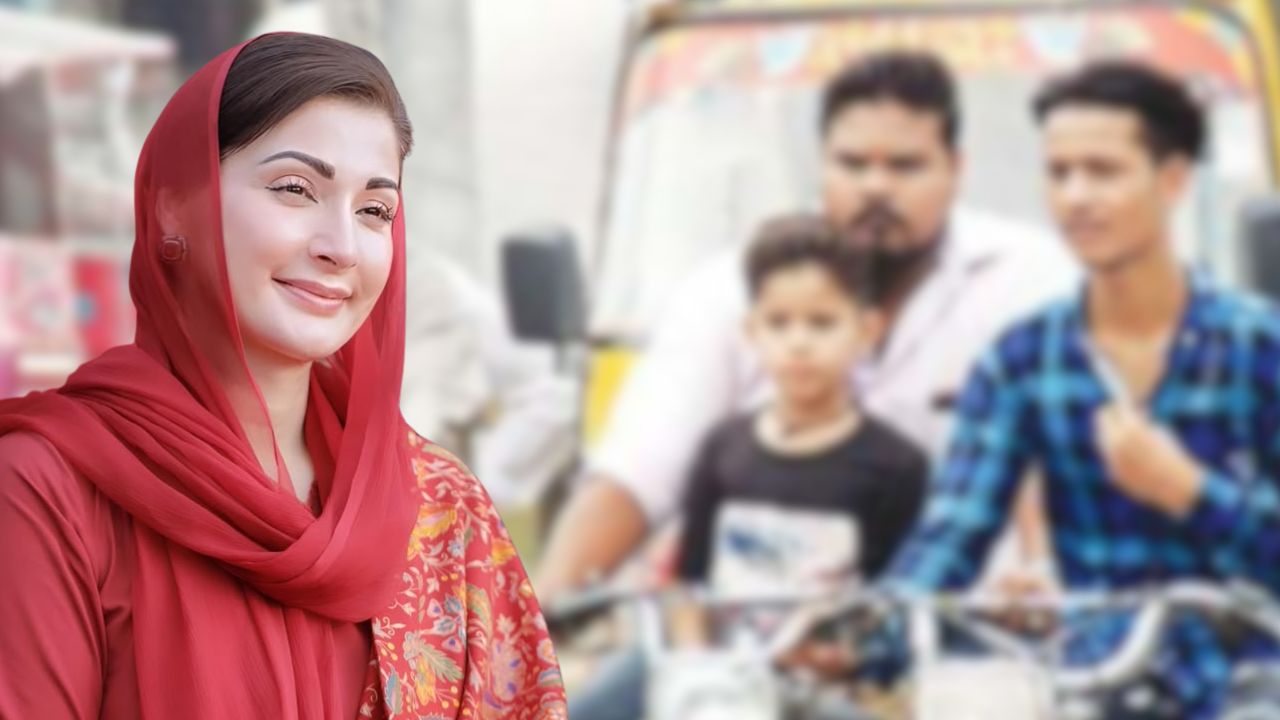
    Amid widespread crackdown against violators of traffic rules across Punjab, Chief Minister (CM) Maryam Nawaz has expressed her displeasure over arrest of underage student drivers, ordering the issuance of smart cards and motorcycle licenses to them.

    According to a report shared by Pakistan Muslim League-Nawaz (PML-N) lawmaker Hina Parvez Butt on X, the Punjab government has decided to issue smart cards and motorcycle licenses to 16-year-olds.

    “Chief Minister Maryam Nawaz has prohibited the practice of putting handcuffs on students for violating traffic rules,” she wrote, adding that the provincial chief executive has expressed strong displeasure over putting handcuffs on children.

    “It is not the children’s fault. They are just not used to wearing helmets,” reports quoted CM Maryam as saying.

    The report came as provincial authorities launched a sweeping 48-hour traffic crackdown that resulted in more than 76,000 challans across the province.

    The operation was carried out under a zero-tolerance policy and targeted violations that officials said continue to endanger commuters and disrupt traffic flow. 

    During the two-day drive, the police impounded over 13,000 vehicles and collected fines totaling more than Rs71.2 million. 

    Officers also registered 1,402 FIRs and sent 1,390 people to jail for serious offences, including reckless driving and other crimes detected during inspections. The crackdown focused on routine violations found on busy roads. 

    Police took action against 11,700 drivers for driving without licenses and booked more than 4,000 motorists for one-way violations. Motorcyclists were a significant focus as well, with over 12,000 riders fined for not wearing helmets.

    Public transport operators faced strict checks too. Police impounded 1,397 vehicles for carrying passengers beyond legal limits, while more than 3,000 underage drivers were booked during the campaign.

    As part of efforts to reduce smog, police issued challans and impounded over 7,200 vehicles for emitting excessive smoke. Another 1,500 unsafe vehicles were flagged, and 421 of them were taken off the roads for posing safety risks.

    Police also penalised 3,875 individuals for using non-standard number plates and 1,262 people for illegal parking.

  • North Waziristan AC among four martyred in Bannu attack

    North Waziristan AC among four martyred in Bannu attack

    At least four people, including North Waziristan Assistant Commissioner (AC) Shah Waliullah, were martyred when armed assailants on Tuesday opened fire on a police vehicle near Miranshah Road in Bannu.

    According to the police, unidentified gunmen attacked the vehicle and seized weapons from injured officers. Initial reports said that three people, including two policemen, were killed while two others sustained injuries.

    The Bannu AC confirmed the incident, saying that the vehicle of his North Waziristan counterpart was targeted.

    Two policemen and a driver were also injured in the firing.

    It may be noted that Pakistan has registered a significant spike in terror incidents across the country in 2025.

    During the last quarter, a 46 percent increase in violence was reported due to a spike in militant attacks and intensified counter-terrorism operations.

    According to a report by Islamabad-based think tank Centre for Research and Security Studies (CRSS), 901 fatalities and 599 injuries resulting from 329 incidents of violence, including terrorist attacks and counter-terrorism operations were reported between July and September.

    There were 2,414 deaths in the first three quarters of 2025, nearing the 2,546 fatalities reported in 2024, according to the think tank.

    The report added that when comparing casualty numbers from January to September 2024 (1,527 fatalities) to this year, 2,414 fatalities were recorded within the same period — an increase of 58pc.

    While a number of terror attacks and counter-terror ops have also been reported since after the report was published, it is pertinent to note that attacks have increased since the withdrawal of US-led troops from neighbouring Afghanistan in 2021, with the federal government accusing the Taliban authorities of sheltering terrorists — a charge they deny.

  • Parliament approves minorities rights bill amid heated debate

    Parliament approves minorities rights bill amid heated debate

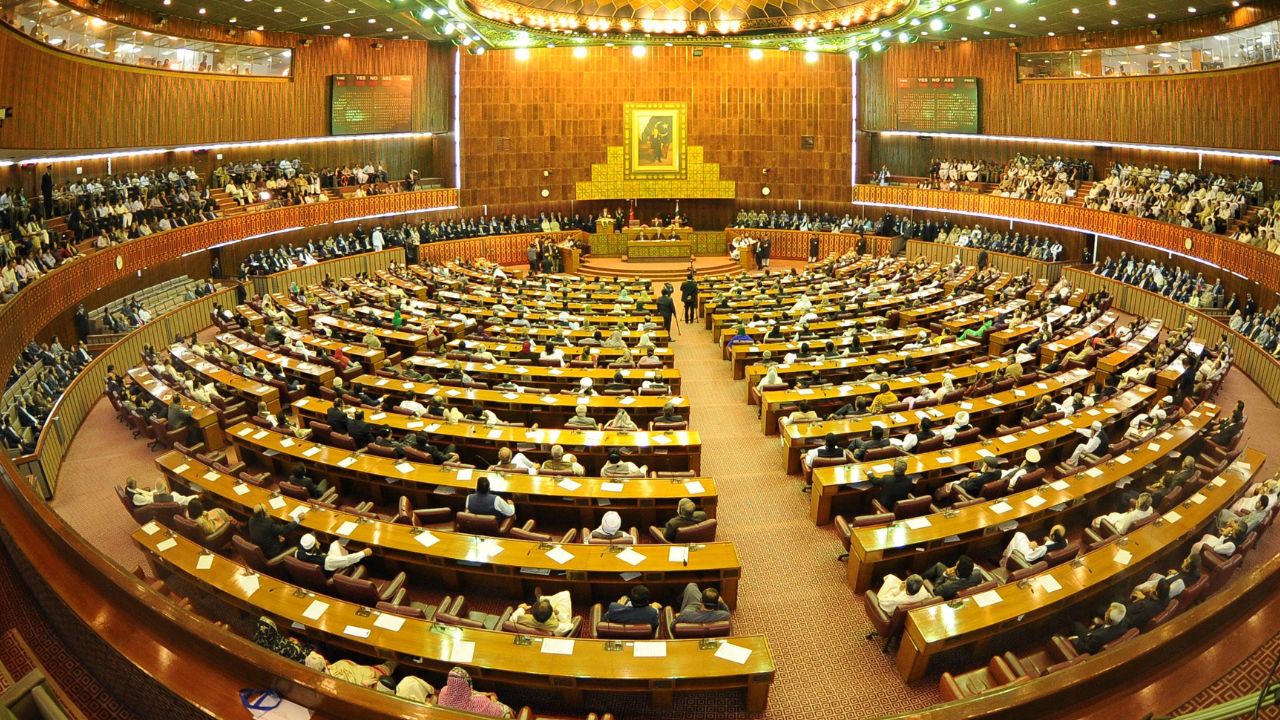
    The parliament, in a joint session chaired by National Assembly Speaker Sardar Ayaz Sadiq, on Tuesday passed the National Commission for Minority Rights Bill 2025 with a majority vote.

    As per the details, the bill, aimed at establishing a commission to safeguard the rights of minorities, received 160 votes in favor and 79 against.

    Law Minister Azam Nazeer Tarar, while presenting the bill, recalled that in 2014 the Supreme Court (SC) had directed the formation of such a commission. He thanked Jamiat Ulema-e-Islam-Fazl (JUI-F) chief Maulana Fazlur Rehman for his party’s proposed amendments, noting that the law clearly defines Ahmadis as non-Muslims.

    During the debate, Maulana Fazlur Rehman cautioned against making the Constitution controversial, arguing that the 27th Amendment could prove as divisive as earlier amendments before the landmark 18th Amendment.

    He cited historical examples, including that of the late former prime minister (PM) Zulfikar Ali Bhutto’s negotiations in 1973, which led to consensus despite political differences. He criticised the government for not taking opposition parties into confidence on the latest amendment and warned against provisions that, in his view, created class divisions.

    The JUI-F leader also expressed concern that none of the recommendations of the Council of Islamic Ideology (CII) had been incorporated into the bill. He objected to clauses redefining underage marriages as sexual assault and provisions related to transgender rights, which the Council had rejected.

    “We must ask ourselves whether we are upholding the oath to Pakistan’s Constitution or following the dictates of the United Nations,” he remarked, stressing that his opposition was principled rather than emotional.

    Deputy Prime Minister and Foreign Minister Ishaq Dar, addressing the session, emphasised that the bill had already been passed by both houses of parliament before being sent to the president, who raised objections.

    He acknowledged amendments proposed by Maulana Fazlur Rehman and Senator Kamran Murtaza, which the government accepted.

    “Governments come and go; they are not anyone’s inheritance. Our lives and wealth are devoted to the Holy Prophet. Political disputes should not overshadow matters of national importance,” Dar said, adding that while political prisoners could be debated, sacred issues must remain above politics.

  • Mohsin Naqvi says passengers with complete documents will not be offloaded

    Mohsin Naqvi says passengers with complete documents will not be offloaded

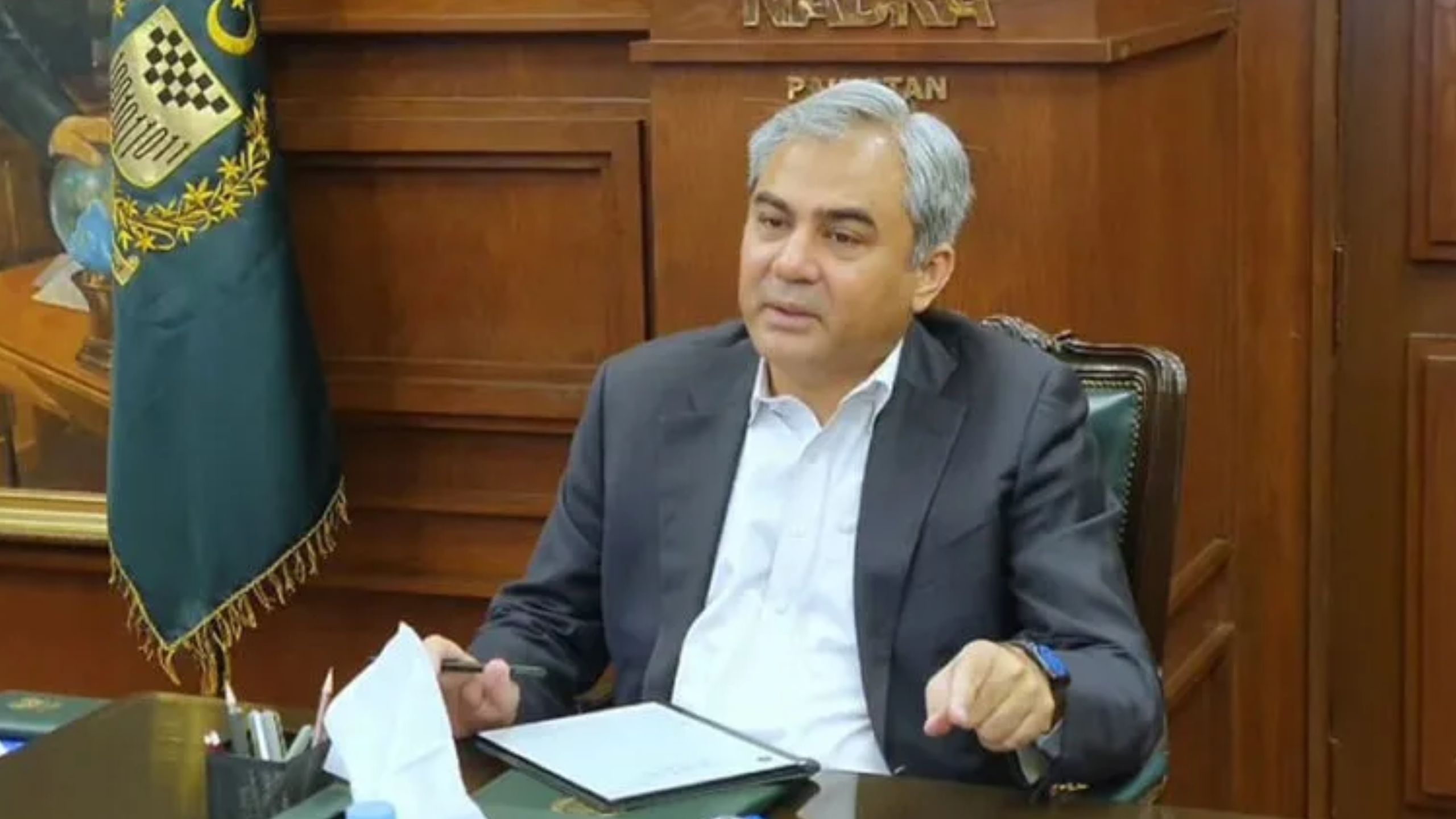
    Interior Minister Mohsin Naqvi has assured that passengers with complete and valid travel documents will not be prevented from traveling abroad.

    According to reports, during a visit to Lahore Airport on Tuesday, he said that no passenger with complete documents was being stopped from traveling, and none will be stopped.

    “Passengers with incomplete or fake documents will, of course, not be allowed to travel.”

    The minister’s remarks follow recent reports of passengers being offloaded at airports despite having valid documents. Federal Investigation Agency (FIA) earlier clarified that only those without complete and legit documents were being denied travel.

    Naqvi reiterated the same point on Tuesday and said, “Only passengers without genuine and complete documents will not be allowed to go abroad.”

    “No passenger who could bring disrepute to the country can be allowed to travel,” he said.

    Earlier, the minister also reviewed immigration procedures and examined the system linking passengers’ travel records to their national ID and passport at immigration counters.

    He praised the performance of FIA Director Ali Zia and his team on the fast-track system. 

    Naqvi also visited immigration counters for returning Pakistani travelers and asked about the time taken for processing. They reportedly expressed satisfaction in response.

    It may be noted that reports of passengers being offloaded surfaced after stricter measures were introduced following last year’s Greek ferry tragedy, which led to the deaths of several Pakistanis in illegal migration attempts.

    The incident came amid reports of Pakistanis’ alleged involvement in crimes abroad, particularly in Middle Eastern countries.

  • Helmets, traffic violations drive massive challans in Punjab

    Helmets, traffic violations drive massive challans in Punjab

    Punjab traffic police intensified their efforts to tackle driving violations throughout the region, issuing almost 64,000 tickets in a single day and collecting more than Rs80 million in fines. 

    As reported by a representative of the Punjab Traffic Police, 63,970 vehicles and motorcycles were ticketed over the past 24 hours. Total fines levied during this time reached Rs842.9 million. The representative also noted that 23,904 vehicles are currently impounded at various police facilities across Punjab.

    A notable number of the fines were for helmet violations, with 28,000 citations issued in just one day. Furthermore, 4,312 charges were filed for various other traffic infractions. 

    The representative mentioned that enforcement activities are currently underway in all districts of Punjab.

    To assist with the operation, drones are being utilized in Gujranwala, Faisalabad, Rawalpindi, and Multan for monitoring traffic violations. Traffic Quick Force teams have been established to aid local police in ensuring compliance with traffic regulations.

    The crackdown has resulted in a significant influx of cases being brought before district courts, especially in Lahore. 

    Numerous individuals, including those riding underage, were presented to the duty magistrate over the last two days. Lahore police indicated that over 750 people were summoned to court for offenses recorded during the operation, with 415 of them being granted bail.

    This initiative is part of the Punjab police’s continuous efforts to enforce traffic laws, including proper helmet usage and other safety protocols. Officials have stressed that the enforcement campaign will persist to ensure compliance with traffic regulations.