Category: National

  • Sindh High Court tells Arif Alvi, his family to join NCCIA inquiry in Pakistan

    Sindh High Court tells Arif Alvi, his family to join NCCIA inquiry in Pakistan

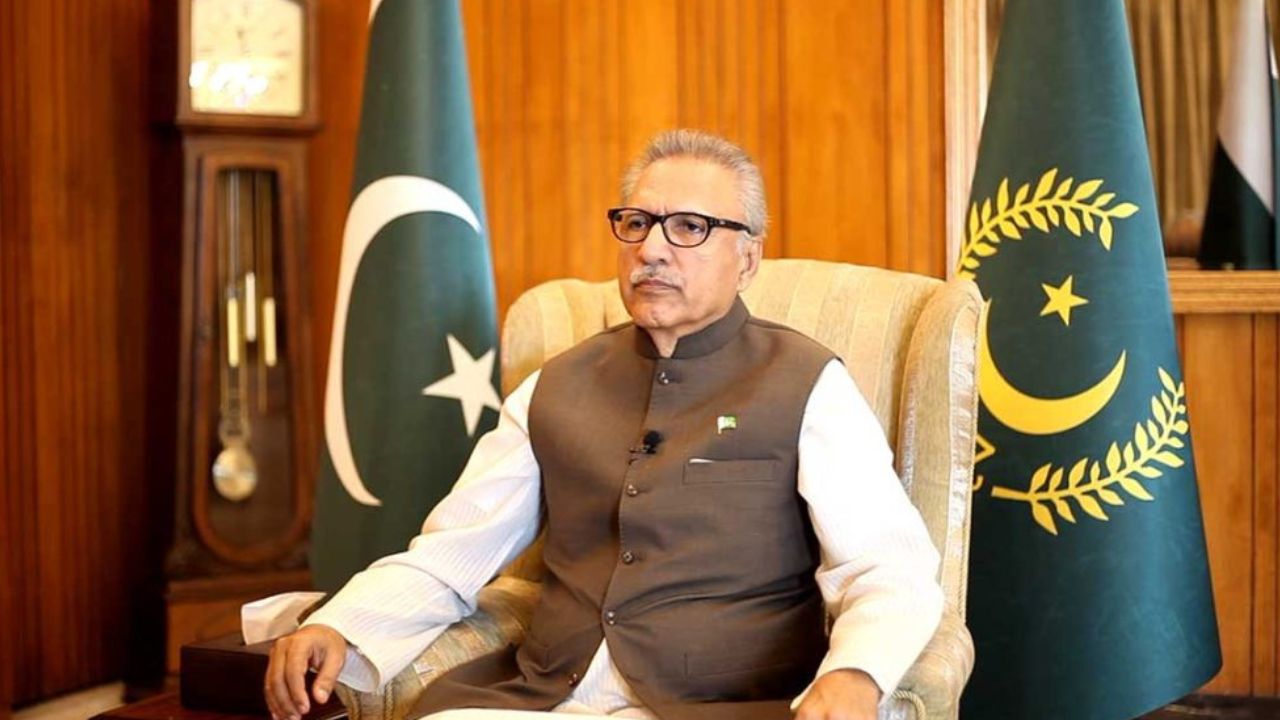
    The Constitutional Bench of the Sindh High Court (SHC) on Tuesday directed former President Dr Arif Alvi and his family to immediately join an inquiry initiated by the National Cyber Crime Investigation Agency (NCCIA) regarding a petition challenging the freezing of their bank accounts.

    The bench, comprising Justice Muhammad Karim Khan Agha and Justice Adnan-ul-Karim Memon, directed the petitioners to fully cooperate with the Investigation Officer (IO) and said those abroad must return immediately to join the probe. 

    The IO assured the court that the petitioners would not be detained if they returned and appeared before him.

    According to details, in May this year, Alvi, his spouse Samina Alvi, their son Awab Alvi and daughter-in-law Sadiqa Awab Alvi had approached the court against the blocking of their bank accounts, reportedly on the directives of the NCCIA under alleged provisions of the Anti-Money Laundering Act and other laws.

    During the hearing on Tuesday, the petitioners’ counsel, Ali Tahir, questioned the lawful authority of the NCCIA to block bank accounts, saying the petitioners had not committed any offence. The inquiry officer informed the court that despite being served notices, the petitioners had not joined the inquiry.

    The lawyer submitted that the petitioners were out of the country, and the bench chimed in, asking why they were avoiding the inquiry if they had not committed any crime.

    The bench in its order said: “All the petitioners, who are above 18 years, are directed to come to Pakistan and immediately join the inquiry and give full cooperation to the investigation officer,” directing the IO to complete the inquiry in respect of those petitioners who return to Pakistan before the next hearing.

    “Petitioners shall ensure that they should come Pakistan as soon as possible and join inquiry so that the enquiry can be finalized (sic),” the bench in its order further noted.

    Meanwhile, the hearing has been adjourned till Oct 25.

    Earlier, the petitioners, citing the Secretary of the Ministry of Interior, NCCIA, various private banks and others as respondents, contended that the NCCIA had mailed an undated letter to all commercial banks to block their accounts.

    The petitioners also submitted that the NCCIA had reportedly commenced baseless inquiries against Alvi under Sections 298 (uttering words, etc, with deliberate intent to wound religious feelings) and 298-A (use of derogatory remarks, etc, in respect of holy personages) of the Pakistan Penal Code, on extremely sensitive blasphemy-related allegations.

  • Capt Taimur martyred in Waziristan four days before wedding

    Capt Taimur martyred in Waziristan four days before wedding

    Captain Taimur Abbas, adjutant of the 73rd Battalion of the Punjab Regiment, embraced martyrdom in the line of duty at the Waziristan front, just four days before his wedding.

    The brave officer was the only son of Brigadier Hassan Abbas, and his wedding had been scheduled for August 30.

    Captain Taimur will be buried with full military honours. His martyrdom becomes part of the long legacy of soldiers who laid down their lives in defence of Pakistan’s sovereignty, security and territorial integrity.

    Separately, security forces foiled an infiltration bid into Balochistan’s Zhob district and killed 47 terrorists, reports said on Tuesday, citing security sources.

    According to details, when a large group of terrorists belonging to the Indian proxy Fitna-al-Khawarij, a term used for the outlawed Tehreek-e-Taliban Pakistan (TTP), were attempting to infiltrate through the Pak-Afghanistan border in Sambaza, the security forces detected their movement.

    From August 7 to 9, the security forces carried out an operation against the terrorists, during which all 47 militants were neutralised, reports suggest, adding, “Most of the terrorists killed in the operation were Afghan nationals.”

    Pakistan has witnessed a sharp uptick in cross-border terror incidents ever since Taliban rulers returned to Afghanistan in August 2021, particularly in the contiguous provinces of Khyber Pakhtunkhwa (KP) and Balochistan.

  • Pakistan has more mosques than factories: first-ever economic census

    Pakistan has more mosques than factories: first-ever economic census

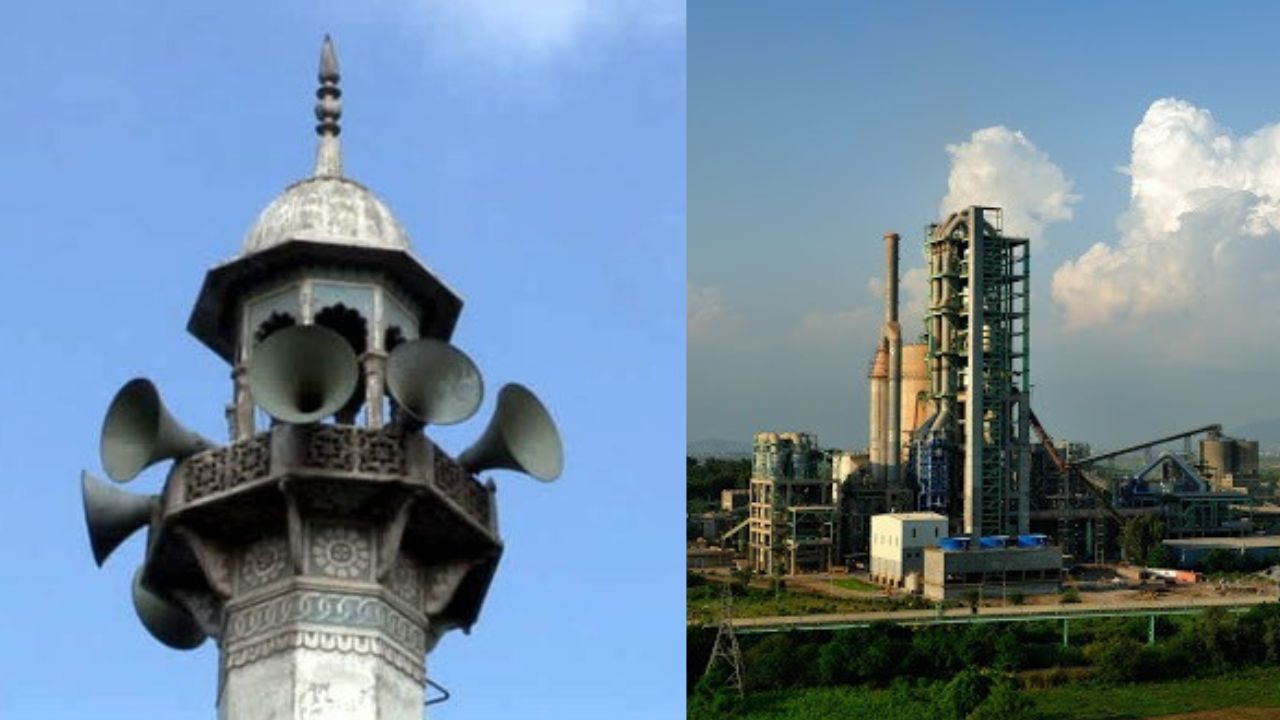
    The findings of Pakistan’s first-ever economic census reveal that the country has over 600,000 mosques (masjids), 36,000 religious seminaries (madrassahs), and 23,000 factories, along with 643,000 small production units.

    The report was released by Federal Minister for Planning, Development and Special Initiatives Ahsan Iqbal during a ceremony organised by the Pakistan Bureau of Statistics (PBS) on August 21 this year.

    The findings indicate that the services sector accounts for 45 per cent of the total workforce, debunking the myth that industry is the primary source of employment in the country.

    The economic census also revealed that out of a total of 40 million permanent units in Pakistan, there were about 7.2 million employment structures where 25.4 million people were working as of 2023.

    Out of a total workforce of 25.4 million, the largest proportion is engaged in the services sector, accounting for 45 per cent or 11.3 million, making it the largest proportion of the workforce engaged in the sector, according to the report. 

    The workforce in the social sector is 30 per cent or 7.6 million. The production sector employed only 22 per cent of the total workforce, which is half the number of people working in the services sector.

    Punjab tops the list with a workforce of 13.6 million, leading in both the services and production sectors. Sindh ranks second with 5.7 million workers, followed by Khyber Pakhtunkhwa (KP) with 4 million, while Balochistan lags behind with just 1.4 million workers.

    The number of firms employing between 51 and 250 is merely 35,351, while there are only 7,086 units that employ more than 250 people, according to the report.

    The report also showed that there were 242,000 schools, mostly government-run; 11,568 colleges, with a slightly higher share in the private sector; 214 universities; 604,000 mosques; 19,645 banks; 29,836 public offices; and 10,452 semi-government offices in the country. Overall, Punjab leads in both public and private institutions.

    The report further shows that Pakistan’s infrastructure is predominantly residential, with limited focus on mixed-use or exclusively commercial buildings, while Sindh holds the largest share of multi-story residential structures.

  • Child must be heard during divorce, working mother not unfit for custody: Supreme Court

    Child must be heard during divorce, working mother not unfit for custody: Supreme Court

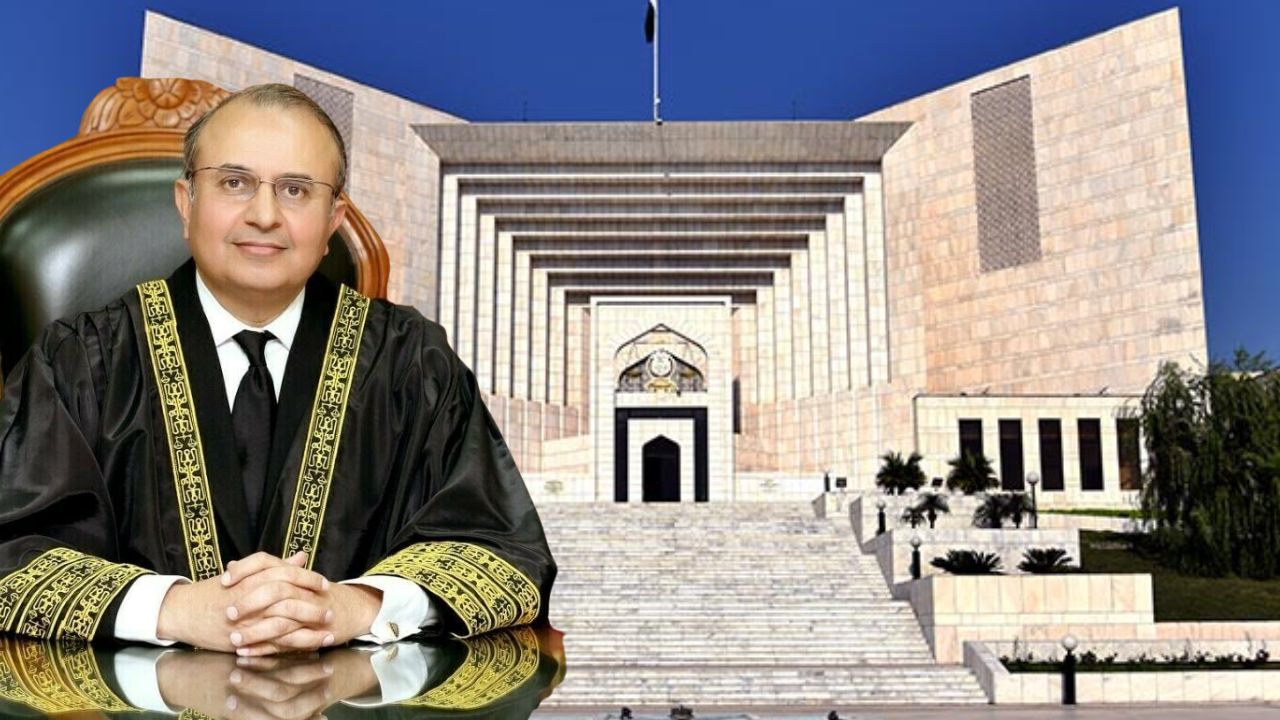
    The Supreme Court of Pakistan has ruled that a child is not a “passive recipient” of adult decisions amid his or her parent’s divorce, going on to state that a mother’s employment does not diminish her suitability as a custodian.

    According to journalist Benazir Shah, the apex court, in a recent order authored by Justice Mansoor Ali Shah regarding the custody of children after parents’ divorce, ruled that a child was not a passive recipient but an active rights-holder whose voice must be heard when determining custody or guardianship.

    The court also ruled on what a mother’s employment meant in the case of a custody battle. “More importantly the judgement added that a mother’s employment does not diminish her suitability as a custodian,” Shah wrote in a post on X.

    She further quoted the court as saying that a mother’s employment reflected her resilience and commitment to providing a secure, nurturing and dignified upbringing for her children.

    “While fully mindful of the limited scope of our review jurisdiction, we deemed it necessary to revisit the matter in light of two foundational principles enshrined in the UN Convention on the Rights of the Child (CRC): Article 3, which mandates that the best interests of the child shall be a primary consideration in all actions concerning them; and Article 12, which guarantees every child the right to express their views freely in all matters affecting them, with due weight given in accordance with their age and maturity,” read the ruling, a copy of which is available with The Current.

    Referring to failure in providing the children an opportunity to be heard, the court said it found it imperative to re-examine the case to ensure that their rights were not only acknowledged but meaningfully upheld. “To rectify this oversight and to ensure that the children’s welfare and perspectives were given due consideration, this court deemed it necessary to interact directly with both children involved.”

    The top court also stressed the importance of the child’s voice, justice and the judicial obligation to apply a child-centered framework.

    “We underline that a child must be heard so that her best interests can be properly understood and protected. The participation of a child in legal proceedings is not a formality; it is fundamental to a justice system that respects the dignity and agency of the child. Listening to the voice of a child gives them a sense of worth, inclusion, and trust in the judicial process,” it said, adding that listening to a child did not mean obeying them, but rather understanding their perspective deeply enough to act in their best interests.

    On mothers’ employment as a factor in determination of securing custody of a child, the court ruled that Article 16 ensured equality in matters of marriage and family life, including the rights and responsibilities of parents, irrespective of marital or employment status.

    “General Recommendation No. 21 on equality in marriage and family relations under Article 16 specifically calls for states to ensure that custody and guardianship laws do not discriminate against women on the basis of their employment status and uphold shared responsibility of parents for child-rearing,” the court said.

    It maintained that to penalise a mother for exercising her right to work would run afoul of these guarantees.

  • Imran Khan given these six books to read in jail

    Imran Khan given these six books to read in jail

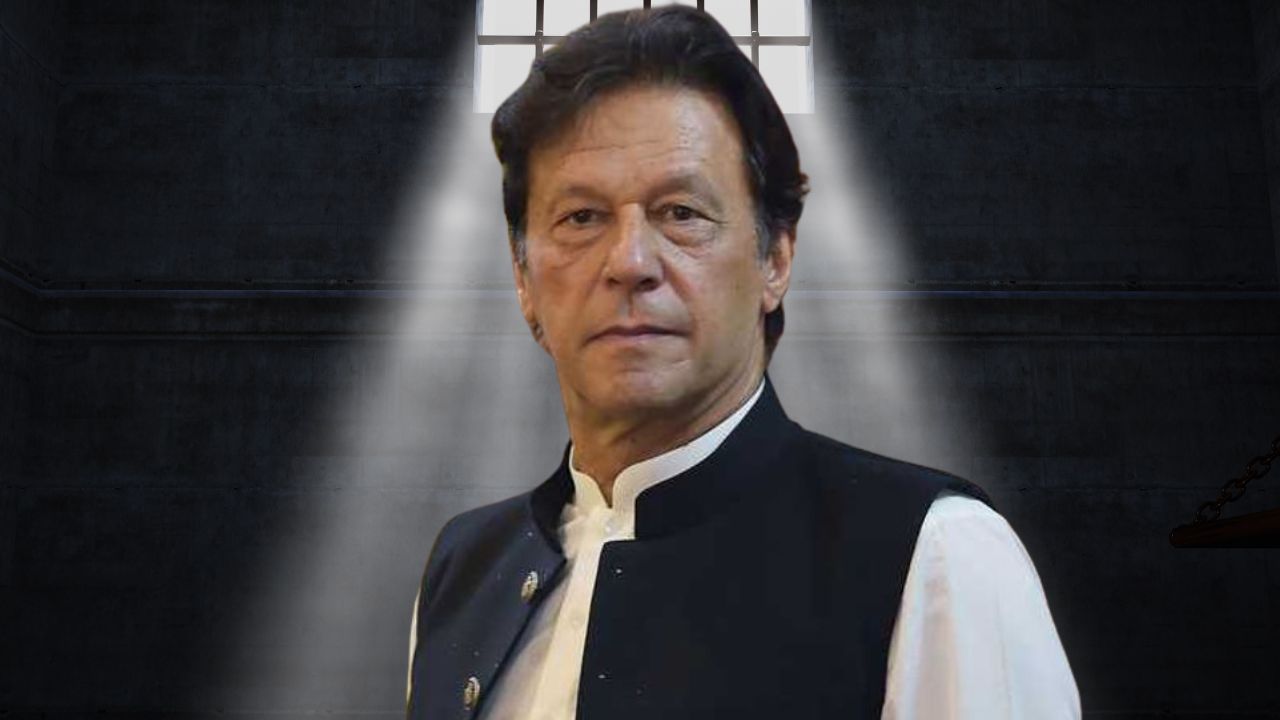
    Incarcerated former premier and Pakistan Tehreek-e-Insaf (PTI) founder Imran Khan has been provided with new books at Adiala Jail in Rawalpindi.

    According to a leading daily Urdu, Imran Khan’s counsel, Barrister Salman Safdar handed over the books to the jail administration.

    This comes after the Anti Anti-Terrorism Court (ATC) in Rawalpindi directed the authorities to provide books to Imran Khan as well as allow him to talk to his children. 

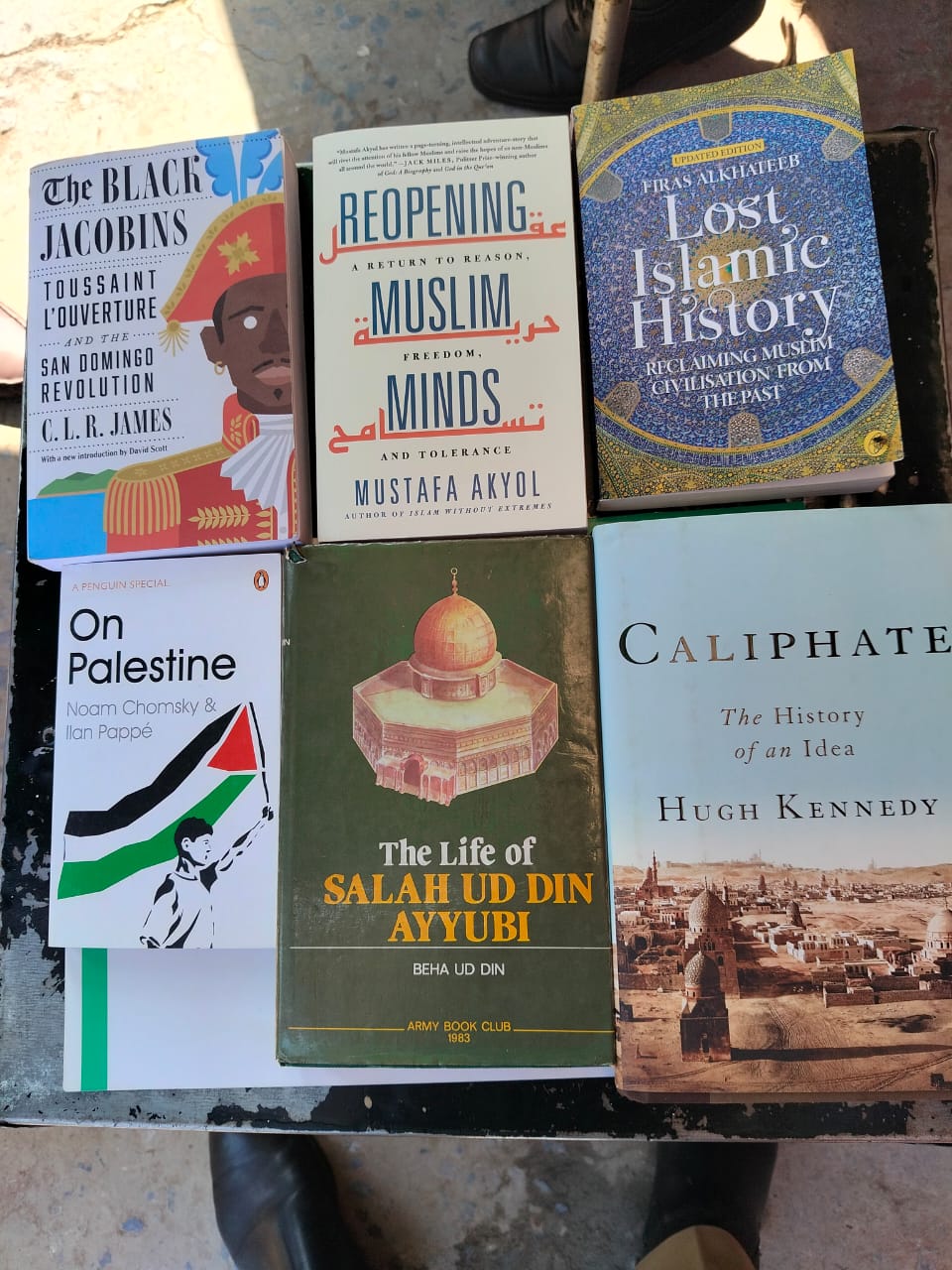
    Social media user Rizwan Ghilzai took to X (formerly Twitter) on Monday night to share a picture of books he said were given to Imran Khan in jail. The caption of the post read, “Books have been provided to Imran Khan in jail.”

    The titles of the books are clearly visible in the image. One of them is “On Palestine”, co-authored by Noam Chomsky and Ilan Pappé, two prominent voices in the struggle to liberate Palestine.

    Another book is “The BLACK JACOBINS” authored by Toussaint L’Ouverture and the San Domingo Revolution. The book is a history of the Haitian Revolution of 1791–1804.

    Some Islamic books include “REOPENING MUSLIM MINDS” by Mustafa Akyol, “Lost Islamic History” by Firas Alkhateeb, “CALIPHATE” by Hugh Kennedy and “The Life of SALAH UD DIN AYYUBI” by Beha Ud Din.

    On August 5, 2023, Imran Khan was arrested from his residence at Zaman Park, Lahore, shortly after his conviction in the Toshakhana case, and was held in Attock jail.

    He is currently serving a 14-year sentence of rigorous imprisonment at Adiala Jail, following his conviction in the Al-Qadir Trust case on January 17, 2025.


    Read More: ‘Tailored meals, reading materials, exercise’: Adiala authorities reveal list of amenities being provided to Imran Khan in jail

  • Trump says seven jets shot down in Pak-India ‘next level war’

    Trump says seven jets shot down in Pak-India ‘next level war’

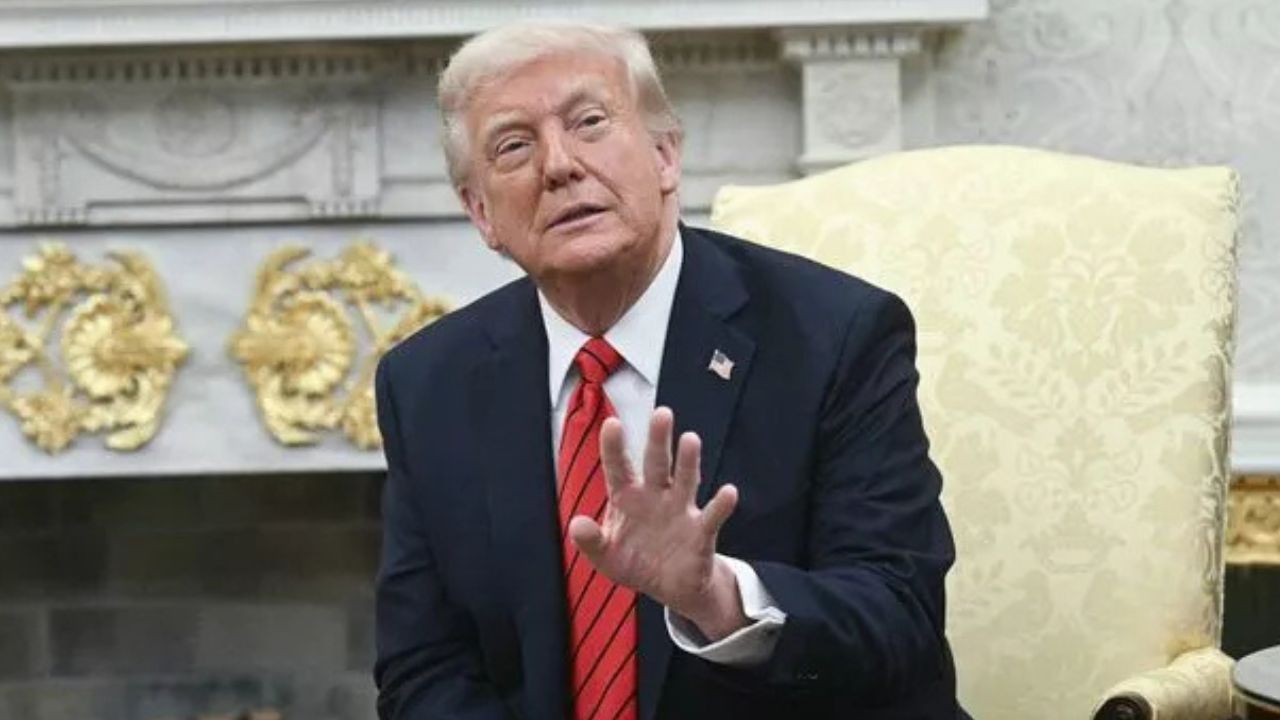
    United States (US) President Donald Trump stated on Monday that seven jets were shot down during the Pakistan-India conflict in May this year. 

    Speaking at a White House press briefing, he again claimed credit for preventing what he described as a potential nuclear conflict between India and Pakistan in May.

    His statement appears to be in line with Pakistani claims of shooting down six Indian jets on the very first night of the conflict, dealing a huge blow to the Indian Air Force (IAF). India has never explicitly addressed the fact that it lost jets, including Rafales, despite several media reports validifying that Pakistan did successfully shoot down multiple jets. 

    Following the April 22 Pahalgam incident in Indian Illegally Occupied Jammu and Kashmir (IIOJK), New Delhi launched strikes in Pakistan, leading the Pakistan Air Force (PAF) to shoot down Indian Air Force (IAF) fighter jets, including French-made Rafales, on the night of May 6–7.

    During a press conference on May 11, Indian Air Marshal AK Bharti, without disclosing the number of downed Rafales, admitted that “losses are part of combat,” implying irreparable damage to their air force.

    President Trump said the situation in South Asia was “raging” when fighter jets were shot down during the brief war. “The war with India and Pakistan was the next level that was going to be a nuclear war… They already shot down seven jets,” he stated. 

    He claimed that he told both countries that if they keep fighting, “we are not doing any trade or anything with you”. “You’ve got 24 hours to settle it. They said, ‘Well, there’s no more war going on’,” he added.

    President Trump stated that his use of tariffs and trade pressure was decisive, adding, “I had tariffs and trade, and I was able to say, ‘If you go fight and want to kill everybody, that is okay, but I am going to charge you each a 100 per cent tariff when you trade with us’. They all gave up.”

    Since the conflict between Pakistan and India, he has repeatedly claimed that he brokered a ceasefire on May 10, a claim acknowledged by Islamabad but denied by New Delhi.

  • Engineer Muhammad Ali Mirza arrested in Jhelum

    Engineer Muhammad Ali Mirza arrested in Jhelum

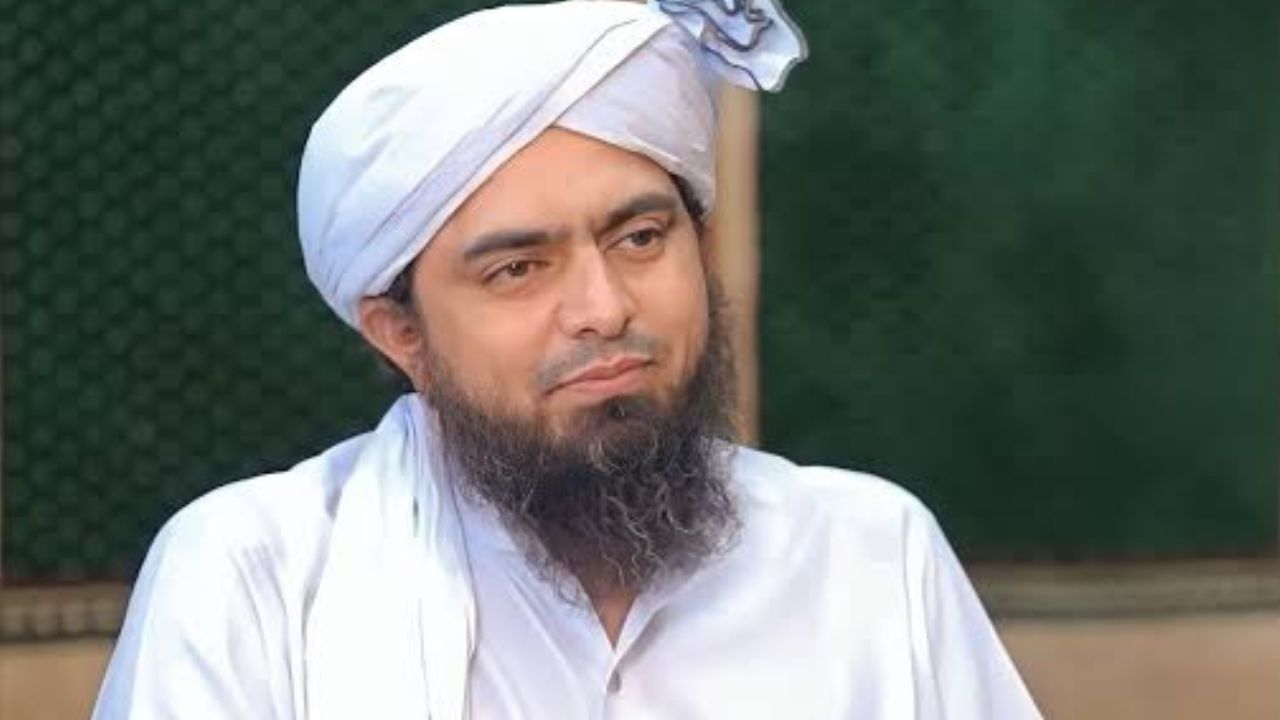
    Jhelum police have arrested renowned religious scholar and YouTuber Engineer Muhammad Ali Mirza under Section 3 of the Maintenance of Public Order (MPO) on Tuesday.

    According to media reports, police picked Mirza from his academy in Jhelum and shifted him to jail on the night of August 25. Reports revealed that religious parties had filed a petition against him, which led to the arrest. On Monday, delegations of various scholars met the district administration and demanded strict action.

    Authorities also sealed Mirza’s academy and locked its premises to stop any gatherings or activities.

    This is not the first time Mirza has faced legal trouble. In May 2020, police arrested him under Section 153-A of the Pakistan Penal Code, which deals with promoting enmity and inciting hatred. The arrest followed a viral clip from one of his lectures that allegedly contained remarks considered inflammatory and capable of triggering sectarian violence. Police claimed the clip mentioned certain individuals and suggested violent action against them, posing a threat to public peace. However, Mirza’s supporters argued that the video was taken out of context. He secured bail two days later after submitting a Rs 50,000 surety bond.

    In 2023, Mirza faced multiple FIRs under Section 16 of the Maintenance of Public Order Ordinance and Section 295-C of the Pakistan Penal Code.

    Mirza, a qualified mechanical engineer, gained prominence through his lectures and discussions on religious issues. He runs a YouTube channel with more than 3 million subscribers, where he shares his views on Islamic teachings.

  • ‘Blame game’ or ‘substantiated responses’? Internet divided over Murtaza Wahab’s Hasna Mana Hai interview

    ‘Blame game’ or ‘substantiated responses’? Internet divided over Murtaza Wahab’s Hasna Mana Hai interview

    Internet is divided since after comedian and TV host Tabish Hashmi’s interview with Karachi Mayor Murtaza Wahab on the former’s comedy show Hasna Mana Hai.

    In the episode, uploaded to YouTube on Sunday, Wahab was grilled over Karachi’s crumbling infrastructure, piles of garbage and poor road conditions, in response to which the mayor kept blaming external factors such as the lack of accurate census data at the hands of the federal government.

    Wahab said he would “always present the city’s case before the authorities and citizens”, to which Tabish reminded him that former Karachi mayor Wasim Akhtar used to give the “exact same line”.

    “Your work is not to present the case, but to execute,” Tabish said.

    With Mayor Wahab continuing to exact blame at centre, and host Tabish poking fun while questioning the performance of the Pakistan Peoples Party (PPP) during its own term in the federal government, clips from the interview went viral on social media, leaving netizens divided.

    While some called Wahab out for “playing the blame game”, some praised him for raising long-ignored challenges facing the port city.

    “When the mayor of our Pakistan’s largest city @murtazawahab1 holds the federal government responsible for every issue, he is not actually defending our Karachi; rather, as a state official, he is exposing his own incompetence or the powerless position he holds. Leadership and politics are not the art of blame-shifting; they are the responsibility of presenting solutions to problems,” one of the users wrote on X (formerly Twitter).

    Highlighting the tough question that the host posed to the guest, another wrote, “Tabish Hashmi performed a surgical strike on Murtaza Wahab.”

    “Couldn’t agree more. Shifting blame rather than taking responsibility is a disservice to the people of Karachi. Mayors should prioritise finding solutions and advocating for their city, not making excuses,” said one user.

    “It was disappointing to see our mayor just deflecting the questions and blaming the federal [government] for everything,” opined another.

    According to one user, Wahab gave “good and substantiated responses” but others were being “stubborn” and “couldn’t understand his response”.

    “He is the one and only @murtazawahab1 who is delivering in whole of Pakistan, opponents can’t digest. Simple and clear [sic],” wrote another.

  • Pakistan railways to launch Lahore-Karachi bullet train by 2030 under CPEC

    Pakistan railways to launch Lahore-Karachi bullet train by 2030 under CPEC

    Pakistan Railways has unveiled a plan to launch a high-speed bullet train connecting Lahore and Karachi by 2030, slashing travel time between the two cities from nearly 20 hours to just five.

    Railways Minister Hanif Abbasi announced that the 1,215-kilometer rail link will be developed as part of the $6.8 billion ML-1 upgrade under the China-Pakistan Economic Corridor (CPEC). 

    The trains, expected to run at speeds of up to 250 km/h, will make key stops at Hyderabad, Multan and Sahiwal. 

    The project is being executed with Chinese assistance, including expertise from the China Railway Construction Corporation.

    It is anticipated that the project will increase freight capacity, create thousands of jobs during construction and operation, and increase Pakistan’s rail cargo share from the current 4 percent to 20 percent by the end of the decade. In addition to saving the nation billions in fuel imports, officials say the switch from road to rail may significantly boost regional connections and trade.

    The Lahore-Rawalpindi bullet train project, which intends to cut the travel time between the two cities to just two and a half hours, was also approved earlier this year by Punjab Chief Minister Maryam Nawaz.


    Alongside new lines, Pakistan Railways has embarked on a broad digitisation and automation programme designed to enhance safety, cut delays, and modernise operations. 

    Advanced signalling and communications systems are being deployed across major sections of the network.In order to improve train routing and lower the danger of accidents, government records state that a computerized interlocking system will soon replace manual controls at the Landhi, Jumma Goth, Badal Nala, and Sarhad stations.

     In the meantime, a digital microwave radio communication system is being installed in the Karachi–Lahore corridor to upgrade its telecom backbone and guarantee secure and uninterrupted data transmission.


    In addition, a Push-to-Talk digital network is gradually being introduced in the Rawalpindi, Lahore, Sukkur and Karachi divisions to strengthen real-time coordination between staff and control rooms.

    A private news channel cites that a senior railway official told Wealth Pakistan that more than 80 percent of the existing signalling infrastructure is still mechanical or relay-based, leaving it vulnerable to theft, weather and technical failures.

     “The new automation drive will replace outdated equipment with intelligent, sensor-driven systems capable of monitoring track conditions and enforcing safety standards,” the official said.

  • Garbage collection in Punjab will now cost you between Rs200 and Rs5,000

    Garbage collection in Punjab will now cost you between Rs200 and Rs5,000

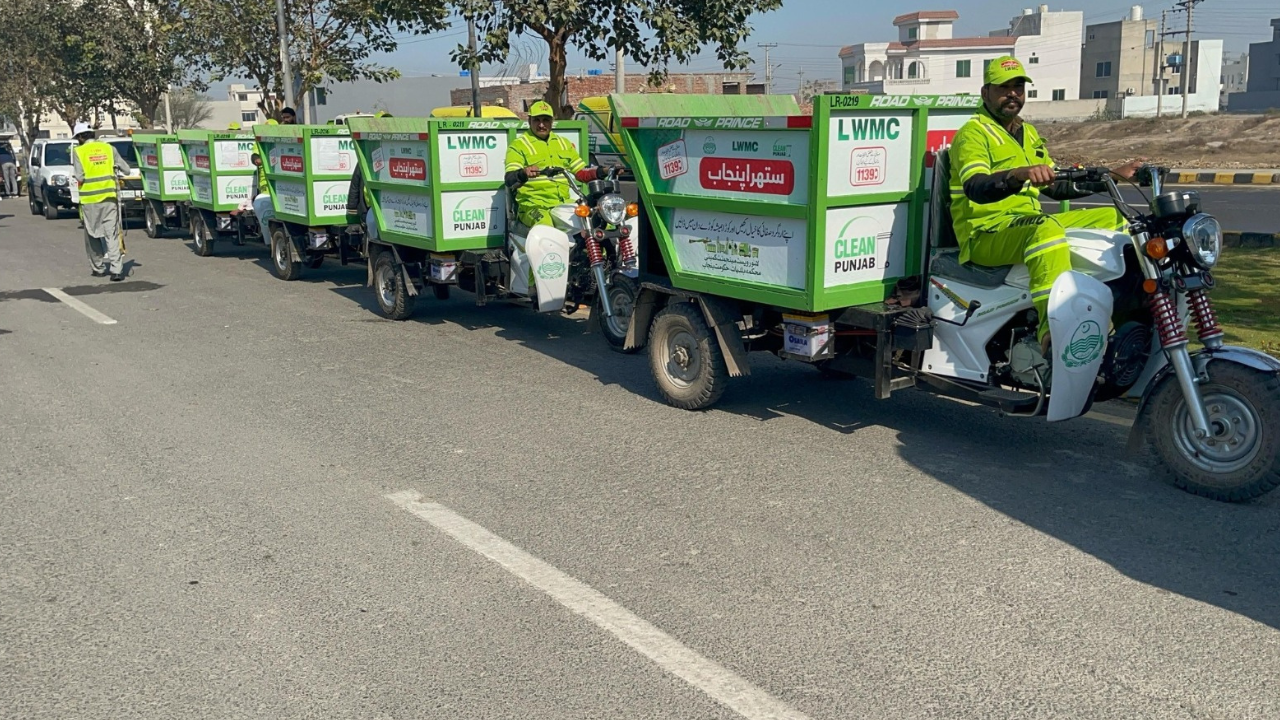
    The Punjab government has introduced a garbage collection tax across the province under the ‘Suthra Punjab’ initiative, approved by the provincial cabinet. The tax applies to both residential and commercial properties, with the Lahore Waste Management Company (LWMC) tasked with collections in Lahore.

    According to established rates, urban homes up to five marlas will be charged Rs300 a month, while rural homes of the same size will pay Rs200. Houses between five and 10 marlas will be taxed Rs500 in cities and Rs200 in villages.

    For properties between 10 marlas and one kanal, the monthly tax is Rs1,000 in urban areas and Rs400 in rural areas. Residential units of 20 to 40 marlas will be charged Rs2,000 in cities and Rs400 in villages. Homes exceeding 40 marlas will pay Rs5,000 per month in urban areas, while rural homes above 20 marlas will continue to pay Rs400.

    The tax also applies to commercial real estate. Small shops will be charged Rs500 in urban areas and Rs300 in rural areas. Medium-sized shops will pay Rs1,000 in cities and Rs700 in villages. Large businesses and industries will be taxed Rs3,000 in urban areas and Rs2,000 in rural areas.

    The government has linked the new tax to efforts to improve waste management services across Punjab. Officials stated that by involving local bodies and the LWMC, collections will be streamlined, and the funds will support the cleanliness campaign.

    The ‘Suthra Punjab’ initiative, launched earlier this year, is part of a broader strategy to upgrade municipal services. The garbage tax is one of the first steps under this program, with more measures expected in the coming months.