Category: National

  • Pakistan, Bangladesh agree on visa free travel for diplomats, officials

    Pakistan, Bangladesh agree on visa free travel for diplomats, officials

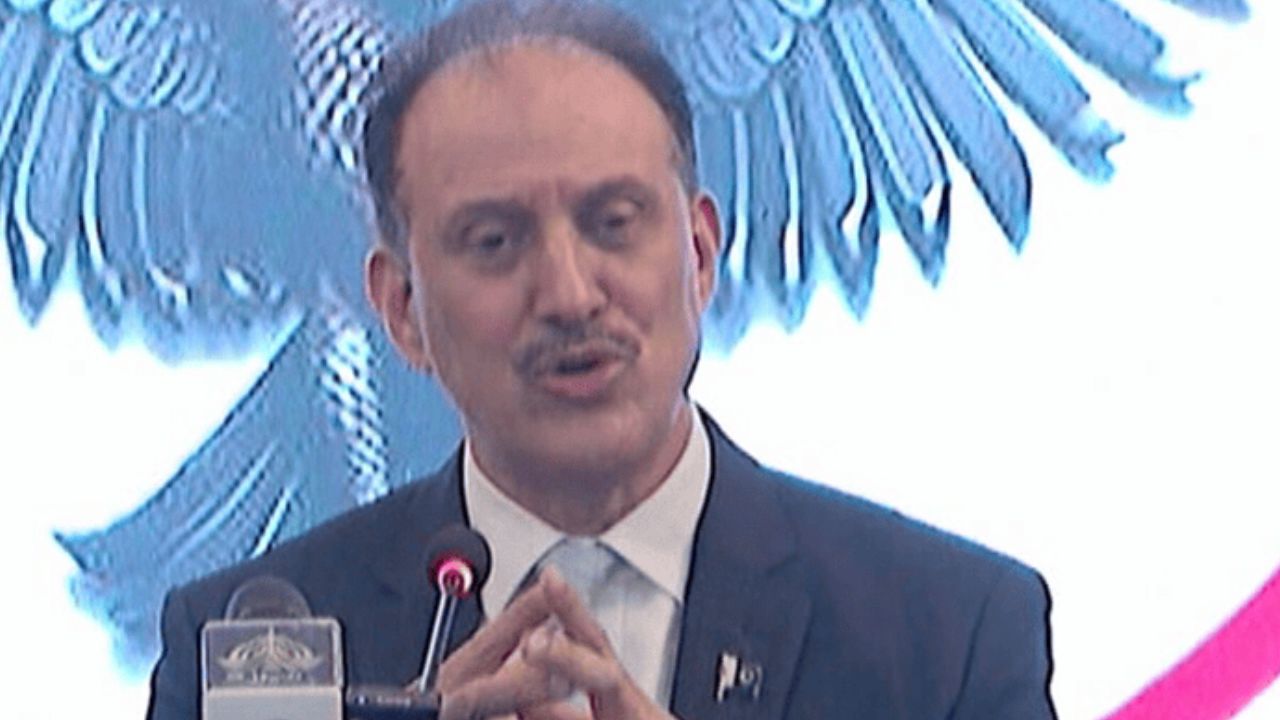
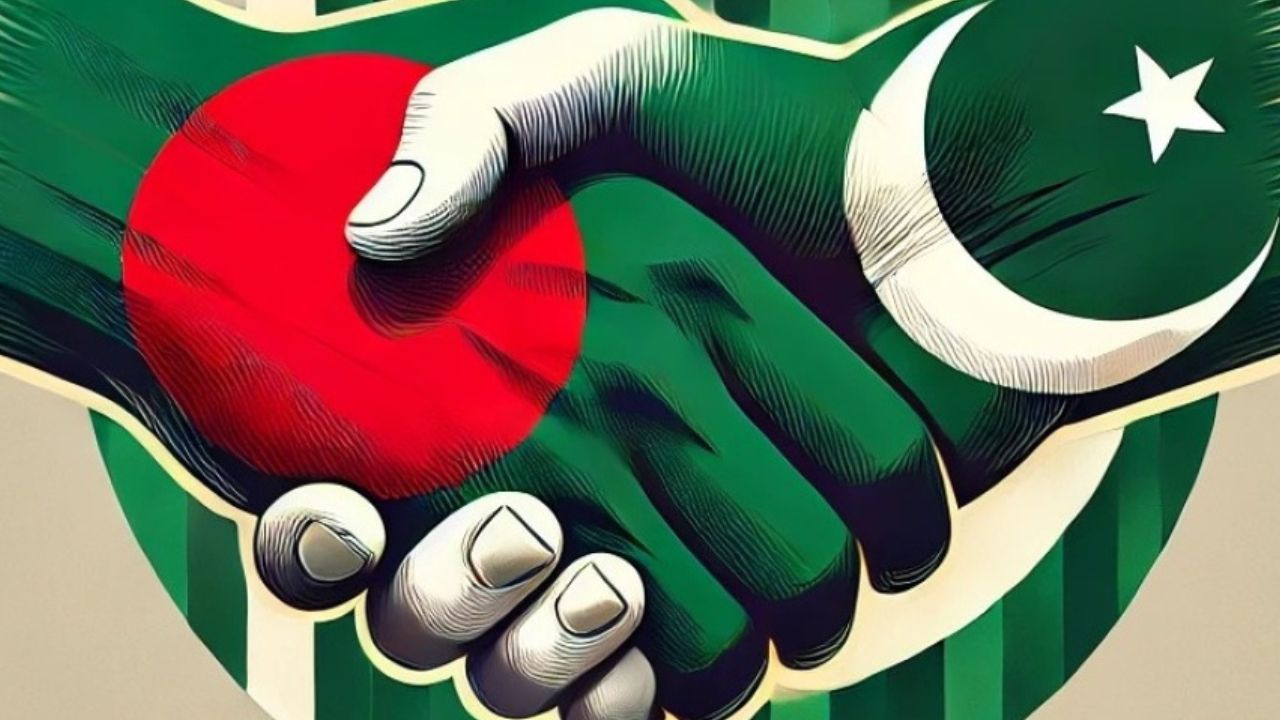
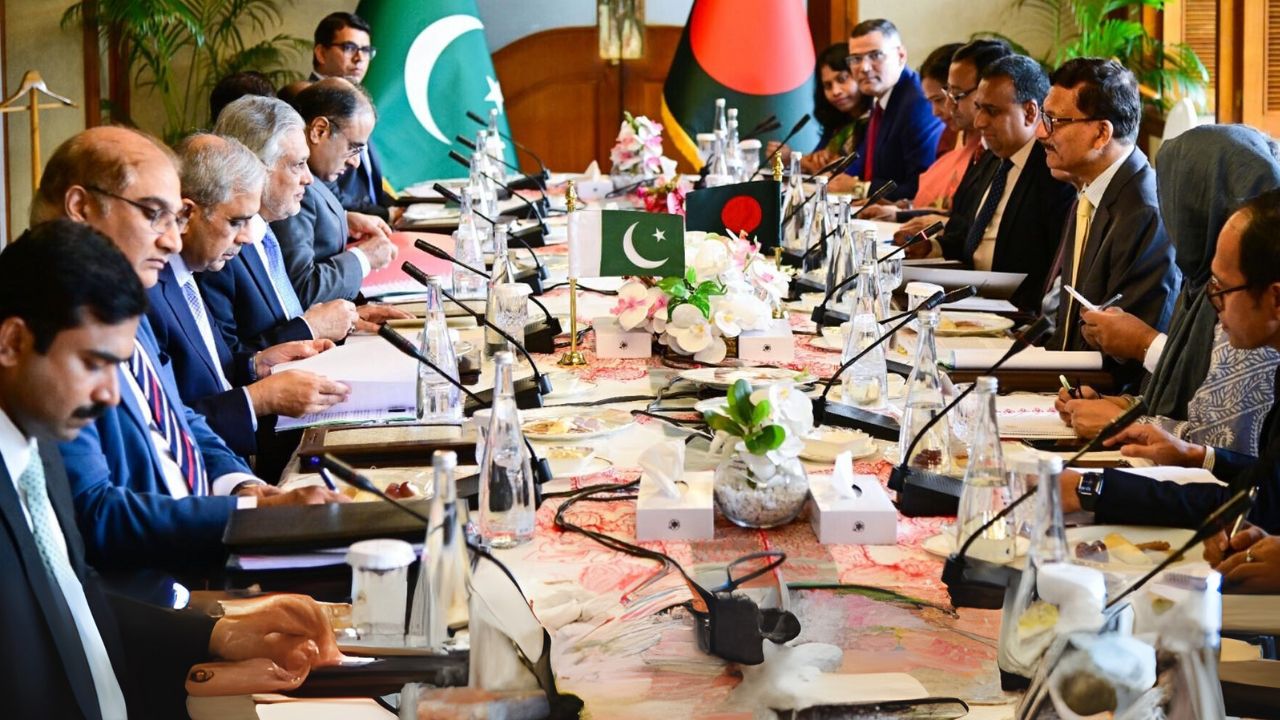
    Ishaq Dar, the Deputy Prime Minister and Foreign Minister, concluded a historic visit to Dhaka on Sunday, the first by a Pakistani foreign minister in 13 years, signing six agreements Memorandums of Understanding (MoUs) regarding trade, diplomacy, media, education, and cultural cooperation.

    During his stay, Dar met Bangladesh’s Chief Adviser Professor Muhammad Yunus, Foreign Policy Adviser Touhid Hossain, senior political leaders, and trade officials. The visit, widely described as a “milestone,” reflects Islamabad and Dhaka’s renewed efforts to reset relations following years of strained ties.

    The agreements signed included visa abolition for diplomatic and official passport holders, MoUs between the two countries’ foreign service academies and think tanks, a media cooperation accord between Associated Press of Pakistan (APP) and Bangladesh Sangbad Sangstha (BSS), a cultural exchange programme for 2025–2028, and the establishment of a joint working group on trade.

    In his meeting with Chief Adviser Yunus, Dar conveyed Prime Minister Shehbaz Sharif’s greetings and reiterated Pakistan’s commitment to strengthening bilateral relations. Both sides discussed trade, economic cooperation, youth exchanges, and regional security.

     According to the Foreign office, Yunus stressed the importance of revitalising Saarc, saying: “I encourage Saarc, and I see our relationship with Pakistan and other Saarc countries as one of the highest priorities.”

    Dar also announced the launch of the “Pakistan-Bangladesh Knowledge Corridor,” which will lead to 500 scholarships given by Pakistan to Bangladeshi students over the course of the following five years, with a quarter going to medical school.

    Training programmes for 100 Bangladeshi civil servants were also offered, while scholarships under the Pakistan Technical Assistance Programme were raised from five to 25.

    The foreign minister met with Dr. Shafiqur Rahman, the emir of Jamaat-e-Islami, and Begum Khaleda Zia, the chairperson of the Bangladesh Nationalist Party.

     At Zia’s house, Dar recalled her 2006 trip to Pakistan and wished her a speedy recovery. Dar praised Rahman’s “lifelong positive contribution in the fields of politics, education, and social welfare” when paying him a visit while he recovered from heart surgery.

    Foreign Policy Adviser Touhid Hossain, speaking to reporters after his meeting with Dar, said: “We have raised unresolved issues such as an apology or expression of regret for 1971, claims over assets, and the matter of stranded Pakistani citizens. It would be wrong to expect problems of 54 years to be solved in a single day.”

     Dar emphasized, however, that the issue had already been addressed. “As far as unresolved issues are concerned, this matter was first settled in writing in 1974, and this historic document is available to both countries. Later, General Musharraf came here and addressed this matter in a very open and explicit manner,” he told journalists.

    He continued: “In my view, once this matter has been settled between brothers, Islam also instructs us to keep our hearts clean. Therefore, we should move forward and work together, because our future is bright. In line with our Islamic teachings, the Quran, and the Sunnah, we must keep our hearts pure and move forward. We are one family, and we must work together to do the best for the people of both countries.” 

    Dar described his discussions in Dhaka as “excellent,” saying: “There was no disagreement on any matter, which is a very positive sign. We are working together to take economic and trade relations between our two countries to new heights.” 


    At a reception hosted by Pakistan’s High Commissioner in Dhaka, Dar noted the deep-rooted cultural and religious connections between the two nations. “The relations between the two countries are anchored in centuries-old shared traditions, Islamic heritage, social norms and literary expressions,” he remarked, adding that the people of Pakistan hold “fraternal sentiments” toward the people of Bangladesh.

    Both sides agreed to look into measures to improve connectivity and economic cooperation during the visit, which also included discussions with trade and commerce officials. Two decades after its last session, reports in Dhaka indicate that Pakistan and Bangladesh intend to call a new meeting of the long-stalled Joint Economic Commission later this year.

    Dar’s trip has been hailed as a major turning point in Pakistan-Bangladesh ties, indicating cautious optimism about the future with the signing of new agreements, strengthened political engagement, and commitments for educational and cultural exchanges.
  • End to empty threats? India upholds Indus Water Treaty, alerts Pakistan of potential flooding

    End to empty threats? India upholds Indus Water Treaty, alerts Pakistan of potential flooding

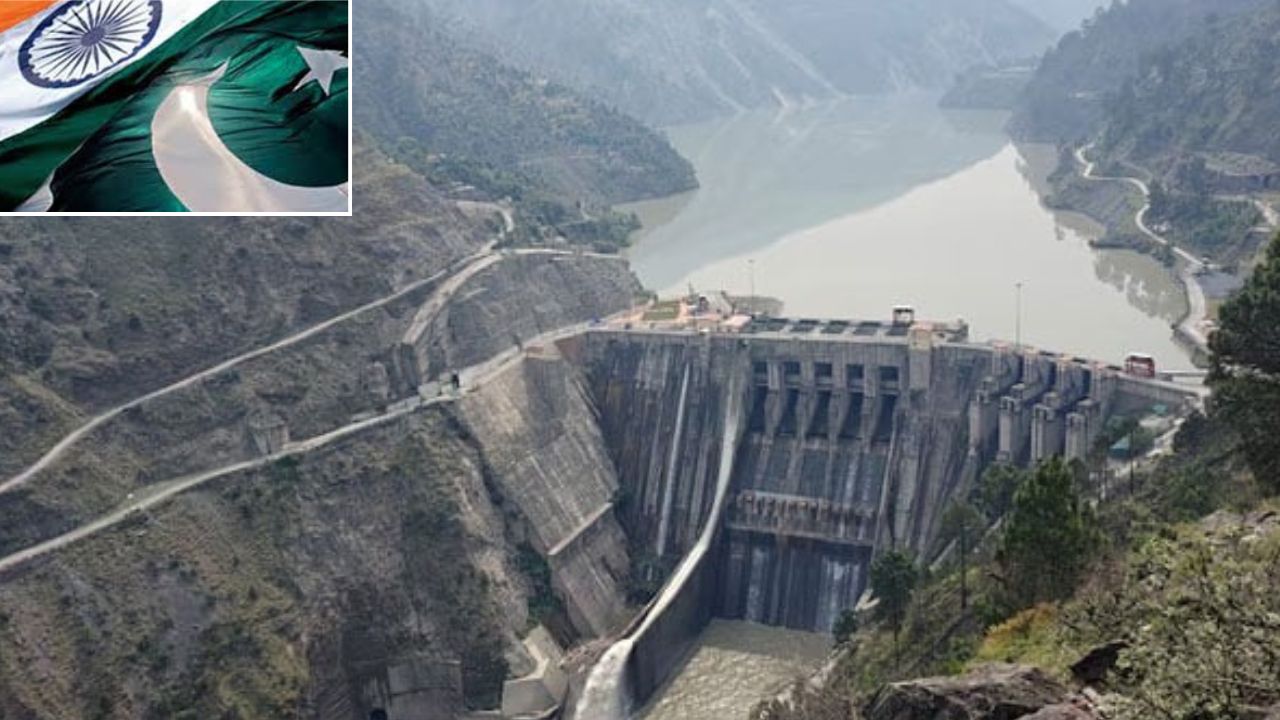
    After months of what now appear to be empty threats, India has upheld the Indus Water Treaty (IWT), sharing with Pakistan the details of potential floods as monsoon wreaks havoc on both sides of the border.

    In April-May, New Delhi had moved to unilaterally suspend the water-distribution agreement for the Indus River and its tributaries. Statements from Indian leadership had come following a terror attack in held Kashmir’s Pahalgam, for which India blamed Pakistan.

    While both sides continue to trade barbs over the suspension and legality of an end to IWT amid fresh military clashes, reports on Monday said that India has upheld the treaty, warning Pakistan of a potential major flood in the Tawi River at Jammu.

    According to reports, the Indian High Commission in Islamabad conveyed the alert on Sunday, after which Pakistani authorities issued warnings in relevant areas.

    Islamabad and New Delhi disagree over the use of the water from rivers that flow downstream from India into the Indus River basin in Pakistan.

    There is no provision in the treaty for either country to unilaterally hold in abeyance or terminate the pact, which has clear dispute resolution systems. The treaty explicitly bounds both countries to share details of the water volume in the rivers and certain hydrological data.

    The Permanent Court of Arbitration in The Hague on June 27 ruled that India’s decision to unilaterally place the IWT in “abeyance” was not supported by the pact’s provisions, reinforcing its jurisdiction over disputes between the two countries.

    The court found that its competence could not be affected by the unilateral decision of a party taken after the initiation of arbitral proceedings, regardless of whether India’s recent decision was characterised as a suspension of the treaty or otherwise.

  • ‘Can a son not walk his mother?’: PTI rubbishes govt claim regarding Imran Khan’s nephew

    ‘Can a son not walk his mother?’: PTI rubbishes govt claim regarding Imran Khan’s nephew

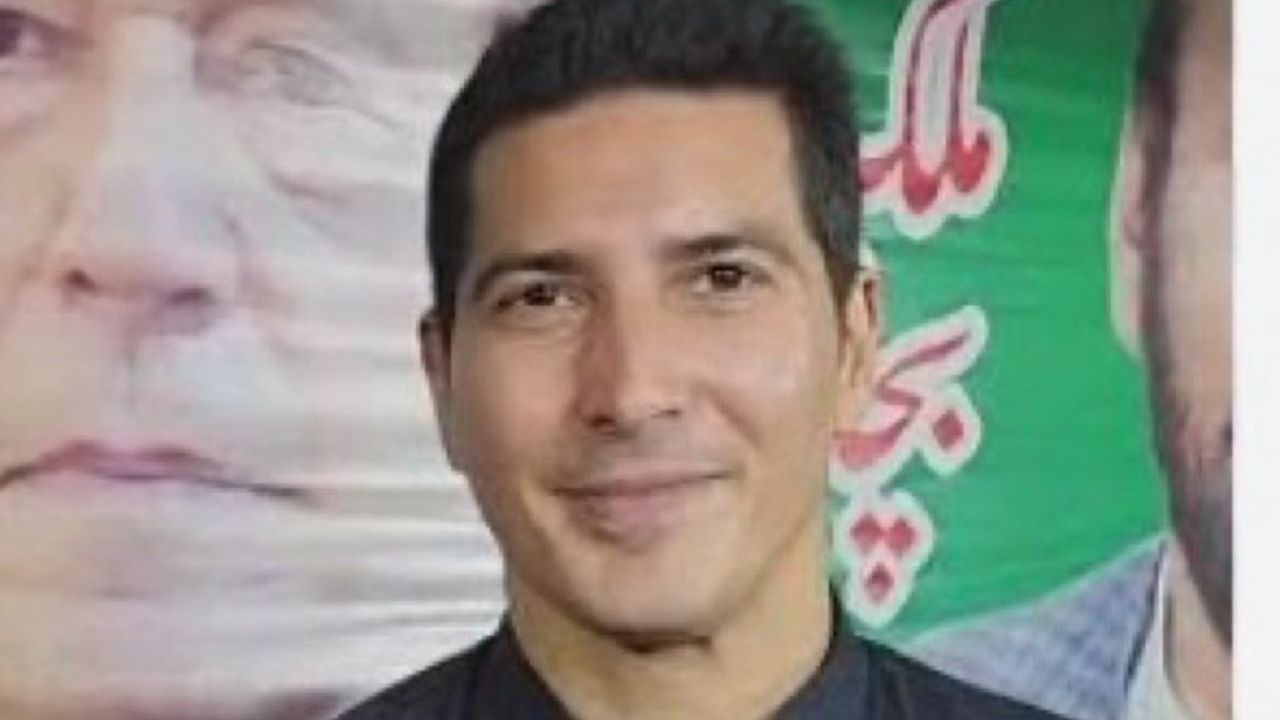
    Pakistan Tehreek-e-Insaf (PTI) has alleged that the Punjab government misused a video to falsely link incarcerated former Prime Minister’s nephew, Shahrez Khan, to the May 9, 2023 riots.

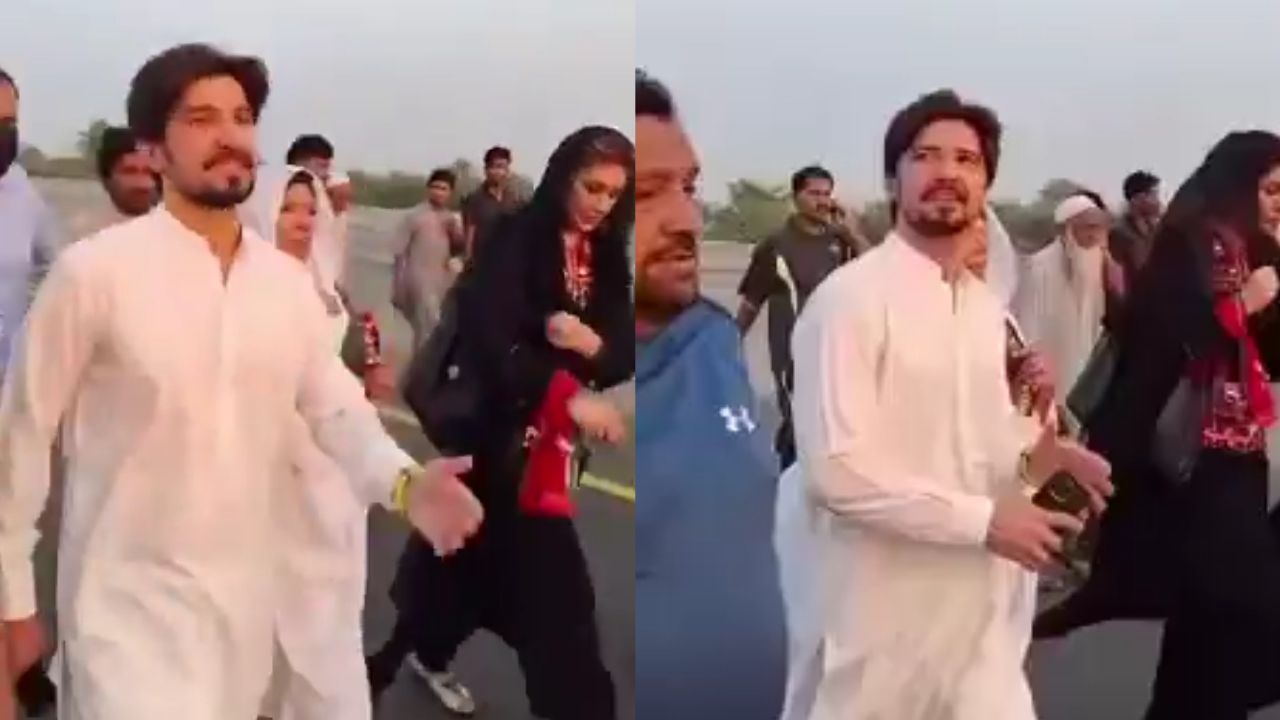
    According to PTI, the clip, aired on PTV News and shared on its X account, does not show the attack on the Lahore corps commander’s residence. The party claims that it is actually from a party event in Kahna on September 21, 2024, featuring Shahrez with his mother Aleema Khan and leaders Khadija Shah and Shayan Bashir.

    PTI leader Shayan Bashir said the party had official permission for the Kahna event and that Shahrez was only driving his mother there because no driver was available. He added that police had restricted vehicle access, forcing participants to walk. Bashir also confirmed Shahrez’s arrest after meeting him at a Lahore Cantt police station.

    Sources privy to inside information also confirmed to The Current that Shahrez had only walked his mother to the jalsa venue, retierating that he had no political affiliations.

    “How does walking his mother make him political? Shahrez has never been interested, or even wants to be, in politics but can a son not walk his mother to where she needs to go?” they questioned.

    On August 21, officers in plainclothes reportedly picked up Shahrez from Aleema Khan’s Canal Road home while he was preparing to leave for an athletics championship. The next day, his younger brother Shershah was detained outside the house. Both remain in police custody.

    Earlier, Lahore police stated that Shahrez had been arrested in connection with the May 9 riots, claiming his name was added to the Jinnah House case in September 2023 through supplementary statements. PTI’s Secretary General Salman Akram Raja rejected the claim, saying Shahrez was not involved in politics. He alleged that men without warrants forcibly entered the house and took him away.

    Aleema Khan’s lawyer, Rana Mudassir, characterised the arrests as abductions, pointing out that neither brother was implicated in any case at the time of their arrests. He indicated that the legal team intended to seek relief from the Lahore High Court.

    Family sources also exclusively told The Current that Shahrez was not even in Lahore on the day of the May 9 riots.

  • Major target-killing, terror network busted as CTD arrests four linked to India’s RAW

    Major target-killing, terror network busted as CTD arrests four linked to India’s RAW

    The Counter-Terrorism Department (CTD) on Saturday said that it found involvement of the Indian intelligence agency Research and Analysis Wing (RAW) in the target killing of a man in Sindh’s Badin and arrested six suspects in this connection during a joint operation with federal intelligence agencies.

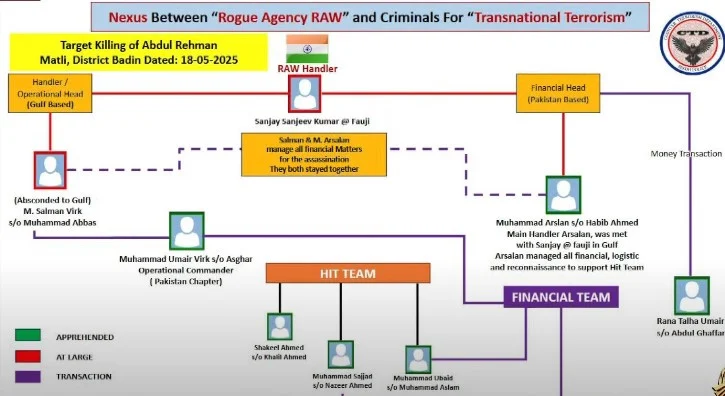
    According to CTD, a major terrorist network and safe houses operating in Karachi were also unearthed. An entire network working for RAW has been exposed, with six suspects in total arrested so far.

    In a press conference held in Karachi, CTD Additional Inspector General (AIG) Azad Khan stated that the suspects were arrested on July 8 in connection with the killing of 45-year-old Abdur Rehman on May 18 in Badin’s Malti. According to Khan, Rehman was a local barber known for his welfare work.

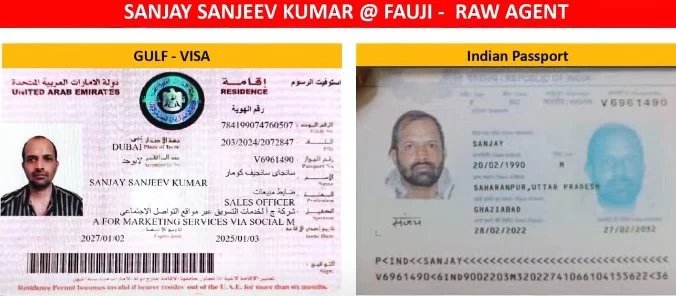
    During interrogation, investigators discovered a wider network allegedly run by RAW handler Sanjay Sanjeev Kumar, based abroad, who remained in contact with the suspects and orchestrated the plot.

    According to AIG Khan, before carrying out the killing, the suspects conducted reconnaissance for five days in Matli. CCTV footage and eyewitness accounts identified three of the apprehended men at the crime scene, adding that Indian media had celebrated the murder, which further underscored the involvement of RAW.

    Additionally, the network included a gang formed by a suspect named Salman, comprising Umair, Sajad, Obaid and Shakeel. Investigators confirmed that the money transferred through bank accounts for the operation provided proof of terror financing. Following these findings, a case of terrorism financing was also registered.

    From their possession, authorities recovered a 9mm pistol, a 30-bore pistol, mobile phones, and a motorcycle, he added.

    AIG Khan stressed that RAW’s involvement has been fully established, as the suspects had admitted to working as agents for the Indian agency, noting their travel history was also in the possession of investigators.

    Khan confirmed that more arrests are expected as the investigation into suspects’ statements, recoveries, bank transactions, and RAW’s role continues.

  • Aleema Khan’s other son also arrested from Lahore

    Aleema Khan’s other son also arrested from Lahore

    Hours after the arrest of former prime minister (PM) Imran Khan’s nephew Shahrez Khan, Aleema Khan’s other son, Shershah, was also reportedly taken into custody in Lahore.

    Reports claimed Shershah was arrested after law enforcement intercepted his car near his Lahore residence, however, the Pakistan Tehreek-e-Insaf (PTI) said he was “abducted” from his house.

    “Shershah was taken from his house after his appearance at a Lahore anti-terrorism court for his brother’s case,” media outlets quoted Aleema’s lawyer Advocate Rana Mudassir Umar as saying.

    While police have not yet confirmed the reason behind the arrest, sources say it is in connection with the May 9 case. 

    Shahrez, who was also arrested for his alleged involvement in said riots, was on Friday morning presented before a Lahore Anti-Terrorism Court (ATC). The court handed him over to police on an eight-day physical remand.

    The investigating officer told the presiding judge, Manzar Ali Gul, that Shahrez was arrested in relation to the Jinnah House attack, adding that the suspect was first named in the case on September 23, 2023, in supplementary statements.

    The investigating officer’s remarks prompted Shahrez’s counsel and PTI’s Secretary General Salman Akram Raja to allege that his client had never been named in the case, dubbing the arrest an act of “harassment”.

    Meanwhile, family sources exclusively told The Current that Shahrez was not even in Lahore on the day of the May 9 riots.

  • EXCLUSIVE: Imran’s arrested nephew was in Chitral on day of Jinnah House attack

    EXCLUSIVE: Imran’s arrested nephew was in Chitral on day of Jinnah House attack

    Lahore police on Thursday night raided the residence of jailed former prime minister (PM) Imran Khan’s sister Aleema Khan, arresting her son Shahrez Khan for his alleged involvement in the two-year-old May 9 rioting case.

    Shahrez’s friends, who accompanied him on the trip, however, exclusively told The Current that Shahrez was not even in Lahore on the day authorities claim he attacked Jinnah House – the residence of Lahore’s corps commander.

    Shahrez was “picked up” from his residence in front of his wife and kids in a late-night raid at their Lahore residence, his father told media persons during a brief chat following what Pakistan Tehreek-e-Insaf (PTI) said was an “abduction”.

    With police confirming the arrest shortly after, saying he was arrested for his involvement in the ransacking of Jinnah House on May 9, 2023, Shahrez was on Friday morning presented before an anti-terror court that sent him on an eight-day physical remand.

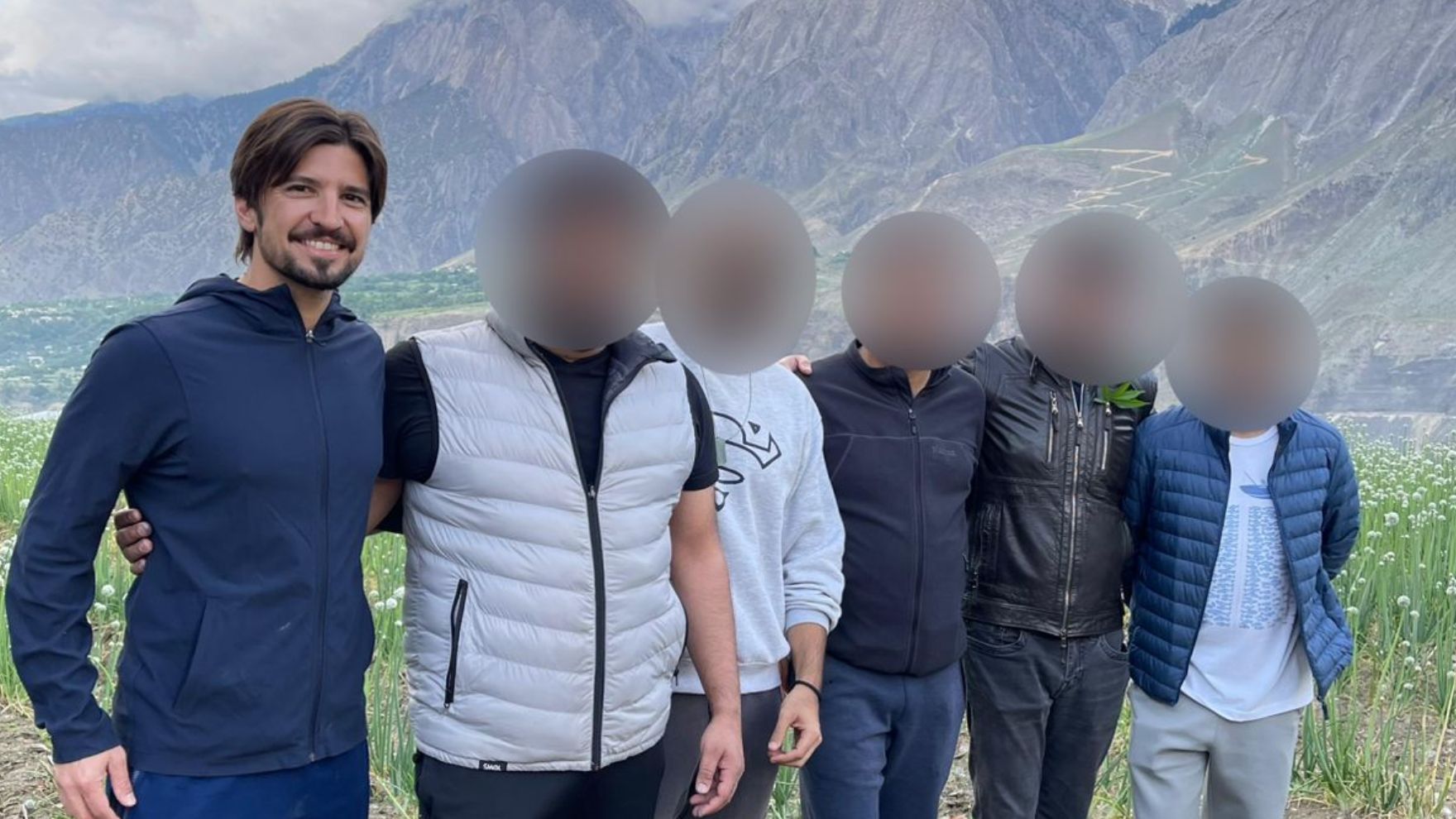
    Amid concerns and criticism from PTI quarters over “unfounded” action against a person “who has nothing to do with his uncle or mother’s political agenda”, family sources shared with The Current pictures and videos that showed Shahrez on a trip to Chitral from May 6 to May 12.

    “Shahrez was in Chitral on a friends and family trip as May 9 events unfolded back in 2023. His friends returned to Lahore on May 10, but he stayed back along with his wife who is from Chitral,” they said and shared metadata of pictures and videos from the trip, as well as WhatsApp messages with timestamps, which The Current independently verified.

    The claim was echoed by PTI’s Salman Akram Raja, who said the arrest proved there was “no rule of law” in the country.

    Speaking to journalists following Shahrez’s court appearance, Raja said the jailed former premier’s nephew had been “falsely implicated” in the case.

    “He remained in Lahore for 27 months and was never summoned even once. This sends a message to the nation that there is no rule of law in this country,” he said.

    Raja went on to say that hundreds of people faced legal proceedings over the course of the case with no action against Shahrez. “This is panic-driven […] every case is being fabricated for this calculated conspiracy.”

    He also claimed the action against Shahrez was “retaliation” against relief granted to the PTI founder by the Supreme Court (SC) on Thursday.

    It may be noted that the arrest comes a day after the apex court granted bail to the former premier in eight May 9 cases against him. While Shahrez’s mother Aleema has already been discharged from cases pertaining to said riots, his cousin and lawyer Hassaan Khan Niazi is currently serving a 10-year sentence for the same.

  • Sindh pushes for male sterilisation in new population control campaign

    Sindh pushes for male sterilisation in new population control campaign

    The Sindh government has launched a new campaign to curb the province’s soaring population, which grows by nearly 1.4 million people each year, the equivalent of adding a new district annually.

    The new strategy focuses on increasing male participation through vasectomy and expanding access to self-administered contraceptives for women. 

    Sindh Population Welfare Secretary Hafeezullah Abbasi told a private news channel that the department, in partnership with Johns Hopkins University, plans to carry out door-to-door surveys across all 1,600 union councils.

    At the same time, the campaign will engage around five million industrial workers in awareness sessions, while students at schools and universities will also be educated on the consequences of unchecked population growth. 

    “Since men are usually the key decision-makers in households, it is crucial to involve them in these programmes,” Abbasi said.

    He noted that around 3,000 men in Sindh have already opted for vasectomy, many due to conditions like thalassaemia or HIV/AIDS.

    Abbasi added that a wide range of contraceptive services are being offered in coastal and island areas, including sterilisation, birth-spacing devices, pills and Sayana Press, a self-injectable contraceptive that provides protection for three months. 

    Since 2018, women in Sindh have used Sayana Press about 1.3 million times. Major hospitals, the provincial health department, and non-governmental organisations often receive contraceptive supplies, including sterilisation kits, IUCDs, implants, injections, and pills, according to Director of Administration Faisal Meher. 

    IUCDs that are effective for up to 10 years and implants that last three to five years are also offered by family planning units in 20 gynaecology wards spread throughout nine large hospitals.

    Meher said Sindh’s contraceptive prevalence rate stood at 31% in 2017-18, with targets to raise it to 47% by 2025 and 57% by 2030. He pointed out that male sterilisation cases in Karachi have surged in recent years from just 23 to 2,500 in 2022, thanks to more than 1,000 male mobilisers from HANDS being trained to promote vasectomy awareness. 

    Highlighting the urgency, Meher noted that early marriages in rural Sindh often result in women having six to eight children by the age of 30. The programme, supported by Johns Hopkins University, SZABIST University and the Bill & Melinda Gates Foundation, is designed to help the province meet its Family Planning 2030 commitments.

    Vasectomy, a surgical procedure that blocks or cuts the vas deferens, prevents sperm from being released during ejaculation, but does not affect sexual desire, performance or pleasure. Doctors advise that men can typically resume sexual activity within one to two weeks of the procedure.

  • Bangladesh approves visa-free entry for Pakistani officials for first time since 1971

    Bangladesh approves visa-free entry for Pakistani officials for first time since 1971

    Bangladesh has approved visa-free entry for Pakistanis holding diplomatic and official passports, a facility that had remained suspended since the country’s independence in 1971, media reports have confirmed. 

    In a conference held in Dhaka on Thursday, Press Secretary Shafiqul Alam stated that a mutual visa exemption agreement was approved by the Advisory Council of Bangladesh’s interim administration.

    “The agreement will be for five years. Those who have diplomatic and official passports will be able to travel to Pakistan without a visa,” Alam said, adding that Bangladesh already has similar arrangements with 31 other countries.

    The development comes after Bangladeshi Home Adviser Jahangir Alam Chaudhary and Pakistan’s Interior Minister Mohsin Naqvi held a meeting in Dhaka last month during which the two sides maintained they were finalising a Memorandum of Understanding (MOU) for visa-on-arrival for official passport holders.

    Pakistan’s Commerce Minister Jam Kamal Khan arrived in Dhaka on Wednesday night for a four-day official trip. According to an official statement, the purpose of the visit is to enhance bilateral trade relations and promote economic cooperation.

    Following the August 2024 uprising that toppled Sheikh Hasina’s government, which had a pro-India stance, ties between Dhaka and Islamabad were improved.

    On November 13 last year, a cargo vessel from Karachi docked at Bangladesh’s Chittagong port, marking the first direct maritime link between Pakistan and Bangladesh since 1971.

  • Punjab govt launches major initiative for safety of female students

    Punjab govt launches major initiative for safety of female students

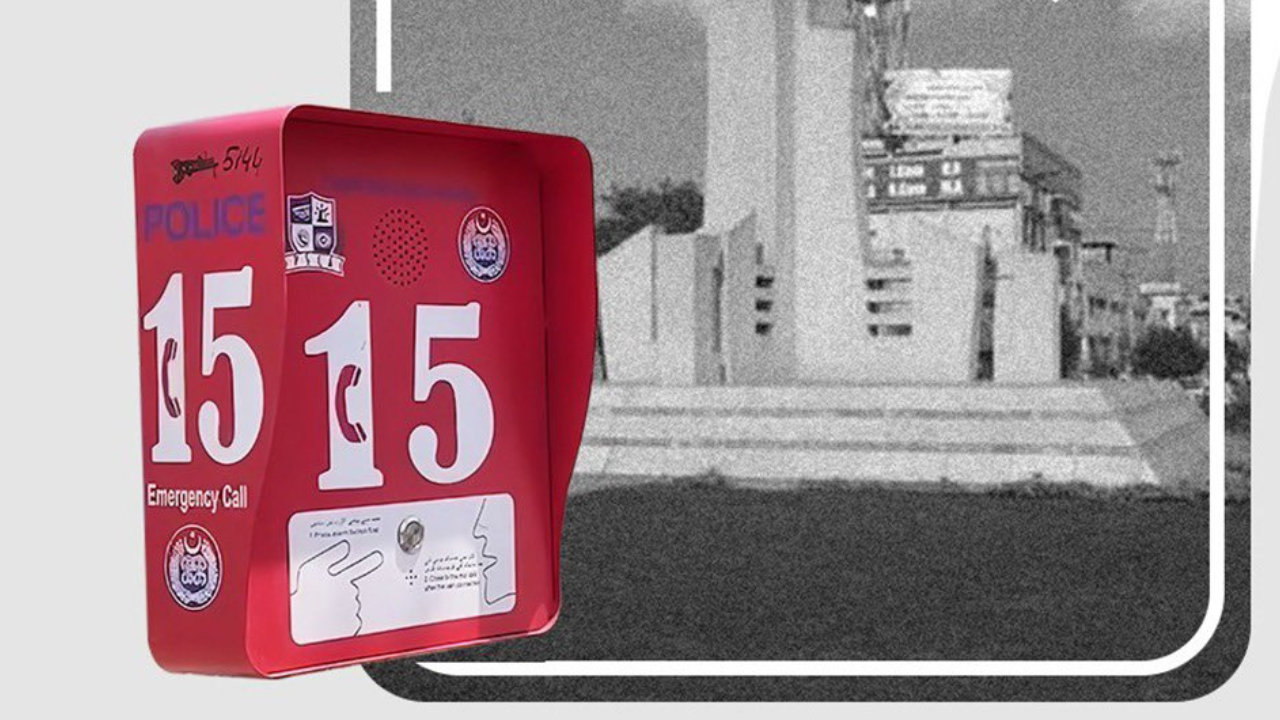
    The Safe Cities Authority has initiated the installation of pink emergency buttons in schools and colleges across Lahore to provide female students with immediate access to police assistance during emergencies.

    A spokesperson for the authority indicated that this system has currently been deployed in 39 institutions for women in the city. This initiative is part of a larger strategy that aims to install pink buttons in 450 women’s colleges across Punjab in various stages.

    The spokesperson clarified that the pink button connects directly to the Safe Cities control room. When activated, it generates an alert to the system, prompting police officers to respond to the incident without delay. Officials stated that this measure is intended to provide students with direct and quick access to assistance while on campus.

    The authority mentioned that similar technology is already operational at various locations in the province. Currently, pink button devices are installed in 101 places across Punjab, with 122 of those situated in Lahore alone. These locations include public areas and facilities where women may need prompt access to law enforcement services.

    The goal is to broaden the system’s reach to include more institutions and ensure that female students in various districts of Punjab have the same safety resources available.

    The Safe Cities Authority intends to install the system across the province in the coming months, with each phase targeting additional colleges and universities.

  • China reaffirms support for Pakistan’s sovereignty in meeting with COAS Munir

    China reaffirms support for Pakistan’s sovereignty in meeting with COAS Munir

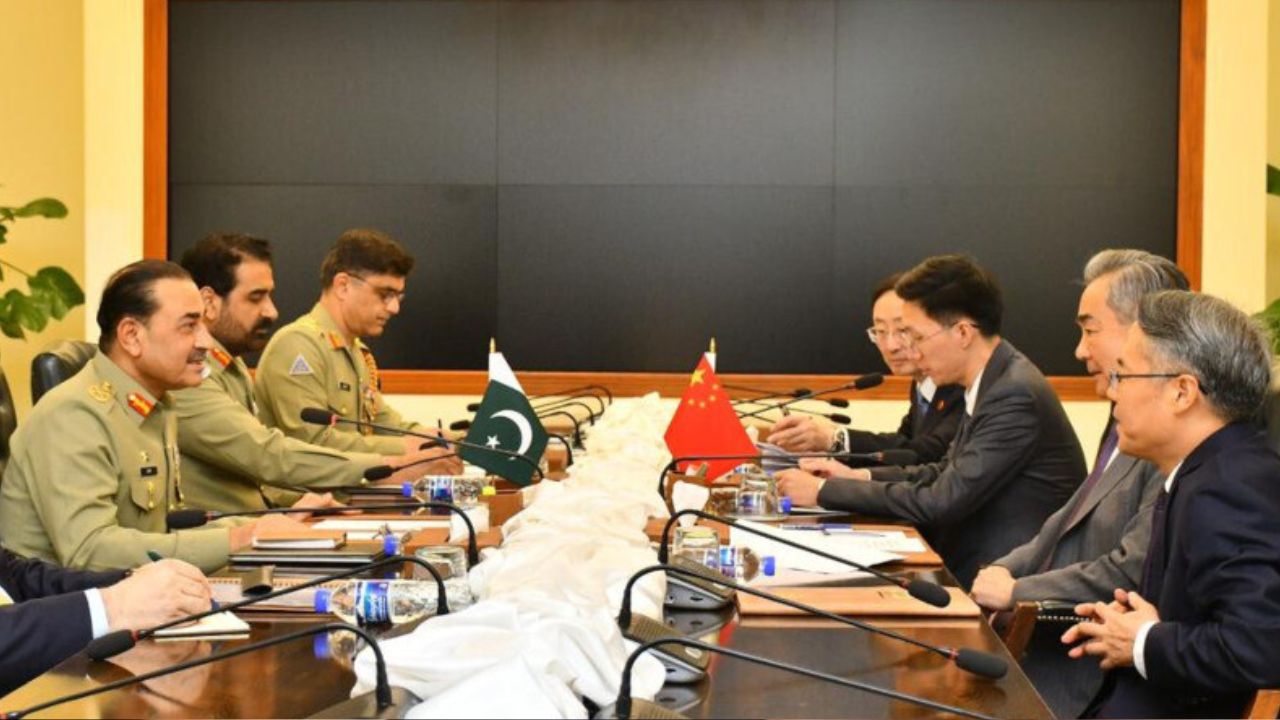
    China’s Foreign Minister Wang Yi met Pakistan’s Chief of Army Staff (COAS), Field Marshal Syed Asim Munir, in Islamabad on Friday. According to the military’s media wing, the two discussed regional security, counterterrorism, and other matters of mutual concern.

    The sixth Pakistan-China Strategic Dialogue was held on Thursday morning, following the arrival of Chinese Foreign Minister Wang Yi in Pakistan late Wednesday night. During his visit, Wang also met Prime Minister Shehbaz Sharif, with Beijing reaffirming its commitment to work closely with Islamabad in promoting regional peace, stability, and development.

    Before arriving in Islamabad, Wang stopped in Kabul for talks with his Afghan counterpart. In a statement, China’s foreign ministry said Beijing was ready to support its neighbours on matters concerning their “core interests” and oppose external interference. Wang also stressed the need to strengthen security dialogues, improve law enforcement cooperation, counter transnational terrorism, and counter conditions driving extremism.

    According to Inter-Services Public Relations (ISPR), Wang’s meeting with Pakistan’s Army Chief, Field Marshal Syed Asim Munir, focused on regional security and counterterrorism. “Both sides reaffirmed their resolve to strengthen the strategic partnership and enhance coordination at regional and international forums,” the statement read.

    The ISPR underlined that Field Marshal Munir praised Beijing for its continuous support, while Wang reaffirmed China’s unwavering backing for Pakistan’s sovereignty and progress. The meeting concluded with a shared commitment to promoting regional peace, stability, and prosperity.

    China and Pakistan share a long-standing strategic alliance that includes infrastructure, energy, trade, and defence. Military-to-military ties have also strengthened over time, with both nations pledging to maintain high-level exchanges and expand collaboration in joint training, exercises, and defence technology.

    Earlier this month, COAS Munir attended an event marking the 98th anniversary of the People’s Liberation Army (PLA), where he underscored the “enduring partnership” between Islamabad and Beijing as a cornerstone of regional stability.

    During his visit to Beijing last month, Chinese leaders had also praised the Pakistan Army, describing it as a “cornerstone of resilience and a vital contributor” to peace in the region.