Category: National

  • My sons won’t participate in politics, protests: Imran Khan

    My sons won’t participate in politics, protests: Imran Khan

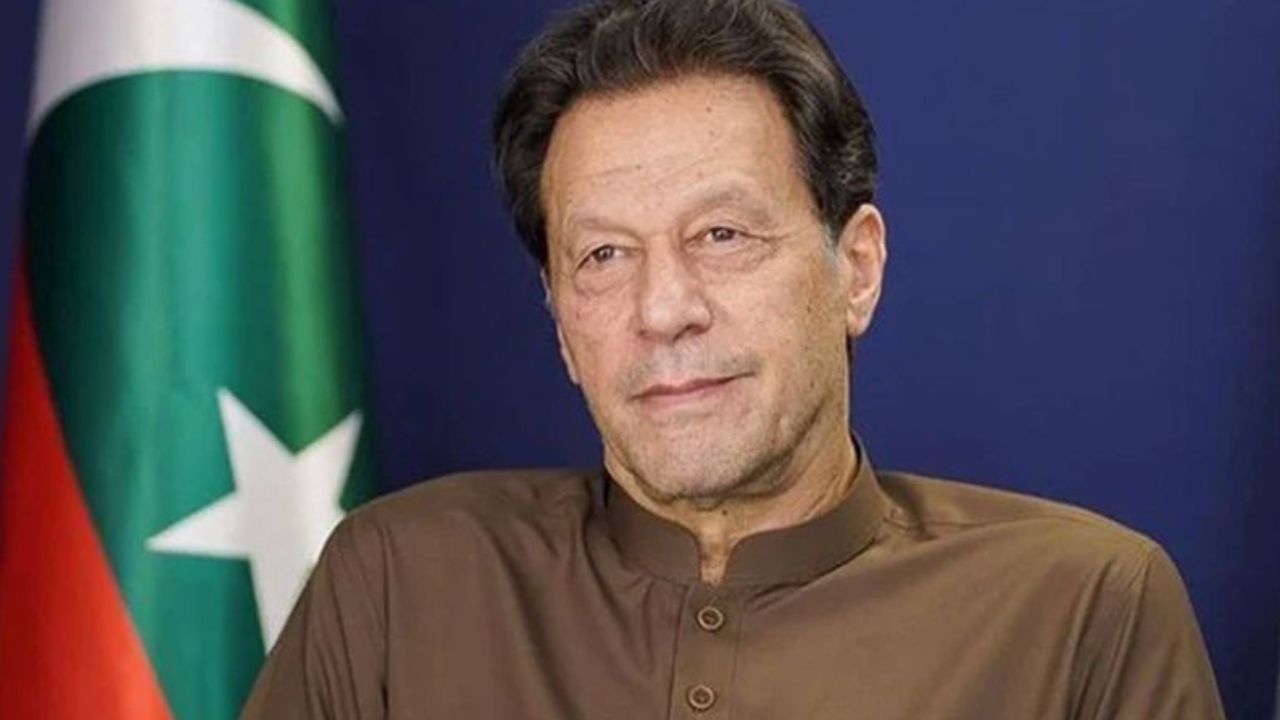
    Incarcerated Pakistan Tehreek-e-Insaf (PTI) founder and former prime minister Imran Khan has stated that his sons, Sulaiman Khan and Kasim Khan, will not participate in protests or politics.

    According to reports, Khan spoke with his sons on a phone call that lasted at least 90 minutes and confirmed that they would visit Pakistan to meet him.

    Speaking to the media on Saturday, Khan also said that his access to newspapers has been restored.

    Meanwhile, speaking to the media outside Adiala Jail in Rawalpindi, Khan’s sister Aleema Khan dismissed speculation that he had stopped his sons from visiting Pakistan.

    She claimed that both have lost their National Identity Cards for Overseas Pakistanis (NICOP), which has led to the delay in their visit to Pakistan.

    “They have applied for NICOP reissuance and visas. Surprisingly, the embassy claims no such applications have been received. I have the tracking numbers of their applications,” she said.

  • Here’s why major routes are sealed in Lahore

    Here’s why major routes are sealed in Lahore

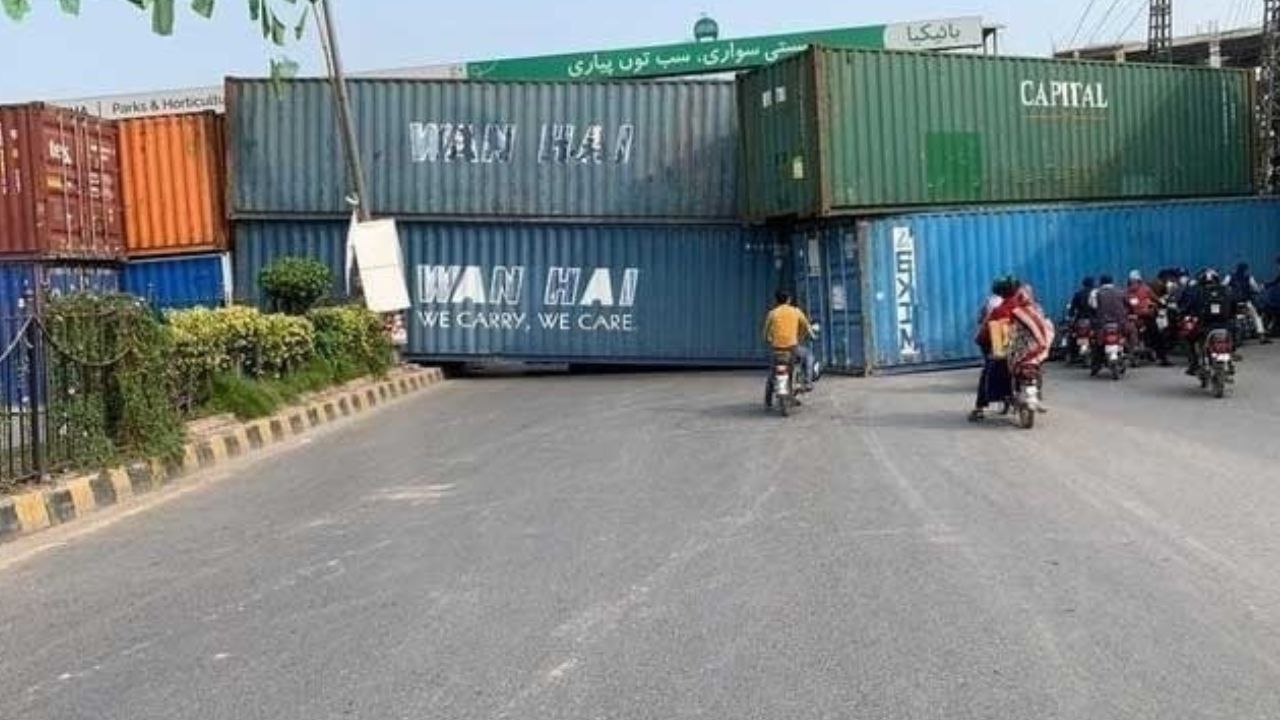
    Several major routes across Lahore have been sealed, causing traffic disruptions and confusion among residents.

    According to official sources, the road blockages are temporary, as Iranian President Massoud Pezeshkian is scheduled to arrive in Lahore today for a two-day state visit at the invitation of Prime Minister Shehbaz Sharif.

    President Pezeshkian is expected to first visit the Mausoleum of Allama Dr Muhammad Iqbal. He will then travel to Islamabad, where he is scheduled to hold a series of meetings with Pakistan’s civil and military leadership, including the President, the Prime Minister, and Chief of Army Staff (COAS) Field Marshal Syed Asim Munir, according to officials.

    The Iranian President will be accompanied by a high-level delegation, including Foreign Minister Seyyed Abbas Araghchi, senior ministers, and other top officials.

    Pezeshkian will be the second Iranian president to visit Pakistan in as many years. The visit was initially scheduled for the last week of July.

    Reports suggest that a key objective of the visit is to expand cross-border and provincial cooperation, with hopes of boosting trade volumes beyond the current $3 billion.

    However, the visit is also expected to focus on recent regional developments, including the Iran-Israel conflict in June, tensions in South Asia, and the worsening humanitarian crisis in Gaza.

    On May 26, PM Shehbaz, along with the army chief, visited Tehran following the Pakistan-India conflict, to thank “brotherly Iran” for its support to Pakistan.

    The Iranian Foreign Minister visited both New Delhi and Islamabad in an attempt to de-escalate the situation. Iranian President Pezeshkian later spoke with both Pakistani and Indian leaders as part of Iran’s mediation efforts.

    Weeks later, as Iran came under missile, drone, and other attacks from Israel, Islamabad expressed full solidarity with Tehran.

  • Pakistan to receive one million barrels of US oil in October

    Pakistan to receive one million barrels of US oil in October

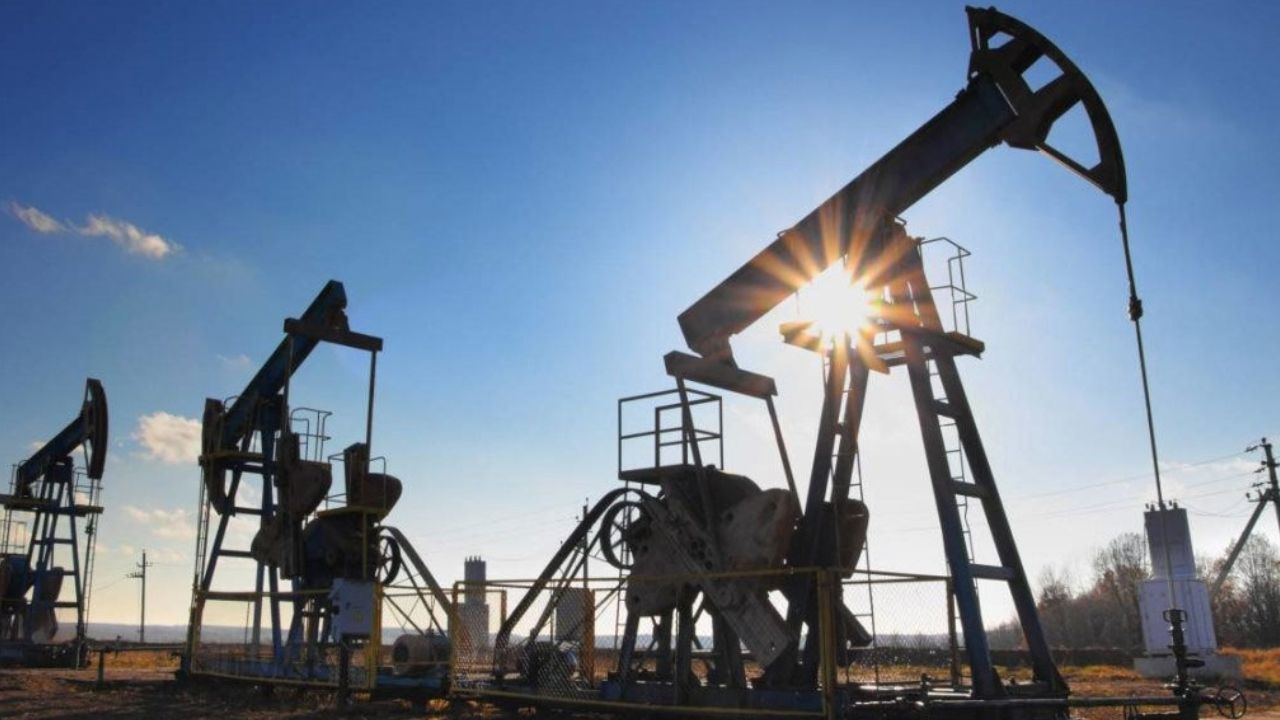
    Pakistan’s largest oil refiner, Cnergyico, is set to import one million barrels of crude oil from the United States (US) in October this year, marking the country’s first-ever purchase of American oil following a landmark trade agreement. The shipment will be supplied by global energy trader Vitol.

    On Friday, Reuters quoted Cnergyico Vice Chairman Usama Qureshi as saying that a cargo of West Texas Intermediate (WTI) light crude will be loaded from Houston this month and is expected to arrive in Karachi in the second half of October.

    “This is a test spot cargo under our umbrella term agreement with Vitol. If it is commercially viable and available, we could import at least one cargo per month,” Qureshi stated, adding that Vitol has been a long-term trading partner of the company. 

    The deal was reached after months of negotiations that began in April this year, following US President Donald Trump’s threat to impose a 29 percent tariff on Pakistani goods.

    In response, Pakistan’s finance and petroleum ministries encouraged local refiners to diversify their sourcing and explore US-origin crude.

    On Thursday, Pakistan praised a trade deal with the US, its top export market, and asserted that the agreement would boost investment.

    According to an executive order detailing the tariffs, the US announced that Pakistan would face a 19 percent tariff on its exports.

    Oil is Pakistan’s largest import item, with shipments valued at $11.3 billion in the fiscal year ending June 30, 2025, accounting for nearly one-fifth of the country’s total import bill.

    “Gross refining margin is on par with Gulf grades, and no blending or refinery tweaks are required,” Qureshi said, adding Cnergyico could consider buying at least 1 million barrels of oil a month from the US after it evaluates the first shipment, given its current monthly demand stands at 4.6 million barrels.

    “It aligns well with domestic market requirements. Demand typically strengthens in the October–November period,” he stated.

    Cnergyico can process 156,000 barrels of crude per day and operates the country’s only single-point mooring terminal near Karachi, enabling it to handle large tankers, unlike other refiners in Pakistan.

    According to Qureshi, the company plans to install a second offshore terminal to allow larger or more frequent shipments and to upgrade its refinery over the next five to six years

    On Wednesday, President Trump said that the United States would also cooperate with Pakistan to develop the South Asian country’s “massive oil reserves”, though he did not provide further details.

    Vitol is yet to respond to the development.
  • Power outage forces surgery under torch light at Quetta Hospital

    Power outage forces surgery under torch light at Quetta Hospital

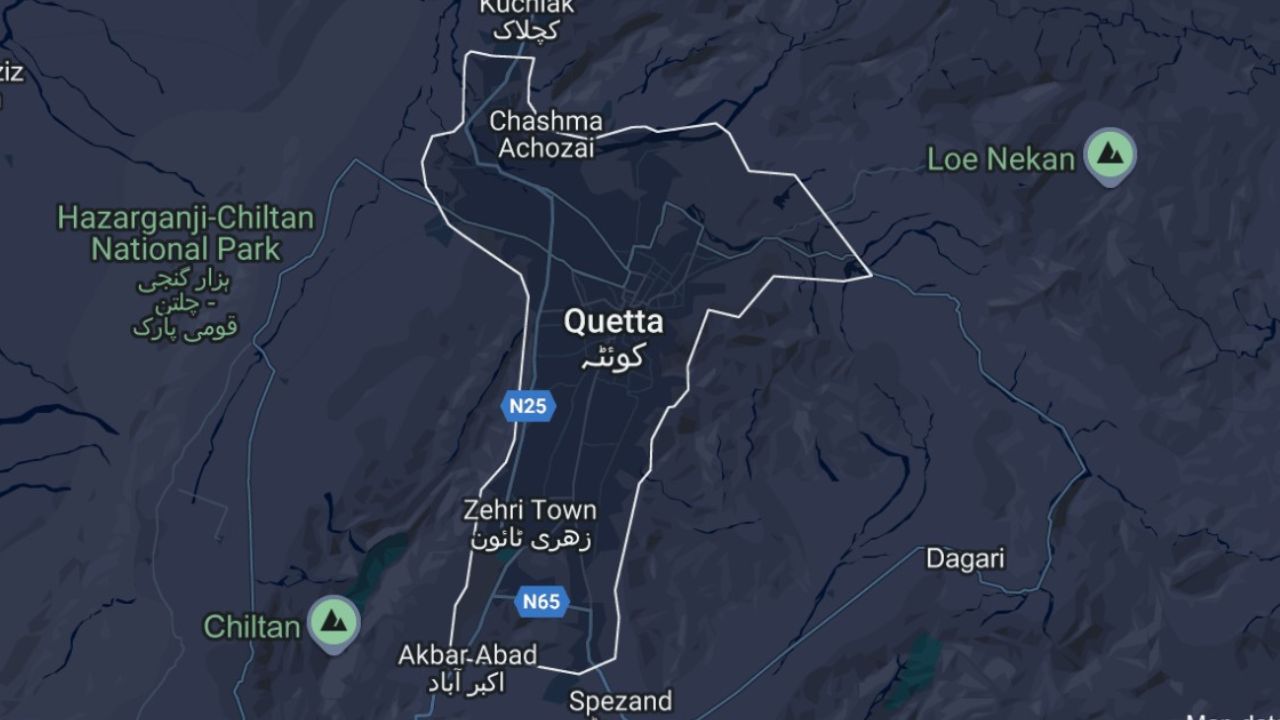
    A power outage at Sandeman Provincial Hospital in Quetta disrupted routine medical procedures, forcing doctors to perform a child’s hernia surgery under mobile torchlight in the children’s surgical operation theatre. 

    The operation was performed when the hospital’s electricity supply was interrupted due to load shedding.

    The hospital staff contacted the Medical Superintendent (MS), who stated that he was not aware of any surgery performed under torchlight. He added that the hospital’s backup generator system takes a few minutes to start.

    According to the MS, funds have already been released to the Quetta Electric Supply Company (QESCO) for the installation of an additional power line.

    This incident highlights the broader, ongoing healthcare crisis in the province.

    Despite the provincial government’s allocation of PKR 2 billion in 2024 for medical procurement, government hospitals in Balochistan continue to face severe shortages of essential medications. Hospital supplies reportedly remain dangerously low for months at a time, seriously affecting both patients and medical professionals.

    Basic emergency items, including essential supplies such as bandages, are often unavailable in many hospitals.

    Citizens have voiced growing frustration over the worsening conditions, particularly in the emergency departments of Quetta’s main public hospitals.

    Conditions in Outpatient Departments (OPDs) have also reportedly deteriorated, with patients frequently complaining of poor treatment and unprofessional staff behaviour.

    As Balochistan continues to grapple with long-standing challenges in its healthcare infrastructure, citizens and healthcare advocates are calling for urgent, transparent, and long-term reforms to ensure access to safe and reliable medical services.

  • FACT CHECK: Did Trump just call Modi out for not responding to his tweets?

    FACT CHECK: Did Trump just call Modi out for not responding to his tweets?

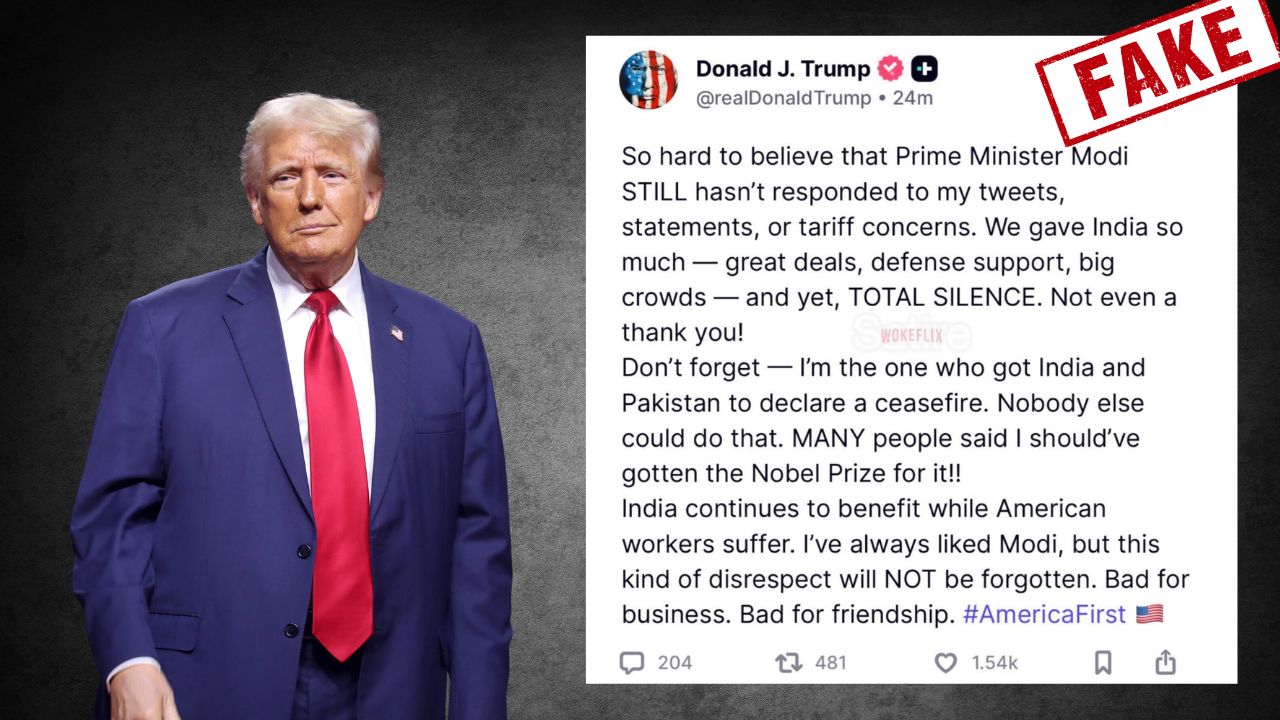
    A screenshot of United States (US) President Donald Trump’s Truth Social post that called Indian Prime Minister (PM) Narendra Modi out for not responding to the announcement of whopping 25 per cent reciprocal tariffs on New Delhi, has turned out to be fake.

    “So hard to believe that Prime Minister Modi STILL has not responded to my tweets, statements or tariffs concerns. We gave India so much, great deals, defense support, big crowds and yet, TOTAL SILENCE. Not even a thankyou [sic],” read the post, a screenshot of which went viral on social media on Friday.

    “Don’t forgot I am the one who got India and Pakistan to declare a ceasefire. Nobody else could do that. Many people said I should have gotten the Nobel Prize for it!!,” it read, adding that India “continued to benefit while American workers suffer”.

    “I have always liked Modi but this kind of disrespect will NOT be forgotten. Bad for business, bad for friendship #AmericaFirst,” the post said.

    With a screenshot of the post going viral and several social media users sharing it, particularly on X (formerly Twitter), here, here and here, The Current conducted a thorough investigation into the authenticity of the screenshot, reviewing all of President Trump’s posts on Truth Social over the past 24 hours.

    Going through all 40 posts shared by the US president on Truth Social over the past day, The Current was unable to find the one wherein he directly called out the Indian premier.

    While any cached records were also not found– used to verify authenticity in case of post deletion – The Current discovered that the screenshot being shared online originated from an account named Wokeflix, a digital outlet that falsely attributed the statement to President Trump.

  • From Rawalpindi streets to Paris honour: Ali Akbar awarded Légion d’Honneur

    From Rawalpindi streets to Paris honour: Ali Akbar awarded Légion d’Honneur

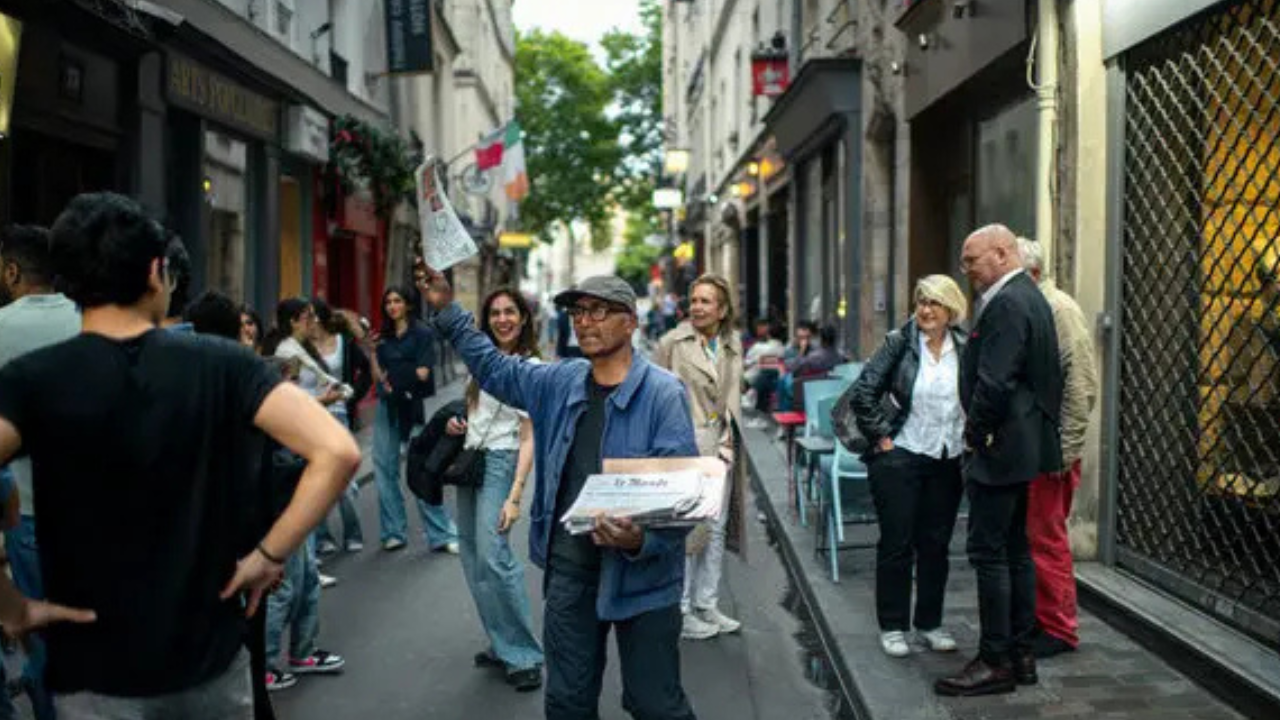
    Ali Akbar, a 72-year-old newspaper vendor from Rawalpindi, has been awarded the “Légion d’Honneur”, France’s highest civilian award. The award was presented to him by President Emmanuel Macron during a ceremony at the Élysée Palace. Akbar, who holds a French residence permit, hopes this recognition will support his long-delayed application for French citizenship.

    For over fifty years, Akbar has been a familiar presence in the St.-Germain-des-Prés district of Paris. Recognised not only for selling newspapers but also for his signature cry of “Ça y est!”, his voice has echoed through cobbled streets as he made his daily rounds across cafés and boutiques.

    Born in 1953 into a low-income household in Pakistan, Akbar left school at the age of 12 and took on a series of jobs before deciding to pursue a better future abroad.

    In 1973, he arrived in Paris after a long journey that took him through Kabul, Tehran, and Athens.

    He initially worked in restaurants and lived in difficult, often unstable conditions.

    In 1974, he switched to selling newspapers on the street after observing an Argentine student doing the same. He began with satirical magazines such as “Charlie Hebdo” and “Hara-Kiri”, and later moved to major French dailies like “Le Monde” and “Les Echos”. The work provided modest earnings but gave him a sense of independence and connection to the city.

    Akbar is known for using humour to engage passersby, sometimes inventing headlines to catch attention. Over the years, his clientele has included artists, psychotherapists, and fashion designers. He is a regular face at cafés like Flore, Lipp, and Fleurus, where he has built close relationships with customers and staff.

    His daily path, which runs from noon to midnight, provides him with a modest living. On average, he earns about $70 each day. Despite being older now, he continues to work without a pension and seldom takes time off.

    His motivation, he says, was shaped by his childhood in Rawalpindi, where he once lived in a cramped room with four siblings and relied on leftovers for food. His goal was always to provide his mother with a better life, which he eventually achieved by buying her a home with a garden.

  • Gilgit declares emergency as floods hit Ghizer, Hunza

    Gilgit declares emergency as floods hit Ghizer, Hunza

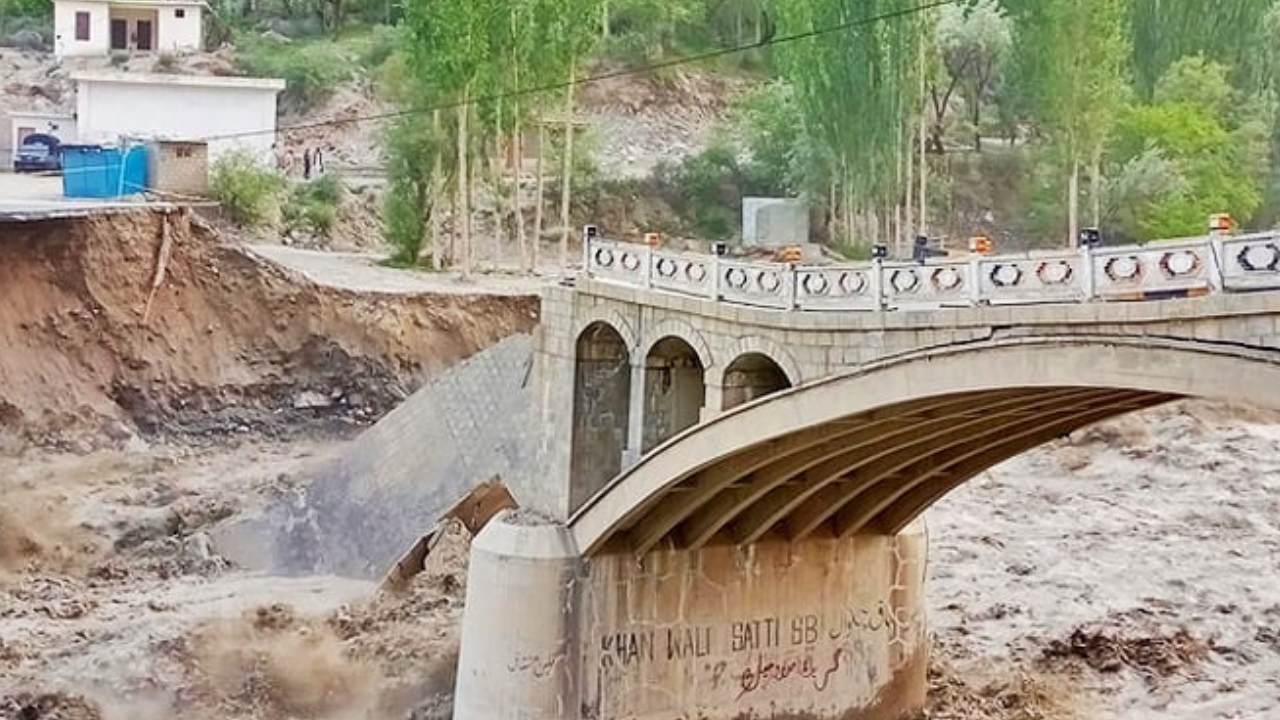
    The government of Gilgit-Baltistan has declared a state of emergency in 37 areas following flash floods caused by cloudbursts that affected Ghizer, Hunza, and various other districts. 

    The Gilgit-Baltistan Disaster Management Authority (GBDMA) reported that flooding in the Khatam village of Ghizer’s Gupis Valley obstructed the Ghizer-Shandur Road and caused damage to private properties and agricultural land. In Gojal, upper Hunza, locals observed damage to an irrigation channel in Ghalapan village, which served over 50,000 forest trees with water. 

    The Home Department issued a notice designating multiple areas as disaster-affected. This list includes 12 areas in Diamer, nine in Gilgit, five in Ghizer, four each in Skardu and Shigar, two in Ghanche, and one each in Nagar and Kharmang. Notable villages mentioned are Parri Bangla, Danyor, Bagrote, Biarchi, Thoi, Kondus, Haldi, Botogah, Gushay Darel, Qaimabad, and Torghon valley, among others.

    The notice indicated that due to heavy rainfall during the 2025 monsoon season, several villages had experienced losses, including human fatalities, livestock, homes, infrastructure, and crops. It added, “In the judgment of the Government, the circumstances demand action under the National Calamities (Prevention and Relief Act, 1958).”

    Government spokesperson Faizullah Faraq said in a media briefing that 10 people, mostly tourists, have died in the recent floods. Four were injured. Between 10 and 15 tourists remain missing, and search operations are underway. He confirmed that 22 vehicles were swept away and over 500 houses have been damaged.

    The government has set aside Rs440 million for emergency recovery efforts, which include the restoration of water, electricity, and road services. Relief supplies such as tents, blankets, kitchen kits, and food are being provided to families who have been displaced. The reconstruction of 509 homes is already underway.

    The estimated total damages are reported to be around Rs20 billion. Gilgit-Baltistan has been one of the regions most severely affected by flooding this monsoon season, with recurring incidents attributed to cloudbursts and glacial lake outburst events.

  • Six security personnel injured in quadcopter attack on Bannu police station

    Six security personnel injured in quadcopter attack on Bannu police station

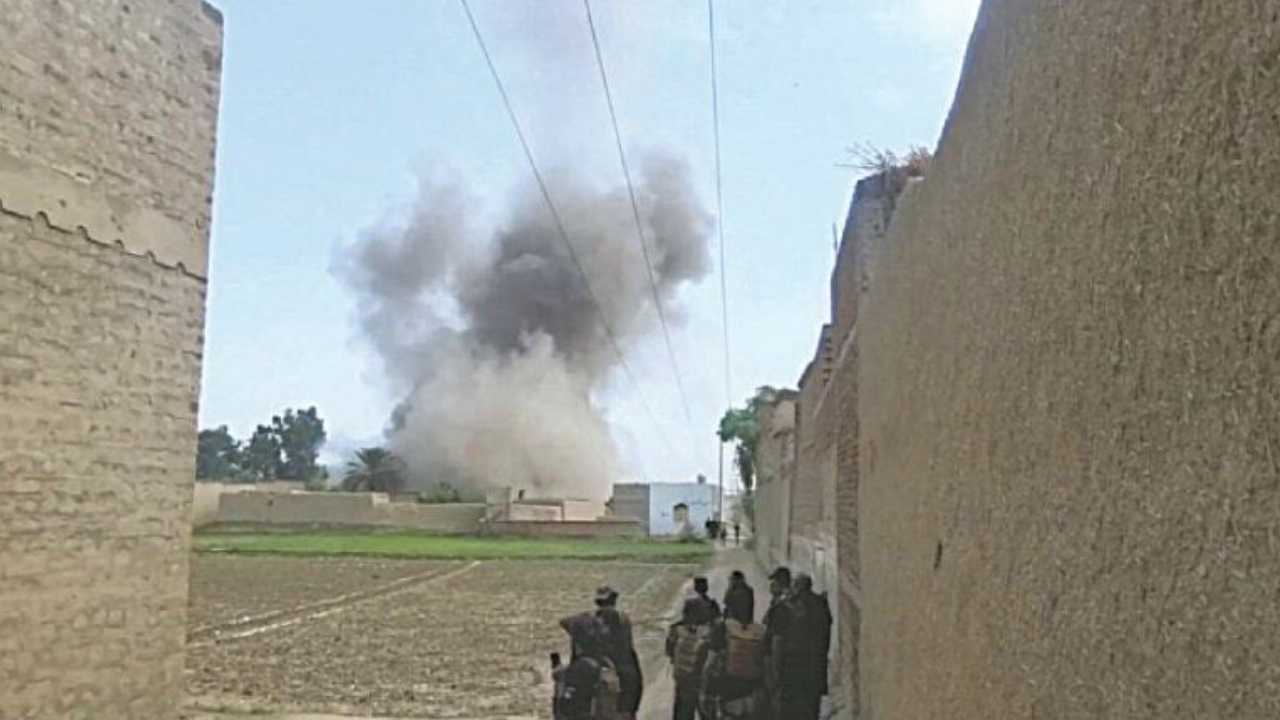
    At least six security personnel were injured in a quadcopter strike by militants on Bannu’s Miryan Police Station as a joint operation against terrorists continued in the Nurar area.

    As per a police spokesperson, the attack took place when an intelligence-based operation by police officers, security personnel and commandos from the Counter-Terrorism Department (CTD) continued in the area. The operation was launched following intelligence reports suggesting the presence of “Fitna al-Khawarij” –  the term used by authorities for the proscribed Tehreek-i-Taliban Pakistan (TTP).

    “During the aerial attack, a quadcopter dropped explosives on the police station, causing an explosion that left two army soldiers, three CTD personnel and one police constable injured,” the official said, adding that the injured were rushed to Combined Military Hospital (CMH) Bannu.

    Security forces have set up checkpoints while cordoning off the area as successful targeted raids and strikes on militant hideouts continue, the police official said.

    It merits a mention that the operation was initiated after confirmation of presence of over 200 militants in the Miryan Police Station area spread panic. Armed TTP militants had taken to the streets, forcing shopkeepers to shut down businesses and leaving residents confined indoors, halting normal life. 

    “The timely and effective actions of law enforcement have forced the terrorists to flee the area,” the police official said, adding that operations were to continue till elimination of all militants. 

    Meanwhile, business activities in the area remained suspended and locals described the situation as “resembling a curfew”. Reports from the area said that loudspeakers in mosques were used early Thursday morning to warn residents to stay indoors and cooperate with the ongoing operation.
     

    Regional Police Officer (RPO) Sajjad Khan also said that the area would be cleared of terrorists at all costs. He reaffirmed the police’s resolve to act firmly against anti-law elements and restore peace. He added that terrorists had suffered heavy losses during the operation.

    RPO Khan also paid a visit to the hospital to check on the injured personnel and commended their courage.

  • CM Gandapur vows to expose India-sponsored terrorism after FATF debacle

    CM Gandapur vows to expose India-sponsored terrorism after FATF debacle

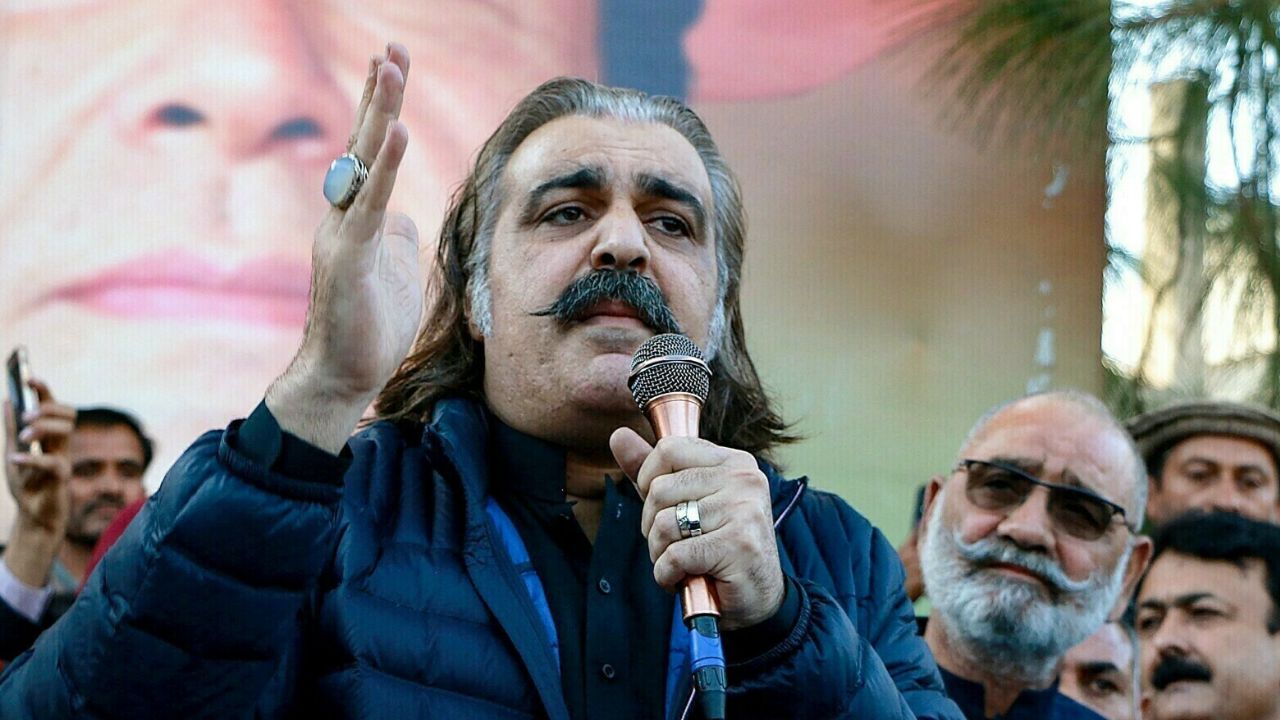
    A day after India submitted Chief Minister (CM) of Khyber Pakhtunkhwa (KP) Ali Amin Gandapur’s recent remarks regarding the alleged support of certain extremist groups by “institutions” to the Financial Action Task Force (FATF) as evidence against Islamabad, he vowed to expose India’s role in sponsoring terrorism in the country.

    The Bharatiya Janata Party (BJP)-led Indian government has used the chief minister’s statement to back its allegations that Pakistan supports terrorist elements, officials of FATF confirmed.

    The Indian submission specifically references Gandapur’s remarks made late in July following an All-Parties Conference (APC) in Peshawar, in which he alleged, “We arrest the Taliban, but our own institutions get them released, claiming they are their people.”

    “Now they (Good Taliban) have come again. Please, these ‘Good Taliban’ are not acceptable and if you really want to keep them, give them uniforms, and send them to [Indian illegally occupied] Kashmir,” he had said.

    The remarks, which elicited criticism in Pakistan, are now being used by New Delhi to request Islamabad’s re-inclusion on the FATF’s “increased monitoring” list, commonly known as the grey list.

    Indian authorities have argued that the public admission by the chief minister shows that Pakistan’s institutions continue to aid and protect terrorist elements.

    Media reports quoted the FATF officials as saying that New Delhi framed the statement as a formal “charge sheet” against Islamabad, especially underscoring KP as a region gravely affected by terrorism and militancy.

    According to media reports, Gandapur, in a statement, said that India submitted his statement to the global anti-money laundering watchdog “out of context”.

    “India has always been involved in terrorism in Pakistan and the region,” the Chief Minister said, noting that he was writing a letter to FATF to expose Indian actions in Kashmir.

    He said the people and Pakistan’s forces were making unprecedented sacrifices to uproot terrorism from the country. 

    “My message to Modi [Indian prime minister] is that we are united to defend Pakistan,” Gandapur said, warning that India was attempting to get Pakistan grey-listed again by “constructing a false narrative.”

    After being placed on FATF’s grey list in 2018, Pakistan was taken off the list in 2022.

  • K-Electric CEO removed over harassment charges

    K-Electric CEO removed over harassment charges

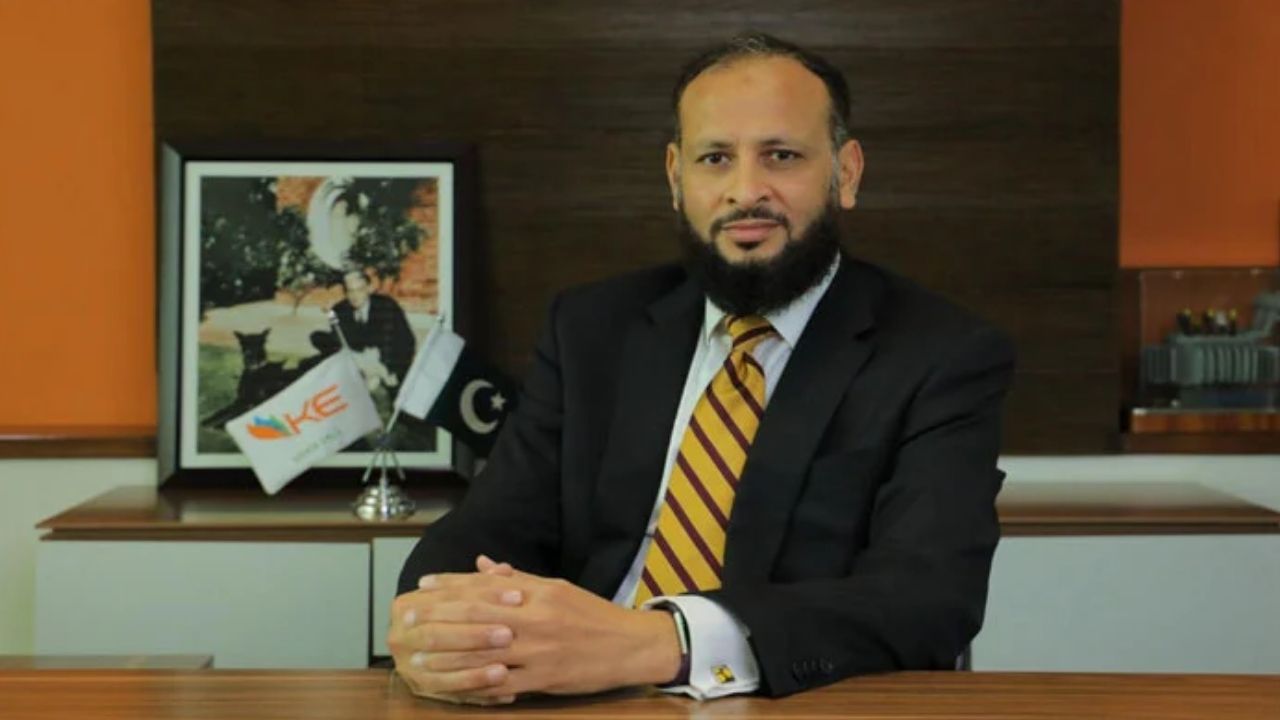
    Sindh’s Ombudsman for Protection against Harassment, Justice (Retd) Shah Nawaz Tariq, has ordered the removal of K-Electric CEO Moonis Alvi from his position and imposed a fine of Rs 2.5 million.

    In the official verdict, the ombudsman stated that allegations of harassment against a female complainant were proven. The decision further directed the K-Electric CEO to pay the fine within one month.

    Justice (Retd) Shah Nawaz Tariq ruled that Alvi harassed the complainant and caused her mental distress. The order warns that if the fine is not paid, Alvi’s movable and immovable assets should be seized. His national identity card and passport could also be blocked if he fails to comply.

    Reacting to the decision, Moonis Alvi issued a statement on X (formerly Twitter), writing that he has always upheld values of integrity and dignity in professional relationships.

    He termed the recent ruling “deeply painful” and added, “I respect the legal process and the institutions that uphold it.”

    Alvi said the outcome does not reflect the reality of his experience. “I am reviewing the decision with legal counsel and will exercise my right to appeal,” he added.

    He also thanked those who have expressed support, saying his commitment to justice and dignity in the workplace remains unwavering.