Category: National

  • Over 10,000 kg of expired meat seized in Lahore

    Over 10,000 kg of expired meat seized in Lahore

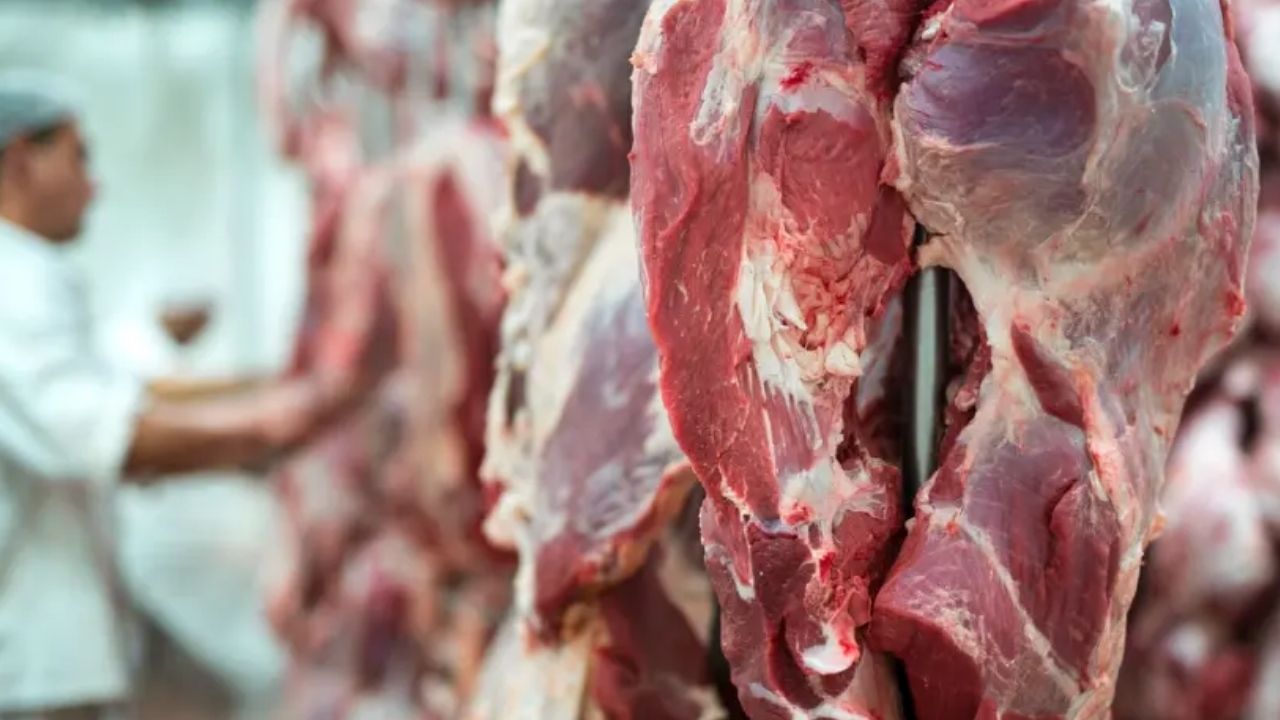
    The Punjab Food Authority (PFA) has seized more than 10,000 kilograms of expired and rancid meat in Lahore, arresting four individuals involved in the illegal operation.

    According to reports, the raid was conducted at Bakra Mandi under the supervision of Director General PFA Asim Javed. The recovered meat was reportedly sourced from sick and dead animals and was being processed for distribution in the city.

    Reports citing the PFA spokesperson added that the expired meat had been stored in a cold storage facility. Authorities raided the site following complaints of foul odour and unhygienic conditions. The meat had been transported from nearby rural areas and was allegedly intended for supply to various hotels.

    DG Asim Javed said, “The spoiled meat was about to be supplied to different hotels, but timely action prevented a major public health crisis.” He confirmed that all the seized meat was destroyed on the spot.

    Legal action has been initiated against the arrested suspects. The Food Authority has urged the public to report any suspicious meat-related activities to help safeguard public health.

  • Omar Ayub, Zartaj Gul among others sentenced to 10 years in jail

    Omar Ayub, Zartaj Gul among others sentenced to 10 years in jail

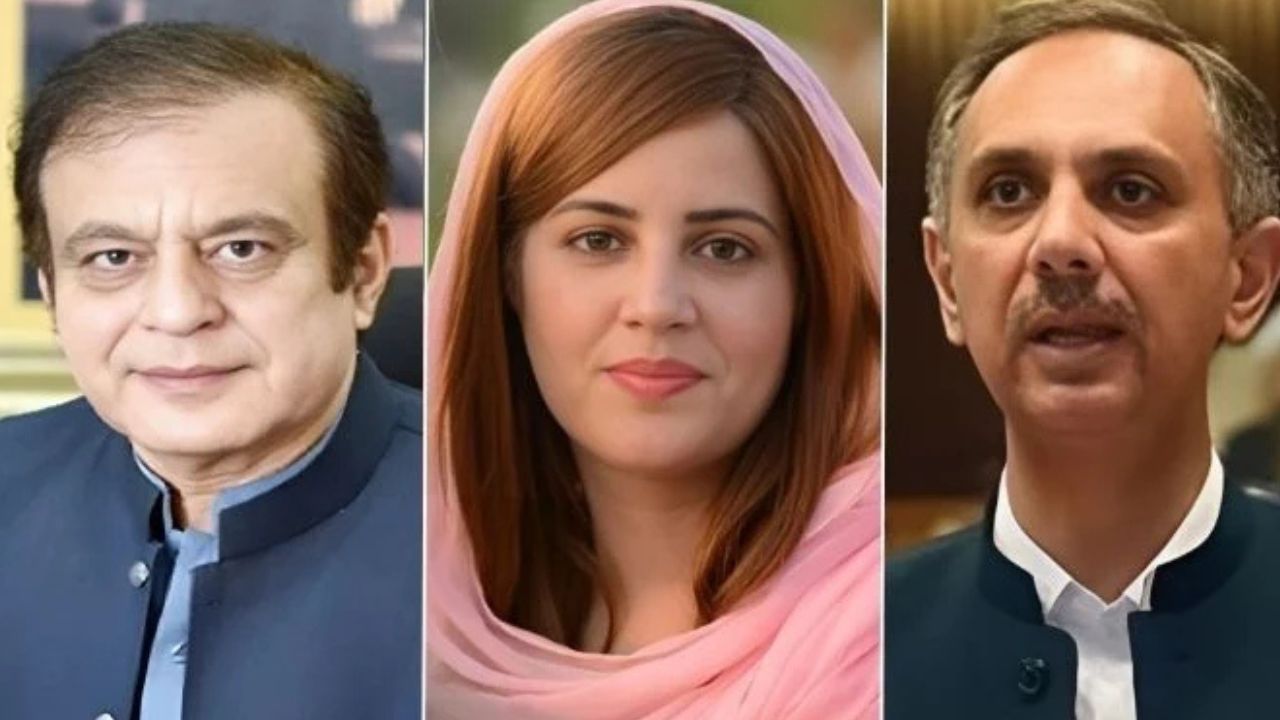
    A special anti-terrorism court (ATC) in Faisalabad on Thursday awarded 10 years rigorous imprisonment to 108 Pakistan Tehreek-e-Insaf (PTI) leaders and workers for their involvement in the May 9 riots.

    As per the details, the court sentenced leader of the opposition in the National Assembly (NA) Omar Ayub Khan, Senator Shibli Faraz, senior PTI leader Zartaj Gul and Sunni Ittehad Council (SIC) chief Sahibzada Hamid Raza while acquitting former federal minister for information Fawad Chaudhry, Zain Qureshi and ex-provincial minister Khayal Ahmad Kastro in the same case.

    Member Provincial Assembly (MPA) Junaid Afzal Sahi with a three-year-imprisonment was also among the 108 convicts out of the total 185 accused of violent protests that erupted across the country following the arrest of former prime minister (PM) Imran Khan in 2023.

    The unrest included attacks on public property and military installations, such as the Corps Commander House in Lahore, also known as Jinnah House.

    Last week, an ATC in Lahore also sentenced several PTI leaders, including Dr Yasmin Rashid and Mian Mehmood Ur Rasheed, to 10 years in prison in connection with the May 9 violence case.


    Ex-Punjab governor Omar Sarfraz Cheema, Senator Ejaz Chaudhry and Afzal Azeem Pahat were also sentenced by the court.


    It merits a mention that a court had earlier acquitted former foreign minister and PTI Vice Chairman Shah Mahmood Qureshi in the same case as he was in Karachi on the day of the incident. Others acquitted in the case include Hamza Azeem Pahat, Rana Tanveer and Aizaz Rafiq.

  • Pakistan launches advanced remote sensing satellite from China

    Pakistan launches advanced remote sensing satellite from China

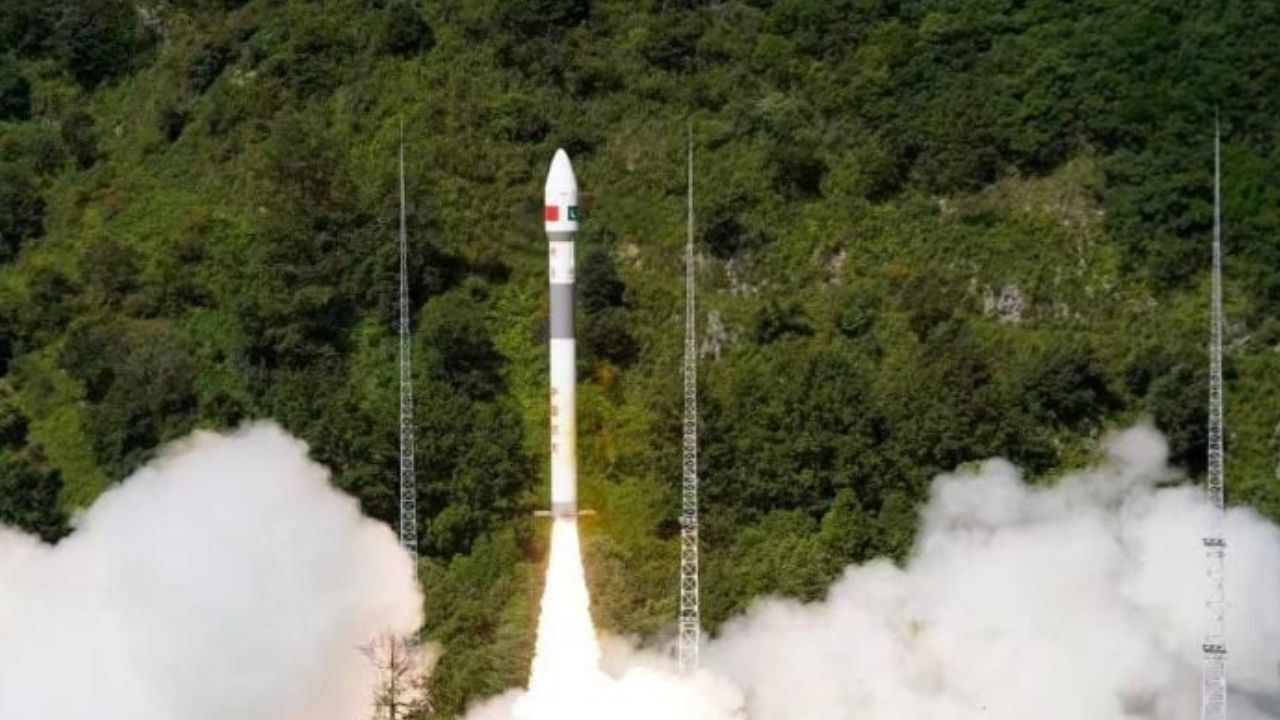
    Pakistan has successfully launched a state-of-the-art remote sensing satellite into orbit on Thursday, marking a major milestone in the country’s space program.

    The launch took place at 7:38 am Pakistan Standard Time from China’s Xichang Satellite Launch Centre, with senior officials from the Space and Upper Atmosphere Research Commission (SUPARCO) present at the site.

    The event was broadcast live from SUPARCO’s headquarters in Karachi, highlighting the national importance of the achievement.

    Equipped with advanced electro-optical and hyperspectral sensors, the satellite is designed to provide real-time data for a wide range of applications including disaster prediction, agricultural assessment, environmental monitoring, and urban development.

    “This is a landmark achievement in Pakistan’s space journey,” said the Director General of SPARC, calling the launch a “major breakthrough” that will support national development and improve disaster resilience. “It will not only help us in effective disaster management but also in food security, infrastructure planning and climate response.”

    Officials say the satellite will significantly enhance the country’s ability to issue early warnings for natural disasters such as floods, earthquakes, and landslides, which have long impacted communities and infrastructure. The satellite’s monitoring capabilities are also expected to play a critical role in addressing food security challenges by providing accurate crop data amid shifting climate conditions.

    Additionally, the satellite will be used to track infrastructure development, particularly projects related to the China-Pakistan Economic Corridor (CPEC), offering a more detailed and real-time overview of ongoing progress and compliance.

    This mission builds on Pakistan’s previous advancements in space technology. In 2018, the country launched its first remote sensing satellite, PRSS-1, alongside the Pakistan Technology Evaluation Satellite (PakTES-1A). These missions laid the foundation for more sophisticated satellite launches, including the recent EO-1 electro-optical satellite, which expanded Pakistan’s presence in low Earth orbit.

    The latest launch is seen as a significant step forward in utilizing space technology for national development and regional collaboration.

  • British Council and Scottish Government launch 10-Year Impact Report highlighting transformative role of Scotland Pakistan Scholarships for Young Women and Girls

    British Council and Scottish Government launch 10-Year Impact Report highlighting transformative role of Scotland Pakistan Scholarships for Young Women and Girls

    Over 20,000 girls have benefited from the scholarship since 2013

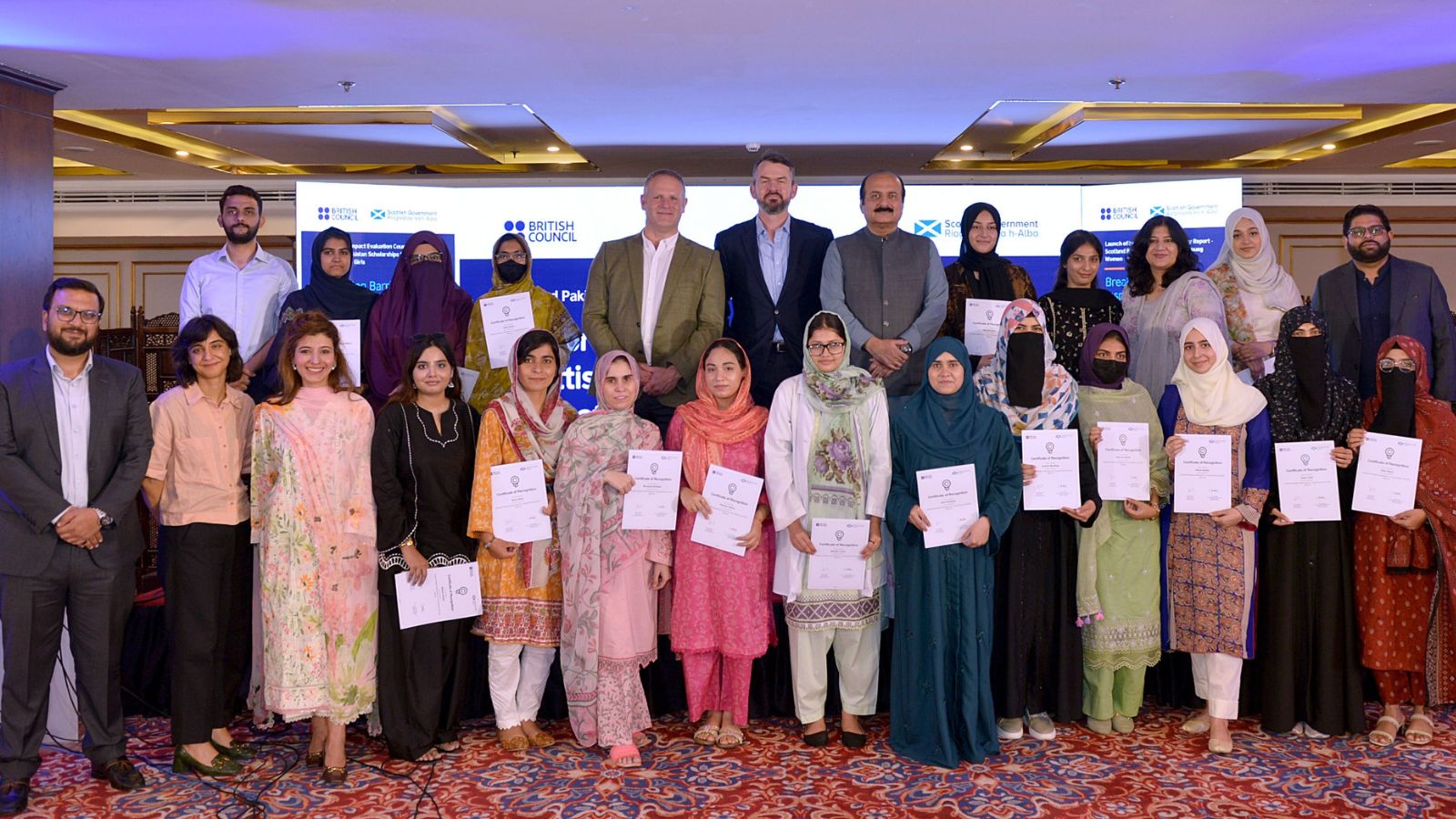
    The British Council, in partnership with the Scottish Government, has launched the 10-Year Impact Evaluation Country Report of the Scotland Pakistan Scholarships for Young Women and Girls, highlighting the transformative power of education in the lives of over 20,000 girls and young women across Pakistan.

    Since its inception in 2013, the programme has supported more than 18,000 girls at the school level and 2,000 at the university level, helping them overcome financial, social, and cultural barriers to education. Designed to reach some of the most underserved communities—including girls from religious minorities, persons with disabilities, and rural and remote areas—the programme has had a far-reaching impact on access, retention, confidence, and ultimately, workforce participation.

    Rana Mashood Ahmad Khan, Chairman Prime Ministers Youth Program said:

    “The 10-Year Evaluation Report of the Scotland Pakistan Scholarships for Young Women and Girls highlights a decade of transformative progress. This initiative, in collaboration with the Scottish Government, has significantly expanded educational opportunities for underprivileged girls across Pakistan, paving the way for a more inclusive and empowered future.”

    James Hampson, Country Director at the British Council Pakistan, said:

    “This initiative, generously supported and funded by the Scottish Government, has always been about far more than just funding education. It’s about opening doors, unlocking potential, and sending a powerful message to every girl: you matter, and your dreams are worth backing. The incredible scale of this program, reaching more than 20,000 girls and young women across Pakistan, demonstrates the profound impact we have achieved. When we invest in girls, we don’t just change their future—we change entire communities.”


    The evaluation, conducted using a mixed-methods approach, reveals that:

            the scholarships have significantly increased enrolment and retention rates, reduced financial stress on families, and led to measurable gains in self-confidence and academic performance.

            Among school-level beneficiaries, 87% of parents reported that the scholarship eased financial pressure, while 95% saw improved confidence and performance in their daughters.

            At the university level, 73% of recipients said they would not have been able to continue their studies without the scholarship, while nearly 50% of eligible graduates are now in the workforce, many in socially critical sectors such as education, healthcare, and research.


    James McNulty, Inclusive Education Lead (International Development) at the Scottish Government, added:


    “Gender equality and inclusive education are at the heart of Scotland’s international development priorities. We are proud to have partnered with the British Council to deliver this impactful programme, and this evaluation shows that our investment is enabling lasting change—empowering young women in Pakistan to overcome barriers, pursue opportunity, and lead their communities forward.”


    The report also highlights powerful individual stories: from a young woman in Gilgit-Baltistan who became a gold medallist despite growing up in poverty, to a nurse in Karachi who rose to become a university lecturer, and a deaf student in Sindh overcoming systemic challenges through scholarship support. To read the complete report please visit https://bit.ly/3Gqpk0y .

    As Pakistan continues to face significant gender disparities in education and employment, the Scotland Pakistan Scholarships for Young Women and Girls stands as a proven model for inclusive, sustainable, and life-changing support and is an integral part of the British Council’s mission to provide women the platforms that will enable them to become leaders and changemakers for a more prosperous Pakistan.


     Notes to the Editor

     About the British Council

     The British Council is the UK’s international organisation for cultural relations and educational opportunities. We support peace and prosperity by building connections, understanding and trust between people in the UK and countries worldwide. We do this through our work in arts and culture, education and the English language. We work with people in over 200 countries and territories and are on the ground in more than 100 countries. In 2021–22 we reached 650 million people.

    www.britishcouncil.org

  • Chinese firms seek official approval to export donkey meat

    Chinese firms seek official approval to export donkey meat

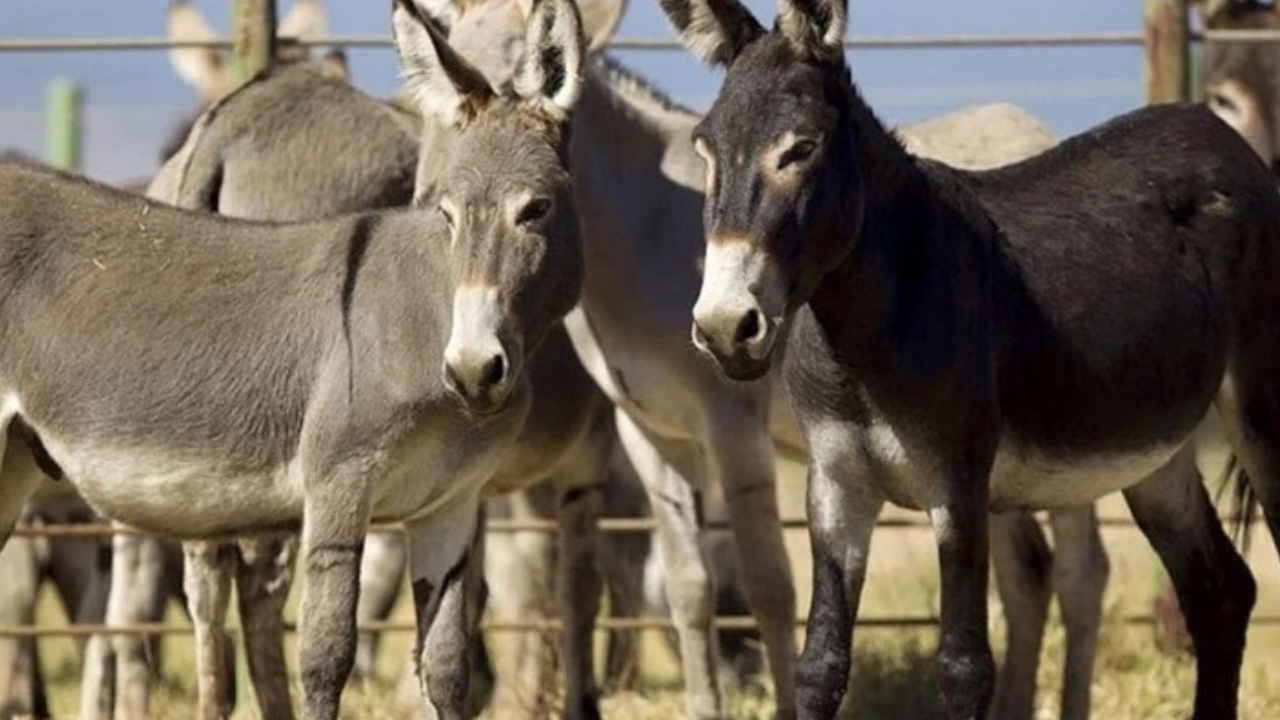
    Officials from the Ministry of National Food Security & Research have confirmed that two Chinese firms have submitted applications for permits to export donkey meat from Pakistan, representing the initial formal effort to create a legal supply chain from Pakistan to China.

    As per ministry officials, the firms have applied for authorization to operate slaughterhouses and obtain export clearance. These proposals are currently undergoing comprehensive evaluation. If granted permission, the firms would be allowed to process and export donkey meat along with byproducts via Gwadar, which has been designated as the sole location for this trade. Authorities have indicated that any meat processing conducted outside of Gwadar will be strictly forbidden to maintain regulatory oversight and avoid domestic distribution.

    This initiative follows a recent inspection by the Islamabad Food Authority (IFA) at an unlawful donkey meat facility in Tarnol, where officials confiscated roughly 1,000 kilograms of meat and over 50 live donkeys.

    A foreign national found on site was taken into custody, and an FIR has been registered. The seized meat is being destroyed as investigations continue into possible export attempts.

    Officials have expressed concerns regarding unlicensed activities. The ministry has emphasized that only duly authorized operations will be allowed, and any efforts to circumvent regulations will face stringent legal consequences.

    Donkeys are in high demand in China, where their meat is used in cuisine and their hides in the production of e-jiao, a traditional medicinal gelatin. A slaughterhouse in Gwadar began production earlier this year to meet rising demand from China.

    The Donkey Sanctuary, a UK-based animal welfare organization, states that the e-jiao industry requires approximately 5.9 million donkey skins each year. Shandong province in China accounts for nearly 90 percent of the global supply of e-jiao and regards this product as essential to its traditional medicinal practices.

    The donkey population in Pakistan reached 6.047 million in 2024, an increase of more than 109,000 from the previous year, according to a report from the Pakistan Bureau of Statistics.

  • Imran Khan’s son says he is ‘very hopeful’ of his father’s release after meeting with Trump aide

    Imran Khan’s son says he is ‘very hopeful’ of his father’s release after meeting with Trump aide

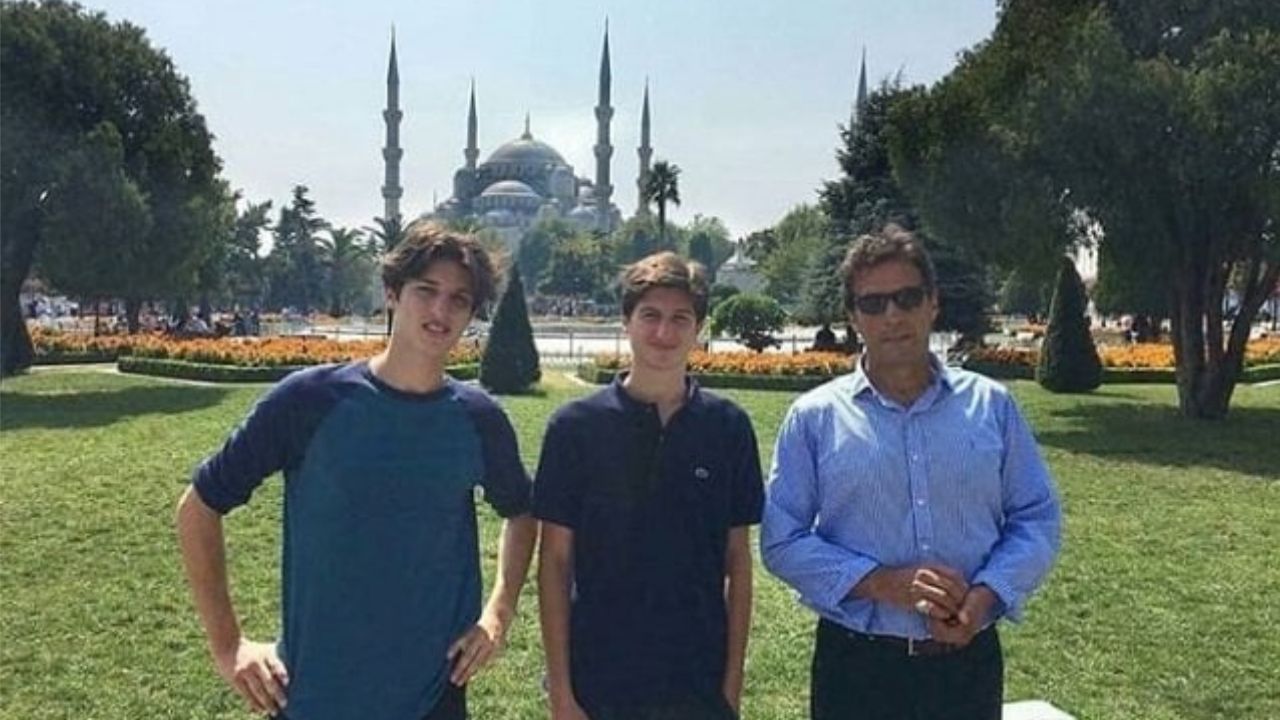
    Kasim Khan, one of the two sons of the incarcerated founder of Pakistan Tehreek-e-Insaf (PTI) Imran Khan, on Tuesday claimed that he is “very hopeful” that his father will be released following a meeting with United States (US) President Donald Trump’s Envoy for Special Missions, Richard Grenell.

    “He was very kind to spend some time with us … I can’t give details on what we spoke about, but I am very hopeful from that,” he said in an interview with Real America’s Voice (RAV).

    On July 22, Grenell, took to X (formerly Twitter) to share a photo where he’s meeting Imran Khan’s sons, advising them to “stay strong”.

    He welcomed his “friends” in California, writing, “I loved hanging out with you [Suleman Khan and Kasim Khan] today.” Donald Trump aide added, “There are millions of people around the world who are sick of political prosecutions. You are not alone. #freeimrankhan.”

    When asked to give names of allies his father has in Pakistan or around the globe, who can help secure Imran Khan’s release, Kasim replied that they are looking “America at the moment”, given that a lot of people there have expressed concern over his father’s incarceration.

    Separately, the party’s Central Secretary for Information Sheikh Waqas Akram on Tuesday denied media reports suggesting that Imran Khan advised his sons against travelling to Pakistan, calling such claims factually incorrect and taken out of context.

    “The news circulating in the media regarding Imran Khan’s children is completely false. Khan has not at all prevented his children from coming to Pakistan,” said Akram in a post on X (formerly Twitter).

    “There should be no doubt that Imran Khan’s children will come to Pakistan; only the date remains to be decided,” he said, adding that Imran Khan’s sons had already informed their father of their plans and did not seek his permission.

    This comes after some media outlets, quoting sources present during a hearing at Adiala Jail, reported that Imran Khan had stated his sons would not be coming to Pakistan to join the protest scheduled for August 5.

    Imran, imprisoned since August 5 2023, is serving a 14-year sentence at Adiala Jail Rawalpindi in the £190 million corruption case and also faces pending trials under the Anti-Terrorism Act related to the May 9, 2023, protests.

  • Imran Khan advises his sons against visiting Pakistan

    Imran Khan advises his sons against visiting Pakistan

    Amid claims that Sulaiman Khan and Kasim Khan, sons of the incarcerated founder of Pakistan Tehreek-e-Insaf (PTI) Imran Khan, will join the party’s upcoming August 5 protest movement in Pakistan, Imran Khan has instructed them against visiting the country.

    Speaking to journalists at Adiala Jail Rawalpindi, the former premier said that Sulaiman Khan and Kasim Khan, “will not be coming to Pakistan”, adding his sons will neither participate in any protest movement, nor lead any protest.


    His sister Aleema Khanum had earlier claimed that Sulaiman Khan and Kasim Khan would take part in the protests.

    Imran Khan reportedly said: “I am telling you, they aren’t coming to Pakistan and they will not take part in any protest.”

    Earlier in July, speaking to reporters outside Adiala Jail Rawalpindi, Aleema Khanum stated that her brother intends to lead a protest movement from jail against the 26th Constitutional Amendment, while his sons will join the campaign after returning from the United States (US).

    “Imran Khan’s sons will first go to the United States to raise awareness about the injustices faced by their father, and then they will take part in the movement being launched in Pakistan. Imran Khan has been informed of this,” she added.

    On July 8, appearing on a private media outlet, Advisor to Prime Minister (PM) on Political Affairs Rana Sanaullah cautioned that if Suleman Khan and Qasim Khan come to Pakistan to lead the PTI’s protest, they could be arrested.

    Sanaullah sternly asked why Imran Khan’s sons would not be arrested if they came to join the “violent protest”, warning that they would be in trouble.

  • Saudi Arabia-based Pakistani tourist’s two-decade work acknowledged globally

    Saudi Arabia-based Pakistani tourist’s two-decade work acknowledged globally

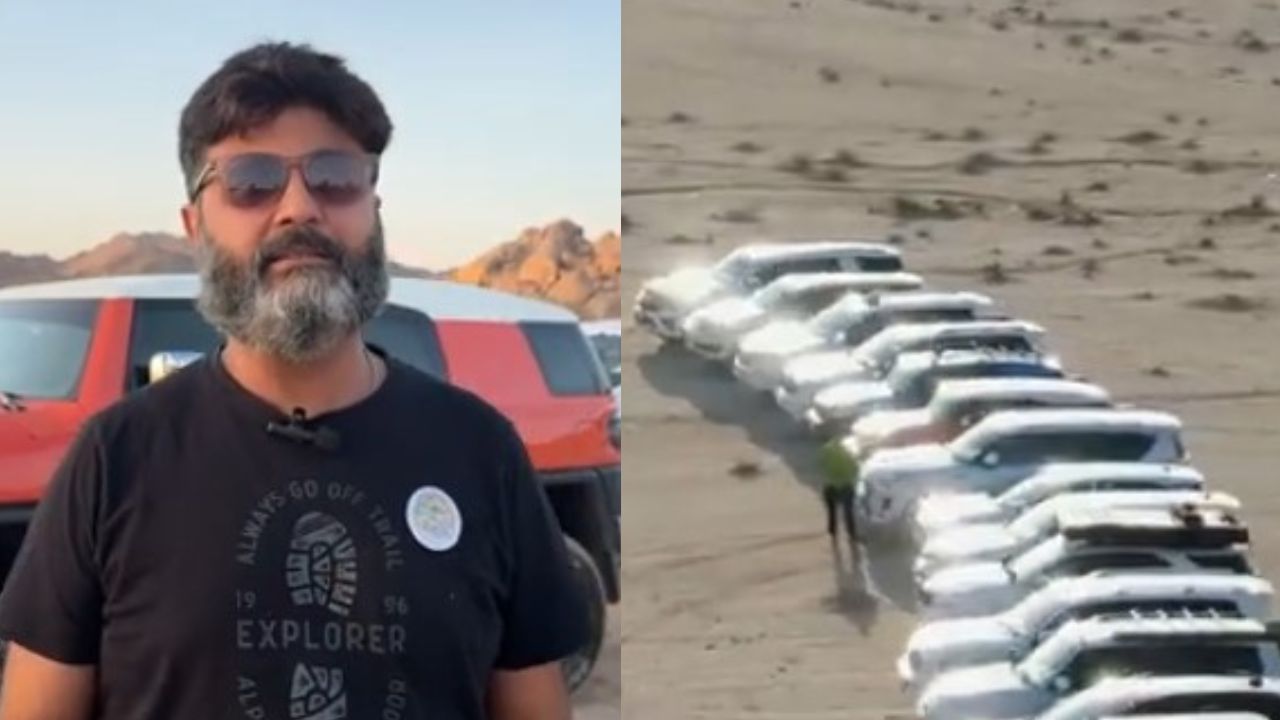
    The Saudi Tourism Authority has praised Saudi-based Pakistani tourist Kashan Syed for discovering remote, lesser-known natural sites in the country’s farthest reaches.

    Syed, founder of the Saudi Tourism Group, has been exploring the country for the last twenty years. His work has now been acknowledged globally, as the authority has given coverage to his efforts on geography and history channels, WeNews reported on Tuesday.

    Recently, he visited the Jazala area of Jo-Ghawiyah city along with his team of 20 vehicles. The area, located nearly 190 kilometres from Riyadh, offers breathtaking views ranging from natural rock formations and mountain ranges to shapes resembling humans and animals, carved over time by weather effects.

    These rock formations, naturally shaped over thousands of years through rain, sun, and wind, have created mesmerising and mysterious views that leave people in awe.

    Syed told WeNews that he has been exploring such hidden places, often missing from tourist maps, for the last two decades. His team promotes tourism by using modern techniques such as Global Positioning System (GPS) navigation, documentation, photography, videos, and location surveys.

    His mission is to showcase Saudi Arabia’s natural beauty, geographical diversity, and historical heritage to the world, aligning with Saudi Vision 2030, which aims to develop tourism as one of the major industries.

    This unique initiative by the Saudi Tourism Group is not only contributing to the growth of tourism in Saudi Arabia but also positively representing the Pakistani community.

  • Reading the Reader: On Ammar Ali Qureshi’s Views and Reviews

    Reading the Reader: On Ammar Ali Qureshi’s Views and Reviews

    According to a Gallup survey, 75% of people claim not to read books at all. Mind you, this survey is from 2019 and by 2025, the figure has likely deteriorated even further; social media has drastically decimated our attention spans. A book, being a far more demanding form of engagement, often feels too formidable. People now struggle to read even a full 1,000 words op-ed, let alone something verbose. Many skim through posts on X, LinkedIn, or even long WhatsApp messages. And for those who do feel the urge to read, they’re often left perplexed: what should they read?

    And that’s where book reviews come in: book reviews offer several valuable benefits for readers, writers, and the broader literary community. They help readers make informed decisions by summarizing a book’s content, style, and strengths or weaknesses, ultimately saving time and guiding personal preferences. Albeit, it is not a replacement of the whole corpus at all.
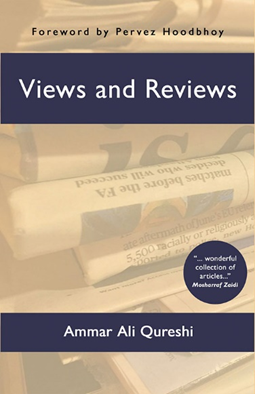
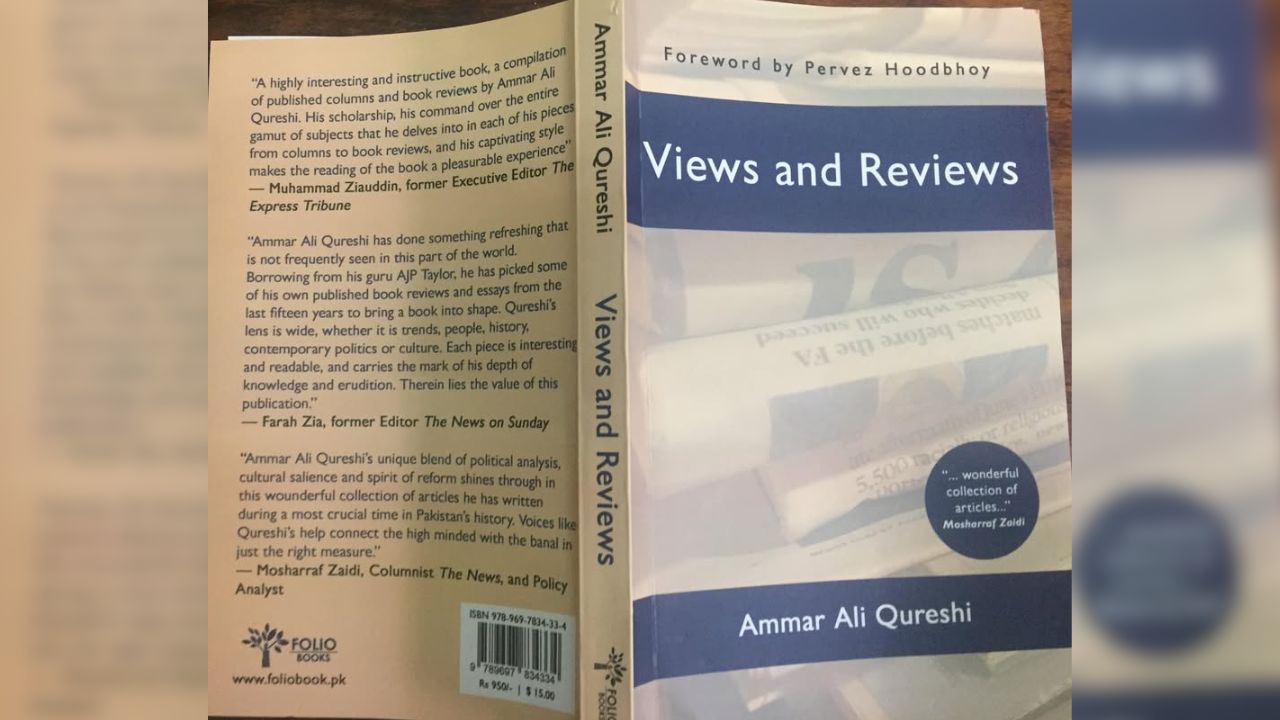
    Publisher: Folio Books

    Author: Ammar Ali Qureshi

    Pages: 228

    Price: Rs 950/-

    Reviews also deepen understanding by unpacking complex themes, symbolism, or context that casual readers might overlook. Additionally, they encourage critical thinking and discussion, as they often present arguments and interpretations that spark dialogue. Overall, they enrich the reading experience and foster a thoughtful culture of engagement with books. And the impending book under discussion does all of this and more.

    Ammar Ali Qureshi’s Views and Reviews is a compilation of articles written across five cities spanning three continents over the past 15 years. One might call it a ‘labour of love’—a testament to his deep affection for books, inherited from his parents, both students of history, who allowed him to devour every book in their home. Even today, the library he has posted online reflects this passion, curated with care and brimming with crème de la crème titles.

    The idea of writing these pieces draws inspiration from A.J.P. Taylor, the most popular and provocative British historian of the 20th century, who authored around 1,600 book reviews. This book, of course, is much slimmer compared to Taylor’s prolific output, yet it spans a wide range of subjects: history, politics, the economy and governance structures, nationalism, notable personalities, poetry, and more.

    One striking piece, included in the first section, covers the exiled prince I had never heard of before, Maharaja Daleep Singh, son of Maharaja Ranjit Singh. The author’s review captures the deep melancholy of the story: the fall of one of the fiercest and most formidable reigns faced by the British, stretching from 1799 to 1849—from the southern districts of Punjab to Afghanistan and Kashmir. Ranjit Singh’s feat was a remarkable historical achievement.

    The loss of this indigenous Punjabi kingdom, the confiscation of the Koh-i-Noor, Daleep’s dethronement at the age of ten, his coerced conversion to Christianity, his exile to England, and eventually his re-embrace of Sikhism, these form a profoundly tragic arc. He died penniless in a Paris hotel room, carrying the burdens of resentment and betrayal to the very end. The first section of the book, “Historical Perspectives on Punjab,” reads like a lament from a son mourning his lost mother, Punjab.

    The second section turns to Pakistan. Among the essays, Pakistan and Iran: Neighbours of Many Surprises and Pakistan’s Middle Class and Islam particularly caught my attention. The former explores how Iran, under the Shah, was the first foreign head of state to visit Pakistan in 1950, became its largest bilateral donor—providing $800 million in loans and credit in the 1970s—supported Pakistan in the 1965 and 1971 wars, and yet, today, we face off against each other at a tense border.

    The latter explores the rise of the new middle class, based on Dr Ammara Maqsood’s book The New Pakistani Middle Class. It focuses on how this class is more inclined toward a globalized form of Islam—seen as a legacy of Zia-ul-Haq and practiced by many Muslims in the West—rather than Wahhabism. However, Ammar points out the frequent conflation between the two, especially given the influence of Saudi funding. This stands in contrast to the older middle class, which projected a softer image of Pakistan.

    In the third section, the article on Iqbal, “Iqbal — Love Letter to Persia,” reveals his (Iqbal’s) deep love for Persia: the language (of over 12,000 verses he composed, around 7,000 are in Persian), and Persian history especially the Persian conquest, which he considered most significant in the history of Islam, as reflected in his doctoral thesis. Iqbal’s admiration was reciprocated by prominent Persians, including Iran’s poet laureate Mohammad-Taqi Bahar, Prime Minister Mohammad Mossadegh, and influential figures like Ali Shariati (the ideologue of the Iranian Revolution) and Ali Khamenei (Supreme Leader of Iran).

    Ammar quotes, “Although the language of Hind is sweet as sugar / Yet sweeter is the fashion of Persian speech / My mind was enchanted by its loveliness / My pen became a twig of the Burning Bush / Because of the loftiness of my thoughts / Persian alone is suitable to them.”

    The fourth section focuses on governance, particularly how corruption and the absence of a robust justice system fuel crony capitalism, weaken public service delivery, stifle economic growth, hinder innovation, crowd out investment, erode public trust, nudge religious extremism and reinforce elitism, among other consequences.

    The fifth section, focused on personalities and memoirs, features intriguing pieces on figures such as Karl Marx—described as a “Prophet of Revolutions”—and Nur Jahan, the only Mughal queen to have her name inscribed on coins, who effectively ruled Jahangir’s empire for 15 of his 21 years on the throne. It explores the enduring influence of their legacies and the lessons they continue to offer, even after centuries. He quotes Robert Heilbroner from his book The Worldly Philosophers: “We turn to Marx, therefore, not because he is infallible, but because he is inescapable.”

    The sixth section shifts to global history, touching upon the rise and fall of Eastern and Western powers, the miscalculations of the Afghan war, Robert Fisk’s life amidst global upheavals, Obama’s diplomatic failures, the rise of Trump, and much more. But I’ll stop here, I wouldn’t want to spoil it by revealing everything in it.

    What elevates Ammar’s work is that his reviews are not mere summaries. He weaves history, politics, identity, and contemporary relevance into his analysis. He doesn’t shy away from highlighting contradictions or calling for critical engagement. His essays are not just about books, but about how to read, how to wrestle with ideas, how to cherish curiosity, and how to think.

    In an age of vanishing attention spans, Views and Reviews is not only a literary respite, it is a call to return to depth, nuance, and the quiet joy of thoughtful reading.
  • Punjab opposition leader, PTI MNA disqualified after conviction in May 9 cases

    Punjab opposition leader, PTI MNA disqualified after conviction in May 9 cases

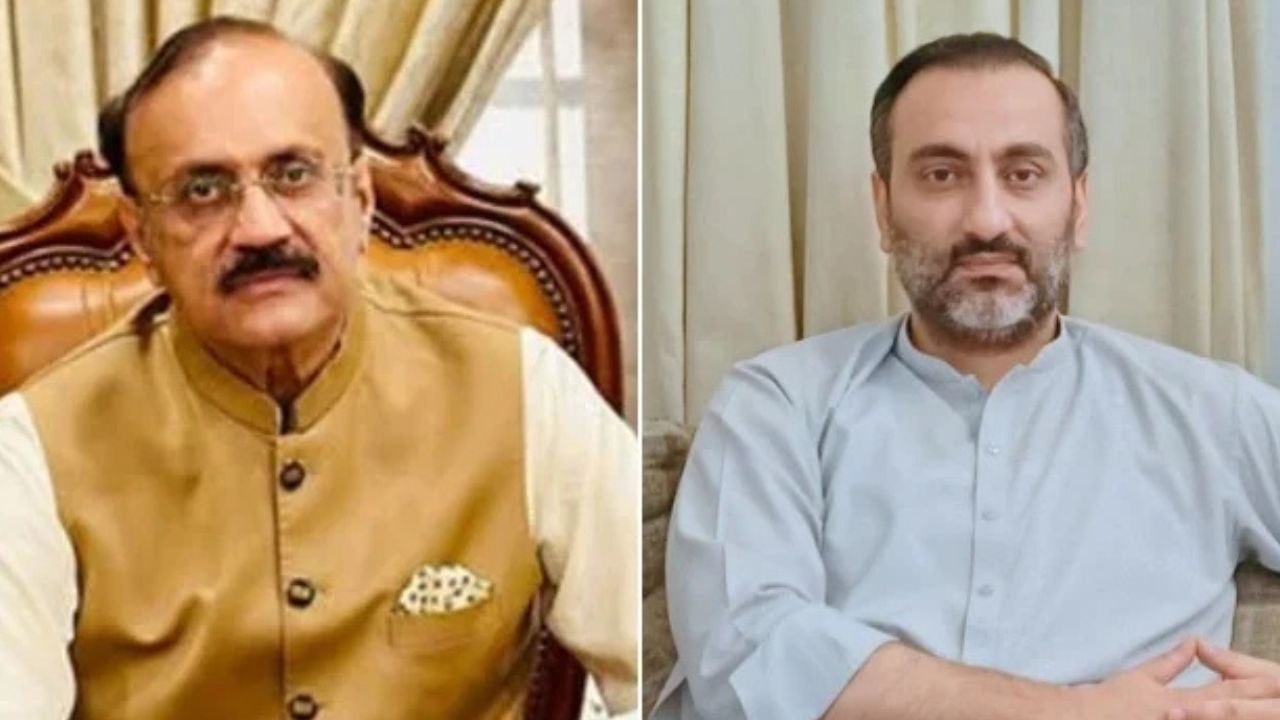
    Days after Punjab Assembly (PA) Opposition Leader Malik Ahmed Khan Bachar and Pakistan Tehreek-e-Insaf (PTI) Member National Assembly (MNA) Mohammad Ahmed Chattha were convicted in a vandalism case related to May 9 riots, the Election Commission of Pakistan (ECP) has disqualified them from holding their seats.

    According to the notification issued by the ECP on Monday, an anti-terrorism court found both lawmakers guilty and sentenced them to 10 years in prison.

    “As a consequence, Chattha, MNA from NA-66 Wazirabad and, Ahmad Khan, MPA from PP-87 Mianwali-lll, have become disqualified under Article 63(1)(h) of the Constitution of Islamic Republic of Pakistan for being members of National Assembly and Provincial Assembly of Punjab respectively,” read the notification.

    Resultantly, the electoral watchdog stated, notification to the extent of Ahmed Chattha and Ahmad Khan as returned candidates is recalled with immediate effect.

    The case was registered in Mianwali over vandalism and riots related to the protests triggered by the arrest of PTI founder Imran Khan in a corruption case on May 9, 2023.

    Meanwhile, Senator Ejaz Chaudhry, who was awarded a 10-year imprisonment by the ATC, has also been disqualified, said a separate notification issued by the ECP.

    The commission stated that following his conviction, Chaudhry no longer meets the criteria to remain a senator under Article 63(1)(h) of the Constitution.

    Last week, Yasmin Rashid, Mian Mehmood ur Rasheed and Ex-Punjab Governor Omar Sarfraz Cheema, were among the PTI leaders who were handed a 10-year rigorous imprisonment by ATC in Lahore each in connection with the May 9 violence case


    Meanwhile, the court acquitted former foreign minister and PTI Vice Chairman Shah Mahmood Qureshi in the same case, who, according to his defence, was in Karachi on the day of the alleged incident. Others acquitted in the same case include Hamza Azeem Pahat, Rana Tanveer, and Aizaz Rafiq.

    The May 9 cases are linked to violent protests that erupted across the country following the arrest of Imran Khan from the premises of the Islamabad High Court (IHC) in a graft case. The unrest included attacks on public property and military installations, such as the Corps Commander House in Lahore, also known as Jinnah House.

     
    While multiple PTI leaders and workers were released on bail after their arrests, many still remain behind bars.