Category: National

  • Pak-Afghan update: 435 Taliban killed, 188 checkposts destroyed

    Pak-Afghan update: 435 Taliban killed, 188 checkposts destroyed

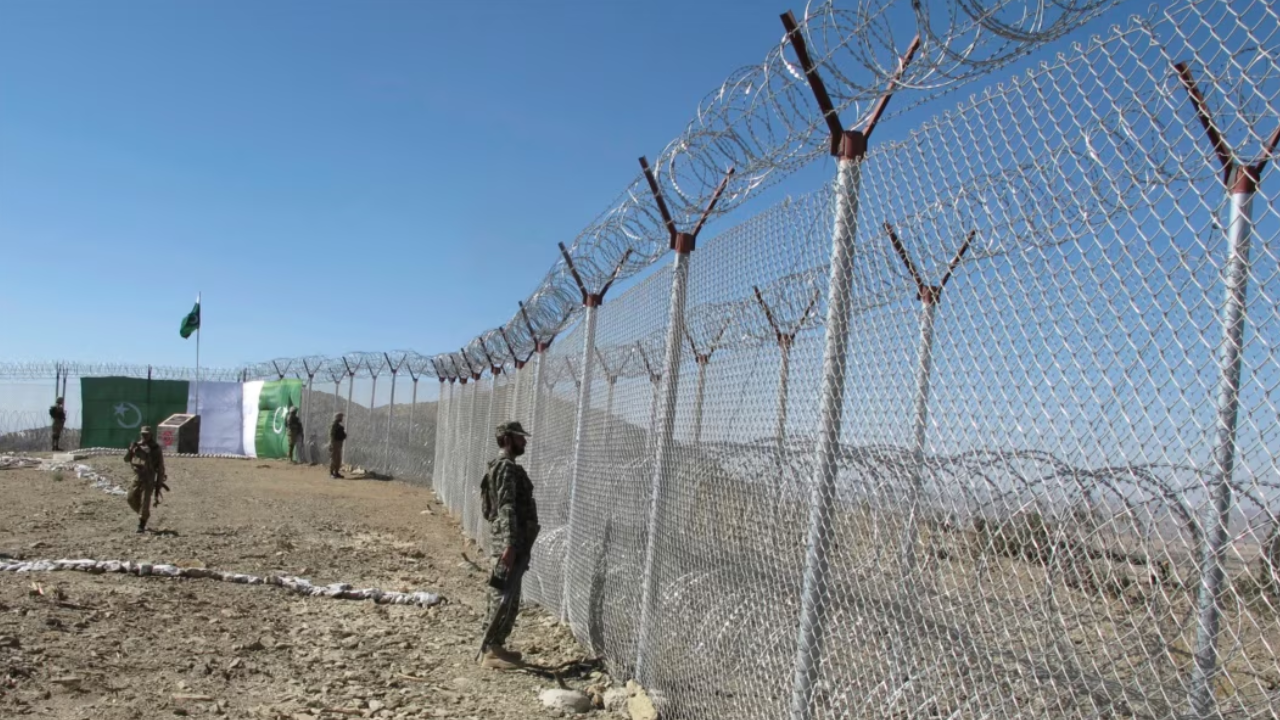
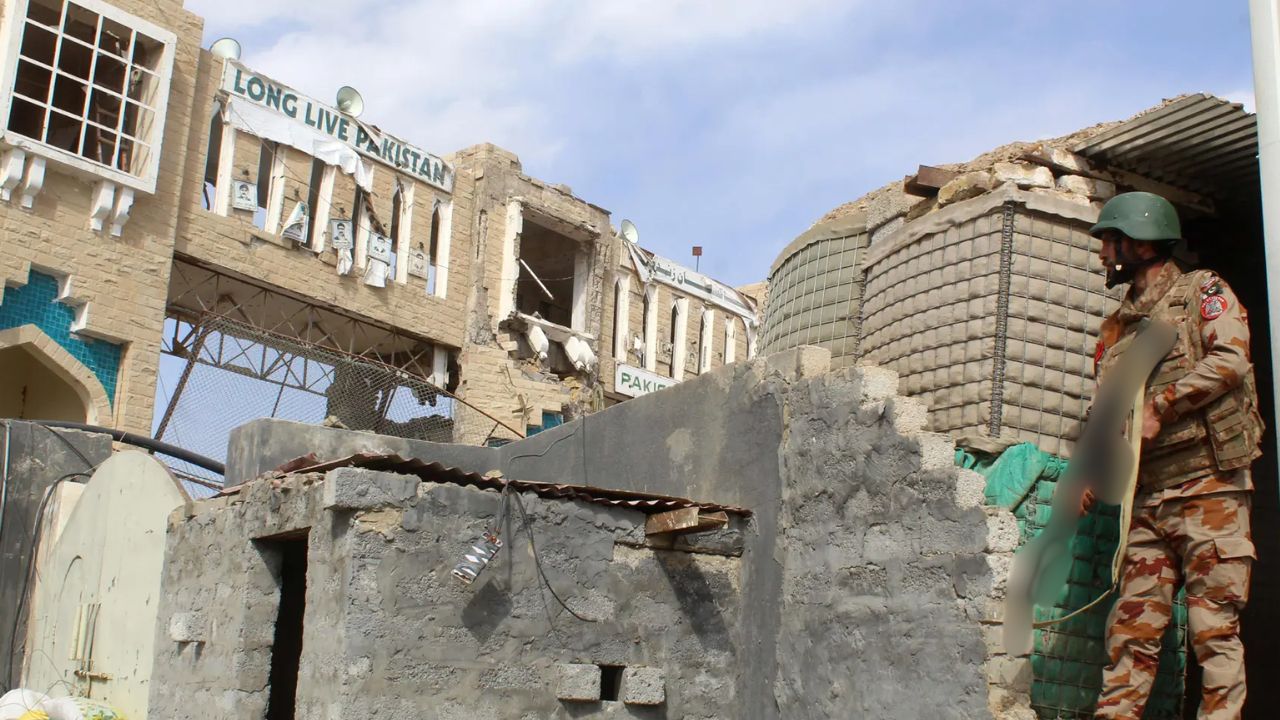
    Information Minister Attaullah Tarar said on Monday that Pakistani security forces have killed 435 Afghan Taliban fighters and destroyed 188 tanks and vehicles during Operation Ghazab Lil Haq, launched in response to unprovoked action from across the border.

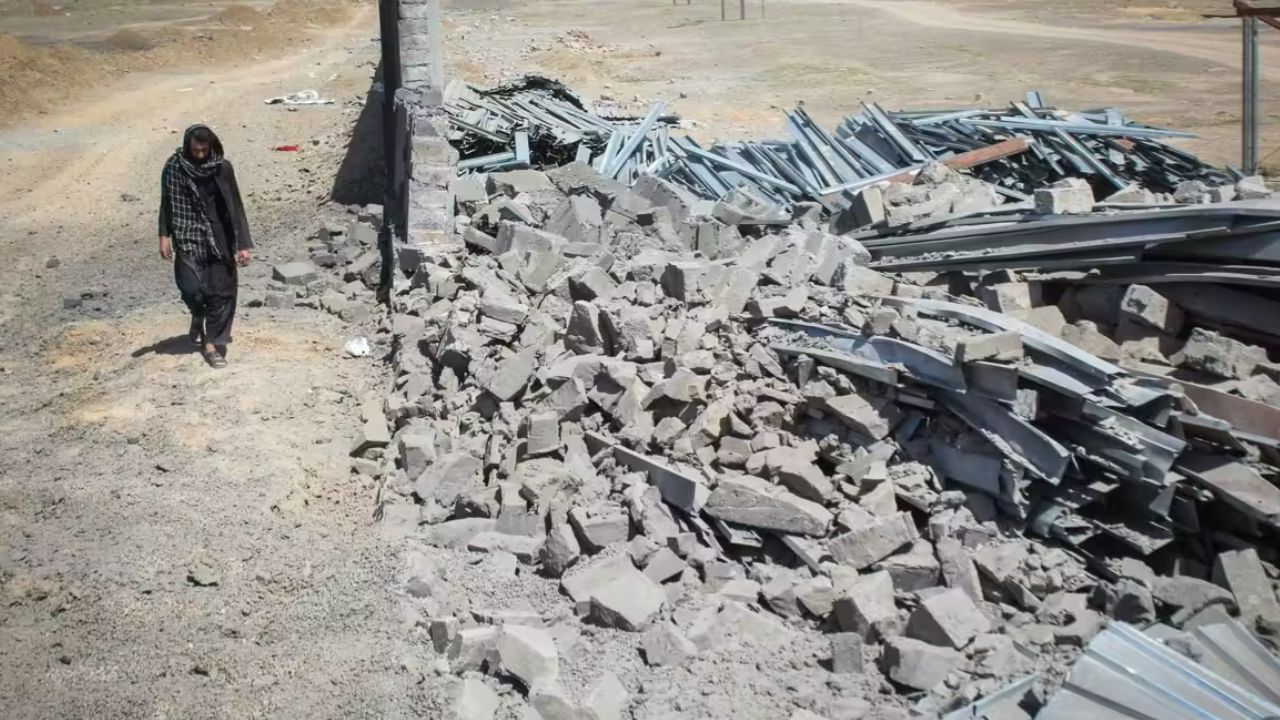
    Tarar said that more than 630 Afghan operatives were injured during the operation, 188 tanks and armoured vehicles were destroyed, 31 Afghan posts were taken over, 188 check posts were destroyed, and 51 locations inside Afghanistan were targeted in air strikes.


    He stressed that the operation was carried out following cross-border action and outlined the losses sustained by the Afghan Taliban.

    The escalation follows months of clashes between Pakistan and Afghanistan.

    Pakistan had earlier conducted air strikes inside Afghanistan, targeting camps linked to the Tehreek-e-Taliban Pakistan (TTP) and Islamic State Khorasan after a series of attacks in the country, including a suicide bombing in Islamabad. Security officials had said at the time that more than 80 militants were killed.

    Those strikes were followed by attacks along the border from the Afghan side, leading to further exchanges.

    Islamabad has repeatedly stated that TTP leaders operate from Afghan territory, an allegation denied by Kabul.


    Tensions also rose after explosions in Kabul on October 9 last year. Taliban forces later targeted areas along Pakistan’s border. Pakistan responded with cross-border shelling. The exchanges resulted in casualties and damage on both sides and led to the suspension of trade after border crossings were closed.
  • Pakistan’s combat death toll jumps 30 percent in February, suicide attacks surge: PICSS

    Pakistan’s combat death toll jumps 30 percent in February, suicide attacks surge: PICSS

    Combat-related fatalities across Pakistan rose by 30 percent in February 2026, primarily due to a sharp spike in suicide bombings, according to monthly data released by the Pakistan Institute for Conflict and Security Studies (PICSS).

    The Islamabad-based think tank recorded 470 deaths and 333 injuries during the month. Those killed included 96 civilians, 80 security personnel and 294 militants. Among the injured were 259 civilians, 50 members of the security forces and 24 militants.

    Compared to January, fatalities among security forces personnel increased by 74 percent, civilian deaths rose by 32 percent, and militant deaths climbed by 21 percent, the report said.


    Violence intensified in Khyber Pakhtunkhwa (KP) and its merged tribal districts (formerly FATA), where 53 security personnel and six civilians were killed. 


    An additional 35 security personnel and 48 civilians were injured in the province. Three suicide bombings in Khyber Pakhtunkhwa alone killed 17 people  including 14 security personnel  and wounded 20 civilians.


    PICSS linked the escalation in attacks in Khyber Pakhtunkhwa to subsequent cross-border air strikes by Pakistan and ensuing military clashes with Afghanistan.


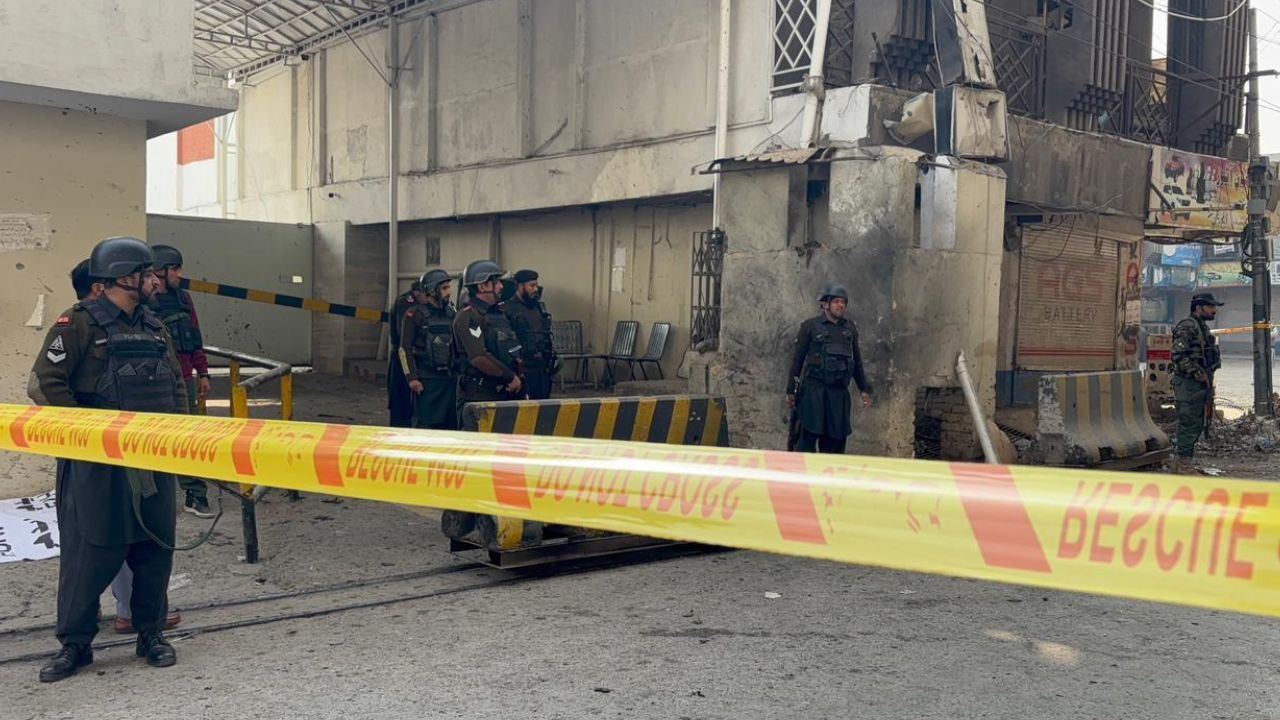
    The Islamabad Capital Territory (ICT) also witnessed a major attack. A suicide bombing in its suburban area killed at least 34 people and injured 165 others. In Punjab’s Bhakkar district, another suicide attack claimed the lives of two police personnel and left four others injured.


    The eight suicide bombings recorded in the first two months of 2026 account for nearly half of the 17 incidents reported throughout 2025. The report described the pattern as “a dangerous trend of rising suicide bombings.” 

    Security forces also apprehended a would-be suicide attacker during the month.


    In contrast, Balochistan experienced a decline in militant activity following the launch of a retaliatory operation, “Raddul Fitna-1,” earlier in February. According to PICSS data, security operations in the province resulted in the deaths of 176 militants.


    Cumulatively, PICSS statistics for January and February 2026 indicate 831 combat-related deaths nationwide, comprising 536 militants, 169 civilians and 126 security personnel.

  • Pak-Afghan update: 415 Taliban killed, 182 checkposts destroyed

    Pak-Afghan update: 415 Taliban killed, 182 checkposts destroyed

    Federal Information Minister Attaullah Tarar has provided an update on “Operation Ghazab lil-Haq,” stating that Pakistan’s retaliatory strikes have resulted in the deaths of 415 Afghan Taliban members over several days.

    Briefing the media on the ongoing military response to border aggression, Tarar reported that more than 580 Afghan Taliban personnel sustained injuries.

    The Minister detailed the destruction of 182 checkpoints belonging to the Afghan Taliban regime, while 31 others have been taken over by Pakistani forces.

    Military action included airstrikes at 46 locations inside Afghanistan. According to government figures, the operation destroyed 185 tanks, weapon-carrying vehicles, and artillery guns.

    The operation remains active as a response to recent escalations along the border.

    The 2026 Afghanistan-Pakistan war reached a critical boiling point in late February following Pakistan’s launch of “Operation Ghazab Lil Haq”. 


    Pakistani Defense Minister Khawaja Asif has officially characterized the border hostilities as an “open war,” reflecting the most severe direct military confrontation between the two nations since the Taliban regained power in 2021.


    The rapid deterioration of regional security has prompted widespread international concern and disrupted cross-border trade, travel, and aviation. 

    The United Nations has urged both sides to exercise maximum restraint and protect civilians. 


    Meanwhile, regional powers including Qatar, Saudi Arabia, and Russia have offered to mediate a ceasefire. Despite diplomatic pressure, Pakistan has maintained that its military operations will continue until its strategic objectives neutralizing the cross-border militant threat and restoring deterrence are fully achieved.

  • Internet divided as president asks Hindu community to observe Holi with ‘simplicity’ amid regional tensions

    Internet divided as president asks Hindu community to observe Holi with ‘simplicity’ amid regional tensions

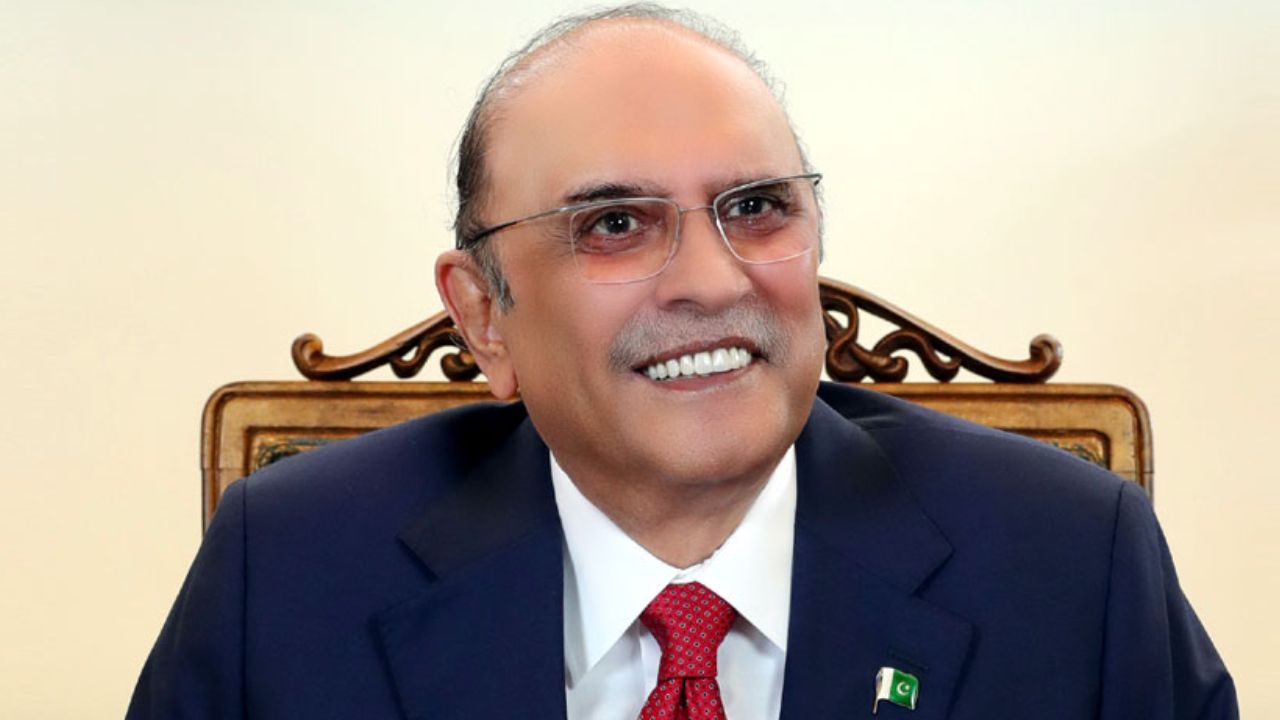
    President Asif Ali Zardari has extended Holi greetings to the Hindu community and appealed to them to observe the festival in a simple manner keeping in view the situation on Pakistan’s western border and the tensions in the region.

    The president said Pakistan values its religious and cultural diversity and directed caution in public gatherings, adding that, however, moderation is necessary under current circumstances.

    Following President Zardari’s appeal, the Pakistan Hindu Council said the festival would be celebrated with simplicity. Its patron, Ramesh Kumar Vankwani, stated that Hindus across the country would observe Holi on March 2 and 3 with devotion and respect, and without public events. 

    While Senator Krishna Kumari echoed the call for a restrained celebration, framing it as an act of solidarity and peace, Pakistan Peoples Party (PPP) Chairperson Bilawal Bhutto-Zardari thanked the Hindu community for supporting the appeal, framing it as a gesture of national solidarity. 

    “Our joys and sorrows are shared; festivals are observed together,” he said, also extending advance Holi greetings.

    The appeal, however, did not sit well with netizens who appeared divided over it. While several users expressed support for the restrained celebration as a sign of solidarity with Iran, others framed the appeal as inconsistent or unfair.

    “I wouldn’t be celebrating the Holi festival this year to show my solidarity and mourn for the people of Iran. May world peace prevail,” wrote one Hindu community member. 


    Some questioned why Hindu celebrations should be affected by tragedies elsewhere, asking if similar restrictions applied to Eid or Ramzan. Comments such as, “Respect goes both ways. But why must one faith’s festival be paused for another’s tragedy?” and “I was wondering if they asked Muslims too to celebrate Ramadan simply” indicated a perception of double standards.

    Criticism also highlighted broader concerns about the treatment of minorities in Pakistan. Netizens noted a pattern where Hindus, Sikhs and Christians have faced restrictions or social pressure in celebrating festivals. 

    “This is the condition of minorities in Pakistan, which obviously no minority rights activist will talk about,” wrote one while another said, “Asking Hindus to show restraint in celebrating their festival shows the mindset of Islamic Pakistan where Muslims are openly celebrating Ramzan.” 

    A smaller number of responses were sarcastic or critical of the linkage between Holi celebrations and national security, highlighting the perceived disconnect between a cultural festival and border tensions.

    “How does playing Holi with colours affect a war?” asked one user.

  • Identity of Pakistani killed in UAE strikes confirmed

    Identity of Pakistani killed in UAE strikes confirmed

    A Pakistani national killed in Iran’s attack on the United Arab Emirates has been identified as Mureed Zaman, son of Nazar Ali, diplomatic officials confirmed.

    He was working in Abu Dhabi at the time of the attack and belonged to Bannu in Khyber Pakhtunkhwa.

    The UAE Ministry of Defence said three foreign nationals were killed and 58 others injured in the drone strikes. The deceased included citizens of Pakistan, Nepal and Bangladesh.

    The ministry stated that those injured comprised nationals of several countries, including at least one Pakistani citizen.

    It said Iran launched 165 ballistic missiles, 152 of which were intercepted, while 13 fell into the sea. Two cruise missiles were shot down mid-air.

    Out of 541 drones launched, 506 were destroyed, the ministry added.

  • Pakistan says ‘no dialogue’ with Afghan Taliban until terrorism ends

    Pakistan says ‘no dialogue’ with Afghan Taliban until terrorism ends

    Pakistan has ruled out any talks or negotiations with the Afghan Taliban until terrorist attacks originating from Afghan territory stop completely.

    “There won’t be any talks. There’s no dialogue. There’s no negotiation. Terrorism from Afghanistan has to end,” the Pakistani prime minister’s spokesperson for foreign media, Musharraf Zaidi, said. He stressed that Pakistan’s responsibility was to protect its citizens and territory.

    Responding to an offer of dialogue from Taliban spokesperson Zabihullah Mujahid, Zaidi said Pakistan’s position is clear and unwavering. 

    He added that militancy inside Afghanistan may be an internal matter, but Pakistan cannot allow attacks to threaten its citizens. “If Pakistan identifies terrorist threats in specific locations, it has the capability to act to eliminate them,” he said.

    Federal Minister for Information and Broadcasting, Attaullah Tarar, echoed the stance. He said Pakistan’s only goal is to eliminate terrorist threats and ensure the country’s security. “The country has acted as a responsible neighbour, but its goodwill should not be seen as weakness,” Tarar said.

    Tarar said the desired outcome is the complete elimination of terrorism threats and added that it is too early to comment on the possibility of a ceasefire, given the rapidly changing security situation. 

    He also questioned potential external support for the Taliban, saying their ideology does not align with global norms and should not expect significant international backing.

  • Pakistan kills 331 Taliban militants in cross-border operation in Afghanistan

    Pakistan kills 331 Taliban militants in cross-border operation in Afghanistan

    Pakistan said on Saturday that its forces have killed 331 Taliban militants in a military operation launched after what Pakistan described as unprovoked cross-border attacks from Afghanistan. The operation, named “Operation Ghazab-lil-Haq,” began on Friday after clashes along the Pakistan-Afghanistan border escalated further. 

    Information Minister Attaullah Tarar posted a statement on X, saying that, at least 331 Afghan Taliban, Tehreek-e-Taliban Pakistan (TTP) fighters, and other militants had been killed, with more than 500 wounded. 

    He added that Pakistani forces have destroyed 104 Taliban posts, captured 22, and disabled 163 tanks and armoured personnel carriers. Air strikes were carried out at 37 locations inside Afghanistan, he said.

    Pakistani officials said the operation targeted armed groups aligned with the Afghan Taliban, whom Pakistan accuses of launching repeated cross-border attacks. Fighting continued overnight as Pakistani ground and air forces maintained operations across multiple sectors.

    Security sources reported that the Pakistan Air Force struck brigade and battalion headquarters linked to Afghan Taliban forces in Nangarhar province. Pakistani troops captured and demolished the New Afghan 8 post, while another position in the Noshki sector was destroyed.

    Through updates issued overnight and on Saturday, security sources said Pakistani forces were conducting “decisive operations” in response to what they described as unprovoked aggression by the Afghan Taliban regime. 

    “Air strikes in Kandahar targeted and destroyed an Afghan army headquarters”,  security sources said . The Pakistan Air Force also hit two objectives at the Mohmand Dara base in Nangarhar province.

    In other sectors, Pakistani forces carried out targeted operations. In Chitral’s Kandaksi base sector, an Afghan Taliban position was hit. In the Khyber sector, Taliban posts and camps were destroyed, including the Khyber post.

    In the Noshki sector, a Taliban post was successfully targeted and destroyed. In Qila Saifullah, the Rahim Thana post was destroyed, while an infiltration attempt was also foiled, killing multiple militants.

  • Trump says Pakistan is doing ‘terrifically well’ amid clashes with Afghanistan

    Trump says Pakistan is doing ‘terrifically well’ amid clashes with Afghanistan

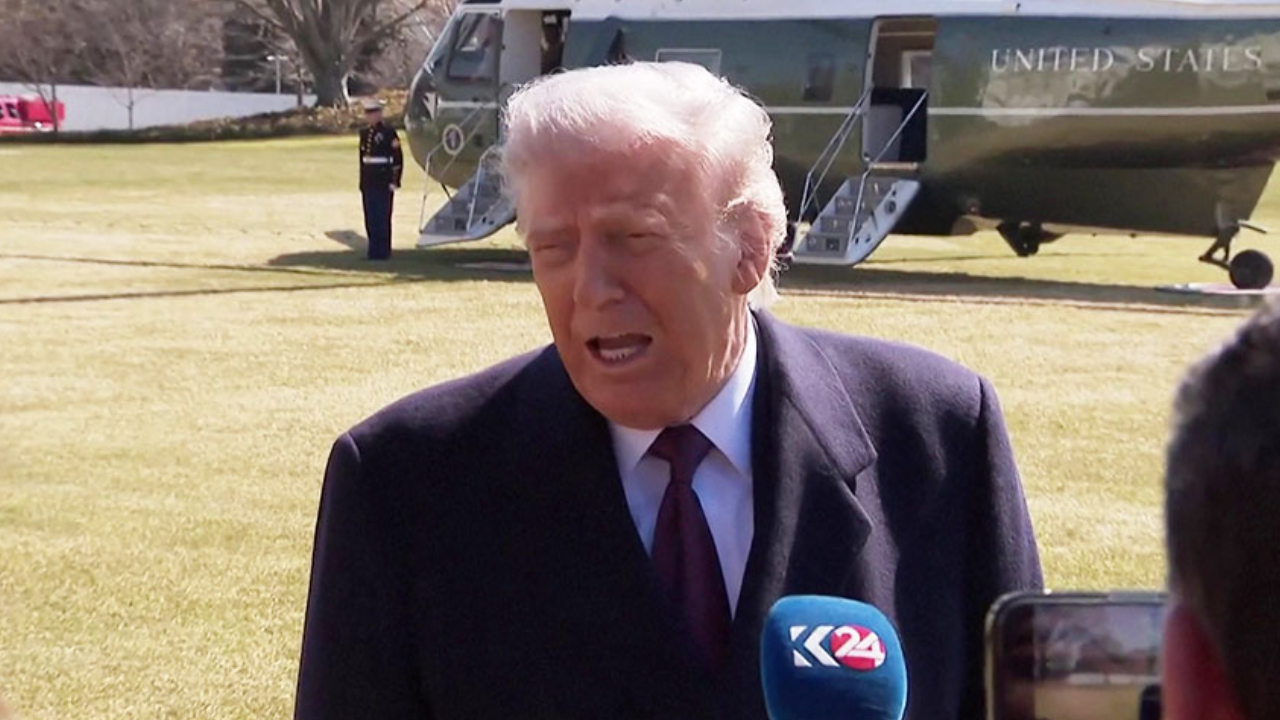
    The President of the United States of America, Donald Trump, has commented on Pakistan’s military action against the Afghan Taliban, saying “Pakistan is doing terrifically well.” 

    Speaking to reporters during a media interaction, Trump was asked about Pakistan’s strikes against the Afghan Taliban. In response to being asked whether he would intervene, he said, “Well, I would, but I get along with Pakistan, as you know, very well. Very, very well.”

    Referring to Pakistan’s civilian and military leadership, Trump said, “They have a great prime minister, a great general there, a great leader, two of the people I really respect a lot,” referring to Prime Minister Shehbaz Sharif and Chief of Defence Forces and Chief of the Army Staff Field Marshal General Asim Munir. “And I think that Pakistan is doing terrifically well.”

    In a separate statement, the United States expressed support for Pakistan following its military action inside Afghanistan after cross-border clashes. Allison Hooker, the US under Secretary of State for Political Affairs, said Washington DC was monitoring developments.


    “We continue to monitor the situation closely and express support for Pakistan’s right to defend itself against Taliban attacks,” Hooker wrote on X after talks with a Pakistani counterpart.

    The situation also drew a response from the United Nations. UN Secretary-General Antonio Guterres who called for an immediate ceasefire between Pakistan and Afghanistan following the escalation.

    “He is deeply concerned by the escalation of violence we’re seeing between Afghanistan and Pakistan, and the impact that violence is having on civilian populations,” UN spokesman Stephane Dujarric said. “He calls for an immediate cessation of hostilities, and he reiterates his call on the parties to resolve any differences through diplomacy.”

    The International Committee of the Red Cross also urged restraint. ICRC President Mirjana Spoljaric said civilians must be protected and access to healthcare ensured.

    “We are witnessing a profound escalation of hostilities between Afghanistan and Pakistan,” she said, calling for “restraint and de-escalation.”

    Pakistan launched Operation Ghazab ul-Haq on Friday after unprovoked cross-border firing from Afghanistan across multiple areas. An update shared by Minister for Information Attaullah Tarar on X at on February 28 said losses attributed to the Afghan Taliban included 331 killed, over 500 injured, 104 check posts destroyed, 22 posts captured, 163 tanks and armed vehicles destroyed, and 37 locations across Afghanistan targeted by air.

  • Public urged to be alert as country remains on high alert

    Public urged to be alert as country remains on high alert

    Amid a tense stand-off between Pakistan and Afghanistan, authorities have issued a public advisory urging citizens to remain alert and vigilant in public places. 

    Officials have advised the public to exercise caution while visiting crowded areas, including markets, shopping centres, places of worship, public transport terminals, and other locations where people gather in large numbers. 

    Citizens are urged to stay aware of their surroundings and follow standard safety practices during routine movement.

    The advisory requests members of the public to promptly inform the nearest police station or relevant law enforcement agency if they notice any suspicious individual, unusual activity, or unattended object. Authorities have stressed that timely reporting can assist security agencies in taking preventive measures.

    Security officials have reiterated that cooperation from citizens is an essential component of maintaining public safety. People are encouraged to follow instructions issued by law enforcement agencies and to allow security personnel to carry out checks where required.

    The public has also been advised to remain calm and avoid sharing unverified information. 

    Authorities have urged citizens to rely only on official statements and credible sources for updates related to the security situation. Spreading rumours or unconfirmed reports may cause unnecessary concern and hinder security operations.

  • Mahnoor Omer named among TIME Women of the Year after court challenge on period taxes

    Mahnoor Omer named among TIME Women of the Year after court challenge on period taxes

    Women’s rights activist Mahnoor Omer has been named among TIME’s Women of the Year for 2026, following her legal challenge of taxation of menstrual hygiene products in Pakistan.

    Omer is one of 16 women from different fields recognised by the magazine this year. 

    The list includes Oscar-nominated filmmaker Chloé Zhao and Olympic gold medallist Sydney McLaughlin-Levrone.

    Reacting to the recognition, Omer said she was “deeply grateful for this honour”. She said she hoped “this recognition reflects the limitless potential of Pakistani women”, adding that “while there is still a long journey ahead in ensuring equal opportunities for all, moments like this remind us of how far we have come and how much further we can go”. 

    She also said she would “live up to my promise to challenge injustice whenever and however I can, and to use my platform with courage and purpose”.

    The recognition comes months after Omer filed a petition in the Lahore High Court in September, seeking tax-exempt status for feminine hygiene products. 


    In her petition, she challenged the imposition of taxes on menstrual products, arguing that such levies penalise women for “a biological function over which they have no control”.

    Omer asked the court to declare feminine hygiene products as essential goods and to remove the 40 percent tax imposed on their retail prices.  

    The petition stated that the taxes were “inherently discriminatory” and in violation of Articles 9, 14, 25 and 38 of the Constitution of Pakistan, which relate to security of person, dignity, equality of citizens and the promotion of social and economic wellbeing.

    The petition further stated that period poverty defined as limited access to menstrual hygiene products, waste management and education related to menstruation leads to girls missing school, women remaining outside the workforce and increased cases of urinary tract infections.

    According to her profile in the magazine, Omer’s activism began in her early teens. At the age of 14, she founded the Noor Foundation, which runs workshops for girls in villages on topics including sexual education and climate change.

    At 16, a discussion about the cost of menstrual products led her to examine their usage across the country. She found that only around 12 per cent of women in Pakistan use products such as sanitary pads and tampons, a finding that later shaped her legal challenge.

    Omer is among several activists campaigning for menstrual hygiene products to be declared essential goods and exempt from taxation. 


    Weeks after her petition, Karachi resident Alisha Shabbir filed a similar petition in the Sindh High Court. Separately, Bushra Mahnoor, founder of Mahwari Justice, has worked to provide menstrual hygiene products and awareness to women in low-income areas, including during relief efforts after the floods of 2022 and 2025.