Category: National

  • KP to give Rs2,200 subsidy to motorcyclists after petrol price hike

    KP to give Rs2,200 subsidy to motorcyclists after petrol price hike

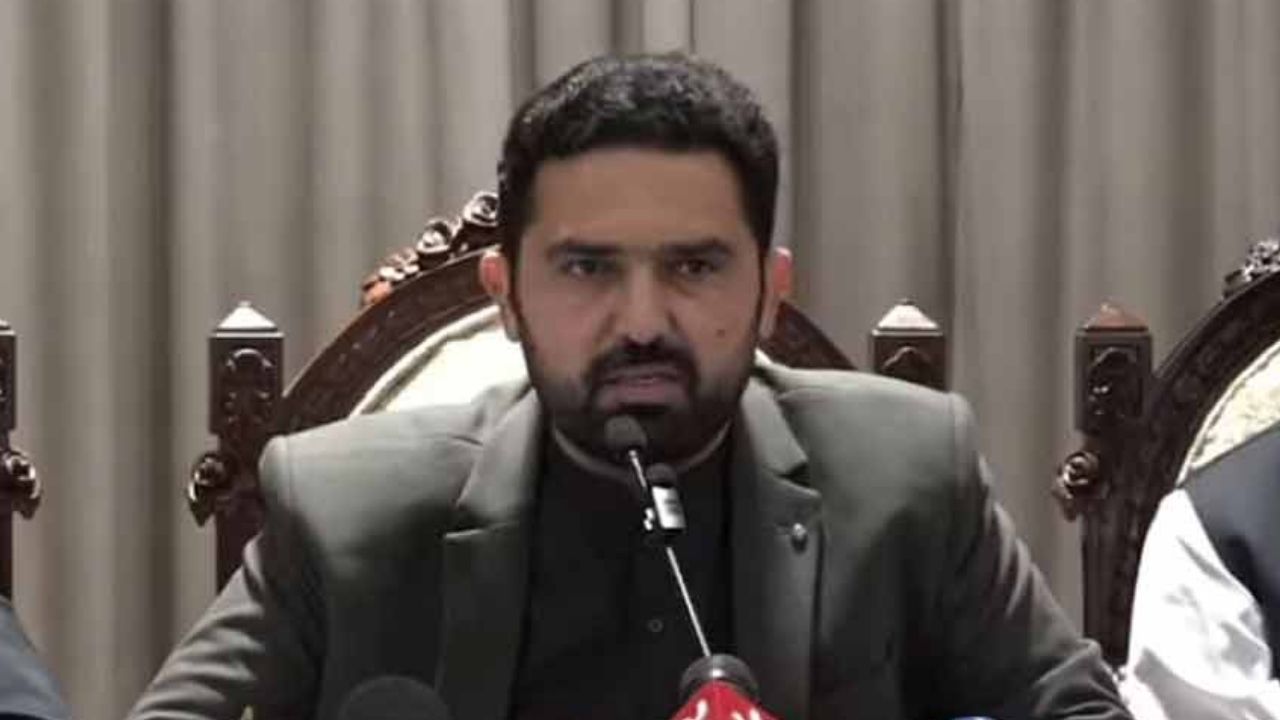
    Chief Minister (CM) of Khyber Pakhtunkhwa Mohammad Sohail Afridi on Sunday announced a subsidy for registered motorcycle riders across the province following the federal government’s increase in petroleum prices.

    Speaking at a press conference at the Chief Minister’s House, Afridi said that the provincial government will provide Rs2,200 to registered motorcyclists, with Rs1,100 to be released immediately and the remaining Rs1,100 at a later stage. He said that the subsidy was aimed at reducing the financial burden on low and middle-income households affected by the rise in fuel prices.


    According to a statement, Afridi stated that the provincial government could not support policies that placed additional pressure on people and rejected the recent increase in petroleum prices. He said that the decision could affect around 100 million people living below the poverty line.

    Afridi said that the provincial government would bear the additional operational cost of the Peshawar Bus Rapid Transit and confirmed that fares would not be increased.

    He added that the Rs55 per litre increase in petrol prices placed a burden on the public and added that the provincial government rejected the decision.

    Afridi also criticised what he described as inconsistent positions by ruling parties, saying some political actors had previously described a Rs12 increase in petrol prices as a “petrol bomb” but had now approved a larger increase.


    The chief minister stated that the governments should reduce unnecessary expenditure instead of shifting the burden onto the public.

    Referring to the energy situation, Afridi added that global oil prices influenced domestic pricing but raised concerns about the scale of the increase and the policy approach adopted by the federal government.

    He mentioned that the petroleum levy had been increased from Rs85 to Rs105 per litre and that the federal government had collected Rs822 billion in petroleum levies during the first seven months of the current fiscal year. He said that the projections suggested the total could reach around Rs1.7 trillion by the end of the fiscal year.

    Afridi stated that reducing the levy could have provided relief to consumers and described consultations between federal ministers and provincial governments as a positive step.

    However, he warned that worsening global conditions could lead to shortages of petrol and diesel and said the KP government would submit written proposals to the federal government to address supply concerns.

    “Our commitment is not to any government but to Pakistan itself, because Pakistan belongs to all of us,” he said.

    Afridi said that the provincial government had introduced austerity measures, including a ban on foreign visits and the purchase of new official vehicles. He added that salaries of members of the KP Assembly had not been increased.

    He also added that the government had not yet purchased a replacement helicopter after a crash during flood relief operations, stating that public welfare had been prioritised over administrative spending.


    The chief minister said that a monitoring dashboard had been established to track petrol pumps across the province. Through the system, authorities could monitor fuel availability and detect hoarding or supply disruptions in real time.

    Afridi remarked that the province was leading the country in developing fuel monitoring systems.
  • ‘Trusting Kabul a major risk’: Kh Asif bashes pro-terror Afghan regime

    ‘Trusting Kabul a major risk’: Kh Asif bashes pro-terror Afghan regime

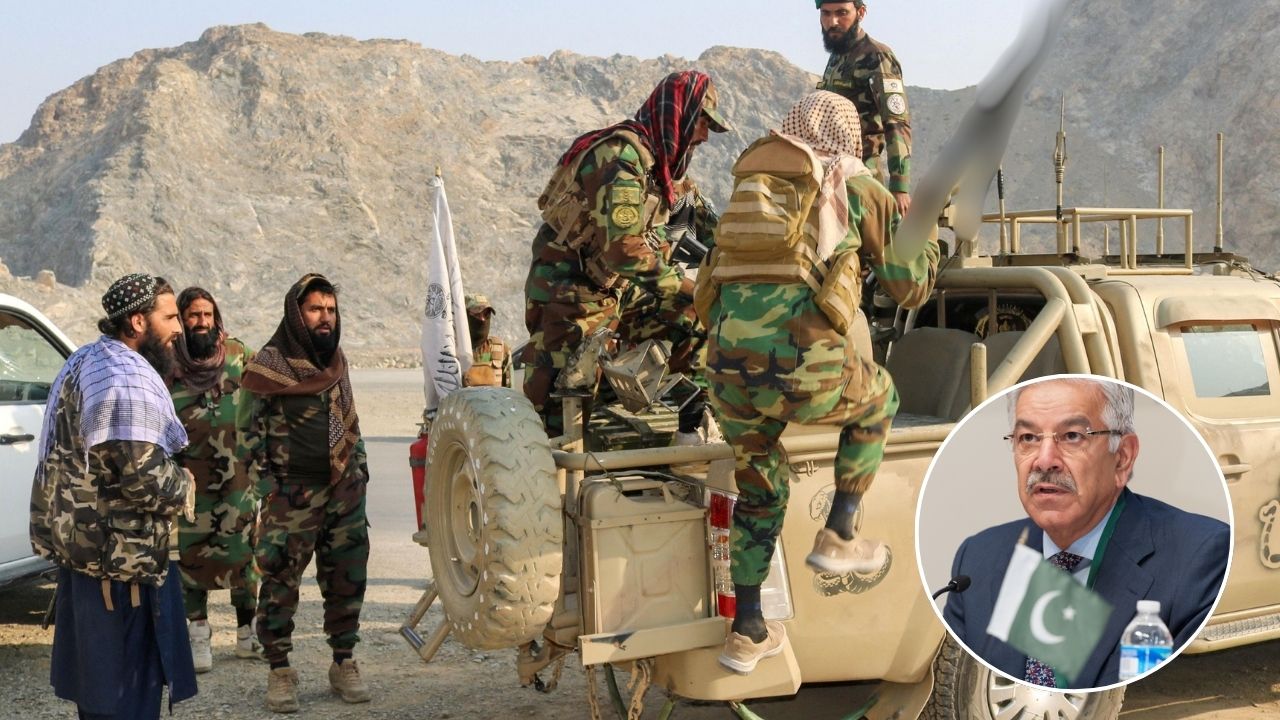
    Defence Minister Khawaja Asif has said that Afghanistan has always supported terrorism, adding that placing further trust in the Afghan government would be a risk.

    In a conversation with a private media channel, Asif said that Pakistan had made efforts to resolve issues with Afghanistan through dialogue but the pattern of the Kabul government made it difficult to rely on it. He said trusting the authorities in Kabul would be a major risk and that their conduct had not been acceptable in the past.

    Meanwhile, China has stepped in diplomatically to reduce tensions between Pakistan and Afghanistan as cross-border hostilities continue. 

    According to a statement from Afghanistan’s foreign ministry, China’s special envoy for Afghanistan Yue Xiaoyong visited Kabul on Sunday and met acting foreign minister Amir Khan Muttaqi.

    During the meeting, the Chinese envoy urged both sides to resolve disputes through dialogue and stressed the importance of preventing escalation for regional stability. The statement said Beijing remained in contact with both Kabul and Islamabad and supported resolving issues through diplomatic channels.

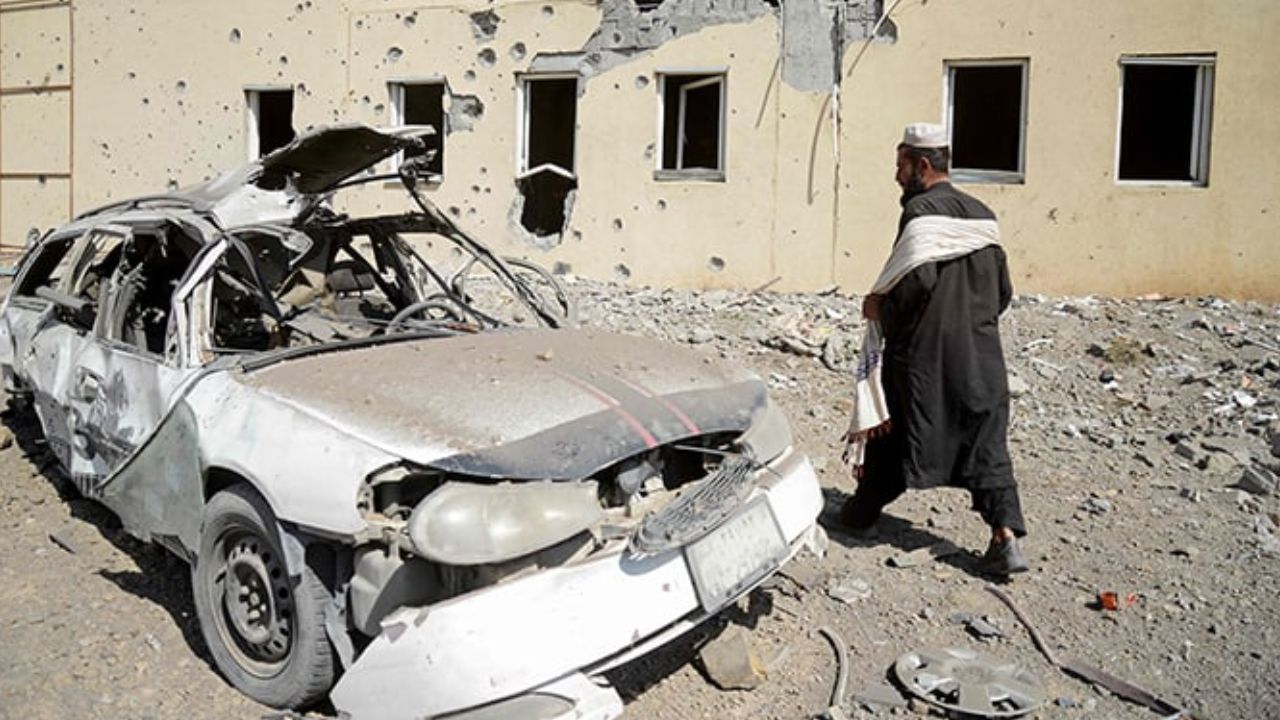
    In North Waziristan, a child was killed and four people were injured after a mortar shell allegedly fired from the Afghan side landed in a residential area during an exchange of fire near the border on Sunday. Police said the incident took place around 7:30pm in the Ghulam Khan area when firing erupted between both sides.

    Reports quoted police sources as saying that the mortar shell landed in the village of Golakhel and exploded in a residential locality. A minor died at the scene while four people sustained injuries. Residents shifted the injured to the Tehsil Headquarters Hospital in Miranshah where they were receiving treatment.

    Separately, Information Minister Attaullah Tarar has said that 583 Afghan Taliban operatives had been killed and more than 795 injured during the ongoing Operation Ghazab lil-Haq launched in response to what Islamabad described as actions from across the Afghan border.

    Providing an update at 4pm on Sunday, Tarar confirmed that security forces had destroyed 242 checkposts and captured and destroyed 38 others during the operation. He said 213 tanks, armoured vehicles and artillery guns had also been destroyed.

    The minister added that 64 locations across Afghanistan had been targeted in air strikes as part of the campaign.

    Separately, the Pakistan Army foiled an infiltration attempt near the Chaman sector along the Pakistan-Afghanistan border, according to security sources cited by Radio Pakistan. Officials said a group of three to four militants attempted to breach the border fence but troops responded and targeted the group as they tried to cut the barrier.

    During the exchange of fire, one militant was killed while the others fled in injured condition. Security officials said forces recovered four to five improvised explosive devices and fence-cutting equipment from the site.

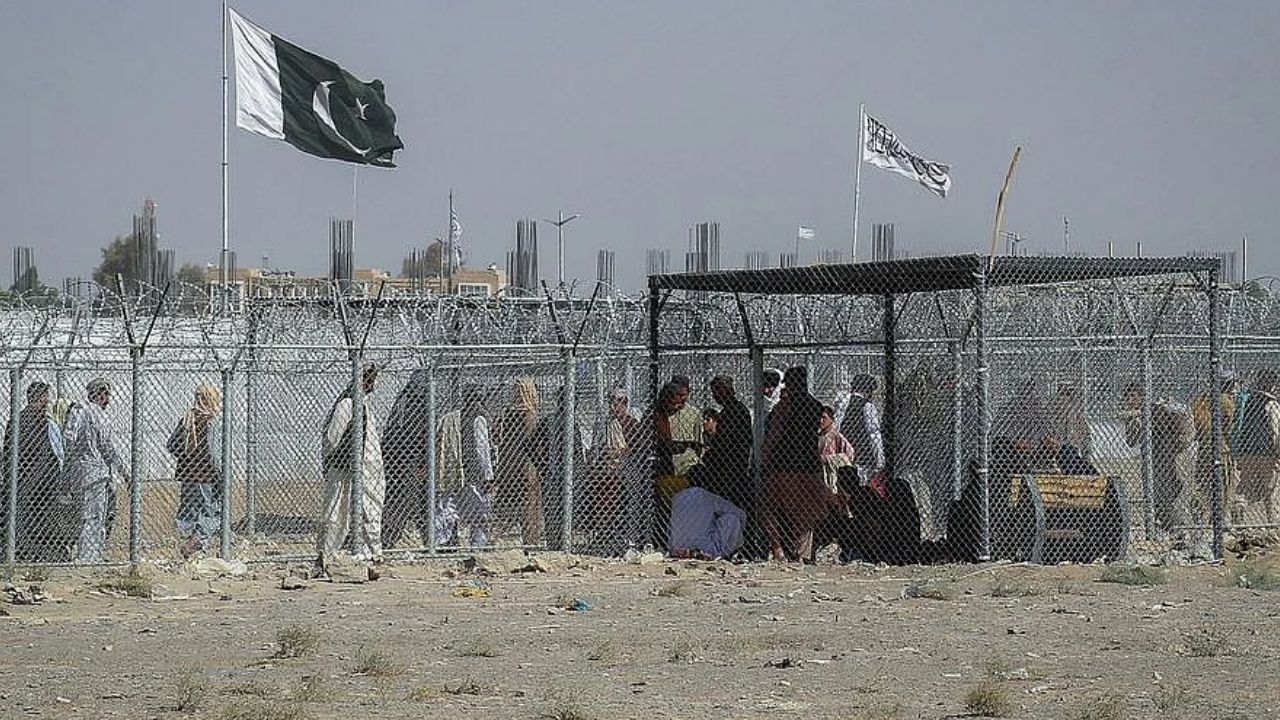
    Islamabad has long maintained that TTP leaders operate from Afghan territory, an allegation that Kabul has repeatedly denied. Tensions also surged after a series of explosions in Kabul on October 9 last year. 

    Taliban forces subsequently targeted areas along Pakistan’s border, prompting Islamabad to respond with cross-border shelling. The exchanges caused casualties and infrastructure damage on both sides and led to the suspension of trade after border crossings were closed on October 12, 2025.

  • Pakistan’s diplomatic push? Iran apologises to neighbours, signals restraint

    Pakistan’s diplomatic push? Iran apologises to neighbours, signals restraint

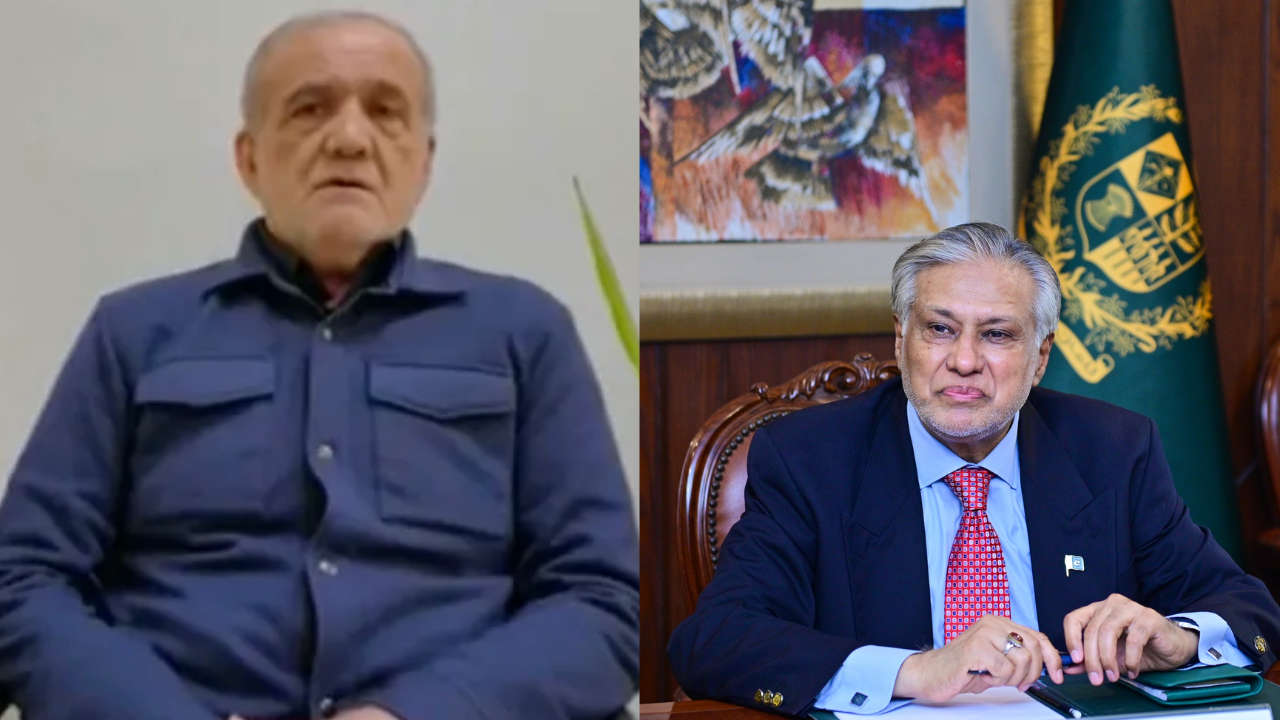
    Iranian President Masoud Pezeshkian has issued a formal apology to neighbouring countries for attacks launched since strikes by the United States (US) and Israel.

    Speaking on state television, Pezeshkian apologised to nations hit by Iranian strikes but maintained a defiant stance against primary adversaries, stating that Iran would never surrender.

    He added that enemies must take their wish for the unconditional surrender of the Iranian people to their graves.

    This diplomatic shift follows engagement with Pakistan when deputy prime minister and foreign minister, Ishaq Dar, held a second telephonic conversation with Iranian Foreign Minister Seyyed Abbas Araghchi. 

    Reports said that Pakistan urged Iran to avoid attacks against Gulf countries to prevent broader regional destabilisation.

    Dar specifically reminded his counterpart of Pakistan’s mutual defence pact with Saudi Arabia, noting that shuttle diplomacy had been used to prevent strikes on Saudi territory.

    Meanwhile, the Israeli military confirmed a new wave of air strikes on Tehran and Isfahan, claiming that over 80 fighter jets targeted military infrastructure and missile launchers. In Isfahan, security official Akbar Salehi reported that at least eight people, including a woman, were killed in these attacks. 

    Iran’s UN Ambassador Amir Saeid Iravani said that the civilian death toll had reached 1,332, with thousands more injured, accusing the US and Israel of targeting civilian infrastructure. 

    Regional spillover also continued as the Iranian Revolutionary Guard Corps (IRGC) targeted an oil tanker named Prima in the Gulf with an exploding drone, alleging the vessel ignored warnings regarding the Strait of Hormuz. 

    The IRGC also confirmed strikes on three locations of separatist groups in Iraq’s Kurdish region, warning they would crush any move against Iran’s territorial integrity. 

    In neighbouring countries, Qatar’s Defence Ministry announced it intercepted a missile attack, while the Saudi defense ministry destroyed a drone heading toward the Shaybah oil field. 

    Iran rejected allegations of attacks against Azerbaijan and Türkiye, labeling the same “false-flag operations”.

  • 47 convicted as anti-terror court delivers verdict on May 9 GHQ attack

    47 convicted as anti-terror court delivers verdict on May 9 GHQ attack

    An anti-terrorism court (ATC) has sentenced 47 proclaimed offenders in the May 9 GHQ attack case to 10 years in prison each.

    ATC Judge Amjad Ali Shah delivered the verdict, which also included a fine of PKR 500,000 for each convict and an order for the confiscation of their properties.

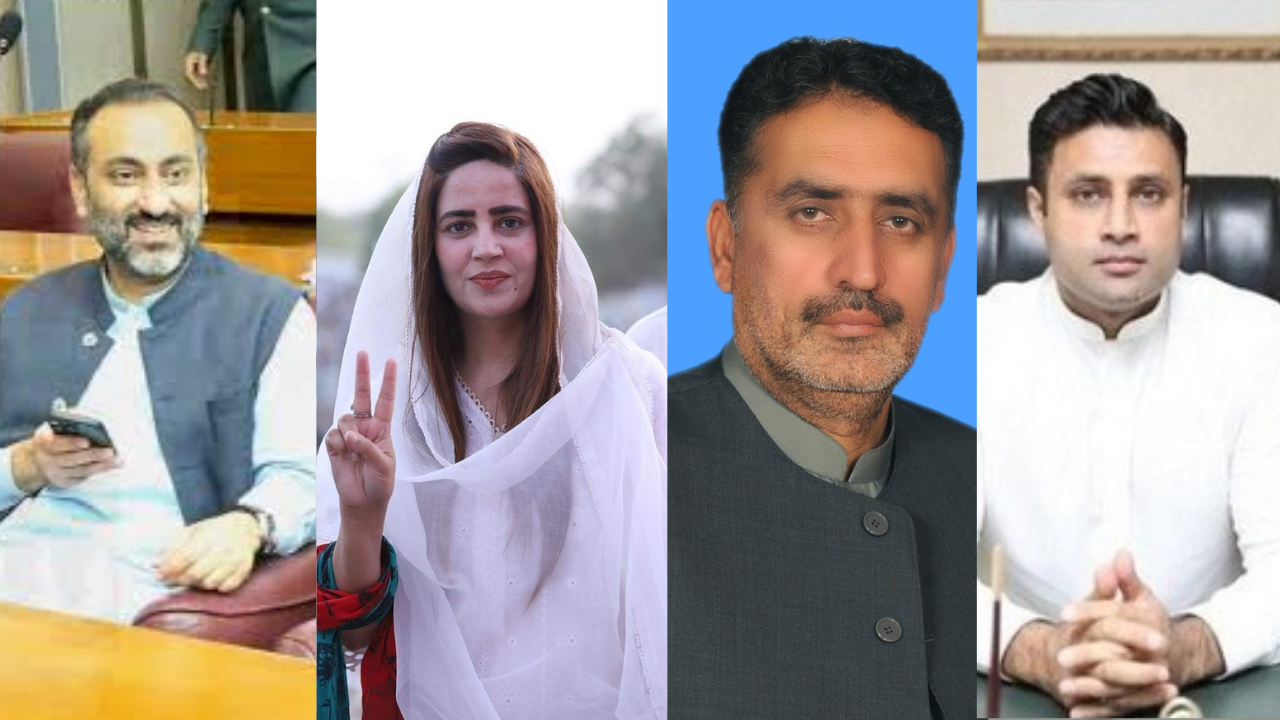
    Those sentenced include Pakistan Tehreek-e-Insaf’s (PTI) Umar Ayub, Zartaj Gul, Murad Saeed, Shibli Faraz, Hammad Azhar, Kanwal Shauzab and Rashid Shafiq. Other accused named in the verdict are Shahbaz Gill, Zulfi Bukhari, Muhammad Ahmad Chattha, Rai Hassan Nawaz and Rai Muhammad Murtaza.

    Shaukat Ali Bhatti, Usman Saeed Basra and Ijaz Khan Jazi were also among those served fines.

    The court said that the accused were involved in attacks on the GHQ gate, Hamza Camp and the Army Museum.

    According to the verdict, a joint investigation team (JIT) had identified the individuals as central figures in planning violent protests.

    The charges included arson, vandalism, assault on police personnel and damage to government property on May 9. Initially, charges were framed against a total of 118 accused, including PTI founder Imran Khan and Shah Mahmood Qureshi, in December 2024.

    The ATC noted that statements of 44 witnesses had been recorded. During the trial, 18 accused remained continuously absent, while 29 others did not appear in court after case registration.

    The court clarified that under the Anti-Terrorism Act, a separate trial was conducted for 47 proclaimed offenders. The prosecution had filed a plea for action against these absconding accused on January 6 this year. On January 8, notices were issued for the 47 individuals.

    The court stated that the accused were given seven days to surrender. Despite the notices and court orders, none of them appeared before the court.

  • Saudi Defence Minister urges Iran to ‘exercise wisdom’ after talks with Field Marshal Asim Munir

    Saudi Defence Minister urges Iran to ‘exercise wisdom’ after talks with Field Marshal Asim Munir

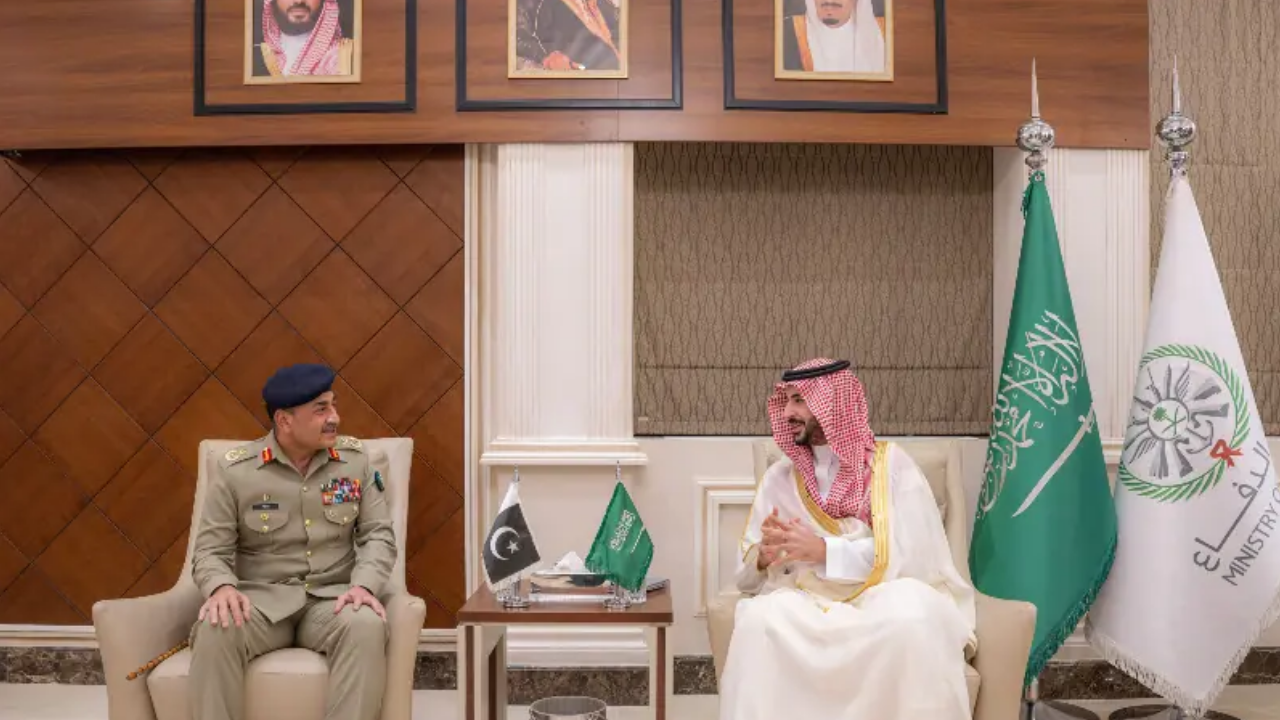
    Chief of Defence Staff and Army Chief, Field Marshal Asim Munir, met with Saudi Defence Minister Khalid bin Salman Al Saud in Saudi Arabia on Saturday to discuss the ongoing conflict in the Middle East and recent Iranian attacks on the Kingdom.

    After the meeting, the Saudi minister posted on X: “We discussed Iranian attacks on the Kingdom and the measures needed to halt them … We stressed that such actions undermine regional security and stability and expressed hope that the Iranian side will exercise wisdom and avoid miscalculation.”

    Pakistan and Saudi Arabia share a multifaceted relationship rooted in strategic military cooperation, economic interests, and Islamic heritage. Riyadh has historically provided financial assistance and oil supplies to Pakistan, strengthening bilateral ties.

    Deputy Prime Minister and Foreign Minister Ishaq Dar recently credited Pakistan’s diplomatic efforts with helping prevent heavier Iranian strikes on Saudi Arabia. He said the attacks were aimed at United States military bases and allied facilities in the Gulf.

    In a related development, Pakistan requested Saudi Arabia to provide an alternative oil supply route through Yanbu. The move comes after the closure of the Strait of Hormuz, following US and Israeli strikes on Iran, to maintain the country’s fuel supply chain.

    The meeting follows the “Strategic Mutual Defence Agreement” signed in Riyadh in September last year between Prime Minister Shehbaz Sharif and Saudi Crown Prince Mohammed bin Salman. Under the pact, any attack on either country is considered an act of aggression against both.

  • ‘No talks’: Pakistan to continue border operations against TTP

    ‘No talks’: Pakistan to continue border operations against TTP

    Prime Minister’s spokesperson Mosharraf Zaidi has said that there will be no talks with the Afghan Taliban, emphasising that the country’s position on dialogue has been “crystal clear”. 

    The statement comes as Russia expressed concern over fighting along the Pakistan-Afghanistan border. Russian Foreign Ministry spokeswoman Maria Zakharova said that clashes involving aircraft and heavy weapons had taken place across “virtually the entire border area.”

    She added that there have been casualties on both sides and that civilians, including Afghan refugees who returned from Pakistan and Iran, have suffered. Zakharova called on Islamabad and Kabul to refrain from hostilities and to resolve differences through dialogue based on mutual respect.

    The United Nations (UN) refugee agency said that over 115,000 Afghans and around 3,000 Pakistanis have been displaced due to the conflict along the border. UNHCR (United Nations High Commissioner for Refugees) said that clashes have forced thousands of families to flee and warned that internal displacement continues in both countries.

    Reports quoted security sources as saying that Pakistani forces responded to unprovoked firing by the Afghan Taliban along the Kurram-Paktika border. Multiple Taliban posts and those of Fitna al-Khawarij were reportedly destroyed.

    State broadcaster PTV reported that Pakistan’s armed forces also destroyed terrorist hideouts near the Pak-Afghan border in the Zhob and Qila Saifullah sectors. Reports quoted the sources as saying that during the operation, Afghan Taliban fighters were forced to abandon their posts and flee.


    Reports quoted officials as saying that Pakistan has no issue with Afghanistan or its people, but that the Afghan Taliban regime has become a “proxy master” facilitating terrorist groups. Officials said the Taliban leadership must choose between maintaining relations with Pakistan or continuing to support militants. 


    They added that the operation will continue until practical steps and credible assurances are provided to end cross-border terrorism.

    Officials rejected claims that civilian areas were being targeted in Afghanistan, calling such reports misleading and noting the loss of innocent Pakistani lives in terrorist attacks. 


    They said that groups facing persecution under the Afghan Taliban regime have welcomed the operation and accused Afghan official accounts and Indian-backed media of spreading false narratives.


    Reports quoted security sources as saying that more than 200 intelligence-based operations (IBOs) are carried out daily across Pakistan to counter terrorist threats. Officials stressed that national unity and full implementation of the National Action Plan are essential to eliminating terrorism.

    According to the recent updates, Pakistan’s military continues its operations against the Afghan Taliban and affiliated militant groups under Operation Ghazab lil-Haq. Information Minister Attaullah Tarar said on March 4 in a post on X that the Taliban have suffered 481 fatalities and over 696 injuries so far. The army has destroyed 226 check posts, captured 35 posts, and neutralised 198 tanks, armoured vehicles, and artillery guns. Airstrikes have targeted 56 locations across Afghanistan, Tarar said.

  • Govt mulls reviving work-from-home, online classes to conserve fuel amid global shortage fears

    Govt mulls reviving work-from-home, online classes to conserve fuel amid global shortage fears

    The federal government has decided in principle to introduce weekly petroleum pricing starting March 8 to reflect additional costs, including insurance, freight and war premiums, while reviving measures from the COVID-19 period to reduce fuel consumption. 

    These measures, which include work-from-home arrangements, online classes and car-pooling, are aimed at minimising financial and foreign exchange pressures. 

    The plan was finalised at a meeting of the cabinet committee to monitor petrol prices in the wake of the emerging situation in the region, convened by Prime Minister (PM) Shehbaz Sharif. 

    The meeting included provincial and regional governments and was held amid ongoing conflict involving the United States (US), Israel and Iran, which has disrupted supply chains, including shipping through the Strait of Hormuz.

    The committee’s recommendations will be submitted to the premier on Friday for review, and once cleared, will be forwarded to the Economic Coordination Committee (ECC) for formal approval. 

    Reports quoted sources as saying that meetings of the committee, the premier and the ECC have been scheduled consecutively due to the urgency of the situation. Officials also confirmed that the International Monetary Fund (IMF) has been briefed on contingency measures.

    Earlier, at the meeting presided over by Finance Minister Muhammad Aurangzeb, officials noted that Pakistan had faced a comparable situation during the COVID-19 crisis when the country dealt with significant financial and foreign exchange challenges.

    “Barring health-related precautions, most of the austerity measures adopted at that time would be revived from next week to save fuel, energy and foreign exchange, while prioritising key sectors,” a statement said.

    The committee also reviewed energy sector developments, national preparedness and petroleum product stock levels.

    Officials said that national reserves were at a comfortable level with sufficient cover for key products, but noted that global supply chains remain under pressure.

    The meeting also included an assessment of international oil market conditions, including freight, insurance and potential congestion at key maritime chokepoints. 

    Efforts to strengthen supply assurance were reviewed, including diversification of sourcing and logistics. Diplomatic and commercial engagements with friendly countries and suppliers were highlighted as part of securing additional crude and refined products through alternative routes and ports.

    Measures to prevent hoarding and illegal storage were also discussed, with coordination between provincial administrations and the Oil and Gas Regulatory Authority (OGRA).

    Separately, provincial governments were instructed to conduct physical inspections of retail petrol stations through deputy commissioners to prevent hoarding and profiteering.

  • Pakistani man says he was pressured by Iran to kill Trump

    Pakistani man says he was pressured by Iran to kill Trump

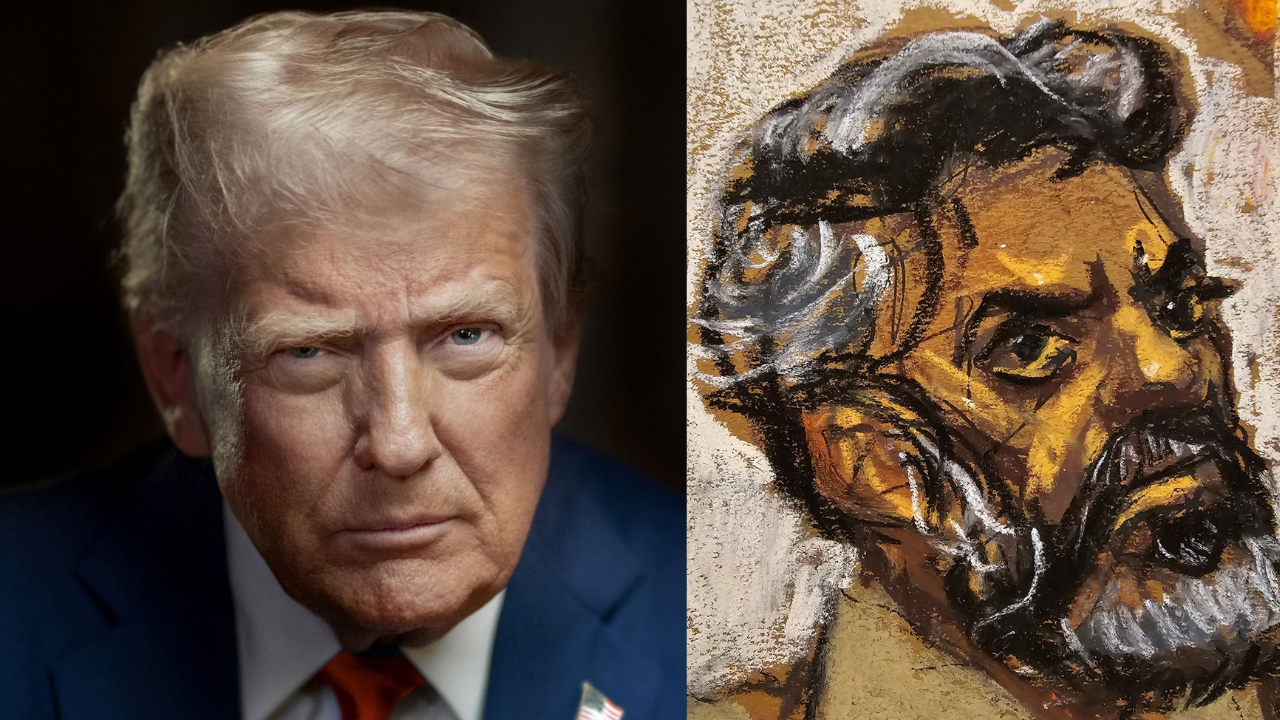
    A Pakistani man accused of plotting to kill  United States (US) President Donald Trump told jurors that he did not willingly collaborate with Iran’s Islamic Revolutionary Guard Corps (IRGC) in the plan, media reports have stated. 


    The Justice Department has alleged that Asif Merchant attempted to recruit individuals in the US to target Trump and other American politicians. The alleged plot was reportedly in retaliation for Washington’s killing of IRGC commander Qassem Soleimani.

    The IRGC, which combines military, economic, and intelligence influence, plays a central role in Iran’s operations.

    Merchant told the court, “I was not wanting to do this so willingly,” adding that he participated in the plot to protect his family in Tehran. He stated that he had never been explicitly ordered to kill a particular individual, but that his Iranian handler had mentioned three potential targets during conversations in the Iranian capital.

    Those named included Trump, Joe Biden, and Nikki Haley, a Republican candidate in the 2024 presidential election.

    Prosecutors have dismissed Merchant’s claims, citing a “lack of evidentiary support for a true duress or coercion,” according to a letter sent to the judge overseeing the case.

    The trial began last week, just days before Trump reportedly authorized strikes in Iran carried out alongside Israel. The strikes killed Iran’s Supreme Leader Ayatollah Ali Khamenei and other top officials.

  • Operation Ghazab lil-Haq: 481 Taliban killed, 226 checkposts destroyed

    Operation Ghazab lil-Haq: 481 Taliban killed, 226 checkposts destroyed

    Pakistan’s military continued its operations against Afghan Taliban and affiliated militant groups under Operation Ghazab lil-Haq, Information Minister Attaullah Tarar reported on March 4.


    The Taliban have suffered 481 fatalities and more than 696 injuries so far. The army has destroyed 226 check posts, captured 35 posts, and neutralised 198 tanks, armoured vehicles, and artillery guns. Airstrikes have targeted 56 locations across Afghanistan, Tarar said.


    State broadcaster Radio Pakistan reported that in the Chaman sector, the army conducted an Intelligence-Based Operation (IBO) against an armed Taliban group. 


    Reports quoted security sources as saying that one Afghan Taliban fighter was killed, while three others were captured alive but wounded. The area was cordoned off and cleared, with security further tightened.

    In the latest phase of the operation, hideouts at 50 different locations were destroyed using heavy weapons. Operations were carried out in the Qila Saifullah, Chaman, Sambaza, Ghudwana, Jani, and Ghaznali sectors, with Afghan Taliban, Fitna al-Khawarij, and Fitna al-Hindustan reportedly suffering significant human and material losses.


    Separately, an infiltration attempt near Torkham was foiled, with an Afghan Taliban ringleader and his associates killed while attempting to cross the border.


    The ongoing operations follow previous strikes inside Afghanistan targeting camps linked to the Tehreek-e-Taliban Pakistan (TTP) and Islamic State Khorasan, carried out after a series of attacks inside Pakistan, including a suicide bombing in Islamabad.

  • Adil Raja’s appeal in libel case rejected by UK court

    Adil Raja’s appeal in libel case rejected by UK court

    The Court of Appeal of England and Wales has refused permission for appeal in a libel case brought by former Inter-Services Intelligence (ISI) officer Rashid Naseer against former Pakistan Army major-turned-blogger Adil Raja, leaving in place a damages award of £50,000 and an injunction issued by the High Court.

    According to an order dated March 3, Lord Justice Warby dismissed Raja’s applications seeking to challenge a 2025 High Court judgement that held him liable for defamatory posts published on social media in June 2022.

    The case centres on nine posts in which Raja accused Naseer of involvement in election rigging, fraud, bribery, corruption and abuse of power.

    During the trial held in July 2025, the High Court considered whether the social media posts had caused “serious harm” to Naseer’s reputation under Section 1 of the Defamation Act 2013. The court also reviewed whether Raja’s claims could be protected under the public interest defence provided under Section 4 of the same law.

    In a reserved judgement issued on October 9 last year, the trial judge concluded that the requirement of serious harm had been met.

    The court subsequently ordered Raja to pay £50,000 in damages to Naseer. It also issued an injunction preventing him from repeating the allegations and directed that a summary of the judgement be published.

    Raja later sought permission to appeal the decision before the Court of Appeal. However, in the March 3 order, Lord Justice Warby rejected the applications and declined to grant permission to challenge the High Court ruling.

    With the refusal of permission to appeal, the earlier judgement awarding damages, issuing an injunction against further publication of the allegations, and requiring publication of a summary of the ruling remains in effect.