Category: Politics

  • In a rare move, UN secretary-general invokes Article 99 on Gaza

    In a rare move, UN secretary-general invokes Article 99 on Gaza

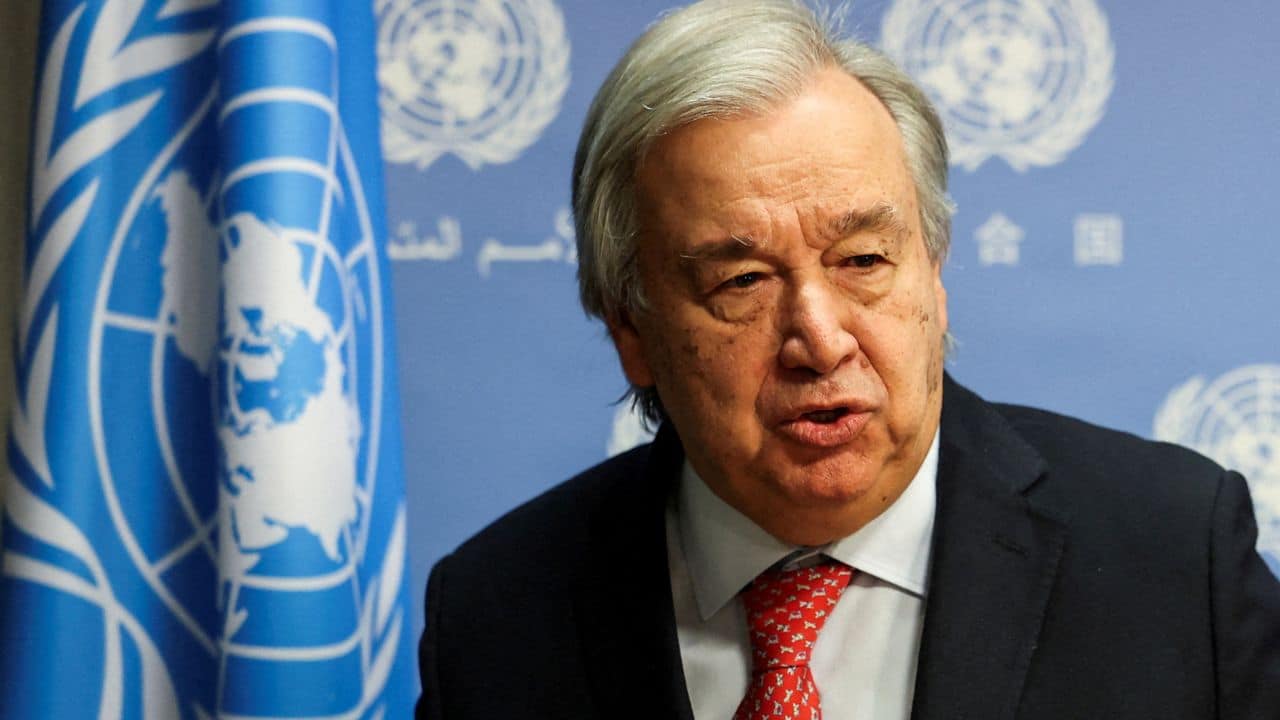
    The UN Secretary-General Antonio Guterres has invoked Article 99 of the UN Charter, calling on the Security Council to declare a ceasefire to put a stop to Israeli atrocities committed in Gaza.

    Invoking Article 99 is one of the few powers that the Charter gives the UN Secretary-General.

    In a letter written to the council’s president, Guterres cites the responsibility of the 15-member Security Council that has the obligation to maintain international peace and security, stating that the situation in Gaza and Israel “may aggravate existing threats to the maintenance of international peace and security.”

    He added that the humanitarian crisis in Gaza can have “potentially irreversible implications for Palestinians as a whole and for peace and security in the region.”

    UN Spokesperson Stéphane Dujarric explained that the move has been taken “given the scale of the loss of human life in Gaza and Israel, in such a short amount of time.”

    He described the use of Article 99 as a “dramatic constitutional move” made by Guterres in the hope that it would put more pressure on the Council – and the international community at large – to demand a ceasefire between the warring parties.

    “I think it’s arguably the most important invocation”, Dujarric told reporters at UN Headquarters, “in my opinion, the most powerful tool that he [the Secretary-General] has.”

  • Return of illegal foreigners to their country beneficial for Pakistan, says Gen. Asim Munir

    Return of illegal foreigners to their country beneficial for Pakistan, says Gen. Asim Munir

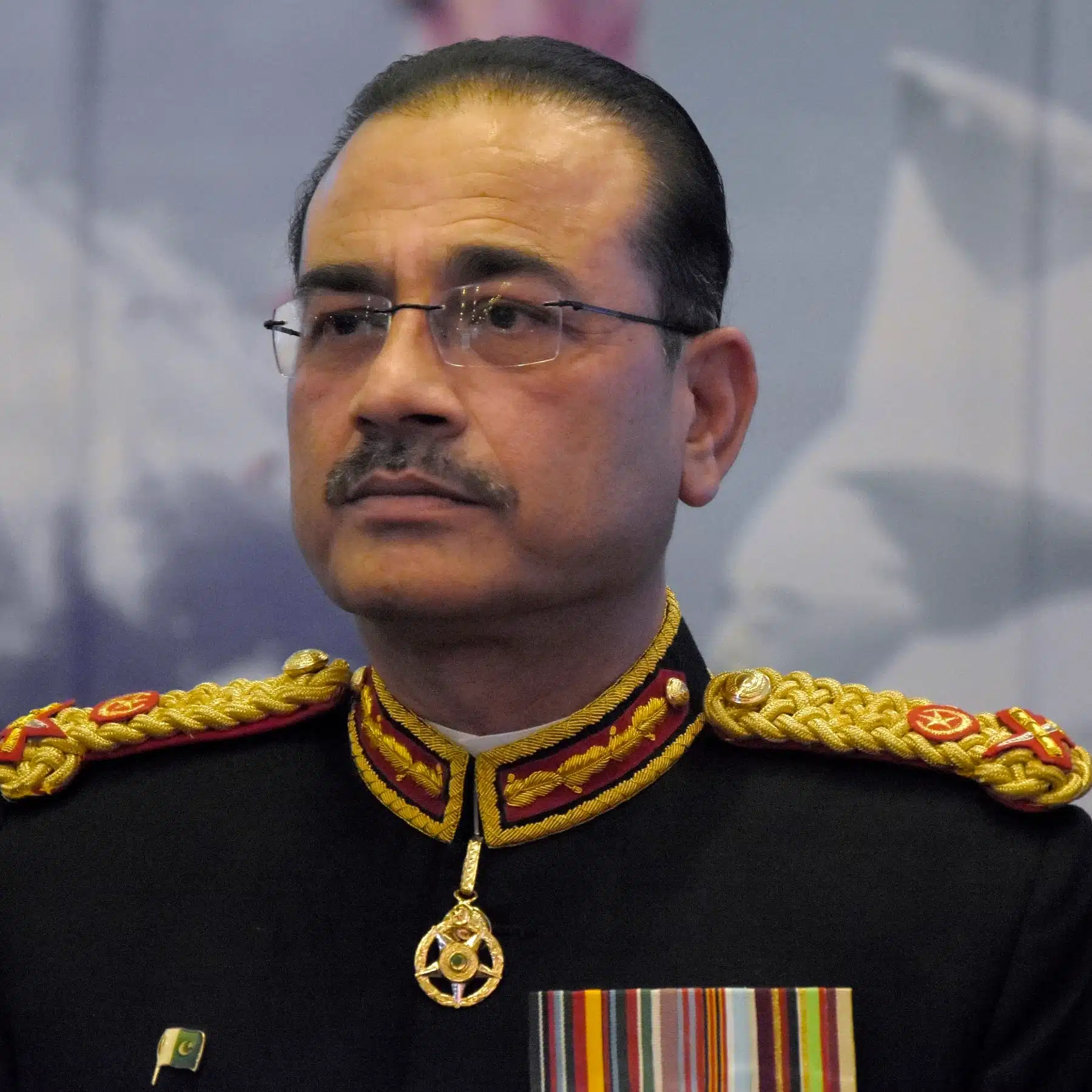
    Chief of Army Staff (COAS) General Syed Asim Munir said on Thursday that the presence of illegal foreigners in the country is “seriously affecting” its security and economy, adding that the decision to send illegal foreigners to their home country is beneficial for Pakistan.

    According to Inter-Services Public Relations (ISPR), the army chief passed the remarks during a visit to Peshawar, where he briefly explained the security situation, ongoing counter-terrorism operations, and the return of undocumented foreign nationals.

    “Decision to repatriate them has been taken by the government in the interest of Pakistan,” General Asim said, as quoted by the military’s media wing.

    The army chief also mentioned that all the illegal immigrants are being sent to their home country in a “humane and dignified manner.”

    According to the Interior Ministry, almost 255,029 illegal foreigners have left for Afghanistan from Khyber Pakhtunkhwa (KP).

    On his visit to Peshawar, Gen. Munir interacted with soldiers and officers, and he said while addressing them that “The nation takes pride and acknowledges the accomplishments of its Armed Forces. Pakistan is destined to succeed and the Pakistan Army will continue to undertake its selfless and sacred duty of safeguarding every inch of the motherland till the last drop of blood, InshaAllah.”

  • Taliban Interior Minister Sirajuddin Haqqani among thousands of Afghans holding Pakistani passport

    Taliban Interior Minister Sirajuddin Haqqani among thousands of Afghans holding Pakistani passport

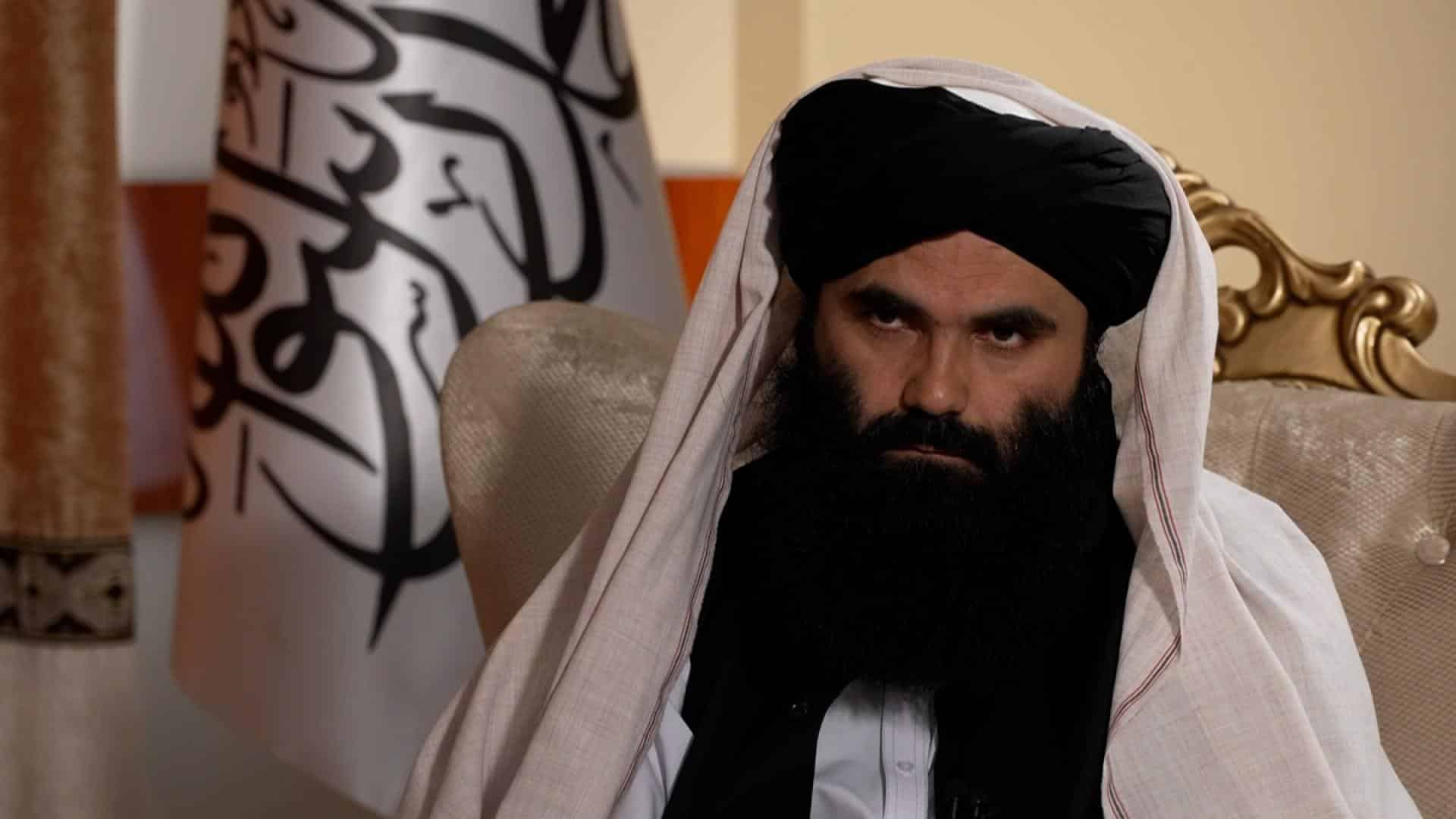
    The News has uncovered, through Ministry of Interior sources, that the name of Afghanistan’s Interior Minister Sirajuddin Haqqani is among the list of thousands of Afghan citizens who had Pakistani passports until recently.

    Sirajuddin Haqqani was issued a Pakistani passport for five years, which he used to visit many countries; including Qatar where he negotiated with the American government, which led to the Doha Agreement and the withdrawal of the United States from Afghanistan.

    Two officials who issued passports to Haqqani have been arrested, one of whom had retired from service when the proceedings against him began.

    An official acquainted with the record-cleansing operation said 30,000 to 40,000 passports issued to Afghan nationals have been blocked.

    Passport offices in various cities issued passports to Afghan citizens, including Karachi and Thatta in Sindh. Without naming the cities of Balochistan and KP, the official said that passport offices established in different cities have also been found involved in the matter.

    Geo reports that Haqqani’s case was unveiled when a Peshawar-based journalist was on the same flight that Haqqani took to Doha. At the immigration counter, Haqqani had shown a Pakistani passport as his travel document. The aforementioned journalist was surprised to see him with that passport. But it was in August this year when the journalist drew the attention of the passport authorities in Pakistan about what he witnessed during a discussion. The information proved to be correct.

    An inquiry was then conducted into the matter which revealed that the passport was issued from Peshawar during the PTI regime.

    The passport-issuing officer said he was contacted by a man who identified himself as a senior military official from an intelligence agency and asked to issue a travel document for Haqqani.

    When the passport officer was asked to find out the identity of the army officer, he said that he was not sure who the man actually was as he had given instructions over the phone. After that, departmental action was initiated against the passport officer and also against the employee who had printed the passport.

    Reportedly both the persons are in jail. This is also confirmed by the information received from Saudi authorities.

    Initially, the Saudi authorities raised the issue with the government of Pakistan that Afghan citizens have obtained Pakistani passports to get jobs in Saudi Arabia. The Saudi government provided copies of passports, and as the government took notice of the case, it was found that the number of such cases is, in fact, more than 12,000. The passports of these individuals were revoked and those found to have used forged documents were deported to Afghanistan.

  • SC to hear reference asking Zulkiqar Bhutto’s execution be declared judicial murder

    SC to hear reference asking Zulkiqar Bhutto’s execution be declared judicial murder


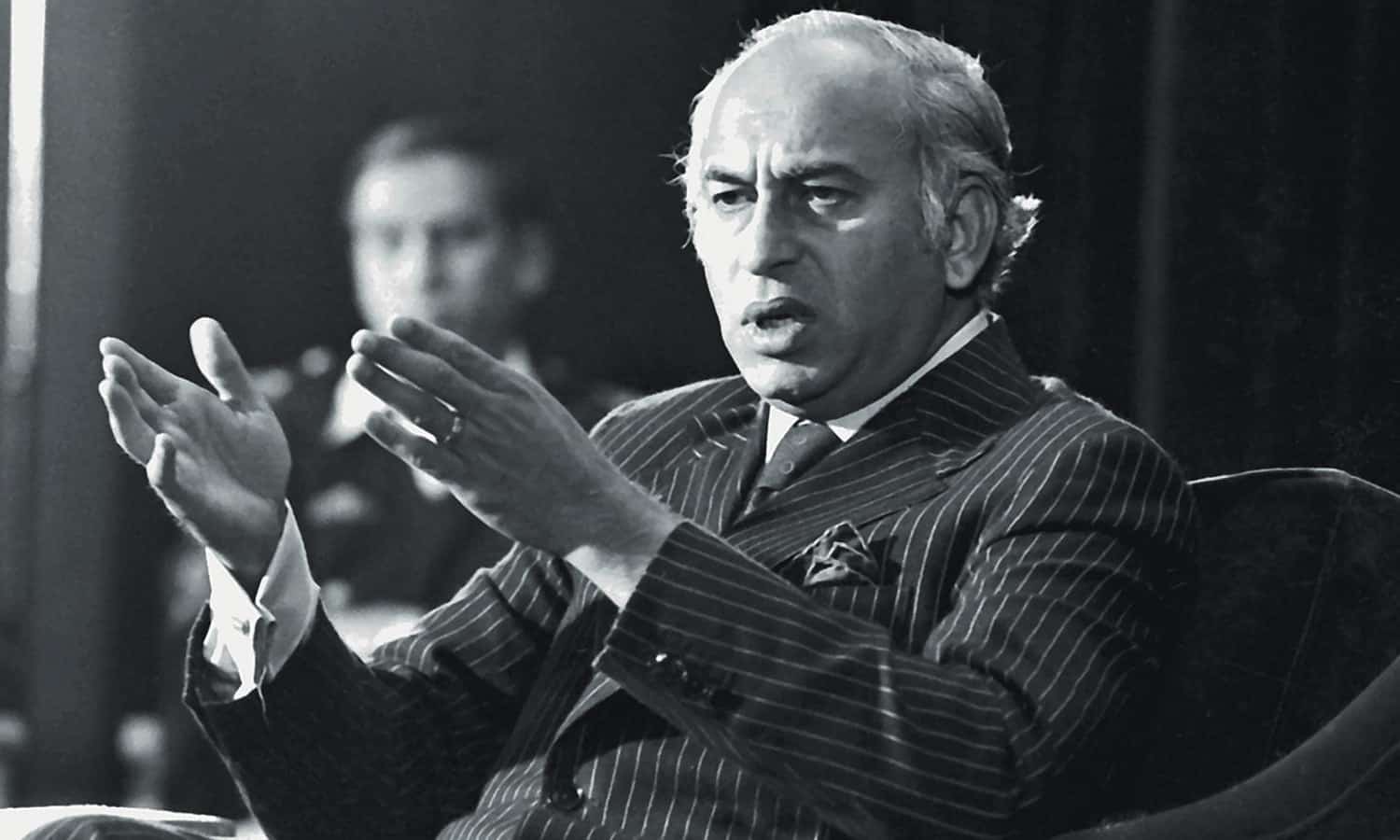
    On December 12, a larger bench of the Supreme Court, led by Chief Justice of Pakistan Qazi Faez Isa, comprising nine members, is scheduled to hear on the presidential reference regarding the reconsideration of the judgment on Bhutto’s death sentence.

    It has been decided to schedule a presidential reference hearing to declare the execution of Pakistan People’s Party (PPP) founder and former prime minister Zulfikar Ali Bhutto as judicial murder.

    According to sources, the presidential reference regarding Zulfiqar Bhutto’s execution is likely to be scheduled for hearing next week.

    According to the sources of Geo News, a larger bench will hear the presidential reference related to Zulfikar Ali Bhutto.

    Sources also said that the presidential reference will be heard under the chairmanship of Chief Justice of Pakistan (CJP) Qazi Faiz Isa.

    It should be remembered that in 2011, the PPP government, through the then President Asif Ali Zardari, filed a reference in the Supreme Court (SC) regarding the execution of Zulfiqar Ali Bhutto.

    Now, after a long gap of almost 11 years, the reference is going to be fixed for hearing again.

  • Nawaz Sharif meets Chaudhry Shujaat after 15 years

    Nawaz Sharif meets Chaudhry Shujaat after 15 years

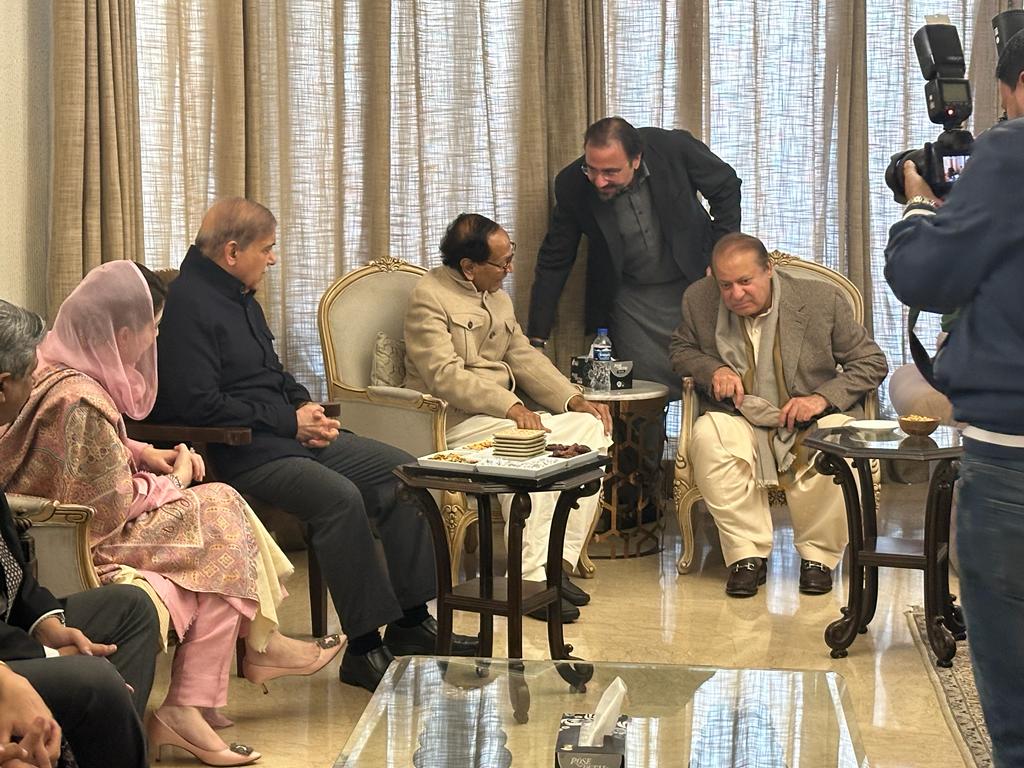
    In a significant political development, Pakistan Muslim League-Nawaz (PML-N) head Nawaz Sharif visited Pakistan Muslim League-Quaid (PML-Q) President Chaudhry Shujaat Hussain at his residence after a gap of almost 15 years.

    According to the sources of Geo News, the meeting lasted for almost 40 minutes, with both leaders discussing the possibility of a political alliance for the upcoming general elections on February 8 next year.

    PML-N President Shehbaz Sharif and other leaders, including Maryam Nawaz, Rana Sanaullah, Ayaz Sadiq, and Azam Nazeer Tarar, also attended the huddle.

    PML-Q leaders Chaudhry Wajahat Hussain, Salik Hussain and Shafay Hussain were also in the meeting.

    The gathering occurs amidst heightened political engagement, with parties actively conducting election campaigns and forming electoral alliances to strengthen their position in the polls.

    Nawaz, a three-time former prime minister, came back to the country in October after nearly four years of exile in London. His return was aimed at energising his supporters in preparation for the elections.

    Earlier, the PML-N supremo succeeded in wooing electables from Balochistan to join his party ranks and also forged an electoral alliance with  Muttahida Qaumi Movement-Pakistan (MQM-P).

  • Reference case against Justice Mazahar: Application filed to separate Justice Ijaz from Judicial Council

    Reference case against Justice Mazahar: Application filed to separate Justice Ijaz from Judicial Council

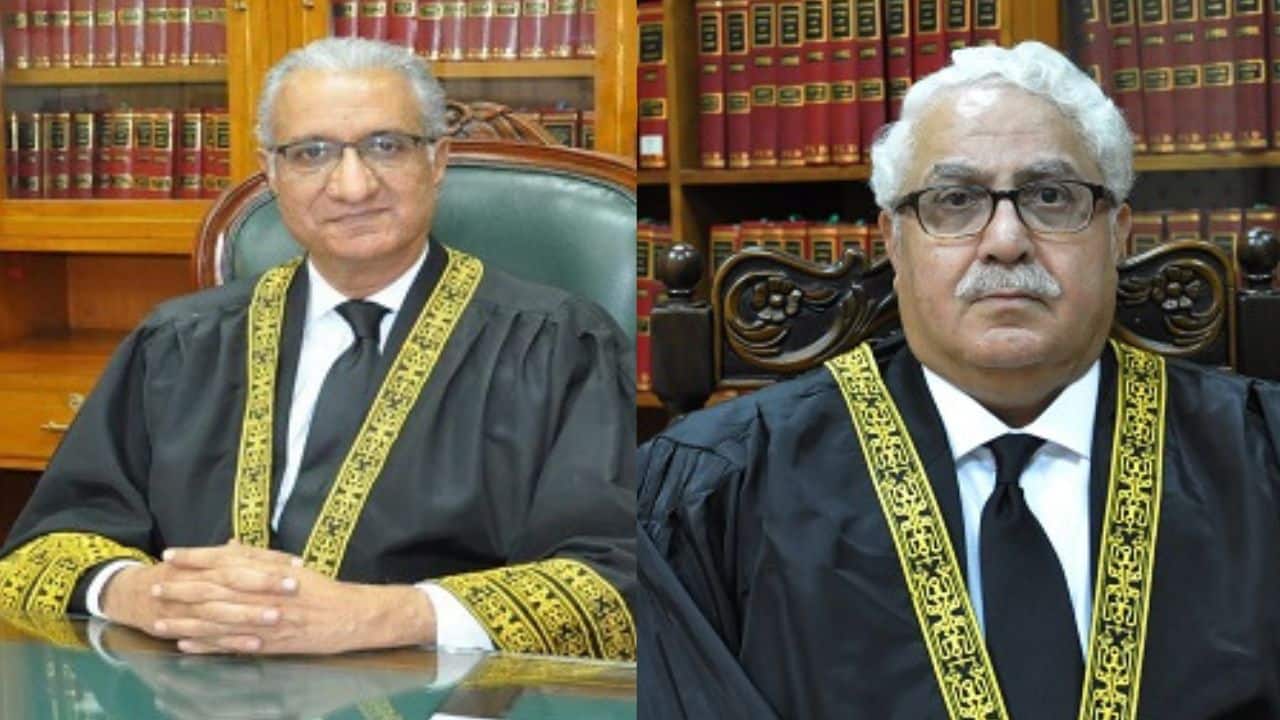
    An application asking to separate Justice Ejazul Ahsan from the Supreme Judicial Council (SJC) on the issue of a complaint against Supreme Court (SC) Justice Mazahir Naqvi in the SJC has been filed.

    Mian Dawood Advocate filed a constitutional petition in the SC in which the Federal Government and the Secretary SJC have been made parties, while the order sheet of the case of former CCPO Ghulam Mehmood Dogar is also attached to the petition.

    It has been argued in the petition that Justice Ijaz should be removed from the council hearing the complaint against Justice Mazahar, and another senior judge should be made a part of the SJC in his place.

    It has been said in the petition that the reference to corruption and misconduct against Justice Naqvi is under hearing in the Judicial Council. On the complaint of the petitioner, the Judicial Council has issued a second show cause notice to Justice Mazahar. In relation to the Ghulam Mahmood Dogar case, Justice Ijaz was part of the bench that heard the case; therefore, legally and in principle, no judge who heard the case of Ghulam Mahmood Dogar can be a member of the Judicial Council.

    It has been further stated in the petition that Justice Ejazul Ahsan being a member of the SJC is against Articles 10A and 9 of the Constitution. Justice Ejaz will not be able to meet the demands of justice in the council.

  • Toshakhana Case: Court rejects Imran Khan’s withdrawal petition

    Toshakhana Case: Court rejects Imran Khan’s withdrawal petition

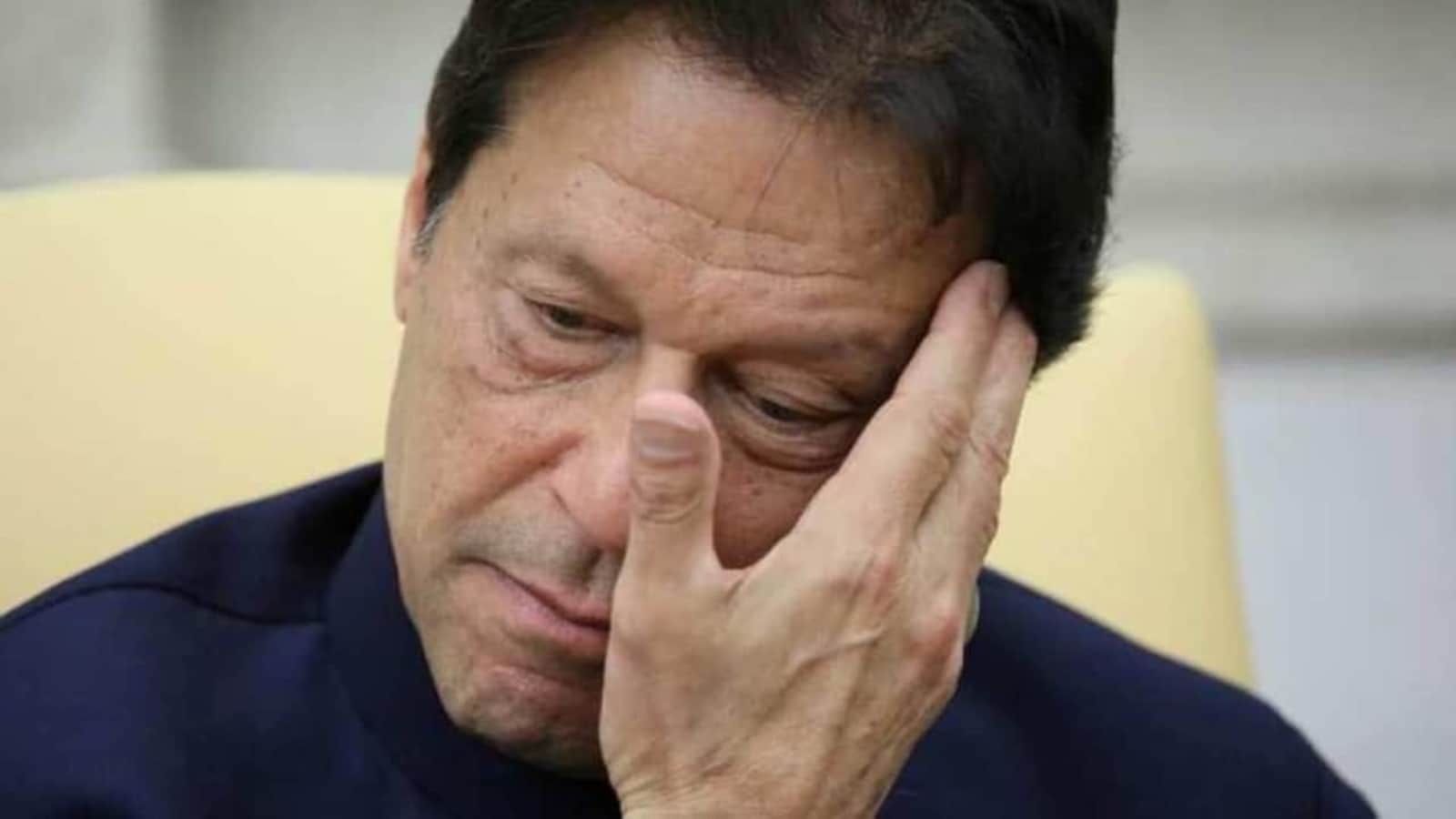
    The Islamabad High Court (IHC) on Wednesday rejected the plea of former prime minister Imran Khan to withdraw his petition challenging the Election Commission of Pakistan’s (ECP) decision on his disqualification in the Toshakhana case.

    On October 28, 2022, the former Pakistan. Tehreek-e-Insaf (PTI) chief filed a plea against his disqualification by the electoral body. He filed another petition on January 18, 2023, to withdraw his appeal against ECP.

    Imran Khan requested the withdrawal of his plea from IHC as the matter is pending before Lahore High Court (LHC).

    Justice Aamer Farooq announced the verdict, reserved on September 13, today, after hearing the arguments of all parties.

    The ECP disqualified Imran Khan on October 21, 2022, under Article 63(1)(p). The electoral watchdog said in its verdict that the PTI founder is not a member of the National Assembly anymore, and he is disqualified for making “false statements and incorrect declaration”.

    The decision of Khan’s disqualification was taken by the five members’ bench, and the ECP stated that Imran was found involved in corrupt practices, including submitting a false affidavit.

  • In rare Israel rebuke, US restricts visas on extremist settlers

    In rare Israel rebuke, US restricts visas on extremist settlers

    Washington (AFP) – The United States said Tuesday it would refuse visas for extremist Israeli settlers behind a wave of violence against Palestinians in the West Bank, as it also asked Israel to do more to spare civilians in Gaza.

    The visa measures amount to a rare concrete repercussion by the United States against Israelis in the nearly two-month-old war, in which President Joe Biden has nudged the US ally privately but also promised strong support.

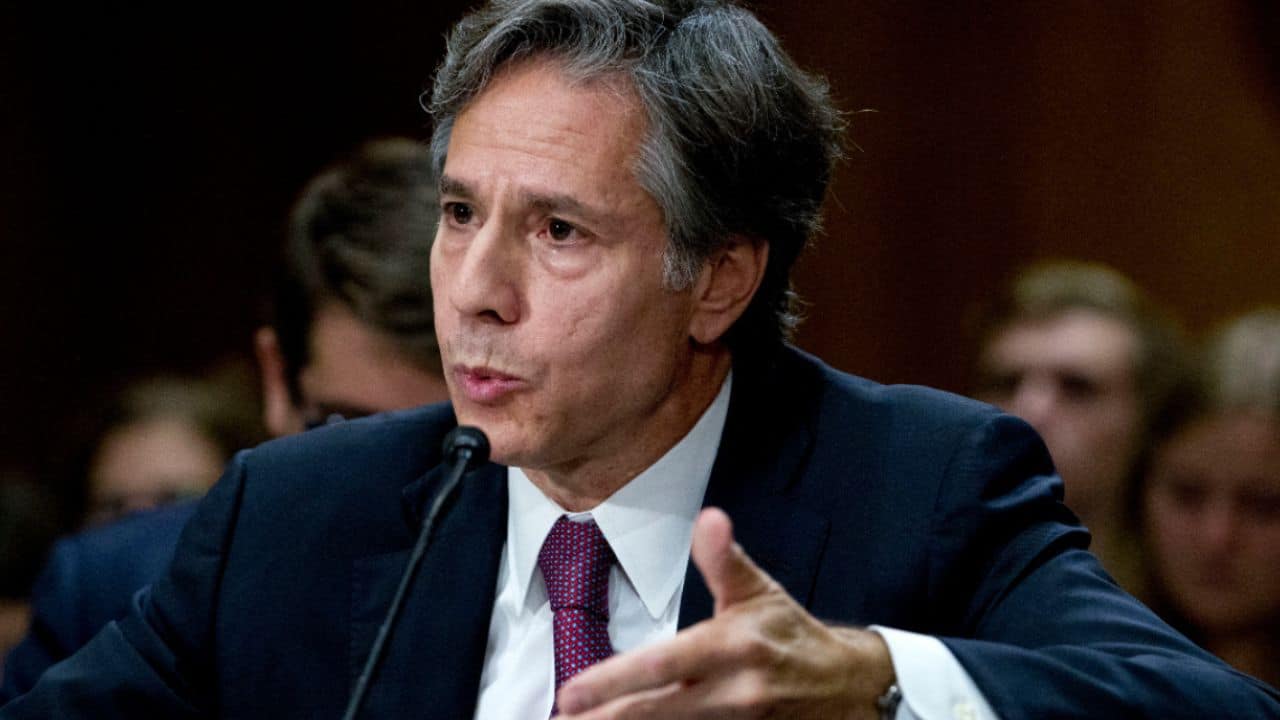
    “We have underscored to the Israeli government the need to do more to hold accountable extremist settlers who have committed violent attacks against Palestinians in the West Bank,” Secretary of State Antony Blinken said in a statement.

    “As President Biden has repeatedly said, those attacks are unacceptable,” he said.

    Blinken said the United States would refuse entry to anyone involved in “undermining peace, security or stability in the West Bank” or who takes actions that “unduly restrict civilians’ access to essential services and basic necessities.”

    “Instability in the West Bank both harms the Israeli and Palestinian people and threatens Israel’s national security interests. Those responsible for it must be held accountable,” Blinken said.

    State Department spokesman Matthew Miller said that dozens of settlers, who were not publicly named, would be affected. The visa ban also applies to their immediate family members.

    Restrictions on entering the United States will not apply to extremist settlers who are US citizens.

    Wave of violence

    Hamas militants stormed out of Gaza into Israel on October 7, killing around 1,200 people, mostly civilians, and taking around 240 hostages, according to Israeli officials.

    In response, Israel vowed to destroy Hamas and has carried out air strikes and a ground offensive that have killed around 15,900 people, mostly women and children, according to the Hamas-run health ministry.

    Even though Hamas does not control the West Bank, some 250 Palestinians have been killed there by Israeli soldiers and settlers since October 7, according to a Palestinian government tally.

    The Palestinian Authority holds limited autonomy in the West Bank where Palestinians have complained of impunity over attacks and harassment carried out by settlers, some of whom have been serving in the Israeli military as forces are shifted to Gaza.

    Prime Minister Benjamin Netanyahu is in a coalition with far-right parties that strongly support Jewish settlement of lands seized in 1967, construction that is considered illegal under international law.

    Blinken visited both Israel and the West Bank last week just as a pause ended between Hamas and Israel.

    The State Department said that Israel has shown “improvement” in targeting its strikes in Gaza as it voiced concern about a repeat of the widespread bombing at the start of the war.

    “We will continue to monitor what’s happening and will continue to press them to do everything they can to minimize civilian harm,” said Miller, the State Department spokesman.

    The United States has also promised more than $100 million in humanitarian aid to the Palestinians but has faced strong criticism in much of the Arab world for its diplomatic and military support of Israel.

    J Street, the left-leaning pro-Israel US group that is frequently critical of Netanyahu, praised the visa restrictions as an “important first step.”

    It said that the Biden administration should specifically restrict two far-right ministers in Netanyahu’s cabinet, Minister for National Security Itamar Ben-Gvir and Finance Minister Bezalel Smotrich.

    Before entering politics, Ben-Gvir hung a portrait in his living room of Baruch Goldstein, the US-born settler who killed 29 Palestinian worshippers at a mosque in the West Bank city of Hebron.

    The Biden administration has returned to the traditional US and international position of opposing settlements, although until now its stance has largely been rhetorical.

    Previous president Donald Trump switched course, with Blinken’s predecessor Mike Pompeo dropping objections to settlements and visiting one late in his term.
  • Sarfraz Bugti refuses to provide details of 14 bombing attacks by Afghans

    Sarfraz Bugti refuses to provide details of 14 bombing attacks by Afghans

    Caretaker government officials are not providing any information to support their claim that Afghan nationals were involved in 14 out of 24 suicide bombing attacks in Pakistan in 2023, Geo has reported.

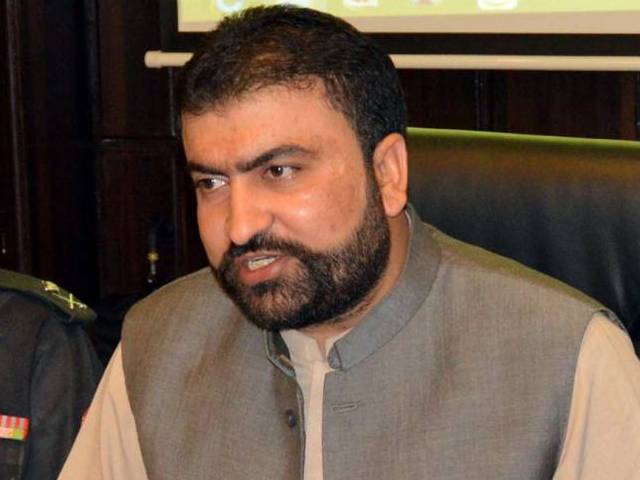
    Interior Minister Sarfraz Bugti disclosed on October 3 that from January until October, Pakistan has witnessed 24 suicide bombing attacks.

    “Of those 24 bombings, 14 have been carried out by Afghan nationals,” he added. “Afghan people attacked us. This includes the Peshawar mosque bombings and the one in Qilla Saifullah and Hangu, amongst others.”

    Sarfraz Bugti also claimed that the government has all the essential proof.

    “Afghan nationals are involved in the attacks on us. We have evidence. We have evidence of everything,” he stated.

    Sarfraz Bugti repeated his claim in multiple interviews with both international and Pakistani news channels.

    The interim government used these metrics to order all undocumented immigrants, as well as 1.73 million Afghan nationals, to leave the country or face deportation.

    Earlier last week, Sarfraz Bugti told Dawn TV that almost 400,000 Afghans have left Pakistan so far.

    Last month, Geo Fact Check reached out to the interior minister and asked for evidence of the involvement of Afghan nationals in suicide bombing attacks, but the interior minister hasn’t responded back until now.

  • Detained Iran protesters raped, sexually assaulted: Amnesty

    Detained Iran protesters raped, sexually assaulted: Amnesty

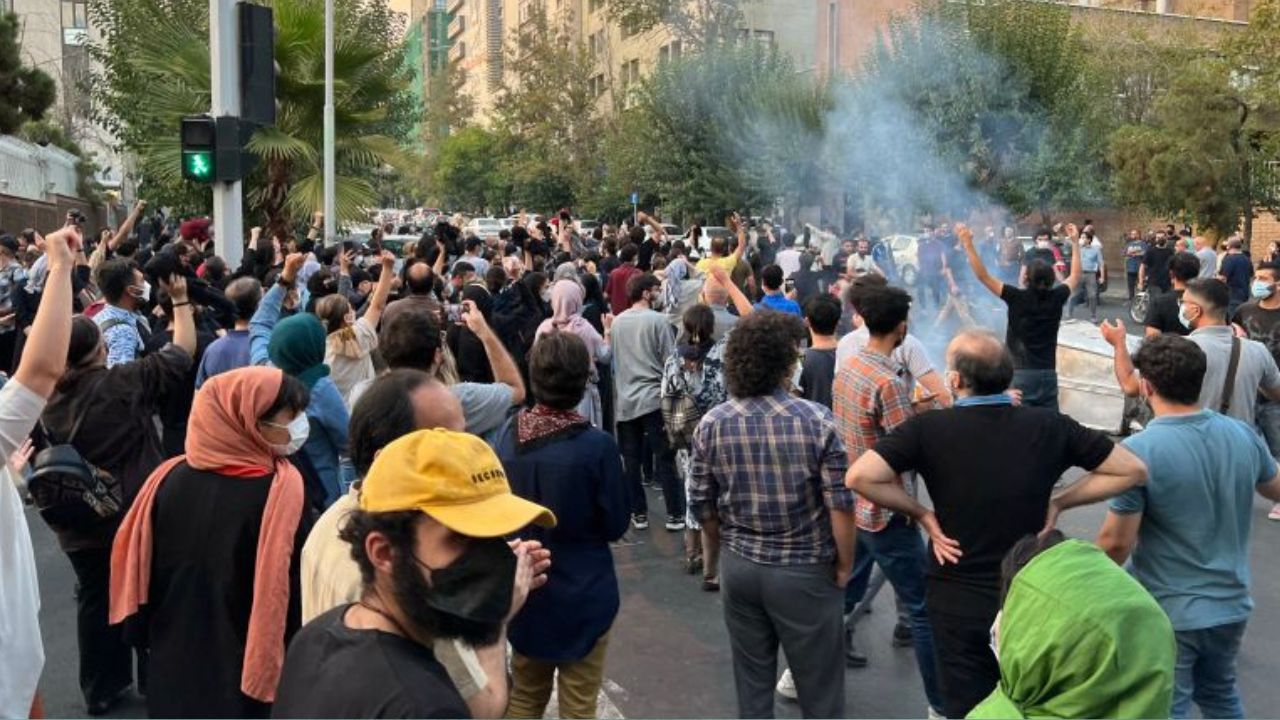
    Members of the Iranian security forces raped and used other forms of sexual violence against women and men detained in the crackdown on nationwide protests that erupted from September 2022, Amnesty International said Wednesday.

    Amnesty said in a report it had documented 45 such cases of rape, gang rape or sexual violence against protesters. With cases in more than half of Iran’s provinces, it expressed fear these documented violations appeared part of a “wider pattern.”

    “Our research exposes how intelligence and security agents in Iran used rape and other sexual violence to torture, punish and inflict lasting physical and psychological damage on protesters, including children as young as 12,” Amnesty’s secretary general Agnes Callamard said.

    The London-based organization said it had shared its findings with the Iranian authorities on November 24 “but has thus far received no response.”
    The protests began in Iran in September 2022 after the death in police custody of Mahsa Amini, 22. Her family says she was killed by a blow to the head but this has always been disputed by the Iranian authorities.

    After rattling Iran’s clerical leadership, the movement lost momentum by the end of that year in the face of a fierce crackdown that left hundreds dead, according to rights activists, and thousands arrested, according to the United Nations.

    Amnesty said 16 of the 45 cases documented in the report were of rape, including six women, seven men, a 14-year-old girl, and two boys aged 16 and 17.

    Six of them — four women and two men — were gang raped by up to 10 male agents, it said.

    It said the sexual assaults were carried out by members of the Revolutionary Guards, the paramilitary Basij force, agents of the intelligence ministry, as well as police officers.

    The rapes on women and men were carried out with “wooden and metal batons, glass bottles, hosepipes, and/or agents’ sexual organs and fingers,” it said.

    As well as the 16 rape victims, Amnesty said it documented the cases of 29 victims of other forms of sexual violence such as the beating of breasts and genitals, enforced nudity, and inserting needles or applying ice to men’s testicles.

    It said it collected the testimony through interviews with the victims and other witnesses, conducted remotely via secure communications platforms.

    “The harrowing testimonies we collected point to a wider pattern in the use of sexual violence as a key weapon in the Iranian authorities’ armory of repression of the protests and suppression of dissent to cling to power at all costs,” said Callamard.

    One woman, named only as Maryam, who was arrested and held for two months after removing her headscarf in a protest, told Amnesty she was raped by two agents during an interrogation.

    “He (the interrogator) called two others to come in and told them ‘It’s time’. They started ripping my clothes. I was screaming and begging them to stop.

    “They violently raped me in my vagina with their sexual organs and raped me anally with a drink bottle. Even animals don’t do these things,” she was quoted by the group as saying.

    A man named as Farzad told Amnesty that plain clothes agents gang raped him and another male protester, Shahed, while they were inside a vehicle.

    “They pulled down my trousers and raped me. I couldn’t scream out. I was really being ripped apart… I was throwing up a lot, and was bleeding from my rectum when I went to the toilet,” said Farzad who was released without charge a few days later.

    Amnesty said most victims did not file complaints against the assault for fear of further consequences, and those who did tell prosecutors were ignored.

    “With no prospects for justice domestically, the international community has a duty to stand with the survivors and pursue justice,” said Callamard.