Category: Tech

  • Meta developing new social networking app to compete with Twitter

    Meta developing new social networking app to compete with Twitter

    Meta, the parent company of Facebook and Instagram, is developing a standalone text-based social network app that could potentially compete with both Twitter and its decentralised rival, Mastodon.

    According to reports, Meta is exploring the creation of a decentralised social network for sharing text updates, providing a separate space where public figures and creators can share timely updates about their interests.

    Meta’s Twitter-like app would allow the company to take advantage of the current confusion at Twitter, where cost-cutting has been widespread ever since Elon Musk’s takeover of the platform late last year. Companies have withdrawn their spending following Twitter’s restoration of suspended accounts and release of a paid account verification that resulted in scammers impersonating firms.

    The new app, codenamed P92, will allow users to log in using their existing Instagram credentials and will be based on a similar framework to Mastodon, a Twitter-like service launched in 2016.

    The decentralised platform cannot be run at the whim of a single entity and cannot be bought or sold. Meta’s plans come at a time when Facebook, its largest platform, is struggling to capture the attention of younger audiences. In addition, the company has invested heavily in the metaverse, a virtual world where users interact and work, which has yet to come to fruition.

    Instagram, its video-sharing app, is also facing tough competition as content creators or hit influencers abandon the platform in favour of TikTok. It is currently unclear when Meta will launch the new app.


  • WhatsApp refuses to compromise on end-to-end encryption despite UK pressure

    WhatsApp refuses to compromise on end-to-end encryption despite UK pressure

    Will Cathcart, the head of WhatsApp, has stated that the company will not comply with the proposed online safety bill in the United Kingdom (UK), which aims to ban end-to-end encryption. Cathcart made these remarks during a visit to the UK, where he will meet with legislators to discuss the government’s internet regulation flagship policy. He further described the bill as the most concerning piece of legislation being discussed in the western world.

    Cathcart explained that users worldwide demand security, and 98 per cent of WhatsApp’s users are outside the UK. Therefore, it would be an odd choice for the company to lower the product’s security in a way that would affect the majority of its users. He added that end-to-end encryption is essential in messaging services to prevent anyone other than the communication recipients from decrypting it. WhatsApp cannot read messages sent over its service and cannot comply with law enforcement requests to hand over messages or actively monitor communications for child protection or anti-terrorism purposes.

    Cathcart noted that the online safety bill is an expansion of the UK government’s power to demand the removal of encryption, and it poses a grey area in the legislation. He called for similar language to be inserted into the UK bill as in the EU’s digital markets act, which explicitly defends end-to-end encryption for messaging services.

    Furthermore, under the proposed bill, the UK government or Ofcom could require WhatsApp to apply content moderation policies that would be impossible to comply with without removing end-to-end encryption. If WhatsApp refused to comply, it could face fines of up to 4 per cent of its parent company Meta’s annual turnover, or it would have to withdraw entirely from the UK market.

    Cathcart argued that large communities that use end-to-end encryption, such as WhatsApp’s “communities” offering, which allows group chats of over 1,000 users to be grouped together, have slim chances of causing trouble. He suggested that one person reporting any serious issues would suffice, making it easy for investigators to gain access.

    The online safety bill is expected to return to parliament in the summer, giving Ofcom significant new powers as the internet regulator and enabling it to require effective content moderation under the penalty of large fines. WhatsApp has never received a legal demand to remove encryption from the UK government, according to Cathcart.

  • Saudi prince aims to create over 1,000 jobs with $100 million tech house investment in Pakistan

    Saudi prince aims to create over 1,000 jobs with $100 million tech house investment in Pakistan

    A Saudi tech company owned by Prince Fahad bin Mansour Al-Saud has announced the launch of a Saudi-Pakistan Tech House in Islamabad on Monday.

    The initiative was first announced by the prince in January at Pakistan’s largest tech event, Future Fest 2023, and aims to forge partnerships with information technology (IT) companies and enterprises in Pakistan to promote greater ease of doing business between the two countries.

    Prince Fahad is the co-founder of ILSA Interactive, which was established in 2009 by Pakistani entrepreneur Salman Nasir with offices in Riyadh and Lahore, reflecting the determination of both Pakistani and Saudi leaders to deepen an existing strategic relationship in all fields.

    The company plans to forge partnerships with IT companies, universities, and large enterprises in Pakistan. The launch ceremony took place on Monday, March 6, and Prince Fahad intends to create more than 1,000 jobs and undertake 300 projects valued at $100 million in Pakistan, Saudi Arabia, and other countries.

    Future Fest 2023 saw leading entrepreneurs, startups, policymakers, and investors from around the world participate, and a delegation of Saudi business leaders attended the event, taking part in keynote addresses, roundtable conferences, and discussions on various topics related to the future of business and startups.

  • iPhone 15 to feature A17 chip and rounded design, but with limited USB-C compatibility: Leaks

    iPhone 15 to feature A17 chip and rounded design, but with limited USB-C compatibility: Leaks

    An insider source known as ShrimpApplePro has revealed some information about Apple’s upcoming iPhone 15 models. The new phones will feature a faster performance, a more rounded design, and a higher price point. However, the most requested feature – USB-C compatibility – will come with a disappointing catch.

    Apple will be locking down the USB-C port on all iPhone 15 models, a move that contradicts their previous actions of introducing USB-C to iPads and MacBooks without limitations.

    USB-C is an open standard, and this news will be a surprise and disappointment to many Apple fans and industry experts. Apple’s official licensing program for accessories, MFi, requires manufacturers to comply with Apple’s standards by installing an authenticator chip on ports. This can limit or disable the accessory completely, and unlicensed accessories are often less expensive than those with MFi certification.

    Many people believe that profit is the primary reason why iPhones have not switched to USB-C. Despite an EU clampdown on proprietary ports, it seems that Apple has decided to manipulate the standard, which is a setback. USB-C would allow iPhones to have faster charging and data transfer speeds, and leaks suggest that iPhone 15 Pro models will deliver over 40x faster performance. However, it seems that these benefits will only be available through MFi-approved accessories, which is not ideal for those who already have a drawer full of USB-C cables.

    Foxconn has already started producing MFi-licensed accessories, including Apple’s own EarPods and cables, according to ShrimpApplePro. While iPhone enthusiasts may not view this news as a dealbreaker, it is likely not the way industry experts and EU lawmakers expected USB-C to be implemented by the world’s largest smartphone maker.

    Apple’s iPhone 15 range is expected to launch in September with a higher price point, a more rounded design, new chassis materials and colors, solid-state buttons, next-gen WiFi, and a 3nm A17 chipset.

  • TikTok will set a 60 minute screen time limit for users under 18

    TikTok will set a 60 minute screen time limit for users under 18

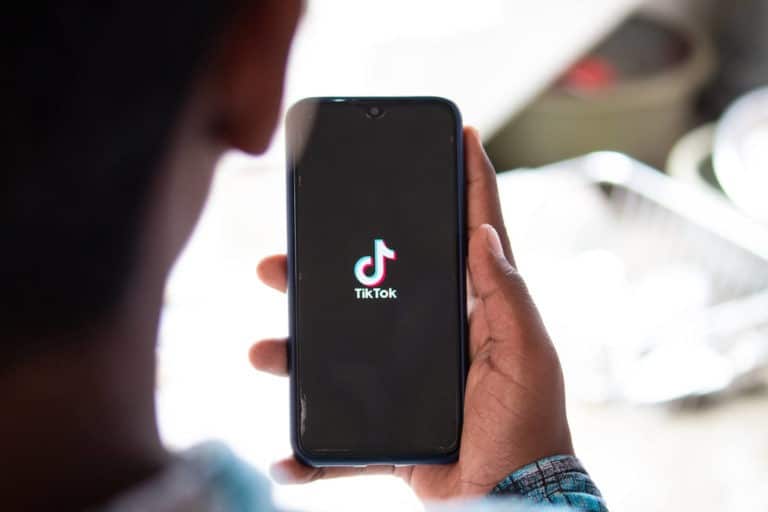
    After consistent criticism against social media apps on the harmful impact they have on underage users, TikTok has announced measures to tackle the problem. On Wednesday, Tik Tok revealed that users under the age of 18 will now have their usage restricted to a one hour time limit.
    Once the 60 minutes limit has been reached, users will have to type in a passcode to continue, a move which will allow them to make an active decision to continue using the app.
    Cormac Keena, the head of trust and safety at Tik Tok, wrote a blog post where he revealed that the company had consulted experts and researchers from the Digital Wellness Lab at Boston’s Childrens Hospital about how to help teenagers limit their online activity.
    “While there’s no collectively-endorsed position on how much screen time is ‘too much’, or even the impact of screen time more broadly, we recognize that teens typically require extra support as they start to explore the online world independently,” Keenan wrote.
    Keenan also revealed that a new update will be added to Tik Tok’s Family Pairing feature, which will allow a parent or guardian to link their account to their child’s and set controls like filtering words or hashtags they don’t want their minor to come across, or even set a custom daily screen time limit.

  • New iPhone 15 Pro design leaks unveiled: USB-C port and titanium chassis

    New iPhone 15 Pro design leaks unveiled: USB-C port and titanium chassis

    Recent leaks of the New iPhone 15 Pro CAD have unveiled significant design changes from Apple’s previous generations. The most discussed upgrade has now been revealed through photographic evidence.

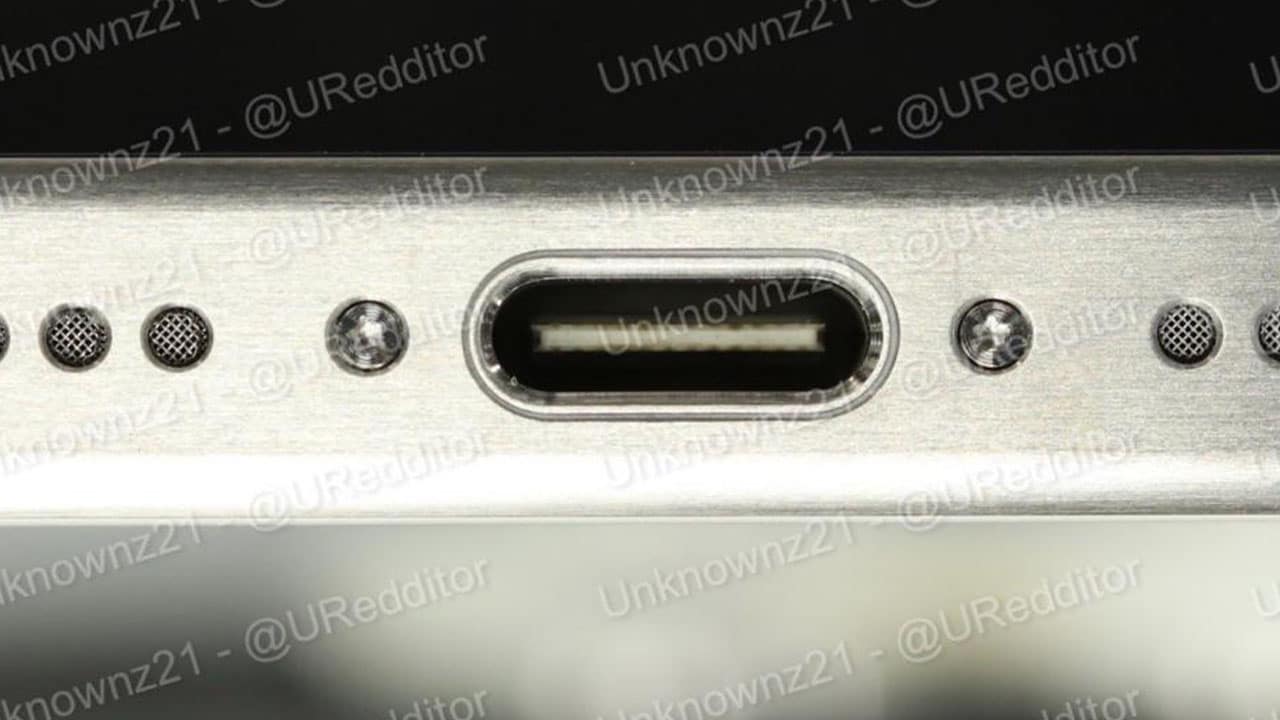
    Apple insider, Unknownz21, has shared a close-up image of what they claim to be the USB-C port on the iPhone 15 Pro, without the need for any imagination or rendering. Unknownz21 has a proven track record, having sourced an early version of iOS 14 months ahead of release.

    Aside from the USB-C port, the photo also reveals an unfinished brushed material on the phone that looks similar to titanium, indicating a possible replacement for the stainless steel chassis on the iPhone 15 Pro and Pro Max models. Additionally, the images display curvier edges, as previously leaked in recent iPhone 15 Pro renders.

    However, there is some bad news regarding the implementation of USB-C. It is expected that the performance of USB-C will differ significantly between the iPhone 15 Pro and standard models. Furthermore, Apple is rumored to include an authenticator chip that would control the use of USB-C ports. As seen with Lightning, this would require third-party cables and accessories to pass Apple’s MFi certification program, which could limit their performance or even prevent them from working altogether. This could result in additional costs for manufacturers and customers.

    Despite these potential drawbacks, 2023 is expected to be a significant year in the evolution of the iPhone. Apple is introducing changes to the chassis, display, ports, and buttons, as well as a new pricing structure that will differentiate between iPhone Pro and standard models. If you have been waiting to upgrade your iPhone, this could be the year to do so.

  • Pakistan will never shut down social media sites again, IT Minister promises

    Pakistan will never shut down social media sites again, IT Minister promises

    Speaking at the ‘Accelerating US Investments in Pakistan’ event in Karachi, Federal IT and Telecommunication Minister Aminul Haq said that closing social media sites and applications is not the solution to the problem, and Pakistan has decided that no website or app will be closed in any case.

    Pakistan has a history of banning social media platforms like YouTube, TikTok, and most recently, Wikipedia. However, Haq emphasized that “banning can never be a solution.” Haq’s statement is a significant departure from Pakistan’s previous actions, and he promised that any such action would go through the IT ministry, where there will be no ban from now on.

    Despite bureaucratic hurdles at the Finance Division, the Federal Board of Revenue (FBR), and the State Bank of Pakistan (SBP), Haq’s ministry has been persistent and able to get many things done, such as allowing IT export companies to retain 35% of dollars in their accounts.

    During the event, Haq praised Prime Minister Shehbaz Sharif for supporting the Digital Pakistan vision despite all the bureaucratic hurdles.

  • Imported mobiles priced above $500 to become more expensive under proposed GST of 25%

    Imported mobiles priced above $500 to become more expensive under proposed GST of 25%

    The Federal Board of Revenue (FBR) has put forward a proposal to significantly augment the sales tax on imported mobile phones.

    This proposal is part of the Finance (Supplementary) Bill, 2023, which incorporates amendments to the Ninth Schedule of the Sales Tax Act 1990, specifically focusing on mobile phones.

    As per the proposed bill, a sales tax of 25 per cent would be applicable on premium mobile phones that are imported and have a value of more than Rs132,000 ($500).

    The proposed amendment entails an increase in sales tax from 17 per cent to 18 per cent for imported mobile phones with an import value ranging from Rs53,000 ($200) to Rs132,000 ($500).

    It is noteworthy that this range includes two distinct categories within the Ninth Schedule, namely $200-$350 and $350-$500.

    It has been announced that the sales tax rate for imported mobile phones with a value up to $200 will remain unchanged. No proposed changes have been put forward for this import value category.

  • Huawei to copy iPhone 14 Pro’s Dynamic Island cutout design for its next smartphone

    Huawei to copy iPhone 14 Pro’s Dynamic Island cutout design for its next smartphone

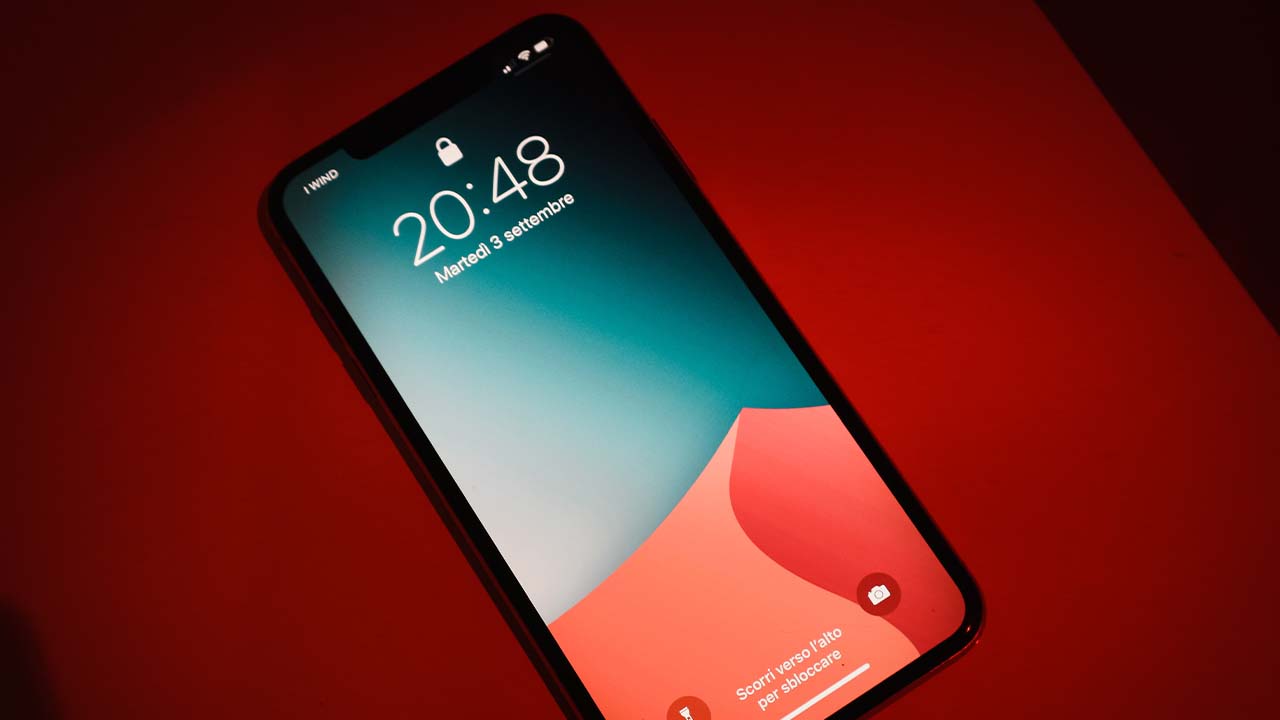
    The iPhone 14 series was introduced in September of last year and marked a significant change for Apple. Unlike previous releases which typically had a similar design, the company decided to eliminate the notch in its Pro models and replace it with the “Dynamic Island.”

    This new cutout houses the front camera and Face ID sensors, and was well-received by users. Other manufacturers were inspired by this change and started working on similar designs.

    Huawei was one of the first companies to follow suit, and the Huawei Nova 11 series will feature a new pill-shaped cutout screen. This is a first for the Chinese tech giant, which has used various punch-hole techniques in the past. The most popular of these was a single hole or pill-shaped camera placement in the top left corner of the screen. However, for the first time, Huawei will position its cameras in the middle, similar to Apple’s “Dynamic Island.”

    Nova 11 series is also set to launch with the XMAGE camera system, which is expected to offer a better photography experience for users. The Dynamic Island feature is expected to have similar functionality to Apple’s, but no further details have been announced at this time. It is likely that the phone will run on HarmonyOS, as with other current Huawei models.

  • Next-generation Apple Watch may feature a built-in camera

    Next-generation Apple Watch may feature a built-in camera

    Recently, information about Apple’s plans for its smartwatches has emerged from a leaked patent application. The patent reveals that Apple has given significant thought to incorporating a camera into its Apple Watch.

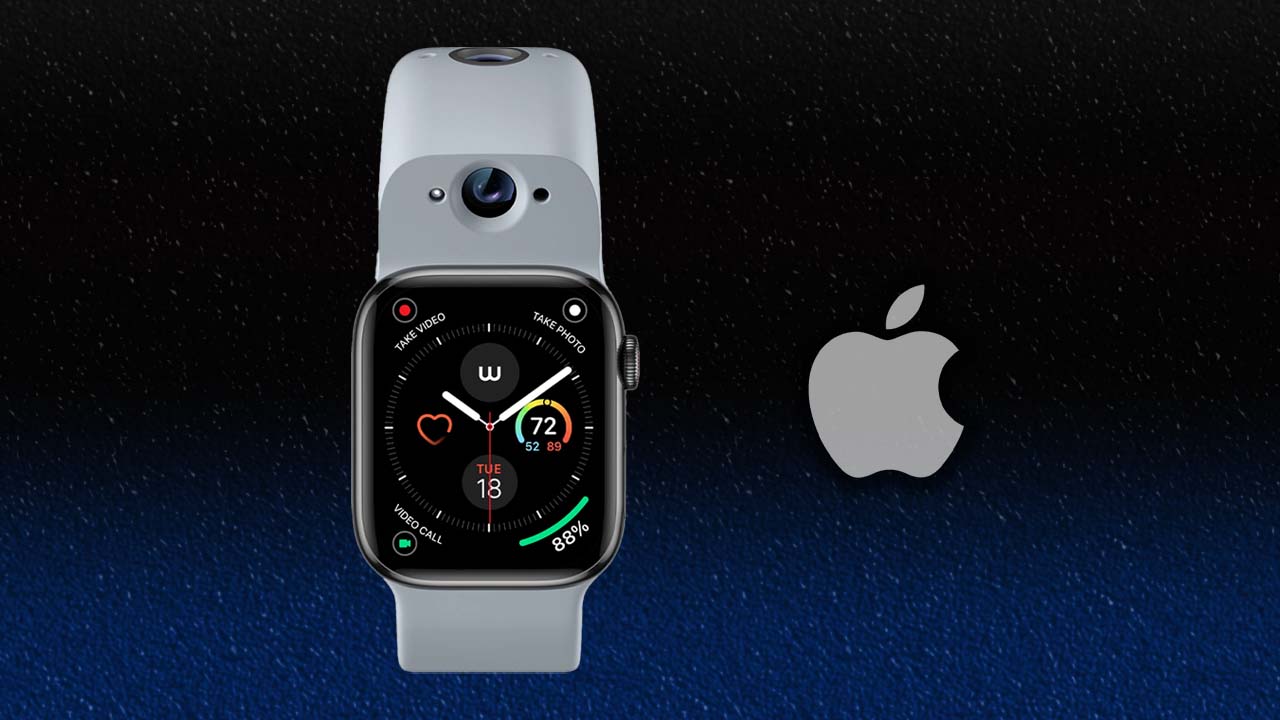
    The company has been granted a patent (US-11571048-B1) for a strap release mechanism for the Apple Watch, which could be used in conjunction with a built-in camera. This discovery, made by Patently Apple, describes a strap comprised of two segments and a “nest” section that facilitates the removal of the watch from the strap. This mechanism opens up new possibilities for the utilization of the Apple Watch, including the ability to capture photos with a built-in camera.

    The patent filing includes visual depictions of utilizing the camera feature on the strap-less Apple Watch, as well as a cross-section of the device that showcases a bottom-facing camera and its field of view. The user can take a picture by simply removing the watch, holding the camera section, and capturing the photo.

    Apple has a history of exploring camera-related patent designs for its Apple Watch. In the past, the company was granted a patent for a camera located within the digital crown and another patent from 2019 for a rotatable camera integrated into the end of a strap.

    Apple’s recent patent application is consistent with the company’s ongoing investigation into camera capabilities for the Apple Watch. There is already a similar product, known as the Wristcam, which can be utilized as a third-party accessory for the device.

    It is important to note that the filing of a patent by Apple does not necessarily imply the eventual release of an Apple Watch equipped with a camera. Rather, it serves as evidence of the company’s examination of various conceptual possibilities.