Category: Tech

  • PM Imran Khan wants Tiktok to be banned

    PM Imran Khan wants Tiktok to be banned

    Prime Minister Imran Khan is of the view that social media apps like TikTok are affecting the society’s values badly and should be blocked, Information Minister Shibli Faraz said in an interview with The News.

    Speaking to the publication, Faraz said, “PM Imran is extremely concerned about the ‘growing obscenity and vulgarity’ in the society and has directed all the relevant sections to check the trend before it destroys the socio-religious values of Pakistani society.”

    The information minister added that the Prime Minister had talked about this issue with him not once or twice but 15 or 16 times and wants a complete strategy to check the vulgarity spreading through mainstream outlets, social media and its applications.

    Read more – Pakistanis are outraged with PTA for blocking Tinder

    PM Khan’s opinion has social media divided but actor Ahmed Ali Butt supported the premier’s point of view. Feroze Khan had also earlier referred to TikTok as ‘cancer’.

    Earlier, Pakistan Telecommunication Authority (PTA) had issued a final warning to TikTok ordering it to filter out obscene and immoral content after it banned live streaming application Bigo over similar concerns.

    The PTA has also directed internet operators to ensure that no “immoral or illegal” content is made accessible to users.
  • E-commerce can create two million jobs and boost GDP up to $40 billion in Pakistan

    E-commerce in Pakistan has the potential to create two million jobs and it can boost the country’s Gross Domestic Product (GDP) up to the level of $40 billion in the next couple of years.

    President of Rawalpindi Chamber of Commerce and Industry (RCCI) Saboor Malik, stated that transformation is required in the Information, Communications, and Technology sectors to uplift the digital economy of Pakistan.

    Saboor Malik has urged the government of Pakistan to adopt new dimensions of the economy as the digital platforms have been rapidly growing around the world and countries like Pakistan are still far behind in this race.

    More than 66 per cent of payments for e-shopping are being made as Cash on Delivery (COD) which does not reflect the true sense of digital platform.

    The Federal cabinet has already approved the E-commerce policy for promoting the digital culture and paperless trade to help enhance the trade volume.

    RCCI President remarked that Pakistan has huge participation in the global mobile market, with over 160 million mobile phone subscribers and around 150 million internet users.

    He suggested that the government must overhaul the whole banking infrastructure and encourage businesses, retailers, petrol pumps, PIA, Railways ticketing, superstores, schools and colleges to introduce payment gateways and banks should offer credit cards to businessmen.

  • Lahore-based startup invents affordable, country’s first bloodless dialysis machine

    Lahore-based startup invents affordable, country’s first bloodless dialysis machine

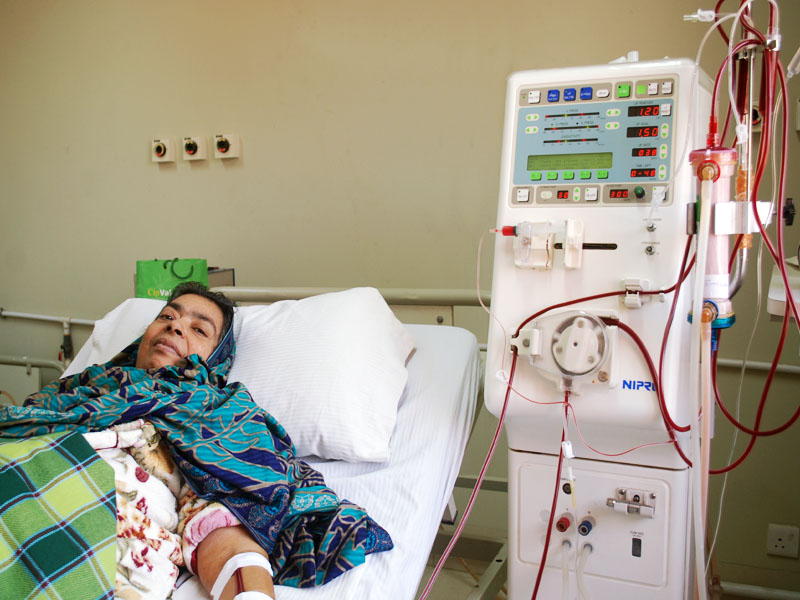
    An American startup based in Lahore has successfully invented Pakistan’s first dialysis machine that would allow kidney patients to receive affordable dialysis treatment at their homes.

    The company has named the machines and it is called “Robo-Kidney,” which will go into mass production after receiving from the healthcare regulators.

    The company has consulted Pakistan’s leading Nephrologists and healthcare professional before making the machine.

    It will not only let the patients get treated at home but will also minimise the risk of contracting hepatitis-C during the traditional dialysis procedure.

    According to the official statement by Byonyks, about 72% of kidney patients in Pakistan get infected with Hepatitis-C that spreads during the conventional dialysis treatment.

    “Robo-Kidney is an affordable and bloodless machine that will allow kidney patients to receive dialysis treatment at their homes”

    The founder of Byonyks, Farrukh Usman

    He added that Robo-Kidney will also ease the burden on national healthcare resources. It will also contribute to Pakistan’s economy through export to international markets.

  • Enjoy high-speed internet while travelling along Makran Coastal Highway, NH 10

    The Universal Service Fund (USF) has announced that high-speed internet is installed at National Highway-10 (NH 10) Makran Coastal Highway and National Highway-25 (NH 25) Uthal to Quetta Highway.

    USF Pakistan tweeted that: ” USF in partnership with Ufone continues to make progress in National Highway-10 (NH 10) Makran Coastal Highway and NH 25 Uthal to Quetta Highway. Computers are now reaping benefit from high-speed broadband over 640 Kilometre of road segment covering areas of Kech, Awaran, Gwadar, and Lasbella district.”

    Makran Coastal Highway stretches to 653 Kilometres (Km). The road also covers the Arabian sea coast of Pakistan from Karachi in Sindhi to Gawadar in Balochistan and passes through Omara and Pasni.

    Along with the Ministry of Information and Technology (MoIT) and Pakistan Telecommunications Limited (PTCL), the USF Pakistan has installed 85 kilometres of optic Fiber cable to connect nine unserved Tehsils in North Waziristan and South Waziristan.

    The Optical Fiber cable is going to provide high-speed broadband connectivity to regions like Spinwam, Wana, ToiKhulla, Jandola, Sarwakai, Sararogha, and Barwand Tehsil.

    Last week, The board approved contracts to Jazz — Pakistan Mobile Communications Limited (PMCL), Zong — China Mobile Pakistan (CMPAK), and Ufone — Pakistan Telecom Mobile Limited (PTML), for the provision of next-generation internet.

  • Indians hack federal govt apps recently launched by PM Imran

    Government smartphone applications for Islamabad Traffic Police (ITP), Islamabad Capital Territory (ICT) Police, and Captial Development Authority (CDA) were hacked by Indian groups and they were siphoned for data extraction.

    Upon trying to pay an annual tax for a car, the users pointed out that the apps were not working and only had basic information such as rates of taxes of different cars and the location of offices.

    According to the media reports, The Deputy Commissioner Islamabad Hamza Shafqat revealed that the apps and services had been jammed to stop hackers from collecting data. He said that the relevant authorities are working on dealing with the issue and they will hopefully resolve the technical glitches.

    These apps were recently launched in the company of Prime Minister (PM) Imran Khan who personally attended the launch ceremony. He said that “the launch would be proven revolutionary for the people of Islamabad and these apps will soon be replicated for the rest of the country.”

  • Samsung wants to establish a mobile assembly plant in Pakistan

    After a detailed meeting with Samsung Pakistan Chief Executive officer (CEO) and Managing Director (MD), Federal Minister for Industries and Production Hammad Azhar tweeted that Samsung is interested to set up its assembly unit in Pakistan.

    According to the minister, “Smartphone production in Pakistan is increasing exponentially, thanks to the implementation of new, more robust, policies.”

    Both Samsung officials appreciated the changes and are actively considering setting up a smartphone assembly unit in Pakistan.

    In May this year, the Economic Coordination Committee (ECC) approved the first-ever mobile device manufacturing policy in Pakistan, according to a summary moved by the Ministry of Industries and Production.

    The Ministry of Industries and Production was tasked to further fine-tune various features and incentives of the policy to promote localisation of research and development (R&D), leading to the export of mobile phones.

    The development comes after PTA’s (Pakistan Telecommunication Authority) implementation of the Device Identification, Registration and Blocking System (DIRBS), and Mobile Policy launched recently.

  • Smuggled goods worth millions seized after cargo scanners installed at Torkham border

    Smuggled goods worth millions seized after cargo scanners installed at Torkham border

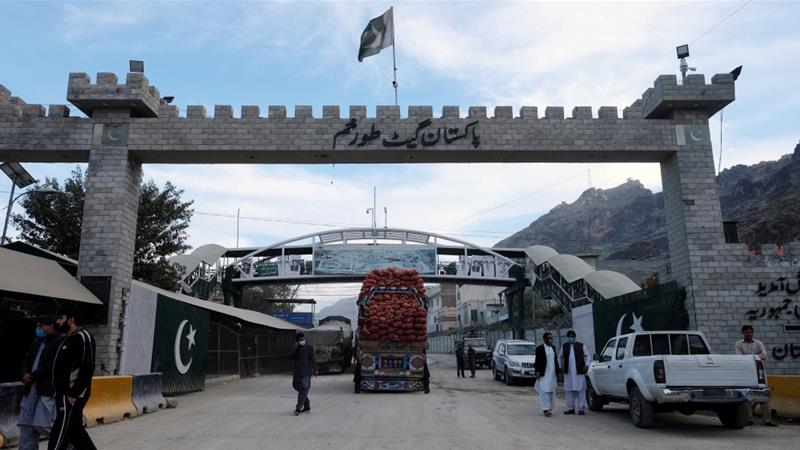
    Dedicated cargo scanner machines have been installed at Torkham Border Terminals by the National Logistics Cell (NLC) to scan the import and export cargo vehicles between the crossing point of Pakistan and Afghanistan.

    All vehicles of Afghan Transit Trade (ATT) will go through scanning. The practice of scanning is being carried out by the NLC round the clock to facilitate Customs in the timely clearance of import and export vehicles.

    The scanning at Torkham has resulted in the seizure of foreign currency worth millions of rupees and a huge quantity of arms and ammunition, gold, narcotics, and smuggled electronic gadgets that were handed to the officials of concerned government departments at the spot.

    To control the movement of contraband and illegal items, cargo scanning is considered as the most effective tool.

  • Jazz, Ufone, Zong to provide next-gen internet in remote areas of Balochistan, Sindh

    Jazz, Ufone, Zong to provide next-gen internet in remote areas of Balochistan, Sindh

    Government has given an approval to private companies for the provision of high-speed internet in the under-served areas of Balochistan and Sindh.

    The Federal Secretary of Ministry of Information technology (MoIT), Shoaib Ahmed Siddiqui chaired the 73rd board of directors meeting regarding Universal Service Fund earlier this week.

    The board approved contracts to Jazz — Pakistan Mobile Communications Limited (PMCL), Zong — China Mobile Pakistan (CMPAK), and Ufone — Pakistan Telecom Mobile Limited (PTML), for the provision of next-generation internet.

    Jazz Telecom has been awarded the contract of Ghotki, Zong is going to work in Jaffarabad, Sohbatpur, and Nasirabad district under the contract. In contrast, Ufone is being awarded the agreement of the Ziarat and Kalat region. The worth of this Sustainable Development Projects is Rs. 895 million in total.

    According to MoIT, Jazz is going to provide high-speed internet to about 2 million citizens residing in Ghotki, Sukkur, and Khairpur district. The approximate area that is going to be covered is 23,252 square kilometres.

    Similarly, under the contract, Zong is going to offer a high-speed broadband connection to 0.4 million people living in the Jaffarabad, Sohbatpur, and Nasirabad district. The approximate area covered via this contract is 3,431 square kilometres.

    Ufone will serve a speedy Broadband connection to a population of 17,406 in the Ziarat and Kalat region of Baluchistan. According to the contract, the telecom company is going to cover approximately 64 square kilometres.

    Other officials that attended the meeting are Maj Gen Amir Azeem Bajwa, the chairman of PTA, NITB CEO Shabahat Ali Shah, Telenor Pakistan CEO Irfan Wahab, PTCL CEO Rashid Khan and Consumer Association of Pakistan Chairperson Kaukab Iqbal.

  • Google creates earthquake alert system using Android Operating System

    Google creates earthquake alert system using Android Operating System

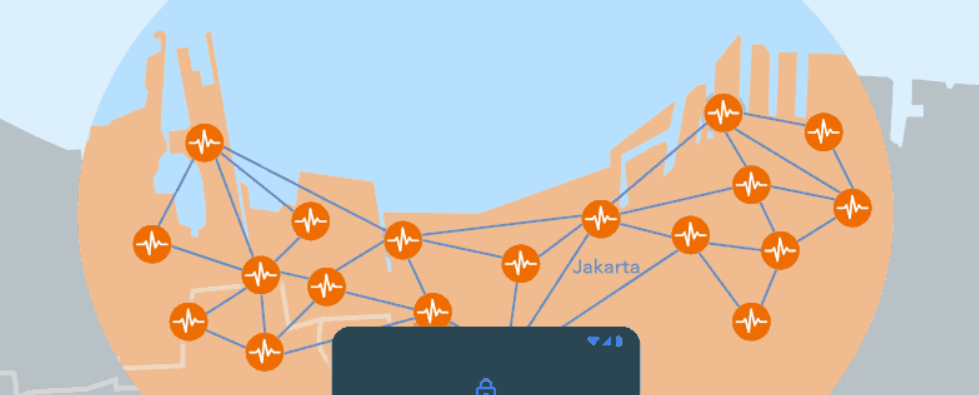
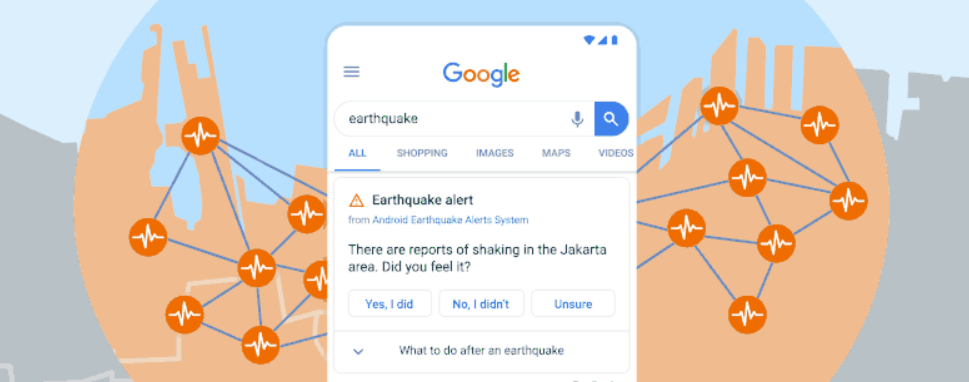
    Google is using its huge Android Operating System (OS) to create a worldwide earthquake alert system. This will create the world’s biggest earthquake detection network.

    If you sign up for the new initiative, your Android phone will become a mini-seismometer using the built-in accelerometer, and the system will eventually warn people of earthquakes.

    Google is working with the United States Geological Survey (USGS) and the California Governor’s Office of Emergency Services (Cal OES) to send alerts to Android users in California. This new earthquake detection system is based upon the existing alert system that uses signals from 700 different seismometers.

    “The public infrastructure to detect and alert everyone about an earthquake is costly to build and deploy. We saw an opportunity to use Android to provide people with timely, helpful earthquake information when they search, as well as a few seconds warning to get themselves and their loved ones to safety.”

    Marc Stogaitis, the Software Engineer at Android

    Google will gradually roll out earthquake alerts to more states in the US and then to other countries around the world. Since every smartphone has an accelerometer, they can detect signals that can indicate an imminent earthquake.

    Once a phone detects an earthquake, it will send location data to Google to point out where the earthquake took place. Google will then use data from numerous devices to determine the epicentre of the earthquake. Google hopes to make its earthquake data more accurate and will eventually release it for Google Search as well when people look up earthquakes.

    The update for earthquake detection will be rolled out using Google Mobile Services (GMS), meaning that a full OS update will not be required. It also means that phones without GMS such as Huawei phones will not receive the feature.

  • Govt targets $5 billion IT export remittances in next three years

    Govt targets $5 billion IT export remittances in next three years

    The government is aiming $5 billion for export remittances through Information Technology (IT) and IT-enabled services (ITeS) in the next three years.

    The target will be achieved by digitalising payment gateways, setting up broadband internet in unserved areas and by practising e-governance in Pakistan.

    This was revealed in a meeting of Dr Ishrat Hussain, Advisor to the Prime Minister on Institutional Reforms, and Federal Minister for Information Technology and Telecommunication Syed Aminul Haq.

    The advisor was informed that the ministry is taking steps to provide broadband services in the country through the IT Universal Service Fund, the services which promote the development of telecommunication services in un-served and under-served areas of the country.

    The minister added that plans for laying fibre optic cable in remote areas and providing faster internet service are also underway.

    The IT and ITeS export remittances comprising computer services and call centre services surged by 23.71 per cent to $1.230 billion in the fiscal year (FY) 2019-20 compared to $994.848 million during the same period last year (2018-19).

    “After record export remittances through IT exports, the next target is $5 billion during the next three years”, said Haq. “A payment gateway and e-office projects will be completed soon”, Federal Minister for IT said.

    Dr Ishrat Hussain said, “the important role of the Ministry of IT in the development of the country cannot be ignored. The Ministry of IT deserves congratulations on the significant increase in IT exports.”