Blog

  • The energy map in 2026: OPEC+ and the Custodial crude paradox

    The energy map in 2026: OPEC+ and the Custodial crude paradox

    Oil markets are no longer defined by simple shifts in supply and demand. While physical balances still matter, price formation is increasingly shaped by who controls access to barrels, under what conditions, and for how long. What once moved gradually on inventories and consumption trends now reacts abruptly to geopolitical permissions, sovereign decisions, and headline risk.


    This shift has been building for years, but it has become more visible as OPEC+ combines disciplined supply management with a market environment dominated by geopolitical uncertainty. Prices are held in check not by abundance, but by restraint, until a disruption, or the threat of one, forces a rapid repricing. The result is an oil market suspended between engineered stability and sudden volatility.


    From market share wars to market access control

    But that’s not the first time OPEC has pivoted. In late 2014, the organization repeatedly raised output amid a US shale oil boom to regain market share lost to US producers. The strategy coincided with slowing Chinese demand and triggered a sharp price collapse, with crude losing more than a third of its value in a single quarter.

    The context today is more nuanced. Major players like the US and Russia are engaged in a game of market control that transcends volume alone. Sanctioned regimes, exemptions, shadow fleets, and strategic stockpiling are now the norm. 

    Against this backdrop, rising tensions in the Middle East, the ongoing conflict in Ukraine, and the US administration’s shifting stance on Venezuelan oil have added significant friction to global supply chains. A new element has emerged in this power play: Custodial crude.

    As crude stockpiles return to the center of energy trade, the defining question is: How can OPEC+ stabilize oil prices when supply is governed by sovereignty, exemptions, and conditional permissions? Whoever controls the marginal barrel now defines the market direction.

    The role of custodial crude in the uncertainty equation

    Custodial crude refers to physical oil and refined products held in third-party inventories where ownership or transfer rights are subject to friction. In 2026, this category has come back into focus as geopolitical tensions dominate the debate.

    In normal markets, inventories act as a buffer. When production surpasses consumption, crude and by-products like diesel are stored in pipelines or floating storage. When consumption exceeds demand, these inventories supplement supply. This relationship typically links inventory levels directly to price expectations.

    However, market risk now distorts this link. Geopolitical conflict, sanctions, or major political events—such as recent policy shifts regarding the Venezuelan administration—can damage or freeze custodial transfer points (e.g., pipelines to tanks, tanks to vessels). In such situations, uncertainty dominates, decoupling price from physical availability.

    Another factor driving volatility is measurement risk. Any discrepancies during custody transfers in politically sensitive regions can cause commercial friction, loss, and ultimately, market distrust. Inventory management is crucial for cost stability; while custodial crude provides a physical buffer, the efficiency of holding it is instrumental in the “theory of storage” that underpins futures markets.

    Can OPEC+ still “discipline” the oil market?

    Eight core OPEC+ nations, led by Saudi Arabia and Russia, have maintained production cuts through the first quarter of 2026. This reinforces the stance taken in late 2025 to halt output increases due to seasonally weaker demand.


    Meanwhile, the IEA projects global oil supply to expand by 2.5 million bpd (barrels per day) this year. While OPEC+ strives for discipline, the “human element” of the market remains the most volatile factor. As Quoc Dat Tong, financial markets strategist at Exness, notes, “In an environment so volatile, best practices or any pricing discipline that OPEC+ can or could impose is maintaining price stability, yet the risk remains as geopolitical uncertainty and inflationary pressures loom.” 


    Venezuela, the market’s biggest uncertainty variable

    Nowhere is the definition of “custodial risk” clearer than in Venezuela. Following the seismic political shift in January—and the subsequent installation of an interim administration working with Washington—the market’s focus has moved from regime change to recovery reality.


    The US Treasury’s rapid issuance of General Licenses 48 through 50 in February effectively reopened the door for Western majors like Chevron, Eni, and Repsol to re-engage. On paper, the sanctions wall has fallen. Venezuela boasts the world’s largest proven reserves—over 300 billion barrels along the Orinoco Belt.


    While headlines suggest a flood of new oil, the physical reality is a “rusted pipe” problem. Years of underinvestment have left the custodial transfer points—pipelines, upgraders, and export terminals—in critical disrepair.


    Presently, production hovers near 1 million barrels per day, a fraction of its historical peak. The “sentiment” has shifted: traders are no longer pricing in a political blockade, but an infrastructure bottleneck. The market now understands that while the legal permission to export exists, the physical capacity to move those barrels will take massive capital injection to restore.


    For the remainder of 2026, Venezuela serves as a psychological cap on long-term prices rather than a short-term flood. The barrels are accessible in theory, but until the custodial chain is repaired, they remain trapped in the ground.

    Why risk premiums appear and fade quickly

    The Venezuela dynamic is a microcosm of broader market behavior. Tensions involving Russia, Iran, or South America prompt traders to add a “risk premium” to the spot price. This is the cost of uncertainty. The defining feature of the 2026 market, however, is the speed at which these premiums vanish.


    Because short-term supply and demand are relatively inelastic—you cannot drill a new well or switch a power plant to nuclear in a week—small disruptions in perceived access result in outsized price spikes. But the inverse is also true: when the threat fails to materialize (or in Venezuela’s case, when the “flood” of new oil proves to be a trickle), the premium collapses just as quickly.


    This leaves slow-moving capital trapped. The market doesn’t glide between these states; it gaps.

    Pay attention to curve signals, spreads, and inventories

    Market signals warn of a potential contango structure developing as we head toward mid-year, where future prices trade higher than spot prices—a classic sign of oversupply. With WTI futures currently trading below the breakeven point for many shale wells, US production may face a slowdown. Industry leaders like Vitol and TotalEnergies have signaled that current price levels could trim US shale output by up to 300,000 bpd this year, eventually tightening the balance.


    Against this backdrop, the backwardation that defined 2023–2024 is fading. Monitoring inventory data and curve structure is now the only way to navigate this shifting landscape.

    DISCLAIMER: The views, opinions and market analysis are those of the author and do not constitute financial, investment or legal advice. The Current assumes no liability for any investment decisions made based on the projections or geopolitical interpretations contained herein.
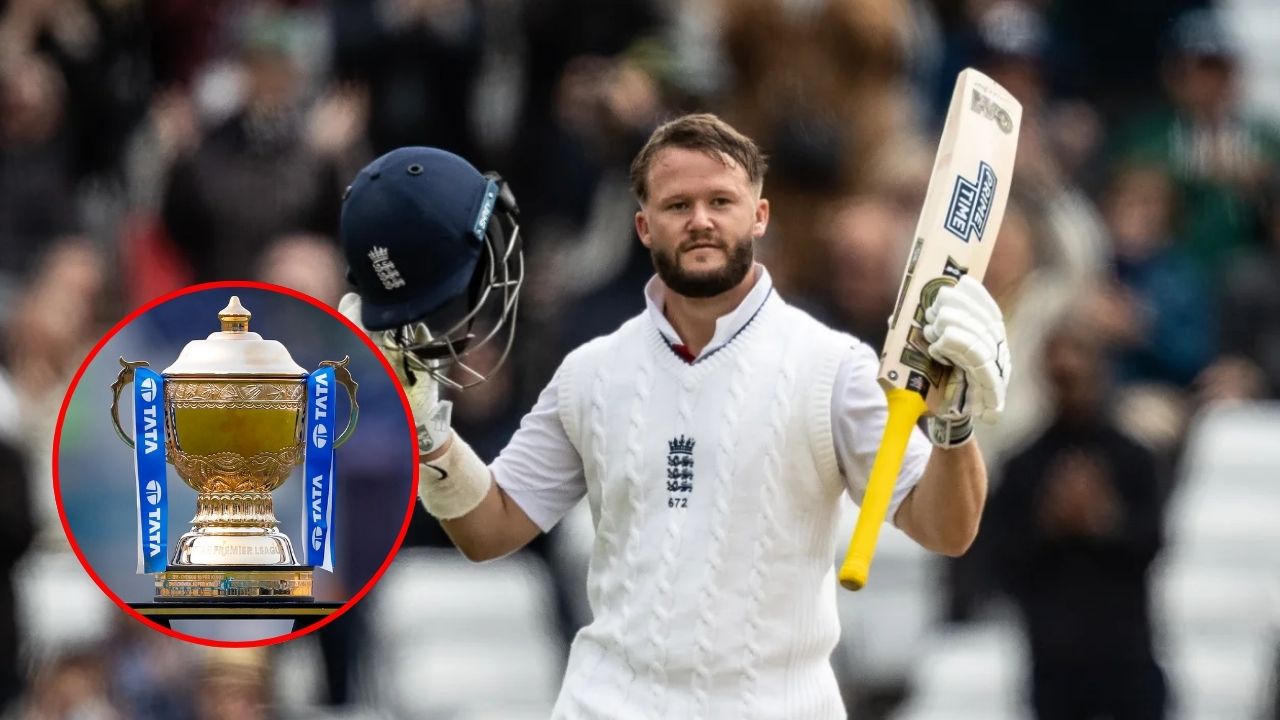

  • Ben Duckett leaves IPL to focus on England career, risks three-year ban

    Ben Duckett leaves IPL to focus on England career, risks three-year ban

    England opener Ben Duckett has pulled out of the Indian Premier League (IPL) 2026, choosing to prioritise his international career over a rather lucrative deal.

    Duckett confirmed his decision in an interview with The Telegraph, explaining that representing England remains his top goal.

    “Growing up as a kid, I dreamt of playing cricket for England, and that was it,” he said.

    The 31-year-old said he had secured a contract with Delhi Capitals but has already informed the franchise that he will not take part in the upcoming season.

    His withdrawal means he will give up a deal worth $200,000 (over PKR 55 million) and could face a three-year ban from the league.

    “It was a very difficult decision, and I want to apologise to everyone at Delhi that I won’t be coming,” he said.

    Duckett also appreciated the opportunity offered by the franchise after being picked in the auction.

    “I felt it was going to be a great opportunity when I put myself in the auction, and for a franchise like Delhi to pick me up was amazing. I was buzzing. It’s the best competition in the world with the best players, and it would have been an amazing experience,” he added.

  • Celebrities light up Nooroo’s dholki as Iffat Omar hosts grand celebration

    Celebrities light up Nooroo’s dholki as Iffat Omar hosts grand celebration

    Pakistani actor and host Iffat Omar and her husband hosted a grand dholki for their daughter Noor-e-Jahan aka Nooroo and son-in-law Gavin, with the couple looking blissfully happy as Nooroo radiated with bridal glow on her special night.

    With Eid festivities winding down, Pakistani celebrities have returned to the social scene, stepping into post-Eid celebrations with a lively gathering. The night brought together dance practices, musical moments, laughter, and striking fashion, setting the mood for the wedding festivities ahead.

    Prominent names including Saba Hameed, Uzma Hassan, Nadia Jamil, Hassan Sheheryar Yasin, and Natasha Hussain were spotted enjoying the festivities, many taking to the dance floor and soaking in the celebratory atmosphere. Dressed in elegant ensembles, the guests added glamour and star power to the night.

    Adding a personal touch to the celebrations, the family shared a digital wedding invitation on social media that offered a heartfelt glimpse into Noor-e-Jahan’s life journey from her early school days to university, highlighting her achievements, her close bond with her parents, and the story of how she met her partner.

    The dholki also saw Lollywood stars fully immersed in the festivities singing along to classic tunes, recreating reels, and celebrating together. Saba Hameed and Ahsan Khan were seen dancing to upbeat tracks, while Iffat Umar herself embraced the moment, joyfully celebrating as the bride’s mother.

    The bride-to-be stood out in a stunning outfit by Muse Luxe, accessorised with pearls and diamond polki, as she joined in the dancing and celebrations, glowing throughout the evening.

    With celebrities turning up in their finest attire, the event sparkled with style and warmth. As the dholki marks just the beginning of the wedding festivities, anticipation is already building for the upcoming events, the star-studded guest list, and the designer looks yet to be unveiled.

  • Israeli soldiers torture 1yo Palestinian child in Gaza to pressure father: reports

    Israeli soldiers torture 1yo Palestinian child in Gaza to pressure father: reports

    A one-year-old Palestinian child was subjected to torture by Israeli soldiers in central Gaza in an attempt to force his father into making confessions during interrogation, a report aired by Palestine TV and cited by journalist Osama Al-Kahlout, has revealed.

    As per the details, the child, identified as Karim, was detained near the Al-Maghazi refugee camp and footage later broadcast by news outlets showed visible injuries on his body.

    Witnesses said the boy’s father, Osama Abu Nassar, had been struggling emotionally after losing a horse that provided his livelihood. While taking his son to buy supplies, Nassar was caught in gunfire near his home and forced by Israeli soldiers to leave his 18 month old child on the ground before being taken to a nearby military checkpoint where he was stripped and interrogated.

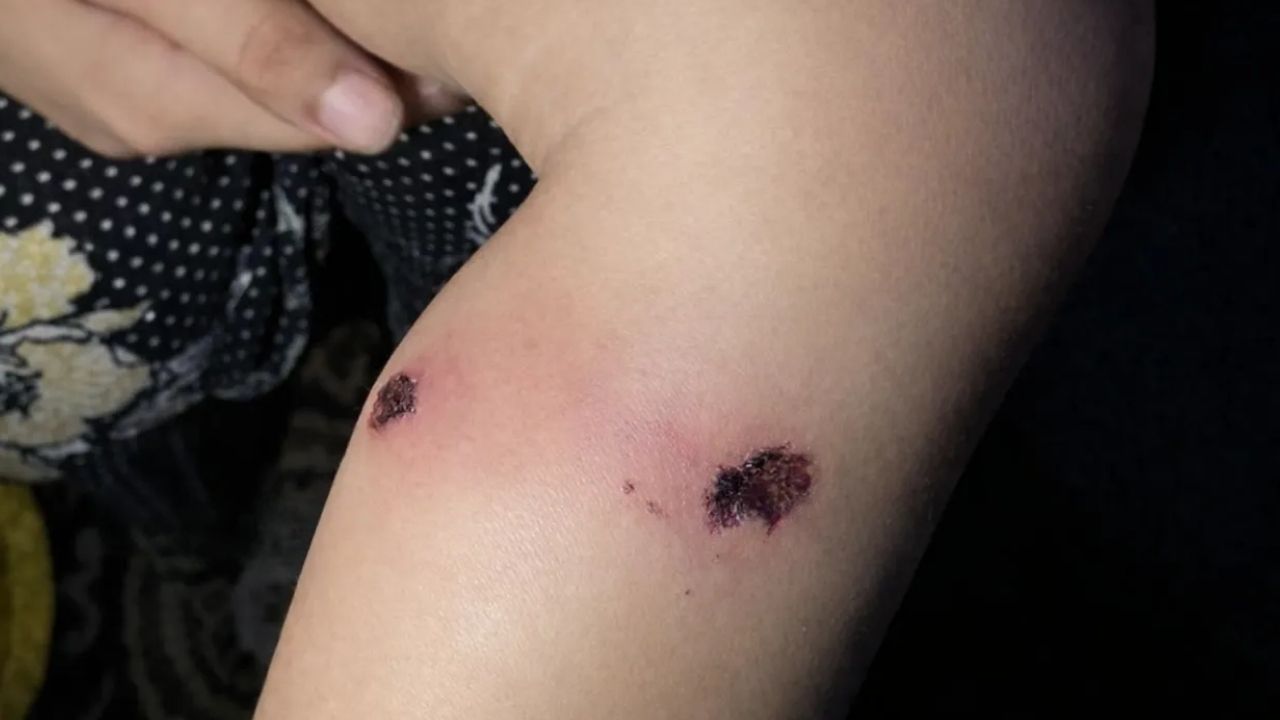
    According to medical reports, soldiers tortured the child in front of his father, burning his leg with cigarettes and inserting a nail into his flesh. The boy sustained burn marks and puncture wounds.

    He was released about 10 hours later and handed back to his family through the International Committee of the Red Cross while the father remains in Israeli custody.

    The family has appealed to international organisations to intervene for Nassar’s release so he can continue receiving medical treatment.

    The case is not the first of its kind amid Israel’s ongoing ceasefire violations since October 2025, resulting in at least 680 Palestinian deaths and more than 1,800 injuries.

    Since the outbreak of the war in October 2023, over 72,000 Palestinians, most of whom were women and children, have been killed whereas more than 171,000 others are wounded.

    Much of Gaza has been reduced to rubble while its entire population remains displaced.

  • Schools likely to remain shut till Apr 15, work-from-home policy for private sector on cards: reports

    Schools likely to remain shut till Apr 15, work-from-home policy for private sector on cards: reports

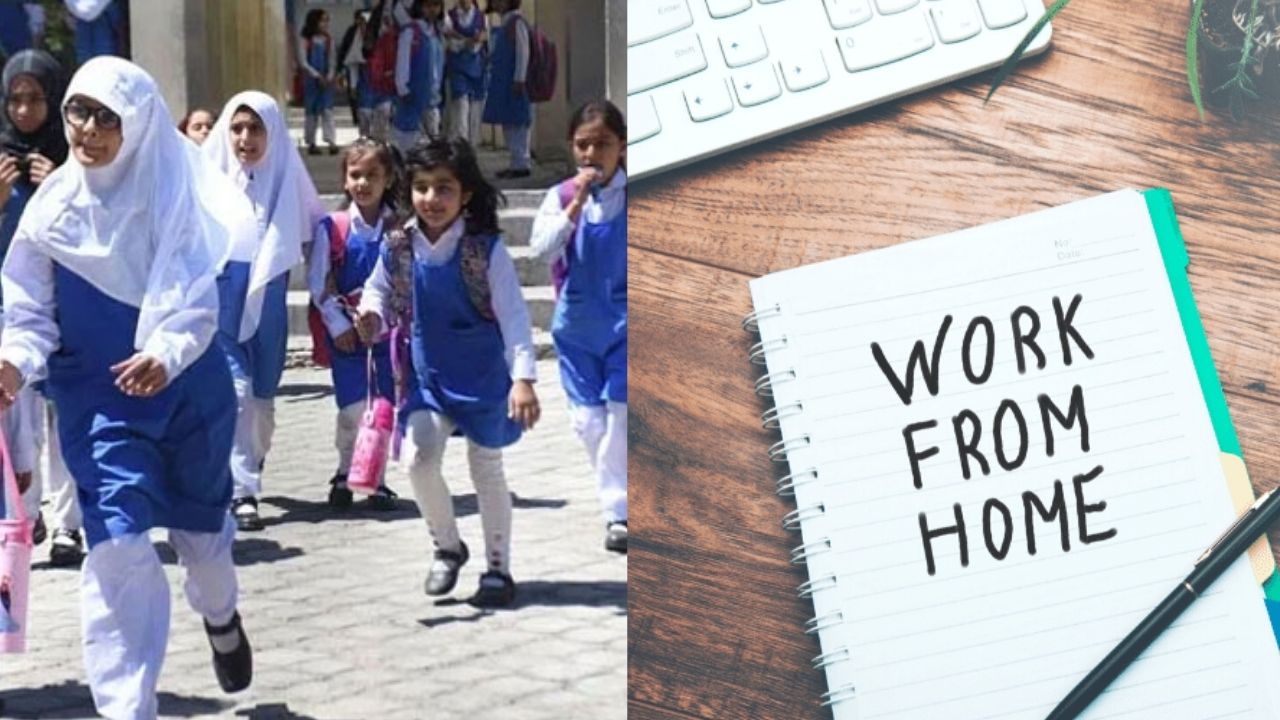
    The Punjab government is mulling major steps aimed at addressing the ongoing energy crisis, which may include an extension in the closure of schools till Apr 15, work-from-home policies for the private sector and restrictions on fuel for certain vehicles on designated days.

    As per the details, the provincial energy department has presented new recommendations to Punjab Chief Minister (CM) Maryam Nawaz, as per which fuel rationing similar to the federal model is being considered.

    A proposal has been presented to introduce a coupon or digital system to ensure fair distribution of petrol and diesel while fuel supply may be restricted to certain vehicles on designated days.

    Educational institutions could face extended closures until April 15, while a hybrid learning system is under review.

    The private sector may also be directed to enforce strict work-from-home policies whereas other recommendations include a complete ban on unnecessary social events, the expansion of metro and other public bus services to reduce reliance on private transport, shutting down of LED billboards and decorative lights and alternate mode of operation of street lights after 10 pm. 

    Further restrictions on market operating hours are also being considered.

    While said measures remain subject to official approval, if implemented, they would mark a major shift in the province’s energy management strategy to conserve fuel and electricity during the ongoing global oil crisis due to tensions in the Middle East.

  • Sahibzada Farhan named ICC player of the month after record-breaking T20 World Cup run

    Sahibzada Farhan named ICC player of the month after record-breaking T20 World Cup run

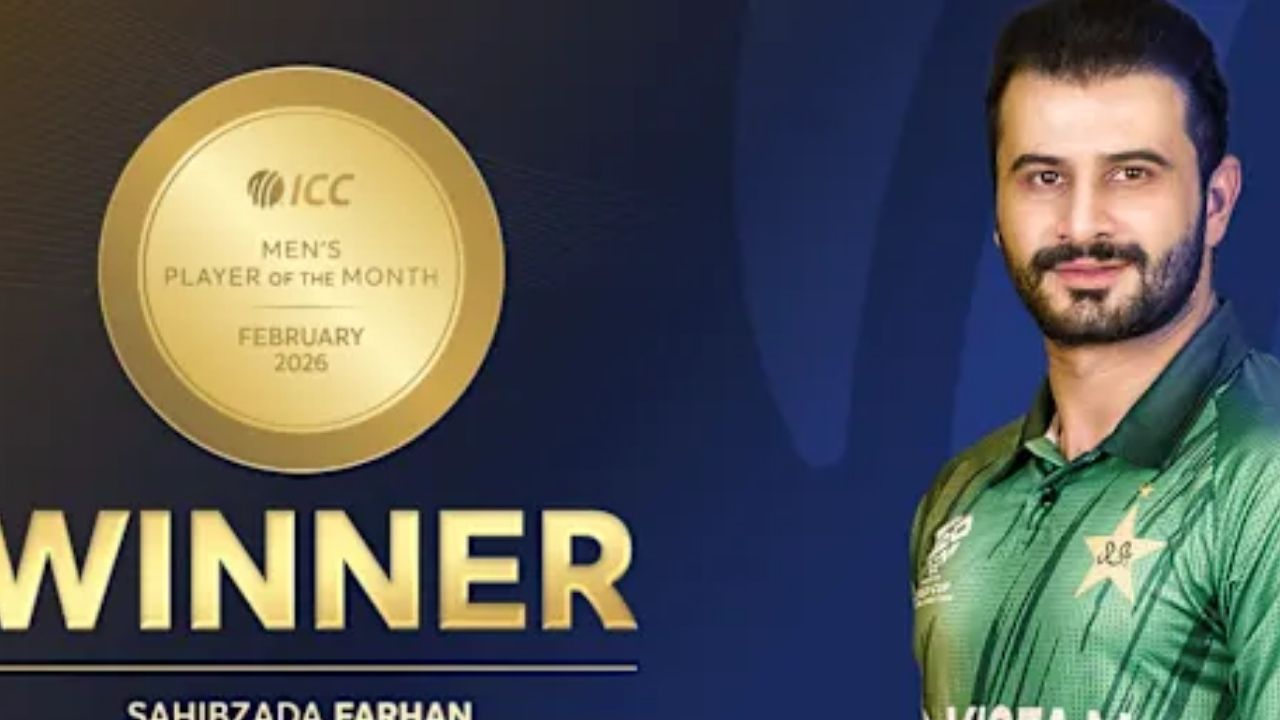
    The International Cricket Council (ICC) has named Pakistani opener Sahibzada Farhan as the ICC Men’s Player of the Month for February following his standout performances in the ICC Men’s T20 World Cup 2026 in Sri Lanka.

    “Pakistan’s opener Sahibzada Farhan has grabbed the ICC Men’s Player of the Month for February 2026 owing to a stunning ICC Men’s T20 World Cup 2026 campaign in Sri Lanka,” the ICC said in a statement.

    Farhan finished as the tournament’s leading run-scorer, accumulating 383 runs in seven matches (six innings) at an average of 76.60, striking two centuries and two half-centuries along the way.

    “The hard-hitting right hander had a superb run at the global event boasting a strike rate of 160.25 while breaking a longstanding Virat Kohli record of most runs at the T20 World Cup in a single edition,” the statement added.

    The ICC also noted that this was the first time Farhan has received the monthly honour, making him the first male Pakistan player to win the award since Haris Rauf in November 2024.

    Farhan expressed delight over the recognition, describing it as a career-defining achievement.

    “It’s an incredible feeling to win this ICC award, especially for performances on the World Cup stage, where fans from all over the world are watching every moment. That makes it even more special,” he said.

    He added that it was truly a tournament he’ll always cherish and was determined to carry this momentum forward in the competitions ahead. “I’m deeply grateful to my teammates for their constant support and belief in me – this wouldn’t have been possible without them.”

    Earlier, the ICC also highlighted additional milestones from Farhan’s campaign, noting that he became the first batter to score two centuries in a single edition of the men’s T20 World Cup, achieving the feat against Namibia and Sri Lanka.

    He also rose to a career-best second position in the ICC Men’s T20I batting rankings after his century against Sri Lanka in Pallekele. During the tournament, Farhan was also part of a record 176-run partnership with Fakhar Zaman, marking the highest partnership for any wicket in T20 internationals.

    Pakistan Cricket Board (PCB) Chairman Mohsin Naqvi congratulated the opener and hailed his achievement as a proud moment for the country. “This honour is the outcome of Sahibzada Farhan’s hard work and professional approach,” he said.

  • Indians lash out at Modi as Pakistan’s role in US-Iran talks takes center stage

    Indians lash out at Modi as Pakistan’s role in US-Iran talks takes center stage

    Pakistan’s central role in backchannel diplomatic efforts in facilitating communication between the United States (US) and Iran, alongside other regional countries including Turkiye and Egypt, has triggered a wave of Indian reactions on social media platform X, with users questioning New Delhi’s absence from the diplomatic table. 

    Pakistan, alongside Turkiye and Egypt, has been engaged in indirect messaging channels between Washington DC and Tehran. The proposed discussions, which may also involve high-level figures including US Vice President JD Vance, are being framed as part of a wider effort to de-escalate tensions in the Gulf region.

    The development immediately sparked heated commentary among Indian netizens, many of whom questioned why India is not part of the diplomatic framework.

     A dominant narrative on X accused India’s foreign policy establishment of failing to secure strategic relevance in high-stakes global negotiations.

    Several users argued that Pakistan’s inclusion reflects stronger “narrative positioning” and diplomatic outreach, while India’s absence was described as a setback in its aspiration for greater global influence. 

    Another user described the situation as a diplomatic setback: “Embarrassing that Pakistan has become the epicentre of negotiations to end this war. It should have been and could well have been India.”

    Some posts contrasted Pakistan’s current diplomatic visibility with India’s strategic posture, suggesting that Islamabad has managed to reposition itself in Western diplomatic circuits despite its internal and external challenges.

    One salty user wrote: “This is not acceptable.”

    Another reaction questioned India’s diplomatic positioning more directly: “Pakistan has been roped in, but not us??? We are busy promoting make believe propaganda ‘Dhurandhar’ while Turkey, Egypt and Pakistan aid de-escalation?!”

    A more critical post linked India’s absence to its foreign policy choices: “The day PM Modi addressed the Israeli Parliament, India lost all chances to be a negotiator in the present conflict.”

    Others linked the situation to broader geopolitical grievances, arguing that India should have been a natural stakeholder in such negotiations given its regional weight. 

    Criticism was also directed at India’s diplomatic choices, with users claiming that New Delhi has lost opportunities to act as a mediator in major international conflicts.

    Another reaction questioned India’s absence from the talks while other regional players are reportedly involved: “Where is India in all of this? Why don’t we have a seat at this high-stakes table?”

    Some users framed the development as a reputational setback in global diplomacy: “India was accused of facilitator of war. Pakistan is now celebrated as facilitator of peace. This is what Modi’s stupid megalomaniac foreign policy has done to Gandhi-Nehru’s India.”


    Another strongly worded reaction said: “If this is true, it amounts to rubbing salt into our wounds. While Modi was admiring his fake medal and the BJP was drooling over a make-believe ‘Dhurandhar,’ Pakistan was positioning itself at the diplomatic table during a critical global moment.”

    Meanwhile, some users escalated their criticism further, describing Pakistan’s involvement as reputationally unacceptable, while others framed it as evidence of a shifting global order where regional intermediaries like Pakistan are being used as communication bridges between rival powers.


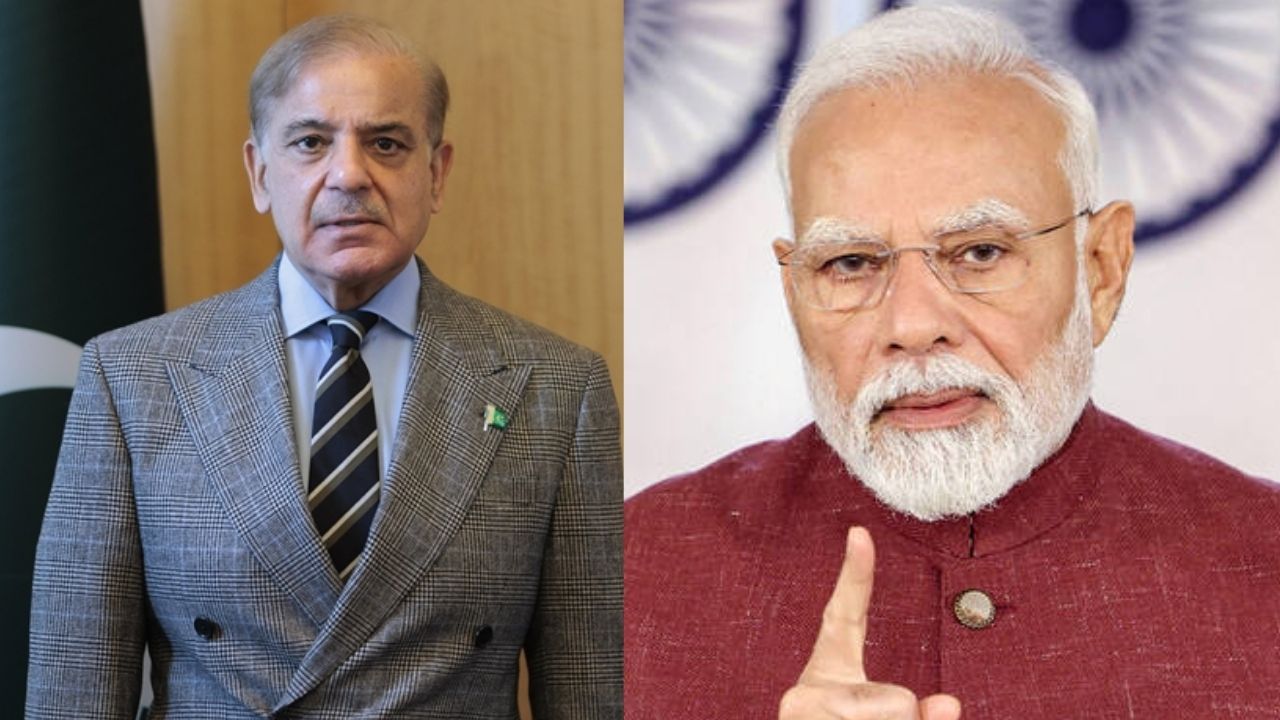
    The reported engagement also follows recent diplomatic contacts involving Pakistani leadership, including Prime Minister (PM) Shehbaz Sharif and Chief of Army Staff Asim Munir, as well as regional coordination efforts involving Iranian and US officials, including Iranian Foreign Minister Abbas Araghchi and parliamentary leadership such as Mohammad Bagher Ghalibaf.

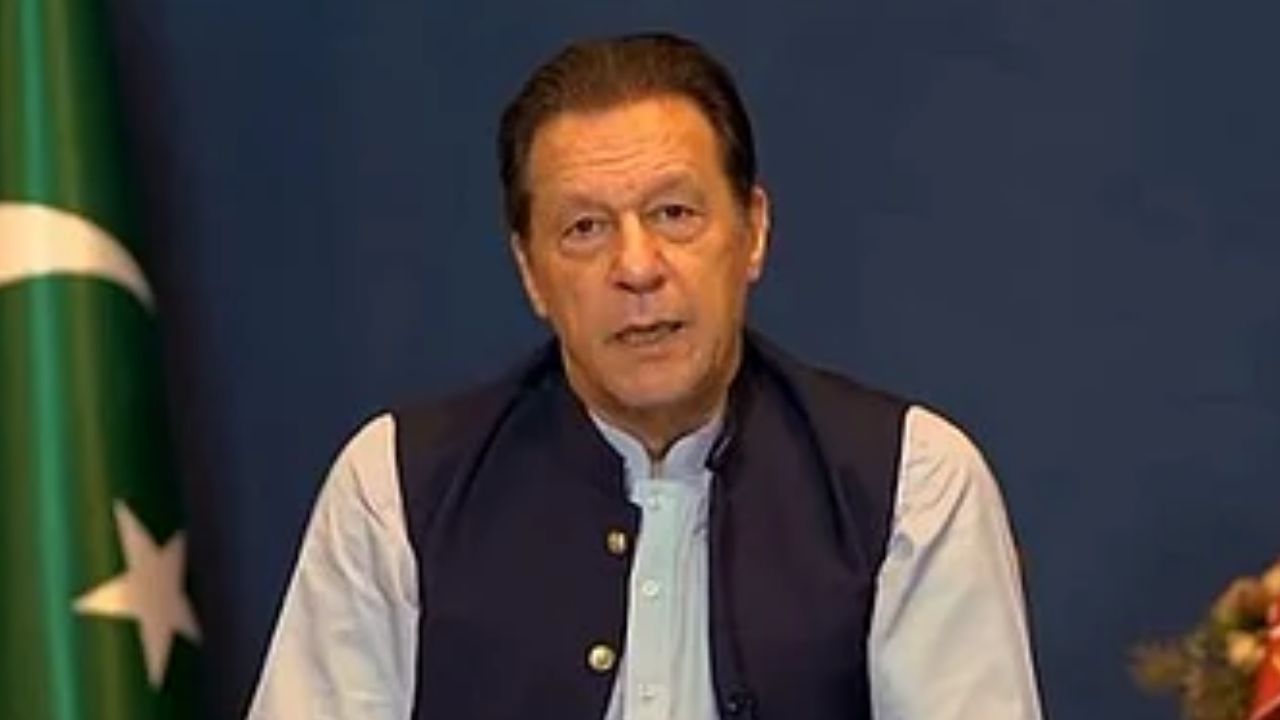
  • Imran Khan administered third anti-VEGF injection: PIMS

    Imran Khan administered third anti-VEGF injection: PIMS

    The Pakistan Institute of Medical Sciences (PIMS) said on Monday that former prime minister and Pakistan Tehreek-e-Insaf (PTI) founder Imran Khan was administered a third dose of an anti-VEGF intra-vitreal injection.

    According to a press release issued by the hospital, Imran Khan was examined by ophthalmologists prior to the procedure and was found to be “vitally stable”.

    The hospital said the injection was administered “under guidance of microscopy by the surgeons,” after his informed consent was obtained.

    It added that the procedure was carried out under standard monitoring in an operating theatre with all precautionary measures and protocols in place. The treatment was performed as day-care surgery, and the patient remained stable before, during and after the procedure. He was discharged with instructions for follow-up care.

    Imran Khan was first taken to hospital in late January for an eye procedure. Five days later, Information Minister Ataullah Tarar said that doctors at PIMS had conducted another examination and, after obtaining written consent, performed a short medical procedure lasting around 20 minutes.

    In March, another check-up was conducted at Adiala Jail, after which PIMS stated that Imran Khan had shown improvement in his vision following a second dose of anti-VEGF injection.

    Reacting to the latest statement, PTI raised concerns over the circumstances surrounding the transfer to PIMS. 

    In a post on X, the party questioned the timing of the early morning press release regarding his transfer from Adiala Jail for the procedure. PTI also questioned why his personal physicians were not being allowed access and why his family had not been permitted to meet him, seeking clarity over what it described as a lack of transparency.

    Imran Khan has been in custody since August 2023, serving a sentence at Adiala Jail in the £190 million corruption case. He also faces pending trials under the Anti-Terrorism Act related to the May 9, 2023 protests.

    The PTI has intensified calls for his release after a medical report submitted to the Supreme Court stated that his vision in the right eye had dropped to 15 percent. Government officials maintain that he is receiving appropriate medical care.

    Last month, a medical board that examined him reported improvement in his eyesight and did not recommend hospital transfer. According to the report, his right eye vision improved from 6/36 to 6/9, while the left eye remains at 6/6 with glasses.

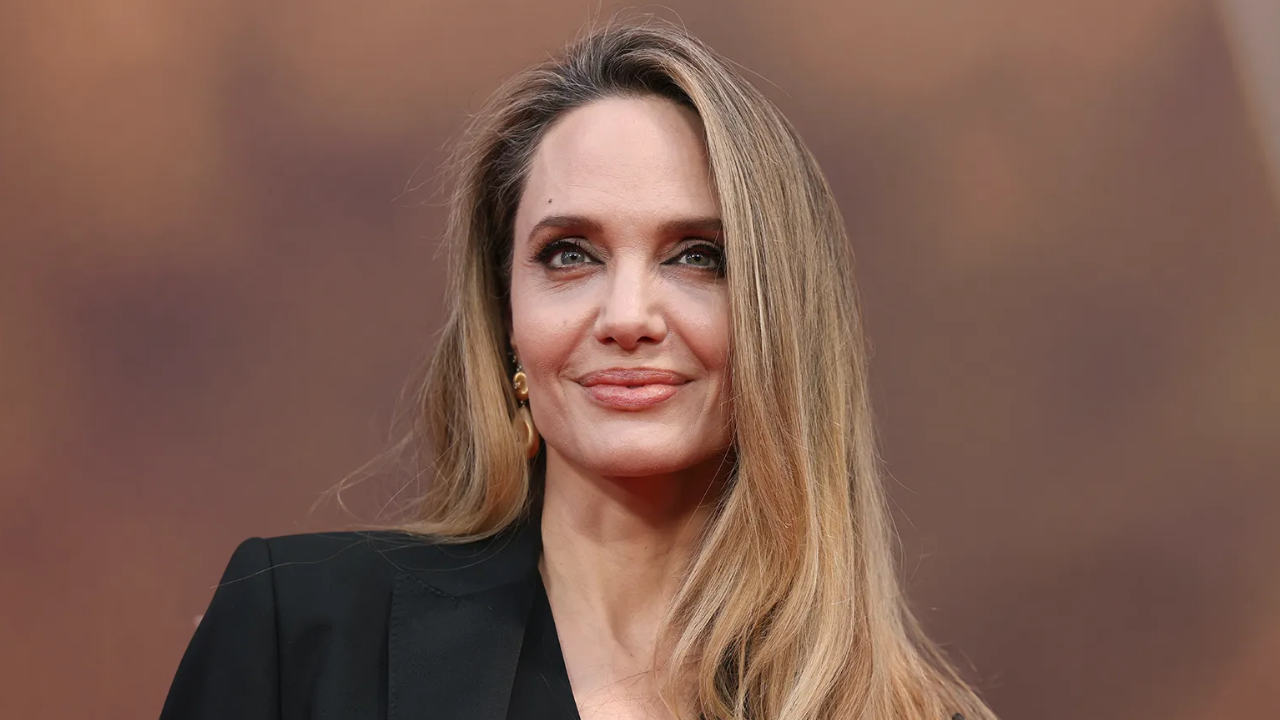
  • ‘There is something worse than death’: Angelina Jolie shares letter from Gaza survivor

    ‘There is something worse than death’: Angelina Jolie shares letter from Gaza survivor

    Hollywood superstar Angelina Jolie has highlighted the humanitarian situation in Gaza by sharing a letter from a young woman describing conditions faced by civilians amid the ongoing Israeli genocide in the besieged strip. 

    Taking to her social media account, Jolie posted images of children along with screenshots of a letter written by a 26-year-old woman who said she lost her father in an artillery attack and is currently living in a tent with her family, including her paralysed twin. Jolie wrote that the woman described “what daily life is like for her, her family, and her neighbours” and said she wanted to share it as global attention shifts to other crises.


    The actress also shared longer excerpts from the letter, which described life in Gaza as marked by continued displacement and daily struggles for survival under difficult conditions. 

    The letter stated that people had come to realise “there is something worse than death,” describing it as “to keep living, but without a spirit,” while carrying what it called a heavy burden of suffering.

    It added that everyday life had become defined by exhaustion, with basic routines turning into difficult tasks, and said that normal experiences had been replaced by constant struggle since the genocide.

    The letter further stated that residents move through destroyed streets and buildings covered in dust and debris, adding that people are not only moving through ruins but also through memories of homes and communities that once existed. 

    It described former neighbourhoods as places where families lived, children played, and normal life existed before being reduced to damaged structures.

    It also said that many children have forgotten what schools look like and are unable to continue basic education, while their immediate focus has shifted to access to water and food. The letter added that even small moments of normal life have become difficult to recall.

    The message stated that people in Gaza continue to try to hold on to their previous way of life despite the conditions, and that they are still attempting to rebuild a sense of normality from destruction. It added that residents continue to support each other and maintain hope for a future beyond the current situation.

    Jolie, who previously served as a special envoy for the United Nations Refugee Agency, visited the Rafah Crossing in January 2026 during a humanitarian trip to Egypt.

    According to her earlier statement, she met humanitarian organisations working to deliver aid into Gaza and visited a warehouse holding supplies that had been denied entry, including medical items. She also acknowledged the efforts of volunteers involved in relief operations.

  • Pakistan could host US-Iran talks in Islamabad as mediation efforts speed up

    Pakistan could host US-Iran talks in Islamabad as mediation efforts speed up

    US Vice President JD Vance may attend a proposed peace summit in Islamabad as Pakistan intensifies efforts to facilitate talks between the United States (US) and Iran, Israeli official sources cited by an American media outlet have said. 

    The proposed meeting is expected to include Iranian officials, including Parliament Speaker Mohammad Bagher Ghalibaf, along with members of the US delegation. The summit is likely to take place later this week in Islamabad.

    Pakistani Foreign Ministry sources told Anadolu Agency that a US delegation is expected to arrive in Pakistan “in a day or 2” for possible talks, adding that Iran is “still not ready” due to mistrust.

    The development follows contacts between Pakistan’s Chief of Army Staff Field Marshal Asim Munir and US President Donald Trump, another media outlet reported, citing two people briefed on the call.

    Türkiye, Pakistan and Egypt have also passed messages between Washington DC and Tehran over the past two days. 

    The report said that the foreign ministers of the three countries held separate talks with White House envoy Steve Witkoff and Iranian Foreign Minister Abbas Araghchi.

    “The mediation is ongoing and making progress. The discussion is about ending the war and resolving all outstanding issues. We hope to have answers soon,” a source familiar with the details told Axios.

    Pakistan has been engaged in back-channel diplomacy alongside Türkiye and Egypt. An official had earlier said that “active back-channel diplomacy” involving Witkoff and Araghchi was aimed at maintaining “quiet communication”.

    Reports said that coordination between Islamabad, Ankara and Cairo had created a “vital diplomatic conduit” to address the situation.

    Deputy Prime Minister and Foreign Minister Ishaq Dar also spoke with his Iranian counterpart Abbas Araghchi to discuss “recent regional developments”.

    “(They) emphasised the importance of dialogue & diplomacy to promote peace, security, and stability in the region and beyond,” the foreign ministry said on X, adding that both sides agreed to remain in close contact.

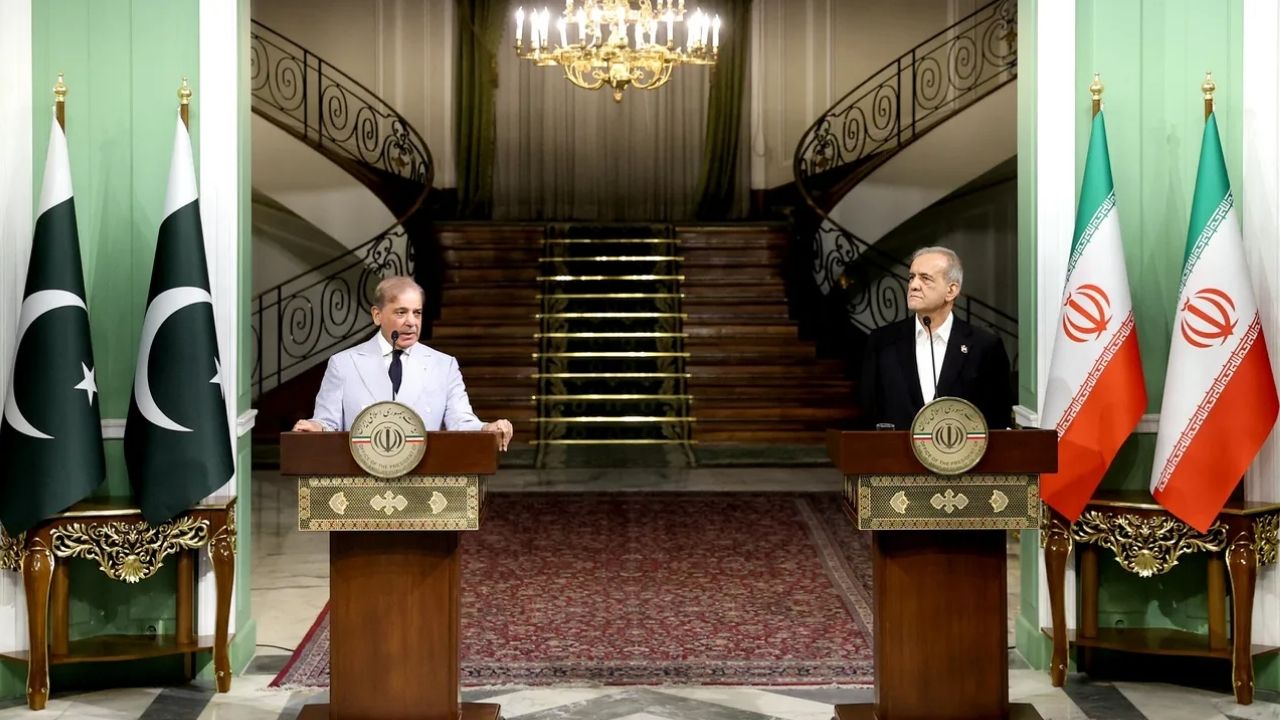
    Prime Minister (PM) Shehbaz Sharif said that he spoke with Iran’s President Masoud Pezeshkian and discussed “the grave situation in the Gulf region”. He said that Pakistan was committed to playing “a constructive role in advancing peace”.

    Sharif added that both sides agreed on the need for “de-escalation, dialogue and diplomacy”.

    In Tehran, Iranian Foreign Ministry spokesperson Esmaeil Baqaei said that the messages had been received from “some friendly countries indicating a US request for negotiations at ending the war”, according to IRNA. Iran has not formally responded to those messages.

    Earlier this month, Sharif and Field Marshal Asim Munir visited Riyadh and met Crown Prince Mohammed bin Salman.

    Islamabad has also condemned the killing of Iran’s Supreme Leader Ali Khamenei and conveyed congratulations to his successor Mojtaba Khamenei.