Blog

  • Ex-US counterterror director Joe Kent says Israel drove US into Iran conflict

    Ex-US counterterror director Joe Kent says Israel drove US into Iran conflict

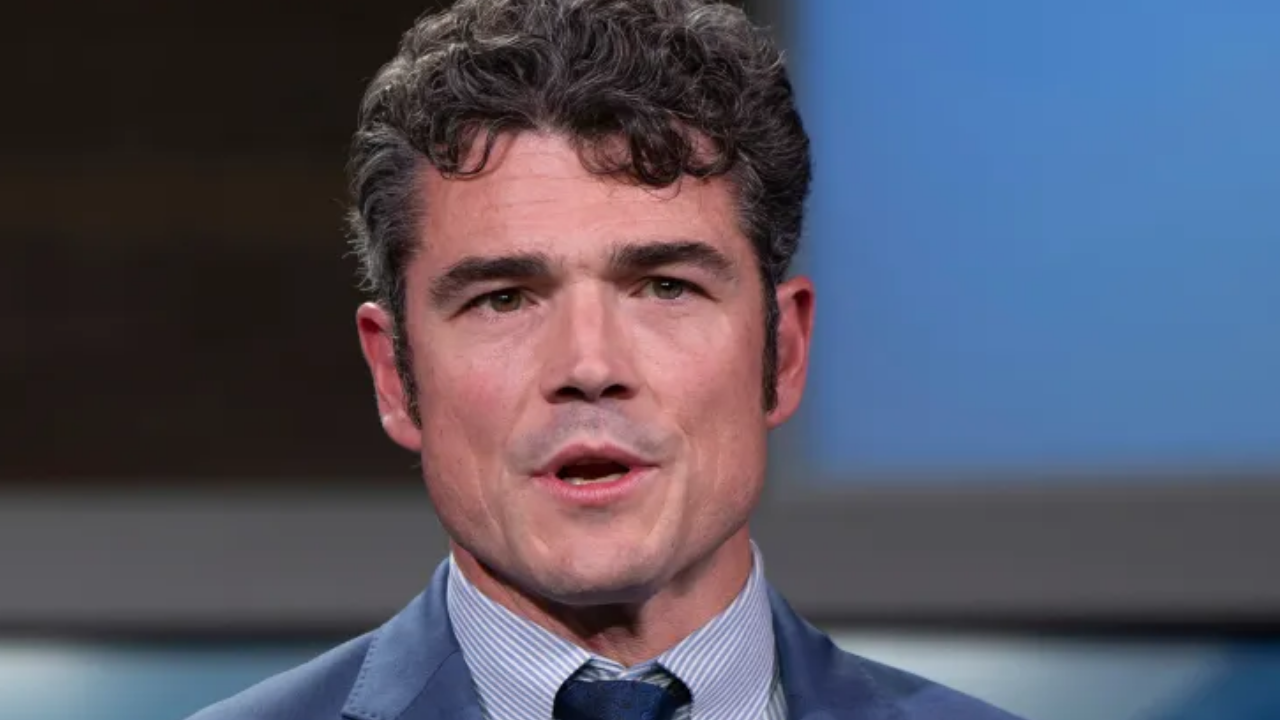
    Former director of the United States (US) National Counterterrorism Center Joe Kent has said that it was Israel that drove the US into the ongoing Iran conflict.

    In his maiden public interview since resigning from the position, Kent, who stepped down citing concerns about the US approach toward Iran, told Tucker Carlson that access to President Donald Trump was restricted in the lead-up to the conflict

    A “good deal of key decision makers were not allowed to come and express their opinion” to the president, he revealed.

    Kent also addressed intelligence assessments regarding Iran, stating that there was “no intelligence” indicating the country was planning a “big sneak attack” similar to the September 11, 2001, attacks or Pearl Harbor.

    He further discussed the influence of Israel on American policy in the Middle East and said he believed Israel had drawn the US into the conflict and was broadly shaping policy decisions. 

    Kent referenced recent remarks from Secretary of State Marco Rubio, who described Iran as an imminent threat, arguing this was based on expectations that Israel would strike and Iran would retaliate.

    He criticized this view, saying there was no reason to believe Iran would act without provocation.

    When asked if the imminent threat that the state secretary described was not from Iran, he confirmed it was from Israel and said it spoke to the broader issue of who was in charge of the US policy in the Middle East.

    Earlier, Kent’s resignation letter focused heavily on Israel, prompting criticism from some Republicans who said he promoted antisemitic conspiracy theories.

    He has also faced scrutiny in the past for associations with far-right figures, including White nationalists and a Nazi sympathiser.

    Kent said that he spoke out in the interview because he felt his voice and comments were being “squashed” before reaching the White House.

  • Unidentified drones detected over US army base housing Rubio, Hegseth: report

    Unidentified drones detected over US army base housing Rubio, Hegseth: report

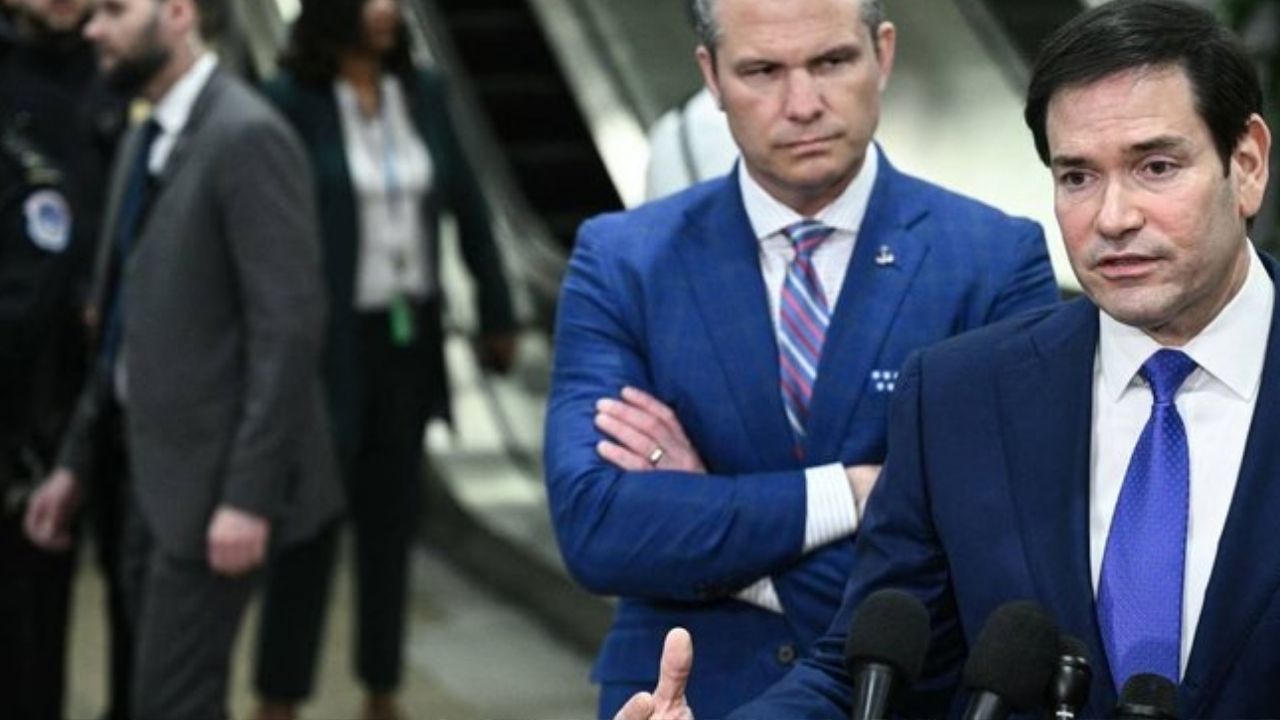
    US officials detected unidentified drones above Fort McNair, an army base in Washington where Secretary of State Marco Rubio and Pentagon chief Pete Hegseth reside, the Washington Post reported, citing three people briefed on the situation.

    The officials have not determined where the drones came from, the report said, citing two of the sources.

    The sightings prompted officials to consider relocating Rubio and Hegseth, the report added. However, the secretaries have not been moved, a senior administration official was quoted as saying.

    The Washington Post reported that the US military has been monitoring potential threats more closely due to heightened alert levels linked to the US-Israel war against Iran.


    The Pentagon and US State Department did not respond to requests for comment.

    Pentagon chief spokesperson Sean Parnell declined to discuss the drone sightings with the newspaper.

    He said, “The department cannot comment on the secretary’s (Hegseth’s) movements for security reasons, and reporting on such movements is grossly irresponsible,” according to the report.

    Reuters said it could not independently verify the report.

  • AI just learned how to speak fluent LinkedIn

    AI just learned how to speak fluent LinkedIn

    A new AI-powered translator is turning ordinary text into the language of LinkedIn, and it is gaining attention across social media platforms. Kagi, a Palo Alto-based search engine, introduced the “LinkedIn Speak” feature as part of its suite of AI tools.

    The translator automatically converts simple statements into posts that resemble typical LinkedIn updates, complete with phrases emphasizing personal growth, reflection, and career development.

    The tool is designed to replicate the structure often seen on LinkedIn, where short, punchy sentences combine with calls to action and mentions of achievements. Users can enter any text and receive an instant translation. For example, when prompted to translate “I need a job,” the tool produced: “I’m excited to announce that I’m officially transitioning into a new chapter and am actively seeking my next challenge! I’m looking to bring my expertise and passion to a forward-thinking team where I can drive impact and continue to grow professionally. If you know of any opportunities or would be open to connecting, I’d love to chat! #OpenToWork #NewBeginnings #CareerGrowth.”

    Kagi already offered a “Corporate Jargon” translator, which turns plain language into formal business terminology. Using the same prompt, it produced: “I am currently seeking to pivot into a new strategic role where I can leverage my core competencies and provide immediate value-add to a high-growth organization. I am actively exploring opportunities to align my professional roadmap with a disruptive team to drive scalable results and optimize overall ROI.”

    The LinkedIn translator has drawn diverse reactions across social media platforms including X and LinkedIn. Some users have shared humorous responses. One user wrote: “My toddler woke me up at 5 AM,” which was converted by the translator into: “My 5 AM wake-up call from my toddler isn’t just a disruption—it’s a master class in discipline and early morning productivity. Success doesn’t wait for the sun to rise. It starts with showing up, staying resilient, and embracing the grind before the rest of the world even hits snoozer. Grateful for these daily reminders that leadership starts at home.  #EntrepreneurMindset #EarlyRiser #Leadership.”

    Reactions to the tool highlight its dual impact. One user wrote that they “never loved and hated something so much at the same time.” 

    Others suggested future applications, such as converting AI prompts back into plain English or decoding common business buzzwords. Comments included: “Finally, a way to decode all those ‘synergistic partnerships’ and ‘outside-the-box thinking’ buzzwords!” and “Some day there will be a tool where AI prompts will be converted to human language.” 

    Some users noted that the translator could also work in reverse, turning LinkedIn posts back into plain English for clarity.

    The feature is part of Kagi’s broader focus on privacy and ad-free search, which the company emphasizes as a key differentiator from other search services.

  • Pakistan open to talks with Afghan Taliban, seeks handover of militants: DG ISPR

    Pakistan open to talks with Afghan Taliban, seeks handover of militants: DG ISPR

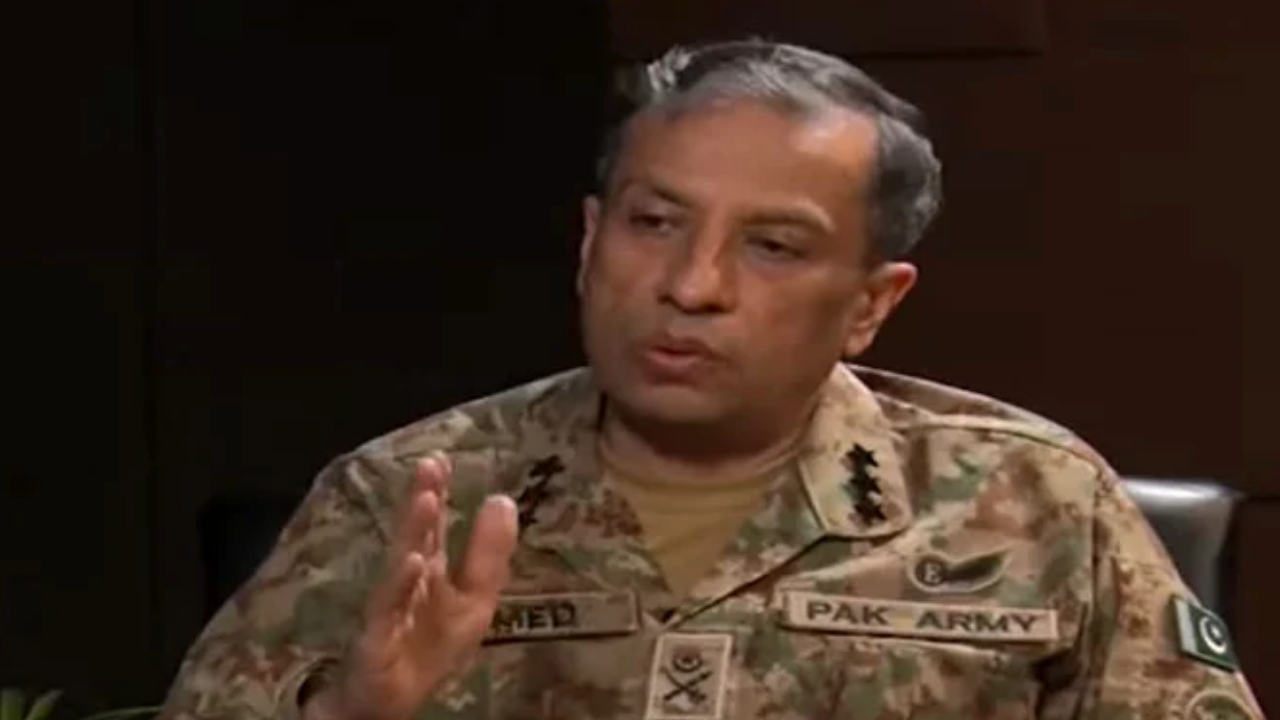
    Director General ISPR Lieutenant General Ahmed Sharif Chaudhry has said Pakistan is willing to hold talks with the Afghan Taliban, but the handover of militants and dismantling of sanctuaries inside Afghanistan would be a precondition for any engagement.

    DG ISPR Lieutenant General Ahmed Sharif Chaudhry, in an interview on a private news channels’s programme, said that Islamabad remains open to dialogue but expects Kabul to act against groups involved in attacks inside Pakistan.

    He said that the Afghan Taliban must decide “whether Tehreek-e-Taliban Pakistan (TTP) holds priority over ties with Pakistan.”

    He stated that militants are being sheltered in Afghanistan, including within government facilities, and said that action against them must precede any talks. He added that Pakistan has repeatedly raised the issue at different forums while seeking assurances on commitments from the Afghan side.

    Referring to recent tensions, the DG ISPR said that Pakistan carried out strikes on sites in Kabul linked to what he described as infrastructure supporting attacks against Pakistan.

    According to him, the action followed 53 attacks on Pakistani check posts. “They initiated it, Pakistan responded.” He said that 81 locations were targeted, including ammunition depots and drone storage facilities.

    He rejected reports of civilian casualties, terming them propaganda, and said Taliban fighters operate without uniforms and in civilian clothing. He also alleged that drug addicts are used in suicide attacks and questioned the establishment of a drug treatment facility near an ammunition storage site.

    The DG ISPR said that Pakistan has no issue with the Afghan population and described them as affected by the current situation.

    During the interview, he also claimed that Afghanistan is hosting members of transnational militant groups. He said Somalia’s Al-Shabaab has been invited and provided space, and alleged contact with Osama bin Laden’s son, Hamza bin Laden. He said that Afghanistan has become a centre for militant groups and that Pakistan is acting as a barrier against them, describing the situation as a wider regional issue.

    He further alleged Indian involvement in attacks inside Pakistan. He also said that drones used against Pakistan were being supplied to the Afghan Taliban, adding that Pakistan has intercepted drones entering from across the border.

    He added that Pakistan has not imposed conflict on Afghanistan and that the country has faced the impact of militancy over decades, with thousands of casualties. He added that narcotics and cross-border smuggling have also contributed to the situation, while noting a decrease in such activities and cross-border attacks in recent period.

  • ADB approves $10–12bn five-year lending strategy for Pakistan

    ADB approves $10–12bn five-year lending strategy for Pakistan

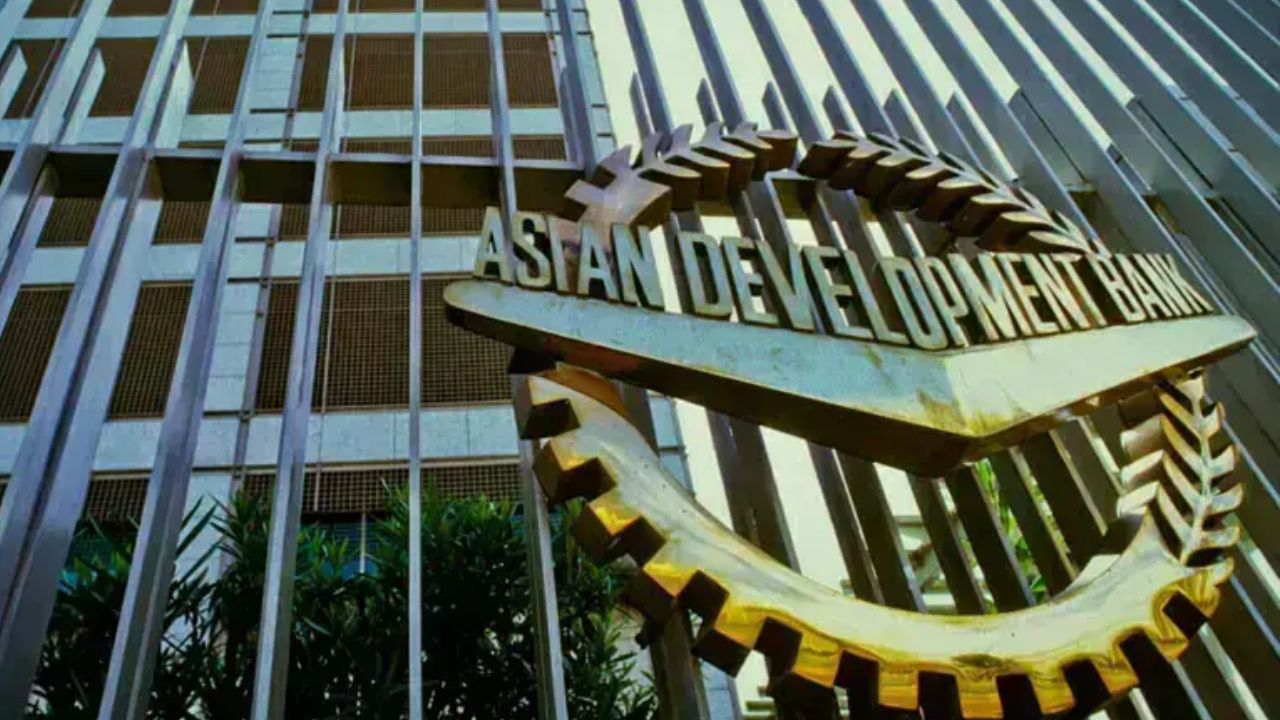
    The Asian Development Bank (ADB) has approved an indicative $10–12 billion lending programme for Pakistan over five years, covering financing for critical minerals development and upgrades to Pakistan Railways’ Main Line-I (ML-I).

    The decision was taken at an ADB board meeting, where India’s executive director also supported the strategy while raising observations on Pakistan’s governance and debt situation.

    The Manila-based lender launched its Country Partnership Strategy (CPS) for Pakistan 2026–2030, outlining support for the country’s transition towards sustainable and inclusive growth through private-sector-led development, according to its Pakistan office.

    The CPS sets three priority areas: enabling private sector growth, advancing inclusion and empowerment, and strengthening resilience and sustainability.

    While the ADB did not officially confirm the total size of the package, officials and multilateral sources said the indicative lending volume is based on current annual approvals and is estimated at $10–12 billion over five years. Individual projects will be negotiated within the overall framework during the period.

    Officials said the package size could increase if Pakistan’s credit rating improves. Rating upgrades by international agencies were noted, though they remain insufficient to significantly lower long-term borrowing costs.

    Pakistan currently receives around $2 billion annually in ADB financing, roughly half in concessional loans. The ADB approved $2.6 billion in lending for Pakistan last year.


    The CPS states that the bank will provide financing, policy support and technical assistance to develop critical mineral value chains in Pakistan.

    ADB Country Director for Pakistan Emma Fan said the strategy is designed to address structural challenges and support inclusive growth.

    The document says the bank will help develop Pakistan’s mineral sector by supporting governance frameworks, infrastructure integration, and environmental and social safeguards.

    Pakistan holds deposits of copper, barite, chromite, gold, salt and marble, but the mining sector contributes about 2.4 percent to GDP and 0.2 percent to employment.

    Mineral exports remain limited, reflecting gaps in infrastructure, governance and regulation, the CPS noted.

    ADB plans to support the sector through improved geodata systems, regulatory reforms, co-financing arrangements and fiscal policy changes.

    The lender also plans to support the establishment of sovereign wealth funds to improve benefit-sharing and long-term investment planning.

    A proposed $500 million loan will support reforms in pension and insurance systems and development of capital markets to channel long-term savings into productive investment.

    Main Line-I upgrades remain a key component of the strategy, including improvements to tracks, signalling systems and stations to modernise the rail corridor and improve regional connectivity.

    China had initially planned to finance ML-I under the China-Pakistan Economic Corridor (CPEC) framework but later withdrew due to Pakistan’s rising debt concerns.

    The ADB said its future financing will also extend to port modernisation, motorways and highways, along with broader trade and logistics reforms aimed at streamlining cross-border trade procedures.

    The CPS notes that Pakistan’s poverty rate stands at 45 percent, with rural poverty significantly higher than urban levels. It adds that the top 10 percent of households earn 42 percent of national income, while the bottom 50 percent account for 13 percent. 

    The strategy also includes support for disaster risk management, climate governance, and increased climate-related investment for resilience and mitigation.

    The lender said Pakistan’s production base remains narrow, its regulatory environment complex, and its public financial management uneven, with inefficiencies in energy, transport and urban services.

    It noted that more than 200 state-owned enterprises account for assets worth around 48 percent of GDP, contributing to governance and accountability challenges due to overlapping oversight structures.

    The ADB added that Pakistan ranks near the lower end globally on governance indicators across multiple categories.

  • ‘Significant threat’: US intel director raises alarm, says Pakistan’s long-range missiles could reach US

    ‘Significant threat’: US intel director raises alarm, says Pakistan’s long-range missiles could reach US

    US Director of National Intelligence Tulsi Gabbard has included Pakistan among countries posing a significant threat to the United States (US), warning lawmakers that Islamabad’s missile development could potentially bring the American homeland within range.

    Presenting the 2026 Annual Threat Assessment before the US Senate Intelligence Committee on Wednesday, she said, “Russia, China, North Korea, Iran and Pakistan have been researching and developing an array of novel, advanced, or traditional missile delivery systems with nuclear and conventional payloads, that put our Homeland within range.”

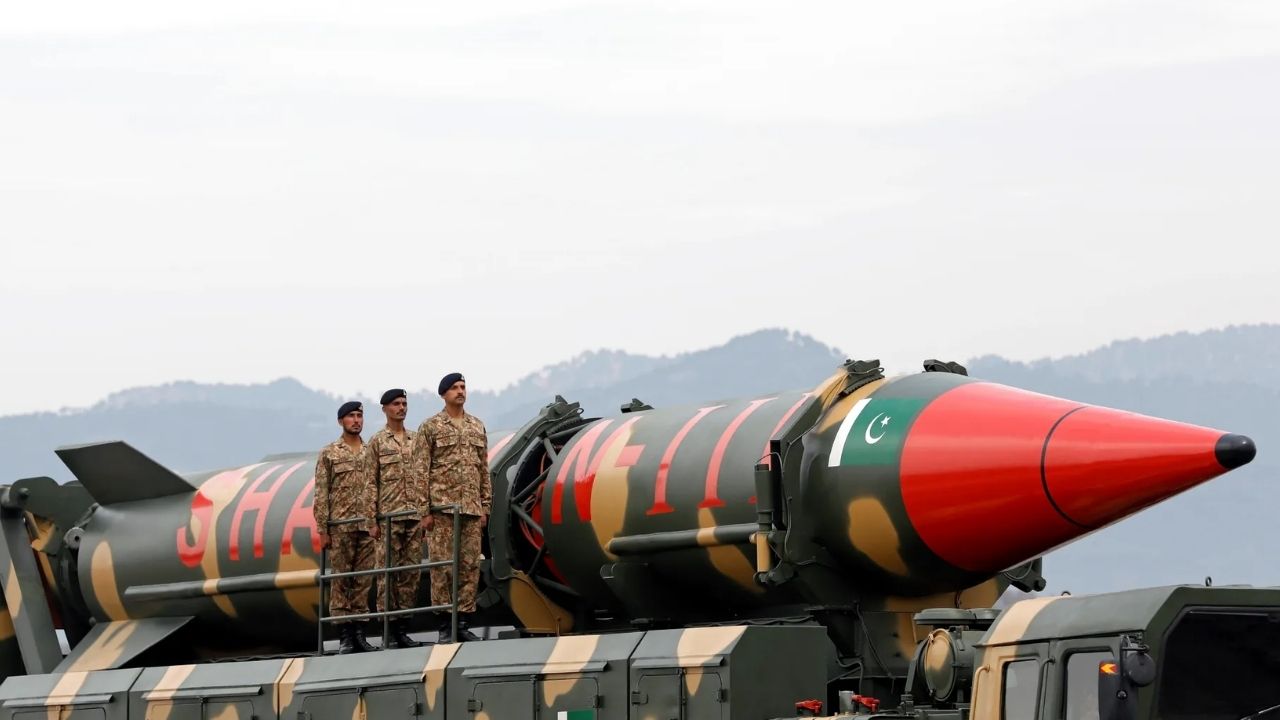
    She added, “Pakistan’s long-range ballistic missile development potentially could include ICBMs (Intercontinental Ballistic Missile) with the range capable of striking the Homeland.”


    Gabbard further said that the countries identified in the report “will likely seek to understand US plans for advanced missile defence… for the purpose of shaping their own missile development programmes and assessing US intentions regarding deterrence.”


    She warned of a sharp increase in missile threats over the next decade, stating, “…threats to the Homeland will expand collectively to more than 16,000 missiles by 2035, from the current assessed figure of more than 3,000 missiles.”


    The assessment triggered reactions from analysts in Washington DC. Scholar Shuja Nawaz said the inclusion of Pakistan reflected continuity in US policy trends. He said, “This continues the analysis of the Biden administration that placed sanctions on Pakistani entities and tried to curb acquisition of new technologies.”


    He added that most estimates place Pakistan’s Shaheen-III missile range at under 2,800 kilometres and said Islamabad maintains its nuclear programme is intended for deterrence against India. 

    “There is no reason for Pakistan to target the United States or any other country outside South Asia. Such assessments undermine the budding US-Pakistan relationship,” he said.

    US-based analyst Michael Kugelman said, “It’s a significant comment, given that the current administration has been fairly quiet on the Pakistan nuclear weapons issue and has generally projected positivity in its messaging on Pakistan.”

    He added, “But at the same time, I wouldn’t overstate the significance here. Pakistan wasn’t singled out exclusively; it was called out with other countries.”

    The assessment also highlighted South Asia as a continuing security concern, particularly tensions between Pakistan and India.

    The report stated, “India–Pakistan relations remain a risk for nuclear conflict given past conflicts where these two nuclear states squ¬ared off, creating the danger of escalation,” while also referring to the Pahalgam attack.


    It added, “President Trump’s intervention deescalated the most recent nuclear tensions, and we assess that neither country seeks to return to open conflict, but that conditions exist for terrorist actors to continue to create catalysts for crises.”

    On Pakistan-Afghanistan tensions, it said, “Relations between Pakistan and the Taliban have been tense, with intermittent cross-border clashes, as Islamabad has become increasingly frustrated with anti-Pakistan terrorist groups’ presence in Afghanistan while Islamabad faces growing terrorist violence.”


    It further noted, “Pakistan’s army chief warned this month that lasting peace requires the Taliban to sever ties with militants targeting Pakistan. The Taliban’s public posture has been to call for dialogue, but it has denied harbouring anti-Pakistani militants.”

    The report also said regional powers are increasingly using force to advance their interests, stating that countries including Egypt, Israel, Pakistan, Turkiye and the UAE are using a mix of lethal aid, proxy forces, or their own military assets to provoke or undermine their rivals or to tilt nearby conflicts in their favour.

  • Info minister says Imran’s sons can visit Pakistan on NICOP after Jemima slams visa delays

    Info minister says Imran’s sons can visit Pakistan on NICOP after Jemima slams visa delays

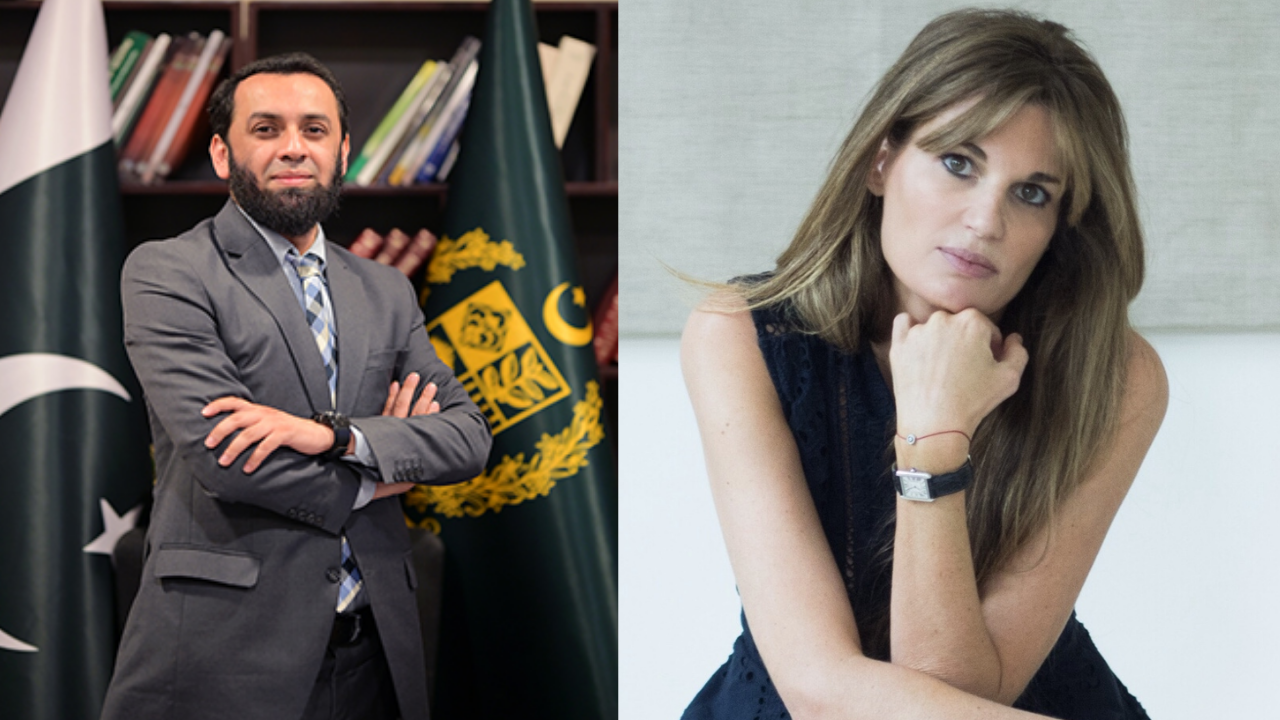
    Federal Information Minister Attaullah Tarar said that the sons of former prime minister Imran Khan can visit Pakistan using their National Identity Card for Overseas Pakistanis (NICOP), stating that no visa is required for them. 

    The statement came in response to a post by Jemima Goldsmith, who appealed to Prime Minister Shehbaz Sharif over delays in the issuance of visas for her sons Kasim Khan and Sulaiman Khan.

    Responding on X, Tarar said, “Imran Khan’s phone call will be arranged on Eid day with his children as done in the past as well.” He added, “His children are welcome to visit Pakistan on their Nicop cards as Pakistani citizens for which no visa is required. However, they will fully comply with the laws of Pakistan during their stay.”

    In her appeal, Jemima said, “My sons Sulaiman and Kasim Khan applied for visas in January (again… ) to allow them to visit their father, Imran Khan, in Pakistan.” She added, “The Pakistan consulate states that online visa processing normally takes 7–10 working days. It has now been 60 days.”

    She said the delay came despite public statements by Defence Minister Khawaja Asif and government spokesperson Mosharraf Zaidi regarding their travel. “Meanwhile, they are not allowed to speak to him on the phone, nor send him a letter,” she said, adding, “They haven’t seen him since 2022, after he was shot in an assassination attempt.”

    Jemima appealed, “This is an appeal directly to Pakistan’s PM Shehbaz to please allow Imran Khan’s two sons to see their father asap.”

    Last month, Kasim alleged that the government was deliberately refusing to process their visas. The two had earlier said in December 2025 that they had applied for visas and were planning to travel in January.

    In August 2025, Imran’s sister Aleema Khan said the two had applied for NICOP as well as visas after Minister of State for Interior Talal Chaudhry questioned why visas would be required if they had the cards. 

    Separately, Pakistan Tehreek-e-Insaf criticised the delay, stating that the details shared by Jemima were “not only deeply concerning, but also evidence that the government has failed to uphold basic human values and family rights.” The party said the delay was a “deliberate delaying tactic” and added, such treatment is being meted out to a man who has served as the country’s former prime minister.

  • 19 dead as thunderstorms,winds lash Karachi

    19 dead as thunderstorms,winds lash Karachi

    At least 19 people died and several others were injured in multiple incidents as rain and strong winds hit different parts of Karachi.


    Rainfall with gusts was recorded in North Nazimabad, North Karachi, Surjani, FB Area, Saddar and Clifton. Similar conditions were reported in Cantt, Railway Colony, Delhi Colony, Gulshan-e-Iqbal, Gulshan Jamal and Garden.

    The Met Office said rain was also reported in Gulistan-i-Jauhar, Gulzar-i-Hijri, Tower, I.I. Chundrigar Road, Hassan Square, Manghopir, SITE, Liaquatabad, Nazimabad and Defence.

    Power supply was suspended in several areas as the rain began, while outages were later reported in Moinabad Alamgir Society, Shadman Town 14-A, parts of Gulshan-e-Iqbal, Defence Phases 1 and 2, Akhtar Colony, Kashmir Colony and parts of North Karachi. 

    The city’s power system could not sustain the load, and several areas remained without electricity for hours.

    “Our field teams remain on-ground, working round the clock to restore power in affected areas. Despite water-logging challenges, safety remains our top priority. We value your patience and understanding as we continue these efforts,” K-Electric stated on X.

    The Meteorological Department reported that wind speed reached 90 kilometres per hour on Shahrah-e-Faisal and 97 kilometres per hour in Mauripur. It said Korangi recorded 55.6mm of rainfall, followed by 22mm in Mauripur and 15mm in DHA Phase-II.


    Other areas including Gulistan-i-Jauhar, Keamari, Airport Old Area, Shahrah-e-Faisal, Saddar Town and Jinnah Terminal received lower amounts.

    Trees fell in multiple locations, disrupting traffic. Near the Clifton driving licence branch, a tree collapsed, trapping two people. Reports quoted officials that Ishfaq, 32, and his mother were on a motorbike when they took shelter under a tree, which fell due to strong winds.

    A Rescue 1122 team shifted Ishfaq to hospital while efforts continued to retrieve his mother. In Mohammad Ali Society, a billboard fell on Tipu Sultan Road.

    In Baldia’s Mowach Goth, 13 people died after a wall collapsed, rescue officials confirmed. DIG-South Syed Asad Raza said that several people were sitting beside the wall of the Baldia Town Telephone Exchange within the limits of Saeedabad police station when it collapsed due to strong winds. 

    A rescue spokesperson said that three people were injured and shifted to hospital along with the bodies, adding that search operations were ongoing. The bodies were moved to Dr Ruth Pfau Civil Hospital Karachi.

    SSP (Senior Superintendent of Police) Keamari said that the roof of the second floor collapsed onto the first floor, adding that the structure was not a residential building. He noted that police and rescue teams were present at the site and further people could be trapped under the debris.

    The Sindh chief minister took notice of the incident and directed the district administration and rescue authorities to respond.

    Sindh Interior Minister Zia ul Hassan Lanjar and Karachi Mayor Murtaza Wahab visited the site and directed teams to retrieve those trapped and shift the injured for treatment.

    In Quaidabad’s Majeed Colony, a man and a woman died after a wall collapsed, while one person was injured. In Landhi, a man and his wife were killed when the roof of their house caved in. They were identified as Sher Ali, 48, and Riasat, 45.

    In Malir’s Yaroo Goth, one person died after being struck by lightning. In Korangi, a man died after a tree fell on him, while in Korangi 3½, a woman died after a roof collapsed.

    Water accumulated in several areas after the rain, affecting traffic flow on major roads.

    The Meteorological Department said that further rainfall is not expected during the night but may occur after noon. It added that rain with wind and thunder is likely in parts of the city, with a possibility of hail at isolated locations, while another weather system between March 24 and 27 could bring rain to Karachi and other areas of Sindh.
  • Pakistani films releasing this Eid

    Pakistani films releasing this Eid

    Eid ul Fitr 2026 will bring a fresh wave of entertainment for Pakistani audiences, with several films arriving in cinemas and major titles making their television premieres. 

    After facing a difficult period in recent years, the film industry now looks ready to attract viewers back with a mix of action, comedy and romance.

    These three movies are set to release this Eid.

    Bullah:

    Among the big cinema releases, Bullah marks the return of Shaan Shahid to the big screen. The film presents him as a vigilante who fights for justice. The cast also includes Meera, Saleem Sheikh and Naeema Butt, adding strength to the project.

    Aag Lagay Basti Mein:

    Another film hitting cinemas is Aag Lagay Basti Mein, a comedy action project featuring Fahad Mustafa and Mahira Khan in lead roles. Javed Sheikh also plays an important part, while Tabish Hashmi steps into films with his acting debut. The team has actively promoted the film ahead of its release.

    Delhi Gate:

    Delhi Gate will also arrive in cinemas this Eid. The film stars Shamoon Abbasi, Javed Sheikh, Roma Micheal and others, offering another local option for moviegoers.

    Alongside cinema releases, television channels will premiere some of Pakistan’s biggest films for home audiences.

    The Legend of Maula Jatt:

    The Legend of Maula Jatt will make its world television debut this Eid. The blockbuster features Fawad Khan, Mahira Khan, Hamza Ali Abbasi and Humaima Malick. The film remains the highest-grossing Pakistani movie to date and continues to attract strong interest.

    Love Guru:

    Viewers will also get to watch Love Guru on television. The romantic comedy stars Humayun Saeed alongside Mahira Khan and will air on ARY Digital, offering family entertainment during the festive days.

    Neelofar:

    Another notable premiere includes Neelofar, which features Fawad Khan and Mahira Khan. The film will air on Geo Entertainment, giving audiences a chance to watch it from home.

    With multiple cinema releases and major television premieres, Eid ul Fitr 2026 promises a busy and exciting time for Pakistani film fans.

  • Alizeh Shah says she didn’t get surgery, lost ’20 kg’ due to depression

    Alizeh Shah says she didn’t get surgery, lost ’20 kg’ due to depression

    Actress Alizeh Shah has strongly rejected claims about undergoing cosmetic surgery, saying that her physical transformation came from significant weight loss during a difficult phase of her life.

    The actor recently responded to a viral comparison video circulating on social media that questioned her changing appearance. The video suggested she may have had cosmetic procedures, but Alizeh dismissed the claims and called them hurtful.

    Sharing her thoughts on Instagram, she expressed disappointment over the accusations and clarified her stance. “Honestly, this just makes me sad, but I just hope God never teaches you a lesson for accusing me of something I never did just to get some views on Insta,” she wrote.

    She further addressed the speculation directly, saying, “I’ve said it a billion times, and I’ll say it again—I swear on my mom, I never got any surgery. I lost 20 kgs of weight in 2 months because I was really depressed.”

    Alizeh has often responded openly to criticism and online discussions about her personal life and appearance. This time, she made it clear that her transformation had nothing to do with surgery and instead resulted from a period of emotional struggle.

    Alizeh Shah rose to fame at a young age and quickly became one of the most recognised faces on Pakistani television. 

    She gained popularity through dramas like Ehd-e-Wafa, Dil Moum Ka Dia, Ishq Tamasha and Mera Dil Mera Dushman. Over the years, she has also appeared in projects such as Taqdeer, Mohabbat Ki Akhri Kahani, Khail and Ishq Beparwah.