Blog

  • Sweden charges Quran burners with hate crime

    Sweden charges Quran burners with hate crime

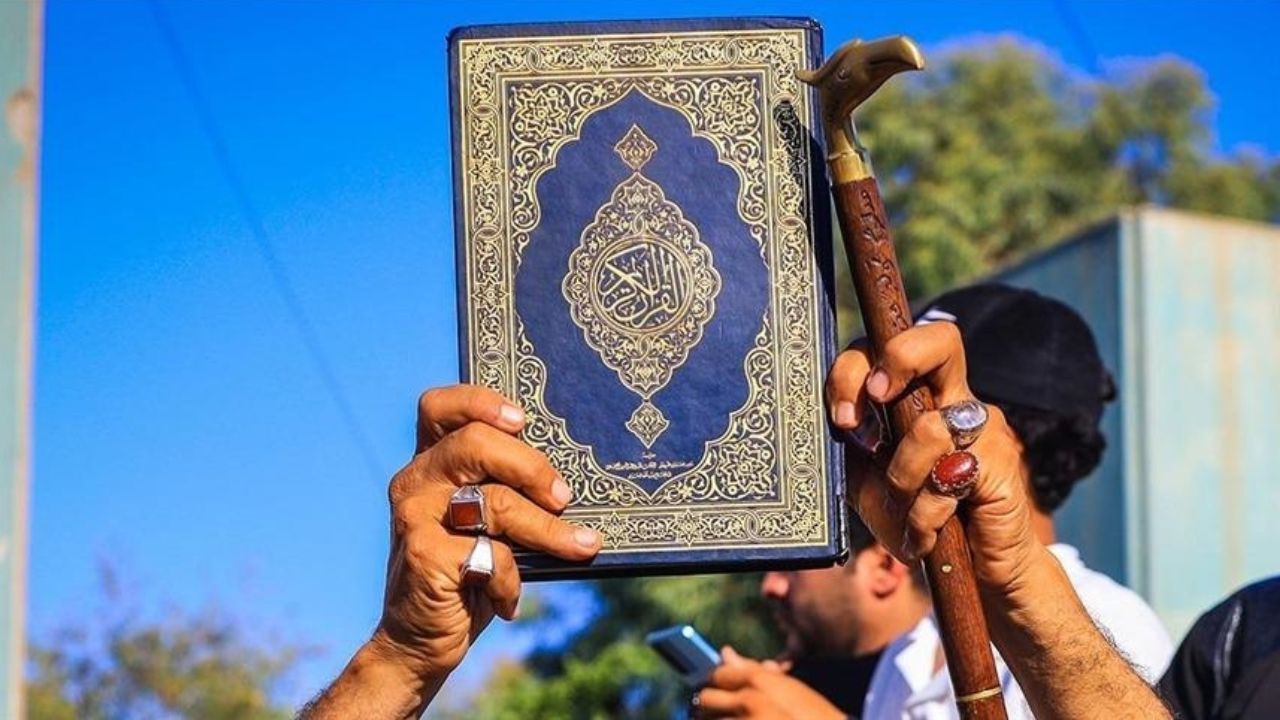
    Swedish prosecutors on Wednesday charged two men with inciting ethnic hatred over several protests involving the burning of Qurans in 2023, which sparked widespread outrage in Muslim countries.

    Salwan Momika, a Christian Iraqi who burned the Quran at a slew of protests, and co-protester Salwan Najem were charged with “agitation against an ethnic group” on four occasions in the summer of 2023.

    “Both men are prosecuted for having on these four occasions made statements and treated the Quran in a manner intended to express contempt for Muslims because of their faith,” senior prosecutor Anna Hankkio said in a statement.

    According to the charge sheet, the duo desecrated the Quran, including burning it, while making derogatory remarks about Muslims — in one case, outside a Stockholm mosque.

    “In my opinion, the men’s statements and actions fall under the provisions on agitation against an ethnic or national group, and it is important that this matter is tried in court,” the prosecutor added.

    Relations between Sweden and several Middle Eastern countries were strained by the pair’s protests.
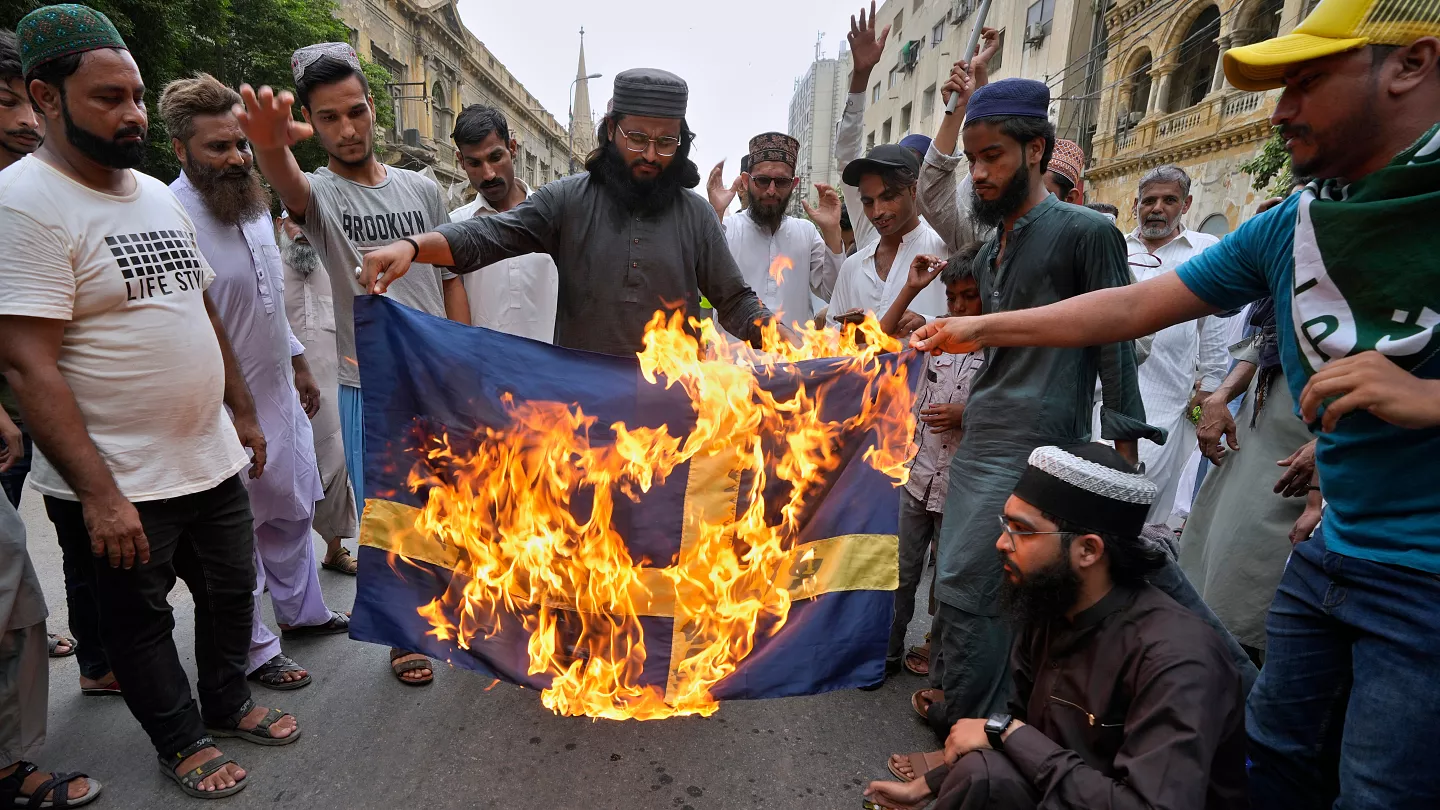
    Iraqi protesters stormed the Swedish embassy in Baghdad twice in July 2023, starting fires within the compound on the second occasion.

    In August last year, Sweden’s intelligence service Sapo raised its threat level to four on a scale of five after the Koran burnings had made the country a “prioritised target”.

    The Swedish government condemned the desecrations while noting the country’s constitutionally protected freedom of speech and assembly laws.

    Earlier this month, prosecutors charged Swedish-Danish right-wing activist Rasmus Paludan with the same crime over a 2022 protest in the southern city of Malmo, which also included burning the Koran.

    In October 2023, a Swedish court convicted a man of inciting ethnic hatred with a 2020 Quran burning, the first time the country’s court system had tried the charge for desecrating Islam’s holy book.

    Prosecutors have previously said that under Swedish law, the burning of a Quran can be seen as a critique of the book and the religion and thus be protected under free speech.

    However, depending on the context and statements made at the time, it can also be considered “agitation against an ethnic group.”
  • Pakistan makes two changes for second Test against Bangladesh

    Pakistan makes two changes for second Test against Bangladesh

    Two new players have been included in the national cricket team for the second Test match against Bangladesh.

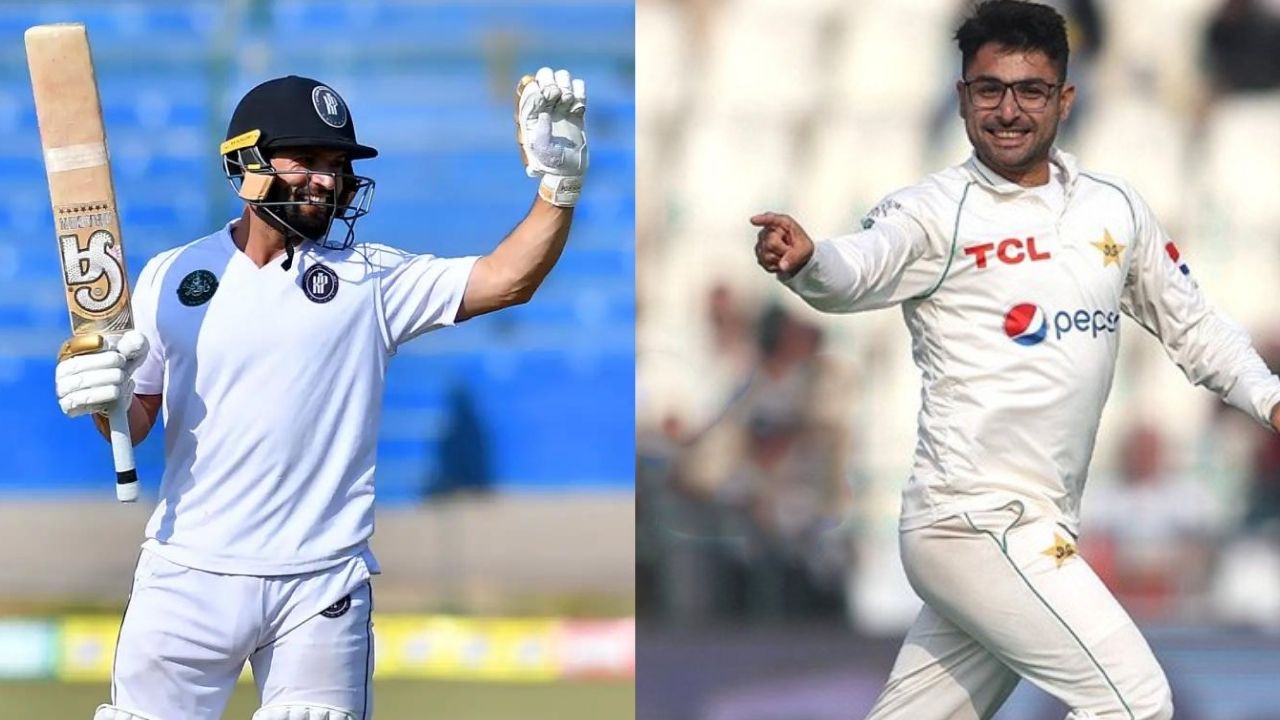
    Mystery spinners Abrar Ahmed and Kamran Ghulam have been included in the national Test squad. They were released from the Test squad before the start of the first Test match and were playing for the Pakistan Shaheens in the 4-day match against Bangladesh ‘A’ at Islamabad Club.

    Apart from this, fast bowler Shaheen Shah Afridi came to Karachi for the birth of his son and he has now rejoined the squad in Pindi.

    Amir Jamal, who left the squad to work on his fitness at the National Cricket Academy (NCA), was also recalled during his participation in the second Test. He will be subjected to fitness clearance.

    The team management and senior players are not happy with the overall fast bowlers’ performance in the first Test.

    The second Test between Pakistan and Bangladesh will be played from August 30 to September 3 at the Rawalpindi Cricket Stadium.

    In the first Test, Bangladesh defeated Pakistan by ten wickets in Rawalpindi.

  • PIA bans photos, videos on flights

    PIA bans photos, videos on flights

    Pakistan International Airline (PIA), the country’s flag carrier, has banned mobile phone photography and vlogging during flights.

    A preliminary implementation of the ban has been initiated.

    Action can be taken against those who record videos or take pictures of other passengers during the flight. Incidents falling under harassment or immoral acts could be reprimanded for doing so.

    Geo News reported that photography during international flights, especially take-off and landing, will be strictly banned.

    PIA sources told Geo that the ban is being imposed to protect passengers and prevent the making of unauthorized videos, photography, and any emergency incidents.

    A proper announcement of the prohibition on photography and video making will also be made during the flight.

  • Earthquake felt in Islamabad, KP

    Earthquake felt in Islamabad, KP

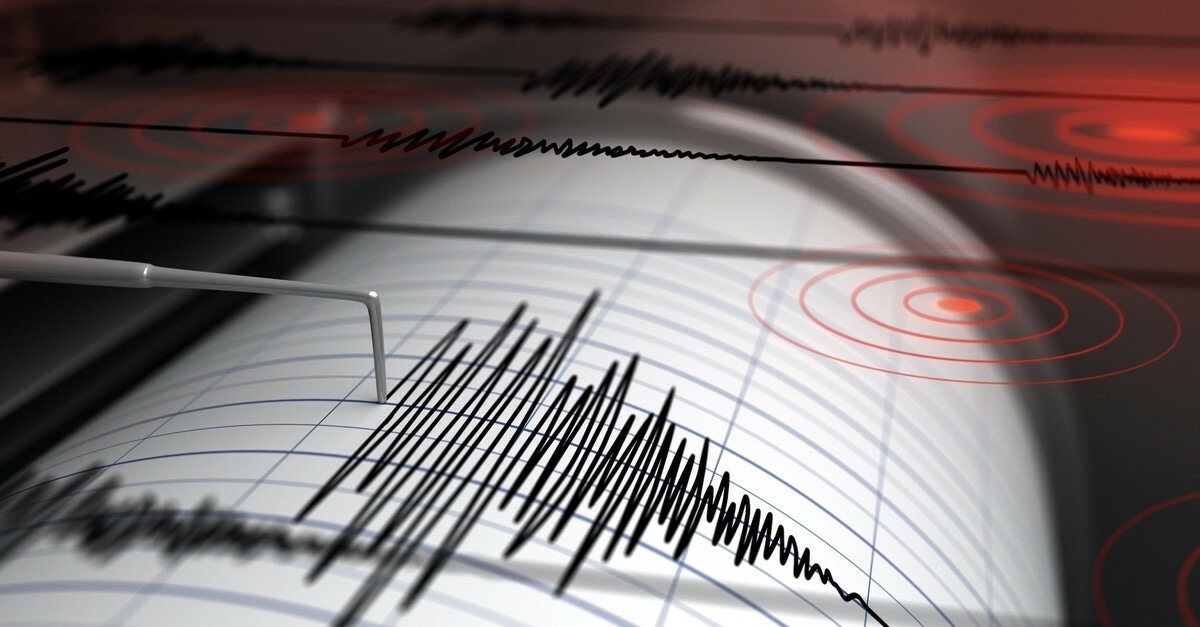
    A 5.4 magnitude earthquake has been felt in parts of Khyber Pakhtunkhwa and the capital of country on Thursday morning.

    The National Seismic Monitoring Centre (NSMC) said the earthquake’s epicenter was located in the Hindu Kush region and depth was 215 kilometers.

    The moderate earthquake tremors were felt in Islamabad, Rawalpindi and Lahore.

    The earthquake tremors also jolted KP cities, including Peshawar, Swat, Mardan, Malakand, North Waziristan, Charsadda, and surrounding areas.

  • Taliban government imposes ban on mixed martial arts in Afghanistan

    Taliban government imposes ban on mixed martial arts in Afghanistan

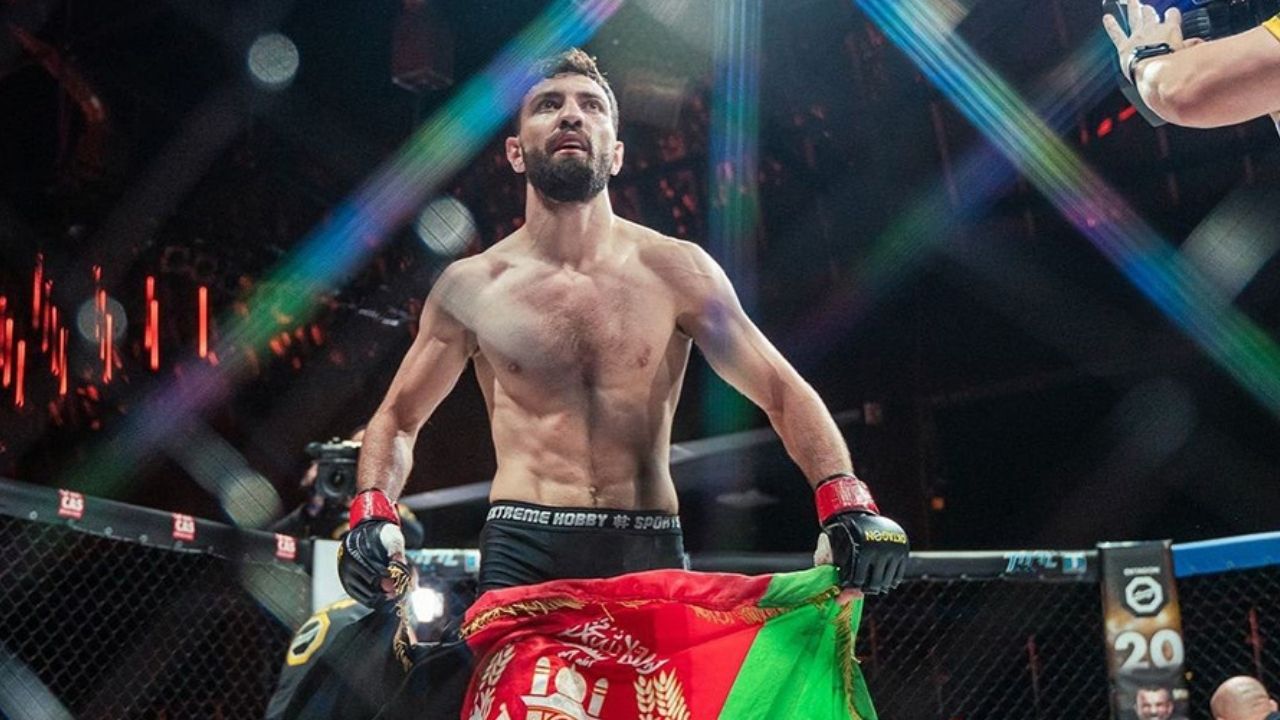
    The Taliban government of Afghanistan has imposed a ban on mixed martial arts (MMA), declaring the sport illegal in the country.

    Officials of the Ministry of Sports of Afghanistan said in a statement, “The government has banned mixed martial arts, considering it illegal. An investigation revealed that the sport has Shariah-related issues and many aspects that are against Islamic teachings.”

    MMA was partially banned once before because it was considered violent and risked injury or death.

    Martial arts is one of the most popular sports in Afghanistan. At the recent Paris Olympics, four of Afghanistan’s 11 athletes were from martial arts, representing the national or refugee Olympic teams.

    MMA has not been recognized as a sport in the Olympics, partly because of concerns about the sport.

    Taliban came to power in August 2021 and habe since banned girls’ from going to school or colleges, stoped women from working, and has introduced other strict laws including banning women from singing in public.

  • Virat Kohli’s deep fake video slamming Shubman Gill is all over the internet

    Virat Kohli’s deep fake video slamming Shubman Gill is all over the internet

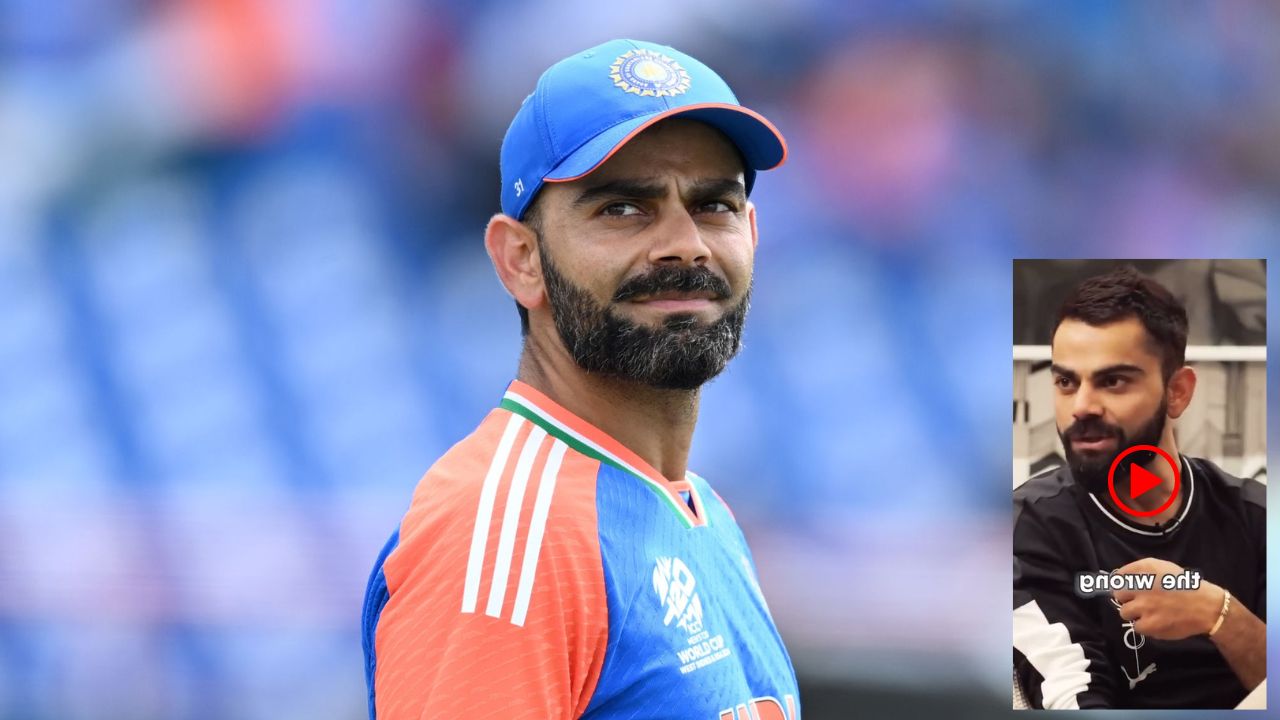
    A deep fake video of Indian cricket team star batsman Virat Kohli has gone viral on social media, in which Kohli criticises fellow cricketer Shubman Gill. However, social media users are calling the video out, saying it’s a deep fake.

    It all started as 24-year-old Shubnam Gill was being hailed as the next big player in India, with many debating that he could not reach the level of star batsman Virat Kohli.

    In the fake video, Virat Kohli can be seen taking the young cricketer’s name and criticising him, saying, “There is a big difference between playing great and becoming a legend. I have seen Shubman very closely; he is talented, his technique is amazing, and people call him Virat Kohli of the future, but people must understand that there is only one Virat Kohli.”

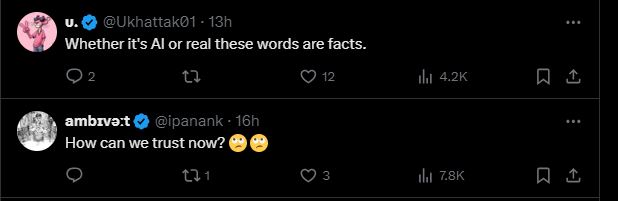
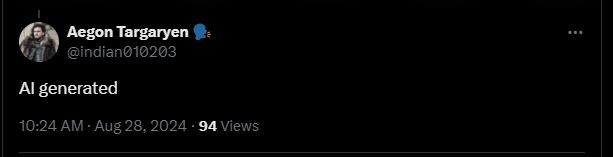
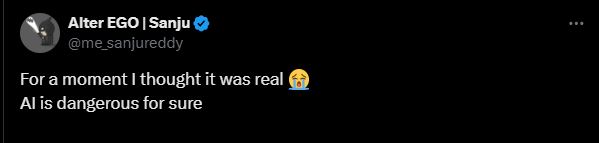
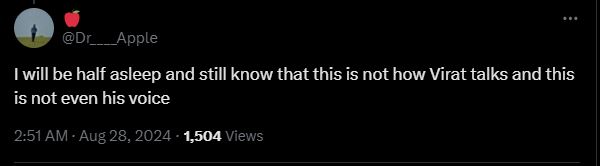
    Many Virat Kohli’s fans reacted to the post and pointed out the edited parts of the video.

    Here are some reactions.

  • Moody’s upgrades Pakistan’s credit rating to Caa2, citing improved economic stability

    Moody’s upgrades Pakistan’s credit rating to Caa2, citing improved economic stability

    Moody’s Investors Service has upgraded Pakistan’s long-term issuer rating from “Caa3” to “Caa2” with a stable outlook, reflecting a moderate improvement in the country’s macroeconomic conditions and external financial position.

    This decision follows a similar move by Fitch Ratings in July, which upgraded Pakistan’s credit rating from “CCC” to “CCC+.”

    Moody’s stated that the upgrade is a result of reduced default risks, which are now more consistent with a Caa2 rating.

    This improvement is partly due to greater certainty in Pakistan’s external financing, bolstered by the sovereign’s staff-level agreement with the International Monetary Fund (IMF) on 12 July 2024, for a 37-month Extended Fund Facility (EFF) worth $7 billion. The IMF Board is expected to approve the EFF in the coming weeks.

    Pakistan’s foreign exchange reserves have nearly doubled since June 2023, although they remain below the levels required to meet its external financing needs. The country continues to rely on timely support from official partners to fully meet its external debt obligations.

    Despite the upgrade, Pakistan’s Caa2 rating still reflects very weak debt affordability, which poses a significant risk to debt sustainability. Moody’s expects interest payments to consume about half of the government’s revenue over the next two to three years. The rating also takes into account the country’s weak governance and high political uncertainty.

    The stable outlook indicates a balance of risks, with potential for further improvement if the government can reduce its liquidity and external vulnerability risks and achieve better fiscal outcomes, supported by the IMF programme.

    Sustained implementation of reforms, particularly those aimed at increasing government revenue, could enhance debt affordability. Timely completion of IMF reviews would enable Pakistan to secure continued financing from official partners, essential for meeting external debt obligations and rebuilding foreign exchange reserves.

    The upgrade to Caa2 from Caa3 also applies to the backed foreign currency senior unsecured ratings for The Pakistan Global Sukuk Programme Co Ltd, which Moody’s views as direct obligations of the Government of Pakistan. The outlook for The Pakistan Global Sukuk Programme Co Ltd is positive.

    Additionally, Moody’s has raised Pakistan’s local and foreign currency country ceilings to B3 and Caa2 from B3 and Caa1, respectively.

    The two-notch gap between the local currency ceiling and the sovereign rating is due to the government’s significant role in the economy, weak institutions, and high political and external vulnerability risks.

    The two-notch gap between the foreign currency ceiling and the local currency ceiling reflects limited capital account convertibility and relatively weak policy effectiveness.

  • Latif Khosa criticises inactive PTI leadership in Punjab

    Latif Khosa criticises inactive PTI leadership in Punjab

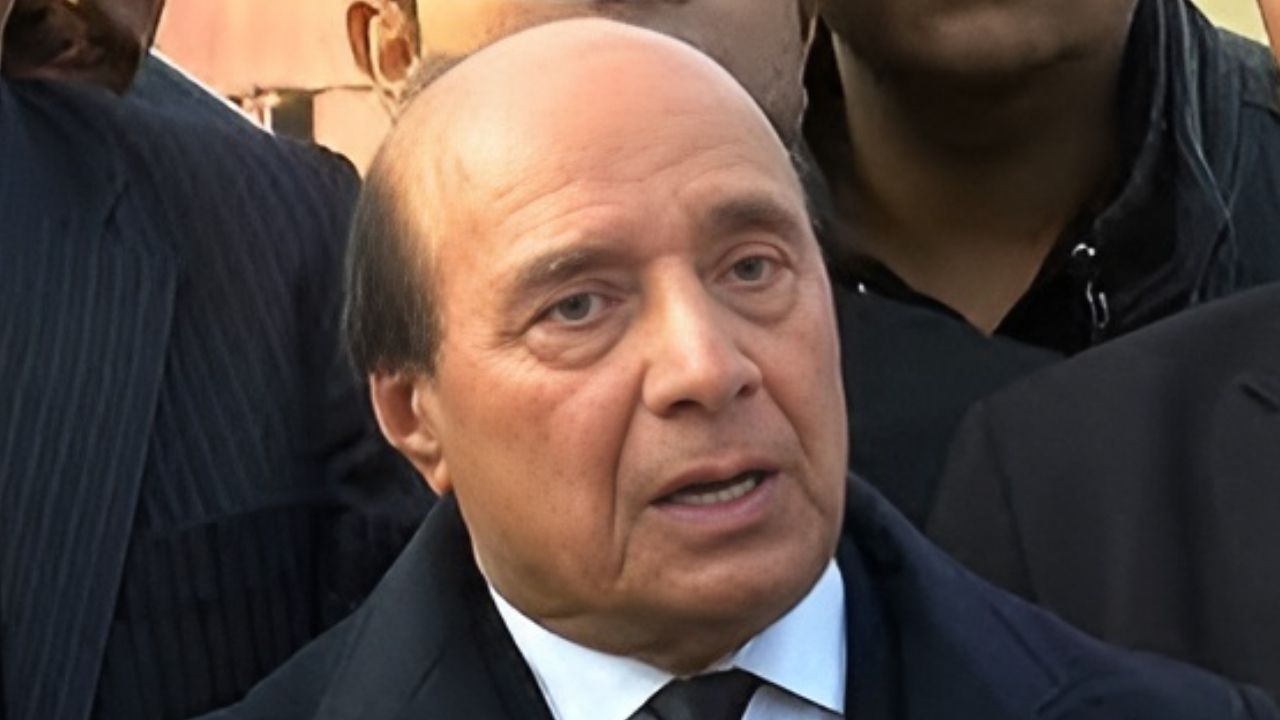
    Senior leader of Pakistan Tehreek-e-Insaf (PTI) Latif Khan Khosa claimed on Geo talk show Aaj Shahzeb Khanzada Kay Saath that the PTI core committee is dissatisfied with the Punjab leadership due to its inactivity.

    He said, “The incumbent government is so afraid of the PTI rally that they are using the argument of law and order to besiege the area and enforce Section 144.”

    Commenting on PTI leader Hammad Azhar’s statement about marching towards Adiala Jail, Khosa said, “It was a non-serious and political statement.”

    He further stated, “Imran Khan doesn’t want any unrest in the country, which is why Khan postponed the August 22 rally that was scheduled for Islamabad.”

    “The committee will oversee and monitor the rally on September 8, headed by the Punjab leadership, and report to Imran Khan,” he added, commenting on the core committee’s role in the Islamabad rally.

  • Natasha on Ice: What does it do to your body?

    Natasha on Ice: What does it do to your body?

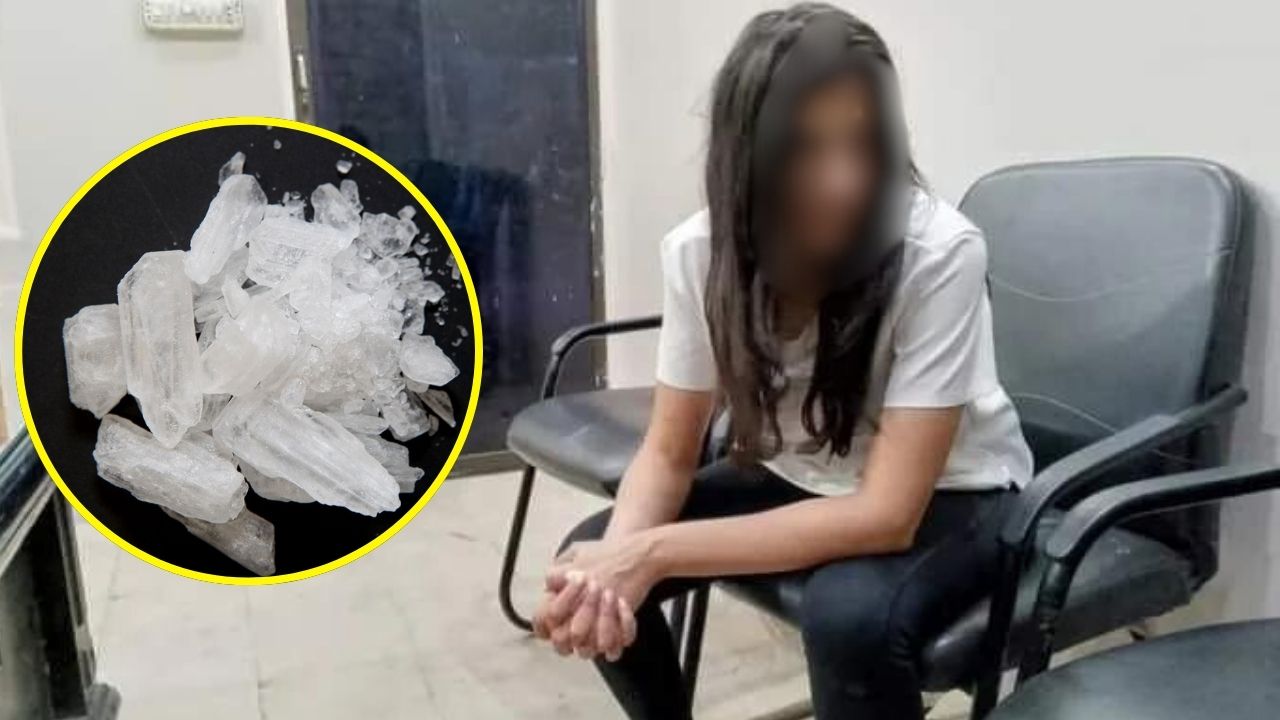
    The presence of Ice was found in the urine samples of the accused woman who killed the father and daughter riding a motorcycle and injured a few others on Karsaz Road.

    ARY News has confirmed that the Ice found in her urine samples is Ice.

    How does Ice impact the body of the user?

    Ice, also known as crystal meth, is an illegal methamphetamine that stimulates the central nervous system and is primarily used as a recreational drug.

    The effect of meth is dependent on the person’s weight and health alongside the amount of the drug.

    What do people addicted to ice experience?

    • Hyperactiveness: Users feel more energised and alert, which can influence their sense of time and increase focus.

    • Euphoria and Confidence: Many users experience a sense of euphoria, increased self-esteem, and confidence. This can lead to overconfidence and risky behaviours.

    • Altered Perception: Meth can distort sensory perceptions, making colours seem more vivid and sound more intense. This might affect how the world looks and feels, potentially causing hallucinations or paranoia.

    • Intensified Emotions: Emotions can become exaggerated, leading to extreme feelings of happiness or, conversely, anxiety and agitation.

    • Impulsivity and Erratic Behavior: The drug can impair judgment, leading to impulsive and sometimes dangerous behaviour.

    • Physical Symptoms: Meth use can cause increased heart rate, elevated blood pressure, and other physical effects that might make the user feel unusually alert or physically stimulated.

    Read more: Karsaz accident case: All you need to know

  • Exclusive:From ‘Bill Bill Pakistan’ to Shehzad Roy’s activism: Music’s power to challenge the status quo

    Exclusive:From ‘Bill Bill Pakistan’ to Shehzad Roy’s activism: Music’s power to challenge the status quo

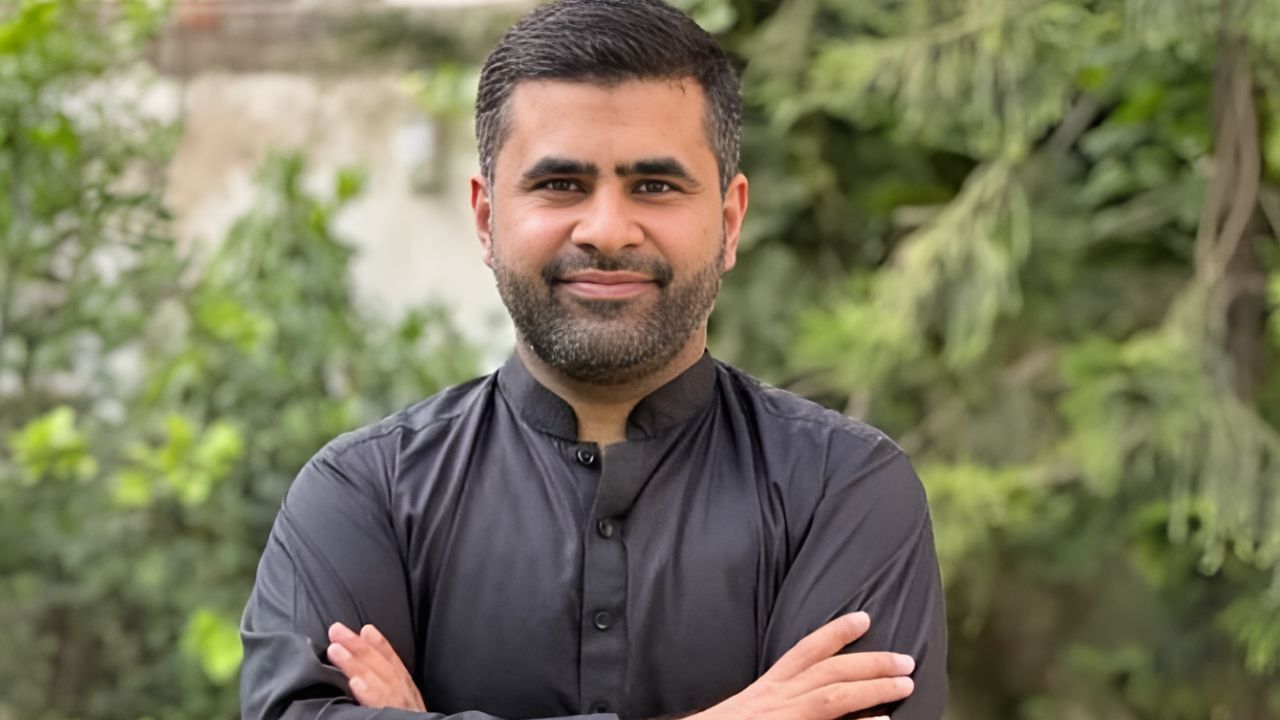
    Aun Ali Khosa, a digital content creator and singer, was abducted by unknown persons on August 14. Five days later, Khosa returned home. His song Bil Bill Pakistan criticized the government for massive increase in electricity bills.

    A Twitter thread posted by Marwah Khan highlighted the troubling incident but in reference to Pakistani music. She tweeted, “A guy singing mere “Bill Bill Pakistan” was abducted in 2024.

    Here is a thread of Shehzad Roy taking advantage of post Musharraf democratisation with unhinged bangers and timeless tracks.”

    In a country where music often turns to be the voice of resistance, one name has stood out loud and clear, all these years- Shehzad Roy, a man who chose his art to revolt against the status quo, to raise his voice for the need to bring reforms in some of the most crucial areas of Pakistani society.

    Singer and activist, Shehzad Roy is a man who used his art to rebel against the status quo and raise awareness of the need for reforms in some of the most significant areas of Pakistani society. In a nation where music frequently becomes the voice of opposition, Roy’s name has stood out loud and clear over the years.

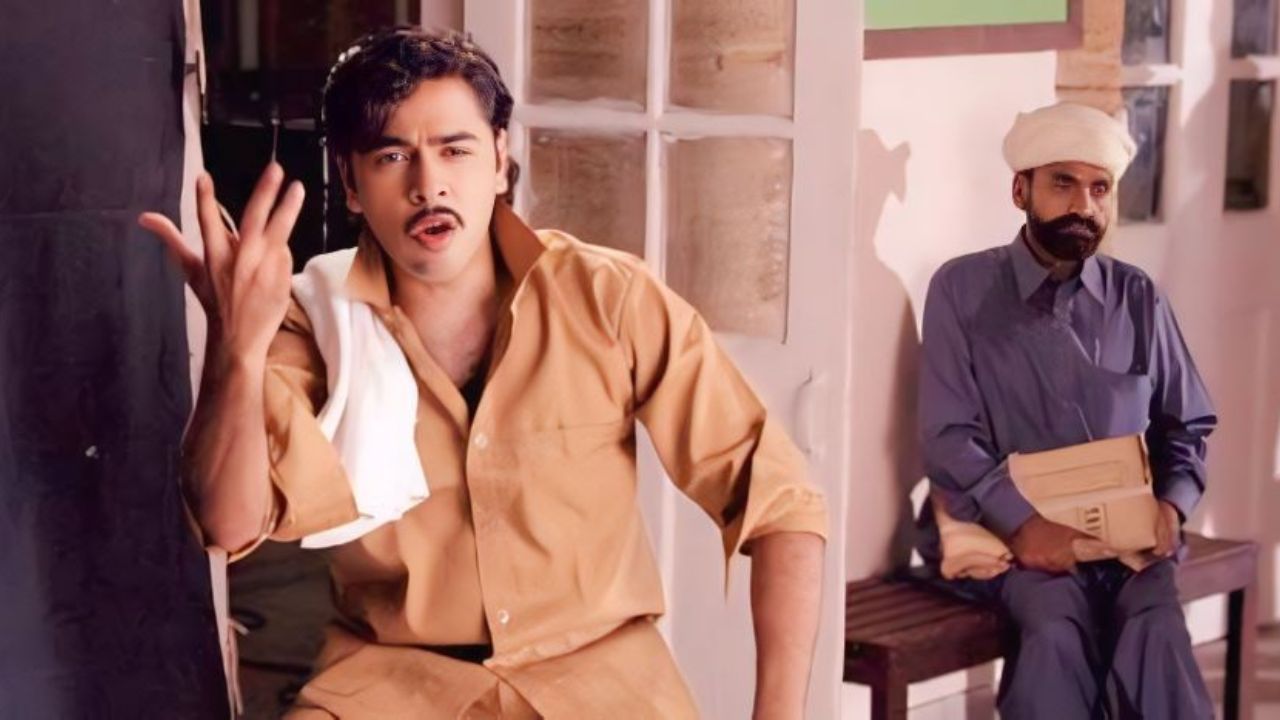
    In an exclusive conversation with The Current, Roy reflected on his music’s evolution, starting with his album ‘Laga Reh’ and songs like ‘Apay Ullu’ and ‘Qismat Apne Haath Mein.’

    Talking about Laga Reh, Roy said, “The political music that I converted was when I started to end the occupation of government schools. It all started in 2006-07 when we were fixing Fatima Jinnah Government School in Karachi, Garden West, which is an institution today because of which so many policies have changed. I kept going there and started writing all this. Because a school is just like mini Pakistan, a government school, where you have the occupation mafia, drug mafia, exploiting religion, exploiting culture, a whole teacher mafia, so all kinds of mafia you have there, that’s Mini Pakistan. When you turn around a government school properly, it’s like turning around Mini Pakistan. So from there I started writing songs. So when Laga Reh Hai album came out, especially Laga Reh, before that, I started writing songs.”

    Roy’s political music portfolio started growing during this time of activism in education and identified with the struggle and hopes of Pakistanis.

    “So before Laga Reh, Wasu and I had our song Apnay Ullu, which reflects Pakistan’s history. Then we have Qismat Apne Haath Mein which was obviously a bullshit song,” Roy added.

    Shehzad talked about how his political songs and school reform efforts have led to major changes.

    “Whatever political songs I have sung, because of the songs or when I was reforming the government schools, removing the qabza. And now the qabza have ended in Karachi schools. Generally it is contagious and it has an impact on the whole of Sindh and the whole country. When we were trying to implement the curriculum of sexual abuse, which is not taught in the best private schools, there many articles were published against me. Some people said that this is against our religion, although how to save children from sexual abuse is instructed by our religion. So that curriculum was implemented. Scholars approved that saving children from sexual abuse is in accordance with the Quran and Sunnah.”

    The Laga Reh singer also discussed the threats he faced due to his activism and music.

    “So, there were multiple types of threats. I have never focused on anyone when I write my songs. I have never written against a person, a political party or an institution. I have always kept a philosophical argument. And they say that 50 percent of knowledge is in asking the right question. So I have tried to raise that question, which we can all answer in our own way. I have never given a sweeping statement that so-and-so is bad and this is good.”

    Shehzad Roy also discussed the controversy that surrounded his song ‘Waja,’ which was shot in Balochistan.

    “The song Waja, which we shot in Balochistan, we told a lot of positive things in it, but in it, the guy who sings in Baloch language, is saying that the state should never make its people cry. It should not fight its people. There was controversy over that as well. I don’t know why I said that Balochistan is developing. Although I gave both points of view. But because he was speaking in Baloch language, people may have not understood what was said,” Shehzad Roy added.