Blog

  • Rana Sanaullah says PTI repeating India’s narrative

    Rana Sanaullah says PTI repeating India’s narrative

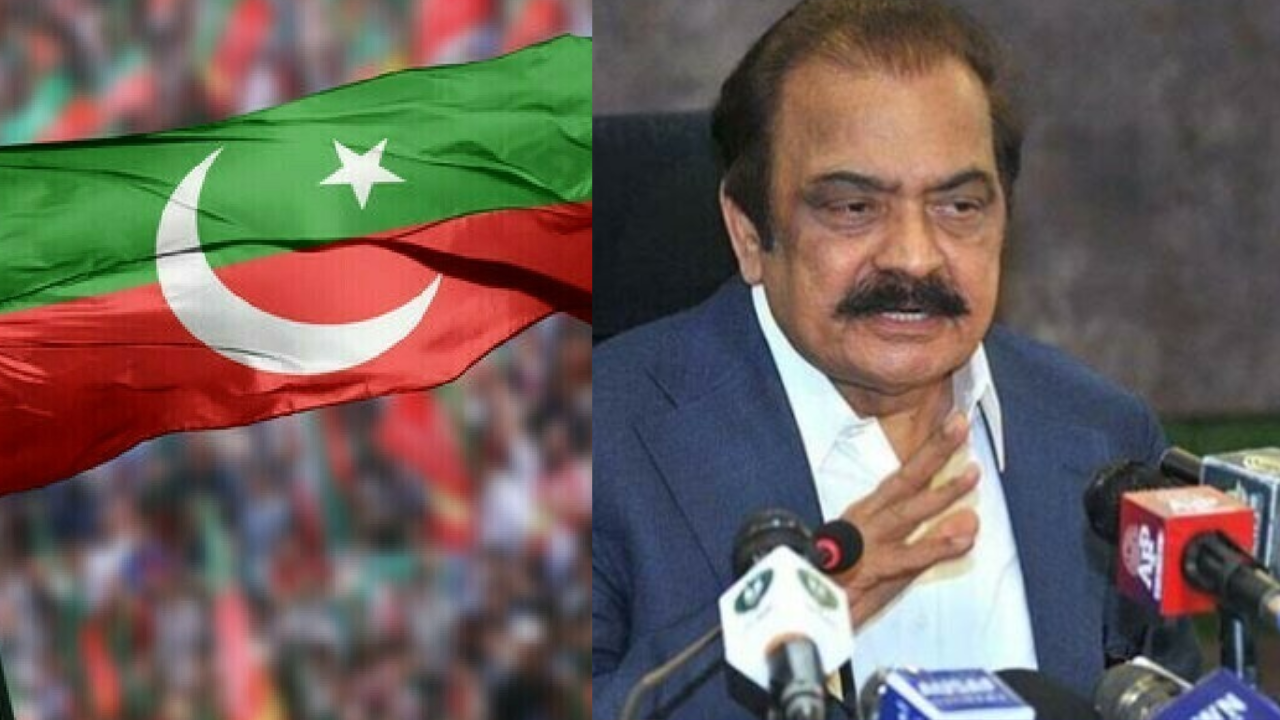
    Prime Minister’s Political Adviser Rana Sanaullah has stated that the Pakistan Tehreek-e-Insaf (PTI) is unwilling to participate in discussions, alleging that Imran Khan has restricted party members from negotiating. 

    He mentioned that the government made numerous attempts to open communications for conversations with PTI, but there was no reaction from the party. He believes that if PTI had accepted the prime minister’s invitation for talks, the political climate in the country could have calmed down.

    Rana Sana said “Imran Khan and PTI leaders are repeating the same narrative that India is giving”. He noted that this narrative was being echoed in public statements and was influencing the party’s current political stance.

    He alleged that a large fraction of PTI’s leadership no longer aligned with the direction set forth by the party founder. “Approximately 80 percent of PTI members presently do not agree with Imran Khan’s policies and political strategy,” he commented.

    In a separate interview on a private news channel, Rana Sanaullah referred to remarks made during a recent rally, suggesting those comments would be noted by the relevant authorities, and they would do so decisively. He indicated that the individuals  passing the statements were pushing themselves towards repercussions for their actions. “The majority of PTI will not partake in this insanity,” he predicted. 

    Rana Sana indicated that potential for a treason case against Imran Khan could not be dismissed. He expressed that the situation might progress toward legal procedures that would define the political future of the PTI founder. He suggested that Imran Khan’s journey might parallel that of the MQM and its founder Altaf Hussain. 

    He remarked that the rifts within PTI were becoming increasingly apparent and noted that, in his opinion, the distinction between what he termed Pakistan Tehreek-e-Insaf and “Adiala Tehreek-e-Insaf” would soon be evident. He mentioned that these discrepancies were emerging in light of recent political events and reactions from party members who no longer agreed with the existing strategy.

  • Karachi police confirm triple homicide at Gulshan apartment

    Karachi police confirm triple homicide at Gulshan apartment

    Karachi police have confirmed that the deaths of three women inside a Gulshan-i-Iqbal apartment were a homicide, and a murder case against unknown person(s) has been registered.

    On Sunday, Samina, 52, her 19-year-old daughter Samreen, and her 22-year-old daughter-in-law Maha were found dead. Muhammad Yaseen, Samina’s son, was taken to the hospital after being found unconscious at the scene. 

    Station House Officer (SHO) concerned Mohammed Naeem Rajput said that police have started a thorough investigation and filed a case under Section 302 (premeditated murder) on behalf of the state.

    Yaseen has since recovered consciousness, but investigators have not been able to record his statement since he is “not cooperating”, Senior Superintendent of Police (SSP) East Zubair Nazir Ahmed Shaikh said.

    Police have some clues, the SSP added, but it is too soon to reveal any specifics to the public. 

    Additionally, he affirmed that Yaseen’s father, Muhammad Iqbal, was the one who first reported the bodies and that both father and son remain under close observation. 

    According to police surgeon Dr Summaiya Syed, Maha’s body showed partial decomposition, suggesting that the victims passed away at different times – a key factor strengthening investigators’ suspicion of murder.

    SSP Shaikh had on Sunday already ruled out gas leakage as the cause of death, noting there were no signs of forced entry, strangulation or visible injuries, further deepening the mystery around the case as inquiries continue.

  • Adil Raja, Shahzad Akbar could soon be sent back to Pakistan

    Adil Raja, Shahzad Akbar could soon be sent back to Pakistan

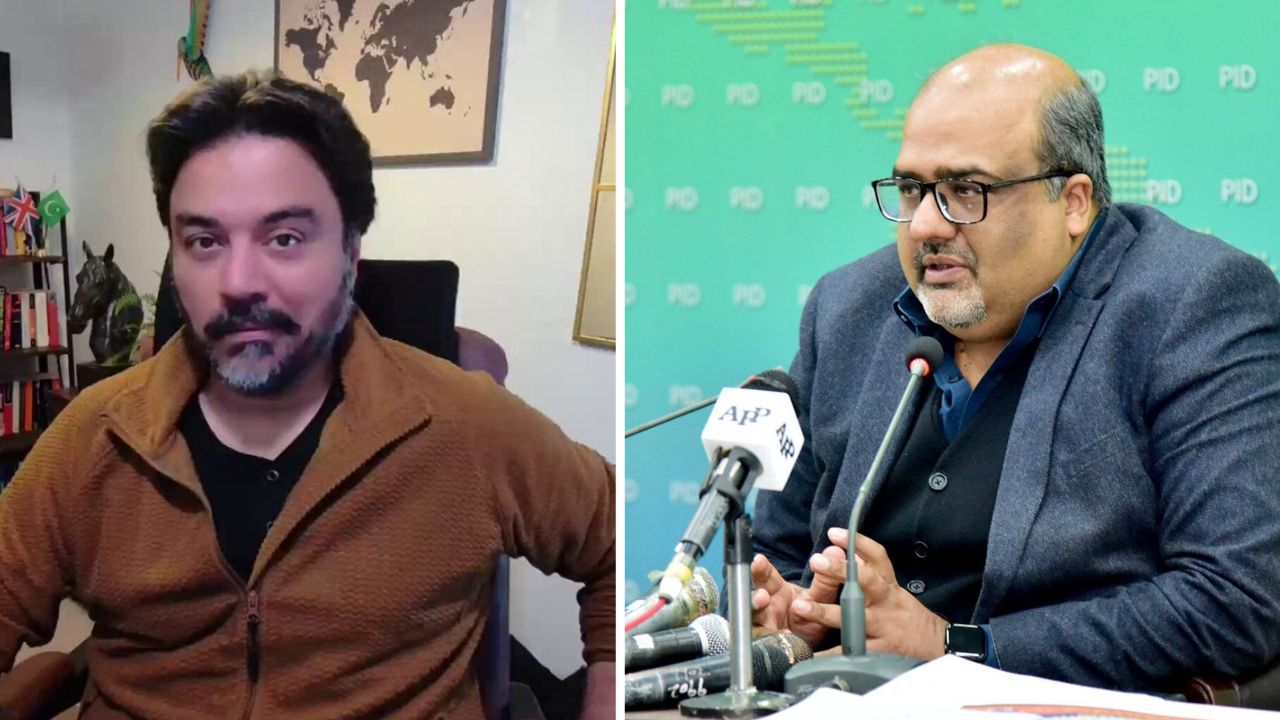
    YouTuber and self-proclaimed political and defence expert Adil Raja, as well as ousted premier Imran Khan’s accountability aide Shahzad Akbar, could soon be extradited to Pakistan, it has emerged.

    As per the details, Interior Minister Mohsin Naqvi on Monday visited the British Home Office in London where he met with officials to reiterate request for the extradition of individuals wanted by Pakistan.

    During the meeting, the Pakistani government presented a detailed dossier supporting its request, reports quoted officials as saying.

    Pakistani High Commissioner to the United Kingdom (UK), Dr Mohammad Faisal, accompanied the interior minister during the visit that comes days after Naqvi also met UK High Commissioner Jane Marriott and handed her over the extradition papers for Raja and Akbar.

    The meeting on Thursday had come three days after Naqvi announced a crackdown on those involved in fake news, declaring that the government would repatriate from the UK YouTubers involved in this activity or the targeting of state institutions.

    Currently, no formal extradition treaty exists between Pakistan and the UK, though Section 194 of the UK Extradition Act 2003 contains provisions for special “ad hoc” extradition arrangements.

    According to a statement released by the interior ministry, Naqvi held an “important” meeting with Marriott in Islamabad, where the two discussed Pak-UK relations, security cooperation and issues of mutual interest.

    They also discussed the return of Pakistanis illegally residing in the UK, it added.

    “The extradition papers for Akbar and Raja from the government of Pakistan were handed over [to Marriott],” the statement said, adding that both individuals are wanted in Pakistan and should be handed over to Pakistan immediately.

    He also provided evidence against Pakistani citizens who were spreading propaganda, the statement said.

    “I fully believe in freedom of expression, but fake news is a problem for every country,” he said, as per the statement.

    “No country can allow slander and defamation against state institutions from those sitting abroad,” the minister said. Naqvi also said that Pakistan would welcome British cooperation for the return of those who “spread anti-Pakistan propaganda”.

    The statement further said that the interior ministry had initiated the extradition process through the Ministry of Foreign Affairs.

  • Did Wasim Akram just take a dig at IPL, BBL?

    Did Wasim Akram just take a dig at IPL, BBL?

    Former Pakistan cricket captain and legendary fast bowler Wasim Akram has taken a humourous jab at the months-long T20 cricketing leagues, praising the shorter format of the Pakistan Super League (PSL).

    Speaking at the PSL’s historic roadshow at Lord’s Cricket Ground in London on Monday, Akram highlighted the league’s efficient scheduling as one of its key strengths. 

    “The best thing about PSL is that it lasts for 34 days or a bit more next year. It’s not three months long like other leagues,” he said. 

    “Bachay bade ho jate hai, woh league khatam hi nahi hoti [kids grow up but the league doesn’t end],” he remarked, in an apparent reference to the Indian Premier League (IPL) and Big Bash.

    He explained that foreign players prefer shorter commitments when playing in leagues.

    “At least foreign players, when they come to Pakistan, to any league, they prefer to be there for 35 to 40 days. More than that, two and a half, three months is a bit too long for everyone. I mean, even I get bored watching league cricket for three months,” he said.

    He cited the Big Bash League as a prime example of leagues realising the drawbacks of extended formats.

    “It started out for three months, two and a half months, and now they realized after about four, five years, it’s not working. And now their period, I think now their time is about 40 days. About 40 days, 10 games each, six teams and finish off,” he added.

    Akram also addressed team owners directly, urging them to stop questioning coaches after match defeats. 

    “Owners often approach coaches immediately after losses and ask why they lost the match. This question has no clear answer because cricket is a sport where sometimes you win and sometimes you lose.”

    Several former and current cricketers attended the event, including Wasim Akram, Ramiz Raja, Babar Azam, Haris Rauf and Sahibzada Farhan. 

    PCB Chairman Mohsin Naqvi, global investors and commercial partners also joined the roadshow.

  • IMF confirms $1.2bn release as Pakistan meets programme targets

    IMF confirms $1.2bn release as Pakistan meets programme targets

    The International Monetary Fund (IMF) has sanctioned an additional disbursement of approximately $1.2 billion for Pakistan through the Extended Fund Facility and the Resilience and Sustainability Facility. This approval came after the Fund’s Executive Board meeting in Washington, D.C., where the second review of the EFF and the first review of the RSF were finalized. 

    With this release, the cumulative disbursements under these two arrangements have reached around $3.3 billion. 

    In its statement, the Board highlighted that Pakistan’s “strong programme implementation, despite the recent catastrophic floods, has preserved stability and enhanced both financing and external conditions.”

    It noted that the focus of policy priorities remains on macroeconomic stability, reforms in public finance, enhancing competition and productivity, reforms involving state-owned enterprises, and improvements in the energy sector.

    Pakistan recorded a primary surplus of 1.3 percent of GDP in FY25, which the IMF stated aligned with programme goals. At the conclusion of FY25, gross reserves were $14.5 billion, an increase from $9.4 billion the previous year. The Board noted that inflation had risen due to the impact of floods’ on food prices, yet deemed this increase temporary.

    IMF Deputy Managing Director and Acting Chair Nigel Clarke stated that Pakistan must uphold policies that foster stability. “Given the unpredictable global environment, Pakistan needs to maintain prudent policies to solidify macroeconomic stability while speeding up the reforms required for stronger, private sector-led, and sustainable growth in the medium term,” he remarked.

    Regarding revenue enhancements, Clarke indicated that Pakistan must “progress with reforms to boost revenues through the simplification of tax policy and broadening the tax base,” stressing that this is crucial for fiscal sustainability and for creating opportunities for climate resilience, social protection, human capital, and public investment.

    Clarke emphasized that energy reform is pivotal to the programme. He mentioned that timely adjustments in power tariffs have “contributed to reducing the accumulation and flow of circular debt,” and stated that the following phase should focus on “sustainably lowering electricity production and distribution costs while tackling inefficiencies in the power and gas sectors.”

    The IMF noted that the RSF tranche will aid Pakistan’s climate initiatives. Clarke explained that the RSF supports efforts to “enhance natural disaster response and financing coordination, optimize the use of limited water resources, incorporate climate considerations in project selection and budgeting, and improve the comprehension of climate-related risks in financing decisions.” He pointed out that the recent floods highlighted the pressing need to progress on climate reforms.

    The IMF remarked on Pakistan’s release of the Governance and Corruption Diagnostic Assessment, noting that additional efforts are necessary regarding the governance of state-owned enterprises, privatization, the business climate, and enhancements in economic data and statistics.

  • Pakistan to get $64.9m from UN’s $33bn global aid plan

    Pakistan to get $64.9m from UN’s $33bn global aid plan

    The United Nations and its partners on Monday unveiled their 2026 global humanitarian appeal, setting aside $64.9 million specifically for Pakistan to support 1.9 million vulnerable people. 

    The allocation is part of a massive $33 billion plan designed to protect communities affected by wars, climate disasters, disease outbreaks, earthquakes and crop failures across the world.

    The immediate objective is to raise $23 billion to give 87 million people life-saving aid, according to the UN Office for the Coordination of Humanitarian Affairs (UNOCHA).

     The global appeal, known as the ‘2026 Response Plan’ with the theme “Life by Life,” intends to reach 135 million people over the course of the year through six refugee and migrant response plans and 23 nation operations.

    98 million people still received aid in 2025, according to UNOCHA, despite a lack of funds and an increase in attacks on aid workers.


    The largest individual appeal for 2026 is for the Occupied Palestinian Territory, where the UN estimates that $4.1 billion is needed to help three million people who are dealing with previously unheard-of levels of violence and devastation.

    The greatest regional plan covers Syria, which requires $2.8 billion to help 8.6 million people, while Sudan, which has the biggest displacement disaster in the world, needs $2.9 billion for approximately 20 million people.

    The UN emphasized that there were significant financial setbacks in 2025, with the $12 billion raised being the lowest amount in ten years. Consequently, compared to 2024, 25 million fewer people were reached.

    The effects have been catastrophic: millions of people have been left without financial support, protective services, or even basic housing, health institutions have disintegrated under pressure, hunger has increased, and mine-clearing activities have stagnated. Throughout the year, around 320 relief workers the majority of whom were local employees were killed. 

    The new appeal, according to UN Humanitarian Chief Tom Fletcher, focuses on allocating resources “life by life” and transforming humanitarian efforts to be more effective and locally driven.

    “We’re shifting power to local organisations, directing more funding straight to communities, and reimagining humanitarian action with idealism and hope,” he added.

  • ICC faces major setback as Jio Star pulls out of India broadcast deal

    ICC faces major setback as Jio Star pulls out of India broadcast deal

    The International Cricket Council (ICC) faces a major financial crisis after Jio Star reportedly informed the organization that it cannot continue with the remaining two years of its broadcast rights contract for ICC events in India. 

    According to media reports, Jio Star incurred heavy financial losses under the current four-year agreement.

    Reports say Jio Star’s early withdrawal has left the 2024-27 rights cycle incomplete, raising questions about how future ICC events will air or stream in India, particularly the T20 World Cup 2026, which India will host.

    In response to the crisis, ICC has launched a fresh sales process for the 2026-29 broadcast rights with expectations to generate approximately $2.4 billion. 

    The global body has reportedly contacted several major platforms including Sony Pictures Networks India (SPNI), Netflix and Amazon Prime, but no platform currently wants to sign an expensive deal. 

    The report also reveals that Jio Star has increased its estimated potential losses in sports contracts for 2024-25 from PKR12,319 crore to PKR25,760 crore, highlighting the severe financial pressure from long-term expensive broadcast agreements.

    Reports added that the situation points to a major structural challenge in India’s sports broadcasting industry, where advertising revenue and subscription numbers cannot match the expenses of costly cricket event broadcast rights. 

    This explains why even strong broadcasters like Jio Star now adopt a cautious approach toward long-term sports deals.

    Experts say this development could also affect the pricing of Indian Premier League (IPL) broadcast deals in the future.

  • Punjab admission policy ignores PM’s 15 percent overseas quota order

    Punjab admission policy ignores PM’s 15 percent overseas quota order

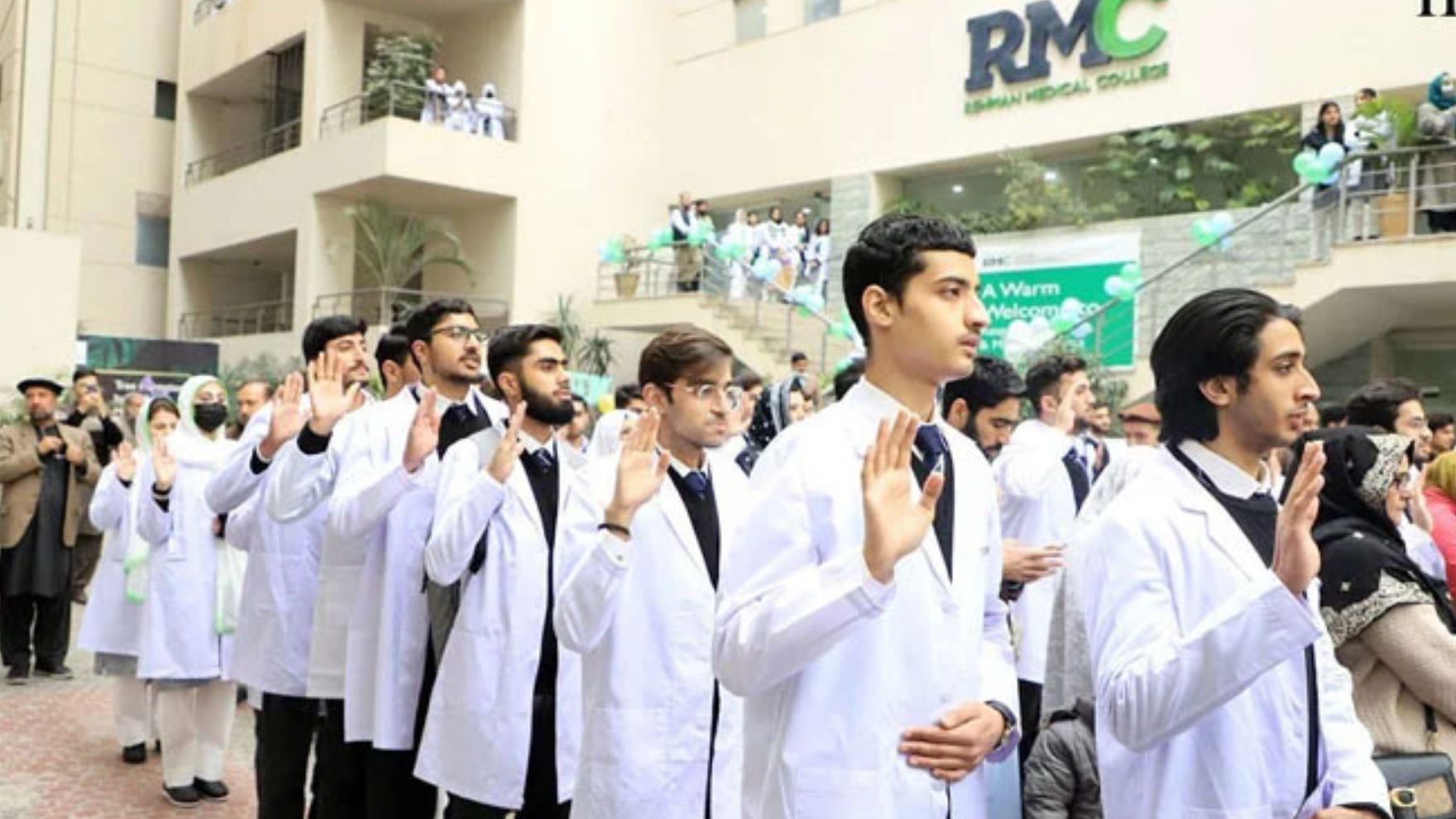
    The Punjab government has not raised the number of seats allocated for the children of overseas Pakistanis in public medical and dental colleges, despite a prior commitment from Prime Minister Shehbaz Sharif.

     In April, the prime minister announced that 15 percent of medical college seats across the country would be set aside for the children of expatriates, allowing over 3,000 students to access medical education in Pakistan.

    Currently, only 66 seats in a total of 20 government medical and dental colleges in Punjab are designated for overseas Pakistanis, which constitutes less than two percent of the overall seats. The Pakistan Medical and Dental Council (PMDC) informed the Ministry of Overseas Pakistanis that it had acted on the prime minister’s directive and relayed this information to relevant parties.

    However, the Punjab government’s admission policy for 2025–26 does not indicate the promised increase. The policy, announced in October, has also eliminated free education for overseas Pakistani students in government institutions.

     According to revised regulations, students applying under the overseas quota are now required to pay an annual fee of US$10,000. Punjab’s public sector medical and dental colleges currently offer a total of 3,379 seats, which include 3,121 for MBBS and 258 for BDS programs.

    A representative from the University of Health Sciences (UHS) stated that the prime minister’s directive pertains only to private medical colleges, where the PMDC has historically implemented a 15 percent quota. Private colleges charge substantial fees, approximately Rs2.5 million annually, which has deterred many overseas Pakistanis from submitting applications. Unfilled seats are frequently converted to open merit.

    Overseas Pakistanis express that their primary concern lies within the public sector, where they are prepared to pay the US$10,000 fee if the quota is expanded to 15 percent. Increasing the quota would raise the number of designated seats in Punjab’s government colleges from 66 to about 500.

    Officials indicate that the provincial government is hesitant to increase the quota due to the burden on state-run medical colleges, which are already struggling to uphold academic standards. 

    An overseas Pakistani dismissed the UHS’s assertion, pointing out that the PMDC’s letter dated May 23 did not limit the 15 percent quota to private colleges. The correspondence clarifies that Pakistani citizens living abroad, including those holding Green Cards and Iqama, who have finished their intermediate or equivalent education inside or outside of Pakistan, qualify for the 15 percent foreign seats in both public and private medical and dental institutions.

  • UN urges Taliban to let Afghan women return to work

    UN urges Taliban to let Afghan women return to work

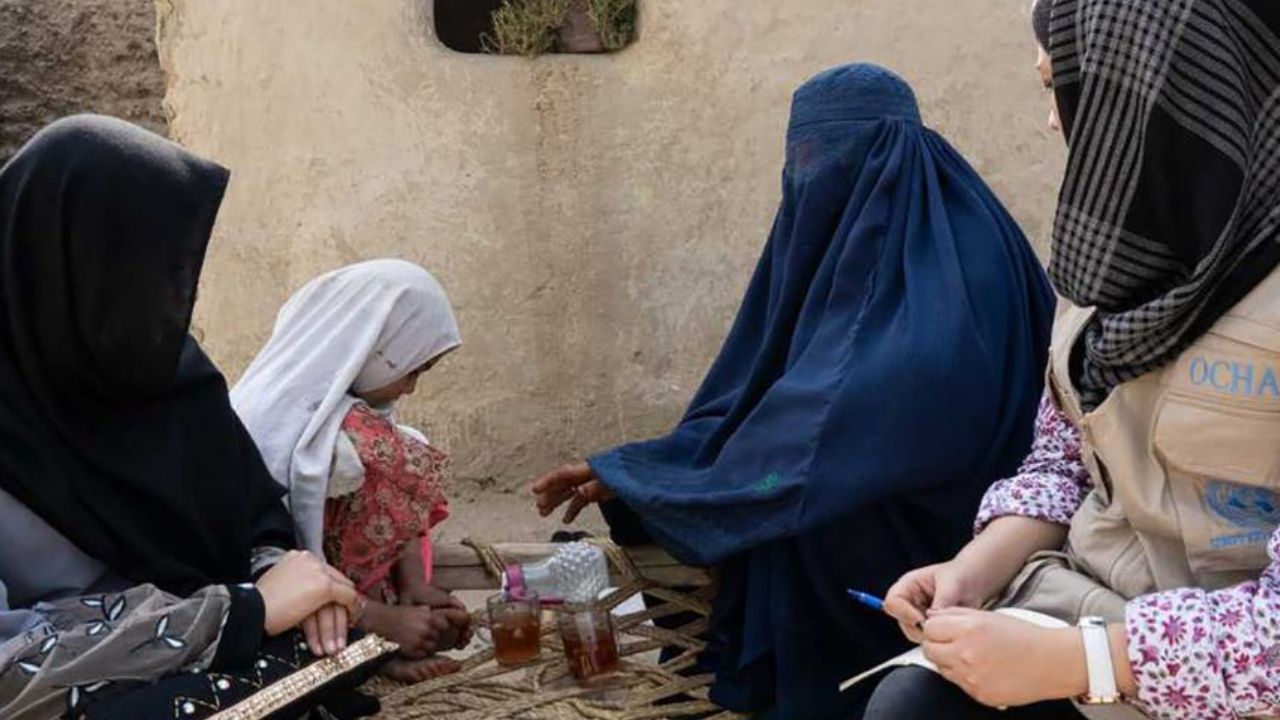
    The United Nations (UN) has urged Taliban authorities in Afghanistan to lift their ban on women working at UN offices, warning that the restriction is putting “life-saving services” at risk.

    Afghan women have experienced numerous restrictions since the Taliban took control in 2021, including restrictions on a majority of jobs, school attendance beyond the age of 12 and going to public places like parks and beauty salons.

    In September, the Taliban began barring female UN staffers from entering office premises.

    “We call for the ban on Afghan women staff and contractors from entering United Nations premises to be reversed, and for their safe access to offices and the field,” said UN Women Special Representative in Afghanistan Susan Ferguson.

    Ferguson emphasised the broader consequences of the restriction, pointing out that “the longer these restrictions remain in place, the greater the risk to these life-saving services” and emphasising that the actions go against the UN’s commitment to equality and human rights.

    Reports quoted sources as claiming that several hundred employees were currently impacted despite the UN not disclosing the precise number of women affected. 

    According to Ferguson, these women have been working remotely for the last three months, helping Afghan migrants deported from Pakistan and Iran as well as victims of recent fatal earthquakes.

    Describing their contributions as “indispensable”, Ferguson said, “Only through their presence can we reach women and girls safely and provide culturally appropriate assistance.”

    While the Taliban authorities did not immediately comment on the matter, the UN refugee agency halted financial aid for Afghan returnees in September of last year, citing difficulties in interviewing and gathering data on more than half of the female returnees.

  • Twin City Run unites hundreds to promote public transport and fight climate change

    Twin City Run unites hundreds to promote public transport and fight climate change

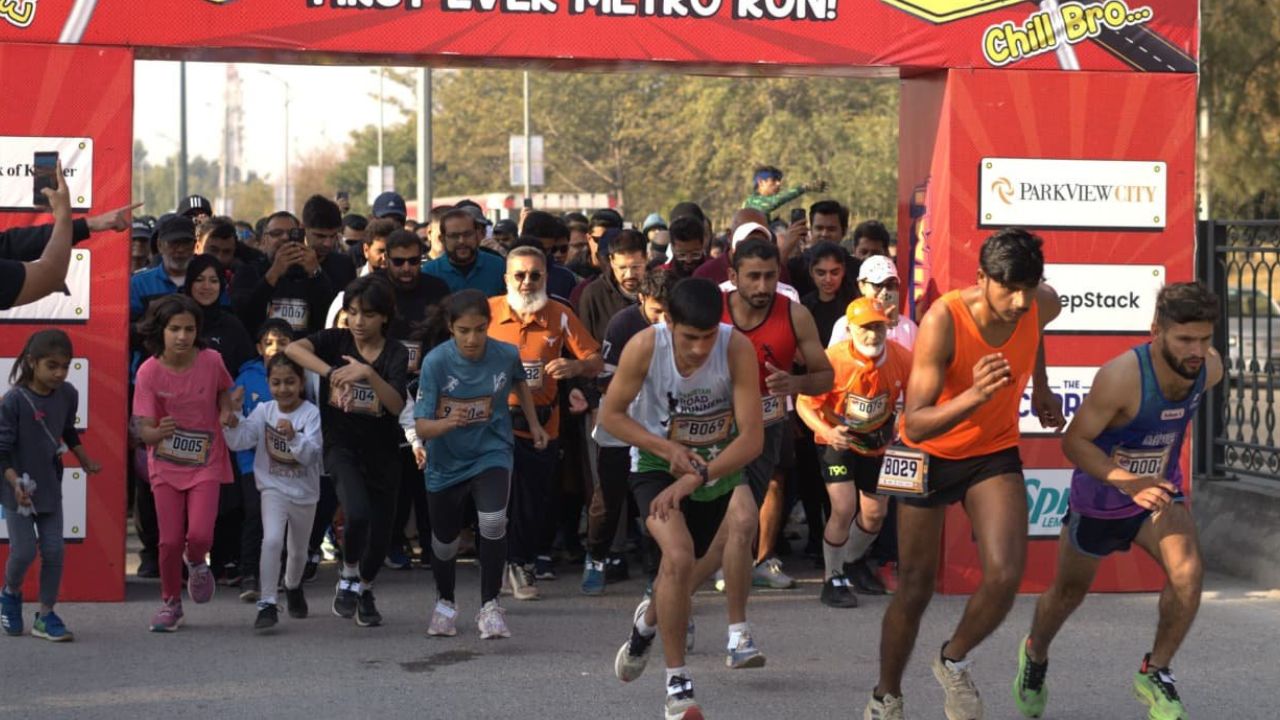
    The inaugural Twin City Run was a monumental success, bringing together hundreds of runners, families, and community members in a historic Half Marathon (21.1 km) connecting Rawalpindi and Islamabad and a 5 KM run. 

    The event kicked off with electric energy at the Saddar Metro Station, Rawalpindi. Participants followed a unique, scenic route that was more than just a race—it was a journey through history and modernity. The course passed alongside iconic landmarks like the Army Museum and the historic Raja Bazaar area of Rawalpindi before transitioning onto Islamabad’s wide avenues and culminating in a triumphant finish at the capital’s heart, D Chowk.

    The run was defined by its inclusivity, with hundreds of women and scores of families and children participating. 

    Runners universally loved the experience, especially running from one city into another, and praised the unique, commemorative medal.

    “Running directly from the historical heart of Pindi to the center of Islamabad was an amazing feeling, especially with the music powering us on,” commented Usman, who joined the race from Lahore.

     “And the run’s goal to promote environmental protection makes the achievement even more meaningful.” said Maria Memon as the journalist completed her 5K. 

    “The enthusiasm was incredible. Seeing women, children, and families run from the historical sites of Pindi to the center of Islamabad was a truly unique and unifying experience,” said Fahad Qureshi, organizer of the Twin City run.

    The atmosphere was amplified by live music along the route. Local artists provided non-stop motivation with powerful drumming and traditional dhol performances, fueling the runners’ energy as they progressed.

    A unique highlight for many runners was the special privilege of traversing sections of the elevated Metro track. This element reinforced the run’s larger purpose: to actively promote greater utilization of the Metro system as a means to reduce traffic pollution and contribute to a healthier, more sustainable environment in the twin cities.

    At the end of the event, the organizers extended thanks to all partners. “We are deeply grateful to the Rawalpindi and Islamabad Administrations for their comprehensive support,” said Yawar Sidiqqui, the race organizer. 

    “A special note of thanks goes to the Metro Transit Authority and their dedicated staff for their immense assistance in securing the route and facilitating this unique cross-city run.”

    The Twin City Run was the 1st ever event of its kind, where runners took the metro track for the run.