Blog

  • 28 killed, 40 injured in two separate blasts in Balochistan

    28 killed, 40 injured in two separate blasts in Balochistan

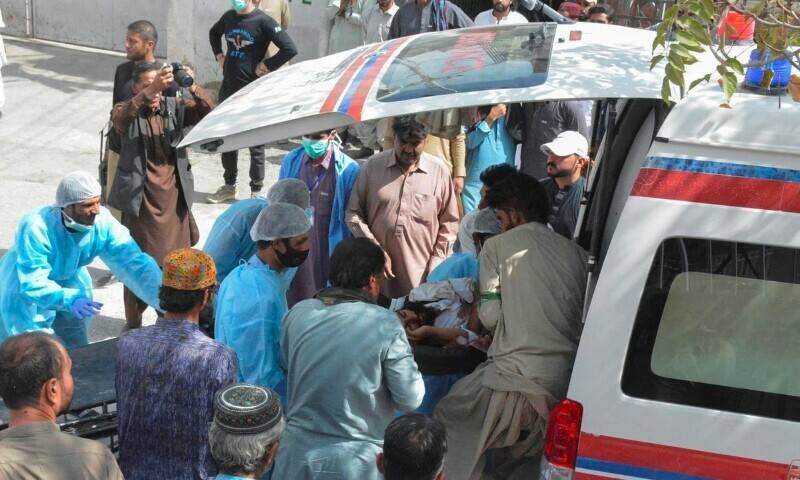
    At least 28 people have been killed and 40 injured in two separate blasts in Balochistan on Wednesday afternoon, just a few short hours before polling starts on election day.

    The first attack claimed at least 15 people’s lives while over 30 were injured after an explosion took place outside an independent candidate’s office in Balochistan’s Pishin. The second blast took place outside a Jamiat Ulema-e-Islam Fazl (JUI-F) office in the Killa Saifullah district.
    The Pishin blast happened outside the political office of independent candidate Asfand Yar Khan Kakar in the Khanozai area.

    Injured people have been shifted to the Tehsil Hospital Khanozai, while the bodies have also been transferred, the hospital’s MS Dr Habib told Geo News.

  • The ever-looming threat of disinformation in Pakistan

    The ever-looming threat of disinformation in Pakistan

    2024 is surely the most significant global election year in history so far as about 60 countries around the world will hold elections.

    Eyes are on major economies like Russia, India, USA, United Kingdom, and European Union that will also determine the alteration of the geopolitics of the next decade.

    But looming over the polls like a dark cloud is one danger that democracies are, or should be, wary of.

    The World Economic Forum (WEF) recently warned that misinformation and disinformation is a grave threat to the democratic process. This challenge cannot only mislead and influence the opinions of potential voters in already polarised societies, but also “disrupt” economies and even “trigger civil unrest and confrontation”.

    Additionally, with access to Artificial Intelligence (AI), deep fake videos, photoshopped images, voice cloning and illegitimate internet websites are a major hindrance in ensuring free elections and security.

    While AI is meant to serve in public’s advantage, it has been exploited in the worst possible ways.

    To give the most recent example, the Financial Times revealed in a report that a number of AI-generated videos were used during the days leading to the election day in Bangladesh to spread disinformation against the opposition Bangladesh Nationalist Party (BNP) and the U.S. This put in question the integrity of the Bangladeshi government in ensuring free and fair elections.

    Disinformation and Pakistan

    Since the ouster of former prime minister Imran Khan in April 2022 through a vote of no confidence, he has been in and out of court due to cases related to the diplomatic cipher, toshakhana gifts, his marriage to Bushra Bibi and more. Now jailed for 14 years, Khan and his party Pakistan Tehreek-e-Insaf are out of the election however, his party members are independently bearing the flag and have been campaigning for votes.

    Always being ahead of the campaigning game, PTI has conducted virtual jalsas after getting banned from holding in-person assemblies. The party went a step further by putting up an AI generated speech in the voice of Imran Khan.

    So while PTI has been “innovative” in their use of social media since the party has not been allowed to fully carry out their political activities, editor at Geo Fact Check, Benazir Shah, believes that with the lack of regulation in the use of AI, it poses a serious threat in a weak democracy like Pakistan.

    According to DataReportal, with a population of 238.1 million (as of January 2023), and 87.35 million internet users at the start of 2023, Pakistan has been home to 71.70 million social media users i.e. 30.1 percent of the total population.

    Considering the large number of users residing in the country, Hyra Basit, Cyber Harassment Lead at Digital Rights Foundation, asserts that widespread disinformation is primarily linked with lack of digital literacy among the general public. She explains that while media usage is seeped into people’s daily lives, there is no concept of double checking.

    In the recent past, posts on social media circulated with videos from Aurat March 2021 falsely transcripted to blasphemous slogans, deeming the movement as sacrilegious. FIRs were filed against the officials while some women went into hiding due to threats.

    By the time the misleading videos were countered and fact-checked, disinformation had already spread to a wide audience since disinformation tends to spread more quickly than facts.

    Responsibility and Solution

    Journalist Umar Cheema believes that when it comes to countering disinformation, the responsibility largely falls on media as fact-checking is considered one of its domains. Over and above, whenever the state has brought about laws in countering disinformation, it has directly affected journalists in the shape of censorship.

    “We need a paradigm shift in thinking”, he states. “[As journalists] We have learned to question and speak, but we do not know how to find a solution — because it is not considered a part of our duty. However, we must also learn to bring about solutions since disinformation as well as censorship affects us directly.”

    He also points at media platforms and independent journalists who report information without verifying and counter questioning interviewees, and how the use of click-baits also fall in the ambit of disinformation.

    “Our journalism should move beyond this [cursory journalism] or else there is no difference between a layperson and a journalist”, he says.

    However, along with media platforms and fact-checkers, Benzair Shah considers the civil society responsible for ensuring truth in information sharing.

    “When I say “collective effort”, it doesn’t only include journalists, state, and the civil society but especially young people who actively use social media and need to use it more responsibly.

    “The question arises with fact-checking is that how do we pre-bunk disinformation — to ensure [it beforehand] that there is authentic information out there,” she points out.

    She highlights easily available and accessible tools like Google reverse image search that can be used to verify videos and images circulating social media apps.

    Similarly, Hyra Basit asserts that if disinformation in Pakistan is to be countered, “you have to educate and equip people receiving information so they can accept to reject mis/disinformation, question and verify the information they receive.

    Over and above, users need to understand what disinformation is and how they can protect themselves from it.”

    Executive director for Media Matters for Democracy, Asad Baig, underlines that while there are organisations actively countering disinformation in Pakistan, they are not enough and will take a while to establish their footprint on the internet.

    “We need to take a holistic approach towards solving problems around disinformation. Initiatives taken for, for example, elections are temporary and act like a bandaid for a short while.

    “It is important to realise that the challenges for the media in countering disinformation will remain the same before and after the elections as they are right now”.
  • OGRA approves massive gas tariff hike for SNGPL, SSGC consumers

    OGRA approves massive gas tariff hike for SNGPL, SSGC consumers

    In a move to address the fiscal challenges faced by Sui Northern Gas Pipelines Limited (SNGPL) and Sui Southern Gas Company Limited (SSGC), the Oil and Gas Regulatory Authority (OGRA) has granted approval for a noteworthy increase in gas tariffs.

    Effective January 1, 2024, consumers of SNGPL will experience a 35.13 per cent surge, while SSGC customers will witness an 8.57 per cent rise.

    This marks the second adjustment in gas prices within the current fiscal year, following a substantial 193 per cent increase announced by OGRA, effective November 1, 2023. The decision to implement these changes is aimed at bridging the Rs98 billion shortfall collectively faced by both gas companies.

    The interim government’s initial projections aimed to collect Rs980 billion, intending to cover the estimated revenue requirements of Rs700 billion for both SNGPL and SSGC.

    The recommended average increase in the prescribed gas price is set at 23 per cent, reaching Rs1,590 per mmbtu, compared to the previous average of Rs1,291 per mmbtu determined on June 2, 2023.

    Specifically, OGRA has outlined a 50 per cent increase (Rs415.11 per mmbtu) for SNGPL, elevating the gas price to Rs1,238.68 per mmbtu, effective July 1, 2023.

    Simultaneously, the gas price for SSGC has been raised by 45 per cent (Rs417.23 per mmbtu) to reach Rs1,350.68 per mmbtu.

    The decision to increase gas prices aligns with the interim government’s commitment to the International Monetary Fund (IMF), with an agreement to announce a raise in gas sale prices by February 18, 2024.

    However, the OGRA Ordinance stipulates that if the government remains unresponsive to OGRA’s notification within 40 days, the determined tariff by the regulator will be automatically enforced.

    The recent approval underscores the ongoing efforts to address financial challenges and ensure the sustainability of the gas sector in Pakistan.

  • PIA set for transformation: Federal cabinet approves privatisation, restructuring

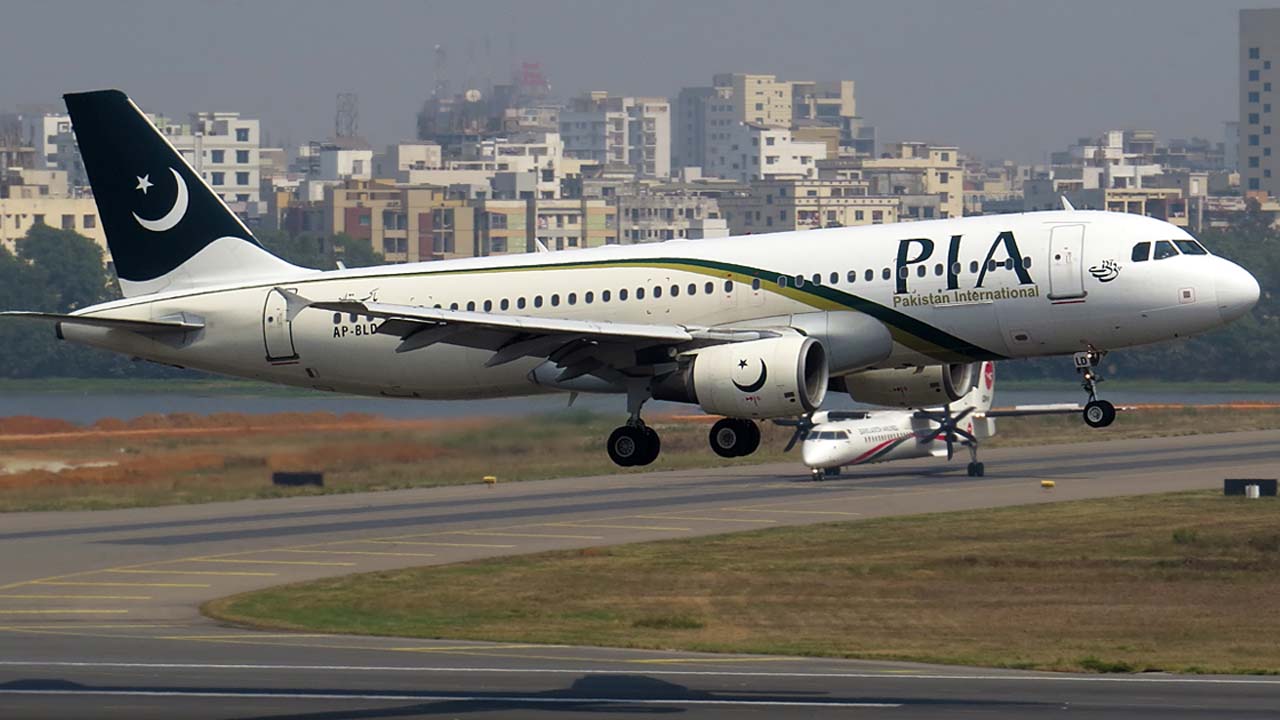
    PIA set for transformation: Federal cabinet approves privatisation, restructuring

    In a significant development, the caretaker federal cabinet has granted approval for the restructuring of Pakistan International Airlines (PIA) and the privatisation of First Women Bank Limited.

    This decision, based on recommendations put forth by the Privatisation Division, aims to address the financial challenges faced by PIA in recent years.

    The pivotal meeting of the federal cabinet, presided over by Caretaker Prime Minister Anwaar ul Haq Kakar, saw the submission of restructuring recommendations by the Privatisation Division.

    It was highlighted during the session that PIA has been grappling with financial losses over an extended period.

    Previous cabinet meetings had already endorsed the appointment of a financial advisor, whose role is integral to the financial and administrative restructuring of PIA.

    The cabinet was briefed on the progress, indicating that the financial advisor has devised a comprehensive financial restructuring plan aligned with international norms.

    Under this plan, PIA is set to undergo a division into two distinct entities: Top-Co and Hold-Co. The core operations of PIA, including engineering, ground handling, cargo, flight kitchen, and training, will be consolidated under Top-Co.

    On the other hand, entities such as Precision Engineering Complex, PIA Investment Limited, properties, and other subsidiaries will find their place within Hold-Co.

    This strategic restructuring aims not only to address the financial challenges faced by PIA but also to attract potential investors.

    The cabinet has been briefed on the measures undertaken to enhance the attractiveness of PIA for investment, laying the groundwork for a positive trajectory in the airline’s future.

  • What are Google trends saying about your search history of popular party leaders?

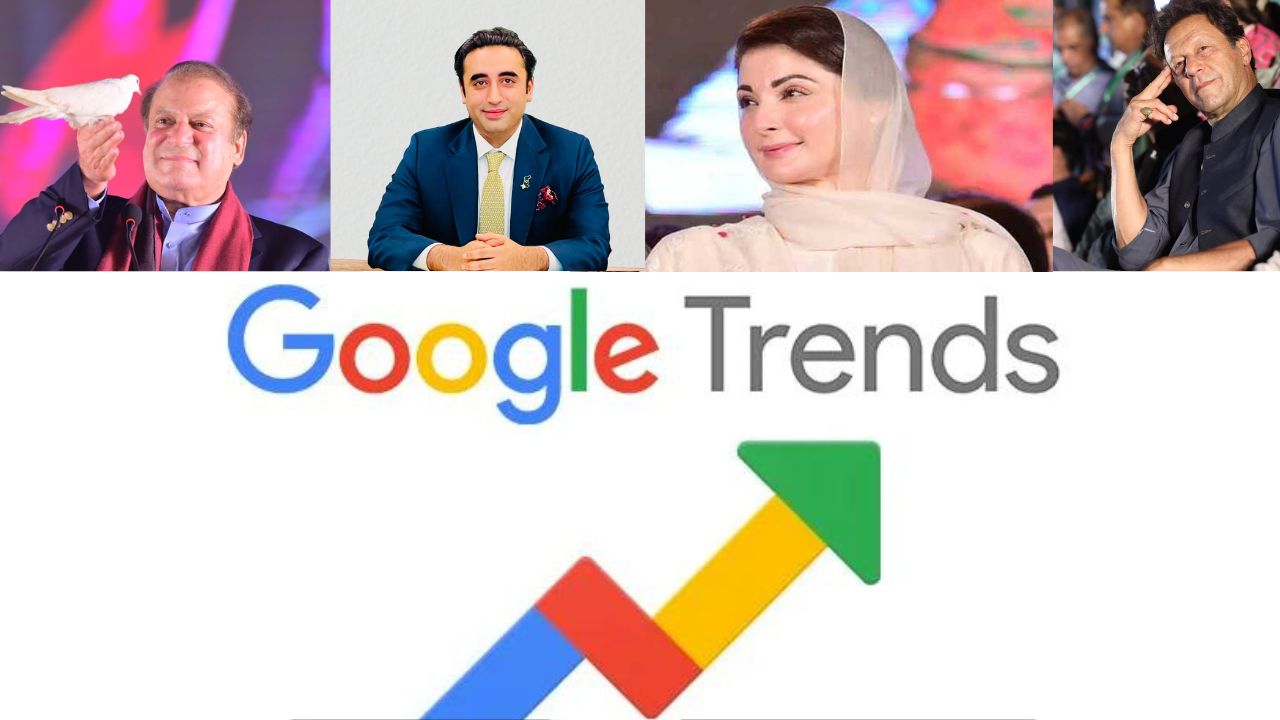
    What are Google trends saying about your search history of popular party leaders?

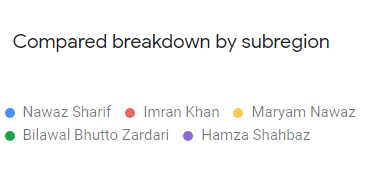
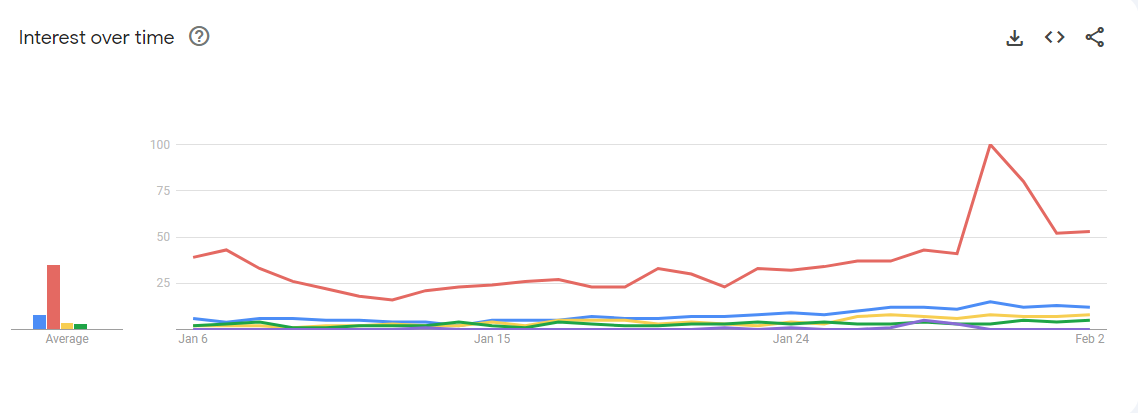
    Google Trends offer an insight into the popularity and curiosity political leaders enjoy among the masses. As the elections are drawing near, we took a peak into the data Google Trends have recorded over the last 30 days.


    The highest and ever-increasing line graph is Imran Khan’s. The highest peak was shown on January 30 with Khan hitting the record 100 score whereas his contemporaries, Nawaz stood on 15, Maryam Nawaz at eight, Bilawal-Bhutto Zardari at three, and Hamza Shehbaz being the lowest: less than one.

    However, it is important to note that Imran’s progressively increasing arc starts dropping successively in the days after Jan 30.


    On the other hand, except for Hamza Shehbaz, the other three is slowly on an upward trend.


    Breakdown of regions


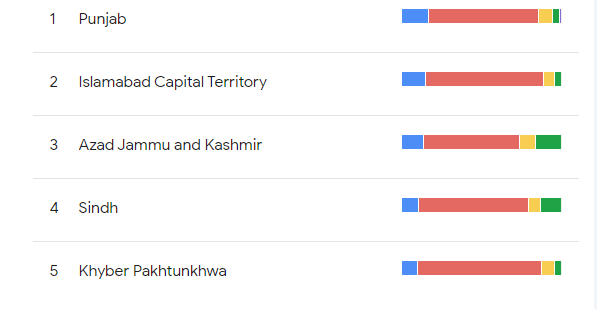
    PTI founder and jailed leader Imran Khan is most popular all over Pakistan according to Google Trends.


    Punjab


    In Punjab, the most popular choices for Chief Ministership, Hamza Shehbaz, and Maryam Nawaz contrary to popular perception, are not being searched so much. After Khan winning with more than 69 percent of searches, Nawaz Sharif is at 17 percent while Maryam is at nine percent. It appears that people in Punjab are comparatively more interested in Bilawal than Hamza who has 1 percent searches from all over the province.


    However, it is important to note that out of all the provinces, Punjab has shown more interest in PML-N leader Nawaz Sharif. Sindh has shown the most interest after Punjab, which is 11 percent, 10 percent in Khyber Pakhtunkhwa, nine percent in Balochistan, and seven percent in former FATA.


    Sindh


    After Imran Khan (69 percent) former Foreign Minister and Chairman of Pakistan People’s Party, Bilawal Bhutto Zardari is unsurprisingly most popular in Sindh with 13 percent of Google searches. Second in line is Punjab and third is Balochistan. After him is Nawaz (11 percent) followed by Maryam (7 percent).


    Balochistan


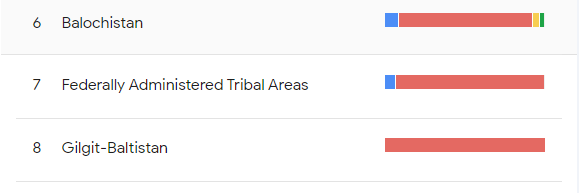
    Imran Khan leading the slot here with 84 percent followed by Nawaz (9 percent), Maryam (4 percent), and Biawal Bhutto (3 percent). Hamza does not invoke public curiosity even the slightest.


    Gilgit Baltistan


    Imran Khan has a 100 percent popularity rate in Gilgit Baltistan, where it seems no other party leader stands a chance, implying that there were minor searches of them in GB.


    Former FATA


    Interestingly, in the former federally administered tribal areas, only Imran Khan and Nawaz Sharif were searched for, Khan at 93 per cent of searches and Nawaz at seven percent.


    Though Google search and Google trends are not the ultimate parameter of a party leader’s popularity, they certainly are proof of what netizens are most interested in and the social media footing of a politician.

  • Arisha Razi shares lovely moments with husband from mayun ceremony

    Arisha Razi shares lovely moments with husband from mayun ceremony

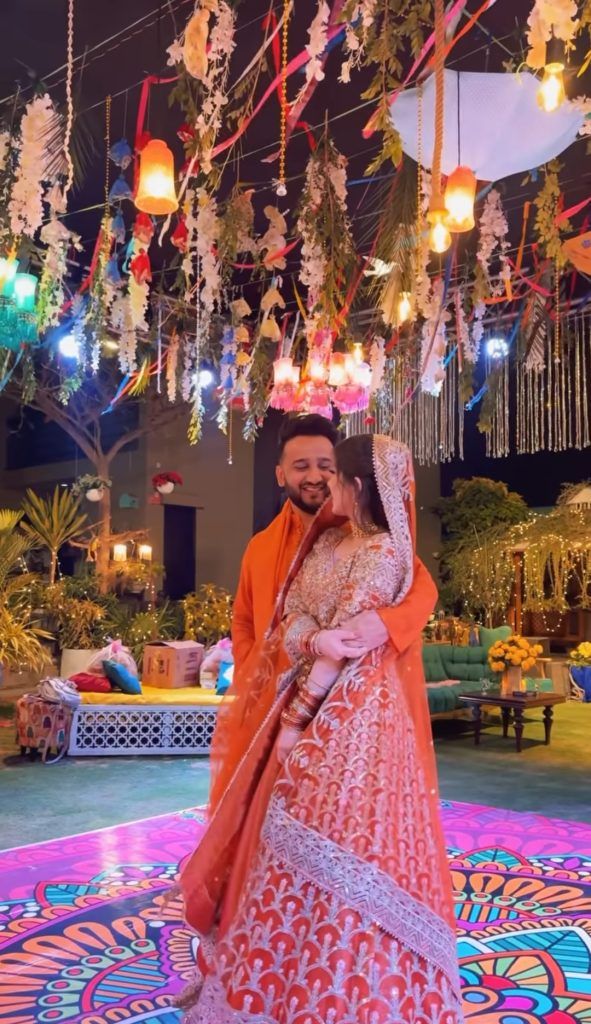
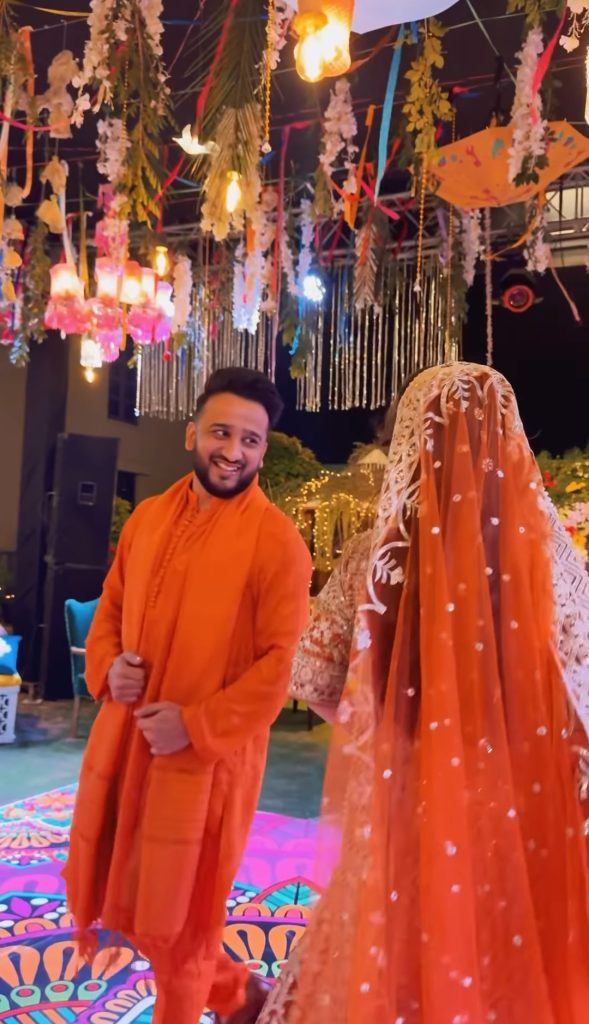
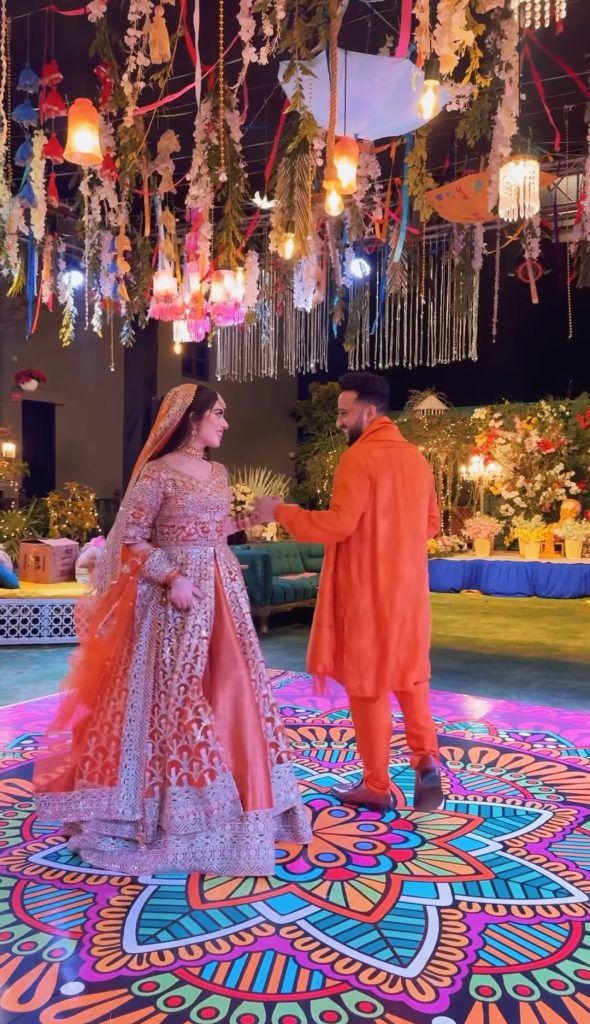
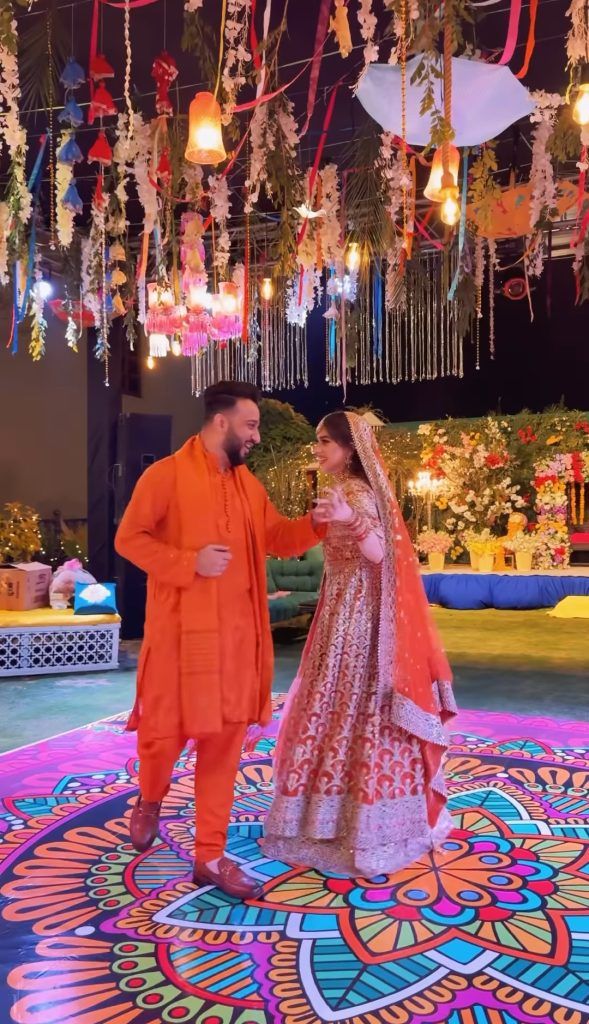
    Arisha Razi has recently shared beautiful photos from her Mayun ceremony, but without showing her groom. Now, she’s posted a delightful video with her husband from the same event and they both look stunning. In the video, they’re twirling happily in matching orange outfits. Arisha’s makeup and hair were done by Rabia Anam Salon, her outfit was from Haseens Official, and her jewelry was by Allure by MHT.

    check out the pictures below:

  • McDonald’s sales drop significantly amid boycott campaign

    McDonald’s sales drop significantly amid boycott campaign

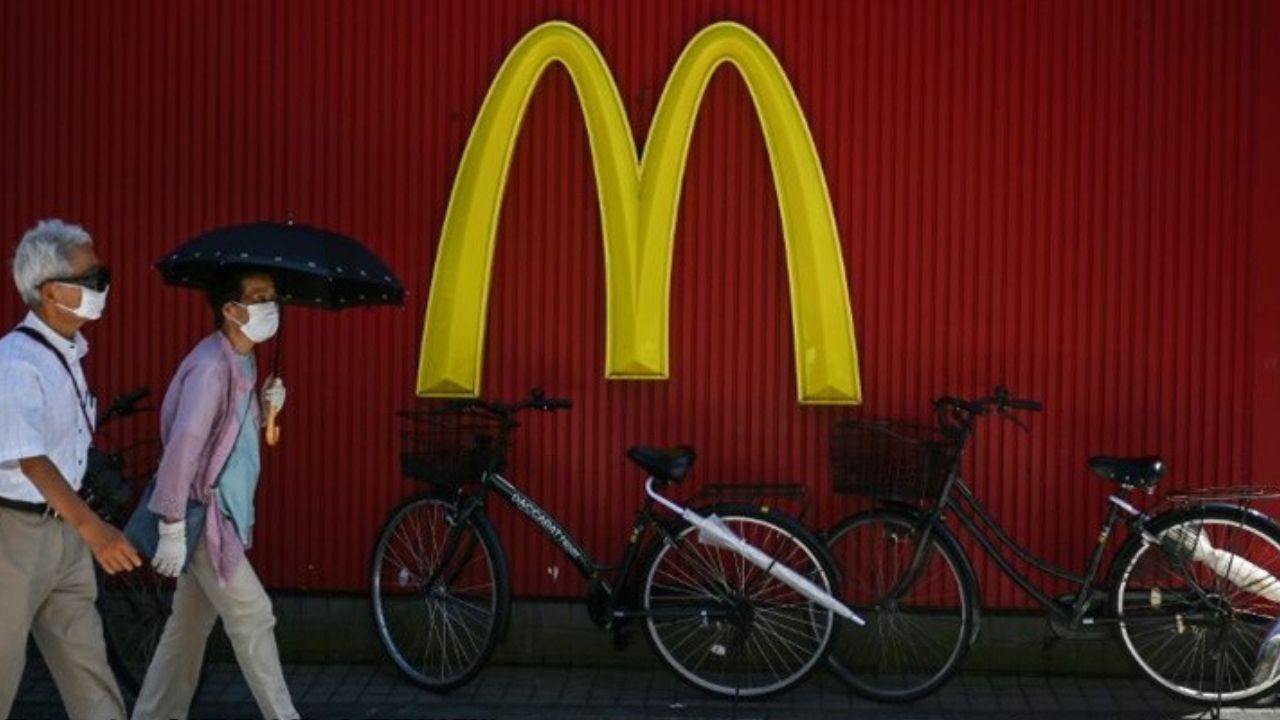
    Global food chain McDonald’s came under fire when the Israel chapter announced last year it had donated thousands of free meals to Israel Defence Forces troops committing war crimes in Gaza. Consumers across the globe boycotted the fast food giant. Coffee chain Starbucks has also been hit by similar boycotts.


    Now the numbers are finally out, and it seems that the McDonald’s boycott has been quite successful. The company registered its first quarterly sales miss in nearly four years on Monday, squeezed by weak sales growth in its business division that includes the Middle East, China, and India, reports The Guardian.


    Comparable sales in McDonald’s International Developmental Licensed Markets segment rose 0.7 per cent in the quarter, widely missing estimates of a 5.5 per cent growth, according to London Stock Exchange Group data. The business accounted for 10 per cent of McDonald’s total revenue in 2023.


    The CEO, Chris Kempczinski, last month showed concern about a “meaningful business impact“ in McDonald’s Middle East market and some areas outside the region due to the war as well as “associated misinformation” about the brand.


    “The effects [of the war] on earnings durability would be our biggest concern … it looks like this is going to be an issue that persists past the next quarter or maybe even two,” said Brian Mulberry, client portfolio manager at Zacks Investment Management, which holds McDonald’s shares.


    Similar boycotts have hit other brands including Zara and Starbucks, which missed market expectations and cut its yearly sales forecasts last week. It told investors that there was “significant impact on traffic and sales” in the Middle East due to the war on Gaza.


    Starbucks previously said a sales recovery in China was slower than its expectations.


    Meanwhile, consumer spending in China, McDonald’s second-largest market, has also remained weak despite government support measures.

  • Maryam Nawaz tells PTI supporters to end politics of hate

    Maryam Nawaz tells PTI supporters to end politics of hate

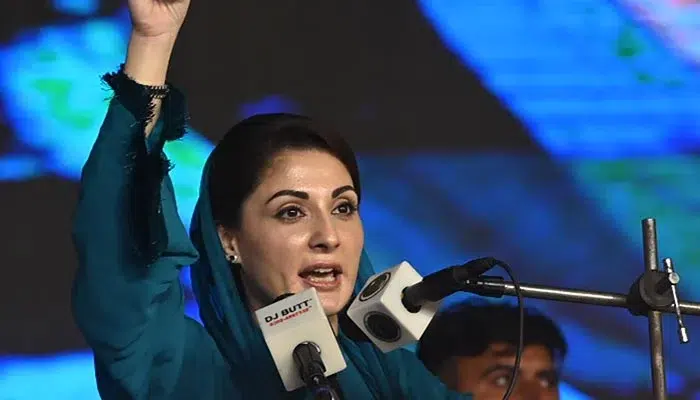
    Pakistan Muslim League-Nawaz (PML-N) chief organizer Maryam Nawaz has urged Pakistan Tehreek-e-Insaf (PTI) supporters to stop indulging in what she described as politics of hate.
    “Today I want to say that I am ready to forget all the oppression against us,” Maryam said. “I promise today and invite everyone to put an end to all this once and for all,” she said at a rally in Kasur.
    “I want a Pakistan where the government concentrates on serving people instead of avenging the past,” she said.

  • Most awaited dramas of 2024

    Most awaited dramas of 2024

    Be it daily soaps or serials, Pakistani dramas have an enormous viewership around the globe. In 2023, we witnessed blockbuster gems like Tere Bin, Kuch Ankahi, Fairy Tale, and Mayi Ri, depicting unconventional stories that kept the audiences hooked to their screens.
    While 2023 was a good year for Pakistani television, 2024 seems to be even better with a good line-up of projects including a few fresh concepts and pairings.
    Here are the top TV shows that everyone is excited about this year:

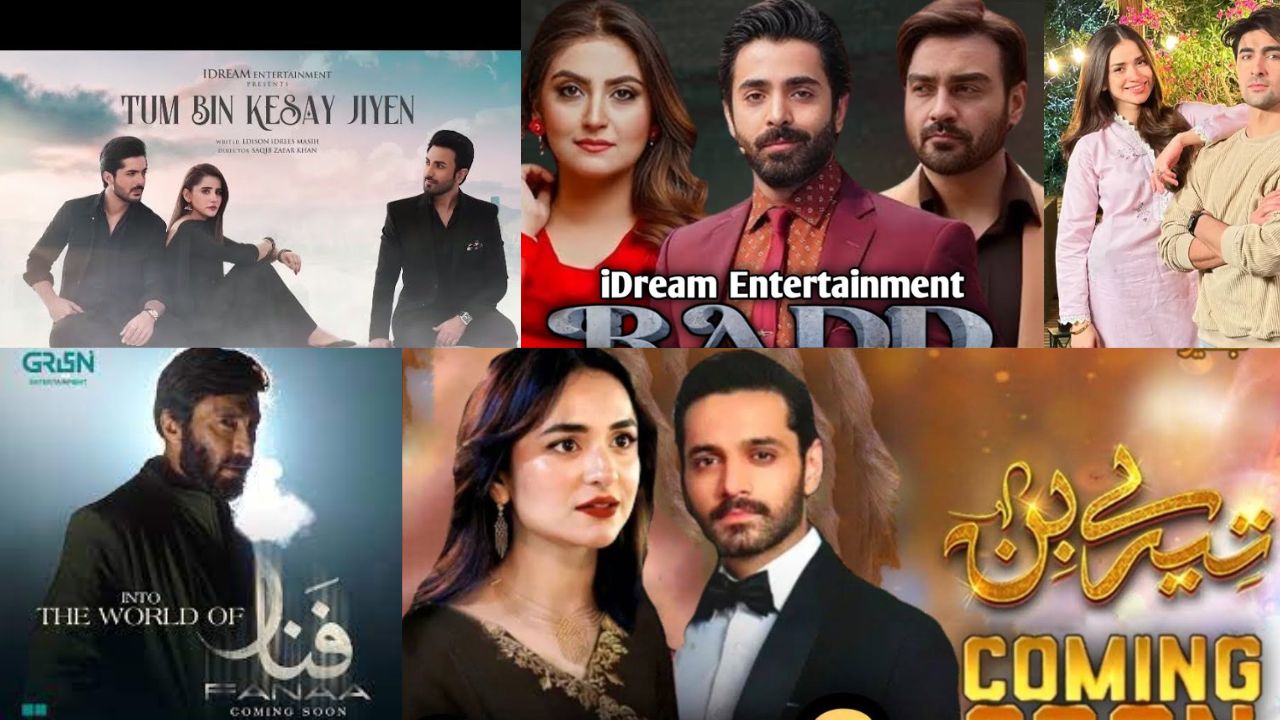
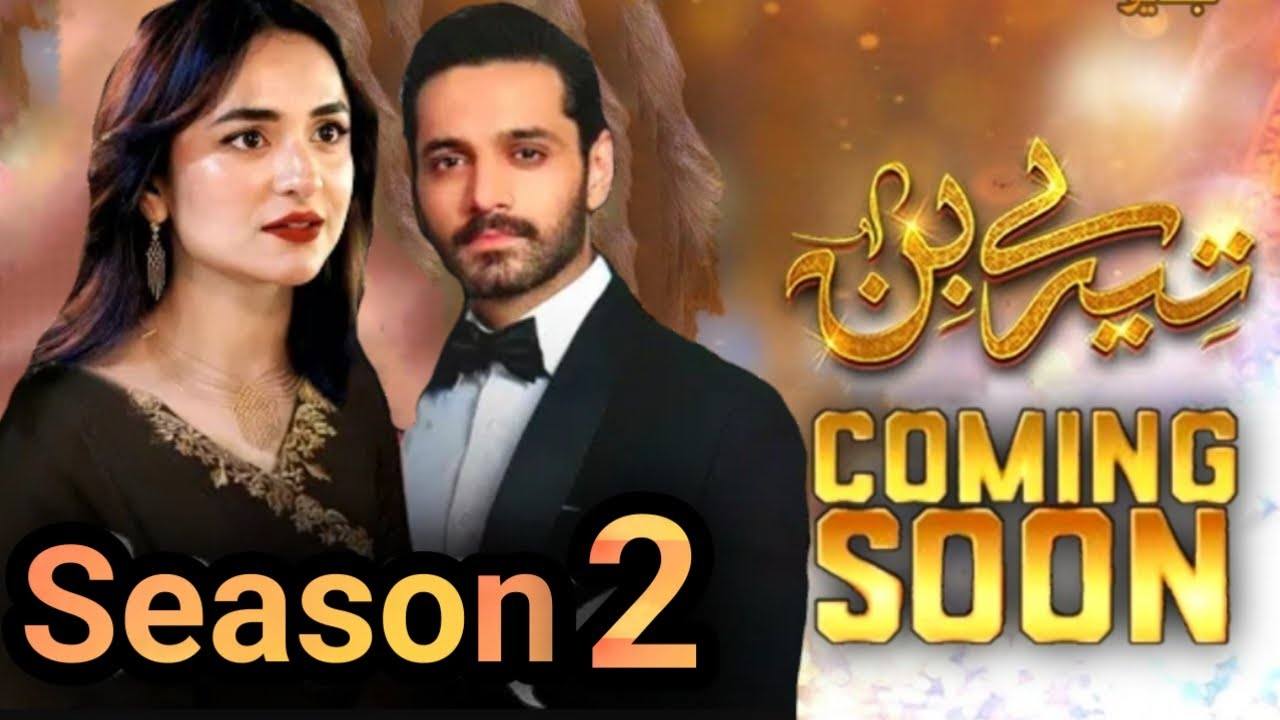
    1: Tere Bin Season 2 Drama – Har Pal Geo TV

    On Dec 29, 2023, Abdullah Kadwani announced news about Tere Bin Season 2, exciting fans for Wahaj Ali and Yumna Zaidi’s return in a love story tackling social barriers. With Bushra Ansari and Sohail Sameer in supporting roles and the potential return of Sabeena Farooq, anticipation is high. The cast yet to be fully confirmed but may include Wahaj Ali, Yumna Zaidi, Bushra Ansari, Sabeena Farooq, and Sohail Sameer.

    2: Radd drama –Ary Digital

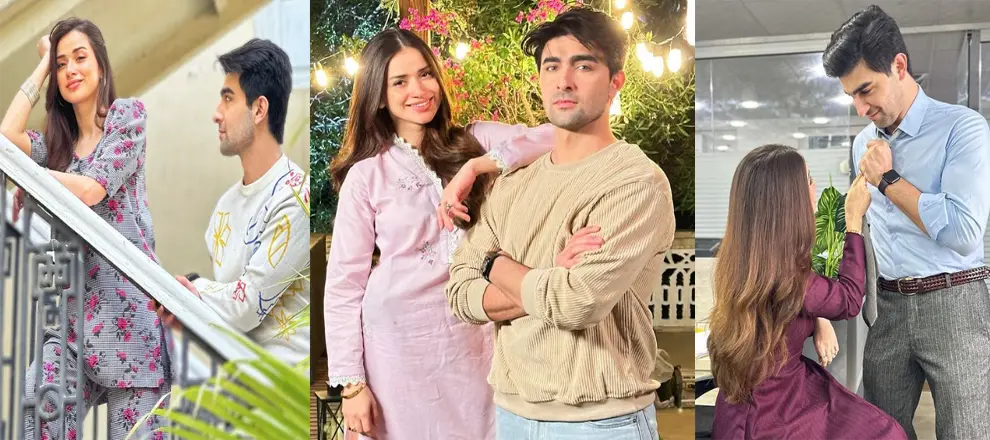
    Radd, made by Abdullah Seja and Jarjees Seja, stars Hiba Bukhari and Sheheryar Munawar in the main roles. Ahmad Bhatti directed the show, and Sanam Mehdi Zaryab wrote it. The first episode of the series will air on 19-4-2024 at 8:00 PM on ARY Digital, the official channel for the show.

    3: Fanna – Green TV

    Fanna promises a captivating journey of love, loyalty, and resilience, featuring powerful performances and emotional storytelling. Scheduled for release in
    26-2-2024 at 8 PM, the drama will be aired on GREEN TV.

    4: Dil Pe Dastak- Hum TV

    Dil Pe Dastak is a Pakistani drama produced by Momina Duraid, starring Khaqan Shahnawaz and Aena Khan in leading roles. It features many supporting actors and is produced by MD Production. Episode 1 will air on March 11, 2024, at 9:00 PM on HUM TV.

    5: Tum Bin Kesay Jiyen- ARY Digital

    Tum Bin Kesay Jiyen is a Pakistani drama on ARY Digital, centered around true friendships, genuine love, and keeping promises. Starring Junaid Jamshed Niazi, Saniya Shamshad, and Hammad Shoaib, this fresh take is written by Edison Idrees Masih and directed by Saqib Khan, produced by IDream Entertainment. Episode 1 airs on 25-2-2024 at 8:00 PM on ARY Digital.