Blog

  • Electioneering in Sindh – VI

    Electioneering in Sindh – VI

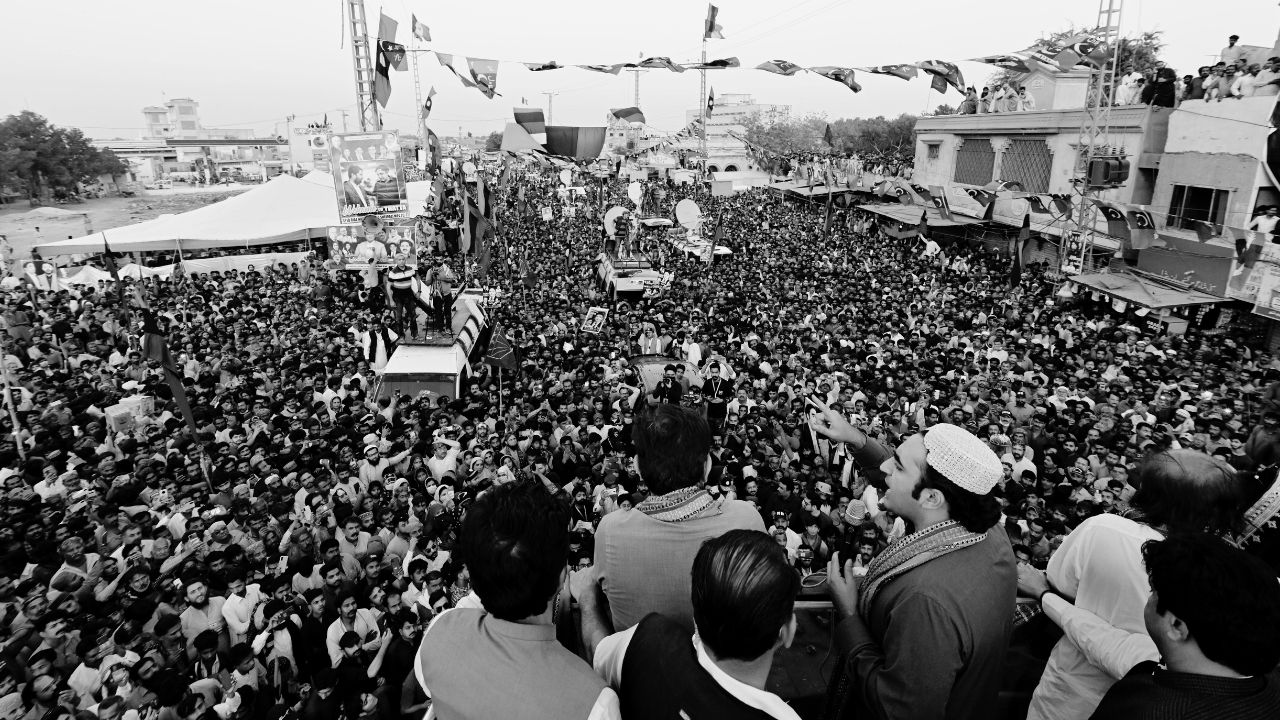
    In the last part of this series on election politics in Sindh, we will look into three districts – Thatta, Jamshoro, and Dadu districts of the Hyderabad division, where four National Assembly (NA) and nine provincial assembly (PA) seats are at stake. On NA 223 Thatta, 12 candidates are contesting the polls. Sadiq Ali Memon of PPP, Imtiaz Ahmed of JI, Junaid Siddiqi of MQM-P, Rasool Bux Jakhro of – and Syed Jameel Ahmed Shah Bukhari of PTI are the main contenders. Looking at the 2018 results, it looks like the PPP candidate has a clear lead over his opponents. Riaz Hussain Shah Shirazi of PPP, Muhammad Farooque of PTI, Abdullah Adam Gandro of JI, Muhammad Arshad Memon of JUI-F, Mahar Ali Shah of QMM are noticeable among the 12 candidates on PS 75 Thatta-I. Going through past results, it seems the PPP candidate is poised to win this seat. Eights candidates are contesting on PS 76 Thatta-II. Altaf Hussain Kachi of TLP, Saeed-Ur-Rehman of JUI-F, Ali Hassan Zardari of PPP, Muhammad Ali Khan of JI, and Muhammad Umer Nahyo of Khadmeen-e-Sindh are the main competitors in this constituency. The PPP candidate can easily win this seat.

    On the single NA seat – NA 226 – of district Jamshoro, the PPP has awarded ticket to Malik Asad Sikander while Munir Hyder Shah, Ubedullha Jamro, Abdul Hakeem Chandio are running on GDA, TLP and PTI tickets respectively. The GDA candidate will try to put up a fight. However, past results show that the PPP candidate will likely stand victorious. Former chief minister of Sindh, Syed Murad Ali Shah, is contesting to retain his seat on PS 77 Jamshoro-I.

    A total of 15 candidates are in the field against the PPP candidate. GDA’s Roshan Buriro, TLP’s Manzoor Ahmed Halepoto and PTI’s Muhammad Farooq are prominent among them. In 2018, Murad Shah beat Jalal Mehmood Shah of SUP, and this time again, he is the frontrunner. Dr. Sikandar Shoro gave a tough fight to PPP’s Malk Asad Sikandar on then PS 82 Jamshoro as an independent candidate; however, later he joined the PPP and is contesting election on PS 78 Jamshoro-II against Badaruddin of TLP, Syed Munir Hyder Shah of GDA, Sadaf Raza Warraich of PML-N and nine other candidates. The main contestants on this seat are PPP’s Sikandar Shoro and GDA’s Munir Shah. Razia of JUI-F, Malik Sikander Khan of PPP, Meer Ahmed of GDA, Muhammad Tayyab Khan of Pakistan Rah-e-Haq Party, Peer Murtaza Ali Shah Jillani of PTI and independent candidate Malik Changez Khan are vying for PS 79 Jamshoro-III. A close contest is expected between PPP candidate Malik Sikander and independent candidate Malik Changez.

    There are two NA seats in Dadu district. On NA 227 Dadu-I, former CM Sindh Liaquat Jatoi is contesting on a GDA ticket after parting ways with PTI. His rivals, among others, are PPP’s Irfan Ali Leghari, JUI-F’s Hajan Khan Leghari, MQM-P’s Zulfiqar Ali and PTI’s Shahana Nawab. PPP’s Irfan Leghari defeated Liaquat Jatoi by getting 95,891 votes while Jatoi got 82,658 in 2018. Incumbency and anger among voters due to the 2022 floods may jeopardise the PPP candidate’s chances of a victory. Rafique Ahmed Jamali of PPP and Karim Ali Jatoi of GDA are again in the field on NA 228 Dadu-II along with 13 other candidates, which include Abdul Majeed Chahwan of MQM-P, Zafar Ali of JI, Rashid Ali of TLP and Abu Bakar of JUI-F. PPP’s Jamali beat Jatoi in 2018 by securing 81,215 votes against Jatoi’s 63,032 while independent candidate Jan Muhammad Panhwar got 19,906 votes. In this constituency, the incumbency factor may go against the PPP candidate.

    On PS 80 Dadu-I, GDA’s Karim Ali Jatoi, PPP’s Abdul Aziz Junejo, MQM-P’s Shahid Hussain Shah, JUI-F’s Taj Muhammad, TLP’s Bashir Sodhar, PTI’s Asghar Ali Sodhar and JI’s Mir Murtaza are prominent among 12 candidates.

    PPP’s absence from the ground during the 2022 floods may favour GDA candidate. Fayaz Butt of PPP, Liaquat Ali Jatoi of GDA, Abdullah of JI, Parveen of TLP, Talib Hussain Panhwar of MQM-P, Muhammad Masood Panhwar of JUI-F and Majeed Khoso of PTI are noticeable among 19 candidates on PS 81 Dadu-II. Although PPP won this seat in 2018, this time the previous ruling party may feel the heat due to its bad handling of the 2022 floods in the area.

    Pir Mujeeb-ul-Haq of PPP is vying on PS 82 Dadu-III against Ashique Ali Zounr of GDA, Shahid Solangi of MQM-P, Zameer Ahmed of JI, Karim Bux Siddiqui of IPP, Zulfiqar Mallah of PTI and 16 other candidates. The GDA candidate will put up a resistance but the PPP candidate has a bit of an upper hand. On PS 83 Dadu-IV, 20 candidates are running for victory, which include Pir Syed Salih Shah Jilani of PPP, Imdad Ali Leghari of GDA, Bandah Ali Leghari (independent) and Anwar Ali Panhwar of PTI. Syed Ghulam Shah Jillani of PPP won this seat in 2018 and after his death, his son Salih Shah Jillani won in the by-elections. Local internal rivalries in the PPP and incumbency factor due to the 2022 floods can cause damage to the PPP candidate here.
  • Bushra Bibi doesn’t want to live in Bani Gala

    Bushra Bibi doesn’t want to live in Bani Gala

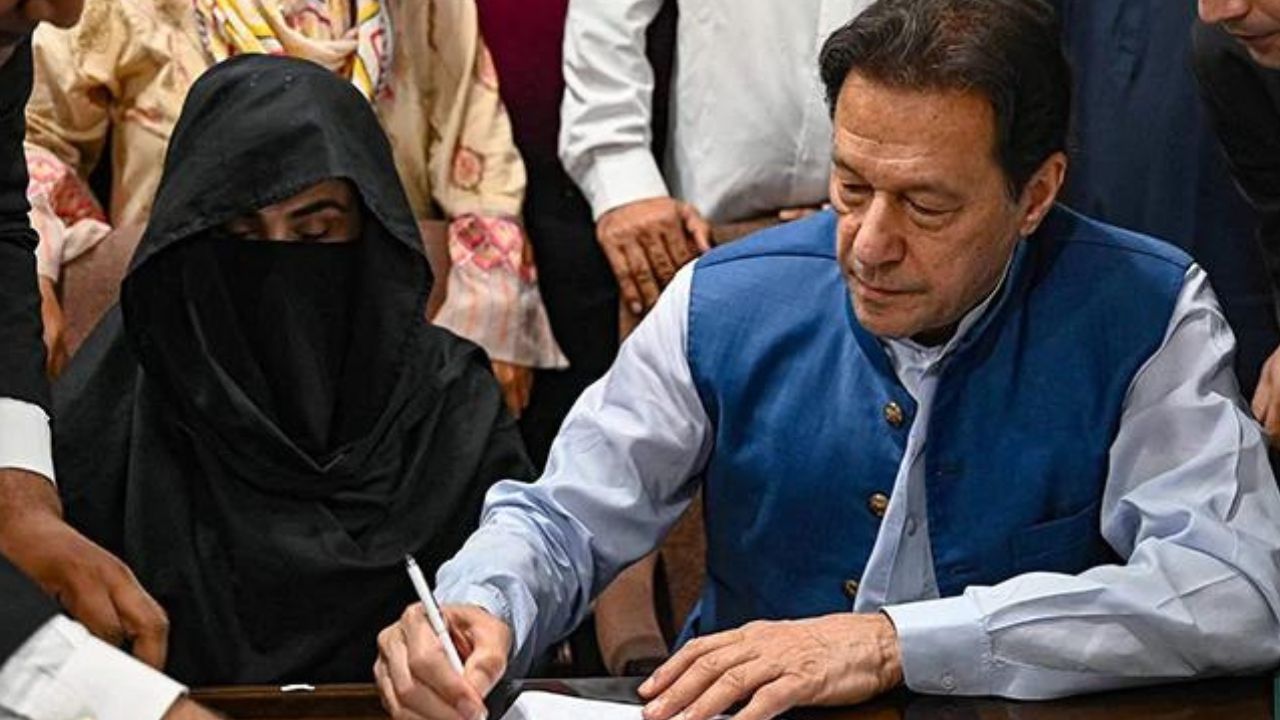
    Bushra Bibi, the wife of Pakistan Tehreek e Insaf (PTI) founder chairman Imran Khan, has lodged a challenge against the authorities’ decision to confine her to her Bani Gala residence to serve a 14-year sentence in the Toshakhana case.

    Previously detained at the sprawling residence, Bushra Bibi was imprisoned last month following an accountability court’s ruling that sentenced the couple to 14 years in jail in connection with the Toshakhana case.

    In response to a request from the Adiala jail superintendent, authorities designated the Bani Gala house as a sub-jail for the former first lady’s confinement.

    Both Bushra Bibi and Imran Khan were handed a 14-year jail term by Judge Muhammad Bashir in the Toshakhana case, which pertains to the illegal sale of state gifts.

    In a recent petition, Bushra Bibi expressed her willingness to serve her sentence in ordinary jail premises at Adiala rather than the declared sub-jail at her residence, emphasizing her readiness to undergo punishment like any other political worker of the party.

    Furthermore, she cited concerns about her safety in the solitary confinement of the sub-jail premises, highlighting potential security issues for preferring the ordinary jail premises.


    “While the petitioner is in good health currently, however, there has been a movement of unidentified people in her house declared as a sub-jail by the Government thereby contributing to her sense of insecurity,” the application claimed.


    Bushra Bibi said the “special treatment” afforded to her goes against the spirit of equality guaranteed under the Constitution and is consequently discriminatory.


    Given the stated reasons, the petitioner pleaded with the court to set aside notification to declare her house sub-jail and shift her to Adiala Jail in the “interest of justice”.

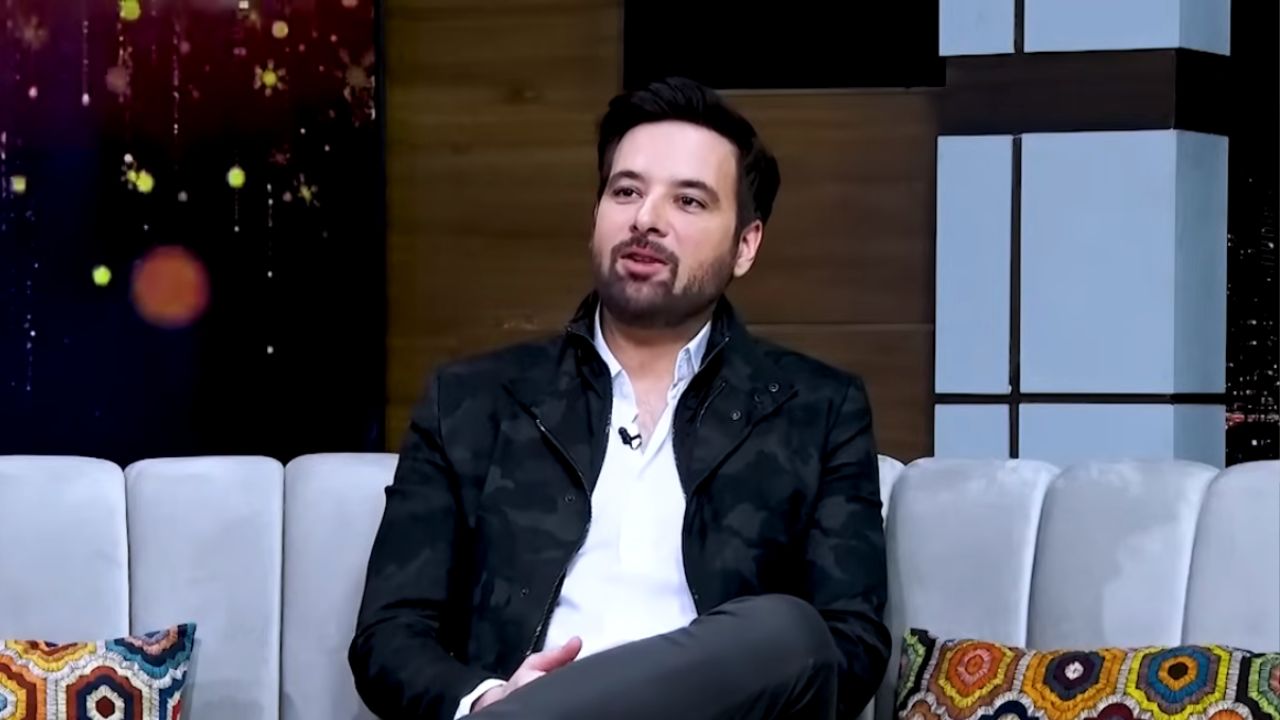
  • Is Mikaal Zulfiqar ready to get married again?

    Is Mikaal Zulfiqar ready to get married again?

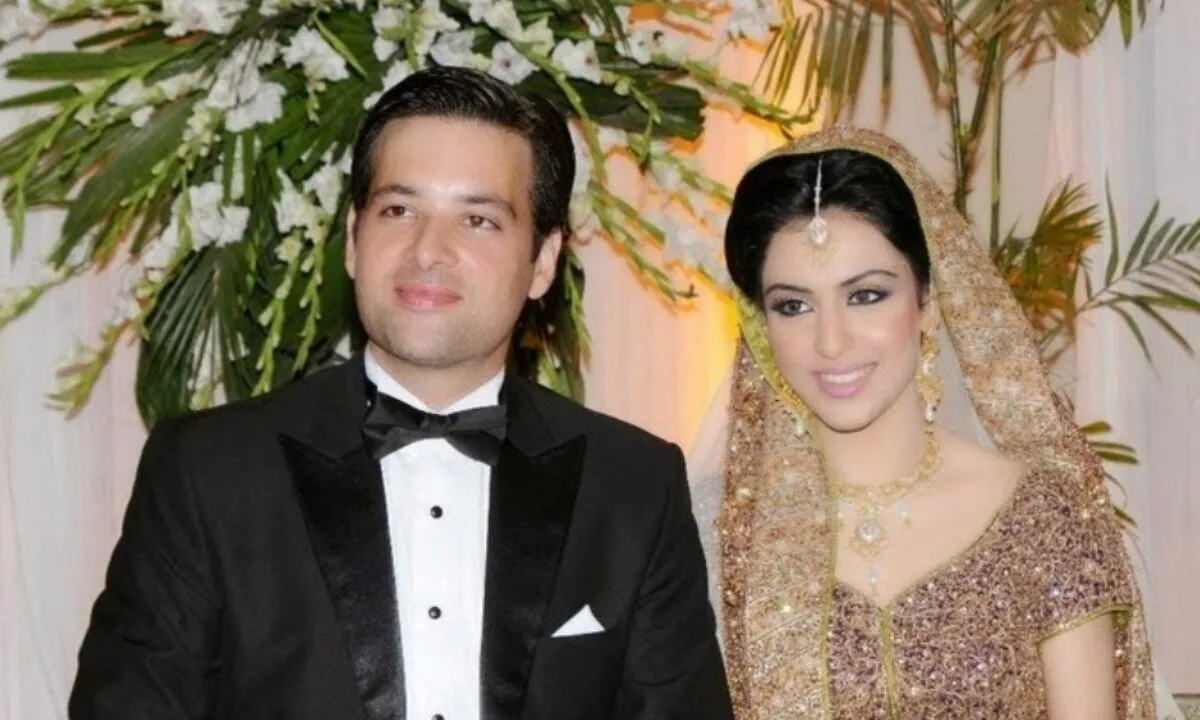
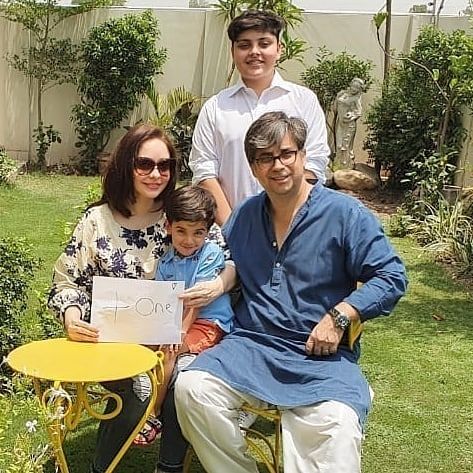
    Actor Mikaal Zulfikar has expressed his opinion regarding a second marriage.

    Mikaal was the guest on a T.V. programme, and opened up about his personal life as well as issues within the industry.

    In response to a question about the second marriage, the actor said, “My father advises me to marry a foreigner; he often says, ‘Do what I have done and marry a foreigner.’ Well, I have had the experience of marriage in Pakistan. To be honest, I don’t think about getting married again because I have two kids, and I am at peace. I want to live like that.”


    Mikaal Zulfiqar’s first marriage was with Sara Bhatti, which ended in 2017 after seven years.

  • Mohsin Naqvi elected unopposed chairman of PCB

    Mohsin Naqvi elected unopposed chairman of PCB

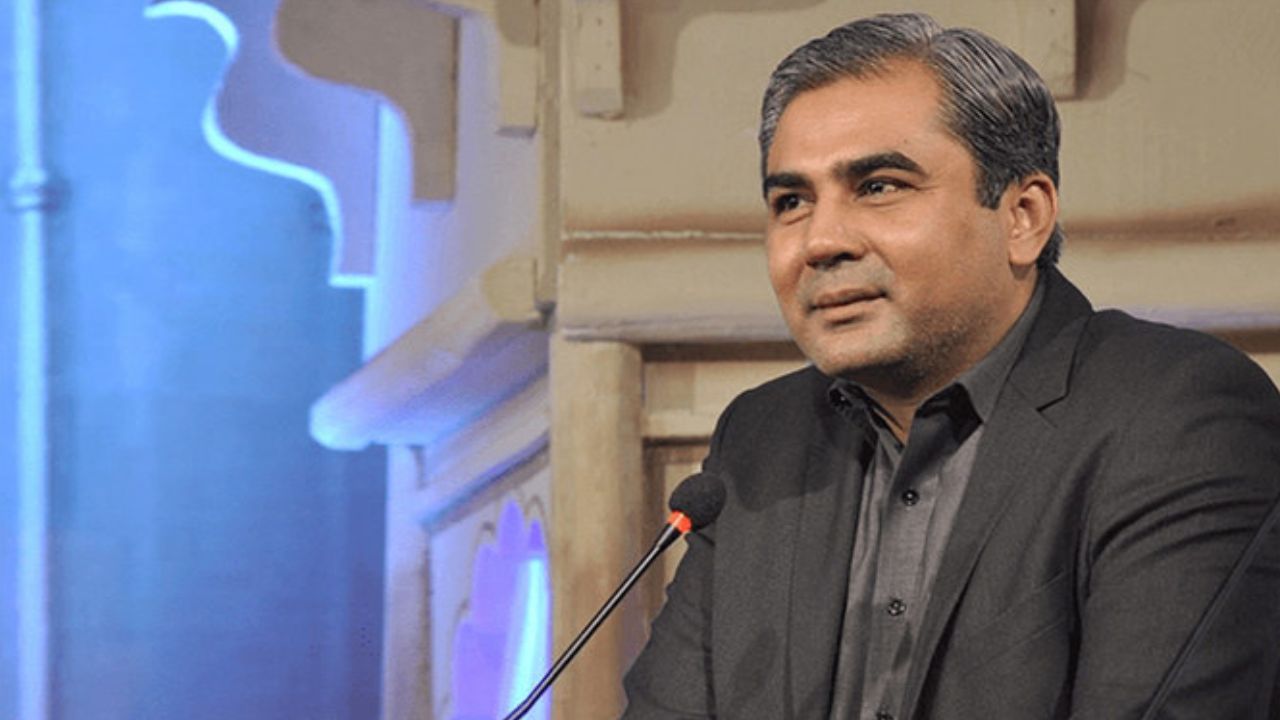
    Caretaker Chief Minister of Punjab Mohsin Naqvi has been elected unopposed chairman of Pakistan Cricket Board (PCB) for the next three years.

    On January 19, Zaka Ashraf resigned from the post of PCB chairman, after serving as chairman since July last year. He was initially appointed for four months and later, his tenure was extended by caretaker Prime Minister Anwaar ul Haq Kakar till the ODI World Cup 2023.

    After accepting the resignation of former PCB Management Committee Chairman Zaka Ashraf, Prime Minister Anwarul Haq Kakar nominated Mohsin Naqvi as his candidate in the PCB Governing Body.

  • Yeh election Pakistan ki izzat ka mamla hai: Caretaker Federal Minister Gohar Ijaz

    Yeh election Pakistan ki izzat ka mamla hai: Caretaker Federal Minister Gohar Ijaz

    Caretaker federal minister, Gohar Ijaz, said on Tuesday in a press conference that the election is a matter of Pakistan’s honour, adding that the caretaker government is fulfilling its responsibility of holding elections ‘with honesty’.

    He also said that the law and order situation is now better in Sindh. He further mentioned that the police and civil armed forces have the ability to overcome any adverse law and order situation.

    Ijaz also mentioned that there are no issues between election candidates in Balochistan, and all political parties in the province are in communication with each other.

    He also said that Pakistan is threatened by forces that want to destabilise the country. However, the country’s security system can protect Pakistan from those forces.

  • Hamza Ali Abbasi wants item number songs eliminated from films

    Hamza Ali Abbasi wants item number songs eliminated from films

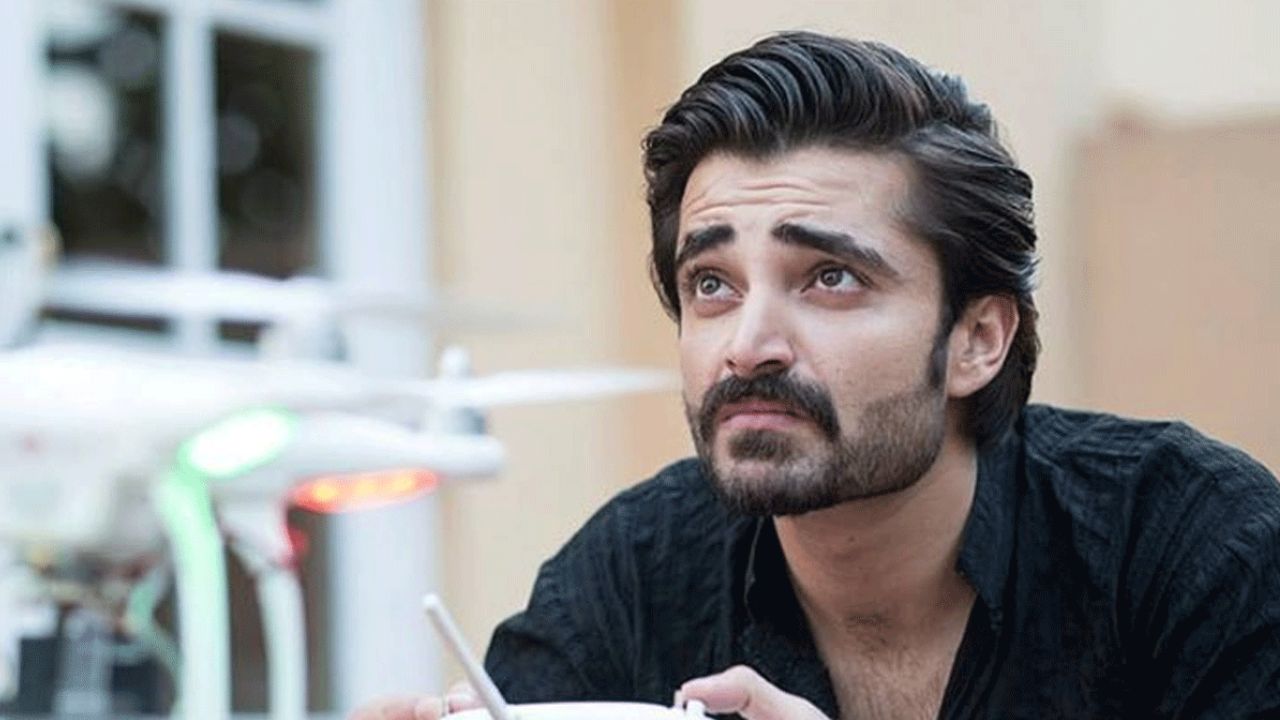
    Hamza Ali Abbasi does not like item numbers and he’s never hidden his dislike for the songs.
    While participating in a recent episode of a podcast, the actor once again strongly opposed item number songs .

    In a video clip taken from the interview, Hamza Ali Abbasi openly talks about common songs and item numbers along with fellow artistes.

    The host can be seen questioning the actor about item numbers, to which Hamza Ali Abbasi replies, “I don’t support item numbers.” He then draws a clear line between what constitutes an item number and what qualifies as music. He gives an impassioned plea for a shift away from explicit sexual content.

    “We give ourselves false comfort that one is hot, one is vulgar or one is sexy. There is no such thing as either an item number or normal songs with nothing in between, there is a difference between the two.”

    He further clarified that songs which only show dance and no nudity are normal songs which he does not oppose, however, he stressed that he will never support any song which is an item number.

    Actress Hania Aamir, also present in the interview with Hamza Ali Abbasi, agreed with him and said that these issues need to be discussed openly so that films can be improved.

  • Local administration can suspend the internet if need be: Murtaza Solangi

    Local administration can suspend the internet if need be: Murtaza Solangi

    Murtaza Solangi, the Caretaker Information Minister, has stated that the government has not given any instructions yet to suspend mobile or internet services on February 8.

    Solangi also stated that the local administration can take any decision as a result of any adverse law and order situation in the area. Pakistan Telecommunication Authority (PTA) can give directions to internet provider to suspend the internet in a specific area.

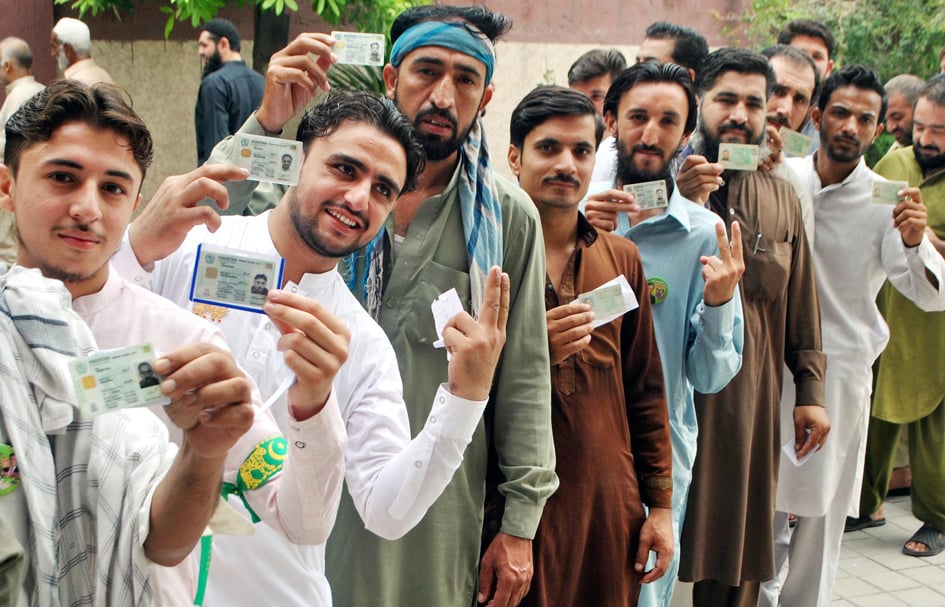
    He encouraged the public to use their democratic right to vote, as “it shows their patriotism and their love for democratic continuity in the country.”

  • Educated Pakistani women barred from voting by their husbands

    Educated Pakistani women barred from voting by their husbands

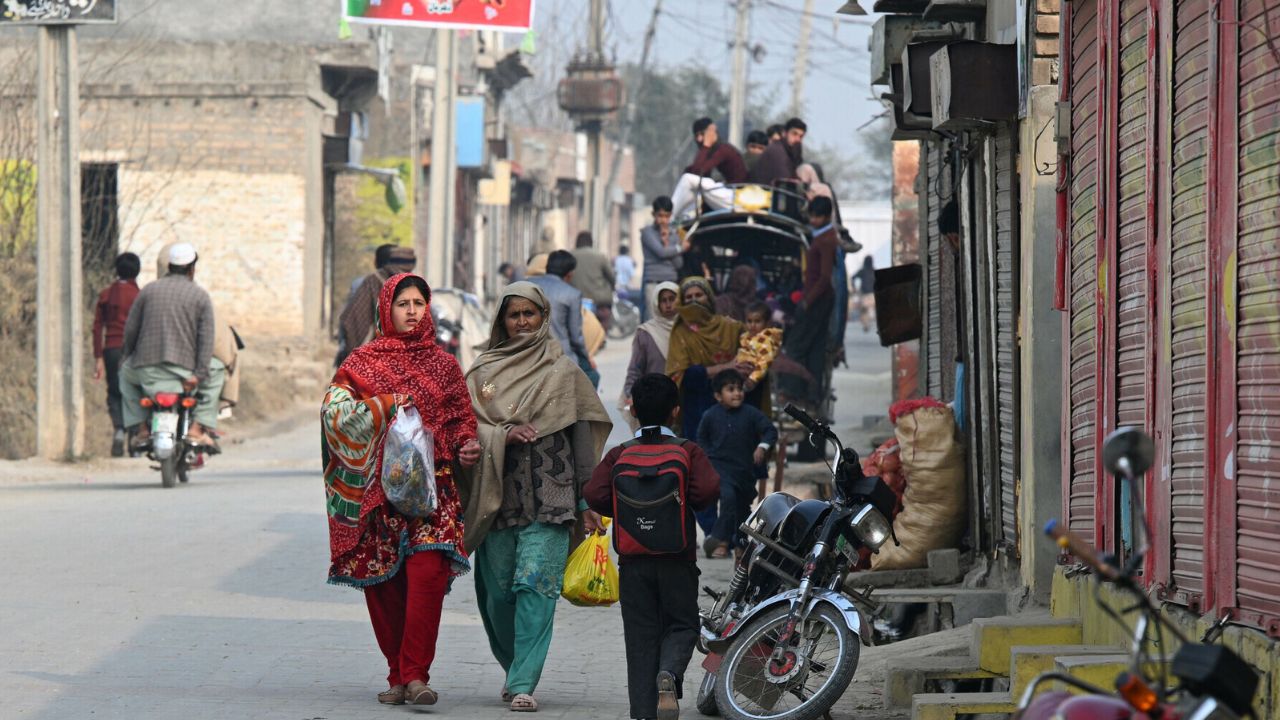
    Perched on her traditional charpai bed, Naeem Kausir says she would like to vote in Pakistan’s upcoming election — if only the men in her family would let her.

    Like all the women in her town, the 60-year-old former headmistress and her seven daughters — six already university-educated — are forbidden from voting by their male elders.

    “Whether by her husband, father, son or brother, a woman is forced. She lacks the autonomy to make decisions independently,” said Kausir, covered in a veil in the courtyard of her home.

    “These men lack the courage to grant women their rights,” the widow told AFP.

    Although voting is a constitutional right for all adults in Pakistan, some rural areas in the socially conservative country are still ruled by a patriarchal system of male village elders who wield significant influence in their communities.

    In the village of Dhurnal in Punjab, spread across crop fields and home to several thousand people, men profess myriad reasons for the ban of more than 50 years.

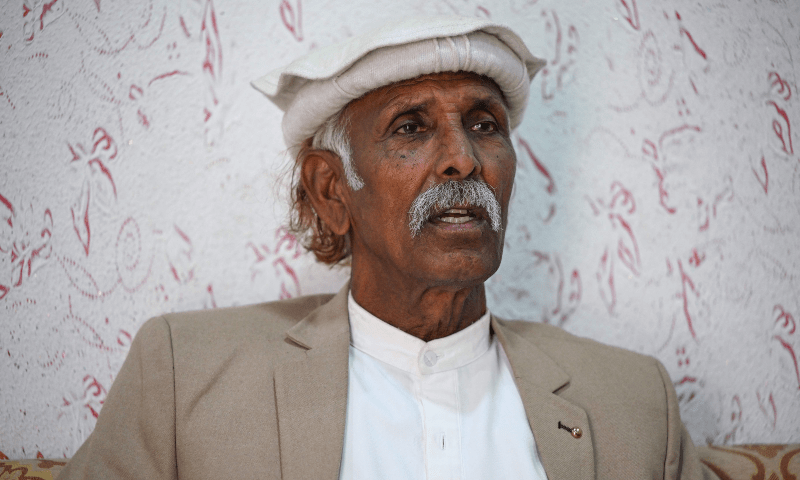
    “Several years ago, during a period of low literacy rates, a council chairman decreed that if men went out to vote, and women followed suit, who would manage the household and childcare responsibilities?” said Malik Muhammad, a member of the village council.

    In this photograph taken on January 29, 2024, Malik Muhammad, a member of the village council, speaks during an interview with AFP in Dhurnal of Punjab. — AFP

    In this photograph taken on January 29, 2024, Malik Muhammad, a member of the village council, speaks during an interview with AFP in Dhurnal of Punjab. — AFP

    “This disruption, just for one vote, was deemed unnecessary,” he concluded.

    Muhammad Aslam, a shopkeeper, claims it is to protect women from “local hostilities” about politics, including a distant occasion that few seem to remember in the village when an argument broke out at a polling station.

    Others told AFP it was simply down to “tradition”.

    The Election Commission of Pakistan (ECP) has stressed that it has the authority to declare the process null and void in any constituency where women are barred from participating.

    In reality, progress has been slow outside of cities and in areas that operate under tribal norms, with millions of women still missing from the electoral rolls.

    The elders in Dhurnal rely on neighbouring villages to fill a government-imposed quota which maintains that 10 percent of votes cast in every constituency must be by women.

    Those who are allowed to vote are often pressured to pick a candidate of a male relative’s choice.

    In the mountainous region of Kohistan in Khyber Pakhtunkhwa province home to almost 800,000 people, religious clerics last month decreed it un-Islamic for women to take part in electoral campaigns.

    Fatima Butt, a legal expert and a women’s rights activist, said women are allowed to vote in Islam, but that religion is often exploited or misunderstood in Pakistan.

    “Regardless of their level of education or financial stability, women in Pakistan can only make decisions with the ‘support’ of the men around them,” she said.

    Pakistan famously elected the world’s first Muslim woman leader in 1988 — Benazir Bhutto, who introduced policies that boosted education and access to money for women, and fought against religious extremism after military dictator Zia ul-Haq had introduced a new era of Islamisation that rolled back women’s rights.

    However, more than 30 years later, only 355 women are competing for national assembly seats in Thursday’s election, compared to 6,094 men, the election commission has said.

    Pakistan reserves 60 of the 342 National Assembly seats for women and 10 for religious minorities in the Muslim-majority country, but political parties rarely allow women to contest outside of this quota.

    Those who do stand often do so only with the backing of male relatives who are already established in local politics.

    “I have never seen any independent candidates contesting elections on their own,” Zara Butt added.

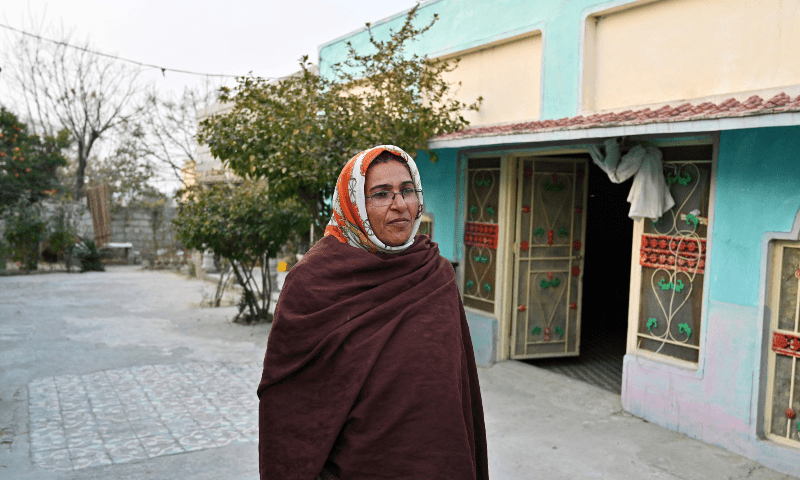
    Forty-year-old Robina Kausir, a healthcare worker, said a growing number of women in Dhurnal want to exercise their right to vote but they fear backlash from the community if they do — particularly the looming threat of divorce, a matter of great shame in Pakistani culture.

    In this photograph taken on Jan 29, 2024, Robina Kausir, a healthcare worker, looks on during an interview with AFP in Dhurnal of Punjab. — AFP
    In this photograph taken on Jan 29, 2024, Robina Kausir, a healthcare worker, looks on during an interview with AFP in Dhurnal of Punjab. — AFP

    She credits part of the shift to access to information as a result of the rising use of smartphones and social media.

    “These men instil fear in their women — many threaten their wives,” she told AFP.

    Robina, backed by her husband, is one of the few prepared to take the risk.

    When cricketing legend Imran Khan swept to power in the 2018 election, Robina arranged for a minibus to take women to the local polling station.

    Only a handful joined her, but she still marked it as a success and will do the same on Thursday’s election.

    “I was abused but I do not care, I will keep fighting for everyone’s right to vote,” Robina said.

  • King Charles Diagnosed With Cancer

    King Charles Diagnosed With Cancer

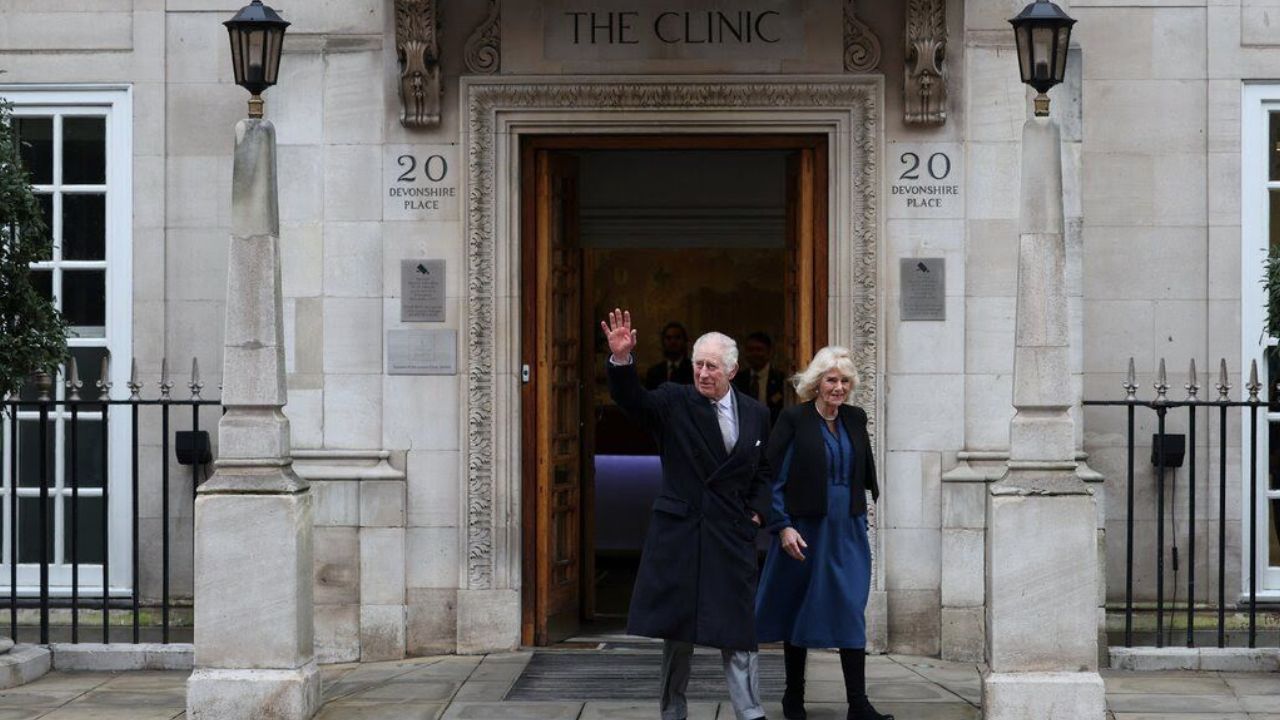
    Buckingham Palace said Britain’s monarch King Charles will suspend his public duties to undergo treatment for cancer. The palace has not disclosed what form of cancer the King has.

    Charles, 75, who became king in September 2022 following the death of his mother Queen Elizabeth, is feeling ‘positive’ and looking ‘forward to returning to full public duty as soon as possible’, the palace said.
    Charles spent three nights in hospital last month where he had a corrective procedure for an enlarged prostate.

    No further details were given about the type of cancer the King has.

  • Divorce breaks you, shouldn’t be an ‘easy way out’: Juggan Kazim

    Divorce breaks you, shouldn’t be an ‘easy way out’: Juggan Kazim

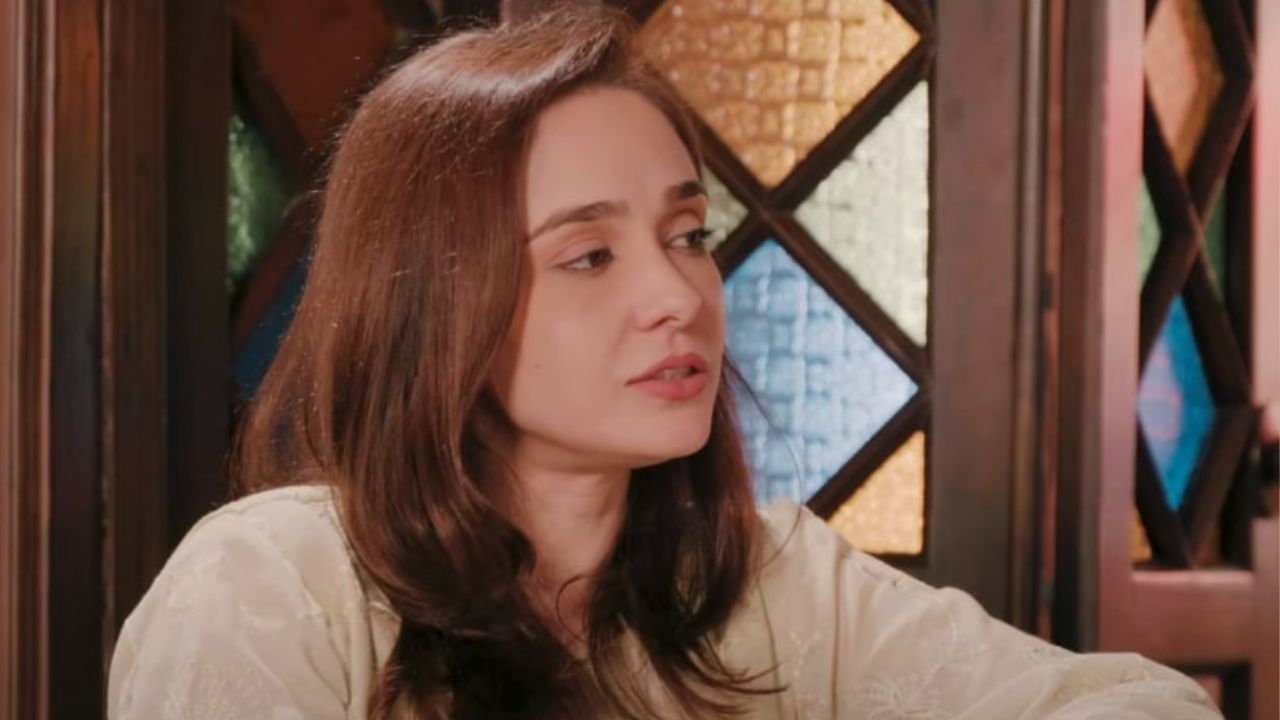
    Actress and television host Juggan Kazim has made a comeback in the mini-series Gunah, proving that she still has the ability to captivate audiences. Despite facing challenges, including a difficult divorce, she now has a wonderful family with her second husband and openly shares her experiences.

    During a guest appearance on Masarrat Misbah’s show, Juggan shared valuable advice for singles considering remarriage, especially moms. She emphasized the importance of taking the time to meet the person, involving the kids in the process, and making a thoughtful decision. Juggan herself followed this approach with her second husband, Faisal Naqvi, taking six months before committing to the relationship. Although Faisal’s kids initially took time to accept their relationship, things eventually worked out.


    She said, “Women with children should take a cautious approach, and involve their children in the decision-making process.”
    The actress-turned-host highlighted the significance of investing time and effort into blending families, especially when stepchildren are involved. According to Kazim, “Patience is key, as it took time for Faisal’s grown-up children to warm up to their new family dynamics.”

    Juggan also expressed her concerns about the trend of easy divorces in today’s society. She shared her personal struggle and highlighted the toll it takes on individuals internally. While she discouraged stigmatizing divorce, she expressed worry that society is normalizing the easy way out, which could influence younger generations. Juggan stressed the importance of making a genuine effort to make a marriage work, as she believes that commitment is lacking in today’s culture.

    f