Blog

  • India celebrates female fighter pilot that Pakistan never claimed capturing

    India celebrates female fighter pilot that Pakistan never claimed capturing

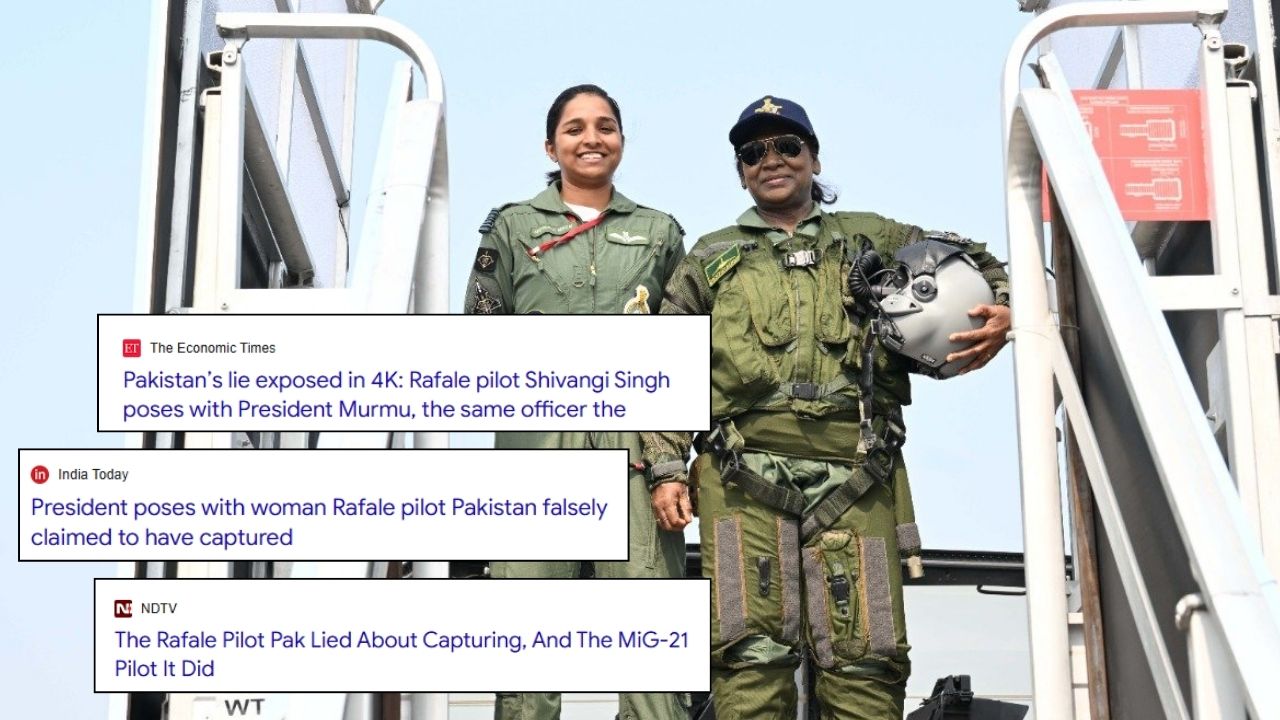
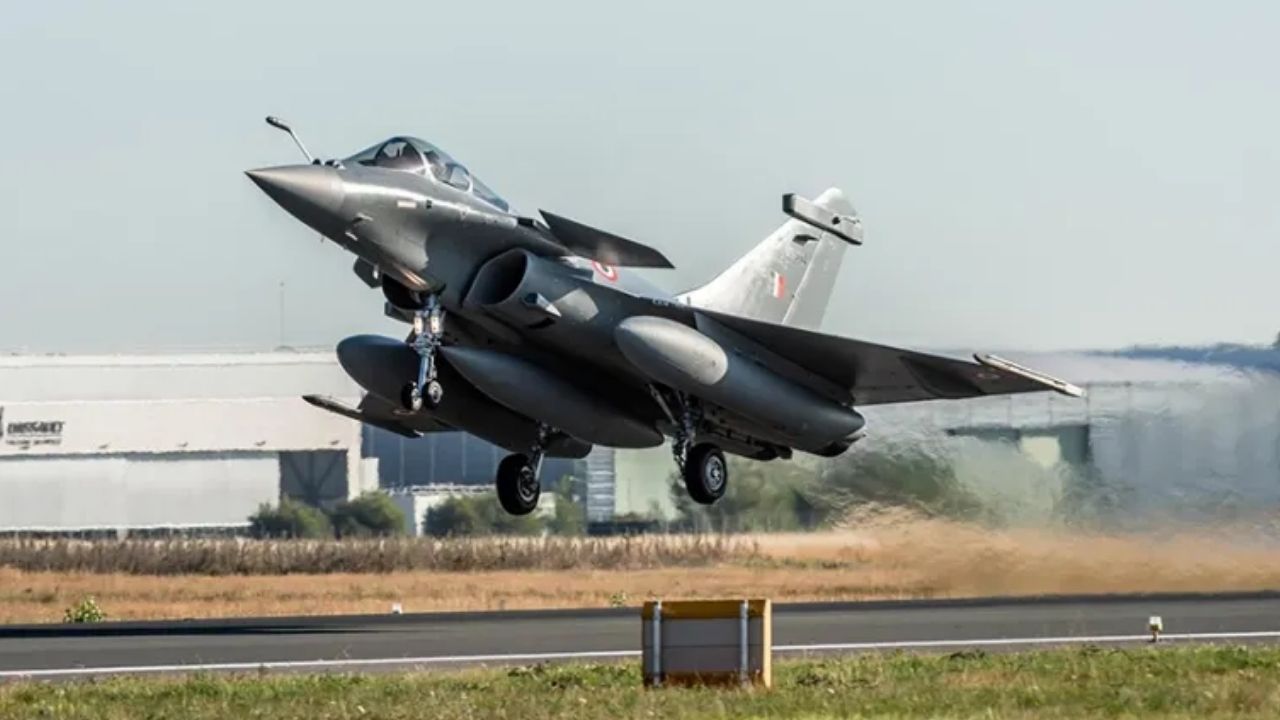
    With Indian President Droupadi Murmu posing for a photograph with Indian Air Force (IAF) pilot Shivangi Singh following the former’s sortie in a Rafale fighter jet, Indian media outlets are having a field day calling Pakistan out over its “lies”.

    As per the details, several Indian media outlets have published fact checks regarding Singh not being in Pakistani custody since after May’s military clashes – a claim that Islamabad never even made.

    Pakistan military’s media wing, the Inter-Services Public Relations (ISPR), had during a joint presser made it clear that no Indian pilot was in the country’s custody.

    “No Indian pilot is in Pakistani custody,” the ISPR chief had said on May 11, calling the reports on social media “baseless and fabricated”.

    He had gone on to explain that all Indian aircraft were shot down inside Indian territory after releasing their payloads that hit civilian areas in Pakistan. However, Indian media outlets had gone on to believe the fabricated story, only to reject it as a Pakistani claim five months later.

    It merits a mention that in May this year, South Asia witnessed one of its most intense military escalations in recent years as Pakistan responded to cross-border Indian aggression, engaging in a four-day confrontation marked by air combat, electronic warfare and strategic strikes.

    The confrontation that saw the downing of seven Indian aircraft, including at least three state-of-the-art Rafale jets, ended with a United States (US) brokered ceasefire following Pakistani strikes on multiple Indian military targets.

  • Indians worried over France’s Rafale deals with Pakistani defence allies: reports

    Indians worried over France’s Rafale deals with Pakistani defence allies: reports

    France’s defence deals for the sale of Rafale jets to Middle Eastern countries has left Indians worried over the buyers’ strong defence ties with Pakistan and China, it has emerged.

    According to reports, experts in India have raised strategic concerns across defence circles over the export of Rafale to nations like Qatar and the United Arab Emirates (UAE), both of which maintain strong defence ties rooted in military and intelligence cooperation with Pakistan and China.

    “The indirect route has sparked alarm over the possibility of passive technology seepage as the concern lies in exposure through joint exercises, maintenance protocols and shared operational environments. Even limited access to onboard systems and telemetry data could offer adversaries valuable insights,” Indian media reports quoted experts as saying.

    At the heart of Rafale’s defensive architecture is its Spectra electronic warfare suite — an integrated system that provides comprehensive situational awareness, threat detection and countermeasures, making the aircraft exceptionally resilient against a wide spectrum of threats.

    Spectra operates across multiple domains, including radar warning receivers that scan for hostile emissions, laser warning systems to detect ground-based targeting and missile approach sensors that identify incoming infrared-guided missiles.

    What sets Spectra apart is its ability to fuse data from these sensors into a coherent threat picture, automatically prioritising threats and initiating countermeasures such as electronic jamming, radar decoys and infrared flares.

    The Rafale’s stealth profile is further enhanced by Spectra’s management of radar emissions and electromagnetic signature, complementing its aerodynamic design and radar-absorbent materials. Unlike traditional stealth aircraft that rely solely on shape and coating, Rafale uses active electronic warfare to adapt dynamically to threats in real time.

    In addition to electronic defenses, Rafale carries physical countermeasures like chaff and flares, deployed automatically or manually to mislead radar and infrared-guided missiles. These systems are integrated with missile warning sensors for precise timing and direction, maximising effectiveness.

    While Rafale’s survivability is also boosted by its agility and flight performance – its delta wing and canard configuration allow for high-G turns and rapid altitude changes – its network-centric design enables secure data sharing with other platforms, airborne warning systems and ground-based radars that facilitate coordinated electronic warfare tactics.

    Despite Pakistan’s massive wins against the Indian Air Force (IAF) during May’s military clashes that saw the downing of at least six Indian jets, including three Rafales, Pakistan Air Force’s (PAF) Air Vice Marshal Aurangzeb Ahmed, during a join military presser, said the French-made aircraft was a “potent aircraft if employed well”.

    Experts say that Pakistan’s dominance during the clashes was attributed to superior electronic warfare, agile air tactics and strategic use of drones and networked command systems, which may or may not have included passive tech seepage.

    Other factors that contributed to Pakistan’s edge during the confrontation included electronic warfare and defence systems, precision strikes and drone warfare beside an integrated command structure enabled faster decision-making and coordinated multi-domain responses.

  • Petrol prices likely to go up starting Nov 1

    Petrol prices likely to go up starting Nov 1

    After two weeks of reduced petroleum product prices, the same are likely to increase by up to Rs2.34 per litre starting November 1, reports said.

    According to reports, the potential spike is expected amid volatility in the international oil market and the impact of recent United States (US) sanctions on Russia’s top oil producers.

    Preliminary estimates for the first 12 days of the current pricing cycle suggest petrol prices may rise by Rs1.48 per litre while high-speed diesel (HSD) could go up by Rs1.38 per litre.

    Kerosene oil is likely to see a sharper increase of Rs2.34 per litre whereas light diesel oil (LDO) may edge higher by Rs0.49 per litre.

    If these trends continue, the new consumer prices from November 1 are projected to be Rs264.50 per litre for petrol, Rs276.80 for diesel, Rs184.05 for kerosene and Rs163.25 for LDO.

    Reports said that final price adjustments will be announced on the evening of October 31, after a review of the complete fortnight’s import and exchange rate data.

    It may be noted that petrol prices last changed in mid-October when the government announced a downward revision, providing some relief to consumers amid easing global oil rates and a relatively stable rupee.

    According to a notification issued by the Ministry of Finance, the price of petrol was reduced by Rs5.66 per litre while HSD was cut by Rs1.39 per litre.

    The new rates came into effect on October 16, following which a modest reduction in transport and commodity costs was reported.

  • Asim Azhar said Khuda Hafiz… but maybe not to Hania Aamir?

    Asim Azhar said Khuda Hafiz… but maybe not to Hania Aamir?

    Singer Asim Azhar has taken over social media, and this time, fans think their long-held suspicions might just be true.

    After mysteriously deleting all his Instagram posts and leaving behind only a cryptic “Khuda Hafiz,” Asim finally broke his silence with a dramatic comeback video. The clip announced his much-anticipated solo album “Asim Ali”, set to release on November 24, but that was not what got fans talking.

    The real shocker came when Hania Aamir appeared in the video. The ex-couple, who had parted ways years ago, were seen together, sparking an internet meltdown and instant rumours of a possible reunion.

    In his post, Asim wrote, “On my 29th birthday, I want to introduce you to someone special. Until now, you’ve known Asim Azhar, but now it’s time to meet Asim Ali, my truest and most authentic self.” He added that “Asim Ali”, his first independent album, will finally be “yours soon.”

    But fans were not exactly focused on the album name or even the release date. All eyes went straight to the fifth track on the list, “Lost and Found,” which featured none other than Hania Aamir. 

    The comments section quickly exploded.

    One user wrote, “Are we thinking what you’re thinking?” while another said, “Ab maza aye ga na beeru!” A third dropped fire emojis, writing, “Excited ❤️.” Someone else simply declared, “Calm before the storm ⚡️.”

    Others were just relieved to see Asim back online. “Finally you posted,” one fan commented, while another screamed, “CANNOT WAIT!” followed by an all-caps “OH MY GOD.”

    It seems Asim did not just announce an album, he also dropped a mix of nostalgia, curiosity, and maybe even a hint of a love story sequel that no one saw coming.

  • Pakistan agrees to resume talks with Afghanistan over Türkiye’s insistence

    Pakistan agrees to resume talks with Afghanistan over Türkiye’s insistence

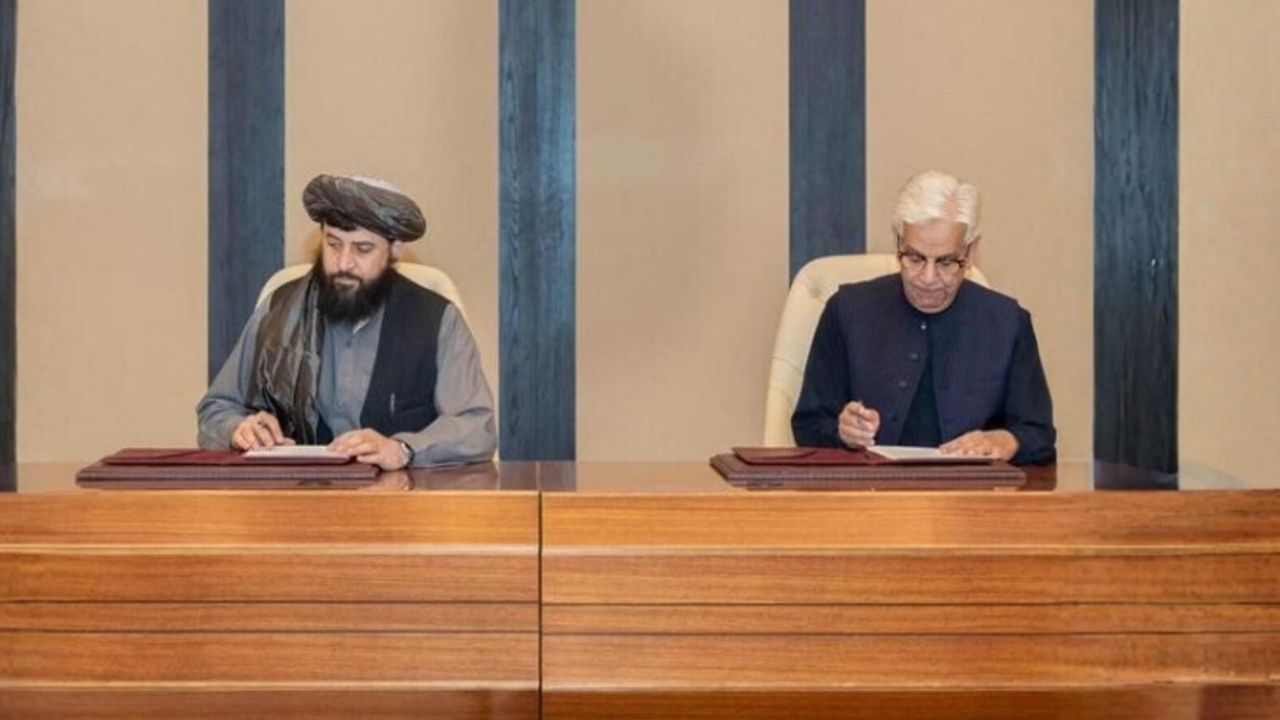
    In what could lead to a major breakthrough in Pakistan-Afghanistan tensions, Islamabad has agreed to resume diplomatic negotiations with Kabul following a renewed push by Turkish officials to salvage the stalled peace process.

    According to reports, the Pakistani delegation was initially scheduled to return home today (Thursday) after previous rounds of talks failed to yield meaningful progress. However, Turkish hosts, who reports said are keen to ensure concrete outcomes, requested the delegation to remain in Istanbul, prompting Pakistan to reconsider its position.

    Reports quoted diplomatic sources as saying that Afghan officials had also initiated contact at the diplomatic level, paving the way for the resumption of bilateral discussions.

    The Pakistani delegation, which had been preparing to depart, will now extend its stay in Istanbul to give peace another chance. The talks will focus on Pakistan’s longstanding demand that Afghanistan take clear, verifiable and effective action against terrorist groups operating from its soil.

    While the development marks a cautious step forward in efforts to stabilise relations between the two neighboring countries, Pakistan has reiterated its stance that Afghan territory must not be used for terror activities on this side of the border.

    It may be noted that Defence Minister Khawaja Asif had on Wednesday also issued a stern warning to the Afghan Taliban.


    In a post on X, the defence minister said that Pakistan had engaged in talks at the request of brotherly countries in an effort to give peace a chance, but “venomous statements” by certain Afghan officials clearly reflected the devious and splintered mindset of the Taliban regime.


    “Let me assure them that Pakistan does not require to employ even a fraction of its full arsenal to completely obliterate the Taliban regime and push them back to the caves for hiding. If they wish so, the repeat of the scenes of their rout at Tora Bora with their tails between the legs would surely be a spectacle to watch for the people of the region,” he said.


    The defence minister further said that it was sad to see how the Taliban regime was “blindly pushing Afghanistan into yet another conflict just to retain its usurped rule and maintain the war economy that sustains them”.


    “Despite fully knowing their inherent limitations and hollowness of their war cries, they are beating the war drums to maintain their crumbling facade. If the Afghan Taliban regime is madly hellbent upon ruining Afghanistan and its innocent people once again then so be it.”


    On the Afghan narrative of “graveyard of empires”, Asif said Pakistan certainly didn’t claim to be an empire but Afghanistan was “definitely a graveyard, surely for its own people”.


    “Never a graveyard of empires but certainly a playground of empires you have been throughout history,” he said, adding that the warmongers amongst the Taliban regime, “who have vested interests in the continuation of instability” in the region, should know that they have probably misread Pakistan’s resolve and courage.


    “If the Taliban regime wants to fight us, the world will INSHAALLAH see that their threats are only performative circus!”


    He went on to say that Pakistanis have “borne Afghanistan’s treachery and mockery for too long, but no more”.


    “Any terrorist attack or any suicide bombing inside Pakistan shall give you the bitter taste of such misadventures. Be rest assured and test our resolve and capabilities, if you wish so, at your own peril and doom,” he concluded.


    Asif had posted the statement hours after Tarar said that Pakistan had repeatedly engaged with the Afghan Taliban over “persistent cross-border terrorism” by Indian-abetted Fitna al Khawarij and Indian proxy Fitna al Hindustan.


    “The Afghan Taliban regime have been asked time and again to fulfil their written commitments to Pakistan and to the international community in the Doha Agreement. However, Pakistan’s fervent efforts proved futile due to the Afghan Taliban regime’s unabated support to anti-Pakistan terrorists,” Tarar had said.
  • Lahore workshop owner arrested for ‘setting 12-year-old employee on fire

    Lahore workshop owner arrested for ‘setting 12-year-old employee on fire

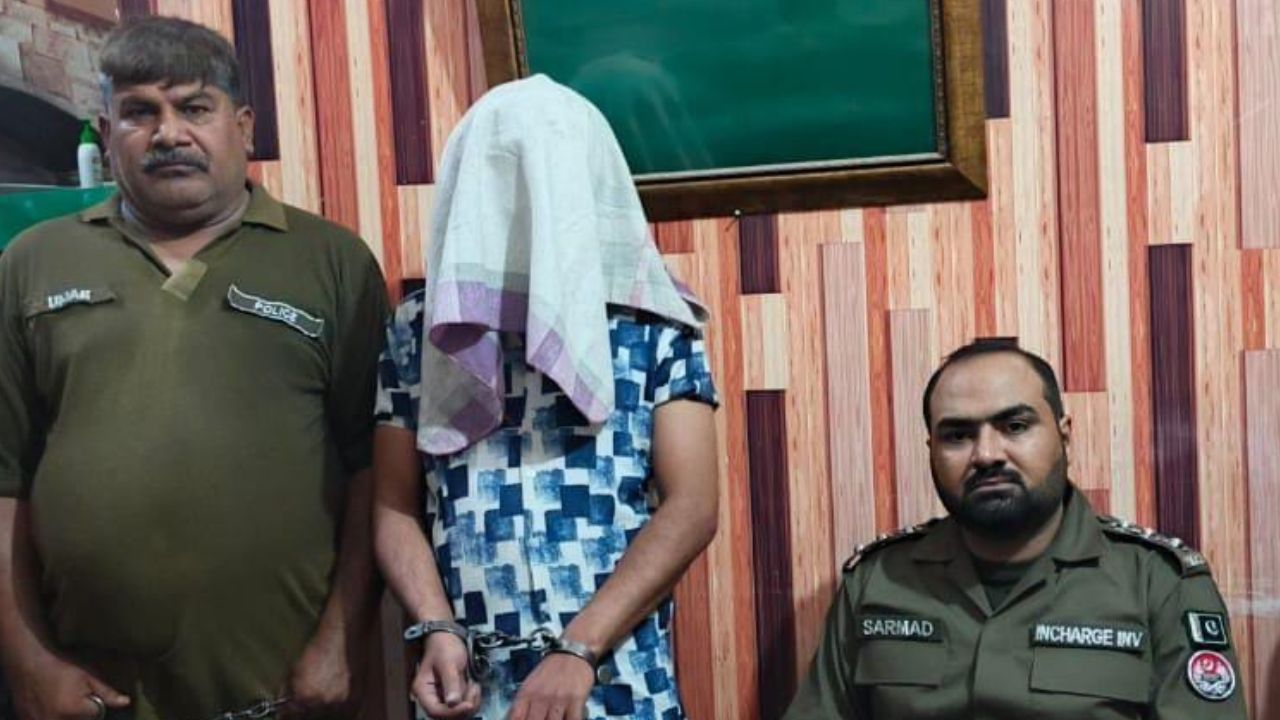
    A workshop owner in Lahore was arrested for allegedly setting his 12-year-old employee on fire.

    As per the details, the incident took place in Model Colony area of the provincial capital’s Gulberg locality where the young boy, identified as Faizan, was set ablaze after a car’s carburetor spilled fuel onto his clothes.

    When the boy informed his employer of the accident, the accused, namely Babar, allegedly lit a matchstick and threw it towards him, causing the clothes to catch fire instantly.

    Faizan was engulfed in flames and sustained serious injuries before being rescued and taken to the hospital for treatment, police said.

    Following the incident, deputy inspector general of police operations took notice and instructed the station house officer (SHO) concerned to take swift action.

    Using modern tracking technology, the police successfully arrested the suspect who had tried to flee the scene. A formal case was registered against him on the complaint of the victim’s father Shah Muhammad.

    The SHO also confirmed that the accused was in police custody and further investigation into the incident is currently underway.

  • Whose side is Mawra on in Jama Taqseem?

    Whose side is Mawra on in Jama Taqseem?

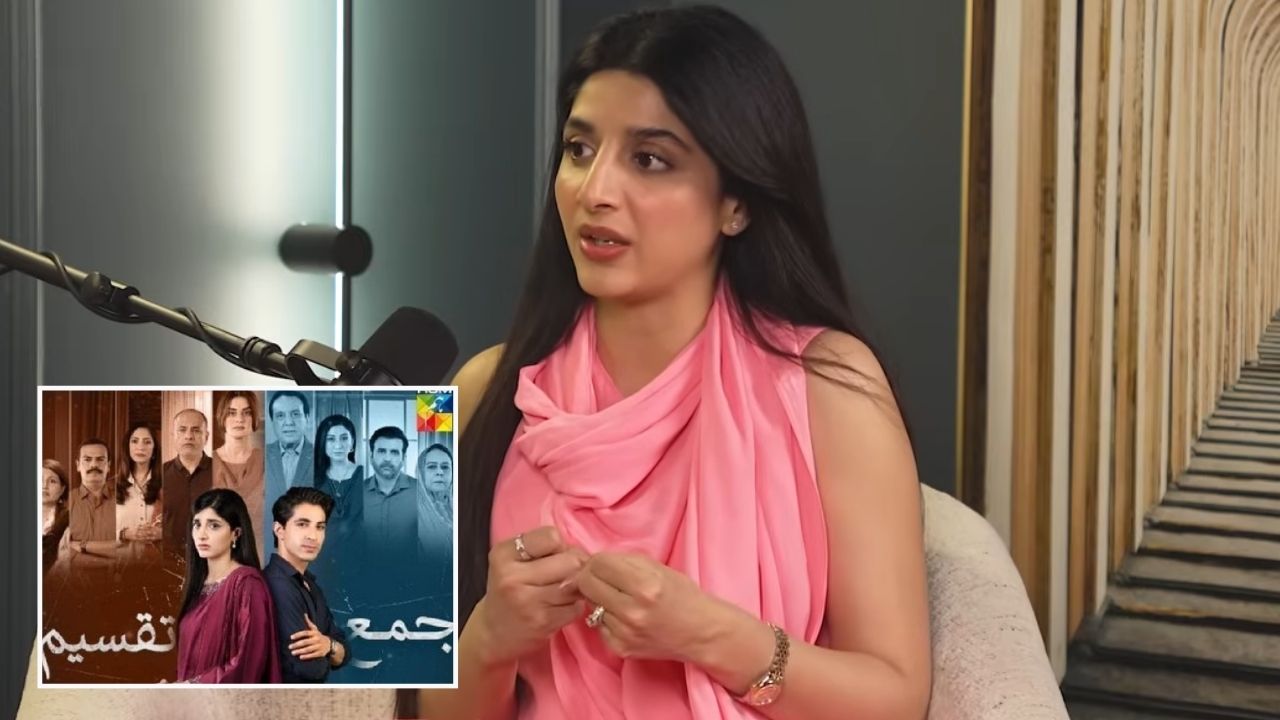
    Actor Mawra Hocane, who is currently starring in the hit drama Jama Taqseem, has shared details about her role, wedding and whose side she was on in the drama.

    Appearing on a podcast, Mawra was asked if she was on Team Laila, to which she said “more on Team Laila’s mom”, explaining she loved how blunt the mother was in the drama. 

    In the joint family drama, which is taking the drama world by storm, Laila’s mother, played by Tazeen Hussain, is a very blunt voice of reason. She warns Laila, played by Mawra, before she marries Qais, played by Talha Chahour, that she needed protection from her in-laws and worried that Laila, the only child of a wealthy couple, would not be able to adjust in a joint family set up like that of Qais.

    Despite being against the marriage, she agrees for her child’s happiness and even though at times you feel that Laila’s mom has not been there for her much, as a working woman, it’s clear that they have a very loving, supportive relationship. We also see her mother’s vulnerability when she retires from her decades-old teaching career and how Laila is there for her. 

    During the podcast, Mawra went on to explain how the strength that Laila’s mother shows in the drama is what allows Laila to take a stand for herself, adding that she gives credit about her life and her career to her own mother, who was brave during an era when it was very difficult to be brave.

    “It’s our legacy to take this bravery and resilience forward and that’s what the drama also shows,” Mawra explained.

    During the conversation, Mawra also talked about her wedding, her movies, dramas and working in the industry for the younger generation.

  • Falak Shabir gives Pakistan Idol permission to use his songs

    Falak Shabir gives Pakistan Idol permission to use his songs

    Singer Falak Shabir has expressed support for the music reality show Pakistan Idol. The show has garnered plenty of praise along with controversies about some singers not allowing contestants to use their songs. 

    Taking to Instagram, Falak announced that all Pakistan Idol contestants are free to perform any of his songs during the competition.

    “I give Pakistan Idol permission to use all of my songs so that rising singers can have a platform to shine and represent Pakistan globally,” he wrote. “I fully support the judges and all the talented participants of Pakistan Idol.”

    His statement came shortly after veteran singer Sajjad Ali revealed that participants are not allowed to perform his songs due to a copyright dispute with the show’s organizers.

    During a press conference in Canada, Sajjad Ali said that the Pakistan Idol team had approached him to secure the rights to his music, but both parties failed to agree on financial terms. He noted that the limited selection of licensed tracks has affected the variety of performances, as “every contestant wanted to sing our songs,” and those who did “would receive significant admiration and possibly win the competition.”

    According to Pakistan’s Copyright Ordinance of 1962, song rights are owned by the creator unless officially licensed or transferred. Any public performance or adaptation without permission is considered a legal infringement.

    Sajjad Ali mentioned that most of the show’s licensed catalog comes from EMI Records, Pakistan’s oldest record label, which holds rights to the works of legendary artists like Noor Jehan, Mehdi Hassan, Nusrat Fateh Ali Khan, Strings, and Vital Signs.

    The disagreement has prevented contestants from performing Sajjad Ali’s popular songs but has also reignited debate over copyright ownership, artist rights, and creative opportunities in Pakistan’s music industry.

  • Australian cricketer dies after ball hits him on neck during practice

    Australian cricketer dies after ball hits him on neck during practice

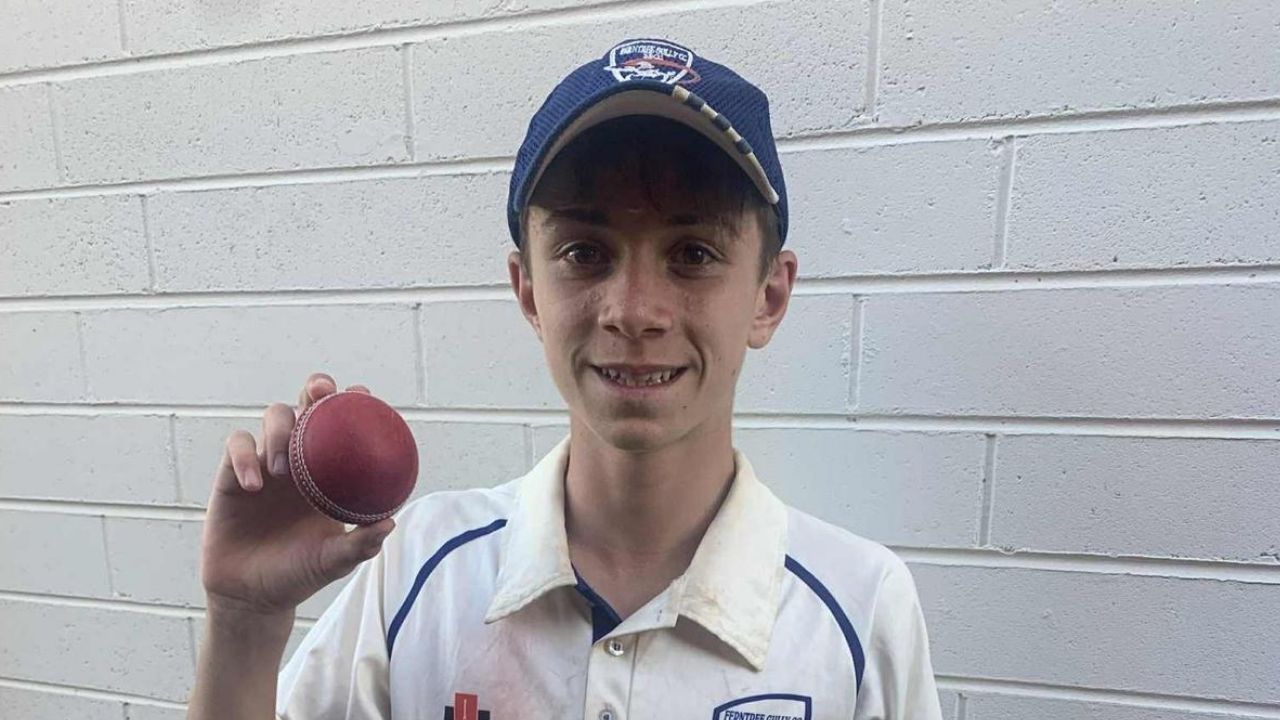
    A 17-year-old Australian cricketer namee Ben Austin died after being struck on the neck during a practice session in Melbourne.

    According to Australian media, the incident occurred earlier this week in Melbourne’s east, where Ben suffered a serious injury while training. He was rushed to the hospital in critical condition, but doctors later confirmed that he had died. 

    Cricket Victoria said a ball from a throwing device hit Ben on the neck. The board confirmed that he was wearing a helmet but did not have a stem guard attached.

    Head of Cricket Victoria, Nick Cummins, said the incident was eerily similar to the fatal accident that claimed the life of Australian cricketer Phillip Hughes 11 years ago. Hughes died in 2014 after being struck on the neck by a bouncer during a domestic match at the Sydney Cricket Ground.

    Cricket Australia, club officials, and Ben’s family expressed deep sorrow over the tragic incident.

  • At least 2,000 killed in RSF attacks amid ‘mass killing’ in Sudan

    At least 2,000 killed in RSF attacks amid ‘mass killing’ in Sudan

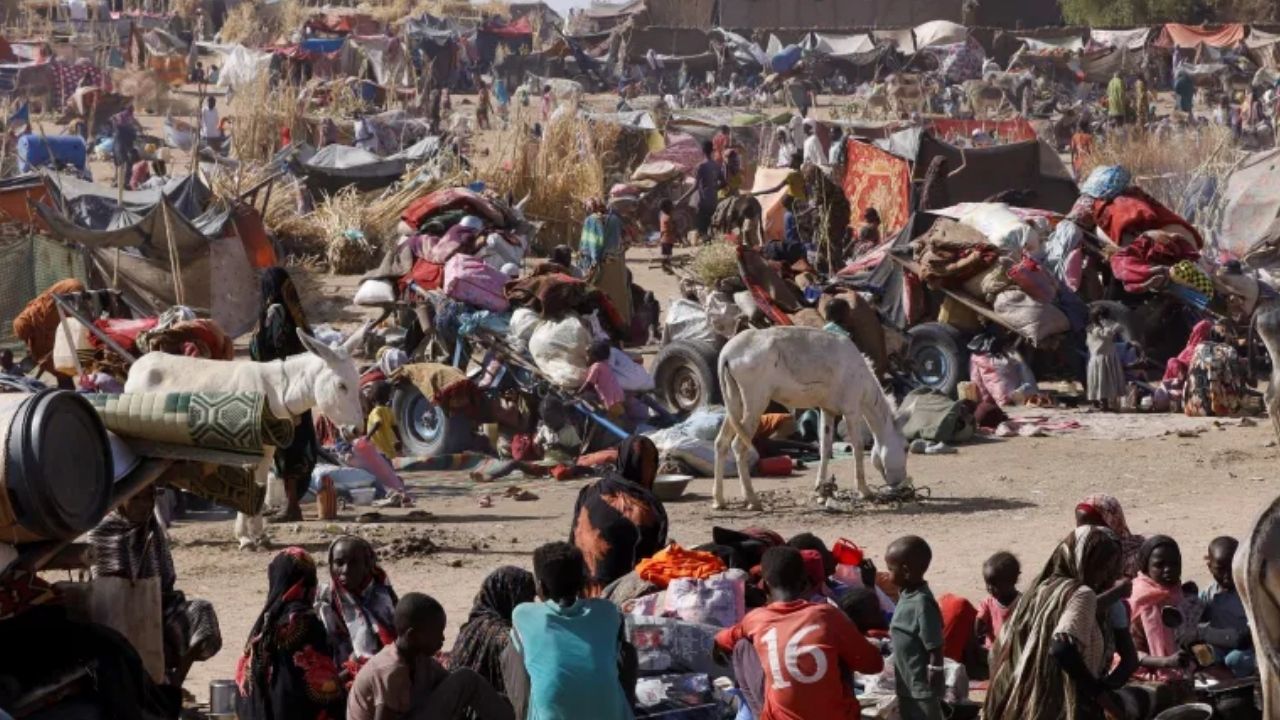
    At least 2,000 people have been killed in three days of attacks by the Rapid Support Forces (RSF) in the Sudanese city of Al-Fashir.

    According to the media reports, RSF fighters targeted civilians trying to flee the city amid heavy clashes with the Sudanese army, describing the situation as a “real genocide.”

    The Sudanese Doctors Network said the killings were a continuation of the violence that erupted a year and a half ago in Al-Fashir, when over 14,000 civilians died due to bombings, starvation, and extrajudicial executions.

    The statement came after Yale University’s Humanitarian Research Lab released a report confirming evidence of mass killings in the area.

    The RSF captured Al-Fashir on Sunday after a 17-month siege, taking control of the Sudanese army’s last major stronghold in Darfur. Sudan’s government said at least 2,000 people have died in the city, while aid organizations reported verified accounts of severe abuses, including executions, attacks on fleeing civilians, and house-to-house killings.

    Reports also indicate widespread sexual violence against women and girls.

    With the fall of Al-Fashir, the RSF now controls nearly all of Darfur, raising fears of Sudan’s potential re-division after more than a decade.

    Government officials supporting the Sudanese army accused the RSF of targeting civilians sheltering in mosques during its assault. Sudan’s humanitarian affairs officer, Mona Nour Al-Daem, said over 2,000 civilians were killed in the attack, including Red Crescent volunteers and worshippers.

    RSF fighters posted videos on social media showing gunmen shooting at civilians trying to escape.

    In one of the most disturbing videos, RSF soldiers were seen inside Al-Fashir’s Saudi Hospital, executing patients. Survivors said at least 500 people had taken refuge inside the facility. Medical staff were also among those killed.

    World Health Organization (WHO) Director-General Tedros Adhanom Ghebreyesus confirmed that more than 460 people were killed inside the Saudi Maternity Hospital. He said the WHO was “deeply shocked and horrified” by the reports.

    The Sudanese Doctors Network said RSF fighters “brutally killed everyone inside the Saudi Hospital, including patients, their companions, and staff.”