Blog

  • PCB announces record domestic contracts for 2025–26 season

    PCB announces record domestic contracts for 2025–26 season

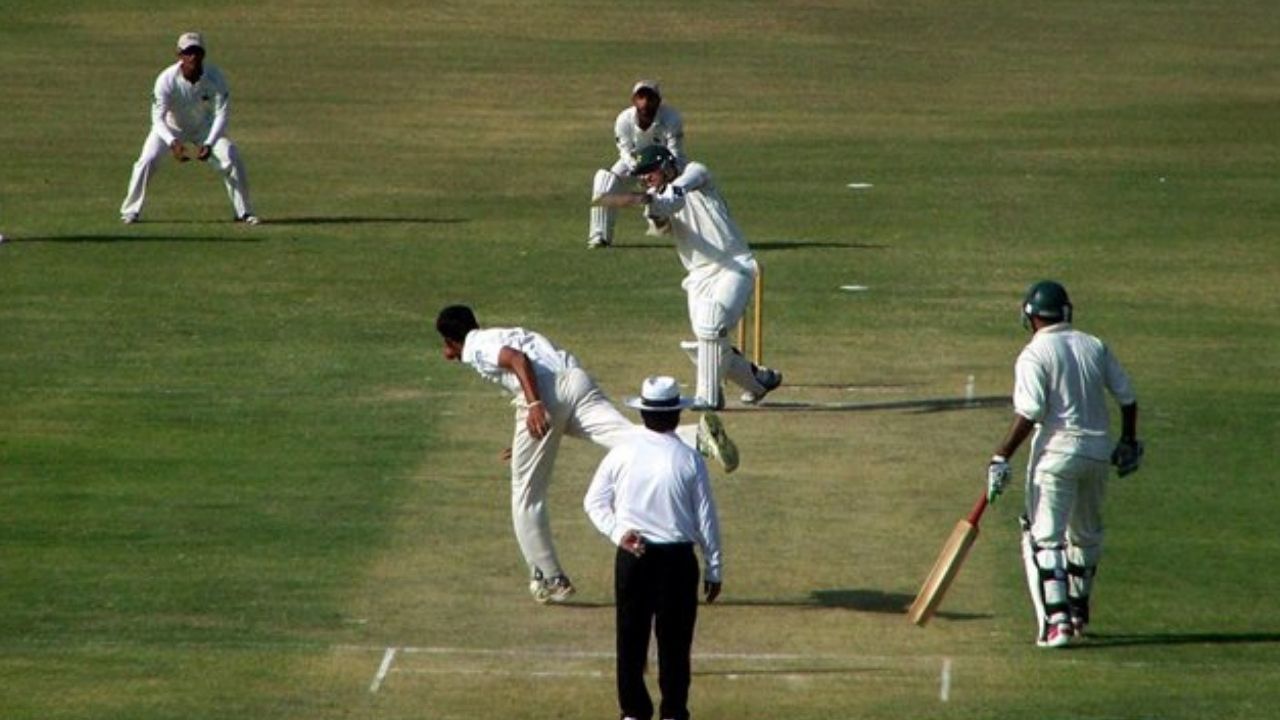
    The Pakistan Cricket Board (PCB) has announced a record 157 men’s domestic contracts for the 2025–26 season, marking the largest-ever pool of contracted players in history. 

    The contracts, which will run from August 2025 to July 2026, aim to reward consistent performers and strengthen the domestic cricket structure.

    This year, the PCB expanded the number of categories from three to four – DC1, DC2, DC3, and DC4 – to ensure that a wider range of players, from emerging stars to seasoned performers, benefit from the new system.

    The board said that players were selected on the basis of their performances in all domestic tournaments during the 2024–25 season, covering both red-ball and white-ball formats.

    Domestic Category 1 (30 players)

    Usman Khan (Karachi), Abid Ali (Lahore), Mohammad Huraira (Sialkot), Imam-ul-Haq (Lahore), Mohammad Hasnain (Hyderabad), Aamir Jamal (Islamabad), Zahid Mehmood (Larkana), Iftikhar Ahmed (Peshawar), Mohammad Ismail (Multan), Haseebullah (Quetta), Omair Bin Yousuf (Karachi), Umar Amin (Islamabad), Waqar Hussain (Multan), Kamran Ghulam (Abbottabad), Mir Hamza (Karachi), Mohammad Ali (Sialkot), Azan Awais (Sialkot), Kashif Bhatti (Hyderabad), Mohammad Shahzad (Multan), Usman Tariq (Peshawar), Umar Siddiq (Lahore), Niaz Khan (Peshawar), Faisal Akram (Multan), Tayyab Tahir (Lahore), Nisar Ahmed (Lahore), Mushtaq Ahmed (Larkana), Muhammad Irfan Khan (Faisalabad), Khalid Usman (Abbottabad), Jahandad Khan (Rawalpindi) and Usman Khan (Karachi).

    Domestic Category 2 (55 players)

    Haider Ali (Rawalpindi), Danish Aziz (Karachi), Mirza Tahir Baig (Sialkot), Mohammad Salman (Lahore), Saad Baig (Karachi), Mohammad Imran Jr (Peshawar), Abdul Faseeh (Rawalpindi), Mohammad Rameez Jr (Lahore), Musa Khan (Islamabad), Arif Yaqoob (Karachi), Kashif Ali (Rawalpindi), Saifullah Bangash (Karachi), Mohammad Suleman (Hyderabad), Maaz Sadaqat (Peshawar), Ali Raza (Sialkot), Mehran Sanwal (Bahawalpur), Mohammad Amir Khan (Peshawar), Asif Afridi (FATA), Mohammad Naeem (FATA), Rohail Nazir (Islamabad), Shahnawaz Dahani (Larkana), Arafat Minhas (Multan), Abdul Samad (Faisalabad), Yasir Khan (Rawalpindi), Mohammad Faizan (Faisalabad), Ali Zaryab (Lahore), Mehran Mumtaz (Rawalpindi), Jalat Khan (Quetta), Sameen Gul (FATA), Ahmed Bashir (Lahore), Qasim Akram (Lahore), Shamyl Hussain (Islamabad), Usama Mir (Sialkot), Saad Khan (Hyderabad), Ubaid Shah (Lahore), Ahmed Safi Abdullah (Faisalabad), Waqar Ahmed (Peshawar), Saad Masood (Rawalpindi), Arshadullah (FATA), Rameez Aziz (Karachi), Mohammad Arif (Abbottabad), Hassan Raza (AJK), Khawaja Mohammad Nafay (Karachi), Sirajuddin (FATA), Mubasir Khan (Rawalpindi), Imran Butt (Lahore), Waseem Akram Jnr (Multan), Mohsin Riaz (Sialkot), Mohammad Arif (Abbottabad), Mohammad Suleman (Hyderabad), Sharoon Siraj (Multan), Mohammad Arif (Abbottabad), Waqar Ahmed (Peshawar), and Zaman Khan (AJK).

    Domestic Category 3 (51 players)

    Aamer Yamin (Multan), Fawad Alam (Karachi), Muhammad Akhlaq (Lahore), Mohammad Umar (Karachi), Bilawal Bhatti (Sialkot), Saad Nasim (Lahore), Abbas Ali (Peshawar), Mohammad Asghar (Karachi), Arsal Sheikh (Islamabad), Asif Ali (Faisalabad), Ali Husnain (Rawalpindi), Mohammad Zeeshan (Faisalabad), Jahanzaib Sultan (Karachi), Imran Dogar (Lahore), Mohammad Adil (Abbottabad), Naseerullah Khan (Islamabad), Shahzaib Khan (Abbottabad), Mohammad Taha (Karachi), Israr Hussain (Abbottabad), Kamran Afzal (Lahore), Nabi Gul (Peshawar), Shahab Khan (Abbottabad), Mohsin Khan (Peshawar), Mohammad Sarwar Afridi (FATA), Naqeebullah (Quetta), Ali Usman (Multan), Aftab Khan (Karachi), Afaq Afridi (FATA), Mohammad Azab (Bahawalpur), Mohammad Huzaifa (Bahawalpur), Mohammad Amir Barki (Peshawar), Taimur Khan (Rawalpindi), Hasnain Nadeem (AJK), Shehzad Gul (Faisalabad), Saqib Khan (Karachi), Raja Hamza Waheed (Islamabad), Fawad Alam (Karachi), Rizwan Mehmood (Hyderabad), Adil Amin (Peshawar), Tahir Hussain (Multan), Salman Irshad (AJK), Abdur Rehman (Sialkot), Ali Hamza Wasim (Bahawalpur), Mohammad Hamza (Karachi), Jawad Ali (Hyderabad), Afaq Ahmed (Abbottabad), Mohammad Asghar (Karachi), Mohammad Umar (Karachi), Mohammad Zeeshan (Faisalabad), and Shahab Khan (Abbottabad).

    Domestic Category 4 (21 players)

    Sharjeel Khan (Hyderabad), Taj Wali (AJK), Bismillah Khan (Quetta), Zain Abbas (Multan), Abu Huraira (Dera Murad Jamali), Mohammad Irfan (Lahore), Aqib Liaqat (AJK), Mohammad Ammar (Bahawalpur), Sajjad Ali Hashmi (Abbottabad), Mohammad Faizan Jr (Peshawar), Mansoor Ali (Abbottabad), Imran Rafiq (Multan), Shoaib Akhtar Jr (Sialkot), Faizan Saleem (AJK), Ali Shan (Faisalabad), Aashar Mehmood (Sialkot), Gulfam Aziz (Bahawalpur), Aqib Khan (Abbottabad), Mohammad Ali Taj (Islamabad), Mohammad Hammad Khan (Islamabad), and Aqib Shah (Rawalpindi).

    The domestic calendar for 2025–26 began in August with the 12-team Hanif Mohammad Trophy and includes two first-class tournaments, three non-first-class red-ball events, a List A competition, the two-phase National T20 Cup and the 11th edition of the Pakistan Super League.


  • HONOR and BYD Form Strategic Partnership to Advance AI-powered Intelligent Mobility

    HONOR and BYD Form Strategic Partnership to Advance AI-powered Intelligent Mobility

    Global AI device ecosystem company HONOR today announced a strategic partnership with BYD, the world’s leading new-energy vehicle manufacturer. The collaboration integrates HONOR’s vehicle connectivity solution with BYD’s next-generation DiLink smart ecosystem to deliver human-centric, AI-powered mobility experiences for consumers.

    The agreement was signed at a ceremony witnessed by James Li, CEO of HONOR, and Wang Chuanfu, Chairman and President of BYD Group. Fang Fei, President of Products at HONOR, and Yang Dongsheng, Senior Vice President of BYD and President of the Automotive New Technology Research Institute, signed on behalf of their companies, marking the start of deeper cooperation in intelligent mobility.

    This strategic partnership is not only a deep collaboration in technology and ecosystem between two industry leaders, but also a forward-looking commitment to the future of intelligent mobility.

    The partnership will progress along three pillars:


    Core technology and features: Joint innovation in cross-device ecosystem integration, AI agent integration, and high-precision Bluetooth-based car key.


    Channel ecosystem and user benefits: Establishing a collaborative channel model that leverages HONOR’s connected vehicle capabilities and BYD’s intelligent ecosystem to maximize interoperability between platforms.


    Joint communications and user engagement: Collaborative marketing, joint launches and user engagement around key launch milestones.

    HONOR and BYD first collaborated in 2023, introducing smartphone NFC car keys that let BYD owners lock and unlock vehicles with HONOR smartphones. In 2024, the partnership extended to in-vehicle fast charging. In 2025, building on phone-to-car connectivity, the partners deepened cooperation: DENZA became the first brand to adopt HONOR Car Connect, with coverage expanding across additional BYD brands to enable seamless cross-device interaction and service continuity.

    “At HONOR, we have always believed that the key to maximizing human potential lies in the combination of a human-centric focus and technology. Our partnership with BYD is a comprehensive collaboration for the AI era, with smart mobility as the key strategic focus at this stage. Together, we will advance joint technology development, complement each other’s strengths, and co-create an ecosystem of seamless and intelligent mobility experiences that enrich every journey and help usher in a new paradigm of smart living,” said James Li, CEO of HONOR.

    This strategic cooperation represents both a deep integration of technology and resources and a significant innovation in intelligent mobility. Looking ahead, both companies will continue to be user-centric and AI-driven, accelerating development and rollout of phone-to-car connectivity, digital keys, and other features while enhancing safety and convenience across smart mobility scenarios.

    The upcoming 2025 HONOR Global Developers Conference and AI Device Ecosystem Conference on October 23rd will also showcase the collaborative achievements of both parties. HONOR will also highlight the HONOR AI Connect platform and its role in building human-centric, scenario-based AI ecosystem solutions during the conference.

    About HONOR

    HONOR is a global leading AI device ecosystem company. It is committed to revolutionizing human-to-device interactions to bridge the AI ecosystem with all consumers in the agentic AI era and beyond. The company endeavors to open industrial boundaries through open, seamless collaboration to co-create a value-sharing ecosystem with industry partners. With an innovative product portfolio spanning AI phones, PCs, tablets, wearables and more, HONOR aims to empower every human, enabling everyone to embrace the new intelligent world.

  • Pakistan issues visas to 2,100 Indian Sikh pilgrims for Baba Guru Nanak’s birth anniversary

    Pakistan issues visas to 2,100 Indian Sikh pilgrims for Baba Guru Nanak’s birth anniversary

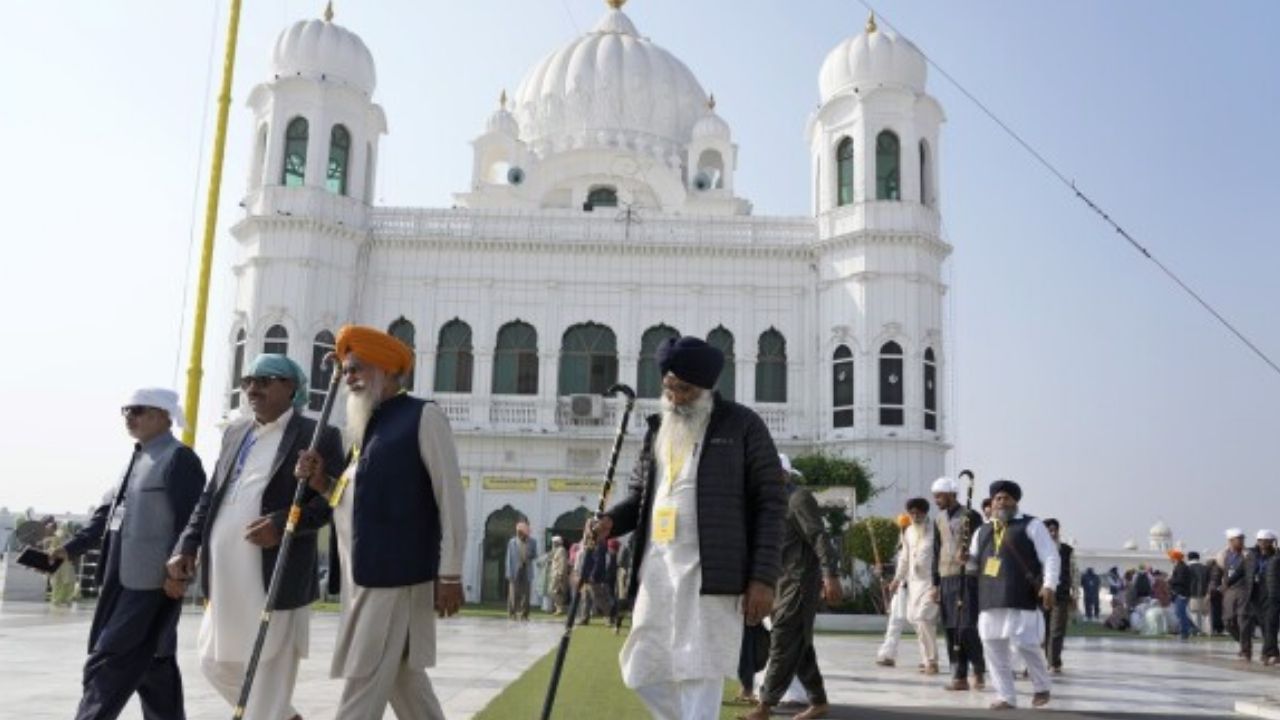
    The Pakistan High Commission in New Delhi has issued visas to more than 2,100 Sikh pilgrims from India to attend the birth anniversary celebrations of Baba Guru Nanak – the founder of Sikhism.

    According to reports, the visas were issued under the 1974 Protocol on Religious Pilgrimages – an agreement between Pakistan and India allowing citizens from both countries to visit each other’s religious sites.

    The celebrations will be held in Pakistan from November 4 to 13 with thousands of Sikh devotees expected to join the annual festivities.

    During their visit, the pilgrims will travel to several sacred gurdwaras, including Gurdwara Nankana Sahib, the birthplace of Baba Guru Nanak; Gurdwara Panja Sahib in Hasan Abdal and Gurdwara Darbar Sahib Kartarpur, which is one of Sikhism’s holiest sites.

    These historic shrines hold deep religious and cultural importance for the global Sikh community, drawing thousands of pilgrims every year for prayers and community gatherings.

    Earlier, Chargé d’Affaires Saad Ahmed Warraich welcomed the pilgrims at the Pakistan High Commission in New Delhi and extended his best wishes for a “blessed and spiritually fulfilling journey”.

    He reaffirmed Pakistan’s commitment to supporting Sikh pilgrims from around the world, saying such initiatives highlight the country’s dedication to interfaith harmony, religious tolerance and cultural understanding.

    “Pakistan will continue to extend full support to Sikh pilgrims to make their spiritual journeys meaningful and memorable,” Warraich said.

  • Vehicles without green stickers to be banned in Lahore

    Vehicles without green stickers to be banned in Lahore

    The Punjab Environmental Protection Agency (EPA) has announced that vehicles without “Green Stickers” will not be allowed on Lahore’s roads after November 15.

    As per the details, EPA Director General (DG) Dr Imran Hamid Sheikh on Wednesday said that exhaust testing is now mandatory for all vehicles in the city, confirming that the agency has launched a strict crackdown on vehicles causing air pollution.

    “From November 15, any vehicle found on the road without an Exhaust Testing System (ETS) certificate or a green sticker will be impounded,” Dr Sheikh warned.

    “Only vehicles meeting Punjab’s environmental standards will be permitted to operate on the roads.”

    The EPA reminded drivers that both emissions and noise testing are compulsory.

    Dr Sheikh said the emission testing system was formally launched in July 2025 to control vehicular pollution ahead of the smog season. He added that vehicles manufactured between 2010 and 2015 are being targeted in the first phase of enforcement.

    The previous deadline for green stickers was August 31.

    Dr Sheikh said the agency has adopted a zero-tolerance policy toward vehicles that harm the environment. Vehicles not verified through the ETS will face legal action and possible confiscation.

    The EPA urged citizens to have their vehicles tested immediately, saying this is the toughest anti-pollution campaign ever launched in Lahore.

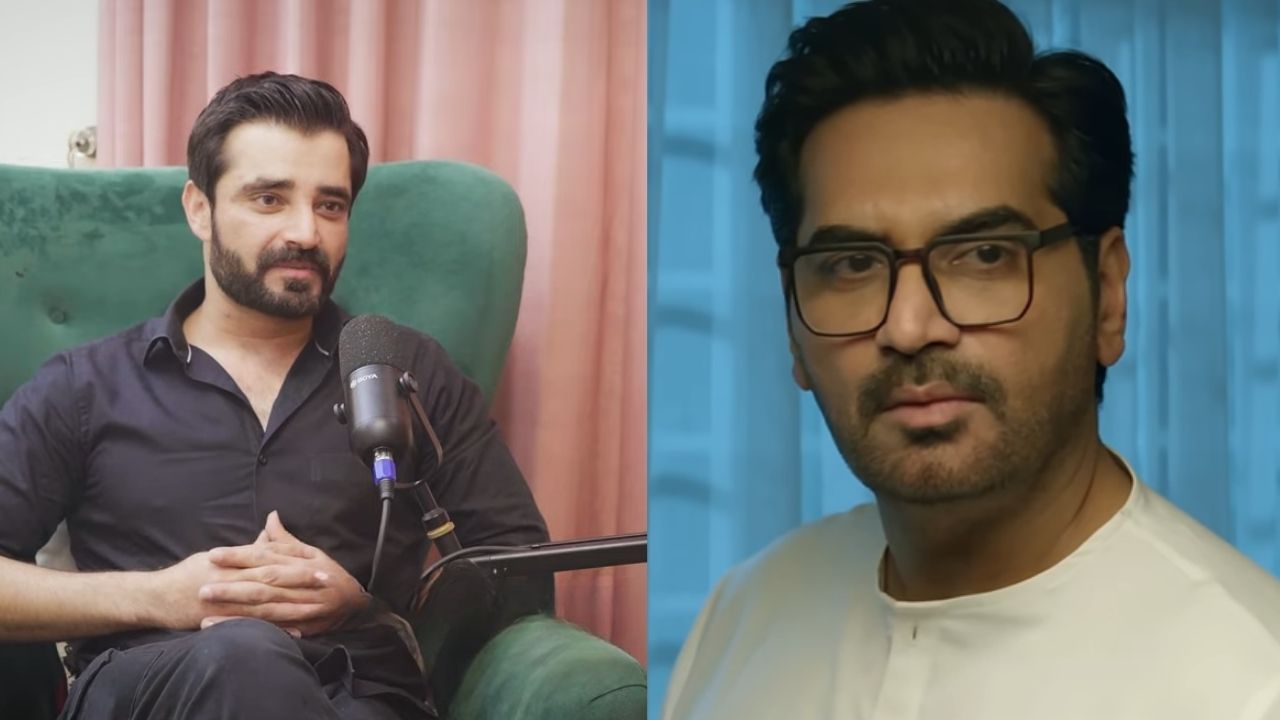
  • If I woke up as Humayun Saeed, I’ll go to the gym: Hamza Ali Abbasi

    If I woke up as Humayun Saeed, I’ll go to the gym: Hamza Ali Abbasi

    Actor Hamza Ali Abbasi recently showed his humorous side in a podcast segment where he was asked what he would do if he woke up as different Pakistani celebrities. 

    From teasing Humayun Saeed about his fitness routine to praising Fawad Khan’s charm and Mahira Khan’s acting, Hamza’s answers had fans smiling throughout.

    When the host asked what he would do if he woke up as Humayun Saeed, Hamza instantly replied, “I’d go to the gym first thing. Because I know his biggest issue is that he can’t stay consistent with the gym.” 

    Moving on to Fawad Khan, Hamza admitted there wasn’t much he would change if he woke up as him. “If I were Fawad, what would I do? Actually, I wouldn’t do anything. Fawad doesn’t need to do much, just waking up as he is, that’s fine,” he said with a smile. “I’d just keep looking at myself; he’s fine in that regard. His body’s fine too.”

    The actor also shared what he would do if he woke up as singer Atif Aslam. “I’d start by singing something in the morning so that it benefits me and also the birds chirping outside could feel it a bit too,” Hamza joked. “So I’d start my day by singing.”

    When asked about Hania Aamir, Hamza praised her recent achievements and said, “If I were Hania, then I’d be planning a trip to Sri Lanka next because she represented Pakistan so well in Bangladesh. Mashallah. So I’d plan to represent Pakistan somewhere else.”

    Finally, talking about Mahira Khan, Hamza’s tone turned thoughtful. “If I were Mahira, then I think I’d be asking for a new drama script because she needs to do more dramas,” he said. “Actually, even if I were Fawad, I’d say, we should give our TV screens a little lift. Because our TV really needs superstars like Fawad and Mahira.”

    Hamza added that Mahira continues to work in television, but he hopes Fawad will return to the small screen soon. “If Fawad starts doing TV in Pakistan, it would be a great service to Pakistani television,” he concluded.

    Hamza Ali Abbasi is best known for his roles in the blockbuster film The Legend of Maula Jatt and the hit drama Pyaray Afzal.

    He also released his book My Discovery of God, Islam & Judgement Day in 2024.

    In this work he explores his journey from atheism back to Islam and presents a rational inquiry into belief, the nature of the Creator and the concept of accountability on the Day of Judgement. 

  • HBL renews PSL title sponsorship with massive 505 percent value increase

    HBL renews PSL title sponsorship with massive 505 percent value increase

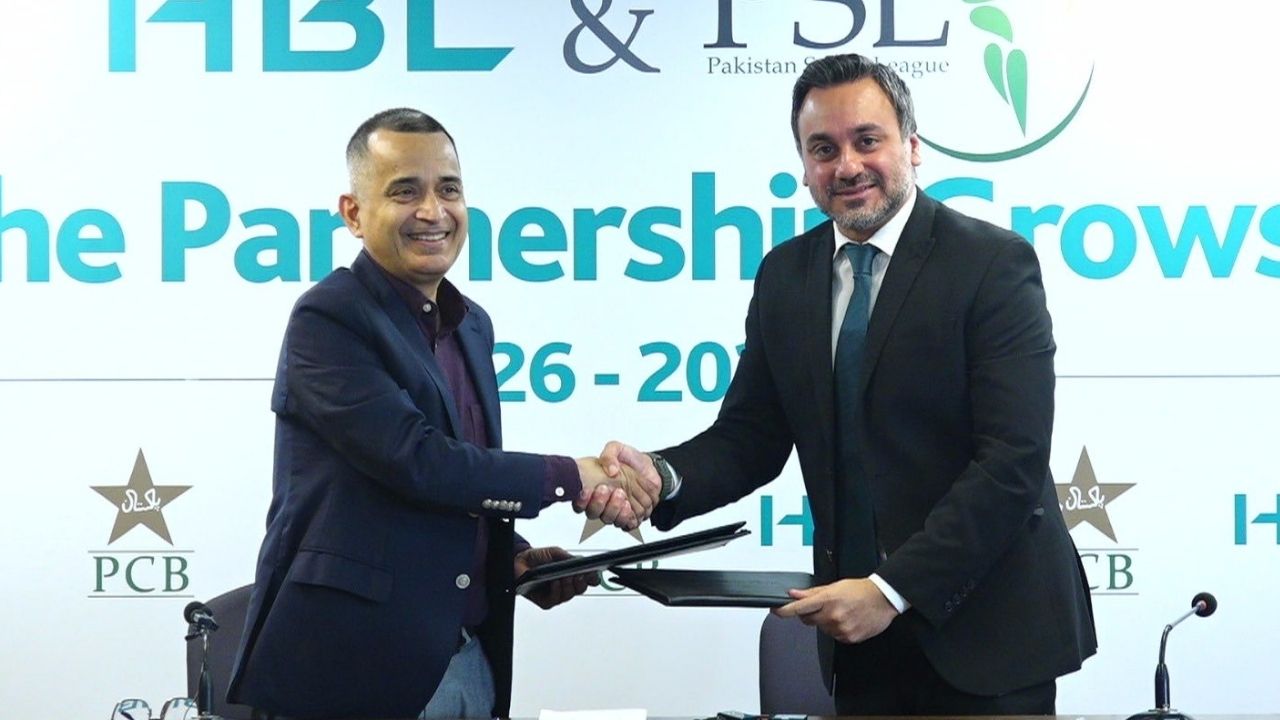
    Pakistan Super League (PSL) has finalized its title sponsorship for the next two years, with Habib Bank Limited (HBL) continuing as the official sponsor.

    During a press conference in Karachi, PSL CEO Salman Naseer said the announcement marks a major moment for the league’s journey. “To understand its importance, we have to look back a little,” he said.

    He recalled the early days of the league when many people doubted the idea. “When we were about to launch the league, people did not believe in it. Only a few showed interest. Five parties trusted us and bought teams,” he said.

    Salman Naseer noted that despite criticism and challenges, including the Covid-19 pandemic, PSL continued to grow and successfully completed its seasons. “In ten years, all PSL contracts came to an end,” he said.

    He added that the board had decided to reassess the league’s value after the tenth edition. “HBL has agreed to a deal based on the valuation set by independent evaluators,” he said. “The new deal reflects a 505 percent increase compared to the previous contract.”

  • Over a million people show ‘suic*dal intent’ on ChatGPT every week, says OpenAI

    Over a million people show ‘suic*dal intent’ on ChatGPT every week, says OpenAI

    OpenAI has revealed that it has been working closely with over 170 mental health professionals to minimise harmful or inappropriate responses during sensitive conversations as over a million people show “suicidal intent” on ChatGPT every week.

    The data was revealed as the company announced major updates to its chatbot, aiming to better identify and support users experiencing mental health crises, marking one of OpenAI’s clearest acknowledgements of how artificial intelligence can sometimes worsen mental health challenges.

    According to the company’s findings, around 0.07 per cent of ChatGPT’s weekly active users —approximately 560,000 out of 800 million — show possible signs of experiencing mental health emergencies, including symptoms related to psychosis or mania.

    OpenAI emphasised that such cases are difficult to measure accurately and that these findings are based on early analysis.

    The update also comes as OpenAI faces growing scrutiny following a widely publicised lawsuit filed by the family of a teenager who died by suicide after extensive interaction with ChatGPT. Additionally, the United States (US) Federal Trade Commission has launched a broad investigation into AI chatbot companies, including OpenAI, to examine how they assess potential risks to children and teenagers.

    In response, OpenAI said that its latest GPT-5 update has significantly reduced undesirable chatbot behaviour and improved overall safety. During model evaluations involving more than 1,000 self-harm and suicide-related conversations, GPT-5 demonstrated 91 per cent compliance with desired safety standards as compared to 7 per cent for the previous version.

    To further strengthen the system, OpenAI has expanded access to crisis hotlines and introduced features reminding users to take breaks during extended sessions. The company also collaborated with healthcare experts through its Global Physician Network, asking clinicians to rate response safety and assist in crafting appropriate answers to mental health-related questions.

  • Kh Asif threatens to ‘push Afghan Taliban back to caves for hiding’ as talks fail

    Kh Asif threatens to ‘push Afghan Taliban back to caves for hiding’ as talks fail

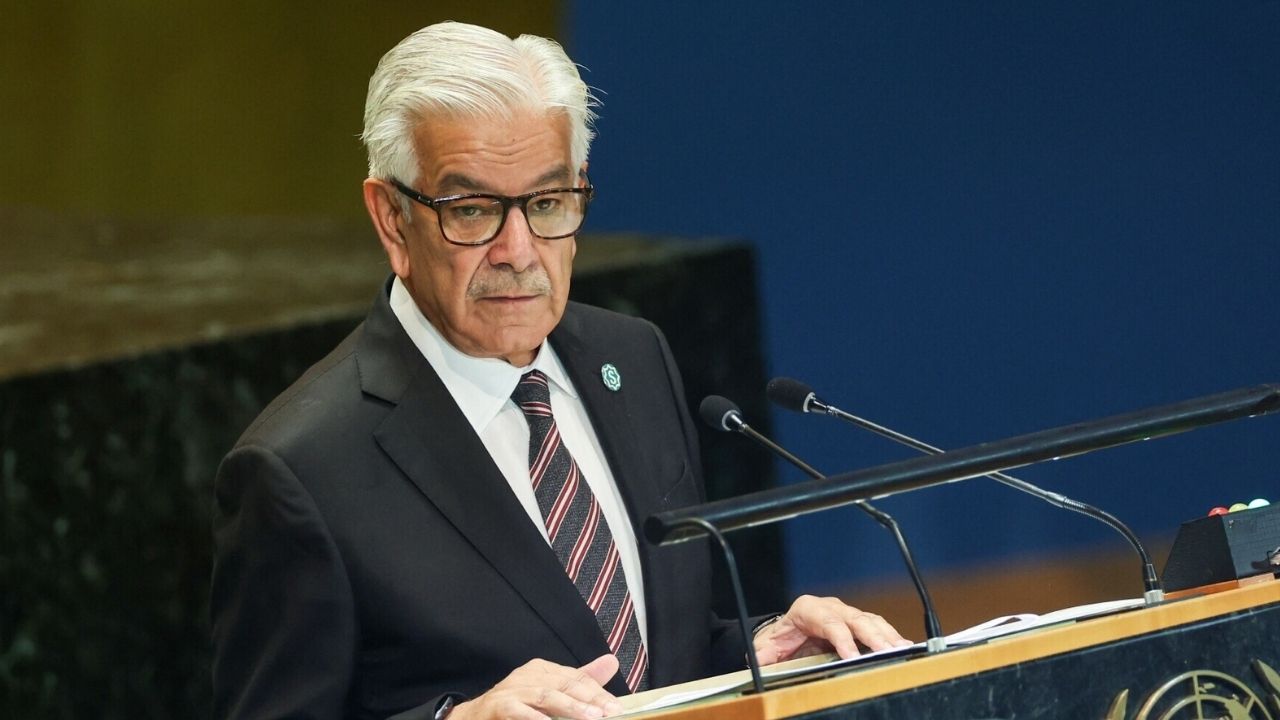
    Hours after Information Minister Attaullah Tarar announced that the Pak-Afghanistan dialogue in Istanbul “failed to bring about any workable solution”, Defence Minister Khawaja Asif has issued a stern warning to the Afghan Taliban.

    In a post on X, the defence minister said that Pakistan had engaged in talks at the request of brotherly countries in an effort to give peace a chance, but “venomous statements” by certain Afghan officials clearly reflected the devious and splintered mindset of the Taliban regime.

    “Let me assure them that Pakistan does not require to employ even a fraction of its full arsenal to completely obliterate the Taliban regime and push them back to the caves for hiding. If they wish so, the repeat of the scenes of their rout at Tora Bora with their tails between the legs would surely be a spectacle to watch for the people of the region,” he said.

    The defence minister further said that it was sad to see how the Taliban regime was “blindly pushing Afghanistan into yet another conflict just to retain its usurped rule and maintain the war economy that sustains them”.

    “Despite fully knowing their inherent limitations and hollowness of their war cries, they are beating the war drums to maintain their crumbling facade. If the Afghan Taliban regime is madly hellbent upon ruining Afghanistan and its innocent people once again then so be it.”

    On the Afghan narrative of “graveyard of empires”, Asif said Pakistan certainly didn’t claim to be an empire but Afghanistan was “definitely a graveyard, surely for its own people”.

    “Never a graveyard of empires but certainly a playground of empires you have been throughout history,” he said, adding that the warmongers amongst the Taliban regime, “who have vested interests in the continuation of instability” in the region, should know that they have probably misread Pakistan’s resolve and courage.

    “If the Taliban regime wants to fight us, the world will INSHAALLAH see that their threats are only performative circus!”

    He went on to say that Pakistanis have “borne Afghanistan’s treachery and mockery for too long, but no more”.

    “Any terrorist attack or any suicide bombing inside Pakistan shall give you the bitter taste of such misadventures. Be rest assured and test our resolve and capabilities, if you wish so, at your own peril and doom,” he concluded.

    Asif posted the statement hours after Tarar said that Pakistan had repeatedly engaged with the Afghan Taliban over “persistent cross-border terrorism” by Indian-abetted Fitna al Khawarij and Indian proxy Fitna al Hindustan.

    “The Afghan Taliban regime have been asked time and again to fulfil their written commitments to Pakistan and to the international community in the Doha Agreement. However, Pakistan’s fervent efforts proved futile due to the Afghan Taliban regime’s unabated support to anti-Pakistan terrorists,” Tarar said.

    “Since the Taliban regime bears no responsibility towards the people of Afghanistan and thrives on a war economy, it desires to drag and mire the Afghan people into a needless war,” he said.

    The minister said Pakistan had always desired and sacrificed for the peace and prosperity of the Afghan people. “In the same spirit, Pakistan has held countless rounds of talks and parleys with the Afghan Taliban regime but, unfortunately, they have always remained indifferent to Pakistan’s losses. Sadly, after sustaining such huge losses of men and material for four long years, Pakistan’s patience has run its course.”

    He explained that to “give peace a chance” and at the request of Qatar and Turkiye, Pakistan engaged with the Afghan Taliban first in Doha and then in Istanbul. The focus was a single-point agenda: to ensure the Afghan Taliban stop terrorist organisations from using Afghan soil as a “training-cum-logistics base and jump off point for terrorist activities in Pakistan”.

    Tarar thanked Qatar and Turkiye for facilitating the talks and for their efforts to convince Kabul to “desist from the use of terror proxies as leverage against Pakistan.” But he reiterated that the Afghan side kept moving away from the main issue.

    “Over the last four days of dialogue, the Afghan Taliban delegation repeatedly agreed to Pakistan’s logical and legitimate demand for credible and decisive action against [militant] organisations and terrorists. Sufficient and irrefutable evidence was provided by Pakistan which was acknowledged by Afghan Taliban and the hosts, however, regrettably, the Afghan side gave no assurance,” Tarar said.

    “The Afghan side kept deviating from the core issue, evading the key point upon which the dialogue process was initiated. Instead of accepting any responsibility, the Afghan Taliban resorted to blame game, deflection and ruses. The dialogue thus failed to bring about any workable solution,” he wrote. 

    Tarar again thanked the governments of Qatar, Turkiye, and other friendly states for their efforts to “bring about a peaceful solution to the problem of terrorism, for the prosperity and security of the two countries and the region at large”.

    “The security of its people is of paramount importance to Pakistan. We will continue to take all possible measures necessary to protect our people from the menace of terrorism and assure them that the government of Pakistan will continue to employ all the resources which are required in this regard to decimate the terrorists, their sanctuaries, their abetters and supporters,” he said.

  • ‘Seven brand-new, beautiful planes shot down’: Trump again takes aim at Modi

    ‘Seven brand-new, beautiful planes shot down’: Trump again takes aim at Modi

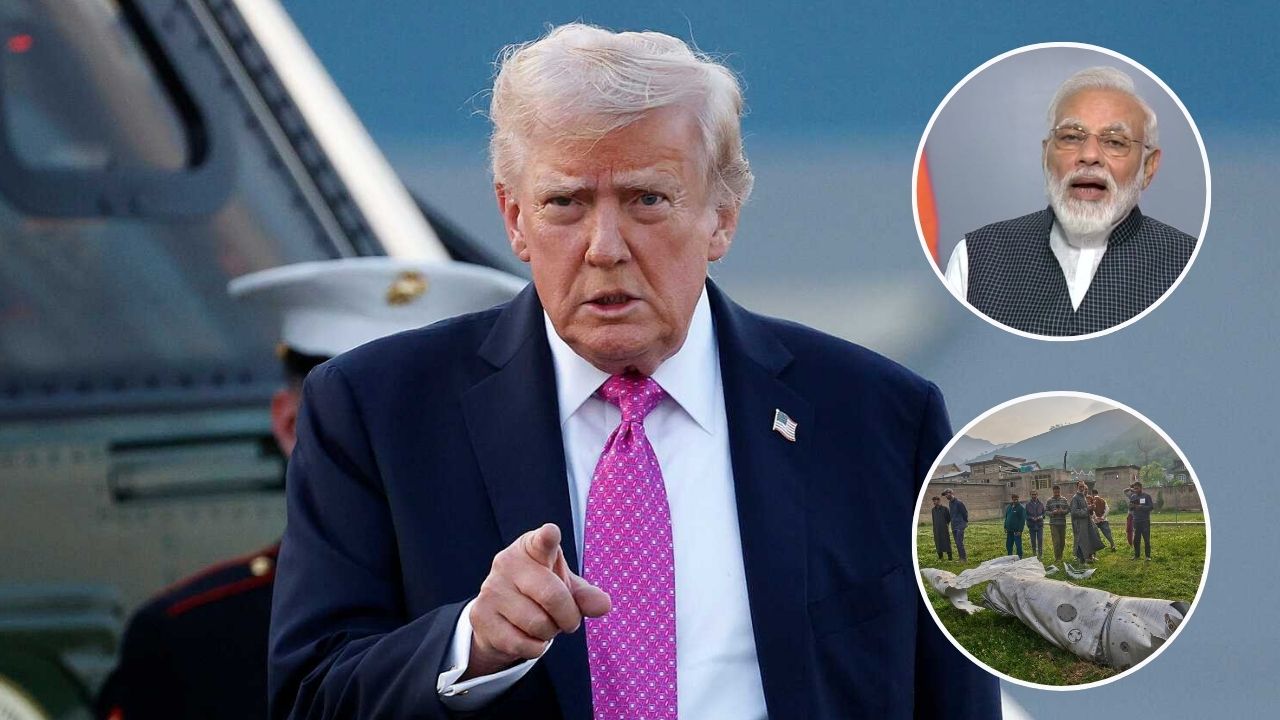
    US President Donald Trump took another swipe at India’s Narendra Modi-led government on Tuesday, mocking New Delhi over the loss of seven aircraft in its May clash with Pakistan and calling it a major embarrassment.

    Trump also reiterated his claim that he personally brokered the ceasefire, stating he prevented a potential nuclear war between the two neighbours.

    While addressing business leaders in Japan, Trump said that many of the wars he stopped were linked to the tariffs he imposed on several countries. He called his trade moves “a great service to the world.”

    “If you look at India and Pakistan, they were going at it,” Trump said. “Seven brand-new, beautiful planes were shot down.

    “I said to [Indian] Prime Minister Modi and I said to the Prime Minister [Shehbaz Sharif], very nice man, a very good man and the Field Marshal [Asim Munir] over in Pakistan … I said, ‘look we’re not going to do any trade if you’re going to be fighting’,” Trump said.

    “We said ‘no, we’re not doing any deals if you’re going to fight’ and within 24 hours that was the end of that. It was amazing, actually,” he added. “I think trade is responsible for 70 percent of the fact that we didn’t have wars.”

    Earlier, while speaking during a Diwali celebration at the White House on October 22, Trump said he had told Modi that there should be no war with Pakistan. He claimed he had helped avoid several conflicts through diplomacy and trade pressure.

    Trump said, “Although we did talk a little while ago about let’s have no wars with Pakistan.” He explained that commerce played a key role in easing tensions. “The fact that trade was involved, I was able to talk about that.”

    He proudly summed up the outcome: “And we have no war with Pakistan and India. That was a very, very good thing.” He also praised Modi, saying, “He’s a great person, and he’s become a great friend of mine over the years.”

    Trump said he had prevented eight wars so far through “deals and trade,” including the one between Pakistan and India.

    He has often taken credit for easing tensions between the two nuclear-armed countries, which have fought three wars since independence and remain in conflict over Indian Illegally Occupied Jammu and Kashmir (IIOJK).

    In May, Pakistan and India clashed in their worst military confrontation in decades after an attack on tourists in Indian Illegally Occupied Jammu and Kashmir’s Pahalgam area. New Delhi accused Islamabad of backing the attack that killed 26 people, but Pakistan rejected the charge.

    India responded with unprovoked attacks on Pakistani civilians for three days, prompting Pakistan’s forces to retaliate with Operation Bunyan-um-Marsoos. 

    Pakistan shot down seven Indian Air Force jets, including three Rafale aircraft, and destroyed dozens of drones.

    After 87 hours of intense fighting, the conflict ended on May 10 with a ceasefire that Trump claimed to have brokered.

  • 18 dead, 12 Pakistanis among survivors as migrant boat capsizes off Libya

    18 dead, 12 Pakistanis among survivors as migrant boat capsizes off Libya

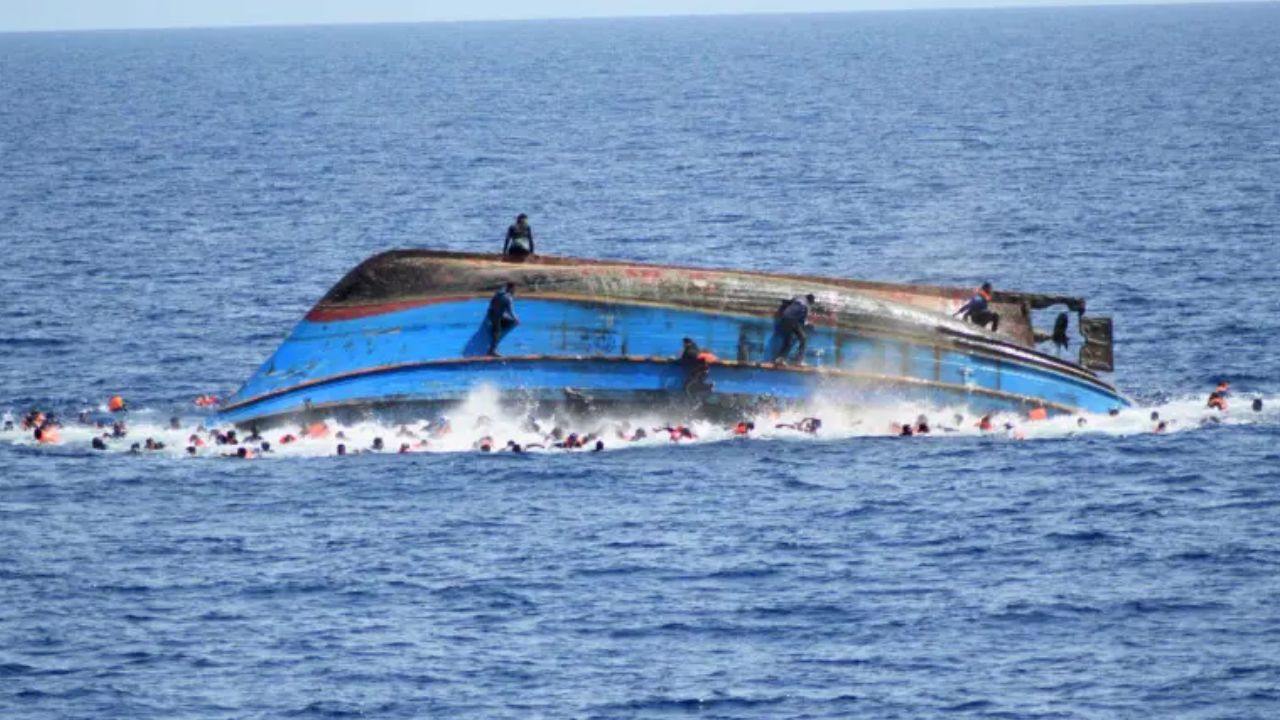
    At least 18 people lost their lives and 64, including 12 Pakistanis, were rescued after a wooden boat carrying dozens of migrants capsized off the coast of Libya, the United Nations’ (UN) migration agency reported.

    According to a statement issued by the International Organisation for Migration (IOM), the vessel “capsized only a few hours into its journey due to high waves” near the coastal city of Surman.

    Among the rescued were 29 Sudanese men, one Sudanese woman and one Sudanese child; 18 Bangladeshi men, 12 Pakistani men, and three Somali men. The nationalities of those who passed away have not yet been confirmed.

    “This latest shipwreck is a stark reminder of the grave dangers faced by people undertaking perilous sea journeys in search of safety and opportunity,” the IOM said, noting that the central Mediterranean route connecting North Africa to Europe continues to be “one of the world’s deadliest migration corridors”.

    So far this year, the IOM’s Missing Migrants Project has recorded 1,046 deaths and disappearances along said route, including 527 off the Libyan coast. 

    The tragedy follows an accident off the coast of Tunisia last week that claimed the lives of 40 migrants from sub-Saharan Africa.

    The IOM added that it is coordinating with local partners to provide survivors with healthcare and essential services, and urged for “urgent action to prevent further tragedies at sea”.