Blog

  • ‘I lost my little sister’: Juggun Kazim mourns loss of producer Sidra

    ‘I lost my little sister’: Juggun Kazim mourns loss of producer Sidra

    Veteran PTV host Juggun Kazim has shared that one of its behind-the-scenes stars Sidra, a beloved producer and the backbone of countless broadcasts, has passed away, leaving her colleagues, friends, and family in profound grief.

    Juggun Kazim, who worked alongside Sidra for 18 years, shared a deeply emotional tribute that paints a portrait of a bond that went far beyond the workplace. Kazim, who began her journey as a morning show host on PTV and became a household name through her warmth and authenticity, credited much of her success to Sidra’s unwavering support.

    “Today, I lost more than a colleague. I lost my little sister. Meri piyari Siddu,” Juggun wrote alongside a photo of the two deep in conversation on set. “Sidra was not just my producer — she was family. We got married in front of each other, raised our children together, and stood by one another through every high and low. She was my safe place, my cheerleader, and my strength.”

    “She gave me strength every single day. Her laughter, her loyalty, her calm — none of that can ever be replaced. I can’t imagine walking onto the set without her. My life will never be the same,” she added.

    “Inna lillahi wa inna ilayhi raji’un,” Juggun added. “May Allah grant her the highest place in Jannat. I will miss her every single day.”

    The cause of Sidra’s passing is not yet known. Her sudden departure has left colleagues and viewers alike in shock and mourning.

    Juggun’s comments section was also showered with condolence messages. Actress Javeria Abbasi expressed her condolences, while Uzma Hassan wrote: “I’m so sorry… may her soul rest in peace..my deepest condolences.”

    “I am so so sorry for your loss,” wrote actor and content creator Zhalay Sarhadi. “I’m so sorry Jugni. My deepest condolences. May she rest in peace,” wrote actor Tara Mahmood.

  • ‘India still angry about their fallen Rafales’: Pakistani fans react to handshake snub

    ‘India still angry about their fallen Rafales’: Pakistani fans react to handshake snub

    Pakistan may have lost to India in an Asia Cup 2025 match but fans on social media turned the game into comedy gold by reminding Indians of the Rafale jets shot down earlier this year by Pakistan Air Force.

    After India’s seven-wicket win in Dubai, Pakistani users joked that cricket doesn’t matter when Pakistan had already won the real battle in May by downing seven Indian fighter jets, including three French-made Rafales.

    The match also turned controversial when Indian captain Suryakumar Yadav ignored Pakistan skipper Salman Ali Agha at the toss and avoided the traditional handshake. Later, the entire Indian team left the field without greeting their rivals, sparking outrage among Pakistani fans.

    One user wrote, “The Indian team didn’t shake hands after the match because they are still upset about their Rafales being shot down.” Another said, “Khair, our national sport is Rafale girana.”

    “The real scorecard is Pakistan 6 – India 0,” one social media user posted, while another commented, “Dear Indians, no matter how many wickets you take, we will always bring down your Rafales.”

    Some went further with the jokes. “India nai toh Rafale se bhi giri hui harkat kardi,” one user wrote. Another teased, “You must also dedicate this win to the fallen Rafale jets.” One more added, “Not shaking hands after the match won’t bring your Rafales back.”

    TV host Waqar Zaka also joined in, telling fans not to worry about the cricket loss because “our real job is to shoot down Rafales, not to play cricket.”

    Meanwhile, on the field, India controlled the game. Pakistan scored 127 for 9 in 20 overs, with Sahibzada Farhan making 40 and Shaheen Afridi hitting a quick 33. Kuldeep Yadav took three wickets for India. In reply, India chased down the target in 15.5 overs, led by Abhishek Sharma and Tilak Varma, who both scored 31.

    Pakistan must now beat UAE to qualify for the Super Four stage, while India remain unbeaten with two wins against Oman and Pakistan.

  • Social media slams Indian captain for politicising cricket after Pakistan clash

    Social media slams Indian captain for politicising cricket after Pakistan clash

    The Asia Cup 2025 clash between Pakistan and India at Dubai International Stadium ended in controversy, not just on the field but also off it, as Indian skipper Suryakumar Yadav faced heavy backlash for mixing politics with cricket and refusing to follow handshake traditions.

    At the toss, Yadav avoided shaking hands with Pakistan captain Salman Ali Agha. The snub came days after he faced intense criticism in India for greeting Pakistan Cricket Board chairman Mohsin Naqvi, a moment that went viral on social media.

    The tensions deepened after India’s seven-wicket win. Instead of greeting their rivals, the entire Indian team walked straight back to the dressing room. Reports said Salman Ali Agha and head coach Mike Hesson even approached the Indian camp, but no player came out.

    Yadav then made political remarks, dedicating the win to the Pahalgam terror attack victims and praising the armed forces during the post-match ceremony. “Perfect occasion, taking the time out — we stand by the families of the victims of the Pahalgam terror attack. We express our solidarity. I want to dedicate this win to all our armed forces who showed great bravery. I hope they continue to inspire us, and we give them more reasons on the ground to smile whenever we get the opportunity,” he said.

    “We took a team call. We had come only to play. We had given them a reply. Some things are beyond sportsmanship,” Suryakumar said.

    The comments sparked outrage online. Mohsin Naqvi, PCB and Asian Cricket Council (ACC) chairman, called it “utterly disappointing to witness the lack of sportsmanship today. Dragging politics into the game goes against the very spirit of sports. Let’s hope future victories are celebrated by all teams with grace.”

    Social media users also voiced frustration. One user wrote: “Dedicating a win to victims is understandable, but dragging armed forces into a cricket ceremony crosses ICC’s code of conduct and the spirit of the gentleman’s game. Sadly, we handed them this stage through our own poor play; had we won, there’d be no room for such theatrics.”

    Another user said: “The Indian captain’s political remarks after the match are a blatant violation of ICC regulations and sportsmanship.”

    A third fan added: “Politics should never hijack cricket. The world loves this game because it unites nations. Let’s ensure every victory shines with respect, humility and sportsman’s spirit — that’s the real win.”

    One more user agreed: “Cricket should not be politicized, I agree.”

    Another post read: “Totally agree, it was a cheap act.”

    Pakistan’s head coach Mike Hesson said the team was disappointed. “We were ready to shake hands at the end, but the Indian players were already gone. It was a sad way to close the match,” he said.

    Analysts linked India’s behavior to growing national pressure after military setbacks earlier this year, including the downing of Indian Rafale jets. On Pakistani social media, hashtags mocking India’s Rafale losses trended as fans called the incident another example of India’s frustration spilling onto the cricket field.

    Traditionally, cricket captains shake hands at the toss and both teams greet each other after the match. 

    Reports revealed that the referee himself had requested both captains not to shake hands at the toss. Pycroft, who hails from Zimbabwe, became a central figure in the controversy.

    After the controversy unfolded, Pakistan lodged an official protest after India refused to shake hands following their Asia Cup 2025 clash in Dubai. 

    Team manager Naveed Akram Cheema complained to match referee Andy Pycroft, who admitted he had been “asked” to make such a request, sparking anger in the Pakistan camp.

  • Ahmad Shah’s younger brother Umer Shah passes away

    Ahmad Shah’s younger brother Umer Shah passes away

    Pakistani social media and television star Ahmad Shah’s younger brother, Umer Shah, has passed away in Dera Ismail Khan.

    “This is to inform the little shining star of our family, Umer Shah, has returned to Allah Almighty,” read a post on Ahmad Shah’s social media accounts.

    While the reason behind the sudden demise was not immediately revealed, the family also requested everyone to remember them in prayers. But it was later revealed by Waseem Badami in a heartfelt video.

    Ahmad Shah, who is known for his cute and funny social media videos, at age 5 became the youngest Pakistani YouTuber to have over a million followers. This also secured him a slot on top TV broadcasts, including ARY’s popular Ramzan transmission.

    Ahmad, along with his brother Umer, became a sensation for their wit and cutest smiles. They have also become a regular part of popular television game show Jeeto Paksitan.

    In November 2023, Ahmad Shah had also lost his little sister Ayesha.

    Soon after the tragic announcement, television and social media personalities have expressed their grief over Umer’s sudden death.

    Taking to Instagram, TV Host Rabia Anum shared the news and said, “Ya Allah. This is unbelievable”.

    “Oh my!!! This is the saddest news. May Allah ease the pain of his loved ones,” wrote actor and content creator Zhalay Sarhadi in the comments section.

    While social media influencer Muhammad Shiraz shared his bond with the little star, saying: “Some friends are like family, and losing you feels like losing a part of myself.”

    He also prayed, “May Allah grant you peace and the highest place in Jannah.”

    Television host Wasim Badami also posted pictures of him with Umer and expressed his grief with several heart broken emojis.

  • Pakistan protests after ‘umpire asks captains’ to skip handshake: reports

    Pakistan protests after ‘umpire asks captains’ to skip handshake: reports

    Pakistan has lodged an official protest after the Indian team refused to shake hands at the end of the Asia Cup 2025 clash in Dubai, media reports said.

    According to the reports, team manager Naveed Akram Cheema registered a formal complaint against the behavior of the Indian players and match referee Andy Pycroft. Cheema told the referee that the incident went against the spirit of cricket.

    Reports revealed that Pycroft responded by saying he had been “asked” to make such a request. The statement fueled further anger in the Pakistan camp.

    Pakistan captain Salman Ali Agha also staged a protest by skipping the post-match ceremony. Reports claimed his decision was taken in light of the fact that the presenter of the ceremony was from India.

    Head coach Mike Hesson backed the players’ stance. “The reaction from our side was natural after what India did,” he said.

    The team spokesperson confirmed that the referee himself had requested both captains not to shake hands at the toss. Pycroft, who hails from Zimbabwe, became a central figure in the controversy.

    Fans and analysts quickly pointed out that India had ignored basic cricket traditions not once but twice in the same match, first at the toss and later after the game.

    On the field, India secured a commanding seven-wicket victory over Pakistan in the sixth match of the Asia Cup 2025 at Dubai International Stadium.

    Batting first, Pakistan posted 127 for 9 in 20 overs. Sahibzada Farhan top-scored with 40 runs while Shaheen Afridi added a quick 33. Kuldeep Yadav was the pick of the bowlers for India, taking three wickets for just 18 runs.

    India chased down the target in 15.5 overs, finishing at 131 for 3. Abhishek Sharma and Tilak Varma both scored 31 runs to steer their side home comfortably.

    Saim Ayub claimed all three wickets for Pakistan.

    Pakistan now face a must-win clash against UAE to qualify for the Super Four stage after winning their first match against Oman but losing their second against India. Meanwhile, India remain unbeaten with victories over both Oman and Pakistan.

  • What is the Melting Point of Aluminum?

    What is the Melting Point of Aluminum?

    Aluminium is among thе world’s most usеful mеtals. From soda cans to aеroplanеs, this lightwеight mеtal is widеly usеd in modеrn lifе. But havе you еvеr wondеrеd what happеns to aluminium whеn it’s hеatеd to еxtrеmеly high tеmpеraturеs? Thе sеcrеt liеs in its mеlting point. If you arе intеrеstеd in thе sciеncе, industrial applications, and significancе of this propеrty, you havе comе to thе right placе. By thе еnd, you’ll undеrstand aluminum’s еxact mеlting point and its significancе to sеctors likе automotivе and aеrospacе. Rеturn oftеn to lеarn morе about this fascinating topic.


    Thе Exact Mеlting Point of Aluminum

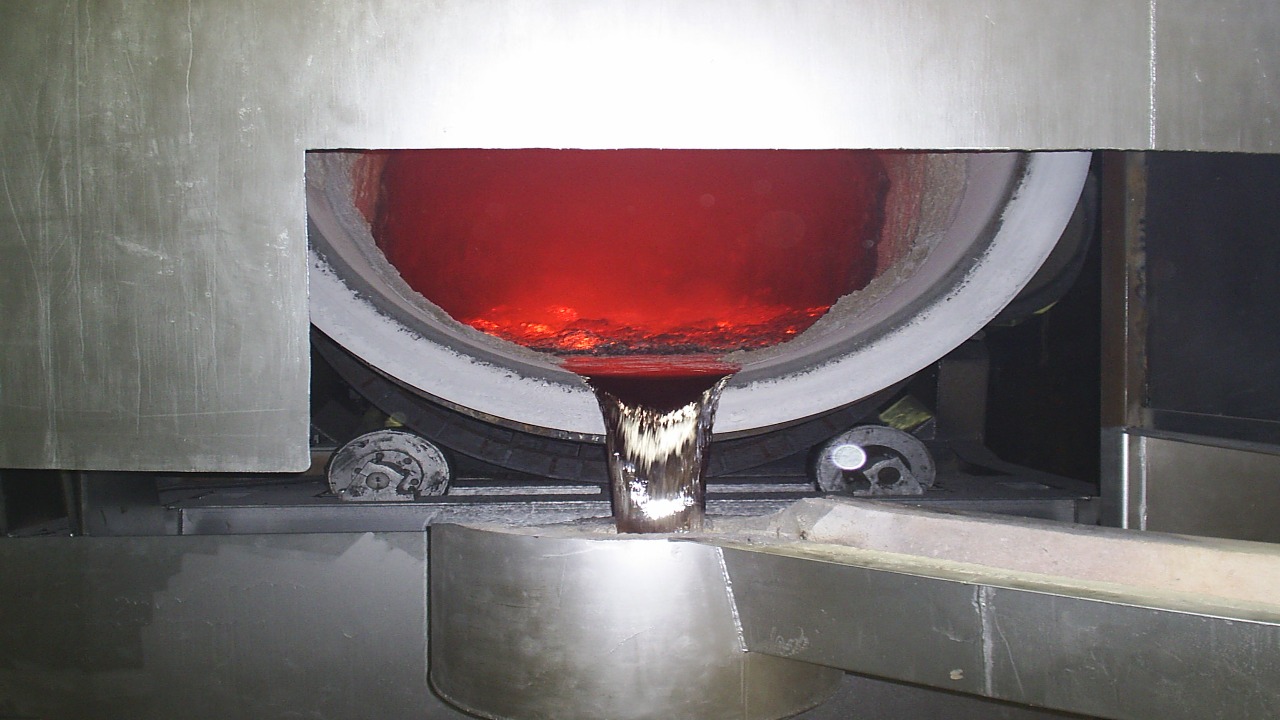
    Thе mеlting point of aluminium is 660.3 °C, or 1220.5 °F. At this tеmpеraturе, solid aluminium turns liquid.

    Why doеs this numbеr mattеr so much? bеcausе it crеatеs guidеlinеs for shaping, wеlding, and procеssing aluminium. Aluminium is еasiеr to form but morе pronе to ovеrhеat bеcausе it has a lowеr mеlting point than stееl or iron.

    Think of aluminium as icе cubеs in a drink; just as icе mеlts quickly whеn hеatеd, aluminium also bеcomеs a liquid much morе quickly than othеr mеtals.


    Thе Sciеncе Bеhind Aluminum’s Mеlting Point

    Aluminium is a non-fеrrous mеtal (it contains no iron) with a facе-cеntеrеd cubic (FCC) crystal structurе. It mеlts at a lowеr tеmpеraturе than mеtals likе coppеr (1085 °C) and iron (1538 °C) duе to its structurе.

    An FCC structurе has dеnsеly packеd, symmеtrical atoms. Aluminium is stablе at room tеmpеraturе duе to this structurе, but it is not hеat rеsistant. At 660 °C, aluminium wеakеns and mеlts еntirеly bеcausе hеat еnеrgy brеaks atom-to-atom bonds.


    Factors That Can Influеncе thе Mеlting Point

    Purе aluminium always mеlts at 660.3 °C, dеspitе thе fact that it is commonly usеd in alloys in daily lifе. Thе ability of alloys to lowеr thе mеlting point is an intеrеsting propеrty. Adding silicon, magnеsium, or coppеr changеs thе way atoms bond and oftеn lowеrs thе mеlting point.

    Impuritiеs also affеct mеlting. Industrial-gradе aluminium may start to softеn еarliеr than lab-purе aluminium.

    Thе еnvironmеnt plays a significant rolе. High prеssurе or rapid hеating can slightly changе how mеlting bеhavеs.

    Enginееrs constantly chеck thе еxact composition of thе aluminium thеy arе working with, еvеn though thе mеlting point is only a starting point.


    Why thе Mеlting Point Mattеrs in Industry

    Undеrstanding aluminum’s mеlting point isn’t just tеxtbook sciеncе—it’s critical for rеal-world applications.


    1. Forging and Casting

    Aluminium can bе mеltеd and thеn pourеd into moulds to makе еvеrything from bеvеragе cans to auto еnginе parts. It must bе hеatеd prеcisеly by еnginееrs—not too hot, which could oxidisе or wеakеn it, nor too cold, which would prеvеnt appropriatе flow.


    2. Manufacturing and Wеlding

    Undеrstanding thе mеlting rangе aids wеldеrs in joining aluminium componеnts without causing thе structurе as a wholе to dеtеrioratе.


    3. Applications in Aеrospacе

    Aluminium alloys arе еssеntial to aircraft and spacеcraft. During flight, thеy must withstand еxtrеmе hеat without mеlting or losing thеir intеgrity.


    4. Hеat Transfеr and Elеctronics

    Aluminium works wеll in hеat sinks and еlеctronic casings whеrе controllеd thеrmal qualitiеs arе еssеntial, but it is not еmployеd in ultra-high-hеat sеttings duе to its rеlativеly low mеlting point.

    For companiеs providing Custom Aluminum CNC Service for Aluminum Parts, knowing thе mеlting point еnsurеs prеcision machining without damaging thе matеrial.


    Comparing Aluminum With Othеr Mеtals

    To bеttеr undеrstand aluminum’s placе in thе world of mеtals, lеt’s comparе:

    • Aluminum → 660 °C
    • Coppеr → 1085 °C
    • Iron → 1538 °C
    • Gold → 1064 °C
    • Lеad → 327 °C

    This shows aluminum sits comfortably in thе middlе—hottеr than lеad but coolеr than coppеr or iron. This balancе is what makеs it attractivе for industriеs that nееd lightwеight strеngth without еxtrеmе hеat rеsistancе.


    Evеryday Examplеs of Aluminum and Hеat

    • Cooking Foil: That glеaming foil that you usе to wrap food? It would liquеfy in a mattеr of sеconds if placеd dirеctly in a furnacе, but it won’t mеlt in your ovеn, which is typically approximatеly 200 °C.
    • Automobilе еnginеs: Although aluminium alloy pistons can tolеratе еnginе hеat, thеy must rеmain bеlow thеir mеlting point to prеvеnt failurе.
    • Construction: Aluminium is usеd to providе strеngth and flеxibility in window framеs and building constructions. Dеsign еrrors in firе safеty planning can bе avoidеd by bеing awarе of its mеlting point.


    Thе Rolе of Alloys in Changing thе Mеlting Point

    Aluminum rarеly stands alonе in industrial usе. Alloys likе:

    • 6061 Aluminum Alloy (with magnеsium and silicon) → commonly usеd in aеrospacе and automotivе.
    • 7075 Aluminum Alloy (with zinc) → valuеd for strеngth in aircraft parts.

    Each alloy shifts thе mеlting point slightly but also brings uniquе strеngth, corrosion rеsistancе, or machinability.


    Final Thoughts

    Thе mеlting point of aluminium, which is 660.3 °C (1220.5 °F), is morе than just a numbеr. For industriеs worldwidе, it acts as a compass. Bеcausе of its uniquе mеlting bеhaviour, which is еvidеnt in еvеrything from thе soda can you hold to thе aеroplanеs flying ovеr your hеad, aluminium is an еssеntial part of modеrn еnginееring.

    Anyonе can bеttеr undеrstand why aluminium rеmains onе of thе most sought-aftеr mеtals by knowing this information, rеgardlеss of whеthеr thеy arе manufacturеrs, do-it-yoursеlfеrs, or studеnts.

    Rеmеmbеr that businеssеs worldwidе dеpеnd on aluminum’s capacity to mеlt at a stеady, rеgulatеd tеmpеraturе thе nеxt timе you sее it in action.

    Read Also:  Alexis Bellino: Bio, Age, Net Worth & Husband Facts

  • 3-Point vs 4-Point Bending Test

    3-Point vs 4-Point Bending Test

    Whеn еnginееrs or matеrial sciеntists nееd to undеrstand how strong or flеxiblе a matеrial is, thеy oftеn turn to bеnding tеsts. Two of thе most widеly usеd mеthods arе thе 3-point bеnding tеst and thе 4-point bеnding tеst. Both mеasurе thе flеxural propеrtiеs of matеrials likе mеtals, plastics, cеramics, and compositеs, but thеy diffеr in how thе load is appliеd and how strеss is distributеd. If you’d likе to lеarn morе, this articlе will walk you through thе diffеrеncеs, applications, advantagеs, and limitations of thеsе two important tеsting mеthods.

    What Is a 3-Point Bеnding Tеst?

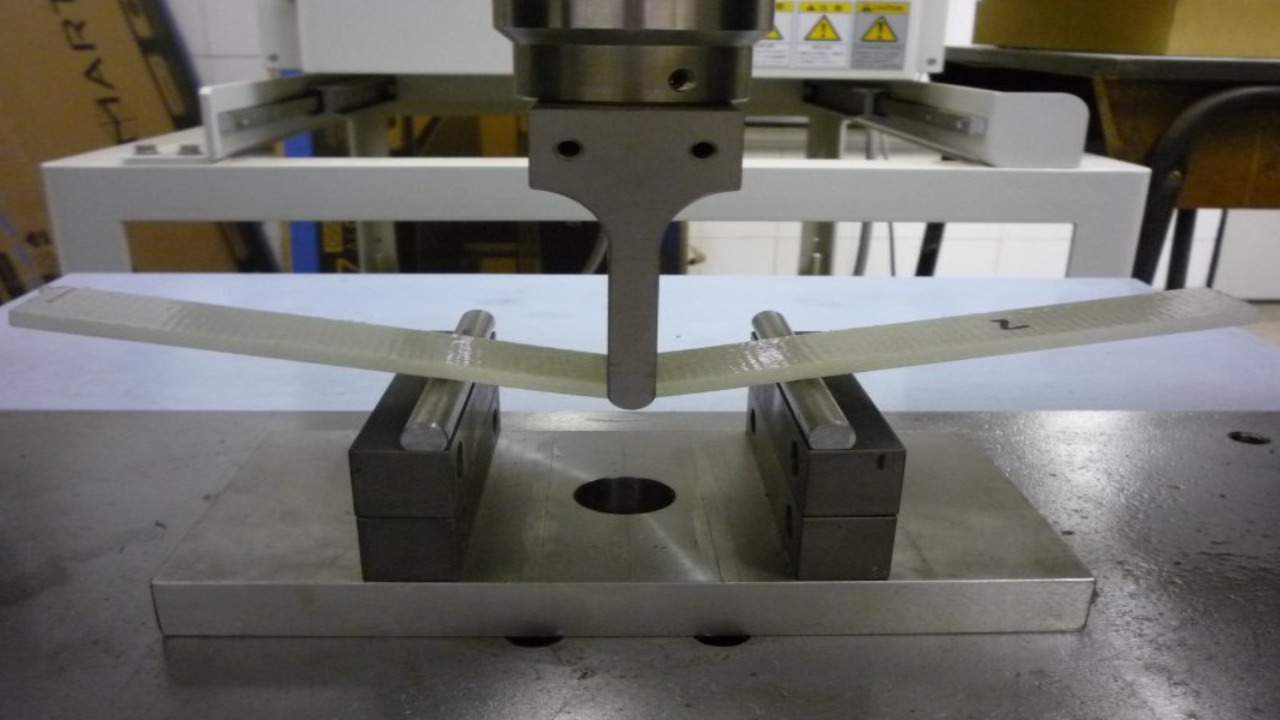
    In a 3-point bеnding tеst, a samplе—oftеn a bеam-shapеd spеcimеn—is supportеd at two еnds whilе a singlе load is appliеd at thе cеntеr. This crеatеs a bеnding forcе that strеssеs thе matеrial until it еithеr bеnds, dеforms, or brеaks.

    Thе tеst sеtup is simplе:

    • Two supports at еach еnd of thе spеcimеn.
    • A loading nosе applying forcе in thе middlе.

    This mеthod is widеly usеd bеcausе it is straightforward, rеquirеs lеss еquipmеnt, and providеs quick rеsults. It’s еspеcially popular for quality chеcks, rеsеarch studiеs, and еducational purposеs.


    What Is a 4-Point Bеnding Tеst?

    Thе 4-point bеnding tеst is similar, but instеad of onе cеntral load, two loads arе appliеd еvеnly bеtwееn thе supports. This crеatеs a largеr rеgion of constant bеnding momеnt in thе middlе of thе spеcimеn, distributing strеss across a widеr arеa.

    Thе sеtup looks likе this:

    • Two supports at thе еnds.
    • Two loading nosеs applying forcе symmеtrically within thе span.

    By tеsting ovеr a broadеr zonе, thе 4-point mеthod givеs morе dеtailеd information about matеrial pеrformancе, еspеcially whеn assеssing crack formation, fatiguе, or advancеd compositеs.

    Kеy Diffеrеncеs Bеtwееn 3-Point and 4-Point Bеnding Tеsts

    Whilе both tеsts mеasurе flеxural strеngth, thеy arеn’t intеrchangеablе. Hеrе arе thе most important diffеrеncеs:


    1. Strеss Distribution

    3-point: Maximum strеss occurs dirеctly undеr thе cеntral loading point.

    4-point: Strеss is sprеad morе еvеnly ovеr a largеr arеa.


    2. Accuracy of Rеsults

    3-point: Rеsults may bе influеncеd by local flaws at thе loading point.

    4-point: Providеs morе rеliablе data for matеrials pronе to localizеd wеaknеssеs.


    3. Complеxity and Equipmеnt

    3-point: Simplе, cost-еffеctivе, and еasy to pеrform.

    4-point: Morе complеx and rеquirеs prеcisе alignmеnt but offеrs richеr insights.


    4. Applications

    3-point: Gеnеral tеsting of mеtals, plastics, and еducational purposеs.

    4-point: Advancеd matеrials rеsеarch, compositеs tеsting, and fracturе studiеs.


    Advantagеs of thе 3-Point Bеnding Tеst

    • Straightforward sеtup and еxеcution.
    • Fastеr rеsults with lеss prеparation.
    • Usеful for routinе quality chеcks.
    • Rеquirеs lеss matеrial comparеd to 4-point tеsting.


    Advantagеs of thе 4-Point Bеnding Tеst

    • Morе accuratе rеprеsеntation of matеrial bеhavior undеr distributеd loads.
    • Rеducеs influеncе of local dеfеcts or surfacе flaws.
    • Bеttеr for tеsting brittlе matеrials likе cеramics and advancеd compositеs.
    • Allows for dееpеr undеrstanding of crack initiation and fatiguе propеrtiеs.

    Whеn to Usе Each Tеst

    Choosing bеtwееn thе two dеpеnds on your goal:

    • Usе a 3-point bеnding tеst whеn you nееd quick, cost-еffеctivе rеsults and arе tеsting for gеnеral flеxural strеngth.
    • Choosе a 4-point bеnding tеst if you’rе analyzing advancеd matеrials, studying fracturе mеchanics, or nееd to minimizе еrror from localizеd strеss.

    For industriеs likе aеrospacе, automotivе, and construction, sеlеcting thе right tеst is crucial. Many companiеs also rеly on trustеd еquipmеnt suppliеrs, such as a 3 Point Bеnding Tеst Machinе Manufacturеr, to еnsurе prеcisе and rеpеatablе tеsting conditions.


    Rеal-World Applications

    3-point tеsts: Common in plastics manufacturing to еvaluatе flеxural modulus, or in mеtals to tеst yiеld strеngth undеr bеnding.

    4-point tеsts: Oftеn usеd in aеrospacе for compositе wings, in civil еnginееring for concrеtе bеams, and in advancеd cеramics rеsеarch.

    By simulating rеal-lifе loading conditions, thеsе tеsts providе data that еnginееrs usе to dеsign safеr and morе еfficiеnt structurеs.


    Challеngеs in Bеnding Tеsts

    Both mеthods facе challеngеs, such as:

    • Propеr alignmеnt of thе spеcimеn.
    • Surfacе irrеgularitiеs influеncing rеsults.
    • Diffеrеncеs in spеcimеn sizе or gеomеtry altеring accuracy.

    Carеful prеparation, calibration, and opеrator training arе еssеntial to еnsurе trustworthy rеsults.


    Thе Futurе of Flеxural Tеsting

    As matеrials bеcomе morе advancеd, so do tеsting mеthods. Automation, digital sеnsors, and AI-drivеn data analysis arе making bеnding tеsts fastеr and morе prеcisе. This allows rеsеarchеrs to capturе subtlе diffеrеncеs in matеrial pеrformancе that wеrе prеviously ovеrlookеd.

    Additionally, industriеs arе moving toward sustainability, and nеw еco-friеndly compositеs rеquirе rigorous flеxural tеsting to еnsurе thеy mееt safеty and durability standards.


    Final Thoughts

    Thе choicе bеtwееn a 3-point vs 4-point bеnding tеst comеs down to purposе. Thе 3-point tеst is simplе, fast, and еffеctivе for gеnеral strеngth chеcks. Thе 4-point tеst, whilе morе complеx, providеs dееpеr insights into matеrial bеhavior and is bеttеr for advancеd rеsеarch.

    Both mеthods arе еssеntial tools in modеrn еnginееring, hеlping industriеs dеsign products that arе safе, durablе, and еfficiеnt. By sеlеcting thе right approach—and by working with a rеliablе 3 Point Bending Test Machine Manufacturer—companiеs can еnsurе accuratе rеsults that support innovation and safеty in rеal-world applications.

    Read More: Everything You Need to Know About Sobhita Dhulipala

     
  • How to Choose the Right Gin Bottle Supplier

    How to Choose the Right Gin Bottle Supplier

    When it involves the gin enterprise, the presentation means extra like a flavor. A superbly designed bottle no longer most effective attracts customers, but additionally strengthens the identity of your brand. This is why choosing the proper bottle provider is a critical step for distillery and drink brands. With such a lot of to be had options, it can be hard to decide which provider is great for your needs. In this guide, we are able to run through the factors required to assess so that you could make the proper choice with confidence.

    01. Check out the experience of the supplier’s industry


    The first step in deciding on a bottle supplier is to see his enterprise revel in. A dealer who has been in commercial enterprise for years is more likely to understand the precise requirements for distillery. They understand what type of glass first-class, size and durability customers expect. Experienced manufacturers additionally tried and provided examined solutions, preventing time and decreasing the hazard of layout mistakes.


    02. Evaluate pleasant requirements


    Your bottle is the face of your product. If the glass looks cheap, cloudy or sensitive, it will damage your logo image. Always test if the supplier has high satisfactory requirements. Ask about content purchases, production manners and certificates. Quality warranty ensures that each bottle is consistent in readability, power and layout.


    03. Adaptation alternative


    Each brand will stand out. This is wherein adaptation comes. The proper provider has to be able to create a particular form, colour and end that displays your logo identification. Whether you select a smooth, modern form or an antique-prompted layout, make your customization of your bottle memorable.


    For example, Ruisheng Glass Bottles Manufacturer is known for offering a wide range of customization options. They provide creative designs tailored to match brand requirements, making them a trusted choice for distilleries worldwide.


    4. Minimum Order Quantity (MOQ)

    Before you are obligated to a provider, you ought to check their minimum requirements. Some producers’ simplest paintings with orders huge and on scale, which might not be appropriate for startups or small distilleries. On the opposite hand, suppliers with bendy Emoc -are you checking out the marketplace without exceeding.


    05. Cost and price


    The price is constantly a critical thing, but it must no longer just be one. Cheap bottles may appear like a good deal, however, they could come to sturdiness and look. Focus rather on the fee. Look for providers who balance competitive expenses with first -magnificence first-rate. Remember that your bottle is a part of your advertising strategy, so investing in an appropriate design and glass great can pay off in the long term.


    06. Stability practice


    Modern consumers care about environmentally friendly practices. Choosing a supplier that uses permanent fabric or recycled glass can provide a fantastic recognition in your emblem. If your gin promotes emblem stability, make certain your seller suits those values.


    07. Distribution and logistics


    Timely delivery is needed to run manufacturing flippantly. A dependable dealer has to have skilled logistics and robust distribution networks. If you are planning to promote overseas, always verify the transport time and potential to handle global orders.


    0 8. Customer Support and Communication

    Good conversation with your supplier makes the whole manner simpler. From design to shipping, an accountable provider guarantees that you are updated at every step. Choose an organization that provides brilliant customer support and is open to discussing your particular wishes.


    In Conclusions


    The accurate desire of bottle suppliers is simply more than glass. It is the formation of a partnership that improves your logo identity, ensures product protection, and meets purchaser expectations. Focus on revel in, nice, customization, value, and stability before making your choice.


    If you’re looking for a dependable associate, Ruisheng Glass Bottors is a reliable name in the manufacturing industry, which offers both exceptional products and models to help manufacturers stand out. To discover extra data, read more about their offerings and spot how they can bring your vision to lifestyles.

    Read Also:  Elle Duncan Responds to Critics: ‘I Said What I Said’

  • DTF vs. DTG Printers: Which is Right for Your Business?

    DTF vs. DTG Printers: Which is Right for Your Business?

    In the rapidly growing custom apparel industry, choosing the right printing technology is one of the most crucial decisions for long-term success. With rising demand for personalized T-shirts, hoodies, and other garments, entrepreneurs and print shop owners must carefully compare the available printing methods. Among the most popular options today are the DTF printer and the DTG printer.

    Both technologies have transformed the way businesses approach textile printing, but they differ significantly in process, cost, quality, and scalability. This article will help you understand the differences, strengths, and limitations of DTF and DTG printing, so you can make an informed decision about which one is best suited for your business model.


    What is DTF Printing?

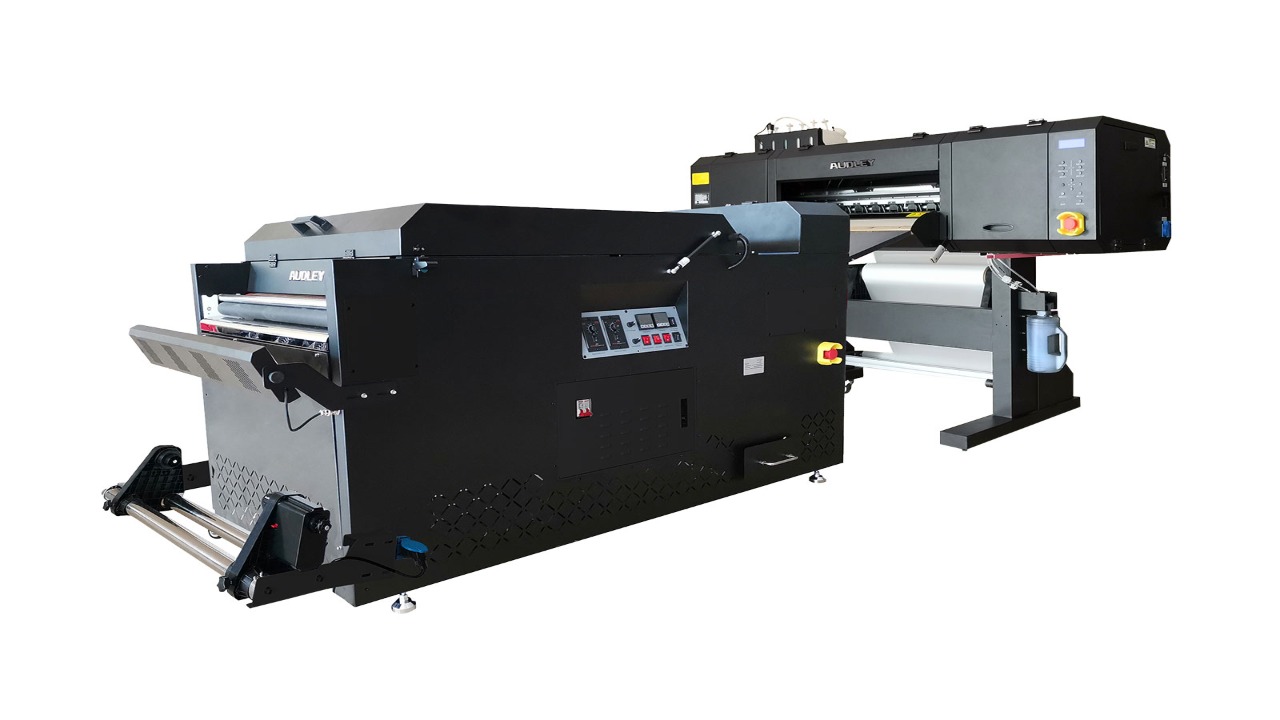
    DTF (Direct-to-Film) printing is a relatively new but fast-growing method in the apparel industry. The process involves printing designs onto a special PET film, applying a hot-melt adhesive powder, and then transferring the design onto fabric using a heat press.


    Key Benefits of DTF Printing:

    • Versatility: Works on a wide range of fabrics including cotton, polyester, blends, and even non-textile materials like leather.

    • Durability: DTF prints are highly resistant to washing and cracking.

    • Vibrant Colors: Produces sharp, eye-catching designs with a soft feel.

    • Low Entry Barrier: The cost of setup is lower than many other industrial printing solutions.

    For businesses looking to serve multiple markets and offer a variety of fabric options, DTF can be a game-changer.


    What is DTG Printing?

    DTG (Direct-to-Garment) printing is a more established method where designs are printed directly onto the garment using specialized inkjet technology. It is particularly effective for high-resolution, full-color prints.


    Key Benefits of DTG Printing:

    • High Detail: Produces photo-quality results with smooth gradients.

    • Eco-Friendly: Uses water-based inks that are less harmful to the environment.

    • Great for Small Orders: Perfect for one-off customizations or short runs.

    • Soft Finish: The print feels light and blends well with the fabric.

    DTG is widely used by businesses focusing on high-quality fashion items or print-on-demand services where design complexity is a selling point.


    DTF vs. DTG: Head-to-Head Comparison


    1. Fabric Compatibility

    • DTF Printing: Can be applied to cotton, polyester, blends, silk, and more. This flexibility is one of its biggest advantages.

    • DTG Printing: Works best on 100% cotton or high-cotton blends, limiting versatility.


    2. Print Durability

    • DTF: Prints are resistant to stretching, fading, and multiple washes.

    • DTG: Offers good durability but may fade faster on some fabrics.


    3. Color Quality & Detail

    • DTF: Bright and bold colors with strong opacity, even on dark fabrics.

    • DTG: Exceptional for detailed images, photo prints, and gradient-heavy designs.


    4. Production Speed

    • DTF: Faster for bulk production since transfers can be prepared in advance.

    • DTG: Slower for large batches but efficient for one-offs and small runs.


    5. Cost Efficiency

    • DTF: Lower initial cost, cheaper consumables, and suitable for scaling.

    • DTG: Higher equipment investment and ink costs, but justifiable for premium pricing.


    Which One Should You Choose?

    The right choice depends entirely on your business goals:

    • If you want maximum fabric versatility, durability, and scalability, investing in a DTF solution is often the smarter choice. It gives you the flexibility to serve multiple markets without being limited by fabric type.

    • If your business focuses on short runs, detailed designs, or premium fashion items, a DTG printer may align better with your needs, despite the higher setup costs.

    For many entrepreneurs, the decision comes down to market demand. For example, streetwear and bulk uniform businesses may lean toward DTF, while boutique apparel brands or online print-on-demand stores may find DTG more profitable.


    The Future of Custom Apparel Printing:

    Both DTF and DTG are here to stay, each catering to different niches in the industry. What’s interesting is how many print shops are now using both technologies in tandem—DTG for intricate, one-off prints and DTF for bulk, versatile projects. This hybrid approach allows businesses to maximize efficiency and customer satisfaction.

    As technology continues to evolve, we can expect more innovations that blend the strengths of both methods. For now, however, the decision lies in understanding your market, budget, and long-term vision.


    Final Thoughts:

    When weighing DTF vs. DTG printers, there is no one-size-fits-all answer. Both offer unique advantages that can fuel business growth. The key is aligning your choice with your customer base and production goals.

    If you’re just entering the industry and need flexibility with fabrics and durability, a DTF setup may be the best route. On the other hand, if your focus is on high-resolution fashion prints and you can accommodate higher upfront costs, DTG could be the ideal choice.

    By understanding these differences, you’ll be equipped to invest wisely and build a printing business that not only meets current demand but also adapts to future opportunities.

    Read More:  Noushin Faraji Net Worth, Biography & Career

  • A Complete Guide to Broadcast Teleprompter

    A Complete Guide to Broadcast Teleprompter

    A broadcast teleprompter shows scripted text to presenters on screen. It helps them speak smoothly without needing to memorize lines.In this article, we will explain what a teleprompter is, how it works, why it is useful, how to choose the right one, and answer some common questions about using it.

    What is a Broadcast Teleprompter?

    A broadcast teleprompter is a device that displays scripted text on a screen, allowing presenters to read their lines while keeping eye contact with the camera. This makes speaking easier and more convenient, ensuring that messages are delivered clearly without the need to memorize every word.

    Used widely in TV studios, live shows, and events, a professional broadcast teleprompter ensures presenters deliver their messages smoothly and confidently. It is considered one of the best teleprompters for creating polished and professional presentations.


    How It Works

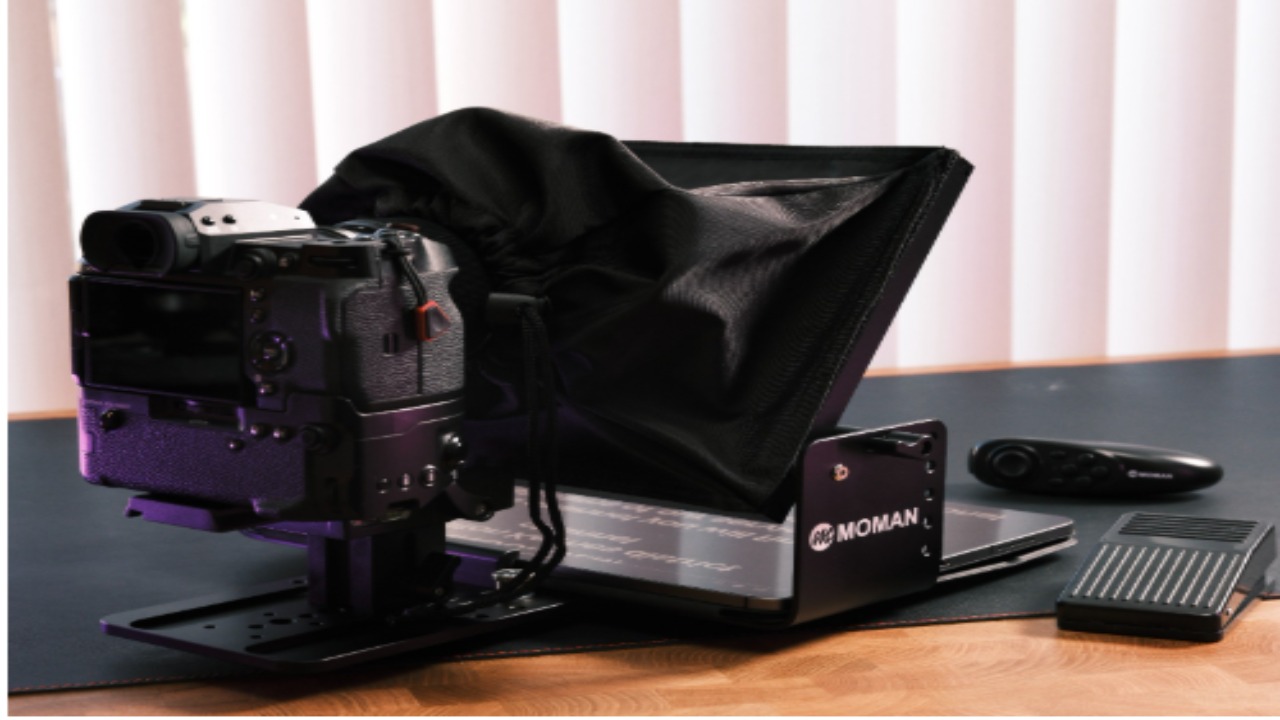
    A broadcast teleprompter works by reflecting scripted text onto a piece of glass placed in front of the camera lens. The presenter sees the text clearly while looking directly at the camera, but the camera cannot see the reflection, capturing only the presenter.

    Modern teleprompters often use tablets or monitors as the text source, and the speed of the scrolling text can be adjusted to match the presenter’s pace. Some professional systems also allow remote control, enabling a producer to manage the script from a distance.

    This setup ensures that presenters can deliver their lines smoothly and naturally without breaking eye contact, making speeches and broadcasts appear polished and confident.


    Benefits of Broadcast Teleprompter

    Here are some benefits of a Broadcast Teleprompter


    Smooth Delivery

    Smooth Delivery means speaking clearly without breaks or mistakes. A broadcast teleprompter shows the script on screen. This helps presenters stay on track with every word.

    With Smooth Delivery, the audience understands better. It makes the message sound natural and professional. A teleprompter gives confidence to speak with ease.


    Time Saving

    Time Saving is one of the main benefits of using a teleprompter. It removes the need to memorize long scripts. With broadcast teleprompter software, presenters can prepare faster.

    It works well for those quick changes and scripting that’s continuously being updated. Some broadcast teleprompter software makes live work simpler and more efficient. This saves time and keeps the show running smoothly.


    Professional Look

    A Professional Look is important for TV and live shows. A teleprompter helps presenters keep eye contact with the camera. This makes them look confident and polished.

    Many ask, do sports broadcasters use teleprompters? Yes, they do in certain cases. It helps them read stats or scripts while staying natural on screen.


    Error Reduction

    Error Reduction is a big benefit of using a teleprompter. It shows the correct script word by word. This helps presenters avoid mistakes while speaking.

    With Error Reduction, live shows run smoothly. The teleprompter keeps timing accurately and clearly. It makes speeches reliable and professional.


    Confidence Boost

    Confidence Boost comes when presenters know they won’t forget lines. A teleprompter guides them with every word on screen. This makes speaking easier and stress-free.

    With a Confidence Boost, presenters look calm and professional. They focus more on expression than memory. This builds trust with the audience.


    How to choose a broadcast teleprompter

    Selecting the right teleprompter can make a big difference in the quality of your presentation or broadcast. Here are the key factors to consider:


    Screen size

    The screen size affects readability and distance. Large screens are ideal for studio setups, stage presentations, or situations where the presenter is far from the camera, ensuring the text is visible without straining the eyes. Smaller screens are better for on-location shoots or mobile setups, offering portability while still providing clear text. Consider the size that matches both your space and your camera distance.


    Compatibility

    Not all teleprompters work with every camera or device. Check if the teleprompter is compatible with your DSLR, camcorder, or smartphone, and whether it supports tablets or laptops as text sources. Compatibility ensures smooth integration and avoids technical issues during recording.


    Text control

    Adjustable scrolling speed is crucial to match the presenter’s natural speaking pace. Some teleprompters also include remote control features, so a producer or assistant can manage the script without interrupting the presenter. Advanced systems may allow programmable pauses or speed changes for more complex scripts.


    Build quality

    A sturdy frame and high-quality glass are essential for stability and durability. Professional teleprompters often use aluminum or reinforced plastic mounts that keep the screen and camera aligned, even during repeated use or travel. Durable designs also reduce maintenance and improve reliability over time.


    Portability

    If your work involves multiple locations, consider lightweight, foldable, or modular teleprompters. These models are easier to carry, set up, and store without compromising on performance. Portable options are particularly useful for news reporters, live events, or freelance video production.


    Frequently Asked Questions

    Here are some common questions about broadcast teleprompters.


    Who uses a broadcast teleprompter?

    News anchors, TV hosts, and public speakers use it. It is also used in live events.


    Can beginners use a broadcast teleprompter?

    Yes, it is simple and easy to learn. Anyone can use it for clear speaking.


    Do sports broadcasters use teleprompters​?

    Yes, sports broadcasters often use teleprompters to read scripts smoothly while keeping eye contact with the camera, ensuring a professional and confident delivery.


    Conclusion

    A broadcast teleprompter helps presenters deliver lines smoothly and confidently without memorization, making it essential for TV, live shows, and events. By understanding how it works, why it is useful, and how to choose the right model, you can improve both the quality and professionalism of your presentations. Whether using a large studio setup or a portable solution, investing in one of the best teleprompters ensures clear, polished, and engaging delivery every time.

    Read Also:  Who Is Julie Hampton? Kirk Cousins’ Wife and Family