Blog

  • ‘Mossad agents arrested in Qatar and Saudi Arabia,’ claims commentator Tucker Carlson

    ‘Mossad agents arrested in Qatar and Saudi Arabia,’ claims commentator Tucker Carlson

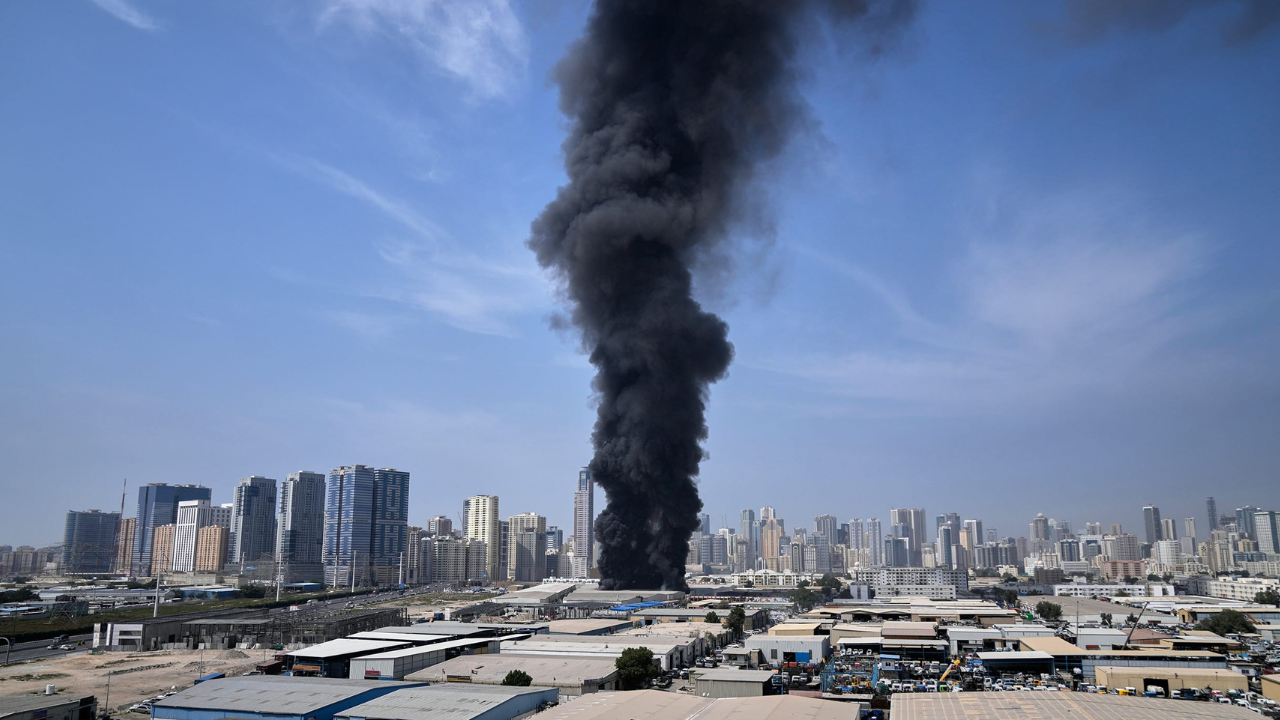
    Operatives of Israel’s premier spy agency Mossad were arrested in Qatar and Saudi Arabia while planning bombings and raising concerns over possible false-flag operations in the Gulf region, American conservative activist and commentator Tucker Carlson has claimed.

    As per the details, Carlson said that authorities in Qatar and Saudi Arabia had “apprehended Mossad operatives planning to detonate explosives in those countries”, and suggested that the actions were aimed at creating disorder, potentially framing Iran to involve Gulf states more directly in the regional conflict.

    He also said the intent appeared to be to “sow chaos and disorder, potentially blaming Iran to draw the Gulf states deeper into the ongoing regional war”.

    The allegations come amid escalating military actions in the region. Joint strikes by the United States (US) and Israel on Iran have resulted in the death of Supreme Leader Ayatollah Ali Khamenei besides hundreds of others.

    Iran has responded with multiple missile and drone attacks targeting Israeli positions and US military assets across the region.

    Iran’s Revolutionary Guards (IRGC) said they launched drones and missiles at a US air base in Bahrain, claiming the Sheikh Isa facility’s main command headquarters was destroyed. 

    Saudi Arabia reported drone strikes on the US embassy compound in Riyadh, causing limited material damage. Qatar, Kuwait, the UAE and Israel all reported intercepting missiles and drones fired from Iran.

    US Central Command confirmed that over 1,250 targets had been struck within 48 hours, including missile sites, naval vessels and command centres, and reported six US service member deaths. 

    The US State Department also advised Americans to leave 15 Middle Eastern countries, while Canada urged its citizens to depart the UAE if possible.

    IRGC warned that the US “will no longer be safe” if operations continue, and Qatar reserved the right to respond to Iranian strikes.
  • 4.3 magnitude quake hits southern Iran; internet speculates

    4.3 magnitude quake hits southern Iran; internet speculates

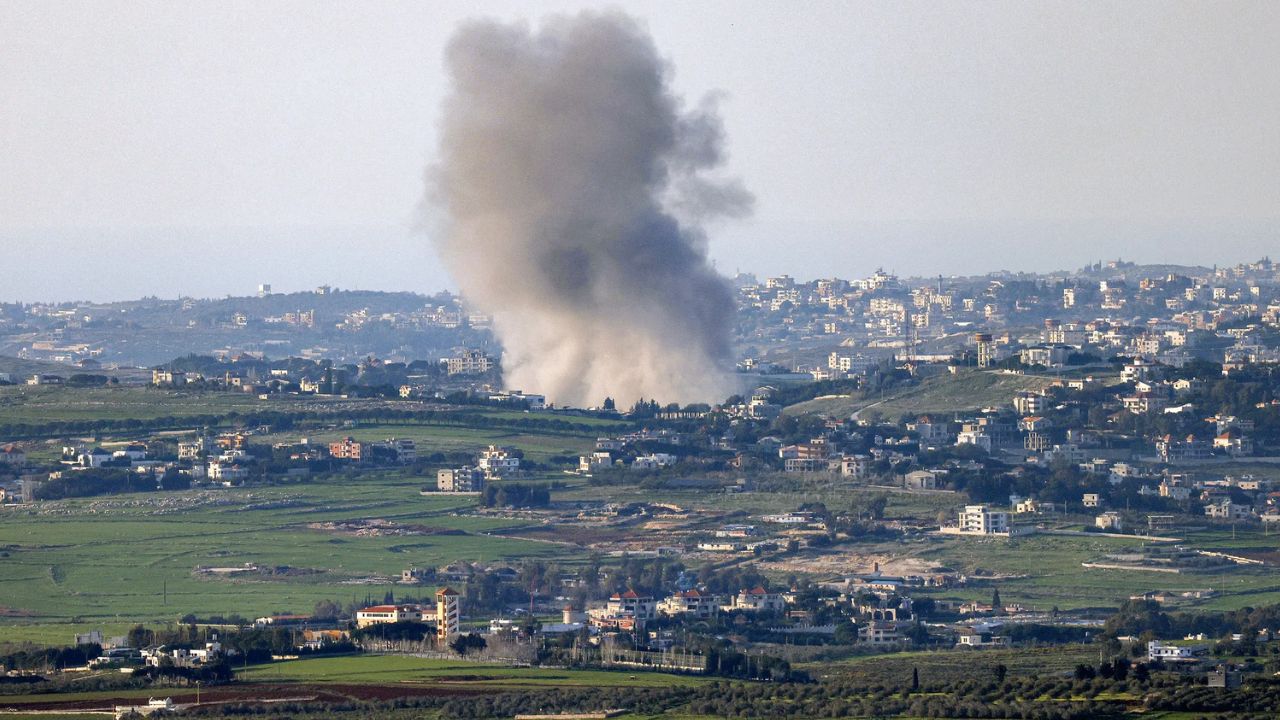
    An earthquake measuring 4.3 on the Richter scale has rocked the Gerash region in southern Iran at a depth of 10 kilometres, the United States Geological Survey said.

    While no significant damage or casualties were immediately reported, the tremor occurred amid escalating hostilities in the region as the United States (US) and Israel continue military strikes on Iranian territory following the assassination of Supreme Leader Ali Khamenei.

    The fragile situation also prompted internet to speculate if the tremors were a consequence of Iran secretly testing weapons of mass destruction, however, no official statement was released or any concerns expressed.

    It may be noted that Iran sits on several major fault lines, making it one of the most seismically active regions in the world. Weapon testing, even large-scale explosions, does not produce the same seismic signatures as tectonic earthquakes.

    Seismologists can distinguish between natural quakes and manmade blasts because they look very different in terms of wave patterns, depth and energy release. When the earthquake in Iran was reported, it was catalogued by international seismic monitoring networks as a natural tectonic event, not an artificial explosion.

    Meanwhile, the conflict entered its fourth day on Tuesday, with missile launches, drone interceptions and air strikes reported across the Middle East.

    Iran’s Foreign Minister Abbas Araghchi accused Washington of joining the conflict in support of Israel, stating on X that the US had entered “a war of choice on behalf of Israel” and placing responsibility for the loss of life on Israeli actions.

    Iran’s Revolutionary Guards (IRGC) said they launched drones and missiles at a US air base in Bahrain, claiming the Sheikh Isa facility’s main command headquarters was destroyed. 

    Saudi Arabia reported drone strikes on the US embassy compound in Riyadh, causing limited material damage. Qatar, Kuwait, the UAE and Israel all reported intercepting missiles and drones fired from Iran.

    Oil markets reacted to the conflict, with Brent crude rising to $79.44 a barrel and US West Texas Intermediate at $72.40.

    The US Secretary of State said the strikes targeted missile production and launch capabilities, not civilians, following a strike on a girls’ school that killed 180 people.

    US Central Command confirmed that over 1,250 targets had been struck within 48 hours, including missile sites, naval vessels and command centres, and reported six US service member deaths. 

    The US State Department also advised Americans to leave 15 Middle Eastern countries, while Canada urged its citizens to depart the UAE if possible. IRGC warned that the US “will no longer be safe” if operations continue, and Qatar reserved the right to respond to Iranian strikes.
  • Terrorism cases filed after deadly protests near US consulate in Karachi

    Terrorism cases filed after deadly protests near US consulate in Karachi

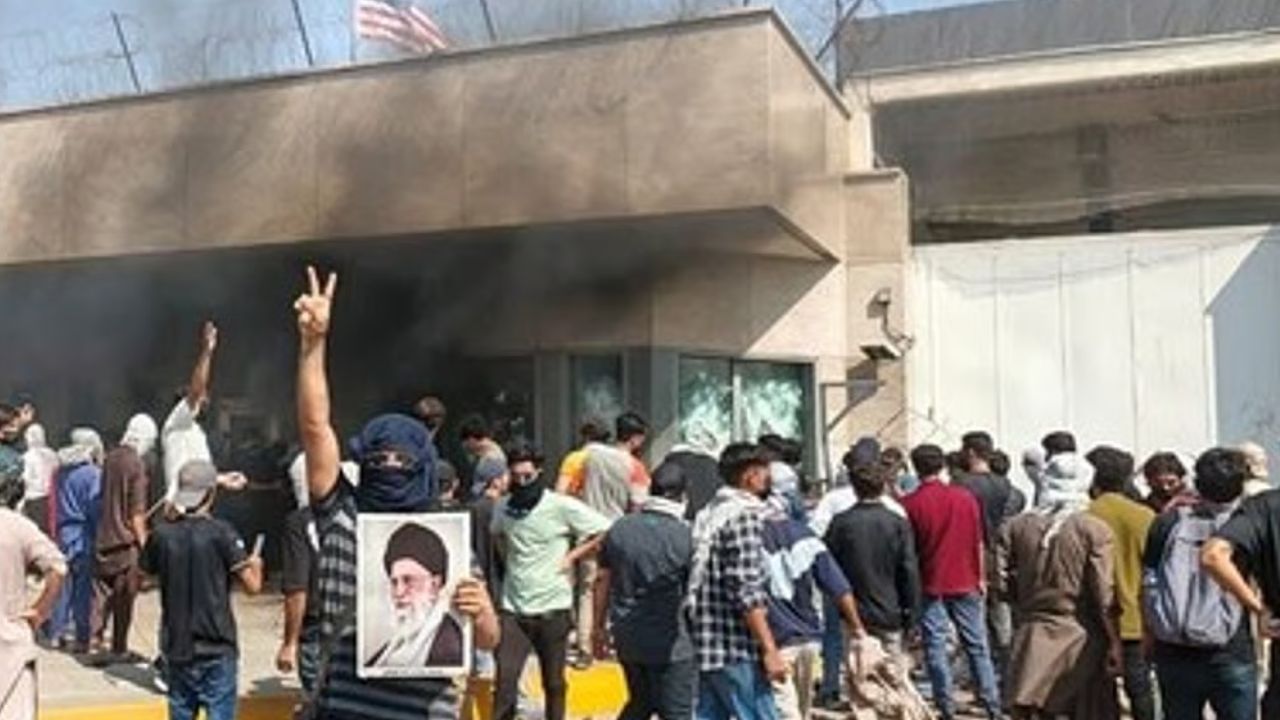
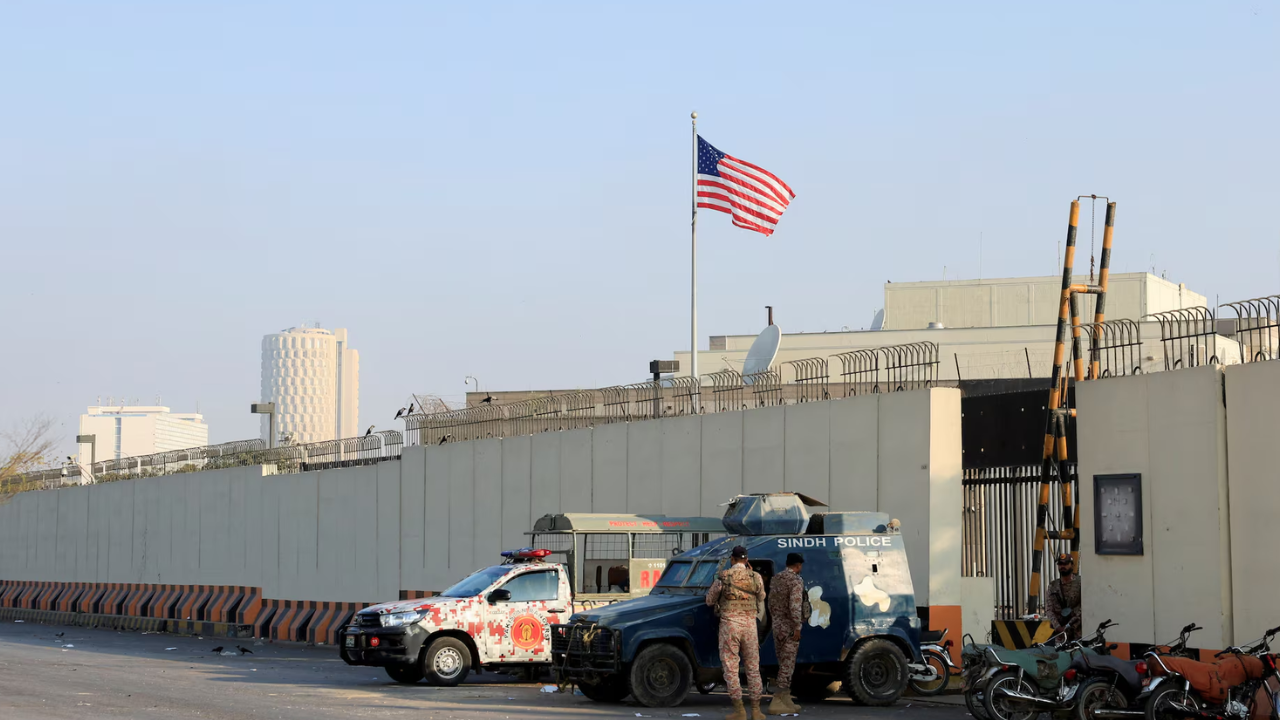
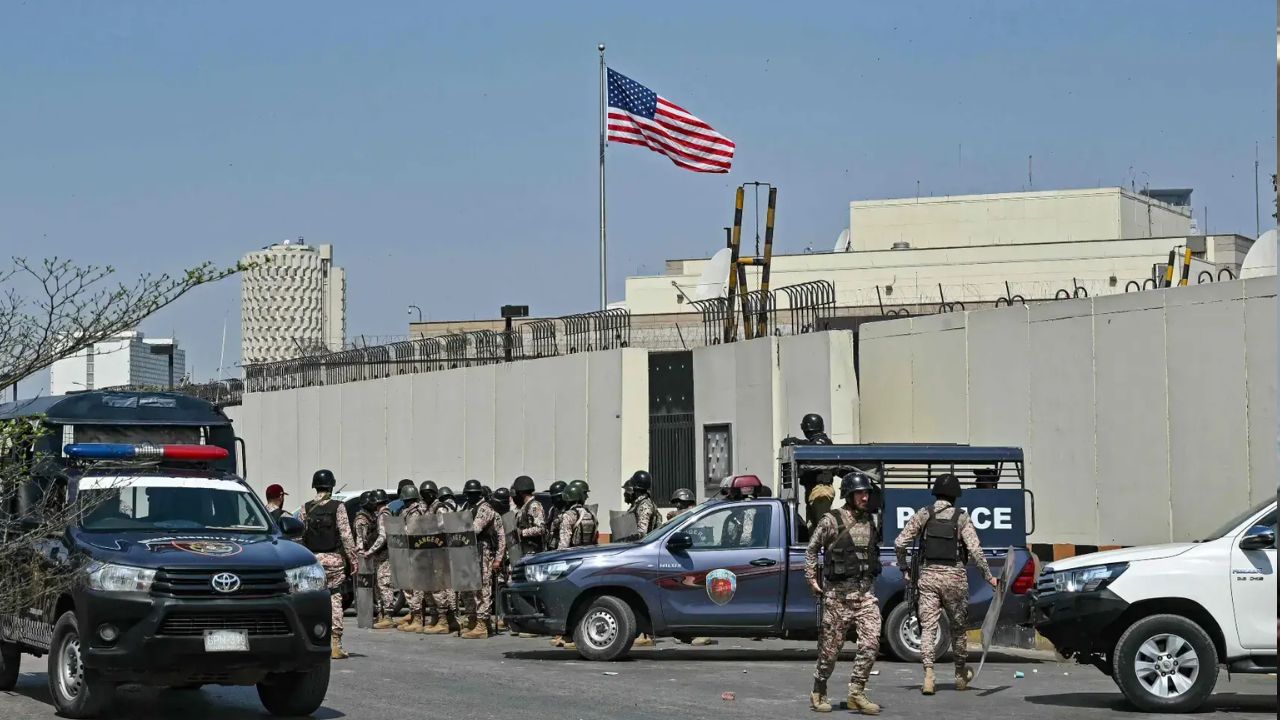
    Karachi police have registered three terrorism cases against “unknown persons” after violent protests near the US consulate on March 1 left 11 people dead and at least 30 others injured.

    The unrest followed demonstrations over the assassination of Ayatollah Ali Khamenei, Iran’s Supreme Leader. Protesters reportedly entered the outer perimeter of the US consulate on Mai Kolachi Road, but were pushed back by authorities.

    A senior official said that the first of the three First Information Reports (FIRs) was filed against “unidentified 150-200 protesters” involved in vandalising the consulate building, opening fire, and committing arson.

    The second FIR targets unknown individuals responsible for setting a police post near the consulate on fire and committing further acts of arson.

    The third FIR addresses violence on Native Jetty Bridge, where “unknown armed men” allegedly opened fire, injuring two women and others, the official added.

    All three FIRs have been lodged under sections 302 (premeditated murder), 324 (attempted murder), and other provisions of the Pakistan Penal Code, along with Section 7 of the Anti-Terrorism Act. No arrests have been made so far.

    Inspector General of Police (IGP) Javed Alam Odho took action against several police officials over alleged negligence, maladministration, and losses to human life and property on March 1.

    A statement issued by the Central Police Office said the IGP, after an initial inquiry, recommended the removal and suspension of the Keamari Senior Superintendent of Police (SSP). The Keamari Deputy Superintendent of Police (DSP) and Station House Officer (SHOs) of Docks, SITE-B, KPT, and Jackson police stations, along with the in-charge of the foreign security cell, were also suspended.

    A six-member high-level committee has been formed to conduct a “transparent inquiry” into the incident. The committee is headed by the Additional Inspector General of Police (IG) of the Counter-Terrorism Department (CTD) and includes Deputy Inspector General (DIGs) of Special Branch and Headquarters, SSP Investigation CTD, and two Assistant IGs.

    “The committee has been directed to submit a detailed report containing all facts about the incident within seven days,” the statement said.

    The inquiry team is expected to determine the circumstances surrounding the protests and violence near the US consulate, as authorities continue to monitor developments in the area.

  • US Marines fired on protesters outside Karachi consulate, officials say

    US Marines fired on protesters outside Karachi consulate, officials say

    United States (US) Marines opened fire during the storming of the US consulate in Karachi over the weekend, two US officials said on Monday, marking a confirmed use of force at a diplomatic post.

    Eleven people were killed on Sunday after protesters breached the outer wall of the consulate compound following American and Israeli strikes in Iran that killed Supreme Leader Ayatollah Ali Khamenei.

    The two officials, citing initial information, said it was not clear whether rounds fired by Marines struck or killed anyone. They said they did not know whether shots were also fired by other personnel protecting the mission, including private security contractors and local police.

    The confirmation marks the first time US officials have acknowledged that Marines were involved in firing during the protest. 

    Sindh government spokesperson Sukhdev Assardas Hemnani said “security” personnel had opened fire but did not specify which force was involved.


    Vic Mellor, a Republican candidate from Rhode Island and a US Marine veteran, said on X that “armed rioters tried to storm our US Consulate in Karachi, Pakistan.” 


    He added that Marines “met them at the door — and sent a message the entire world just heard: The days of America not defending itself are OVER.” Mellor said anyone attempting to harm Americans would face consequences.

    On Sunday, protesters gathered outside the Karachi consulate chanting slogans against the United States and Israel. Reporters at the scene heard gunfire and saw tear gas used in surrounding streets. 


    A video circulating on social media appeared to show at least one protester firing towards the consulate while injured demonstrators fled the area.


    A Karachi police official said shots were fired from inside the consulate premises.

    The US Marines referred questions to the US military, which directed inquiries to the State Department. The State Department did not respond to requests for comment.

  • No immediate risk of fuel shortage, says finance minister

    No immediate risk of fuel shortage, says finance minister

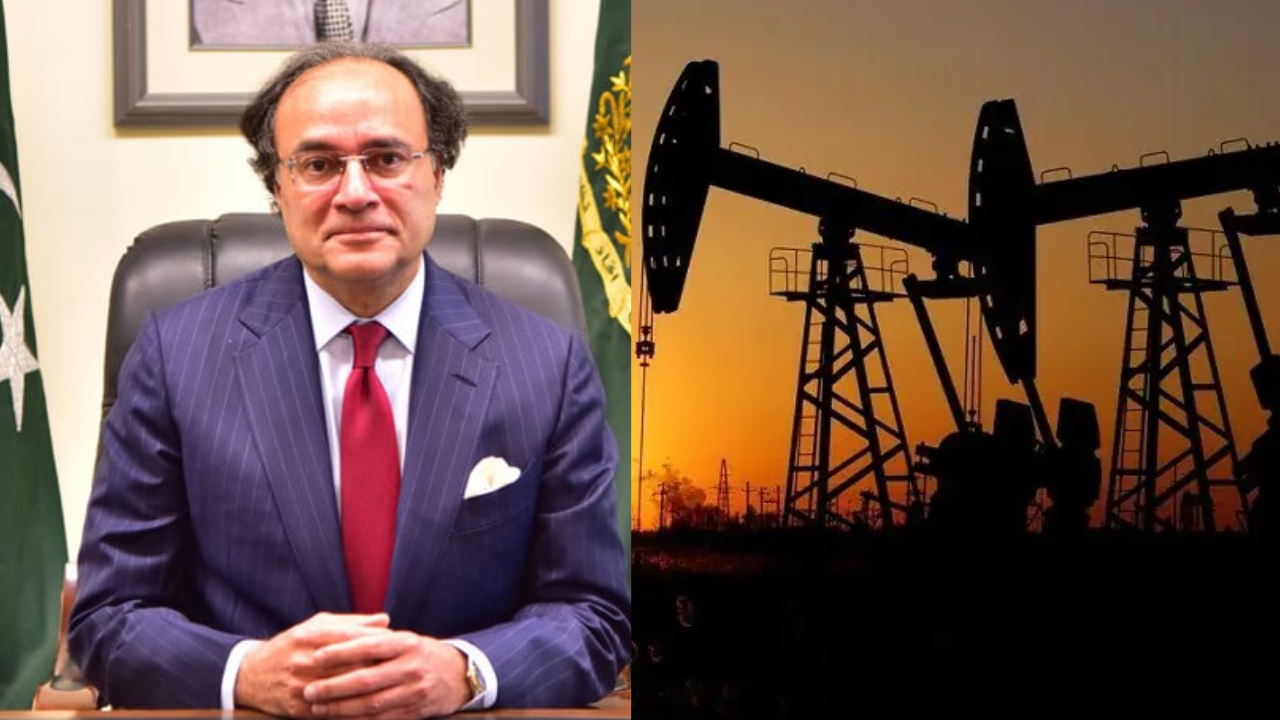
    Finance Minister Muhammad Aurangzeb has assured that Pakistan’s energy supplies remain stable despite disruptions in key international shipping routes. Speaking at the meeting of the Cabinet Committee on Petrol Prices, constituted by the Prime Minister, he said national petroleum reserves are at comfortable levels and there is no immediate risk of shortages.

    The committee reviewed global and regional supply conditions, including the closure of the Strait of Hormuz and tensions around the Strait of Bab al-Mandeb. “These developments pose major challenges for global energy security and could affect Pakistan’s fuel supply chain if they continue,” the Finance Minister said.

    During the session, members analyzed trends in forward and futures prices of petroleum products, assessed the resilience of domestic and international supply chains, and considered potential short- and medium-term impacts on foreign exchange due to market volatility. 

    Officials also examined measures to prevent disruptions while maintaining uninterrupted domestic availability of petroleum products. The possible fiscal consequences of a prolonged regional conflict were also discussed.

    Aurangzeb emphasized that the committee will function as a strategic governance forum, conducting daily monitoring and structured scenario planning. Ensuring availability of energy supplies across the country is the Government’s primary objective and will remain the central driver of all decisions, he added.

    Ministries and regulatory bodies have been directed to validate stock positions, track shipments and storage, and remain prepared for any emergency situation.

    The committee also reviewed LNG and LPG supply positions, shipment schedules, terminal operations, and line-pack management. Officials were instructed to refine scenario analyses and evaluate economic and fiscal trade-offs associated with alternative fuel utilization and demand management options. 

    Any necessary adjustments to domestic fuel prices resulting from international market movements will be implemented through established mechanisms in a transparent and predictable manner.

    To maintain real-time oversight, the committee will convene daily, consolidating data on global price movements, domestic stock levels, foreign exchange exposure, and overall energy supply chain developments.

    The meeting was attended by Federal Minister for Petroleum Ali Pervaiz Malik, Federal Minister for Power Sardar Awais Ahmad Leghari, Minister of State for Finance Bilal Azhar Kayani, along with federal secretaries and senior officials from the relevant ministries, divisions, and regulatory bodies.

  • Multan Sultans are officially back in Pakistan Super League

    Multan Sultans are officially back in Pakistan Super League

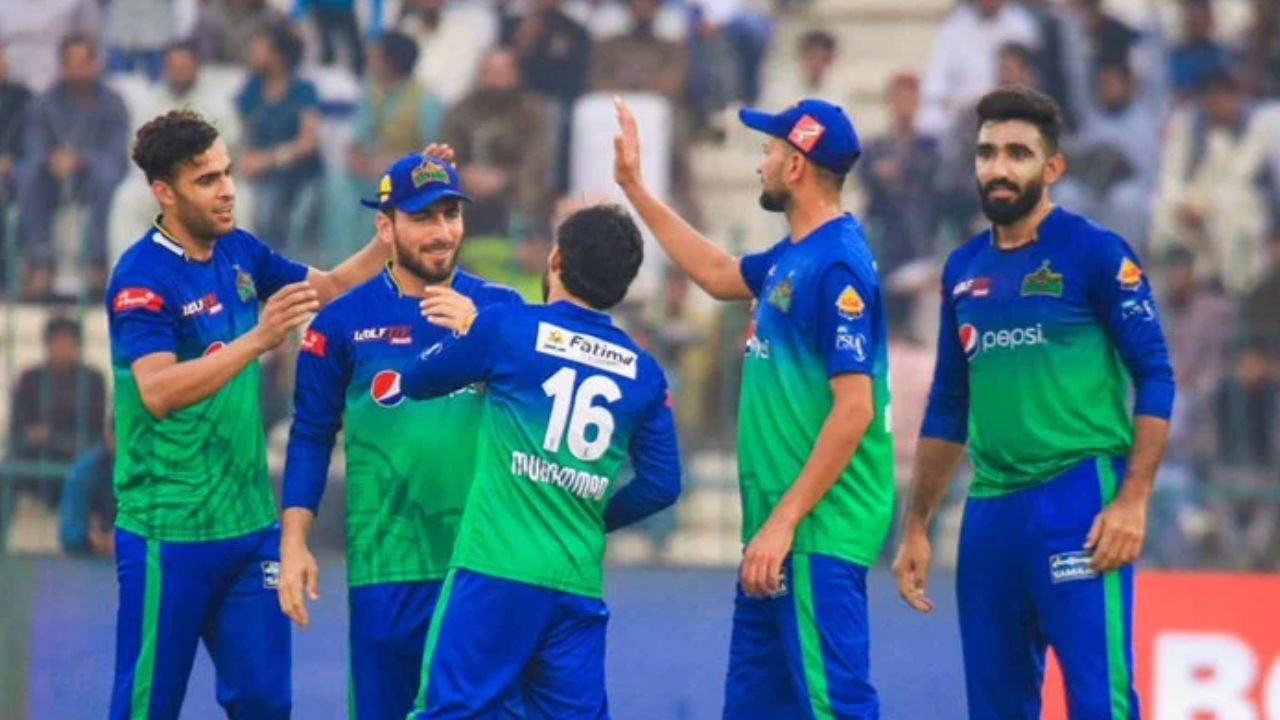
    Multan Sultans are officially returning to the Pakistan Super League (PSL) ahead of the 2026 season, following a major franchise reshuffle.

    Sialkot Stallionz owner Hamza Majeed and PSL Chief Executive Officer Salman Naseer confirmed the return during a press conference at Gaddafi Stadium, Lahore, on Tuesday. 

    CD Ventures CEO Gohar Shah, who will lead the Multan franchise, was also present.

    “I am so happy that South Punjab representation is back in the league,” Gohar Shah said.

    The PSL CEO confirmed that the franchise price, previously set at 185 billion rupees, has now increased to 200 billion rupees.

    When asked about Gohar Shah’s role in the franchise and ownership, Hamza Majeed did not clarify the exact stake CD Ventures will hold but confirmed that Gohar Shah will have full authority over the team.

    CD Ventures had formally requested the Pakistan Cricket Board (PCB) to rename the newly established Sialkot Stallionz franchise as Multan Sultans.

    The move follows reports that OZ Group, the original buyer of the newly-launched PSL franchise, ran into financial difficulties and sold the team before it even played its first match. 

    The franchise was originally purchased at auction on January 8 for PKR 1.85 billion and had been renamed Sialkot Stallionz.

  • US Embassy, consulates halt visa processing in Pakistan

    US Embassy, consulates halt visa processing in Pakistan

    The United States Embassy in Islamabad and its consulates in Lahore and Karachi have cancelled all visa appointments through Friday, March 6, citing the security situation.

    In a notice to applicants, the US mission said routine visa services would remain suspended during this period and that affected individuals would receive instructions on rescheduling.

    “Due to the current security situation, the US Embassy in Islamabad and the Consulates General in Lahore and Karachi have cancelled all visa appointments through Friday, March 6,” the embassy said in a post on X, advising applicants to monitor official channels for updates.

    The suspension follows a decision taken on Sunday to cancel all visa and American Citizen Services appointments scheduled for March 2 at facilities in Islamabad, Karachi and Lahore.

    In a security alert issued on March 1, the mission said it was monitoring reports of demonstrations outside the US Consulate General in Lahore and protests near the US Consulate General in Karachi. 

    It also referred to calls for demonstrations at the US Embassy in Islamabad and the US Consulate General in Peshawar.

    Protests were held across Pakistan on Sunday following US and Israeli strikes that killed Iran’s Supreme Leader Ayatollah Ali Khamenei. Clashes were reported outside the US Consulate in Karachi, where police and protesters confronted each other.

    Demonstrations also took place in the major cities including Islamabad, Lahore, Peshawar and Quetta. Authorities in Islamabad imposed Section 144 and blocked routes leading to the red zone.


    In Karachi, protesters gathered outside the US Consulate and attempted to move towards the premises. Police used tear gas and other measures to disperse the crowd. Officials said at least 10 people were killed and 36 injured in the unrest.

  • Shaheen, Rauf among 14 Pakistanis shortlisted for The Hundred auction; no Sahibzada Farhan

    Shaheen, Rauf among 14 Pakistanis shortlisted for The Hundred auction; no Sahibzada Farhan

    Fourteen Pakistani players have been included in the longlist for the inaugural The Hundred auction, which will take place on 11 and 12 March at Piccadilly Lights.

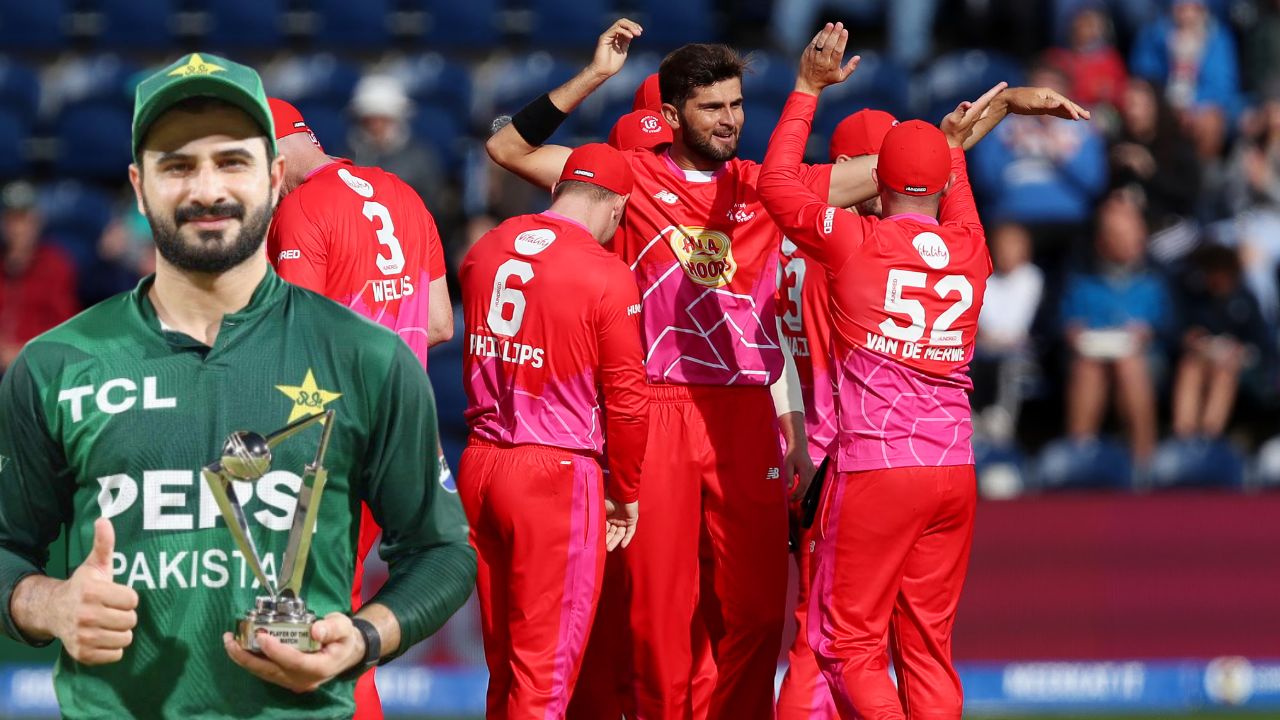
    The official list on The Hundred website features both men and women cricketers from Pakistan. Among the men, notable names include pacers Haris Rauf, Shaheen Shah Afridi, Shadab Khan, Usman Tariq, and batter Saim Ayub.

    However, the surprising omission from the trimmed longlist is Sahibzada Farhan, who said last week that he was “hopeful” of being picked in the auction. The 29-year-old is the leading run-scorer at the ongoing T20 World Cup, having scored centuries against Namibia and Sri Lanka, although he has played in an overseas franchise league only once.

    “The longlist for The Hundred Auction have been revealed, with the likes of Joe Root, Davina Perrin, Nadine de Klerk and Shaheen Shah Afridi set to go under the hammer at Piccadilly Lights on 11 and 12 March,” the official press release said.

    “With nearly 1,000 players registering themselves for consideration for the auction, the eight men’s and women’s teams were required to nominate up to 100 players they’d be interested in purchasing. Any player with at least one nomination has been included on the longlists,” it added.

    Earlier, media reports suggest that the four Indian-owned franchises — Manchester Super Giants, MI London, Southern Brave, and Sunrisers Leeds — were not considering Pakistani players for the auction. The England and Wales Cricket Board (ECB) later clarified that The Hundred is an inclusive tournament.

    “All eight teams commit to selection being based solely on cricketing performance, availability, and the needs of each team,” the ECB statement said.

    Other men’s longlist players include Abrar Ahmed, Mohammad Nawaz, Naseem Shah, Mohammad Amir, Zaman Khan, Imad Wasim, Usama Mir, Akif Javed, and Salman Mirza.

    On the women’s side, Pakistan’s representatives are Fatima Sana and Sadia Iqbal.

    The Hundred will be played from July 21 to August 16, 2026, in England.

  • Drones strike US embassy in Riyadh as regional conflict intensifies

    Drones strike US embassy in Riyadh as regional conflict intensifies

    Missile launches, drone interceptions and air strikes were reported across the Middle East on Tuesday as hostilities between Iran, Israel and the United States (US) entered another day, with governments issuing security alerts and statements throughout the region.

    Iran’s Foreign Minister Abbas Araghchi accused Washington DC of joining the conflict in support of Israel. In a post on X, he said: “Mr. Rubio admitted what we all knew: US has entered a war of choice on behalf of Israel. There was never any so-called Iranian ‘threat’.” 

    He added that responsibility for “Shedding of both American and Iranian blood is thus on Israel Firsters. American people deserve better and should take back their country”.

    Iran’s Revolutionary Guards (IRGC) said their forces launched drones and missiles at a US air base in Bahrain. State media reported that 20 drones and three missiles were fired at the Sheikh Isa facility at dawn. The statement claimed the base’s main command headquarters was destroyed, without releasing evidence.

    In Saudi Arabia, the defence ministry said two drones struck the US embassy compound in Riyadh, causing a limited fire and material damage. The embassy urged American nationals to shelter in place and restricted non-essential travel to military sites. Two further explosions were later heard in the diplomatic quarter, according to Reuters sources.

    Qatar’s defence ministry said two missiles targeting several areas were intercepted and neutralised. Kuwait’s armed forces said they were “dealing with a wave of missiles and drones” detected in the country’s airspace. 

    The United Arab Emirates (UAE) said its air defence systems were responding to ballistic missiles launched from Iran.The Israeli military said it had identified missiles fired from Iran and that interception systems were operating. 

    Oil markets reacted to the widening conflict and concerns over shipping through the Strait of Hormuz. Brent crude traded at $79.44 a barrel, up 2.2 per cent, while US West Texas Intermediate rose to $72.40. 

    US Secretary of State Marco Rubio said Washington would not “deliberately target” a school after 180 were killed in a strike on a girls’ school. He said US objectives were to dismantle missile production and launch capabilities and to prevent Iran from obtaining a nuclear weapon. He added that further measures would be announced to address rising energy prices.

    US Central Command confirmed that more than 1,250 targets had been struck within 48 hours, including missile sites, naval vessels and command centres. It also confirmed that six US service members had been killed since operations began.

    The US State Department urged Americans to leave 15 Middle Eastern countries, citing security risks, while Canada advised its citizens to depart the United Arab Emirates if possible. Qatar said it reserved the right to respond to Iranian attacks, and Iran’s Revolutionary Guards warned that the United States “will no longer be safe” if operations continue.

    The escalation follows joint US-Israeli strikes launched on Saturday, which Iranian media said killed Supreme Leader Ali Khamenei. Tehran has since launched missile and drone attacks against US-linked targets across the Gulf, as airspace closures and security restrictions continue across multiple countries.

  • Pak-Afghan update: 435 Taliban killed, 188 checkposts destroyed

    Pak-Afghan update: 435 Taliban killed, 188 checkposts destroyed

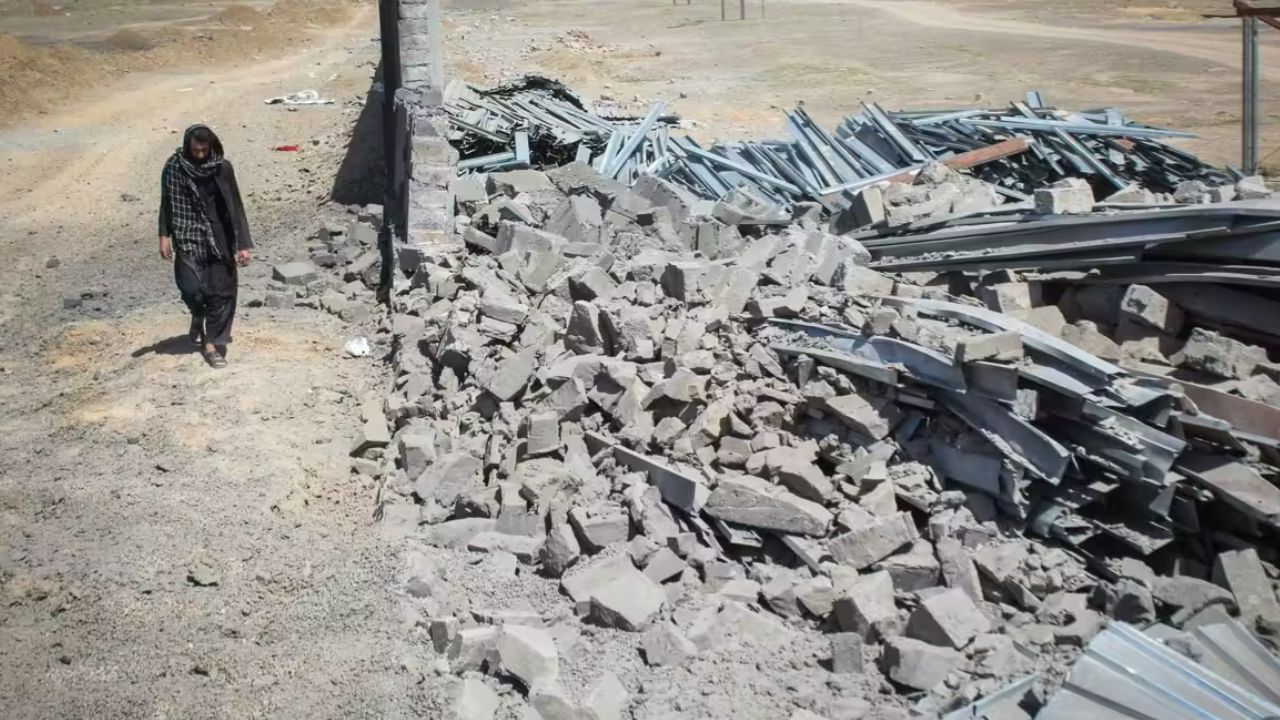
    Information Minister Attaullah Tarar said on Monday that Pakistani security forces have killed 435 Afghan Taliban fighters and destroyed 188 tanks and vehicles during Operation Ghazab Lil Haq, launched in response to unprovoked action from across the border.

    Tarar said that more than 630 Afghan operatives were injured during the operation, 188 tanks and armoured vehicles were destroyed, 31 Afghan posts were taken over, 188 check posts were destroyed, and 51 locations inside Afghanistan were targeted in air strikes.


    He stressed that the operation was carried out following cross-border action and outlined the losses sustained by the Afghan Taliban.

    The escalation follows months of clashes between Pakistan and Afghanistan.

    Pakistan had earlier conducted air strikes inside Afghanistan, targeting camps linked to the Tehreek-e-Taliban Pakistan (TTP) and Islamic State Khorasan after a series of attacks in the country, including a suicide bombing in Islamabad. Security officials had said at the time that more than 80 militants were killed.

    Those strikes were followed by attacks along the border from the Afghan side, leading to further exchanges.

    Islamabad has repeatedly stated that TTP leaders operate from Afghan territory, an allegation denied by Kabul.


    Tensions also rose after explosions in Kabul on October 9 last year. Taliban forces later targeted areas along Pakistan’s border. Pakistan responded with cross-border shelling. The exchanges resulted in casualties and damage on both sides and led to the suspension of trade after border crossings were closed.