Blog

  • Pak-Afghan update: 415 Taliban killed, 182 checkposts destroyed

    Pak-Afghan update: 415 Taliban killed, 182 checkposts destroyed

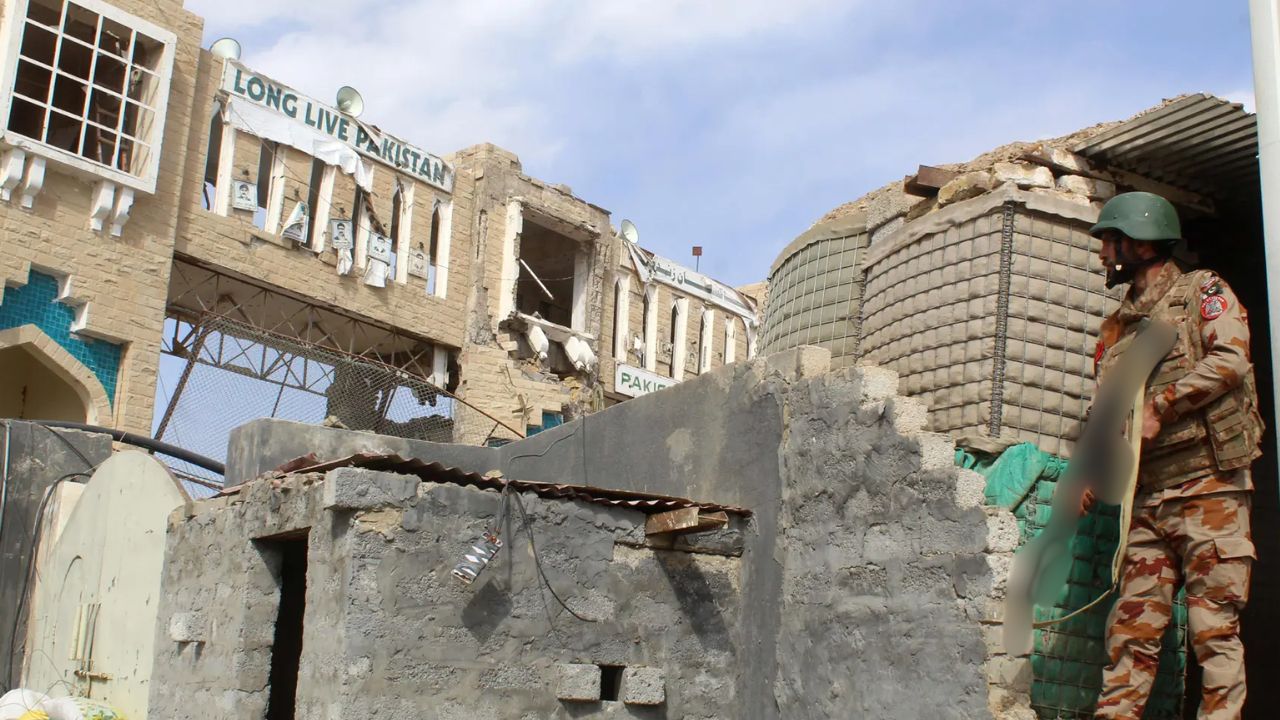
    Federal Information Minister Attaullah Tarar has provided an update on “Operation Ghazab lil-Haq,” stating that Pakistan’s retaliatory strikes have resulted in the deaths of 415 Afghan Taliban members over several days.

    Briefing the media on the ongoing military response to border aggression, Tarar reported that more than 580 Afghan Taliban personnel sustained injuries.

    The Minister detailed the destruction of 182 checkpoints belonging to the Afghan Taliban regime, while 31 others have been taken over by Pakistani forces.

    Military action included airstrikes at 46 locations inside Afghanistan. According to government figures, the operation destroyed 185 tanks, weapon-carrying vehicles, and artillery guns.

    The operation remains active as a response to recent escalations along the border.

    The 2026 Afghanistan-Pakistan war reached a critical boiling point in late February following Pakistan’s launch of “Operation Ghazab Lil Haq”. 


    Pakistani Defense Minister Khawaja Asif has officially characterized the border hostilities as an “open war,” reflecting the most severe direct military confrontation between the two nations since the Taliban regained power in 2021.


    The rapid deterioration of regional security has prompted widespread international concern and disrupted cross-border trade, travel, and aviation. 

    The United Nations has urged both sides to exercise maximum restraint and protect civilians. 


    Meanwhile, regional powers including Qatar, Saudi Arabia, and Russia have offered to mediate a ceasefire. Despite diplomatic pressure, Pakistan has maintained that its military operations will continue until its strategic objectives neutralizing the cross-border militant threat and restoring deterrence are fully achieved.

  • Saqlain Mushtaq defends Shadab, Nawaz; says they weren’t used properly

    Saqlain Mushtaq defends Shadab, Nawaz; says they weren’t used properly

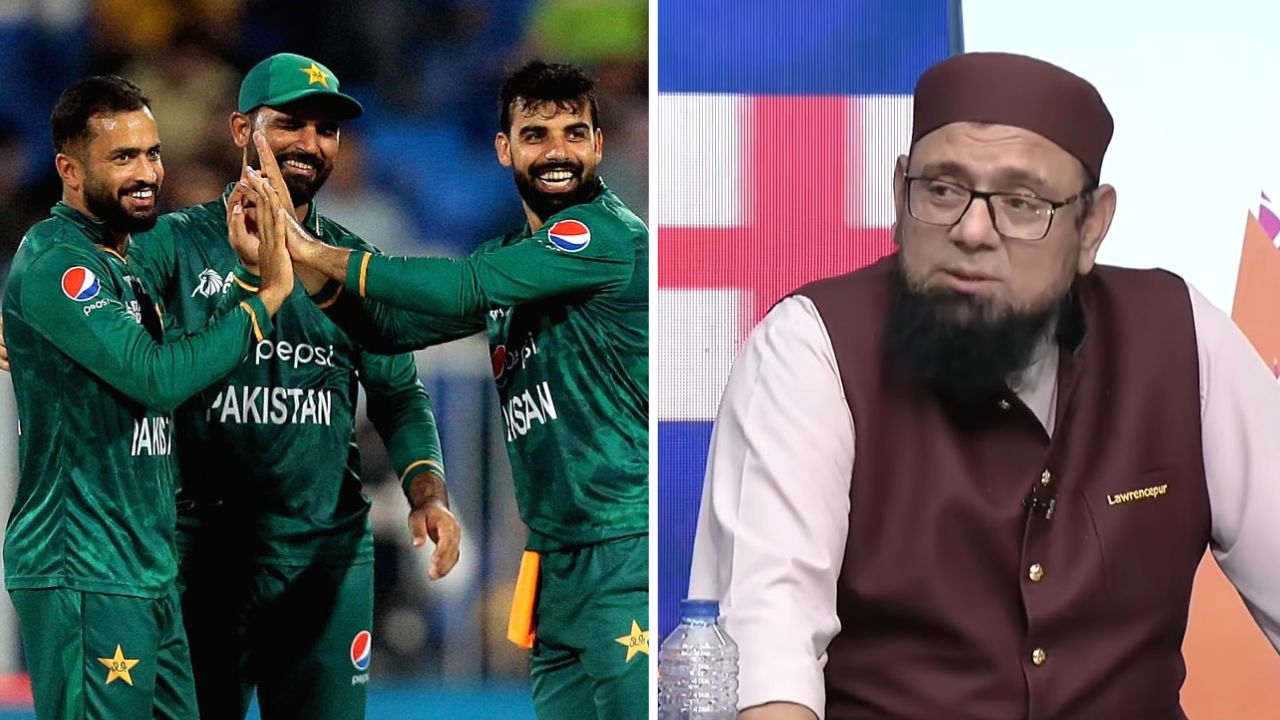
    Former Pakistan spinner Saqlain Mushtaq defended his son-in-law Shadab Khan, blaming head coach Mike Hesson for not using all-rounders properly during the T20 World Cup.

    Pakistan crashed out of the semi-final race despite beating Sri Lanka in their final Super Eight match. The team posted 213 and needed to restrict Sri Lanka to 147 to surpass New Zealand on Net Run Rate (NRR). Sri Lanka fell short by just five runs, knocking Pakistan out of the tournament.

    At one stage, Pakistan needed to defend 27 runs from a target of 147 to achieve the required NRR. Shadab conceded 15 runs in one over and 18 in the 19th, leaking 33 runs across his two overs.

    Fans and experts immediately criticised Shadab for his poor form, but Saqlain argued that the blame lay elsewhere.

    Speaking on a TV program, he said, “There are two types of all-rounders: bowling all-rounders, batting all-rounders, and then a pure all-rounder. The ones we selected were in demand for both skills. I understand the rules; I know that there was a demand for their batting as well as bowling. But in bowling, their performance was not visible. I think the performance in bowling was not apparent.”

    He added that the all-rounders weren’t used properly.

    Saqlain continued, “When I was there, the selection committee gave me the information that they are equally good—they can bat and bowl—but your utilization has to be correct. If both [Nawaz and Shadab] were utilized properly, things could have been much better.”

    He compared them with other international all-rounders, saying, “What is the performance of Mitchell Santner? How many wickets has Axar Patel taken? What I am saying is that I think Mike Hesson demanded too much from them in both batting and bowling and did not use them properly.”

    Shadab Khan’s performance in the World Cup fell below expectations. He took five wickets in six matches while conceding 152 runs and scored 118 runs with the bat.

  • Regional conflict widens as Iran, Israel and US trade strikes

    Regional conflict widens as Iran, Israel and US trade strikes

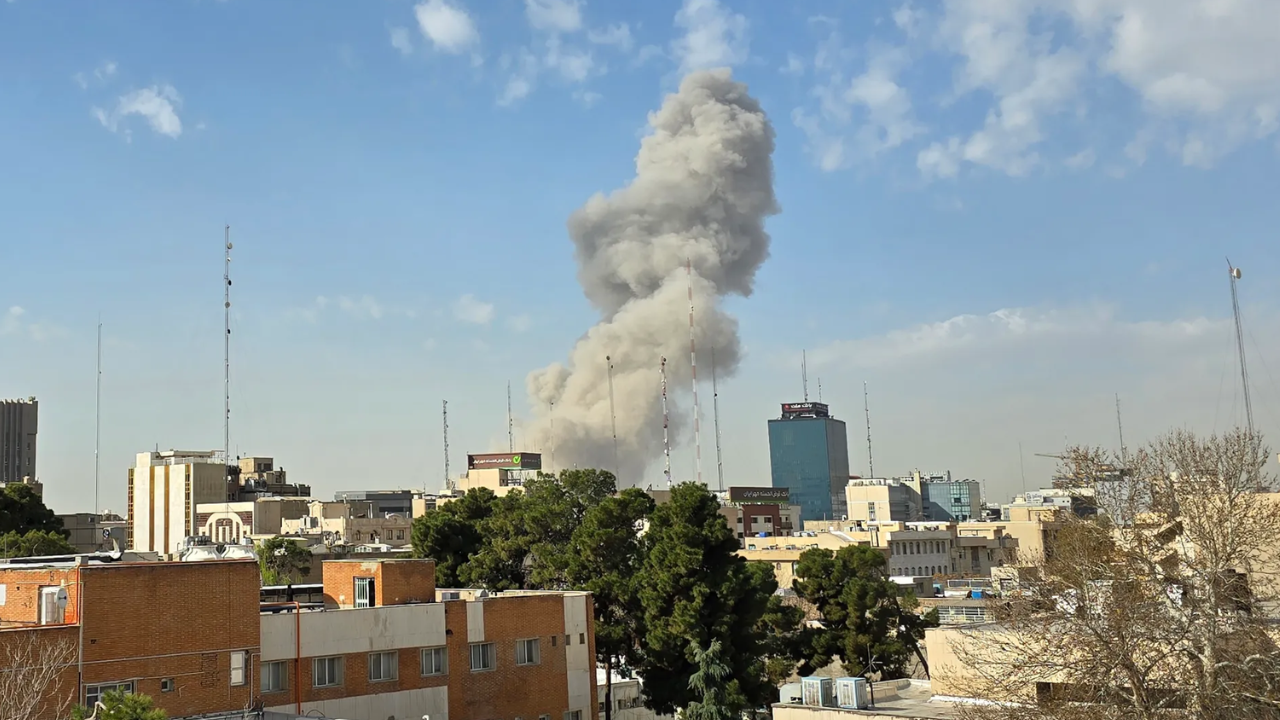
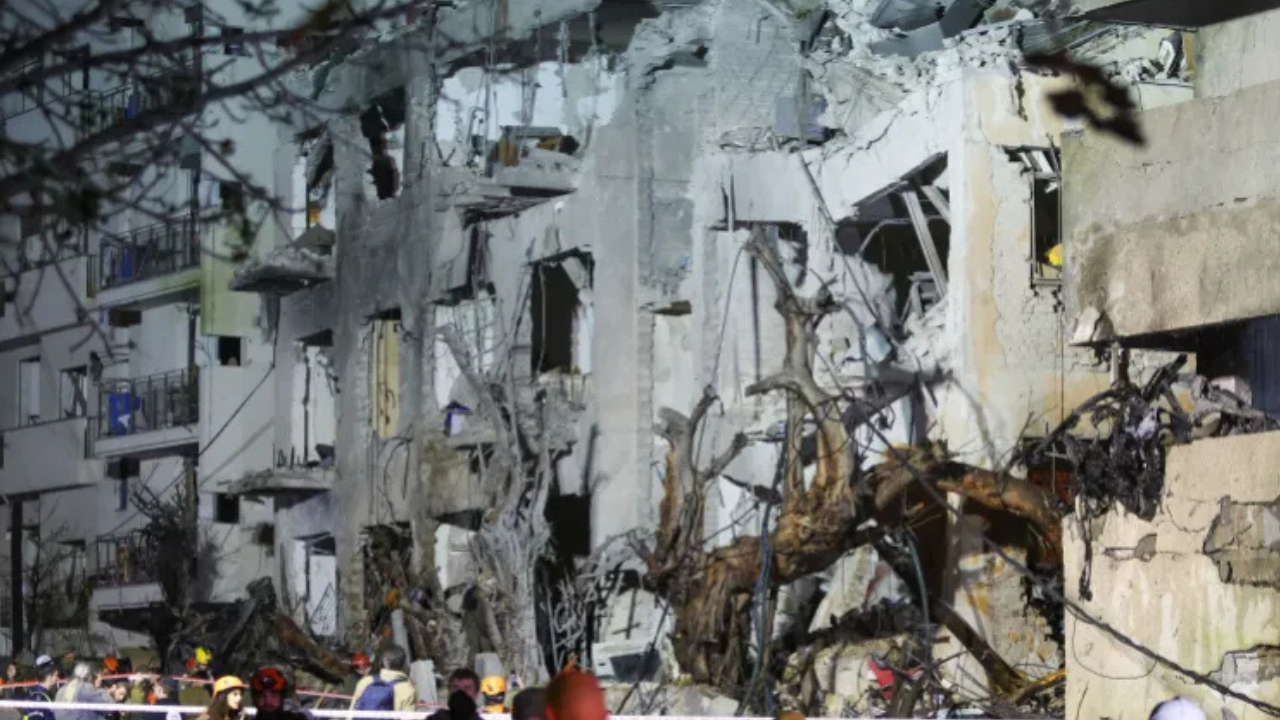
    Strikes and counterstrikes continued across the Middle East on Monday as conflict involving Iran, Israel and the United States entered another day, with reports of casualties, missile launches and security restrictions across several states.

    Iranian media said air strikes hit residential areas in the western city of Sanandaj. Governor Gharib Sajjadi was quoted as saying three people were killed and others were injured. He said the number could increase as rescue work continued.

    In northern Iraq, loud explosions were heard near Erbil airport, where coalition forces are based. Journalists reported that air defence systems intercepted drones close to the facility. 

    Missile alerts were issued in Israel after the military said launches had been detected from Iran. Explosions were heard in Jerusalem, with no immediate reports of direct impact.

    Loud explosions were also reported in Gulf capitals, including Doha, Manama and Dubai, as sirens sounded in parts of the region.

    In Kuwait, the Kuwait News Agency reported that falling debris caused injuries to two workers at the Mina Al Ahmadi refinery near Kuwait City. The report came as Iranian strikes targeted US-linked assets in the Gulf.

    In Iran, seven military commanders were killed in strikes across the country, according to the Tasnim news agency cited by Reuters. Separately, Al Jazeera reported that the death toll from an attack on a girls’ school in Iran had reached around 180.

    Iran’s security chief Ali Larijani said Tehran would not enter talks with Washington, dismissing reports of renewed negotiations. In a separate post, he said statements by Donald Trump had pushed the region into disorder.

    Trump said he had a shortlist of three individuals who could lead Iran, without naming them. He also said he expected further casualties among US forces and indicated that military operations could continue for several weeks.

    Speaking to international media, he said deaths among US service members were expected during the operation, while adding that the strikes would continue until Washington’s objectives were achieved.

    Britain said its forces were responding to a suspected drone strike at the RAF Akrotiri base in Cyprus. No casualties were reported. UK Prime Minister Keir Starmer said the United States had been allowed to use British bases for missile defence activity, while stating that London was not taking part in strikes on Iran.

    In Lebanon, President Joseph Aoun said attacks launched from Lebanese territory undermined government efforts to keep the country out of regional fighting, while also condemning Israeli strikes on Lebanon.

    The Pentagon said Defence Secretary Pete Hegseth would hold a press conference alongside Joint Chiefs chair Dan Caine. The White House said Marco Rubio and other officials would brief Congress on the situation.

    Gulf states said they reserved the right to respond to Iranian attacks after a meeting of the Gulf Cooperation Council. The World Health Organization said reports of a hospital in Tehran being hit were concerning and stressed protections under humanitarian law.

    The United States and Israel launched joint strikes on Iranian targets on Saturday, describing the action as preventive. 

    Iranian media later confirmed that Supreme Leader Ali Khamenei was killed in the strikes.

    Iran has since launched missile and drone attacks against US-linked targets in the Gulf, while security measures and disruptions have been reported across several countries.

  • Internet divided as president asks Hindu community to observe Holi with ‘simplicity’ amid regional tensions

    Internet divided as president asks Hindu community to observe Holi with ‘simplicity’ amid regional tensions

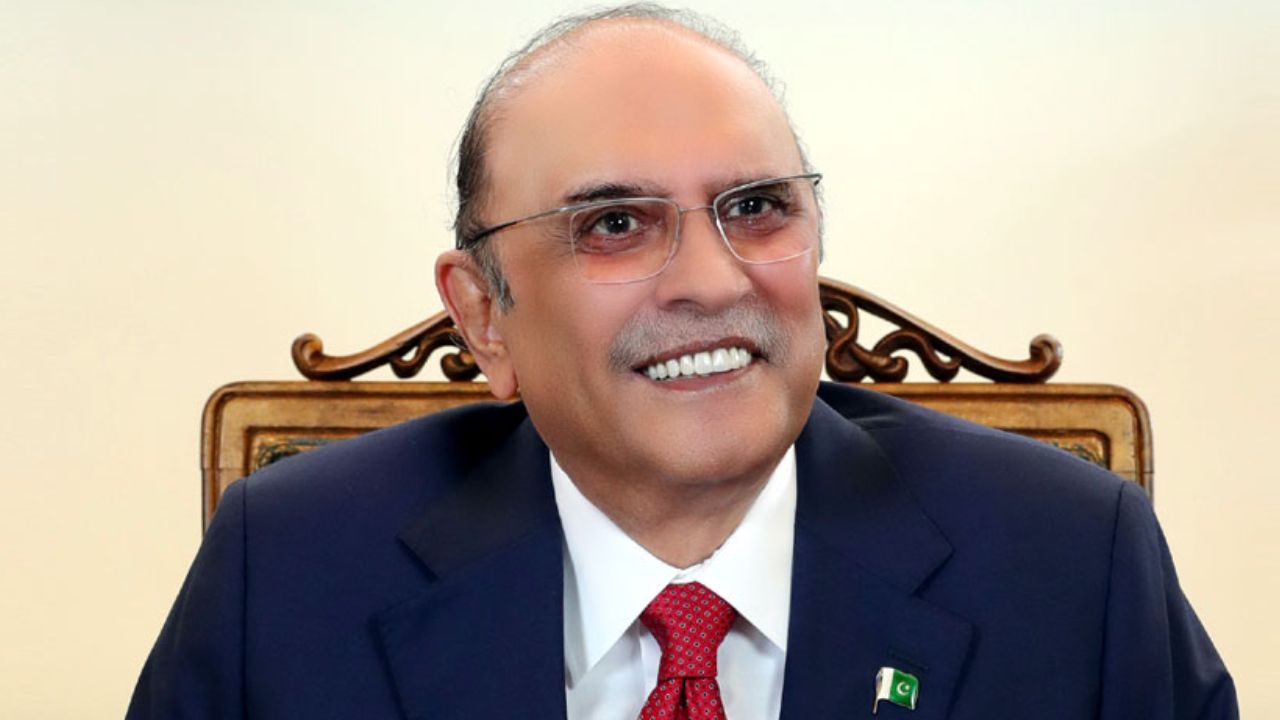
    President Asif Ali Zardari has extended Holi greetings to the Hindu community and appealed to them to observe the festival in a simple manner keeping in view the situation on Pakistan’s western border and the tensions in the region.

    The president said Pakistan values its religious and cultural diversity and directed caution in public gatherings, adding that, however, moderation is necessary under current circumstances.

    Following President Zardari’s appeal, the Pakistan Hindu Council said the festival would be celebrated with simplicity. Its patron, Ramesh Kumar Vankwani, stated that Hindus across the country would observe Holi on March 2 and 3 with devotion and respect, and without public events. 

    While Senator Krishna Kumari echoed the call for a restrained celebration, framing it as an act of solidarity and peace, Pakistan Peoples Party (PPP) Chairperson Bilawal Bhutto-Zardari thanked the Hindu community for supporting the appeal, framing it as a gesture of national solidarity. 

    “Our joys and sorrows are shared; festivals are observed together,” he said, also extending advance Holi greetings.

    The appeal, however, did not sit well with netizens who appeared divided over it. While several users expressed support for the restrained celebration as a sign of solidarity with Iran, others framed the appeal as inconsistent or unfair.

    “I wouldn’t be celebrating the Holi festival this year to show my solidarity and mourn for the people of Iran. May world peace prevail,” wrote one Hindu community member. 


    Some questioned why Hindu celebrations should be affected by tragedies elsewhere, asking if similar restrictions applied to Eid or Ramzan. Comments such as, “Respect goes both ways. But why must one faith’s festival be paused for another’s tragedy?” and “I was wondering if they asked Muslims too to celebrate Ramadan simply” indicated a perception of double standards.

    Criticism also highlighted broader concerns about the treatment of minorities in Pakistan. Netizens noted a pattern where Hindus, Sikhs and Christians have faced restrictions or social pressure in celebrating festivals. 

    “This is the condition of minorities in Pakistan, which obviously no minority rights activist will talk about,” wrote one while another said, “Asking Hindus to show restraint in celebrating their festival shows the mindset of Islamic Pakistan where Muslims are openly celebrating Ramzan.” 

    A smaller number of responses were sarcastic or critical of the linkage between Holi celebrations and national security, highlighting the perceived disconnect between a cultural festival and border tensions.

    “How does playing Holi with colours affect a war?” asked one user.

  • Badshah says Nazia Hassan is one of his biggest inspirations

    Badshah says Nazia Hassan is one of his biggest inspirations

    Indian rapper and singer Badshah has revealed that the late Pakistani pop icon Nazia Hassan is one of his biggest inspirations.

    He made the remark during a recent press conference in London ahead of his forthcoming concert at The O2 Arena on Sunday, March 22.

    Speaking to reporters, Badshah mentioned several names and moments from the South Asian music scene.

    “Rahat Fateh Ali Khan sahab comes up sometimes in my [social media] feed,” he said.

    He also spoke about Pakistan Idol.

    “Bilal Saeed gave a special performance on Pakistan Idol, that was beautiful. I think he sang ‘12 Saal’ [Ranjhay Majhiyan Chariyan]. I don’t get free time from Indian Idol, but whenever I do, I will watch it. I have heard so many things about [Pakistan Idol].”

    When asked specifically about which Pakistani artist he listens to, Badshah replied, “Nazia Hassan… she is one of my biggest inspirations.”

    Badshah has released several hit songs that have defined his career so far. His track “Abhi Toh Party Shuru Hui Hai,” featured in the Bollywood film Khoobsurat, became a blockbuster and amassed over one billion views on YouTube.

    He also gained vast popularity with “Genda Phool,” a Hindi pop song featuring Payal Dev that became one of the most-watched music videos globally, crossing more than one billion views online. Another well-known song is “She Move It Like” from his album ONE (Original Never Ends), which has attracted hundreds of millions of views and remains a fan favorite.

    Nazia Hassan became a defining voice in South Asian pop music after her debut with “Aap Jaisa Koi” for the 1980 film Qurbani. The song gained widespread popularity across the subcontinent and earned her the Filmfare Award for Best Female Playback Singer at just 15 years old.

    Her album Disco Deewane and its title track broke records and helped her achieve international success. Other enduring songs that remain popular include “Boom Boom,” “Disco Deewane,” and “Dosti,” all celebrated for their impact on pop music and still cherished by listeners decades later.

  • PSX trading halted as KSE-100 plummets over 15,000 points at open

    PSX trading halted as KSE-100 plummets over 15,000 points at open

    Trading at the Pakistan Stock Exchange was suspended shortly after the start of the session on Monday after the benchmark KSE-100 Index declined more than nine percent following selling pressure at the open. 

    The index dropped 15,345 points, or 9.13 percent, to 152,717 within minutes of trading beginning at 9:16 a.m. This decline triggered an automatic halt under exchange rules that come into effect when losses cross the defined threshold during intraday trading. 

    At 9:22 a.m., just before the suspension took full effect, the benchmark was recorded at 152,991.15, down 15,071.01 points or 8.97 percent, indicating continued pressure.

    The market movement came amid geopolitical developments in the Middle East linked to the conflict involving Iran, which affected global financial markets and investor positioning. This volatility was compounded by foreign capital outflows, earnings concerns, and risk-averse behavior, all of which added pressure on local equities during the opening minutes of trade. 

    Consequently, broader market indicators also recorded significant losses; the KSE-30 Index declined 9.69 percent, the PSX Dividend 20 Index fell 9.10 percent, and the KSE All Share Index dropped 8.49 percent.

    Index movement was largely influenced by heavyweight stocks including Fauji Fertilizer Company, United Bank Ltd, Engro Holdings, Oil & Gas Development Company, and Meezan Bank, which together accounted for a large portion of the index-point decline. 

    By sector, the most substantial contributions to the overall fall came from Commercial Banks, Fertilizer, Oil and Gas Exploration Companies, Cement, and Investment Banks and Securities Companies. 

    While some gains were recorded in sectors such as Leasing Companies, Close-End Mutual Funds, Synthetic and Rayon, Leather and Tanneries, and Textile Spinning.

    In individual stocks, YOUW registered a sharp decline of 17.66 percent while CNERGY fell 10.14 percent and UNITY declined 10.03 percent. Both DHPL and SSGC also dropped by more than 10 percent. Reflecting the market-wide selling, PSEL declined 0.82 percent and SHFA edged down 0.03 percent. Limited upward movement was observed in only a small number of stocks, with PGLC up 0.15 percent, while TPLRF1 and MEHT remained unchanged.

  • Identity of Pakistani killed in UAE strikes confirmed

    Identity of Pakistani killed in UAE strikes confirmed

    A Pakistani national killed in Iran’s attack on the United Arab Emirates has been identified as Mureed Zaman, son of Nazar Ali, diplomatic officials confirmed.

    He was working in Abu Dhabi at the time of the attack and belonged to Bannu in Khyber Pakhtunkhwa.

    The UAE Ministry of Defence said three foreign nationals were killed and 58 others injured in the drone strikes. The deceased included citizens of Pakistan, Nepal and Bangladesh.

    The ministry stated that those injured comprised nationals of several countries, including at least one Pakistani citizen.

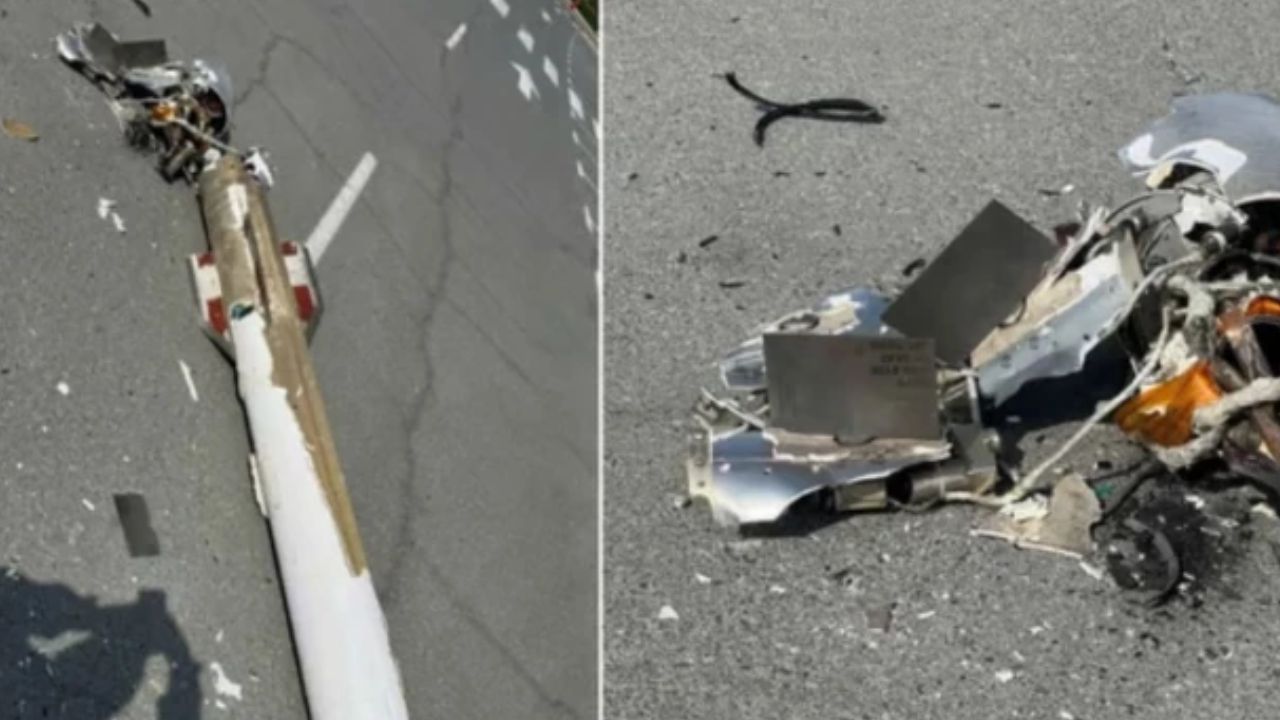
    It said Iran launched 165 ballistic missiles, 152 of which were intercepted, while 13 fell into the sea. Two cruise missiles were shot down mid-air.

    Out of 541 drones launched, 506 were destroyed, the ministry added.

  • Shahid Afridi blasts Shaheen after Pakistan’s T20 World Cup exit

    Shahid Afridi blasts Shaheen after Pakistan’s T20 World Cup exit

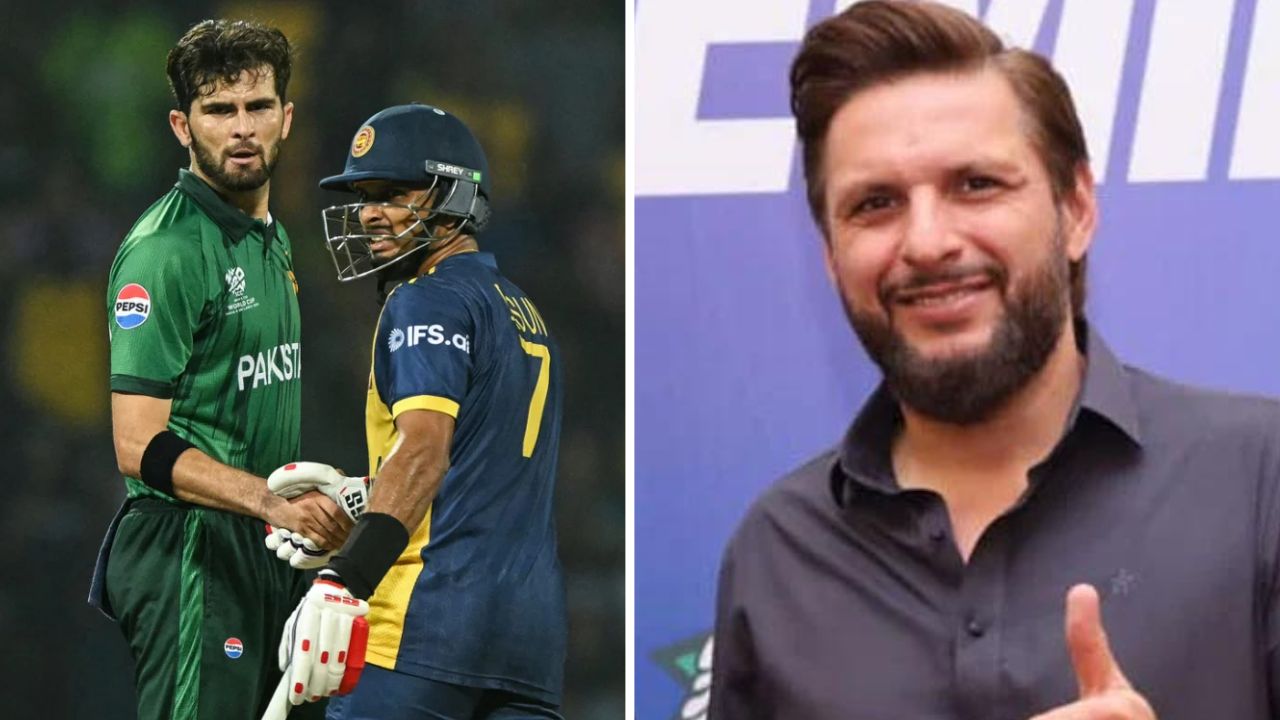
    Former Pakistan captain Shahid Afridi strongly criticised his son-in-law Shaheen Shah Afridi following Pakistan’s exit from the T20 World Cup, questioning his decisions in crucial moments of the campaign.

    Speaking on live television, Afridi focused on Shaheen’s bowling choices, particularly in the decisive match against Sri Lanka, which ended Pakistan’s hopes of reaching the semi-finals. Pakistan entered the game knowing they needed a big-margin win to qualify.

    Afridi said, “When a right-hander is playing, you don’t bowl round the wicket.” He added that if a bowler chooses that angle, he must aim “inside the wickets.” He also criticised the field settings, saying that with “third man and point up,” bowling outside off stump invites risk. “These are very easy angles to get a lob on the Asian pitches,” he said.

    The former captain also vented frustration over what he described as repeated tactical errors. “When will they understand these things? They don’t learn, they don’t want to learn, they don’t want to run like players,” Afridi said. He pointed to frequent batting collapses and said the team showed a lack of responsibility. According to him, Pakistan’s thinking remains outdated and far behind modern demands.

    Pakistan posted 213 and needed to restrict Sri Lanka to 147 to surpass New Zealand on Net Run Rate (NRR). Sri Lanka, however, kept the chase alive and fell short by just five runs, a result that knocked Pakistan out of the tournament.

    Afridi highlighted the final over as a key moment. Sri Lanka required 28 runs, and Shaheen conceded 22 from the first four balls. He then switched his angle and bowled over the wicket, beating the batter on the final two deliveries, but by then the damage had already been done.

    Shaheen ended the tournament with a mixed record. He took eight wickets in five matches and became Pakistan’s all-time leading T20I wicket-taker with 136 scalps, surpassing Haris Rauf. Despite the milestone, his economy rate of 10.53 drew criticism. His standout performance came against England in the Super Eight stage, where he returned figures of 4 for 30, dismissing Phil Salt, Jos Buttler and Jacob Bethell early.

    Afridi also addressed his earlier remarks about Shadab Khan. He said he had previously considered Shadab a potential future captain, but changed his stance after the Sri Lanka defeat. Afridi stated that if Shadab’s performances do not improve, he would not even retain him in the team.

    It is worth noting that during the same match, Pakistan needed to defend 27 runs from a target of 147 to achieve the required net run rate. Shadab conceded 15 runs in one over and followed it with 18 in the 19th, leaking 33 runs across his two overs and further hurting Pakistan’s cause.

    Poor performances at the T20 World Cup have also triggered swift action from the Pakistan Cricket Board (PCB), which has fined every national player five million rupees, according to media reports.

  • Pakistani cricketers fined Rs50 lacs each for poor World Cup performance: reports

    Pakistani cricketers fined Rs50 lacs each for poor World Cup performance: reports

    The Pakistan Cricket Board (PCB) took swift action after the national team’s poor performances at the T20 World Cup, fining every player five million rupees, a news report has said. 

    Quoting its sources,an English daily reported that the message was delivered to the team right after the loss to India.

    Officials told the squad that rewards would now depend strictly on results. Financial incentives, they said, would follow performances on the field, not reputation, Express Tribune reported.

    Pakistan’s campaign never gathered momentum. The team narrowly escaped defeat against the Netherlands in the opening match before beating the USA. With experience in Sri Lankan conditions and a strong spin attack, expectations rose for the clash against India, but the side repeated mistakes seen earlier in the Asia Cup and fell short again.

    A win over Namibia helped Pakistan reach the Super 8 stage. Rain washed out the match against New Zealand, and defeat to England left Pakistan dependent on other results. England’s win over New Zealand briefly reopened the door, but a narrow victory against Sri Lanka failed to lift Pakistan’s net run rate enough.

    New Zealand progressed to the semifinals, and Pakistan’s tournament ended there.

    Board officials shared the disappointment felt by fans. They imposed the fines to underline accountability and reminded players that penalties would accompany poor performances, just as bonuses follow strong ones.

    Under the current central contracts running from July 1, 2025, to June 30, 2026, no player features in the A category. A-category players earn 4.5 million rupees per month along with an ICC revenue share of 2.07 million rupees. B-category players receive three million rupees monthly and 1.5525 million rupees as ICC share. C-category players earn one million rupees per month plus 1.035 million rupees from ICC revenue, while D-category players receive 750,000 rupees monthly and 517,500 rupees as ICC share. Match fees come separately.

    The PCB had earlier introduced an auction model in the Pakistan Super League (PSL) to secure players financially.

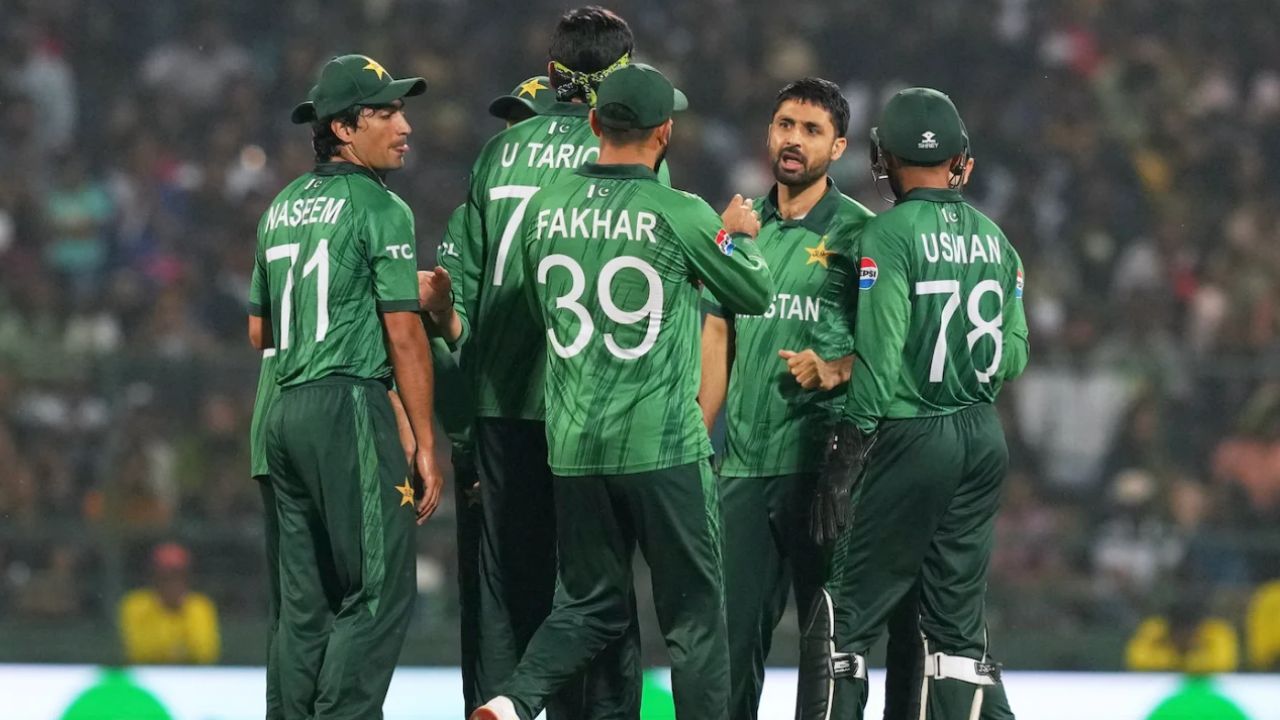
    On the field, Farhan finished the tournament as Pakistan’s leading run-scorer with 383 runs. Other senior batters struggled. Saim Ayub, Salman Ali Agha, Babar Azam and Usman Khan failed to reach 100 runs individually across the event. Among bowlers, spinner Usman Tariq stood out with 10 wickets, while the rest delivered only average returns.

    The team’s direction has also drawn scrutiny. Head coach Mike Hesson holds strong influence within the setup. Captain Salman Ali Agha has led on the field, while Shadab Khan has remained involved in decision-making through his close working relationship with Hesson at Islamabad United, Express Tribune reported.

    The report added that the team management informed Fakhar Zaman before the tournament that he would not feature in the early matches. When he finally opened against Sri Lanka, he struck 84 at a strike rate of 200, underlining what Pakistan had missed earlier. By then, the damage had already been done.

    Babar Azam failed to meet expectations, Salman Ali Agha struggled with the bat, and questions surfaced about his leadership. 

    With the World Cup over, officials are now expected to review performances closely and take tougher decisions in the days ahead.

  • Iran hits 27 US bases and Israeli command headquarters

    Iran hits 27 US bases and Israeli command headquarters

    This morning, Iranian state media has confirmed that Supreme Leader Ayatollah Ali Khamenei was martyred at his office in the joint US-Israeli strikes yesterday. His daughter, son-in-law and grandson were martyred in the same wave of attacks and a 40-day national mourning period has been announced.

    Trump made the claim yesterday saying that, ‘one of the most evil people in History, is dead’, adding that, “he [Khamenei] was unable to avoid our Intelligence and Highly Sophisticated Tracking Systems and, working closely with Israel, there was not a thing he, or the other leaders that have been killed along with him, could do…Hopefully, the IRGC [Islamic Revolutionary Guard Corps] and Police will peacefully merge with the Iranian Patriots.”

    Khamenei, 86, had led Iran since 1989, succeeding Ayatollah Ruhollah Khomeini after the 1979 Islamic Revolution. He ruled for more than three decades and held ultimate authority over the government, military and judiciary while serving as the country’s highest religious authority.

    Khamenei consolidated the power of the Islamic Revolutionary Guard Corps (IRGC), endured sweeping sanctions, and repeatedly insisted Iran’s nuclear programme was civilian. His death is the most dramatic rupture in Iran’s leadership since the revolution.

    What happened?

    On Saturday around noon, news of the US-Israel airstrikes in Tehran were confirmed. Multiple cities were targeted, including Tehran, Qom, Esfahan and Khoramabad. The Pentagon confirmed its involvement in the strikes, labeling their operation as “Operaton Epic Fury,” and Trump stated that the US had launched “major combat operations” to eliminate threats from Iran and prevent it from obtaining nuclear weapons.

    Within the hour, Iran confirmed that they would retaliate. Israel soon after, made the first claim, telling Reuters, that Ayatollah Khamenei was killed in the strikes.

    By 2PM, Iran had launched missiles towards Israel and explosions were heard in cities in northern Israel.

    Iran, then, targeted US based in Qatar, Kuwait, UAE and Bahrain and explosions were heard in Doha, Riyadh, Dubai and Abu Dhabi. Dubai was hit in a few areas, including a hotel and the airport, but primarily due to drone debris and faced no major casualties.

    Iran’s Red Crescent said more than 200 killed and 747 were injured across 24 provinces in Iran, the most devastating hit being on a girls’ elementary school in Minab, a city in the Hormozgan province of southern Iran, killing 108 people.

    A UN emergency session was called and Iran’s ambassador told the UN Security Council that civilians were killed in the Israeli strikes including 100 children in school. Pakistan became the only Muslim country to condemn the US-Israel attack on Iran at the UN session, alongside Russia and China, while also condemning Iran’s retaliatory attacks on the Gulf nations.

    The biggest question remained as Iran kept denying the news: Was Khamenei dead? Iran said no, adding that Khamenei was alive and ‘commanding the field’.

    Earlier this morning, Iranian state media confirmed that Ayatollah Ali Khamenei was martyred in the strikes.

    What is happening now and expected?

    The latest updates right now is that Iran has announced attacks on 27 US bases in Middle East. Reuters is reporting that the sounds of explosions were heard in Dubai.

    According to the Iranian state media, the IRGC has said that it is carrying out a ‘sixth wave of attacks’, with an “extensive missile and drone” attacks on Israel and US military bases in the region.

    Iran has claimed that 27 US bases, as well as the Israeli Tel Nof airbase, the Israeli army’s command headquarters at HaKirya in Tel Aviv, and a large defence industrial complex in the same city, were attacked. The forces added that they will, “implement a different and harsh step of revenge, with successive, regrettable slaps”.

    Meanwhile, the Israeli military has warned its residents not to share the locations of areas hit in Israel by Iran. In a post on X, the Israeli military also said that they should remain in their ‘protective bunkers’ unless told to leave.

    New leadership in Iran

    A three-person transitional council (president, judiciary chief, Guardian Council jurist) will assume leadership duties as Iran also confirmed that senior Iranian official Ali Shamkhani and the chief of the IRGC, Mohammad Pakpour were also killed.

    US-Israel position

    Trump has announced “major combat operations” in Iran and that bombing will continue “uninterrupted throughout the week or as long as necessary.” He also said that diplomacy may now be “much easier,” with new Iranian leadership. At home, Trump is being severely criticised over bypassing Congress before launching attacks with Israel.

    Global reaction

    Several countries have shut their airspace amid missile exchanges as the UN calls for immediate de-escalation. China has called for a halt to military action, Oman says that the negotiations were going well and were undermined and Russia has criticised the US negotiations as a “cover”.