Blog

  • Senate panels, NA reject proposed 18 percent tax on solar panels

    Senate panels, NA reject proposed 18 percent tax on solar panels

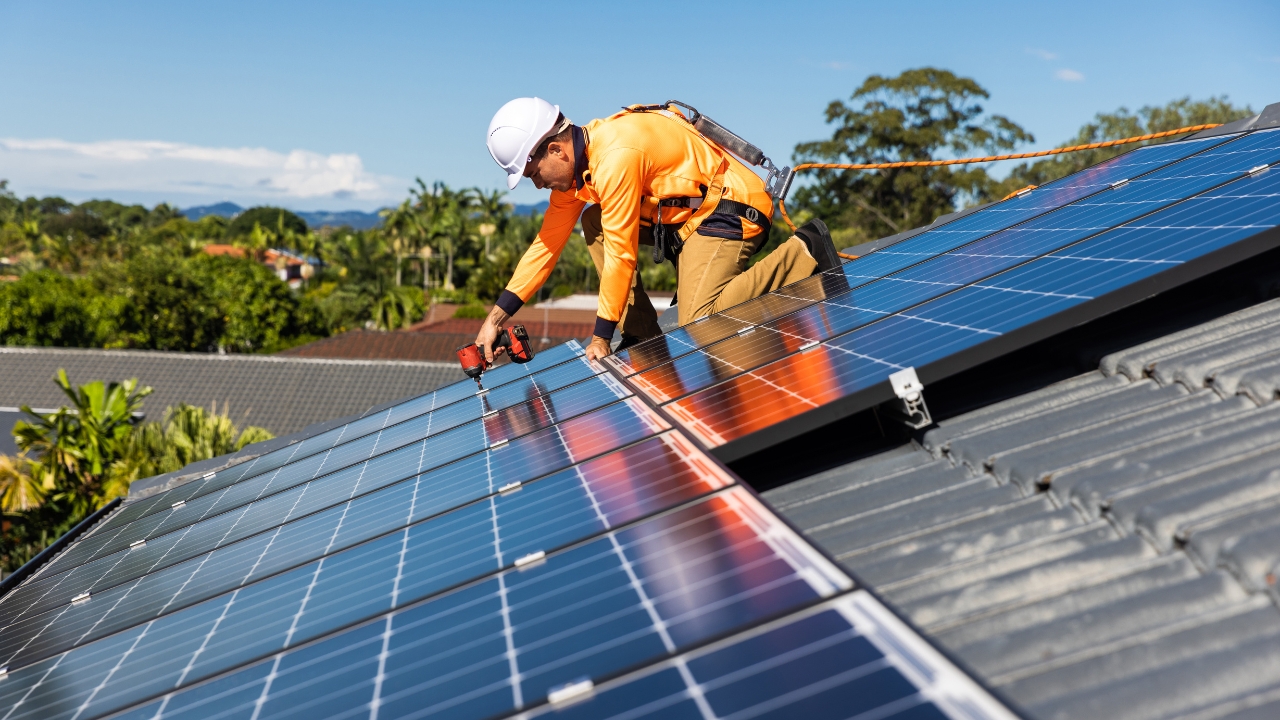
    Lawmakers in Islamabad have rejected the government’s proposal to impose an 18% sales tax on imported solar panels. Reports say the National Assembly (NA) and Senate finance committees have officially rejected the plan, which was part of the federal budget for fiscal year 2025–26.

    Finance Minister Muhammad Aurangzeb announced the tax on June 10 while presenting the budget on the floor of the NA. Along with imposing a tax on the import of solar panels, the proposal also aimed to bring digital marketplaces and online sellers into the tax net.

    During the NA’s standing committee meeting on Wednesday, the FBR’s chairman reportedly informed the finance committee that no tax is currently being charged on completely built solar panels. Instead, the tax is only applicable to panels when their components are imported and the panels are assembled locally. 

    As per reports, the FBR’s chairman argued that panel prices have dropped significantly over the years, and the proposed GST could bring in Rs20 billion in revenue without significantly reducing their affordability. However, committee members believe that the tax would make solar panels harder to afford, especially for the poor and that panels are not affordable as “solar prices have increased within two weeks.”

    Lawmakers also argued that business costs are already too high, and taxing solar could serve to exacerbate things. Reports cite MNA Shahida Akhtar Ali, who pushed for taxing goods from other sectors, like sugary drinks, instead of targeting solar panels. Analysts believe that discouraging solar could kill momentum, just as more households are shifting to renewable sources.

    Data from reports indicate that the FBR also revealed that 32,000 megawatts worth of solar panels have been imported over the last five years. A significant chunk, however, was never installed. 

    Around 6,000 MW was used for net metering, while the rest was either off-grid or unaccounted for. Officials also flagged cases of over-invoicing and stockpiling ahead of the budget announcement, suggesting that some importers braced for a tax hike by hoarding solar panels. This could allow them to benefit from any increases in prices.

    In a separate session, the Senate’s finance committee echoed the same concerns and called for an immediate withdrawal of the tax proposal. Members said the move felt abrupt and unfair, especially as many stakeholders had already rushed to dump solar equipment into the market.

  • Influencer spotted with Lamine Yamal receives death threats after vacation photos go viral

    Influencer spotted with Lamine Yamal receives death threats after vacation photos go viral

    A 30-year-old flight attendant and social media influencer, Fati Vazquez, is facing online backlash and death threats after her pictures with 17-year-old Spanish footballer Lamine Yamal surfaced on social media.

    According to media reports, the two were reportedly seen spending a vacation together, which sparked widespread controversy concerning the significant age difference. The images and videos showing the young FC Barcelona striker with Vazquez quickly went viral, drawing sharp criticism from the public.

    Fati Vazquez has not only been bombarded with hateful comments but is also receiving serious threats to her life. Many online users are accusing her of having an “inappropriate relationship” with a minor.

    So far, Lamine Yamal has not issued any statement regarding the matter.

    In parts of Europe and other regions around the world, relationships involving individuals under 18 are considered both morally and legally sensitive, even if consensual. These legal and ethical concerns have fueled the outrage surrounding the incident.

    On social media, the influencer continues to face a wave of harsh criticism and abusive comments as the story draws international attention.

  • Unexplained Chinese cargo flights to Iran spark quiet curiosity

    Unexplained Chinese cargo flights to Iran spark quiet curiosity

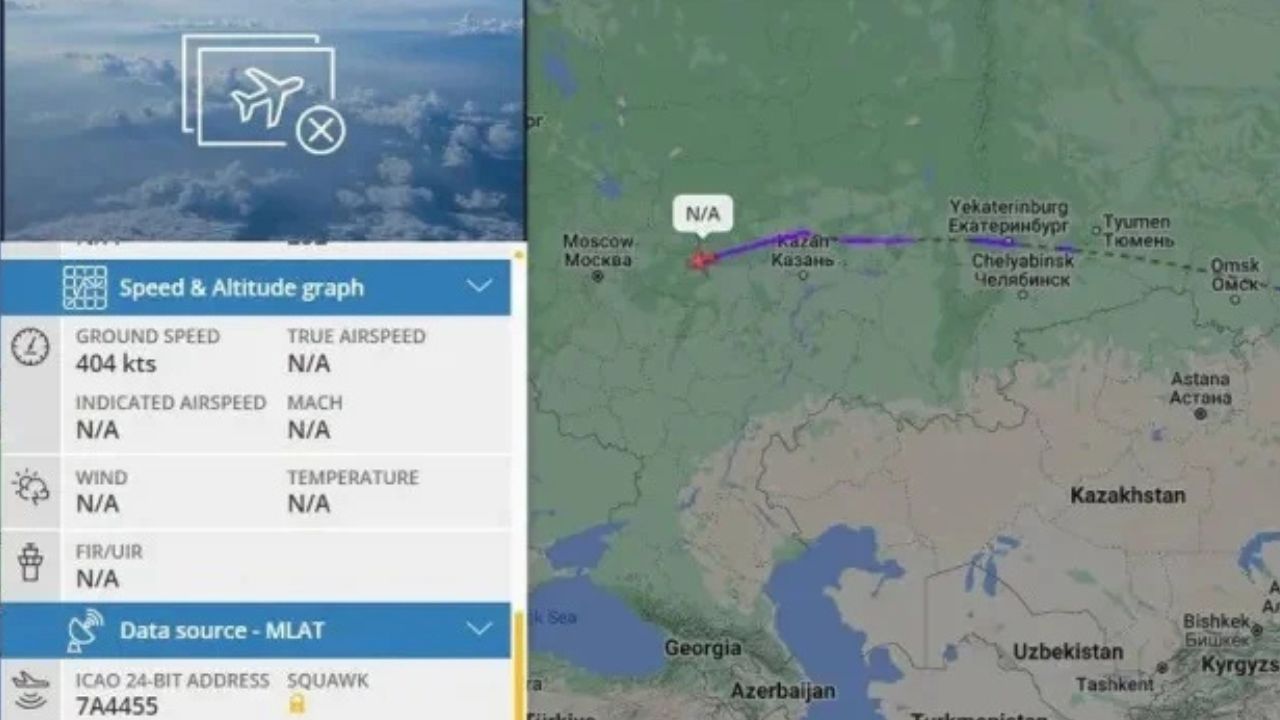
    A day after Israel launched an airstrike on Iranian soil, a cargo plane from China took off. Over three days, three separate cargo flights headed westward.

    Each aircraft followed a comparable flight route. They flew through northern China, entered Kazakhstan, and then travelled southward through Uzbekistan and Turkmenistan. All three planes lost radar contact just as they approached Iran, resulting in no further tracking data.

    There has been no official confirmation from either China or Iran regarding the purpose of the flights. The specifics of the cargo, the intended destination, and the timing remain undisclosed. Officials from both nations have remained silent on the matter.

    The flights commenced shortly after Israel’s air assault on Iranian territory on May 13. While there is no public connection between the airstrike and the cargo flights, the timing has attracted attention. The coordination and adherence to the same route over three days imply a planned operation, yet details remain elusive.

    Analysts tracking the movements noted the precise moment the planes ceased to be visible on radar. This occurred at the same point for each flight, right before entering Iranian airspace. It is not uncommon for aircraft to disable tracking signals, particularly when entering sensitive areas. Nevertheless, the recurring pattern has prompted inquiries.

    The movement of cargo planes over several days is unusual without prior notice. All three aircraft traversing the same route before vanishing from radar render the situation significant, especially given the timing.

    China and Iran have maintained a long-standing political and economic relationship, including recent agreements aimed at expanding cooperation across multiple sectors. The unexplained nature of these flights has added another layer to ongoing speculation about the scope of their current engagements.

    Without any public announcements and with limited information available, the flights remain a mystery. This also prompts the ongoing speculation regarding China’s involvement in the Middle East and its cooperation with Iran amid escalating tensions.

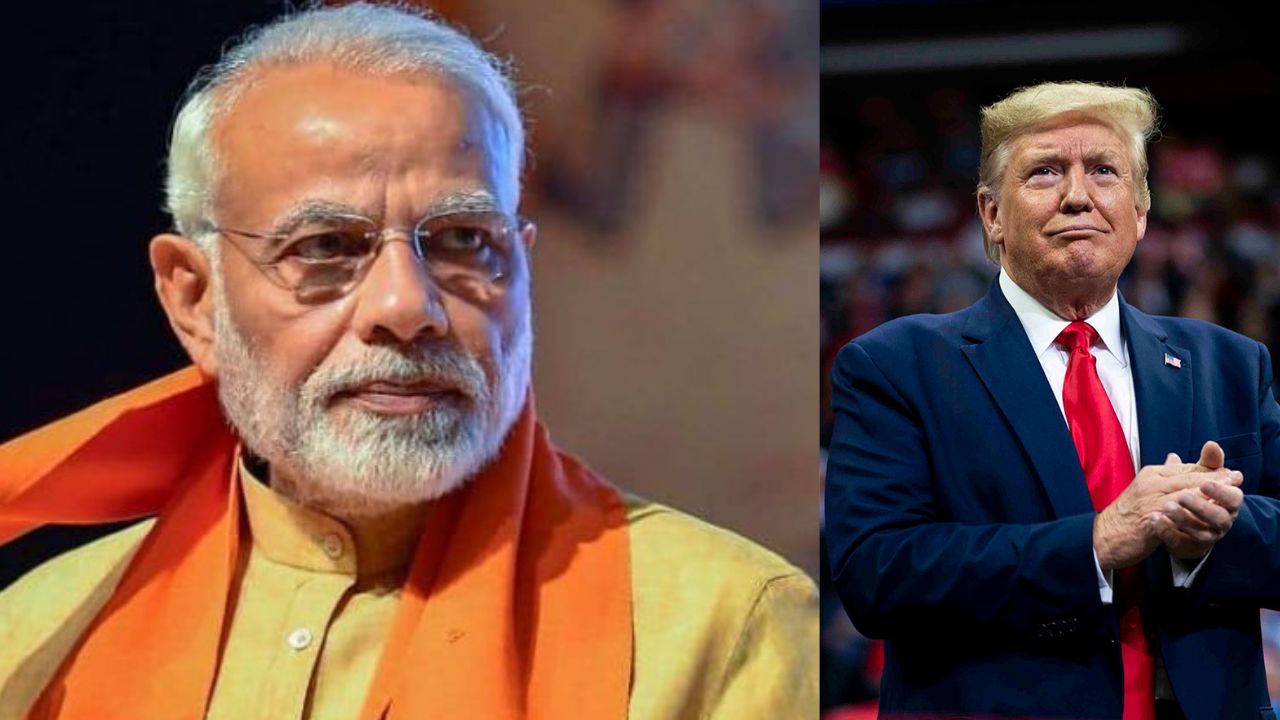
  • Here’s what Trump, Modi talked about before US President meets COAS Asim Munir

    Here’s what Trump, Modi talked about before US President meets COAS Asim Munir

    Indian Prime Minister (PM) Narendra Modi held  a 35-minute telephonic conversation with United States (US) President Donald Trump on Wednesday, telling the latter that the ceasefire in May was made between New Delhi and Islamabad without any mediation by the US, Indian Foreign Secretary Vikram Misri has said in a video statement.

    Misri quoted the Indian premier as telling Trump that “India has never accepted mediation, does not and will never do so.” He said that Modi further told Trump that the decision by India and Pakistan to halt military actions last month was made directly during talks between the armies of the two sides.

    Additionally, the diplomat said that Modi made it clear to Trump that in the entire episode of the four days of military clashes between the two nuclear-armed countries in last month, issues such as the “India-US trade deal or mediation by the US between India and Pakistan” were not discussed “at no time [or] at any level”.

    The Indian PM’s denial comes after the US president has multiple times reiterated that he, using the trade option, brokered the ceasefire between the two countries, which, according to him, were on the brink of a potential nuclear war last month.

    Following the US president’s statement on Truth Social on May 10, in which he announced the ceasefire brokered by the US, Islamabad extended thanks to Trump, acknowledging his role in brokering the ceasefire between the two countries. 

    However, India has repeatedly objected to Trump’s role in the understanding made between India and Pakistan to stop the hostilities that erupted after New Delhi launched illegitimate strikes on the night of May 6-7, targeting civilians in Pakistan in response to the Pahalgam militant attack in held Kashmir on April 22 that killed 26 civilians.


    The Indian foreign secretary said that a meeting between Modi and Trump was scheduled on the margins of the G7 Summit but couldn’t be held when the US President returned to America early. “Subsequently, at the request of President Trump, the two leaders spoke on the phone today,” he maintained.

    The diplomat said that New Delhi also made it clear that it would “respond to Pakistan’s bullet with a cannon shell”, adding that on the night of May 9, US vice president JD Vance called Modi, telling him that Pakistan “could launch a major attack on India”. 

    He reiterated that the decision to halt military action was made directly between India and Pakistan, through existing channels of the two armies, adding that PM Modi stressed that “India has never accepted mediation, does not and will never do so. There is complete political consensus in India on this issue”.

  • Survey reveals gender gap in financial inclusion

    Survey reveals gender gap in financial inclusion

    The Karandaaz Financial Inclusion Survey reveals that the proportion of citizens with a bank account or mobile wallet has risen by 28 percent in recent years. However, women remain significantly underrepresented in Pakistan’s formal financial network compared to men.

    The data suggests that the increase is primarily a result of an uptick in men signing up for financial services. Women’s inclusion, however, has remained subdued. 

    The data from the survey reveals that female financial inclusion has increased by just 11 percentage points from 2014 to 2024. Meanwhile, financial inclusion of men has seen a more pronounced jump, skyrocketing by 45 percentage points during the same period.

    The survey indicates that 35 percent of respondents had access to some form of a digital financial service (DFS) in 2024. This marks a stark improvement from 2014, when access to DFS sat at a measly seven percent. However, details suggest that men’s financial inclusion towers that of women, standing at 56 percent compared to women’s 14 percent.

    Findings from the survey were derived from the dataset, which included 6,624 households across various regions of Pakistan. The survey is reportedly intended to outline the disparity in access to DFS by considering underserved groups such as women and those from rural regions of Pakistan.

    A region-wise breakdown suggests that Punjab has the highest aggregate level of financial inclusion, sitting at a respectable 40 percent. Islamabad trails close behind at 38 percent, while financial inclusion in Gilgit-Baltistan sits at 33 percent.

    However, an intraprovince gender wise comparison shows that the aforementioned average figures are bloated because of higher male financial inclusion. 

    The gap in the financial inclusion ratio by province is worst in Azad Jammu and Kashmir, where a mere one percent of women have access to financial services, compared to 48 percent of men. Balochistan seems to follow AJK’s trend, with the financial inclusion ratio resting at 4 percent and 41 percent for women and men, respectively.

    While the inclusion of women in Punjab, Sindh, Khyber Pakhtunkhwa (KP) and GB is much higher than in AJK and Balochistan, it still rests much lower than men. KP and GB emerge as the most gender-equitable provinces, where the financial inclusion gap between men and women stands at a comparatively lower 20 percentage points.

    Reports cite multiple factors behind lower access to financial services for women. These include lower literacy and access to technology. For instance, women lag far behind in SIM card ownership, a necessity to open a bank account. Data suggests that only 47 percent of women have a SIM card registered in their name, highlighting their lower access to technology.

  • FBR begins distributing fleet of Honda City cars worth Rs6 billion

    FBR begins distributing fleet of Honda City cars worth Rs6 billion

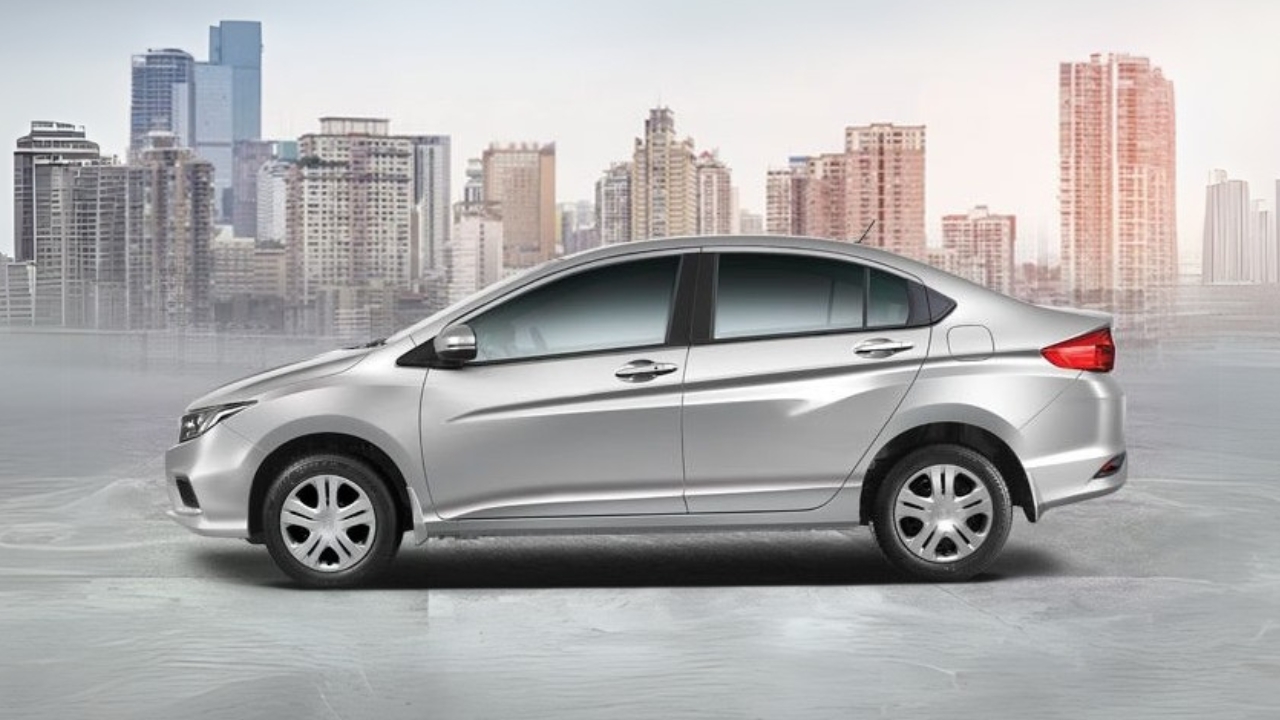
    Senior officials, including tax officers, at the Federal Board of Revenue (FBR) are now being issued brand-new Honda City vehicles. According to reports, dozens of cars have been delivered to the FBR headquarters in Karachi.

    Earlier this year, in January, the FBR placed an order for 1,010 Honda City cars worth approximately Rs6 billion. According to reports, an initial payment was made to secure the delivery of 500 vehicles, with the board making an advance payment of Rs3 billion to Honda. 

    However, it merits a mention that the move was initially met with fierce resistance by lawmakers in Islamabad. When news of the purchase order came to light, a parliamentary panel asked Prime Minister Shehbaz Sharif and Finance Minister Muhammad Aurangzeb to immediately halt the purchase of cars for the Federal Board of Revenue (FBR). 

    The panel also called the purchase “scandalous” because the FBR was to be rewarded despite failing to meet its revenue targets. Critics outlined how the purchase agreement seemed suspicious, accusing the FBR of not giving a fair chance to other car manufacturers. 

    According to Senate Member Faisal Vawda, the purchase order and approval from the Economic Coordination Committee (ECC) were issued on the same day. He claimed that this indicates the possibility that no other car assembler had even been considered, let alone been allowed to bid for the contract.

    However, the FBR recently sent a letter to a parliamentary committee to explain the importance of these cars and how they will not be misused. As per reports, the letter clarified that only grade 17 and 18 officers in field offices will be able to use the cars for official purposes. Officers above grade 18 will be locked out of the scheme and will be unable to utilise the car for official purposes.

    Moreover, the FBR clarified that cars will be assigned to offices and not specific individuals. Cars will also have official FBR stickers to restrict instances of misuse.

    The FBR has claimed that it requires the cars to be able to boost tax collection levels. While analysts agree that the cars could help increase the efficiency of FBR officials, thereby increasing revenues, reports suggest that the purchase still draws opposition from the general public.

  • ‘Childish’: Indian netizens slam Modi’s mumbling joke with Macron

    ‘Childish’: Indian netizens slam Modi’s mumbling joke with Macron

    Indian Prime Minister (PM) Narendra Modi’s fumbling and awkward attempt on Tuesday to crack a joke with French President Emmanuel Macron on the sidelines of the G7 Summit in Kananaskis, Canada, left internet users mocking the Indian premier.

    The G7 (Group of Seven) comprises Canada, France, Germany, Italy, Japan, the United Kingdom, and the United States. The European Union also takes part. The group was formed in the 1970s to discuss world economy and now also focus on areas like climate, health, trade, and global security.

    The G7 holds a summit once a year, hosted by one of the members. 

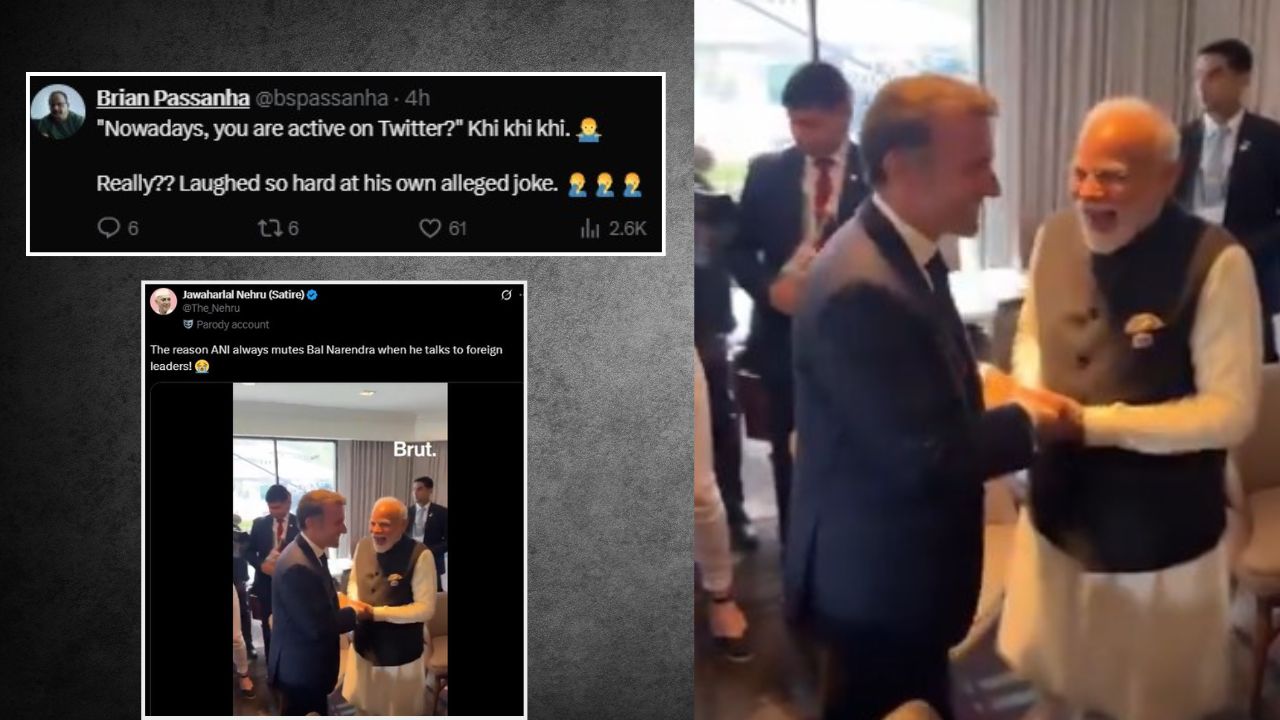
    As Modi hugged Macron, he appeared to crack a joke; however, his words weren’t clearly understood. “Now you are active on Twitter (sic),” he seemed to mumble, leaving many unsure of what he actually said and meant.

    The Indian premier then laughed heartily at his own joke, while Macron appeared visibly confused, unsure of what the Indian premier meant. Internet users were quick to react to the awkward moment, poking fun at Modi.

    “Isko lagta hai aise pagalon ki tarah kuch bhi mumble kar k joke maarunga, candid moment lagega.. Sideways camera mein hi dhyan rehta hai (He thinks if he mumbles something like a madman, it’ll come off as a joke. As if it’ll look like a candid moment… His focus remains only on the camera). Everyone feels embarrassed to be around him,”


    “Body language is childish,” one social media user wrote. Another said, “’Nowadays, you are active on Twitter?’ Khi khi khi. Really?? Laughed so hard at his own alleged joke.”

    “As per his Twitter post, in dono ne planet ke betterment ke liye baat ki (According to his X post, both talked about the betterment of the planet),” pointed out another netizen.

    Sharing a short clip of the video, one user sarcastically took a jibe at ANI as well as at the Indian PM. “The reason ANI always mutes Bal Narendra when he talks to foreign leaders!”

    One tweet read: “Oh my god he can’t speak even basic English?? And he is the PM of 140 billion people.”

    “How fake this person Modi is… Always in full mode to flatter the western leaders by hugging them etc but how rude& arrogant he remains with the eastern world. Too much frank behavior with the world leaders looks extremely awkward (sic),” another tweet stated.

  • Hunza hotel fined Rs1.5 million for ‘releasing sewage into Attabad Lake’

    Hunza hotel fined Rs1.5 million for ‘releasing sewage into Attabad Lake’

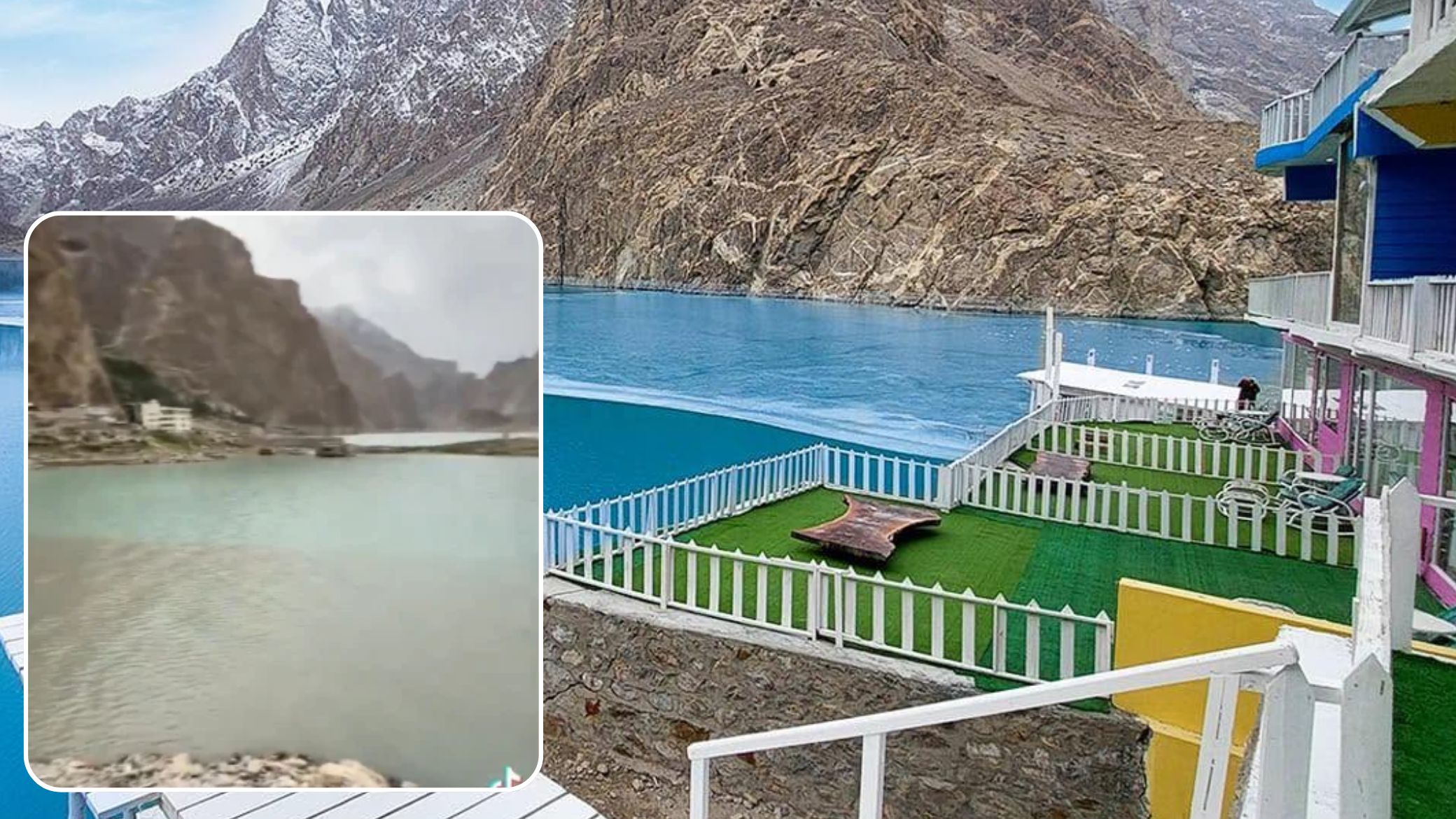
    A viral video by British travel vlogger George Buckley has prompted immediate action from Gilgit-Baltistan authorities against Luxus Hunza, a private hotel located near Attabad Lake. Buckley posted a video on social media alleging that the hotel was releasing untreated sewage into the lake, resulting in brown-colored water and a foul smell in the area.

    In the video, Buckley also cited a local resident who claimed the lake was being polluted by the hotel’s waste system. The video quickly gained traction online, sparking public outrage among environmentalists, tourists, and concerned citizens.

    In response to the backlash, officials from the Gilgit-Baltistan Environment Department and the deputy commissioner of Hunza conducted a surprise inspection of the hotel. They confirmed that several manholes were damaged and fined the hotel Rs1.5 million. Authorities also gave the hotel one week to upgrade its sewage system under environmental regulations.

    Luxus Hunza, in response to the allegations, denied any wrongdoing and issued a detailed statement on social media.

    “Attabad Lake formed in 2010. Before Luxus Hunza opened its doors to tourists in 2019, no one had experienced this majestic lake up close. This lake has been home for us for the last six years. It is the reason and purpose of our existence. To dump sewage water into the lake would be like desecrating our own house. We have never nor will we ever dump a single liter of waste water into Attabad Lake,” the hotel stated.

    Defending themselves, the hotel described the muddy appearance of the water as natural, explaining: “The adjacent water streams coming from the mountains have natural sediments like mud, rocks and minerals. When these Turbid water streams mix with the blue lake water, this causes the muddy/cloudy appearance of water seen near Luxus Hunza. This phenomenon is known as confluence, where two separately flowing water bodies meet. If one of the water bodies is high in turbidity, then this causes a muddy/cloudy water surface at the point of confluence. This phenomenon is more pronounced during the summer times which is why every summer Luxus Hunza is falsely accused of dumping waste water into the lake. Hope this helps. If you have any further questions please DM us.”

    The hotel maintains that its waste management system complies with all regional environmental regulations.

  • Lahore’s car community unites to make six-year-old’s dream come true

    Lahore’s car community unites to make six-year-old’s dream come true

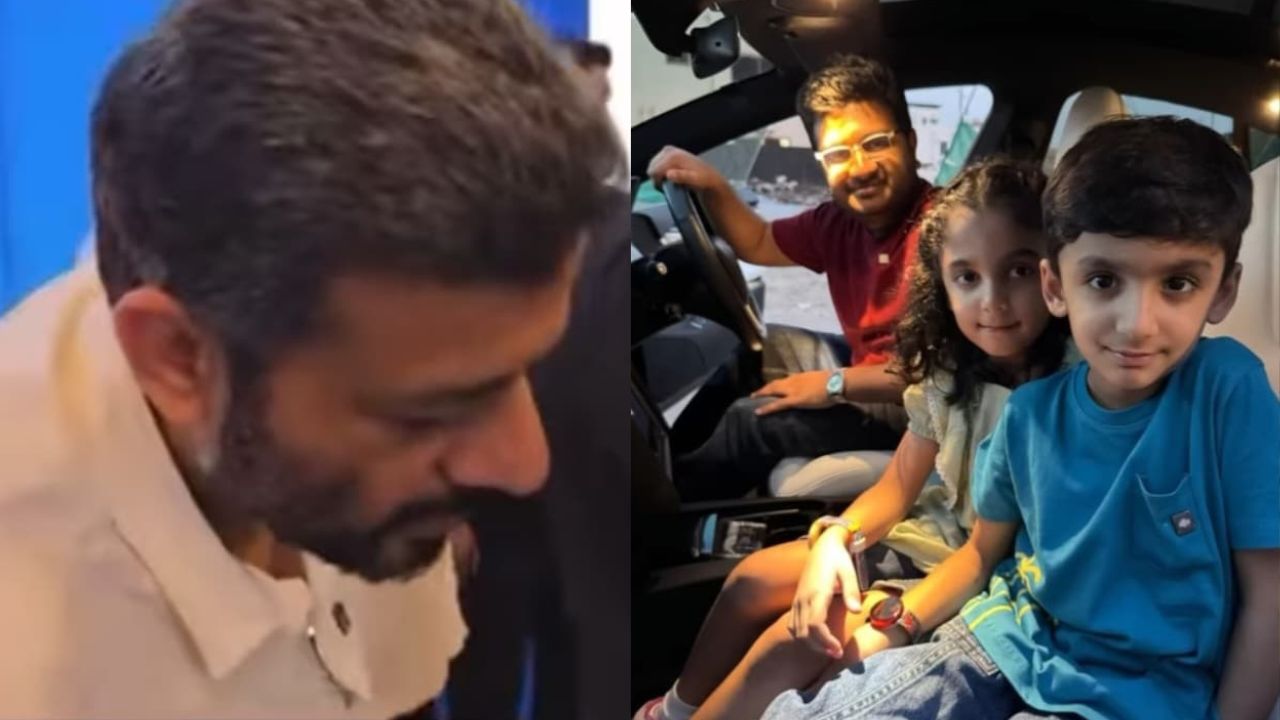
    What started as a simple social media request turned into a heartwarming community event in Lahore, as dozens of exotic car owners came together to make a young boy’s dream come true.

    The boy’s father posted a request on social media on June 9th, specifically addressing Lahore automobile owners, particularly those from Valencia, Bahria Town, and Lake City. His six-year-old kid, who loves cars, wanted to get a close look at exotic vehicles. 


    The post quickly went viral, capturing the attention of Pakistan’s car community. Prominent auto influencers including PakWheels’ Suneel Sarfraz Munj, and Bilal Munir, a Tech content creator, also saw the appeal. 

    Soon, car owners from across the city began responding, eager to bring smiles to the young vehicle enthusiast. 

    In the days that followed, an informal but specially organized car meet-up took place, drawing in a lineup of luxury and exotic vehicles.

    The little boy, accompanied by his twin sister, was given the chance to see and even sit inside some of his dream cars, surrounded by supportive car enthusiasts.

    After the event, the father shared an update and expressed his appreciation: 

    “Few days ago, I requested the awesome people here with such cars to show up so my son can see them up close and man, the Pakistanis didn’t disappoint! He got the best exposure to your cars and I hope it remains a wonderful memory of his lifetime.” 


    The heartwarming moment went viral on the internet, with many people appreciating the generosity and goodwill of those who made a simple wish into an experience.

    It was not just a display of cars, but a reminder of how online communities can come together to create real-world joy.

  • Arshad Nadeem to compete in key European events ahead of World Championships

    Arshad Nadeem to compete in key European events ahead of World Championships

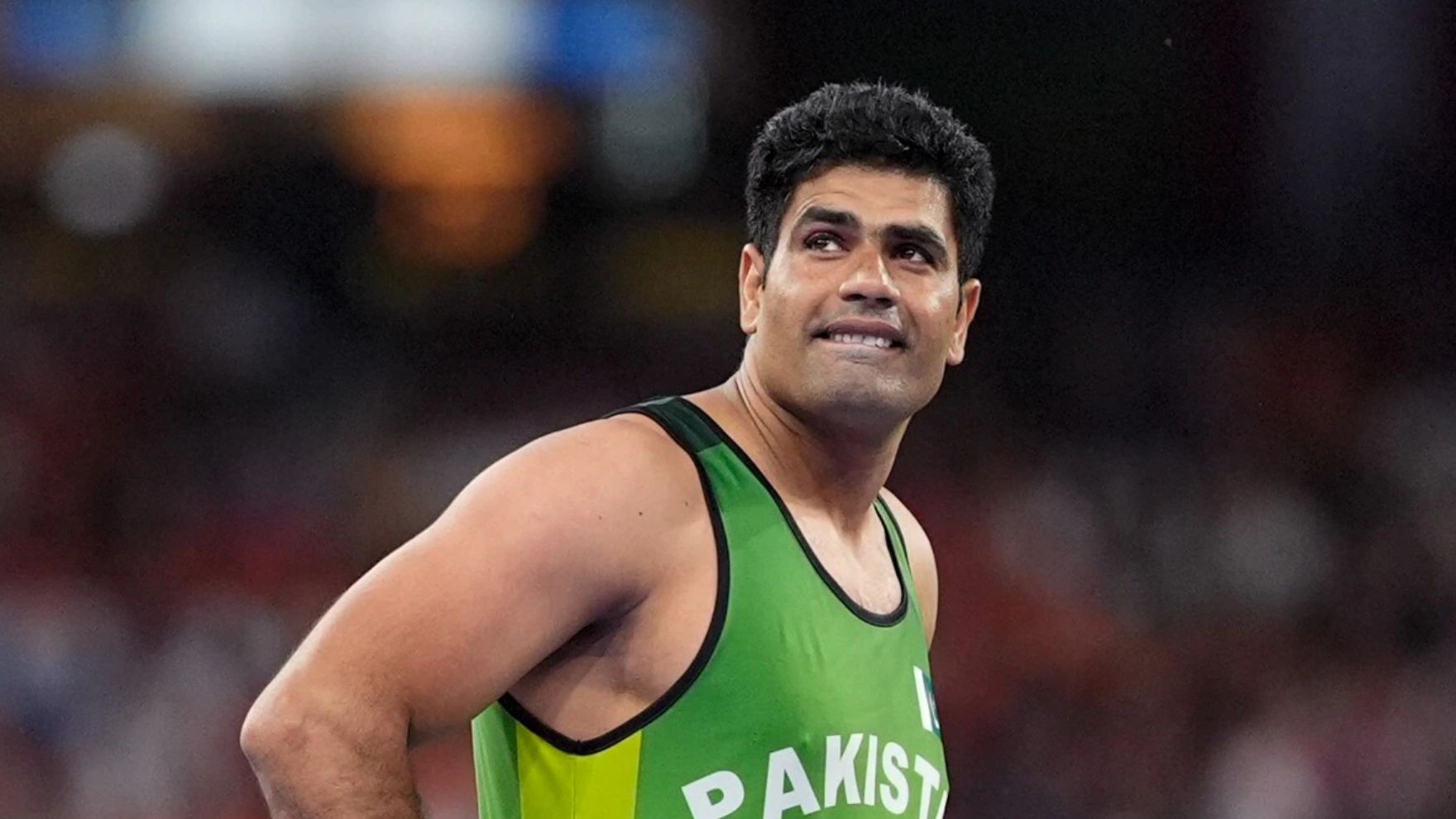
    Pakistan’s star javelin thrower Arshad Nadeem is preparing for a series of crucial competitions ahead of the World Athletics Championships in Tokyo this September. His coach, Salman Butt, confirmed that Arshad will participate in three major events over the coming months, including the Diamond League in Poland.

    “Most events are in Europe, and we will also participate in the Diamond League in Poland in August,” Salman Butt said, adding that their main focus is to improve Arshad’s form and rhythm ahead of the World Championships.

    This period is important for Arshad to get back to top condition. The upcoming events, expected to take place in July and August, will help him improve his techniques and compete against some of the best athletes in the world.

    The Diamond League event in Poland is one of the top competitions in javelin and regularly features world-class athletes. Winning this event would be a major milestone for Arshad Nadeem, as it remains one of the few titles he has yet to claim.

    Although the full schedule of his European tour is not yet finalised, Arshad is expected to compete in smaller events leading up to the Diamond League. These competitions will help him gradually regain his competitive form.