Blog

  • Sydney Sixers tease big signing as Babar Azam hints at BBL debut

    Sydney Sixers tease big signing as Babar Azam hints at BBL debut

    Big Bash League (BBL) team Sydney Sixers has shared a teaser video on social media, hinting at a major signing, possibly Pakistan’s star batter Babar Azam.

    The short clip shows a player who appears to be Babar wearing a Sixers jersey, sparking excitement among fans and leading many to believe he could be set to play in the BBL for the first time. While the franchise hasn’t confirmed the name yet, it has announced that the signing will be officially revealed on June 13 at 7 PM (local time).

    This potential signing comes just ahead of the BBL Season 15 overseas players draft, which is set to take place on June 19.

    Cricket Australia recently released the first list of international players available for the draft. It includes several big names from Pakistan, such as Shaheen Shah Afridi, Shadab Khan, Haris Rauf, and Mohammad Rizwan. Other international stars include England’s Sam Curran and Alex Hales, New Zealand’s Lockie Ferguson and Tim Southee, Sri Lanka’s Kusal Perera, and West Indies’ rising fast bowler Shamar Joseph.

    This year, the BBL and WBBL drafts have been moved earlier to help teams better plan their squads. According to Cricket Australia, more than 600 overseas players have shown interest in playing in the upcoming season.

    The Brisbane Heat and Sydney Sixers will get the first picks in the BBL and WBBL drafts. Each draft will have four rounds, with teams selecting one player per round. Players are divided into four salary categories: Platinum, Gold, Silver, and Bronze.

    Meanwhile, the Pakistan Cricket Board (PCB) has issued No Objection Certificates (NOCs) to 13 players, including top stars Babar Azam, Mohammad Rizwan, and Shaheen Shah Afridi, allowing them to participate in foreign T20 leagues.

  • Laura Akram wins Pakistan’s first-ever world-level medal in women’s boxing

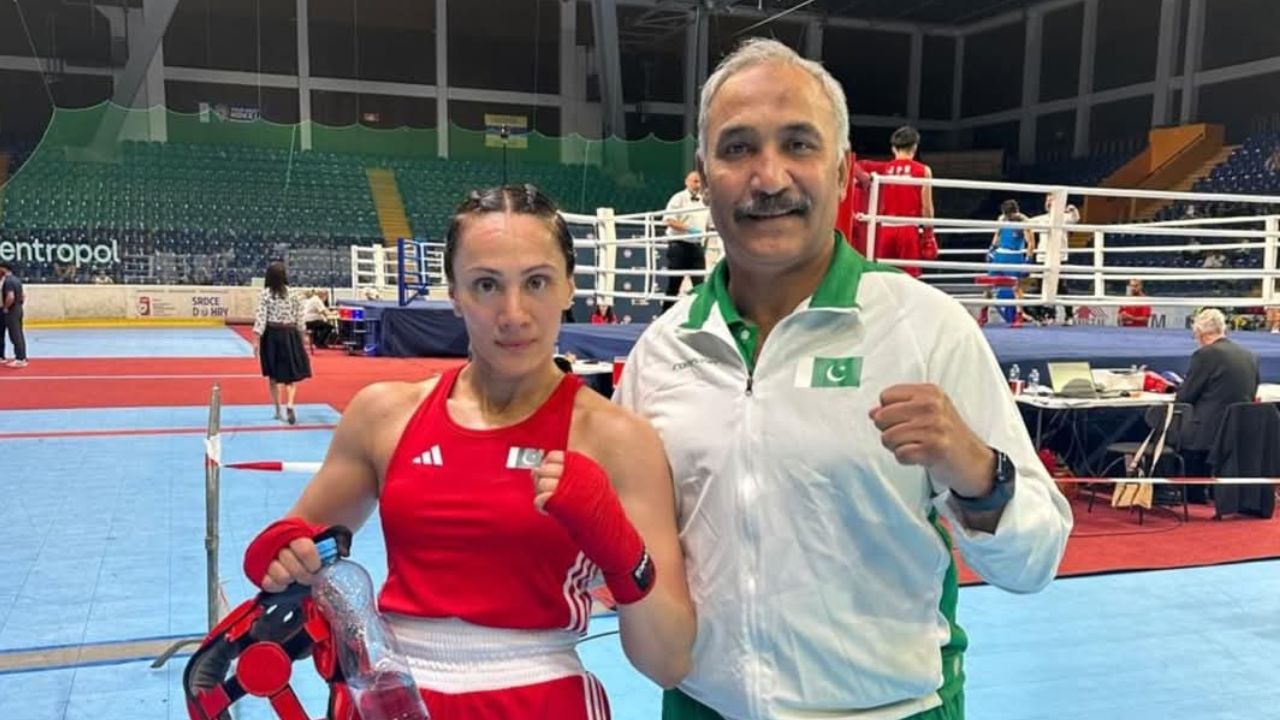
    Laura Akram wins Pakistan’s first-ever world-level medal in women’s boxing

    Pakistani boxer Laura Akram has made history by winning the country’s first-ever world-level medal in elite women’s boxing at the World Boxing Challenge.

    The British-Pakistani athlete secured her spot in the semifinals of the tournament, part of the Grand Prix Ústí nad Labem in the Czech Republic, after a dominant 5-0 win over Palestine’s Noura Salman in the 57kg category. This win guarantees at least a bronze medal, as Olympic-style boxing awards medals to all semifinalists.

    The 39-year-old boxer chose to represent Pakistan internationally in 2023. Already a national champion, she has risen to become one of the most prominent figures in Pakistani boxing in a short time.

    Laura will face Mongolia’s Michidmaa Erdenedalai in the semifinal bout today.

    This year’s Grand Prix holds significance as it marks the tournament’s 100-year anniversary, and it is part of the World Boxing Challenge for the second consecutive year. It features 184 boxers from 23 countries, making Laura’s achievement even more impressive.

    The competition is being held from June 11 to 14 at the Winter Stadium in Czechia and serves as a critical test for boxers ahead of the 2026 World Championships in Liverpool.

    Following the Grand Prix, the next major milestone for elite boxers will be the World Boxing Cup in Astana, Kazakhstan, from June 30 to July 6.

  • Six nuclear scientists killed in Israel attack on Iran: media

    Six nuclear scientists killed in Israel attack on Iran: media

    At least six nuclear scientists were killed Friday in Israel’s attacks on Iran, media outlets in the Islamic republic reported.

    Tasnim news agency named the six scientists including Mohammad Mehdi Tehranchi, who was the president of the Islamic Azad University of Iran.

    Fereydoun Abbasi, a former head of the Atomic Energy Organization of Iran, was also among the scientists killed, it added.

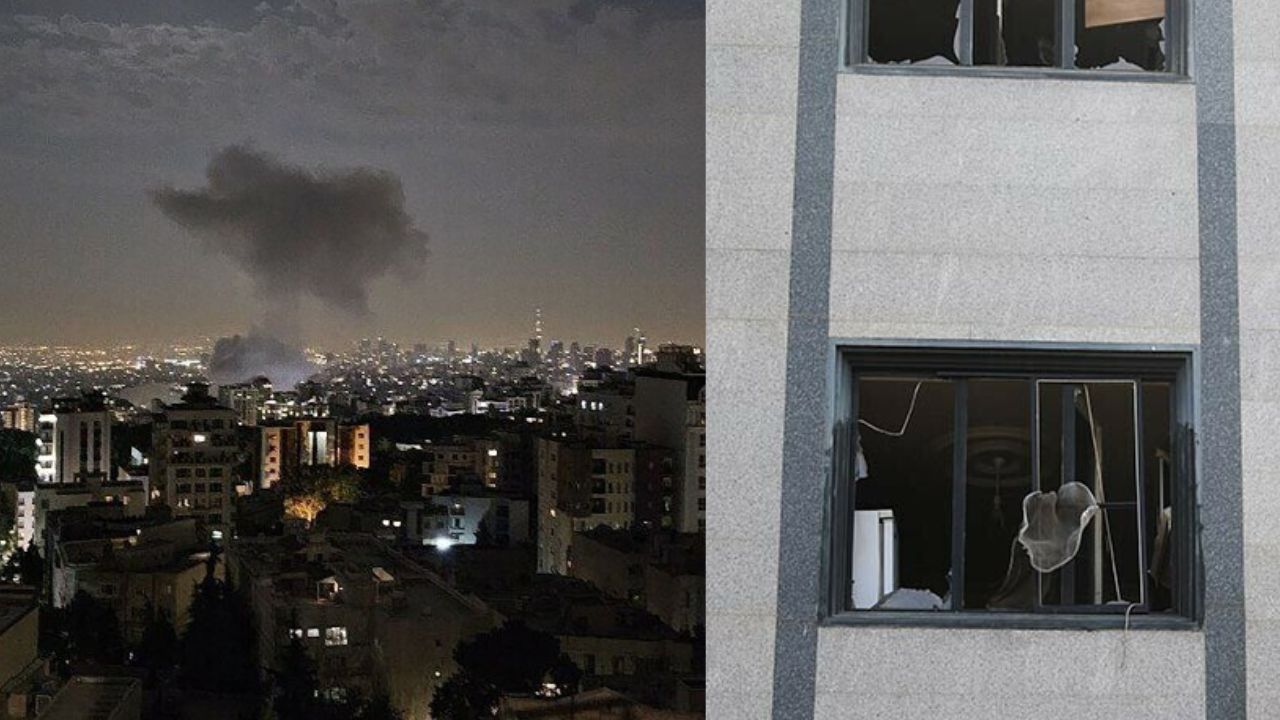
    Friday’s strikes hit multiple targets across Iran including residential buildings in Tehran as well as key nuclear enrichment facility in Iran’s centre.

    Iran’s Revolutionary Guards chief Hossein Salami and armed forces chief of staff Mohammad Bagheri were killed in the Israeli operation.


    Israel pounded Iran in a series of air raids on Friday, striking 100 targets including Tehran’s nuclear and military sites, and killing the armed forces’ chief of staff, the head of Iran’s Revolutionary Guards and top nuclear scientists.

    Iran’s Supreme Leader Ayatollah Ali Khamenei warned Israel it faced a “bitter and painful” fate over the attack, which also killed a senior Guards commander according to Iranian media.

    Iran had launched 100 drones in response towards Israel whose defences were working to intercept, the Israeli military said.

    US President Donald Trump told Fox News he had advance notice of the Israeli strikes which Israel’s military said involved 200 fighter jets. Trump also stressed that Tehran “cannot have a nuclear bomb”.

    The United States also underlined that it was not involved in the Israeli action, warning Tehran not to attack its personnel or interests.

    But Tehran said the United States would be “responsible for consequences” as Israel’s operation “cannot have been carried out without the coordination and permission of the United States”.

    Israel’s operation struck at the “heart of Iran’s nuclear enrichment programme”, taking aim at the atomic facility in Natanz and nuclear scientists, Prime Minister Benjamin Netanyahu said.

    The operation against Iran will “continue as many days as it takes,” Netanyahu said, adding in a later video statement that the initial strikes were “very successful”.

    Iran’s Revolutionary Guards leader Hossein Salami and armed forces Chief of Staff Mohammad Bagheri were killed in the Israeli operation, said Iranian media.

    Iranian state media said residential buildings in Tehran were hit as well, killing a number of civilians including women and children.

    Air traffic was halted at Tehran’s main international airport Imam Khomeini, while neighbouring Iraq has also closed its airspace and suspended all flights at all airports, state media reported.

    Israel declared a state of emergency, likewise closing its airspace, with Defence Minister Israel Katz anticipating retaliatory action from Tehran.

    “Following the State of Israel’s preemptive strike against Iran, a missile and drone attack against the State of Israel and its civilian population is expected in the immediate future,” Katz said.

    An Israeli military official added that the Israeli army believed that Iran had the ability to strike Israel “any minute”.

    – ‘Might blow’ deal

    Oil prices surged 12 percent while stocks sank on the Israeli strikes, which came after Trump’s warning of a “massive conflict” in the region.

    Trump had also said the United States was drawing down staff in the Middle East, after Iran threatened to target US military bases in the region if conflict breaks out.

    Trump said he believed a “pretty good” deal on Iran’s nuclear programme was “fairly close”, but said that an Israeli attack on its arch foe could wreck the chances of an agreement.

    The US leader did not disclose the details of a conversation on Monday with Netanyahu, but said: “I don’t want them going in, because I think it would blow it.”

    Trump quickly added: “Might help it actually, but it also could blow it.”

    US Secretary of State Marco Rubio warned Iran not respond to Israeli strikes by hitting US bases, saying Washington was not involved.

    “Let me be clear: Iran should not target US interests or personnel,” Rubio said in a statement.

    Prior to Friday’s attack, Iran had threatened to hit US bases in the Middle East if conflict were to erupt.

    “All its bases are within our reach, we have access to them, and without hesitation we will target all of them in the host countries,” Iran’s Defence Minister Aziz Nasirzadeh said this week.

    With the violence raising questions on whether a sixth round of talks planned between the US and Iran will still take place on Sunday in Oman, Trump said however that Washington is still “hoping to get back to the negotiating table”.

    Confirming Natanz among targets, the UN’s nuclear watchdog said it was “closely monitoring” the situation.

    “The agency is in contact with Iranian authorities regarding radiation levels. We are also in contact with our inspectors in the country,” International Atomic Energy Agency head Rafael Grossi said.

  • FBR targets tax evasion in tobacco, poultry sectors

    FBR targets tax evasion in tobacco, poultry sectors

    In a bid to expand compliance with taxation laws, the Federal Board of Revenue’s (FBR) Chairman, Rashid Mahmood Langrial, vowed to launch a crackdown against non-compliant businesses. Appearing on Television, he outlined the FBR’s intent to look into existing loopholes the tobacco sector exploits, digitise the monitoring process, and commented on the new passive income tax framework.

    Outlining the board’s achievements with the sugar industry, the chairman assured that the tobacco sector will soon fall into the tax net as well. According to details from reports, Islamabad’s crackdown against businesses in the sugar industry allowed for a staggering 39 percent boost in tax collection levels. It merits a mention that this increase in collections came about without a hike in tax rates.

    The chairman highlighted that, similar to the sugar industry, other sectors would be at the receiving end of similar crackdowns to ensure compliance. Illicit tobacco and cigarette companies operating in the domestic market have resulted in the federal government losing out on Rs300 to Rs500 billion in unrealised revenues.

    He outlined the federal government’s strategy of bringing businesses into the fold of compliance as opposed to raising tax rates, as higher taxes can cause the informal sector to grow stronger. The chairman revealed that the FBR has witnessed a large spike in compliance rates with tax laws in the sugar industry.

    Moreover, he underlined accountability measures that had been put in place to reduce instances of corruption and tax evasion. The Intelligence Bureau (IB) has played an instrumental role in rooting out corrupt officials from the FBR’s staff, allowing for the tax watchdog to operate with greater efficiency.

    Aside from the sugar and tobacco sectors, the chairman mentioned that producers in the poultry industry were engaging in large-scale tax evasion schemes. These schemes came to light after the FBR probed into the matter, and the schemes are reportedly cheating the national exchequer out of “millions of rupees”.

    In other developments, the chairman also commented on the imposition of a new 15 percent tax on passive income, explaining how it could boost investment levels in the economy. Taxing funds parked in banks to yield interest revenues could cause individuals to pull their money out and invest in businesses or the capital market.

    This could result in a greater level of business activity, which the FBR is expected to keep track of to bring in greater revenues.

  • Egypt detains over 200 pro-Palestine activists ahead of Gaza march: organiser

    Egypt detains over 200 pro-Palestine activists ahead of Gaza march: organiser

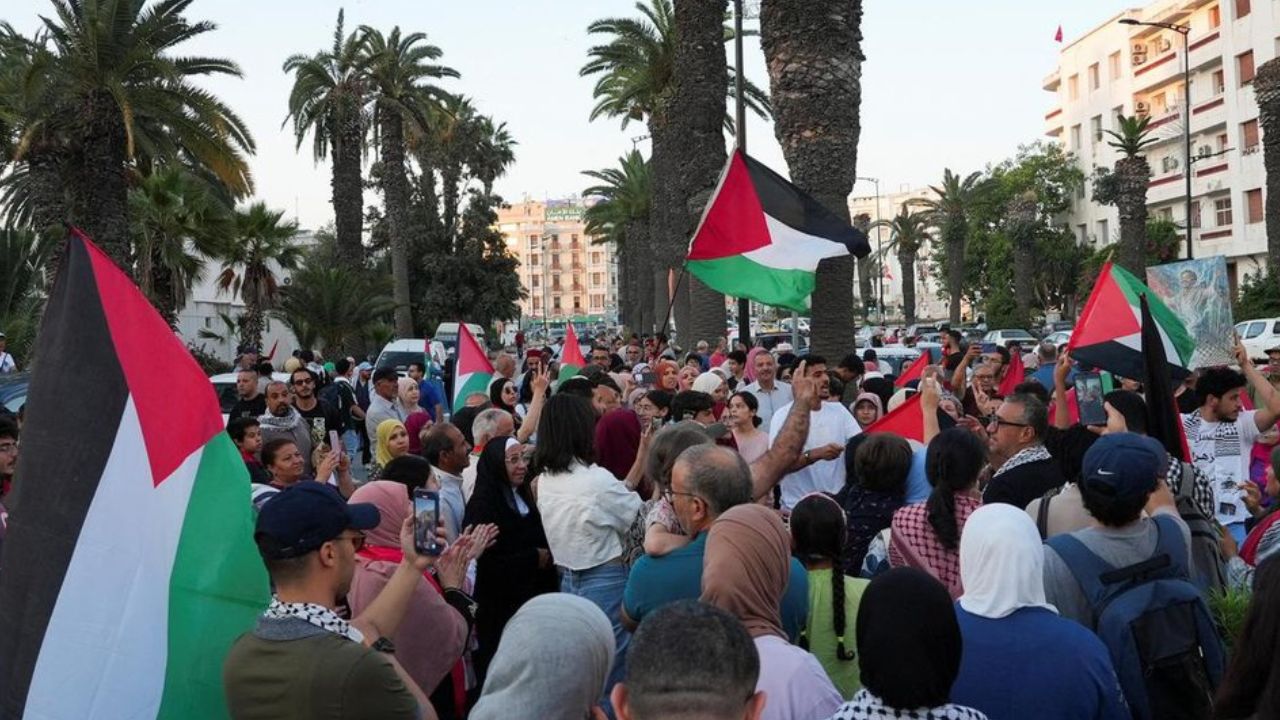
    Egyptian authorities have detained more than 200 pro-Palestinian activists in Cairo ahead of an international march with the stated aim of breaking Israel’s blockade on Gaza, organisers said Thursday.

    As part of the Global March to Gaza, thousands of activists planned to travel to Egypt’s Rafah border crossing with the Palestinian territory on Friday to demand the entry of humanitarian aid.

    On Thursday, the march’s spokesperson Saif Abukeshek told AFP: “Over 200 participants were detained at Cairo airport or questioned at hotels across Cairo.”

    He added that those detained included nationals from the United States, Australia, the Netherlands, France, Spain, Morocco and Algeria.

    Abukeshek said that plainclothes police entered hotels in Cairo on Wednesday with lists of names, questioned activists and in some cases confiscated mobile phones and searched personal belongings.

    “After interrogations, some were arrested and others were released,” he added.

    At Cairo airport, some detainees were held for long hours without explanation, Abukeshek said, adding that others were deported, without specifying exact numbers.

    Twenty French activists who had planned to join the march were held at Cairo airport “for 18 hours”, he said.

    “What happened was completely unexpected,” Abukeshek said.

    Footage shared with AFP showed dozens of people with their luggage crammed inside a holding room at the airport.

    “We’re locked up here in this room with so many people — some 30-40 people,” a German national said in one video.

    “I called the embassy and they told me their people are trying to figure things out,” she said.

    The Greek contingent said in a statement that dozens of Greek nationals were among those held at Cairo airport “despite having all legal travel documents, having broken no law and followed every legal procedure in entering the country”.

    Cairo’s security chief did not respond to an AFP request for comment.

    Pressure

    After 21 months of war, Israel is facing mounting international pressure to allow more aid into Gaza, which the United Nations has dubbed “the hungriest place on Earth”.

    Another convoy dubbed Soumoud, or steadfastness in Arabic, left the Tunisian capital on Monday, hoping to pass through divided Libya and Egypt — which organisers say has yet to provide passage permits — to reach Gaza.

    The Global March to Gaza, which is coordinating with Soumoud, said around 4,000 participants from more than 40 countries would take part in the event, with many having already arrived ahead of the Friday march.

    According to the plan, participants are set to travel by bus to the city of El-Arish in the heavily securitised Sinai Peninsula before walking 50 kilometres (30 miles) towards the border with Gaza.

    They would then camp there before returning to Cairo on June 19.

    Israel has called on Egyptian authorities “to prevent the arrival of jihadist protesters at the Egypt-Israel border”.

    Such actions “would endanger the safety of (Israeli) soldiers and will not be allowed”, Defence Minister Israel Katz said.

    In response, Egypt’s foreign ministry said that while it backs efforts to put “pressure on Israel”, any foreign delegations visiting the border area must receive approval through official channels.

    “We will continue despite what happened because the current numbers in Egypt and those expected to arrive are enough to organise this march,” Abukeshek said.

  • Shoaib Akhtar responds to legal notice from Dr Nauman Niaz

    Shoaib Akhtar responds to legal notice from Dr Nauman Niaz

    Former Pakistani fast bowler Shoaib Akhtar has responded to a legal notice issued by sports journalist Dr Nauman Niaz, following a controversial remark made during a cricket show, The Dugout, on May 25, 2025.

    While discussing the coaching and management system of the Pakistan cricket team, Shoaib Akhtar remarked, “Back in my time, I didn’t even know who the coach was. We didn’t know who the manager was either.”

    He went on to say, “All we knew was whether our bags had reached our rooms or not. The manager was there just for that,” adding that Dr Nauman “used to carry our bags, that’s why he was there, right? He’d type something on a computer and make sure our bags got to our rooms.”

    Dr Nauman Niaz took offence to the remarks, calling them defamatory and damaging to his reputation, and subsequently issued a legal notice to Shoaib Akhtar.

    In response, Akhtar, through his lawyer, Advocate Abu Zar Salman Niazi, denied all allegations and rejected the claims made in the notice.

    He asserted that the comment was made during a live show and should be seen as a casual statement, not as defamatory. “It is a fact that Nauman Niaz was in charge of team logistics at one point and used to carry players’ bags. There’s nothing defamatory in stating that,” Akhtar said.

    Earlier, in a notice sent on May 29, Dr Nauman Niaz’s lawyer, Qazi Umair Ali, claimed that Shoaib Akhtar’s statements had harmed his client’s public image.

    This is not the first time tensions have flared between the two. In 2021, a live TV spat between them led to Shoaib Akhtar walking off a PTV Sports show mid-air. Although he later returned to the show, the relationship between the two has remained strained since.

  • ‘Scene of the year’; Parwarish shocks viewers as Maya’s mother finally fights back

    ‘Scene of the year’; Parwarish shocks viewers as Maya’s mother finally fights back

    Just when we thought Maya was going to be married off to Waleed, forced into a life she didn’t want, Parwarish flipped the script in the most unexpected way. The drama gave us a scene we’ll never forget: a mother standing up for her daughter, loud and clear. 

    When Maya’s father slapped her, many of us were stunned. It was a hard-to-watch moment, but one that sparked a turning point. Because what came next was everything. 

    “Why does she need another person when her father is alive?”

    “You, her father, gave Waleed the courage to come and force Maya to do things against her will under our own roof.”

    These dialogues hit hard and honestly, they couldn’t have been delivered at a better time. The mother’s fierce energy, her clarity, her refusal to stay silent -it was goosebump-inducing. 

    I’ve waited 19 episodes to see someone finally confront Maya’s father in such a direct, emotional, and impactful way. And it paid off. His silence, his shame, the way he looked at his daughter after hearing the truth showed cracks in a man who has been unshakable for far too long.


    The scene quickly went viral  and rightly so.


    Aina Asif’s performance was heartbreaking and raw. Her fear, her helplessness, her pain it all felt too real. But what truly turned the episode into a must-watch was the mother stepping in like a warrior.

    “He tortures her. He forces himself on her. He lied to you. I will not let you raise your hand on our daughters again.”
    These weren’t just dialogues, they were declarations. Of love. Of strength. Of change.

    And then came another storm: the intense showdown between Wali and Waleed. Usually calm and composed, Wali snapped this time, unleashing all the pent-up rage and helplessness he had been carrying. The fight was violent, emotional, and raw.

    But it also raised questions, Was this strength? Or just another example of how men are taught to show love by fighting?

    Still, Wali’s transformation left a mark. It made viewers feel every second of his pain and frustration.

    The writers gave us a brilliant contrast. Waleed feeding lies to Maya’s father while Maya tearfully opened her heart to her mother. It reminded us that truth often lives where love and trust exist.

    But just when hope arrived, Maya’s father disappointed us once again by talking about finding her another rishta right away. Some people just don’t learn.


    The emotional episode sparked a wave of reactions online. Fans flooded social media, calling it one of the most impactful moments in recent drama history.

    “Goosebumps! I got chills after that scene. My husband had tears in his eyes. What a phenomenal performance!”

    “This is the scene of the year, the mother deserves an award!”

    “Ufff… Award-winning. No doubt.”


    “These men should never marry if they’ll always trust outsiders over their own wives and daughters.”

    “So proud of Maya’s mom for standing up. Every mother should be like her.”

    “Thank you for showing this strength on screen. Mothers like this are heroes.”

  • Teachers, academics express concern over insufficient higher education budget

    Teachers, academics express concern over insufficient higher education budget

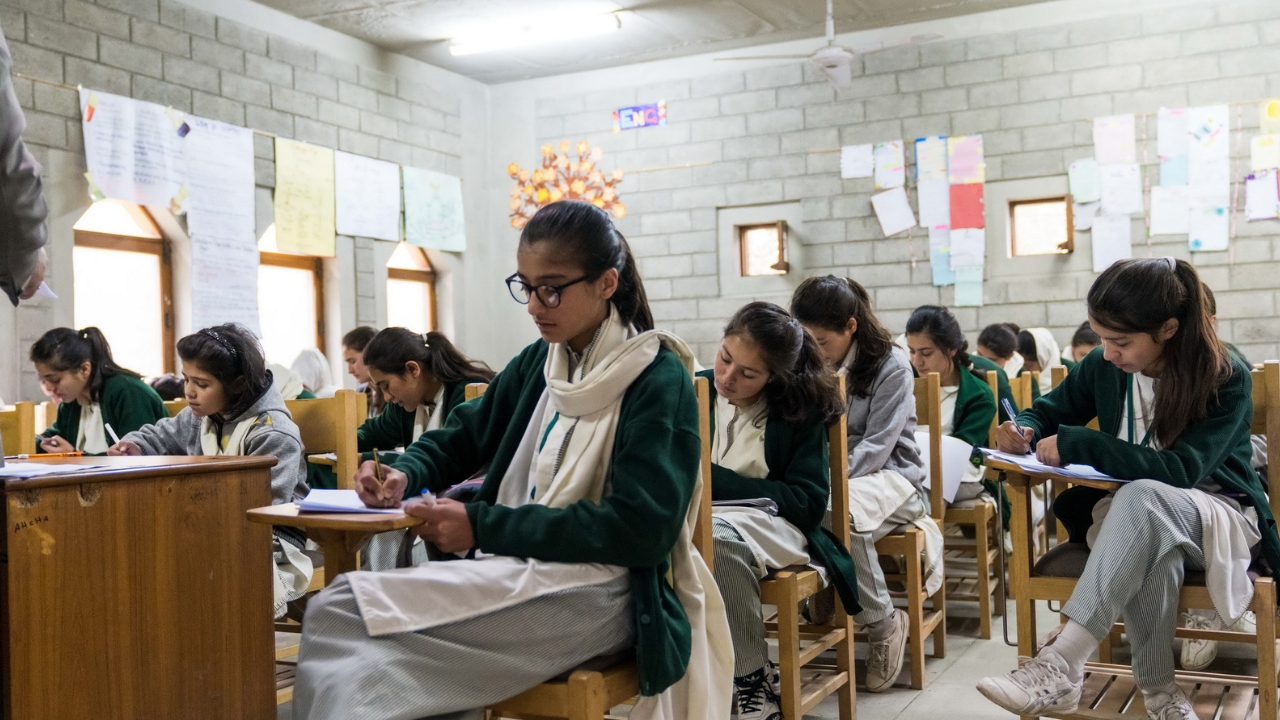
    Stakeholders in the education sector have raised concerns over the outlay for the Higher Education Commission (HEC) in the recently announced federal budget for fiscal year (FY) 2025-26. According to reports, teachers have outlined how Rs66.4 billion is not enough to cover the monetary requirements of institutions in the higher education space.

    The HEC had requested a budget of Rs84.6 billion; however, the government was unable to meet this demand. This has resulted in a gap of approximately 21.5 percent between the initially requested amount and the actual allocation. It merits a mention that the allocated amount for the HEC is to cover all “non-development” expenses, including the salaries and pensions for staff. 

    Reports reveal that the government has actually slashed development budgets, causing the outlay for development initiatives in the educational sector to fall to just Rs39.4 billion for FY 2025-26. This is a sharp drop in comparison to the development outlay for FY 2024-25, which stood at a respectable Rs65 billion. 

    Reports indicate that the low amount earmarked for the HEC comes at a time when top-tier higher educational institutes such as Quaid-i-Azam University (QAU) are facing difficulties in covering financial liabilities. These liabilities include the salaries and pensions of staff.

    According to reports, the financial situation of universities is especially grave in Balochistan and Khyber Pakhtunkhwa.  The Information Secretary of the Federation of Pakistan Universities Academic Staff Association (FAPUASA) has reportedly highlighted that universities could face immense difficulties if budgets are not increased. 

    A joint statement released by the President, Vice President and General Secretary of FAPUASA witnessed all members collectively rejecting the federal budget for the current fiscal year. Reports reveal that the members of FAPUASA have also highlighted their concerns regarding the freezing of the HEC recurring grant. 

    The joint statement underlined the lack of additional funds for the upkeep of universities since 2018, citing the rampant increases in utility bills, inflation rates and operational expenses as reasons for a larger budget. Moreover, the statement highlighted the need for funds as enrollment levels across educational institutions over the past seven years have increased.

    The statement called upon Islamabad to review the federal budget and consider increasing the allocation to the HEC in the Finance Bill. However, it is unclear whether the government will boost the HEC’s budget as lawmakers are yet to comment on the developments.

  • Air India says passengers on crashed plane included 169 Indians, 53 British

    Air India says passengers on crashed plane included 169 Indians, 53 British

    Air India said that the 242 passengers and crew on board the London-bound passenger plane that crashed on Thursday included 169 Indian passengers, as well as British, Canadian and Portuguese nationals.

    “The flight… was carrying 242 passengers and crew members on board the Boeing 787-8 aircraft”, it said in a statement. Among the 230 passengers, “169 are Indian nationals, 53 are British nationals, one Canadian national and seven Portuguese nationals”, it said.

    “The injured are being taken to the nearest hospitals,” it said, adding that “Air India is giving its full cooperation to the authorities investigating this incident”.

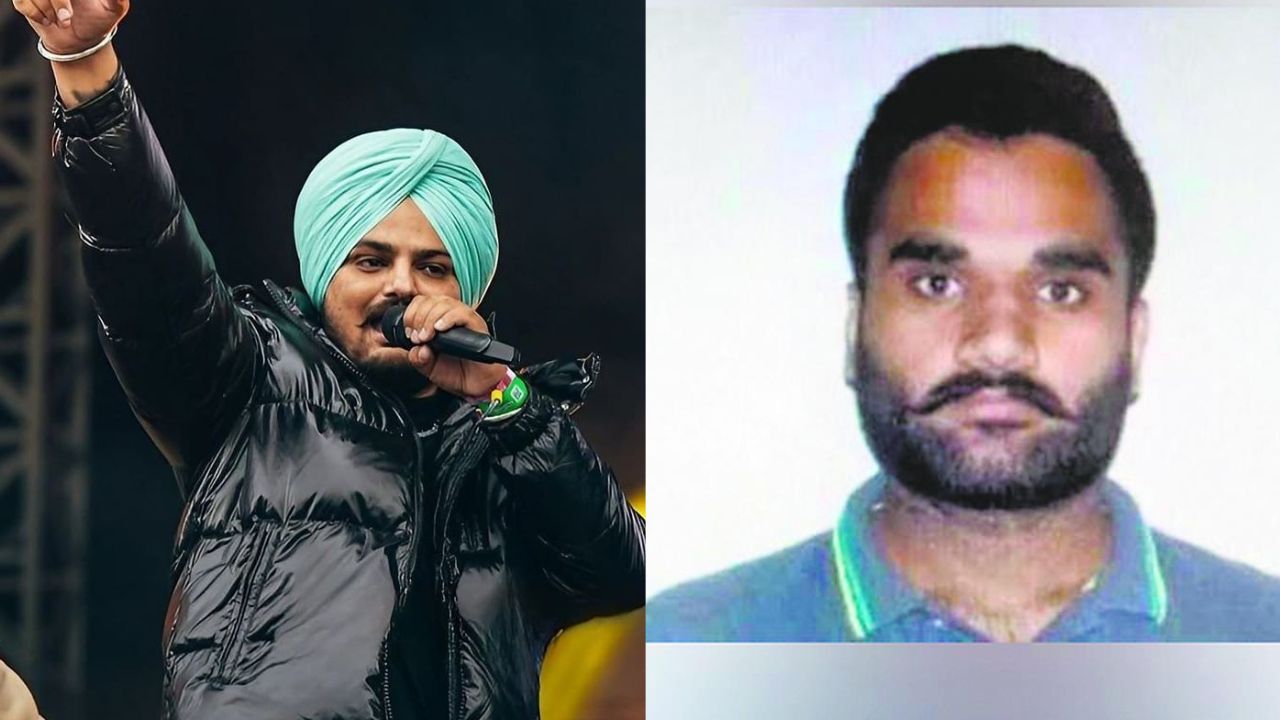
  • ‘We had no option but to kill him’: Goldy Brar finally reveals reason behind Sidhu Moose Wala’s murder

    ‘We had no option but to kill him’: Goldy Brar finally reveals reason behind Sidhu Moose Wala’s murder

    A gangster who claims to have orchestrated the murder of famous Punjabi singer Sidhu Moose Wala has finally spoken out, calling the killing an act of revenge and stating that he feels “no remorse whatsoever.”

    Goldy Brar, who is internationally wanted and listed by Interpol, shared voice notes with the BBC, explaining why he ordered the killing. This is the first time he has publicly shared his motive in detail.

    “In his arrogance, he [Moose Wala] made some mistakes that could not be forgiven,” Brar said.
    “We had no option but to kill him. It was either him or us. As simple as that.”

    Sidhu Moose Wala, whose real name was Shubhdeep Singh Sidhu, was only 28 years old when he was shot dead in Punjab’s Mansa district in broad daylight on May 29, 2022. His car was surrounded by six gunmen who fired 24 bullets at him, according to the post-mortem report.

    Brar had claimed responsibility just hours after the murder but had never explained his motive until now.

    Brar and fellow gangster Lawrence Bishnoi are believed to be the main planners behind the killing.

    Brar said the motive was revenge for the 2021 murder of Vicky Middukhera, a close friend of Bishnoi. He claimed that Sidhu Moose Wala used his political connections to protect the people involved in that murder.

    Moose Wala’s manager, Shaganpreet Singh, was named by police in the case, accused of helping the shooters. He later fled to Australia. Moose Wala, however, denied being involved.

    “We wanted him to face punishment for what he’d done. He had to face the consequences of his actions,” Brar said.

    “He should have been booked. He should have been jailed. But nobody listened to our plea. So we took it upon ourselves,” he added.

    Brar also accused Moose Wala of supporting their rival gang, the Bambiha gang, by promoting one of their kabaddi matches, further fuelling tensions with Bishnoi and his allies.

    “He was promoting our rivals. That’s when Lawrence and others were upset with him,” Brar told the BBC.

    He added that even though there was no solid evidence connecting Sidhu to any crime, he believed the singer was working with their enemies.

    “Everyone knew Sidhu’s role; the police investigating knew, and even the journalists who were investigating knew. Sidhu mixed with politicians and people in power. He was using political power, money, and his resources to help our rivals,” Brar said.

    The interview also revealed that Moose Wala and Bishnoi had been in contact since 2018.