Blog

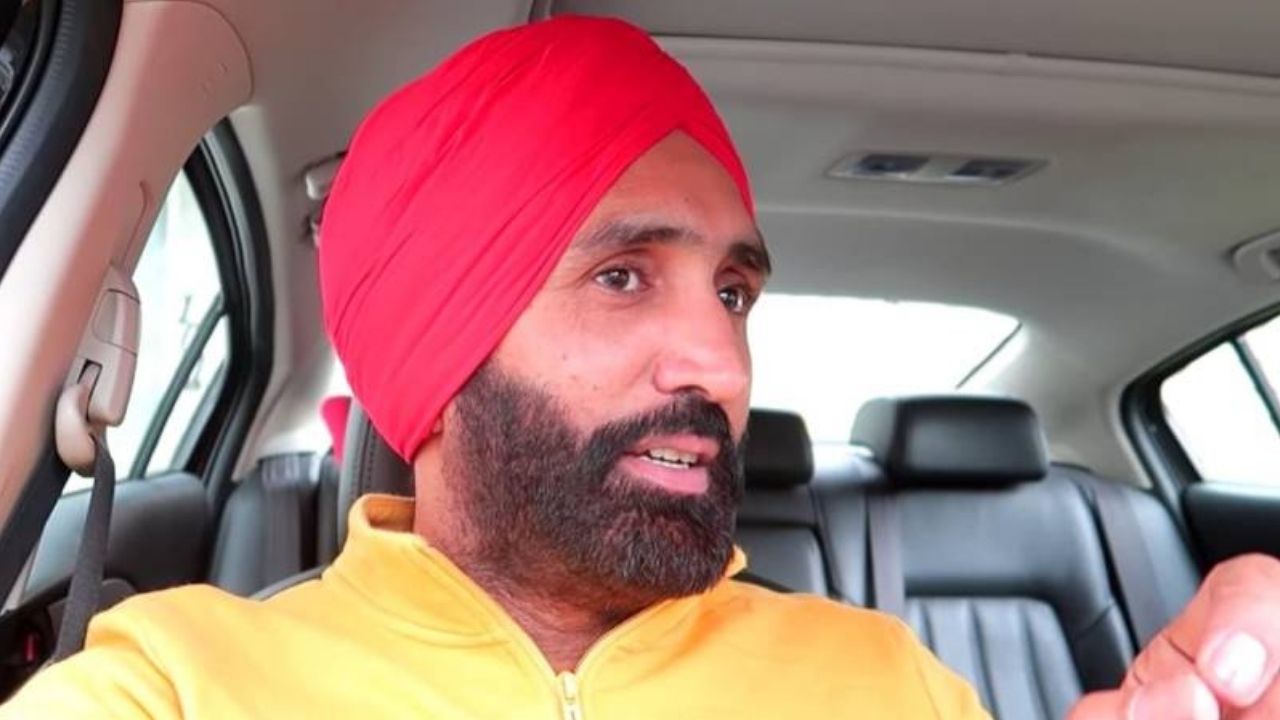
  • Indian police arrest popular Sikh YouTuber over allegations of links to Pakistan

    Indian police arrest popular Sikh YouTuber over allegations of links to Pakistan

    Indian police have arrested popular Sikh YouTuber Jasbir Singh on charges of spying for Pakistan on Tuesday.

    According to reports, Sikhs in India are once again being targeted by the Narendra Modi- led government. 

    Punjab DGP Gaurav Yadav has alleged, “YouTuber Jasbir Singh was associated with a Pakistani network,” adding that the network was also in contact with travel vlogger Jyoti Malhotra and Shakir alias Jatt Nandwa.

    Indian media, already under intense global scrutiny for the disinformation it disseminated during the stand-off with Pakistan, has claimed that Jasbir Singh visited Pakistan in 2020, 2021, and 2024 and that phone numbers linked to Pakistan were found on his mobile device.

    Indian outlets further accused Jasbir Singh, the creator of the Jan Mahal YouTube channel, of being part of a covert network, alleging that he was also in contact with “Ehsan-ur-Rahim alias Danish.”

    Modi government appears to be targeting expressions of Sikh identity on social media by labelling them as acts of espionage. Sikh YouTubers and digital activists are reportedly under strict surveillance.

    Not only are accounts being shut down and posts being deleted for expressing Sikh identity online but supporters of Sikhs for Justice are also being booked under harsh laws such as the Unlawful Activities (Prevention) Act (UAPA). Cases of treason are being registered for merely speaking the word Khalistan, and ordinary Sikh citizens in Indian Punjab are increasingly being placed on intelligence watch lists.

    In May, Indian vlogger Jyoti Malhotra, who runs the channel’ Travel with Jo’, was also arrested on similar charges. Days after Pakistan’s Operation Bunyan Um Mursoos hammered Indian military targets, officials detained six of their own citizens, including Malhotra, accusing them of being in touch with the Pakistani High Commission in New Delhi.

  • Famous Pakistani food brand brings chutneys to Costco

    Famous Pakistani food brand brings chutneys to Costco

    A new product sampling roadshow at Costco Canada is garnering attention not just for its flavours but also for its Pakistani origins.

    National Foods, a Pakistani company known for its packaged spices, sauces, and chutneys, has launched a six-week tour showcasing its dipping sauces at select Costco outlets.

    The tour began at the Mississauga warehouse (3180 Laird Rd), where it will continue until June 8. Two additional locations are planned for the upcoming weeks at Thorncliffe Park-42 Overlea Blvd –June 10 to June 22, and Kingston-1015 Centennial Dr- June 24 to July 6.

    Shoppers can sample and purchase any four bottles of sauce for $8.99. The flavours offered, organised by spice level, include Mango Chilli, Chilli Garlic, Tangy Tamarind, Red Chilli, and Green Chilli. The sampling area has attracted a consistent number of visitors, with customers adding bottles to their carts alongside fast food items like chicken fingers and fries.

    A video shared by @costcomarkhameast on Instagram captures the excitement around the booth. In the comments, numerous viewers acknowledged the brand’s roots, calling it a “proud moment” and highlighting the prominence of a Pakistani brand at an international retail chain.

    One user remarked, “Wow, it’s from Pakistan,” while another said, “Congratulation National, it’s about time.”

    Founded in Karachi in 1970, National Foods has grown to be one of Pakistan’s leading food brands. Its products are already sold in a number of countries at South Asian grocery stores, but this Costco roadshow presents the brand to a broader, more diverse audience.

    For many members of the Pakistani community abroad, the sauces represent more than just flavour; they evoke a sense of familiarity and recognition. The inclusion of a locally established Pakistani brand at Costco signifies a moment of cultural visibility through food, in a space that seldom showcases South Asian companies on this scale.

  • Uzbekistan creates history, qualifies for FIFA WC for the first time

    Uzbekistan creates history, qualifies for FIFA WC for the first time

    The Uzbekistan football team created history on Thursday after qualifying for the FIFA World Cup for the first time ever. A 0-0 draw with the United Arab Emirates (UAE) secured them a spot in the 2026 tournament, which will be held in North America.

    Playing in Abu Dhabi, Uzbekistan’s goalkeeper Utkir Yusupov made several key saves in the second half to deny the UAE and secure a goalless draw. The UAE needed a win to remain in contention for automatic qualification, but the result means they will now progress to the next round of qualifiers. Uzbekistan’s qualification is particularly historic, marking their first since gaining independence in 1991.

    In Group C, Australia took a big step toward qualification with a 1-0 win over Japan in Perth. Aziz Behich scored the winning goal in the 90th minute. Even though Japan had already qualified, Australia needed the victory to stay ahead of Saudi Arabia, who also won 2-0 against Bahrain with goals from Musab Al-Juwayr and Abdulrahman Al-Obud.

    Australia are now three points ahead of Saudi Arabia. The two teams will play on Tuesday in Jeddah. Australia, however, have an advantage in goal difference, which means they can afford to lose by as many as four goals and still qualify as runners-up behind Japan.

    In Group B, Jordan moved close to qualification with a 3-0 victory over Oman after a hat-trick by Ali Olwan. The team now awaits for the result of the South Korea vs Iraq match to confirm their qualification status.

    Meanwhile, Indonesia also kept their World Cup hopes alive. A 1-0 win over China guaranteed their place in the fourth round of qualifying. Ole Romeny scored the only goal with a penalty just before halftime in Jakarta. The loss ended China’s chances to succeed.

  • Malir Jail escapee records video message before committing suicide

    Malir Jail escapee records video message before committing suicide

    A 25-year-old inmate who escaped during the mass jailbreak at District Jail Malir earlier this week has died by suicide in Madni Colony in  Karachi’s Mauripur. 

    Police identified the deceased as Raza, a resident of Ranchore Line.

    Police were alerted after the body was found, and the deceased was shifted to Civil Hospital, Karachi, for medico-legal formalities. 

    SHO Sardar Ali Abbasi of the Mauripur Police Station claims that Raza was in his sister’s house when he died.

    He is believed to have taken his own life while alone in the house.

    Raza was incarcerated at Malir Jail on March 30, 2022, in connection with a drug case that was filed at the Eidgah police station.

    The jailbreak, which took place between Tuesday and Wednesday night, resulted in the escape of more than 200 inmates, including Raza. 

    126 escapees have voluntarily returned or been re-arrested thus far.

    Police are searching Karachi for the at least 90 prisoners who are still on the lose.

    A video statement recorded by Raza shortly before his death has been found. In the video, Raza says, “We all climbed over each other to get out while gunfire erupted inside the jail. I thought it was an earthquake.” 

    He further adds, “I was injured while escaping. I walked around the whole night, and then a man took me to Civil Hospital.” He also adds that he is innocent.


     He says he spent the night there before returning to his family. 


    Raza’s suicide has raised serious questions about the psychological condition of the escapees and the management of the prison system.

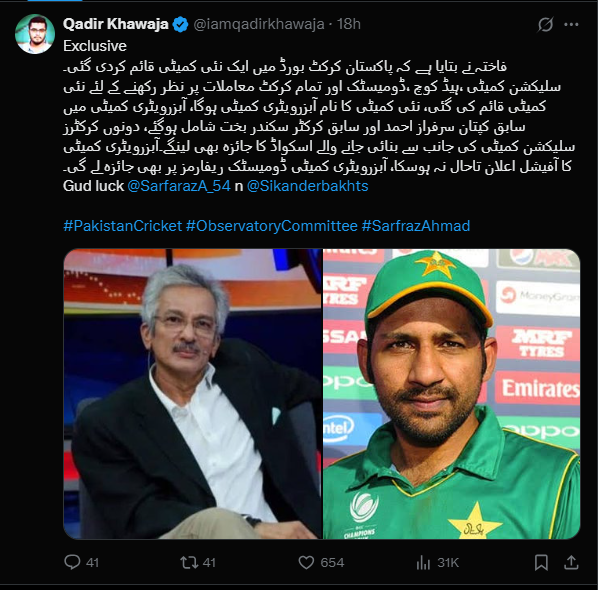
  • PCB forms observatory committee to oversee selection, domestic cricket affairs

    PCB forms observatory committee to oversee selection, domestic cricket affairs

    The Pakistan Cricket Board (PCB) has formed an oversight committee to monitor player selection and other related matters, according to media reports on Thursday.

    Former Pakistan cricketers Sikandar Bakht and Sarfaraz Ahmed will reportedly lead the committee, which will also review and address issues within the domestic cricket circuit.

    Meanwhile, changes in the national team leadership are under discussion. According to sources, wicketkeeper-batter Mohammad Rizwan is likely to be removed as Pakistan’s ODI captain. A final decision on the matter is expected in the coming days.

    Pakistan head coach Mike Hesson has already begun consultations regarding a potential change in captaincy. Among the possible candidates, current T20I skipper Salman Ali Agha is being considered a strong contender to take over the 50-over format as well. Along with the new captain, Hesson is also expected to name a new vice-captain.

    Earlier, there were reports that all-rounder Salman Ali Agha will soon be named Pakistan’s Test captain.

    Taking to social media platform X (formerly Twitter), former cricketer Basit Ali shared a picture of Salman and captioned it, “Congratulations on the red-ball captaincy too, one captain for all three formats.”

    Salman recently led Pakistan to a clean sweep over Bangladesh in a home T20I series, boosting his chances as a candidate for the Test captaincy. Reports suggest he could replace current Test captain Saud Shakeel in the red-ball format.

    Salman is already the vice-captain of the Test team and is currently leading Pakistan in T20Is. Basit’s statement has triggered discussions in cricket circles, although the PCB has yet to make any official announcement.

    Sources indicate that two names are being considered for the Test captaincy: Saud Shakeel and Salman Ali Agha, with Salman emerging as the favourite.

    In November 2023, opener Shan Masood was appointed as Test captain, but Pakistan managed only three wins out of 12 Tests under his leadership, losing nine. Their disappointing run in the ICC World Test Championship, where they ended at the bottom of the table, has added pressure on the board to make a leadership change.

    Currently, Pakistan is ranked ninth in the WTC standings and has suffered a whitewash series of defeats against Australia, Bangladesh, and South Africa.

  • One of four who gang-raped woman in front of husband, shot dead in police encounter

    One of four who gang-raped woman in front of husband, shot dead in police encounter

    One of the four suspects involved in the gang rape of a woman in front of her husband was allegedly killed by his own accomplices during an encounter with the Crime Control Department (CCD) near Jorian Bridge, within the Kassoki police precincts of Hafizabad district, on Thursday.

    According to CCD sources, a team conducted a raid on a location along an open drain after receiving information about the suspects’ presence near Jorian Bridge.

    The suspects opened fire on the police, who returned fire. When the firing ceased, police found the body of one of the four suspects involved, identified as Khawar, a rickshaw driver.

    CCD officials stated that Khawar was killed by the gunfire of his own accomplices. The remaining suspects managed to escape.

    The body was shifted to Hafizabad District Headquarters Hospital for a post-mortem examination.

    Police have registered a case against the fleeing suspects under sections 302, 324, 353, 186, and 34 of the Pakistan Penal Code, as well as the Punjab Arms (Amendment) Ordinance 2015, based on the report filed by CCD Sub-Inspector Ali Hassan.

    An investigation is underway.

    On May 3, eight individuals, including four named suspects, were charged in connection with the gang rape of a woman that took place on April 25.

    According to reports, the incident took place when the couple, travelling from Nowshera Virkan, stopped at a rest area. While they were on a motorcycle, a man approached them, verbally abused the wife, and physically assaulted her. Shortly after, a group of armed men arrived and forcibly took the couple to a secluded area near a graveyard, as detailed in a first information report (FIR) lodged by the husband at Kassoki Police Station on Tuesday.

    The FIR stated that the suspects tied the husband up, forced him to lie on the ground, and then gang-raped his wife despite his repeated pleas for mercy. Both were subjected to physical violence and robbery; the assailants stole two mobile phones, two tolas of gold, and Rs 2,500 in cash.

    The FIR also mentioned that the suspects allegedly forced the couple to perform sexual acts in front of them, recording the assault on video. The footage was later circulated on social media.

    The FIR was registered only after the video surfaced online. The couple told police they had initially refrained from reporting the crime out of fear.

    Police are conducting raids to arrest the fleeing suspects.

  • ‘Your prayers gave me strength’: Angeline Malik thanks fans in update on cancer battle

    ‘Your prayers gave me strength’: Angeline Malik thanks fans in update on cancer battle

    Pakistani actor-director Angeline Malik, who is currently battling cancer, has thanked her fans for their prayers and wishes, saying they gave her the strength to move forward.

    Malik shared new photos on Instagram and provided fans with an update on her health. In the photos, she appeared to be in good spirits and better health. “Where I am today, and the way I am today, it’s because of the prayers of my fans and loved ones,” she wrote.

    “Prayers make a difference, and I’m with my loved ones because of these prayers,” Malik added.

    Reflecting on the early days of her diagnosis, she wrote, “When I started my fight against cancer, I was lonely and frustrated. I was afraid, uncertain and anxious, but today, it’s not like that.”

    “Some incredible things happened during my cancer treatment. Miracles happened. I started getting better, I am better, and prayers showed an effect. I am truly grateful to my fans and loved ones for praying.”

    Malik also shared that when she was suffering from fear and uncertainty during treatment, she was surrounded by prayers of her fans. “Those prayers gave me the strength to move forward.”

    Instead of calling it a personal fight, she described her journey as a shared battle, writing, “This wasn’t just my battle… it was a joint fight with my fans. Prayers make a difference. They made a difference. Prayers work miracles.”

    She concluded with gratitude for her fans’ continued support and prayers.

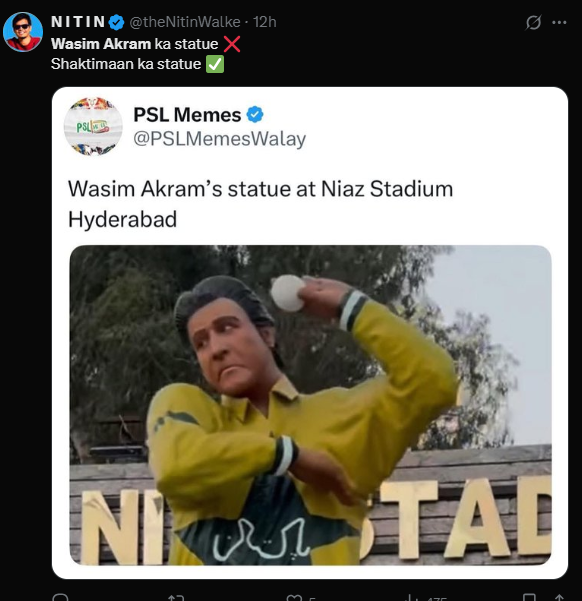
  • Wasim Akram’s statue becomes meme material after picture goes viral

    Wasim Akram’s statue becomes meme material after picture goes viral

    A statue of legendary Pakistani fast bowler Wasim Akram, recently installed outside the Niaz Stadium in Hyderabad, has sparked a wave of memes online. The statue, intended to honour the “Sultan of Swing,” is being mocked by fans for its unrealistic resemblance to the former cricketer.

    The sculpture shows Wasim Akram in his iconic left-arm bowling action, wearing the Pakistan jersey from the 1999 World Cup. Although it was officially unveiled in April 2025, a picture of the statue only began circulating on social media today, causing a storm of reactions.

    Cricket fans expressed their disappointment over the execution of the statue, with many saying it fails to do justice to Wasim Akram’s greatness. Some even compared it to poorly-made wax figures or amateur fan art.

    One user joked that the statue looks like Wasim Akram during his struggling days trying to make it into the national team. Another dubbed it the “Temu version” of the legendary bowler.

    A fan sarcastically suggested that Wasim Akram should “get it updated himself from somewhere,” highlighting the lack of finesse in the statue’s features.

    Wasim Akram, who represented Pakistan from 1984 to 2003, remains one of the greatest fast bowlers in cricket history, with 414 Test wickets and 502 ODI wickets to his name. His legacy continues to inspire generations, making the statue’s quality a point of disappointment for many.

    Here are some reactions from Twitter:

  • How to Build a Simple Yet Effective Skincare Routine

    How to Build a Simple Yet Effective Skincare Routine

    In a world full of viral skincare trends, 12-step routines, and shelves overflowing with products, it’s easy to feel overwhelmed. But good skincare doesn’t have to be complicated or expensive. In fact, the most effective routines are often the simplest.

    Whether you’re a skincare beginner or looking to refine your current routine, this guide is for you. It’s time to strip things back and focus on what your skin actually needs—not what social media says it does.

    Step 1: Understand Your Skin Type

    Your skin is as unique as your fingerprint, and the products that work wonders for your friend might not suit you at all. That’s why the first step in any effective skincare routine is identifying your skin type. Here’s a quick breakdown:

    • Oily Skin: Tends to look shiny, especially by midday. Prone to breakouts and enlarged pores.
    • Dry Skin: Feels tight, rough, or flaky, especially after washing your face.
    • Combination Skin: Oily in the T-zone (forehead, nose, chin) and dry on the cheeks.
    • Sensitive Skin: Easily irritated by new products, temperature changes, or stress.
    • Normal Skin: Balanced, with few breakouts or dry patches.

    Once you know your skin type, you can pick products that support your skin’s natural balance, rather than disrupt it.

    Step 2: Build a Basic Routine (That You’ll Actually Stick To)

    A common misconception is that skincare has to be elaborate. The truth? A basic, consistent routine is more effective than an occasional luxury facial.

    Here’s a simple structure to start with:

    • Cleanser (Morning & Night): Choose a gentle, non-stripping cleanser to remove dirt, oil, and impurities. Look for formulas that suit your skin type—gel-based for oily skin, cream-based for dry skin.
    • Moisturizer (Morning & Night): A good moisturizer hydrates your skin and strengthens the skin barrier. Even oily skin needs hydration, so don’t skip this step.
    • Sunscreen (Morning Only): SPF is your best defense against sun damage, premature aging, and pigmentation. Use SPF 30 or higher every day—even indoors, even in winter.

    That’s it. Three steps. Simple, doable, and incredibly effective when done consistently.

    Step 3: Treat Targeted Concerns Gently

    Once you’ve nailed the basics, you can add treatments depending on your skin concerns:

    • Acne or oily skin: Try salicylic acid or niacinamide-based serums.
    • Hyperpigmentation: Look for products containing vitamin C, alpha arbutin, or licorice root extract.
    • Dullness: A gentle exfoliant, like lactic acid once a week, can brighten your skin tone.

    Be cautious with active ingredients. Introduce one new product at a time, and patch test to avoid reactions.

    Step 4: Don’t Underestimate the Power of SPF

    One of the biggest skincare mistakes people make is skipping sunscreen. Even on cloudy days or while sitting indoors near a window, UV rays can still damage your skin. Long-term sun exposure leads to fine lines, sunspots, and increases the risk of skin cancer.

    Use a broad-spectrum SPF of at least 30 every day. Many modern sunscreens are lightweight, non-greasy, and work well under makeup. It’s a step you simply can’t afford to ignore.

    Step 5: Invest in Quality, Not Quantity

    When it comes to skincare, more isn’t always better. A few high-quality products that address your needs are better than a cluttered cabinet full of trendy items.

    If you’re unsure where to start, explore dermatologist-recommended skincare that prioritizes skin health over marketing hype. Brands that work with dermatologists often focus on formulations backed by science and real-world results, not just online buzz.

    Step 6: Adapt With the Seasons

    Your skin’s needs can change depending on the season, environment, and lifestyle. What works during summer’s humidity may not suffice in winter’s dryness. Make seasonal adjustments – like switching to a richer moisturizer in winter or using lighter formulations in summer – based on how your skin responds.

    Also, stay in tune with life changes. Stress, diet, hormones, and age all influence your skin.

    Step 7: Be Consistent and Patient

    Skincare is not a magic trick – it’s a long-term commitment. You might not see results overnight, but consistency will pay off. Give new products at least 4–6 weeks before expecting noticeable changes.

    Avoid the urge to constantly switch products. Your skin thrives on stability and routine.

    Final Thoughts

    In the age of TikTok beauty hacks and 30-second transformation reels, it’s easy to lose sight of what skincare is really about: taking care of your skin with intention and care. You don’t need 10 products or an elaborate ritual to achieve healthy skin – you just need a few well-chosen steps, practiced consistently.

    Skincare is self-care, not a competition. Focus on building a simple, sustainable routine that suits your skin and lifestyle. And when in doubt, trust the science and choose dermatologist-recommended skincare over trends.

    Read More: Mirra Andreeva: The Teen Sensation Taking Over Women’s Tennis
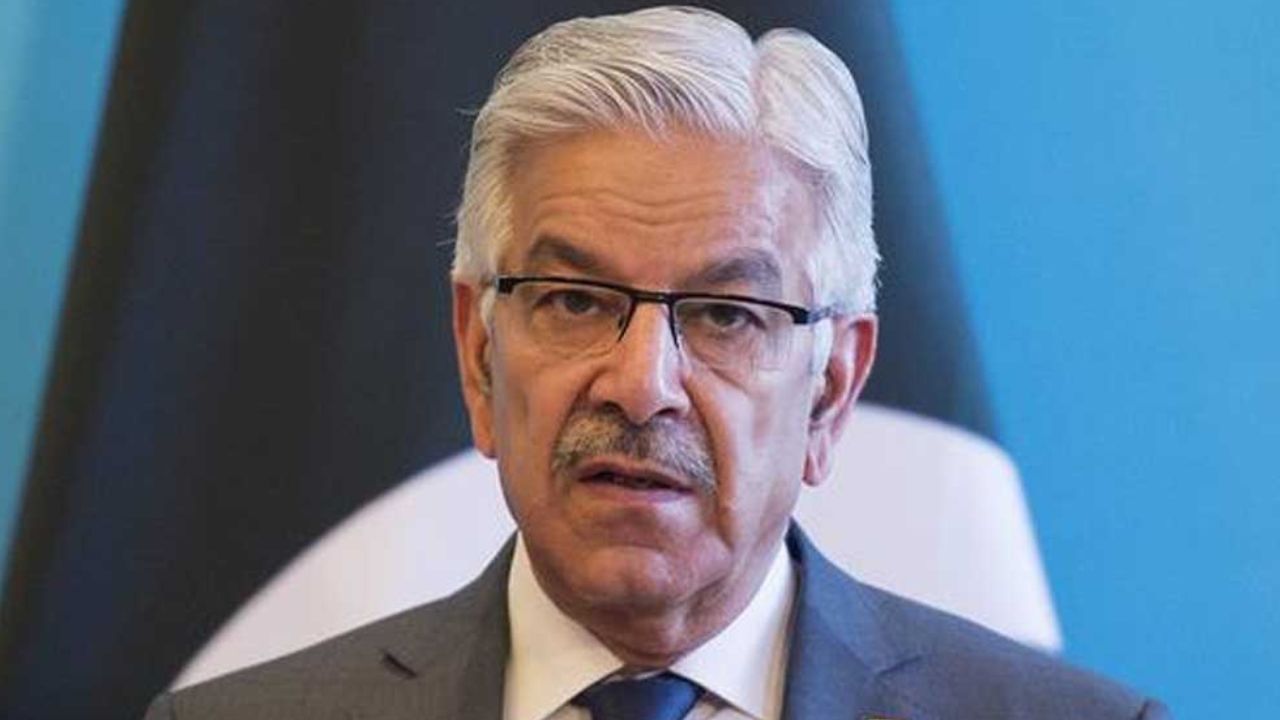
  • Simla Agreement no longer in effect, Khawaja Asif confirms

    Simla Agreement no longer in effect, Khawaja Asif confirms

    Defence Minister Khawaja Asif has confirmed that the Simla Agreement, signed in 1972 between Islamabad and New Delhi to bilaterally resolve disputes regarding Kashmir, no longer remains in effect.

    Speaking to a reporter on Thursday, the defence minister stated that the LOC should now be viewed as the Ceasefire Line again. “We have now returned to the 1948 position,” he added, referring to the UN-mediated cessation of hostilities in the first India-Pakistan war.

    Asif explained that the Agreement was a bilateral accord between the two countries, with no involvement of the World Bank or any third party. 

    The Simla Agreement was signed in 1972 between the two countries in the aftermath of the 1971 war by former Pakistani premier Zulfikar Ali Bhutto and Indian ex-premier Indira Gandhi. 

    The agreement, inter alia, stipulated that neither party would take any action unilaterally, that the disputes between the two countries would be resolved bilaterally, and that the ceasefire line would become the LoC.

    The defence minister said that due to India’s escalatory action Simla Agreement has lost its significance.

    Commenting on the Indus Water Treaty (IWT), which had been unilaterally suspended by New Delhi following the April 22 militant attacks in Indian Illegally Occupied Jammu and Kashmir (IIOKJ) in Pahalgam, Asif made it clear that no party can unilaterally withdraw from the Treaty. 

    “All actions related to the treaty must be mutual. India sometimes releases 6,000 cusecs of water, sometimes 25,000. India cannot arbitrarily control the flow of water,” he said.

    It should be mentioned here that Pakistan has declared that any attempts to divert or block its share of water will be considered “an act of war.”