Blog

  • Minerals bill: Aleema speaks out for brother Imran Khan amid rifts in PTI

    Minerals bill: Aleema speaks out for brother Imran Khan amid rifts in PTI

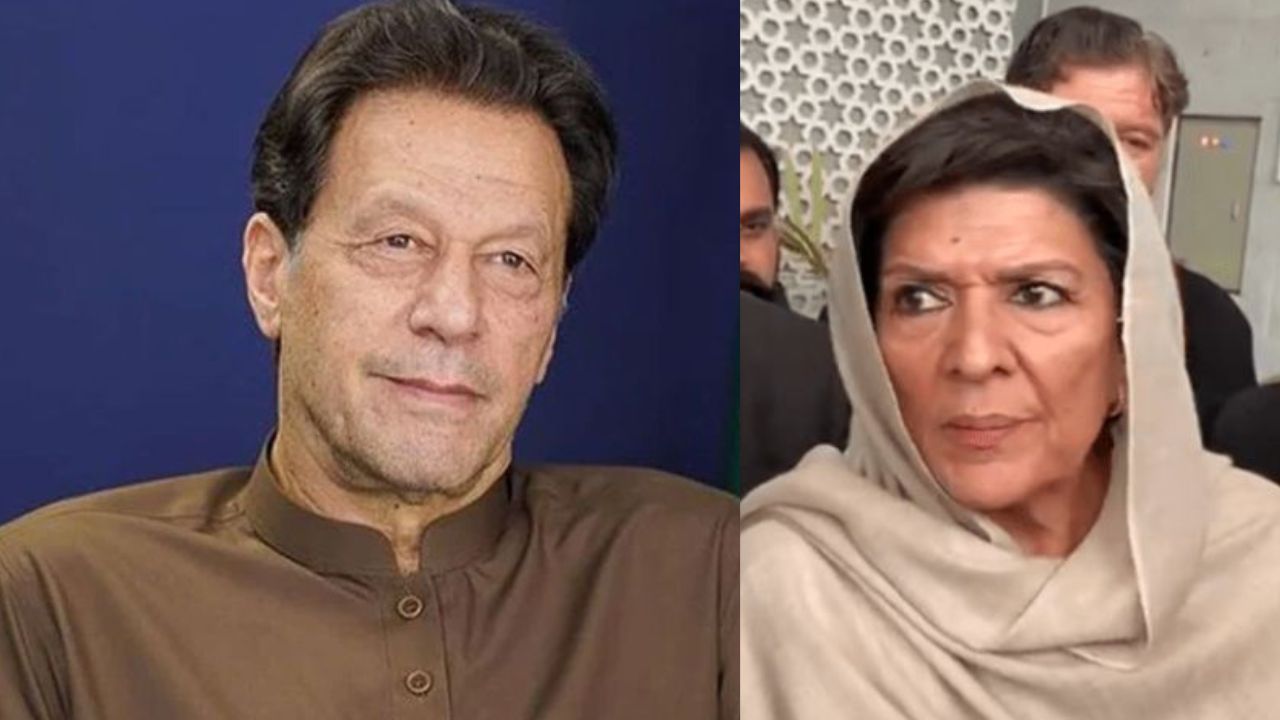
    Amid repeated reports of rifts within the Pakistan Tehreek-e-Insaf (PTI), Aleema Khan, the sister of Pakistan Tehreek-e-Insaf (PTI) founder Imran Khan, has broken silence on the division over the Mines and Minerals (Amendment) Act, urging that all critical decisions regarding Khyber Pakhtunkhwa (KP) should be put on hold till her brother was released.

    Political parties in KP, including the ruling PTI, have expressed their concerns over and protested to the Mines and Minerals (Amendment) Act, which they say against the interests of the people of KP.

    In a post on X (formerly Twitter), Aleema requested party members to show solidarity with Khan, stressing that her brother’s imprisonment should not be normalised.

    Maintaining that her brother had been “illegally” imprisoned for nearly two years now, Aleema said, “He [Khan] has been deprived of his two fundamental (and legal) demands: his books and weekly phone calls with his sons.”

    She further claimed that Khan’s access to his party members had been blocked for the past 5 months. “The lists for lawyers, party members and family are submitted to jail authorities as per orders of the chief justice of [the] Islamabad High Court and his three-member bench. The jail authorities seem to be under no obligation to comply with court orders.”

    Aleema also said that anyone who was not on the list Khan had approved should not go visit him at Adiala Jail.

    The post came days after a heated war of words reportedly took place between KP Chief Minister (CM) Ali Amin Gandapur and PTI Peshawar Region President Atif Khan in the PTI parliamentarians’ WhatsApp group over the minerals bill.

    Media reports claim that the disagreement began when Atif Khan advised PTI Member Provincial Assembly (MPAs) in the group to not vote in favour of the bill, declaring the bill “against the interests of the people of KP.”

    In response, Gandapur directly addressed Atif, asking, “Have you even read the bill? If you do not understand English, I will send you a copy in the Urdu version.”

    Earlier, CM Gandapur, in his video statement, also categorically dismissed the claims that the amendments in the bill were meant for surrendering the provincial authority to another entity.

    “The powers of the province cannot and will not be surrendered,” he said, adding that such claims were false, fabricated and “appeared to be driven by personal vendettas”.

    The KP CM further said that the proposed amendments were part of his government’s broader reform agenda aimed at enhancing transparency and efficiency in the minerals sector. “Vested interests are misrepresenting these reforms for their own benefit,” he added.


  • Earthquake jolts twin cities, parts of KP

    Earthquake jolts twin cities, parts of KP

    A strong earthquake on Saturday shook Rawalpindi, Islamabad and parts of Khyber Pakhtunkhwa (KP), spreading fear among people who fled their homes and offices reciting prayers.

    Initial reports indicate that the tremors were also experienced in Attock and Chakwal, where jolts were reported across the region and surrounding areas.

    In KP, tremors were felt in Peshawar, Mardan, Mohmand and Shabqadar. The tremors were particularly intense in high-rise buildings, prompting occupants to evacuate in panic.

    As of now, no casualties or property damage have been reported. However, authorities are closely monitoring the situation and assessing any potential impact.

    According to the National Seismic Monitoring Centre (NSMC), PMD Islamabad, the earthquake occurred at 12:31 pm, with a magnitude of 5.5 and a depth of 12 kilometres. The epicentre was located 60 kilometres northwest of Rawalpindi, at latitude 33.90 N and longitude 72.66 E.

    On March 27, a 5.2 magnitude earthquake also jolted Islamabad and parts of KP.

  • Fans can’t get over Atif’s reaction to Bilal Lashari, Ammara Hikmat’s ‘phadda’

    Fans can’t get over Atif’s reaction to Bilal Lashari, Ammara Hikmat’s ‘phadda’

    The launch of Velo Sound Station 3 in Lahore unexpectedly turned into a full-blown meme fest when a hilarious behind-the-scenes clip featuring Bilal Lashari, Ammara Hikmat, and Atif Aslam surfaced online.

    In the viral video, Bilal and Ammara are seen pretending to argue, drawing curious glances from everyone around, including none other than Atif Aslam. Seated with a water bottle in hand, Atif was so engrossed in their playful act that he absentmindedly kept pouring water into a glass… until it overflowed.

    Naturally, the internet wasted no time turning the moment into meme gold. “Did we just get a live sneak peek into one of Atif Aslam’s current meme moods?” one user joked. Fans couldn’t stop laughing at how deeply invested Atif looked while continuing to pour water like absolutely nothing else mattered.

    One fan commented, “Why do I feel like sasu maa mia biwi ka jhagda dekh rahi ho?” Another wrote, “ATIF STOP BEING SO CUTEEE ” while many admired how Atif’s elder brother, Shehzad Aslam, looked at him with visible pride.

    The unexpected clip not only revealed Atif’s lowkey hilarious side but also showcased the warm sibling bond, with Shehzad Bhai right by his side.

    Whether it was the overflowing glass or the overflowing love in the comments, one thing’s for sure: Atif Aslam has once again broken the internet, this time with just a glance and a bottle of water.

  • Pakistan’s Noor Zaman wins U-23 World Squash Championship

    Pakistan’s Noor Zaman wins U-23 World Squash Championship

    Pakistan’s Noor Zaman has won the Under-23 World Squash Championship, defeating Egypt’s Karim El-Turki in a thrilling five-game final held at DHA Creek Club in Karachi.

    Organised by the Pakistan Squash Federation and Sindh Squash Association, the championship final saw Noor come from two games down to secure a dramatic 3-2 victory, showcasing exceptional grit and determination.

    Speaking after the win, Noor Zaman said, “After trailing 2-0, my only focus was to stick to my game and fight till the end. I just wanted to prove all the hard work I had put in.” He added that he now feels “very calm and satisfied” with the result.

    Sindh Chief Minister Murad Ali Shah congratulated Noor on his remarkable victory, calling the match “extremely exciting and enjoyable to watch.” He praised Noor’s skill and composure, saying, “He played brilliantly and truly earned the win.”

    President Asif Ali Zardari lauded Noor’s performance, stating, “Noor Zaman played exceptionally well throughout the tournament, including the final. He has made the nation proud in the field of squash. I am hopeful and pray for his continued success in the future.”

    Prime Minister Shehbaz Sharif also congratulated Noor and the nation, saying, “Noor Zaman has illuminated Pakistan’s name across the world with his game. The entire nation is proud of him. I am confident that Pakistan will reclaim its lost glory in squash.”

    Interior Minister and PCB Chairman Mohsin Naqvi echoed the sentiments, saying, “Well done, Noor Zaman! The nation is proud of you. Your hard work has brought honour to Pakistan. This victory belongs to the entire country.”

    He added, “I also congratulate Noor Zaman’s coaches and parents. Talented youth like Noor Zaman are a precious asset for Pakistan.”

  • Sushmita Sen defends Fawad Khan’s Bollywood return

    Sushmita Sen defends Fawad Khan’s Bollywood return

    Renowned Bollywood actress Sushmita Sen turned heads with her stunning presence at a high-profile fashion event in Mumbai last night. Dressed in an elegant silk outfit, she effortlessly owned the red carpet, radiating grace and confidence.

    But it wasn’t just her style that caught the media’s attention — it was her powerful statement in support of actor Fawad Khan that left everyone talking. 

    While interacting with InstantBollywood at the event, Sushmita was asked by a reporter about the controversy around Abir Gulal and Pakistani heartthrob Fawad Khan’s comeback.


    The reporter asked, “Fawad Khan is making a comeback with Abir Gulal. Many people are saying that no one from Pakistan should be cast. What would you like to say?”


    Smiling, Sushmita responded, “I would just like to say that art has no border. An artist connects from heart to heart, not through borders.”


    Her comment quickly gained traction on social media, with fans and celebrities praising her bold yet thoughtful words. Many hailed her for standing up for artistic freedom at a time when opinions are often divided.

    Fawad Khan, who has a strong fan base across India and Pakistan, is making a much-anticipated return to Indian cinema. While many are thrilled, right-wing hardliners have expressed reservations — something Sushmita addressed with both style and strength.

    In an industry full of noise, Sushmita Sen continues to be a voice of reason — reminding everyone that talent knows no border.

  • England’s James Anderson awarded Knighthood

    England’s James Anderson awarded Knighthood

    Former England fast bowler James Anderson has been awarded knighthood in former Prime Minister Rishi Sunak’s Resignation Honours List.

    The 42-year-old cricketing legend retired from Test cricket in July 2024. With 704 wickets, Anderson is the most successful fast bowler in the history of Test cricket. Only two spinners, Muttiah Muralitharan (800) and Shane Warne (708), have taken more Test wickets than him.

    Chairman of the England and Wales Cricket Board, Richard Thompson, congratulated Anderson, saying, “Many congratulations to Sir Jimmy Anderson. This honour is thoroughly deserved for an English legend. His skill, dedication, and sportsmanship have inspired cricketers and fans across England and around the world.”

    The ECB also celebrated the recognition on social media, posting, “Sir Jimmy Anderson – it suits you well.”

    The Resignation Honours List is a British tradition in which outgoing Prime Ministers nominate individuals for various honours.

    James Anderson made his ODI debut against Australia in December 2002 and began his Test career in May 2003. Over his international career, he played 188 Test matches and 194 One Day Internationals, leaving a remarkable legacy in world cricket.

  • Colin Munro makes PSL history

    Colin Munro makes PSL history

    Islamabad United’s top-order batter Colin Munro created a new record in the opening match of Pakistan Super League (PSL) Season 10.

    On Friday, defending champions Islamabad United defeated Lahore Qalandars by eight wickets in the tournament’s inaugural match.

    Played at the Rawalpindi Stadium, Islamabad chased down Lahore’s target of 140 runs in the 18th over.

    Aggressive left-handed batter Colin Munro played a match-winning unbeaten knock of 59 runs off just 42 balls, playing a vital role in United’s comfortable victory.

    With this fifty, Munro broke the record of former Quetta Gladiators captain Rilee Rossouw to become the foreign player with the most fifties in PSL history.

    The half-century against Lahore was Munro’s 13th in the PSL, surpassing Rossouw’s record of 12 fifties.

    Other overseas players with notable 50-plus scores in PSL history include Luke Ronchi, Jason Roy, and Shane Watson.

    However, the record for the most 50-plus scores in overall PSL history is held by Peshawar Zalmi captain Babar Azam, who has scored 35 fifties so far.

  • ‘Not ashamed that I can’t speak English’: Rizwan responds to critics

    ‘Not ashamed that I can’t speak English’: Rizwan responds to critics

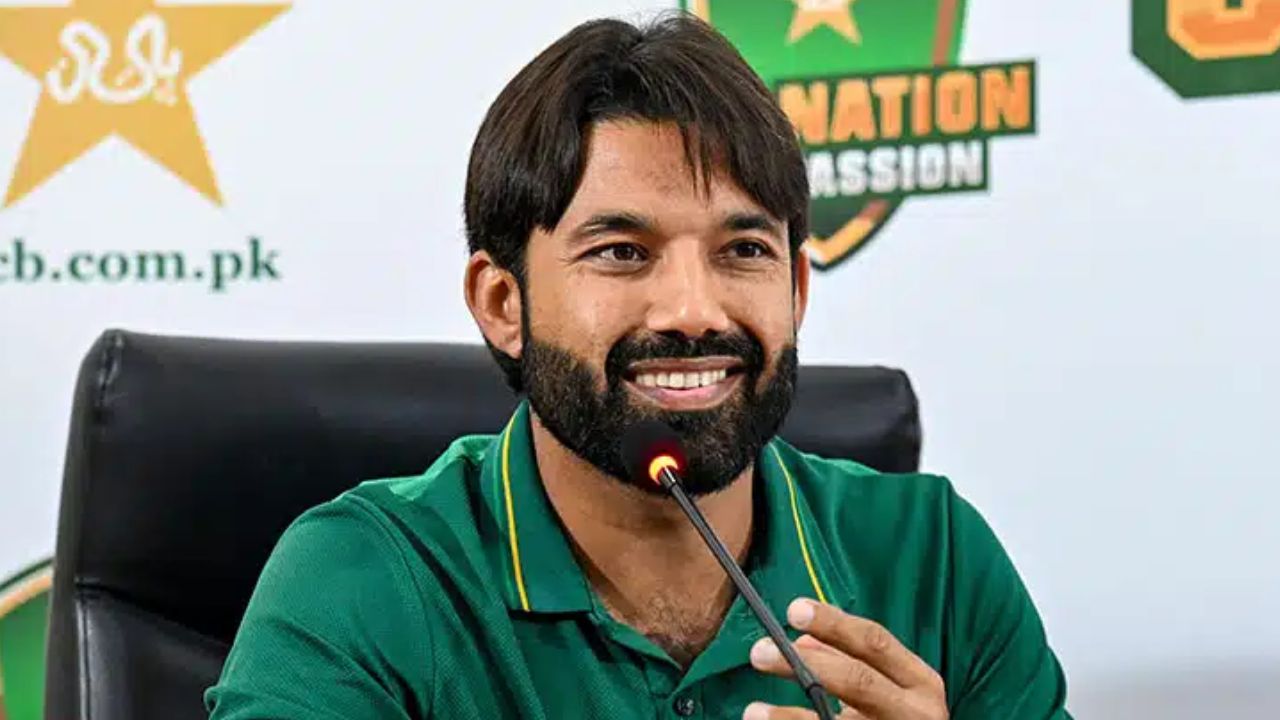
    Pakistan’s ODI team and Multan Sultans captain, Mohammad Rizwan, has said that he doesn’t know English and regrets not completing his education, but he is not ashamed of the fact that he cannot speak English despite being the captain of Pakistan.

    Speaking at a press conference in Karachi, Rizwan addressed several topics, including the Pakistan Super League. He stated, “I am proud that whatever I say, I say it from the heart.”

    He added, “I can’t speak English. I only regret that I couldn’t pursue higher education, but I am not ashamed that I’m Pakistan’s captain and I can’t speak English.”

    The Multan Sultans skipper emphasised that his primary job is to play cricket, not to speak English. “The demand from me is to play cricket, not to speak English.”

    He further said, “My Pakistan expects cricket from me, not English. If it needed English, I’d become a professor and come back after learning it.”

    Rizwan also commented on the perception of his language skills, saying, “Most of the time, I feel I can speak enough English to explain myself to a foreigner.” He added that he is able to communicate with an English-speaking person -perhaps even “confuse” them a bit – but emphasised, “He won’t have any issue with my English; only those who want to stay upset with me will have a problem.”

    The national team captain addressed critics, urging them to be constructive, saying, “Criticise the Pakistan team, but also help improve it. Tell us how to do better.”

    He continued, “It’s painful when someone only criticises without offering any solutions. Recently, in the Champions Trophy match, Wasim Akram gave some valuable advice. I wanted to talk more with him, but there wasn’t enough time.”

    “If someone criticises and teaches us something, it’s a good thing. But it hurts when people just criticise without explaining. Tomorrow, when we become seniors, if we only criticise, then juniors will also have every right to be upset with us,” he said.

    Answering a question, Rizwan said, “Even the most successful people in the world were called crazy at first. Later, everyone follows them. Those who can’t tolerate criticism can never achieve anything.”

    He also acknowledged the fans’ emotions and passion.

    “It’s fair for fans to be upset. It’s their right because they love us. The Pakistan Super League has given a lot to Pakistan, and now it’s time for everyone to enjoy this league,” Rizwan said.

  • Pakistan Unveils Groundbreaking Virtual Assets Policy: A New Era for Digital Finance

    Pakistan Unveils Groundbreaking Virtual Assets Policy: A New Era for Digital Finance

    In a significant development for Pakistan’s financial landscape, the country has rolled out its first-ever virtual assets policy aimed at regulating cryptocurrencies and virtual asset service providers (VASPs). This marks a bold move to bring the booming digital finance sector under official regulation while also addressing concerns related to money laundering and terrorism financing.

    The policy, announced by the Federal Investigation Agency (FIA), is not just a regulatory step—it’s a clear message that Pakistan is ready to embrace the future of finance.


    What Are Virtual Assets and Why Do They Matter?

    Virtual assets refer to digital representations of value that can be traded or transferred electronically. These include cryptocurrencies like Bitcoin, Ethereum, and other blockchain-based tokens. Virtual assets have become a global trend, with many investors and startups turning to them for fast, borderless transactions and investment opportunities.

    However, without regulation, these assets also pose risks like fraud, money laundering, and illegal funding. That’s where Pakistan’s new policy steps in—to make virtual assets safe and beneficial for everyone.


    The Key Highlights of Pakistan’s Virtual Assets Policy

    Here’s what makes this policy a big deal:


    1. Alignment with Global FATF Standards

    The policy follows Recommendation 15 of the Financial Action Task Force (FATF), which advises countries to regulate virtual assets and their service providers. Pakistan is now in line with international standards, which boosts its global credibility in the finance sector.


    2. Regulation of Exchanges and Wallets

    The framework includes rules for crypto exchanges, digital wallets, and other virtual service providers. This means businesses involved in handling virtual assets must follow licensing procedures and KYC norms and report suspicious transactions.


    3. Anti-Money Laundering (AML) and Counter Terrorism Financing (CTF) Focus

    Built under the AML/CTF authority, this framework is designed to block illegal activities like terror financing and money laundering that could misuse digital currencies.


    4. Support for Innovation and Growth

    While focusing on regulation, the policy also promotes innovation in blockchain technology and digital finance. It opens doors for startups, tech developers, and investors to safely explore virtual finance in Pakistan.


    5. Institutional Capacity Building

    The policy is not just about enforcement. It includes plans for training, infrastructure upgrades, and the creation of special units within law enforcement agencies to deal with digital finance issues effectively.


    Who Announced the Policy?

    The announcement came from FIA Director Sumera Azam, who called the move a “paradigm shift” in Pakistan’s approach to finance. She highlighted the need to balance innovation and security, making sure that as digital finance grows, the country remains protected from its risks.


    Formation of Pakistan Crypto Council

    Just before this policy was announced, the Pakistan Crypto Council was formed. This body aims to:

    • Develop legal frameworks

    • Attract foreign investment

    • Guiding crypto trading laws

    • Collaborate with international crypto experts.

    This is another step toward creating a regulated, investor-friendly crypto environment in Pakistan.


    What’s Next for the Policy?

    Currently, the policy is in the review stage, where stakeholders from tech, finance, and legal sectors are offering feedback. After revisions, it will be presented for legislative approval.

    Once approved, the implementation will begin in phases starting next year. This phased approach will allow time for businesses and institutions to adapt to the new laws and prepare for compliance.


    What Does This Mean for Users and Investors?

    This is good news for crypto users, developers, and investors in Pakistan. The policy will bring:

    • Legal clarity on how to operate crypto businesses

    • More secure transactions for users

    • Increased investor confidence due to reduced fraud risks

    • Opportunities to connect with global digital finance systems


    Challenges Ahead

    Even with this new framework, challenges remain:

    • Educating the public on virtual asset use

    • Preventing misuse by illegal actors

    • Maintaining tech updates to match evolving threats

    • Winning public trust

    But the groundwork is laid, and Pakistan is moving in the right direction.


    Why This Policy Matters for Pakistan’s Future

    As the global economy moves towards virtual finance, Pakistan has taken a vital step to not be left behind. This policy can:

    • Boost digital entrepreneurship

    • Create jobs in fintech.

    • Encourage youth-led innovation

    • Connect Pakistan to the global crypto economy.

    With a clear regulatory path, the country is ready to benefit from blockchain-based finance while keeping the nation safe from its risks.


    Final Thoughts

    Pakistan’s first virtual assets policy is a historic move that blends security, innovation, and regulation. It sends a clear message: the country is open to digital change but on its terms smart, safe, and secure.

    As this policy gets refined and implemented, Pakistan could emerge as a regional leader in regulated digital finance, providing a model for other nations to balance growth with governance in the virtual era.


    Read Also: SAVE Act 2025 Explained: What Just Passed and Why It Matters

  • SAVE Act 2025 Explained: What Just Passed and Why It Matters

    SAVE Act 2025 Explained: What Just Passed and Why It Matters

    The SAVE Act, short for Safeguard American Voter Eligibility Act, just passed the U.S. House of Representatives and is now moving to the Senate. The main goal of this new bill is to prevent noncitizens from voting in federal elections. But critics argue that it could end up affecting millions of eligible American voters, including married women, low-income citizens, and those who rely on mail-in voting.

    Let’s break down what the SAVE Act really is, what it changes, and how it could impact your right to vote in 2025 and beyond.


    What Is the SAVE Act?

    The SAVE Act is a bill introduced by Texas Republican Representative Chip Roy. It was first proposed in 2024 but failed in the Senate. After being reintroduced in 2025, it recently passed in the House with a 220-208 vote, including support from four Democrats.

    The bill aims to amend the National Voter Registration Act of 1993 (NVRA) by requiring strict, in-person proof of U.S. citizenship when registering to vote. This proof must be shown using specific types of documentation, such as:

    • A valid U.S. passport

    • A naturalization certificate

    • A REAL ID-compliant driver’s license or state ID showing citizenship

    • A military or tribal ID

    • A certified birth certificate (only if your name matches exactly)

    Important: Documents like marriage certificates, name change documents, or standard driver’s licenses that don’t prove citizenship will not be accepted.


    What Will Change If the SAVE Act Becomes Law?

    If the SAVE Act passes the Senate and is signed by President Donald Trump, it will create major changes to how Americans register to vote, especially through:


    1. In-Person Registration Requirement

    No more mail, online, or third-party registration. You’ll have to show up in person with acceptable proof of citizenship.


    2. Limited Accepted Documents

    If your name has changed due to marriage or divorce, and you don’t have updated documents proving citizenship under your new name, you might not be able to register.


    3. Elimination of Popular Registration Methods

    Under the SAVE Act, the following would be banned or severely limited:

    • Mail-in voter registration

    • Online voter registration

    • Voter registration drives

    • Automatic registration through DMV


    4. Legal Action Against Election Officials

    Election workers who allow voters to register without proper documentation could face lawsuits under the SAVE Act.


    Who Will Be Most Affected?

    While the bill is meant to block noncitizens from voting, many American citizens could be affected unintentionally. According to legal experts and voting rights groups like the Brennan Center for Justice, the bill could:


    Disenfranchise:

    • Married or divorced women whose legal names don’t match their birth certificates

    • People of color who may not have access to original citizenship documents

    • Low-income voters who may not afford the fees to replace or acquire documents

    • Elderly citizens who never needed passports or naturalization papers

    • Disabled individuals and rural residents who rely on mail-in or online registration


    What About Mail-In Voting?

    The SAVE Act could severely limit or even end mail-in registration, a method millions of Americans use, especially during COVID-era elections. It also affects:

    • Voters who move frequently

    • College students

    • Active-duty military and overseas citizens

    • People in states where mail-in voting is the norm


    Isn’t It Already Illegal for Noncitizens to Vote?

    Yes, it’s already illegal for noncitizens to vote in federal elections. Existing safeguards include:

    • Matching voter rolls to federal databases

    • Social Security number verification

    • ID requirements in many states

    Supporters of the SAVE Act say those measures are not enough and want to require physical, citizenship-confirming documents during registration. Critics argue this is a solution in search of a problem and could block legitimate voters from casting ballots.


    Why Is the SAVE Act Controversial?

    The main controversy lies in who it affects and how it changes voting.

    While its supporters argue it’s about election integrity, its opponents claim it:

    • Creates unnecessary barriers for legal citizens

    • Targets historically marginalized groups

    • Could reduce voter turnout in the 2026 and 2028 elections

    • Undermines registration accessibility, which has helped improve voter participation

    The bill’s broad language and strict documentation demands mean even small discrepancies, like a hyphenated name, could prevent someone from voting.


    What’s Next for the SAVE Act?

    • The bill now moves to the Senate for debate and a vote.

    • If it passes the Senate, it will go to President Trump for signature.

    • Once signed, it becomes law and would go into effect before the next federal election.


    Final Thoughts: Why You Should Care?

    The SAVE Act might sound like it’s only targeting noncitizens, but in reality, it could affect millions of eligible U.S. voters — especially women, minorities, and those using mail-in or automatic registration.

    It’s essential to stay informed and understand how laws like the SAVE Act can change the way we vote and who gets to participate.


    Read More: Madagascar Launches Major Conservation Drive with 11 New SOS Lemurs Projects