Blog

  • ‘Our dramas are poetic, not Bollywood copies’; Fatima Bhutto urges Pakistan to embrace its strengths

    ‘Our dramas are poetic, not Bollywood copies’; Fatima Bhutto urges Pakistan to embrace its strengths


    Renowned author and public figure Fatima Bhutto recently shared her thoughts on Pakistani television dramas and their place in global entertainment. In a new interview, she praised the unique identity of Pakistani content and urged creators to build on their strengths rather than trying to imitate others.


    “What Pakistan understood very clearly and very early was that we cannot do Bollywood the way Bollywood does it. That’s already happening elsewhere. Our direction was always different,” she said.

     
    Fatima highlighted that Pakistani dramas are known for being subtle and refined. “The language we use in our dramas is poetic,” she added. “That’s our real strength — and we need to support that more.”


    She believes that right now is a great time for television worldwide, especially with the rise of streaming platforms. “TV shows are easier to watch on phones and shorter formats work better for global audiences,” she said. “This is our time.”


    But she also pointed out the need for change. “We need more stories, and more freedom to tell them. We should ask difficult questions and talk about the issues we face as a society — and also, how we want to be seen by the world.”


    Her comments sparked mixed reactions online. Some fans strongly agreed, saying Pakistan should focus on its rich language and culture instead of copying Bollywood.


    One fan wrote, “Absolutely agree! We should work on our strengths rather than go for half-baked stuff.”

     Another added, “Pakistani culture is high culture. Even Bollywood doesn’t use Hindi properly — they rely on Urdu. Let’s not copy them.”


    Others reflected on how today’s dramas differ from the classics. “She’s complimenting the golden age of PTV in the 80s,” a viewer commented. “Today, most dramas feel like chaos. Some are good — but mostly, it’s chaos.”


    Some viewers pointed to recent successes as proof that Pakistani stories can shine on the big screen too — mentioning films like Joyland and Queen of My Dreams which have tackled social and political issues in bold new ways.


    At a time where global audiences are more open to diverse content, Fatima Bhutto’s message is clear: stay original, be bold, and tell stories that matter.

  • Allu Arjun’s Pushpa 2 Breaks Records: Why It’s a Global Phenomenon

    Allu Arjun’s Pushpa 2 Breaks Records: Why It’s a Global Phenomenon

    Pushpa 2: The Rule is no longer just a film, it’s a movement. Surpassing every expectation, it has emerged as one of the biggest cinematic milestones of the decade. Released with massive anticipation, it didn’t just dominate the Indian box office; it ignited global conversations, uniting film enthusiasts from different cultures under one banner: Allu Arjun. The buzz surrounding the film is relentless, fueled by the unstoppable momentum of a star whose appeal knows no boundaries.

    Allu Arjun: A Cinematic Icon

    A journey that began with the 2003 hit Gangotri has now evolved into a legacy shaping modern Indian cinema. Allu Arjun, known for his impeccable dance moves, expressive acting, and magnetic screen presence, steadily climbed the ladder of stardom through a string of successful projects. Films like Arya, Bunny, and Race Gurram didn’t just entertain, they carved out a loyal fanbase. Each of these Allu Arjun movies played a pivotal role in building a pan-Indian identity long before that term became a trend.

    At 42, Allu Arjun age-wise might be considered a veteran, but his on-screen energy rivals newcomers. His National Film Award for Pushpa: The Rise reaffirmed what fans already knew, he isn’t just a star; he’s an artist who delivers excellence with consistency.

    The accolades don’t stop there. From Filmfare Awards South to SIIMA trophies, recognition has followed him like a shadow. But what sets Allu Arjun apart is not just the hardware on his shelf, it’s the way he connects through each performance, giving life to stories that often transcend regional boundaries.


    Pushpa 2’s Global Impact

    Few films achieve what Pushpa 2: The Rule has managed in its opening weeks. Grossing over ₹1,800 crore globally, with ₹800 crore from Indian theaters alone, the numbers speak louder than headlines. But box office records are only the tip of the iceberg.

    The film has become a sensation across platforms. Trending on major OTT services and dominating social media reels, Pushpa 2 has seeped into pop culture in a way that few Indian films have done. The character of Pushpa Raj, with his swagger and resilience, has become a global symbol of rebellion and strength.

    International audiences, especially in countries like Pakistan, UAE, and the U.S., have embraced the film with surprising enthusiasm. Fan screenings, dubbed versions, and cross-cultural memes continue to flood platforms like Instagram and TikTok. It’s a testament to how storytelling, when done right, can transcend language and geography.

    For more on Allu Arjun’s global rise, see the detailed coverage here: Pushpa 2’s Allu Arjun granted bail in deadly stampede case. 


    The Role of Allu Arjun in Pushpa 2’s Success

    The character of Pushpa Raj is more than just a role, it’s a statement. And the actor behind it, Allu Arjun, molded that persona with an intensity that resonated worldwide. From method acting to undergoing physical transformations, he immersed himself completely into the role, giving audiences a performance both gritty and graceful.

    A topic of constant curiosity has been: how much does Allu Arjun charge for Pushpa 2? Reports estimate his fee to be over ₹125 crore, placing him among the highest-paid actors in Indian cinema. It’s not just a paycheck, it’s a validation of his unmatched drawing power.

    Such commitment, both artistic and financial, reflects a deep understanding of what modern cinema demands: authenticity, scale, and soul. And with Pushpa 2, all three were delivered in surplus.


    Behind the Scenes: Allu Arjun’s Personal Life

    Beyond the lights, cameras, and roaring applause lies a man grounded by family. Allu Arjun’s wife Sneha Reddy has often been credited for being a constant pillar of support in his life. Their story, often shared in glimpses on social media, paints a picture of partnership that thrives despite the chaos of fame.

    Their family life is a blend of tradition and modernity, where time is carved out for children amid packed shooting schedules. Balancing a career that demands global travel with a home rooted in Hyderabad, Allu Arjun exemplifies the modern Indian superstar, ambitious, yet rooted.

    Such balance reflects in his on-screen roles too. While Pushpa may be raw and aggressive, the man behind the role remains quietly resilient. Observers note that this duality, of fierce performer and calm family man, is precisely what deepens his appeal.


    Conclusion

    Allu Arjun has not just delivered a blockbuster; he has orchestrated a cultural event. With Pushpa 2, he’s proven that regional cinema can achieve global relevance when storytelling, performance, and production align flawlessly. It’s not merely about box office numbers anymore, it’s about influence, recognition, and legacy.

    As international interest in Indian cinema continues to grow, Allu Arjun remains at the forefront, bridging gaps and building new cinematic bridges. His journey from Arya to Pushpa is more than a filmography, it’s a blueprint for stardom in the 21st century.

    Explore more perspectives on Allu Arjun’s career evolution and future projects through our related insights here: Salman Khan out, Allu Arjun in; Atlee’s upcoming action film goes through casting upheaval.

  • PIA records profit after 21 years

    PIA records profit after 21 years

    After 21 long years of remaining locked in a financial nosedive, Pakistan International Airlines (PIA) has successfully posted its first profit. According to credible reports, PIA has logged an operational profit of Rs3.9 billion, with net profit remaining at a healthy Rs2.26 billion.

    The national carrier’s board of directors approved financial results for 2024, which showed the airline’s improving financial health. A spokesperson from PIA claimed that the airline enjoyed an operating margin of over 12 percent.

    According to the spokesperson, the national carrier’s financial performance is now in line with that of some of the best airlines in the world. PIA has been able to achieve this feat after making major changes to its business operations and structure.

    These changes allowed PIA to lift the suspension that had been placed on its flights to major destinations, such as Europe and the United States. This moratorium on PIA’s services came about as a direct consequence of a post-crash speech by then-Minister Ghulam Sarwar, who had claimed without any evidence that 40 percent of PIA’s pilots were flying with fraudulent licenses. Sarwar’s speech detrimentally impacted the airline’s credibility, and the airline lost its goodwill with customers, which it had earned over the years. 

    With PIA now regaining its reputation and working tirelessly to adhere to security regulations, it has regained the right to fly lucrative routes to Europe. Moreover, the airline continues to lease out its slots to airports to which it is barred from flying, such as London Heathrow airport. 

    In addition to boosting revenues, the airline has focused on cutting costs, as reports indicate that annual expenditures fell considerably during 2024. PIA was able to slash its manpower while suspending flight operations to non-profitable routes.  

    Lawmakers have taken to social media to celebrate improvement in PIA’s financial health. Defence Minister Khawaja Asif posted on X (formerly Twitter) and outlined how the profit would boost the chances of the airline getting privatised.

    However, many question if it would be a good idea to privatise the national carrier right as it’s beginning to take off again. Reputable institutions have highlighted how the airline would previously witness frequent flight cancellations and plane seizures at airports.

    The airline’s poor financial health was responsible for the aforementioned incidents. As per reports, PIA was teetering on the edge of default and would run annual deficits, prompting Islamabad to consider privatising the state-owned enterprise.

    Previous privatisation attempts ended in failure as the government unsuccessfully attracted a bid that was far below the minimum price of $306 million for part of the airline.

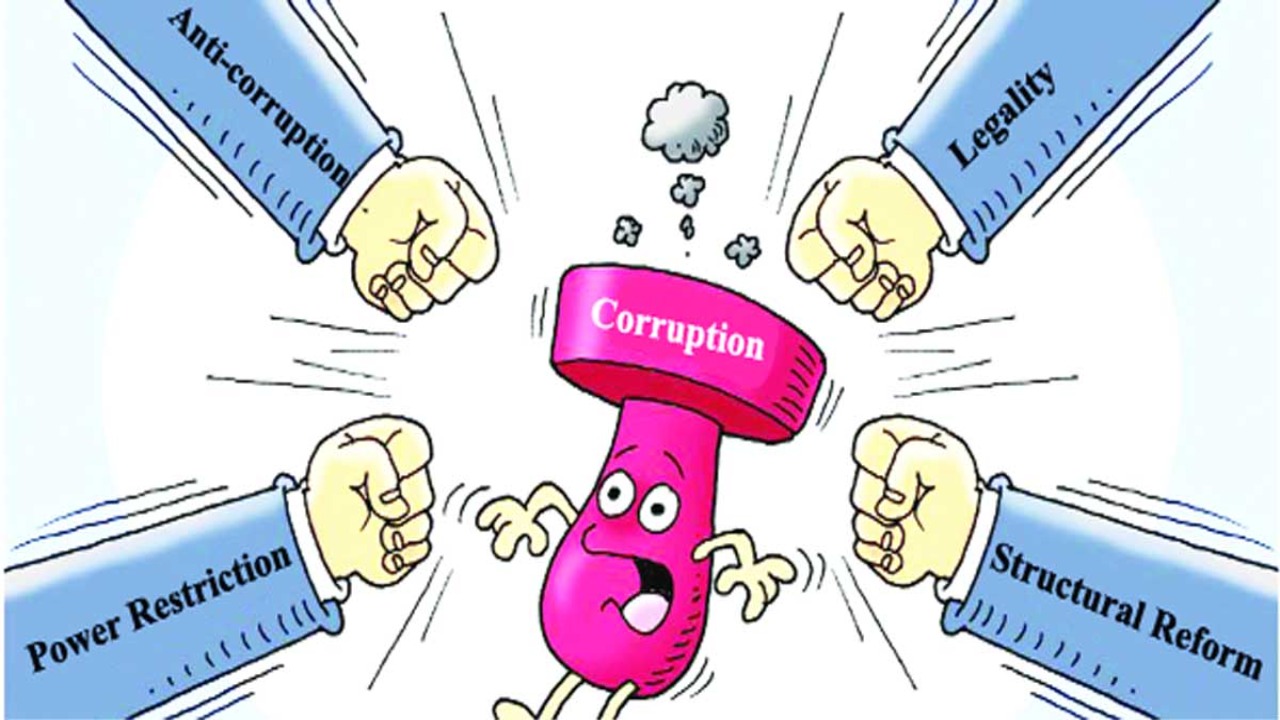
  • Corruption Exposed: Shocking Revelations Rock World Governments

    Corruption Exposed: Shocking Revelations Rock World Governments

    Every few years, a scandal emerges that jolts the foundations of trust between people and power. Lately, however, it hasn’t been just one. From Eastern Europe to Southeast Asia, revelations of corruption are erupting across continents, unraveling empires built behind closed doors. Whether through covert financial manipulations or blatant misuse of power, these scandals are pulling the curtain back on government operations worldwide.

    The scale is staggering. Investigations are exposing intricate networks of deceit, implicating leaders once considered untouchable. As more records become public, protests gain momentum, and once-stable administrations find themselves navigating storms of outrage and accountability.


    What is Corruption and Why Does it Matter?

    The term may sound like just another political buzzword, but what is corruption, really? It’s not limited to the stereotypical image of a shady official slipping envelopes under the table. Corruption is any abuse of power for private gain—be it financial, political, or social.

    It shows up in many forms: embezzlement of public funds, manipulation of procurement processes, election rigging, and even the favoring of allies in policy decisions. The danger lies in its subtlety. It slowly erodes systems from within, weakening institutions, distorting justice, and widening the gap between leaders and the people they’re supposed to serve.

    And the costs? Monumental. Lost public funds, failed infrastructure, skewed healthcare delivery, and education systems that crumble under mismanagement—these are just a few examples. When corruption is embedded in the fabric of governance, everyday lives suffer silently while a few grow unjustly wealthy.


    Corruption in Government: Case Studies

    Consider Istanbul, where recent probes into the administration have shaken Turkish politics. The mayor, once seen as a potential challenger to national leadership, now faces charges that critics claim are politically motivated. Similarly, France witnessed a judicial earthquake when Marine Le Pen and over 20 others were convicted for embezzling EU funds, misdirecting resources to partisan uses.

    In China, a leaked U.S. intelligence report has spotlighted elite wealth concealed by top officials. While President Xi Jinping publicly champions an anti-corruption crusade, whispers of unchecked wealth among his inner circle paint a stark contrast.

    These aren’t isolated cases. They represent a pattern—leaders accused of siphoning public trust for personal agendas. When exposed, the fallout doesn’t stop at legal action; it damages civic morale and raises critical questions about governance models once held in high regard.


    Understanding the Corruption Perceptions Index

    To better grasp the scale of these issues, organizations like Transparency International have created tools to measure public sector corruption. One of the most recognized is the Corruption Perceptions Index.

    This index ranks countries based on expert assessments and opinion surveys. A high score means a cleaner government; a low one indicates widespread corrupt practices. Over the past few years, nations like Denmark, Finland, and New Zealand have consistently topped the rankings for their transparency and integrity.

    Meanwhile, countries plagued by weak rule of law, ongoing conflict, or authoritarian rule tend to languish at the bottom. The Corruption Perceptions Index does more than provide a snapshot—it acts as a global accountability mirror, reflecting the effectiveness (or failure) of each country’s governance systems.


    Causes of Corruption: A Multifaceted Issue

    Peeling back the layers reveals that the causes of corruption are rarely simple. Often, it’s a toxic mix of inadequate oversight, blurred separation of powers, and entrenched socio-political hierarchies.

    In some regions, bribery is normalized as part of everyday transactions, from securing school admissions to accessing basic utilities. Elsewhere, corruption is institutional, baked into the very design of systems that prioritize loyalty over merit and secrecy over transparency.

    But beyond governance flaws, socio-economic instability also fuels it. When wages are low and opportunity scarce, the temptation to misuse authority can be overwhelming. Combined with lax enforcement of anti-corruption laws and poor media freedom, a perfect breeding ground emerges.


    Corruption Index by Country: Key Insights

    Looking at the corruption index by country reveals trends that speak volumes. Sub-Saharan Africa, parts of the Middle East, and certain Latin American countries consistently rank low. These regions face challenges including autocratic regimes, weak judicial systems, and limited civic engagement.

    On the other end, Scandinavian nations often showcase successful models of clean governance—built through transparent public systems, strong civic institutions, and independent media.

    Interestingly, some middle-income countries show sharp fluctuations. In places like India, Brazil, or South Africa, public awareness and digital transparency have improved rankings, but political interference still threatens reform longevity.

    Explore how corruption in Pakistan is being tackled through international cooperation and diagnostics, check our guide on IMF launches second diagnostic mission to address corruption in Pakistan


    Shining a Light on Global Anti-Corruption Efforts

    Despite grim headlines, not all is bleak. Around the world, waves of reform and resistance are turning the tide. In countries like Georgia and Estonia, technological innovation—such as e-governance—has reduced bureaucratic opacity. In Latin America, mass protests have ousted corrupt regimes, triggering long-awaited judicial reforms.

    International bodies, including the United Nations and the World Bank, are pushing for stricter compliance standards and encouraging whistleblower protections. Meanwhile, investigative journalism and civil society organizations continue to unearth scandals and demand justice, refusing to let the truth be buried.

    Some governments are also beginning to take accountability seriously. New laws, stronger watchdog institutions, and digital transparency tools are being introduced—small steps, perhaps, but ones that hold immense potential.


    Conclusion

    Corruption isn’t just a news headline—it’s a persistent threat that undermines democratic values and sabotages development. When unchecked, it festers, cloaking injustice in bureaucracy and enabling the powerful to evade responsibility.

    As scandals continue to surface and the Corruption Perceptions Index evolves, the global community faces a choice: tolerate silence or demand reform. For those willing to look deeper into how systems can be rebuilt, the blueprint already exists—in data, in laws, in the courage of those who speak out.

    Explore more stories on how transparency is reshaping governance worldwide—and why the fight against corruption is far from over.


  • Why Iran’s Nuclear Program Is a Global Focus Right Now?

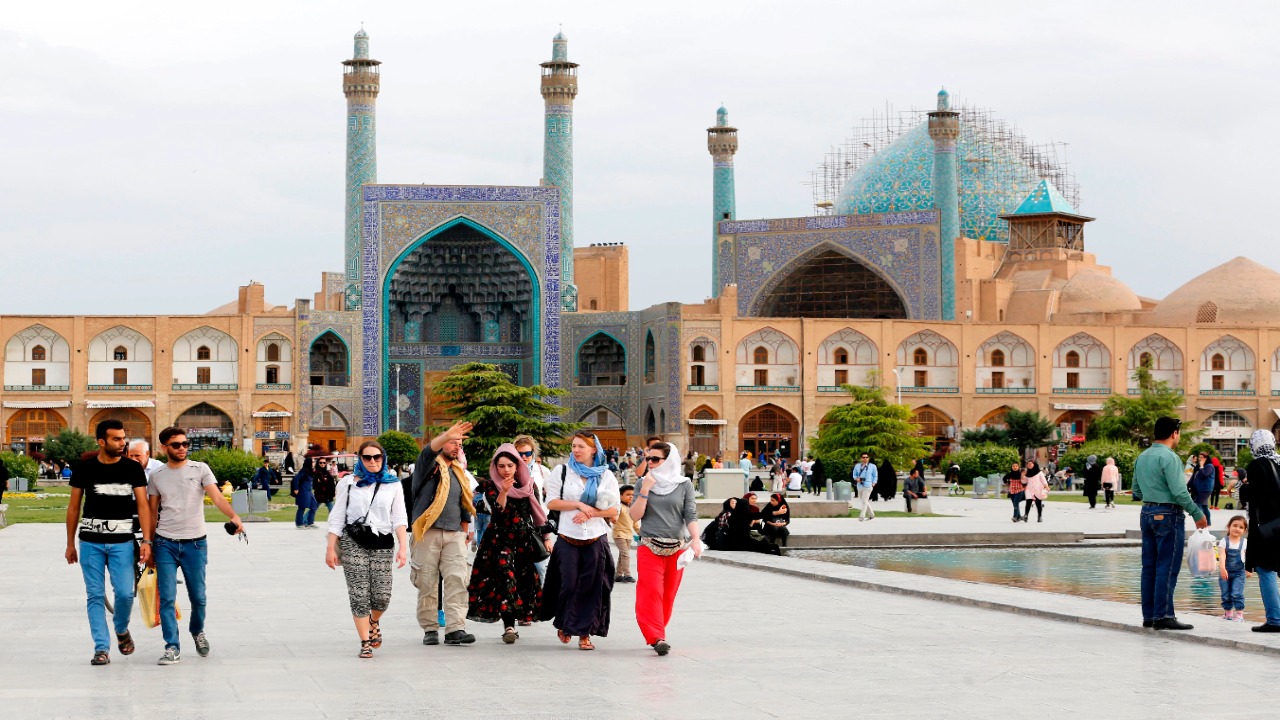
    Why Iran’s Nuclear Program Is a Global Focus Right Now?

    Global headlines continue to spotlight Iran — not for sports or cultural triumphs, but for its advancing nuclear program that has stirred anxiety and urgency in diplomatic circles. The gravity of the issue isn’t confined to regional politics; it stretches across continents, pulling world powers into a high-stakes balancing act. The concern is not just what Iran is building, but why, and how the ripple effects could alter global stability.

    Nuclear ambitions, direct negotiations, regional rivalries, and global diplomacy are all pieces of the puzzle. Understanding the strategic depth behind this focus begins with tracing Iran’s goals, recent talks, and the complex web of geopolitical implications that follow.


    Understanding Iran’s Nuclear Goals

    When looking at Iran’s nuclear ambitions on the surface, it’s easy to assume the worst — a pursuit of weapons. However, Iran has consistently emphasized its intention to develop nuclear technology for peaceful purposes, such as energy production and medical research. Whether that claim is universally accepted remains a different matter.

    The strategic significance lies in energy independence and regional power assertion. On the Iran map, key nuclear facilities like Natanz and Fordo highlight how infrastructure has evolved even under sanctions and surveillance. These installations are not just technical projects — they represent sovereignty and resistance in the eyes of Iranian leadership.

    In recent Iran news, the country has continued to enrich uranium at levels far beyond what’s allowed under previous international agreements. This has kept global attention firmly locked, as such activity edges closer to weapons-grade thresholds.


    Direct Talks with Iran: The Role of International Diplomacy

    Diplomatic channels have been buzzing with activity. Talks with Iran are no longer theoretical or behind closed doors. Multiple global powers — including the U.S., European nations, China, and Russia — have been engaging directly or through intermediaries to reach a consensus on limiting Iran’s nuclear activities.

    Recent Iran direct talks marked a pivotal moment. Statements from the U.S. suggested a willingness to initiate direct dialogue, while Iranian officials emphasized indirect communication through regional mediators like Oman. Despite semantic disagreements, the existence of any dialogue is significant.

    The stakes are clear: preventing nuclear proliferation while avoiding military confrontation. These talks are driven by more than just security; they reflect deep-rooted mistrust, historical grievances, and power dynamics that go far beyond centrifuges and uranium.


    Rising Tensions: Iran vs. Israel and Regional Stability

    Nowhere are the consequences of Iran’s nuclear program more volatile than in its relationship with Israel. The mere possibility of a nuclear-armed Iran has long been a red line for Tel Aviv. Military drills, intelligence exchanges, and international lobbying from Israel all point to growing concern.

    Headlines like “Iran attack Israel” trend periodically, often spurred by rhetoric or covert operations that flare tensions. While no official military confrontation has occurred on a large scale, cyberattacks, sabotage missions, and proxy conflicts have intensified.

    The Iran Israel dynamic is central to understanding why the world watches Iran’s nuclear advancements so closely. It’s not just about two countries; it’s about a chain reaction that could involve Saudi Arabia, the UAE, and even NATO-aligned forces. The nuclear question is a match near a powder keg, with regional stability hanging by a thread.


    How the World is Reacting to Iran’s Nuclear Program

    The international community hasn’t been passive. Sanctions have long been the primary tool used to apply pressure, targeting Iran’s financial sector, oil exports, and military development. The effectiveness of these sanctions is often debated, but their impact on the Iranian economy is undeniable.

    Iran news continues to spotlight new rounds of sanctions, diplomatic meetings, and UN reports outlining violations or progress. The talks with Iran are not isolated efforts but part of a coordinated international strategy involving entities like the International Atomic Energy Agency (IAEA).

    Major powers are walking a tightrope — too much pressure could collapse negotiations, but too little could embolden Iran’s nuclear progression. Recent developments suggest a mixed approach: carrot and stick diplomacy, with both incentives and consequences on the table.

    For readers interested in Iran’s other global roles, including its recent football achievements, see this related article: Iran qualifies for 2026 FIFA World Cup.


    Conclusion

    Iran’s nuclear program has grown beyond a domestic initiative — it’s now a global flashpoint. With high-level Iran direct talks unfolding and regional friction peaking, the world remains on alert. The issue isn’t simply about enrichment levels or facility inspections. It’s about global trust, balance of power, and the future of nuclear diplomacy.

    As long as the Iran map remains dotted with expanding facilities and as long as “Iran attack Israel” headlines loom as real possibilities, this story will stay front and center. The pathway to peace is narrow and demands cooperation from all corners — not just to resolve the Iranian nuclear dilemma but to set a precedent for future global crises.

    For a deeper dive into Iran’s broader international profile, cultural contributions, and other ongoing developments, explore more articles covering diverse aspects of Iran in our global affairs section.

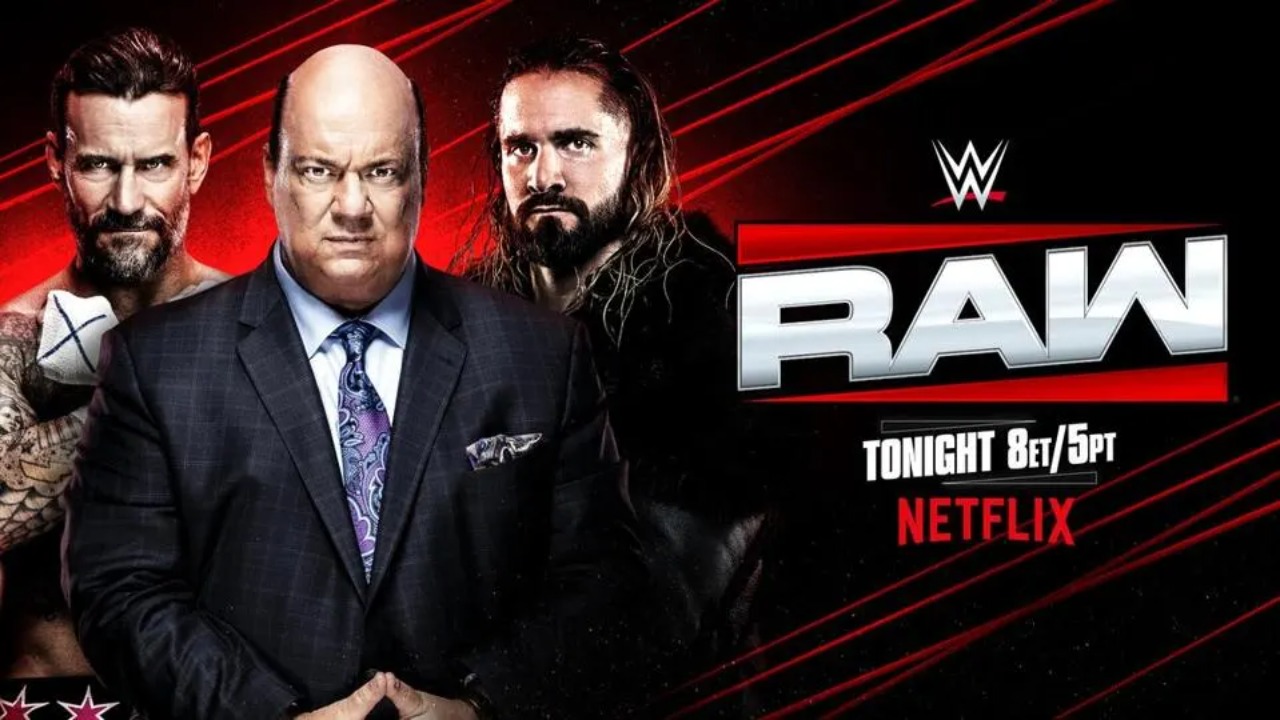
  • WWE Raw Shakes the World: Major Highlights and Surprises!

    WWE Raw Shakes the World: Major Highlights and Surprises!

    WWE Raw today stands as more than just a wrestling show—it’s a cultural phenomenon. Broadcasting weekly with a loyal fan base that spans generations, it consistently delivers edge-of-the-seat action, emotional storylines, and headline-making surprises. In recent weeks, the landscape of WWE Raw has shifted dramatically, drawing even more attention from longtime followers and curious newcomers alike.

    The weekly spectacle is not just about muscle and mayhem; it’s about storytelling that resonates. Packed arenas, roaring chants, and jaw-dropping moments have kept the brand alive for decades. And with its new transition to Netflix, WWE Raw is shaking the foundation of how wrestling content is consumed worldwide.


    What Makes WWE Raw Unique

    The format of WWE Raw blends high-octane athleticism with dramatic, serialized storytelling. This isn’t a mere wrestling match—it’s an episodic thriller where each match advances a deeper narrative. What sets it apart from other wrestling programs is its ability to seamlessly combine entertainment, suspense, and character evolution.

    The WWE Raw report from recent episodes highlights this hybrid approach. From explosive tag team rivalries to long-awaited championship showdowns, each segment is carefully designed to engage the audience on multiple levels. The unpredictability factor also plays a huge role. With surprise entrances, shocking betrayals, and spontaneous brawls, every Monday night brings fresh twists.

    Its cultural relevance cannot be overstated. WWE Raw has become a launchpad for mainstream stars, a trendsetter in entertainment, and a unifying platform for fans across diverse backgrounds. Whether it’s in the U.S., the UK, or Brazil, it remains a global staple of sports entertainment.


    Recent Highlights and Shocking Moments

    Recent episodes have thrown fans into a whirlwind of emotions. The unexpected return of CM Punk sent shockwaves across the WWE Universe. A steel cage match against Seth Rollins lit up the arena, reminding everyone why Raw continues to headline global conversations.

    Another highlight was the explosive women’s Intercontinental Championship clash between Lyra Valkyria and Bayley. The athletic display and the unexpected ending left audiences talking for days. These moments, as documented in the latest WWE Raw preview, showcase the creative highs the show has been reaching.

    Also making headlines was comedian Bert Kreischer stepping into the ring in a chaotic dark match with CM Punk, creating one of the most unforgettable non-traditional segments in Raw history. These elements not only surprise the viewers but also redefine what to expect from a weekly wrestling program.


    Fans React: How WWE Raw Is Changing the Game

    Fan engagement with WWE Raw is at an all-time high. Hashtags like #WWERaw and #RAWonNetflix trend weekly, signaling a digital audience that is as passionate as the live crowd. Ticket sales have surged, with WWE Raw tickets for upcoming events selling out faster than usual.

    Social media is buzzing with theories, reactions, and predictions after every episode. The emotional investment fans put into the characters and storylines reflects the program’s ability to connect on a personal level. From arena chants to viral TikToks, the WWE Raw experience transcends the ring.

    Online forums and platforms such as Reddit and Twitter feature extensive discussions after every show, mirroring the deep impact of each episode. The energy and anticipation felt in the arenas are mirrored in online communities, further boosting the demand for WWE Raw tickets worldwide.


    The Road Ahead for WWE Raw

    The future of WWE Raw promises more than just in-ring excellence. Upcoming storylines teased in the most recent WWE Raw preview suggest a collision between legends and rising stars, fueling anticipation like never before. New rivalries are brewing, titles are on the line, and alliances are shifting rapidly.

    One of the most anticipated developments includes the rumored showdown involving Roman Reigns and Cody Rhodes, hinting at long-term storytelling that keeps fans invested. With John Cena hinting at a retirement tour by year’s end, fans are already speculating about farewell appearances on Raw.

    Additionally, the global expansion of live events is leading to new market opportunities. International fans are flocking to get WWE Raw tickets, especially in markets like Australia and the UK, where the brand continues to grow.

    WWE’s Netflix debut also marks a new chapter. With more flexible viewing options, audiences can relive iconic matches, catch up on episodes, and follow the action on-demand, reshaping how wrestling fans engage with content.


    Conclusion

    WWE Raw isn’t just evolving—it’s revolutionizing the way wrestling is consumed and celebrated. With unforgettable moments, deep fan investment, and a storytelling model that keeps reinventing itself, the show remains a cornerstone of modern entertainment.

    Whether it’s the roaring arenas, the viral social media chatter, or the anticipation surrounding future episodes, WWE Raw today continues to shape the narrative of global wrestling culture. For anyone looking to experience the thrill firsthand, exploring upcoming shows and securing WWE Raw tickets offers a front-row seat to history in the making.

    For more on how WWE personalities shape the atmosphere of live shows, don’t miss this feature on the dynamic ring announcer Samantha Irvin.

  • Why ‘One Shining Moment’ Captures the Heart of March Madness

    Why ‘One Shining Moment’ Captures the Heart of March Madness

    Each year, as the NCAA basketball tournament reaches its dramatic conclusion, a familiar tune echoes across arenas and living rooms alike. “One Shining Moment” has become far more than a closing montage. It serves as a poetic farewell, a tribute to triumphs and heartbreaks, and a symbol of everything March Madness embodies. Rooted in tradition and powered by emotion, the song remains a cherished part of the college basketball experience.


    The Power of “One Shining Moment” Lyrics

    The lyrics of “One Shining Moment” carry an emotional weight that’s hard to replicate. With lines that speak of dreams realized and effort immortalized, the song captures the human side of competition. From the very first phrase—”The ball is tipped, and there you are”—there’s an immediate immersion into the world of student-athletes who’ve given everything for a fleeting shot at glory.

    The essence of March Madness lives within these words. It’s not just about victory; it’s about the journey. The “One Shining Moment lyrics” mirror the very spirit of the tournament, where underdogs rise, favorites fall, and last-second buzzer-beaters make history.

    More than a musical accompaniment, the lyrics serve as narration to the unforgettable moments—the blocked shots, the clutch threes, the tears of joy and heartbreak. It’s a universal message wrapped in melody, speaking to the blood, sweat, and tears poured into every possession.


    The Cultural Impact of the “One Shining Moment” Song

    Since its debut following the 1987 NCAA championship, the “One Shining Moment song” has carved a permanent space in American sports culture. Broadcast immediately after the championship game, the song is more than a closing act—it’s a celebration, a montage of the best moments stitched together with reverence.

    Its tradition rivals the Final Four itself. Coaches anticipate seeing their players featured. Fans wait for that montage just as eagerly as they watch the championship game. Over the years, different voices have performed the song—from Luther Vandross to Jennifer Hudson—but the emotional heart rate remains unchanged.

    It’s more than nostalgia. The “One Shining Moment song” embodies values like perseverance, teamwork, and resilience. Its cultural relevance continues to evolve, finding new life across social media platforms, fan-made compilations, and tributes. It becomes the lens through which basketball memories are cherished and shared.


    How “One Shining Moment” Connects to March Madness 2025

    As March Madness 2025 unfolded, the return of “One Shining Moment” marked not just the end of the tournament but the culmination of a month-long emotional rollercoaster. This year’s edition brought together some of the most compelling stories—last-minute victories, rising stars, and moments of pure grit.

    “One Shining Moment 2025” highlighted unforgettable sequences: a 14-seed taking a powerhouse to overtime, a walk-on hitting the game-winning shot, and a tearful farewell from a senior who had just played his final college game. All of these moments were layered into the annual tribute, reinforcing why the song is so intertwined with the essence of March Madness.

    What set “March Madness One Shining Moment 2025” apart was its blend of raw emotion and cinematic pacing. The video tribute captured the energy of the crowd, the reactions on the bench, and the drama that unfolded in real time, creating a full-circle moment that honored each team’s journey.

    For those who followed every bracket upset and every Cinderella story, this year’s rendition served as a memory capsule—a reminder of what made this tournament unforgettable.


    Why Fans Keep Coming Back to “One Shining Moment”

    What draws fans back every year isn’t just the game—it’s the heart that beats within it. “One Shining Moment” is the emotional bow that ties it all together. It doesn’t discriminate between winners and losers. Instead, it elevates both—those who cut down the nets and those who fell just short.

    There’s a collective anticipation that builds around the final seconds of the championship game—not just to crown a winner but to witness the montage that follows. Fans relive the defining plays, feel the tension of overtime thrillers, and share in the quiet tears of senior players walking off the court one last time.

    This emotional connection is what keeps the tradition alive. The song has become an annual ritual, its return as anticipated as the tournament itself. Each lyric, each frame, feels personal—even to those watching from thousands of miles away. It’s a celebration of effort, unity, and the unpredictable beauty of March basketball.

    The depth of this connection reflects the growing footprint of March Madness as a cultural event. More than a championship, it’s a platform for stories of redemption, heartbreak, and triumph—and “One Shining Moment” is the storyteller.

    For more on how defining moments impact careers in sports, consider exploring similar narratives in high-stakes competitions of Australian cricketing star. 


    Conclusion

    Every note of “One Shining Moment” carries the echo of dedication, of athletes who chased greatness and left everything on the court. As “One Shining Moment 2025” etched itself into memory, it reaffirmed the song’s power not just as a tradition but as an emotional centerpiece.

    Whether it’s a fan tuning in for the highlights or a player seeing their journey honored on screen, the impact remains the same. The song captures not just the highlights—but the humanity—of March Madness. That’s what makes it timeless.

    To dive deeper into the evolution of this iconic piece and how it continues to shape NCAA narratives, check out additional insights on “One Shining Moment” from other perspectives across the platform.

  • Ahmedabad’s Bold Vision for Hosting the 2036 Olympics

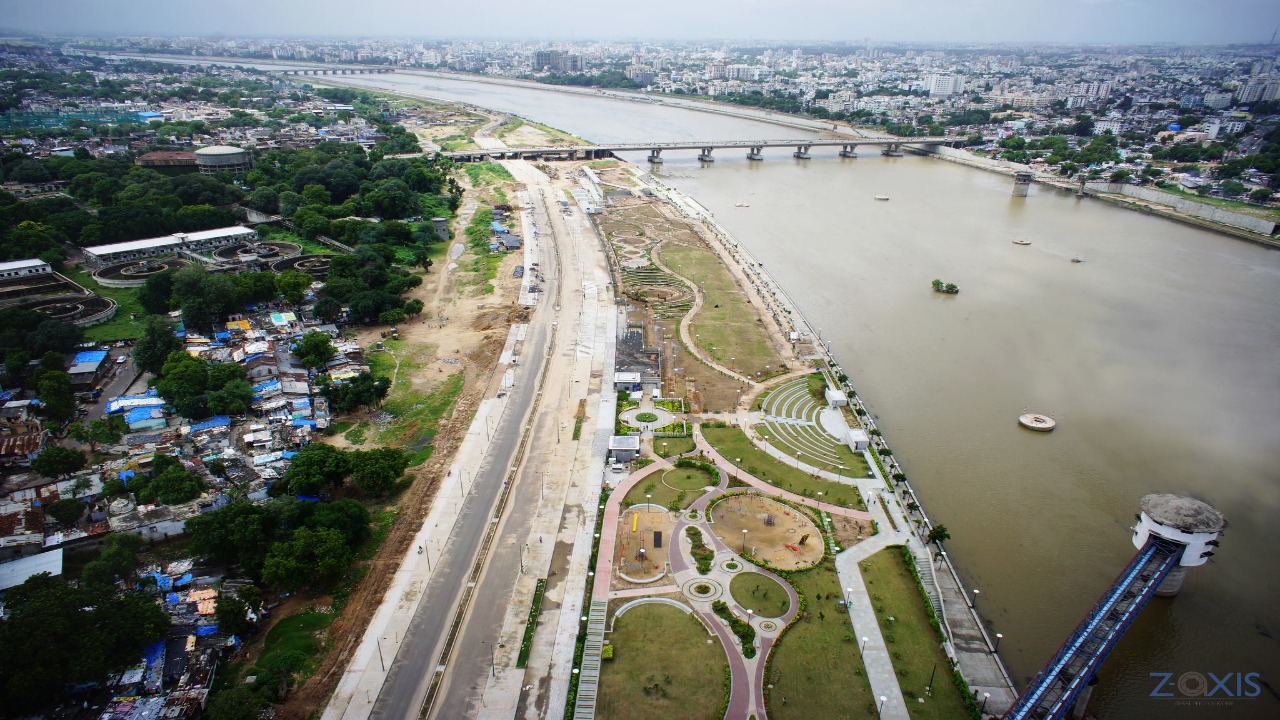
    Ahmedabad’s Bold Vision for Hosting the 2036 Olympics

    Ahmedabad, one of India’s fastest-growing urban hubs, has officially thrown its hat into the ring to host the 2036 Olympic Games. This bold ambition is more than a bid—it’s a vision to reshape the city’s global identity. From sports infrastructure upgrades to international connectivity, every corner of the city is being examined through the lens of world-class readiness. As India sets its sights on the Olympic spotlight, Ahmedabad finds itself at the center of a historic moment.

    The decision to make Ahmedabad the face of India’s Olympic dream speaks volumes about the city’s evolving potential. Already renowned for its rich history, architectural brilliance, and entrepreneurial spirit, Ahmedabad is now positioning itself as a future epicenter of global sports, culture, and innovation.


    Ahmedabad’s Vision and the 2036 Olympics

    The Gujarat government, alongside national sports authorities, envisions transforming Ahmedabad into a global-ready host city by 2036. This long-term strategy hinges on modernizing infrastructure, enhancing international appeal, and celebrating local identity on a world stage.

    One important consideration is the Ahmedabad weather, known for its dry, arid conditions in summer but pleasant winter months. Fortunately, the Olympic timeline typically aligns with the milder season, providing ideal weather conditions for athletes and tourists alike.

    Beyond infrastructure, there’s a strong push to root this transformation in local pride. The city’s identity—Ahmedabad in Gujarati culture—is central to the bid. Expect everything from signage to opening ceremonies to spotlight local language, traditions, and hospitality, giving the Olympics a uniquely regional yet globally appealing flavor.


    Current Infrastructure: What Needs to Change?

    While Ahmedabad boasts the massive Narendra Modi Stadium—the world’s largest cricket venue—the city still has miles to go in terms of Olympic-scale infrastructure. Currently, most sporting facilities cater to regional or national events, lacking the multifunctional and high-capacity features needed for the Olympics.

    Plans are already in motion to construct a state-of-the-art Olympic Village, complete with housing, training zones, medical facilities, and more. Major roads and transport networks are being reviewed for expansion, while sustainability is expected to be a cornerstone in all development efforts.

    Even educational institutions are getting involved. Universities and tech colleges in Ahmedabad are exploring ways to contribute through innovation, engineering, and volunteer programs. This is not just a civic project—it’s a generational one.


    Travel and Accessibility: Exploring Ahmedabad’s Connectivity

    A key concern for international visitors revolves around accessibility. So naturally, many ask, “How far is Ahmedabad from Delhi airport in India?” The answer is roughly 950 kilometers, translating to a 1.5-hour flight. Multiple daily connections link Indira Gandhi International Airport in Delhi with Sardar Vallabhbhai Patel International Airport in Ahmedabad, ensuring ease of travel for global and domestic attendees.

    Ahmedabad’s international airport is already a major gateway in western India and is expected to undergo significant modernization. Expanded terminals, better immigration handling, and integrated metro connections are in development. The proposed high-speed rail project between Mumbai and Ahmedabad will also enhance accessibility, reducing travel time between two economic powerhouses.

    Public transport within the city is evolving too. The Ahmedabad Metro is gradually expanding, with new lines expected to improve commute times and ease crowd pressure during the Olympic period.


    Why the World Should Care About Ahmedabad’s Olympic Bid

    Hosting the Olympics is more than just a 16-day event. For Ahmedabad, it’s a catalyst for decades of transformation. Global attention brings investment, innovation, and a shift in perception. The city, often associated with Mahatma Gandhi’s legacy and textile industries, is now crafting a new chapter—one that combines heritage with futuristic ambitions.

    Ahmedabad’s past as a UNESCO World Heritage city, its cultural richness, and its rapidly expanding infrastructure give it a unique edge. The bid doesn’t just elevate Ahmedabad—it brings India closer to becoming a consistent global host for premier events.

    This shift has broader implications too. Neighboring cities in Gujarat stand to benefit from tourism spillover, infrastructure development, and job creation. And for sports in India, this move signals a deeper investment in athletic excellence beyond cricket. For a deeper dive into India’s sporting culture and its global stage impact, explore this related piece on political figures and major sports moments.


    Conclusion

    Ahmedabad’s journey toward the 2036 Olympics is not just about one city or one event—it’s about showcasing a vision that blends tradition, ambition, and transformation. With favorable Ahmedabad weather, strong travel networks answering the question of how far is Ahmedabad from Delhi airport in India, and a strong cultural foundation rooted in Ahmedabad in Gujarati identity, the city is shaping up as a promising host.

    As this vision continues to unfold, the world watches a city rise—not just in brick and mortar, but in global significance. For those following India’s path to international prominence, Ahmedabad’s Olympic bid is a story worth tracking closely. Stay tuned as the dream inches closer to reality—and be ready to witness history in the making.

  • Why Palestine Is Trending Worldwide: Key Facts and Updates

    Why Palestine Is Trending Worldwide: Key Facts and Updates

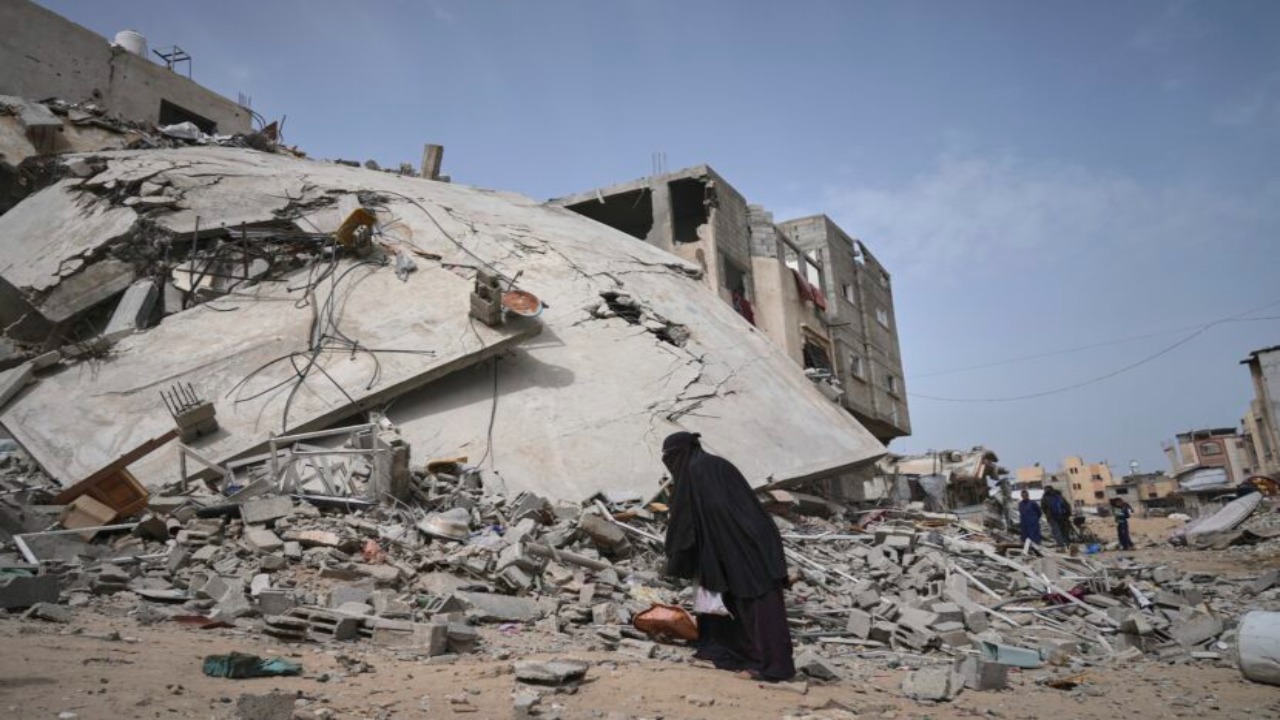
    In recent weeks, the word “Palestine” has surged in global conversations, dominating news cycles, social media, and international diplomatic discussions. What makes this term so powerful today? It’s not just the historical significance; it’s the present-day tensions, the protests, and the media coverage that have made Palestine a hot topic worldwide. From news headlines to social media movements, everyone seems to be talking about Palestine, and it’s clear why—this issue is not just political, but deeply personal for millions of people across the globe.

    What’s particularly interesting about Palestine’s rise in global discussions is the role media and social platforms have played. The internet has enabled protests, political statements, and human rights campaigns to cross borders. Every tweet, every news update, and every article contributes to the worldwide awareness of the Israel Palestine conflict and its ongoing impact.


    Israel-Palestine Conflict: The Roots of the Crisis

    To understand why Palestine is trending today, it’s essential to look at the deep-rooted Israel-Palestine conflict, which has been ongoing for over a century. The conflict traces back to the 1917 Balfour Declaration and the creation of Israel in 1948. From that point, disputes over land ownership and national identity have shaped tensions.

    A key question remains: Who owned the land first, Israel or Palestine? Palestinians assert that they’ve inhabited the region for centuries, while Israelis base their claims on historical and religious connections. This ongoing debate over land legitimacy has led to decades of unrest, affecting not just Israel and Palestine but the entire Middle East.

    The effects of this conflict continue to be felt globally, influencing everything from military actions to international policies. Whether through territorial disputes, human rights violations, or peace negotiations, the issue of Palestine remains at the forefront of international discussions.


    Palestine Flag: A Symbol of Resistance and Identity

    When people think of Palestine today, the Palestine flag often comes to mind. It’s not just a symbol of a region, but a banner of resistance, identity, and the ongoing fight for freedom. With its bold colors and design, the flag has transcended its national origins to become a global symbol of resistance against oppression.

    What began as a sign of Palestinian nationalism has grown into a powerful emblem for justice and self-determination. Whether waved at international protests or displayed in local rallies, the Palestine flag represents a shared struggle for rights and dignity.

    Today, the flag is more than just a piece of cloth. It embodies the resilience and determination of a people who continue to fight for their future. In this turbulent era, its significance is more profound than ever.


    Understanding the Palestine Map: The Battle for Territory

    To understand the significance of the Palestine issue, it’s essential to examine the Palestine map. Geographically, the conflict centers around a small yet highly contested piece of land. Originally, this area was a unified territory under British control, but the partitioning in the mid-20th century led to the creation of Israel and the displacement of Palestinians, resulting in the borders we see today.

    The boundaries of Palestine have been in constant flux, influenced by military actions and political agreements. Even in recent years, the situation remains volatile, with debates over land and territory continuing to fuel violence and diplomatic impasses.

    The Palestine map is not just a political tool; it’s a powerful symbol of what Palestinians have lost and continue to fight for. The region is divided, with key areas like the West Bank, Gaza, and East Jerusalem at the heart of disputes. Each of these territories holds significant meaning and presents its own set of challenges. Understanding the geography helps shed light on the complexity of the ongoing conflict.


    Why Is Israel Attacking Palestine? A Closer Examination

    The recent surge in global discussions about Palestine stems from escalating tensions between Israel and Palestinian groups. A key question arises: why is Israel attacking Palestine? This violence, rooted in decades of conflict, has flared up again with Israeli airstrikes on Gaza and military actions in the West Bank. Israel often justifies these actions as self-defense against groups like Hamas, while Palestinians see them as part of a long-standing history of occupation and displacement.

    The humanitarian situation is dire, with many innocent civilians on both sides caught in the violence. Human rights groups document growing casualties, and with ongoing political gridlock, a peaceful resolution seems distant. This cycle of violence has once again brought Palestine to the global stage, prompting international calls for an end to the conflict and a solution that upholds Palestinian rights.


    Global Reactions: How the World Is Responding to the Crisis

    In the wake of renewed violence, global reactions have varied. International organizations like the United Nations have called for ceasefires, while countries across the world have weighed in with political statements. Protests have erupted in major cities around the world, with people expressing solidarity with Palestine and demanding an end to Israeli military actions.

    Countries with significant Palestinian diaspora communities, such as Jordan, Lebanon, and Egypt, have been vocal in their support, while others like the United States and European nations have largely supported Israel’s right to defend itself, though some have also called for restraint. The media has played a key role in shaping global perceptions, with widespread coverage of the human cost of the conflict.


    Conclusion

    The issue of Palestine continues to captivate the world’s attention, and it’s clear that the Israel Palestine conflict is far from resolved. As long as the dispute over land, identity, and sovereignty persists, Palestine will remain a central topic in global discussions.

    From the symbolic power of the Palestine flag to the ongoing debates about borders and territory, the issue of Palestine is more than just a regional conflict—it’s a matter of global importance. As the world watches, there’s hope that a solution can be reached, one that brings peace, justice, and self-determination to the Palestinian people.

    For more on the global perspective of Palestine, explore this related article on the rejection of Columbia University admission in protest over pro-Palestine actions.

  • Dr Roland Victor’s Acquittal Sparks Global Debate on Medical Freedom

    Dr Roland Victor’s Acquittal Sparks Global Debate on Medical Freedom

    Dr. Roland Victor’s acquittal has sent ripples through the medical community and beyond, igniting a global debate on medical freedom. Known for his outspoken views on public health matters, particularly regarding the COVID-19 vaccines, Dr. Roland Victor found himself at the center of a storm when his statements led to legal charges. But recently, his case reached a turning point—an acquittal that has now sparked conversations worldwide about the limits of free speech for medical professionals.

    His case is not just a story about one doctor; it’s about a larger issue that impacts healthcare professionals everywhere. How much freedom should doctors have to voice their opinions, especially when it comes to controversial issues? This case isn’t only about Dr. Roland Victor but the future of medical discourse. Could it shape how healthcare workers navigate their roles in today’s polarized world? Let’s take a closer look.


    What Led to the Trial of Dr Roland Victor?

    Dr. Roland Victor’s trial stemmed from a 2021 video in which he voiced skepticism about the COVID-19 vaccine. His remarks, intended to foster open discussion, were perceived as dangerous, especially amidst the global push for vaccination. In response, Malaysian authorities charged him with spreading misinformation and undermining public health.

    The case quickly gained media attention, with supporters arguing he was exercising his right to free speech, while critics feared his statements could harm public health. The core issue revolves around whether doctors should be free to express opinions that contradict mainstream narratives or whether stricter regulations are necessary to safeguard public health.

    Dr. Roland Victor’s legal team defended his constitutional rights, and the court ultimately acquitted him, a decision that contributed to the ongoing global debate about medical freedom.


    Dr Roland Victor’s Legal Victory: A Win for Free Speech?

    Dr. Roland Victor’s acquittal raises crucial questions about balancing medical professionals’ right to free speech with the need to protect public health. The court’s ruling affirms that doctors can express controversial views, which is significant for others who fear speaking out.

    Legal experts suggest this case may set a precedent for future cases, allowing doctors to voice concerns without prosecution, potentially fostering a wider acceptance of diverse opinions. However, critics warn it could lead to misinformation, undermining public trust in healthcare.

    Despite these concerns, Dr. Roland Victor’s case provides a legal framework for medical professionals to balance personal beliefs and professional responsibility, emphasizing the importance of free expression while prioritizing public health.


    How Dr Roland Victor’s Case Has Triggered Global Conversations

    Dr. Roland Victor’s case has sparked global discussions, with healthcare workers, policymakers, and the public across the U.S., Europe, and Asia closely following the outcome. While some view his acquittal as a victory for free speech, others fear it could jeopardize public health.

    A key result of the case is the broader debate on medical freedom. Dr. Roland Victor’s stance challenges the expectation that healthcare professionals must align with government health policies, advocating for doctors’ right to question and discuss policies without facing legal repercussions. This aligns with the growing movement for more transparency in healthcare, especially concerning COVID-19.

    In countries like Canada and the UK, similar debates are emerging, with medical professionals calling for more autonomy in patient care. Dr. Roland Victor’s case serves as a beacon of hope for those hoping to voice concerns without fear of persecution.


    Legal, Ethical, and Public Health Perspectives on Medical Freedom

    The debate surrounding Dr. Roland Victor’s acquittal is multifaceted, touching on legal, ethical, and public health concerns. From a legal perspective, the case raises questions about the role of the government in regulating medical speech. While governments often enact laws to protect public health, such as mandatory vaccination policies, the case suggests that there should be room for dissent and debate within the medical community.

    Ethically, the case challenges the concept of professional responsibility. Should doctors be free to question public health measures, even if it means challenging mainstream policies? Some argue that open discussion is essential for the evolution of medical knowledge, while others contend that allowing such debates could undermine trust in health authorities and lead to confusion among the public.

    From a public health standpoint, the case underscores the delicate balance between safeguarding public health and protecting individual rights. It’s clear that medical professionals, including Dr. Roland Victor, have an important role to play in shaping public health policies. But it’s equally important to ensure that their opinions are based on evidence and not misinformation.


    Conclusion

    Dr. Roland Victor’s legal victory has ignited a global conversation about medical freedom, free speech, and the responsibilities of healthcare professionals. His case highlights the delicate balance that doctors must strike between personal opinions and professional duties, particularly when it comes to controversial public health issues.

    As the world continues to grapple with global health crises, it’s crucial that medical professionals are given the freedom to engage in open, honest discussions. At the same time, safeguards must be in place to ensure that these discussions are based on facts and are in the best interest of public health.

    Ultimately, Dr. Roland Victor’s case is a reminder of the ongoing struggle to maintain the integrity of both healthcare practices and the right to free speech. It sets a precedent for how medical professionals can approach the future of medicine, with a greater emphasis on transparency, dialogue, and, most importantly, patient safety.

    For more related updates & news, check our article on Pakistan, Malaysia eye stronger economic ties through investments.