Blog

  • 41 Indian proxy terrorists killed in Balochistan operations: ISPR

    41 Indian proxy terrorists killed in Balochistan operations: ISPR

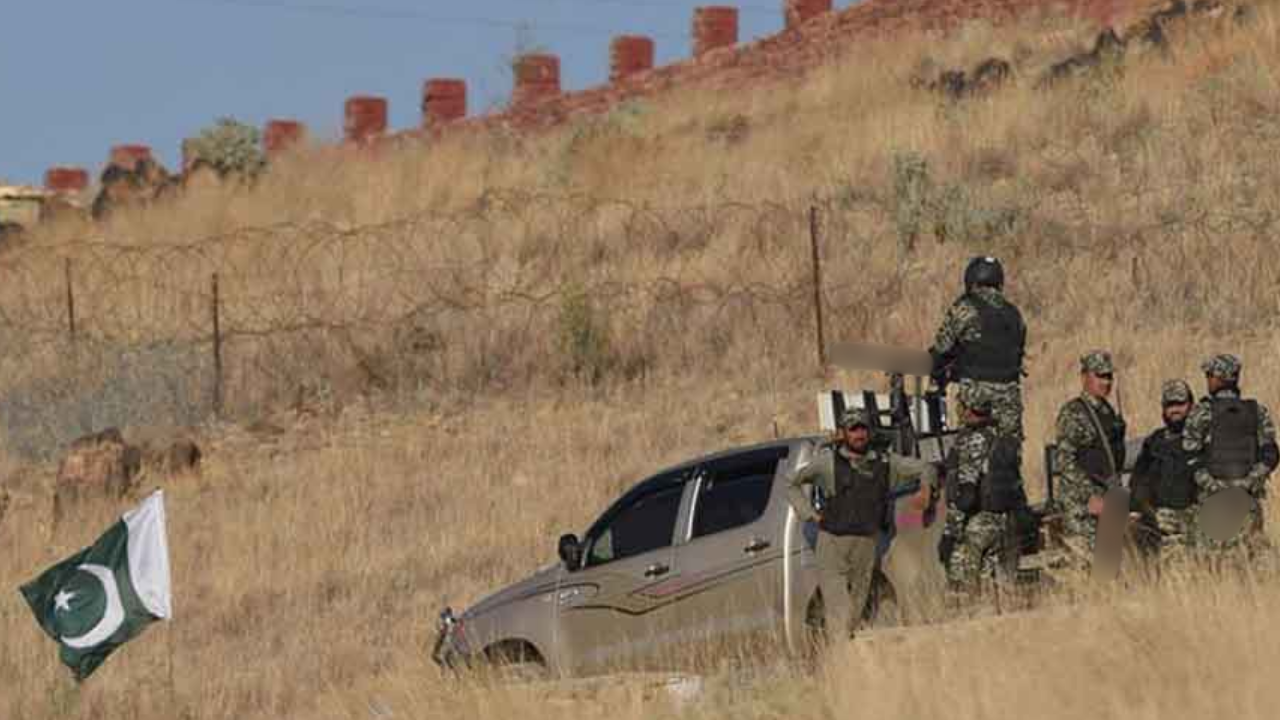
    Security forces killed 41 terrorists linked to Indian proxies in two intelligence-based operations (IBOs) in Balochistan on January 29, the Inter-Services Public Relations (ISPR) reported Friday.

    In a statement, the military’s media wing said the terrorists belonged to Fitna al-Khwarij and Fitna al-Hindustan, and were operating in different parts of the province.

    According to ISPR, one IBO was carried out in the outskirts of Harnai district following reports about the presence of militants affiliated with Fitna al-Khwarij, which led to a firefight.

    “During the conduct of operation, own troops effectively engaged the hideout, and after an intense fire exchange, thirty Indian sponsored militants were eliminated,” it said.

    ISPR added that a large cache of weapons, ammunition and explosives was recovered from the killed militants, and was destroyed at the site.

    In a separate operation, security forces carried out another IBO in Panjgur district. “Another IBO was conducted in Panjgur district in which, a terrorist hideout was busted and eleven Indian sponsored terrorists of Fitna al-Hindustan were neutralised,” ISPR said.

    It added that weapons and ammunition besides cash looted during a bank robbery in Panjgur on December 15, 2025, was recovered from the killed militants.

    ISPR said follow-up operations were underway in both areas to trace and eliminate any remaining militants. Referring to the broader counterterrorism effort, it added that operations would continue under the framework approved by the state.

  • ‘They’ve only done this so they can track her’: Bisan Owda’s TikTok account restored a day after ban

    ‘They’ve only done this so they can track her’: Bisan Owda’s TikTok account restored a day after ban

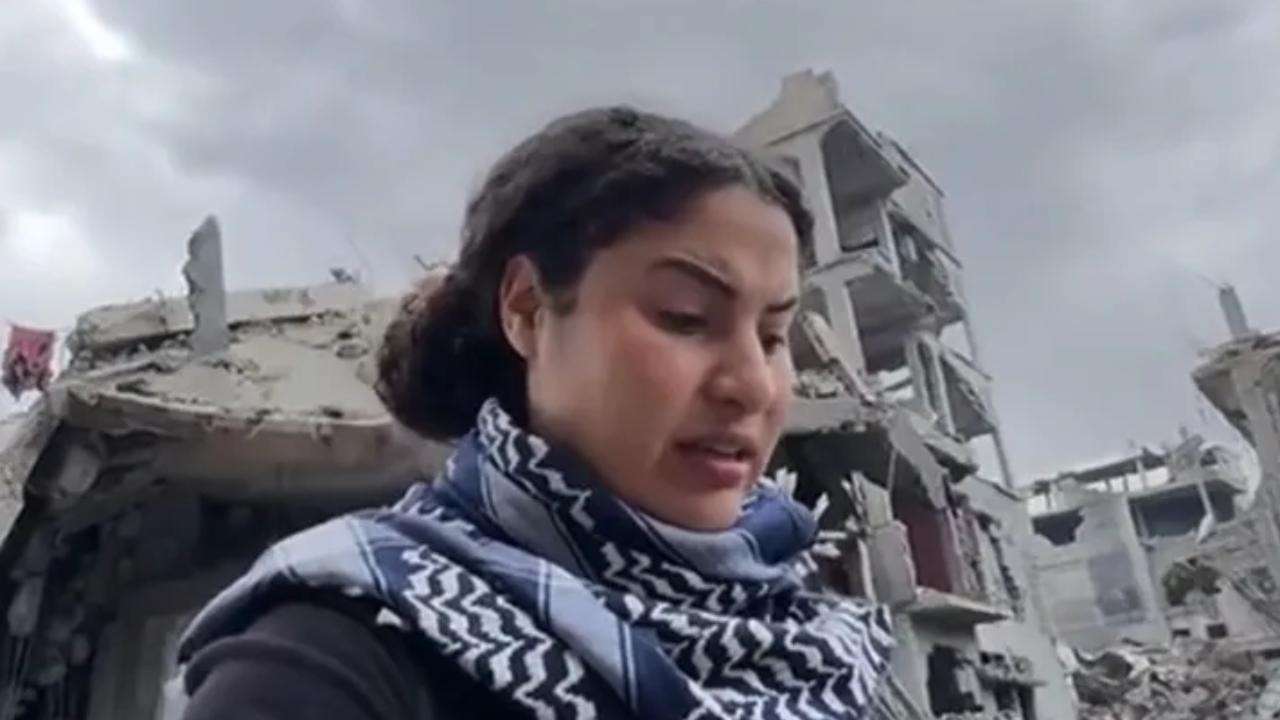
    Award-winning Palestinian journalist Bisan Owda has regained access to her TikTok account, one day after she reported being permanently banned from the platform. Owda, who has 1.4 million followers, said the sudden removal of her account came shortly after TikTok’s US operations were partially acquired by new investors, including Zionist billionaire Larry Ellison.

    Owda shared the news on her Instagram and X accounts, saying she believed international media attention and pressure from non-governmental organisations contributed to the reversal. She added that while her account is now accessible, visitors must type her full username to find it, and many of her videos are “ineligible for recommendation.”


    TikTok had initially deleted Owda’s account. “TikTok deleted my account. I had 1.4 million followers there, and I have been building that platform for four years,” Owda said in a video from Gaza. “I expected that it will be restricted, like every time, not banned forever.”

    The ban and subsequent unbanning prompted strong reactions online. One user wrote, “Displaced yet again, this time digital.” Another questioned, “Why anyone even uses TikTok is beyond me. It is now controlled and censored by Israel.” 

    Some linked the ban to broader political motives, with a comment stating, “It is clear now that one of the main reasons that the US gov wanted to control TikTok was to censor pro Palestine voices.”

    Other reactions directly referenced the involvement of Larry Ellison, who owns a partial stake in TikTok. “Larry Ellison banned her account!” one user wrote, while another said, “We all had more freedom under China and everyone knows it. Zionists are the most anti-free speech people on earth!”

    After the account was restored, users expressed skepticism about TikTok’s motives. “TikTok has backed down, saying the ban on Bisan Owda’s account was a ‘technical error.’ Funny how the ‘error’ fixed itself once people started calling it out,” one comment read. 

    Others warned about the platform’s safety for journalists in Gaza. “It is extremely unsafe for journalists in Gaza to be on a site owned by the number one IDF donor and creator of Oracle – the CIA’s primary databasing software. Cannot express more clearly how dangerous this is,” one reaction stated.

    Some users urged Owda to distance herself from the platform despite regaining access. “I personally hope she doesn’t return to it and gives them the finger! They’re freaking out not only because of the media attention but the droves of people leaving – we shouldn’t be helping them by using their platforms if we have a choice,” one comment read. 

    Another warned, “They’ve only done this so they can track her. She needs to understand this, dump TikTok.”

  • Gold prices in Pakistan witness historic drop

    Gold prices in Pakistan witness historic drop

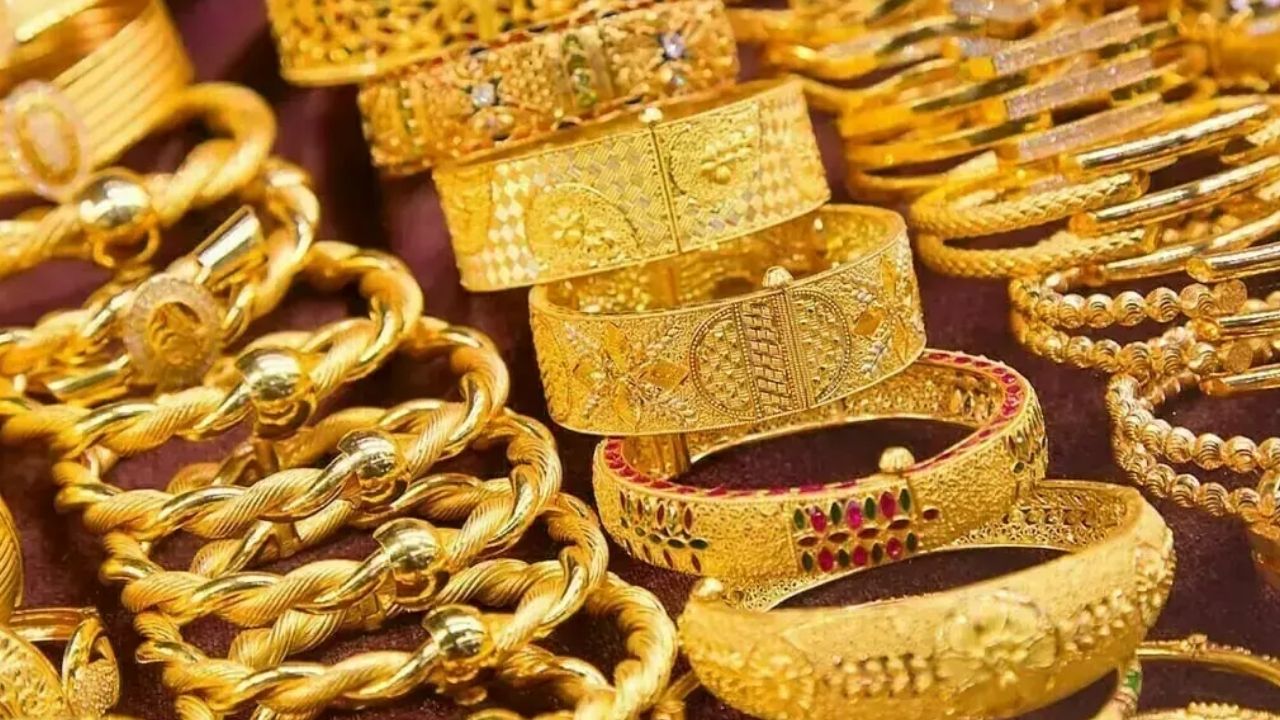
    Gold prices in Pakistan fell sharply on Friday, hitting Rs537,362 per tola with a record decline of Rs35,500, the All-Pakistan Gems and Jewellers Sarafa Association (APGJSA) reported.

    According to the APGJSA, 10-gram gold also recorded a drop worth Rs30,435, and was sold at Rs460,701.

    A day earlier, gold prices on Thursday reached Rs572,862 per tola with a hike of Rs21,200 during the day.

    Meanwhile the price of gold in the international market has also fallen by $355 to reach $5,150 per ounce, with a premium of $20.

    The drop in international gold prices came amid rumors that the US Federal Reserve could appoint a more hawkish chair.

    Spot gold lost 3.9% to $5,183.21 per ounce, while US gold futures for February delivery fell 2.7% to $5,176.40 per ounce.

    Gold has risen more than 20% so far in January despite Friday’s drop, heading for its sixth straight monthly gain – the largest since January 1980.

    Separately, silver prices have also dropped by Rs1,106 to reach Rs11,069 per tola.

  • Mughal heirloom on red carpet: Margot Robbie wears Nur Jahan’s diamond necklace to movie premiere

    Mughal heirloom on red carpet: Margot Robbie wears Nur Jahan’s diamond necklace to movie premiere

    Margot Robbie turned heads at the Los Angeles premiere of her upcoming film Wuthering Heights but it wasn’t her acting or gown that dominated conversation on social media. The spotlight fell on an opulent piece of jewellery with a centuries-old history: Mughal Empress Nur Jahan’s Taj Mahal Diamond necklace.


    The heart-shaped diamond, mounted in jade and suspended from a gold, ruby, and diamond chain, bears an inscription in Persian reading “Love is Everlasting”, alongside Nur Jahan’s name. 


    The jewel was originally gifted by Mughal Emperor Jehangir to his wife as a symbol of devotion and later passed down to Empress Mumtaz Mahal. 


    Over the centuries, the necklace changed hands multiple times. Cartier acquired the piece, redesigning it with a gold and ruby chain, rondelles, and tassels. In 1972, Cartier president Michael Thomas presented it to Elizabeth Taylor and Richard Burton as a birthday and Valentine’s Day gift, creating one of the most iconic jewels in Hollywood history.


    The necklace was sold as part of Taylor’s estate in December 2011 for $8.8 million, setting a record for Indian jewellery at the time.


    Now decades later, Robbie has worn the necklace under the glare of the red carpet, reviving Mughal history. 


    But the appearance has sparked a wave of criticism online, with social media users highlighting the necklace’s colonial and controversial provenance. “Give us our jewels back… Go make and display and museumify your own,” one netizen wrote, while another noted, “That means she was wearing a stolen neckpiece. xD” Others drew attention to Cartier’s role in the historical acquisition of such jewels: “Cartier – the thief? The symbol of colonialism and revisionism,” one commentator said.


    Many reactions focused on the broader implications of a white Hollywood actress wearing a piece tied to India’s royal heritage. One user asked, “Before people justify what this brand has done, ask yourself why they never ask other actors who are people of colour to wear these jewels? Why always white women? What message do they wanna send? That it belongs to white people?”

    As Wuthering Heights prepares for its February 13 release, the necklace has become an unexpected focal point, raising questions about history, ownership, and the ethics of luxury jewellery.

  • Real or fake? Hania Aamir’s cousin breaks silence on actress’ dimples

    Real or fake? Hania Aamir’s cousin breaks silence on actress’ dimples

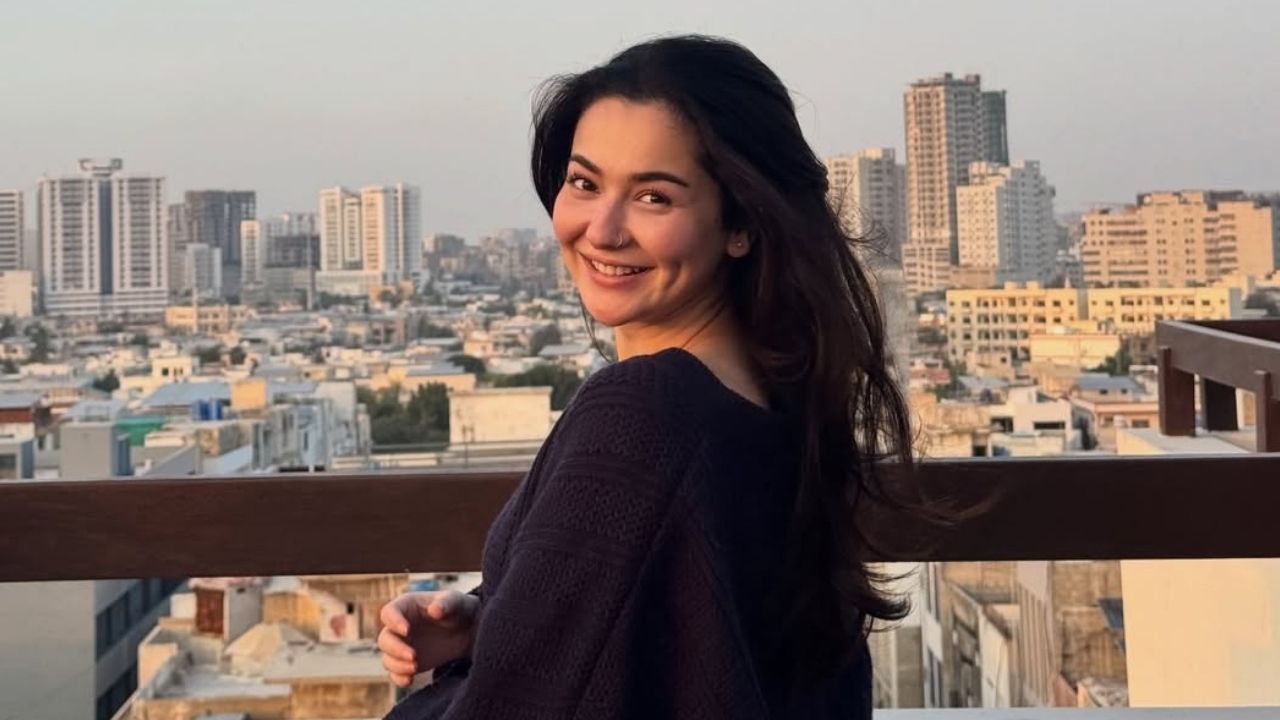
    Actress Hania Aamir has recently been at the center of online debate, with fans and content creators questioning whether her dimples and beauty are natural or the result of cosmetic surgery. The discussion intensified after dermatologist Dr Arij Khalid suggested that Hania might have undergone dimpleplasty.

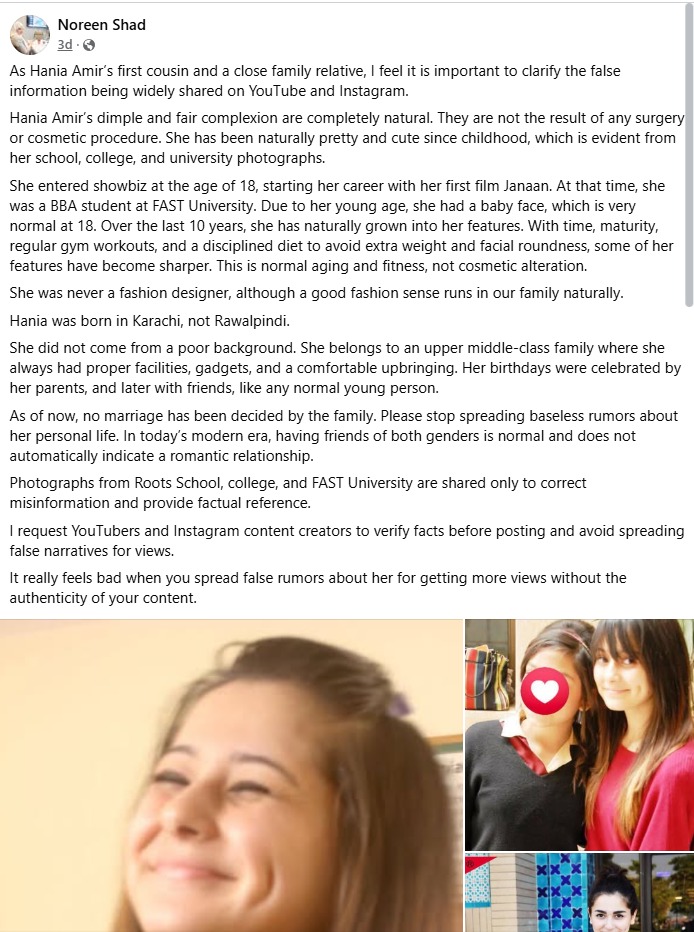
    Addressing the rumors, a woman named Noreen Shad, claiming to be Hania’s cousin, shared a detailed post on Facebook. 

    She wrote, “As Hania Amir’s first cousin and a close family relative, I feel it is important to clarify the false information being widely shared on YouTube and Instagram. Hania Amir’s dimple and fair complexion are completely natural. They are not the result of any surgery or cosmetic procedure. She has been naturally pretty and cute since childhood, which is evident from her school, college, and university photographs.”

    Noreen also emphasised Hania’s disciplined lifestyle, saying, “Over the last 10 years, she has naturally grown into her features. With time, maturity, regular gym workouts, and a disciplined diet to avoid extra weight and facial roundness, some of her features have become sharper. This is normal aging and fitness, not cosmetic alteration.”

    She added that Hania was born in Karachi and comes from an upper middle-class family. She also urged content creators to verify facts before posting, warning, “It really feels bad when you spread false rumors about her for getting more views without the authenticity of your content.”

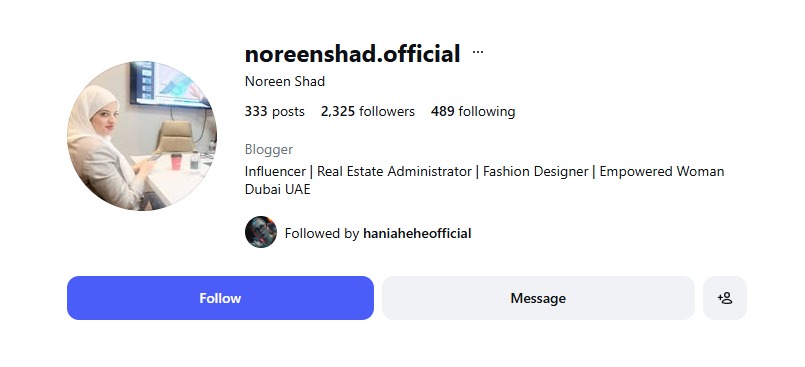
    Hania follows Noreen’s Instagram account, where she shares several childhood pictures of the actress that clearly show her natural dimples.

    Hania Aamir entered the entertainment industry in 2014 and rose to fame with her film debut Janaan (2016). She appeared in Na Maloom Afraad 2 (2017), Parwaaz Hai Junoon (2018), Parde Mein Rehne Do (2022), and Sardaar Ji 3 (2025), earning recognition for her versatile performances on the big screen.

    On television, she delivered notable performances in Phir Wohi Mohabbat (2017), Anaa (2019), Dil Ruba (2020), Ishqiya (2020), Mere Humsafar (2022), Mujhe Pyaar Hua Tha (2023), and Kabhi Main Kabhi Tum (2024), showcasing both her romantic and dramatic range.

  • Countdown begins: 5G spectrum auction to kick off on March 10

    Countdown begins: 5G spectrum auction to kick off on March 10

    Pakistan Telecommunication Authority (PTA) will hold the auction for next-generation mobile services (5G) spectrum on March 10, with a projected minimum non-tax revenue of $630.4 million, according to reports that cited senior government officials. 

    The decision follows approval from the Spectrum Advisory Committee. The auction was initially scheduled for late February.

    The Spectrum Advisory Committee met with Federal Minister for Finance and Revenue Muhammad Aurangzeb on Thursday before finalizing the revised timelines. Following the decision, PTA adjusted the pre-auction schedule, extending processes by several weeks and moving the allocation stage to March 10, 2026.

    Under the updated schedule, consultations on the Information Memorandum will conclude by February 6, and the final document will be published on February 13. An information session for prospective bidders is planned for February 16.

    Applications, along with pre-bid deposits, are due by February 27. On the same day, the PTA will announce the list of applicants. Qualified bidders will be announced on March 3, followed by a bidder seminar on March 4 and mock auctions on March 5.

    The assignment stage will begin after the allocation stage closes. Provisional results will be announced once assignments are completed, after which winning bidders must submit performance bank guarantees within 15 business days before licenses are issued.

    The auction will cover spectrum in the 700, 1800, 2100, 2300, 2600, and 3500 MHz bands, under directives from the Ministry of Information Technology and Telecommunication. This release represents the largest spectrum auction to date.


    Base prices have been set in US dollars. The 700 MHz band will be priced at $6.5 million per MHz, 1800 MHz and 2100 MHz at $14 million per MHz each, 2300 MHz at $1 million per MHz, 2600 MHz at $1.25 million per MHz, and 3500 MHz at $0.65 million per MHz. Payments will be made in Pakistani rupees at the prevailing exchange rate of the State Bank of Pakistan.

    Operators can either pay the full license fee by the first anniversary of license issuance or choose deferred payments. Deferred payments require at least 50 percent to be paid by the first anniversary, with the remaining amount divided into five equal annual installments from the second year, with an additional charge of Karachi Interbank Offered Rate  (KIBOR) plus 3 percent.

  • Public debt rises to Rs80.5 trillion, per capita burden up 13 percent

    Public debt rises to Rs80.5 trillion, per capita burden up 13 percent

    Pakistan’s total public debt reached Rs80.5 trillion by June 2025, up from Rs71.2 trillion a year earlier, while per capita public debt rose by 13 percent to Rs333,041, according to the Ministry of Finance’s Fiscal Policy Statement presented to Parliament. The increase came about as the federal fiscal deficit surpassed the statutory ceiling by Rs3.1 trillion in fiscal year 2024–25.

    The statement showed that per capita debt climbed from Rs294,098 in FY24 to Rs333,041 in FY25, reflecting a rise of roughly Rs39,000, based on a population of 241.5 million. 

    Public debt as a share of gross domestic product (GDP) increased from 67.6 percent in June 2024 to 70.7 percent in June 2025. The report described public debt dynamics as a continuing challenge during the last fiscal year, attributing the increase mainly to higher interest payments and movements in the exchange rate. It noted that additional borrowing was undertaken to finance expenditures beyond legal limits.

    For FY25, the federal fiscal deficit was recorded at 6.2 percent of GDP, well above the 3.5 percent ceiling prescribed under the law. In absolute terms, the federal government spent Rs3.1 trillion, or 2.7 percent of GDP, more than the permitted deficit.

    The statement detailed federal expenditures, noting that total spending was budgeted at Rs18.9 trillion, including current expenditure of Rs17.2 trillion. Actual current spending stood at Rs15.8 trillion, while development spending, including net lending, reached Rs1.4 trillion against a budgeted Rs1.7 trillion.

    Interest payments amounted to Rs8.8 trillion, compared with the budgeted Rs9.8 trillion, reflecting lower-than-expected costs following a reduction in the State Bank of Pakistan’s policy rate. 

    Defence expenditure was recorded at about Rs2.2 trillion, slightly above the allocated Rs2.1 trillion, while subsidies reached Rs1.3 trillion against an allocation of Rs1.36 trillion. Pension payments totaled Rs911 billion, compared with a budgeted Rs1 trillion.

    On the revenue side, tax collection reached Rs11.7 trillion, achieving 90.5 percent of the Rs13 trillion target. Non-tax revenues exceeded expectations, rising to Rs5.1 trillion, or 104 percent of the budgeted amount, mainly due to higher petroleum levy receipts and central bank profits.

    The statement noted that the overall fiscal balance, including provincial accounts, improved compared with budget estimates. 

    The ministry said its medium-term debt management strategy continues to focus on reducing financing needs, extending maturities, and diversifying funding sources to support debt sustainability.

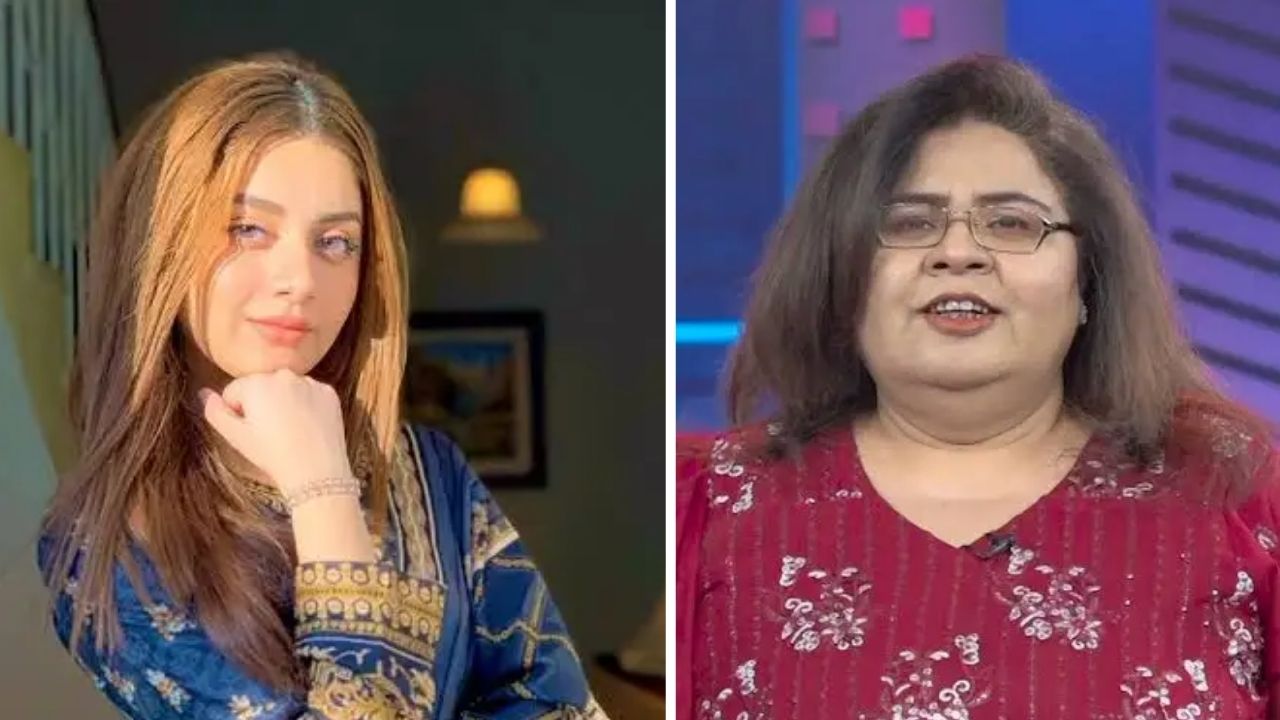
  • ‘Seniority does not automatically equal honesty’: Alizeh Shah calls out Shazia Manzoor

    ‘Seniority does not automatically equal honesty’: Alizeh Shah calls out Shazia Manzoor

    Actress Alizeh Shah has directly criticised veteran singer Shazia Manzoor over what she describes as a lack of honesty, bringing renewed attention to a long-standing dispute between the two entertainers.

    The issue dates back to December 2021 when Alizeh fell on the ramp during a performance with Shazia at the Bridal Couture Week stage. The incident sparked speculation about whether the singer had pushed her, creating massive public debate.

    In 2025, Alizeh spoke about the incident, sharing explosive revelations about her experience in the entertainment industry. In an Instagram video, she claimed, “My fall on the ramp wasn’t an accident. Shazia Manzoor kept grabbing and pushing me repeatedly, which made me lose my balance.”

    She added, “This behavior is a habit of hers. She’s done the same to Jannat Mirza before. Such actions can embarrass anyone, especially in a public setting.”

    Recently, Shazia Manzoor responded to questions about the incident in Punjabi, saying, “I swear upon God that I did not make her fall, she tripped. Why would anyone want to hurt such a beautiful girl? That day, she was indeed looking very pretty. I did not make her fall, she caught the evil eye. Alizeh, I love you my child.”

    Alizeh addressed Shazia’s remarks directly on her official Instagram account. 

    She wrote, “Expecting sincerity just because someone is a senior is like hitting your head against a wall. Seniority does not automatically equal wisdom, grace, or honesty.”

    She urged established figures in the industry to focus on their craft rather than maintaining relevance through controversy. “Shazia Manzoor, I also genuinely hope that your work goes viral for your music and talent, not for repeatedly pulling down models and actors. True value never needs to be proven by diminishing others,” she added.

    Alizeh Shah entered the entertainment industry in 2016 with a supporting role in “Choti Si Zindagi” and rose to prominence with her breakout role as Palwasha in the romantic drama “Ishq Tamasha” in 2018, earning a Hum Award for Best Television Sensation.

    She gained wider recognition for portraying Dua in the military-centered drama “Ehd-e-Wafa” in 2019 and has starred in serials such as “Hoor Pari” ‘Jo Tu Chahey”, “Mera Dil Mera Dushman”, “Tanaa Banaa”, “Bebasi”. Her recent project “Ishq Beparwah” features her as Jannat, navigating challenges from traditional family expectations to personal growth after marriage.

    It may be noted that Shah has in recent months made headlines for being vocal against exploitative practices and toxic environment within the entertainment industry. 

    In a series of video confessions in July 2025, she opened up about years of harassment, exploitation and what she described as a toxic, patriarchal culture that repeatedly tried to silence her. 

    She emphasised the importance of consent, stating, “I don’t allow anyone to touch me if it’s not a part of the scene.” she revealed that when she set personal boundaries, such as calling out unhygienic practices or requesting a separate makeup room as a smoker, she was labelled “difficult” and “unprofessional” by seniors and producers. 

    Shah also exposed the industry’s harassment and closed-door rituals, admitting they had left her with post-traumatic stress disorder (PTSD).

  • KP loses half its trade revenue as Pak-Afghan border remains closed

    KP loses half its trade revenue as Pak-Afghan border remains closed

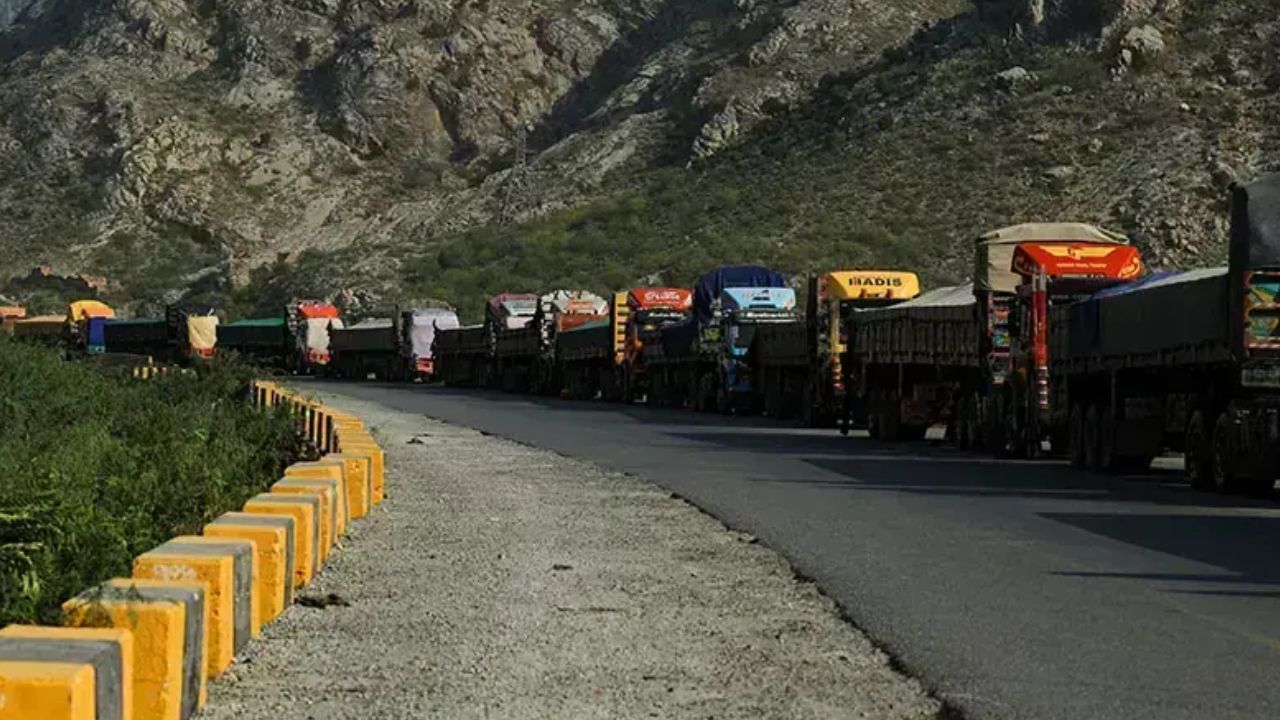
    The prolonged closure and suspension of trade at the Pak-Afghan border since October has triggered a sharp collapse in Khyber Pakhtunkhwa’s trade-linked revenues, dealing a major blow to the province’s finances.


    Official data shows that revenue from infrastructure development cess (IDC) declined by 53.02 percent during the first seven months of the current fiscal year, falling to Rs3.48 billion from Rs7.42bn collected in the corresponding period of last year. The drop has been attributed directly to the continued disruption of cross-border trade.


    The financial strain has prompted the Khyber Pakhtunkhwa government to seek urgent intervention from the federal government. Chief Minister’s (CM) Adviser on Finance Muzammil Aslam has written a four-page letter to Commerce Minister Jam Kamal, requesting an immediate meeting of provincial and federal stakeholders to address the revenue fallout and broader trade challenges.


    According to officials, the revenue shortfall has emerged as a significant setback for provincial finances, with IDC collections showing a consistent monthly decline since October. Receipts fell sharply from Rs1.3bn to under Rs487 million in October, followed by a further drop to just Rs198m in November, compared to Rs1.29bn in the same month of the previous fiscal year.


    The provincial government has constituted a revenue review committee to assess the situation, which found an alarming decline in cess collection following the suspension of border trade. Officials say the collection of IDC is directly linked to the movement of goods and commercial activity, making revenue targets virtually unattainable as long as trade remains stalled.


    Aslam informed the federal commerce ministry that the initial disruption in cess collection had stemmed from a court stay order, which was resolved in November. However, recovery efforts launched after the legal hurdle was removed failed to yield results, as cross-border trade continued to remain suspended.


    The disruption has also had spillover effects on traders and exporters, with consignments and payments reportedly stranded across the border. The resulting liquidity pressure has left many businesses unable to meet their statutory cess obligations, further compounding the revenue decline.


    The KP government has warned that the prolonged suspension of trade is creating serious revenue, economic, and employment consequences for the province, underscoring the need for coordinated federal and provincial action to prevent further fiscal deterioration.

  • ‘Repetitive, non-technical questions’: Pakistani journalists slammed for unnecessary questions to Australian cricketers

    ‘Repetitive, non-technical questions’: Pakistani journalists slammed for unnecessary questions to Australian cricketers

    The Australian cricket team’s tour of Pakistan has sparked an unexpected debate, with fans expressing anger over the quality of questions asked by Pakistani journalists during press conferences. 

    Australia are in Pakistan for a three-match T20I series. The opening match took place on Thursday at Lahore’s Gaddafi Stadium, where Pakistan secured a 22-run victory. 

    Despite the competitive cricket on display, much of the post-match discussion online has focused on press conference questions rather than on-field performances.

    Fans criticised journalists for repeatedly asking Australian players non-technical and predictable questions, mostly centred around Pakistani players such as Babar Azam and Shaheen Afridi. Many argued that not a single question addressed match tactics, conditions, or Australia’s own team strategy.

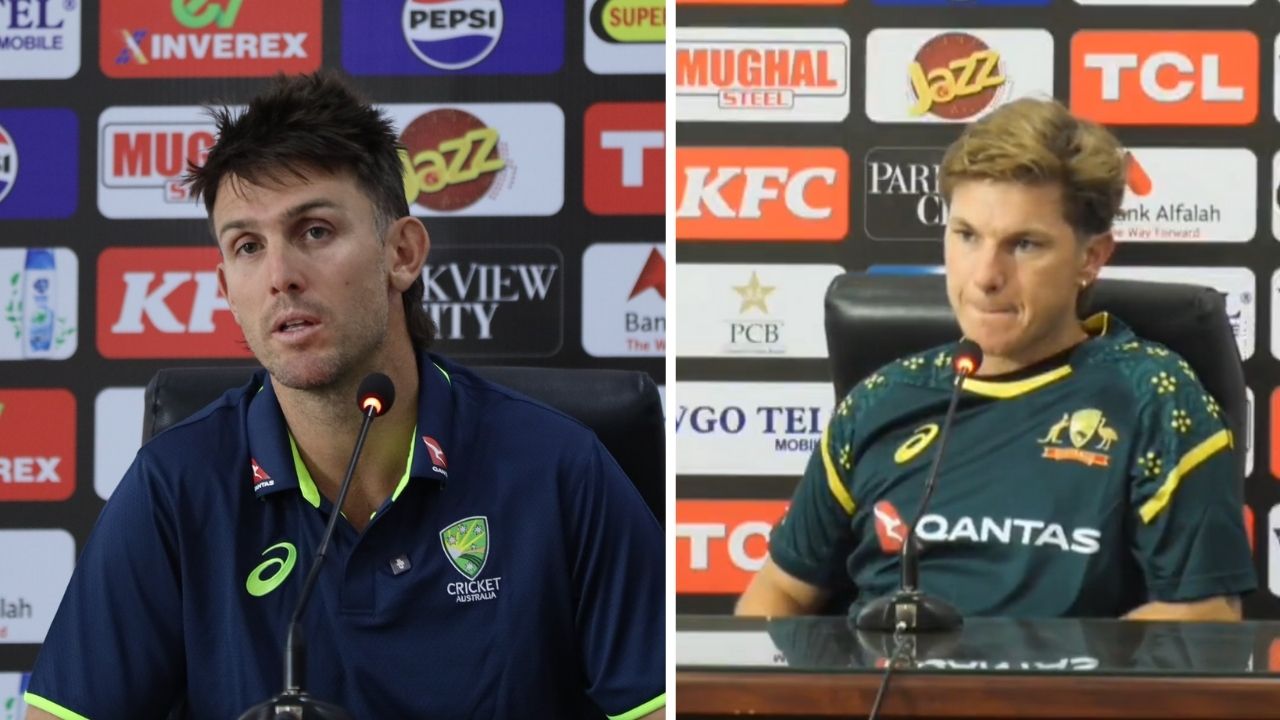
    The criticism began during the trophy unveiling ceremony on Wednesday, where Australian captain Mitchell Marsh faced a series of similar questions. 

    Journalists asked him how he rated the current Pakistani squad, especially Shaheen Afridi, whether Australian players enjoyed playing the Big Bash League alongside Pakistan cricketers, and which Pakistani players he considered dangerous or capable of troubling Australia.

    The pattern continued after the first T20I. During the post-match press conference, Australian spinner Adam Zampa was asked how he felt after dismissing Babar Azam. 

    The question drew particular backlash online, as fans pointed out that Zampa is one of Australia’s leading spinners and not a gully cricketer.

    Zampa has dismissed Babar six times in international cricket, including Thursday’s match, making the question seem unnecessary to many viewers.

    Social media users reacted strongly, accusing journalists of forcing Australian players to praise Pakistani stars rather than discussing cricket in depth.

    “What kind of questions are these journalists asking Australian players? Always forcing them to praise Bobzie. Grow up and have some shame. He was clearly uncomfortable,” one user wrote.

    Another commented, “Abe kia journalist ke pas or koi sawal nahi hota Babar ke ilawa?” [Don’t journalists have any other questions besides Babar?]

    Frustration with the Pakistan Cricket Board also surfaced in several reactions. “Yar PCB khuda ka wasta hai, ya to educated journalists le aao ya phir inhein proper sawal likh kar de diya karo,” one fan posted [PCB, for God’s sake, either bring forth educated journalists or give them proper written questions].

    Some fans expressed second-hand embarrassment over the exchanges. “Question ye puch rahe hain, sharam mujhe aa rahi hai,” a user said [They are asking these questions, and I feel embarrassed].

    Others were more direct in their criticism. “Pathetic questions, such a shame,” one comment read, while another added, “PCB should only allow specific qualified journalists to ask questions. This is embarrassing.”

    As the series continues, fans are calling for more thoughtful and technical questioning. 

    Coming back to the field, this was Pakistan’s first T20I win over Australia in seven years. The second T20I of the series will be played at the same venue on Saturday.