Blog

  • Fuel prices likely to witness major fall

    Fuel prices likely to witness major fall

    The price of all petroleum products is slated to fall by a staggering 14 rupees per litre for the upcoming fortnight. Credible reports link the expected drop in domestic petroleum prices with fluctuations in the international market and import premiums.


    However, vehicle owners may not get to witness such a large fall in prices as Islamabad is expected to capitalise on the drop in prices. An official has revealed that the federal government could raise the levy on petroleum or even implement a carbon tax, which may not cause prices to drop as per analysts’ projections.


    According to reports, the government intends to levy the aforementioned taxes to secure better terms on the $1 billion financing arrangement with the International Monetary Fund (IMF) under the climate adaptation and mitigation program. While this would benefit the national exchequer, businesses and citizens would remain unable to avail the benefits of ‘lower prices’.

    If no additional taxes are implemented, the ex-depot price of petrol is expected to fall liberally by 14 rupees per litre. Kerosene and high-speed diesel (HSD) are estimated to fall by 10 rupees and 8 rupees per litre. Light diesel is expected to witness the most conservative drop in prices, with experts foreseeing a fall of 7 rupees per litre.

    However, these are estimates and are subject to change based on the final calculations that authorities will conduct on March 15. These estimations were made after a notable drop in international rates was recorded.

    As of publishing, Brent prices have dropped by over $4 per barrel over the previous 14 days. This has led analysts to project that the ex-depot price of petrol could settle close to 242 rupees per litre for the next 14 days. Similarly, the rate of HSD may decline to rest at approximately 250 rupees.

    While the price of Kerosene is officially set at 168.12 rupees per litre, reports reveal that it is traded for upwards of 350 rupees per litre. The fuel with the lowest price post-projected adjustments is light diesel oil, with analysts believing that the commodity will be priced at 146 rupees per litre.

    Islamabad charges a tax of approximately 76 rupees per litre on both HSD and petrol. The bulk of this tax, a staggering 60 rupees per litre, is charged under the category of a petroleum development levy, whereas the other charge of 16 rupees goes towards Customs duty.

    The government reserves the right to increase the petroleum development levy by 10 rupees, after which it will sit at 70 rupees per litre. Pakistan does not charge consumers any general sales tax (GST) on petroleum products. However, fuel suppliers and distributors tack on an additional Rs17 per litre as markup.

  • PM Shehbaz, CM KP, PFL give Rs4.5 million to footballer Muhammad Riaz

    PM Shehbaz, CM KP, PFL give Rs4.5 million to footballer Muhammad Riaz

    Pakistan footballer Muhammad Riaz, who once represented the country in the 2018 Asian Games, is finally receiving recognition after a video of him selling jalebis went viral.

    Prime Minister Shehbaz Sharif invited Riaz to PM House in Islamabad and handed him a cheque worth Rs2.5 million. Additionally, Khyber Pakhtunkhwa Chief Minister Ali Amin Gandapur met the athlete in Peshawar, awarding him Rs1 million and appointed him as a coach.

    Meanwhile, the Pakistan Football League (PFL) has also stepped forward to help the sportsman, announcing Rs1 million prize money for Riaz after news of his struggles surfaced online. 

    The former K-Electric footballer lost his job when the department disbanded its football team. Now, with this support, he is set to train young players and continue contributing to Pakistan’s football scene.

  • Sana Javed takes credit for husband Shoaib Malik’s JPL win

    Sana Javed takes credit for husband Shoaib Malik’s JPL win

    Pakistani star couple Sana Javed and Shoaib Malik are always in the spotlight, and this time they gave their fans a sweet and funny moment to enjoy after Shoaib’s victory in the JPL.

    After Shoaib’s impressive performance, Sana, who is a well-known actress, joked that his win should be credited to her. “You won because of me,” she teased. Shoaib, however, confidently claimed that his success was due to his hard work. Their playful banter continued, making fans smile.

    Many fans enjoyed their cute exchange and praised their chemistry, but not everyone was impressed. While supporters appreciated their bond, critics felt the couple should stay away from the spotlight, given the controversies around their marriage.

    The couple tied the knot in early 2024, surprising many, as their previous relationships had ended quietly. Despite some criticism, Sana and Shoaib often share happy moments from their married life, including this light-hearted JPL interaction.

  • Sikhs for Justice leader accuses India of involvement in Jaffar Express attack

    Sikhs for Justice leader accuses India of involvement in Jaffar Express attack

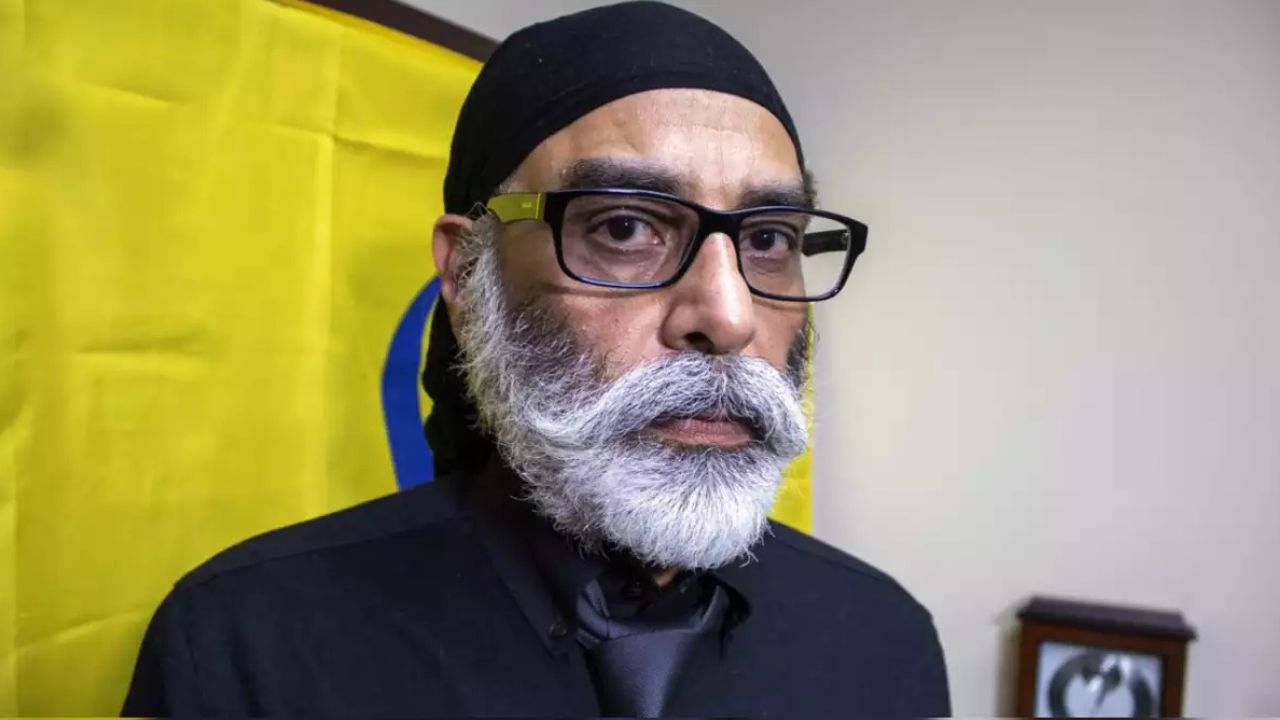
    Sikhs for Justice (SFJ) leader Gurpatwant Singh Pannun alleged in a statement on Thursday that India’s notorious intelligence agency Research and Analysis Wing (RAW) was behind Tuesday’s terrorist attack on the Jaffar Express in Balochistan’s Bolan district.

    Over 400 passengers were taken hostage when militants attacked the Jaffar Express in Balochistan’s Bolan district, which was en route from Quetta to Khyber Pakhtunkhwa (KP) capital, Peshawar, on Tuesday.

    Director General (DG) Inter-Services Public Relations (ISPR) Lieutenant General Ahmed Sharif Chaudhry, while speaking to a private media channel on Wednesday, announced the completion of the two-day-long rescue Green Bolan operation.


    DG ISPR claimed that security forces eliminated all 33 Balochistan Liberation Army (BLA) terrorists who had hijacked the Jaffar Express. He added that the army, air force, Frontier Corps (FC) and Special Services Group had taken part in the operation and recovered the hostages.

    Urging international organisations to take action against India’s National Security Advisor Ajit Doval and RAW, Pannun warned that if India was not held accountable, their next attack could take even more innocent lives. 

    Emphasising that the Narendra Modi-led government is not just a regional threat but a full-fledged terrorist state, the SFJ leader said that the country is executing a secret war strategy against Pakistan.

    Pannun claimed that the Balochistan train attack is evidence of India’s aggressive defense doctrine, adding that India seeks to destabilise neighboring countries through covert terrorist operations and is involved in the assassinations of opponents abroad, extremism, and cross-border terrorism.

    He accused Bharatiya Janata Party (BJP) supremo Modi of turning India into a global hub for state-sponsored terrorism, noting that RAW’s unchecked operations are endangering South Asia while setting dangerous global precedents for state violence.

    He called on diplomatic and security sanctions on India’s intelligence apparatus, stressing that the world can no longer turn a blind eye to India’s covert terrorist activities. 

    In September 2024, Canada had accused the Indian government involvement in the fatal shooting of Canadian Sikh leader Hardeep Singh Nijjar, who was brazenly shot dead outside a Sikh temple in Surrey, B.C., on June 18.

    Speaking at the House of Commons, the then Canadian Prime Minister (PM) Justin Trudeau said, “Canadian security agencies have been actively pursuing credible allegations of a potential link between agents of the Government of India and the killing of a Canadian citizen, Hardeep Singh Nijjar.”

    Trudeau claimed that Canada’s national security apparatus has reason to believe that “agents of the Indian government” carried out the killing of this Canadian citizen, who also served as the president of Surrey’s Guru Nanak Sikh Gurdwara.

  • HSY makes history with Hollywood debut in Disney+ series ‘Deli Boys’

    HSY makes history with Hollywood debut in Disney+ series ‘Deli Boys’

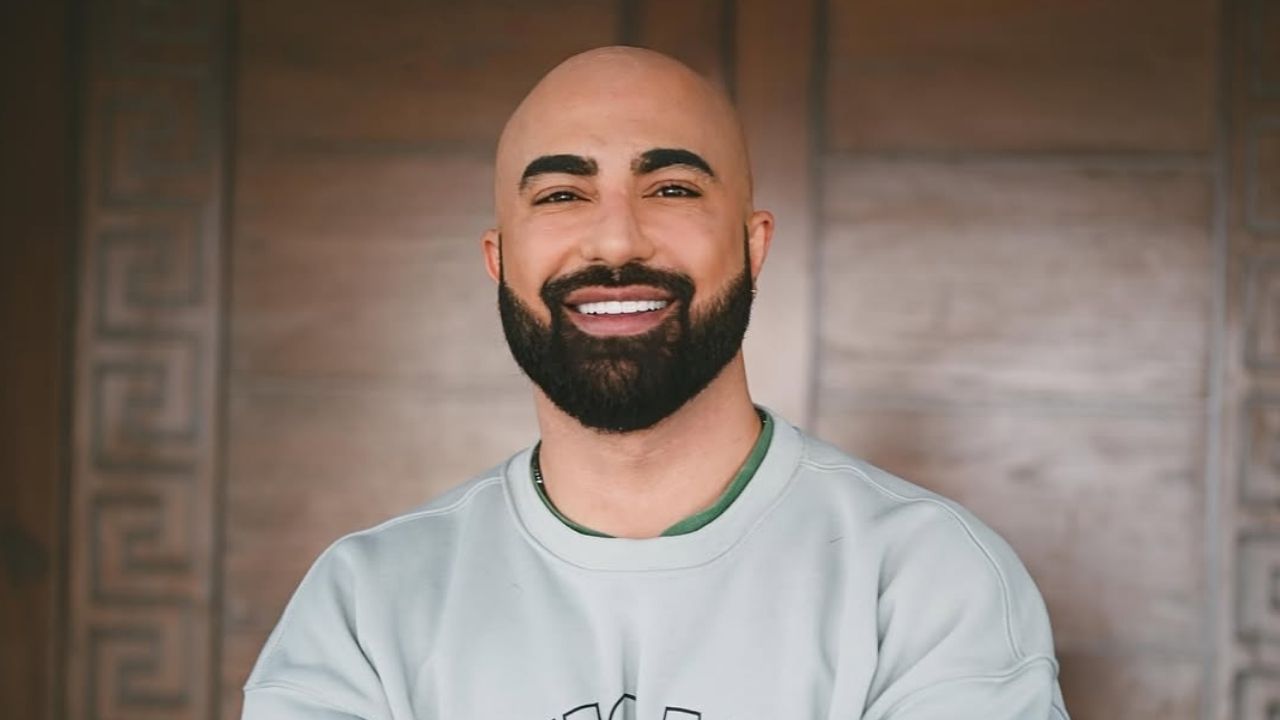
    Pakistani designer and actor Hassan Sheheryar Yasin (HSY) is making waves in Hollywood with his work on Disney+’s new series Deli Boys.

    The ace fashionista has designed costumes for the project and made his acting debut, becoming the first Pakistani designer to achieve the feat. 

    The series, directed by Ahmed Ibrahim and Jenni Konner, premiered on March 6 on Disney+ and Hulu. It is a dark comedy about two spoiled Pakistani-American brothers, Mir and Raj, who face challenges after their father’s sudden death. They uncover their father’s secret criminal life and must deal with his empire, facing issues like tax evasion and smuggling.


    HSY styled actors Poorna Jagannathan, Saagar Shaikh, and Zainne Saleh for the show’s last two episodes, adding a South Asian touch to the costumes. He also appears in those episodes. Talking about his Hollywood debut, HSY said it’s not just about fashion but also about representing South Asian culture globally.


    HSY started acting in 2021 in the TV drama Pehli Si Mohabbat, where he played a strict older brother. In 2022, he appeared as a villain in the film Ishrat, Made in China.


    Deli Boys has been praised for its mix of humor and drama and for showcasing South Asian characters in a fresh and meaningful way.

  • Arab ministers, US envoy meet on Gaza reconstruction

    Arab ministers, US envoy meet on Gaza reconstruction

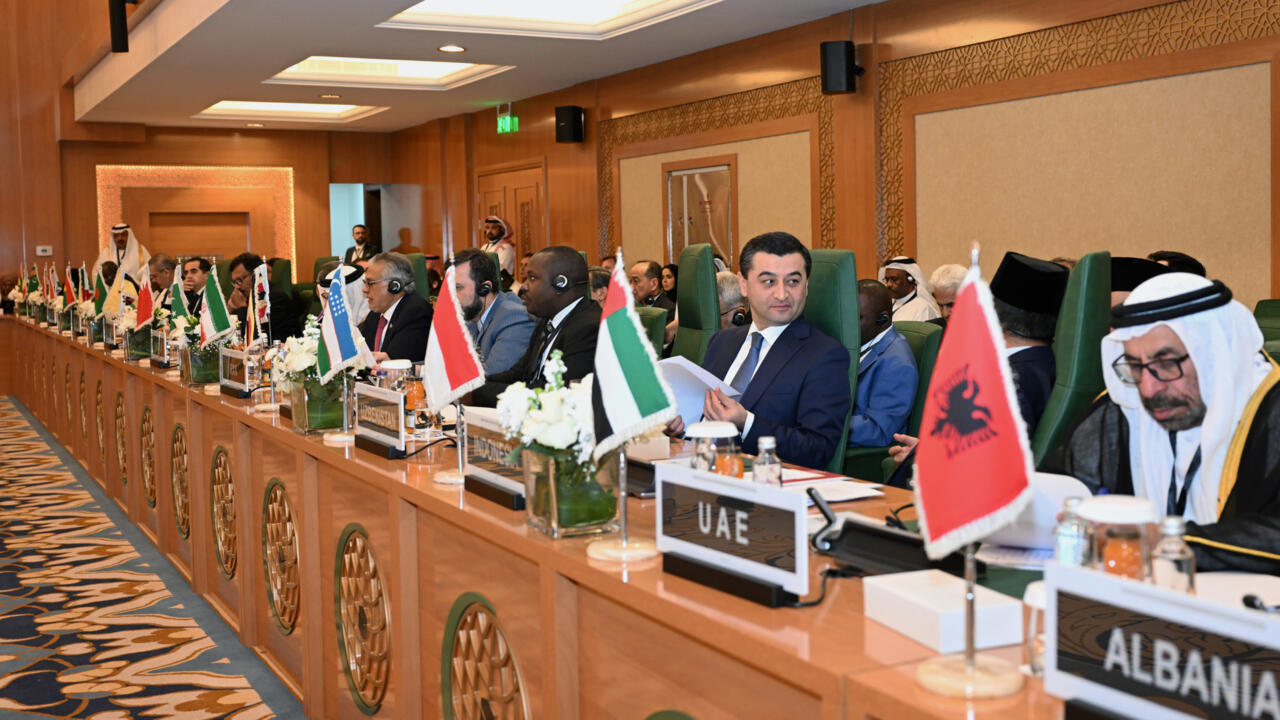
    Arab foreign ministers met in Qatar on Wednesday with US Middle East envoy Steve Witkoff to discuss reconstruction for Gaza, devastated by war with Israel, the Gulf state said.

    “The Arab foreign ministers discussed the Gaza reconstruction plan, which was approved during the Arab League Summit held in Cairo on March 4, 2025,” Qatar’s foreign ministry said in a statement.

    Foreign ministers from Qatar, Jordan, Egypt, Saudi Arabia, the United Arab Emirates and the secretary-general of the Palestine Liberation Organisation were present at the meeting, according to the statement.

    “They also agreed with the US envoy to continue consultations and coordination on the plan as a foundation for the reconstruction efforts,” it added.


    On Saturday, the 57-member Organisation of Islamic Cooperation (OIC) formally adopted a plan put forward by the Arab League at an emergency meeting in Saudi Arabia.

    The Egyptian-spearheaded plan emerged as a proposal to rebuild the Gaza Strip under the future administration of the Palestinian Authority in response to a proposal by US President Donald Trump to take over Gaza and displace its residents.

    The plan by Mulsim-majority nations has been rejected by both Israel and its key ally the United States, but has been endorsed by Britain, France, Germany and Italy.

    A fresh round of talks on a fragile ceasefire in Gaza also began in Qatar on Tuesday, with Witkoff dispatched to Doha for the mediations.

    “The ministers emphasised the importance of maintaining the ceasefire in Gaza and the occupied Palestinian territories, stressing the need to launch a genuine effort to achieve a just and comprehensive peace,” the Qatari statement added.

    The 42-day first phase of the truce deal expired in early March without agreement on subsequent stages meant to secure a lasting end to the war, which erupted after Hamas’s October 7, 2023, attack on Israel.

    Israel has also sent a team of negotiators to the Doha talks aimed at extending the ceasefire.

  • List of banks supported on Google Wallet in Pakistan; how to set it up on your phone…

    List of banks supported on Google Wallet in Pakistan; how to set it up on your phone…

    Google has officially introduced Google Wallet in Pakistan, bringing a new level of convenience for digital transactions. This mobile payment service allows users to make online payments, in-app purchases, and contactless transactions using their smartphones. With this launch, Pakistan’s digital payment system is expected to become safer, faster, and more efficient.

    How to Use Google Wallet in Pakistan

    Getting started with Google Wallet is simple. Just download the Google Wallet app from the Google Play Store. If you already have a credit or debit card linked to your Google account, it will automatically appear in the app. Just follow the on-screen instructions to set it up for contactless payments.

    If you don’t have a saved card, you can add one manually:

    Open the Google Wallet app.
    Tap “Add a card” at the top.
    Accept the issuer’s terms and conditions.
    Complete the verification process.
    Once verified, your card will be ready to use for payments.

    Supported Banks and Cards


    Google Wallet currently supports debit and credit cards from several major banks in Pakistan. These include:

    Bank AlFalah (Visa & Mastercard)
    Bank of Punjab (Mastercard credit cards)
    Faysal Bank Noor (Mastercard debit cards)
    HBL (Visa & Mastercard)
    JazzCash (Mastercard debit cards)
    Meezan Bank (Visa & Mastercard)
    UBL (Visa & Mastercard)

    More banks will be added soon, including:

    Allied Bank (Visa debit cards)
    Easypaisa Digital Bank (Visa debit cards)
    JS Bank (Visa & Mastercard)
    Zindigi (Visa & Mastercard)


    Besides bank cards, Google Wallet also supports loyalty cards and boarding passes, making it a useful tool for travel and shopping.

    Soon, popular Pakistani brands like Onic, Gul Ahmed, Sana Safinaz, J., and K-Electric will accept payments through Google Pay via PayFast. Airlines like Batik Air and Thai Airways will also allow travellers to store boarding passes in Google Wallet, providing real-time updates on flight departures and gate changes.

    Additionally, Safepay’s integration will enable more businesses in Pakistan to accept secure contactless payments in the near future.

    With these innovations, Google Wallet is set to transform digital payments in Pakistan, making financial transactions seamless and more accessible than ever before.

  • Trump optimistic about potential Ukraine ceasefire

    Trump optimistic about potential Ukraine ceasefire

    President Donald Trump expressed optimism that US negotiators could secure a ceasefire in the Ukraine war, even as Kyiv and Moscow launched fresh aerial attacks early Thursday.

    The United States wants Russia to agree to an unconditional halt to hostilities, officials said Wednesday.

    The Kremlin said it was awaiting details of a US-Ukrainian proposal agreed this week, and gave no indication of its readiness to stop fighting that has left tens of thousands dead in the past three years.


    President Vladimir Putin visited Russian troops who have made gains against Ukrainian forces battling to keep Russian territory seized in an offensive last year.

    Ukraine’s President Volodymyr Zelensky said his country was ready to embrace a deal, and the United States had indicated it would issue a “strong” response if Putin refuses an accord.

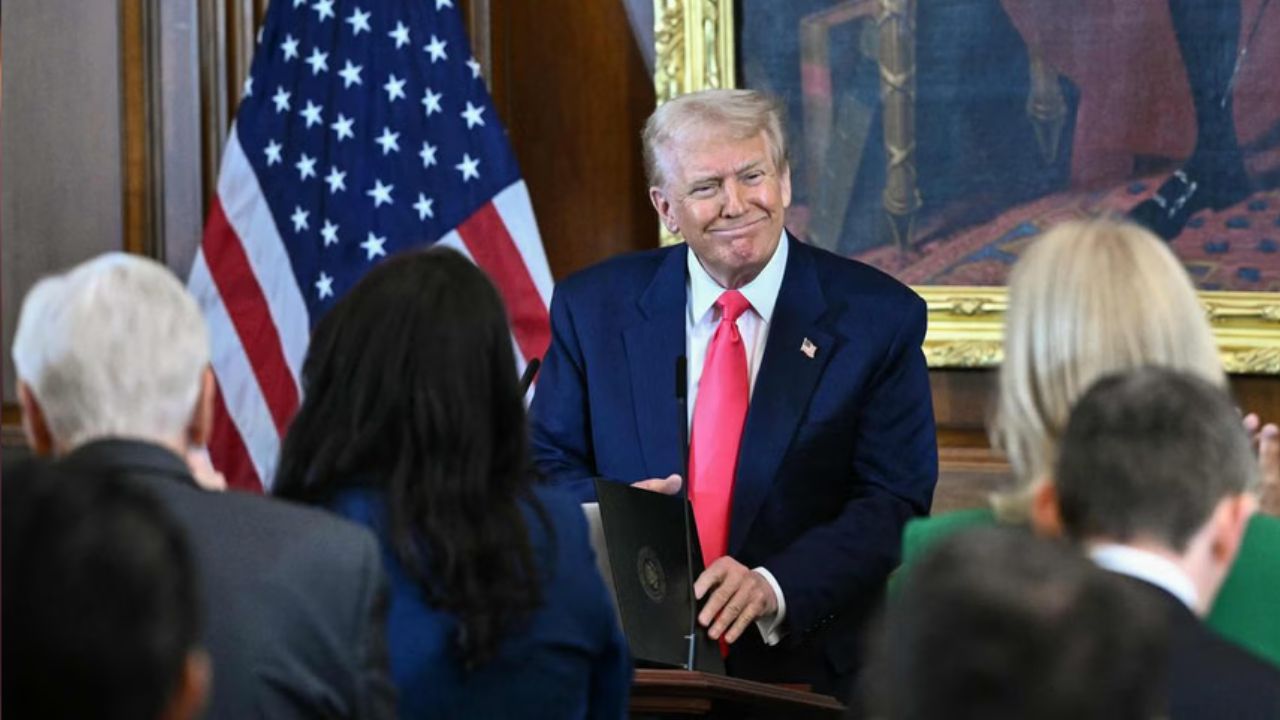
    “People are going to Russia right now as we speak. And hopefully we can get a ceasefire from Russia,” Trump told reporters during an Oval Office meeting with Ireland’s prime minister Micheal Martin.

    The White House said that Trump’s envoy Steve Witkoff, a mediator in the Gaza and Ukraine wars, would be in Moscow this week.


    Trump on Wednesday did not mention whether he would speak with Putin, but added that there had been “positive messages” from Moscow, saying: “I hope he’s going to have a ceasefire.”

    ‘Horrible bloodbath’

    Trump said that if the fighting could be halted, “I think that would be 80 percent of the way to getting this horrible bloodbath finished.”


    US Secretary of State Marco Rubio said Washington wanted Moscow’s agreement with no strings attached. “That’s what we want to know — if they’re prepared to do it unconditionally,” Rubio said on a plane heading to a G7 meeting in Canada.


    “If the response is, ‘yes’, then we know we’ve made real progress, and there’s a real chance of peace. If their response is ‘no’, it would be highly unfortunate, and it’ll make their intentions clear,” he added.

    Russian news agencies reported earlier that the heads of the CIA and Russia’s SVR foreign intelligence agency had held their first phone call in several years.

    Rubio was to give an update on the initiative at the G7 meeting in Charlevoix, Canada.

    The defense ministers of France, Britain, Germany, Italy and Poland met in Paris to discuss how they could support Ukraine, and any ceasefire.

    While the Kremlin made no immediate comment on the US-Ukraine proposal — agreed at a meeting in Saudi Arabia on Tuesday — the Russian foreign ministry said earlier this month that a temporary ceasefire would be unacceptable.

    Trump said “devastating” sanctions were possible if Russia refused a deal.

    “I can do things financially that would be very bad for Russia. I don’t want to do that because I want to get peace,” Trump said.

    ‘None of us trust the Russians’ 

    The latest dramatic diplomatic swing came less than two weeks after Trump kicked Zelensky out of the White House complaining about the Ukrainian leader’s lack of gratitude for US assistance.

    Trump halted military aid and intelligence sharing with Kyiv, but that resumed after the truce proposal was agreed on Tuesday.

    Trump had previously said he was ready to welcome Zelensky back to the White House and speculated he could speak with Putin this week.

    In Kyiv, Zelensky said the United States would pile pressure on Moscow if it did not accept a ceasefire.

    “I understand that we can count on strong steps. I don’t know the details yet but we are talking about sanctions and strengthening Ukraine,” Zelensky told reporters.

    “Everything depends on whether Russia wants a ceasefire and silence, or it wants to continue killing people,” the Ukrainian leader added.

    He said Ukrainians had no confidence that fighting would stop. “I have emphasized this many times, none of us trust the Russians.”

    Ukraine is increasingly suffering on the battlefield, losing ground in the east and south of the country, where officials said eight people were killed on Wednesday.

    Russia has also reclaimed territory in its western Kursk region, pushing back Ukrainian troops who staged a shock offensive last August.

    Putin was shown on Russian television visiting troops in Kursk on Wednesday.

    “I am counting on the fact that all the combat tasks facing our units will be fulfilled, and the territory of the Kursk region will soon be completely liberated from the enemy,” Putin said.


    Russian chief of staff General Valery Gerasimov said that 430 Ukrainian troops had been captured and Putin called them “terrorists.”

    Ukraine military commander-in-chief General Oleksandr Syrsky indicated that some forces in Kursk were pulling back to “more favorable positions.”

    Russia downed 77 Ukrainian drones overnight, its defence ministry said Thursday, two days after Kyiv carried out its largest direct strike on Moscow during the three-year war.

    Multiple Ukrainian cities were also under attack Thursday morning, with a 42-year-old woman killed in Kherson, according to regional military administration head Roman Mrochko.

    Authorities in Kyiv and Dnipropetrovsk also reported coming under attack.

  • Pinealon Peptide: Advancing Research in Cellular and Neural Function

    Pinealon Peptide: Advancing Research in Cellular and Neural Function

    Pinealon, a short peptide composed of three amino acids (Glu-Asp-Arg), has garnered attention in scientific research due to its intriguing properties and potential implications in the study of cellular processes and neurological regulation. This molecule, classified as a synthetic tripeptide, is believed to mimic endogenously occurring peptide sequences in the research model that play roles in gene expression, cell signaling, and metabolic regulation. The unique structure and characteristics of Pinealon suggest that it may serve as a valuable tool for exploring a range of biological phenomena, particularly within the domains of neuroscience, cellular aging, and cellular homeostasis.


    Molecular Properties and Mechanisms of Action


    Pinealon is a member of the short peptides category, which are molecules believed to be small enough to traverse cellular membranes and interact with intracellular targets. The peptide’s tripeptide sequence (Glu-Asp-Arg) implies potential interaction with nucleic acids or chromatin due to the presence of charged residues. This interaction is hypothesized to impact the expression of specific genes, potentially those involved in oxidative stress responses, cellular repair mechanisms, and protein synthesis.


    Research indicates that Pinealon may function by modulating redox-sensitive pathways within cells. Oxidative stress, characterized by the accumulation of reactive oxygen species (ROS), is a well-regarded driver of cellular dysfunction and is implicated in cellular aging and neurodegenerative disorders. Studies suggest that Pinealon might contribute to maintaining oxidative balance by impacting the regulation of antioxidant enzyme systems. This property positions the peptide as a promising candidate for studies on cellular resilience and adaptation under stressful conditions.


    Another intriguing aspect of Pinealon is its potential to interact with mitochondrial functions. Mitochondria, being central to energy production and cellular metabolism, are sensitive to changes in redox states. It is theorized that Pinealon might support mitochondrial performance by promoting the maintenance of membrane potential and reducing ROS accumulation. 
    Investigations purport that such impacts might improve cellular energy homeostasis, providing a foundation for further exploration in the context of cellular aging and regeneration.


    Implications in Neuroscience Research


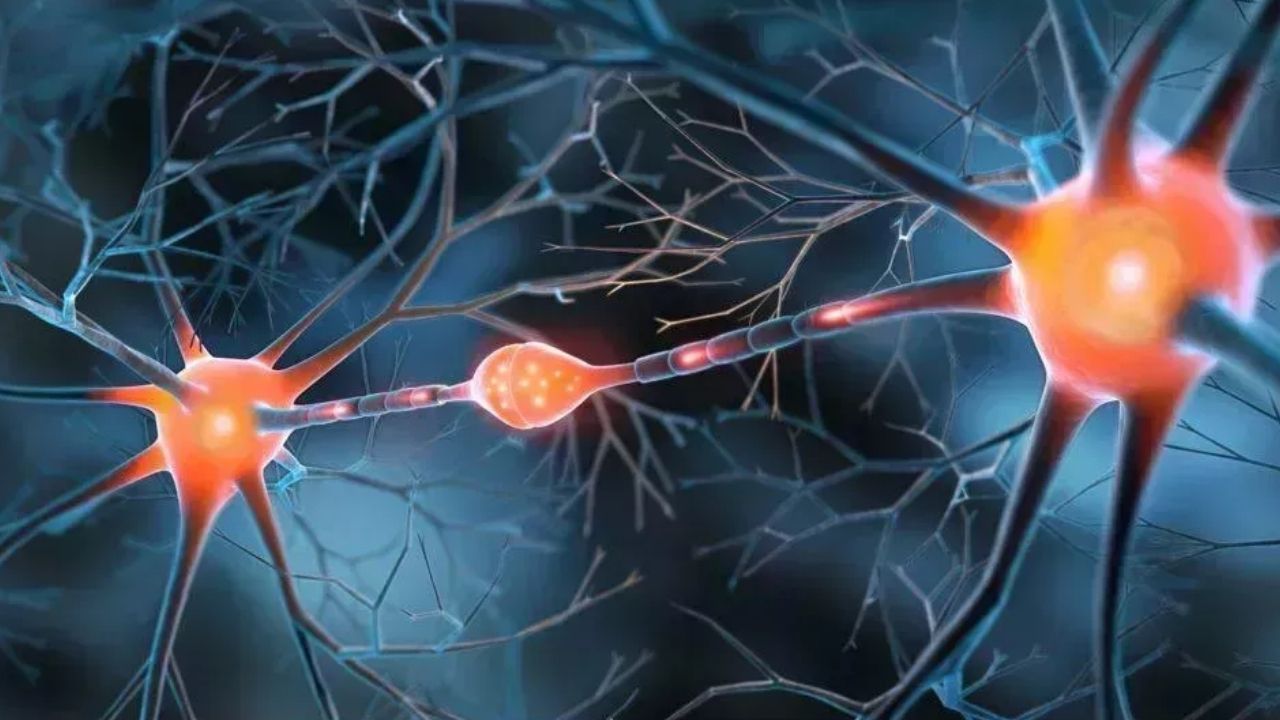
    The hypothesized potential of Pinealon to cross the blood-brain barrier makes it an attractive molecule for investigating neural mechanisms. Neural tissues are particularly vulnerable to oxidative stress and metabolic imbalances due to their high energy demands and limited regenerative capacity. Research indicates that Pinealon might contribute to neuroprotection by regulating genes associated with neuronal survival, synaptic plasticity, and stress resilience.


    Pinealon’s potential role in cognitive function has attracted significant interest. It is theorized that the peptide may support the processes underlying learning and memory by modulating pathways involved in synaptic signaling. For example, proteins that regulate long-term potentiation (LTP) and neurogenesis might be impacted by Pinealon through its interaction with intracellular signaling cascades. This makes it a compelling candidate for studying cellular age- related cognitive decline and the underlying mechanisms of neuroplasticity.


    Another promising avenue for research is the peptide’s alleged impact on circadian rhythms and sleep regulation. Pinealon’s potential to impact neural gene expression suggests that it might interact with pathways governing circadian clock genes. Disruptions in circadian rhythms are implicated in numerous neurological and metabolic conditions, and Pinealon is thought to provide a novel tool for exploring these associations.


    Investigations in Cellular Aging and Longevity


    Cellular aging research has increasingly focused on the molecular pathways that govern cellular repair, stress resistance, and metabolic efficiency. Pinealon’s potential to modulate oxidative stress and mitochondrial function suggests that it might play a role in promoting cellular homeostasis during aging. Investigations purport that by impacting the expression of genes involved in protein folding, autophagy, and DNA repair, Pinealon may provide insights into the mechanisms of longevity and tissue maintenance.

    Moreover, cellular senescence a state in which cells cease to divide and accumulate harmful byproducts is a hallmark of cellular aging and various cellular age-related diseases. Research indicates that Pinealon might help maintain cellular proliferation and reduce markers of senescence by supporting the activity of transcription factors that regulate cell cycle progression. These speculative properties open opportunities for exploring the peptide’s role in mitigating the impacts of aging at the cellular level.


    Implications for Metabolic and Stress-Related Research


    Metabolic regulation and stress responses are deeply interconnected processes essential for survival and adaptation. Pinealon’s potential to impact pathways that regulate energy metabolism seems to have implications for studies on metabolic syndromes and disorders. It is hypothesized that the peptide might support glucose uptake and utilization by regulating genes involved in insulin signaling and glycolysis.


    Additionally, Pinealon’s alleged role in stress adaptation might extend to hormonal pathways, particularly those mediated by the hypothalamic-pituitary-adrenal (HPA) axis. Research indicates that by modulating gene expression in response to stress signals, the peptide might offer a new angle for studying how research models adapt to both acute and chronic stressors. This line of research might have broad implications for understanding resilience and the molecular basis of stress-related diseases.


    Pinealon as a Research Tool in Epigenetics


    One of the most exciting possibilities associated with Pinealon lies in its potential impact on epigenetic regulation. Epigenetics, the study of heritable changes in gene expression without alterations in DNA sequence, has become a cornerstone of modern biology. Pinealon’s structure suggests that it might interact with chromatin or histone-modifying enzymes, thereby impacting epigenetic markers such as DNA methylation and histone acetylation. Such interactions might regulate gene expression patterns in response to environmental stimuli or developmental cues.


    By exploring these properties, researchers might gain insights into how Pinealon contributes to cellular programming and adaptation. This may be particularly relevant in fields like developmental biology, where understanding the regulation of gene expression is critical.


    Theoretical Implications in Regenerative Science


    Regenerative science focuses on understanding and harnessing the mechanisms that drive tissue repair and regeneration. Pinealon’s potential to impact oxidative stress and mitochondrial function suggests that it might play a role in promoting the recovery of damaged tissues. For instance, the peptide’s hypothesized potential to support cellular energy production and reduce oxidative damage might also support the survival and proliferation of stem cells in regenerative contexts.


    Future Directions and Challenges


    While Pinealon offers many intriguing possibilities for scientific research, much remains to be understood about its molecular mechanisms and interactions. Future studies may focus on elucidating its precise molecular targets, downstream signaling pathways, and long-term impacts on cellular functions. Advanced techniques such as transcriptomics, proteomics, and molecular docking might provide valuable insights into hypothetical modes of action.


    Conclusion


    Pinealon is an emerging molecule with significant potential for advancing research in cellular regulation, neural function, and regenerative science. Its hypothesized potential to modulate oxidative stress, mitochondrial activity, and gene expression positions it as a versatile tool for exploring fundamental biological processes. While many questions remain, the peptide’s unique properties offer a promising avenue for scientific inquiry, opening the door to novel insights and implications across diverse research domains. Click here to learn more about Pinealon peptide and its research potential.


    References

    [i] Wang, M., & Zhang, H. (2020). The role of peptides in metabolic and stress-related signaling pathways: Implications for metabolic syndromes. Endocrine Research, 45(6), 526-533. https://doi.org/10.1080/07435800.2020.1838423


    [ii] Yang, Y., & Zhang, L. (2021). Epigenetic regulation by small peptides: A focus on gene expression modulation. Cellular and Molecular Life Sciences, 78(8), 3025-3037.https://doi.org/10.1007/s00018-020-03667-3


    [iii] Li, J., & Hu, Y. (2019). The role of peptide-based therapeutics in regulating circadian rhythms and sleep. Frontiers in Neuroscience, 13, 358. https://doi.org/10.3389/fnins.2019.00358


    [iv] Chen, L., & Zhao, Z. (2021). Pinealon peptide and its impact on cellular resilience and aging processes. Aging Cell, 20(5), e13473. https://doi.org/10.1111/acel.13473


    [v] Müller, W., & Reisinger, G. (2020). Peptide-based modulation of oxidative stress and mitochondrial function in aging and neurodegenerative diseases. Journal of Molecular Neuroscience, 72(3), 389-402. https://doi.org/10.1007/s12031-020-01362-4

    Disclaimer: This article contains sponsored content. The details and opinions expressed in this article are solely those of the author.


  • Javeria Saud’s ’emotional water’ theory sparks online frenzy

    Javeria Saud’s ’emotional water’ theory sparks online frenzy

    A video of actress and TV host Javeria Saud from her Ramadan show has gone viral, sparking an online debate over her claim that “water has emotions.”

    During a recent episode, actress Aiman Khan mentioned that while house help usually cooks at her home, her husband, Muneeb Butt, can instantly tell when she prepares a meal. In response, Javeria Saud explained that food tastes different depending on who makes it because “water has emotions and absorbs people’s words and feelings.”

    She supported her claim by referencing a study by a Japanese scientist, saying, “He conducted an experiment with two bottles of water, speaking negative words to one and positive words to the other. Over time, the negatively spoken-to water deteriorated, while the positively spoken-to water remained unchanged.”

    Javeria concluded that since water listens and reacts to human emotions, the feelings of the cook influence the taste of food. Aiman Khan agreed, suggesting this could explain why a mother’s home-cooked meals always taste unique.

    The video quickly went viral, with social media users reacting with a mix of humour, scepticism, and curiosity.

    Javeria Saud was referring to Masaru Emoto, a Japanese researcher who claimed that water molecules change based on human words and emotions. His study suggested that water responds to positivity and negativity, potentially affecting those who consume it. However, his findings have been widely debated in scientific circles.