Blog

  • Shahid Afridi Slams PCB for Removing Rizwan as T20 Captain

    Shahid Afridi Slams PCB for Removing Rizwan as T20 Captain

    Former Pakistan cricket captain Shahid Afridi has expressed his disappointment over the Pakistan Cricket Board’s (PCB) decision to remove Mohammad Rizwan as the T20 captain for the upcoming New Zealand tour. Afridi is known for his blunt views and honesty. He did not hold back in his criticism of PCB’s decision-making process. Speaking at an event for his foundation, the Shahid Afridi Foundation, he shared his thoughts on the lack of merit-based selections and how they affect Pakistan cricket.


    Shahid Afridi’s Views on Rizwan’s Removal

    Afridi is no stranger to speaking his mind about the state of Pakistani cricket. He believes Rizwan deserved to be retained as the T20 captain for the New Zealand series. However, Rizwan, who has shown consistent form and leadership in the T20 format, was removed without a clear explanation. Afridi pointed out that Pakistani cricket is struggling due to not merit-based decisions.

    He said, “Every PCB chairman believes he can fix everything. However, why doesn’t the system change along with the faces?” This statement reflects Afridi’s frustration with the constant change in leadership at the PCB, which has not substantially improved the system. Afridi feels that cricket in Pakistan is still struggling, and he likens it to being in the “ICU,” where only temporary fixes are made before significant events.


    Lack of Merit-Based Selections

    One of the key points Afridi raised was the lack of merit-based selections in Pakistan cricket. According to Afridi, players are often removed from the T20 format only to return without a transparent selection process. This inconsistency leads to confusion and undermines the team’s overall performance. It also affects players’ confidence and creates a sense of instability within the squad.

    Afridi’s criticism of PCB’s decision-making is not limited to captaincy changes. He has repeatedly pointed out that Pakistan cricket is stuck in a cycle of making decisions without a clear long-term vision. According to him, this prevents the team from developing a stable and winning environment.


    Afridi’s Frustration with PCB

    Shahid Afridi’s frustrations are not limited to captaincy changes. He also criticized the PCB for failing to bring about structural changes in Pakistani cricket. He said the PCB needs to implement changes beyond changing faces in leadership positions. Afridi believes that cricket in Pakistan will not improve unless the system is overhauled.

    The former captain expressed dissatisfaction with how coaches and officials behave after a loss. According to Afridi, coaches often blame the players for poor performances, but they take all the credit when the team wins. This lack of accountability within the management structure only exacerbates the team’s problems.


    Afridi’s Support for Agha Salman as ODI Captain

    While Afridi criticized the PCB’s handling of Rizwan’s T20 captaincy, he supported Agha Salman’s appointment as the ODI captain. Afridi believes Salman is the right choice for the role in the 50-over format. However, he clarified that Salman is not the ideal candidate for T20 leadership. Afridi believes that different leadership qualities are required for T20 cricket, and Salman’s experience in the format may not be sufficient to lead Pakistan to success in T20Is.


    Shahid Afridi’s Career and Achievements

    Shahid Afridi, known as “Boom Boom,” is one of the most iconic figures in Pakistani cricket. His career spans over two decades, and he has been involved in several historic moments in cricket. Afridi debuted in 1996 and quickly became known for his aggressive batting style. He holds the record for the fastest century in ODI cricket, which he achieved in just 37 balls. This record stood for many years, cementing Afridi’s reputation as one of the most explosive players in world cricket.

    Afridi was a powerful batsman and a capable bowler. He played key roles in various game formats, contributing with the bat and ball. Over the years, he has led Pakistan in multiple series and played crucial roles in major tournaments, including the ICC and T20 World Cup.

    His career highlights include leading Pakistan to the 2009 ICC T20 World Cup victory, one of Pakistan’s proudest moments in international cricket. Afridi’s ability to rise to the occasion in big matches made him a fan favorite and a respected leader in Pakistan cricket.


    Afridi’s Impact on Big Matches

    Afridi’s presence in big matches was always impactful. Pakistan depended on his ability to turn the game with a quick-fire knock or a breakthrough with the ball in crucial moments. Afridi’s experience and leadership were always vital to the team, whether it was an ICC event or a bilateral series.

    One of the most memorable moments of his career came in the 2007 T20 World Cup, where Afridi’s batting prowess helped Pakistan reach the final. His aggressive style of play in big matches earned him respect from players and fans worldwide. Afridi’s contributions to Pakistan cricket go beyond just statistics; he inspired the next generation of cricketers.


    The Road Ahead for Pakistan Cricket

    Shahid Afridi’s criticisms of PCB reflect the ongoing issues in Pakistan cricket. While the team has had success, it is clear that the management needs to focus on building a stable system that supports players and provides clear leadership. Afridi’s insights into Pakistan cricket are invaluable, and his opinions are worth considering as the PCB looks to improve the team’s performance on the international stage.

    Read Also: March 12 Marks the Launch of Google Wallet Pakistan, Changing the Way We Pay

  • March 12 Marks the Launch of Google Wallet Pakistan, Changing the Way We Pay
    March 12 Marks the Launch of Google Wallet Pakistan, Changing the Way We Pay
    On March 12, 2025, Pakistan will witness a historic shift in the digital payments landscape with the launch of Google Wallet Pakistan. This milestone marks a new chapter for the country’s financial ecosystem, making it easier, faster, and more secure for people to make payments and transfer money.

    Google Wallet is a leading digital payment platform designed to simplify transactions. Users can store their payment methods, loyalty cards, and more in one secure app. The launch of Google Wallet Pakistan promises to bring new opportunities to businesses and consumers alike. Let’s explore how this launch will change how Pakistan handles digital payments.


    The Significance of Google Wallet Pakistan

    The arrival of Google Wallet Pakistan is a big step toward achieving a cashless economy. Pakistan has seen rapid smartphone usage and internet connectivity growth in recent years. However, its digital payment infrastructure has lagged, with cash transactions still dominating. Google Wallet aims to bridge this gap by offering a seamless way to send and receive money using just your smartphone.

    With Google Wallet Pakistan, users can link their bank accounts and cards to the platform. This integration makes it easy to use Google Wallet for everyday payments, whether paying for goods in stores or sending money to a friend.


    The Google Wallet Experience

    Setting up Google Wallet Pakistan is simple. First, download the Google Wallet app from Google Play. Once installed, tap ‘Add to Wallet’ and follow the instructions to verify your card. This easy process ensures that users can use the app immediately for their transactions.

    Google Wallet integrates with various local banks, making it easy to link your account. It also allows you to store your debit and credit cards securely. This means you don’t have to carry physical cards around with you. Instead, you can use your smartphone or smartwatch to pay wherever Google Wallet is accepted.

    Users can make payments, transfer money, pay bills, and even shop online from their mobile phones. The app’s ease of use makes it convenient for people in Pakistan, whether they live in a big city or a small town.


    How Google Wallet Will Impact Pakistan’s Economy

    The launch of Google Wallet Pakistan is expected to impact the country’s economy significantly. With over 230 million people, Pakistan has one of the world’s youngest populations, many of whom are tech-savvy. This demographic makes Pakistan an ideal market for digital payment solutions like Google Wallet.

    As smartphone usage increases, Google Wallet Pakistan will offer a more efficient and secure way for people to handle their finances. With the app’s easy integration with local banks, users can send money, pay bills, and shop with just a few taps. The simplicity and security of the platform will encourage more people to adopt digital payment methods, moving away from the reliance on cash.

    Moreover, Google Wallet Pakistan will help boost the growth of the fintech ecosystem. The open API integrations allow banks and fintech companies to collaborate more easily. This creates room for innovation, new financial products, and greater financial inclusion in the country.


    Google Pay: The Foundation of Google Wallet

    Google Wallet is part of the larger Google Pay ecosystem. Google Pay allows users to make quick and secure transactions using their smartphones. It’s already a popular platform in many countries around the world. With the launch of Google Wallet Pakistan, users will have access to the same features as in Pakistan.

    Integrating Google Wallet and Google Pay means users can manage all their payment methods and transactions from one place. This includes storing credit and debit cards, paying for goods and services, and quickly transferring money.

    This integration brings convenience and security to users across Pakistan. It also paves the way for future updates and features to enhance the digital payment experience.


    The Role of Banks and Fintech Companies

    The success of Google Wallet Pakistan will depend mainly on how well local banks and fintech companies collaborate with the platform. Many banks in Pakistan have already completed the necessary integrations, ensuring a smooth service rollout.

    In addition, Visa is hosting an exclusive event on March 12 to celebrate the launch. This event highlights the significance of Google Wallet’s arrival in Pakistan and its role in the future of payments.

    As more banks and fintech providers get on board, Google Wallet Pakistan will become even more accessible to users nationwide. The platform’s open API will drive innovation, creating new services and financial solutions opportunities.


    Google Wallet and Pakistan’s Shift Toward a Cashless Economy

    Pakistan has been working toward a cashless economy, and the launch of Google Wallet Pakistan is a crucial step in that direction. By making digital payments more straightforward and secure, Google Wallet encourages people to adopt modern payment methods. This will reduce the dependence on cash, making transactions faster and more efficient.

    For businesses, Google Wallet Pakistan offers a way to accept payments without needing expensive card machines or complicated setups. Whether you’re a small business owner or part of a larger company, Google Wallet makes it simple to receive payments digitally.


    What’s Next for Google Wallet Pakistan?

    As Google Wallet Pakistan takes off, we expect more innovations and features. The platform’s open nature means that banks, fintech providers, and other stakeholders will continue to develop new ways to use the service. As the platform grows, we may see more international tech companies entering the market to offer their digital payment solutions.

    Google Wallet’s integration with local banks and fintechs will help create a more inclusive financial ecosystem. This will give more people access to digital financial tools, especially in rural and underserved areas.

    Read Also: Haris Rauf: Complete Profile, Stats, and Career Information

  • Haris Rauf: Complete Profile, Stats, and Career Information

    Haris Rauf: Complete Profile, Stats, and Career Information

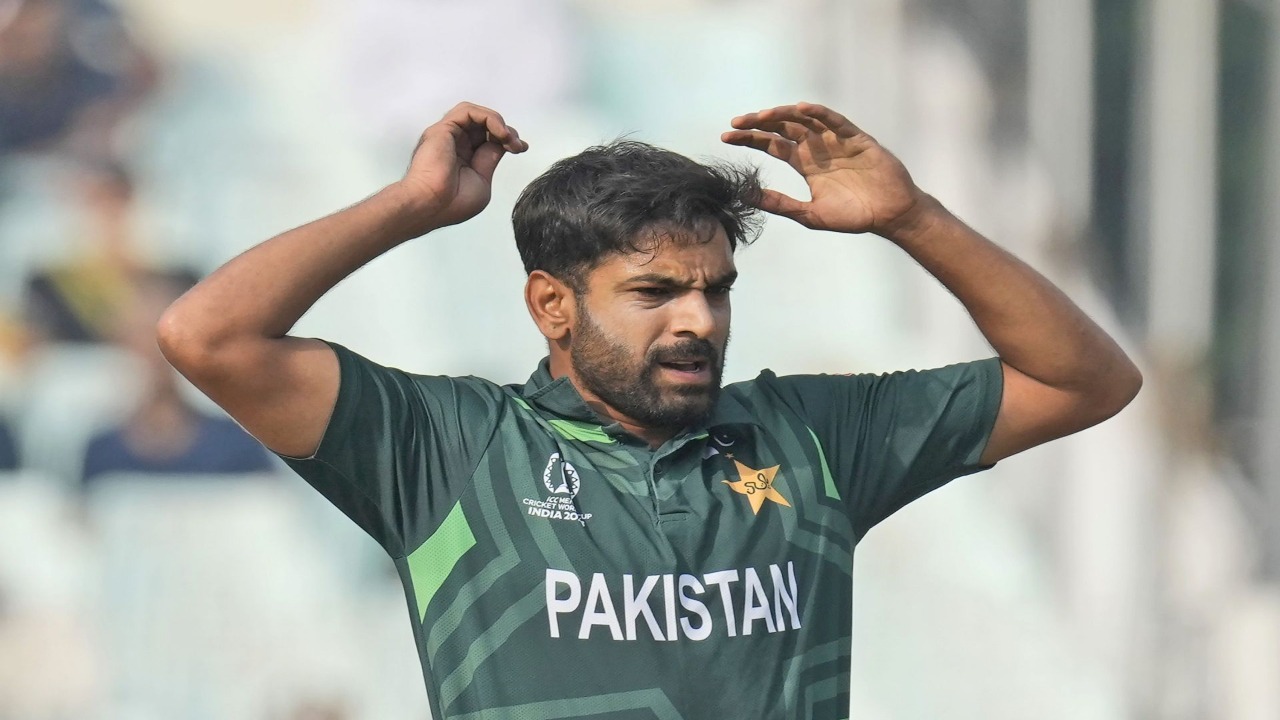
    Haris Rauf is among the brightest fast bowlers in international cricket today. Known for his speed and bounce, Rauf has made a significant impact quickly. His rise to fame has been quick thanks to his performances in various T20 leagues worldwide. In this blog post, we will examine Haris Rauf’s profile, career stats, and journey in international cricket.


    Early Life and Background

    Haris Rauf was born on November 7, 1993, in Rawalpindi, Pakistan. He started his cricket journey later than most professional players. Initially, he played tennis ball cricket in his hometown before moving on to hard ball cricket. Rauf’s big break came when a talent scout discovered him for the Lahore Qalandars in the Pakistan Super League (PSL). His impressive pace and bounce caught the coaches’ attention, leading to his selection in the team. This was just the beginning of what would become an exciting career.


    Haris Rauf’s Role and Playing Style

    Haris Rauf is a right-arm fast bowler known for his sheer pace. He bowls at speeds that trouble even the best batters in the world. Rauf also has an excellent slower ball that keeps batters guessing. While his economy rate is sometimes higher, he has a natural knack for picking wickets. Whether in T20s, ODIs, or Tests, Rauf’s ability to bowl quick and get wickets, even on flat tracks, sets him apart from many other bowlers.


    International Debut

    Rauf made his T20 debut for Pakistan on January 24, 2020, against Bangladesh at the Gaddafi Stadium in Lahore. His impressive debut performance made it clear that he had the potential to become a regular fixture in Pakistan’s bowling attack. Later that year, he made his ODI debut against Zimbabwe on October 30, 2020. In both formats, Haris Rauf quickly established himself as a key player for Pakistan, known for his wicket-taking ability.

    Haris Rauf’s Career Stats


    Batting Career

    While Haris Rauf is primarily known for his bowling, he also contributes with the bat when needed. Though not extraordinary, his batting stats show he can add helpful runs down the order. Below are Rauf’s batting career statistics:

    • Test Matches: 1 match, 2 innings, 12 runs, average 6.0

    • ODI Matches: 48 matches, 19 innings, 101 runs, average 8.42

    • T20 Matches: 79 matches, 24 innings, 87 runs, average 6.69

    Though not a top-order batter, Rauf provides lower-order stability when required.


    Bowling Career

    Haris Rauf’s main strength is his ability to bowl fast and take wickets. His bowling stats in various formats are impressive:

    • Test Matches: 1 match, 1 innings, 1 wicket, average 78.0

    • ODI Matches: 48 matches, 85 wickets, average 26.72

    • T20 Matches: 79 matches, 110 wickets, average 21.27

    Rauf’s standout performance came in the ODI format, where he took 85 wickets at an impressive average of 26.72. His bowling economy is generally good, and he regularly breaks partnerships.


    Haris Rauf’s Best Bowling Performances

    Rauf’s best bowling performance in ODIs came against Afghanistan, where he took 5 wickets for 18 runs. This remarkable feat showcases his ability to perform under pressure and take wickets in any conditions.

    In T20 internationals, Rauf’s best bowling figures were 4 wickets for 17 runs. It was a performance that helped Pakistan secure key victories. His ability to bowl under pressure in high-stakes matches has earned him a reputation as a reliable fast bowler.


    Haris Rauf’s Career Milestones

    • ICC Rankings: Haris Rauf has established himself as one of the top fast bowlers in world cricket. His consistent performances in T20s and ODIs have earned him among the top bowlers in the ICC rankings.

    • Key Teams: Haris Rauf has played for several prestigious teams worldwide. These include:

      • Lahore Qalandars (PSL)

      • Melbourne Stars (BBL)

      • Pakistan

      • Yorkshire (T20)

      • Rangpur Riders (BPL)

      • San Francisco Unicorns (USA)

      • Welsh Fire (The Hundred)

    His experience playing in various leagues has helped him grow as a bowler, allowing him to adapt to different conditions and challenges.


    Haris Rauf’s Future in Cricket

    At just 31 years of age, Haris Rauf has already accomplished much in his cricket career. His fast bowling skills and wicket-taking ability have made him a crucial player for Pakistan in both T20 and ODI formats. With his talent and dedication, Rauf has the potential to remain a key player for Pakistan for many more years.

    Rauf’s ability to bowl quickly and adapt to different playing conditions has made him a valuable asset for Pakistan. As he continues to mature as a cricketer, he is expected to play a pivotal role in the country’s bowling attack in the years to come.

    Read Also: Death Stranding 2 on the Beach: Release Date & Latest News

  • Mother of Jaffar Express hostage lashes out at govt

    Mother of Jaffar Express hostage lashes out at govt

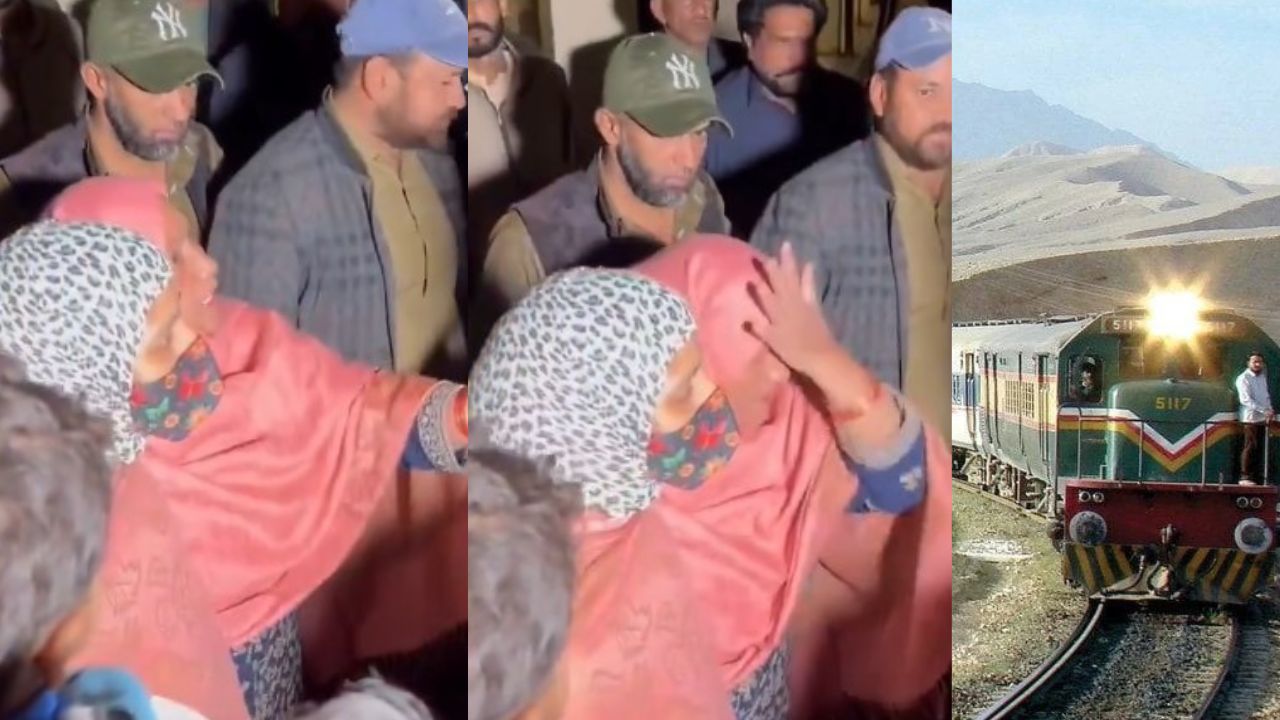
    The mother of Shahzaib, one of the individuals taken hostage by terrorists after capturing the Jaffar Express train in the Bolan district of Balochistan, has lashed out at the government. 

    In a video that has surfaced online today, a woman introduced herself as hostage Shahzaib’s mother. She was heard asking government officials about why train service was not suspended if the security situation in the area was dire.

    “If you had suspended the trains, there wouldn’t have been any tickets available. If we had known the train wouldn’t hit the track, we wouldn’t have come. It was your job,” she said. 

    Criticising the government, she lambasted the Chief Minister (CM) of Balochistan, Sarfraz Bugti, for being absent from the scene. “Where is Sarfraz Bugti? Take me to him,” she urged, adding that Bugti travels with a huge protocol.

    The hostage’s mother further hit out at Interior Minister Mohsin Naqvi, asking where is the Interior Minister who had said that the terrorists were “aik SHO ki maar hain (They can be handled even by a SHO).” 

    She was referring to the statement Naqvi made on August 27, 2024, during a press conference in Quetta flanked by the Balochistan CM. He said there is no need for an operation in Balochistan. These terrorists “can be handled by a SHO. Taking action against cowardly terrorists doesn’t require any complex strategy,” Naqvi had said.

    An unknown number of terrorists on Tuesday bombed the railway track before storming the train near the Bolan Pass of Balochistan, opening fire on the locomotive and injuring the driver. The train was hijacked when it stopped just before a tunnel in a remote, mountainous region.

    The train, carrying over 400 passengers in nine bogies, was en route from Quetta to Peshawar in Khyber Pakhtunkhwa (KP) when it came under attack. Among the hostages were a number of security personnel, a leading English newspaper reported.

    The outlawed Baloch Liberation Army (BLA) claimed responsibility for the attack, stating that they had taken a significant number of people hostage.

    The rescue operation for the Jaffar Express is underway, with security forces successfully rescuing around 155 hostages and eliminating at least 27 terrorists who had hijacked the train.

    The hijacking was an unprecedented event, as terrorists had never previously attempted to seize an entire train along with its passengers.

    According to reports, the security forces’ operation forced the militants to split into small groups. Meanwhile, 17 injured passengers were shifted to a nearby hospital for urgent medical treatment.

  • Pakistani architect Yasmeen Lari declines Israeli prize worth PKR 2.8 crores

    Pakistani architect Yasmeen Lari declines Israeli prize worth PKR 2.8 crores

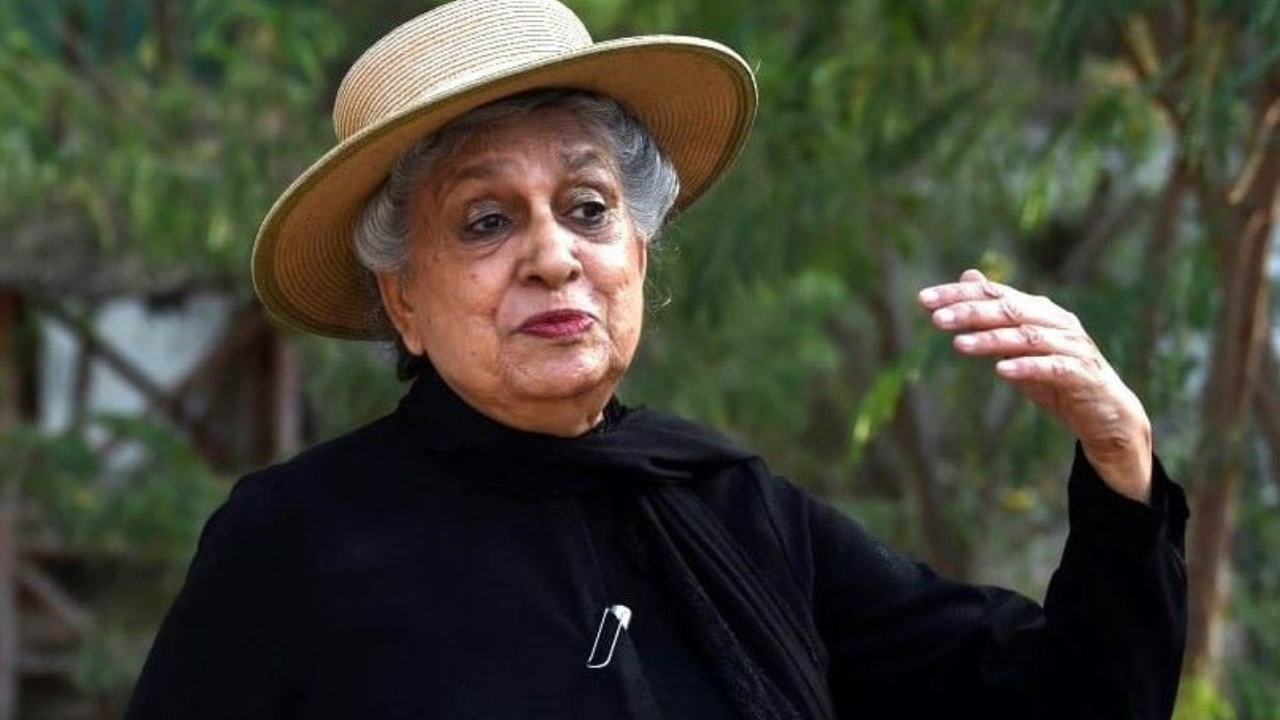
    Yasmeen Lari, Pakistan’s pioneering architect and humanitarian, has declined the 2025 Wolf Prize in Architecture, citing the ongoing crisis in Gaza as her reason. Along with rejecting the prestigious honour, she has also turned down the accompanying $100,000 prize money (approximately 28 million Pakistani rupees), stating that accepting it would go against her conscience.

    Lari, known for taking architecture and social justice side by side, formally conveyed her decision to the Wolf Foundation. While she expressed gratitude for the recognition, she also emphasised that she could not accept the award amid Israel’s continued military actions in Gaza.

    “The least I could do was to decline the award,” she remarked, stressing that the ongoing “genocide” made accepting any recognition associated with Israel untenable.

    The Wolf Prize, which has been presented annually since 1978, honours excellence across six fields: agriculture, chemistry, mathematics, medicine, physics, and the arts—where architecture, music, painting, and sculpture are rotated. Although the Wolf Foundation operates independently, its base in Israel was a significant factor in Lari’s decision. 

    Her refusal occurs in the context of a worsening humanitarian crisis in Gaza.

    Since Israel intensified its military campaign, a retaliatory genocide, following the Hamas attacks on October 7, 2023. Israel has killed over 48,000 Palestinians, including countless women and children.

    The ongoing 15-month bombardment has ravaged the Gaza Strip, destroying hospitals, schools, and entire neighbourhoods. Despite a tenuous ceasefire, Israeli airstrikes have persisted, leading to additional casualties in the last 24 hours. Furthermore, Israel has restricted the supply of goods and electricity to Gaza, exerting economic pressure to influence ceasefire talks.

    Yasmeen Lari’s Legacy and Dedication to Humanitarian Architecture

    As Pakistan’s first female architect, Yasmeen Lari has committed her career to humanitarian and sustainable architecture, emphasizing the needs of marginalised communities. She co-founded the Heritage Foundation of Pakistan in 1980 with her husband, Suhail Zaheer Lari, and has since constructed over 50,0neighbourhoods00 eco-friendly, self-constructed shelters and 80,000 fuel-efficient stoves using natural materials such as mud, lime, and bamboo. 

    Her contributions champion low-carbon, climate-resilient architecture, demonstrating that traditional construction methods can be sustainable and socially beneficial. In acknowledgement of her impact, Lari received the Royal Institute of British Architects (RIBA) Royal Gold Medal in 2023, which is one of the highest honours in international architecture. 

    By refusing the Wolf Prize, Lari has reaffirmed her commitment to human rights and ethical responsibility, leveraging her platform to protest against the ongoing violence in Gaza. Her choice not only reflects a personal dedication to justice but also underscores the influence of global figures in advocating for change through principled actions.

  • ‘Honey-trapping’: Young women gang busted in Lahore for blackmail, kidnapping, extortion

    ‘Honey-trapping’: Young women gang busted in Lahore for blackmail, kidnapping, extortion

    Lahore City Police have busted a gang operating in the Kot Lakhpat area of the city, including young women and police officials allegedly involved in blackmail, kidnapping, torture, and extortion.

    According to a report published in Dawn, police arrested six suspects, including three police officials and three women, after a businessman became a victim of the gang.

    An officer revealed that the gang was being run by three police personnel who used young women to trap their targets. He stated that a young man named Kamran Abbas, a resident of Model Town, became friends with a girl on TikTok. The girl invited Kamran on a date at a location on Chandrai Road.

    As soon as Kamran reached the designated spot, the girl led him to a quarter where four armed accomplices were already waiting for them. The suspects held the young man at gunpoint and detained him inside the quarter, where they brutally assaulted him using the butts of their guns, punches and kicks. They then demanded a ransom for his release.

    The assailants recorded a video clip of the beating, which later surfaced on social media. In the video, the young man was seen crying and pleading for release, offering the kidnappers anything they wanted. He also begged them not to expose the incident to his family and relatives, fearing that it would ruin his career and reputation. However, the armed gang continued to assault him mercilessly.

    Officials disclosed that the investigation revealed the gang had previously used young models, actresses, and other women to trap multiple businessmen, celebrities, and influential figures, extorting money from them.

    A similar case came to light in July last year when Lahore police arrested nine suspects, including two women, for kidnapping and robbing a well-known playwright through a honey trap scheme.

    In another case reported in August 2024, Gulberg police arrested a doctor and two women for allegedly blackmailing, torturing, and recording a businessman’s intimate video in a hotel room where he had been called to finalize a business deal with a private company owner.

    Authorities further stated that a Deputy Attorney General of Punjab was also allegedly involved in the case, and police registered a case against the suspects.

    Officials also revealed that a gang, including a young woman, had previously entrapped a senior lawyer in Lahore and blackmailed him for money.

    Regarding the latest incident, Lahore Operations DIG Faisal Kamran expanded the investigation upon learning that three police officials were among the key suspects. These officers had previously used the same women to trap multiple victims in honey trap schemes.

    DIG Kamran has suspended the involved police officials and initiated their dismissal process, ordering strict action against them for tarnishing the reputation of the department.

  • Jio, Airtel sign deal with Elon Musk’s SpaceX to bring Starlink to India

    Jio, Airtel sign deal with Elon Musk’s SpaceX to bring Starlink to India

    India’s leading telecom giants Bharti Airtel and Reliance Jio have signed agreements with SpaceX to bring Starlink satellite internet services to the country. Both companies, headquartered in India, are awaiting regulatory approvals for SpaceX to operate Starlink commercially. 

    The partnerships mark a significant step towards expanding high-speed broadband access in the country, particularly in remote and underserved regions.

    Airtel has announced that it will explore various ways to collaborate with SpaceX, including selling Starlink hardware through its retail stores and offering services to businesses. The company also plans to leverage Starlink’s capabilities to connect rural schools, healthcare centres, and other remote locations lacking traditional internet infrastructure. Additionally, Airtel aims to integrate Starlink into its existing network and explore opportunities for SpaceX to utilize Airtel’s telecom infrastructure in India.

    “Airtel’s collaboration with SpaceX represents a major milestone in our commitment to providing next-generation satellite connectivity in India,” said Gopal Vittal, Bharti Airtel’s Managing Director and Vice Chairman.

    Reliance Jio, on the other hand, has also partnered with SpaceX to offer Starlink services through its retail stores and online platforms once regulatory approvals are granted. Jio plans to integrate Starlink into its broadband portfolio, which already includes JioFiber and JioAirFiber, to enhance its internet services in areas where traditional broadband is difficult to deploy. The company will be responsible for the installation, activation, and customer support for Starlink users in India.

    “High-speed broadband must reach every Indian, and integrating Starlink into Jio’s broadband ecosystem will help us achieve that goal,” stated Mathew Oommen, Group CEO of Reliance Jio.

    SpaceX President and COO Gwynne Shotwell praised both Airtel and Jio for their commitment to expanding digital connectivity in India. “We appreciate Airtel and Jio’s focus on digital expansion and look forward to bringing Starlink’s high-speed internet to India once we receive the necessary approvals,” she said.

    The agreements signal increasing competition in India’s satellite broadband sector. Both Airtel and Jio aim to extend high-speed internet access to previously unreachable areas. Airtel, which already collaborates with Eutelsat OneWeb for satellite internet services, will strengthen its connectivity offerings by adding Starlink to its portfolio. 

    Meanwhile, Jio, which handles the highest mobile data traffic in India, expects to enhance broadband reliability and accessibility through its partnership with SpaceX.

  • Ushna Shah vows to quit cosmetic procedures after disastrous filler

    Ushna Shah vows to quit cosmetic procedures after disastrous filler

    Renowned actress Ushna Shah has revealed that she once underwent a cosmetic procedure that turned out to be dangerous, leaving her with serious side effects.

    During a conversation with actress Sarah Asghar on her show, she shared her traumatic experience with fillers and the lasting damage they caused.

    Speaking about her struggles with dark spots due to lack of sleep, she said:


    “I barely sleep—sometimes just one or two hours—which causes dark spots on my face. To treat them, I used to get fillers.”

    However, she recalled a horrifying incident where she went to a salon for her regular filler treatment.

    “The salon staff assured me they could do fillers, but they mixed something else into the injections. Right after the procedure, my eyes swelled up badly, and I faced serious complications.”

    She further explained that she had to massage her face continuously to reduce the swelling before getting the fillers removed.

    She admitted that the botched procedure worsened her skin condition.

    “Instead of improving my skin, it left me with even darker scars under my eyes and on my cheeks. After this horrible experience, I have decided never to get fillers again.”

    Ushna Shah added that she had never spoken about her cosmetic procedures before but felt it was important to share her experience to warn others.

  • Lahore man arrested for keeping lion in cage on rooftop

    Lahore man arrested for keeping lion in cage on rooftop

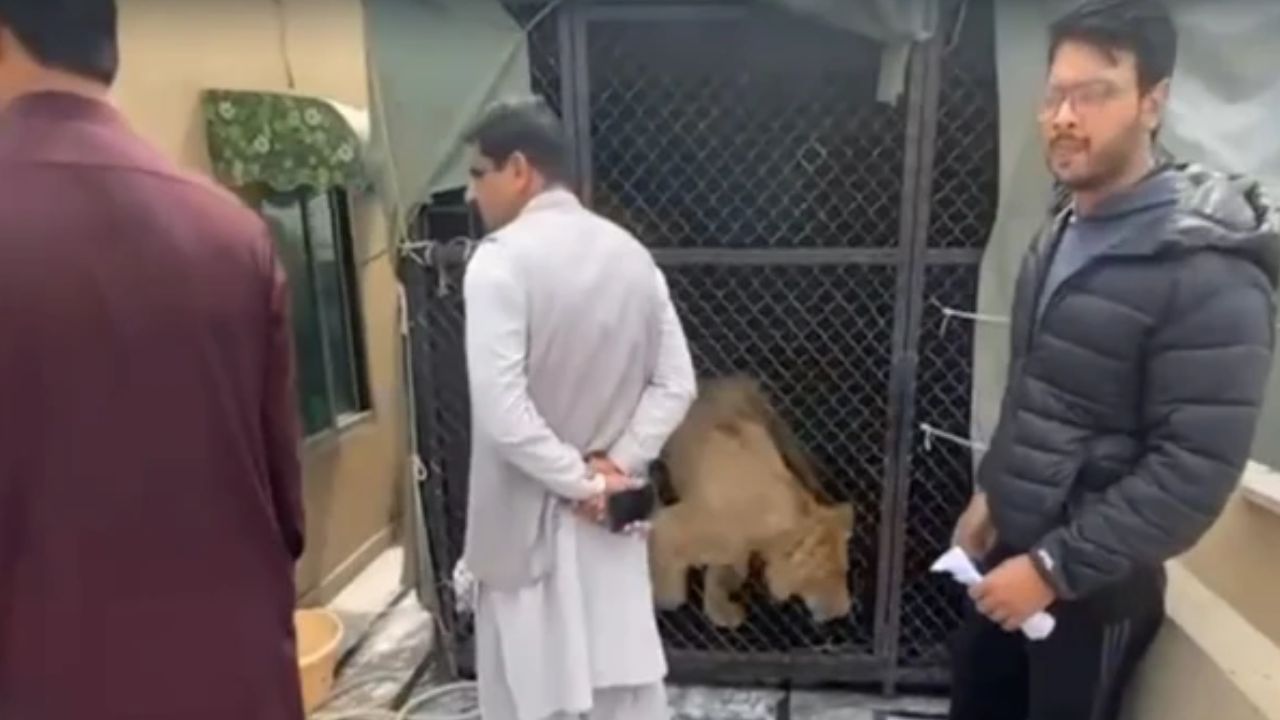
    Punjab Wildlife Department has seized a lion from a residence in Lahore’s Iqbal Town following a raid, arresting the owner for illegally keeping the wild animal on his rooftop.


    The operation was carried out in response to a social media video that went viral and involved a man named Azhar Mehmood taking a photo with the lion.


    The Punjab Wildlife Department claims that Azhar Mehmood housed the lion on his home’s rooftop in an illegal cage. According to the authorities, the barrier did not adhere to the necessary safety regulations. 


    It is against the Wildlife Act to keep wild animals without a license and to advertise their presence in public.


    People who are caught keeping lions or other wild animals without the proper permission, displaying them in public, or promoting them on social media could be imprisoned for up to seven years and fined Rs 5 million, according to the Punjab government’s recent, stricter amendments to wildlife protection laws.


    Maryam Aurangzeb, Punjab’s Minister for Information and Culture, praised the Wildlife Department’s quick response to the incident. She underlined that breaking rules protecting animals will have legal consequences for everyone. 


    Chief Minister Maryam Nawaz Sharif has ordered that these regulations be closely followed in order to ensure the safety and well-being of animals, the minister added. 


    The captured lion has been sent to a safe location where it will get the care it needs, according to authorities. To find out how the lion was obtained and whether there were any more offenses, the Wildlife Department is still looking into the matter.


    The incident has raised public awareness on the value of appropriate wildlife protection procedures. To help guarantee that wildlife laws are strictly enforced throughout the province, officials have asked residents to report any similar incidents.

  • Andy Roberts calls ICC the ‘Indian Cricket Board’

    Andy Roberts calls ICC the ‘Indian Cricket Board’

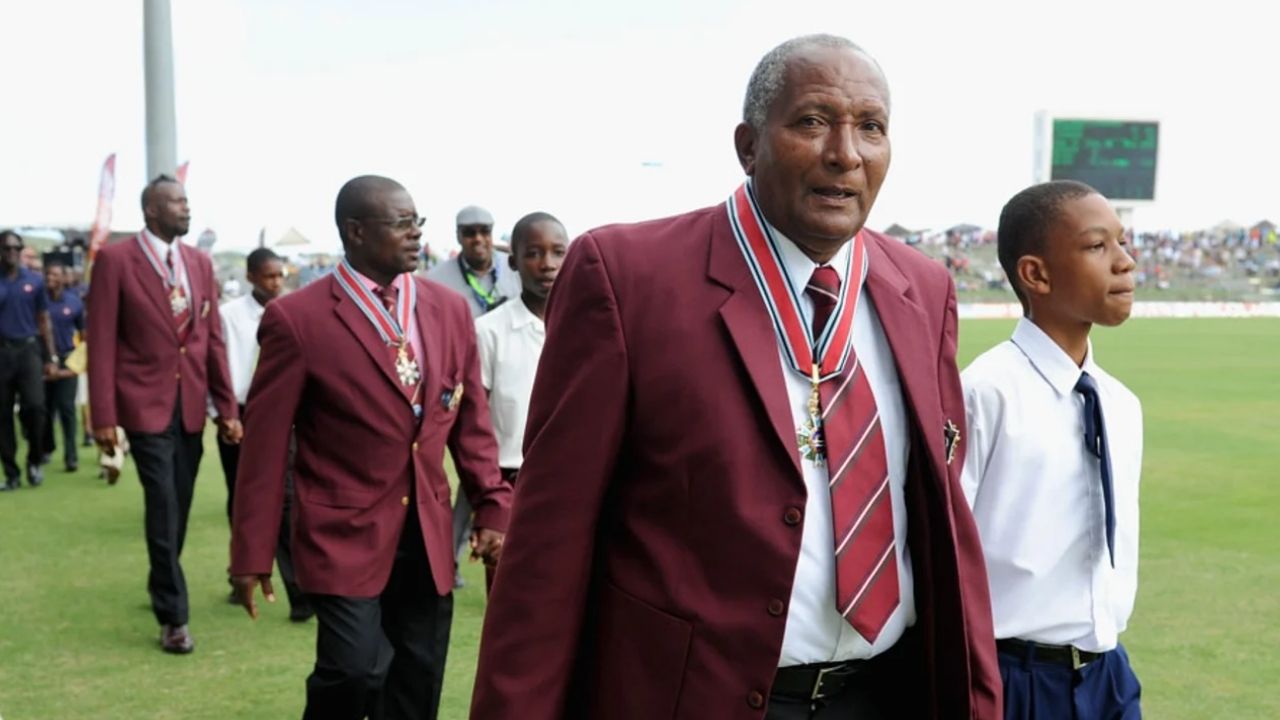
    West Indies cricket legend and former fast bowler Andy Roberts has openly criticised the International Cricket Council (ICC), alleging that it favours the Indian cricket board.

    Speaking about India’s influence in world cricket, Roberts stated, “India was given an advantage in last year’s T20 World Cup as well. They already knew where they would play their semi-final. How is it possible that a team does not have to travel at all in a tournament?”

    Expressing his frustration, the former pacer said, “The ICC stands for the Indian Cricket Board. India dictates everything. If tomorrow India says there should be no no-balls or wide balls, the ICC will find a way to make it happen.”

    Roberts concluded by saying, “India cannot have everything its way. The ICC must stand up to them and say no.”

    Despite the criticism, Rohit Sharma defended India’s position, stating that his team also had to adapt to Dubai’s conditions like any other location.

    “It’s not like we know what’s going to happen on these pitches. It’s not our home either. We don’t play many matches here, so it’s new for us as well,” Rohit said before India’s semi-final against Australia.

    India lifted the Champions Trophy after defeating New Zealand by four wickets in the final. 

    It merits mention that the tournament was officially hosted in Pakistan. However, India played all their matches in Dubai after the BCCI took a stance, claiming that the Indian government had refused permission for the team to travel to Pakistan.

    As a result, a hybrid model was adopted, with India’s matches being played in Dubai while other teams had to shuttle between Pakistan and the United Arab Emirates (UAE) multiple times besides playing matches in different Pakistani cities. This travel-heavy schedule has sparked debates about fairness, with players expressing concerns over fatigue and competitive disadvantages.

    This travel-heavy schedule has sparked debates about fairness, with players expressing concerns over fatigue and competitive disadvantages. 

    Based on a report by the Reddit page r/Cricket (1.7 million members), here is how much teams travelled during the event, and the disparity is striking.

    India: 0 KM (All matches played in Dubai)
    England & Afghanistan: 1,020 km 
    Bangladesh: 1,953 km
    Australia: 2,509 km
    Pakistan: 3,133 km
    South Africa: 3,286 km
    New Zealand: 7,048 km

    While finalists New Zealand, in particular, faced the biggest travel burden, covering over 7,000 km, India made it to the final, comfortably in Dubai without any travel stress.

    Pakistan, despite being the official host, had to travel over 3,100 km, while Australia also endured over 2,500 km of travel before the crucial knockout matches.