Blog

  • America says Lebanon-Israel deal extended to 18 Feb

    America says Lebanon-Israel deal extended to 18 Feb

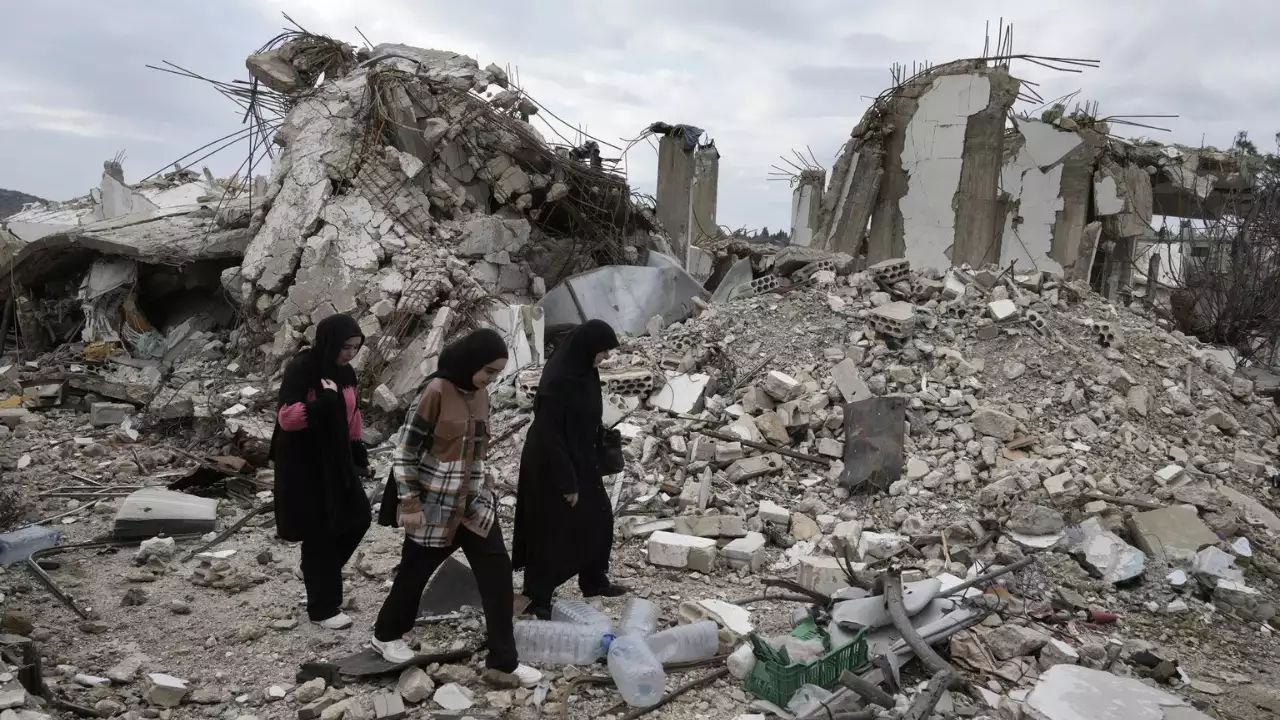
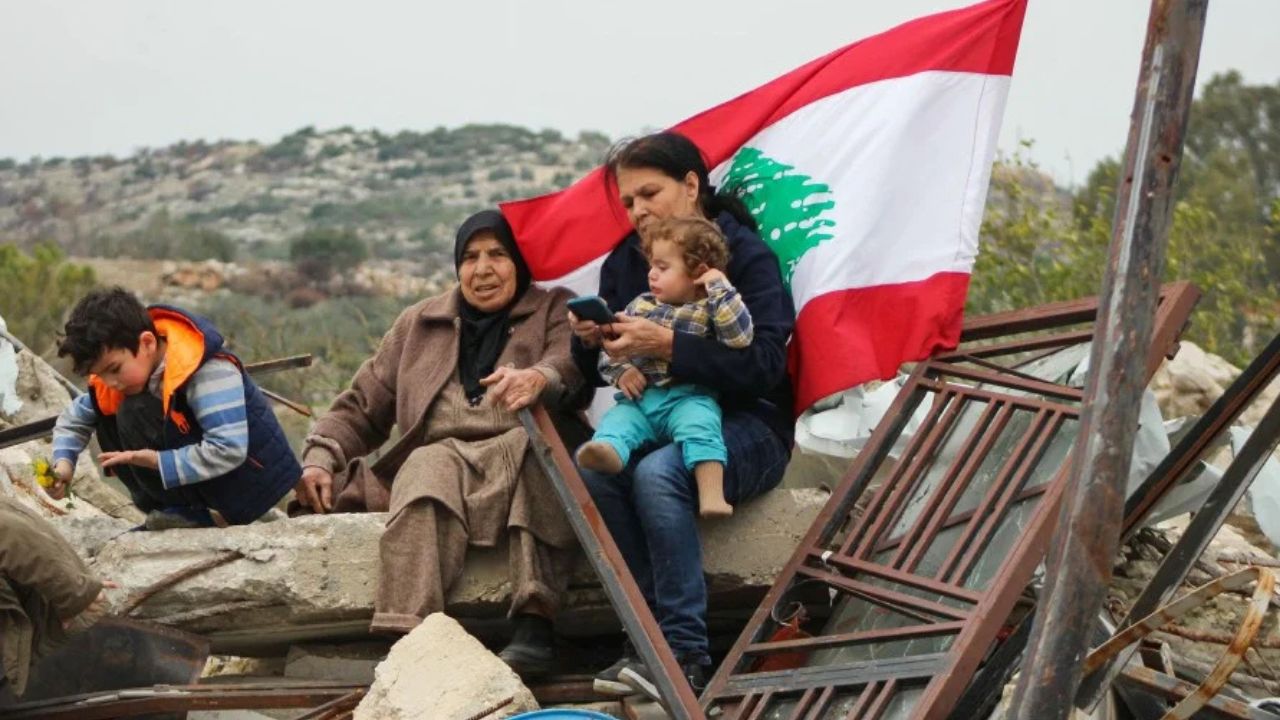
    The White House said Sunday that a deal between Lebanon and Israel had been extended until February 18, as Israel missed a previous deadline to pull troops.

    “The arrangement between Lebanon and Israel, monitored by the United States, will continue to be in effect until February 18, 2025,” the White House said in a brief statement.

    Donald Trump’s White House also said that the United States would negotiate with Israel and Lebanon for the return of Lebanese prisoners captured since the October 7, 2023, Hamas attack on Israel, which brought parallel fighting, at first on a small scale, between Israel and Lebanon’s resistance group Hezbollah.

    The statement did not explicitly mention a ceasefire, which has been increasingly in doubt as Israeli forces killed 22 people on Sunday, according to Lebanon’s health ministry.

    The White House also did not make any reference to France, which worked alongside the United States under former president Joe Biden to reach the ceasefire on November 27.

    The deal ended Israel’s military campaign in Lebanon against Iranian-backed Hezbollah. Under the 60-day deal, the Lebanese army was to deploy alongside UN peacekeepers in the south as the Israeli army withdrew.

    Israel made clear in recent days it had no intention to meet the deadline, saying Lebanon’s fledgling army had not fulfilled its side of the deal.

    On Sunday, Israeli forces opened fire and killed 22 people, including six women, as they returned to their villages, according to Lebanon’s health ministry.

    The Israeli military said it targeted suspects who posed an “imminent threat” to its troops.

    Lebanon said Monday it would extend the implementation of a ceasefire agreement with Israel until February 18 after Israel failed to meet the deadline for withdrawing troops from the country’s south.

    “The Lebanese government reaffirms its commitment… to continue implementing the ceasefire agreement until February 18, 2025,” Lebanese Prime Minister Najib Mikati said in a statement after consulting with the country’s president and parliamentary leader following “contacts with the American party responsible for supervising the agreement”.

  • Butcher murdered by wife, son

    Butcher murdered by wife, son

    A woman from Vehari, Punjab, helped her teenage son to murder her husband on Sunday. 


     The 15-year-old boy allegedly killed his father using a sharp weapon in collaboration with his mother. Both the suspects have been arrested by the police. 


    The incident happened near Gaggo Mandi where the police received a report on Friday morning regarding the alleged murder of a butcher named Tahir in the 88 WB area.


    An initial report suggested that the victim was brutally slaughtered with a sharp weapon by unknown suspects. 


    Taking swift action, the Station House Officer (SHO) Farooq Ramzan of Gaggo Mandi Police Station reached the scene and started the investigation. 


    The police report details that the victim’s body was found tied to a pole on the veranda of his home near livestock area. 


    The victim’s family members told the police that Tahir had been restrained and slain. The police investigating team started a probe, conducted forensic examinations, collected evidence, and shifted the body to the hospital for an autopsy. 


    Shortly after that, the police apprehended the victim’s wife, Sajida Bibi and the couple’s 15-year-old son for interrogation. The suspects confessed to the crime.


    A police official told the media that the slain man’s wife alleged that her husband was involved in immoral acts with their daughters, and when they confronted him, he started threatening them.


    She stated in front of the investigating team that these actions provoked her to take the extreme step.


    The police said that the murder weapon was recovered from the suspects’ possession. 

    The victim is said to be the father of two sons and five daughters. His funeral was held in his ancestral village, Chak 90 WB.


    The results of the autopsy report are still awaited. 

    Police will continue to investigate the case further.

  • India’s Bumrah named Test cricketer of the year after sensational 2024

    India’s Bumrah named Test cricketer of the year after sensational 2024

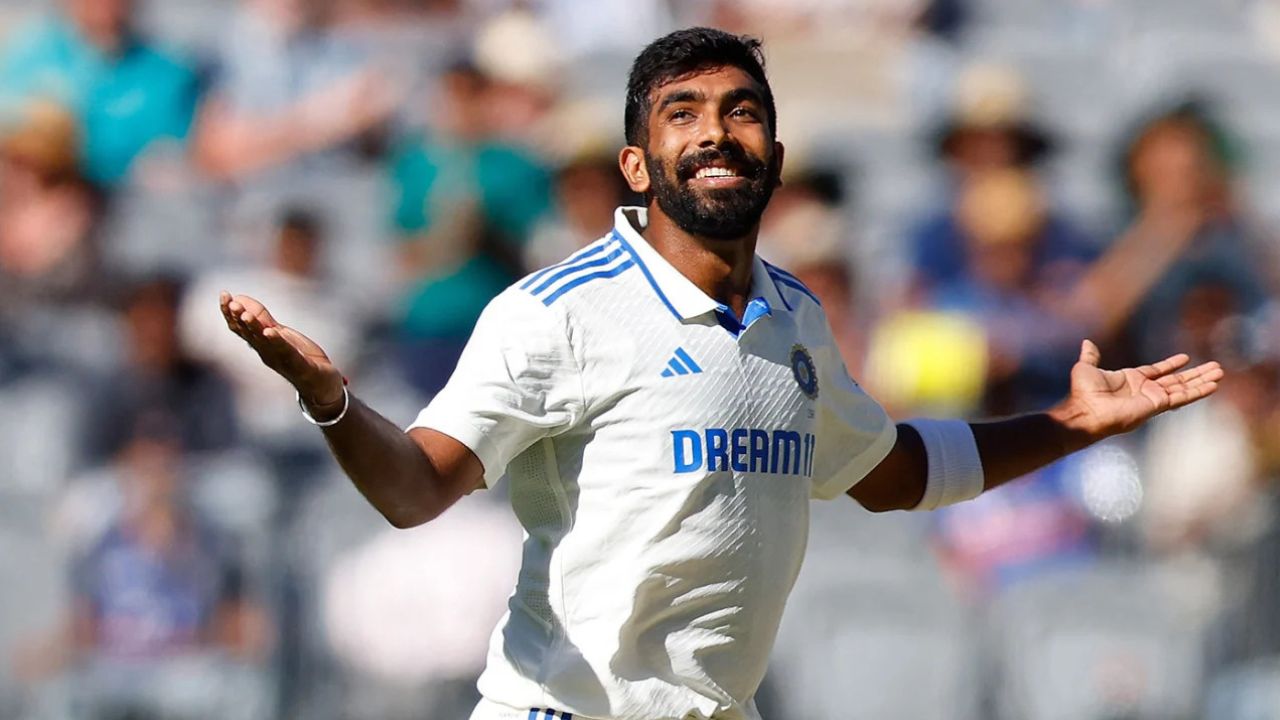
    India paceman Jasprit Bumrah was Monday named men’s Test cricketer of the year for 2024 by the International Cricket Council.

    The right-arm quick returned to the five-day format in late 2023 following a lengthy absence due to a back injury.

    Bumrah, 31, was the leading wicket-taker in Test cricket in 2024, topping the charts with 71, well clear of second-placed Gus Atkinson of England (52 in 11 matches).

    His average across the year was a breathtaking 14.92 and he ended 2024 with a strike rate for the year of just 30.1.

    “Test cricket has always been a format I hold close to my heart, and to be recognised on this platform is truly special,” said Bumrah.

    “This award is not just a reflection of my individual efforts but also of the unwavering support of my teammates, coaches, and fans who continue to believe and inspire me every day.

    “Representing India is a privilege I deeply cherish, and knowing my efforts bring smiles to people around the world makes this journey even more special.”

    Bumrah beat England batsmen Harry Brook and Joe Root as well as Sri Lanka’s Kamindu Mendis to the award, given by the game’s governing body.

    Smriti Mandhana made it a double success for India as she was voted women’s one-day international cricketer of the year for the second time.

    Afghanistan all-rounder Azmatullah Omarzai clinched the men’s ODI award.

  • Women are not rehabilitation centres for men

    Women are not rehabilitation centres for men

    There, I said it! But it took me eight years of marriage and constant reassurances from my husband to truly come to terms with the fact that we, as women, are not responsible for fixing broken men. And yet, I can’t help but wonder: how many women, like me, are still living under the delusion that it’s their duty to shoulder the burden of their spouse’s mental struggles? Who will tell them that it’s not? Recognising the importance of addressing this issue openly, I decided to write about it so that no other woman has to go through the emotional ordeal I endured as a married woman. But it’s not really our fault that we believe this way – this is what we’ve been indoctrinated to believe.

    Historical context: Where did this mindset come from?

    It’s important to understand where this mindset came from. Historically, women have always been seen as nurturers and caregivers. From the time we’re little, we’re taught that our greatest strength lies in our ability to take care of others—whether it’s siblings, parents, or, eventually, a husband and children. This expectation has been so deeply ingrained in our culture that many women internalise it without question, believing their worth is tied to how much they can give, heal, or endure for others.


    In South Asia, this mindset was reinforced during colonial rule, where rigid gender roles were imposed through the introduction of Victorian ideals about family and gender roles, the setting up of schools that largely excluded women from formal education and the Widow Remarriage Act of 1856, which while protecting widows, also reinforced the idea that women were supposed to be submissive and dependent on men. These gendered norms were later internalised by South Asian societies long after colonial rule ended. And it’s not just a problem of the past—this notion still thrives today.


    Project ‘Broken Men’


    Then there’s this infamous idea of men as ‘projects’—something broken that women are supposed to fix. It’s like society hands out a manual at birth, saying, “Here’s your future husband. He’ll be emotionally distant, maybe even reckless, but don’t worry—that’s your job to fix.” 


    Women are subtly (and sometimes not-so-subtly) conditioned to believe that love means sacrifice—that patience and perseverance can transform any man into a prince. This narrative doesn’t just trap women; it excuses men from doing the work they need to grow and thrive on their own.


    There’s also this heavy pressure from elders to accept men with their flaws as if it’s simply a part of the deal. We all have grown up seeing such people around whose maxim is: larkay ki shadi karado, sudhar jaega. [Get the boy married, he’ll improve] And, if you ask them, kon sudharega? [Who will improve him?] The answer is, of course, uski biwi [wife].


    So the message is clear from day one: marriage is not about finding a compatible partner but about taming your husband, fixing his mental hurdles, and sacrificing personal happiness for the sake of tradition and family reputation.


    The ‘Bas guzara karlo’ [Just survive it] syndrome


    We also romanticise this idea of sacrifice and perseverance in marriage. We’ve all heard the stories of women who quietly endure their husbands’ temper, neglect, or emotional baggage with the expectation that somehow, over time, love will fix everything. 


    The concept of sabr [patience] is often elevated to a saintly virtue in this context (read: sabr-kay-agay-jeet-hai illusion) as if a woman’s selflessness in putting her own needs second is a sign of moral strength. 


    And the problem is we see this mindset glorified everywhere, in our TV shows and films. In Pakistan, dramas like Humsafar and Zindagi Gulzar Hai portray women who suffer in silence but are expected to stay patient for things to get better. Take Humsafar, for example, where Khirad endures emotional neglect from her husband, Ashar, yet in the end, the story suggests that her patience is what saved the marriage. And in Zindagi Gulzar Hai, we see Kashaf’s mother forgiving her husband after all the emotional turmoil he put her through—once again perpetuating the same mindset.


    In India, shows like Balika Vadhu and Woh Rehne Wali Mehlon Ki portray women enduring challenges in their marriages and family lives at the hands of selfish husbands, all in the name of adarsh [ideals] and sanskar [tradition]. Their sacrifices are celebrated, with the underlying message being that patience and enduring hardship will ultimately lead to happiness.


    Even popular films like Kabhi Khushi Kabhie Gham and Dilwale Dulhania Le Jayenge feature women who go through tough times for the sake of love, believing that their perseverance will fix everything. 

    Global Perspectives: Parallels Across Cultures

    This idea of women being expected to “fix” their husbands isn’t just a local phenomenon—it spans across cultures and societies. Whether it’s in Hollywood, Bollywood, or media in the Middle East, the narrative often remains the same: women are seen as the emotional saviours or the ones who can help men improve their lives. In Western cultures, movies like The Pursuit of Happyness show a woman’s support as a form of emotional rehabilitation for her struggling partner. 


    But this mindset doesn’t only deal with emotional issues—there are also career and economic factors at play. In many societies, women are expected to “help” their husbands grow economically or professionally, sometimes at the cost of their own dreams. 


    And this pressure varies across socioeconomic classes, with wealthier societies focusing more on emotional rehabilitation and poorer societies often tying women’s role to economic survival. 


    Consequences of the ‘Fixer Fantasy’

    When women are expected to “fix” their husbands, it often leads to emotional burnout and disillusionment. Studies indicate that 40% to 70% of family caregivers experience clinically significant symptoms of depression, with about a quarter to half meeting the criteria for major depression.

    In Pakistan, divorce remains a taboo, and the fear of social stigma prevents many women from seeking help. Approximately 56% of abused women have never told anyone about their situation. This societal pressure can lead to marital dissatisfaction and, in some cases, divorce. 

    As per research, divorced women in Pakistan often face psychological crises, including feelings of insecurity and health issues like insomnia and panic attacks. The unequal emotional labour expected from women in these relationships can erode the foundation of marriage, leaving both partners unhappy and unfulfilled.

    How to break the cycle?

    It all starts with recognising unhealthy patterns in relationships. We, as women, must understand that we don’t need to “fix” anyone and that relationships should be about mutual respect, not one-sided sacrifice. The media also plays a key role by showcasing healthier relationships where both partners support each other. Additionally, we must incorporate relationship education in schools and communities to help everyone understand what a balanced, respectful relationship looks like. 


    This can be done through age-appropriate content in school curriculums, such as emotional intelligence, empathy, and conflict resolution, seminars and workshops for students, parents, and teachers that address healthy relationships, communication, and gender roles, involving psychologists and educators. 


    Moreover, we can organise community discussions or sessions in madrassas, mosques and local event venues like T2F, TDF Ghar, Pak Tea House or The Black Hole Islamabad. Arts Council Pakistan and NAPA can also play a huge role in this regard by organising plays that can teach people the essence of a healthy relationship. While it’s often said that our shows reflect real life, why not depict an alternate reality—one that could inspire positive change and ultimately become the norm? After all, if art imitates life, life also imitates art.


    On top of that, we need to remove the stigma around seeking counselling or therapy. There are still many men, in particular, who hesitate to admit to having mental health issues, let alone seeking therapy due to bad experiences with previous therapists or the fear of opening up to someone new. They must be encouraged to talk openly about their mental health for the sake of themselves and their partners. Because if they don’t, we women—being hopelessly empathetic—will try to help them, constantly finding flaws in ourselves and our methods for not being able to fix them, and how is that fair to us?


    So, let’s break the cycle—one step at a time. We all are in this together—no gender war, no blame games—as two passengers supporting each other to make the journey all the more enjoyable, all the more peaceful!

    Fizza Abbas is a co-founder of Aurat Kahani, a freelance journalist and an award-winning poet with over 100 publications across several literary platforms.
    She can be reached at fizza_abbas@outlook.com
  • Shadab Khan comments on actors and TikTokers’ claims about cricketers

    Shadab Khan comments on actors and TikTokers’ claims about cricketers

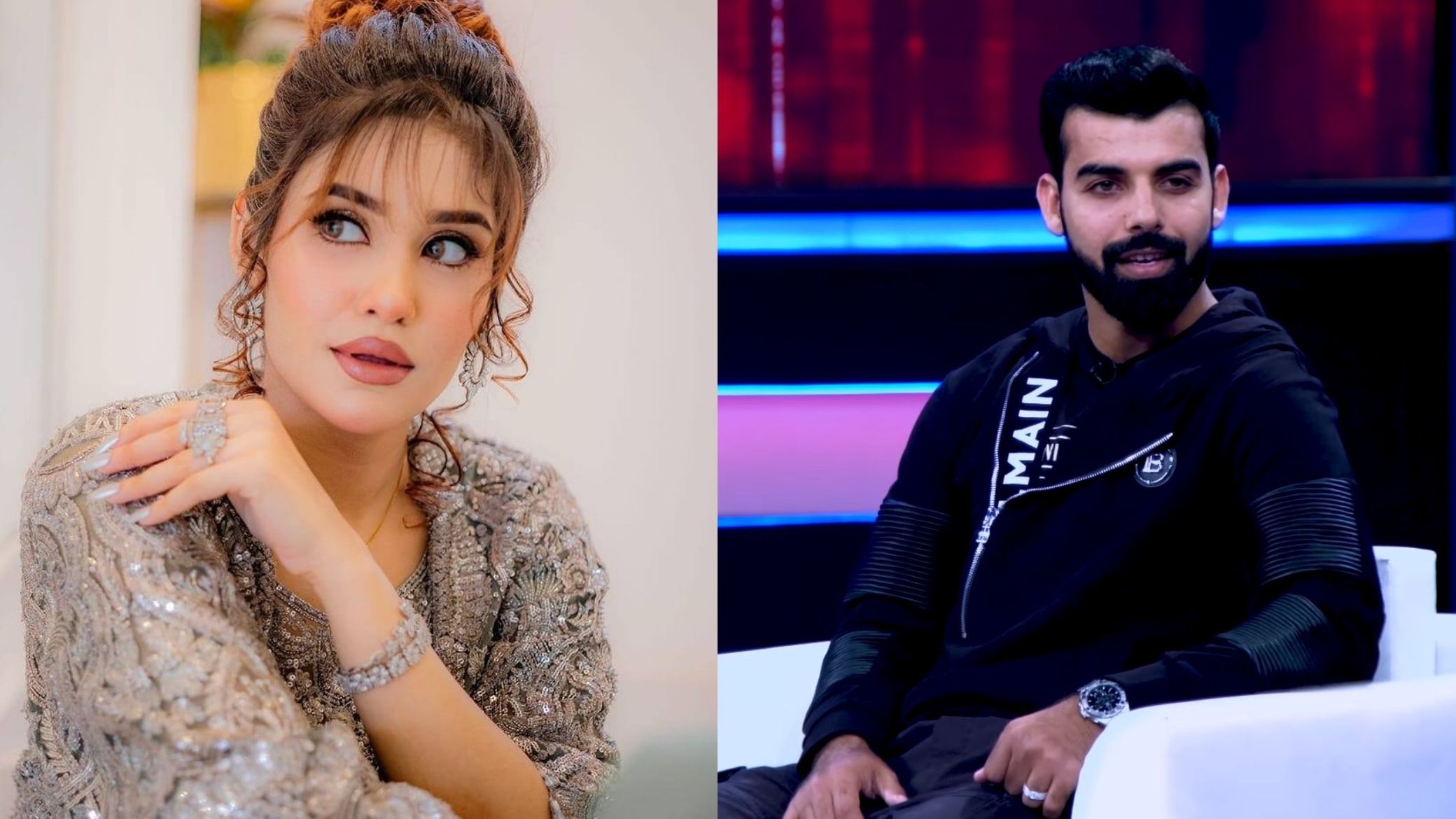
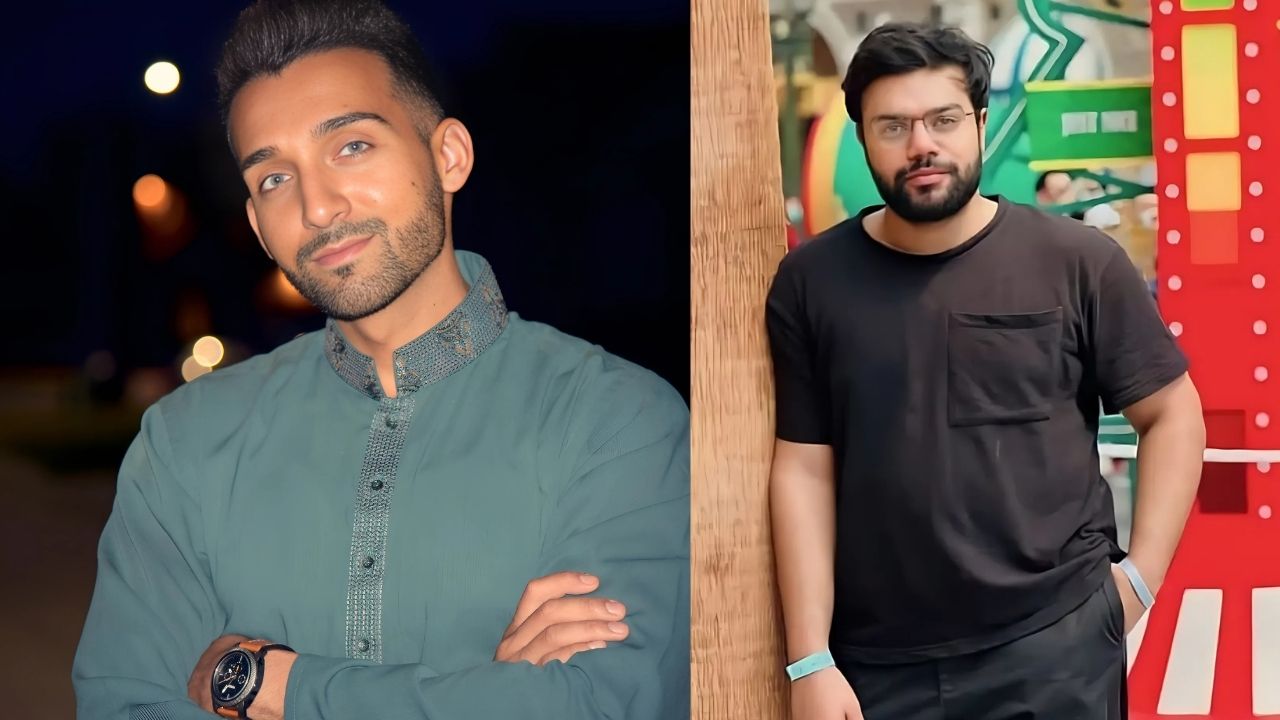
    Pakistani cricketer Shadab Khan recently addressed claims by actors and TikTokers about cricketers messaging them during his appearance on the show Hansna Mana Hai.

    Host Tabish Hashmi asked the all-rounder, “Do cricketers really send messages to actors and TikTokers on social media, or are these just baseless claims?”

    Shadab replied, “If a cricketer messages an actress or TikToker, there’s nothing wrong with it.” He added, “If actresses receive messages and don’t like them, they should simply not respond.”

    He elaborated, “If actresses don’t reply, they won’t get more messages. But if they respond and then expect replies while complaining about getting messages, that’s not how it works.”

    He further remarked, “I’ve seen videos of some actresses making big claims, but that’s not always the reality. Sometimes, things are exaggerated.”

    According to Shadab, some claims are made just to gain fame, especially during major cricket tournaments. “It’s a way to get attention,” he said.

    With a smile, Shadab shared, “There’s no fight within the team over who messaged an actress. But yes, everyone does ask each other who sent the message.”

    Shadab refrained from naming anyone specific while addressing these claims.

    Previously, TikToker Shah Taj Khan claimed to have been friends with Shadab Khan, stating that they used to message each other on social media. Before her, actresses like Nawal Saeed and Momina Iqbal also claimed that cricketers often messaged them.

  • Manager calls out organisers after crowd throws bottle at Talha Anjum, again

    Manager calls out organisers after crowd throws bottle at Talha Anjum, again

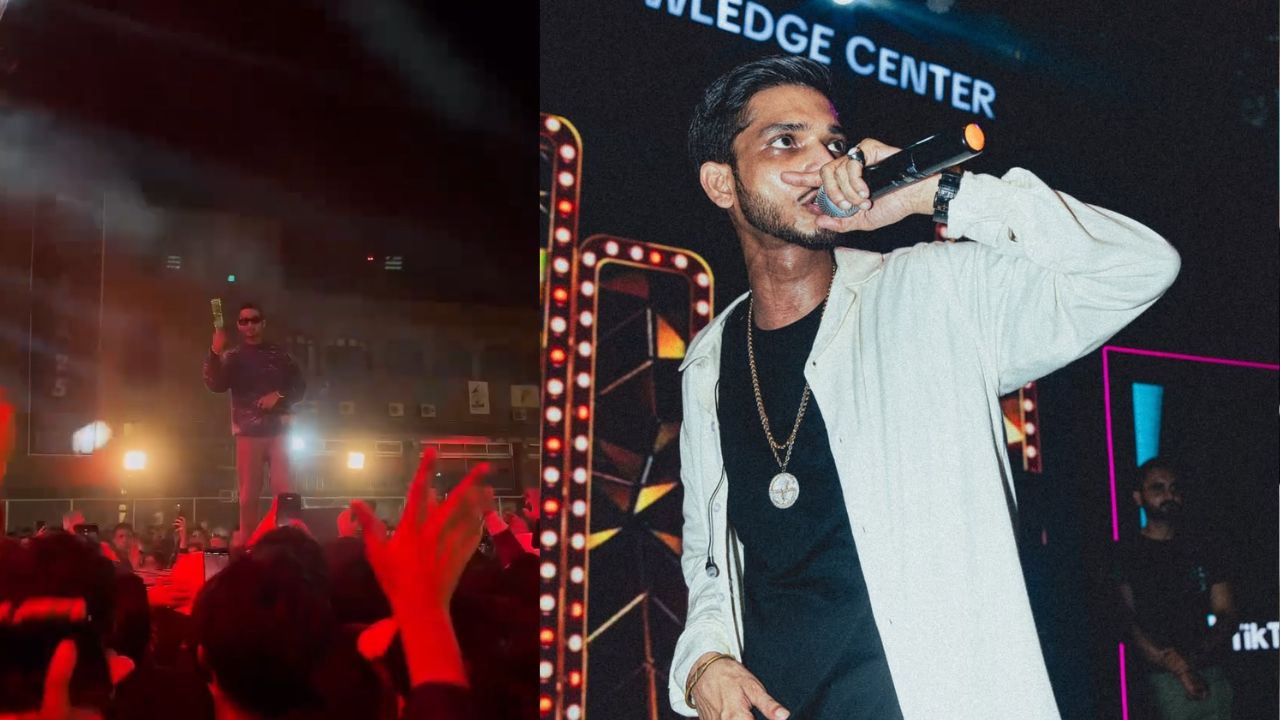
    Rapper Talha Anjum, part of the popular music duo Young Stunners, was recently hit by a bottle during his performance at the Beaconhouse Notion of Academia 2025 event held at Beaconhouse Margalla Campus in Islamabad. The duo’s manager, Aleena Naghman, addressed the incident in an Instagram story, which Anjum later reshared for his followers.

    In her story, she wrote, “To all fans, followers, school managements and event organizers, I would like to address an important issue that has left me deeply disturbed. As the Manager for Young Stunners, I am compelled to speak out about a recent incident that occurred during our performance at the Beaconhouse Notion of Academia 2025 event held at Beaconhouse Margalla Campus in Islamabad.”

    She continued, “During the event, the audience’s behavior was completely unacceptable. Students were throwing bottles at the artists, and the last bottle hit Talha Anjum in the eye. Despite this, he chose not to react and left the stage.”

    Alina highlighted the lack of accountability from the event organisers, saying, “What’s even more disturbing is the lack of accountability and respect shown by the event organizers. They never hesitate to ask our artists for shoutouts to promote their events, but when it comes to apologizing for the safety and well-being of our artists, they remain silent.”

    She added, “It’s ironic that the school organization didn’t spare a single moment to take pictures with our artists before the show, but when it comes to taking responsibility for the actions of their students, they’re nowhere to be found.”

    The manager also emphasised the need for respect and accountability, stating, “This lack of respect and accountability is unacceptable. We urge event organizers to take responsibility for ensuring a safe and respectful environment for all performers. A simple apology or acknowledgment of the incident would have gone a long way in showing that they value the well-being of our artists.”

  • Sham Idrees calls out Ducky Bhai’s ‘toxic behaviour’, alleges bullying

    Sham Idrees calls out Ducky Bhai’s ‘toxic behaviour’, alleges bullying

    Sham Idrees has broken his silence on his long-standing feud with Ducky Bhai, making serious allegations and sharing evidence against the fellow YouTuber.

    The rivalry, which began seven years ago after Ducky criticised Sham’s daily vlogs and personal life, has now taken a dramatic turn.

    Sham opened up about the harassment he endured during their clash.

    In a recent video, Sham Idrees said, “At the height of our dispute, my wife (Froggy) became a target of online abuse.”

    He also shared how false accusations against his father deeply affected his family.

    “It caused immense distress, but I chose to forgive Ducky and move forward,” Sham stated.

    Despite their reconciliation, he now claims that Ducky Bhai has resumed harmful behaviour, this time targeting lesser-known YouTubers and less influential creators.

    In his video, Sham included testimonials from individuals alleging that Ducky has threatened them. These accusations range from harming families to sabotaging work and even raiding personal property.

    One of the most outspoken critics is fellow creator Badlabrother, who accused Ducky of using his platform to manipulate and intimidate others.

    Sham urged Ducky Bhai to rethink his actions and take responsibility.

    “It’s time for him to stop. He needs to consider the impact of his actions on smaller creators and the harm caused to their personal lives,” Sham stated.

    The YouTuber emphasised that he holds no ill will but believes Ducky’s toxic behaviour must be addressed and corrected publicly.

  • ‘Give and take’ culture exploits girls in showbiz; Nadia Hussain exposes immoral offers

    ‘Give and take’ culture exploits girls in showbiz; Nadia Hussain exposes immoral offers

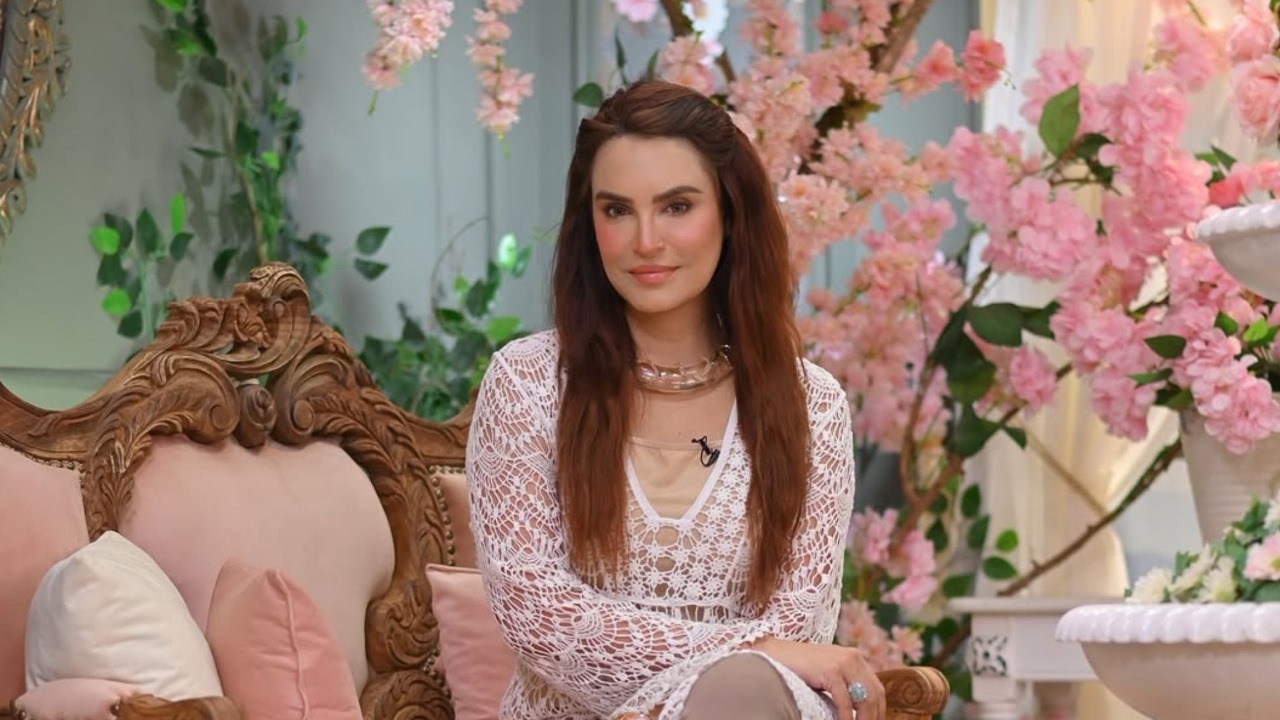
    Renowned actress Nadia Hussain has opened up about the immoral offers made to girls in the Pakistani showbiz industry.

    During a recent podcast interview, Nadia, who has also been a part of the fashion industry for over two decades, spoke about the darker side of the industry.

    In response to a question, she stated, “The term “give and take” is very common in the industry at the moment. Girls are exploited in exchange for work. They are openly offered projects with good remuneration, but immoral demands are also made.”

    She further revealed, “Until two years ago, I had been receiving such offers. While discussing a project, I was told about the best remuneration. Everything seemed fine, but in the end, they said I would also have to have a ‘special dinner.’”

    Nadia shared her perspective, saying, “Immoral demands in exchange for work have always existed in the showbiz industry, but now it has become more common.”

    She also disclosed that she knows models who have accepted such offers. “It is their choice. I don’t say anything bad about anyone, but I have my limits,” she added.

  • Pakistan’s growth depends on doubling investment, economic stability: World Bank

    Pakistan’s growth depends on doubling investment, economic stability: World Bank

    The World Bank’s (WB) Vice President for South Asia, Martin Raiser, has reportedly claimed that Pakistan could witness a sharp increase in its growth rate if it doubles investment levels and efficiently uses its human capital and assets. According to reports, the senior official quoted that the cash-strapped nation’s annual growth rate could surge to as high as eight percent.

    Commenting on the potential increase in Pakistan’s investments, the official explained that this could be achieved if Islamabad streamlined its investment regulations and created a stable, predictable economic environment.

    His soothing remarks turned sour as he criticised the economic roadmap Pakistan was on. He explained that the economy will not be able to grow if investment levels hover at an abysmal “12 percent of Gross Domestic Product (GDP),” implying that only a miracle could help the country attain a respectable growth rate if low levels of investment persist.

    Data from the Finance Ministry serves to prove Martin Raiser correct. Currently, Pakistan has the lowest average investment-to-GDP ratio in the region. The ratio has fallen dangerously low, beyond 15 percent, in the recent past because of a multitude of factors.

    Falling investment levels show that investors do not perceive Pakistan as an attractive destination for them to park their funds. This, along with other macroeconomic factors, has led economists to forecast Pakistan’s growth rate at just three percent this year.

    While the growth rate seems alarmingly low, Pakistan has posted a significant economic recovery since 2023, when the economy actually shrank, according to reports. Lawmakers in Islamabad successfully pulled the economy out of the quagmire and stabilised it, to the point that analysts are now forecasting positive growth rates for Pakistan’s economy.

    After successfully preventing the country from defaulting with the help of international creditors, Prime Minister Shehbaz Sharif has set a growth target of 3.6 percent which he wants to achieve by the end of Fiscal Year (FY) 2024-25. However, following the conditions laid out by the International Monetary Fund may make boosting investments a tough task.

    As part of the IMF extended fund facility, the government has to boost tax collection levels, which might create downward pressure on investment levels. However, the privatisation drive associated with the IMF programme could bring in investments, especially from abroad.

    The WB recently approved a partnership framework for Pakistan along with a $20 billion loan. According to Martin Raiser, the framework could assist Islamabad in creating a more stable business environment.

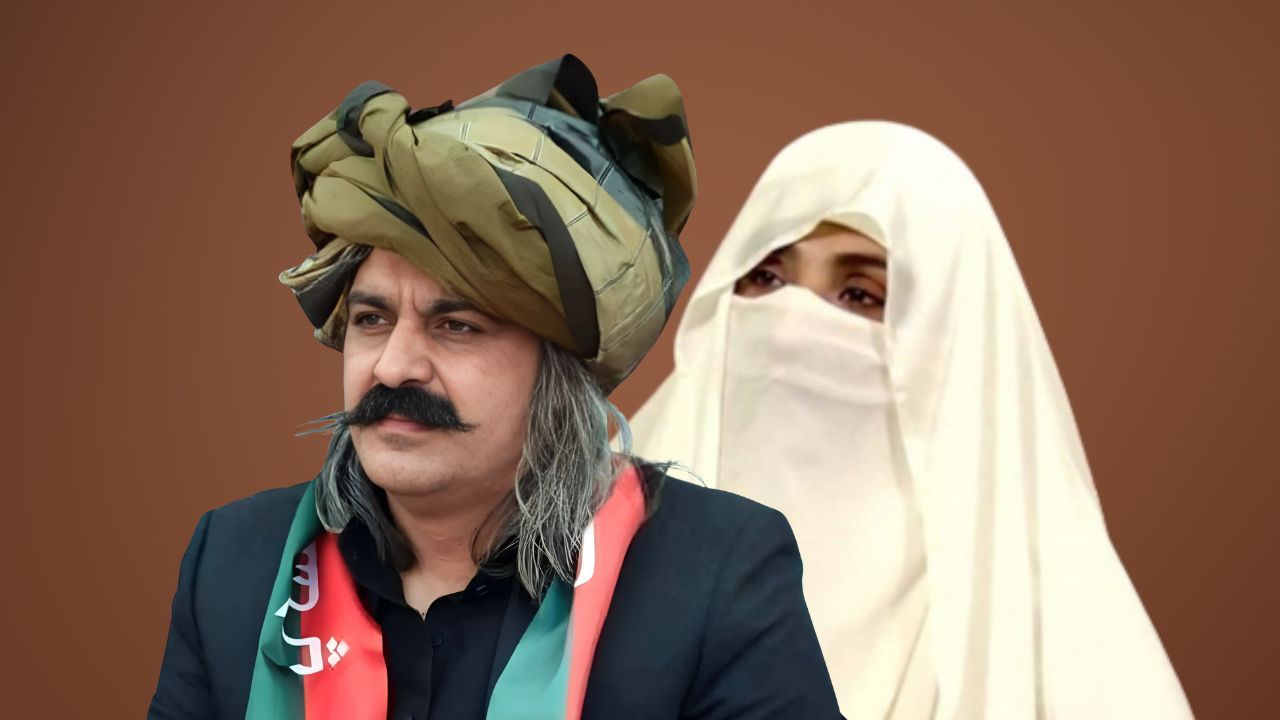
  • ‘Bushra Bibi got Gandapur removed as PTI’s KP president’

    ‘Bushra Bibi got Gandapur removed as PTI’s KP president’

    Days after Pakistan Tehreek-e-Insaf (PTI) Secretary General Salman Akram Raja claimed that Khyber Pakhtunkhwa (KP) Chief Minister (CM) Ali Amin Gandapur voluntarily stepped down as the party’s KP president, prominent journalist Fakhar Durrani has claimed it was former first lady Bushra Bibi who got him sacked.

    Last week, the PTI on founder Imran Khan’s advice replaced Gandapur with Member National Assembly (MNA) Junaid Akbar Khan as the party president for KP. Amid speculations surrounding the sudden change on what is deemed to be a key position within the PTI, Durrani, in a video on his YouTube channel, claimed it was the result of a spat between the KP CM and Khan’s wife Bushra Bibi.

    He claimed that the spat between the two PTI leaders took place in Mansehra after the party’s failed march on Islamabad on November 26.

    “Both stayed at Babar Saleem Sawati’s house in Mansehra where Bushra Bibi allegedly threatened to remove Gandapur from his positions within the party,” the journalist said while referring to when Bushra and Gandapur ditched party workers in the midst of a crackdown in the federal capital.

    The two had then travelled to Mansehra in KP, where the PTI is in power. Reports had claimed that CM Gandapur wanted to relocate the party’s demonstration in line with an unofficial agreement with the government whereas Bushra wanted supporters to continue marching on the capital to press for her husband’s release from jail.

    The rift had also made headlines last week when it was claimed that Gandapur played a pivotal role in securing the prison sentence for Bushra in the Al-Qadir Trust case. Senior journalist and analyst Dr Moeed Pirzada had alleged ‘foul play’ at the hands of the KP CM, saying that Bushra’s conviction caught Khan off guard as he had been assured relief for his wife.

    “[…] Gandapur wanted her to get locked up… away from limelight, because she was causing him headaches,” he had said, claiming that the KP CM used his influence to make it happen.

    While there has been no official confirmation on the reported rift between Bushra and Gandapur, PTI Secretary General Raja maintained that the KP CM’s departure from the role of provincial party president was voluntary, allowing him to focus on his responsibilities as CM amid pressing challenges such as law and order. 

    “This decision aligns with Gandapur’s request, as he wanted to dedicate himself entirely to the governance of Khyber Pakhtunkhwa,” Raja said, noting that Gandapur had a lot of responsibilities as the chief executive of the province.

    It merits a mention CM Gandapur was succeeded by Junaid Akbar who was also recently elected chairman of the National Assembly’s Public Accounts Committee (PAC) unopposed, filling a position left vacant since the general elections in February 2024.

    After being appointed as PTI’s KP president, Akbar issued a statement on X, expressing gratitude. “I am a middle-class person and I got this position because of hard work. Which is not found in other parties [sic],” he wrote.