Blog

  • Pre-partition Ahmadi worship place demolished in Sialkot

    Pre-partition Ahmadi worship place demolished in Sialkot

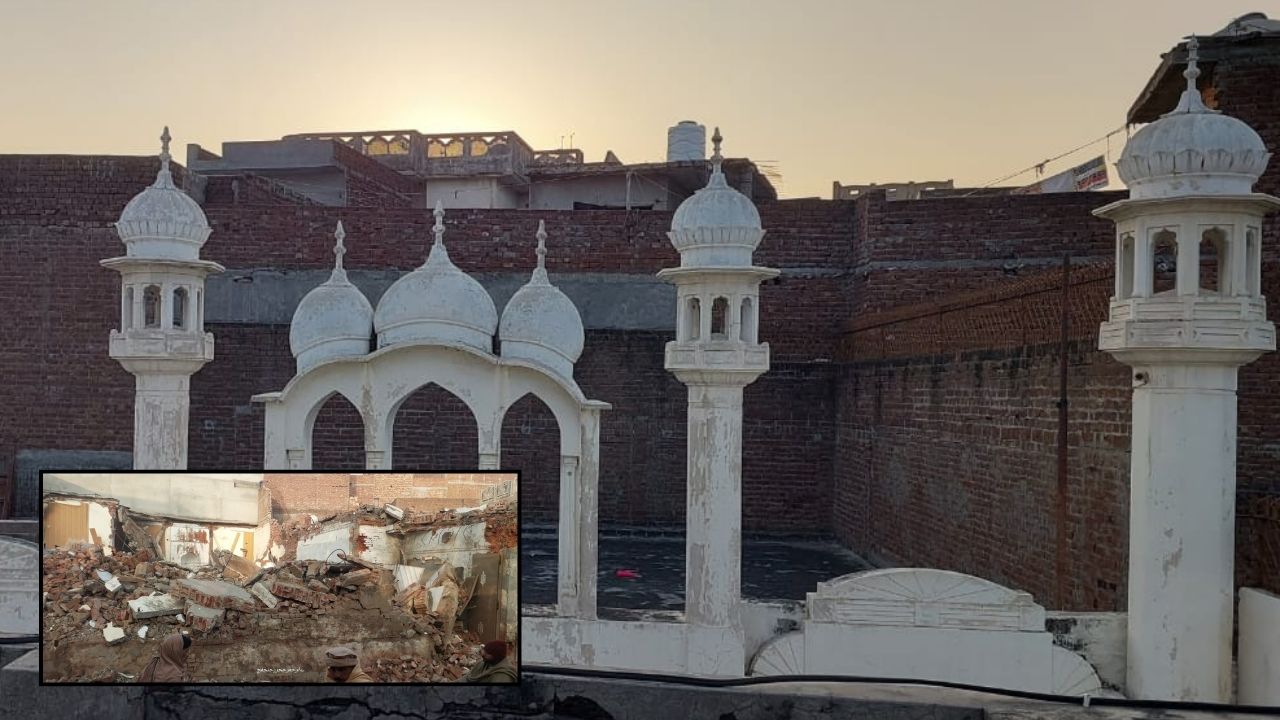
    The local administration in Daska, Sialkot, has demolished an Ahmadiyya place of worship built by former foreign minister Zafarullah Khan.

    According to the administration, the demolition was part of an anti-encroachment campaign.

    The building was razed on January 16. A notice was reportedly issued two days prior under the Punjab Local Government Act, claiming that the extension of the structure was illegal because it encroached 13 feet onto a public road.

    However, the local Ahmadiyya community asserted that efforts were made to comply with the notice by removing the extended 13 feet on January 15. Despite their claimed compliance, Daska Assistant Commissioner Maham Mushtaq, accompanied by the police, proceeded with the demolition.

    The anti-encroachment operation lasted from 7 p.m. to 11 p.m. in the evening, during which the electricity supply to the entire area was cut off.

    The worship place was built by Zafarullah Khan in his native town of Daska, Sialkot, years before Pakistan’s independence in 1947. He later served as Pakistan’s first foreign minister from 1947 to 1954 and was also a key advocate for the Ahmadi cause in the subcontinent.

    Incidents of razing Ahmadi worship places in Punjab are relatively high, with data showing that 22 of their worship places were demolished across the province in 2024 alone.

    A spokesperson for Jamaat Ahmadiyya Pakistan, Aamir Mehmood, accused the government of being complicit in targeting the Ahmadi community, claiming that the local administration continuously targets the community’s properties and ignores their grievances.

    He also claimed that the demolished building had not been altered or extended since its original construction before the partition.

    He requested the government to take immediate action to protect their places of worship.

    Previously, in September 2023, it was reported that the banned outfit Tehreek-i-Labbaik Pakistan (TLP) threatened to destroy the minarets of the same Ahmadiyya worship place in Daska.

    The same year, the Lahore High Court ruled that Sections 298-B and 298-C of the Pakistan Penal Code criminalise specific acts of the Ahmadiyya community but do not authorise the demolition of structures built before these provisions were incorporated through a 1984 ordinance.

  • Gaza ceasefire to begin Sunday morning

    Gaza ceasefire to begin Sunday morning

    A ceasefire in Gaza will begin Sunday morning at 06:30 GMT, mediator Qatar said on Saturday after Israel’s cabinet voted to approve the truce and hostage-prisoner release deal.

    Qatar and the United States, which mediated the deal along with Egypt, had announced the agreement on Wednesday.

    Israeli strikes on Gaza have continued since then. On Saturday, Gaza’s Civil Defence rescue agency said at least five members of a family died when a strike hit the tent where they were staying in Khan Yunis, southern Gaza.

    Explosions were heard over Jerusalem Saturday morning after warning sirens blared and the military said a projectile had been launched from Yemen, whose Iran-backed rebels say they support the Palestinians.

    “As coordinated by the parties to the agreement and the mediators, the ceasefire in the Gaza Strip will begin at 8:30 am on Sunday, January 19, local time in Gaza,” Qatar’s foreign ministry spokesman Majed al-Ansari said on X.

    In more than 15 months of genocide by Israel, there has been only one previous truce, for one week, in November 2023. That deal also saw the release of hostages held by the militants in exchange for Palestinian prisoners.

    “The government has approved the hostage return plan,” the office of Prime Minister Benjamin Netanyahu said early Saturday after the cabinet held its vote.

    Netanyahu’s office said the deal “supports achieving the objectives of the war”.

    Hamas, however, in a statement on Saturday, said Israel had “failed to achieve its aggressive goals” and “only succeeded in committing war crimes that disgrace the dignity of humanity.”

    Israel’s justice ministry said 737 Palestinian prisoners and detainees will be freed as part of the deal’s first phase — none before 4:00 pm local time (1400 GMT) on Sunday.

    Trump

    Qatari Prime Minister Sheikh Mohammed bin Abdulrahman bin Jassim Al-Thani has said an initial 42-day ceasefire would see 33 hostages released by Gaza authorities.

    The truce is to take effect on the eve of Donald Trump’s inauguration for a second term as United States president.

    Palestinian President Mahmud Abbas said the Palestinian Authority, which has partial administrative control in the Israeli-occupied West Bank, has completed preparations “to assume full responsibility in Gaza” after the ceasefire.

    Israel has expressed no definitive stance on post-ceasefire governance beyond rejecting any role for both Hamas and the Palestinian Authority.

    Outgoing US Secretary of State Antony Blinken said Gaza should be under PA control.

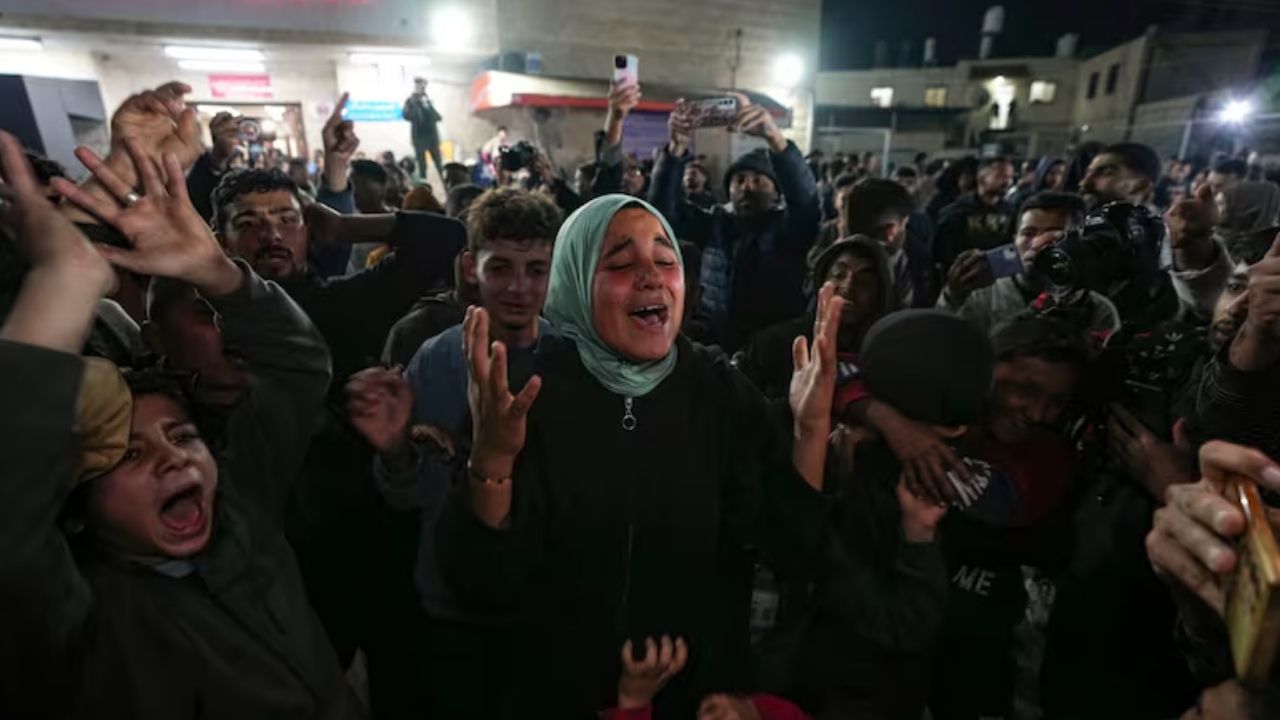
    Even before the truce began, displaced Gazans were preparing to return home.

    “I will go to kiss my land,” said Nasr al-Gharabli, who fled his home in Gaza City for a camp further south. “If I die on my land, it would be better than being here as a displaced person.”

    In Jerusalem on Saturday, residents said the deal had been a long time coming.

    “Hopefully a maximum amount of hostages will be coming back”, said Beeri Yemeni, a university student. “Maybe this is the beginning of (the) end of suffering for both sides, hopefully,” he said, adding that “the war needed to end like a long long time ago.”

    Israel’s cabinet endorsement of the deal came despite eight ministers voting against it, including far-right ministers Itamar Ben Gvir and Bezalel Smotrich.

    Hamas’s October 7, 2023 attack gave Israel an excuse to start the genocide that resulted in the destruction of Gaza, killing 46,899 people, most of them civilians, according to figures from Gaza’s health ministry. 

    In Israel, the deaths of 1,210 people were reported.

    Of the 251 people taken hostage after October 7, 94 are still in Gaza, including 34 the Israeli military says are dead.

    Aid-starved

    Mediators had worked for months to reach a deal but the efforts were fruitless until Trump’s inauguration neared.

    Brett McGurk, the pointman for outgoing President Joe Biden, was joined in the region by Trump envoy Steve Witkoff in an unusual pairing to finalise the agreement, US officials said.

    Israeli authorities assume the 33 captives to be released in the first phase are alive, but Hamas has yet to confirm that.

    Also in the first phase, Israeli forces would withdraw from Gaza’s densely populated areas and allow displaced Palestinians to return “to their residences”, the Qatari prime minister said.

    An Israeli military official said reception points had been established at Kerem Shalom, Erez and Reim, where hostages would be joined by doctors and mental health specialists before being “transported via helicopter or vehicle” to hospitals in Israel.

    Israel “is then expected to release the first group of Palestinian prisoners, including several with high sentences”, a source said on condition of anonymity.

    During talks on Friday, negotiators agreed to form a joint operations room in Cairo to “ensure effective coordination” and compliance with the truce terms, Egyptian state-linked media reported.

    Biden said an as-of-yet unfinalised second phase of the agreement would bring a “permanent end to the war”.

    In aid-starved Gaza, humanitarian workers caution a monumental task lies ahead.

    On Friday, British lawmakers warned that Israeli legislation banning the UN agency for Palestinian refugees, UNRWA, threatens the truce deal. The ban on the main aid agency in Gaza is to take effect by the end of January.

    Read more: Israeli soldiers refuse to continue fighting in Gaza
  • Sindhu Ji Goonj: Pakistan’s first Sindhi film premiere at Jaipur Film Festival

    Sindhu Ji Goonj: Pakistan’s first Sindhi film premiere at Jaipur Film Festival

     Pakistan will unveil its first Sindhi – language film in 29 years at the Jaipur Film Festival.

    ‘Sindhu Ji Goonj’ also known as ‘Indus Echoes’ will premiere on January 21, 2025, marking a historic moment for the Pakistan film industry. The feature will be the first Sindhi film industry. The feature will be the first Sindhi film since 1997’s Himmat, directed by Samad Sheikh, which was the last Sindhi film to hit theaters.

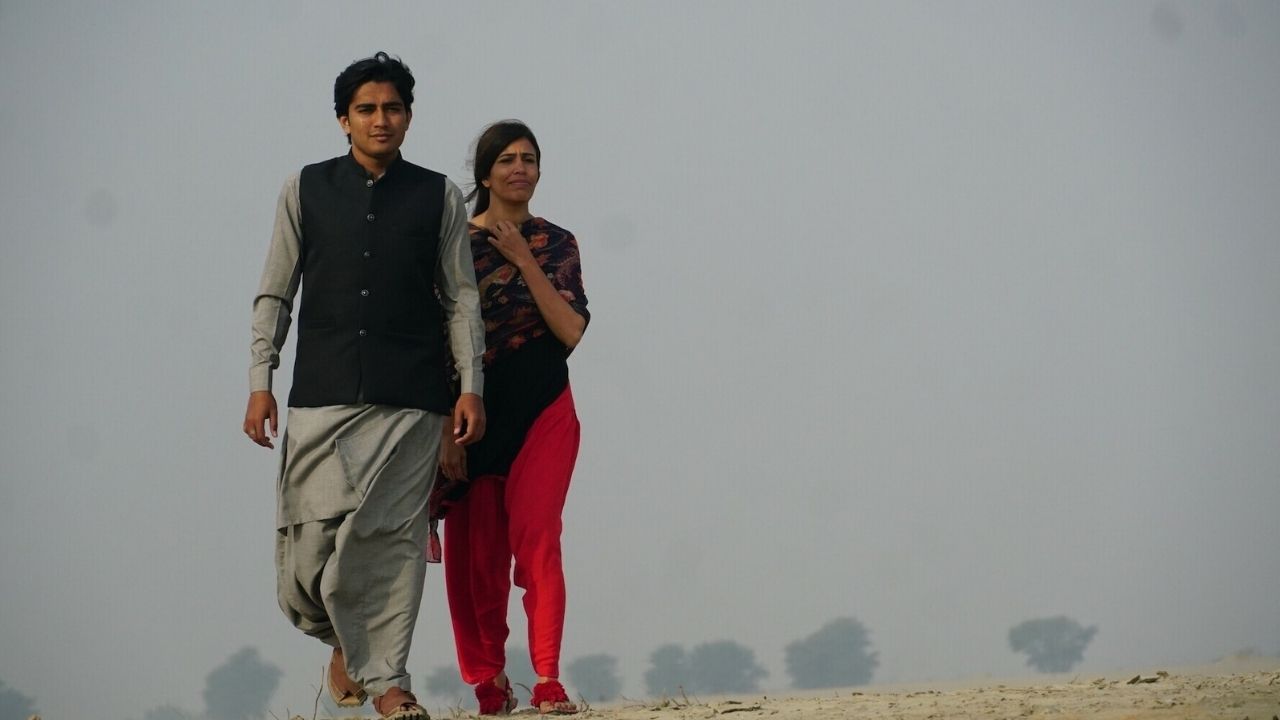
    Sindhu Ji Goonj, directed and written by Rahul Aijaz, tells a compelling story through five distinct tales that revolve around the mighty Indus River, a symbol of the region’s rich cultural heritage.

    According to Aijaz, the symbolic significance of the might Indus is historically and culturally the inspiration for the project.

    “The film beautifully narrates stories, showcasing the scenic beauty of Sindh.”

    International cooperation is seen in the production of Sidhu Ji Goonj with the collaboration of three different film studios: Film N’ Chips Media Productions, Shaam Films, and Big Meta Films from South Korea.

    The film is a co-production between Pakistan, South Korea, and Bangladesh, showcasing the global reach of Pakistani cinema. Shamoon Abbasi takes on the role of executive producer.

    Sindhu Ji Goonj made its world premiere in Karachi on January 16, 2025, at Cinepax Cinemas Ocean Mall. Pakistani audiences are also waiting for it to hit the cinemas across Pakistan through Anthem Films, although there is no date announced so far.

    As Sindhu Ji Goonj will be screening at the Jaipur Film Festival, it is also opening a new chapter in the Sindhi film industry, allowing cultures and stories to bridge the boundaries of the globe.

  • Power distribution companies might issue Rs 3.9 billion in refunds

    Power distribution companies might issue Rs 3.9 billion in refunds

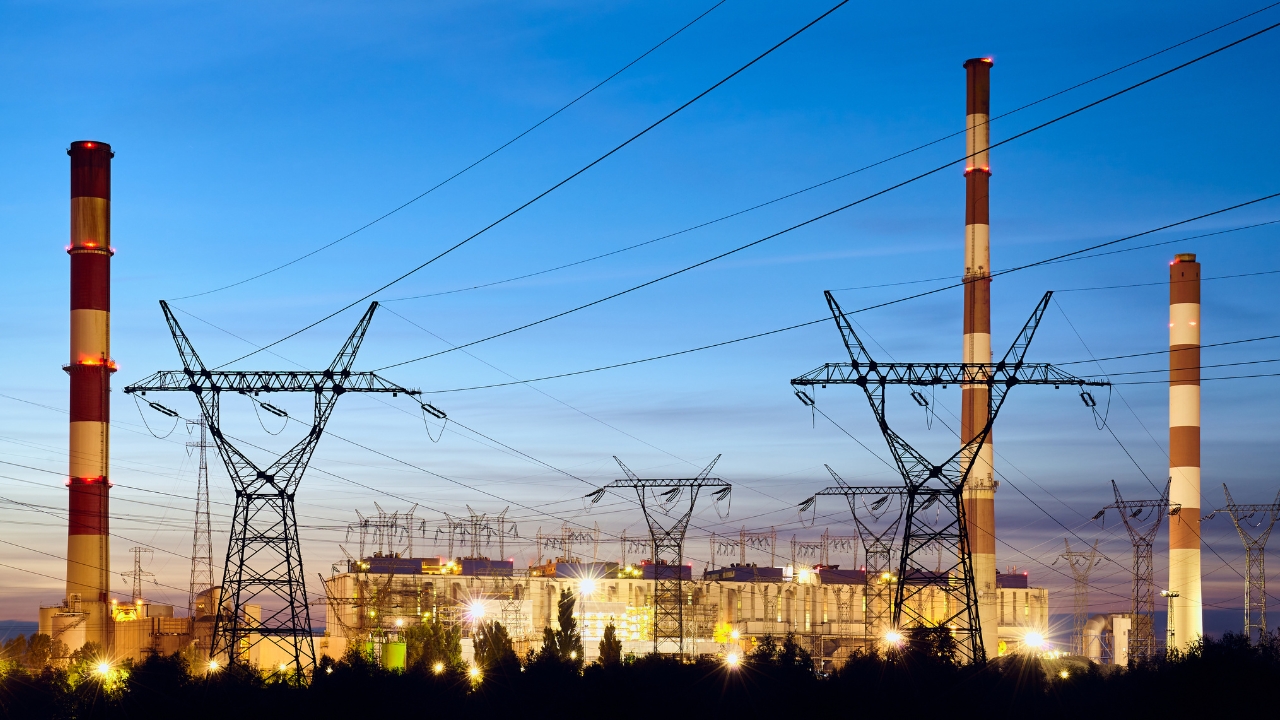
    Public sector power companies are seeking a downward revision in the fuel price adjustment (FCA) by approximately one rupee per unit for all electricity consumed in December 2024.

    According to reports, if the revision is approved, power distribution companies (Disco) would be liable to pay back almost four billion rupees to consumers in February. Financial experts are outlining how this may negatively impact the cash flows of Discos.

    The silver lining for Discos is that electricity demand has grown by 1.3 percent over the past year. Analysts suggest that this higher demand mitigates the financial setback from the refunds.

    Fuel costs were 1.42 rupees lower per unit in the same period in 2024 compared to December 2023. This could be attributed to the fact that approximately 78 percent of the total power supply in December came from local fuel sources, with half of this energy coming from either hydropower or nuclear energy.

    Hydropower energy is considered to be procured at ‘Zero fuel cost’, and despite the share of hydropower energy dropping in the past month, FCA’s have remained negative for the past six months. The share of hydropower in national electricity has dropped from 35.61 percent to 22.8 percent as per reports.

    Power generation from renewable sources has seen a boost in recent years. Sources such as wind and solar have contributed a five percent share of the national grid. Since these sources, coupled with hydropower, have no cost, it makes sense why FCAs have been dropping.

    The refunds may spell great news for businesses, especially those that utilise a lot of electricity for daily operations. The primary beneficiary will be the textile sector, as industrialists are likely to notice a drop in operating costs, which will directly translate into higher profit margins.

    Additionally, for consumers reliant on the national grid, the refunds will increase the general public’s purchasing power. This could allow businesses to increase sales volumes, which would boost revenue levels.

    Analysts are also outlining how a rising reliance on nuclear power generation may benefit the economy by shifting away from higher-priced imported fuels. Nuclear power contributed 26.5 percent to the national grid in December, up by five percent compared to November 2024.

    If this trend continues, efforts to explore and extract uranium might pick up pace. Uranium is found in central and southern Pakistan, where mining operations could take place.

  • Deepak Perwani thinks women in India have more freedom than in Pakistan

    Deepak Perwani thinks women in India have more freedom than in Pakistan

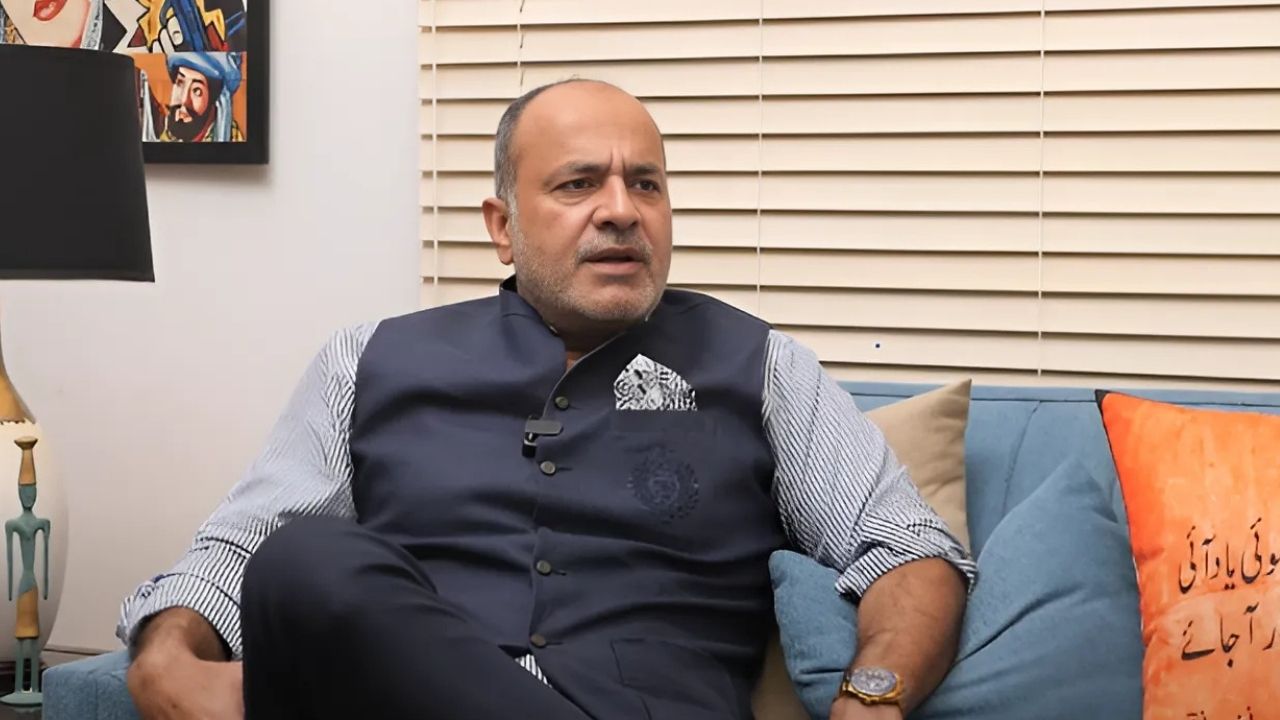
    Have you ever wondered if life in India is really better than in Pakistan? Renowned fashion designer and actor Deepak Perwani shared his perspective in a recent interview with Something Haute.

     Deepak Perwani spoke only about his experiences, comparing the quality of life in both countries. India, in his view, offers a higher standard of living, Deepak insisted, adding that women in India enjoy more freedom.

    He shared that Indian girls walk freely on the streets, ride bicycles, and drive motorbikes.

    The Qarz-e-Jahan actor compared cities like Lahore and Karachi to those in India.

    “Karachi has parks, but people aren’t allowed to visit them,” he added.

    Deepak Perwani admired how India provides modern conveniences, even to small businesses. 


    “In India, even rickshaw drivers have Uber, and street vendors accept tap-to-pay,” he pointed out.


    He concluded saying, “Pakistan still has a long way to go compared to India,” suggesting, there is much to improve in terms of infrastructure and lifestyle.

  • Hamid Mir called out for ‘half-baked’ story against Al-Qadir Trust case judge

    Hamid Mir called out for ‘half-baked’ story against Al-Qadir Trust case judge

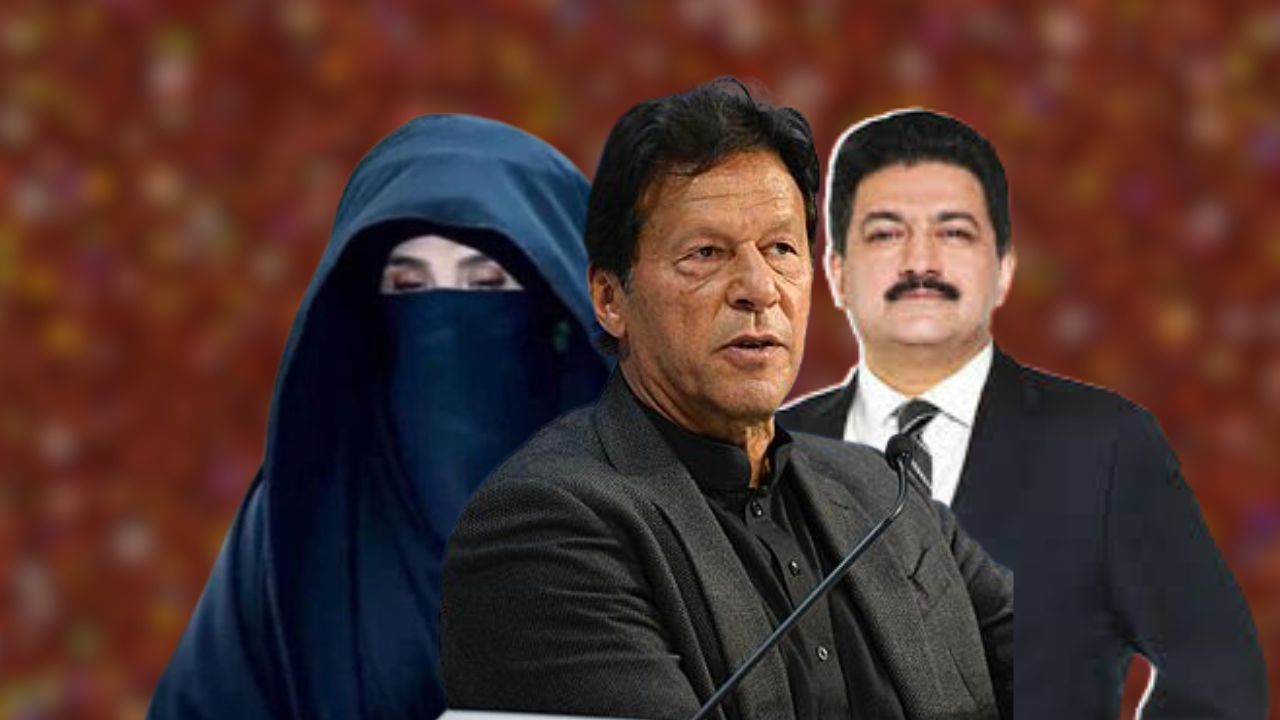
    Journalist Imran Waseem has called out prominent journalist Hamid Mir for sharing a “half-baked” story and misrepresenting facts regarding Nasir Javed Rana, the judge who sentenced former prime minister Imran Khan and his wife Bushra Bibi in the Al-Qadir Trust case Friday.

    With Khan and his wife being sentenced to 14 and seven years in prison, respectively, in the Al-Qadir Trust case, a series on posts on social media targeted the accountability judge who delivered the verdict. The posts questioned Judge Rana’s credibility on the basis of a 2004 suo motu ruling that had restrained him from exervising his powers as a magistrate.

    “This is a Supreme Court verdict against Judge Nasir Javed Rana in 2004. Chief Justice of Pakistan took a Suo Motu action against civil judge Nasir Javed Rana and his judicial powers were withdrawn. He was declared unfit for judicial service but the same judge was hired again [sic],” Mir wrote while sharing said documents on his X account.

    Journalist Imran Waseem, however, was quick to react to the post, declaring it “half-baked” truth. “Half-truths are not the truth… they create the impression of lies. If you want to write, then write the whole truth,” he said while quoting Mir’s post.

    “Senior journalist Hamid Mir has shared half/incomplete information in this tweet. Undoubtedly, the Supreme Court passed observations on the matter concerning Judge Nasir Javed Rana, but the case was referred to the Lahore High Court for further inquiry. After conducting the inquiry, the Lahore High Court reinstated Nasir Javed Rana to his position,” he clarified.

    It may be noted that the case in question pertained to the Supreme Court on October 26, 2004, withdrawing Rana’s judicial powers as a magistrate for granting a ten-day remand of a senior lawyer in violation of the law. The apex court had also directed the Lahore High Court (LHC) to take further action.

    “The magistrate has a strong tendency for committing any mischief and is absolutely unfit for judicial service,” then chief justice of Pakistan (CJP), Justice Nazim Hussain Siddiqui, had said in a 14-page judgment on the suo motu notice against the illegal detention of lawyer Habib Wahabul Khairi.

    Later, then LHC chief justice Iftikhar Hussain Chaudhry, after an inquiry, had acquitted Rana of the charges and reinstated him as a magistrate.


    On Friday, Rana delivered the much-delayed verdict in the Al-Qadir Trust case also known as the £190 million case. The verdict was announced at a makeshift courtroom in Adiala Jail and pertained to the misappropriation of funds by former PM Khan in collusion with property tycoon Malik Riaz.

    In the verdict, Khan was also slapped with a fine of Rs1 million whereas his wife was fined Rs500,000. The former first lady was also taken into custody after months of bail.

  • India drops key fast-bowler from Champions Trophy squad

    India drops key fast-bowler from Champions Trophy squad

    India has announced its 15-member squad for the 2025 Champions Trophy, notably excluding a key fast bowler.

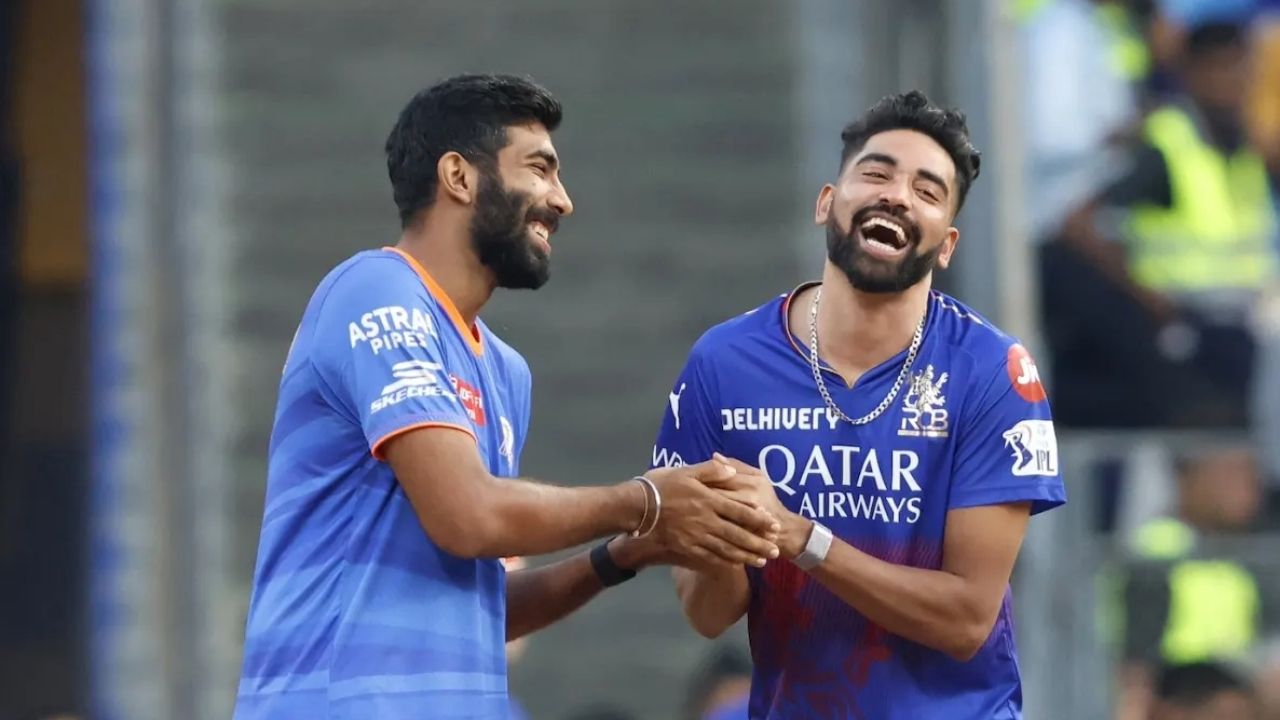
    Rohit Sharma will lead the team, with Shubman Gill as the vice-captain. However, Mohammed Siraj is not in the lineup.

    The team includes former captain Virat Kohli, Jasprit Bumrah, Hardik Pandya, KL Rahul, Shreyas Iyer, Rishabh Pant, Axar Patel, and Mohammed Shami. Washington Sundar, Arshdeep Singh, Yashasvi Jaiswal, Ravindra Jadeja, and Kuldeep Yadav are also in the squad.

    The tournament, featuring eight teams, will take place from February 19 to March 9 in Pakistan and Dubai, with matches scheduled in Karachi, Lahore, and Rawalpindi. The teams are divided into two groups: Group A includes Pakistan, India, New Zealand, and Bangladesh, while Group B consists of Afghanistan, South Africa, England, and Australia.

    Pakistan will face New Zealand in Karachi on February 19. The highly anticipated clash between Pakistan and India is scheduled for February 23 in Dubai. Pakistan will host 10 matches, while four matches, including all of India’s group-stage games and the first semi-final, will be held in Dubai.

    The final is set to be played in Lahore, but if India qualifies, it will be moved to Dubai. A reserve day has been designated for the final in case of any weather-related disruptions.

  • Kareena Kapoor records statement after attack on Saif Ali Khan

    Kareena Kapoor records statement after attack on Saif Ali Khan

    After the attack on Bollywood star Saif Ali Khan, his wife, Kareena Kapoor, recorded a statement with the Bandra police at her home on Friday.

    “The attacker was angry, and I saw him repeatedly attacking Saif Ali Khan. Our priority was to take Saif to the hospital,” she reportedly told the police.

    “The attacker did not take any valuables from the house with him while fleeing from the scene. Saif Ali Khan was trying to save both the children at the time of the attack,” Kapoor further revealed, adding, “After this whole incident, I was very scared and nervous, due to which my sister Karisma Kapoor took me to her house.”

    On January 16, Saif Ali Khan was attacked with a knife six times during an attempted robbery at his house in Bandra, Mumbai. After the attack, he was shifted to Lilavati Hospital in Mumbai, where he underwent a successful surgery and is now recovering.

  • LESCO files case against Jawad Ahmad

    LESCO files case against Jawad Ahmad

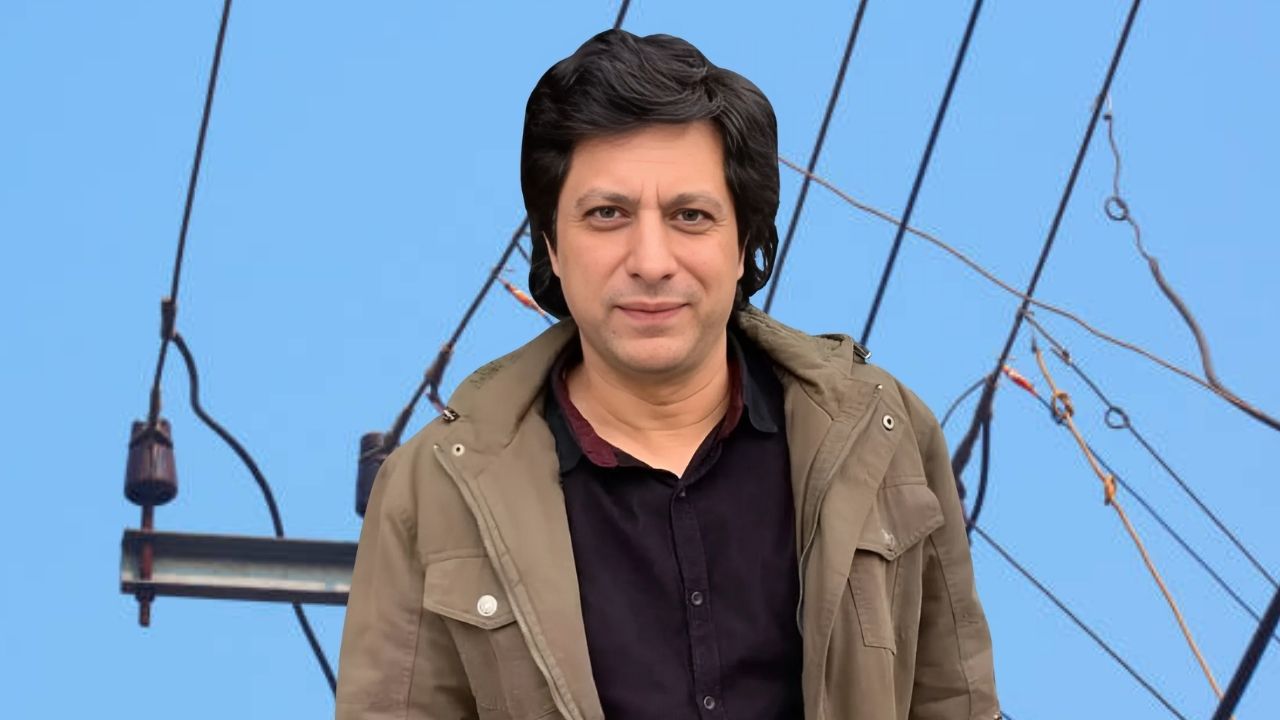
    Singer Jawad Ahmad is facing legal trouble after LESCO officials caught his wife’s beauty salon stealing electricity.

    LESCO discovered that the salon’s electric meter had been tampered with during a routine inspection in Lahore’s Johar Town. The phase wire had been cut off intentionally, a common tactic used to avoid paying for electricity.

    According to LESCO officials, Jawad Ahmed assaulted the meter readers and forcefully took the tampered meter.

    LESCO filed an FIR at Nawab Town Station, accusing Jawad Ahmad and four unidentified accomplices of assult, power theft and disrupting official duties.

    The complaint also mentions that two LESCO employees were injured during the incident and required medical attention.

    The FIR alleges that Jawad Ahmad tried to hit the officials with his car during the confrontation.

    Police are investigating the case. Jawad Ahmad may face serious legal consequences if found guilty.

    Earlier, singer Jawad Ahmad found himself in hot waters after his wife’s beauty salon was caught stealing electricity.


    LESCO officials discovered that the salon’s electric meter had been tampered with during a routine inspection in Lahore’s Johar Town. The phase wire had been cut off intentionally, a common tactic used to avoid paying for electricity.


    The story takes a dramatic turn when Jawad Ahmad reached the spot. As per the reports of LESCO officials, the Bin Tere Kia Hai Jeena singer reached the spot looking quite furious.

    The reports state that he beat the meter readers, and took away the tampered meter forcefully.
    After the incident, Jawad Ahmed left the scene with the meter and his wife. LESCO has reported the theft and submitted details of the tampered meter to higher authorities.


    A formal complaint has been lodged at Nawab Town Police Station against Jawad Ahmed for allegedly assaulting the staff and committing electricity theft. The LESCO staff claims that the singer himself removed the meter, and electricity to the premises has been disconnected as a result.

  • Pakistan’s IT exports soar despite challenges

    Pakistan’s IT exports soar despite challenges

    The IT export sector has experienced robust growth as it closed 2024 strong by displaying a remarkable 12 percent Month on Month (MoM) growth in December. According to reports, this marks the 15th consecutive month of Year on Year (YoY) IT export growth, with exports surging to an all-time monthly high of $348 million.

    The news surfaced as analysts suggested that the government’s directives to set up firewalls and internet slowdowns were significantly hurting IT exporters. However, in a remarkable show of resilience, IT exports reached a staggering $1.86 billion in the third quarter of Fiscal Year (FY) 2024-25, according to a senior research analyst at Top Line Securities.

    The remarkable growth can be attributed to Pakistani firms securing more international contracts. Reports have revealed that the bulk of these contracts have been signed with entities in the Gulf countries.

    The State Bank of Pakistan (SBP) has launched a category of Equity Investment Abroad (EIA) for IT companies that have a specialised foreign currency account. This development will allow IT exporters to purchase equity in foreign companies using 50 percent of their revenues. This spells great news for local IT companies as they will soon receive dividends on their shares.

    This is expected to boost Pakistan’s Gross National Income (GNI), which has been rising with the increasing levels of immigration in the country. In 2023-24 alone, an alarming 1.589 million Pakistanis left what they call ‘home’ in search of better financial prospects abroad. According to reports, a respectable percentage of these immigrants were IT experts.

    With the IT export sector growing even in the face of rising immigration of experts, it is apparent that the country has no shortage of professionals in the field. Furthermore, some analysts are dubbing the rising immigration levels of IT experts as a boost in exports by highlighting how this effectively raises the GNI.

    If the sector continues on this trajectory of growth, experts are predicting that Shehbaz Sharif’s economic plan ‘Uraan Pakistan’ may not be as farfetched as analysts initially pegged it to be. Under the plan, Shehbaz Sharif has set an ambitious IT export target of $10 billion, which is to be met by FY 29.

    Local businesses will also benefit from the growing exports as a higher national income boosts aggregate demand in the economy. Essentially, business owners may soon witness a growth in the demand for their goods, which may translate into higher revenues and, ultimately, higher profit margins.