Blog

  • ‘Nonsense,’ Yuvraj Singh’s father slams Aamir Khan’s Taare Zameen Par

    ‘Nonsense,’ Yuvraj Singh’s father slams Aamir Khan’s Taare Zameen Par

    It looks like even Bollywood classics aren’t spared from Yograj Singh’s fiery opinions as he’s now bowled a bouncer at Taare Zameen Par, and it’s not going over the boundary.

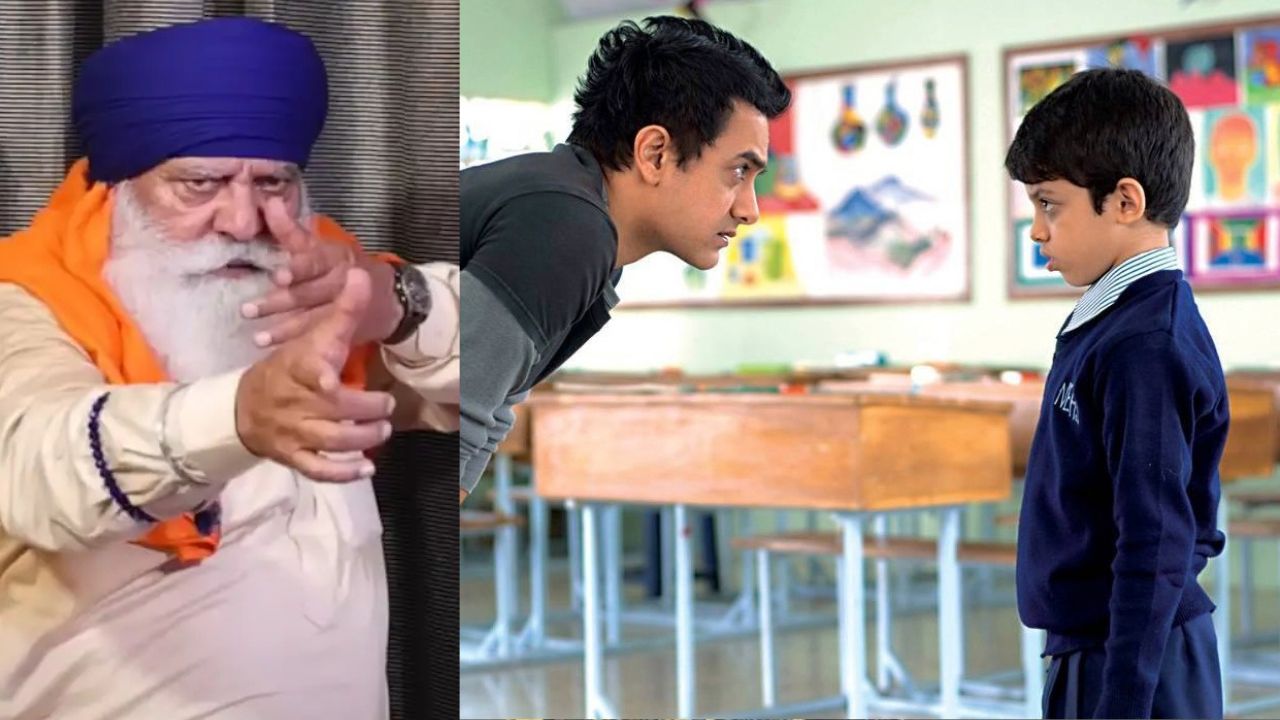
    Legendary Indian cricketer Yuvraj Singh’s father, Yograj Singh, has deemed Bollywood star Aamir Khan’s film Taare Zameen Par nonsense, stating that he does not watch such films.

    He recently shared his views on Bollywood movies, particularly expressing his dislike for Aamir Khan’s Taare Zameen Par.

    While discussing raising children, he said, “The child will become what the father says,” implying that a father’s influence plays a crucial role in a child’s development.

    The film Taare Zameen Par, released in 2007, highlighted the condition of dyslexia.

    In the movie, Aamir Khan played the role of art teacher Ram Shankar Nikumbh, who helps student Ishaan Awasthi overcome his dyslexia and unleash his potential. Child star Darsheel Safary portrayed the role of Ishaan Awasthi.

    Aamir Khan is now working on a sequel to the film titled Satare Zameen Par. This new movie will focus on Down syndrome. While acknowledging that the themes of both films are similar, Aamir Khan has claimed that the sequel will be ten times better in terms of entertainment, with a blend of sadness and comedy. He added that his role in this film will focus on helping all children instead of just one.

    The sequel was initially planned for release in December 2024, but Aamir Khan has decided to postpone it to summer 2025 to ensure the film is perfected.

  • Usman Qadir moves to Australia for better cricket future

    Usman Qadir moves to Australia for better cricket future

    Pakistani cricketer Usman Qadir has moved to Australia to pursue a better future in cricket. 

    He has settled in New South Wales while playing for the Hawkesbury club in Sydney.

    Usman has previously played for South Australia and participated in the Big Bash League (BBL), representing Perth and Adelaide. He also had the honour of playing for Australia’s Prime Minister’s XI.

    Last October, Usman announced his retirement from Pakistan cricket, citing disappointment. Speaking about his decision, Usman said, “Cricket is my livelihood, and I have come to Australia with plans for my future. I am hopeful and determined to find good opportunities in cricket here.”

    Usman’s family will soon join him Down Under. 

    Usman had earlier returned to Pakistan from Australia to fulfil the wishes of his late father, Abdul Qadir, who wanted to see him play for Pakistan. 

    During his time with the national team, Usman represented Pakistan in one ODI and 25 T20 International matches.

  • Sarfaraz Ahmed returns to Quetta Gladiators for PSL 10

    Sarfaraz Ahmed returns to Quetta Gladiators for PSL 10

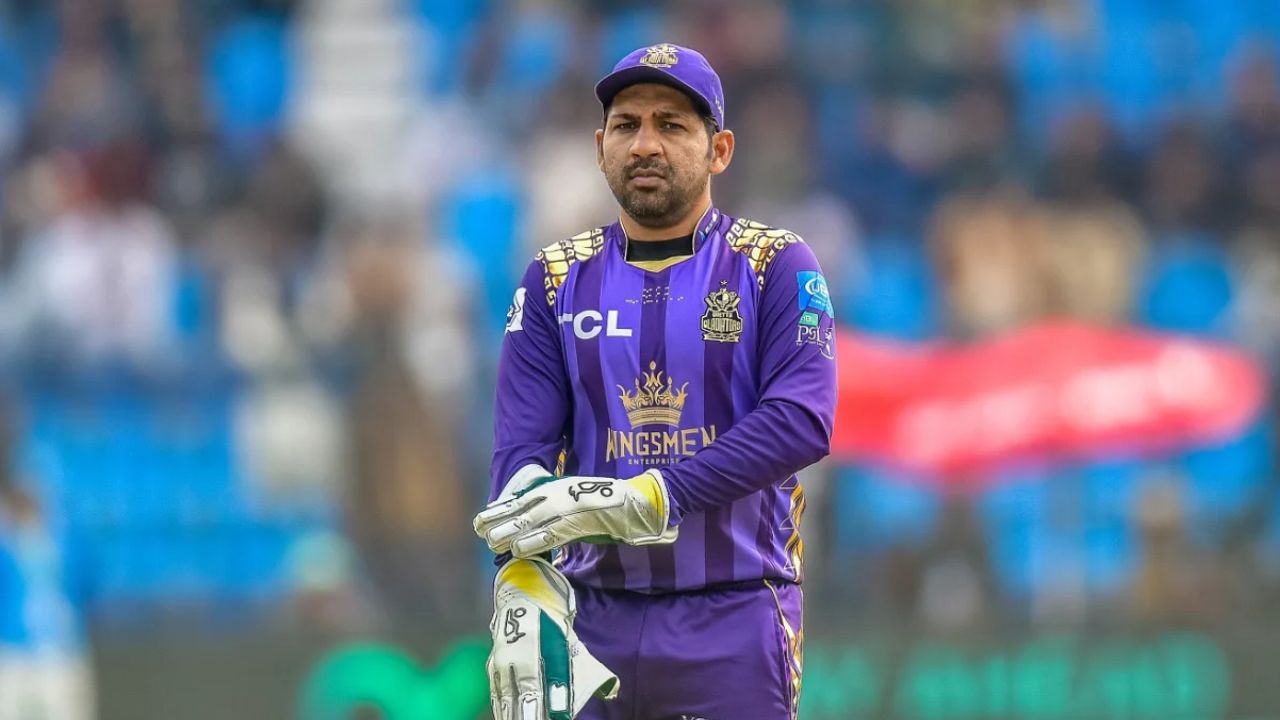
    The drafting process for the 10th edition of the Pakistan Super League (PSL) has been completed, revealing that Quetta Gladiators has re-selected former Pakistan captain Sarfaraz Ahmed. 

    The Gladiators are now preparing to appoint Sarfaraz as their head coach for the upcoming season.

    The decision comes after Australian cricket legend Shane Watson stepped down from the head coach role citing other professional commitments. Watson had to withdraw, prompting the Gladiators’ management to turn to Sarfaraz for leadership.

    Sarfaraz has had a long association with Quetta Gladiators, playing with the team since nine years. 

    He captained the team for eight seasons and led them to their first-ever PSL championship in 2019. Under his captaincy, the team played 86 matches with Sarfaraz contributing 1,525 runs.

    Before the drafting process for the current season, Quetta Gladiators had released Sarfaraz from their squad.

    This was the first time in nine years that he was part of the draft, but none of the franchises picked him as a player. However, the Gladiators have now brought him back in a new role as head coach, marking the beginning of a new chapter for both Sarfaraz and the team.

  • Former spinner Abdur Rehman appointed Pakistan’s spin bowling coach

    Former spinner Abdur Rehman appointed Pakistan’s spin bowling coach

    The Pakistan Cricket Board (PCB) has appointed former Test spinner Abdur Rehman as the spin bowling coach for the national cricket team. 

    Rehman, a left-arm spinner, had an impressive career from 2006 to 2014, claiming 140 wickets across Test, ODI, and T20 formats for Pakistan. 

    He has now joined the team in Multan as they prepare for the upcoming Test series against West Indies, reports said.

    While he was part of the coaching staff for the Pakistan women’s cricket team earlier, his new appointment marks his first role as a spin bowling coach for the national men’s side.

    The Pakistan cricket team, led by Shan Masood, is in Multan for the first Test match against West Indies on January 17.

    The selection committee has announced a 15-member squad, including three spinners: Nauman Ali, Abrar Ahmed and Sajid Khan.

  • From books to box office: Bollywood stars who chose dreams over degrees

    From books to box office: Bollywood stars who chose dreams over degrees

    They say knowledge is power, but try paying your bills with a GPA.

    While education can illuminate the path to success, it doesn’t always guarantee a one-way ticket. For some, the allure of lights, cameras, and the big screen outweighs the classroom.

    Several Bollywood stars swapped lectures for the limelight, proving that ambition and talent can create a world of opportunities, even without a traditional degree. Here are some of the inspiring journeys:

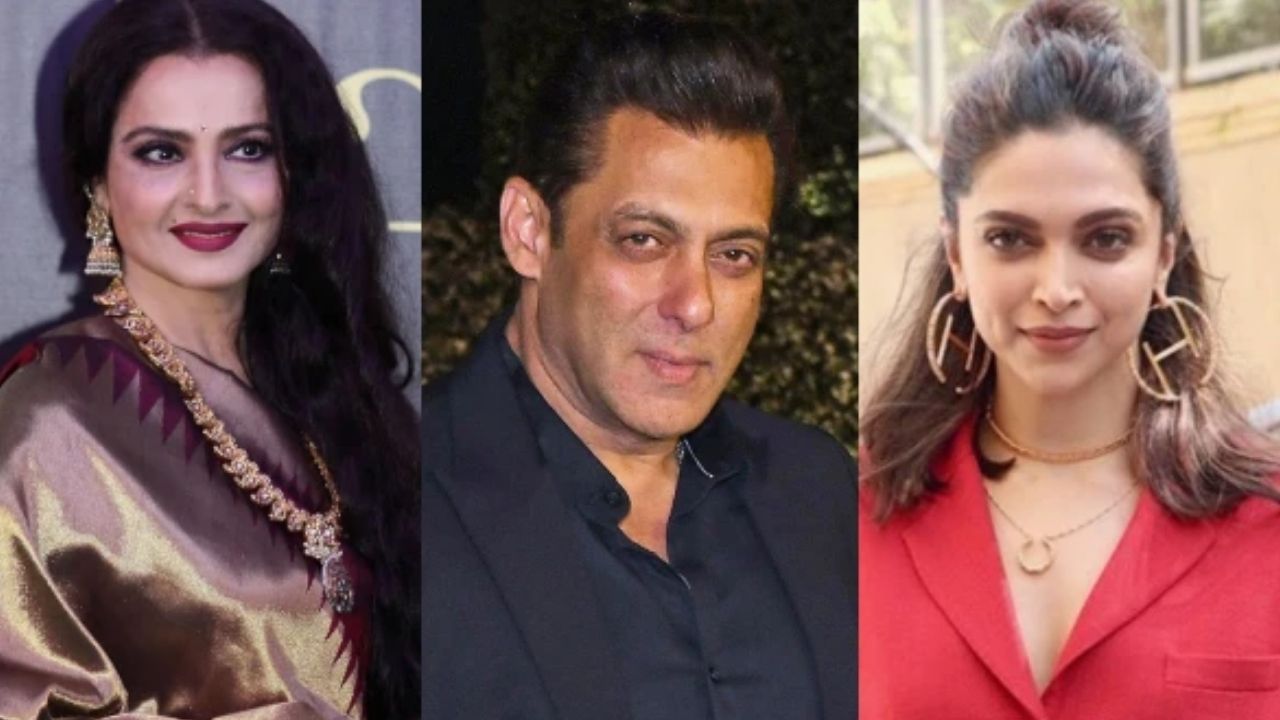
    Salman Khan

    Salman Khan left St. Xavier’s College in Mumbai to pursue acting. His first film, Biwi Ho To Aisi, released in 1988, marked the start of his successful career.

    Kareena Kapoor Khan

    Kareena Kapoor Khan started studying commerce at Mithibai College in Mumbai but dropped out to take a short-acting course. She quickly became a successful actress without completing her education.

    Aamir Khan

    Aamir Khan, known as Bollywood’s Mr. Perfectionist, left his studies at Narsee Monjee College to join the film industry. His debut film, Qiyamat Se Qiyamat Tak, brought him instant fame.

    Deepika Padukone

    Deepika Padukone chose modeling and acting over completing her arts degree at Mount Carmel College in Bangalore. This decision became a turning point in her career.

    Ranbir Kapoor

    Ranbir Kapoor studied till 10th grade, after which he went abroad to study filmmaking. He returned to India without finishing his education and debuted in Bollywood with ‘Saawariya.’

    Rekha

    Rekha entered the film industry at the age of 14 without completing her education. She became a successful actress and earned a lot without formal education.

    Arjun Kapoor

    Arjun Kapoor lost interest in education after the 10th grade. He dropped out of Narsee Monjee College, Mumbai, and started his career in the film industry. He debuted as an actor in the film ‘Ishqzaade.’

  • Ihsanullah takes U-turn on retirement, PSL boycott

    Ihsanullah takes U-turn on retirement, PSL boycott

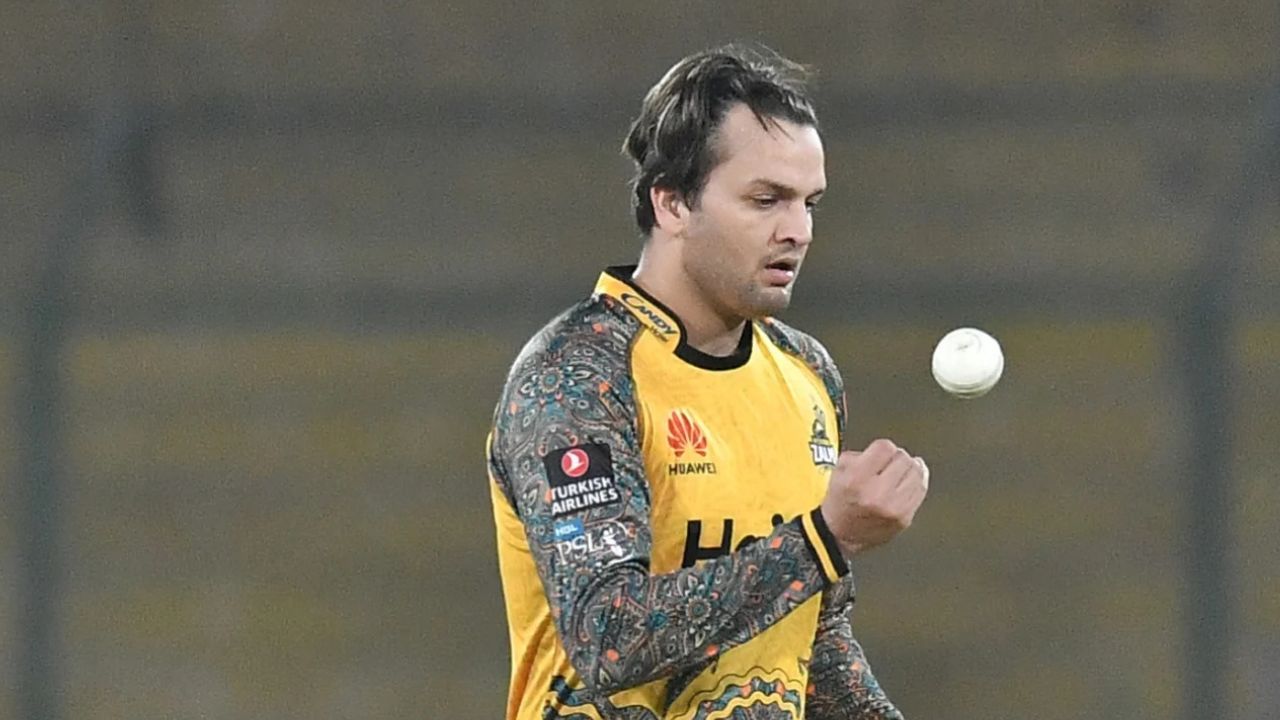
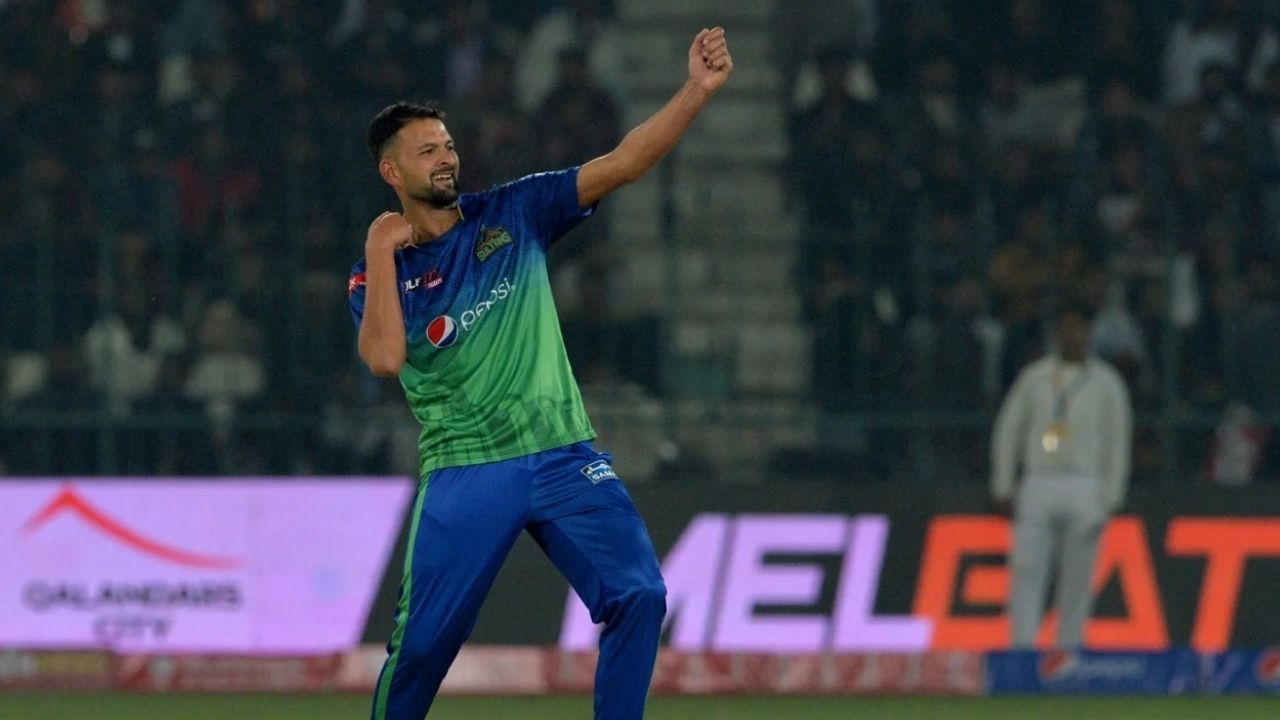
    Pakistani pacer Ihsanullah has taken back his decision to boycott the Pakistan Super League (PSL), saying, he made the statement “in the heat of the moment”.

    “I made the statement in the heat of the moment,” he said during an interview with a private media outlet.

    Backtracking on his decision to retire, Ihsan expressed determination to make a comeback and also apologised to his franchise. “I made the statement out of frustration. Now, I aim to work hard and secure my place in the tournament, which is still four months away.”

    Earlier in the day, it was reported that the fast-bowler had announced that he would not participate in the PSL after being overlooked by all franchises at the draft for the upcoming tenth season of the tournament. “I boycott the PSL because the world and people are selfish” he had said.

    “No one has contacted me. Ali Tareen moves on to others when he finds someone new. He was supporting my talent, not me,” the pacer was quoted as saying.

    It merits a mention that Ihsanullah has been struggling with an elbow injury for more than two years, which has affected his career.

    His previous team, Multan Sultans, has also not retained him in the upcoming season of the PSL.

    It was the pacer’s impressive performance for Multan that led to his debut for the Pakistan national team in the ODI series against New Zealand in April 2023. However, after the injury, he was unable to play the second match.

    Over his PSL career with Multan Sultans, Ihsanullah played 14 matches and took 23 wickets.

    “We didn’t retain Ihsanullah because of his injury. Our focus is always on working with stakeholders to improve the league,” Multan Sultans owner Ali Tareen had on Monday said while confirming that Ihsanullah was not picked due to his injury.

  • Colonisation of the nose: How rhinoplasty is redefining confidence in South Asia and the Middle East

    Colonisation of the nose: How rhinoplasty is redefining confidence in South Asia and the Middle East

    Sara had an uneventful childhood, without cutting remarks on her looks until she entered university. “I never knew that a nose could be a standard of beauty,” she says. She still remembers how her “friend” would make fun of her nose and “jokingly” body-shame her “in normal conversations.”


    “I became very insecure and even considered saving money for rhinoplasty and other procedures,” Sara recalls. Things reached the point where she realised the problem was not her nose or her body.


    “It turned out I only needed to get rid of my friend, and everything went back to normal.”


    The privilege of mental silence while staring into one’s own reflection is not something that many women enjoy.


    Nose job for a better life


    The new year in Iran began with the country lowering the eligible age for cosmetic surgery to 14 for girls and 16 for boys, down from the previous age of 18. The change in eligibility has been deemed “scientifically appropriate” for the procedure, Ibrahim Rezmpa, a board member of the Iranian Rhinology Association, told Anadolu Agency.


    This decision takes into account factors such as physical and emotional development.


    Going down the rabbit hole, it turns out that plastic surgery, particularly rhinoplasty, is very common in Iran, and its demand continues to increase with existing social pressure, media influence (particularly from the West), and cultural norms that push the youth to meet beauty standards which often paves the way for better marriage proposals or better job opportunities.


    As of 2022, Iran ranks 12th globally in cosmetic surgeries. However, doctors claim that the actual number of surgeries could place Iran among the top five worldwide, as many procedures go unreported.


    These beauty standards do not only prevail across several Middle Eastern countries, including the United Arab Emirates (UAE) and Saudi Arabia, but extend well into South Asia, where the measure of beauty, historically skewed by racism during the colonial era, was never fixed.


    A similar trend has been prevalent in Pakistan’s entertainment industry, with a number of celebrities subtly revealing their nose surgeries — and most of them owning up to it.


    Sarwat Gilani openly discussed her rhinoplasty, which was an accidental route taken after a fall she suffered, requiring reconstructive surgery.


    Actor Zahid Ahmed, in a confessional YouTube video in 2020, openly expressed regret over his rhinoplasty, which did not go as he had planned. He shared how his insecurities about his nose were self-created, and he would feel “conscious” and “nervous” when the camera focused on his left side, thinking his nose lacked symmetry. He shared his experience as a cautionary tale for people to carefully consider such decisions, encouraging them to embrace themselves.


    In 2023, however, actress Naimal Khawar faced heavy criticism on social media after fans speculated she had undergone plastic surgery, including a nose job and lip fillers. Naimal responded only after a few supporters spoke out in her defense, thanking them and adding, “I wish more people could show kindness on social media.”


    Walking, talking ‘Snapchat filters’


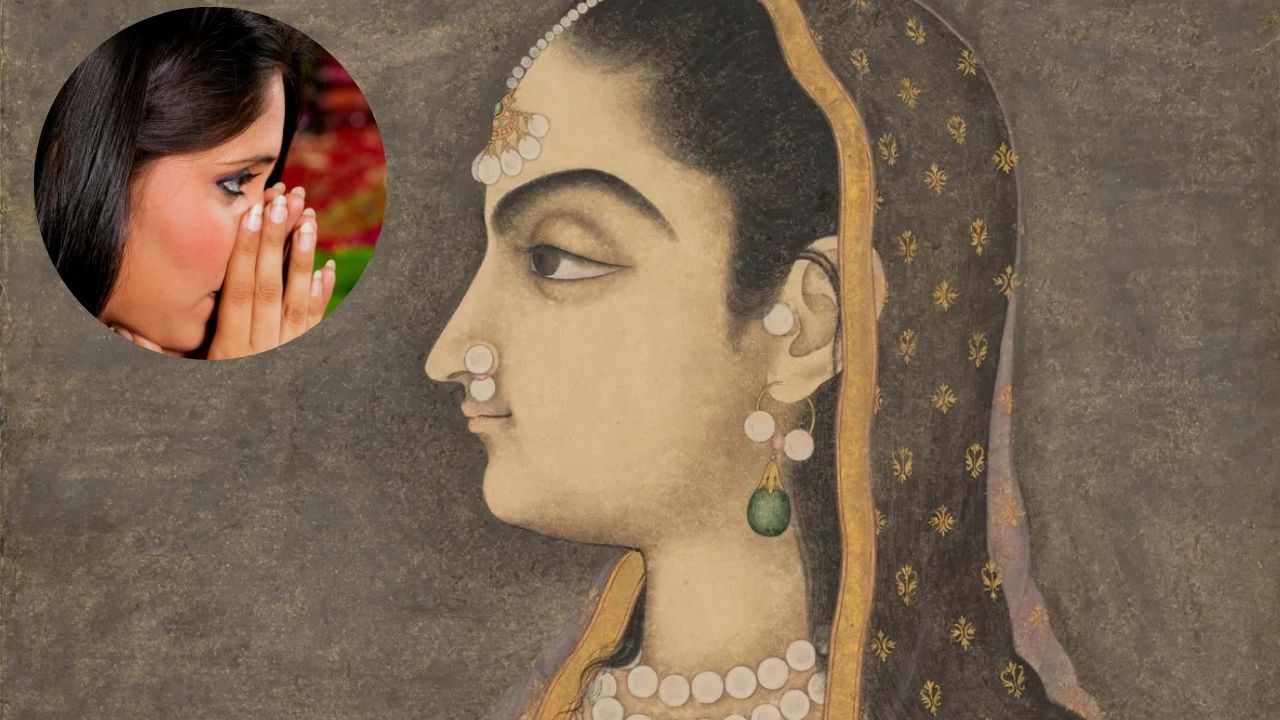
    The dorsal hump, high bridge, prominent projection, bulbous tip, and wide nostrils are features society often sneers at.


    Mashal, born and raised in Saudi Arabia, only considered rhinoplasty after her classmates, extended family, and “desi aunties” criticised the nose on her “perfectly fine” face while she was living in Pakistan for higher education.


    “I’ve heard comments like, ‘You’re pretty overall, but your nose ruins your beauty,’ and ‘You should get your nose fixed—it makes your side profile ugly.’


    “I lost my confidence and stopped going out. People used to stare at me weirdly, which made me uncomfortable,” she recalls years later. 


    These standards loom over Mashal’s life in Saudi Arabia as well, where, as she describes, women focus heavily on achieving facial symmetry and striving for a “doll-like appearance with extraordinary features.”


    A study published by the National Institutes of Health, titled Interest in Rhinoplasty and Awareness of Postoperative Complications Among Female High School Students in Taif, Saudi Arabia, shows a sharp rise in rhinoplasty procedures in recent years. As of 2024, they account for 30 percent of “all” cosmetic surgeries in the country, with social media strongly influencing young women to change their appearance.


    “You’ll see lip fillers, Botox, eyebrow tattoos, fox eye lifts, and jaw lifts very commonly here.


    “If I could sum it up in one statement, I’d say they’re turning themselves into a Snapchat filter. They’re obsessed with Snapchat filters,” Mashal remarks.


    ‘Rhinoplasty transformed me’


    For 35-year-old Nida from Lahore, the decision to opt for rhinoplasty was not about seeking social validation or meeting beauty standards. “It was about removing a barrier that had been holding me back for years,” she reveals.


    Nida considered rhinoplasty in her 20s. “I always knew I wasn’t completely happy with my nose. For years, I found myself editing photos or avoiding the camera altogether, worried about how it might look.”


    Although she knew convincing her loved ones would not be easy, and that some might see it as superficial, she felt it was deeply personal. “It wasn’t about vanity—it was about feeling comfortable in my own skin.”


    Despite her nerves, Nida was “determined” as she believed it would make a difference in her life. 


    “And it did—rhinoplasty transformed the way I saw myself. It wasn’t just a physical change; it was a shift in how I felt every day. No longer having to worry or feel insecure about my nose was truly life-changing.


    “Some might not understand, and that’s okay.”


    For Nida, rhinoplasty was about removing a psychological barrier holding her back. “My confidence soared, and I finally felt free to embrace myself fully. Sometimes, self-love means making the changes that allow you to show up as the best version of yourself—and for me, this was one of those changes.”


    A study by Army Medical College titled A Comparative Analysis of Body Image, Life Satisfaction, and Self-Esteem of Patients Before and After Rhinoplasty found that rhinoplasty significantly improved how people perceived themselves, with life satisfaction increasing fivefold, body image improving by 19 times, and self-esteem rising 26 times after surgery.


    The middle class showed the most motivation for rhinoplasty, and younger participants were more driven by aesthetic changes.


    Dr Namrah works at HBS General Hospital, Islamabad, as an ENT specialist and head and neck surgeon. She performs rhinoplasty not only for beautification but also because many of her patients have genuine issues with  breathing and suffer from nasal blockage.


    She, however, points out that a number of factors are taken into consideration before performing rhinoplasty. “We have a thorough method to streamline our patients and filter out those who have body dysmorphic disorder.”


    Patients who are diagnosed with body dysmorphia are referred for psychotherapy.


    “As a result, the satisfaction level is generally high among my patients. It helps them feel better about themselves, and they usually feel much happier after the procedure.”


    The Current reached out to a women’s support group, asking them to share their experiences of being shamed for their noses and how it affected their lives. Here’s what they have to say:

    “I am in my early 20s and yes, I do consider it [rhinoplasty] sometimes. I might get it later on in life if my parents fail to convince me otherwise. This conscience regarding my imperfections mainly stems from what I’ve seen around me, particularly the ‘acceptable standards of beauty’ both in real life and on social media. Yes, that societal pressure does overwhelm me sometimes, but I think practising positive affirmations helps me shake off those notions. It’s hard to accept that, but then I think I’m just beautiful and unique the way Allah made me.” – Fatima

    “I had an issue, but somehow I’m okay with it now. Interestingly, I did nothing, yet people still think I have gone through nose surgery. I have a big, fat nose, but now I know my angles and realise that I am more than my nose. So it’s perfect.” – Faryal

    “Comments were plenty, but I was too lazy to be bothered. Never believed in public opinion.” – Zareena

    “I was 13 when my aunt made a comment about my imperfect nose. I spent the next 2 years with my hand in front of my nose, fully believing it was an offense to people talking to me. I love it now, wouldn’t want another. We only think Kim Kardashian is beautiful because she isn’t real— I mean, all that plastic. Natural beauty just isn’t acceptable anymore. It wasn’t the case back in the ’80s and ’90s, when you saw all sorts of faces in the cinematic world. Now, they’re all cookie-cutter images.

    Love my nose. Love the dorsal hump. I think we need to appreciate women with larger noses. Actress Mahira Khan looked beautiful to me before she changed her nose.” – Shafaq

    “I have enough money to afford one, and it’s become so common now that it almost feels expected, especially here in Saudi, where every girl looks perfect thanks to access to good surgeons. It’s like getting veneers. I’ve definitely been resisting it since my husband isn’t happy about it, plus I know I got my nose from my dad, which I should’ve been proud of. But for some reason, it made him look super attractive, or so people said. It doesn’t have the same effect on me, though, I feel. I haven’t accepted it because, with so much perfection around me, it’s getting harder to live with my own imperfections over time.” – Hafsa

    *For privacy reasons, all names in this article have been changed or omitted.
  • ‘I haven’t listened to music in several years,’ reveals Atif Aslam

    ‘I haven’t listened to music in several years,’ reveals Atif Aslam

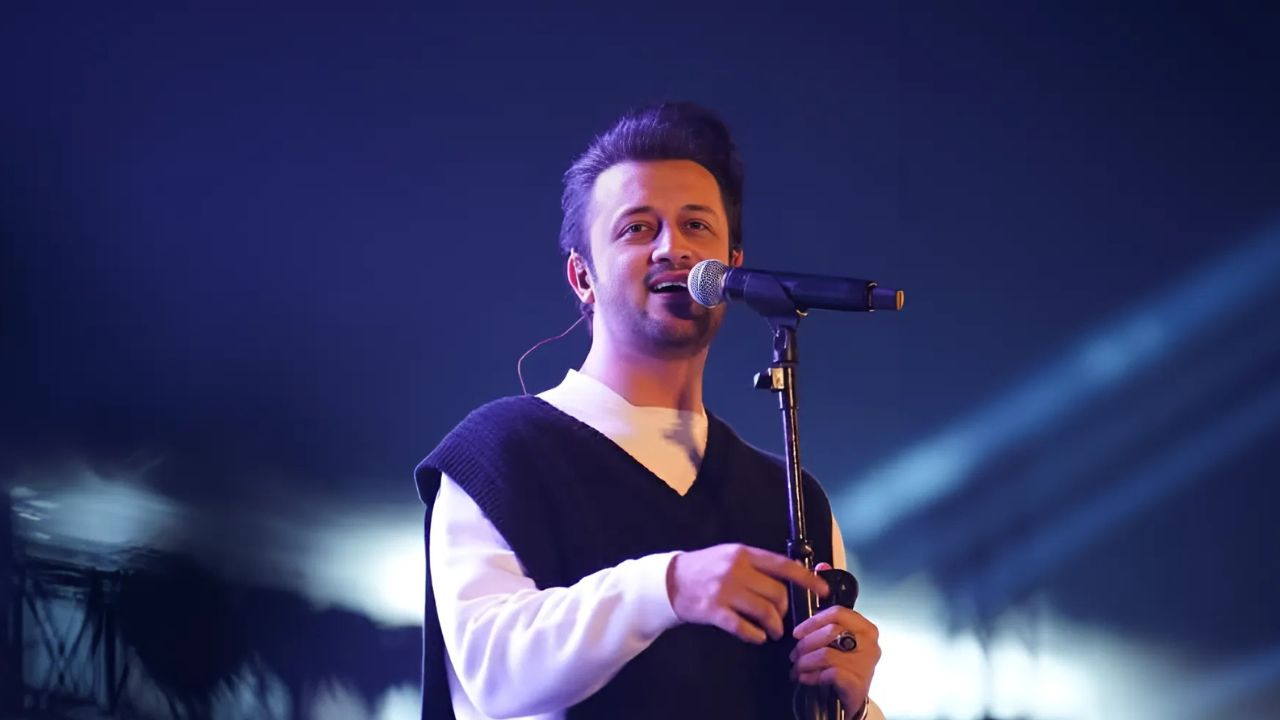
    Renowned singer Atif Aslam has revealed that he hasn’t listened to music in many years. But what’s the story here?

    Imagine a teenage boy in an empty house, the quiet space filled only with his voice. This was the moment legendary singer Atif Aslam discovered his passion for music – the moment that would shape his life.

    “I realised it when my parents moved, and the house we lived in was empty. I went to the upper portion of the house, which was vacant, and started singing. When I hit a high note, I got scared, thinking what just happened. I quickly closed the doors and came downstairs,” Atif recalled in his vlog, Welcome to My Borderless World.

    The Aadat singer said that at first, he kept his newfound passion to himself. “I didn’t tell anyone and kept practicing in that room.”

    “I was scared but kept returning towards it. At that time, I didn’t know the technical and mechanical aspects of singing. Gradually, I met people who guided me, explaining how songs are composed, lyrics are written, and how videos are made.”

    Reflecting on his early journey, Atif said, “I think I was 14 when I started working towards singing.”

    “Music has had such an impact on my life that I don’t think I can live without it. Life would feel empty without music,” he said and revealed that he hadn’t listened to music in many years.

    “Interestingly, I haven’t listened to music for many years. But now, I’ve started listening to it again and I’m finding joy in it,” Atif said.

    The hit singer’s journey, however, didn’t stop with personal growth. Earlier this month he announced launching Borderless World, a programme aimed at bringing talented individual from various fields together, including musicians, lyricists, videographers, directors, and actors.

    This programme will have a number of seasons. “The first season will have five or six episodes, with some new and some old songs,” Atif revealed on social media.

    He emphasized that the Borderless World program is not about competition, but about collaboration and unity through music.

    “The idea is to bring people with talent together. I’ll share an email through which people can send their videos, and we’ll select and collaborate with them.” 


    With Borderless World, Atif hopes to inspire upcoming musicians to follow their passion.

    “It’s not about competition, it’s about bringing people together for the love of music. I hope this initiative inspires upcoming musicians to pursue their passion,” he said.

    For Atif, Aslam music isn’t just a direction, but an impactful force that brings people together. “Music is not just about direction but also about impact. This programme is designed to bring people together and create something meaningful,” he said.

  • Veena Malik launches new attack on Mufti Qavi

    Veena Malik launches new attack on Mufti Qavi

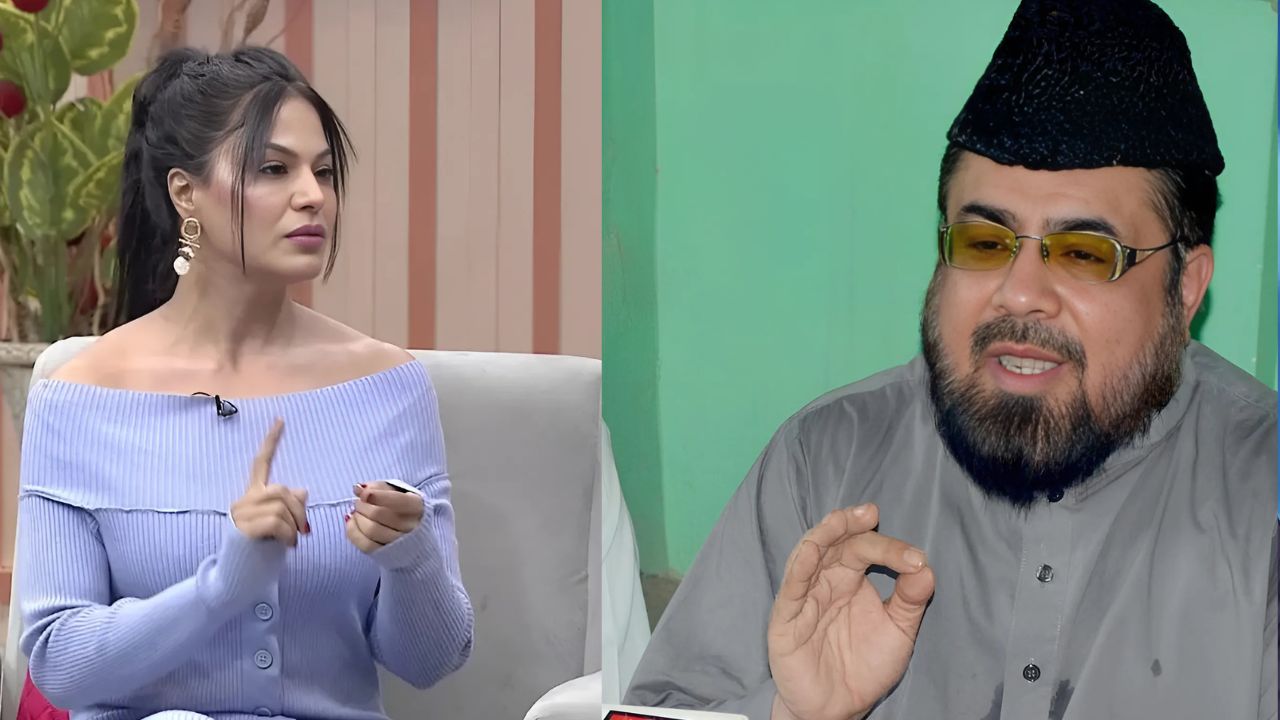
    Actress Veena Malik, never far from controversy, spoke her mind once again on the Meher Show on City 41. This time, she launched a fresh attack on controversial personality Mufti Qavi while addressing the online trolling she faces.

    “He had no right to criticise me publicly on television about my work in entertainment, and I have the freedom to do whatever I want,” she asserted.

    The actress also shared her thoughts on the importance of the Holy Quran, encouraging the younger generation to read and understand its verses for personal growth and spiritual independence. She boldly responded to critics who questioned her religious journey, saying, “Where is it written that after wearing a skirt, one cannot seek forgiveness?”

    Despite the criticism, Veena Malik shared how her religious beliefs shaped her choices. Raised with strong values, she explained that wearing the hijab was a decision based on faith and spiritual growth.

    “I am still the same person at heart,” she said, highlighting her evolving beliefs.

     Earlier, actress Veena Malik’s long standing feud with religious cleric Mufti Qavi has shifted into the fifth gear with the actress’ allegation that he secretly monitors actresses.

    “Mufti Qavi secretly monitors all the actresses. He knows everything about everyone,” Veena said on Hafiz Ahmed podcast.

    Malik then said that the controversial cleric once told her, “You possess beauty and charm.”

    She also talked about other matters including participation in Bigg Boss, and failed marriage.

    She said, “In the past, I enjoyed working on the Indian reality show Bigg Boss, but I never understood why people still criticize me for it. I even received threats after the show. Before becoming a part of the show, there is a written contract, that clearly states that there will be 56 cameras inside and 56 cameras outside the house at all times. It is their choice what to show and what not to show.”

    Answering the podcast host’s question about Mufti Qavi, she said, “Mufti Qavi secretly watches all the actresses and all their shows. He once told me, ‘You have beauty too.’ So, I asked him, ‘How do you know that I have beauty and charm?’”

    “The way I was shown in Bigg Boss, how did Mufti Qavi know all that? That was the question I asked him then, upon which he got angry.”

    She also said, “If honor and humiliation are in the hands of a human being, they will not take a minute to ruin your life, I don’t understand how people can be so hard-hearted.”

    Mufti Qavi once criticized her in the past and said, “Veena Malik can watch Bigg Boss with her children?”

  • Court rules German football clubs must pay police costs at ‘high-risk’ matches

    Court rules German football clubs must pay police costs at ‘high-risk’ matches

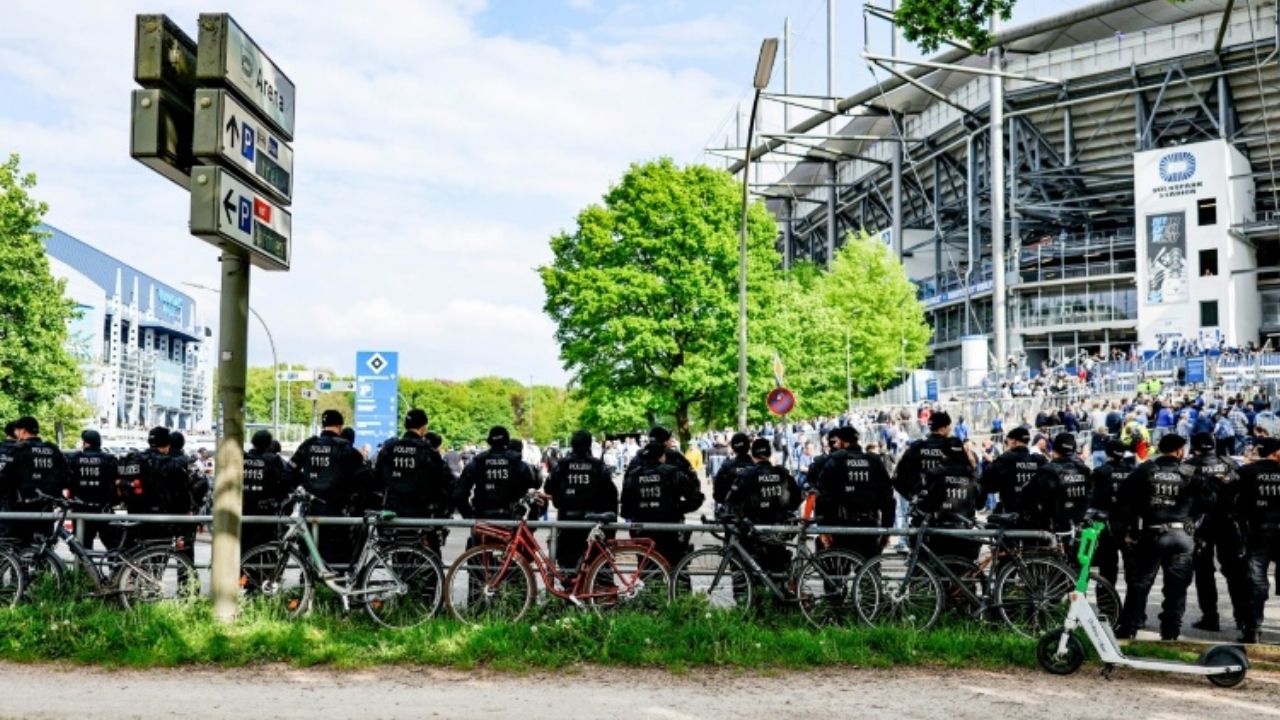
    Bundesliga clubs across Germany may be forced to cover the costs of police at certain ‘high-risk’ games, after a German court upheld a ruling in the city state of Bremen.

    The federal constitutional court on Tuesday dismissed an appeal by the German Football Leagues (DFL) against the practice of asking clubs to pay additional police costs in ‘high risk’ games.

    In 2015, the government in the state of Bremen handed club Werder Bremen a bill of around 400,000 euros ($410,100) relating to the home derby match with neighbouring Hamburg.

    The DFL has waged a 10-year legal battle to have the fine overturned but suffered a series of legal defeats.

    On Tuesday the Karlsruhe-based court dismissed the DFL’s claim that the practice was unconstitutional.

    While the ruling only applies to Bremen, one of Germany’s 16 federal states, the decision is likely to have wide-ranging impacts, with other state governments considering following suit.

    Police maintain a presence at matches in the professional leagues but around 50 games per year, usually derby fixtures or those with long-standing rivalries, are deemed higher risk.

    Bremen’s regional interior minister Ulrich Maeurer welcomed the decision and revealed the state had already billed Werder Bremen around two million euros over the past decade.

    Recognising how the additional costs will cause a burden for clubs, Maeurer floated the idea of a DFL fund for police costs, an idea the governing body has rejected.

    The DFL argued areas outside stadiums were the responsibility of the state and should be covered by tax revenue.

    The German FA (DFB) on Tuesday said the ruling was “incorrect”, saying it made clubs “liable for security costs in public areas over which they have no control”.

    Covering police costs could “threaten the existence” of smaller clubs, the DFB said, adding the ruling “does not improve fan security at all”.

    Tuesday’s decision was also criticised by fan groups.

    In a statement, fan organisation ‘Unsere Kurve’ said it was “shocked” at the decision and said German football contributed around 1.6 billion euros per season in tax revenue.

    Spokesperson Thomas Kessen said the organisers of the Oktoberfest, Cologne Carnival and Berlin’s New Year’s Eve celebrations should now pay police costs, “even if it is doubtful whether we as a society would want this”.