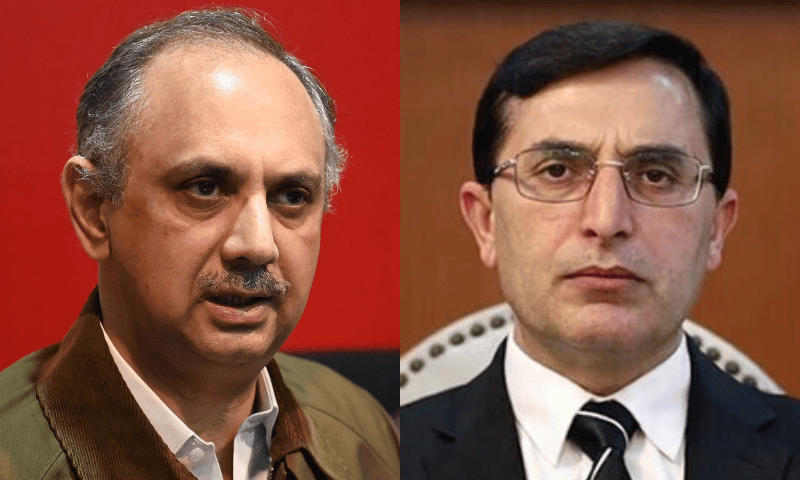
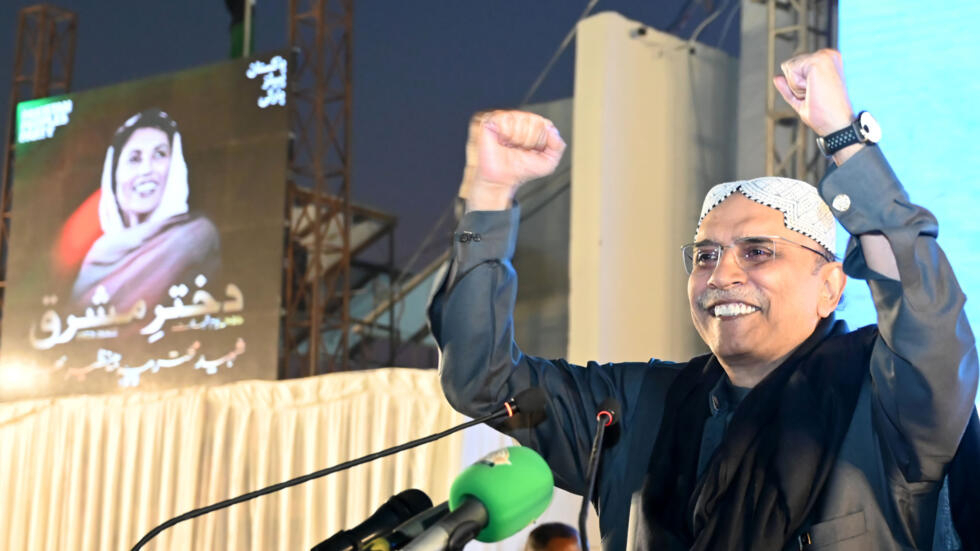
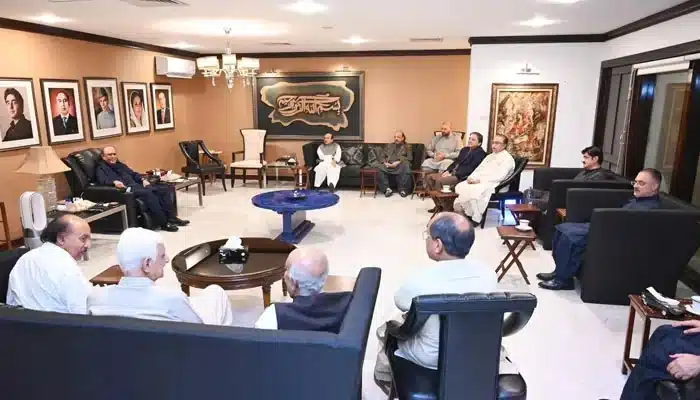
Pakistan Tehreek-e-Insaf (PTI) leader Omar Ayub Khan has declared the head of state, Asif Ali Zardari, “illegal” after the President’s first speech in parliament on Thursday.
Zardari stressed the importance of meaningful dialogue between political parties to reduce the political crisis in Pakistan in his speech.
The PTI leader raised questions on Article 41 of the Constitution, which states that a President is a representative of the federation, pointing out that Asif Ali Zardari hasn’t resigned as co-chairman of the Pakistan Peoples Party (PPP) as of yet.
“Law is being violated in this House,” the PTI leader said that he tried to raise a point being a leader of the opposition, but he was denied the floor.
“As per the law, the floor is given to the opposition leader whenever he asks,” he added.
On the other hand, PTI chairman Barrister Gohar Ali Khan also criticized him, saying that “We do not recognize this president [Zardari]. [Not only this president, but Prime Minister Shehbaz Sharif and the entire cabinet are also illegal.”
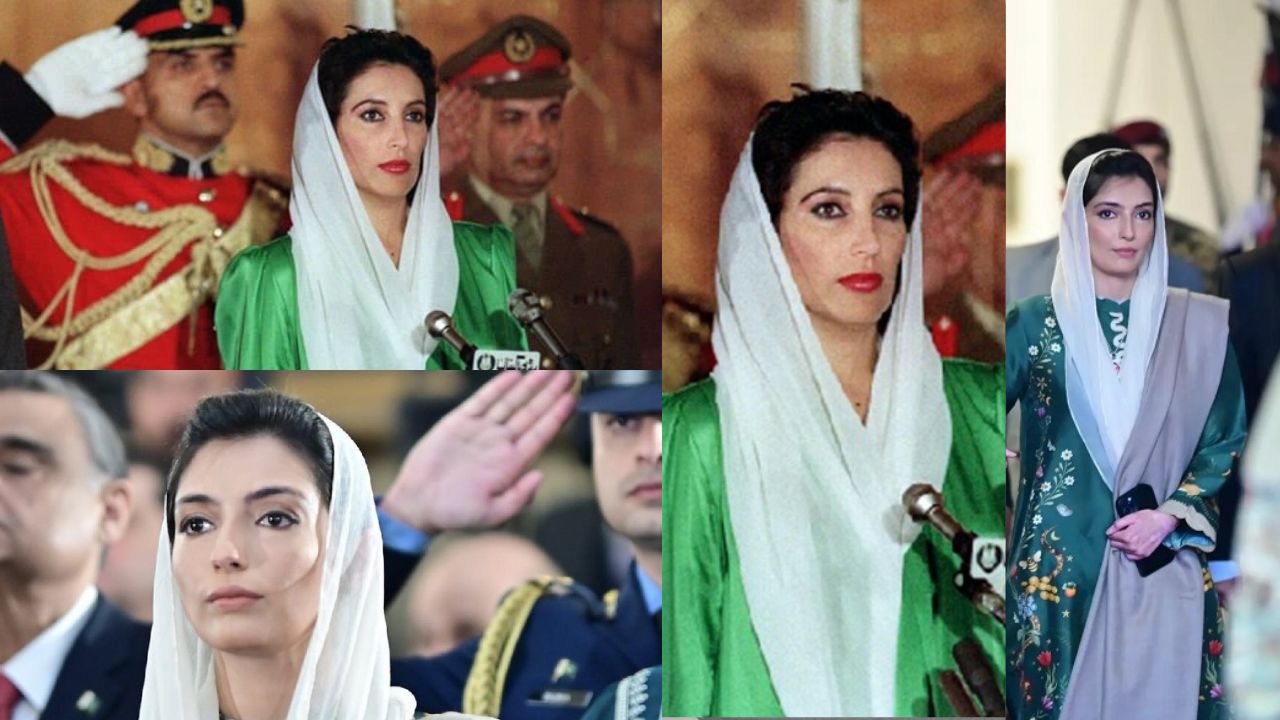
White chiffon dupatta, backcombed hair, and a green silk Shalwar Kameez; where have we seen this before? We saw it once when the late Benazir Bhutto took oath as the first female Prime Minister of the country and the world. And we saw the same image again when her husband Asif Ali Zardari took oath as President. The former Prime Minister’s youngest daughter Aseefa Bhutto Zardari who seems to have morphed into a doppelganger of her beloved mother.
The resemblance was so stark that renowned journalist Hamid Mir tweeted the picture with the caption, “A picture is worth of thousand words.”
Another user commented, “Daughter as first lady and then her enormous resemblance with Shaheed BB is indeed heartening!”
Rest aside, glad to see @AseefaBZ as the First Lady of #Pakistan. Daughter as first lady and then her enormous resemblance with Shaheed BB is indeed heartening!
— Saleem Javed | سلیم جاوید (@mSaleemJaved) March 10, 2024
A user posted that the resemblance is beautiful and lamented that Pakistan really lost a gem when she was assasinated.
The resemblance with BB shaheed mashallah. Pakistan lost a great leader when she was assassinated.
President Asif Ali Zardari, elected President for the second time, has taken the decision to make his daughter Aseefa Bhutto Zardari the first lady. The declaration was made through the party’s official Twitter handle.
Aseefa will be given First Lady protocol and she will be the first First Lady who is the daughter of the President. Usually, the status goes to the wife but here the decision was made because Aseefa Bhutto Zardari campaigned for her party in general elections and supported her brother Bilawal Bhutto Zardari, reports Geo.
Born on February 3, 1993, Aseefa Bhutto Zardari is part of a traditional political family of Pakistan. She is the youngest daughter of former Prime Minister of Pakistan Benazir Bhutto Shaheed and former President of Pakistan Asif Ali Zardari. Aseefa is also the younger sister of Bilawal Bhutto Zardari and Bakhtawar Bhutto Zardari and granddaughter of Shaheed Zulfikar Ali Bhutto, the former Prime Minister of the country and the founder of Pakistan Peoples Party.
She was seen walking beside her father during the oath-taking ceremony in the President’s House with her arm in his arm.
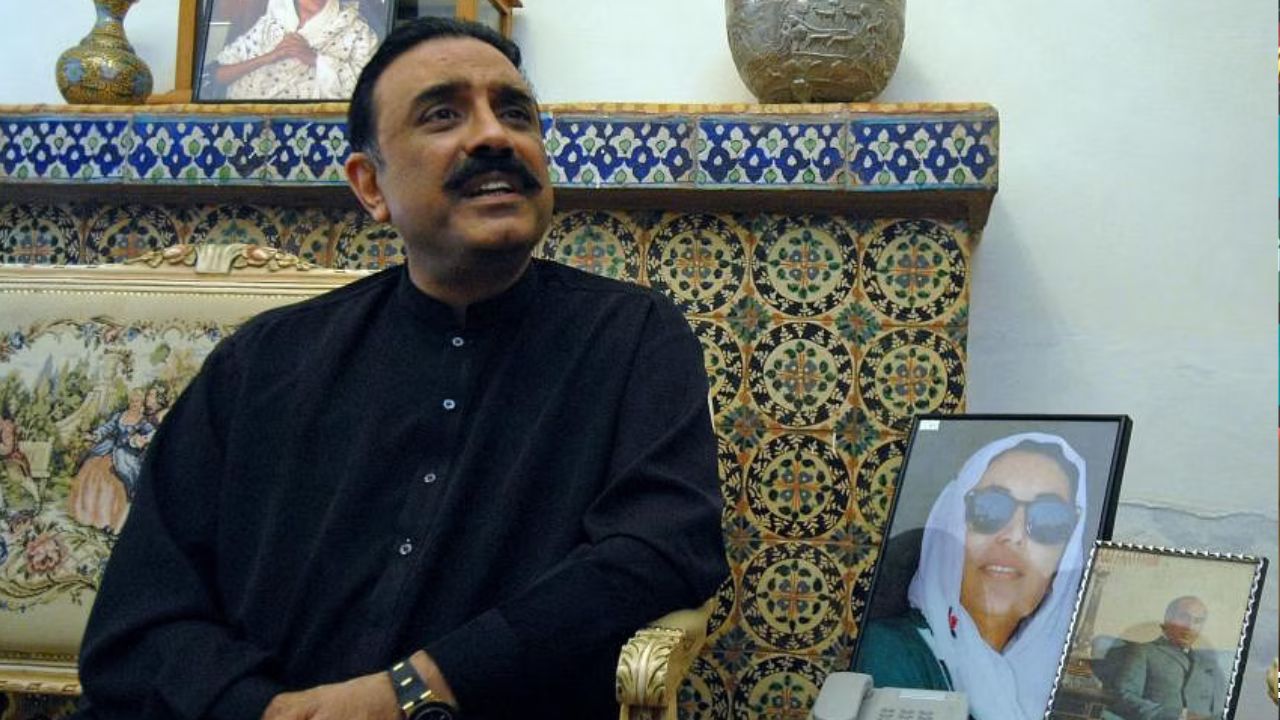
Asif Ali Zardari, the widower of Pakistan’s slain first female premier Benazir Bhutto who has had a life storied equally by tragedy and farce, is set to become president for a second time on Saturday.
Initially a background character as Bhutto’s consort, Zardari was stained by a bevy of corruption and other allegations, including absurd kidnapping plots and taking kickbacks lavished on hoards of jewellery.
Despite a reputation as “Mr. Ten Percent” — the alleged cut he took for rubber-stamping contracts — a sympathy vote propelled him to office when his wife was assassinated in a 2007 bomb and gun attack.
Between 2008 and 2013, he ushered in constitutional reforms rolling back presidential powers, and the 68-year-old’s second term will see him steer a largely ceremonial office.
He has spent more than 11 years in jail, a long time even by the standards of Pakistani politicians, with a wheeler-dealer’s talent for bouncing back after scandals.
Back in 2009, the New York Times said he had a knack for “artful dodging” — “maneuvering himself out of the tight spots he gets himself into”.
Newly sworn-in lawmakers were set to vote him in under the terms of a coalition deal brokered after February 8 elections marred by rigging claims.
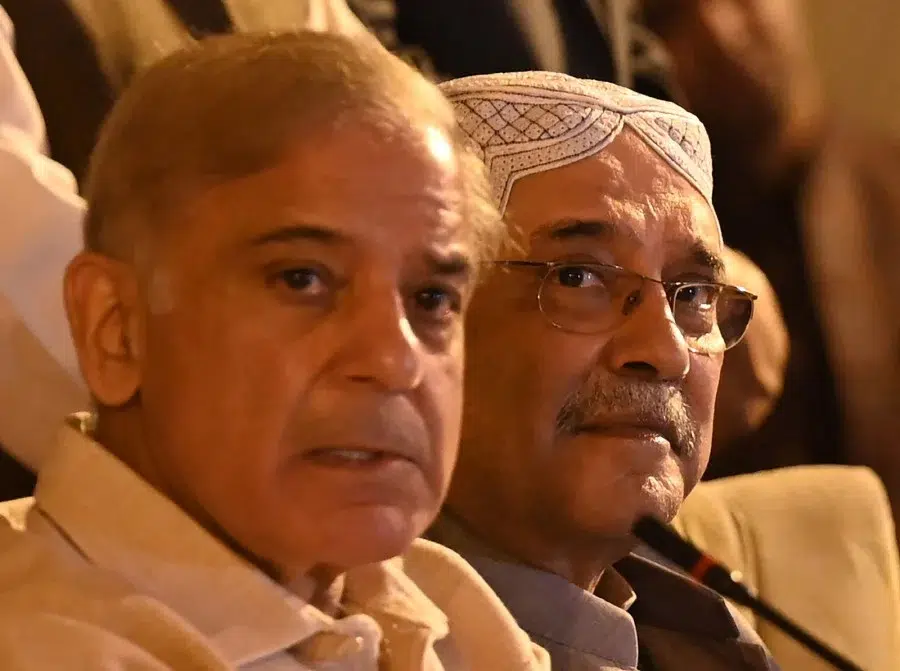
Under that deal, Zardari’s Pakistan Peoples Party (PPP) will take the presidency, while its historic rivals the Pakistan Muslim League-Nawaz (PML-N) party secured the prime minister’s position for Shehbaz Sharif, who was officially sworn in on Monday.
Zardari was born in 1955 into a land-owning family from the southern province of Sindh.
“As a child, I was spoilt by my parents as an only son,” he said in a 2000 interview with the Guardian newspaper. “They indulged my every whim.”
He expressed only limited political ambitions as a young man — losing a 1983 local government election.
It was his 1987 arranged marriage with PPP leader Benazir Bhutto that earned him a spot in the political limelight.
Their union — brokered by Bhutto’s mother — was considered an unlikely pairing for a leader-in-waiting from one of Pakistan’s major political dynasties.
Bhutto was an Oxford and Harvard graduate driven by the desire to oust then-president Mohammad Zia-ul-Haq, who forced her father from the prime minister’s office and had him executed.
Zardari was a university dropout with a reputation for brawling, partying and romancing women at a private disco in his family home.
On the eve of their wedding, Bhutto’s team issued a formal statement denying he was “a playboy who plays polo by day and frequents discos at night”.
Their nuptial celebrations were dubbed the “people’s wedding” — doubling as a political rally in the megacity of Karachi, where a crowd of 100,000 fervently chanted PPP slogans.
Initially, Zardari pledged to keep out of politics.
Bhutto served as prime minister from 1988 to 1990 — the first woman to head a democratic government in a Muslim country — and again from 1993 to 1996.
PPP insiders regarded Zardari as a liability, considering him likely to embarrass her leadership.
Their fears were perhaps well-founded. In 1990, he was embroiled in accusations of an absurd plot to extort a businessman by tying a bomb to his leg.
He was jailed for three years on extortion and kidnapping charges but was elected to the national assembly from behind bars.
In Bhutto’s second term, he served as investment minister.
A bombshell New York Times investigation detailed how he tried to engineer vast kickbacks on military contracts over this period while lavishing huge sums on jewellery.
After Bhutto’s government fell in 1996, Zardari was back behind bars within half an hour.
In December 2007, Bhutto was assassinated while on the campaign trail for a third term in office.
Her killing shook the nation to its core, a wave of sympathy carrying the PPP to victory in 2008. The party nominated Zardari as president.
In 2010, he was widely criticised for continuing a European holiday when the nation was devastated by floods that killed almost 1,800 and affected 21 million.
He was also head of state when US commandos trespassed onto Pakistani soil for the 2011 assassination of Osama Bin Laden, an episode that humiliated many compatriots.
He did, however, usher in constitutional reforms rolling back the sweeping powers of the presidency and bolstering parliamentary democracy that had been undermined by three decades of military rule since 1947.
In 2013, Zardari became the first Pakistani president to complete his full term.
He was jailed once again over money laundering charges in 2019 but was released months later.
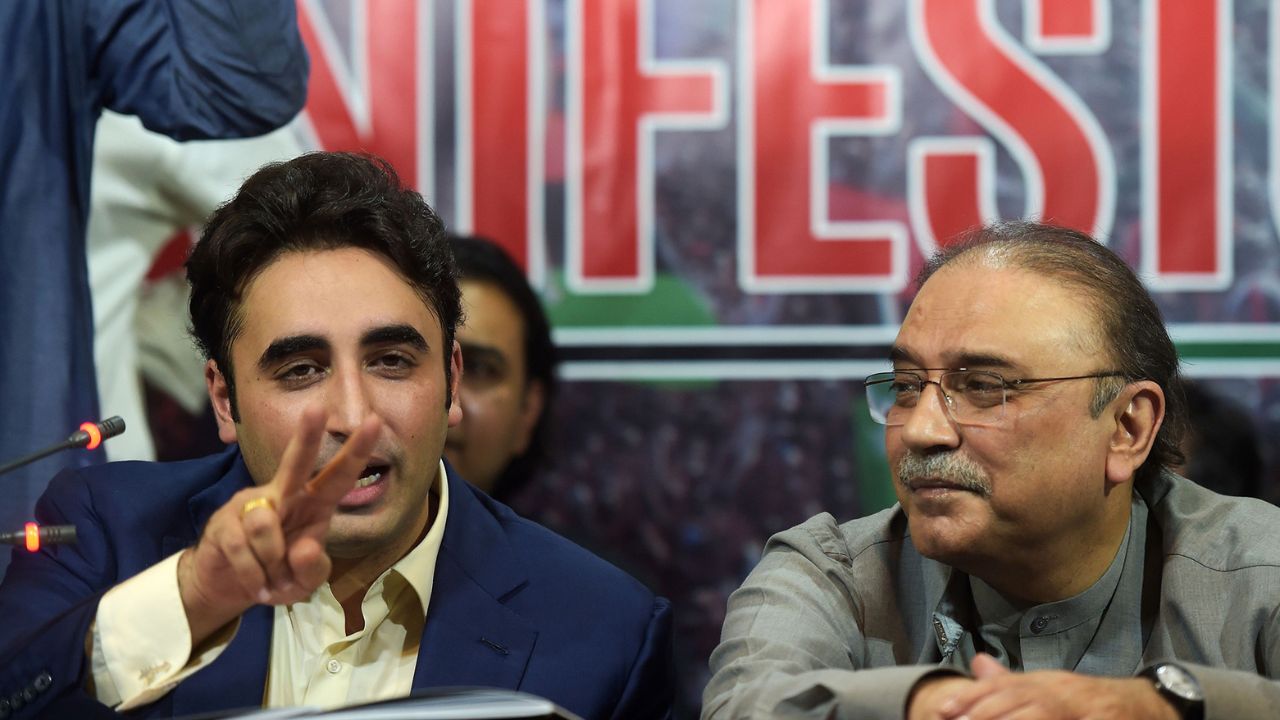
Zardari and Benazir had three children, including Bilawal Bhutto Zardari, the current chairman of the PPP.
In a recent development reported by Geo News, Bilawal Bhutto Zardari, the chief of the Pakistan Peoples Party (PPP), has expressed his preference for Murad Ali Shah to serve as the Chief Minister of Sindh for the third consecutive term.
Sources revealed that alongside Shah, other names under consideration for the Sindh CM post include Faryal Talpur, Nasir Hussain Shah, and Sharjeel Memon.
It’s noted that some leaders within the PPP advocate for Faryal Talpur to potentially become Sindh’s first woman chief minister, adding an intriguing dynamic to the selection process.
Furthermore, amidst political alliances forming in the country, a six-party coalition consisting of PML-N, PPP, MQMP, PML-Q, IPP, and BAP has been announced.
This alliance, reminiscent of the Pakistan Democratic Movement (PDM), aims to form the next government at the federal level.
Notably, Asif Ali Zardari, the former president, is expected to lead the country for the second time, pending the coalition’s success.
Bilawal Bhutto Zardari affirmed PPP’s support for PML-N in electing its prime minister, though without direct involvement in the federal government.
However, discussions surrounding key constitutional posts, including the National Assembly speaker, Senate chairman, and president, have ensued. Bilawal expressed his desire for Asif Ali Zardari to assume the presidency, citing the need for experienced leadership in addressing the country’s challenges.
In addition to the presidency, PPP is reportedly eyeing the post of Balochistan chief minister, with Sarfraz Bugti briefing the party on the province’s political landscape.
Sources suggest that PML-N leadership has agreed to support Zardari for the presidency in exchange for PPP’s backing of Shehbaz Sharif for the prime minister’s post, potentially shaping the future political landscape with a PML-N prime minister and a PPP president.
Meanwhile, PML-N senior leader Rana Sanaullah said PPP did not not demand the top constitutional post of president. In a statement, Sanaullah said that Shehbaz had experience of working with allies, while Asif Ali Zardari has the political acumen to take prudent decisions.
He said that neither the PPP demanded the position of the president nor did they make any commitment. “We hope that [JUI-F chief] Fazlur Rehman will become part of the government,” he added.
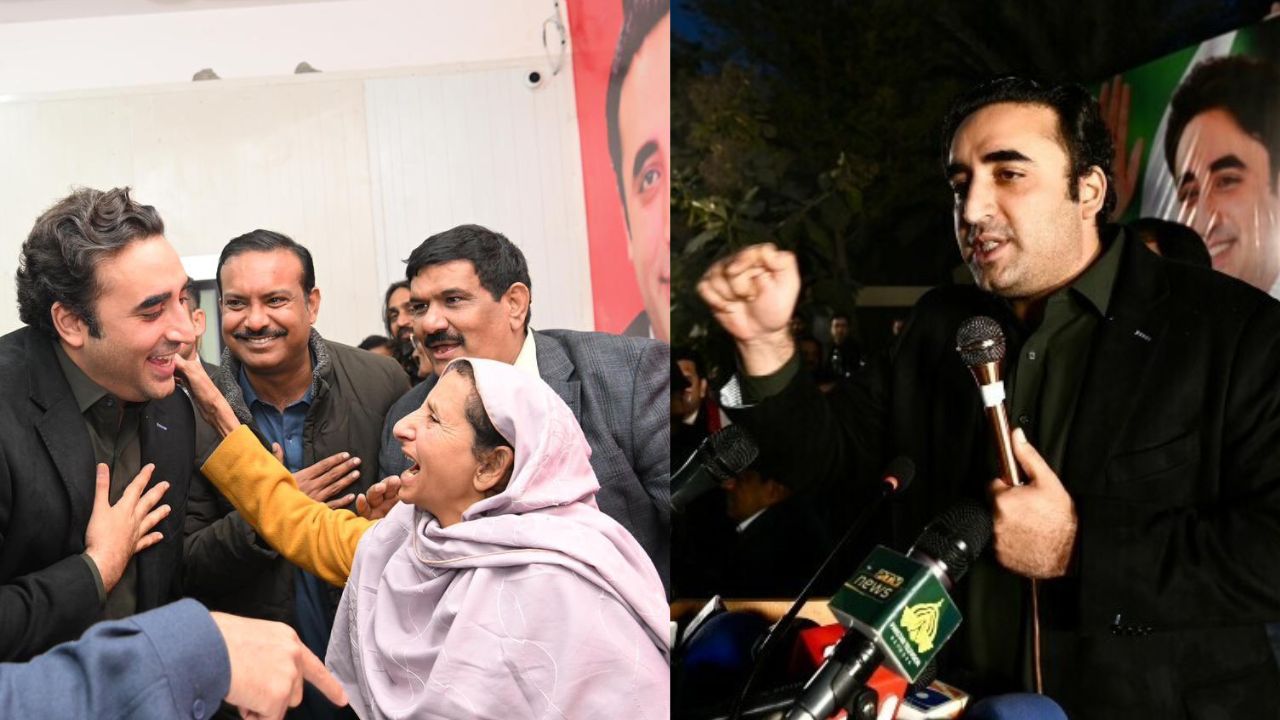
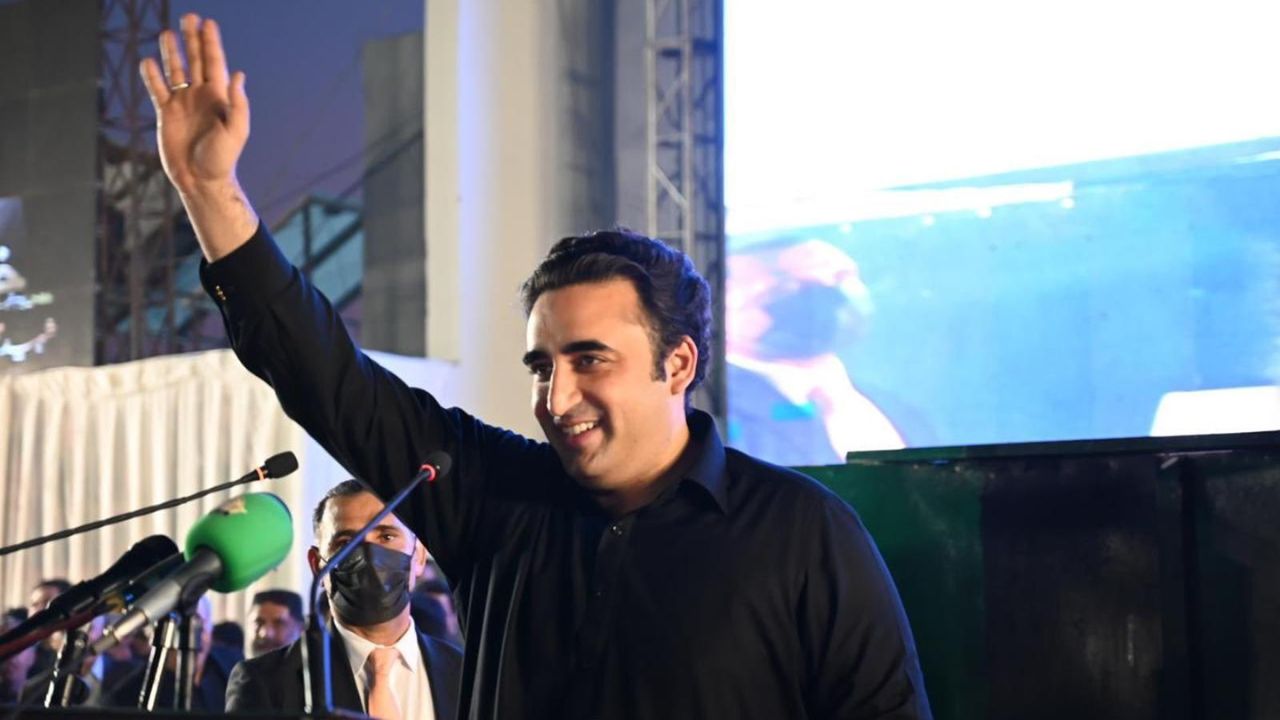
Pakistan Peoples Party (PPP) Chairman Bilawal Bhutto Zardari formally initiated his election campaign from NA-127 Lahore on Thursday.
The party aims to leverage the perceived political vacuum created by the establishment in Pakistan.
With the main rival, Pakistan Muslim League-Nawaz (PML-N), still deliberating on ticket allocations for Punjab and Khyber Pakhtunkhwa (K-P), PPP leaders have been actively canvassing for votes in their respective constituencies.
لاہور: پاکستان پیپلزپارٹی کے چیئرمین بلاول بھٹو زرداری این اے 127 کے صوبائی حلقے پی پی 162 کے الیکشن آفس میں عوام اور کارکنان سے ملاقات کررہے ہیں۔@BBhuttoZardaripic.twitter.com/hHj1vYr7o4
According to the party’s central Punjab chief, a majority of aspiring candidates have already received confirmation regarding ticket allocations, making the official announcement a mere formality.
PPP has unveiled its 10-point agenda as part of its manifesto, with the official manifesto set to be revealed in the coming days, as announced by the party’s information secretary.
In contrast, PML-N, despite forming a manifesto committee over a month ago, has not made any public announcements regarding its plans.
The recent introduction of an online portal by PML-N to gather public input on its manifesto suggests that the process is not in its advanced stages.
بہتر کل، بنائیں مل کر
Contribute to the PML-N manifesto and have a voice in shaping a brighter future! Share your ideas, make an impact, let’s shape the future together! pic.twitter.com/EL6imM8QYg
Bilawal, who will contest elections from three constituencies, including NA-127 Lahore and the party stronghold Larkana, visited his election office at Green Town in Lahore to formally launch the campaign.
شکریہ جاتی امراء آئیں ایک ایسا پاکستان کی بنانے میں پاکستان پیپلز پارٹی کا ساتھ دیں، جہاں حکومت نوجوانوں، مزدوروں، کسانوں، طالب علموں اور محنت کشوں کی ہو۔@BBhuttoZardaripic.twitter.com/PsdYHgCylv
During his election campaign trail, he would address rallies in Faisalabad (Jan 11), Layah (Jan 12), Bahawalpur (Jan 13), Balochistan’s Naseerabad (Jan 14), Sindh’s Larkana (Jan 15), Qambar Shahdadkot (Jan 16) Badin and Sanghar (Jan 17), Nowshero Feroz and Dadu (Jan 18), Rahim Yar Khan (Jan 19) Kot Daud (Jan 20), Lahore (Jan 21), Chiniot (Jan 23), Sarghoda (Jan 24), Lala Musa (Jan 25) Multan (Jan 26), Peshawar (Jan 27) , Rawalpindi (Jan 28), Kurram (Jan 29), DI Khan (Jan 30), Malakand (Jan 31), Khuzdar (Feb 1), Kashmor and Shikarpur (Feb 2) Mirpurkhas (Feb 3), Hyderabad (Jan 4) and his second last rally as per schedule would be in Karachi (Jan 5).
The decision to contest from Lahore is seen as a strategic move, countering PML-N President Shehbaz Sharif’s decision to contest from Karachi NA-242.
The PPP aims to secure NA-127 Lahore, building on the momentum gained from the December 2021 by-election results, where the party’s candidate secured significant votes. The move is also seen as an effort to mitigate the risk of a complete loss for the party in Punjab.
The party sees the absence of PTI from the political arena as a golden opportunity to capitalize on anti-PML-N votes. The PML-N is expected to issue the NA-127 ticket to its Deputy General Secretary Ata Tarar.
Meanwhile, Mayor Murtaza Wahab asserted that the people of Karachi demonstrated their support for the Pakistan Peoples Party (PPP) in the local government elections held on January 15, 2023, citing the party’s perceived capability to address the city’s issues.
The mayor expressed these sentiments during the ‘Meeting the Editors’ program organized by the Council of Newspaper Editors (CPNE) on Thursday.
“We worked for the resolution of the issues of the people of Karachi with sincerity. The development work will continue. People think that the next government will be of the PPP as they see Bilawal Bhutto Zardari as a viable leader,” the mayor said.
Wahab attributed the success of the Jamaat-e-Islami in the local government elections to the boycott by the Muttahida Qaumi Movement (MQM).
Pakistan Peoples Party (PPP) Chairman Bilawal Bhutto-Zardari presented an ambitious 10-point election manifesto during a public gathering in the party stronghold Garhi Khuda Bakhsh on the 16th death anniversary of former Prime Minister Benazir Bhutto.
The manifesto, outlined on Wednesday, aims to establish a “pro-people” government after the upcoming February 8 elections.
Here’s a breakdown of what Bilawal promised his party would do if they came into power: • Double salaries within five years • Free solar energy of 300 units for the poor; every district to have green energy parks • Education for all — rolling out projects for better education • Free health for all across Pakistan • Three million houses for flood affectees and the poor • Expand BISP’s scope; introducing more welfare schemes • BSIP-like programme for farmers and ‘Hari Card’ • Enhanced support for labourers through Benazir Mazdoor Card • ‘Youth Card’ for unemployed youth and ‘Youth Markaz’ • ‘Bhook Mitao Programme’
چیئرمین پاکستان پیپلز پارٹی بلاول بھٹو زرداری کا قوم کے نام پیغام
پاکستان پیپلز پارٹی حکومت بناکر ۱: تنخواہوں میں دوگنا اضافہ ۲: غریب ترین عوام کو 300 یونٹ تک مفت بجلی کی فراہمی ۳: ہر اضلاع میں گرین پارکس بناکر کم قیمت پر بجلی کی فراہمی ۴: عالمی طرز کے تعلیمی ادارے ۵: مفت… pic.twitter.com/jnIdrnP4YL
At the core of the agenda is a commitment to double salaries and provide 300 free units of electricity per household. This goal is to be achieved through the creation of green energy parks in every district, focusing on harnessing solar and wind energy sources.
In addition to economic measures, Bhutto-Zardari pledged to overhaul the health sector by replicating successful models such as NICVD, SIUT, and the Gambat Institute of Medical Sciences across the country. Another significant project, titled ‘Apni Zamin, Apna Ghar,’ aims to construct three million houses nationwide.
The manifesto also includes provisions for free education, the expansion of the Benazir Income Support Programme (BISP), the introduction of Hari and Benazir Mazdoor Cards, and the establishment of youth centers in all divisional headquarters for career counseling and skill development.
Bhutto-Zardari called for public support to navigate the current crisis, expressing confidence in the PPP’s ability to address national issues and strengthen the federation. Reflecting on the party’s past achievements, he highlighted the devolution of powers through the 18th Amendment and the successful implementation of the NFC award.
The PPP chairman criticized certain politicians without naming them, accusing them of engaging in politics to evade legal challenges and jail time.
“I had told my team that I wanted to contest from Lahore. I’ll take the battle to Lahore. Let’s see what happens,” he said.
“Is it Lahore’s destiny that the same person will be installed for the fourth time?” Bilawal said while taking a jibe at the PML-N supremo Nawaz Sharif, who is eying a record-fourth term as the country’s prime minister.
“Our paths are different with that of those we were in government for 16 months,” Bilawal said while referring to the PML-N-led Pakistan Democratic Movement (PDM) government of which the PPP was a key part.
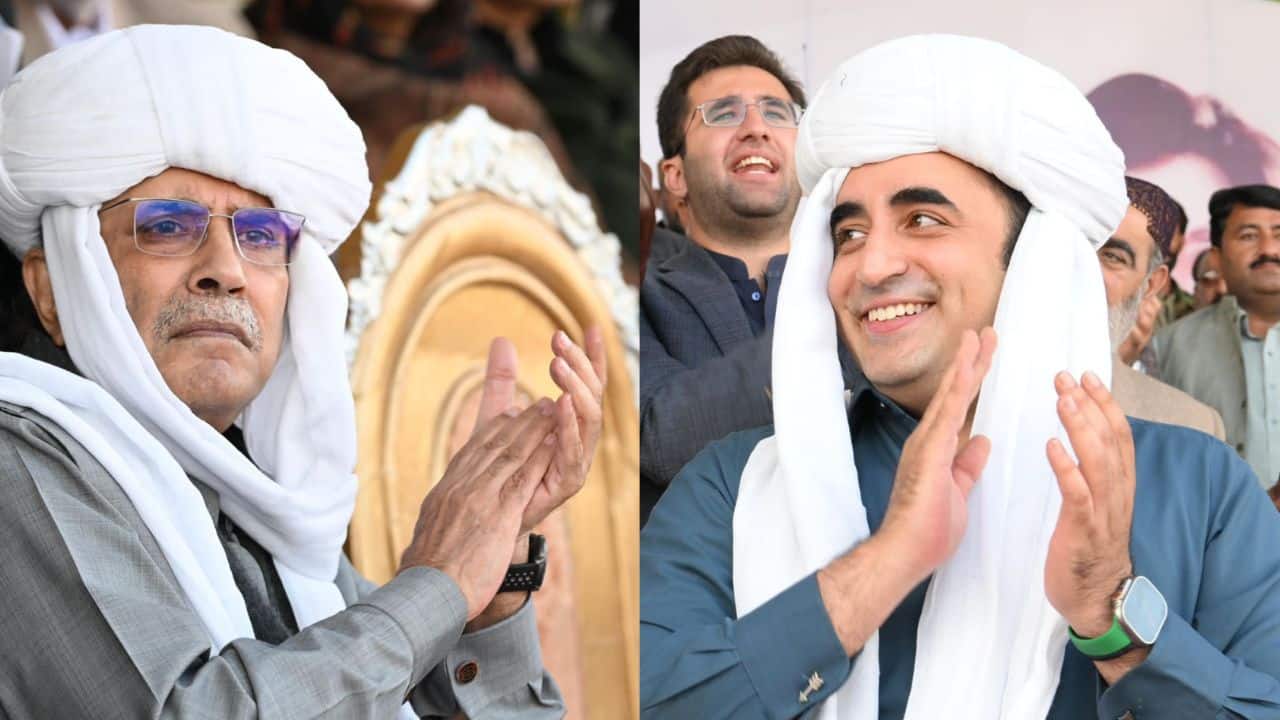
Former President Asif Ali Zardari, speaking on the occasion, reaffirmed his commitment to fulfilling the promises made by his son. He criticized the central administration in Islamabad for its detachment from the struggles of the common people, contrasting it with the PPP’s “people-centric” approach.
"انشاء ﷲ پاکستان کو ہم بنائیں گے، ہمارا مقصدصرف یہ ہی ہے کہ عوام کو حقوق ملیں، غریبوں کو حقوق ملیں، عوام کو پانی ملے، اناج ملے، ملک میں نہروں کی لائینگ ہو ڈیمز بنے، تھر سرسبزو شاداب ہو، بلوچستان اور گلگت بلتستان کو سیراب کیا جائے، گلگت بلتستان سے چائینہ براہ راست تجارت شروع کی… pic.twitter.com/BH9ohwJvcA
Bilawal Bhutto-Zardari, Chairman of the Pakistan People’s Party (PPP), pledged on Monday to eliminate 17 federal ministries if his party secures victory in the general elections. This measure aims to save taxpayers a sum of “Rs300 billion.”
Addressing a public gathering in Nawabshah, Bilawal said the 17 federal ministries should have been devolved to provinces after the 18th Constitutional Amendment, Geo News reported.
The leader of the PPP stated that an amount of Rs300 billion was allocated for the ministries, and the government provided a subsidy of Rs1,500 billion to the ‘elite’ individuals in different sectors, such as energy and fertilizers.
Bilawal said his party would end the subsidy for elites to provide funds to labourers and farmers through cards, he said.
On April 8, 2010, the 18th Constitutional Amendment was enacted, leading to the decentralization of numerous federal ministries and the transfer of powers to provinces.
Referring to the youth as the future of the nation, the PPP chief said old politicians are a thing of the past. Bilawal said the country’s issues could be resolved by burying the politics of “hatred and division”.
A day after the Election Commission of Pakistan (ECP) announced the schedule for general elections, political parties are yet to announce lists of candidates.
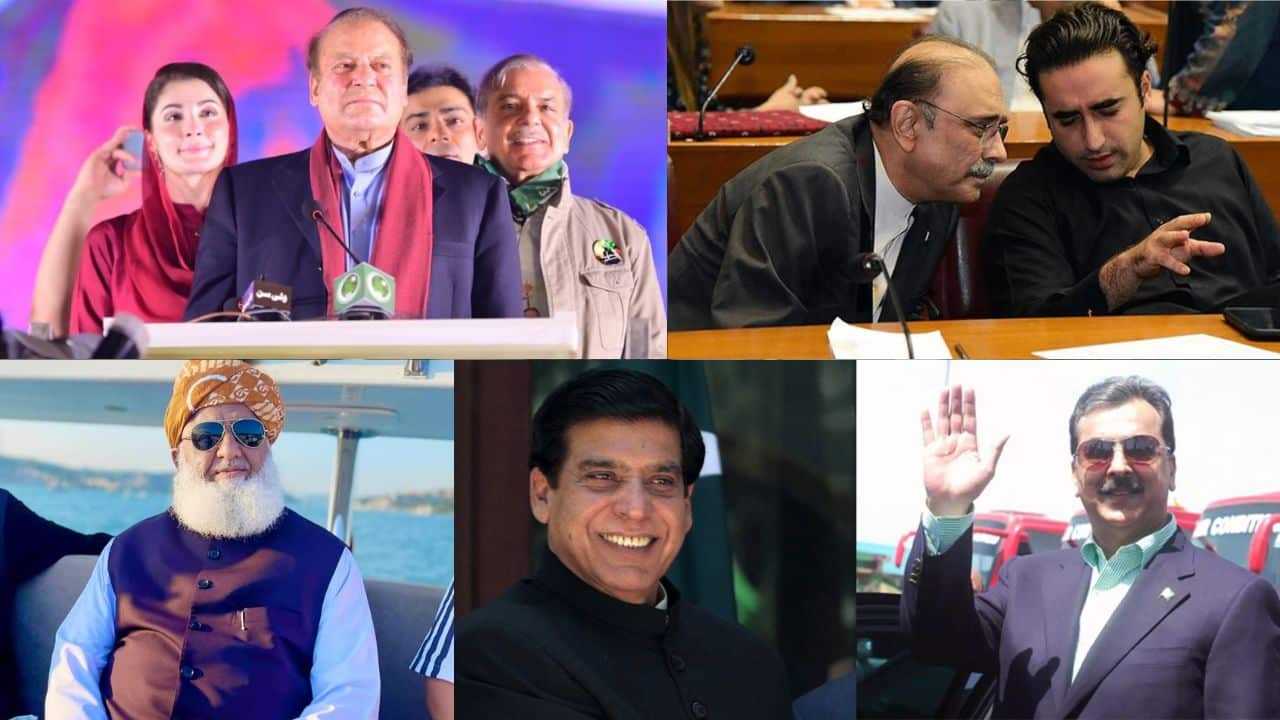
Former prime ministers Nawaz Sharif and Shehbaz Sharif, from Pakistan Muslim League-Nawaz PML-N, will reportedly contest polls from Lahore.
Shahid Khaqan Abbasi, another former Prime Minister, who hails from Murree but was elected from Lahore, has opted to not contest the upcoming elections.
Two ex-PMs from the Pakistan Peoples Party (PPP), Syed Yusuf Raza Gilani, and Raja Pervaiz Ashraf will be contesting from Multan and Gujar Khan respectively.
PML-N Chief Organiser Maryam Nawaz will be contesting from Lahore and Karachi, while PPP Chairman Bilawal Bhutto Zardari will be a candidate from Karachi and Larkana.
Former President and PPP Co-Chairman Asif Ali Zardari will try his luck from Nawabshah.
Maulana Fazlur Rehman will be contesting from Dera Ismail Khan.
Jamat e Islami Ameer Siraj-ul-Haq will contest polls from Peshawar.
PML-N is expected to finalise the list of all its candidates next week, The News has reported.
As per sources, PML-N has concluded work on more than 70% of constituencies for choosing candidates and the list of the first batch of ticketholders might be made public tomorrow (Sunday).
The party’s parliamentary board conducted 10 meetings to finalise candidate names from various areas and is expected to complete the task on Monday (December 18).
The Pakistan Peoples Party (PPP), Jamiat Ulema-e-Islam Fazl (JUI-F), Muttahida Qaumi Movement-Pakistan (MQM-P), Grand Democratic Alliance (GDA), Awami National Party (ANP), Balochistan Awami Party (BAP) and regional parties will issue the list of their candidates by the mid of next week.
They are engaged in seat adjustment with other parties while the fate of the Pakistan Tehreek-e-Insaf (PTI) is still hanging in the balance as the ECP gives its verdict on its intra-party elections on Monday.
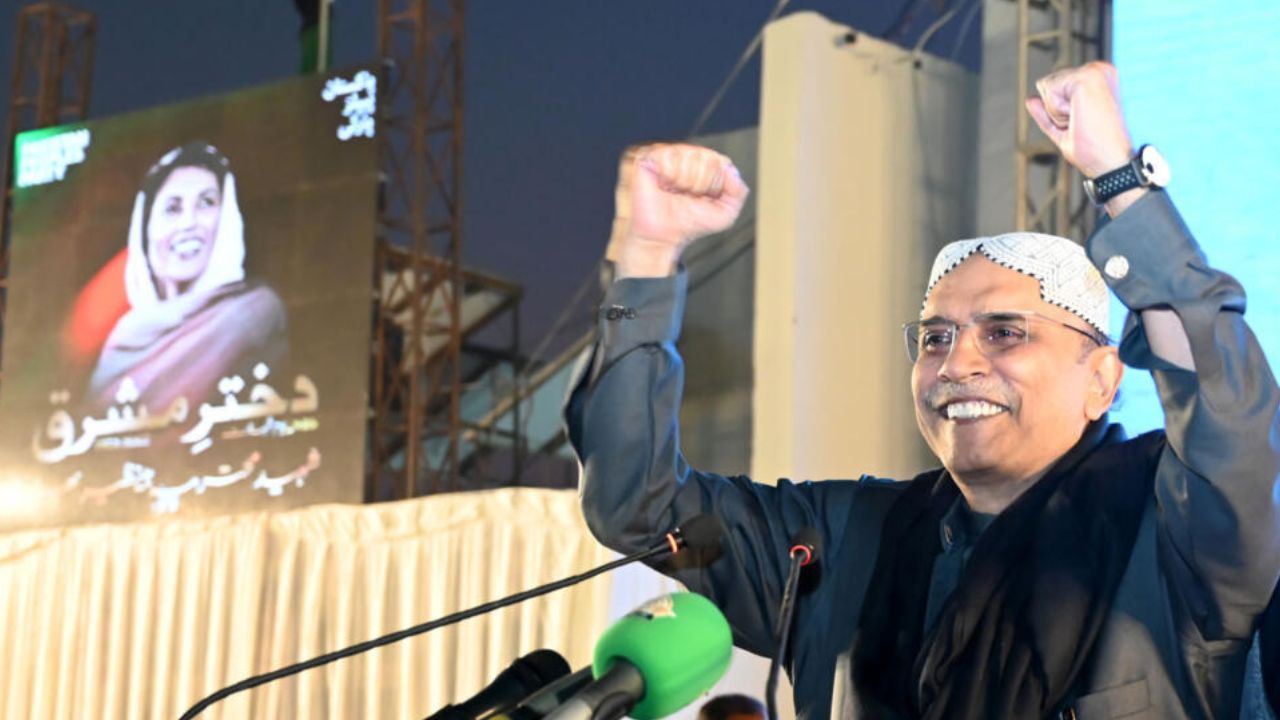
Ex-president Asif Ali Zardari on Thursday called Balochistan the “heart of Pakistan”, lamenting that the view was not shared by Islamabad or the other provinces.
He made the remarks while addressing a rally in Quetta to mark the party’s 56th foundation day, campaigning to improve its prospects in the province in the run up to the general elections.
“Pakistan has everything. And Balochistan is the heart of Pakistan. Unfortunately, Islamabad does not see that Balochistan is the heart. The other provinces do not see it [either],” he lamented.
“پاکستان پیپلز پارٹی عوام کو ان کی دھرتی کا مالک بنائے گی، بلوچستان میں پائی جانے والی ہر چیز چاہے وہ گیس ہو، پیٹرول ہو یا پھر اس کی پورٹس ان پر پہلا حق بلوچستان کے عوام کا ہے۔”
“But we see that Balochistan is the heart of Pakistan. And it is very important to win over this heart. Without winning over the heart of Balochistan, we cannot fix Pakistan.”
“There is much grief […] in Balochistan and we need to address that. We tried to do it in our time but it was not enough,” he said, adding that PPP wanted the people of Balochistan to take ownership of their land and resources.
He said that he would ensure water was made accessible for the people of the province. “Pakistan becomes an export country when Balochistan has [access to] water,” he said.
“We have formulas available on how to develop Pakistan, how to strengthen Balochistan, and how we have to serve you,” he added.
Commenting on his son PPP Chairman Bilawal Bhutto-Zardari, the ex-president — in an apparent slip of the tongue — said, “My son, by becoming the youngest prime minister of Pakistan, raised Pakistan’s honour and flag.”
لائیو: پاکستان پیپلز پارٹی کے 56 ویں یوم تاسیس کے موقعے پر کوئٹہ میں جلسہ عام https://t.co/sI1ou9uVQh
During the previous tenure of the Pakistan Democratic Movement (PDM) government, Bilawal served as the foreign minister, the youngest to do so.
“Everyone knows him now. Some knew him because of his mother, some people knew him because of his father and some knew him because of his grandfather but today they know him because of his own identity,” he said.
“In all seasons and at all times, we have to support him […] we have to transfer what we know […] we want to make Bilawal the leader of the youth,” he said.
“We will redefine Pakistan, we are not weak, you are not weak,” he said as he wrapped up his speech.
Following reports of differences between the top two leaders, party chairman Bilawal-Bhutto Zardari has called for “burying” politics of hatred and division in line with the vision of his father Asif Ali Zardari’s reconciliatory politics.
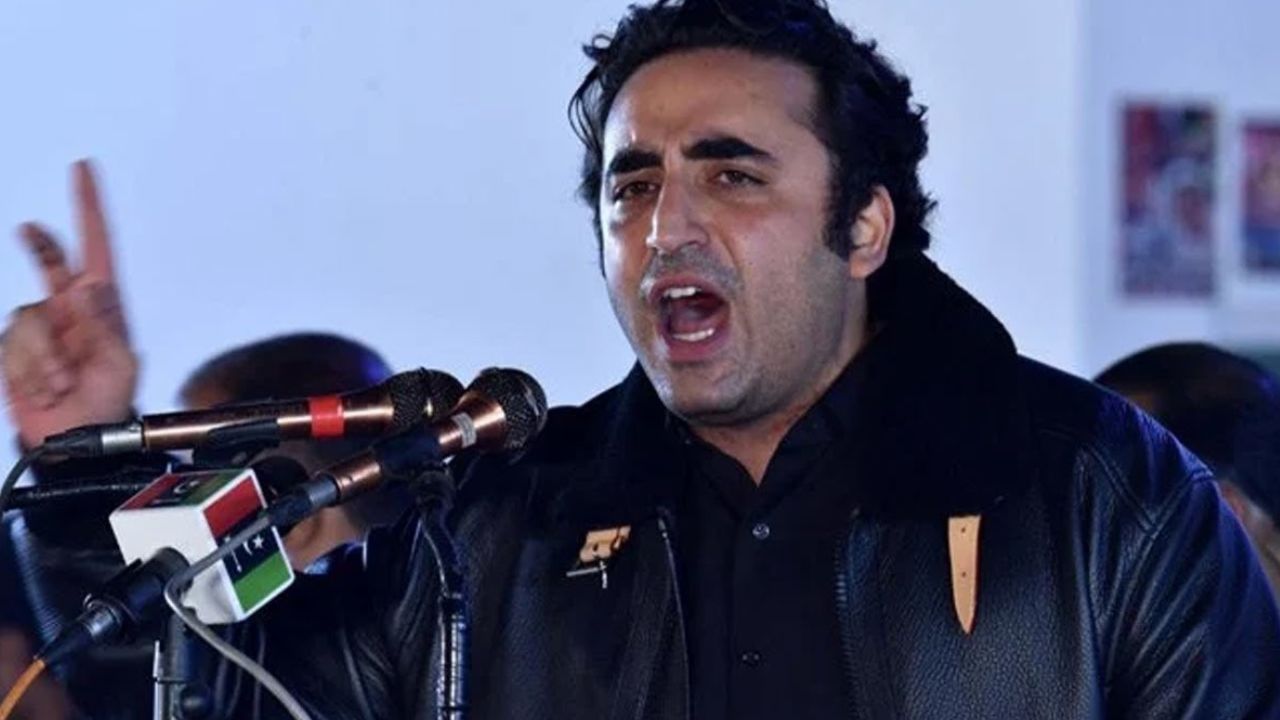
“We have to do politics wherein we should think about unity and not of division. The PPP wants to start a new kind of politics in the country,” Bilawal said while addressing the public rally.
The Pakistan Peoples Party has always been party of change. From Shaheed Zulfikar Ali Bhutto taking politics out of drawing rooms, to Shaheed Benazir Bhutto breaking barriers by fighting a brutal dictatorship and the politics of hate and division to become the first woman Prime… pic.twitter.com/LTvJOv6Ojz
“PPP is fighting against inflation and poverty due to which people are suffering. The old style of politics is based on hatred, division, and revenge. The country’s youth needs to bury such politics,” the PPP chief added.
In the same gathering, Bilawal also fired a broadside at his political rivals saying that the Pakistan Muslim League-Nawaz (PML-N) is now known as the “mehangai [inflation] league” in the country.
“People know that they are showbaz [big mouth] of politics,” the PPP chief added.
Bilawal said Imran Khan-led Pakistan Tehreek-e-Insaf (PTI) and the PML-N wanted to roll back the provincial autonomy granted under the 18th Amendment.
“They want to occupy the resources of the provinces.PPP will not let this conspiracy succeed.”
پاکستان پیپلز پارٹی کے 56 ویں یوم تاسیس کے موقع پر عوام نے اتنی بڑی تعداد میں شرکت کرکے واضح پیغام بھیج دیا ہے کہ آنے والا وقت مزدوروں، کسانوں، نوجوانوں، غریبوں اور طالب علموں کا ہے- انشاء ﷲ انتخابات میں کامیابی کے بعد یوتھ، مزدور اور کسان کارڈ لانچ کریں گے اور صوبہ بلوچستان کے… pic.twitter.com/UA3cZoxNBm
Bilawal also announced giving a surprise in the February 8, 2024 general elections saying a jiyala [PPP worker] will become the country’s new prime minister.
As general elections in Pakistan draw near, Pakistan Peoples Party (PPP) has set its dialogue committee into action, assigning them crucial tasks related to discussions with other political parties and politicians.
The committee has been mandated to schedule meetings with national and provincial figures to explore possibilities of seat adjustments in the upcoming polls slated for February 8 next year.
Chaired by PPP Secretary General Syed Nayyar Hussain Bokhari, the committee convened on Monday, with PPP President Khyber Pakhtunkhwa (KP) Muhammad Bacha and PPP Information Secretary Faisal Karim Kundi in attendance.
Qamar Zaman Kaira and Sajid Turi participated through video link.
During the inaugural meeting focused on Punjab and KP, the committee delved into the overall political situation in the country and the upcoming elections.
Bukhari, in the meeting, delegated responsibilities to committee members, tasking them with arranging meetings with key national and provincial political figures.
The committee collectively resolved to organise separate negotiation committee meetings for each of the four provinces, aiming to forge alliances and discuss potential collaborations.
The formation of the committee was approved by Asif Ali Zardari last week on November 25, with a well-planned strategy to engage in discussions with various political entities.
According to a notification released on Saturday, a five-member committee formed for Punjab and K-P includes Syed Nayyar Hussain Bukhari, Qamar Zaman Kaira, Faisal Karim Kundi, Muhammad Ali Shah Bacha and Sajid Toori.
A two-member committee for Sindh includes Saeed Ghani and Syed Nasir Hussain Shah while a three-member committee for Baluchistan includes Changez Khan Jamali, Rozi Khan Kakar and Sabir Ali Baloch.
This move comes in response to the efforts of the Nawaz Sharif-led Pakistan Muslim League-Nawaz (PML-N) to form alliances with political parties, particularly in Sindh, considered a PPP stronghold. PML-N members recently initiated talks on alliances and seat adjustments with Muttahida Qaumi Movement-Pakistan (MQM-P) and Grand Democratic Alliance (GDA) to counter the PPP’s influence in Sindh.
Facing challenges in its historical stronghold, particularly with the formation of an anti-PPP coalition, the PPP aims to solidify its political position by actively seeking alliances and seat-to-seat adjustments ahead of the upcoming general elections.