Tag: BBC

  • Grok under fire for digitally removing women’s clothing without their consent

    Grok under fire for digitally removing women’s clothing without their consent

    A woman has told BBC that she felt “dehumanised and reduced into a sexual stereotype” after Elon Musk’s AI assistant, Grok, was used to digitally remove her clothing.

    As per the details, BBC has reviewed several incidents on social media platform X where people instructed Grok to strip women in pictures, put them in bikinis without their permission, or generate sexualised scenarios. 

    XAI, the company behind Grok, did not respond to requests for comment beyond an automatically generated reply accusing that “legacy media lies”.

    Freelance journalist and commentator Samantha Smith described her experience after a post featuring her image was altered. She said other users who had faced similar violations commented, and some even prompted Grok to produce more images of her.

    “Women are not consenting to this,” she said. “While it wasn’t actually me in a state of undress, it looked like me, and it felt as violating as if someone had posted a nude or bikini picture of me.”

    A Home office spokesperson said legislation is underway to ban “nudification” tools, warning that anyone supplying such technology would “face a prison sentence and substantial fines” under a new criminal offence.

    Authorities said technology companies must “assess the risk” of users in the UK viewing illegal content on their platforms, but did not confirm whether it is investigating X or Grok specifically for AI-generated images.

    Grok, a free AI assistant with some paid premium features, responds to X users’ prompts when tagged in posts.

    While commonly used to provide reactions or context, its AI image editing feature allows users to alter uploaded images.

    The tool has faced criticism for permitting the creation of sexualised and nude content. It was previously accused of generating a sexually explicit clip of singer Taylor Swift.

    Clare McGlynn, a law professor at Durham University, said X and Grok “could prevent these forms of abuse if they wanted to” and added the companies “appear to enjoy impunity”. 

    “The platform has been allowing the creation and distribution of these images for months without taking any action, and we have yet to see any regulatory challenge,” she said.

    XAI’s own acceptable use policy forbids “depicting likenesses of persons in a pornographic manner”.


    In a statement to BBC, the authorities reiterated that it was illegal to “create or share non-consensual intimate images or child sexual abuse material” and clarified that sexual deepfakes produced with AI fall under this definition.

  • Asim Abbasi to co-direct BBC’s new Jane Austen spin-off series

    Asim Abbasi to co-direct BBC’s new Jane Austen spin-off series

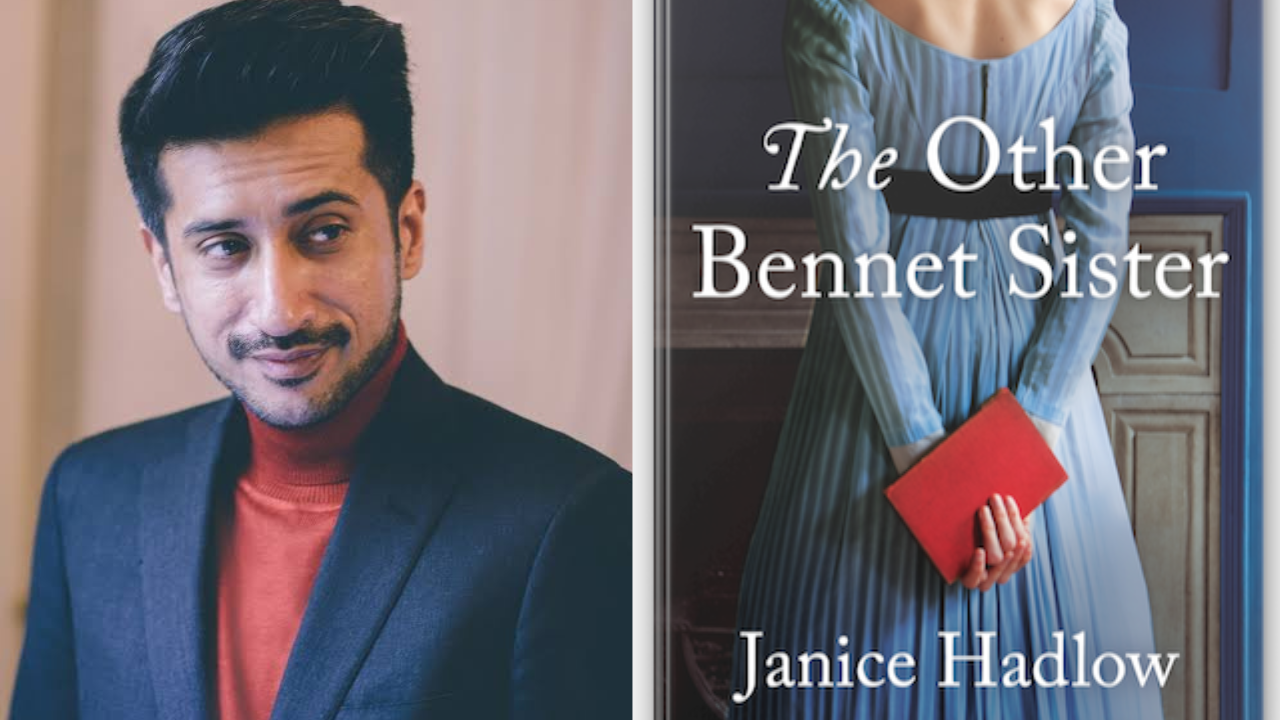
    Pakistani filmmaker Asim Abbasi has been appointed as the co-director for The Other Bennet Sister, an upcoming series from BBC and BritBox based on Janice Hadlow’s novel that reinterprets Pride and Prejudice from Mary Bennet’s viewpoint.

    Abbasi will collaborate with British director Jennifer Sheridan in sharing the directing duties. This ten-part drama centers on Mary Bennet as she emerges from her sisters’ shadows, exploring her journey toward self-discovery and autonomy. The series is set to debut in 2026 on BBC One, BBC iPlayer, and BritBox.

    Ella Bruccoleri, recognized for her performance in Bridgerton, will take on the role of Mary Bennet. The cast also includes Richard E. Grant and Ruth Jones as Mr. and Mrs. Bennet, along with Indira Varma, Richard Coyle, and Tanya Reynolds. Set in Regency-era England, the series follows Mary’s travels from her family home in Meryton to the social scenes of London and the Lake District, as she seeks her identity and purpose.

    Abbasi, who is renowned for his contributions to Pakistani cinema and streaming platforms, has established a reputation for innovative and genre-blending storytelling. His debut feature Cake (2018) was selected as Pakistan’s entry for the 2019 Oscars. In 2020, his web series Churails, released on ZEE5, received acclaim for its daring and female-centric narrative. His latest project, Barzakh (2024), featuring Fawad Khan and Sanam Saeed, delved into supernatural themes. He also directed an episode of the second season of The Famous Five.

    This represents Abbasi’s first significant partnership with the BBC. The adaptation presents him with an opportunity to engage with classic British literature while furthering his exploration of character-driven storytelling, a defining trait of his earlier works.

    Details about filming and production have not yet been revealed, but the project positions Abbasi alongside notable UK talents in an arena that has traditionally been led by British specialists in period dramas. His involvement highlights the increasing global recognition of South Asian filmmakers in the television industry.

  • International Journalists question India’s narrative in cross-border crisis

    International Journalists question India’s narrative in cross-border crisis

    As tensions rise between Pakistan and India, top international journalists from CNN and BBC have reported on-the-ground realities, countering Indian claims and highlighting misinformation campaigns targeting Pakistan.

     
    Two of the most prominent news outlets in the world, CNN and the BBC, have published in-depth reports that highlight the military operations taking place on the ground as well as the accompanying online information war.

     
    CNN’s Nic Robertson reports from Rawalpindi
     
    Veteran CNN correspondent Nic Robertson visited the site of an alleged Indian drone attack in Rawalpindi and described the damage caused:

     
    “Look here, these are shrapnel marks from what Pakistani officials say was an Indian drone splattering along the ground here, one person killed, two people injured and the kicker here? That is the main cricket stadium in Rawalpindi. Right now, it’s been put on hold, the whole event is eventually moving now to Dubai.”

     
    Robertson emphasized that the Pakistan Super League (PSL) was affected due to safety concerns, causing massive financial losses and impacting international players present in the country.

     
    BBC Exposes Indian misinformation

     
    Meanwhile, the BBC’s investigative team exposed a series of false claims made by Indian media outlets following the escalation. One such claim included a viral headline stating: 

     
    “Pakistan’s Karachi Port completely destroyed.” 

     
    However, BBC reporters confirmed the port remained untouched:

     
    “The port had not been hit. We know this because our BBC colleagues visited the port and sent us this video confirming it was not damaged. This photo here is actually from the Gulf War in 1991. And this video is actually the aftermath of a blast on an Iranian port on 26th April.”


    The BBC noted how an account claiming to be the Karachi Port Trust first posted about heavy damage and later deleted the statement, claiming it had been hacked.

     
    “These false claims are part of the huge information war between the two countries, where misinformation is rife and it continues to fuel distrust and hostility.”


    CNN’s Matthew Chance highlights evidence of Indian Jet losses


    CNN’s Chief Global Affairs Correspondent Matthew Chance investigated Pakistan’s allegation that it shot down several Indian fighter jets:

     
     “There is growing evidence that India lost prized fighter jets. But there’s a stubborn reluctance here to admit a single loss. Let alone the five Indian aircraft that Pakistan insists it blasted out of the skies.”

     
    Speaking to BJP spokesperson Nalin Kohli, Chance asked:

     
    “So as far as you are concerned, there have been no Indian aircraft lost during this operation?”

    Kohli responded, “Because if that was the case, and if something of that extent had happened, we would have said so.”

     
    But CNN cited eyewitnesses and intelligence contradicting this:

     
    “Indian eyewitnesses tell CNN they saw one aircraft plunging from the darkness in flames. French Intelligence has already told us that a state-of-the-art Rafale fighter jet was downed.”

     
    The Washington Post faces Indian backlash

     
    Indian social media users criticized The Washington Post, another well-known international publication, for what they saw as pro-Pakistan coverage. The publishing was attacked by outraged voices on Instagram and X (previously Twitter) for failing to draw attention to Indian civilian casualties:

     
     “Big Breaking: The Washington Post is now The Pakistan Post! It has ignored Pakistan’s ongoing three-day assault on Indian civilian cities and instead amplified Pakistani propaganda worldwide.”

     
    Backlash from Indian social media:

     
    Following these reports, Indian users on X (formerly Twitter) accused international media of bias:

    “Are you really the BBC or Pakistan’s puppet?”

    • “As expected BBC has become Pakistan’s propaganda outlet.”

    • “Are you the spokesperson of Pakistan?”

    • “Are you Paki mouthpiece?”


    Pakistan appears to be winning the media war, at least globally, even though tensions at the borders remain high. Major international parties are endorsing Pakistan’s position, as seen by independent confirmations of Indian disinformation.

     
    Will the truth be able to break through the noise of nationalism in an area where media narratives frequently shape public opinion and policy direction?

     
    For now, the world is watching and reporting.
  • The Glassworker collects Rs10 million in opening weekend

    The Glassworker collects Rs10 million in opening weekend

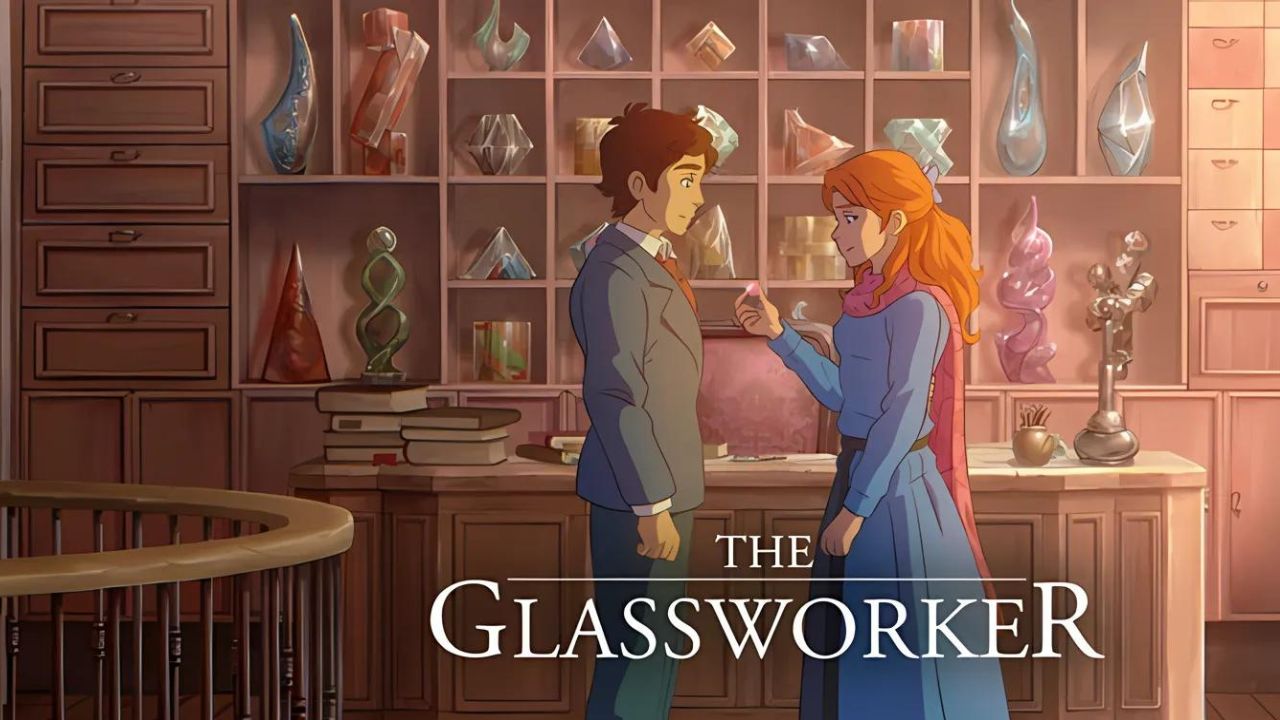
    Usman Riaz’s first hand-drawn animated film, The Glassworker, made a successful debut with more than Rs 10 million collected at the box office in its opening weekend. The movie has created interest among people of all age groups and brought audiences to Pakistani cinemas.


    The Glassworker is produced by Geo Films and directed by Usman Riaz and Mairam Riaz Paracha. The film showcases Riaz’s unique storytelling and artistic vision in the Studio Ghibli style. The film became a success story and is a new chapter in Pakistani cinema, after Geo Films’ previous hits like Khuda Kay Liye, Teefa in Trouble, The Legend of Maula Jatt, and The Donkey King.


    In an interview with BBC, the writer and director of The Glassworker talked about how many years it took to make the film.


    “These 10 years for me have just been purely driven with passion and obsession. The film’s production took four years, but the entire journey took 10 years. I was 23 when I started, and I am 33 now,” Usman Riaz added.


    The Glassworker was released on July 26, 2024 all across Pakistan.

  • Sanam Saeed is a fan of Mahira, Fawad pairing

    Sanam Saeed is a fan of Mahira, Fawad pairing

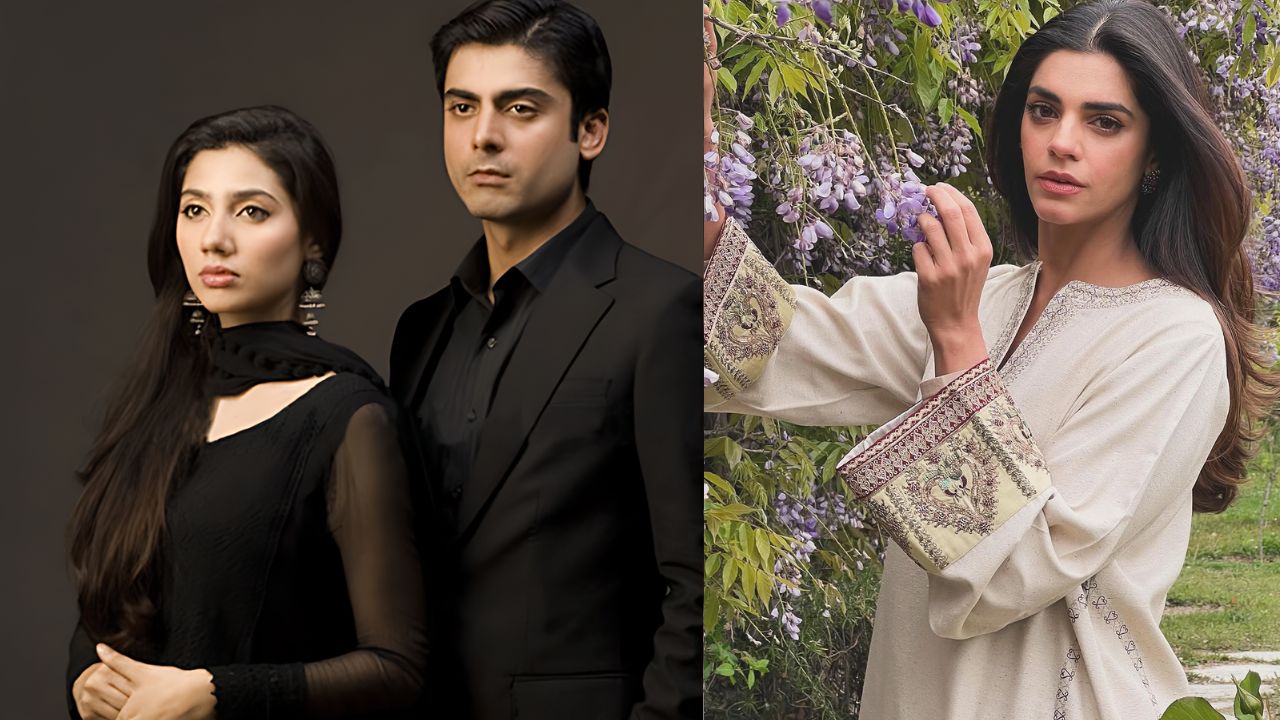
    Mahira Khan and Fawad Khan, celebrated for their brilliant chemistry in Humsafar, have legions of fans, including Sanam Saeed.
    The talented actress who is reuniting with Fawad Khan after 12 years in the Zee web series Barzakh, told BBC Asian Network, that the Mahira Khan and Fawad Khan jori creates magic on screen.


    “Unlike Mahira Khan and Fawad Khan’s pairing, when I appear on screen with Fawad, people do not feel the same magic, and our pairing does not look as good.”
    While talking about coming together the superstar after more than a decade, she commented, “I myself cannot believe that Fawad Khan and I are working together on screen again after 12 years. But I think fans will be shocked to see us together on screen again after so many years.”


    Talking about different roles, Sanam that as an actor she has to play all kinds of roles. “Viewers should also see me as an actor and understand that I can’t appear in romantic roles every time.”


    The Barzakh actress also said, “Both Mahira Khan and Fawad Khan are beautiful and cute, so their pair looks good. However, Fawad Khan’s interaction with them can be different. It is not necessary that they always appear as a pair.”
    Fawad and Sanam’s last project together was Zindagi Gulzar Hai, which aired on HUMTV in 2012 and was written by Umera Ahmed.

    Bazarkh was released on the ZEE5 YouTube channel. The web series is directed and written by Asim Abbasi.

  • Mahira Khan wants trolls to reflect in light of Kate Middleton’s cancer

    Mahira Khan wants trolls to reflect in light of Kate Middleton’s cancer

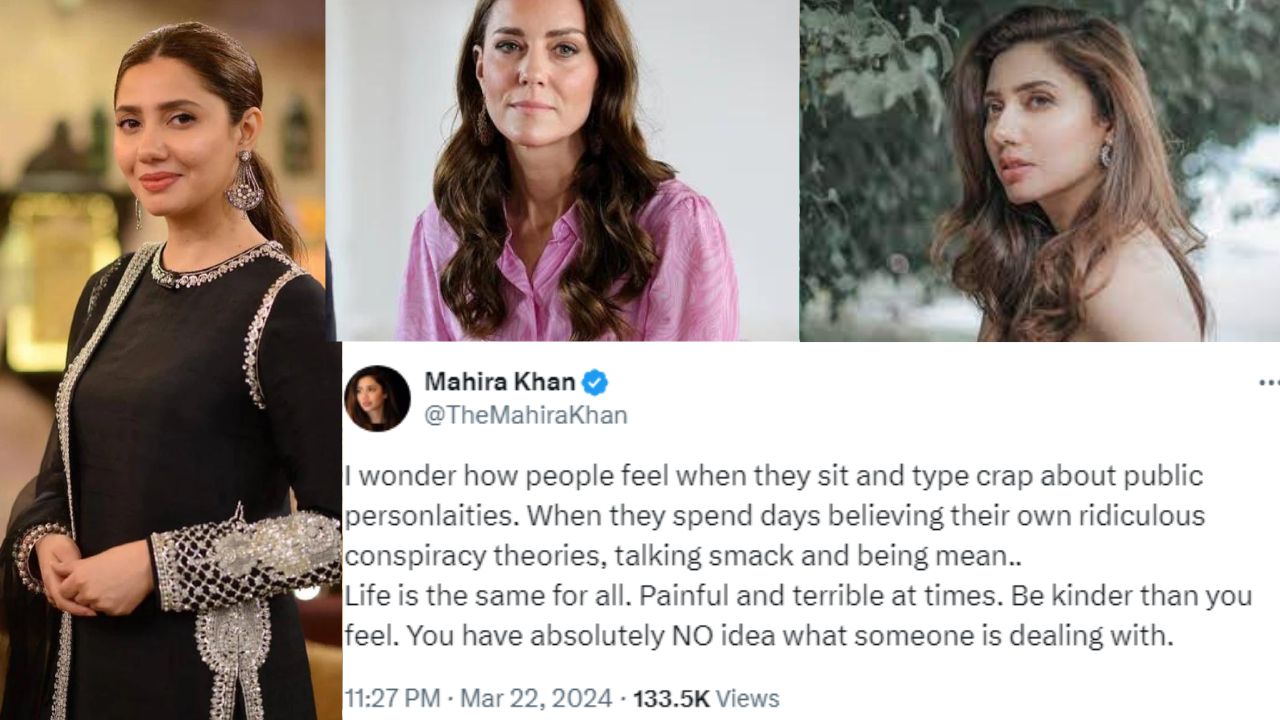
    The Princess of Wales, Kate Middleton, shared on Friday evening that she is battling cancer and receiving chemotherapy. The announcement came after many rumors circulated on social media about her health and whereabouts. Kate, 42, had not been seen in public since Christmas. However, a video surfaced this week showing her with her husband, Prince William, walking near their Windsor home. This sparked discussions among celebrities, many of whom criticized the digital speculation surrounding Kate’s absence.


    Some famous people criticized the rumors and asked for kindness.
    Actress Mahira Khan took to social media to write, “I wonder how people feel when they sit and type crap about public personalities. When they spend days believing their own ridiculous conspiracy theories, talking smack and being mean. Life is the same for all. Painful and terrible at times. Be kinder than you feel. You have absolutely no idea what someone is dealing with.”

  • Shehnaz Sheikh speaks out about ‘Ankahi’ salary, social media

    Shehnaz Sheikh speaks out about ‘Ankahi’ salary, social media


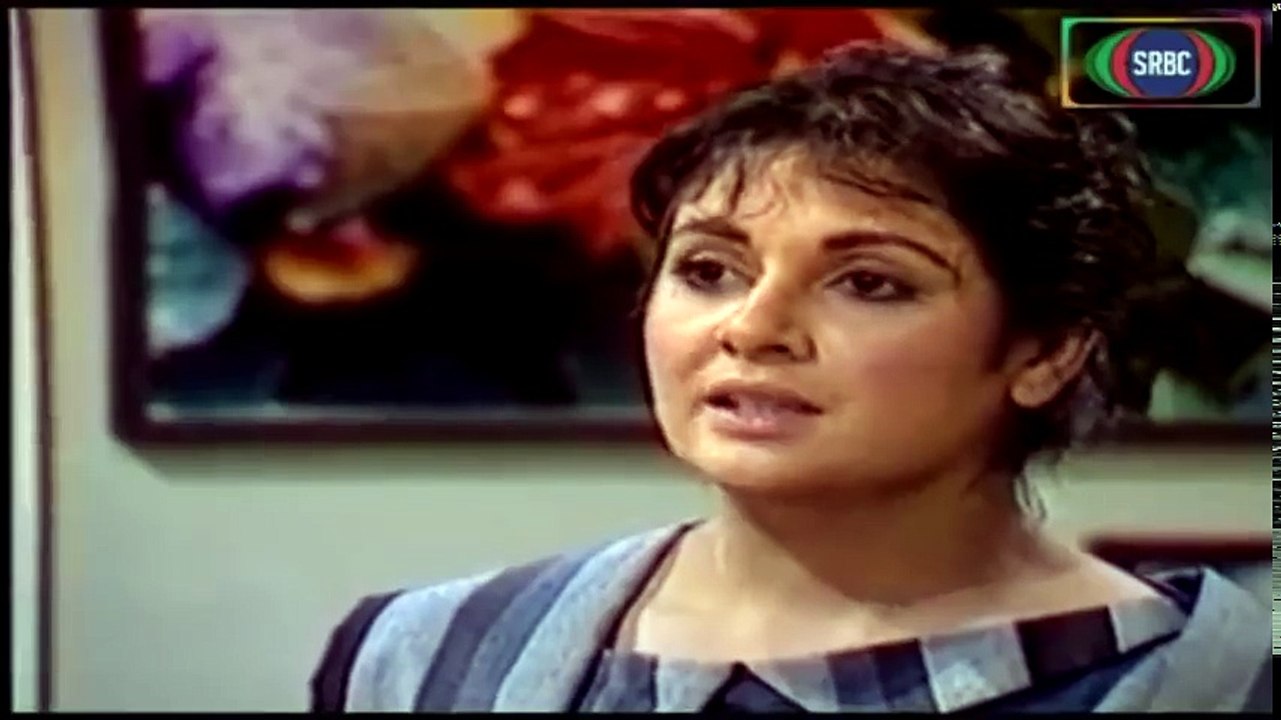
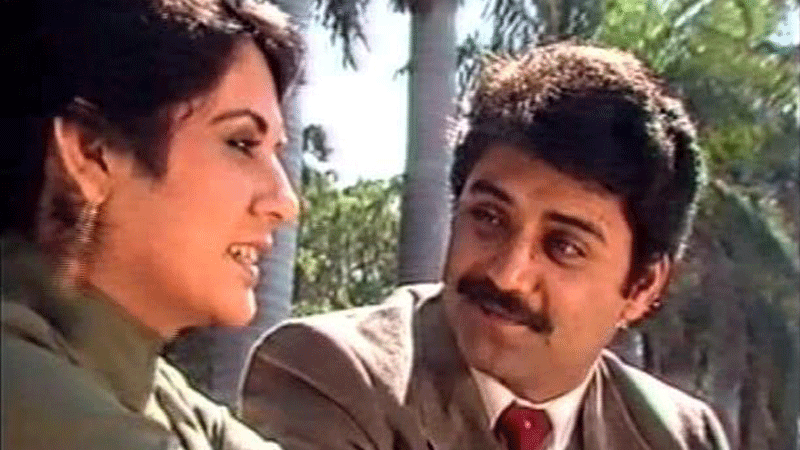
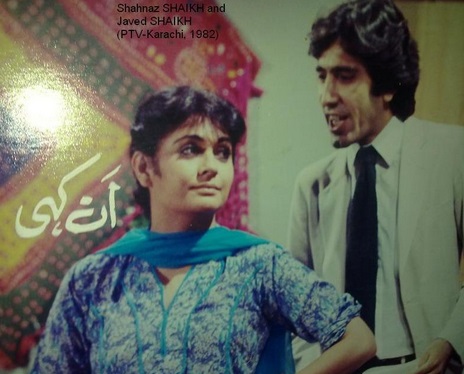
    Veteran actress Shehnaz Sheikh may have stopped acting in dramas long ago, but she remains one of the nation’s favorite celebrities. She will be hosting a talk show on PTV soon, but she won’t be returning to acting anytime soon.


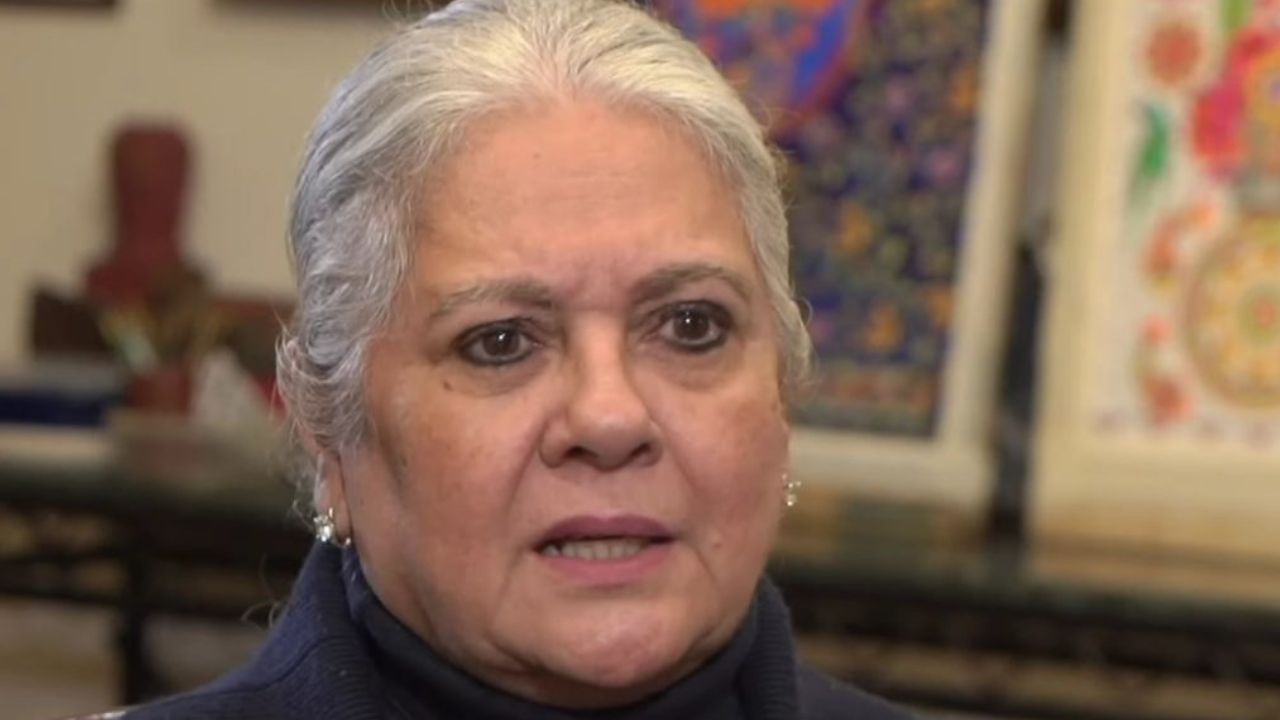
    Talking about her hit drama Ankahi in an interview with BBC Urdu, Shehnaz Sheikh said, “I was paid Rs. 800 per episode. Clothes, food, nothing was provided; we had to arrange everything ourselves, even transportation. After three years of ‘Tanhaiyaan,’ the payment increased to Rs. 1000. I am talking about a top-grade actor.”


    She also discussed her thoughts on social media. The host asked how does she see social media.’ She said, “I am thankful that during our time, all this wasn’t there. These phones didn’t exist, you can’t even imagine how our lives would have been exposed. The thought of someone recording, imagine if a camera came out, you’d know. In our entire class, there was hardly one person with a camera; it was so rare and your privacy is gone. But oh my god, the information you get! I can’t think of my life without social media. I love it. I watch TikTokers, reels, whenever I see them. As I said, if I don’t like something, I just scroll ahead.”

  • Saudi opens first alcohol store for diplomats in move seen as necessary for societal change: BBC report

    Saudi opens first alcohol store for diplomats in move seen as necessary for societal change: BBC report

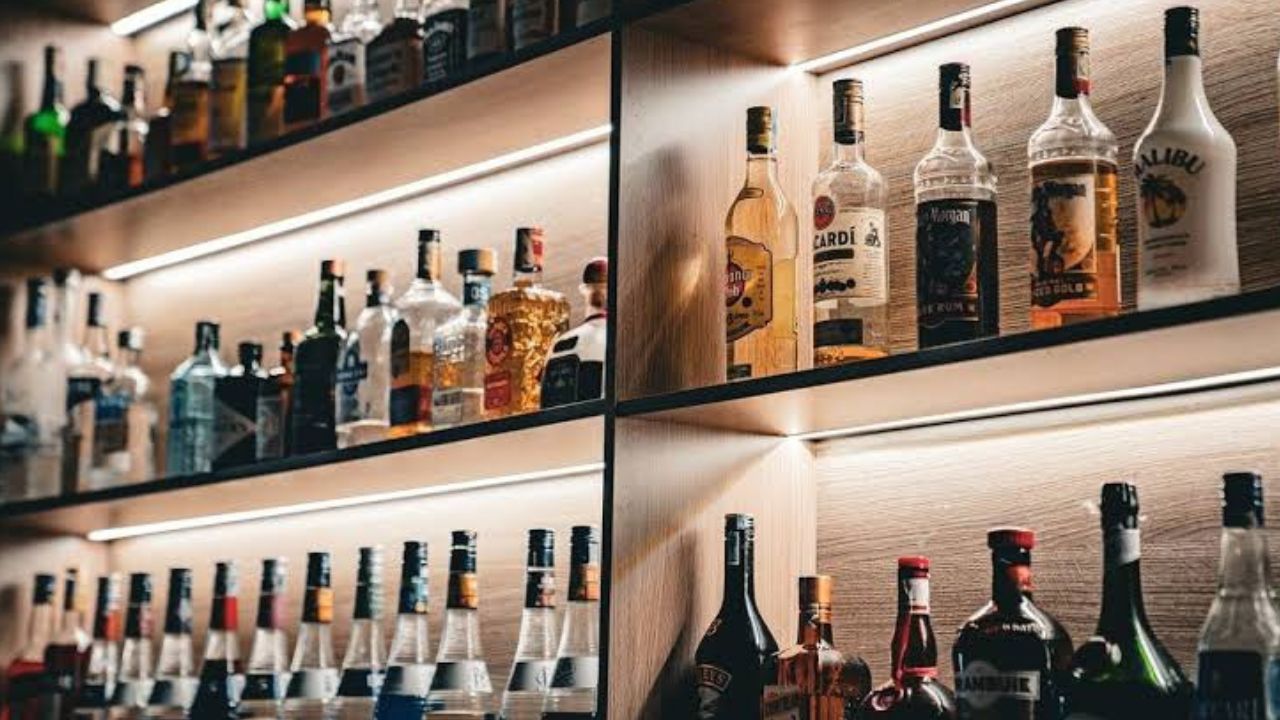
    Saudi Arabia has taken a major step with the opening of an alcohol store catering to diplomats – breaking of a 70-year-long national ban on alcohol.

    BBC spoke to Kristian Ulrichsen, who explores economic trends in the Middle East and works for Rice University’s Baker Institute for Public Policy in Texas, in the U.S.

    “Key elements of Vision 2030 are tourism, entertainment, and hospitality. And Mohammed bin Salman, the Crown Prince, has set very ambitious targets of attracting more than 100 million visits a year by 2030.” he says.

    Ulrichsen points at the necessity of societal shifts to accommodate the influx of visitors and residents essential for the success of Saudi Arabia’s ambitious development projects.

    Moreover, Saudi Arabia is in competition with Dubai, which is why this latest move mirrors similar actions taken by UAE to maintain an advantage in the region.

    “The Saudi move is very controlled,” Ulrichsen adds.

    Starting with controlled enclaves before possibly expanding access to alcohol in designated areas or larger projects over time, he explains.

    While access in larger society remains limited for now, future developments, such as the planned mid-2020s offshore island projects in the Red Sea, may see increased availability as public acceptance grows.

  • Watch: Child trapped in toy claw machine enjoying himself before rescue

    Watch: Child trapped in toy claw machine enjoying himself before rescue

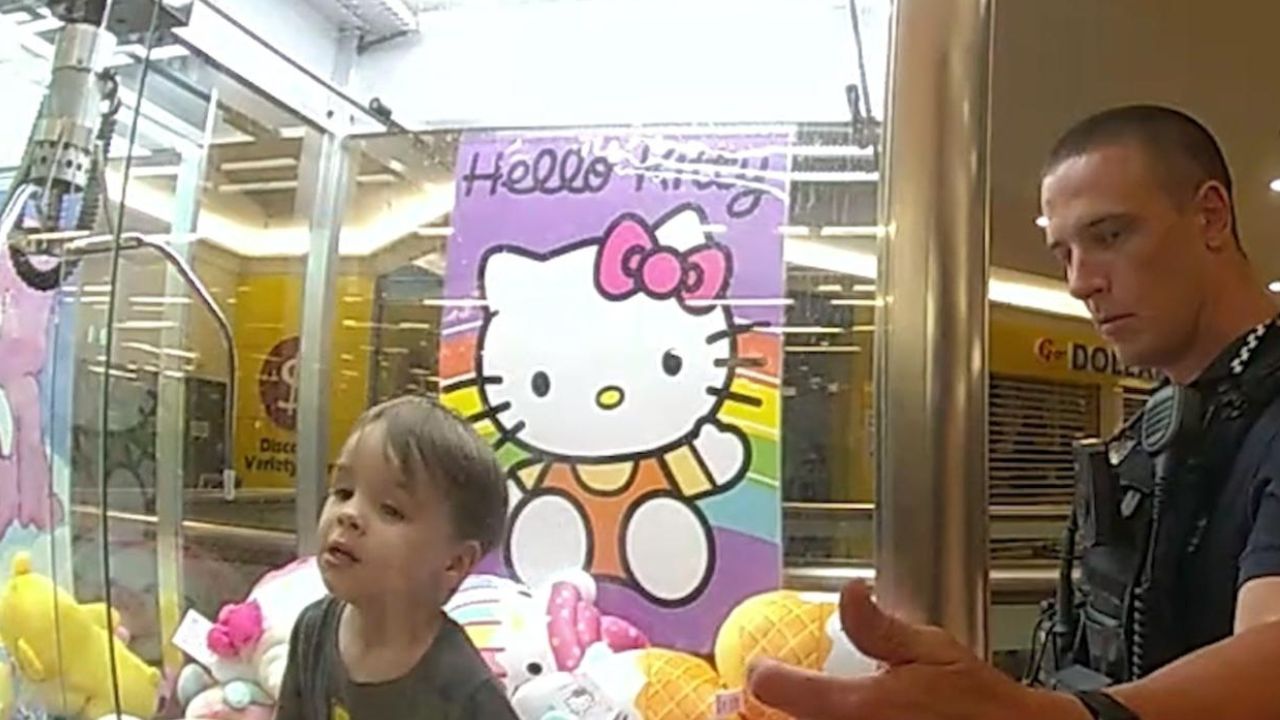
    Timothy Hopper and his son Ethan were at a shopping center in southeast Queensland, Australia, when the boy climbed into a claw machine.


    The three-year-old Ethan, trapped inside a toy claw machine, was “having the time of his life” while his dad and police scrambled to free him.


    After entering through the prize dispenser, the boy was filmed calmly wandering around inside the box, while adults tried to coax him out.


    The boy’s father said: “I had zero chance to react to it, it was unbelievable how fast he climbed up there. I was watching him and then I was talking to my children,” cites Sky News.


    While Mr Hopper was worried about his son, he said he “couldn’t help but laugh thinking ‘how has this happened?’ because he wasn’t hurt, he wasn’t sad, so it was easy to have a laugh when he was having the time of his life”.


    “But then reality sunk in – how am I going to get him out,” he added, before sharing he called the claw machine company.


    “They were asking me how much money I had put in the machine [and if the money was] stuck in the machine.


    “My response was ‘The only thing stuck in the machine is my child, I’d love to have him back’.”


    After police arrived at the scene, they told Ethan to climb to the corner of the machine and cover his eyes so they could break him loose.


    An officer then broke the glass window and safely lifted Ethan out of the machine – before reuniting him with his parents.


    Ethan, who was gifted a toy koala dressed as a police officer after the ordeal, told Mr Hopper: “Don’t worry Dad, I won’t do it again.”

  • British student finds lost sketches 4,000 miles away in Lahore

    A British student of fashion and arts lost her collection of sketches but miraculously found all her work, thousands of miles away, in Pakistan.

    BBC reports that 20-year-old Grace Hart was worried that she would not get into the university where she applied for admission when her mother accidentally discarded her portfolio required for her admission. But a year later, she found out that her artwork was being sold in a charity shop in Lahore.

    A photographer who came across her work in the city, found Hart on Instagram and sent it all back.

    The chain of events took place while she was putting together her portfolio for an application for a fashion degree at Manchester Metropolitan University.

    Hart’s artbooks got mixed up with the things her family was donating to a charity shop.

    “I was stressing so much, because those art books were the only thing I had that proved I did work at school,” she told BBC. But fortunately, Hart had pictures of her art which she was able to send to the university and got accepted.

    Fashion photographer Tajwar Munir from Lahore found her work in a thrift store and messaged Hart. Initially, however, she thought that the message was a scam and did not respond.

    Months later, the international delivery arrived and she got back her lost art work.

    “I’ve always taken a lot of pride in my art,” she said. “It was very upsetting when I realised it had gone missing.”

    Her mother recalls that they “had searched everywhere”.

    “I did feel sick. I was absolutely gutted. Grace is really talented and her artwork is amazing. I started to panic and thought, ‘What is she going to do for university?’”

    She asserted that everyone should extensively check bags before discarding them or giving them away.

    “I never expected in a million years that we would get her artwork back, but it does restore your faith in humanity,” she said.