Tag: BBC

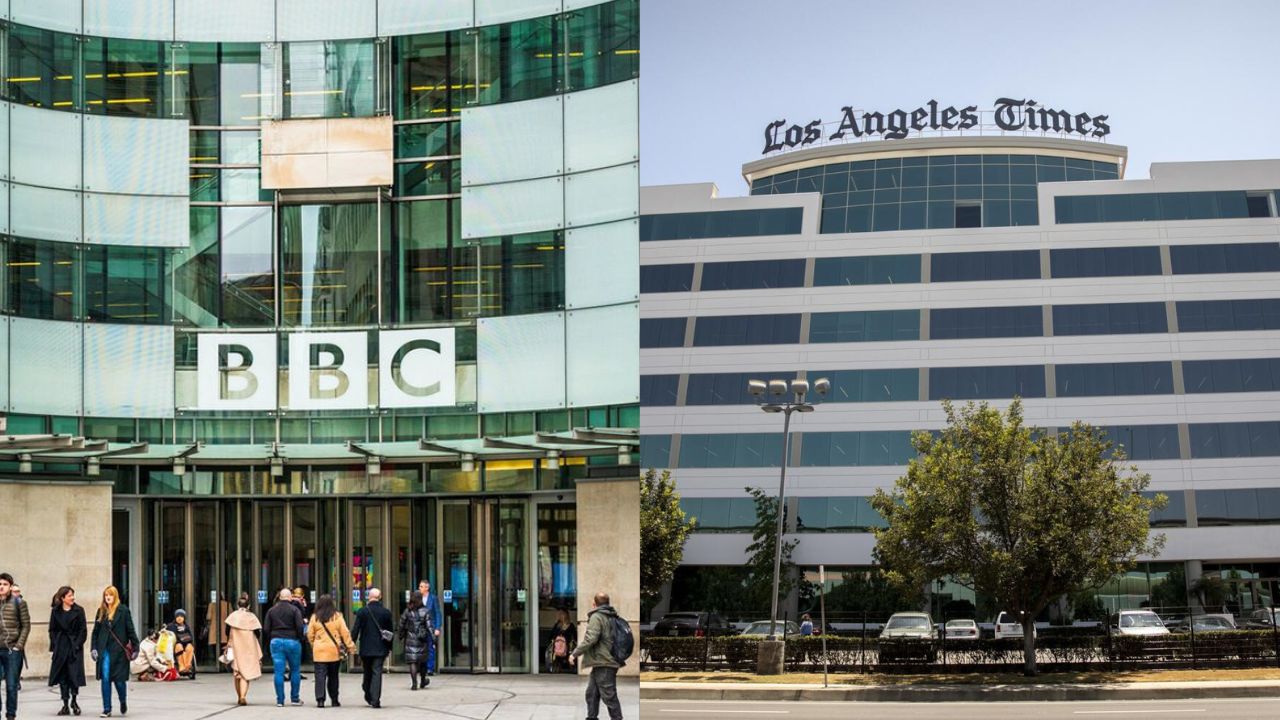
  • Journalists at BBC, Los Angeles Times accuse employer of ‘double standard’ in covering Gaza

    Journalists at BBC, Los Angeles Times accuse employer of ‘double standard’ in covering Gaza

    Eight BBC journalists have written a letter to Al Jazeera accusing their employer of a “double standard” in its reporting on Israel and Palestine while being “unflinching” in its reporting of alleged Russian war crimes in Ukraine.

    According to Al Jazeera, the 2,300-word letter states that BBC “has failed to accurately tell this story – through omission and lack of critical engagement with Israel’s claims – and it has therefore failed to help the public engage with and understand the human rights abuses unfolding in Gaza.”

    The eight journalists are based in the United Kingdom but their names have been kept anonymous.

    The letter highlights that while the BBC names Israeli victims and interviews affected families, “humanising coverage of Palestinian civilians has been lacking.”

    The journalists add that the Palestinians are asked whether they “condemn Hamas” and pro-Israeli guests “are not equally asked to ‘condemn’ the actions of the Israeli government”.

    “Thousands of Palestinians have been killed since October 7. When will the number be high enough for our editorial stance to change?” the letter said. “…We are asking the BBC to better reflect and defer to the evidence-based findings of official and unbiased humanitarian organisations.”

    It continued: “It is largely in the last few weeks – as civilian deaths have exponentially increased and Western countries’ appetite for Israel’s attacks has waned – that the BBC has made more effort to humanise Palestinian civilians. For many, this feels too little too late, and shows that the positions taken by governments in the UK and US have undue influence on coverage.”

    When contacted by Al Jazeera, a BBC spokesperson denied the allegations contained in the letter and said: “When interviewing either the Israeli government, Hamas, Palestinian representatives, or other leaders, we are robust, challenging and aim to hold power to account.”

    Read more on the letter: As Israel pounds Gaza, BBC journalists accuse broadcaster of bias

    Los Angeles Times

    Semafor has reported that The Los Angeles Times is not allowing staff to cover the Gaza issue for at least three months if they signed an open letter condemning Israel’s military operations in the region.

    Nearly a dozen staffers at the LA Times signed the open letter earlier this month criticising the Israeli attacks on Gaza, adding the military operations are a threat to journalists and news investigation.

    The letter also called on newsrooms to use language including “apartheid,” “ethnic cleansing,” and “genocide” when referring to the Israeli bombardment of Gaza.

    The published letter was reportedly signed by over 1,000 current and former journalists, calling for an end to Israeli operations in Gaza which, as it stated, represented a “slaughter of our colleagues and their families by the Israeli military and government.” The letter laid out an estimate of the number of journalists and their families who had been killed in the conflict, saying Israel’s military actions “show wide scale suppression of speech.”

    It also criticised mainstream news organisations, deeming them as apprehensive in their coverage of the situation and for being “hesitant to quote genocide experts and accurately describe the existential threat unfolding in Gaza,” adding that newsroom heads often “undermined Palestinian, Arab and Muslim perspectives, dismissing them as unreliable and have invoked inflammatory language that reinforces Islamophobic and racist tropes.”

    “We are writing to urge an end to violence against journalists in Gaza and to call on Western newsroom leaders to be clear-eyed in coverage of Israel’s repeated atrocities against Palestinians,” the letter read.
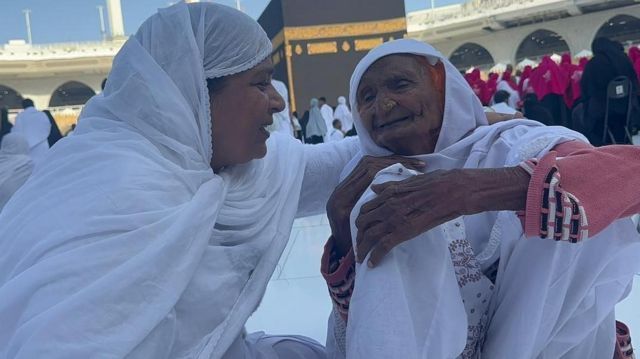
  • Heartfelt reunion in Makkah: American friend helps divided families meet

    Heartfelt reunion in Makkah: American friend helps divided families meet

    On November 21, 2023, a touching reunion happened in Makkah, bringing together families who were separated during the partition. Hujra Bibi, whose family was split during India’s partition, moved to Pakistan while her sister stayed in India, BBC shared the story.

    The partition of India in 1947, led by the British, created two separate countries, India and Pakistan, causing many people to leave their homes.

    Hujra Bibi’s story is special because the reunion happened in a different country. After being separated during the partition, Hujra, now living in Jhang, Punjab, Pakistan, met her sister’s family from India in Makkah, Saudi Arabia.

    The credit for this emotional meeting on November 20 goes to Naseer Dhillon, a native of Faisalabad, Pakistan, and his friend. Naseer, through his YouTube channel, has been actively helping families reconnect.

    Despite facing challenges from the government, the families remained determined. Hujra applied for an Umrah visa, and Hanifan, her sister’s daughter, applied from India. Naseer’s friend, Pal Singh Gill from the United States, played a crucial role in making the meeting possible.

    Naseer highlighted the importance of their efforts, mentioning that despite the distance and obstacles, love and friendship can bring families back together. Hujra BiBi and her niece finally met in Makkah, ending years of being apart. Naseer traveled all the way from Dubai to Saudi Arabia to make this reunion possible. He said, “We thanked Allah for making it happen.” This story shows how families can stay strong and connected, even when they are separated by borders and obstacles. It’s truly amazing how love and determination can bring people together.

  • Pakistani shepherdess, midwife make it to BBC’s top 100 women list

    Pakistani shepherdess, midwife make it to BBC’s top 100 women list

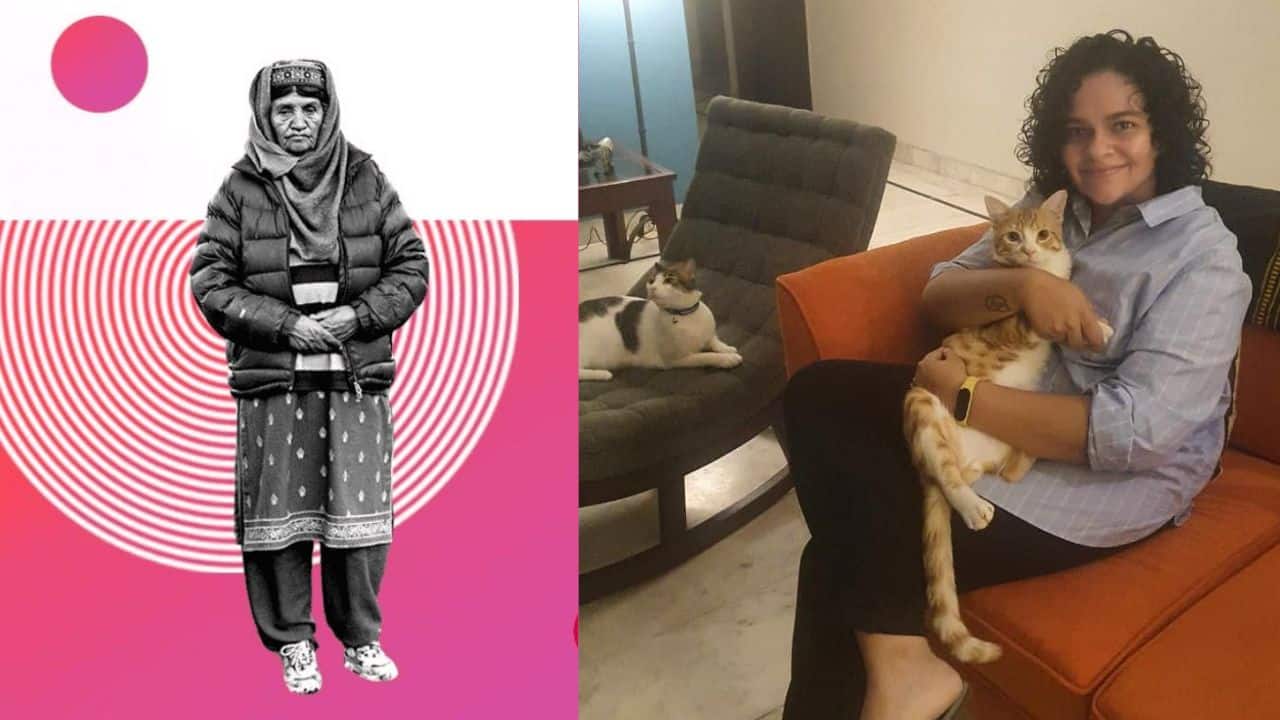
    Two Pakistani women have been included into the BBC’s list of this year’s top 100 inspiring and influential women. The list highlights women who became trailblazers in their field and worked to spread awareness about issues like climate change, political instability and natural disasters. Among the list are famous Muslim figures like lawyer Amal Clooney, Pakistani Nobel Prize winner Malala Yousafzai, Iraqi-American beauty mogul Huda Kattan.

    The first Pakistani woman included in the list is Afroze-Numa, one of the last Wakkhi shepherdess who has taken care of goats, yack and sheep for over three decades.

    “Having learnt the trade from her mother and grandmothers,” the BBC description reads, “she is part of a centuries-old tradition that is now dying out in Pakistan’s Shimla valley.”

    “Every year these shepherdesses take their flocks to pastures 4,800m (16,000ft) above sea level, where they prepare dairy products to barter, while their animals feed.

    Their income has brought the village prosperity and allowed them to provide an education for their children. Afroze-Numa still fondly remembers being the first woman in the valley to own a pair of shoes.”

    The second Pakistani woman included in the list is Neha Mankani, a midwife who travelled to flood-affected areas in order to provide life-saving birthing kits and midwifery care to mothers and their babies.

    “Her typical practice focuses on low-resourced settings, emergency response and climate-affected communities,” the BBC said, adding that Mama Baby Fund has now raised enough money to launch a boat ambulance that will transport pregnant women living in coastal communities to nearby hospitals and clinics for urgent treatment.

    Taking to Instagram to share the post, Mankani wrote she was honoured to receive the acknowledgement from BBC.

    “Really honoured to be on the @bbc100women list this year as a climate hero, celebrating the important role of midwives in climate emergencies and highlighting my work with @mamababyfund in last year’s floods and in the climate affected island communities of Karachi. Head over to @bbc100women to read about all the really amazing women highlighted this year”

  • We don’t take sides, says BBC journalist

    We don’t take sides, says BBC journalist

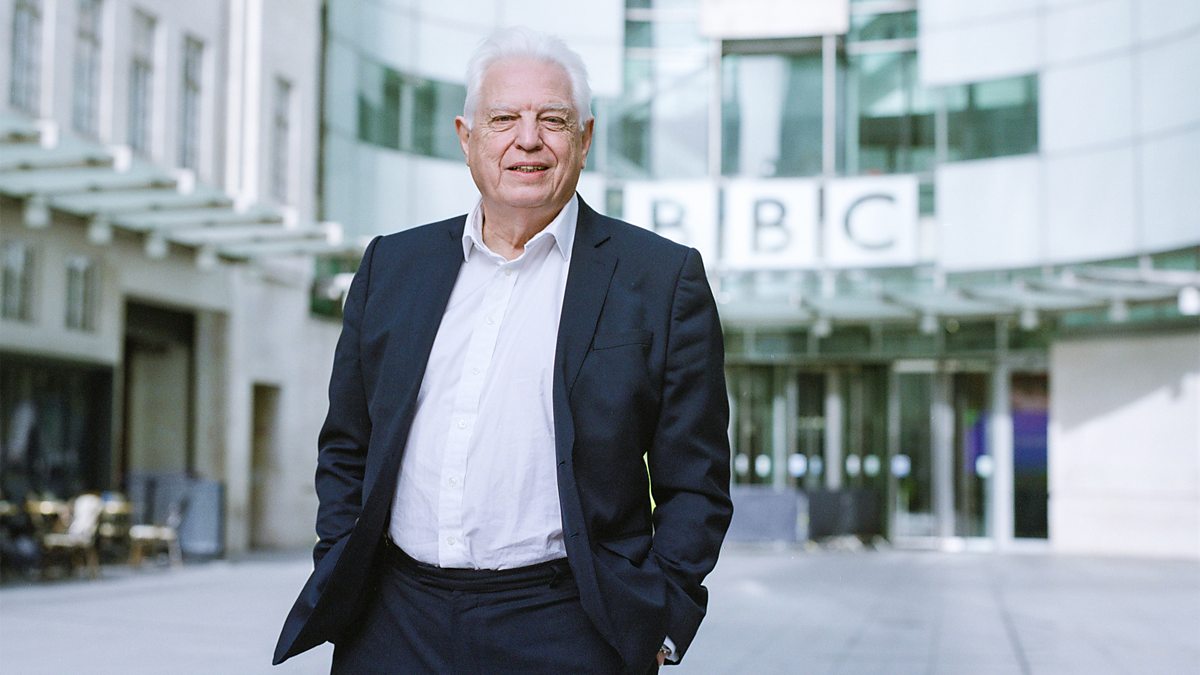
    Journalist John Simpson recently responded to criticism on why the BBC did not refer to Hamas’ gunmen (who attacked Israel on October 7) as terrorists.

    Referring to government ministers, newspaper columnists, and “ordinary people”, the foreign correspondent and world affairs editor of BBC News pointed out that it is not the job of a news agency to take sides or hand out labels.

    “Terrorism is a loaded word, which people use about an outfit they disapprove of morally. It’s simply not the BBC’s job to tell people who to support and who to condemn – who are the good guys and who are the bad guys,” he said.

    He reminded the people that the basis of his answer goes right back to the BBC’s founding principles.

    “The key point is that we don’t say it in our voice. Our business is to present our audiences with the facts, and let them make up their own minds.”

    With 50 years of reporting experience on the Middle East, Simpson has seen the aftermath of of Israeli bombing and artillery attacks on civilian targets in Lebanon and Gaza.

    “The horror of things like that stay in your mind forever”, he said. “But this doesn’t mean that we should start saying that the organisation whose supporters have carried them out is a terrorist organisation, because that would mean we were abandoning our duty to stay objective.

    And it’s always been like this in the BBC. During World War Two, BBC broadcasters were expressly told not to call the Nazis evil or wicked, even though we could and did call them “the enemy””

    He also quotes a BBC document stating, “there must be no room for ranting” and that the “tone had to be calm and collected”.

    “We don’t take sides”, he concluded. “We don’t use loaded words like ‘evil’ or ‘cowardly’. We don’t talk about ‘terrorists’. And we’re not the only ones to follow this line. Some of the world’s most respected news organisations have exactly the same policy.”

  • Four women accuse comedian Russell Brand of rape, sexual assault

    Four women accuse comedian Russell Brand of rape, sexual assault

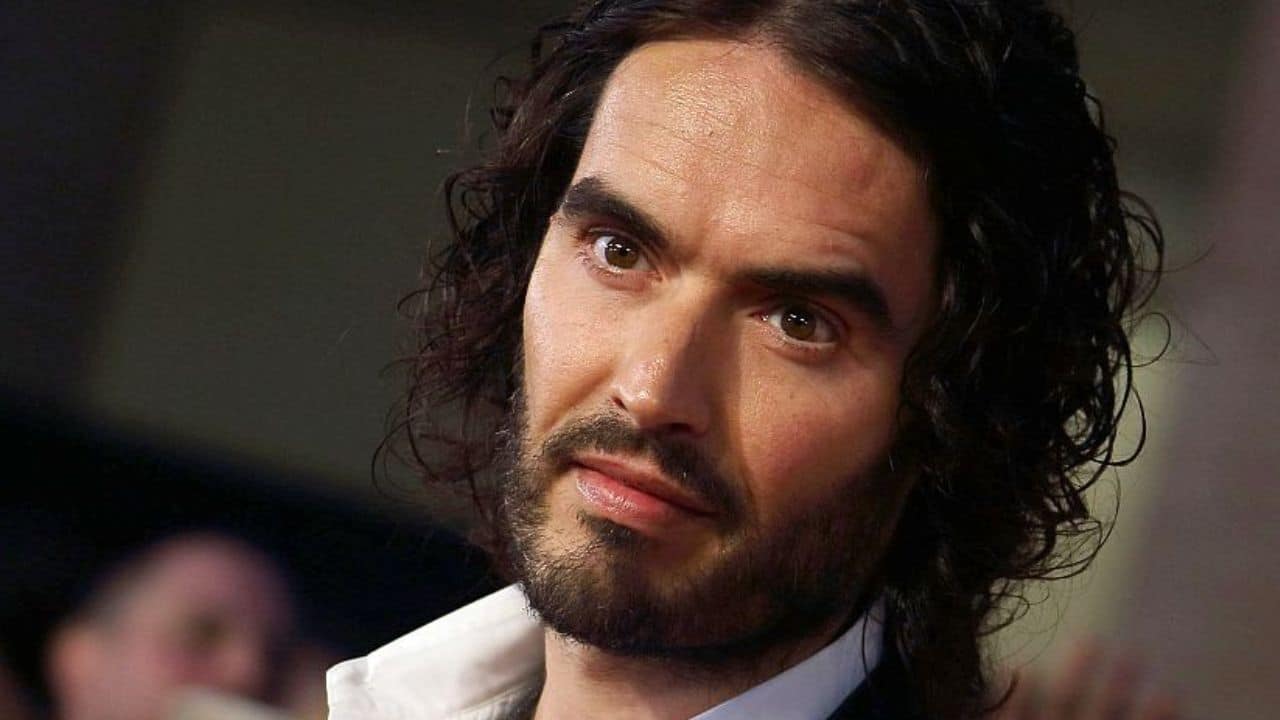
    In a shocking expose by the Sunday Times, four women have publicly accused comedian Russell Brand of rape, sexual assault and emotional abuse during the years 2006 to 2013, when his career was on its peak. The publication said all the women had chosen to remain anonymous, and felt ready to speak after being approached by reporters.

    A joint investigation carried out by Sunday Times and Channel 4’s Dispatch said that two of the women, Los Angeles residents, alleged being raped and sexually assaulted by the comedian, with the second woman revealing that Brand threatened to take legal action against her if she went public with her allegations.

    Another woman revealed she was 16-years-old when Brand assaulted her, at a time when hewas in his early 30s, referring to her as a “child” during their emotionally abusive and controlling relationship.

    “Russell engaged in the behaviors of a groomer, looking back, but I didn’t even know what that was then, or what that looked like,” the woman said.

    The fourth woman alleged she was assaulted by the comedian.

    A day before the allegations by The Times were to be released, Russell released a video where he slammed the “serious criminal allegations” that were about to be made against him.

    The former husband of singer Katy Perry said in the video released on X, formerly Twitter:

    “Amidst this litany of astonishing, rather baroque attacks are some very serious allegations that I absolutely refute.

    “These allegations pertain to the time when I was working in the mainstream, when I was in the newspapers all the time, when I was in the movies, and as I’ve written about extensively in my books I was very, very promiscuous.

    “Now during that time of promiscuity the relationships I had were absolutely, always consensual.”

    In light of the rape accusations, several users have reshared a clip from a 2013 Vogue interview of Katy Perry, who married and then divorced the comedian in 2012. Brand had publicly divorced the singer with a breakup text, which was shown in the singer’s ‘Part Of Me’ documentary.

    “I felt a lot of responsibility for it ending, but then I found out the real truth, which I can’t necessarily disclose because I keep it locked in my safe for a rainy day,” the ‘Roar’ singer said. “I let go and I was like: This isn’t because of me; this is beyond me. So I have moved on from that.”

    The BBC have meanwhile responded to the allegations, saying that they were “urgently looking into the issues raised” by the allegations. Brand worked as a radio presenter for the channel in 2006 and 2008, and The Times quoted a complaint made to the organisation’s management about the comedian’s “alarming display of aggression and disrespect”.

    Channel 4 released a statement saying that they “asked the production company who produced the programmes for Channel 4 to investigate these allegations and report their findings properly and satisfactorily to us”.

    The organisation added they were conducting an internal investigation and encouraged “anyone who is aware of such behaviour to contact us directly.”

  • Foreign Office evaluating Pakistan’s participation in World Cup

    Pakistan Cricket Board’s (PCB) likely new chairman, Zaka Ashraf, recently stated that he does not like the Hybrid Model for Asia Cup 2023.


    “I did not like the Hybrid Model. I feel that the present Hybrid Model seems to be an injustice with Pakistan. If all the important matches are going to take place in Sri Lanka and only less impactful matches will take place in Pakistan, then what is the purpose of having the hosting rights? Who will go to watch Nepal vs Pakistan,” he questioned.

    “The first thing I will do as PCB-chairman is reject the Hybrid Model. If Pakistan has the hosting rights, then all of the matches should take place in Pakistan,” Ashraf said recently.

    The statement stunned cricket fans all over Asia, and officials from the Asian Cricket Council (ACC) expressed displeasure over it.

    If Zaka Ashraf rejects the Hybrid Model and if India does not agree to travel to Pakistan, will the Pakistan Cricket team travel to India for the World Cup 2023? The World Cup is a mega event of the International Cricket Council (ICC).

    Former PCB management committee chairman, Najam Sethi, released a statement to the BCC podcast, stating, “If the Asian Cricket Council (ACC) and the Board of Control for Cricket in India (BCCI) consider the Hybrid Model for the Asia Cup, then we will go with the same model in the World Cup. Because if the Hybrid Model is applicable for the Asia Cup, then why would it not be a good option for the World Cup?”

    Today, the foreign office of Pakistan released a statement, stating, “We are evaluating the participation of Pakistan in the World Cup, with the security concerns of the players being of utmost priority.”

    This statement by the Ministry comes at a time when bilateral cricket has been suspended for a long time due to bad political relations between the two rival neighboring countries.

    The two have only played cricket against each other in multi-team events at neutral venues over the past decade, and Pakistan’s participation in the Cricket World Cup in October-November is still in doubt.

    Foreign Minister Bilawal Bhutto Zardari, who attended the Shanghai Cooperation Organization (SCO) meeting in Goa last month, is the first senior Pakistani leader to visit India in the last 9 years.

    The Foreign Minister’s spokesperson said, “Politics should be set aside from sports. India’s racist policy of not playing in Pakistan is ridiculous and disappointing.”

    Mumtaz Zahra Baloch said yesterday, “We are observing and evaluating all aspects related to our participation in the World Cup, including the security situation of Pakistani cricketers. We will let you know our opinion.”

    The uncertainty of Pakistan’s participation means that the dates and venues of the World Cup are yet to be finalized, even though the tournament is only three months away.

    India has already refused to come to Pakistan for the Asia Cup starting on August 31. In response, Pakistan has warned that if Pakistan loses the rights to host the Asia Cup, it will boycott the World Cup.

    To resolve the issue amicably, Najam Sethi proposed the Hybrid model, but Zaka Ashraf straight away dismissed it.

  • ‘Indian fans responded with more respect to my character in Tere Bin than Pakistanis did’: Sabeen Farooq

    ‘Indian fans responded with more respect to my character in Tere Bin than Pakistanis did’: Sabeen Farooq

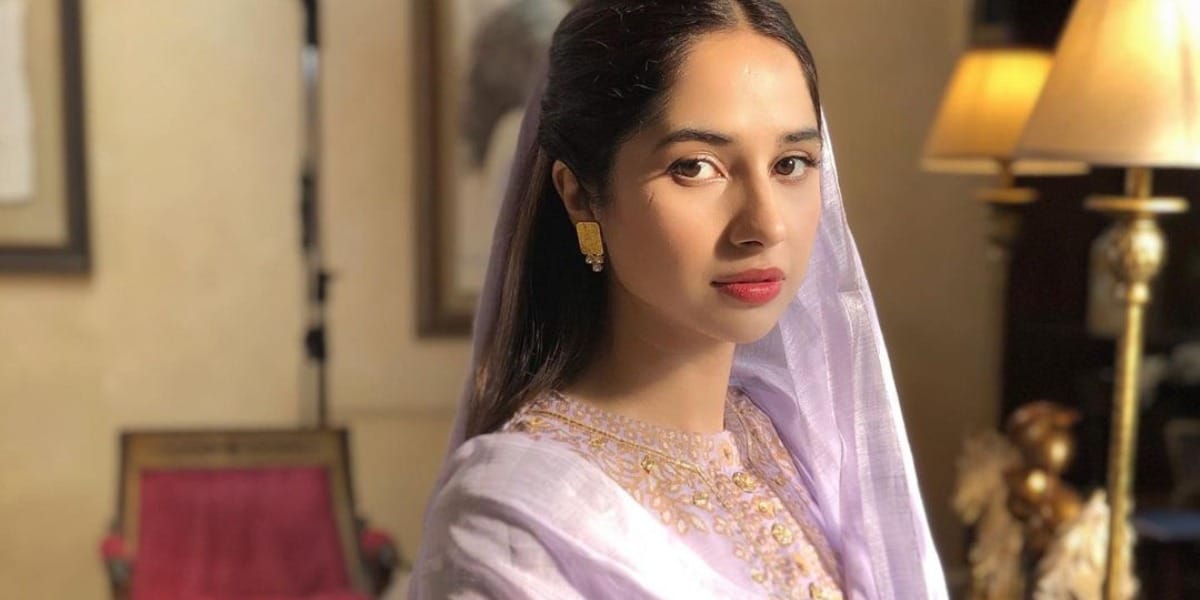
    Sabeen Farooq is currently making waves for her role as the antagonist ‘Haya’ in the drama ‘Tere Bin’. But the actress addressed the feedback she was receiving including threats to her family. In an Instagram post, Farooq slammed the haters for not being able to tell the difference between what is real and what’s fake, as shown by Galaxy Lollywood.

    Farooq talked about the problem in an interview with BBC Urdu, stating that the threats she received from social media trolls were directly targeting her family:

    “If it was about my personality then it would be understandable, but these were personal attacks sent to my family. But thank Allah I don’t take these things personally or let my mental health get impacted by it. I don’t know how other people who have played negative characters on screen have dealt with this, but sending insults to my family and saying awful things is wrong. They did not mention my character, but would only talk about me.”

    Opening up about the popularity of ‘Tere Bin’ in India, Farooq revealed that she was astonished by how polite and respectful fans over there were:

    “These fans would like lovely letters to me where they would solely talk about Haya. And I’m shocked that the kind of praise I’m getting from them, it’s not how Pakistanis are reacting to my role. This is from a neighbouring country where the drama is trending. But over here, people are sending hateful messages.”

    Asked why she chose to play the antagonist, Haya, who plots ways to break apart the main leads Murtasim and Meerab, Farooq revealed that she fell in love with her character’s bluntness, and always had wanted an opportunity to work with Yumna Zaidi:

    “I lover her bluntness because she is not scared of anyone and can say anything she wants infront of everyone. She has the ‘pyaar kiya tou darna kya’ demeanor because she isn’t afraid to confess in front of everyone that she is in love with this man…Also. I learned that Yumna is there.. and I had always wanted to work with her. That is what made me think there is something good about this show other wise why would Yumna sign up for it?”

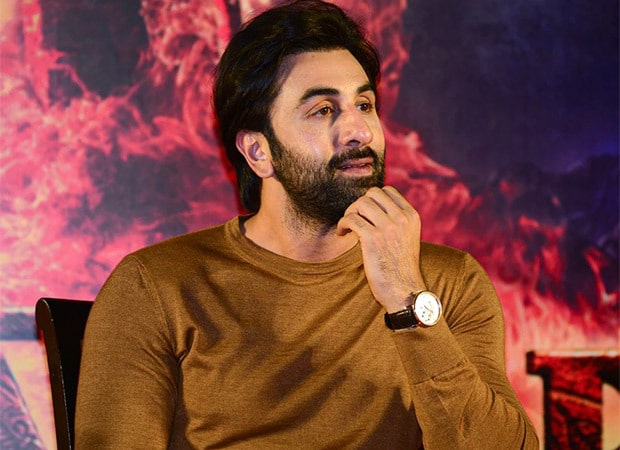
  • Ranbir Kapoor opens up about how fatherhood has changed him

    Ranbir Kapoor opens up about how fatherhood has changed him

    Bollywood star Ranbir Kapoor was a guest on the BBC Asian Network where while promoting his upcoming movie ‘Tu Jhooti Mein Makaar’, the actor opened up about the birth of his daughter, Raha.
    Kapoor and actor Alia Bhatt got married last year and announced that they were pregnant in June. They told their fans the name they had chosen for their baby in an Instagram post.


    Speaking on how fatherhood had changed him, Kapoor revealed that he was feeling overwhelmed with the amount of love he felt for his baby:
    “There’s nothing that matters anymore but yet everything matters also. It’s a new emotion and it’s something that even I’m scared to talk about because it fills you up so much that you get scared thinking ‘will this go away?’”


    Kapoor also confessed that the love he felt towards his daughter was not something he had experienced before.
    “In the back of my mind I know there’s one thing that’s gonna live eternally with me till the day I die which is the love, and joy and the gratefulness that I feel. I haven’t felt that towards anything, any person, any movie, anything professionally,” the new father said.

    Watch the complete interview here:

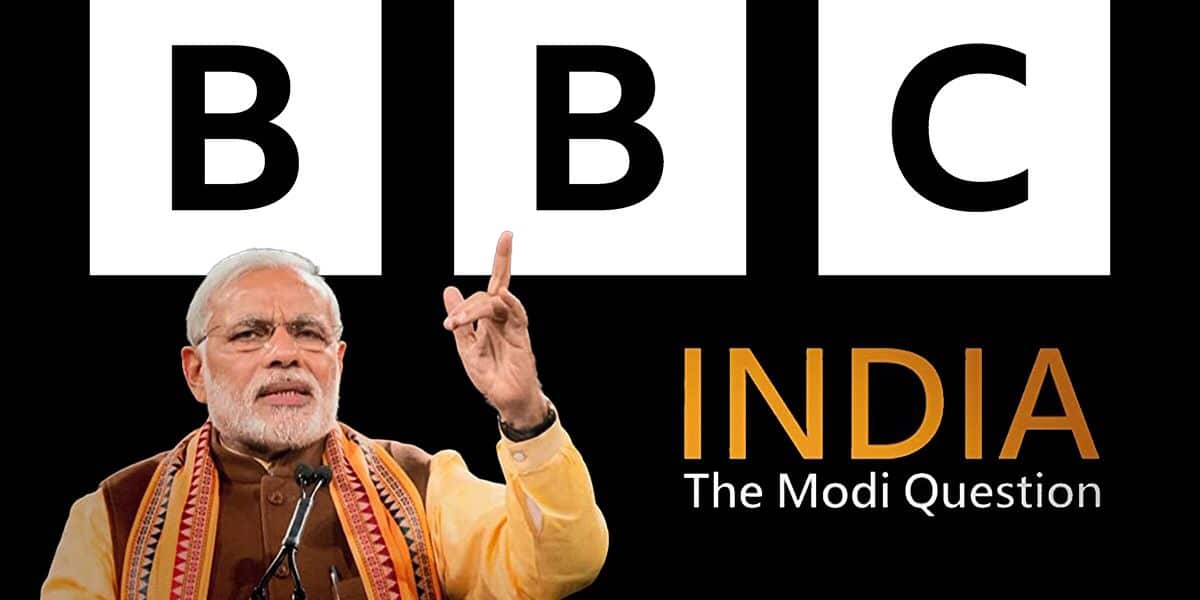
  • BBC India office raided by tax official after airing documentary on Modi

    BBC India office raided by tax official after airing documentary on Modi

    Indian tax authorities raided BBC’s New Delhi offices on Tuesday, weeks after it aired a documentary on Prime Minister Narendra Modi’s role in the deadly riots of 2002 in the western state of Gujarat.

    A BBC employee based in the office told AFP that the tax raid was in progress and that officials were “confiscating all phones”.

    Police were at the BBC’s office in the centre of the capital to prevent people from entering or leaving, an AFP journalist at the scene reported.

    “A government procedure is happening inside the office,” an official said, declining to disclose which department he was from.

    Last month, the broadcaster aired a two-part documentary alleging that the then-Chief Minister Modi ordered police to turn a blind eye to the riots. The violence left at least 1,000 people dead, most of them minority Muslims.

    Government adviser Kanchan Gupta had slammed the documentary as “hostile propaganda and anti-India garbage”.

    Earlier, the Indian foreign ministry dismissed the news as “propaganda”.

    According to the documentary, the inquiry team assessed that Modi had prevented the police from acting to stop the violence targeted against Muslims, stating that he had specifically ordered law-enforcing authorities not to intervene. The documentary also features a former top UK diplomat who says that the violence had been planned by the Vishwa Hindu Parishad (VHP)

    Arindam Bagchi, spokesperson for the foreign ministry, has termed the BBC documentary a “propaganda piece”.

    India’s government blocked videos and tweets sharing links to the documentary soon after its release, calling it “hostile propaganda and anti-India garbage”.

  • Indian govt calls BBC Modi documentary ‘propaganda’

    Indian govt calls BBC Modi documentary ‘propaganda’

    The Indian foreign ministry has dismissed a BBC documentary about Prime Minister (PM) Narendra Modi’s role in the 2002 Gujrat riots as “propaganda”.

    The first of the two-part series was aired in the UK on Tuesday with the second part scheduled to hit airwaves a week later. The documentary tracks Modi’s first steps into politics, including his rise through the ranks of the Bharatiya Janata Party (BJP) to his appointment as chief minister of Gujrat.

    Modi was still holding the position when communal riots rocked the state, leaving more than 1,000 people dead, most of them Muslims.

    According to the documentary the inquiry team had assessed that Modi had prevented the police from acting to stop the violence targeted against Muslims, stating that he had specifically ordered law-enforcing authorities not to intervene. The documentary also features a former top UK diplomat who says that the violence had been planned by the Vishwa Hindu Parishad (VHP)

    Arindam Bagchi, spokesperson for the foreign ministry, has termed the BBC documentary a “propaganda piece”.

    On Thursday, British PM Rishi Sunak was asked in parliament if he agreed with the report that Modi was directly responsible for the violence. In reply, Sunak defended his Indian counter-partner.

    “We don’t tolerate persecution anywhere”, the British Prime Minister said but added that “he did not agree with the characterisation” of Modi as depicted in the documentary.