Tag: education

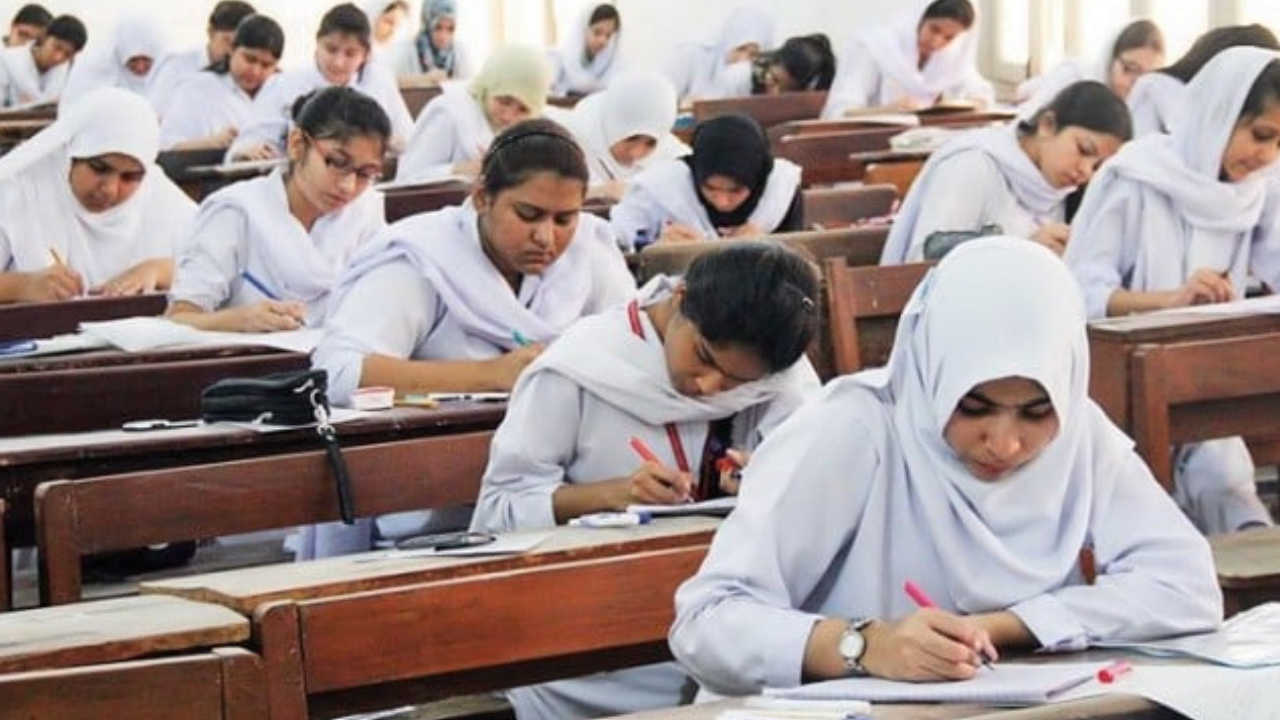
  • Girls shine, Punjab Group of Colleges among private colleges dominate Intermediate Part II results

    Girls shine, Punjab Group of Colleges among private colleges dominate Intermediate Part II results

    In affirmation of academic excellence, private colleges have emerged as a dominant force, securing 283 of the top 335 positions in the 2025 Punjab Boards Intermediate Part II results that were officially unveiled on September 18.

    As per the details, private colleges secured an impressive 84% share in top positions announced by ten Boards of Intermediate and Secondary Education (BISEs), including Lahore, Faisalabad, Gujranwala, Multan, Rawalpindi, Sargodha, Bahawalpur, Sahiwal, Dera Ghazi Khan and the federal board.

    Among them, Punjab Group of Colleges (PGC) stood out as the undisputed leader, clinching 143 top spots, which accounts for 51% of all private educational institutions positions.

    Meanwhile, the passing percentage in Lahore stood at 60.86% in the board-wise result analysis. The same was reported as 73.71% in Faisalabad, 63.10% in Gujranwala, 68.83% in Sargodha, 54.12% in Rawalpindi, 63.54% in Multan, 63.53% in Bahawalpur and 58.88% in Sahiwal. As many as 74.86% students passed in Dera Ghazi Khan and 81.10% in the federal board.

    Government and semi-government institutions, by comparison, secured 52 positions, making it 16%.

    Female students once again outshone their male counterparts across all academic streams, both regular and private. This consistent trend reinforces the growing academic prowess of young women in Punjab and highlights the shifting dynamics in educational achievements.

    With girls leading the charge and private institutions setting new standards, the 2025 results paint a promising picture for the future of education in the province.

  • World Bank greenlights $47.9 million package to improve primary education in Punjab

    World Bank greenlights $47.9 million package to improve primary education in Punjab

    In a bid to boost enrollment levels at pre-primary and primary levels in Punjab, the World Bank (WB) has approved a grant totalling $47.9 million, translating into approximately Rs135 billion. According to reports, the program will be funded by the Global Partnership for Education Fund.

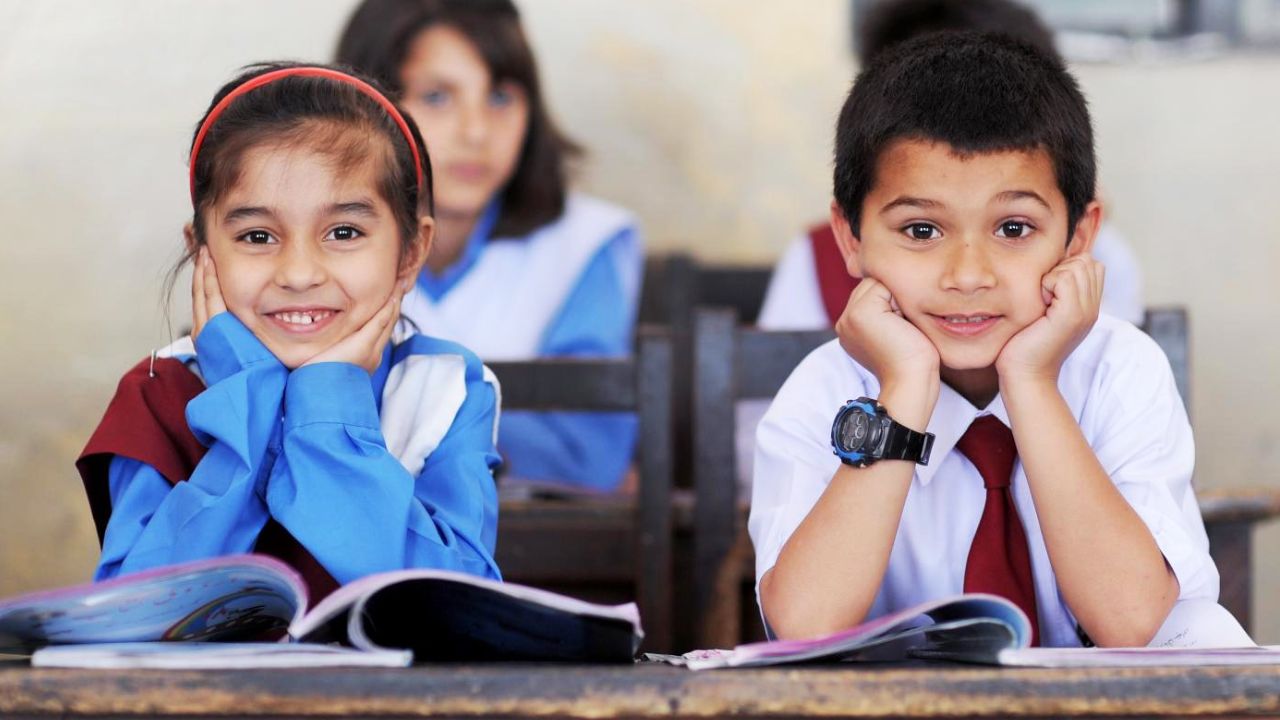
    As per the details, funding could increase the level of remedial learning support available to elementary students and could improve learning outcomes for primary school students. The funds will be directed to the “Getting Results: Access and Delivery of Quality Education Services and System Transformation in Punjab Project”, which intends to boost teacher support, improve childhood education outcomes, and bring out-of-school children back into the education system. 

    Reports reveal that the project will accommodate the most vulnerable and financially weak segments of the population. The project’s aims align with those of the World Bank, namely the promotion of shared prosperity and the eradication of poverty.

    The WB has set these goals for Pakistan under the Country Partnership Framework (CPF). According to the World Bank’s Country Director for Pakistan, Punjab’s project will serve to reduce the gap in access to quality education. He believes that the project could improve human capital development outcomes and economic growth prospects “by strengthening foundational learning, enhancing system capacity, and promoting behavioral change”.

    Once in effect, the project will help four million children and three million children attending School Education Department (SED) schools. Data from reports indicates that an additional 850,000 students in the non-formal sector, along with 140,000 differently abled students enrolled in Special Education Department (SpED) schools, will benefit from the program. 

    As per reports, all students in SpED, SED, and non-formal schools will benefit from system reforms. Moreover, more than 100,000 members of schools’ staff, community members and parents are expected to undergo professional development, making them beneficiaries of the program as well. 

    Reports suggest that the WB’s Task Team Leader for the project outlined that the project was in line with the Government of Punjab’s objective of creating “a more effective, accountable, and inclusive education system”. The task team leader believed that the project would further the provincial government’s goal of improving capacity, governance and management in education.

  • Three Pakistani schools make global mark in World’s Best School Prizes

    Three Pakistani schools make global mark in World’s Best School Prizes

    Three Pakistani schools have earned appearance on the prestigious World’s Best School Prizes. 

    The list, introduced by T4 Education in 2022 following the  COVID-19 pandemic, recognises schools implementing innovative approaches to create meaningful change both in and beyond classrooms.

    The winners of the five categories – Community Collaboration, Environmental Action, Innovation, Overcoming Adversity, and Supporting Healthy Lives- will be selected by a judging panel based on set criteria. 

    To choose the winner of the “Community Choice Award,” a public vote will be held for each of the 50 finalist schools. 

    Following their announcement in October, the winners will be invited to share their experiences with global education leaders at the World Schools Summit, scheduled to take place in Abu Dhabi, United Arab Emirates, from November 15-16.


    The World’s Best School Prize shortlist for Overcoming Adversity includes Sanjan Nagar Public Education Trust Higher Secondary School, a charity-run primary and secondary school based in Glaxo Town on Feroz Pur Road in Lahore.

     According to the statement, the school has implemented the Primary Years Programme (PYP) and International Baccalaureate (IB) curricula, employing an inclusive, inquiry-based approach to provide marginalized children with the essential 21st-century skills they need.


    In the Community Collaboration category, the Juniper Campus in Quetta’s Beaconhouse College Program has been named as a finalist. 

    To provide youngsters in underprivileged rural areas with hands-on STEM education, the school has launched Science Gaari, a mobile, student-led science lab.


    Nordic International School in Lahore has also been shortlisted in the Community Collaboration category. 

    The school fosters a healthy learning environment by promoting a culture of kindness and actively involving parents in their children’s academic journey.

  • Govt to tax online academies, educational institutes, private tutors

    Govt to tax online academies, educational institutes, private tutors

    In a bid to boost revenues, Islamabad has greenlighted a proposal to levy a tax on private academies and educational establishments operating online.

    According to the Federal Board of Revenue’s (FBR) Chairman Rashid Mehmood Langrial, online educational institutions are brining in upwards of Rs30 million per annum. Bringing these institutions into the tax net could boost revenue levels which is the primary motivation behind the move.

    Reports indicate that aside from online academies, authorities will also pursue teachers offering their services to online teaching platforms to extract taxes from their revenues.

    However, it is unclear how the government will levy taxes on teachers providing online educational services to students one-on-one as that is tough to track. Moreover, the move may push teachers working for educational platforms towards more traditional channels of providing their services such as one-on-one at-home teaching services. Critics have outlined how this could detrimentally impact educational outcomes in the country.

    The federal government has also drawn much criticism from teachers because of concerns over the outlay for the Higher Education Commission (HEC) in the recently announced federal budget for fiscal year (FY) 2025-26. According to reports, teachers have outlined how Rs66.4 billion is not enough to cover the monetary requirements of institutions in the higher education space.

    The HEC had requested a budget of Rs84.6 billion, however, the government was unable to meet this demand. This has resulted in a gap of approximately 21.5 percent between the initially requested amount and the actual allocation. It merits a mention that the allocated amount for the HEC is to cover all “non-development” expenses, including the salaries and pensions for staff. 

    Reports reveal that the government has actually slashed development budgets, causing the outlay for development initiatives in the educational sector to fall to just Rs39.4 billion for FY 2025-26. This is a sharp drop in comparison to the development outlay for FY 2024-25, which stood at a respectable Rs65 billion. 

    Reports indicate that the low amount earmarked for the HEC comes at a time when top-tier higher educational institutes such as Quaid-i-Azam University (QAU) are facing difficulties in covering financial liabilities. These liabilities include salaries and pensions.

    According to reports, the financial situation of universities is especially grave in Balochistan and Khyber Pakhtunkhwa. The Information Secretary of the Federation of Pakistan Universities Academic Staff Association (FAPUASA) has reportedly highlighted that universities could face immense difficulties if budgets are not increased.

  • Trump signs order to ‘eliminate’ US Education Department

    Trump signs order to ‘eliminate’ US Education Department

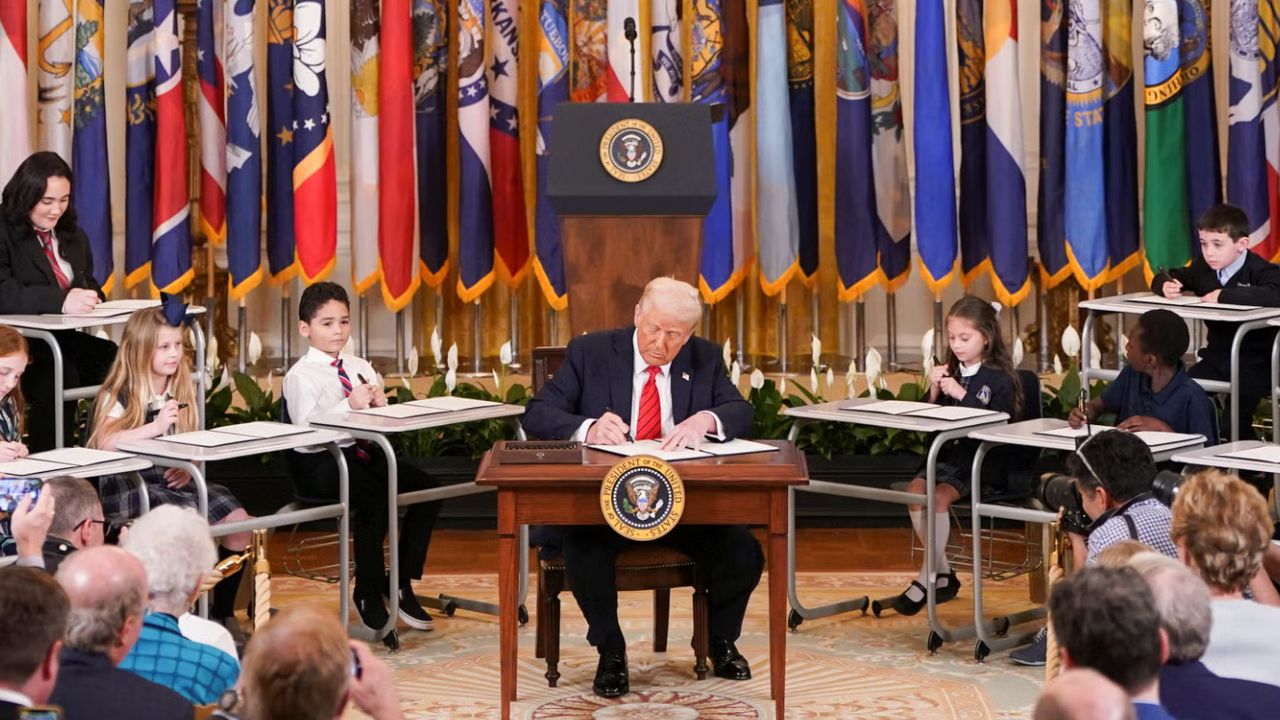
    US President Donald Trump signed an order Thursday aimed at “eliminating” the Department of Education, a decades-old goal of the American right, which wants individual states to run schools free from the federal government.

    Surrounded by schoolchildren sitting at desks set up in the East Room of the White House, Trump smiled as held up the order after signing it at a special ceremony.

    Trump said the order would “begin eliminating the federal Department of Education once and for all.”

    “We’re going to shut it down and shut it down as quickly as possible. It’s doing us no good,” Trump said. “We’re going to return education back to the states where it belongs.”

    The Education Department, created in 1979, cannot be shuttered without the approval of Congress — but Trump’s order will likely have the power to starve it of funds and staff.

    The move honors one of Trump’s campaign promises and is among the most drastic steps yet in the brutal overhaul of the government that Trump is carrying out with the help of tech tycoon Elon Musk.

    The order directs Education Secretary Linda McMahon to “take all necessary steps to facilitate the closure of the Department of Education and return education authority to the States.”

    Democrats and educators have slammed the move.

    The top Democrat in the Senate, Chuck Schumer, called it a “tyrannical power grab” and “one of the most destructive and devastating steps Donald Trump has ever taken.”

    Republican leaders, including governors Ron DeSantis of Florida and Greg Abbott of Texas, were in the audience for the signing ceremony.

    Trump has cast the move as necessary to save money and improve educational standards in the United States, claiming they are lagging behind those in Europe and China.

    But education has been a battleground for decades in America’s culture wars, and Republicans have long wanted to remove control of it from the federal government.

    ‘Beautiful day’

    Trump’s appointment of McMahon — the former CEO of World Wrestling Entertainment — to lead the department was widely seen as a sign that its days were numbered.

    The president said at the signing ceremony that “hopefully she will be our last secretary of education.”

    McMahon, who moved to halve the department’s staff after being sworn in earlier this month, told reporters at the White House that Trump “wants to get those dollars back to the states without the bureaucracy of Washington.”

    Trump promised on the campaign trail to get rid of the department and devolve its powers to US states, in much the same way that has happened with abortion rights.

    But the White House said earlier that a rump education department was likely to stay on to deal with “critical functions” including loans and some grants for low-income students.

    “The Department of Education will be much smaller than it is today,” Press Secretary Karoline Leavitt told reporters before the signing.

    The Heritage Foundation — a right-wing think-tank that has seen many of its “Project 2025” recommendations adopted by Trump — welcomed the move.

    “It’s a beautiful day to dismantle the Department of Education,” it said on X.

    Traditionally the US government has had a limited role in education, with only about 13 percent of funding for primary and secondary schools coming from federal coffers, the rest being funded by states and local communities.

    But federal funding is invaluable for low-income schools and students with special needs. And the federal government has been essential in enforcing key civil rights protections for students.

    Trump, his billionaire advisor Musk and Musk’s Department for Government Efficiency (DOGE) have already dismantled several other government agencies, effectively crippling them by slashing programs and employees.

    A similar move to dismantle the US Agency for International Development was halted earlier this week by a federal judge, who said the push likely violated the US Constitution.

  • Sindh government will start testing for drugs in schools

    Sindh government will start testing for drugs in schools

    Sindh Information Minister Sharjeel Memon has announced that children in educational institutions will undergo drug tests, with positive results reported only to their parents.

    Memon highlighted that President Asif Ali Zardari, upon taking office, had directed officials to combat drug abuse, reflecting his concern over the rising trend of drug abuse.

    At the inaugural meeting of the high-powered anti-narcotics committee, Memon stated that if a child tests positive, only the parents will be informed, and the child will then be questioned about the source of the drugs, including suppliers, dealers, and their accomplices.

    The primary focus will be on making arrests.

  • Bangladesh imposes curfew, calls in military after deadly unrest

    Bangladesh imposes curfew, calls in military after deadly unrest

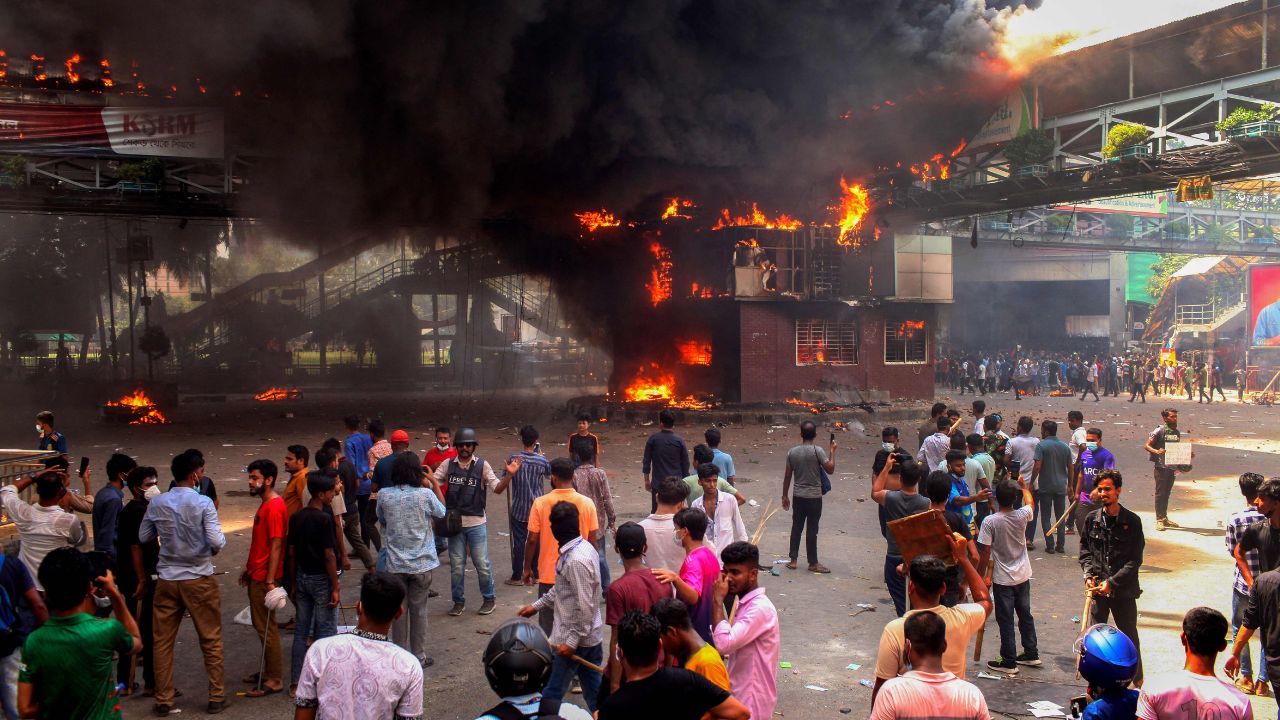
    Bangladesh on Friday announced the imposition of a curfew and the deployment of military forces after police failed to quell days of deadly unrest that has spread throughout the country.

    This week’s clashes between student demonstrators and police have killed at least 105 people, according to an AFP count of victims reported by hospitals, and pose a momentous challenge to Prime Minister Sheikh Hasina’s autocratic government after 15 years in office.

    “The government has decided to impose a curfew and deploy the military in aid of the civilian authorities,” Hasina’s press secretary Nayeemul Islam Khan told AFP.

    He added that the curfew would take immediate effect.

    Police in the capital Dhaka earlier took the drastic step of banning all public gatherings for the day — a first since protests began — in an effort to forestall more violence.

    “We’ve banned all rallies, processions and public gatherings in Dhaka today,” police chief Habibur Rahman told AFP, adding the move was necessary to ensure “public safety”.

    That however did not stop another round of confrontations between police and protesters around the sprawling megacity of 20 million people, despite an internet shutdown aimed at frustrating the organisation of rallies.

    “Our protest will continue,” Sarwar Tushar, who joined a march in the capital and sustained minor injuries when it was violently dispersed by police, told AFP.

    “We want the immediate resignation of Sheikh Hasina. The government is responsible for the killings.”

    Student protesters stormed a jail in the central Bangladeshi district of Narsingdi and freed its inmates before setting the facility on fire, a police officer told AFP on condition of anonymity.

    “I don’t know the number of inmates, but it would be in the hundreds,” he added.

    ‘Shocking and unacceptable’

    At least 52 people were killed in the capital on Friday, according to a list drawn up by the Dhaka Medical College Hospital and seen by AFP.

    Police fire was the cause of more than half of the deaths reported so far this week, based on descriptions given to AFP by hospital staff.

    UN human rights chief Volker Turk said the attacks on student protesters were “shocking and unacceptable”.

    “There must be impartial, prompt and exhaustive investigations into these attacks, and those responsible held to account,” he said in a statement.

    The capital’s police force earlier said protesters had on Thursday torched, vandalised and carried out “destructive activities” on numerous police and government offices.

    Among them was the Dhaka headquarters of state broadcaster Bangladesh Television, which remains offline after hundreds of incensed students stormed the premises and set fire to a building.

    Dhaka Metropolitan Police spokesman Faruk Hossain told AFP that officers had arrested Ruhul Kabir Rizvi Ahmed, one of the top leaders of the main opposition Bangladesh Nationalist Party (BNP).

    ‘Symbol of a rigged system’

    Near-daily marches this month have called for an end to a quota system that reserves more than half of civil service posts for specific groups, including children of veterans from the country’s 1971 liberation war against Pakistan.

    Critics say the scheme benefits children of pro-government groups that back Hasina, 76, who has ruled the country since 2009 and won her fourth consecutive election in January after a vote without genuine opposition.

    Hasina’s government is accused by rights groups of misusing state institutions to entrench its hold on power and stamp out dissent, including by the extrajudicial killing of opposition activists.

    Her administration this week ordered schools and universities to close indefinitely as police stepped up efforts to bring the deteriorating law and order situation under control.

    “This is an eruption of the simmering discontent of a youth population built over years,” Ali Riaz, a politics professor at Illinois State University, told AFP.

    “The job quotas became the symbol of a system which is rigged and stacked against them by the regime.”

    ‘Nation-scale’ internet shutdown

    Students say they are determined to press on with protests despite Hasina giving a national address earlier this week on the now-offline state broadcaster seeking to calm the unrest.

    Nearly half of Bangladesh’s 64 districts reported clashes on Thursday, broadcaster Independent Television reported.

    London-based watchdog NetBlocks said Friday that a “nation-scale” internet shutdown remained in effect a day after it was imposed.

    “Metrics show connectivity flatlining at 10% of ordinary levels, raising concerns over public safety as little news flows in or out of the country,” it wrote on social media platform X.

    sa/gle/sst

    © Agence France-Presse
  • Special children of prison officers, officials to get scholarships

    Special children of prison officers, officials to get scholarships

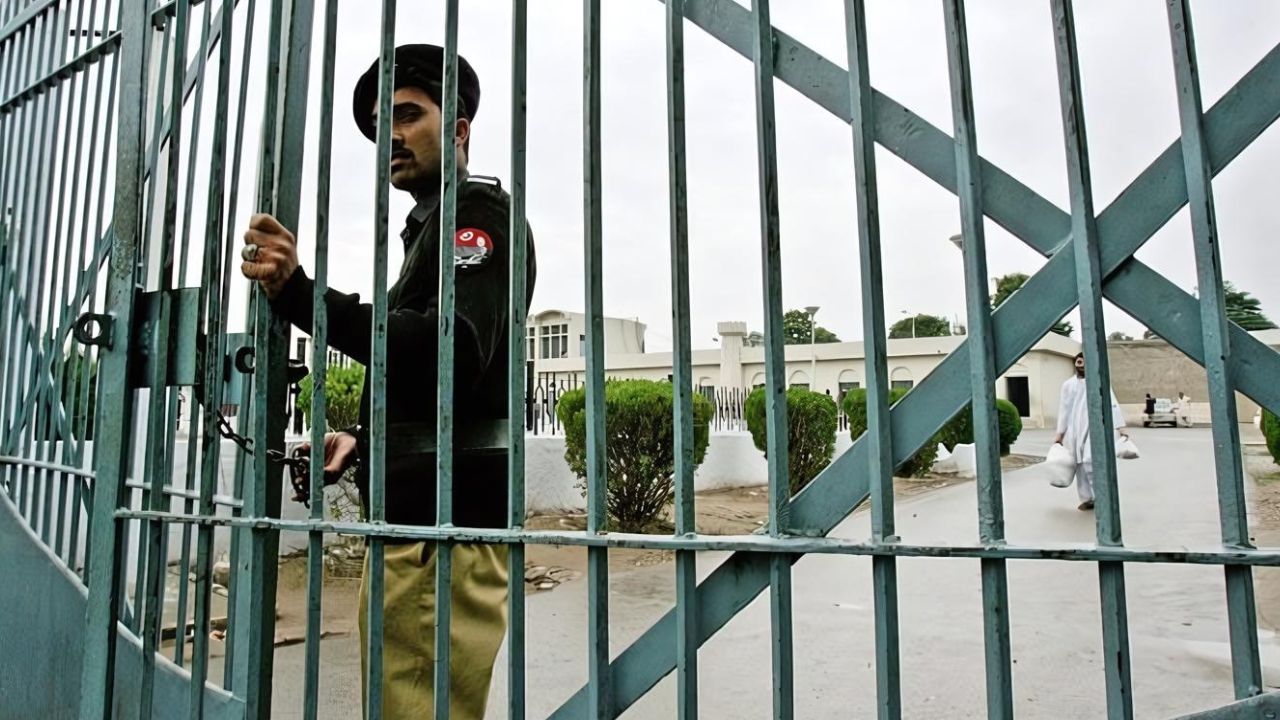
    Scholarships have been approved for special children of officers and officials of the Prisons Department of Punjab.

    The initiative has been approved by Punjab Home Department, on the instructions of Chief Minister Punjab Maryam Nawaz. Each child will receive a scholarship of Rs 72,000.

    The scholarship will be awarded annually by the Punjab Prisons Foundation.

    Special children will be eligible for the scholarship once a year until they reach the age of eighteen years.

    It will require a physical disability certificate and enrollment in a special education institution.

    The Prisons Department has also been instructed to submit the cases of all eligible candidates to the Prisons Foundation by August 14.

  • Students panic as HEC’s degree verification system malfunctions

    Students panic as HEC’s degree verification system malfunctions

    The Higher Education Commission’s (HEC) degree verification system in Lahore has been faulty since the past 10 days.

    According to HEC sources, the malfunction has resulted in the suspension of degree verification for hundreds of students, causing serious issues for those intending to pursue higher education abroad.

    Students have expressed frustration over their futile visits to the HEC office and lack of response. Despite submitting online applications, they have yet to receive the issued challans.

    In response, the HEC administration has indicated that the system’s malfunction originated in Islamabad. They have stated that once the system is repaired, students will receive their challans and appointment dates.

  • 20 year sentence for Saudi teacher over social media posts

    20 year sentence for Saudi teacher over social media posts

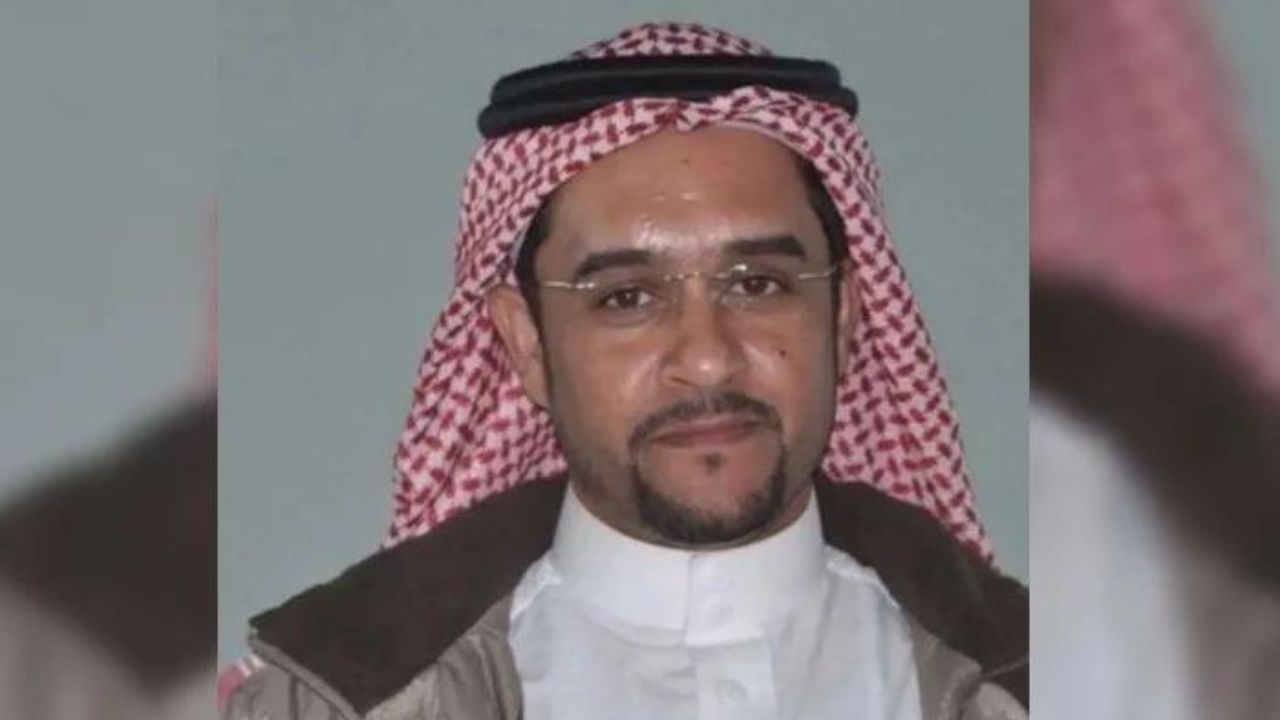
    Saudi Arabia has sentenced a teacher to 20 years in prison over critical social media posts, Human Rights Watch and the convicted man’s brother said Tuesday.

    Asaad al-Ghamdi, 47, was arrested in November 2022, in a nighttime raid on his home in the Saudi city of Jeddah, according to HRW.

    He was convicted on May 29 by Saudi Arabia’s Specialised Criminal Court, which was established in 2008 to try suspects accused of terrorism, the New York-based rights group said.

    He was sentenced “to 20 years in prison on charges related to his peaceful social media activity”, HRW added, calling it “yet another escalation in the country’s ever-worsening crackdown on freedom of expression”.

    Court documents reviewed by HRW showed that Ghamdi was charged with “challenging the religion and justice of the King and the Crown Prince” and “publishing false and malicious news and rumors”.

    According to HRW, the posts used as evidence against him criticised projects related to the Vision 2030 reform agenda.

    One post mourned Abdallah al-Hamed, a leading Saudi human rights figure who died in prison following his conviction on charges relating to his activism.

    Ghamdi faces the same charges as his brother Mohammad, a government critic who denounced alleged corruption and human rights abuses on social media.

    Mohammad was sentenced to death last year based on his social media activity.

    Their third brother, Saeed, an Islamic scholar and government critic living in exile in the United Kingdom, condemned the latest move by Saudi authorities.

    “The accusations are arbitrary and unjust because they are all based on tweets,” Saeed told AFP, commenting on the verdict against Asaad.

    “Maybe I am the target,” he added.

    Over the past two years, the Saudi judiciary has convicted and handed down lengthy prison terms to dozens of individuals for their social media posts, according to rights groups.

    They include Nourah al-Qahtani, who was sentenced to 45 years in prison in 2022, largely over social media posts criticising the government

    Salma al-Shehab, a member of the Sunni-ruled kingdom’s Shiite minority, was sentenced to 34 years behind bars in 2022 for aiding dissidents seeking to “disrupt public order” in the kingdom by relaying their tweets.

    Manahel al-Otaibi, a 29-year-old blogger and fitness instructor, was arrested in November 2022 for challenging Saudi male guardianship laws and requirements for women to wear the customary body-shrouding abaya robe.

    The Specialised Criminal Court sentenced her to 11 years in prison on January 9, but the sentence was only made public later in a Saudi submission to United Nations special rapporteurs enquiring about the case.