Tag: electricity

  • Fixed electricity rates increased for industrial, commercial, agricultural consumers

    Fixed electricity rates increased for industrial, commercial, agricultural consumers

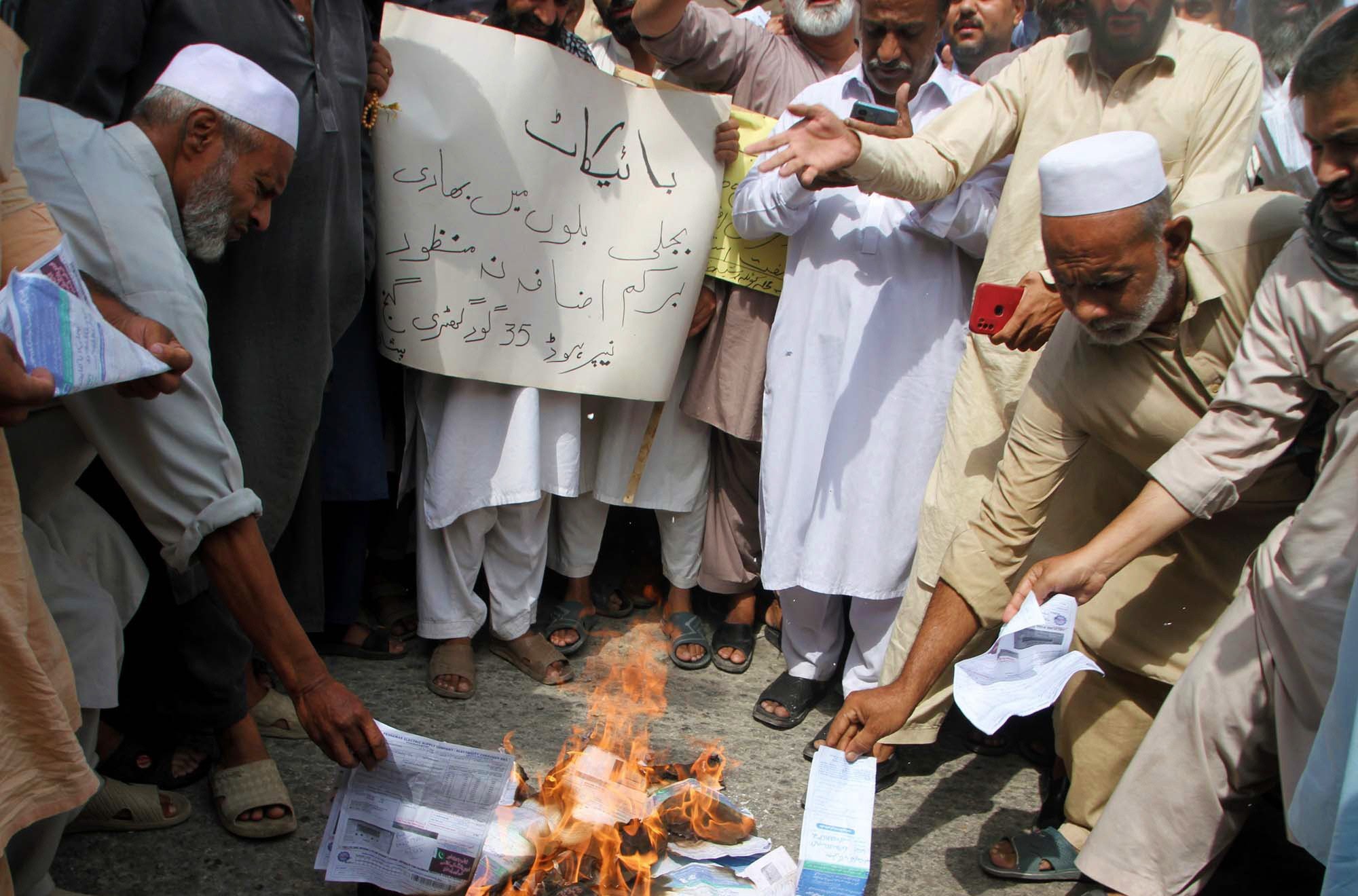
    The government has further increased the price of electricity by five rupees 72 paise per unit, starting July 1.

    Fixed charges will apply to electricity consumers. For non-protected consumers, the new rates are as follows: Up to 100 units, the rate is Rs. 23.73; for 201 to 300 units, the rate is Rs. 32.98 per unit.

    Monthly fixed charges for industrial electricity consumers have risen by 184 per cent, and fixed charges for commercial electricity consumers have increased by 150 per cent.

    Agricultural tubewell customers will see a 100 per cent increase in monthly fixed charges.

    The federal cabinet has approved the increase in fixed electricity charges, as per sources.

    Industrial customers’ monthly fixed charges have reportedly increased from Rs. 440 to Rs. 1250.

    Fixed charges for commercial users have risen from Rs. 500 to Rs. 1250, while fixed charges for agricultural tubewell users have increased from Rs. 200 to Rs. 400, sources report.

  • Another shock for the masses; electricity prices increased

    Another shock for the masses; electricity prices increased

    In another shock to the people, the federal government on Wednesday approved up to 51 percent or Rs 7.12 increase in the per-unit price of electricity from July, The Tribune reported.

    With immediate effect, a whopping 32.5 million consumers, predominantly households, will be compelled to spend an additional at least Rs580 billion in this fiscal year.

    Furthermore, among these 32.5 million consumers, around 26 million households fall in the poorest to low-middle-income groups category. The burden of this price increase will fall on these households.

    The International Monetary Fund (IMF) had set many conditions for the government to qualify for the next bailout package, including increasing the power tariff.

    For the first time, the government has also imposed fixed monthly charges on residential electricity consumers, ranging from Rs 200 to Rs 1,000 per unit.

  • Over 12 hours of electricity load shedding in Karachi

    Over 12 hours of electricity load shedding in Karachi

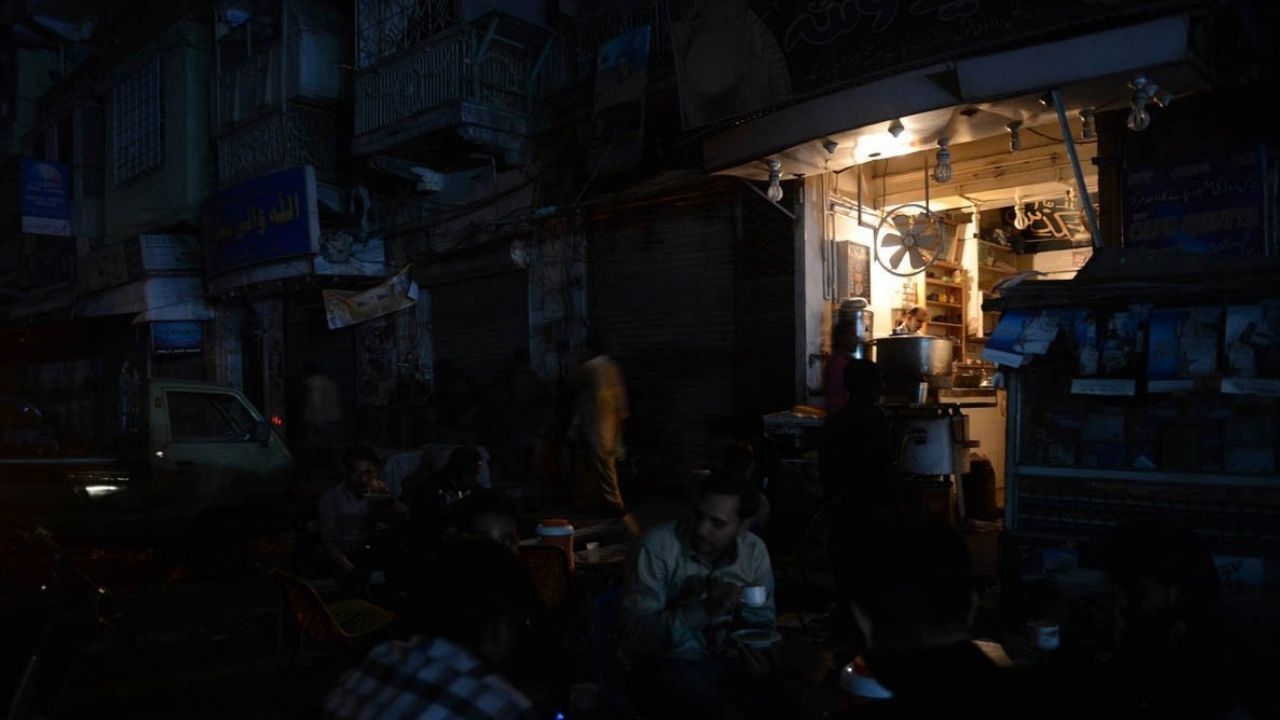
    Amid intense heat, Karachi continues to face severe electricity load shedding lasting between 12 and 14 hours. Despite the challenging weather, unannounced power cuts persist throughout the city, extending well past 2 am in many areas.

    Neighbourhoods such as Lyari, Kemari, Sarjani, Baldia Town, and Orangi endure prolonged load shedding, with interruptions lasting up to 14 hours. Similarly, Gizri, Korangi, Landhi, Liaquatabad, Qayyumabad, and Shadman experience more than 10 hours of power cuts. In Malir, Memongoth, North Karachi, and North Nazimabad, residents face load shedding exceeding 12 hours.

    In response to these challenges, a spokesperson for Karachi Electric maintains that power supply across the city remains normal, despite reports of extensive and prolonged interruptions in various neighbourhoods.

  • Forced activation of feeders backfires on PTI, Rehman Baba grid station not restored

    Forced activation of feeders backfires on PTI, Rehman Baba grid station not restored

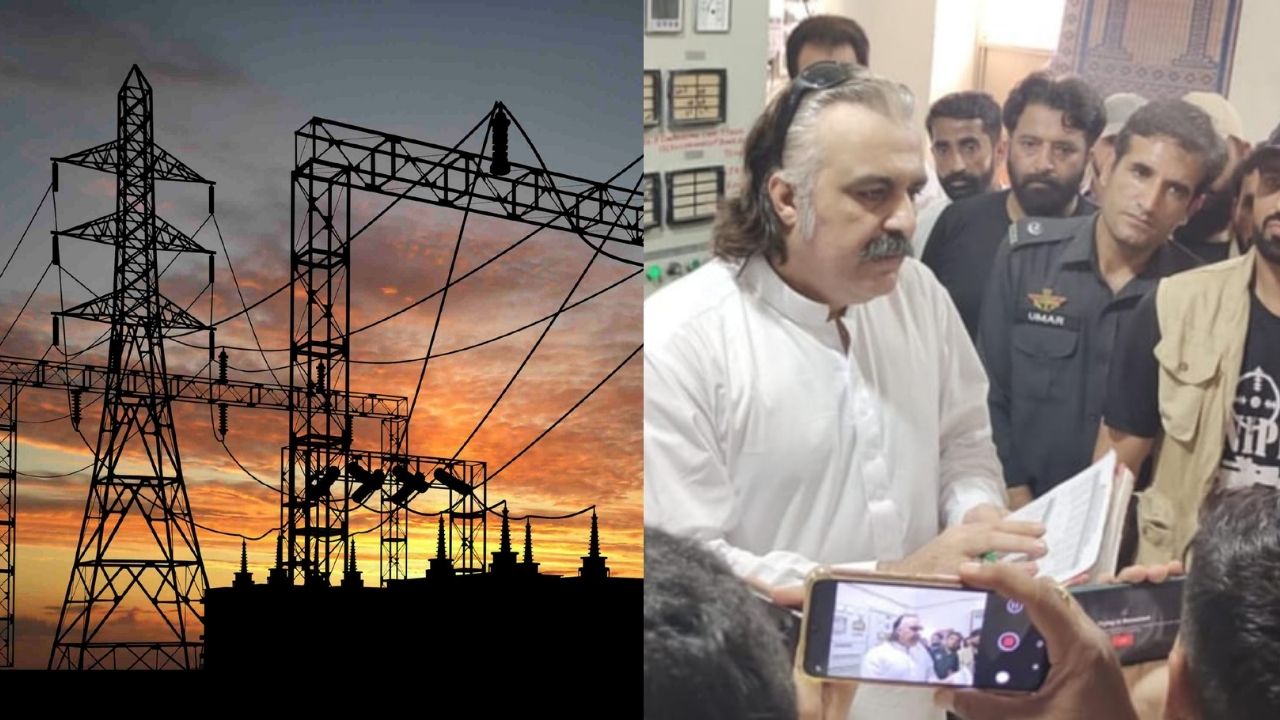
    The Rehman Baba grid station in Peshawar experienced a major technical fault after feeders were forced to remain operational by PTI leaders and their supporters, Geo News reported.

    According to the Peshawar Electric Supply Company (PESCO), power supply to 32 feeders from the grid station was disconnected after they were forced to continue.

    The spokesperson stated that at 2 o’clock that day, protesters forcibly entered the grid station and switched on the feeders.

    The angry protesters reportedly verbally abused the PESCO staff and confiscated their mobile phones.

    A PESCO team is currently engaged in repair work. Restoring electricity may take hours, and consumer issues are escalating due to ongoing protests.

    Previously, Fazal Elahi, PTI Member of the Provincial Assembly, entered the Rehman Baba Grid Station and restored power to 10 feeders.

    While earlier this week, Chief Minister Ali Amin Gandapur visited the Dera Ismail Khan grid station following unannounced load shedding of electricity in Khyber Pakhtunkhwa. He issued a clear threat to the federal government, stating that if power supply to the National Grid from the province is reduced, he will halt it. Gandapur further criticised WAPDA for mistreating the province, accused government officials of holding positions through electoral fraud, and asserted that the federal government is neglecting its responsibilities.

  • Further reduction in solar panel prices

    Further reduction in solar panel prices

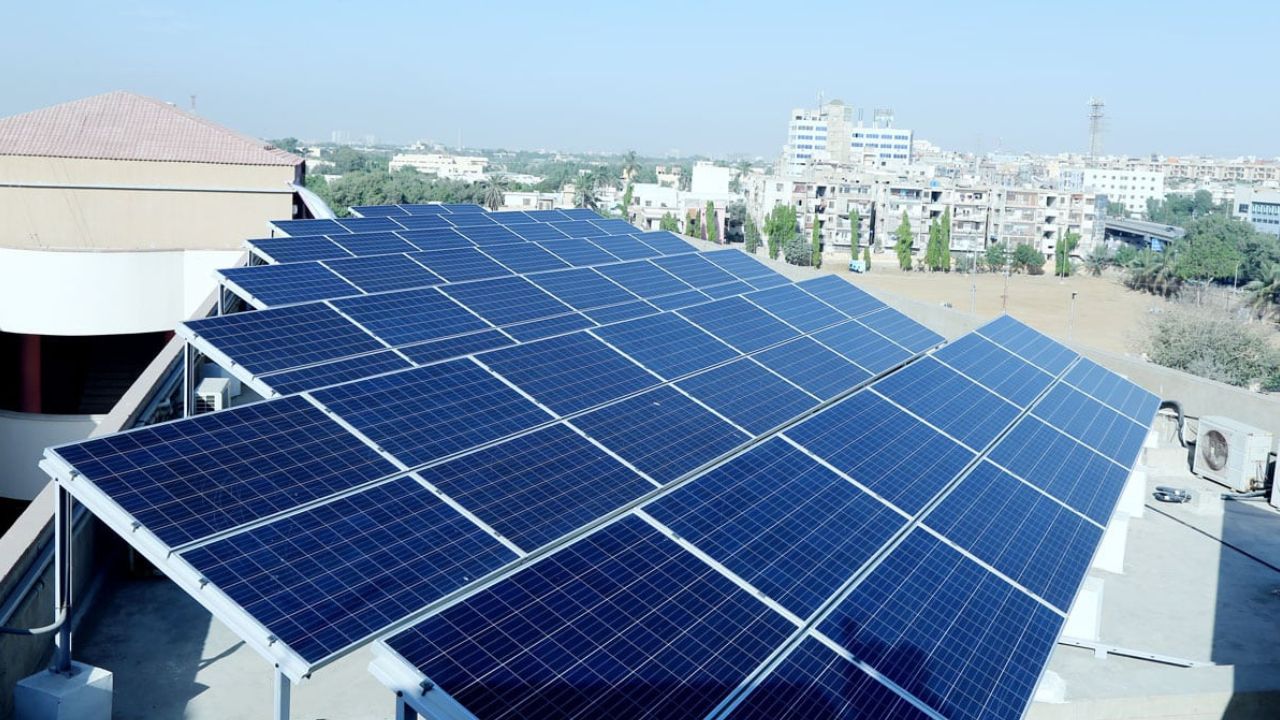
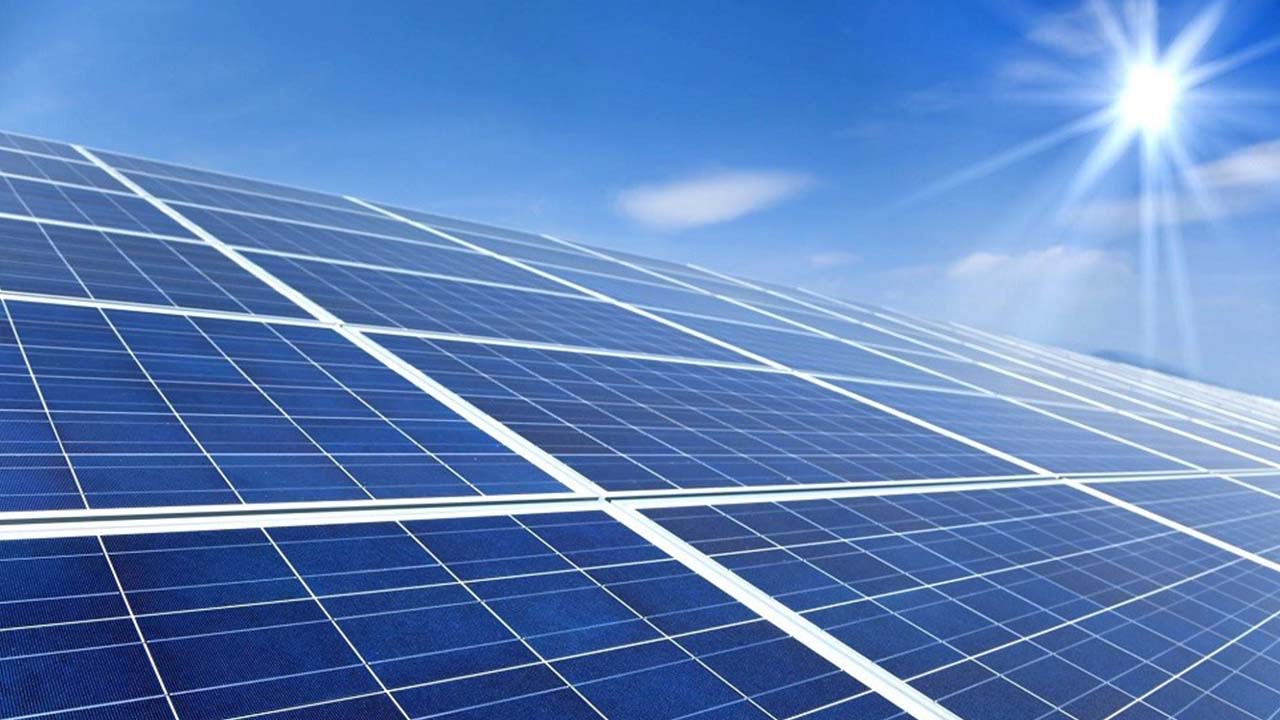
    Dealers of solar panels have revealed that the price per watt has come down to 40 rupees or below, with the average rates of panels of various types and brands reduced to 37 rupees.

    The rates have reportedly crashed due to oversupply, coming down by 30 per cent in just six months.

  • Heatwave swells Asia’s appetite for air-conditioning

    Heatwave swells Asia’s appetite for air-conditioning

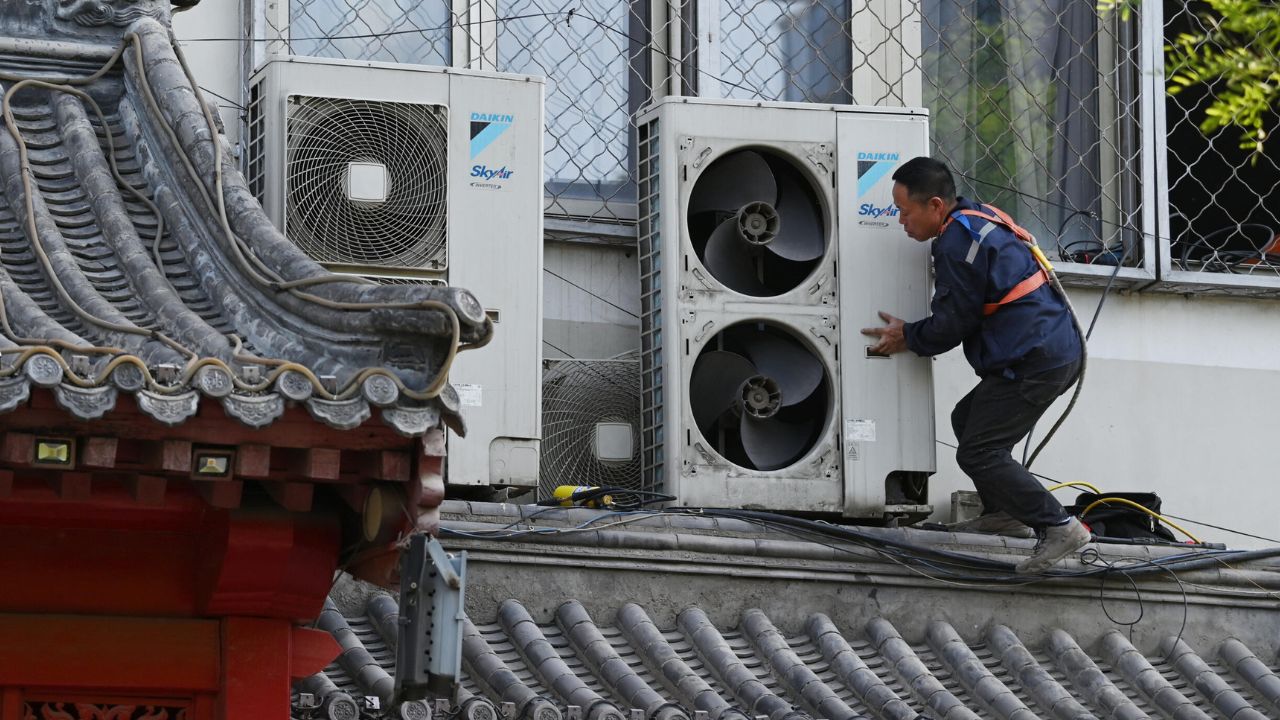
    Hong Kong (AFP) – A record-breaking heatwave is broiling parts of Asia, helping drive surging demand for cooling options, including air-conditioning.

    AC exhaust units are a common feature of urban landscapes in many parts of Asia, clinging like limpets to towering apartment blocks in Hong Kong or tucked in a cross formation between the windows of a building in Cambodia.

    They offer relief from temperatures that have toppled records in recent weeks, with many countries in the region hitting 40 degrees Celsius (104 Fahrenheit) or higher.

    Scientists have long warned that human-induced climate change will produce more frequent, longer and more intense heatwaves.

    Only 15 percent of homes in Southeast Asia have air-conditioning, according to a 2019 report by the International Energy Agency (IEA).

    But that figure obscures vast variations: ranging from around 80 percent installation in Singapore and Malaysia, to less than 10 percent in Indonesia and Vietnam, the IEA said.

    Forecasts suggest that higher temperatures and better wages could see the number of air-conditioning units in Southeast Asia jump from 40 million in 2017 to 300 million by 2040.

    That would stretch local electricity capacity, which is already struggling under current conditions.

    Myanmar is producing only about half the electricity it needs each day, with the junta blaming weak hydropower because of scant rains, low natural gas yields and attacks by its opponents on infrastructure.

    Thailand has seen record power demand in recent weeks, as people retreat indoors to cooled homes or businesses.

    Air-conditioning is already responsible for the emission of approximately one billion metric tons of carbon dioxide per year, according to the IEA, out of a total of 37 billion emitted worldwide.

    Still, cooling options like air-conditioning are a key way to protect human health, especially for those who are most vulnerable to the effects of extreme heat: children, the elderly and those with certain disabilities.

    With demand surging, dozens of countries last year signed up to the United Nations’ Global Cooling Pledge, a commitment to improve the efficiency of air conditioners and reduce emissions from all forms of cooling.

    Some countries have been trying to reduce the impact of cooling for years.

    Since 2005, Japan has encouraged office workers to ditch ties and jackets so air conditioners can be kept at 28 degrees Celsius.

    The annual “Cool Biz” programme took on new significance during power shortages in 2011 following the shutdown of nuclear plants after the Fukushima disaster.

  • No plans for fixed tax on solar power, says Power Division

    No plans for fixed tax on solar power, says Power Division

    The Power Division has dismissed recent media reports suggesting that the government is imposing a fixed tax on solar power.

    According to a notification released by the Information Ministry today, these reports are unfounded and inaccurate.

    The Power Division clarified in a statement that there is no substance to the claims about a fixed tax on solar power.

    It highlighted that neither the Central Power Purchasing Agency nor the Power Division has submitted any summary to the government proposing such a measure.

    The statement highlighted that the Net Metering Policy of 2017 was designed to encourage the use of alternative energy sources, contributing to a significant increase in solar energy adoption.

    This rapid solarization is seen as a positive trend, aligning with the government’s objectives to promote clean energy.

    The Power Division also mentioned that any proposed changes or amendments to current policies are aimed at alleviating financial burdens on the economically disadvantaged.

    It stressed that protecting the interests of the 152,000 net metering consumers remains a priority.

  • Chinese factory shreds wedding photos for fuel

    Chinese factory shreds wedding photos for fuel

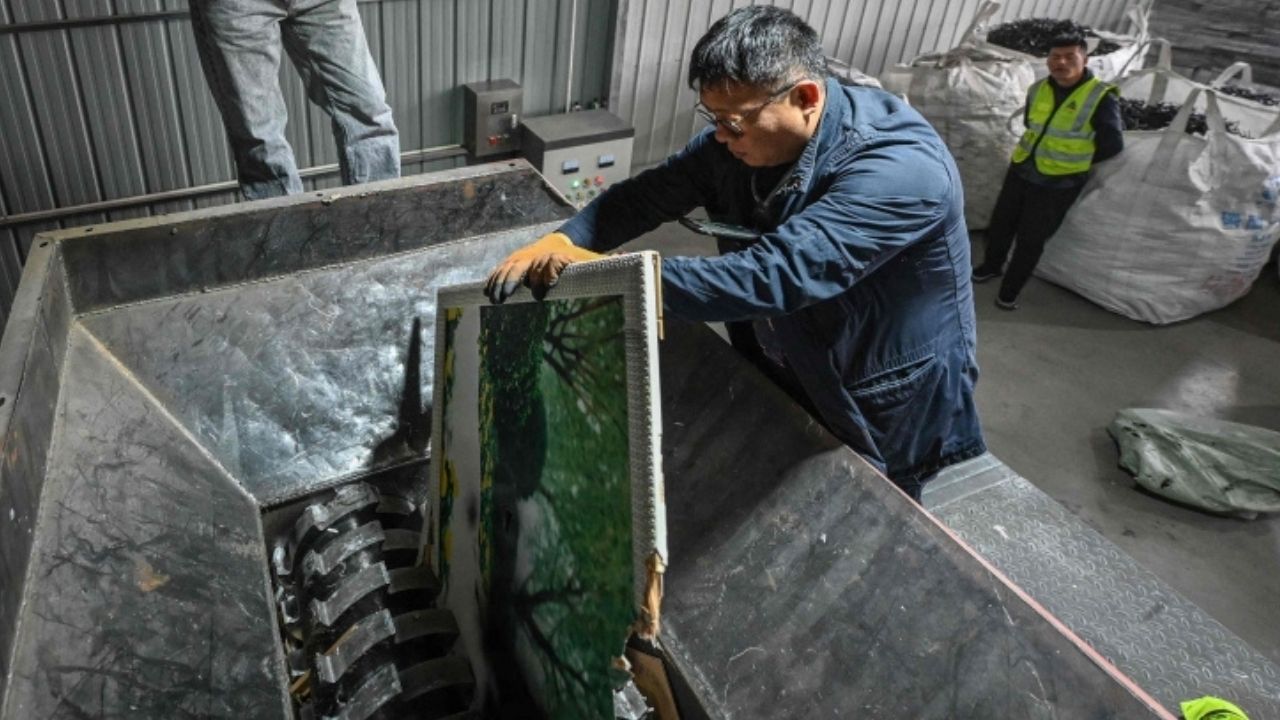
    At a dusty warehouse in northern China, Liu Wei feeds photos of beaming bridal couples into an industrial shredder — turning stories of heartbreak into a source of electricity.

    Wedding photos are big business in China, where parks, temples and historic sites often teem with newlyweds posing for elaborate shots capturing their supposedly unbreakable bond.

    But in a country where millions of divorces take place each year, many marital snaps end up shoved into the attic or tossed into the trash.

    Liu’s company offers an alternative: bereft ex-lovers can have their memories destroyed and recycled into fuel.

    “From our daily business exchanges, we found the destruction of personal belongings is a blank space nationwide,” the 42-year-old told AFP at his factory, 120 kilometres (75 miles) from Beijing.

    “People with less experience in the market probably wouldn’t have spotted this opportunity,” he added.

    Despite cultural taboos around destroying images of living people, Liu’s facility receives an average of five to 10 orders per day from across China.

    They include large wall photos and smaller decorative shots and albums, mostly cast from plastic, acrylic and glass.

    Workers heave the images onto a forklift truck and scatter them onto the warehouse floor for sorting.

    They then obscure every face with dark spray paint to protect client privacy and smash unshreddable glasswork with a sledgehammer.

    “These people are all trying to find closure,” said Liu. “They mainly want to unpick the knots in their hearts.”

    Complex motivations

    Sullied and broken, the pictures give glimpses of broken families in happier times.

    In one, a woman in a white bridal dress reclines on a bed of flowers, while another shows a lovestruck couple gazing into each other’s eyes.

    A sporty pair in matching kits pose with a football, while nearby, a smitten man presses his face tenderly to his pregnant wife’s belly.

    Brandishing his phone, Liu films the defaced photos and sends clips to customers for final confirmation.

    He estimates he has served about 1,100 clients — mostly under the age of 45, and around two-thirds women — since launching the service a year ago.

    They typically speak little about their separations, and several declined interview requests from AFP.

    Liu says the motivations for destroying wedding photos are often complex.

    “Few of them do this out of malice,” he told AFP.

    “It might be that this item brings on certain thoughts or feelings… or be a hurdle hard to overcome.”

    Some clients attend the destructions in person to give a sense of ceremony to a closing chapter in their lives, said Liu.

    Others keep their photos for years and only dispose of them when they remarry or finally come to terms with a former spouse’s death.

    Given the irreversible nature of the process, Liu says he gives clients a final chance to salvage their items in case they live to regret their decision.

    After getting the green light, he films his staff gently pushing the photos into the shredder’s gnashing teeth.

    The debris is taken to a nearby biofuel plant where it is processed with other household waste to generate electricity.

    ‘Respect others’ choices’

    Divorce rates soared in socially conservative China after marriage laws were relaxed in 2003.

    They have fallen dramatically since the government enacted a law in 2021 mandating a month-long “cooling-off” period before couples untie the knot.

    China registered 2.9 million divorces in 2022, down from over 4.3 million two years earlier.

    The number of marriages rose last year for the first time in nearly a decade, giving Beijing some relief as it seeks to reverse a steep fall in births.

    After annihilating the visual evidence of hundreds of unions, Liu says he has become numb to the emotions they stir up.

    “The deepest feeling I have in my heart towards my clients… is that you must respect others’ choices,” he said.

    “You must never persuade people one way or another,” he added. “It does no good.”
  • Electronic goods including solar panels getting expensive as summer approaches

    Electronic goods including solar panels getting expensive as summer approaches

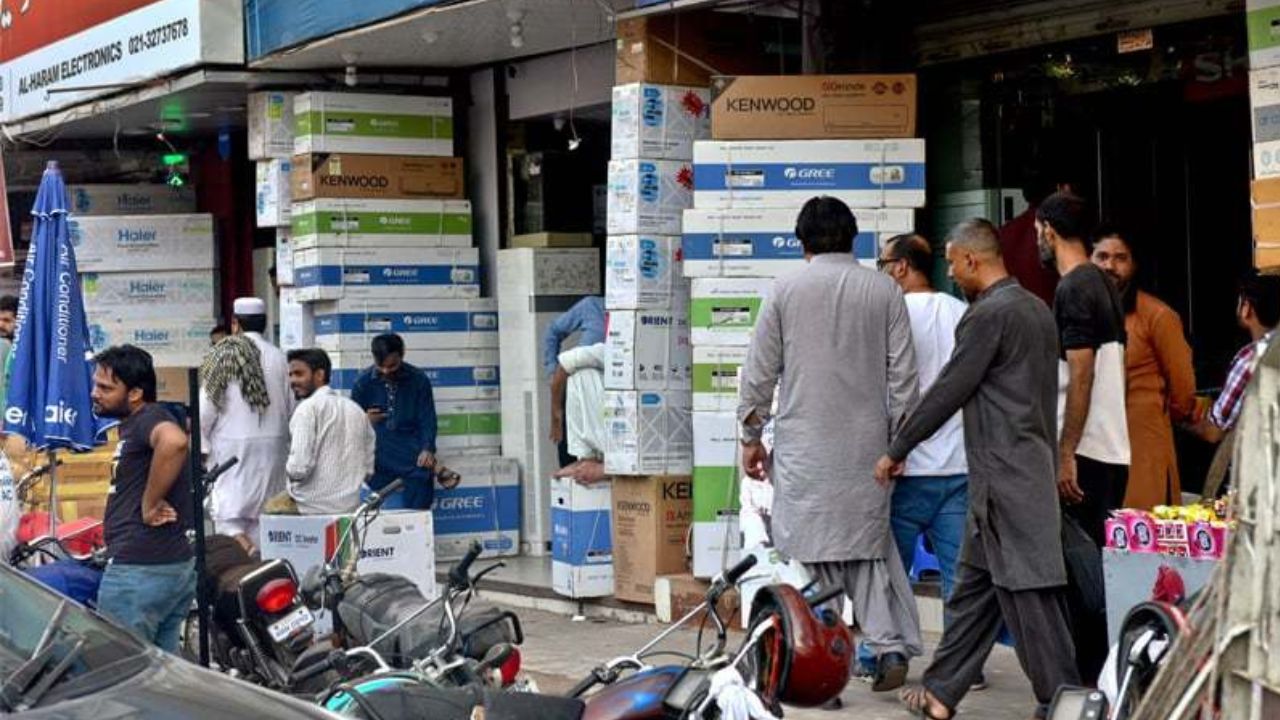
    In the latest price fluctuation to hit the market, an increase in electricity cost has been followed by a rise in prices of solar panels and other electronic goods.

    Within a span of one week alone, prices for electronics in the markets have increased by 20 per cent.

    It has been reported that electronic equipment have become more expensive in link with the increase in electricity prices i.e. by Rs 7.05 per unit.

    Likewise, the prices of solar plates have also increased by 20 per cent.

  • Pakistan grapples with 23% surge in power generation costs amidst economic woes

    Pakistan grapples with 23% surge in power generation costs amidst economic woes

    In a startling development, the cost of power generation in Pakistan has surged by a staggering 23 per cent in January 2024, compared to the same period last year, reports the brokerage house Topline Securities.

    The average cost per kilowatt-hour (KWh) soared to Rs13.8, marking a significant increase from Rs11.20/KWh recorded in January 2023.

    The substantial hike in costs is attributed primarily to elevated expenses in power generation from gas and nuclear sources, which witnessed a spike of 43 per cent and 24 per cent, respectively, on a yearly basis. Moreover, the fuel cost for furnace oil (FO) also surged by 22 per cent year-on-year, according to data from Topline Securities.

    This surge comes as a severe blow to the populace, which is already grappling with high inflation and sluggish economic activity. Rising electricity bills have compounded the financial burden on citizens.

    In terms of power generation, Pakistan witnessed a marginal decline of over 2 per cent in January 2024 compared to the same period last year, with total generation amounting to 8,313 GWh (11,175 MW).

    The decline in power generation was predominantly due to a decrease in coal-based generation, which plummeted by 20 per cent year-on-year. Gas and wind power generation also witnessed declines of 10 per cent and 55 per cent, respectively.

    However, there was a 9 per cent increase in power generation on a monthly basis, indicating some fluctuation in the generation patterns.

    Coal emerged as the primary source of power generation in January 2024, constituting 23.4 per cent of the total generation mix, surpassing nuclear and RLNG (re-gasified liquid natural gas). Nuclear energy accounted for 20.8 per cent of the overall generation, while RLNG contributed 18.2 per cent.

    Renewable sources like wind, bagasse, and solar collectively made up a modest portion of the generation mix, indicating a potential for further development and investment in sustainable energy solutions.

    Overall, the surge in power generation costs coupled with a slight decline in generation highlights the challenges facing Pakistan’s energy sector and underscores the need for strategic measures to ensure an affordable and sustainable power supply in the country.